 0086-138 3838 9622
Refuse Derived Fuel Pellet Plant in Vietnam
RICHI MACHINERY
overview
This project is a large-scale industrial refuse derived fuel pellet plant in Vietnam, designed and implemented to convert industrial biomass waste and paper industry residues into high-density RDF fuel pellets for industrial energy applications. The facility was constructed using the client’s existing factory infrastructure and integrates pelletizing, material handling, storage, and environmental protection systems into a continuous industrial production line.
The refuse derived fuel pellet plant in Vietnam has a designed annual production capacity of 100,000 tons of RDF pellets, operating continuously across three shifts per day. The project was developed to support Vietnam’s rapidly expanding biomass energy sector and to address increasing industrial demand for alternative solid fuels to replace coal in boilers, cement kilns, and thermal power plants.
This project represents a complete industrial RDF pelletizing system engineered based on locally available raw materials, including paper mill sludge, wood sawdust, agricultural straw, and bark. These materials are converted into standardized RDF pellets with high carbon content and consistent combustion performance.
The total project investment is approximately USD 420,000, including USD 16,800 allocated specifically to environmental protection systems such as dust control, waste management, and noise reduction.
The refuse derived fuel pellet plant in Vietnam operates 300 days per year, with a workforce of 10 employees and a total plant footprint of 1,755 square meters.
10-15T/H
capacity
USD 420,000
investment
Vietnam
location
Fuel
project type
RICHI MACHINERY
Client Background
The client is a biomass energy service provider located in southern Vietnam, specializing in supplying alternative fuel to industrial boiler operators, cement plants, and manufacturing facilities. Prior to building this refuse derived fuel pellet plant in Vietnam, the client sourced RDF fuel from third-party suppliers, which resulted in unstable quality, inconsistent delivery schedules, and fluctuating procurement costs.
Vietnam has experienced rapid industrialization over the past two decades, particularly in sectors such as cement manufacturing, food processing, textile production, and paper manufacturing. These industries require reliable thermal energy sources and are increasingly transitioning from coal to renewable and waste-derived fuels due to environmental regulations and fuel cost pressures.
At the same time, Vietnam’s paper industry produces large quantities of sludge residues during pulp processing. These residues, along with wood sawdust and agricultural biomass, represent an abundant and underutilized resource suitable for RDF pellet production.
Recognizing this opportunity, the client invested in constructing a refuse derived fuel pellet plant in Vietnam to achieve the following strategic objectives:
• Secure stable fuel production capacity
• Reduce dependence on external suppliers
• Utilize locally available biomass and industrial waste
• Improve profit margins through vertical integration
• Support Vietnam’s renewable energy development
RICHI MACHINERY
Plant Construction and Functional Layout
The refuse derived fuel pellet plant in Vietnam was constructed within an existing factory facility owned by the client. The total construction area is 1,755 m², and the plant layout was carefully designed to optimize production efficiency, material flow, and operational safety.
Plant Engineering Composition
| Engineering Category | Facility Name | Area | Function |
|---|---|---|---|
| Production Area | Feeding Area | 450 m² | Raw material loading and preparation |
| Production Area | Pelletizing Area | 450 m² | Pellet production and processing |
| Storage Area | Raw Material Storage | 430 m² | Biomass and sludge storage |
| Storage Area | Finished Product Storage | 405 m² | RDF pellet storage |
| Waste Storage | Solid Waste Storage | 10 m² | Collection of recyclable waste |
| Waste Storage | Hazardous Waste Storage | 10 m² | Storage of oil and maintenance waste |
The refuse derived fuel pellet plant in Vietnam uses a linear production layout, allowing raw materials to move efficiently from receiving to pelletizing and final storage.
RICHI MACHINERY
Production Capacity and Product Specifications
The plant produces refuse derived fuel pellets designed for industrial combustion applications.
Product Specifications
| Product Name | Annual Output | Storage Capacity | Pellet Size | Density | Carbon Content |
|---|---|---|---|---|---|
| RDF Fuel Pellet | 100,000 tons/year | 2,500 tons | 80×60×50 mm | 0.8–1.3 g/cm³ | 30–50% |
These RDF pellets are used primarily in:
• Cement kilns
• Industrial boilers
• Thermal power plants
RICHI MACHINERY
Raw Materials and Resource Supply System
Vietnam has abundant biomass resources due to its extensive agricultural and forestry industries. The refuse derived fuel pellet plant in Vietnam utilizes waste streams from paper mills, wood processing factories, and agricultural operations.
Raw Material Consumption
| Raw Material | Annual Consumption | Storage Capacity |
|---|---|---|
| Paper mill sludge | 60,000 tons | 1,500 tons |
| Wood sawdust | 20,000 tons | 500 tons |
| Agricultural straw | 10,000 tons | 500 tons |
| Tree bark | 10,000 tons | 500 tons |
These materials are locally sourced and provide stable supply throughout the year.
Paper mill sludge contains plant fibers and has moisture content around 20%, making it suitable for pellet production after blending.
RICHI MACHINERY
Utility Consumption and Energy Requirements
The refuse derived fuel pellet plant in Vietnam was designed to operate efficiently with moderate energy consumption.
Utility Consumption
| Resource | Annual Consumption |
|---|---|
| Water | 5,150 m³ |
| Electricity | 500,000 kWh |
Water is primarily used for pellet moisture adjustment.
Electricity powers pellet machines, conveyors, and auxiliary systems.
RICHI MACHINERY
Production Equipment Configuration
The refuse derived fuel pellet plant in Vietnam uses industrial pelletizing equipment designed for continuous heavy-duty operation.
Equipment List
| Equipment Name | Specification | Quantity |
|---|---|---|
| Pellet Machine | 3 t/h | 5 |
| Loader | Industrial | 3 |
Total hourly capacity: approximately 15 tons/hour
Annual capacity: 100,000 tons
RICHI MACHINERY
Detailed Production Process Workflow
The refuse derived fuel pellet plant in Vietnam uses a direct pelletizing process optimized for biomass and paper sludge materials.
Production Process Steps
- Raw Material Receiving
Raw materials are delivered by truck and inspected. - Raw Material Storage
Materials are stored in designated storage areas. - Feeding
Loaders transfer materials into the pelletizing system. - Mixing and Moisture Adjustment
Water is added to achieve proper moisture content. - Pelletizing
Pellet machines compress material into dense fuel pellets. - Cooling and Stabilization
Pellets cool naturally. - Storage
Finished pellets are stored before shipment.
RICHI MACHINERY
Water Balance and Consumption
Water Balance
| Usage | Consumption | Discharge |
|---|---|---|
| Production | 5,000 m³/year | 0 |
| Domestic | 150 m³/year | 120 m³/year |
| Total | 5,150 m³/year | 120 m³/year |
Production water becomes part of the pellets.
RICHI MACHINERY
Power Supply System
The refuse derived fuel pellet plant in Vietnam is connected to the regional electrical grid.
Annual electricity consumption: 500,000 kWh
RICHI MACHINERY
Labor and Operation Schedule
| Parameter | Value |
|---|---|
| Employees | 20 |
| Working Days | 300 days/year |
| Working Hours | 24 hours/day |
| Shifts | 3 shifts/day |
RICHI MACHINERY
Equipment Transportation and Logistics
All pellet equipment was shipped from Qingdao Port to Port of Ho Chi Minh City.
Transportation method: Sea freight
Transit time: approximately 12 days
RICHI MACHINERY
Economic Performance and Investment Analysis
Equipment investment cost: USD 268,000
Total project investment: USD 420,000
Annual revenue: USD 9 million
Estimated payback period: 12–16 months
RICHI MACHINERY
Future Outlook of RDF Pellet Industry in Vietnam
The refuse derived fuel pellet plant in Vietnam is positioned within a rapidly growing renewable energy sector. Vietnam’s government encourages biomass energy development to reduce dependence on coal and imported fossil fuels.
Industrial users increasingly prefer RDF pellets due to their:
• Lower cost
• Renewable origin
• Stable supply
• Environmental compliance
With abundant biomass resources and strong industrial demand, refuse derived fuel pellet plant in Vietnam projects offer excellent long-term investment potential.
This project demonstrates how biomass waste can be converted into valuable energy products, supporting both economic and environmental sustainability.
● RICHI MACHINERY
RICHI Service

● Consulting
Customer Consultation
We want to have a deep understanding of your industrial process, to know your exact needs of feed, wood, biomass, fertilizer or other pellet processing.

● Design
RDF Pellet Plant Design
Based on your unique situation and industrial process, we will tailor complete pellet plant you need, and inform you of every additional detail that could facilitate operation, minimize total cost.
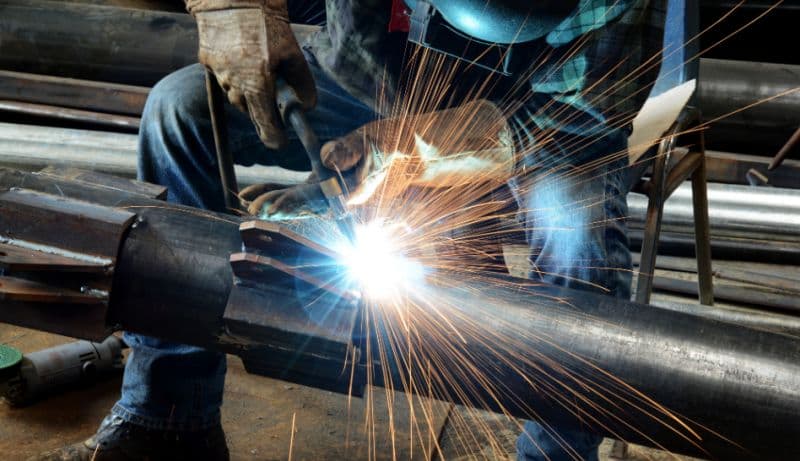
● Manufacturing
Equipment Manufacturing
The critical components of the of the complete pellet production line equipment are built in our own workshops in Asia. Additional equipment is manufactured by our worldwide network of reliable partners.
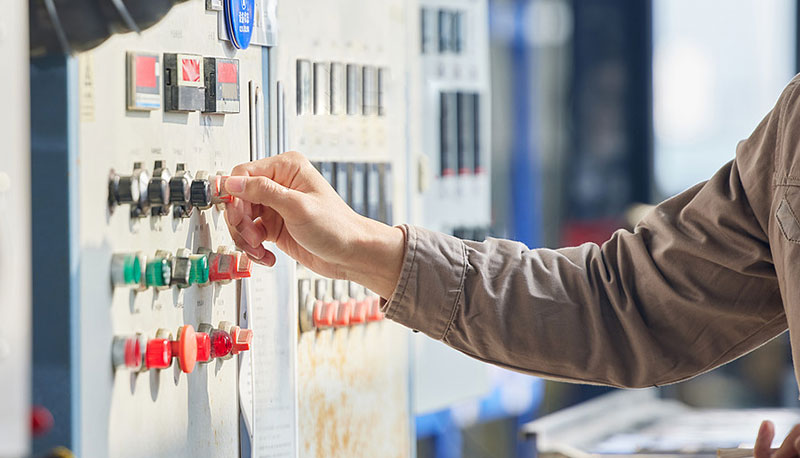
● Testing
Quality Inspection & Testing
Before leaving the factory, all equipment will be inspected by the quality inspection department. We can also provide customers with testing services from a single machine to a complete pellet plant system, and provide you with real actual data for “worry-free use.”

● Delivery
Equipment Delivery
In equipment boxing and packaging, we adopt professional packaging and modular solutions to ensure the safe and non-destructive delivery of pellet plant equipment.
● Installation
Installation & Commissioning
Whether you choose your own subcontractor for the erection phase or you want to install everything together with us, a Richi supervisor will be around to make sure everything is mounted in a safe and thorough way.

● Training
Staff Training
We provide comprehensive training for the technicians of each project. We can also continue to provide support for the technicians during latter project operation.
● After-sales
Project Follow-Up
When everything is up and running our Richiers will help you further whenever needed. We are ready to answer your call 24/7.We’ll also visit you regularly to learn about your needs.
Who we are
RICHI Machinery is one of the world’s leading suppliers of technology and services for the animal feed, aqua feed and pet food industries, also the largest pellet production line manufacturer in China.
Since 1995, RICHI’s vision to build a first-class enterprise, to foster first-class employees, and to make first-class contributions to society has never wavered.
In the past three decades, we have expanded our business to a wide range of areas, including animal feed mill equipment, aqua feed equipment, pet feed equipment, biomass pellet equipment, fertilizer equipment, cat litter equipment, municipal solid waste pellets equipment, etc.

1995
RICHI Established

2000+
Serving More Than 2000 Customers

120+
RICHI Employees

140+
Exported To 140 Countries