0086-138 3838 9622
Extruded Soybean Production Line in Indonesia
Feed-ingredient orders drive the extruded soybean production line in Indonesia, with a selected 12 T/H whole-bean duty. RICHI coordinates steam conditioning, extrusion, moisture removal and bagging around the customer’s product analysis and available industrial services.

RICHI MACHINERY
An Extruded Soybean Production Line in Indonesia for Feed Ingredients
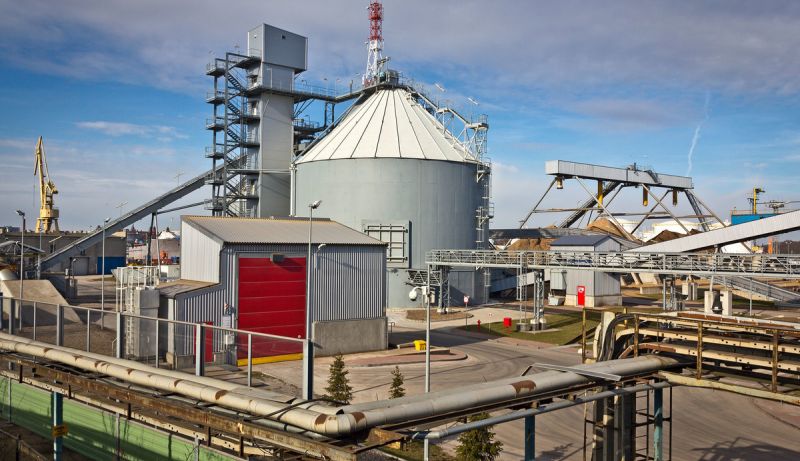
The extruded soybean production line in Indonesia supplies a feed-ingredient business in East Java with a selected 12 T/H whole-soybean processing duty. It combines preparation, steam conditioning, extrusion, controlled moisture removal and cooled-product finishing within available industrial buildings.
The annual design programme is 30,000 tonnes of full-fat soybean ingredient. RICHI’s package focuses on the treatment and physical form required by downstream feed mills, with purchased steam and local utilities identified separately from the equipment supplied for the processing line.
12 T/H
capacity
USD 650,000
investment
Indonesia
location
Full-fat soybean
project type
RICHI MACHINERY
The Customer Adds Processing to Its Ingredient Business
The customer trades feed ingredients and supplies poultry and other feed manufacturers. Whole-soybean extrusion adds a different product to that business: an ingredient retaining the bean’s oil while receiving controlled thermal and mechanical treatment. The purchasing discussion therefore includes energy, protein quality, storage condition and physical form.
For the extruded soybean production line in Indonesia, the annual schedule is 250 operating days with 10 net processing hours a day. A 12 T/H finished-product duty over those 2,500 hours gives 30,000 tonnes. The daily programme leaves defined time for handover, cleaning and maintenance instead of counting every hour on site as full-output production.
The selected arrangement uses three whole-soybean extrusion modules around a 4 T/H duty each. The quantity follows that material-specific machine selection and the customer’s combined requirement. Feed-extrusion or maize-extrusion ratings are not substituted for soybean output when checking the number of modules.
The customer sells the ingredient against an agreed analysis and handling specification. Full-fat soy is not automatically a nutritionally equivalent replacement for the same weight of soybean meal. Downstream nutritionists account for the retained oil and the actual nutrient analysis when adjusting their feed formulas.
RICHI MACHINERY
The 3,000 m² Building Allocation Includes Finished Storage
The extruded soybean production line in Indonesia uses 3,000 m² of covered space in the customer’s available factory. That figure describes building functions, not a separately verified total land area. External vehicle access and service connections are checked on the host site’s layout.
| Covered function | Area | Use |
|---|---|---|
| Main process and service access | 1,400 m² | Preparation, three extrusion modules and finishing |
| Finished-product area within the production hall | 600 m² | Released bags and dispatch preparation |
| Raw soybean warehouse | 750 m² | Identified accepted bean lots |
| Office, staff and production records | 240 m² | Supervision, quality records and administration |
| Weighbridge control room | 10 m² | Receiving and dispatch weight records |
The first two functions occupy the 2,000 m² main hall. Finished storage is therefore included once, rather than added again outside the building total. The customer checks equipment removal, lifting access and safe walkways before allocating the rest of the hall to pallets.
The raw warehouse uses a selected working stock limit around 300 tonnes, subject to the actual bag or bulk arrangement. Finished-product planning uses around 120 tonnes as a normal working limit. These operating stock allowances retain space for access, lot separation and the agreed stacking arrangement.
At full selected output, the extruded soybean production line in Indonesia makes around 120 tonnes a day. Regular collections keep the oil-rich finished ingredient moving while the stores provide a practical buffer. Batch release and dispatch dates remain visible when product is held for a downstream mill.
RICHI MACHINERY
What the Feed Mill Receives
The extruded soybean production line in Indonesia produces cooled full-fat soybean grist, normally around 1–2 mm after the selected finishing stage. Product is packed in identified 50 kg bags. A buyer needing a coarser form or another bag weight receives a separate agreed specification and packing assessment.
Finished moisture is targeted within 10–12%, with 10% used in the reference annual balance. Protein and fat are measured and declared on the agreed analytical basis. Bean variety and purchasing quality affect those values; extrusion does not create protein or standardise every soybean lot to the same nutrient content.
Treatment must be checked by analysis
Residual trypsin-inhibitor testing, a stated urease method and an appropriate protein-quality measure support product release. Results use specified methods and units. A low urease result is considered alongside protein dispersibility or solubility so that excessive treatment is not mistaken for better processing.
Physical form must suit the next process
The full fat soybean extrusion line supplies an ingredient that will be mixed and may be processed again by a feed manufacturer. The buyer checks flow, particle distribution and dust as well as laboratory analysis. A visually expanded product is not released simply because it appears porous or has a toasted smell.
RICHI MACHINERY
Soybeans and Steam Cross Different Supply Boundaries
The annual soybean allowance for the extruded soybean production line in Indonesia is 31,000 tonnes. The reference calculation uses 12% incoming moisture, 10% finished moisture and approximately 1% dry-material loss through cleaning and handling. Actual purchasing follows weighed usable beans and the measured moisture condition.
The customer can buy approved whole soybeans through established ingredient channels serving East Java. Supplier identity, storage condition and delivery consistency are checked without assuming that every available soybean is appropriate for this particular feed ingredient. Raw beans are sampled before they enter the clean process route.
| Resource | Annual planning allowance | Boundary |
|---|---|---|
| Whole soybeans | 31,000 tonnes | Gross accepted-bean programme |
| Electricity | 1,800 MWh | Processing drives and local supporting equipment |
| Purchased steam | 2,500 tonnes | Conditioning and finishing-heater demand |
| Local fresh water | 350 m³ | Sanitary use and controlled cleaning |
Steam is purchased from the host industrial supply, with quantity measured in tonnes at the agreed supply boundary. The available connection must support a selected 2,000 kg/hour peak allowance after other users are supplied. Steam pressure, quality and condensate arrangements are confirmed at the actual tie-in.
Fresh water supplied locally excludes the upstream water used by the central steam producer. Of the 350 m³ local allowance, around 200 m³ serves staff use and 150 m³ controlled cleaning and services. This avoids counting the same utility once as purchased steam and again as a supposed on-site boiler-water input.
RICHI MACHINERY
Three Extrusion Modules, One Coordinated Finishing Route
The extruded soybean production line in Indonesia uses a common preparation system and three controlled extrusion modules. Each module has its own feeder and conditioner. Shared finishing provides controlled moisture removal followed by cooling for the combined product stream.
The arrangement allows each module’s record to be checked against the combined product. During trials, the extruded soybean production line in Indonesia measures feed rate and takes identified samples from each stream before the released material is blended into a common dispatch lot. If one module’s treatment response changes, the team can isolate that stream and inspect its feed, steam and wearing parts while preserving the identity of product already made.
| Equipment | Selected parameter | Quantity |
|---|---|---|
| Receiving cleaner, stone removal and magnets | At least 15 T/H accepted-bean preparation | One set |
| Bean preparation mill | 160 kW; selected at least 15 T/H at the agreed grist | One |
| Wet whole-soybean extruder | 160 kW main drive; selected 4 T/H soybean duty | Three |
| Controlled feeder and steam conditioner | One set for each module | Three sets |
| Flash and air-finishing train | Combined 1,000 kg/hour water-removal allowance | One integrated route |
| Finishing air heater | 600 kW thermal allowance, supplied through steam | One |
| Product cooler | At least 12 T/H finished-product duty | One system |
| Grist finishing and screening | Selected 1–2 mm dispatch form, at least 12 T/H | One set |
| Bagging scales | 50 kg bags; at least 3 bags/minute each | Two |
| Extraction, transfer and electrical controls | Sized for the combined route | One integrated package |
The installed electrical allowance is 1,000 kW. The three main extrusion drives account for 480 kW before grinding, fans, conveying and other equipment are added. The 600 kW air-heater duty is supplied through the separate steam connection.
At the extruded soybean production line in Indonesia, machine output and treatment quality are established using representative beans and the required release tests. A selected 4 T/H duty per module is a process design point, not an unconditional promise for every moisture condition, screw arrangement or downstream specification.
The two bagging stations provide 18 T/H combined nominal filling capacity at the selected 50 kg weight and rate. That gives allowance above the 12 T/H product duty for bag replacement, check-weighing and routine handling. The customer also provides the pallet movement needed to keep finished bags clear of the processing route.
RICHI MACHINERY
Preparing, Treating and Finishing the Beans
Receive and identify the lot
Operators record the supplier, delivery weight and sampling status. Beans awaiting release remain segregated. Screening and stone removal address different contaminants, with magnetic protection before vulnerable equipment. Rejected foreign material does not return to the feed-ingredient stream.
Produce a consistent grist
The preparation mill reduces beans for the selected wet process, normally to an approximately 1–2 mm preparation range. Sieve checks establish the actual result. Feeder output and bean moisture are checked when the grinder’s load changes, before a different screen or operating rate is selected.
Divide supply between the three modules
The common preparation route feeds controlled buffers and metered feeders. Stable mass flow helps each conditioner maintain a repeatable treatment. The operator does not assume that three screws turning at the same speed necessarily deliver identical soybean tonnage.
Add steam and establish the working condition
Conditioning adds heat and moisture before extrusion. Trials normally examine a suitable conditioned-moisture window around 15–18%, with the final setting based on the actual beans and laboratory response. Condensate is removed from the steam supply so that uncontrolled water does not enter with a nominal steam adjustment.
Extrude and verify treatment
The extruded soybean production line in Indonesia controls temperature, feed rate, moisture and the working screw arrangement together. Discharge settings are established through material trials and release testing. The process reduces anti-nutritional activity to the agreed specification while avoiding unnecessary heat damage; one temperature reading is not the acceptance test.
Remove the water that actually enters
At the reference balance, around 1,550 tonnes of the annual steam programme enters conditioning. Together with bean moisture, this requires approximately 893 kg/hour of water removal across the selected operating hours to reach the 10% finished reference. Flash release and controlled air finishing share that task, with steam-heated air assistance when required.
Cool, finish the grist and pack
The cooler reduces product temperature before the final grist and screening stages. Operators check centre temperature and moisture before bagging. Identified product awaiting laboratory release stays on hold, and released 50 kg bags retain the connection to their bean lot and operating record.
Finishing checks also examine the product after the normal storage and handling interval agreed with the buyer. The team compares particle distribution, bag condition and the specified quality measurements using retained samples.
For an oil-rich ingredient, the customer’s storage conditions and turnover are part of the supply discussion. The agreed specification establishes how the product is held and when additional testing is appropriate, rather than assigning an unlimited shelf life from its appearance at the cooler.
RICHI MACHINERY
Managing Exhaust, Dust and the Working Area
The extruded soybean production line in Indonesia separates dry bean-dust extraction from warm, moist finishing exhaust. This helps avoid returning condensation to dry material collection. Airflow, collection equipment and accessible cleaning points are checked as part of the complete installation.
Clean dust from an identified food or feed ingredient route can be assessed for controlled recovery. Mixed floor sweepings, contaminated dust and rejected material remain outside routine production. The customer records the source and return limit instead of treating every collected powder as usable soy product.
The soybean processing plant keeps raw-bean receiving and finished-ingredient handling under separate housekeeping routines. Tools and collection containers are identified for their work area, and the cleaning programme addresses the warm, humid sections of the finishing route. Operators inspect for deposits and condensation where moist exhaust is handled. Those observations help protect the released ingredient and give the maintenance team a clear location to inspect when airflow or product condition changes.
Sanitary water and controlled cleaning drainage follow appropriate site arrangements. The central steam supply has its own boiler-water and condensate boundary, while the local installation checks its traps and returns. Cleaning drainage, sanitary water and any condensate losses are included in the local drainage assessment.
The equipment layout includes guarding, isolation and access for screw, liner and grinder-screen work. Soybean dust, hot product and stored oil-rich ingredients require housekeeping and stock control. The operator checks cooling and release before stacking bags, particularly under warm and humid conditions.
RICHI MACHINERY
Staffing, Utility Planning and the Investment Boundary
Twenty roles support the extruded soybean production line in Indonesia: eight operating roles across the working periods, four warehouse roles, two quality roles, two maintenance roles and four administration, purchasing and planning roles. Some support duties can be coordinated with the customer’s ingredient-trading activity, while process responsibility remains identified.
Annual electricity planning is 1,800 MWh, or approximately 60 kWh per tonne of finished ingredient. Purchased steam planning includes around 1,550 tonnes for conditioning and 950 tonnes for air-heater assistance and related service allowances. Actual consumption follows bean condition, ambient air, recipe settings and the approved finished moisture.
The equipment budget is USD 420,000 and the total project budget is USD 650,000. The total covers the selected equipment, delivery allowances, installation, foundations, building adaptation and defined electrical and steam connections. It uses available premises and purchased steam; land purchase, new industrial buildings and a central boiler plant are outside the stated basis.
For buyers comparing a soybean extrusion plant cost, the moisture-removal and utility boundaries deserve particular attention. A quotation containing an extruder and a cooler alone does not describe this 12 T/H preparation, treatment, finishing and bagging route. The customer compares the same bean condition, annual schedule and release requirement before assessing price.
The extruded soybean production line in Indonesia’s daily programme is approximately 120 tonnes, equivalent to 2,400 bags at 50 kg net. The two selected bagging stations can provide a combined six bags a minute, leaving time for routine interruptions within the packing schedule. The customer checks bag supply, pallet movement and release timing at that daily quantity. This turns the packing specification into a usable warehouse and staffing plan for the ingredient business.
RICHI MACHINERY
Test Your Soybeans With RICHI
Send RICHI representative beans, their moisture range and the analysis your feed customers require. Include the building drawing, daily product volume, pack size and the available steam connection.
We can prepare an extruded soybean production line in Indonesia with the selected soybean processing equipment, coordinated module capacity and complete finishing route. The proposal sets out the wet soybean extrusion line parameters, local-work scope and trial measurements needed to approve both output and product treatment.
● RICHI MACHINERY
RICHI Service

● Consulting
Customer Consultation
We want to have a deep understanding of your industrial process, to know your exact needs of feed, wood, biomass, fertilizer or other pellet processing.

● Design
grain extrusion Plant Design
Based on your unique situation and industrial process, we will tailor complete pellet plant you need, and inform you of every additional detail that could facilitate operation, minimize total cost.
● Manufacturing
Equipment Manufacturing
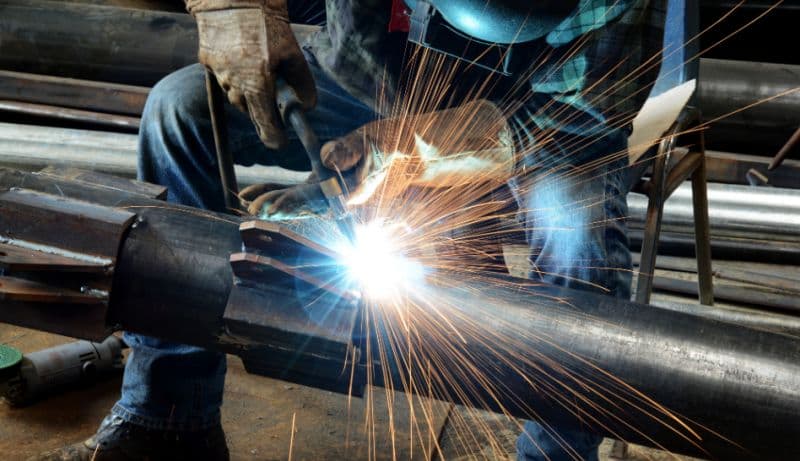
The critical components of the of the complete pellet production line equipment are built in our own workshops in Asia. Additional equipment is manufactured by our worldwide network of reliable partners.

● Testing
Quality Inspection & Testing
Before leaving the factory, all equipment will be inspected by the quality inspection department. We can also provide customers with testing services from a single machine to a complete pellet plant system, and provide you with real actual data for “worry-free use.”
● Delivery
Equipment Delivery
In equipment boxing and packaging, we adopt professional packaging and modular solutions to ensure the safe and non-destructive delivery of pellet plant equipment.
● Installation
Installation & Commissioning
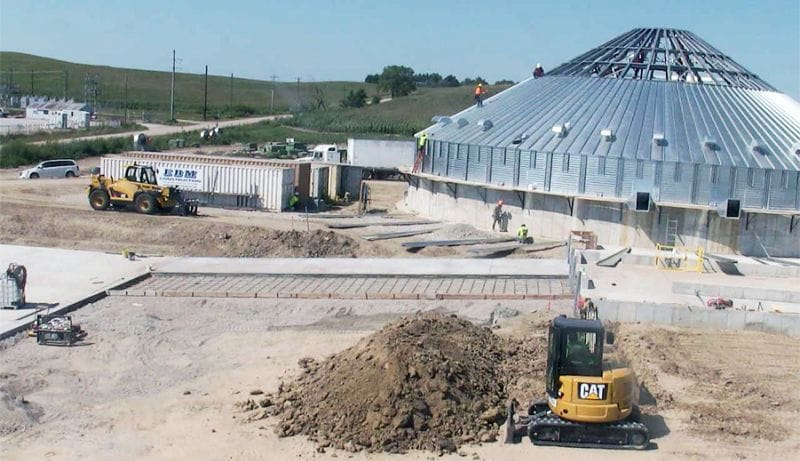
Whether you choose your own subcontractor for the erection phase or you want to install everything together with us, a Richi supervisor will be around to make sure everything is mounted in a safe and thorough way.

● Training
Staff Training
We provide comprehensive training for the technicians of each project. We can also continue to provide support for the technicians during latter project operation.
● After-sales
Project Follow-Up
When everything is up and running our Richiers will help you further whenever needed. We are ready to answer your call 24/7.We’ll also visit you regularly to learn about your needs.
Who we are
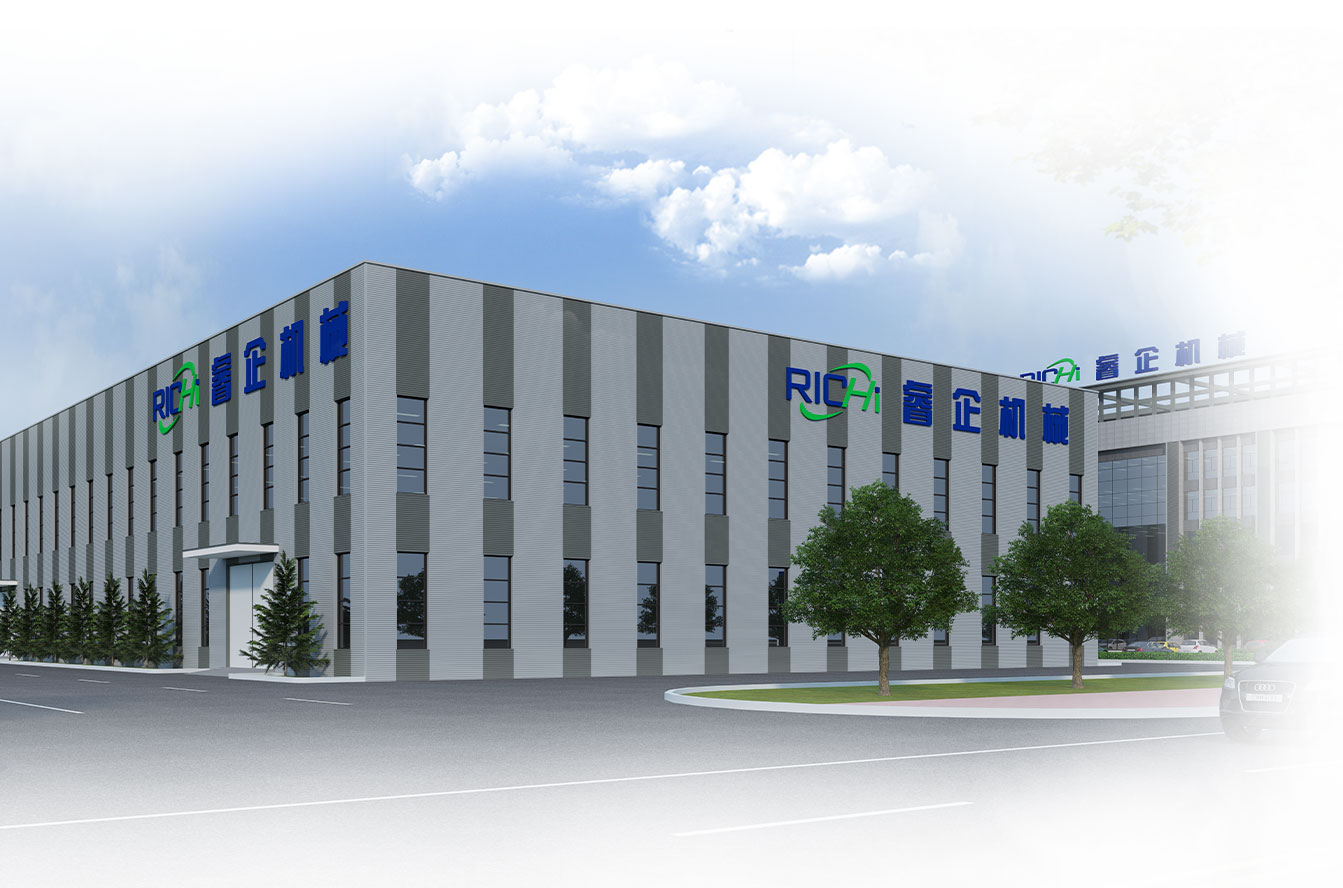
RICHI Machinery is one of the world’s leading suppliers of technology and services for the animal feed, aqua feed and pet food industries, also the largest pellet production line manufacturer in China.
Since 1995, RICHI’s vision to build a first-class enterprise, to foster first-class employees, and to make first-class contributions to society has never wavered.
In the past three decades, we have expanded our business to a wide range of areas, including animal feed mill equipment, aqua feed equipment, pet feed equipment, biomass pellet equipment, fertilizer equipment, cat litter equipment, municipal solid waste pellets equipment, etc.

1995
RICHI Established

2000+
Serving More Than 2000 Customers

120+
RICHI Employees

140+
Exported To 140 Countries