 0086-138 3838 9622
RDF Pellet Manufacturing Plant in Turkey
RDF Pellet Manufacturing Plant in Turkey connects qualified dry residues with a defined cement-fuel programme. Plan a 12 t/h route around controlled preparation, dedicated pressing, active cooling and a daily bulk collection schedule.
RICHI MACHINERY
overview
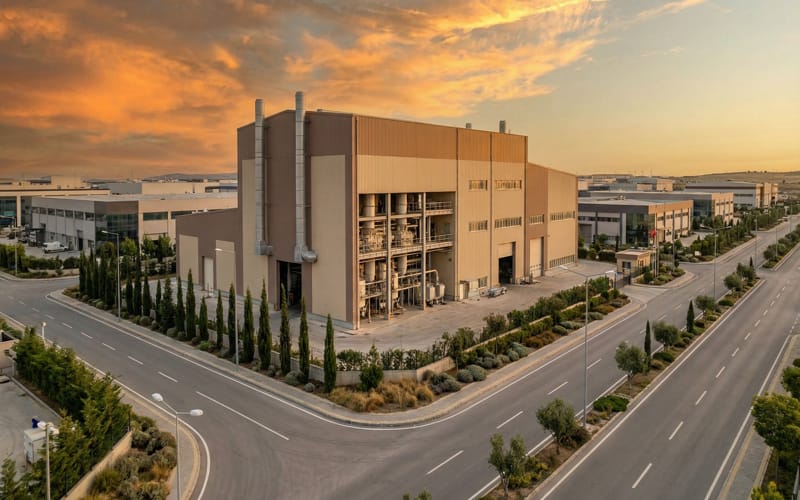
RDF Pellet Manufacturing Plant in Turkey is arranged for a western Turkish recycler supplying a defined alternative-fuel programme to industrial kiln customers. The design duty is 12 t/h of cooled, screened pellets, with preparation, blending and dispatch organised around a three-shift working window.
RICHI supplies the processing package for the existing 6,500 m² industrial property. The annual production plan is 72,000 tonnes, with accepted dry residues, product chemistry and collection schedules specified together so the customer can manage both incoming deliveries and contracted fuel orders.
12 t/h
capacity
USD 735,000
investment
Turkey
location
RDF
project type
RICHI MACHINERY
A Fuel Supplier with a Daily Collection Obligation
The customer for the RDF Pellet Manufacturing Plant in Turkey works with industrial residues in the western manufacturing corridor. Paper and packaging operations, textile businesses and wood processors generate different combustible fractions. Qualified dry olive-pit material adds a separately controlled biomass component to the proposed blend.
The customer’s intended market is cement production, where the receiving plant specifies the fuel it can use. Türkiye’s cement industry already uses alternative fuels, but an individual supplier still needs an acceptable product and a qualified delivery arrangement. The project is developed around those off-take requirements.
RICHI Machinery configures the line as a processing installation within the customer’s existing premises. Incoming material is inspected and segregated, then blended to the agreed fuel recipe. The customer keeps responsibility for authorised waste acceptance, supplier approval and the commercial arrangement with the receiving kiln.
The RDF fuel production line in Turkey is designed to make 240 tonnes per operating day. That quantity makes daily loading and collection important. The factory schedule includes a limited finished-stock reserve, keeping the site ready for the next production and delivery cycle.
Turkish buyers also use ATY, short for atıktan türetilmiş yakıt, when discussing waste-derived fuel. For an ATY pellet plant in Turkey, the machinery proposal needs the same material definitions, fuel specification and authorised receiving route. Those requirements help the recycler connect a local customer enquiry with a clear technical scope.
RICHI MACHINERY
Give the Yard a Job on Every Shift
The RDF Pellet Manufacturing Plant in Turkey uses 4,050 m² of covered operational space within the 6,500 m² plot. The remaining 2,450 m² supports access, external separation, loading and services. Stock limits are defined by both material volume and the approved fire arrangement.
| Covered function | Area | Operating purpose |
|---|---|---|
| Preparation and pelleting | 1,200 m² | Main machinery and service clearance |
| Segregated incoming material | 1,200 m² | Approved stock by supply lot |
| Finished-fuel storage | 1,000 m² | Released product before collection |
| Utilities | 200 m² | Electrical and extraction services |
| Maintenance | 100 m² | Tools, spares and planned servicing |
| Office and staff functions | 300 m² | Control, quality records and personnel |
| Gate and receiving control | 50 m² | Delivery identification |
| Total covered space | 4,050 m² | Existing-premises basis |
The working raw-stock ceiling is approximately 300 tonnes, subject to the actual bulk density and storage configuration. At the gross intake programme, that is a short reserve. The site relies on coordinated supply appointments rather than holding a large seasonal quantity of loose combustible material.
Finished stock is planned around a maximum working quantity of about 240 tonnes. The customer can see the released stock position before confirming collection slots. This keeps truck movements, product cooling and the next day’s output connected in one operating plan.
The dispatch plan also identifies how the kiln receives the fuel: bulk vehicle type, unloading method and collection lot size. The recycler can build a released loading batch without mixing it with a lot still awaiting laboratory approval. Driver instructions and the delivery reference are prepared before loading, helping the gate and warehouse teams work from the same order.
RICHI MACHINERY
A Ten-Millimetre Product for the Receiving System
The RDF Pellet Manufacturing Plant in Turkey produces a specified 10 mm fuel pellet, with a working length target of 10–35 mm. The chosen geometry is checked against the receiving kiln’s storage, conveying and dosing system. It is a product selection for the intended buyer.
| Fuel item | Working design specification |
|---|---|
| Finished duty | 12 t/h |
| Daily finished programme | 240 tonnes |
| Annual finished programme | 72,000 tonnes |
| Pellet diameter | 10 mm |
| Pellet length | 10–35 mm |
| Finished moisture balance | About 10% |
| Net calorific value development target | At least 18 MJ/kg as received |
The contract defines the limits and test methods for chlorine, ash, mercury and other relevant substances. The agreed specification also covers sampling and how a held lot is managed. Chemical acceptance follows laboratory results and the receiving plant’s requirements, supported by material traceability.
The RDF Pellet Manufacturing Plant in Turkey supplies alternative fuel containing both biomass and other accepted combustible fractions. Its fuel description follows the measured composition and agreed documentation. The customer can then present the product accurately to industrial buyers assessing energy value and process compatibility.
RICHI MACHINERY
Buy a Dry Blend, Not an Uncontrolled Mixture
The annual gross intake basis is 75,000 tonnes at an average planning moisture of 12%. Supplier acceptance focuses on segregated dry fractions. Wet olive pomace and unknown mixed wastes are outside this defined material programme; the olive component is qualified dry pit material with a stated moisture and cleanliness specification.
| Material category | Annual gross planning quantity | Particular acceptance point |
|---|---|---|
| Non-recyclable paper and cardboard fractions | 30,000 tonnes | Moisture, coating and foreign material |
| Textile manufacturing residues | 26,250 tonnes | Fibre composition and treatment information |
| Qualified wood residues | 11,250 tonnes | Treatment history and metal contamination |
| Dry olive-pit material | 7,500 tonnes | Moisture, oil residue and grit |
| Total | 75,000 tonnes | Controlled blend-development basis |
For the RDF Pellet Manufacturing Plant in Turkey, the material recipe is a controlled production instruction. A new textile coating or packaging grade can change chlorine, ash and forming behaviour. Such deliveries remain separate until the customer has assessed their suitability within the agreed fuel envelope.
The alternative fuel pellet plant in Turkey keeps a lot reference through receiving, blending and dispatch. The quality team can reconstruct the material combination behind a fuel sample. Supplier performance can then be assessed using rejection rates and production behaviour as well as the delivered weight.
This route does not depend on accepting every available residue. Purchasing concentrates on materials that can be processed consistently and sold to the intended kiln customer, giving the recycler a practical basis for repeat business.
RICHI MACHINERY
One Industrial Duty with Preparation Margin
The RDF Pellet Manufacturing Plant in Turkey is based on one dedicated high-capacity RDF densification module for the specified 12 t/h duty. A 630 kW main-drive basis is used for the agreed material programme. Feeding, die geometry and wear parts are developed for this waste blend and product size.
The preparation section has its own duty above the finished-fuel rate, allowing the buffer to be replenished without forcing the press to follow every incoming loading fluctuation. The specified front-end handling basis is approximately 16 t/h on the accepted loose materials.
| Processing section | Arrangement | Working purpose |
|---|---|---|
| Coarse reduction | One primary industrial shredder | Open and reduce bulky residues |
| Sorting and separation | Controlled layer, magnets and inspection points | Remove unsuitable objects before fine preparation |
| Fine reduction | One matched secondary unit | Prepare the specified particle and fibre distribution |
| Blending | Metered fractions and agitated buffer | Maintain the approved recipe |
| Densification | One RDF module, 630 kW drive basis | 12 t/h finished-product design duty |
| Finishing | Active cooler, screen and controlled returns | Released fuel for bulk loading |
The RDF pelleting equipment in Turkey is selected against material trials that include output, power, wear and screened yield. Flexible textiles and variable paper fractions require a dedicated feed test. Those results define the machine configuration and the operating conditions used for acceptance.
The RDF Pellet Manufacturing Plant in Turkey also includes access for cutters, dies and feeder components. The customer can plan wear-part work between production campaigns instead of discovering that an important service item is blocked by a full storage bay.
RICHI MACHINERY
Four Controlled Zones in the Process
The production route is divided into receiving preparation, recipe preparation, densification and product release. Each zone has a defined handover condition, allowing operators to see whether a problem belongs to incoming material, feed preparation or finishing.
Receiving preparation
The team checks the supplier lot, material identity and moisture before assigning a bay. Coarse shredding opens bulky residues. Metal separation and inspection remove objects that can damage downstream machines. Uncertain material is held outside the approved recipe until its status is resolved.
Recipe preparation
Secondary reduction develops a feed predominantly below 8 mm, with long textile pieces controlled according to the selected die trial. Approved fractions are then metered to the production recipe. The agitated buffer limits bridging and helps maintain a steady bulk condition at the press feeder.
Densification and heat removal
The press runs against its established feed window, with current, feed rate and temperature observed together. Product enters active cooling before storage. The operator checks the cooled material rather than relying on the press-discharge appearance to decide whether fuel is ready to load.
Release and dispatch
The screen separates the agreed product fraction and measures returns. Suitable clean fines are metered back through the assigned route. Released fuel receives a batch identity and the agreed sampling record, then moves to the finished bay or a scheduled bulk vehicle.
For the RDF Pellet Manufacturing Plant in Turkey, these handover conditions make the shift report useful. It records what entered, what was held, what returned internally and what became saleable fuel. The customer can evaluate yield and delivery readiness from the same production information.
RICHI MACHINERY
Keep Air, Fuel and Maintenance Waste Separate
The RDF Pellet Manufacturing Plant in Turkey has extraction at shredding, transfer, screening and loading points. Ducting and collectors are selected for the individual air duties. Machinery protection, isolation and the response to abnormal temperature are developed through the relevant equipment and site assessments.
Storage is divided so accepted raw materials, held lots and finished fuel remain identifiable. Fire compartmenting, detection and access are coordinated with the local design team. The stock policy preserves inspection space and routes needed by emergency responders and material-handling equipment.
Recovered clean process dust has a defined destination and a controlled return rate. Sweepings, questionable residues and maintenance waste remain outside that automatic return route. Separated metals, used lubricants and rejected material follow the customer’s authorised handling arrangements.
For an industrial waste fuel plant in Turkey, these controls help protect both production and product traceability. A collector or reject bin has a clear place in the material record, allowing the operator to account for outputs beyond the fuel loaded to a customer.
RICHI MACHINERY
A Power Plan for Twelve Tonnes an Hour
The RDF Pellet Manufacturing Plant in Turkey allows approximately 1,200 kW of connected machinery load. The design basis is a 400 V, 50 Hz, three-phase distribution system within the property. Transformer duty, starting arrangements and protection are coordinated with the final machinery list and available service.
Annual electricity planning is 5,400,000 kWh, equivalent to about 75 kWh per tonne of finished fuel. Across 6,000 net production hours, that represents an average working load of approximately 900 kW. The customer records electricity against released tonnes and the actual recipe in use.
The process has no wet washing or thermal drying stage in its defined scope. About 720 m³ of annual water provision is allowed for staff facilities and controlled cleaning. Intake moisture remains an acceptance condition, maintaining the water load used when selecting the dry preparation and densification route.
RICHI MACHINERY
Three Shifts with a Defined Net Production Window
The RDF Pellet Manufacturing Plant in Turkey uses a three-shift attendance window over 300 days. The annual calculation allows 20 net production hours per day, giving 6,000 hours and 72,000 finished tonnes. The balance of the daily window supports inspections, clearing, cleaning and planned interruptions.
Staffing is planned at 36 people. Twenty-four cover operations and relief, six support maintenance, three handle quality and receiving checks, and three coordinate planning, dispatch and administration. Normal shift posts include material preparation, press operation and product handling, with responsibilities defined in the handover procedure.
The gross 75,000-tonne intake at 12% moisture contains 66,000 tonnes of dry matter. Finished output at 10% moisture contains 64,800 tonnes. The remaining 1,200 tonnes of dry matter provide the allowance for separated material and unrecoverable loss. Water leaving with rejects and during processing is included separately in the balance.
RICHI MACHINERY
Costed as an Existing-Site Installation
The equipment budget for the RDF Pellet Manufacturing Plant in Turkey is USD 485,000. The total installed project budget is USD 735,000. The scope includes the defined preparation, single RDF module, cooling, screening, conveying, dust collection and controls within the customer’s existing property.
The installed budget allows for the specified transport, erection, electrical adaptation and local building work. The project uses an established industrial site, with its external access reviewed against the daily truck programme. Storage or treatment duties outside the accepted dry-feed route require their own scope assessment.
RDF pellet plant cost in Turkey is therefore considered with the intended material envelope and off-take schedule. The customer can compare equipment proposals by checking feed acceptance, processing duty, saleable output and stock capacity together, giving its investment review a clear technical basis.
RICHI MACHINERY
Arrange Delivery for an Accessible Build
Ambarlı is a possible sea-freight gateway for the equipment package, with final routing selected against the site and packed dimensions. The customer receives assembly references, package weights and lifting information so unloading can be coordinated with the local installation team.
The main shredder and press packages are positioned against the approved machinery layout. Platforms, extraction and cable routes follow an erection sequence that preserves access. Trial planning begins after the required utilities, interlocks and inspection points are ready for material testing.
RICHI MACHINERY
Judge Performance by Fuel Ready to Load
For the RDF Pellet Manufacturing Plant in Turkey, acceptance follows one defined material recipe from receiving to cooled product. The test records the gross feed, separated material, process returns and released fuel. Electricity and product samples are associated with that same run.
The customer assesses the finished pellet dimensions, moisture, handling behaviour and laboratory fuel properties against the off-take specification. The receiving kiln’s handling trial then connects factory results with its storage and dosing equipment. Both sides can discuss the product using the same defined batch.
The machinery package includes operating instruction and maintenance access for the components most affected by the material blend. Shift training uses the actual feed route, alarm responses and inspection points. This gives the recycler a practical handover for operating its industrial fuel business.
RICHI MACHINERY
Plan Your Alternative Fuel Orders
Your industrial fuel order should determine the processing route. Supply RICHI with the receiving kiln’s specification, residue samples and collection schedule for an RDF Pellet Manufacturing Plant in Turkey. We will assess preparation, pressing, cooling and storage against that programme and the existing property. The fuel pellet plant proposal will identify the equipment duties and material trials needed for your customer contract.
● RICHI MACHINERY
RICHI Service

● Consulting
Customer Consultation
We want to have a deep understanding of your industrial process, to know your exact needs of feed, wood, biomass, fertilizer or other pellet processing.
● Design
RDF Pellet Plant Design
Based on your unique situation and industrial process, we will tailor complete RDF pellet plant you need, and inform you of every additional detail that could facilitate operation, minimize total cost.

● Manufacturing
Equipment Manufacturing
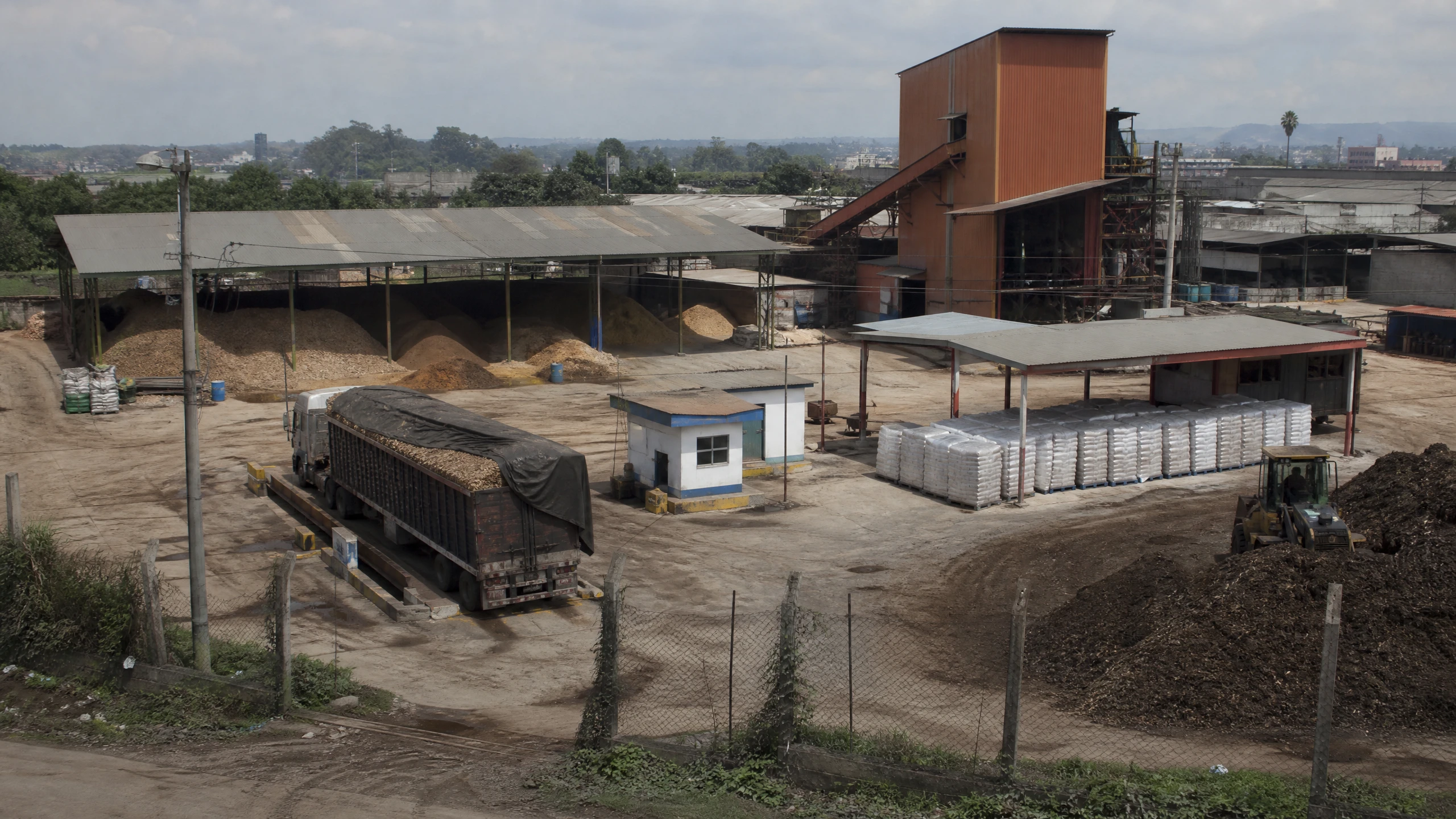
The critical components of the of the complete RDF pellet production line equipment are built in our own workshops in Asia. Additional equipment is manufactured by our worldwide network of reliable partners.

● Testing
Quality Inspection & Testing
Before leaving the factory, all equipment will be inspected by the quality inspection department. We can also provide customers with testing services from a single machine to a complete RDF pellet plant system, and provide you with real actual data for “worry-free use.”

● Delivery
Equipment Delivery
In equipment boxing and packaging, we adopt professional packaging and modular solutions to ensure the safe and non-destructive delivery of RDF pellet plant equipment.
● Installation
Installation & Commissioning
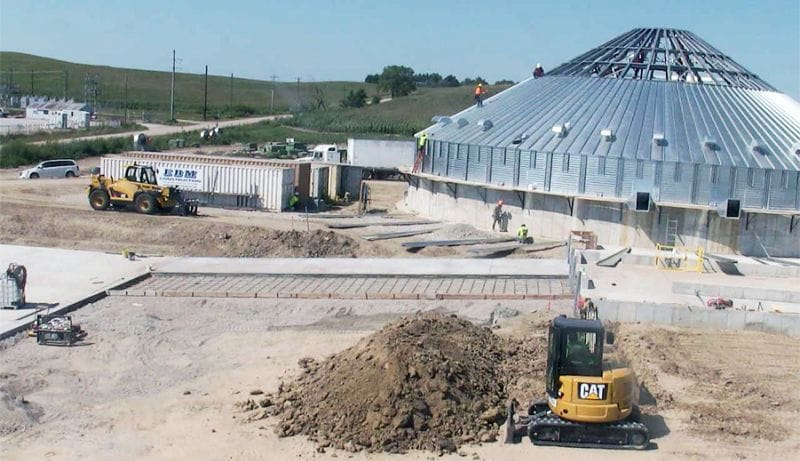
Whether you choose your own subcontractor for the erection phase or you want to install everything together with us, a Richi supervisor will be around to make sure everything is mounted in a safe and thorough way.

● Training
Staff Training
We provide comprehensive training for the technicians of each project. We can also continue to provide support for the technicians during latter project operation.
● After-sales
Project Follow-Up
When everything is up and running our Richiers will help you further whenever needed. We are ready to answer your call 24/7.We’ll also visit you regularly to learn about your needs.
Who we are
RICHI Machinery is one of the world’s leading suppliers of technology and services for the animal feed, aqua feed and pet food industries, also the largest pellet production line manufacturer in China.
Since 1995, RICHI’s vision to build a first-class enterprise, to foster first-class employees, and to make first-class contributions to society has never wavered.
In the past three decades, we have expanded our business to a wide range of areas, including animal feed mill equipment, aqua feed equipment, pet feed equipment, biomass pellet equipment, fertilizer equipment, cat litter equipment, municipal solid waste pellets equipment, etc.

1995
RICHI Established

2000+
Serving More Than 2000 Customers

120+
RICHI Employees

140+
Exported To 140 Countries