0086-138 3838 9622
Complete Wood Shaving Pellet Plant in Poland
Complete Wood Shaving Pellet Plant in Poland makes a specified heating fuel from clean, dry woodworking residues. Explore one 2 t/h press with controlled feeding, cooling and 15 kg bagging in an existing building.

RICHI MACHINERY
overview
Complete Wood Shaving Pellet Plant in Poland gives a woodworking business a fuel-production route for its clean, dry planer residues. RICHI configures one 2 t/h press with controlled feeding, fine grinding, cooling and packing, keeping the equipment suited to material that has already passed through timber drying and machining.
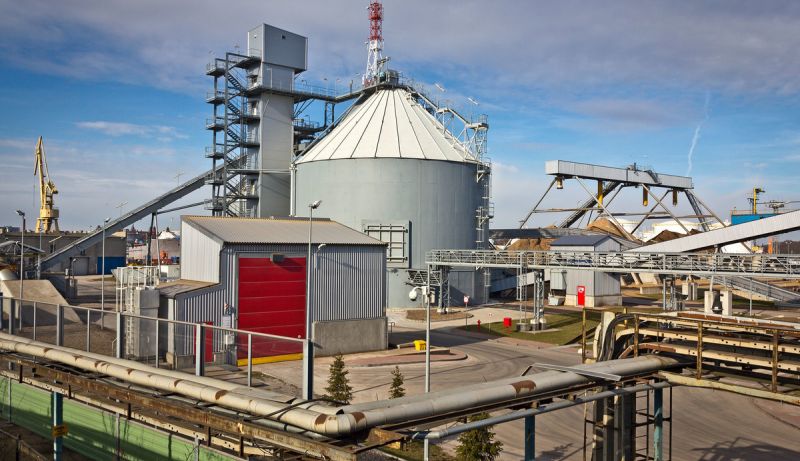
The biomass pellet project uses the customer’s existing 1,060 m² building in southern Poland. Its annual production plan is 4,800 tonnes, with a core 6 mm bagged product and a separately scheduled 8 mm specification for suitable bulk customers.
2 t/h
capacity
USD 175,000
investment
Poland
location
Wood
project type
RICHI MACHINERY
The Problem Is Volume Before It Is Weight
Loose wood shavings can fill a bay while representing relatively few tonnes. For the customer behind the Complete Wood Shaving Pellet Plant in Poland, that affects internal transport, collection frequency and the space available around woodworking equipment. A pellet route changes the form of that material into a denser saleable fuel.
The investor is a timber and joinery business with its own dry residues and selected nearby suppliers. Its fuel programme accepts clean pine and spruce shavings, together with qualified dry sawdust. Supply agreements identify the wood condition, contamination limits and moisture required for the selected route.
Poland’s wood-processing industry provides a credible context for this business, but access to residues is still a purchasing matter. Board producers and other users can compete for the same by-products. The customer therefore plans production from its available supply commitments and qualified outlets.
For this wood shaving pellet production line in Poland, keeping residues separate at the woodworking source is valuable. Clean planer shavings can enter the agreed fuel programme without being mixed with sanding dust from coatings, laminated boards or treated timber. That separation supports both machine protection and fuel quality.
The Complete Wood Shaving Pellet Plant in Poland is intended for regional distribution. It lets the business develop a defined bagged fuel alongside its woodworking operation, with machinery and stock requirements proportionate to its own material flow.
RICHI MACHINERY
One Main Bagged Product, One Bulk Option
The main product of the Complete Wood Shaving Pellet Plant in Poland is a 6 mm wood pellet in 15 kg bags. The working length specification is 10–30 mm. An 8 mm bulk product is made in separate campaigns when the receiving customer’s feeding system and order volume justify a die change.
| Product arrangement | Production basis | Sales use |
|---|---|---|
| 6 mm pellets | Main production programme | Bagged regional heating-fuel orders |
| 8 mm pellets | Included within the same annual total | Qualified bulk boiler orders |
| Total finished output | 4,800 tonnes per year | Combined saleable production |
| Final moisture basis | About 9% | Product release and material balance |
| Standard retail bag | 15 kg | Distributor and pallet handling |
Domestic fuel sales require the applicable Polish quality requirements and the customer’s agreed specification to be met. The product programme includes laboratory checks of ash, moisture and other relevant fuel properties. Any certification or quality mark used in a sales channel follows its proper assessment and authorisation.
For a wood pellet plant in Poland, this creates a product offer the distributor can understand: defined dimensions, a specified bag and batch-linked fuel tests. The plant’s sales records identify which product and die configuration were used for each delivery.
RICHI MACHINERY
Dry Shavings Require Their Own Receiving Rule
The annual raw-material basis for the Complete Wood Shaving Pellet Plant in Poland is 5,000 tonnes: 4,500 tonnes of planer shavings and 500 tonnes of clean sawdust. Average intake moisture for the balance is 12%, with the normal accepted working range around 10–13%.
The specified plant uses material already dried through the customer’s timber operations or supplied to the same condition. It has no thermal drying stage. The receiving team checks moisture at representative points because a dry-looking delivery can still contain wetter pockets after unsuitable storage or transport.
| Receiving check | Practical reason |
|---|---|
| Wood source and treatment history | Keep the fuel stream tied to approved clean wood |
| Moisture distribution | Maintain the preparation and pelleting condition |
| Metal, grit and packaging | Protect the grinder and die |
| Bulk density and large curls | Select a useful feeding and grinding setting |
| Supplier and lot reference | Connect finished fuel with its material source |
At 12% moisture, the 5,000-tonne intake contains 4,400 tonnes of dry matter. Finished output of 4,800 tonnes at 9% contains 4,368 tonnes. The remaining 32 tonnes of dry matter provide the allowance for separated contamination and material that cannot return as saleable fuel.
This balance keeps the Complete Wood Shaving Pellet Plant in Poland linked to a realistic material supply. Moisture reduction and rejects are included; recirculating clean fines are recorded within the process rather than added to the annual finished total.
RICHI MACHINERY
A Useful Energy Allowance for the Operator
The Complete Wood Shaving Pellet Plant in Poland has approximately 260 kW of connected machinery load. The installation basis is a 400 V, 50 Hz, three-phase distribution system, with the final service and protective design matched to the property and motor schedule.
Annual electricity planning is 450,000 kWh for the 4,800-tonne programme, equivalent to about 94 kWh per tonne. Across 2,400 net production hours, the average working load is approximately 188 kW. The allowance includes the grinder, press, cooler, extraction, conveyors and bagging equipment.
The dry wood pellet line in Poland uses about 180 m³ of annual water provision for staff facilities and controlled cleaning needs. Dry material handling areas use suitable cleaning methods that keep water away from accepted shavings and finished bags. Sanitary drainage follows the existing property’s approved connection.
The operator records electricity per released tonne alongside the incoming moisture and wood mix. That helps the customer identify whether a change in energy use comes from supply condition, grinder settings, die condition or avoidable stop-start running.
RICHI MACHINERY
Feeding a Single Press without Bridging
One MZLH520 with a 132 kW main motor is selected for the 2 t/h duty in the Complete Wood Shaving Pellet Plant in Poland. Its feeder and die are matched to the qualified dry-wood mix. The front-end arrangement concentrates on the light, springy material that the customer actually handles.
The Wood Pellet Mill is supplied from an agitated buffer with a controlled discharge. Large shavings first pass through the grinder; suitable fine sawdust can join through a controlled bypass. The operator can maintain the blend without repeatedly sending already fine material through an unnecessary cutting stage.
| Main equipment | Arrangement | Assigned job |
|---|---|---|
| Receiving feed system | One controlled floor or hopper feed | Move loose shavings steadily |
| Hammer mill | One 55 kW unit | Reduce curls and large flakes |
| Prepared-feed buffer | One agitated bin | Limit bridging and segregation |
| Pellet mill | One MZLH520, 132 kW | Produce the specified 2 t/h duty |
| Cooler | One active unit | Stabilise pellets before further handling |
| Screen | One classification unit | Separate fines and excessive length |
| Packing station | One weighing and sealing route | Standard 15 kg bags |
The wood pellet maker receives predominantly 2–3 mm prepared particles for the main 6 mm product. Sieve checks also look for long fibres. Die effective length, relief and roller settings are selected through the material trial, with the die order documenting the actual geometry used.
The wood pellet production line includes extraction and clean return connections suited to the material route. Routine service points remain accessible, especially around the hammer mill screen, press die and cooler discharge. A small plant still needs enough room to change wear parts safely and efficiently.
RICHI MACHINERY
From a Light Flake to a Cooled Pellet
The Complete Wood Shaving Pellet Plant in Poland keeps the processing route short because its feed arrives dry. The machine arrangement focuses on consistent material presentation, stable die loading and gentle finishing before the bag reaches the warehouse.
Release an accepted wood lot
The receiving team checks the material reference and moisture, then assigns it to an approved bay. Transport packaging, visible contamination and oversized objects are removed. Lots that need further assessment remain separate from material released for fuel production.
Grind the larger shavings
Metered material passes through magnetic protection and the hammer mill. The operator selects a screen against the required particle distribution and checks the result by sieving. The extraction system follows the grinder’s airflow, with clean recovered material returned through the assigned connection.
Keep a moving reserve ahead of the die
The agitated buffer provides a short reserve rather than a long-term storage space. Its discharge limits empty pockets and sudden feed surges. A consistent blend allows the press operator to judge load and product condition without compensating for a hopper that repeatedly bridges.
Compress to the agreed product geometry
The main production run uses the 6 mm die. Motor current, feed moisture and pellet condition are observed together. Operators make controlled adjustments and record any change of material or die, linking the finished batch with a repeatable operating setup.
Remove heat before filling bags
Fresh pellets enter the active cooler and then the screen. The working temperature target is within about 5°C of ambient air before bagging, subject to the storage condition. Clean fines return in a measured proportion, while released pellets move to the bagging hopper.
The Complete Wood Shaving Pellet Plant in Poland packs at a design rate of at least three 15 kg bags per minute. That gives 2.7 t/h nominal filling capacity, providing margin above the press duty. Checkweighing, sealing and pallet movement are included in the packing trial.
RICHI MACHINERY
Keep the Fuel Clean after It Is Made
Dust control at the Complete Wood Shaving Pellet Plant in Poland covers receiving, grinding, transfer and packing. Extraction connections are designed for the individual duties, with suitable protection identified through the machinery assessment. Housekeeping includes accessible inspection of hidden accumulation points.
Raw shavings and finished pellets are stored separately, with clear routes for inspection and stock movement. The fire arrangement considers the building, dust handling equipment and material quantities together. Detection, isolation and emergency access are coordinated with the customer’s qualified local design team.
Clean recovered process material has a controlled return route. Floor sweepings, uncertain stock and maintenance waste remain separately identified. Lubricants, worn parts, packaging and rejected material are managed through their appropriate waste arrangements, giving the customer a useful record of what leaves the site.
Noise management concentrates on the grinder and fans, including vibration isolation and maintainable enclosures. Service access is part of the design so routine work can be completed without leaving protective panels permanently removed.
RICHI MACHINERY
The Building Holds a Short Working Reserve
The Complete Wood Shaving Pellet Plant in Poland uses 1,060 m² within the customer’s existing industrial property. The figure is the allocated covered building area; external roads and loading access belong to the wider premises and are reviewed separately during layout planning.
| Building function | Area |
|---|---|
| Processing and machine access | 380 m² |
| Raw shavings and sawdust | 350 m² |
| Finished bags and pallets | 250 m² |
| Quality, maintenance and office functions | 80 m² |
| Total covered allocation | 1,060 m² |
The raw bay is planned around approximately 60 tonnes of working stock, with the actual volume checked for the delivered shavings. At the annual programme’s average intake, that is a short multi-day reserve. The low density of the material is included when setting pile dimensions and aisles.
The woodworking business can use a simple collection schedule between its planer extraction point and the pellet building. Covered containers are identified by material type, and the receiving operator checks them before tipping. That arrangement helps keep clean pine and spruce residues separate from other workshop waste. It also gives production a more useful forecast of the material likely to arrive during the next shift.
Finished stock is managed around a similar short distribution cycle. Pallets remain accessible by lot, and bags are kept off damp surfaces. The customer can organise regional deliveries while maintaining the clear machine access needed during the operating shift.
A simple daily board lists incoming containers, the active die and pallets ready for collection.
The daily plan is 16 tonnes of finished pellets from eight net production hours over 300 days. Seven staff cover five operations and relief roles, one maintenance role and one combined quality-and-dispatch role. The woodworking business can coordinate shared administrative services outside that production staffing basis.
RICHI MACHINERY
Delivery Is Planned Around Unloading Access
Shipping for the wood pellet production equipment in Poland is selected against the package dimensions and the site address. Gdańsk is a possible sea-freight gateway. Inland movement, vehicle access and the unloading method are reviewed before the customer books cranes or lifting equipment.
The press, grinder, cooler and control assemblies carry installation references. The customer can match packages to the layout and erection sequence. Parts needed for machinery bases and service platforms are identified so local contractors can prepare the building before the main assemblies are positioned.
The Complete Wood Shaving Pellet Plant in Poland is commissioned using the agreed shavings and sawdust mix. Trials record saleable output, moisture, electricity, fines and bag quality. Training then follows the settings and inspections that the customer’s operators will use in normal production.
RICHI MACHINERY
Sell a Consistent Bag Through the Season
The Complete Wood Shaving Pellet Plant in Poland is suited to regional distributors that value an identifiable product and regular supply. The customer can present a 15 kg bag with a clear specification, batch reference and supporting fuel tests, then schedule deliveries against the distributor’s order pattern.
For wood pellet plant construction in Poland, storage and handling deserve the same attention as pressing capacity. A finished bag needs to remain dry through pallet movement and transport. The product’s saleable condition is assessed after representative handling, including the fines visible when the bag is opened.
The wood pellet plant construction scope therefore includes cooling, screening and packing as connected duties. These steps help the customer maintain the product it shows to buyers during sampling. The sales team can discuss bag weight, delivery quantities and approved fuel properties with practical evidence from the production route.
Wood pellet plant cost in Poland is evaluated against this defined dry-feed business. The equipment budget is USD 118,000 and the total installed project budget is USD 175,000. The total includes the specified delivery, installation, electrical adaptation and building work within existing premises.
RICHI MACHINERY
Put Your Shavings Supply to Work
Tell RICHI Machinery what leaves your planers each week: wood types, moisture and the volume of clean shavings. That supply can form the basis of a Complete Wood Shaving Pellet Plant in Poland serving your intended bagged or bulk orders. The building drawing helps us arrange feeding, cooling, packing and service access within the available space. Ask our team to prepare the corresponding machinery scope.
● RICHI MACHINERY
RICHI Service

● Consulting
Customer Consultation
We want to have a deep understanding of your industrial process, to know your exact needs of feed, wood, biomass, fertilizer or other pellet processing.
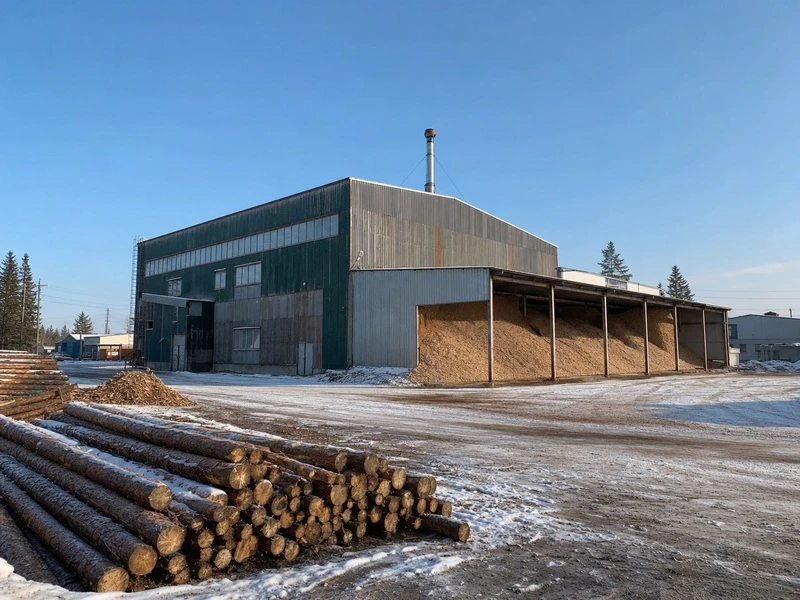
● Design
wood Pellet Plant Design
Based on your unique situation and industrial process, we will tailor complete pellet plant you need, and inform you of every additional detail that could facilitate operation, minimize total cost.
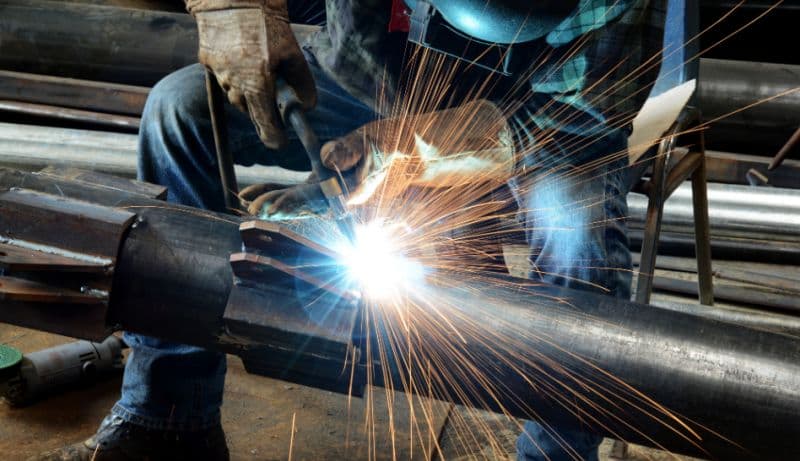
● Manufacturing
Equipment Manufacturing
The critical components of the of the complete pellet production line equipment are built in our own workshops in Asia. Additional equipment is manufactured by our worldwide network of reliable partners.

● Testing
Quality Inspection & Testing
Before leaving the factory, all equipment will be inspected by the quality inspection department. We can also provide customers with testing services from a single machine to a complete pellet plant system, and provide you with real actual data for “worry-free use.”

● Delivery
Equipment Delivery
In equipment boxing and packaging, we adopt professional packaging and modular solutions to ensure the safe and non-destructive delivery of pellet plant equipment.
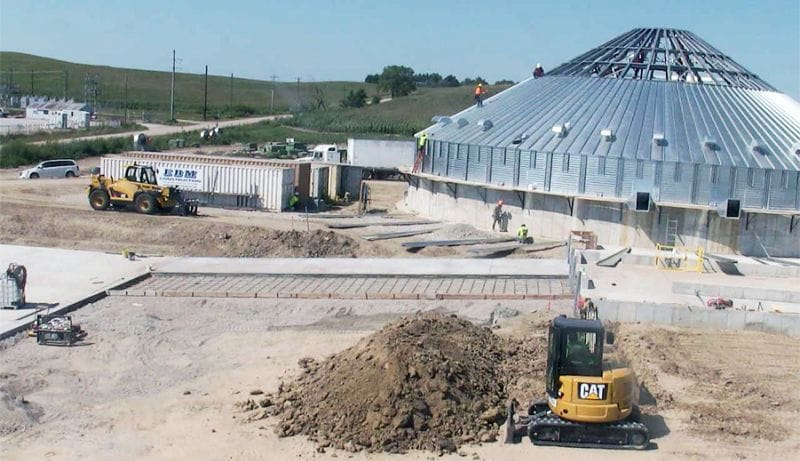
● Installation
Installation & Commissioning
Whether you choose your own subcontractor for the erection phase or you want to install everything together with us, a Richi supervisor will be around to make sure everything is mounted in a safe and thorough way.

● Training
Staff Training
We provide comprehensive training for the technicians of each project. We can also continue to provide support for the technicians during latter project operation.
● After-sales
Project Follow-Up
When everything is up and running our Richiers will help you further whenever needed. We are ready to answer your call 24/7.We’ll also visit you regularly to learn about your needs.
Who we are
RICHI Machinery is one of the world’s leading suppliers of technology and services for the animal feed, aqua feed and pet food industries, also the largest pellet production line manufacturer in China.
Since 1995, RICHI’s vision to build a first-class enterprise, to foster first-class employees, and to make first-class contributions to society has never wavered.
In the past three decades, we have expanded our business to a wide range of areas, including animal feed mill equipment, aqua feed equipment, pet feed equipment, biomass pellet equipment, fertilizer equipment, cat litter equipment, municipal solid waste pellets equipment, etc.

1995
RICHI Established

2000+
Serving More Than 2000 Customers

120+
RICHI Employees

140+
Exported To 140 Countries