0086-138 3838 9622
Extruded Soybean Meal Production Plant in Vietnam
Extruded Soybean Meal Production Plant in Vietnam adds an 8 t/h full-fat ingredient route beside the customer’s feed operation. Qualified beans, controlled cooking and adequate water removal support reliable internal transfer or clearly identified external supply.

RICHI MACHINERY
Ingredient Control Beside an Established Feed Mill
Extruded Soybean Meal Production Plant in Vietnam connects soybean procurement with an 8 t/h full-fat ingredient route for a feed-milling customer. RICHI’s equipment work centres on consistent preparation, steam-assisted cooking and moisture finishing before the material enters storage or further feed manufacture.
The project is set in Dong Thap’s feed-industry context, with purchased beans qualified by specification rather than an assumed local supply percentage. Product identity, heat treatment and final condition guide the equipment and customer acceptance tests.
8 T/H
capacity
USD 750,000
investment
Vietnam
location
Feed
project type
RICHI MACHINERY
Why the Feed Mill Wants Its Own Processing Route
A feed mill considering whole-bean processing wants control over more than the timing of deliveries. It needs a dependable ingredient specification and an understanding of how the retained oil affects formulation. The Extruded Soybean Meal Production Plant in Vietnam therefore starts with the nutritional and purchasing brief.
The finished material is extruded full-fat soybean product. No oil-extraction stage is included. It is not treated as the same ingredient as defatted soybean meal simply because both contribute protein to feed.
The client needs the route to provide:
- Qualified beans from approved purchasing channels.
- A stable thermal-mechanical process.
- Adequate drying and cooling for the intended storage.
- Traceable ingredient lots for internal or external customers.
For a Vietnam full fat soybean processing plant, domestic and imported supply are evaluated lot by lot. A fixed local-to-imported ratio is not assumed without procurement records. Delivery format, receiving capacity and stock cover follow the actual supplier programme.
RICHI MACHINERY
Eight Tonnes With a Matched Feed-Mill Schedule
| Production measure | Defined basis |
|---|---|
| Finished duty | 8 t/h |
| Net daily production | 16 hours |
| Annual operating days | 300 |
| Annual finished output | 38,400 tonnes |
| Annual bean input allowance | 40,000 tonnes |
| Input and final moisture bases | 12% and 10% |
The Extruded Soybean Meal Production Plant in Vietnam uses 4,800 annual productive hours. Cleaning, maintenance and handover need protected time around that programme. The feeding and storage interface to the existing mill must accept the planned ingredient rate.
One duty-selected full-fat soybean cooker serves the base output, with a 500 kW main-drive allowance for electrical planning. Final model selection and continuous duty are confirmed through the actual bean and product trial. A small extruder nameplate is not used to imply an unrelated finished capacity.
Supply Internally or Sell an Ingredient
Internal use needs accurate transfer weights, product identification and a formulation release. External sales add packing, dispatch and customer documentation requirements. The same product can serve both routes only where both are properly controlled.
The Extruded Soybean Meal Production Plant in Vietnam records those destinations separately. Ingredient produced for internal feed manufacture should not also be counted as external sales volume. This gives the customer a clear view of the line’s contribution to its own feed programme.
RICHI MACHINERY
Place Storage Around Real Material Movement
The site-planning allowance is 6,500 m², with 2,800 m² covered for the defined operation. Covered allocations are 600 m² raw-material interfaces, 1,500 m² processing, 500 m² finished handling and 200 m² support. Suitable available feed-mill assets form the investment basis.
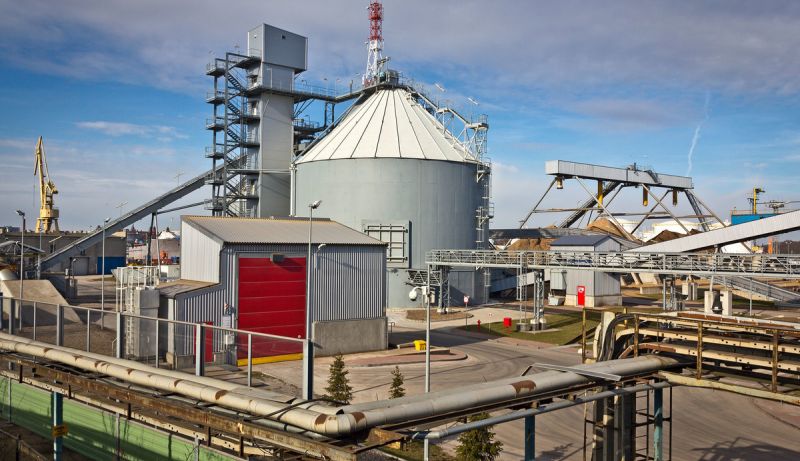
The Extruded Soybean Meal Production Plant in Vietnam interfaces with the customer’s actual bean storage. Silo number, capacity and ownership are selected from the site survey and purchasing calendar, not assumed from a generic plant illustration.
| Layout decision | Practical reason |
|---|---|
| Receiving access | Keeps incoming vehicles and product handling controlled |
| Process service space | Allows cooker, preparation and fan maintenance |
| Post-process route | Limits contamination after the heat stage |
| Finished buffer | Matches internal feed use and external dispatch |
Vietnam’s humid conditions make covered transfer and sound storage important. A product can leave finishing correctly and still be damaged by rain at loading or moisture entering a bagged store. The design follows the ingredient through those interfaces.
Integrate with the feed mill’s production orders
An internal ingredient transfer is linked to the receiving feed batch or storage destination. Its identity and release status remain visible even where it moves without a retail bag. The customer should be able to trace which processed soybean lot entered a particular feed campaign.
The Extruded Soybean Meal Production Plant in Vietnam can use that connection to schedule production around actual consumption. A large continuous soybean run is not automatically desirable if it creates long storage for a retained-oil ingredient. The order programme and qualified storage period guide useful stock cover.
A Vietnam integrated soybean feed plant also needs defined contractor interfaces. Existing silos, elevators and the new process equipment may have different owners or suppliers. Flow, controls and maintenance responsibilities are resolved before the installation is accepted as one working route.
RICHI MACHINERY
Inputs and Steam Belong in the Same Balance
The 40,000-tonne annual bean input at 12% moisture contains 35,200 tonnes dry matter. Finished production contains 34,560 tonnes dry matter at the 10% moisture basis. The 640-tonne dry difference allows for cleaning and process losses.
The Extruded Soybean Meal Production Plant in Vietnam also allows 2,304 tonnes of process steam annually, equivalent to 60 kg per finished tonne. That addition is included in the water-removal duty rather than omitted from the utility schedule.
After dry losses, accepted beans plus steam require about 3,177 tonnes annual evaporation to reach the finished basis. Across 4,800 productive hours, calculated duty is approximately 662 kg/h. The planning selection provides at least 1 t/h water evaporation with approximately 1.5 MW separate thermal provision.
Measure the interfaces during a normal run
A representative acceptance run records incoming moisture, preparation, steam addition, cooker conditions and final product. It also checks that storage or transfer can accept the finished flow. The useful result is an accepted ingredient rate through the whole route.
The Extruded Soybean Meal Production Plant in Vietnam can compare that record with later campaigns when suppliers or weather change. A stable temperature alone does not establish an unchanged water balance or final moisture. The operator needs measurements at the relevant points.
For a Vietnam feed mill soybean processing line, that evidence supports a professional customer discussion. The mill can explain what is being made, how it is released and where its production limits lie. It also gives the equipment team a clear basis for investigating a change in performance.
Representative samples remain linked to their actual production lot and dispatch destination. This makes the quality record useful for both internal feed manufacture and outside ingredient customers, rather than leaving it as a separate laboratory file with no product connection.
Ask Suppliers for Representative Beans
- Identify moisture, protein, oil and foreign matter.
- Check damage, deterioration and storage history.
- Define permitted identity and declaration claims.
- Keep supplier and receiving lot records.
- Use representative material in the equipment trial.
A Vietnam soybean extrusion line gains little from a demonstration using beans unlike those the feed mill intends to buy. The trial should establish a realistic operating window and the response to material outside it.
RICHI MACHINERY
A Process That Ends With Released Ingredient
- Receive, identify and clean the beans.
- Remove stones and protect downstream equipment from metal.
- Prepare material to the selected cooker’s requirement.
- Condition and extrude under the qualified settings.
- Remove required water, cool and size where appropriate.
- Release the lot for internal transfer or packed dispatch.
The Extruded Soybean Meal Production Plant in Vietnam separates adequate heat treatment from moisture finishing. Temperature, mechanical action, moisture and residence time act together. Product tests assess both treatment adequacy and excessive protein damage.
The finishing equipment must remove the defined water under the actual ambient and material conditions. A cooler is not assumed to provide unlimited drying. The final combination of drying and cooling is selected from its measurable duties.
For a Dong Thap soybean feed ingredient plant, clean post-process handling matters. Tools, personnel movement, cooling air and maintenance access need appropriate control. The process should not rely on cooking to protect a product from contamination introduced later.
RICHI MACHINERY
Equipment and Services From One Process Basis
The RICHI Machinery equipment scope connects the customer’s bean condition with its intended ingredient specification. The Extruded Soybean Meal Production Plant in Vietnam uses one appropriate cooker, with preparation and finishing selected for the same duty.
| Equipment function | Base requirement |
|---|---|
| Intake preparation | Cleaning, stone separation and metered flow |
| Size preparation | One matched cracking or grinding circuit |
| Conditioning and cooking | One duty-selected full-fat soybean route |
| Main-drive allowance | 500 kW pending actual model selection |
| Moisture finishing | At least 1 t/h evaporation capacity |
| Final handling | Cooling, transfer and packing as selected |
A supplier proposal identifies exactly which units and services are included. Boiler manufacture, silo supply and civil works are not attributed to RICHI unless included in the actual agreement. That distinction lets the customer coordinate other contractors without ambiguity.
The Vietnam 8 t/h soybean processing line requires a full motor list and a maintenance-access plan. One suitably selected main machine simplifies the route, but it still needs safe service space and scheduled wear-part inspection. Duplication is justified by a real process or capacity requirement, not by appearance.
Check Steam and Finisher Heat Separately
Conditioning steam averages approximately 480 kg/h during production on the stated allowance. The final steam system must also cover losses, start-up and its selected service duties.
The separately rated 1.5 MW finishing heat has its own supply interface. If the owner chooses steam heating for that duty, the boiler balance is recalculated to include it. A conditioning-only boiler allowance cannot automatically be treated as enough for the dryer as well.
RICHI MACHINERY
Product Quality the Nutritionist Can Use
The ingredient specification reports actual moisture, crude protein, oil and relevant treatment indicators. Full-fat soybean material has a different composition from extracted meal, and the feed formulation must reflect that distinction.
The Extruded Soybean Meal Production Plant in Vietnam qualifies a test panel with the customer’s feed specialists. Trypsin-inhibitor activity is relevant to treatment; urease and suitable protein-quality measurements can contribute additional information. No single indicator is treated as a universal guarantee of nutritional value.
| Release question | Evidence needed |
|---|---|
| Was treatment adequate? | Agreed process and product indicators |
| Was protein excessively damaged? | Relevant quality testing |
| Is storage condition suitable? | Moisture, temperature and stability assessment |
| What can the feed mill formulate with? | Representative ingredient analysis |
The retained oil also makes oxidation and storage management relevant. Extrusion does not permanently prevent rancidity. Bagging, holding time and environmental conditions need assessment for the intended supply chain.
Poultry, pig and aquafeed customers may evaluate the ingredient, but inclusion decisions differ with species, life stage and formulation. A production machine does not establish a universal feeding rate or a guaranteed growth response.
Keep the heat-treatment record with the release lot
A satisfactory process setting is maintained within its qualified material window. Changes in bean moisture or preparation can affect the product even when one temperature display looks unchanged. Operators therefore record the relevant process conditions alongside the analytical results.
The Extruded Soybean Meal Production Plant in Vietnam uses held-product procedures where those conditions deviate. Suspect material remains identified while the release decision is made. Reprocessing, alternate use or rejection needs a defined technical basis rather than automatic blending into the next order.
For a Vietnam extruded full fat soy factory, these records help explain the difference between an attractive sample and a controlled ingredient supply. Customers can evaluate a normal lot, while the operator has a practical way to investigate later feedback. The process evidence stays connected to the product actually transferred or sold.
People and Utilities for the Longer Calendar
Connected electrical-load allowance is 850 kW. Average production demand is budgeted at 560 kW, giving approximately 2.688 million kWh over 4,800 productive hours. Conditioning steam and separate finishing heat are accounted for outside that motor-energy figure.
The Extruded Soybean Meal Production Plant in Vietnam water schedule includes the 2,304-tonne process-steam allowance plus personnel, cleaning, treatment and heat-system losses. The final demand follows the selected service and recovery arrangement.
Planning headcount is 26: 12 process staff across staggered crews, seven handling staff, three quality staff, two maintenance staff and two coordinators. Staffing follows the internal-transfer and external-dispatch split rather than assuming all tonnes pass through one bagging station.
Dust extraction covers receiving, preparation, transfer and filling. Impurities from intake remain separate from qualified clean product fines. Sanitary water, cleaning residue, stormwater and heat-system wastewater have identified routes. Environmental, fire and combustible-dust measures are assessed for the actual installation.
Routine checks include:
- Inspect extraction and product-contact equipment.
- Verify held-product identification before restart.
- Confirm the transfer destination and lot code.
RICHI MACHINERY
Investment With the Existing-Mill Interface Clear
The equipment budget is USD 500,000. The total project investment budget is USD 750,000. These scoped amounts assume suitable available property and feed-mill assets, with allowances for installation, internal utilities, steam and finishing interfaces, commissioning and contingency.
The Extruded Soybean Meal Production Plant in Vietnam budget excludes land acquisition, a new grain-storage estate and major external infrastructure. Final heat supply, silo arrangements, delivery terms, taxes and property work are confirmed in the commercial scope.
The customer can compare equipment at the same moisture and steam basis. A line that includes adequate finishing is different from a cooker-only offer, and a proposed capacity needs a product-quality condition. Clear scope protects the operator from buying an attractive hourly number without the services needed to sustain it.
An equipment decision can then be linked to the customer’s actual feed demand and qualified external orders. There is no need to assume a guaranteed market or a fixed payback period. The product’s usefulness, operating balance and reliable delivery are concrete reasons for a feed mill to evaluate the project.
Choose the external packing duty deliberately
At eight tonnes per hour, a fully bagged 50 kg route needs about 160 bags hourly. The selected packing and closure station is checked above that continuous duty. If only part of output is bagged, buffers and the production split are stated instead of assigning the whole line two simultaneous sales destinations.
A Dong Thap full fat soybean ingredient line also needs bags suited to the product’s condition and intended storage. Seal performance, handling damage and moisture protection are tested through the normal packing route. Product coding remains legible through loading and delivery.
The Extruded Soybean Meal Production Plant in Vietnam can introduce other supply formats after checking their actual duties. Bulk transfer, small bags and large packs require different handling arrangements. A versatile business offer is useful only where the factory can deliver each format reliably.
RICHI MACHINERY
Discuss Your Feed-Mill Ingredient Requirement
Send your bean analysis, existing storage information and intended internal-use programme. We can assess the Extruded Soybean Meal Production Plant in Vietnam alongside your animal feed processing plant requirements. Request a proposal linking one appropriate cooker with steam, water removal, cooling and transfer. That gives your team a clear basis for evaluating the complete ingredient route.
● RICHI MACHINERY
RICHI Service

● Consulting
Customer Consultation
We want to have a deep understanding of your industrial process, to know your exact needs of feed, wood, biomass, fertilizer or other pellet processing.

● Design
production Plant Design
Based on your unique situation and industrial process, we will tailor complete pellet plant you need, and inform you of every additional detail that could facilitate operation, minimize total cost.

● Manufacturing
Equipment Manufacturing
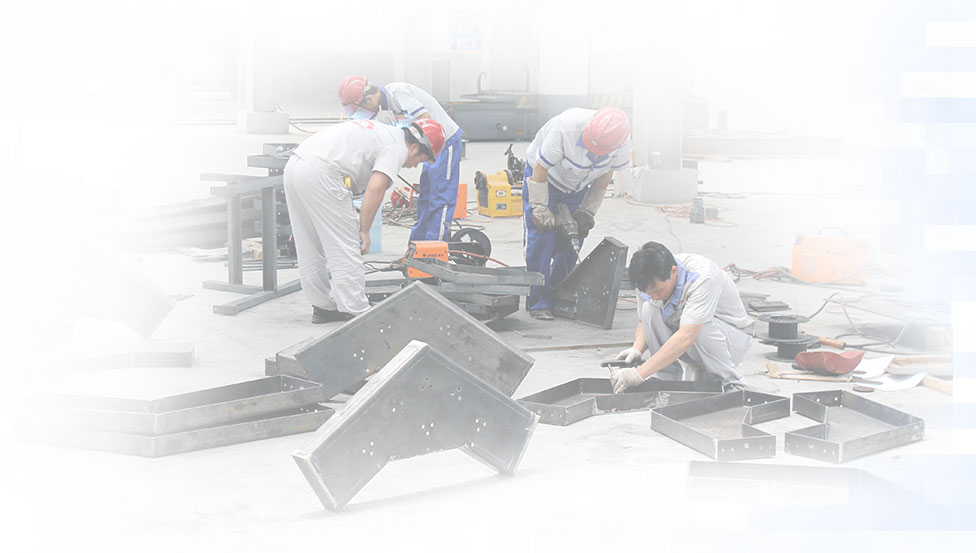
The critical components of the of the complete pellet production line equipment are built in our own workshops in Asia. Additional equipment is manufactured by our worldwide network of reliable partners.

● Testing
Quality Inspection & Testing
Before leaving the factory, all equipment will be inspected by the quality inspection department. We can also provide customers with testing services from a single machine to a complete pellet plant system, and provide you with real actual data for “worry-free use.”

● Delivery
Equipment Delivery
In equipment boxing and packaging, we adopt professional packaging and modular solutions to ensure the safe and non-destructive delivery of pellet plant equipment.
● Installation
Installation & Commissioning
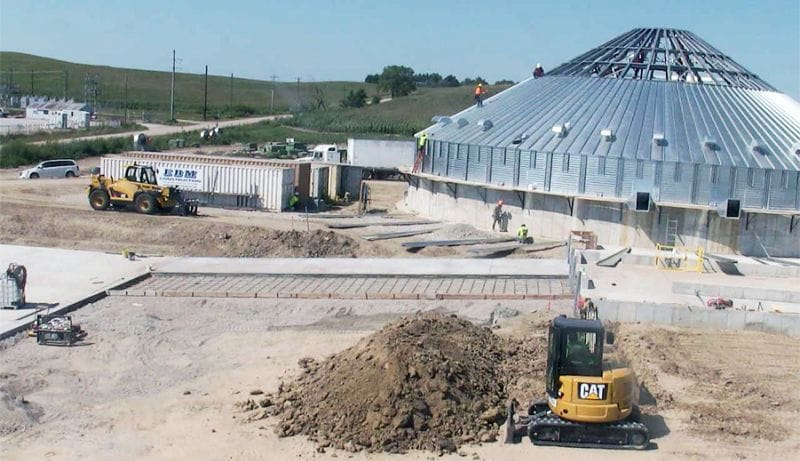
Whether you choose your own subcontractor for the erection phase or you want to install everything together with us, a Richi supervisor will be around to make sure everything is mounted in a safe and thorough way.

● Training
Staff Training
We provide comprehensive training for the technicians of each project. We can also continue to provide support for the technicians during latter project operation.
● After-sales
Project Follow-Up
When everything is up and running our Richiers will help you further whenever needed. We are ready to answer your call 24/7.We’ll also visit you regularly to learn about your needs.
Who we are
RICHI Machinery is one of the world’s leading suppliers of technology and services for the animal feed, aqua feed and pet food industries, also the largest pellet production line manufacturer in China.
Since 1995, RICHI’s vision to build a first-class enterprise, to foster first-class employees, and to make first-class contributions to society has never wavered.
In the past three decades, we have expanded our business to a wide range of areas, including animal feed mill equipment, aqua feed equipment, pet feed equipment, biomass pellet equipment, fertilizer equipment, cat litter equipment, municipal solid waste pellets equipment, etc.

1995
RICHI Established

2000+
Serving More Than 2000 Customers

120+
RICHI Employees

140+
Exported To 140 Countries