 0086-138 3838 9622
Complete Animal Feed Pellet Production Line in Vietnam
Complete Animal Feed Pellet Production Line in Vietnam gives pig, fish and shrimp products their own processing duties. Shared receiving and batching lead to qualified pelleting or extrusion routes, with preparation, heat and finishing selected for the customer’s feed programme.
RICHI MACHINERY
Three Feed Products With Separate Processing Duties
Complete Animal Feed Pellet Production Line in Vietnam separates the pig, fish and shrimp processing duties of a Mekong Delta agribusiness. RICHI’s equipment brief connects shared receiving and batching with the grinding, forming and finishing each product actually requires.
The animal feed factory project has a 54,000-tonne annual working programme across the three routes. Its commercial purpose is controlled feed supply for the customer’s livestock and aquaculture business. We specify each product’s capacity and operating hours separately, giving the owner a clear basis for reviewing machinery, utilities and delivery commitments.
17 T/H
capacity
USD 1,500,000
investment
Vietnam
location
Feed
project type
RICHI MACHINERY
The Agribusiness Needs Control Over Its Product Mix
The customer operates in livestock and aquaculture supply chains where a feed order carries more than a tonnage. Pig growers need the specified ration and physical form; fish farms need the intended pellet size and density; shrimp customers also need controlled sinking and water stability.
The complete animal feed pellet production line in Vietnam follows those product requirements through the factory. A shared purchasing and batching department can support several feeds, while their fine preparation and forming conditions remain separately defined.
| Finished route | Allocated duty | Annual productive hours | Annual programme |
|---|---|---|---|
| Pig feed pellets | 10 t/h | 3,000 | 30,000 tonnes |
| Extruded fish feed | 5 t/h | 3,600 | 18,000 tonnes |
| Shrimp feed pellets | 2 t/h | 3,000 | 6,000 tonnes |
| Combined working programme | Separate product duties | Scheduled within the site calendar | 54,000 tonnes |
The 17 t/h combined duty describes concurrent product routes. Each has its own annual run time, with the site scheduled for 16 hours on 300 days. The factory plans formulation changes, cleaning and maintenance within that wider available calendar.
For an animal feed plant in Vietnam, this makes the sales programme easier to evaluate. The owner can reserve pig, fish and shrimp orders against the route that produces them. A small shrimp pellet is assessed on its own accepted quality and output conditions.
Sell the Feed Form the Customer Actually Uses
The base pig-feed format is 3–4 mm pellets for qualified grower and finisher recipes. The fish route covers 2–6 mm extruded products, with density set and tested for the intended application. The shrimp route produces 1–2 mm dense pellets with corresponding preparation and finishing.
The complete animal feed pellet production line in Vietnam uses customer-approved nutrition and product briefs. Species, life stage and farming practice guide formulation, dimensions and physical quality. RICHI supplies the process equipment and its engineering interfaces; nutritional specifications remain the customer’s professional formulation responsibility.
For a fish and shrimp feed mill in Vietnam, the product-development sample follows the same recipe and process intended for normal orders. Physical and relevant feed-quality tests support acceptance before a new product enters routine supply.
RICHI MACHINERY
Receiving Ingredients for Livestock and Aquaculture
Rice bran, broken rice, maize and suitable cassava ingredients can form part of the customer’s dry-material programme. Protein meals, fishmeal, oils, minerals and premixes are selected against the relevant feed formula and supplier specification.
The complete animal feed pellet production line in Vietnam receives these as identified commercial feed ingredients. Their nutrient values, moisture, contamination risks and storage condition are assessed through the customer’s quality system. Fresh wet cassava or fish-processing waste would require separately defined preparation.
| Ingredient group | Factory control |
|---|---|
| Grains and starch ingredients | Identity, moisture, cleaning and grinding behaviour |
| Rice bran and other milling fractions | Condition, stability and formulation suitability |
| Protein meals | Supplier approval, analysis and applicable feed-use restrictions |
| Oils and liquids | Storage, metering and recipe records |
| Premixes and minor ingredients | Accurate dosing, identification and controlled handling |
The warehouse keeps held and released ingredients distinct. Appropriate stock rotation and inspection help protect the condition accepted at receiving. A supplier substitution reaches formulation and process review before changing the next customer’s ration.
The micro-ingredient station has a clear charging procedure and recording method. Operators identify the formula, weigh the required additions and check the destination before releasing the batch. Those ordinary tasks are central to making several feed products in one business.
Qualify the Grind for the Recipe
Pig-feed preparation is trialled around a 0.6–1 mm target particle range. Fish feed uses finer preparation around 0.2–0.4 mm, while the shrimp route is assessed around 0.15–0.25 mm. These are product-specific preparation targets, with the actual distribution measured and agreed.
The complete animal feed pellet production line in Vietnam separates ordinary grain grinding from the aquafeed fine-preparation requirements. Grinder duty is qualified at the required distribution, using the actual ingredient mix and acceptable product flow.
RICHI MACHINERY
Form Each Product Through Its Appropriate Machine
The pig-feed animal feed pellet mill is one SZLH420 with a 110 kW main drive, allocated 10 t/h. Steam conditioning and die selection follow the qualified ration and 3–4 mm product. One suitable press serves that product duty.
The shrimp animal feed mill pellet machine is a separate SZLH420, also with a 110 kW main drive, allocated 2 t/h. Its fine feed, conditioning and die requirements differ from the pig ration, explaining the distinct output on the same machine family.
One Twin-screw Extruder, specified as SPHS150×2 with a 200 kW main-drive basis, serves the 5 t/h fish-feed route. Screw arrangement, die, water and steam addition are qualified for the intended formula, size and product density.
The Ring Die Feed Pellet Machine department therefore consists of two product-allocated pellet presses, alongside the fish extruder. The equipment count follows actual processing duties. Shared receiving does not turn these different forming routes into one interchangeable capacity figure.
The complete animal feed pellet production line in Vietnam connects the machines through a defined sequence:
- Receive, inspect and release ingredients to storage.
- Clean and prepare each ingredient through its assigned grinding route.
- Batch and mix the approved formula, including controlled minor additions.
- Direct pig mash to its conditioning and pellet route.
- Direct fish mix to extrusion and subsequent drying.
- Direct shrimp mix through its conditioning, pressing and finishing route.
- Check physical quality and release identified feed for packing.
Shared Batching Must Support the Combined Demand
The front-end department is selected for at least 20 t/h on the qualified ingredient and batch basis. One suitable two-tonne batch mixer can support that duty when a complete six-minute cycle is demonstrated, including charging, mixing, liquid additions and discharge.
We state that complete-cycle condition in the equipment brief. The owner can evaluate dosing and bin arrangements with the mixer, rather than judging capacity by mixing time alone. Product routing and interlocks preserve the formula identity through the downstream departments.
Give Shrimp Feed Its Own Conditioning and Release Checks
Shrimp-feed quality depends on fine preparation, formula, die conditions and the thermal route together. The selected configuration includes extended conditioning and controlled post-pellet treatment, followed by the finishing required for the accepted product.
The complete animal feed pellet production line in Vietnam assesses water stability and sinking behaviour against the customer’s agreed procedure. The test identifies pellet size and handling condition. A new formula receives its own acceptance work before routine orders are confirmed.
A trim-drying allowance of 300 kg/h water removal with approximately 500 kW separate thermal capacity supports the selected shrimp finishing brief. Actual moisture and thermal conditions are established through the product trial. The cooling and screening system then handles released product through its normal route.
RICHI MACHINERY
Plan Heat, Hygiene and Product Separation Together
The animal feed production line has a 2 t/h rated steam-supply basis for the conditioning requirements. Actual use follows the three production schedules and qualified recipes. Steam quality, pressure regulation, condensate handling and safe access are included in the utilities review.
The fish-drying calculation uses 25% extrudate moisture and 10% final moisture as its design basis. At 5 t/h finished product, approximately 1 t/h water must be removed. The selected fish-dryer allowance is 1.2 t/h evaporation with approximately 2 MW separate thermal capacity.
The complete animal feed pellet production line in Vietnam rates dryer heat separately from conditioning steam. The offer identifies the heat source and local interfaces for each duty, allowing the owner to review the complete utility scope with its installation team.
The quality and hygiene plan includes:
- Defined receiving release and product-routing records.
- Formula-specific micro-ingredient and liquid-dosing procedures.
- Cleaning and changeover rules between products.
- Controlled handling of any restricted or medicated ingredients.
- Product-specific return-fines and hold decisions.
Dust capture serves receiving, grinding, transfers and packing. Collected material returns only where its identity and suitability are established. Mixed housekeeping material stays outside routine feed returns. The cleaning method and any resulting discharge follow the site’s hygiene and drainage plan.
Check the Fish Pellet After Drying and Coating
Extrusion settings are assessed with the finished product the farm will receive. Diameter, density, moisture, durability and fines are checked at appropriate points. Floating or sinking behaviour is evaluated through the agreed product test rather than inferred from machine settings alone.
The complete animal feed pellet production line in Vietnam meters coating liquids against the formula and records the addition. Storage and transfer protect both the oil condition and product identity. The released lot then follows its appropriate packing and delivery route.
For a pig feed pellet plant in Vietnam, that same lot discipline connects a particular ration with its ingredient and production records. The physical checks differ by product, while identification remains consistent across the business.
A Process the Owner’s Team Can Supervise
The animal feed mill plant brief brings equipment duties, control interfaces and operating instructions together. Operators can see which material goes to each route and what conditions define normal production. Local contractors can see where building and utility work meets the supplied machinery.
The complete animal feed pellet production line in Vietnam includes an acceptance procedure tied to representative formulas and finished quality. Output, preparation, moisture and product tests are identified before the run. The owner can evaluate machinery performance on the same basis as the feed samples it intends to market.
A shrimp feed production line in Vietnam needs that explicit product basis because small dimensions and water-stability requirements affect throughput. The purchasing decision becomes clearer when the equipment schedule explains those conditions alongside the allocated rate.
Practical handover items include:
- Product routes and agreed formula identifiers.
- Machinery and utilities schedules with local interfaces.
- Normal operating checks and responses to deviations.
- Wear-part, cleaning and safe-maintenance instructions.
- Sampling points and accepted product-release procedures.
The commercial team can use the resulting feed brief with farms and distributors. It identifies the product, proposed pack and delivery quantity without replacing the customer’s nutrition and quality approval. Repeat orders stay connected to the accepted ration and its production record.
Keep Delivery Feedback Useful
Retained samples and lot records provide a reference when a farm reports fines, moisture or a handling issue. The supplier can compare released product with its condition after storage and transport. Relevant observations return to the correct product team.
For a Mekong Delta aquafeed factory, that traceable response supports confidence in repeat supply. The customer sees a manufacturer-equipment scope designed around its actual product business, while its staff have a practical route for supervising production and investigating feedback.
RICHI MACHINERY
Investment Within an Available Feed-Factory Property
The equipment budget is USD 1,100,000 and total project investment is budgeted at USD 1,500,000. The defined scope uses suitable available industrial buildings, with installation, internal utilities, thermal integration, commissioning and contingency allowances.
The complete animal feed pellet production line in Vietnam has approximately 13,291 m² of available building area in its property brief. The allocated operating area is 6,500 m²: 2,000 m² raw storage, 2,500 m² production, 1,500 m² finished handling and 500 m² support.
Land purchase, a completely new building estate and major off-site infrastructure require separate appraisal. The offer states final delivery terms, local work and the interfaces shared with existing assets. Equipment investment is evaluated against the three defined feed duties.
For animal feed plant cost in Vietnam, the product mix is a major quotation input. Shrimp fine preparation and post-treatment, fish extrusion and drying, and conventional pig pelleting have different requirements. A useful comparison includes the complete work needed for each accepted product.
People and Utilities Across the Operating Day
The planning team is 50: 30 production staff, 12 handling staff, four maintenance staff, two quality staff and two coordinators. Their rosters cover the scheduled operating day, receiving, product release and loading. Specialist formulation and laboratory services follow the owner’s quality arrangements.
Connected electrical-load allowance is 1,800 kW. Average scheduled demand is budgeted at 1,050 kW across 4,800 hours, giving 5,040,000 kWh annually. Supporting and process-water allowance is 8,000 m³, covering the defined steam, liquid-addition, personnel and service basis.
| Factory interface | Review before installation |
|---|---|
| Receiving and storage | Ingredient access, release bays and stock rotation |
| Production | Formula routes, service clearances and cleaning access |
| Electricity | Load schedule, protection and starting sequence |
| Heat and water | Steam, dryer heat, metering and discharge arrangements |
| Finished handling | Segregated products, packing and vehicle loading |
The complete animal feed pellet production line in Vietnam reserves maintenance access and safe lifting routes before setting stock limits. Warehouse capacity follows actual bag or bulk density, stack rules and usable occupancy. Available floor area is assessed together with production and delivery needs.
A Product Change Has a Defined Release Route
The complete animal feed pellet production line in Vietnam keeps new product development connected to its process record. A changed fish formula may affect expansion and drying, while a changed shrimp specification may affect fine preparation, die selection and water stability.
Before a new feed enters routine orders, the customer agrees:
- The approved formula and intended species or product use.
- Required particle condition, pellet dimensions and relevant physical tests.
- The machinery settings and finishing route used for qualification.
- Cleaning, sampling and the decision needed to release normal production.
This gives commercial staff a clear product to offer and gives operators a reproducible working brief. The owner can develop additional feeds while retaining the accepted settings and records for existing customers.
The shared production plan also identifies which route receives each approved batch. This helps warehouse, quality and operating staff coordinate a busy day while keeping the feed product and its release requirements visible through the factory.
RICHI MACHINERY
Define Your Feed Product Programme
Give RICHI Machinery the pig, fish and shrimp products you intend to supply, including dimensions and annual quantities. We can assess the complete animal feed pellet production line in Vietnam around those separate duties and your available property. Ask for the preparation, forming, thermal and packing interfaces in the same proposal. Your operating and purchasing teams can then review a concrete scope against their feed and delivery requirements.
● RICHI MACHINERY
RICHI Service

● Consulting
Customer Consultation
We want to have a deep understanding of your industrial process, to know your exact needs of feed, wood, biomass, fertilizer or other pellet processing.

● Design
Feed Pellet Plant Design
Based on your unique situation and industrial process, we will tailor complete pellet plant you need, and inform you of every additional detail that could facilitate operation, minimize total cost.
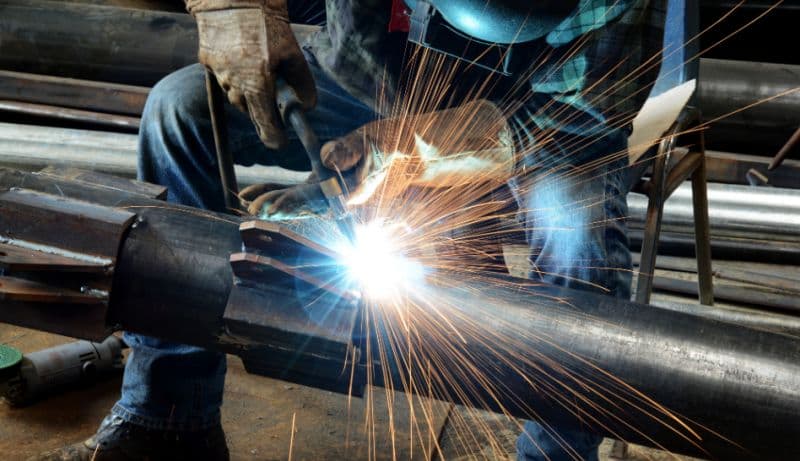
● Manufacturing
Equipment Manufacturing
The critical components of the of the complete pellet production line equipment are built in our own workshops in Asia. Additional equipment is manufactured by our worldwide network of reliable partners.
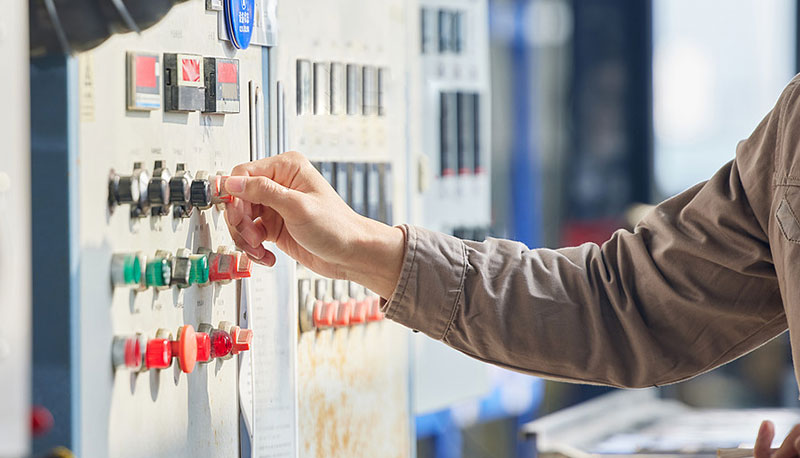
● Testing
Quality Inspection & Testing
Before leaving the factory, all equipment will be inspected by the quality inspection department. We can also provide customers with testing services from a single machine to a complete pellet plant system, and provide you with real actual data for “worry-free use.”

● Delivery
Equipment Delivery
In equipment boxing and packaging, we adopt professional packaging and modular solutions to ensure the safe and non-destructive delivery of pellet plant equipment.
● Installation
Installation & Commissioning
Whether you choose your own subcontractor for the erection phase or you want to install everything together with us, a Richi supervisor will be around to make sure everything is mounted in a safe and thorough way.

● Training
Staff Training
We provide comprehensive training for the technicians of each project. We can also continue to provide support for the technicians during latter project operation.
● After-sales
Project Follow-Up
When everything is up and running our Richiers will help you further whenever needed. We are ready to answer your call 24/7.We’ll also visit you regularly to learn about your needs.
Who we are
RICHI Machinery is one of the world’s leading suppliers of technology and services for the animal feed, aqua feed and pet food industries, also the largest pellet production line manufacturer in China.
Since 1995, RICHI’s vision to build a first-class enterprise, to foster first-class employees, and to make first-class contributions to society has never wavered.
In the past three decades, we have expanded our business to a wide range of areas, including animal feed mill equipment, aqua feed equipment, pet feed equipment, biomass pellet equipment, fertilizer equipment, cat litter equipment, municipal solid waste pellets equipment, etc.

1995
RICHI Established

2000+
Serving More Than 2000 Customers

120+
RICHI Employees

140+
Exported To 140 Countries