 0086-138 3838 9622
Sawdust Peanut Shells Straw Pellet Production Line in India
Three dry feedstocks meet in the sawdust peanut shells straw pellet production line in India, with separate preparation, controlled blending and one matched 3 T/H press serving industrial fuel buyers through identified, weighed deliveries.

RICHI MACHINERY
Sawdust Peanut Shells Straw Pellet Production Line in India for Industrial Buyers
Three dry ingredients meet in the sawdust peanut shells straw pellet production line in India: sawdust, groundnut shells and agricultural straw. Controlled preparation and batch blending establish the recipe behind the 3 T/H industrial fuel operation, giving buyers an identified product for their combustion assessment.
RICHI matches one forming machine to the selected preparation and finishing duties. This biomass pellet project has an 8,100-tonne annual operating basis, with protected supplier stock, measured recipes and identified dispatch forming the customer’s production programme.
3 T/H
capacity
USD 215,000
investment
India
location
Fuel
project type
RICHI MACHINERY
A Three-Material Supply Programme with Defined Limits
The customer’s biomass pellet production line uses dry sawdust from qualified timber processors, shells from identified groundnut businesses and accepted agricultural straw. Each ingredient is checked separately before the selected recipe is prepared.
The sawdust peanut shells straw pellet production line in India offers an industrial fuel blend with controlled composition. Supplier availability can vary through the season, but changes stay within the approved material range and buyer specification.
The commercial focus is a usable product and planned local deliveries. Supplier-level quantities, seasonal stock and the intended buyer’s requirements establish the operating programme for this industrial biomass pellet plant.
RICHI MACHINERY
Existing Premises with a Manageable Production Flow
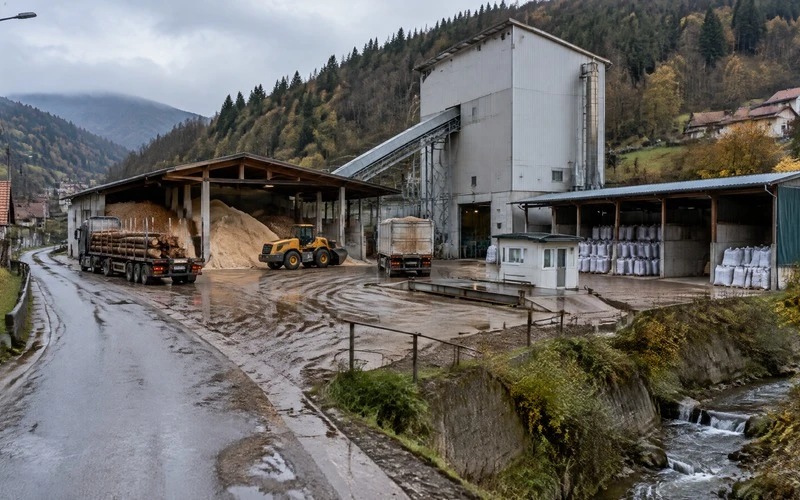
The 2,000 m² site basis includes 1,200 m² of covered allocation: 600 m² for processing, 350 m² for ingredients, 100 m² for finished stock and 150 m² for services. The remaining yard provides receiving, vehicle movement and access space.
The sawdust peanut shells straw pellet production line in India keeps the three feedstocks identified through storage. Long straw is close to the cutter, while suitable sawdust has a direct route to its preparation and dosing point.
The daily store supports the operating flow. Larger seasonal straw and shell stock requires suitable separate storage and a purchasing programme that protects moisture and lot identity.
RICHI MACHINERY
Qualified Dry Inputs and an Annual Supply Basis
| Material | Annual procurement basis | Accepted condition | Preparation |
|---|---|---|---|
| Sawdust | Around 4,200 tonnes | Untreated wood, checked size and moisture | Bypass unnecessary coarse cutting |
| Peanut or groundnut shells | Around 2,600 tonnes | Clean, dry processor supply | Screen and grind to the selected distribution |
| Agricultural straw | Around 1,600 tonnes | Identified dry bales or short fibre | Remove bindings and cut before grinding |
The combined basis is approximately 8,400 tonnes. At an average incoming moisture around 11%, it supports the 8,100-tonne product programme with the selected moisture change and modest handling losses.
The sawdust peanut shells straw pellet production line in India accepts a qualified dry range. Wet straw, moulded stock, painted timber, glued board, soil-rich material and unrelated waste require rejection or a separately assessed route.
Local purchasing follows the actual regional processors and crop supplies. Identified shelling businesses provide the groundnut fraction, with accepted monthly quantities and delivery distances recorded alongside sawdust and straw commitments.
RICHI MACHINERY
One Suitable Press and Measured Batch Blending
| Main duty | Equipment | Quantity | Selection basis |
|---|---|---|---|
| Straw preparation | Bale opener and cutter | 1 | 22 kW main drive |
| Shell and selected particle preparation | Biomass hammer mill | 1 | 75 kW main drive |
| Controlled blending | 500 kg batch mixer | 1 | An 8-minute full cycle provides capacity above the 3 T/H duty |
| Forming | biomass pellet mill, MZLH678 | 1 | 200 kW main drive; selected 3 T/H duty |
| Cooling and grading | Counterflow cooler and screen | 1 set | Match the formed product flow |
| Packing | Weighed 50 kg bagging and sealing | 1 | At least 2 bags/minute when bagging the full output |
One appropriately selected mill meets the forming requirement. The approved material and die trials establish its operating rate, while controlled blend preparation and feeding keep the forming duty tied to the customer’s actual ingredients.
The sawdust peanut shells straw pellet production line in India uses one shared grinder for the material that needs size preparation. Qualified fine sawdust bypasses unnecessary grinding. A thermal dryer is outside this dry-input equipment scope.
RICHI MACHINERY
Water Provision and Utility Readiness
The 360 kW connected electrical basis covers the 22 kW cutter, 75 kW grinder, 200 kW pellet drive, mixer and supporting equipment. Electrical assessment includes the starting sequence, available supply and the selected production windows.
The sawdust peanut shells straw pellet production line in India schedules work against the customer’s confirmed utility connection and tariff conditions. Receiving hours, production coverage and dispatch are coordinated around that site-specific operating programme.
Water provision mainly covers welfare, selected cleaning and small measured conditioning additions. Operators adjust the dry blend according to incoming moisture and the approved forming trials. A separate standby generator, when required, has its own load and scope assessment.
RICHI MACHINERY
The Sawdust Peanut Shells Straw Pellet Production Line in India Process
Inspect and identify incoming materials
Operators measure moisture and check supplier source, particle condition and contamination. Accepted ingredient lots remain separately identifiable in stock.
Prepare straw and shell particles
The cutter shortens long straw after binding removal. Shells pass through cleaning and grinding; suitable fine sawdust takes the appropriate bypass.
Confirm the prepared particle range
Samples check the selected distribution, typically within a 2–5 mm preparation envelope for the approved 8 mm product. Screen selection follows the ingredient and die assessment, giving each accepted material the preparation needed for controlled blending.
Weigh and mix the approved recipe
Measured batches bring the ingredients together. The full cycle includes filling, blending and discharge. A buffer keeps batch preparation independent of brief press-feeding variations.
Form in one ring-die machine
Controlled feeding presents the prepared blend to the selected die. Motor load, moisture and product condition are monitored within the trial-established duty.
Cool and screen
Counterflow cooling precedes grading and storage. Clean compatible fines return through an identified route, while rejected contamination remains separate.
Pack and identify dispatch
Released pellets enter weighed bags or the agreed bulk format. Product identity, test information and loading records stay with the order.
RICHI MACHINERY
Product Checks for Industrial Fuel Sales
The product basis is 8 mm diameter with an approximately 10–30 mm length range and moisture targeted at or below 10%. Density, durability, fines, heat value, ash and relevant chemistry are checked against the receiving customer’s requirements.
The sawdust peanut shells straw pellet production line in India supplies an approved mixed biomass range. Blend and combustion evaluation establish a suitable product specification when the customer considers rice-straw or other high-ash lots.
Industrial boiler supply and thermal-power co-firing procurement can have different feedstock, physical and testing requirements. A sawdust-containing blend is assessed against the actual tender before being offered for a co-firing contract. The press rating alone does not establish that qualification.
Extraction, housekeeping and material-return controls support the product specification. Only clean identified compatible fines return to the blend.
RICHI MACHINERY
Hours, Staff and Saleable Output
The annual basis is 3 × 9 × 300, or 8,100 tonnes. Two scheduled operating periods provide room around the nine net daily production hours for preparation, cleaning and servicing.
The sawdust peanut shells straw pellet production line in India uses three operating positions per scheduled period and two shared quality, maintenance and administrative roles. That is an eight-person staffing basis, with the daily responsibilities clearly allocated.
Capacity acceptance includes product after cooling and grading at the approved blend and diameter. Smaller pellets or a more demanding agricultural fraction receive a separate rate assessment. Weighing at product release connects production records to the saleable quantity delivered.
RICHI MACHINERY
Delivery and Local Installation
Equipment is packed by preparation, mixing, forming and finishing areas. Heavy assemblies carry lifting information, while the customer confirms unloading surfaces, workshop openings and foundation access before arrival.
The booked Indian sea gateway and onward inland route follow the site’s location, cargo dimensions and handling programme. Installation links local electrical and civil work to the equipment layout.
The sawdust peanut shells straw pellet production line in India includes training on incoming material identification, mixer cycles, feeding balance, product checks and wear inspection. The customer can then maintain its approved recipe through successive supplier lots.
RICHI MACHINERY
Equipment Cost and Total Project Investment
| Investment item | Budget |
|---|---|
| Equipment cost | USD 130,000 |
| Total project investment | USD 215,000 |
The equipment budget covers straw preparation, shell and selected particle grinding, batch mixing, one pellet mill, cooling, grading, conveying, packing, extraction and controls. The total also allows for freight, local installation, foundations, electrical work, premises adaptation, commissioning and contingency.
The sawdust peanut shells straw pellet production line in India uses existing site accommodation and handling resources. A thermal drying department, new land, extensive construction, major upstream grid reinforcement, a separate standby generator and recoverable taxes are outside this basis.
Comparing quotations on that same dry-feedstock and site-reuse scope gives the customer a useful equipment decision without combining raw-material or operating expenses into the machinery price.
RICHI MACHINERY
Discuss Your Sawdust Peanut Shells Straw Pellet Production Line in India
A mixed straw pellet production line can serve industrial buyers when its accepted materials and fuel analysis suit their equipment. The factory’s supply programme, utility access and delivery radius determine how the selected capacity becomes a dependable sales offer.
Can the shell-to-straw ratio change during the season?
Changes follow an approved recipe range and buyer specification. A larger substitution needs forming and fuel evaluation before routine production.
Does the line need a dryer for every straw supplier?
This scope accepts qualified dry material. A wetter purchasing programme creates a different moisture-treatment duty and must be assessed before changing the supply arrangement.
What is needed for a co-firing enquiry?
The exact tender’s feedstock, sampling and product requirements are reviewed alongside the proposed blend. Industrial pellets are not assumed to meet every power-plant procurement specification.
Request Your Three Feedstock Layout
Send RICHI Machinery your material samples, moisture records, monthly quantities, available power and intended product specification. We can prepare a sawdust peanut shells straw pellet production line in India proposal with one matched press and a clear investment scope.
● RICHI MACHINERY
RICHI Service

● Consulting
Customer Consultation
We want to have a deep understanding of your industrial process, to know your exact needs of feed, wood, biomass, fertilizer or other pellet processing.
● Design
biomass Pellet Plant Design
Based on your unique situation and industrial process, we will tailor complete pellet plant you need, and inform you of every additional detail that could facilitate operation, minimize total cost.
● Manufacturing
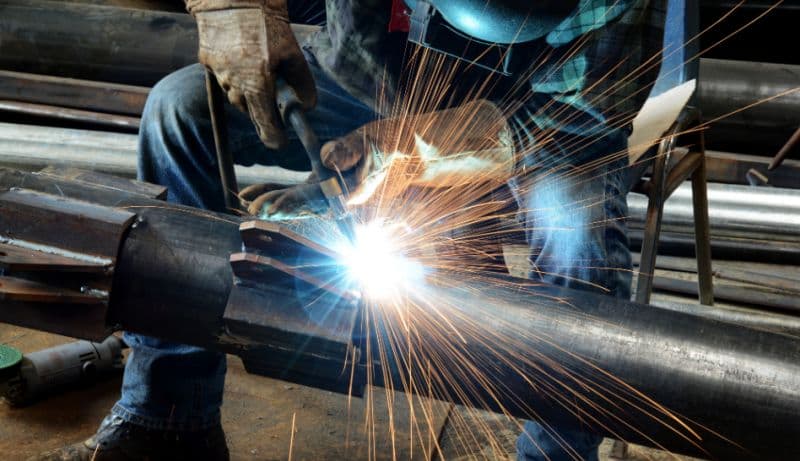
Equipment Manufacturing
The critical components of the of the complete pellet production line equipment are built in our own workshops in Asia. Additional equipment is manufactured by our worldwide network of reliable partners.

● Testing
Quality Inspection & Testing
Before leaving the factory, all equipment will be inspected by the quality inspection department. We can also provide customers with testing services from a single machine to a complete pellet plant system, and provide you with real actual data for “worry-free use.”

● Delivery
Equipment Delivery
In equipment boxing and packaging, we adopt professional packaging and modular solutions to ensure the safe and non-destructive delivery of pellet plant equipment.
● Installation
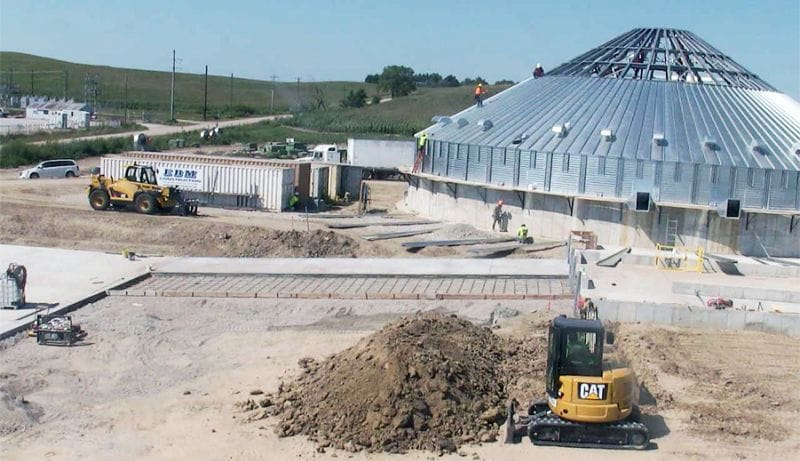
Installation & Commissioning
Whether you choose your own subcontractor for the erection phase or you want to install everything together with us, a Richi supervisor will be around to make sure everything is mounted in a safe and thorough way.

● Training
Staff Training
We provide comprehensive training for the technicians of each project. We can also continue to provide support for the technicians during latter project operation.
● After-sales
Project Follow-Up
When everything is up and running our Richiers will help you further whenever needed. We are ready to answer your call 24/7.We’ll also visit you regularly to learn about your needs.
Who we are
RICHI Machinery is one of the world’s leading suppliers of technology and services for the animal feed, aqua feed and pet food industries, also the largest pellet production line manufacturer in China.
Since 1995, RICHI’s vision to build a first-class enterprise, to foster first-class employees, and to make first-class contributions to society has never wavered.
In the past three decades, we have expanded our business to a wide range of areas, including animal feed mill equipment, aqua feed equipment, pet feed equipment, biomass pellet equipment, fertilizer equipment, cat litter equipment, municipal solid waste pellets equipment, etc.

1995
RICHI Established

2000+
Serving More Than 2000 Customers

120+
RICHI Employees

140+
Exported To 140 Countries