

 0086-138 3838 9622

Pellet Machine in Poland
Over the past few years, our work around pellet machine in Poland has grown into something much broader than equipment supply. Projects here don’t follow a single pattern—one week it’s wood residues from furniture plants, the next it’s agricultural by-products or feed materials with completely different handling requirements. We’ve been involved in everything from compact setups to full-scale plants. What makes this market interesting is the variety—different materials, different process routes, and different expectations on output quality—and that’s exactly where our engineering approach fits in.


More than 120 units
Installed Pellet Machines
Across multiple project types, most installations are ring die systems adapted to different materials and operating conditions.
Over 45 full projects
Completed Pellet Plants
From small modular lines to integrated plants with drying, cooling, and packing, built around real production needs.
Over 12 application fields
Industries Covered
From biomass and feed to waste-based materials, each setup tailored to how the raw material actually behaves in production.
Selected Pellet Projects in Poland
Some projects start with very clear plans. Others begin with a simple question like, “Can this material even be pelletized?” That’s usually how things go with pellet machine in Poland—clients bring very different raw materials, often with inconsistent moisture, irregular sizes, or uncertain end-use. What follows is not a standard solution, but a process of testing, adjusting layouts, and sometimes rethinking the whole flow. The cases below reflect that variety. Not polished stories—just how these projects actually came together on the ground.
Silesian Voivodeship
2 t/h tire cord & rubber waste pellet production in Poland
The client, based in Silesian Voivodeship, was handling waste streams from tire recycling plants. Most of the material was a mix of tire cord fibers, residual rubber particles, and fine textile reinforcement. Landfilling costs were rising, and simple incineration wasn’t an option they preferred.
We supplied a MZLH520 ring die pellet machine in Poland, part of a full pellet line in Poland including a shredder, fiber crusher, rotary dryer, double-shaft mixer, pelletizing machine in Poland, cooler, and packing unit. Raw material arrived in loose strips, 30–100 mm length, moisture fluctuating between 18–25%. After preprocessing, fiber size was reduced to under 5 mm.
- Finished pellets were 10 mm diameter, dense enough for road construction blending.
- Total investment sat around $210,000.

5 t/h wood pellet machine in Poland
A mid-sized furniture producer—too much sawdust, too expensive to dispose of. That was the starting point.
They installed two MZLH678 biomass pellet mill in Poland units, forming a 5t/h pellet plant in Poland. Raw material was clean pine sawdust, 2–4 mm, moisture around 12–15%, fairly stable.
The line included hammer mill, belt dryer, pellet press machine in Poland, counterflow cooler, and automatic bagging.
- Pellets were 6 mm, aimed at local heating markets.
- Total project cost came to about $480,000.
- One small detail—they insisted on extra dust collection points. Furniture dust behaves differently, lighter, more airborne. Good call in hindsight.
Warmian-Masurian Voivodeship
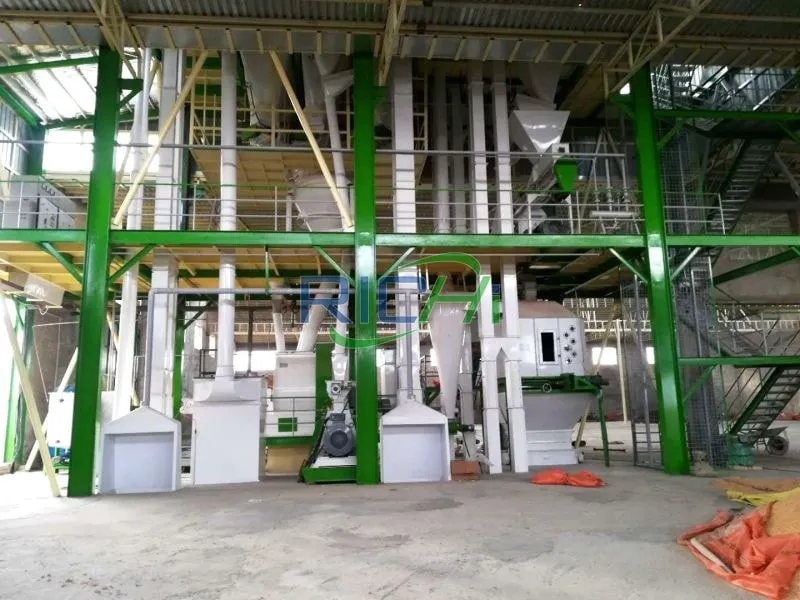
Greater Poland Voivodeship
10 t/h cattle feed pellet machine in Poland
This project came from a growing feed factory in Poland expanding capacity. They were already running mash feed but needed pellets for better feed conversion.
We supplied an SZLH420 animal feed pellet mill in Poland, integrated into a full feed plant in Poland with batching system, grinder, mixer, conditioner, pelletizer, cooler, crumbler, and silos. Raw materials were mixed—corn, wheat bran, soybean meal—ground to 2–3 mm, moisture controlled at 14–16%.
- Pellets were 4–6 mm depending on cattle stage.
- Investment was close to $620,000.
- Their main concern wasn’t output—it was conditioning. Steam stability made a bigger difference than expected.
10 t/h poultry chicken manure pellet plant in Poland
A poultry farm group dealing with waste management. Wet manure, inconsistent texture, strong odor—typical situation.
We used an FZLH520 chicken manure pellet machine in Poland, designed for fertilizer processing. The full pellet system in Poland included screw press dewatering, rotary dryer, crusher, mixer, pelletizer, cooler, and coating machine.
Input moisture was around 30%, reduced to 15% before pelletizing.
- Final pellets were 5 mm organic fertilizer.
- Total investment: $390,000.
- Drying was the tricky part. Too fast, material cracked. Too slow, throughput dropped. Took some tuning during commissioning.

Masovian Voivodeship
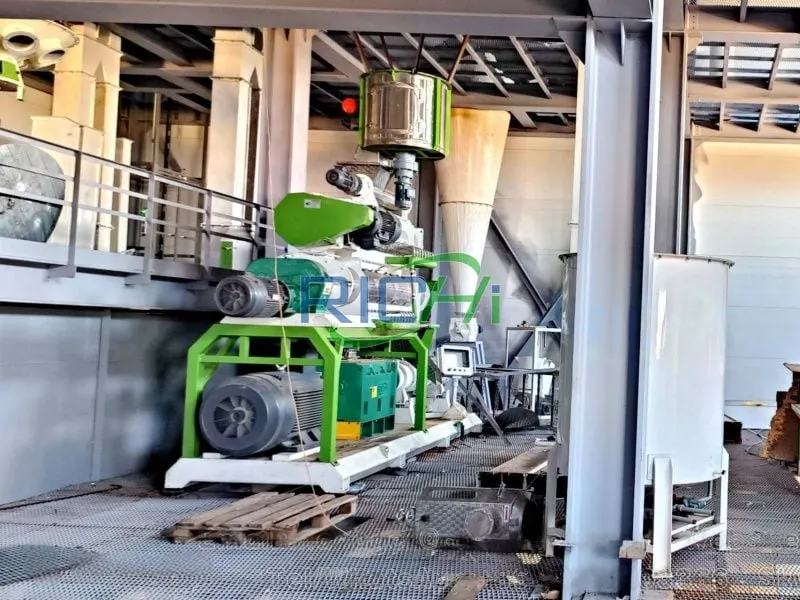
West Pomeranian Voivodeship
3-4 t/h fish feed extrusion machine in Poland
Aquaculture operator expanding into floating feed.
We supplied two SPHS120 twin-screw fish feed extruder machine in Poland, forming a 3–4t/h system. This wasn’t a standard pellet mill in Poland, but an extrusion-based feed plant.
Raw materials included fish meal, soybean meal, starch—fine powder, under 1 mm, moisture around 20–25% after conditioning.
The system included grinder, mixer, extruder, dryer, vacuum coater, and cooler.
- Final pellets: 2–5 mm floating feed.
- Investment: $730,000.
- Extrusion control was key—temperature and pressure changed everything.
4-5 t/h plant fiber litter pellet line in Poland
This one came from a pet product distributor moving into production.
Raw material: wheat straw. Loose, fibrous, moisture around 18%.
We used a CZLH678 pellet press machine in Poland in a litter pellet line in Poland, including crusher, dryer, mixer, pelletizer, cooler, and screening system.
- Pellets were 6 mm, designed for absorbency.
- Total investment: $220,000.
- Straw handling always needs attention—bridging in bins was an issue early on.
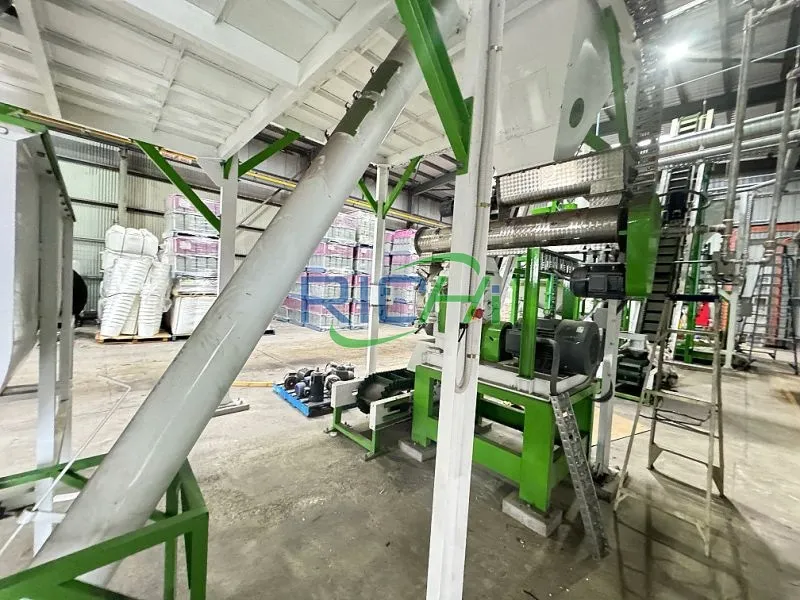
Kuyavian-Pomeranian Voivodeship
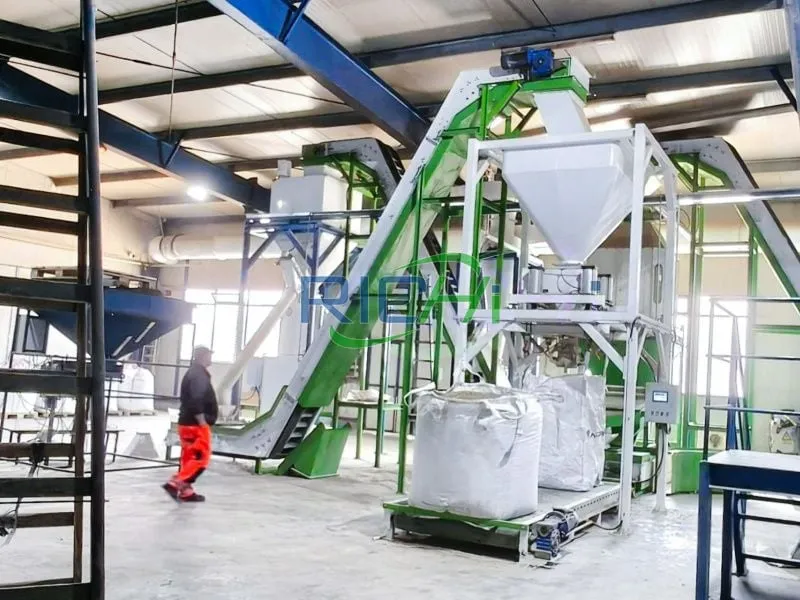
Podlaskie Voivodeship
1.5-2T/H sawdust bedding pellet line in Poland
A horse farm cooperative—looking for better bedding material.
They chose an MZLH520 sawdust pellet machine in Poland, part of a compact pellet plant equipment in Poland setup.
Raw material: mixed sawdust, 3–5 mm, moisture 14–18%.
Line included crusher, dryer, pelletizer, cooler, and small packing unit.
- Pellets: 6 mm, soft structure for bedding.
- Investment: $80,000.
- Not a big project, but practical. Sometimes smaller lines run more consistently.
3-4 t/h paper sludge pellet plant in Poland
Paper mill waste—high moisture sludge, around 35–40%.
We installed an FZLH350 pelletizing machine in Poland, part of a fertilizer pellet plant in Poland. The system included dewatering, drying, mixing with additives, pelletizing, cooling, and screening.
- Final pellets: 4–6 mm organic fertilizer.
- Investment: $160,000.
- Drying cost was the biggest concern here. Energy consumption had to be balanced carefully.
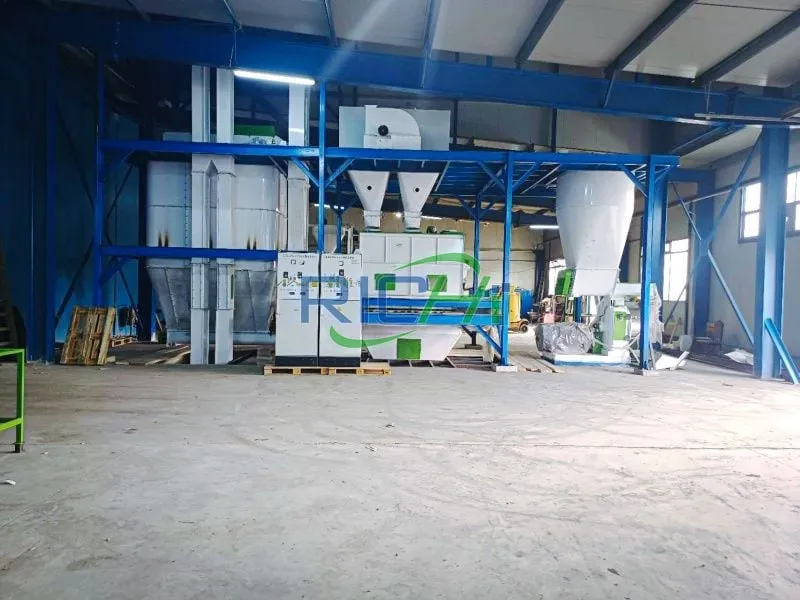
Silesian Voivodeship

Pomeranian Voivodeship
6-8 t/h digestate pellet plant in Poland
Biogas plant operator looking to monetize digestate.
We used an FZLH420 pellet production machine in Poland, integrated into a full pellet system in Poland with separation, drying, granulation, and coating.
Raw material: digestate fiber, moisture 25–30%, mixed composition.
- Pellets: 5 mm fertilizer granules.
- Investment: $210,000.
- Material variability was the challenge. No two batches behaved exactly the same.
8 t/h alfalfa pellet machine in Poland
This client was exporting feed pellets, so quality mattered more than cost.
We installed a CZLH768 ring die alfalfa pellet machine in Poland as part of a larger pellet factory in Poland. Raw material was alfalfa hay, chopped to 10–20 mm, dried to 13–15%.
The line included bale breaker, hammer mill, dryer, pellet mill, cooler, and packing system.
- Final pellets: 6–8 mm, high density, good durability.
- Project investment reached $550,000.
- They asked a lot about die wear. Fair question—alfalfa is not soft material.
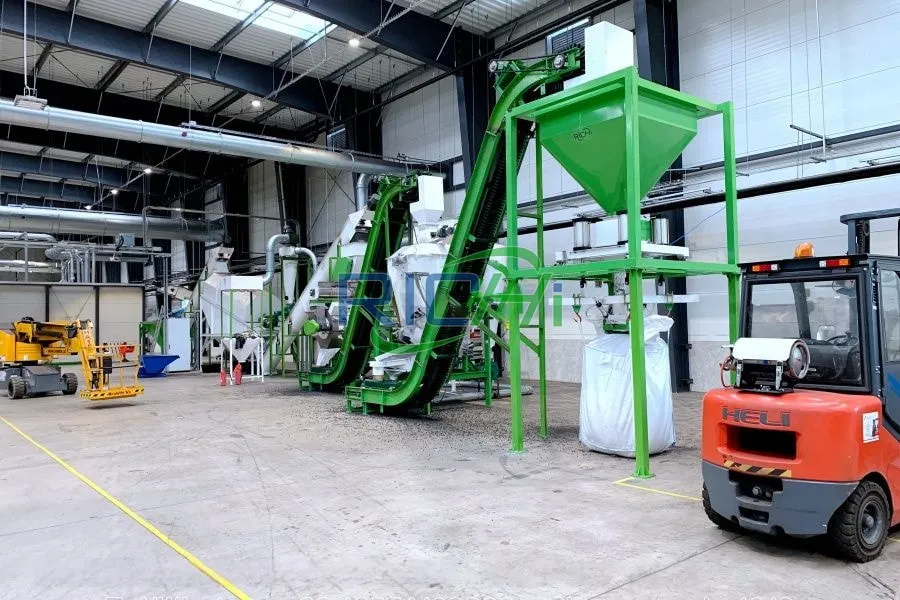
Lublin Voivodeship
More Pellet Line Installations Across Poland
Not every project is large or complicated. Some are built around a single material that’s been sitting unused for years. Others come from feed producers trying to stabilize quality across seasons. When we talk about pellet machine in Poland, a big part of the work is solving small, practical issues—material flow, moisture swings, storage limits. The following cases are smaller or less public, but they reflect how pellet mill in Poland projects are actually used day to day.
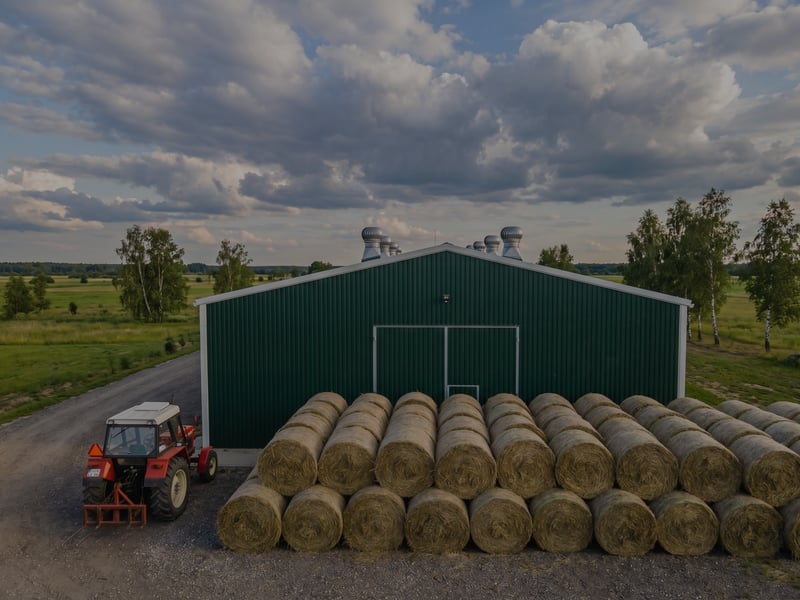
5 t/h meadow grass pellet mill in Poland
A livestock farmer cooperative wanted to turn surplus meadow grass into stable feed pellets instead of seasonal silage losses. The grass came in loose form, cut to around 20–40 mm, with moisture fluctuating between 16–22%. This pellet mill in Poland was placed after drying and grinding, helping them standardize feed density and storage.
Model
CZLH678
Pellet Size
6–8 mm
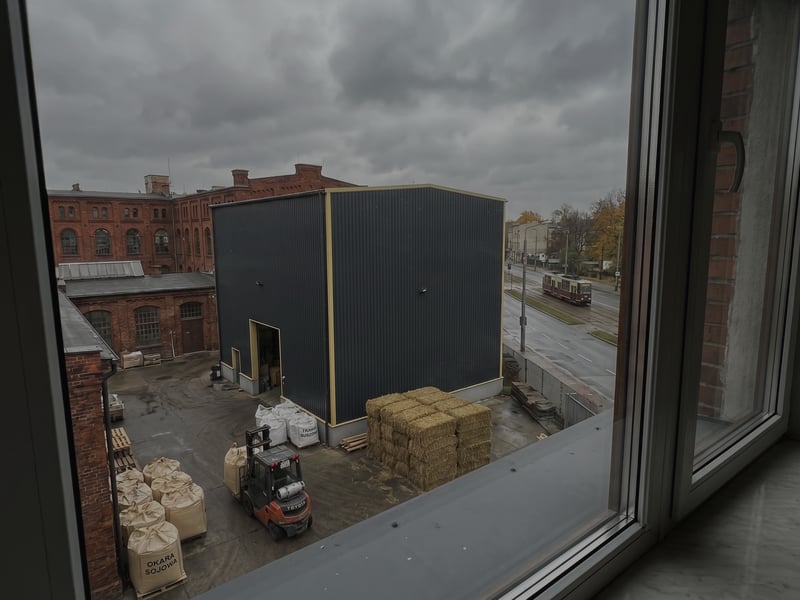
3-4 t/h cat litter pellet machine in Poland
A small pet product distributor moved upstream into production using mixed raw materials like soybean residue and grass fiber. The material was uneven—some powder, some fibrous strands—with moisture around 18%. This pellet press in Poland played a key role in binding mixed inputs into uniform litter pellets with decent absorbency. .
Model
MSZLH320
Pellet Size
4–6 mm
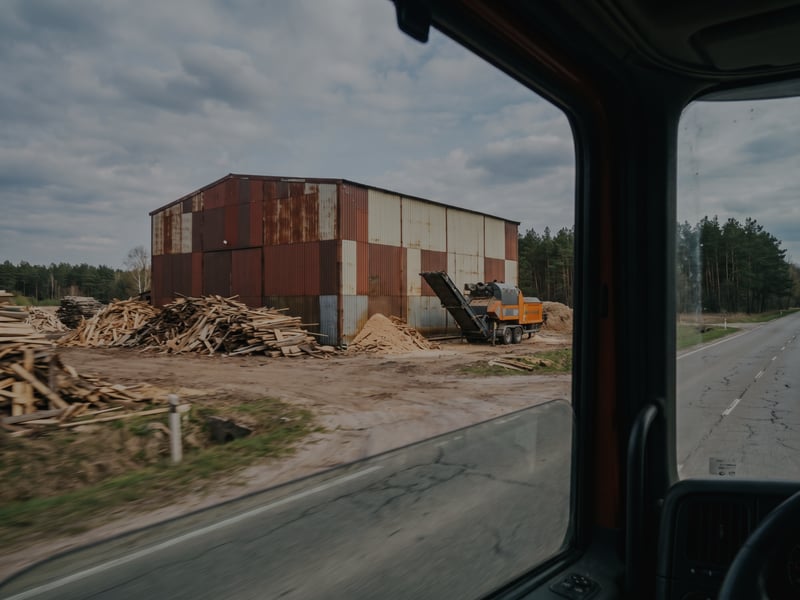
2 t/h animal bedding pellet machine in Poland
A wood processing workshop had piles of mixed offcuts—chips, shavings, irregular pieces—and needed a cleaner way to reuse them. After crushing to below 5 mm and drying to 12–15%, the pellet machine in Poland converted waste into bedding pellets for local farms.
Model
MZLH420
Pellet Size
6 mm
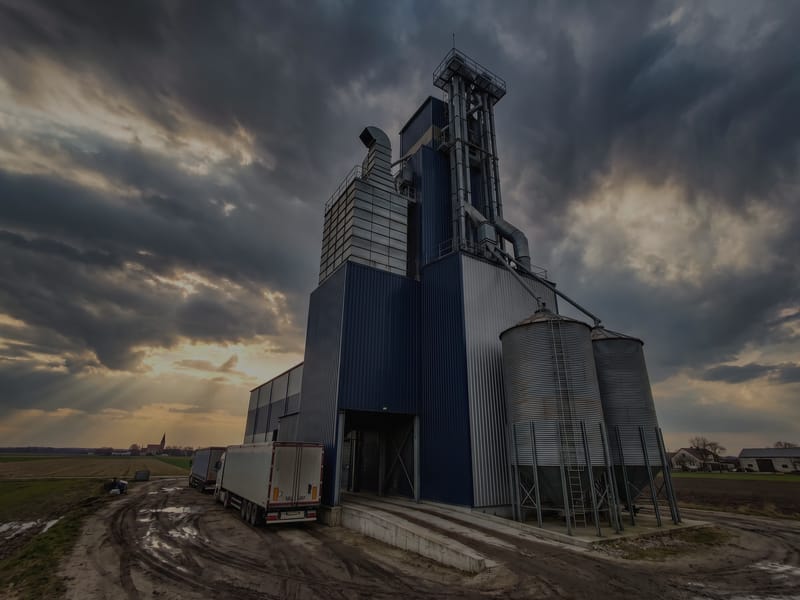
5 t/h chicken feed pellet plant in Poland
An independent feed mill in Poland expanded into poultry feed to meet local demand. Raw materials included corn, wheat, and protein meals, ground to around 2–3 mm with moisture at 14–16%. The pellet machine in Poland worked with a conditioning system to improve pellet durability.
Model
SZLH350
Pellet Size
3–4 mm
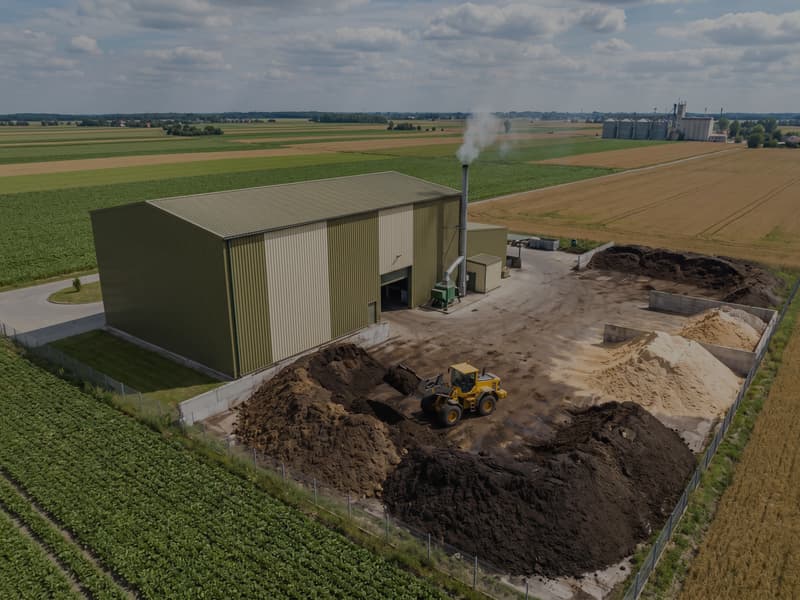
5 t/h organic fertilizer pellet plant in Poland
A farming group combined chicken manure with sawdust to produce organic fertilizer pellets for nearby crop farms. Raw materials were pre-composted, moisture around 25% before drying. The pellet mill in Poland acted as the shaping unit, forming stable granules after mixing.
Model
FZLH350
Pellet Size
4–5 mm
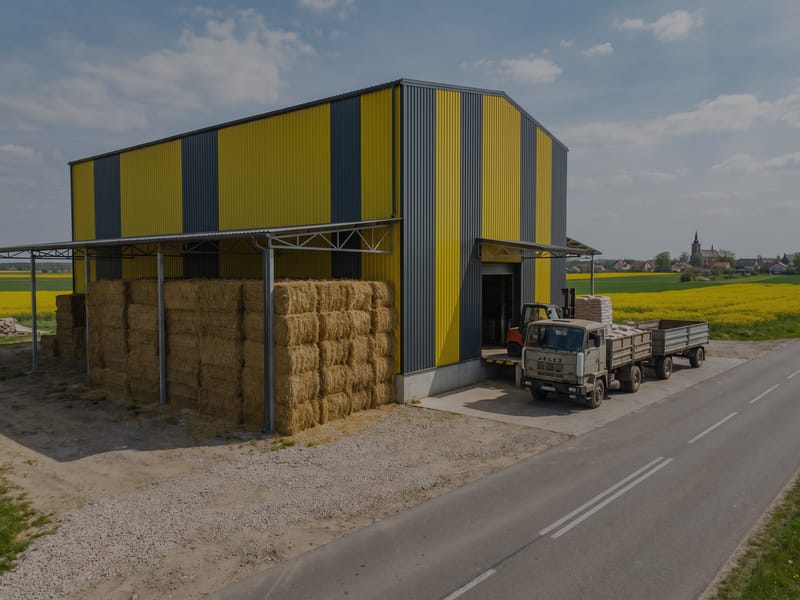
4 t/h rapeseed straw pellet plant in Poland
A grain producer had large volumes of rapeseed straw left after harvest and wanted to convert it into livestock feed. The straw was baled, then crushed to under 10 mm and dried to about 15%. This pellet machine in Poland helped improve digestibility and transport efficiency.
Model
CZLH678
Pellet Size
6 mm
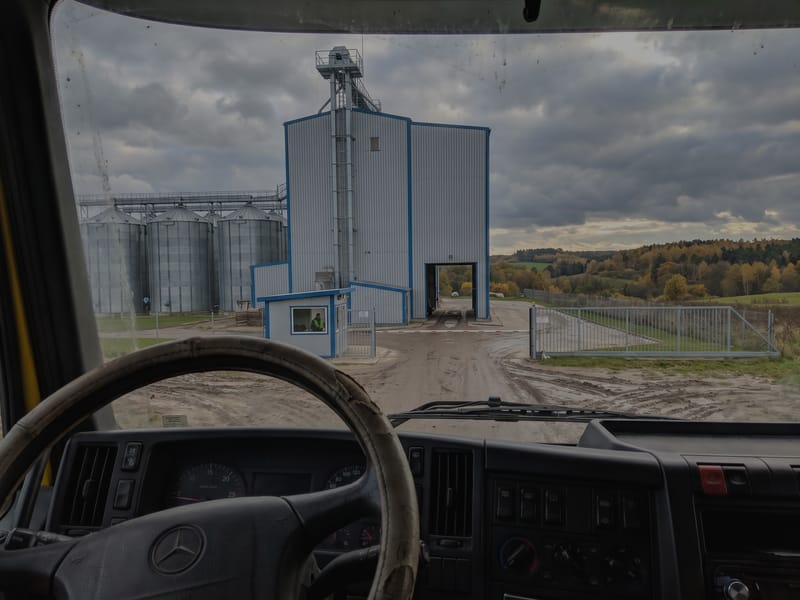
15 t/h grain feed pellet production in Poland
A commercial feed factory in Poland upgraded to a higher-capacity line to handle increasing orders. Raw materials were standard grains and additives, finely ground and conditioned with steam. The pellet press machine in Poland ensured stable output at higher throughput.
Model
SZLH508
Pellet Size
4–6 mm
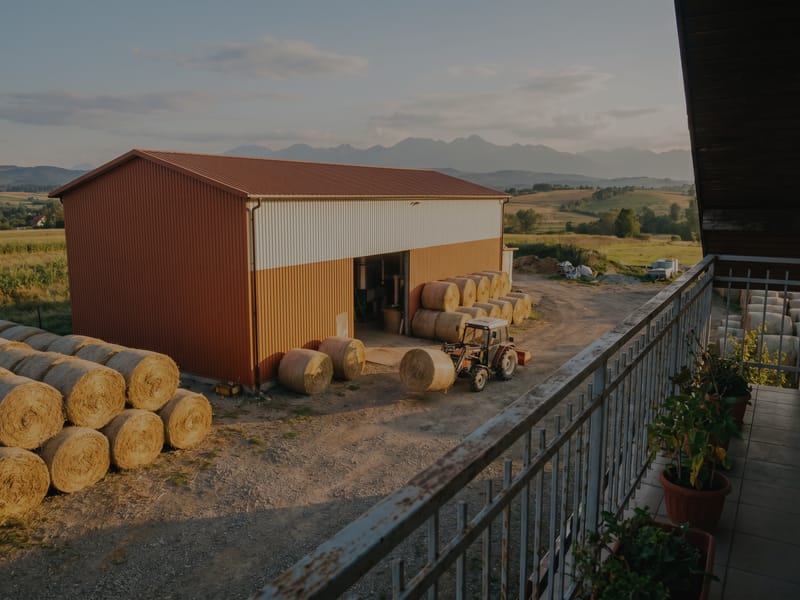
2 t/h corn stover pellet machine in Poland
A cattle farm started using corn stover bales as a feed source instead of wasting them after harvest. After chopping and grinding to below 8 mm, moisture was adjusted to 15%. The pellet machine in Poland helped compress the fibrous material into manageable feed pellets.
Model
CZLH420
Pellet Size
6–8 mm
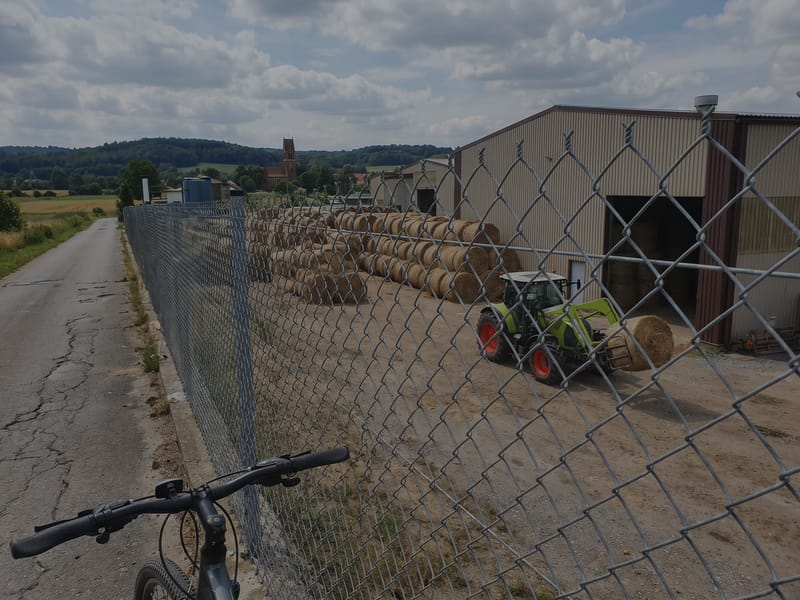
4 t/h hay pellet plant in Poland
A forage supplier focused on exporting hay pellets instead of loose bales to reduce logistics costs. The raw material was dry hay, chopped to 15–25 mm and further milled. The pellet mill in Poland played a central role in increasing bulk density. They paid close attention to cooling to avoid pellet cracking.
Model
CZLH678
Pellet Size
6–8 mm
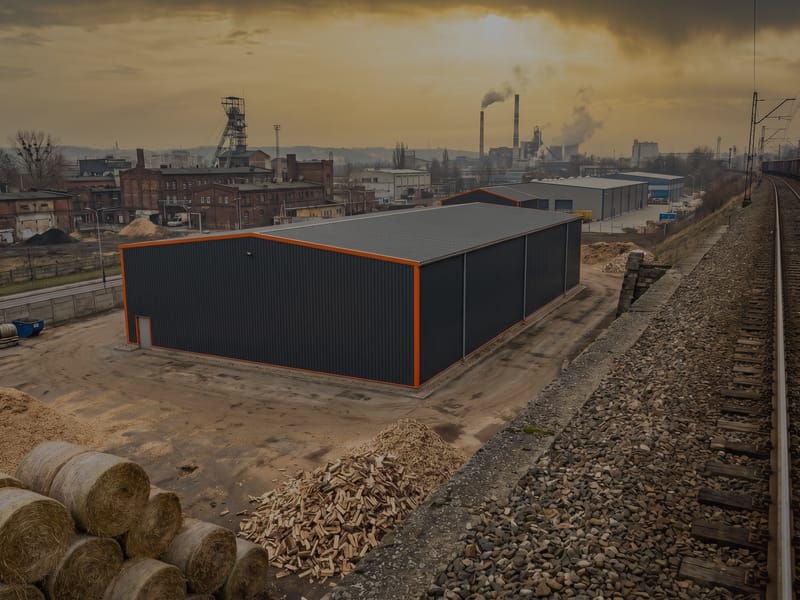
5 t/h energy pellet plant in Poland
A biomass trader combined straw and wood residues to produce fuel pellets for local heating markets. Material blending required careful moisture control, usually around 12–14%. The pellet machine in Poland handled mixed inputs with stable output after proper preprocessing.
Model
MZLH678×2
Pellet Size
6–8 mm
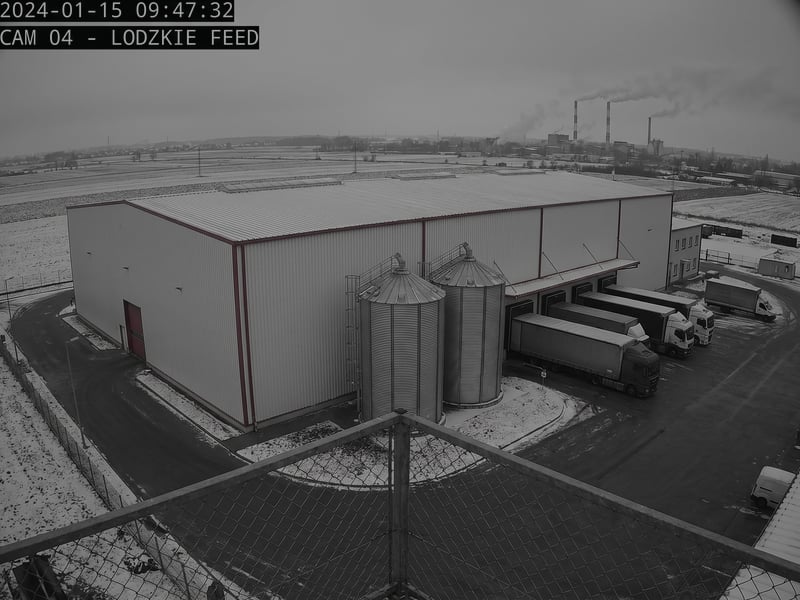
5 t/h compound feed pellet plant in Poland
A regional distributor invested in their own feed plant to reduce reliance on external suppliers. Ingredients were standard livestock feed materials, ground and mixed evenly. The pellet machine in Poland improved feed uniformity and shelf life.
Model
SZLH350
Pellet Size
3–5 mm
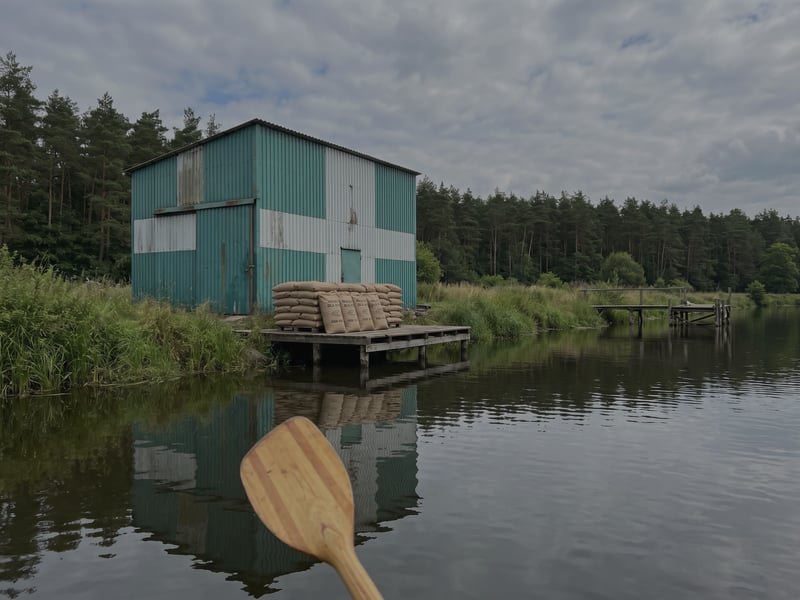
0.5-1.0 t/h aquaculture feed pellet plant in Poland
A startup aquaculture business tested local fish feed production on a smaller scale. Raw materials were fine powders, moisture adjusted during conditioning. This extrusion-based pellet machine in Poland produced floating feed with controlled expansion.
Model
SPHS75x2
Pellet Size
1–3 mm
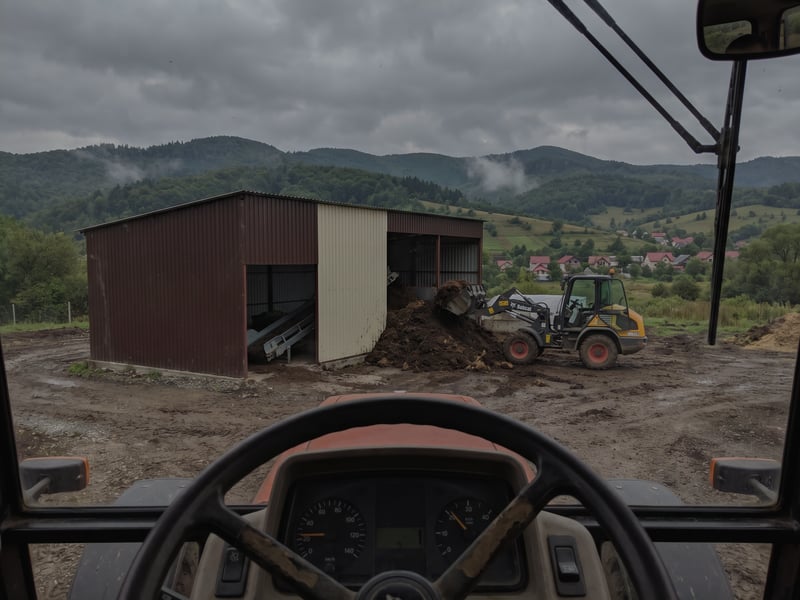
1-1.5 t/h pig manure pellet production line in Poland
A pig farm needed a cleaner way to manage manure waste while creating value. After drying to around 18% moisture, the pellet mill in Poland converted material into organic fertilizer granules. The system was simple but effective for small-scale use.
Model
FZLH250
Pellet Size
4–5 mm
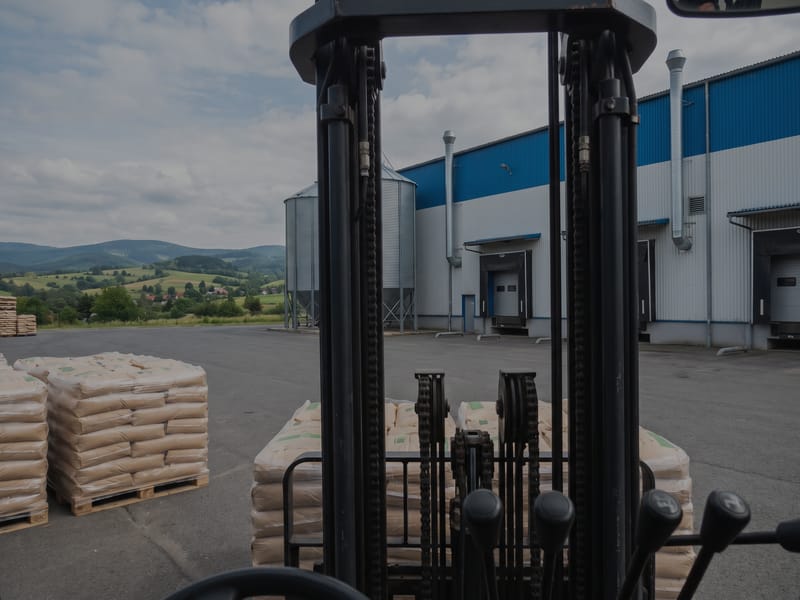
3-4 t/h animal nutrition pellet plant in Poland
A feed supplement producer focused on specialty nutrition pellets with additives and minerals. Materials were fine powders, requiring careful mixing before pelleting. The pellet press machine in Poland ensured uniform density and reduced segregation. T
Model
SZLH320
Pellet Size
2–4 mm
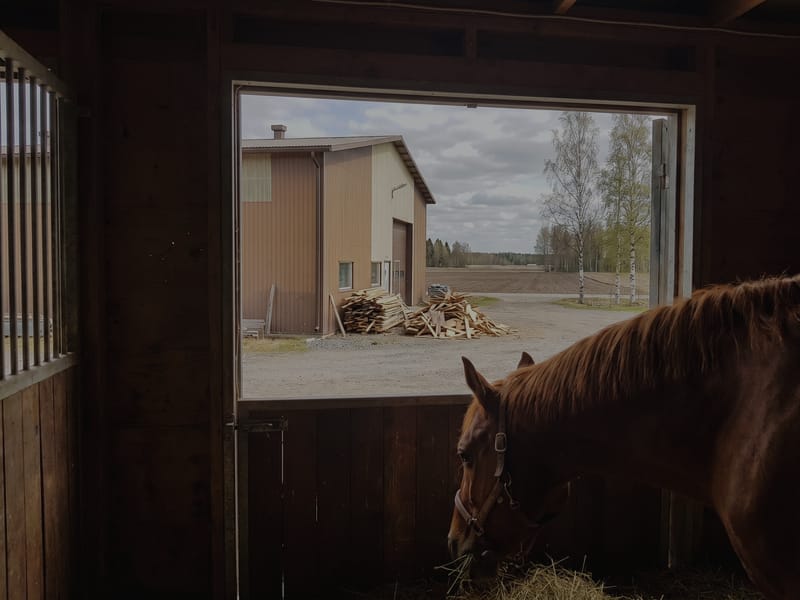
2.5-3.0 t/h horse bedding pellet plant in Poland
A horse stable operator wanted a more absorbent bedding material using local wood waste. Raw material included mixed wood residues, processed to 3–5 mm. The pellet machine in Poland improved cleanliness and reduced storage volume.
Model
MZLH678
Pellet Size
6–8 mm
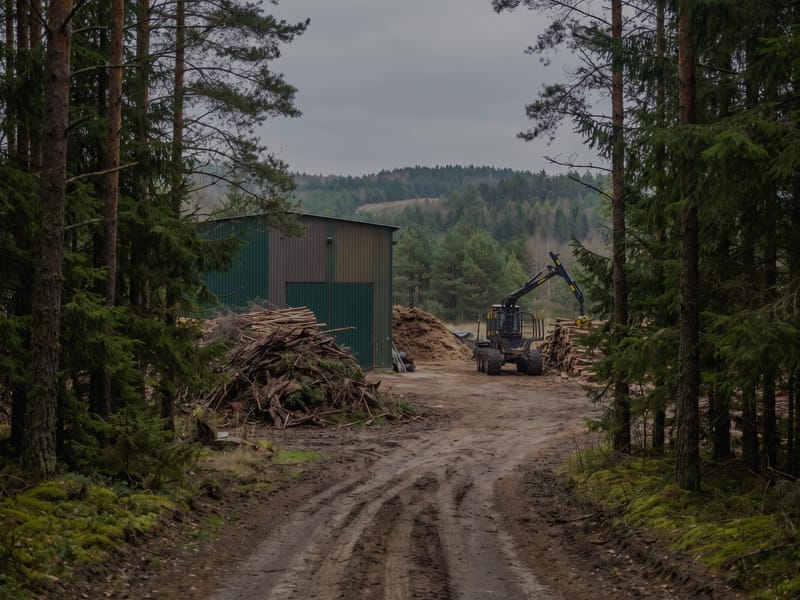
1.5-2.0 t/h forestry residue pellet plant in Poland
A forestry contractor collected branches and logging residues, usually left unused. After crushing and drying, the pellet mill in Poland converted this material into fuel pellets. The line was designed to handle variable input sizes. It helped create additional revenue from waste streams.
Model
MZLH520
Pellet Size
6–8 mm
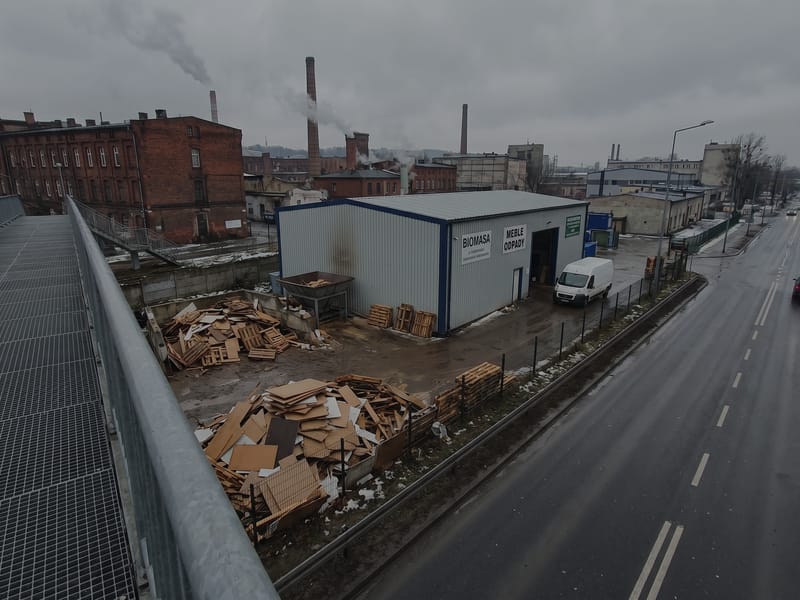
1 t/h furniture wood waste pellet line in Poland
A small furniture workshop wanted to reuse sanding dust and fine wood waste. The material was already fine but had uneven moisture levels. The pellet machine in Poland stabilized output into usable fuel pellets. The compact pellet plant fit into an existing workshop corner.
Model
MZLH420
Pellet Size
6 mm
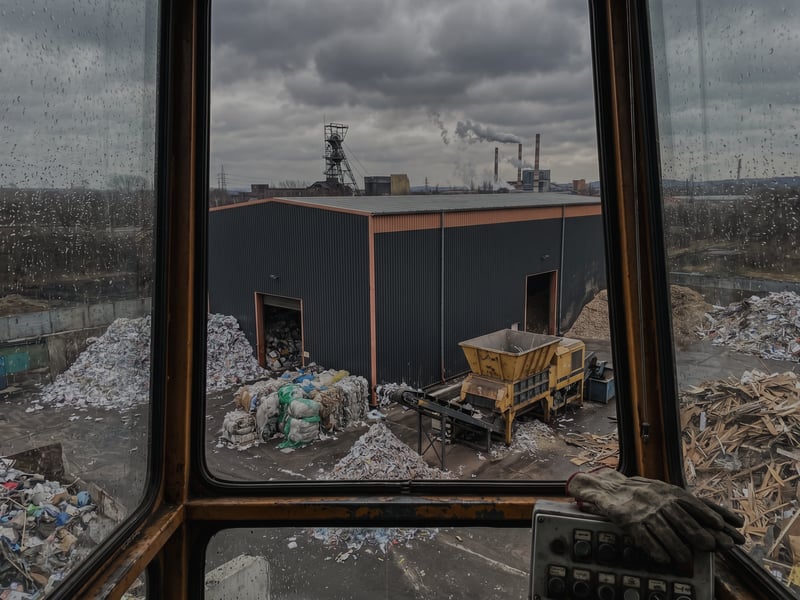
3-4 t/h industrial waste pellet fuel plant in Poland
A recycling operator processed mixed industrial residues into alternative fuel pellets. Materials varied widely, requiring sorting and size reduction before pelleting. The pellet mill in Poland provided consistent output once preprocessing was stabilized. This pellet production line focused on fuel applications.
Model
MZLH768
Pellet Size
8–10 mm
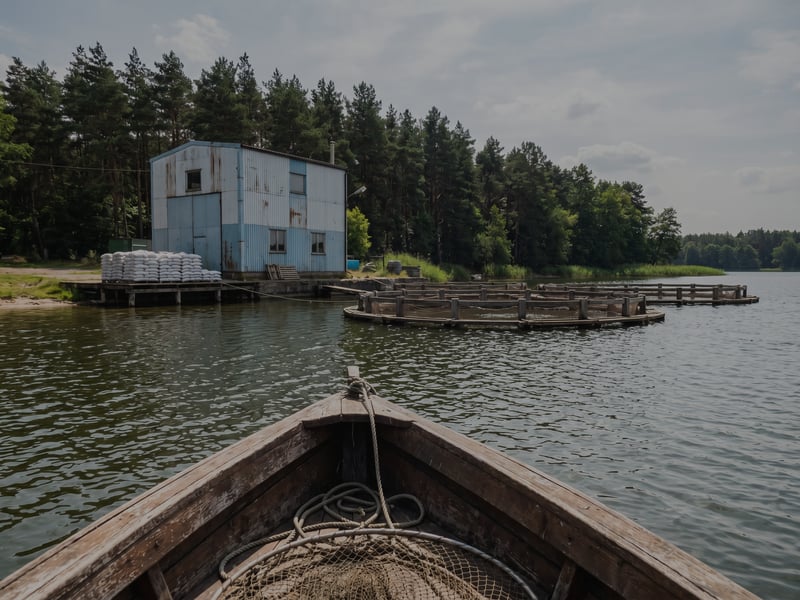
0.8-1.0 t/h fish feed extrusion line in Poland
A small aquaculture farm tested sinking feed production using a single-screw extruder. Raw materials were mixed powders, moisture controlled during processing. This pellet machine in Poland offered a simpler alternative to twin-screw systems. It worked well for steady, low-volume production.
Model
DSP-135B
Pellet Size
2–4 mm
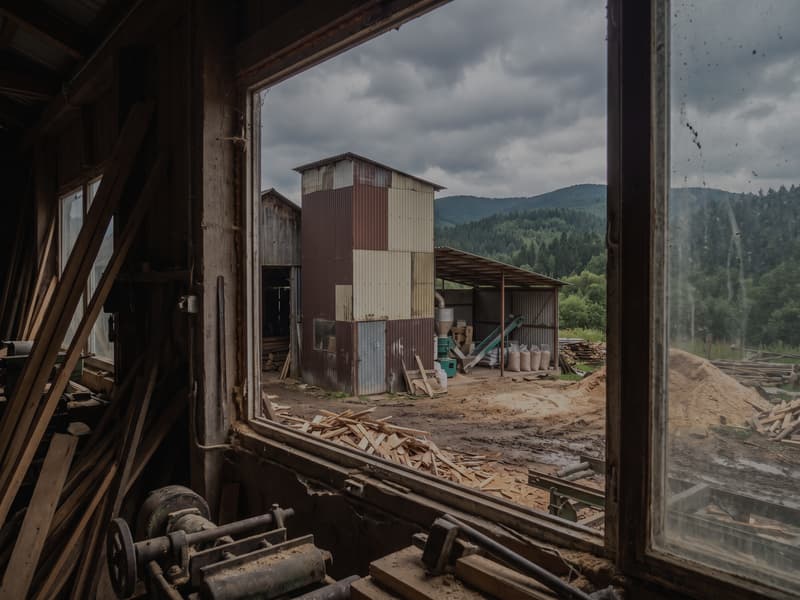
0.2-0.3 t/h sawmill waste pellet mill in Poland
A sawmill with limited space installed a small pellet mill in Poland to reuse fine residues. Material size was already below 3 mm, moisture adjusted slightly before pelleting. The machine helped reduce waste disposal costs. It’s a typical small-scale pellet solution.
Model
MZLH320
Pellet Size
6 mm
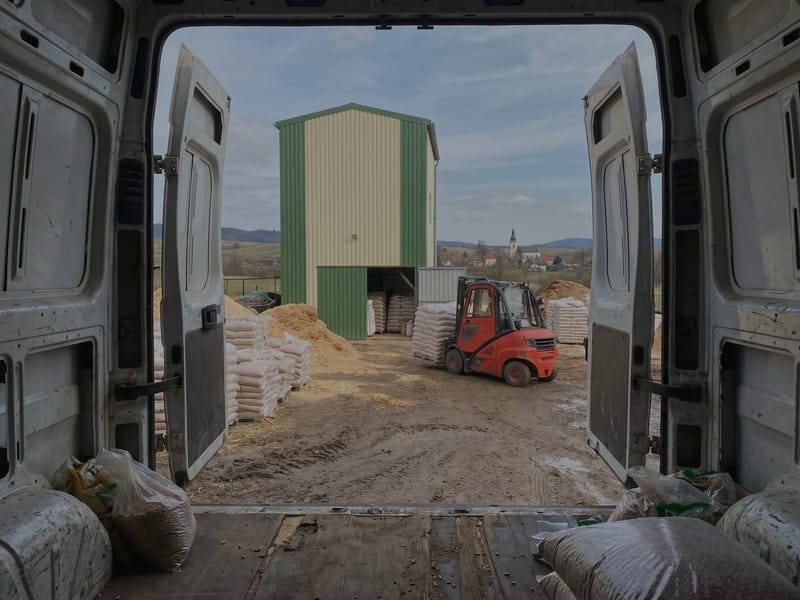
0.3-0.5t/h wood shavings pellet plant in Poland
A carpentry workshop used wood shavings for pellet production instead of burning them directly. The material was light and bulky, around 15% moisture. The pellet press in Poland compressed it into dense pellets for easier handling. Even small volumes made economic sense here.
Model
MZLH350
Pellet Size
6 mm
Pellet Projects in Poland on Site
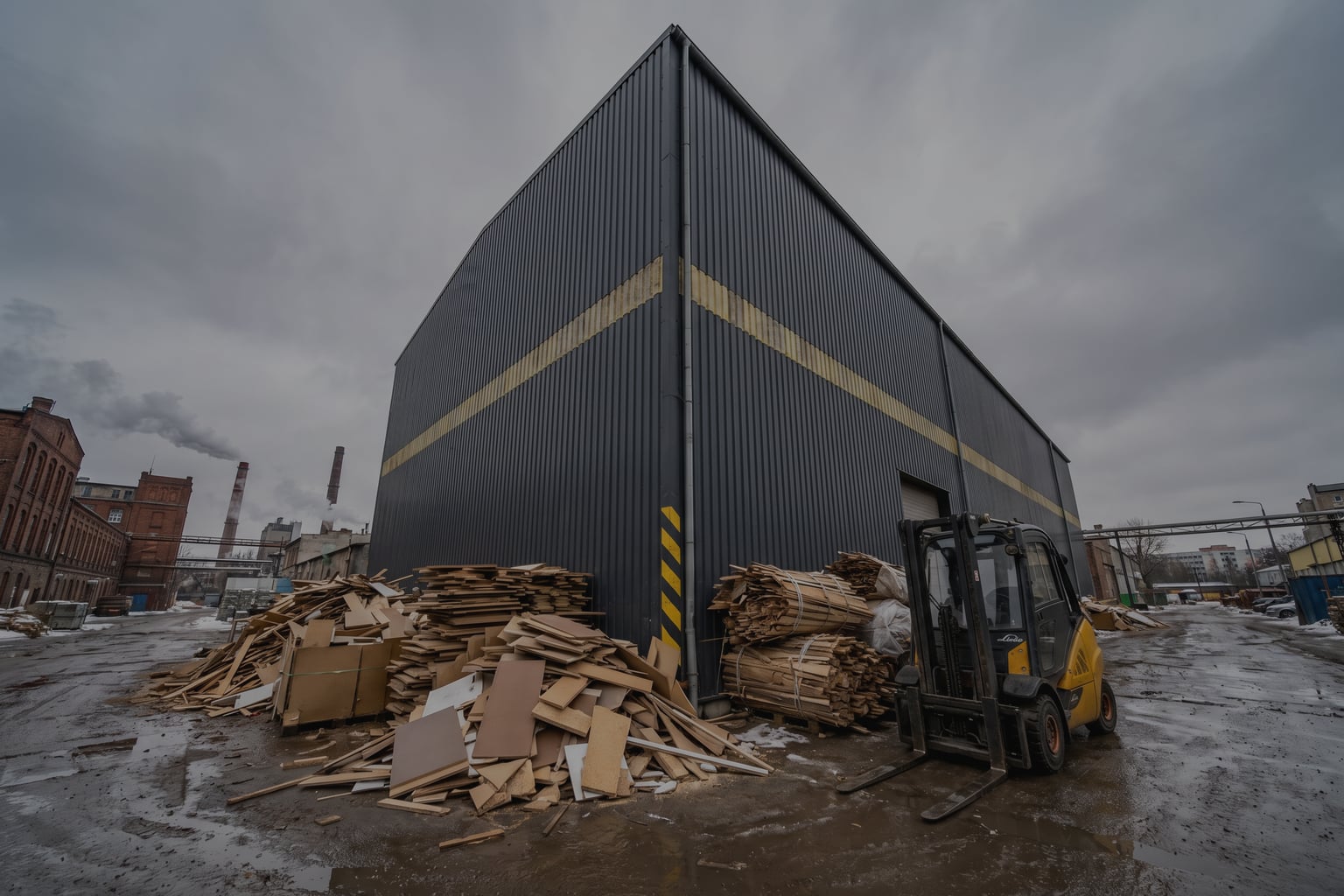
2-3T/H Furniture Wood Waste Pellet Line In Poland
This line handles mixed furniture residues—fine sanding dust mixed with small chips. They’re running an MZLH520 pellet machine in Poland, pushing material that’s already below 5 mm, moisture kept around 13%.
Finished pellets are 6 mm, mostly used for heating. You’ll notice how stable the feed rate is, even with uneven input—this is where a well-matched wood pellet mill for sale Poland makes a difference.
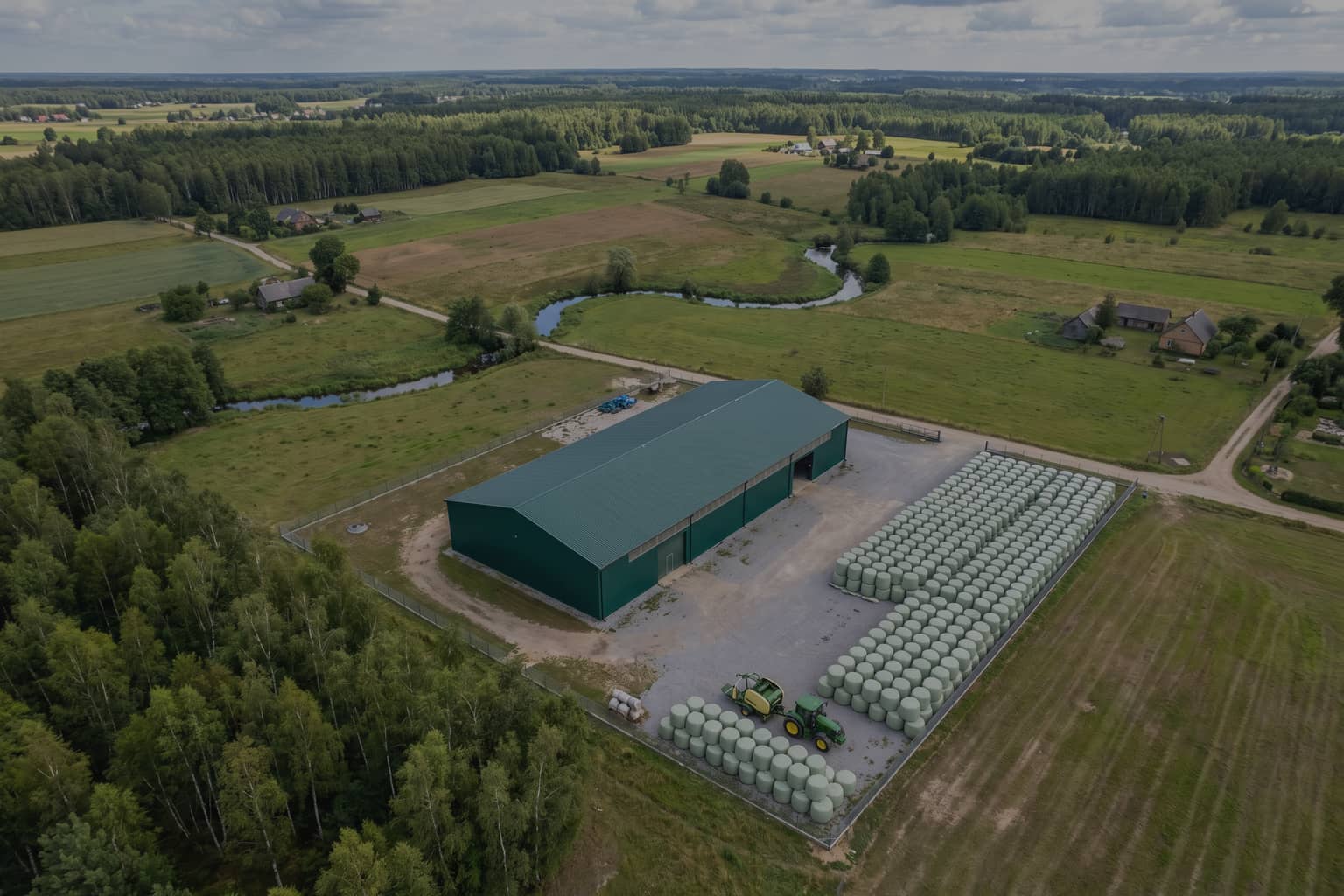
3-4T/H Grass Pellet Plant In Poland
Loose grass is tricky. It doesn’t flow well and tends to bridge in bins. In this setup, a CZLH678 pellet machine in Poland is used after drying and fine grinding. Raw material is reduced to under 6 mm, moisture around 15%. Final pellets come out at 6–8 mm for feed use. Watching this pellet mill for sale Poland in operation, you’ll see how they adjusted feeding to keep it consistent.
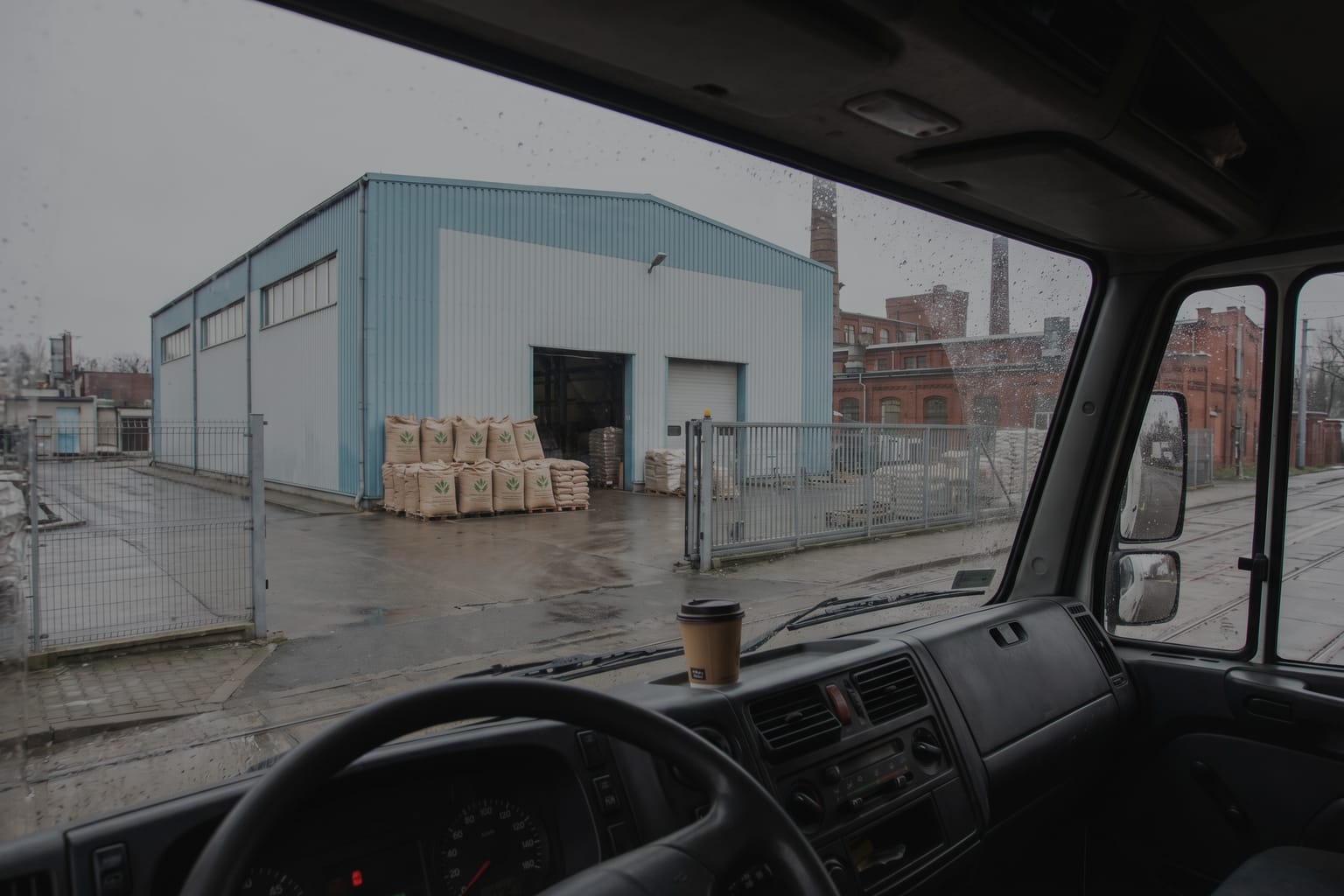
1-2T/H Plant Fiber Cat Litter Pellet Line In Poland
This one processes plant fiber blends—mostly straw and agricultural residues. They installed a CZLH520 pellet machine in Poland, working with material crushed to about 4–6 mm. Moisture sits near 16% before pelleting.
The output is 6 mm litter pellets with decent absorbency. The video shows how this pellet mill for sale Poland handles light, fibrous material without frequent blockages.
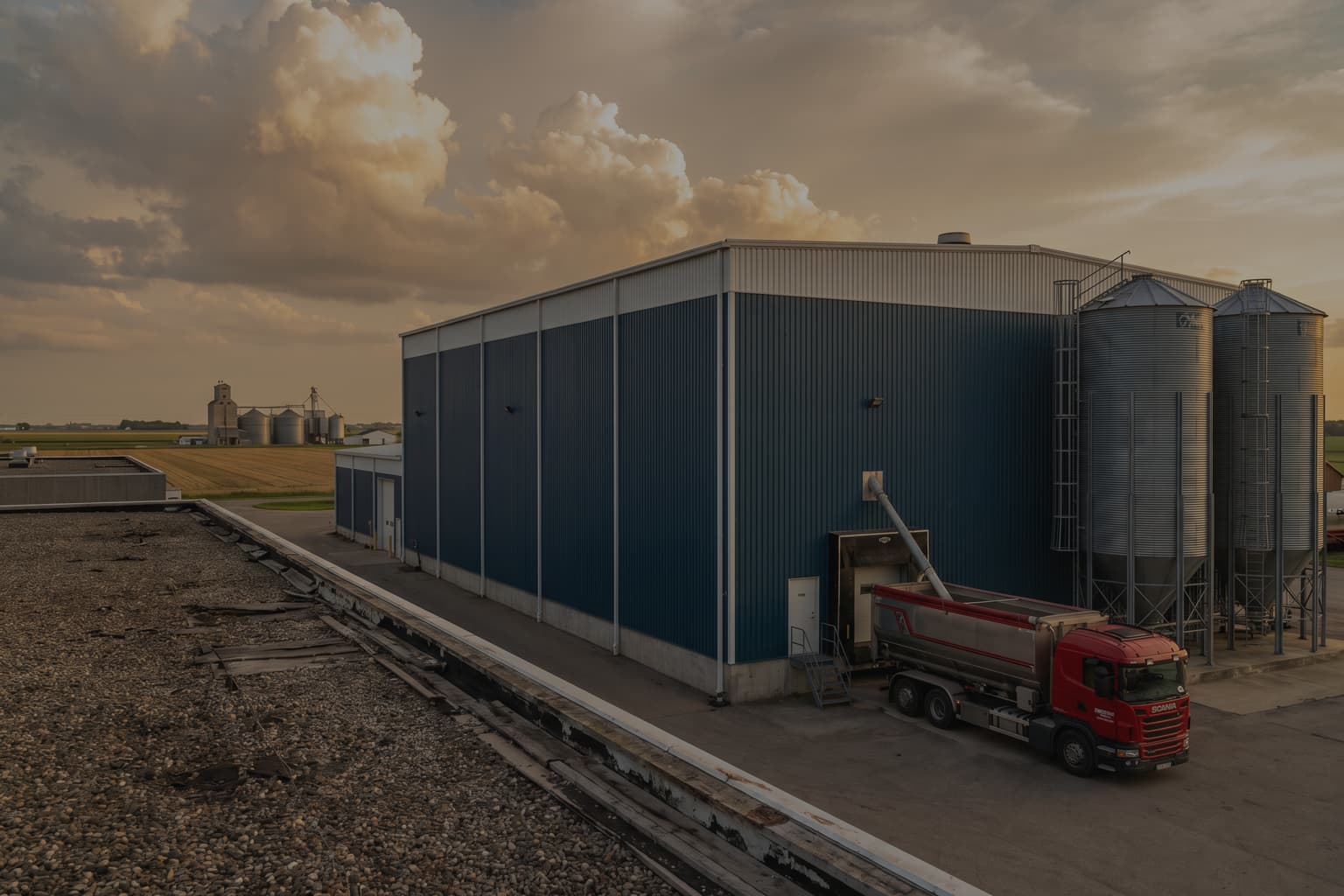
5T/H Cattle Feed Pellet Plant In Poland
A straightforward feed plant, but built for steady output rather than flexibility. The core unit is an SZLH420 cattle feed pellet machine in Poland, processing grain-based feed ground to 2–3 mm. After conditioning, pellets are formed at 4–6 mm.
You’ll notice the conditioning section runs continuously—this pellet mill for sale Poland is tuned for stable throughput, not frequent recipe switching.
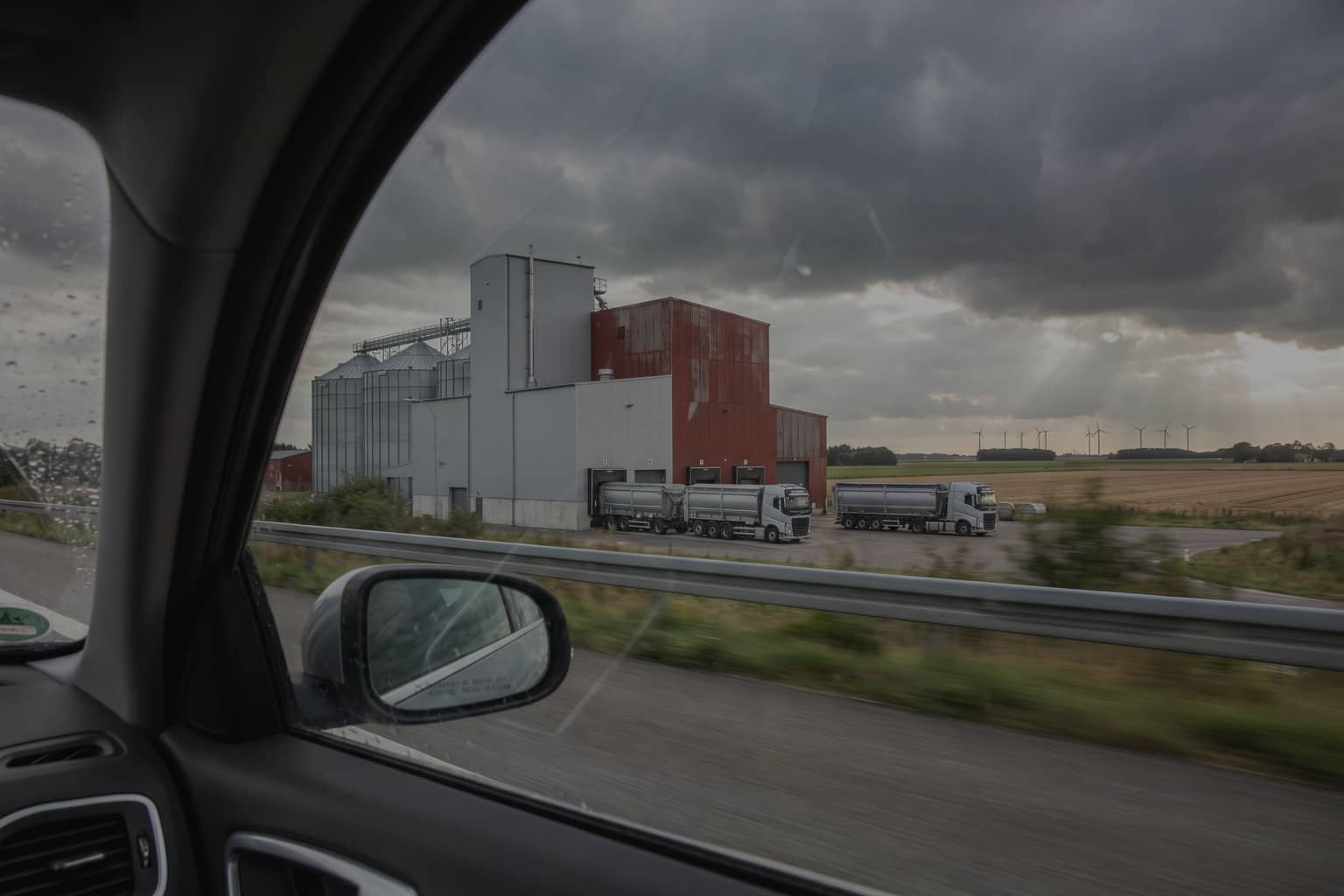
10T/H Poultry Feed Pellet Production Line In Poland
This is a larger feed factory in Poland, running an SZLH508 poultry feed pellet making machine in Poland. Raw materials are standard poultry feed ingredients, finely ground and conditioned. Pellets are typically 3–4 mm.
The line layout is more complex—multiple bins, automated batching. Watching this pellet mill for sale Poland, you’ll see how they keep production moving with minimal manual intervention.
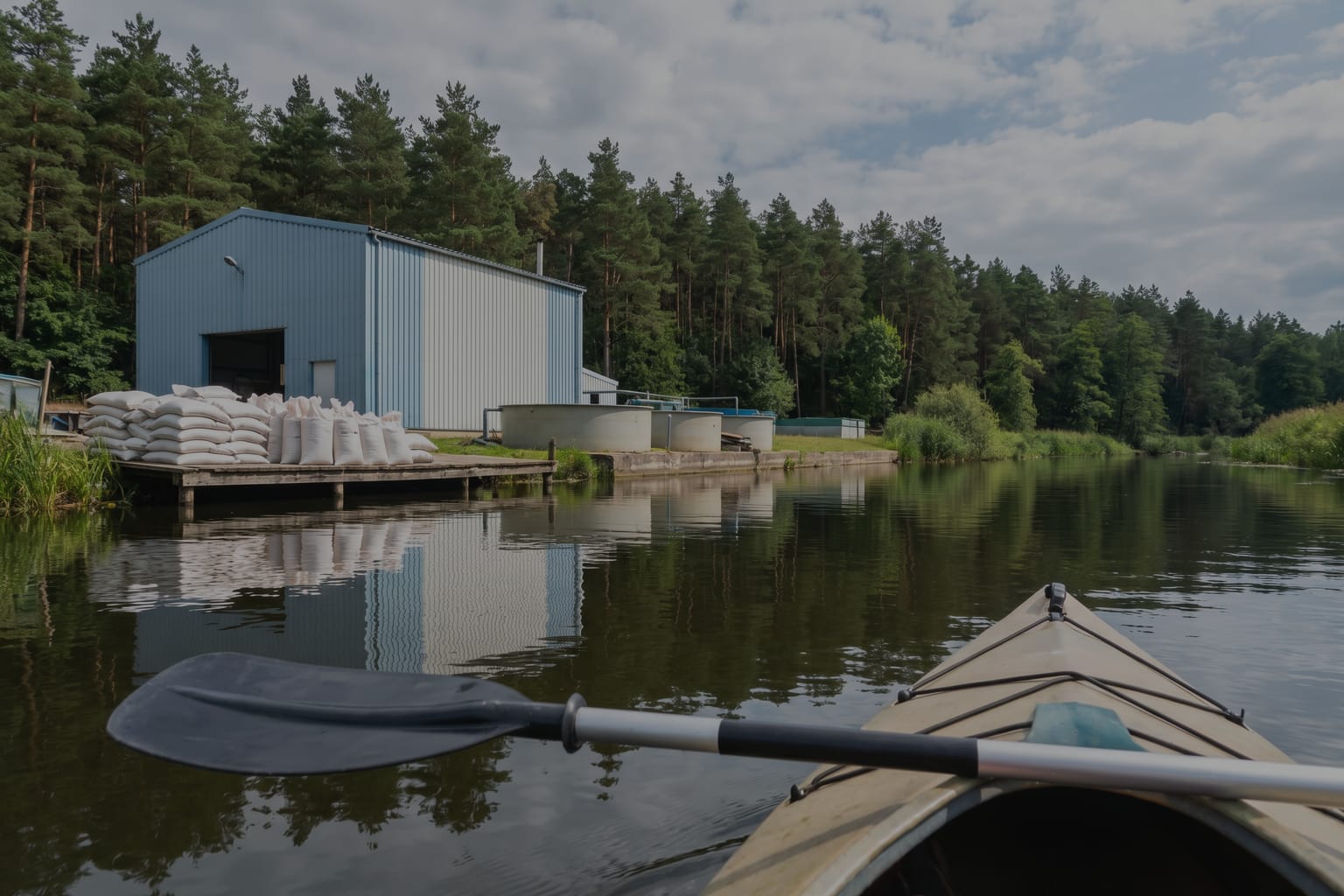
1-2T/H Floating Fish Feed Line In Poland
Here they’re using a twin-screw extruder, SPHS120 extrusion machine in Poland, rather than a traditional pellet mill. Raw material is powder, moisture adjusted during extrusion. Final pellets are 2–4 mm floating feed.
The video shows expansion and drying clearly—different from standard pelleting. Still, clients searching pellet mill for sale Poland often end up comparing with this type of system.
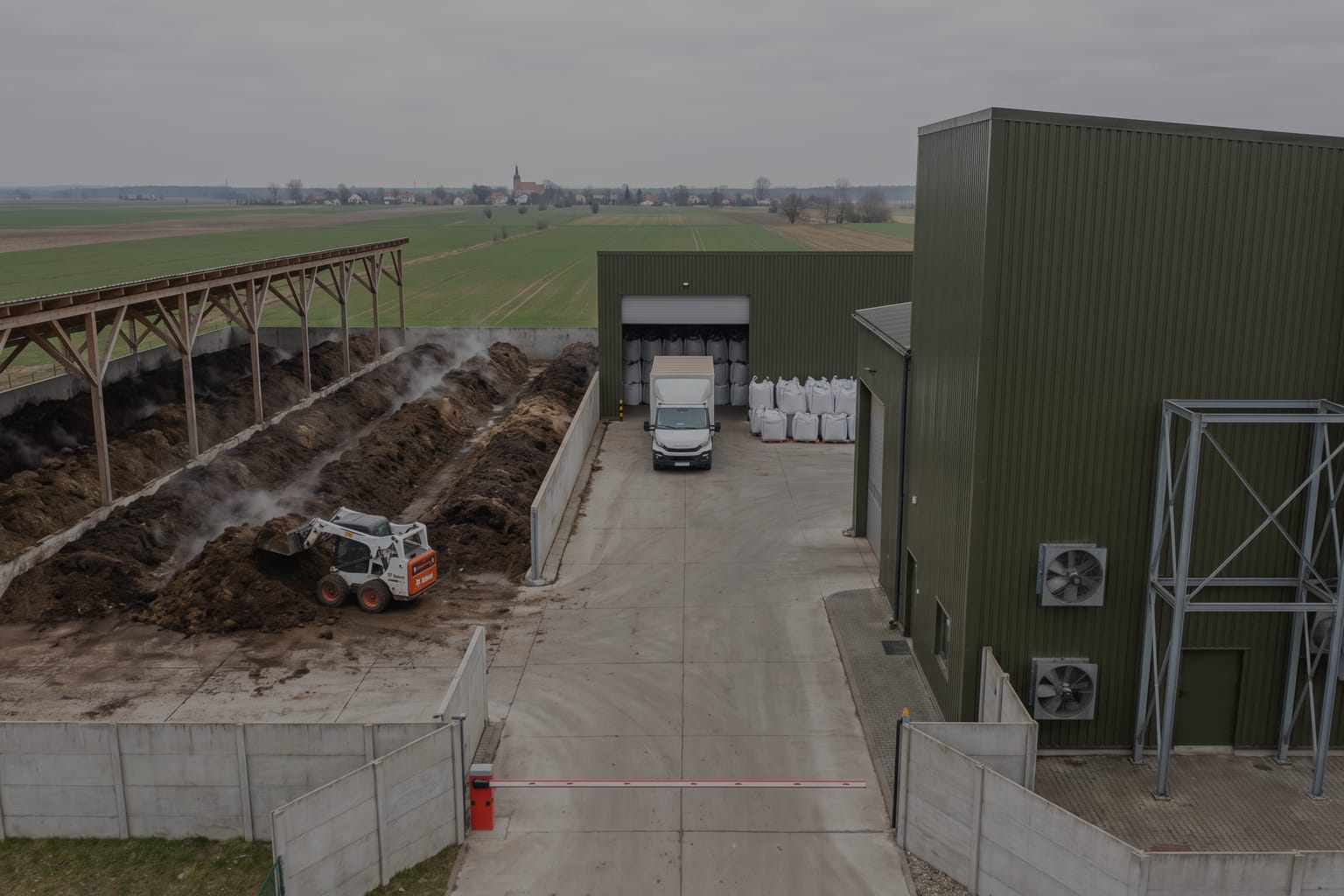
5T/H Chicken Manure Pellet Production Line In Poland
This is one of those lines where the first impression is always about the smell control system, not the machine itself. When you step into the workshop, you notice right away that the material has already gone through deep fermentation and drying before it even reaches the pelleting section.
Raw chicken manure is too unstable on its own, so the key here is pre-treatment stability rather than just pressing capacity. In this setup, they are running an FZLH350 pellet machine in Poland, designed for higher-pressure because the material behaves very differently from wood or feed.
What Our Customers Say

We’re running a wood pellet setup here using pine and some mixed sawdust from nearby workshops. Before this, the material was just piling up—too dry for compost, too bulky to transport. The pellet machine in Poland you supplied, an MZLH678, changed that quite a bit. It took some time to get the moisture right—around 12–13% seems to be our sweet spot—but once dialed in, the output has been steady.
What I appreciated most was not just the machine itself, but the way your team helped us rethink the layout. We had space constraints, and honestly, I didn’t expect everything to fit as cleanly as it does now. Operators picked it up quickly too. It’s not a complicated line to run, but small details—like die selection and airflow in cooling—made a difference. We’re not stopping here, already thinking about expanding capacity next year.
Tomasz Kaczmarek
Production Manager, Biomass Processing Facility, Poland

Where Pellet Production Is Actually Growing in Poland
When people ask about investing in a pellet machine in Poland, the first question usually isn’t about the machine. It’s about the material—what’s available locally, what sells, and what actually makes sense long term. Poland is one of those markets where raw materials are not the problem. The challenge is choosing the right direction and matching it with the right pellet plant in Poland setup.
From what we’ve seen at Richi Machinery, the demand for pellet machine poland projects is not concentrated in one sector. It’s spread across energy, agriculture, waste recycling, and feed production. Some clients start with a clear plan. Others come in with a warehouse full of raw material and ask, “What can we turn this into?” That’s usually where the real conversation begins.
WOOD PELLET PRODUCTION
WOOD PELLET SOLUTION
Poland has a strong furniture and timber industry, which means a steady supply of sawdust and wood residues. Many clients are not starting from zero—they already have raw material on hand. A biomass pellet mill in Poland is often used to convert this into heating fuel, especially for local distribution rather than export.

GRASS PELLET PRODUCTION
GRASS PELLET SOLUTION
Grass pellets are gaining attention, especially in regions with large meadow areas. The key issue is moisture fluctuation—grass isn’t consistent. A well-designed pellet production line in Poland can stabilize quality, making it usable for feed or even bedding in some cases.


STRAW PELLET PRODUCTION
STRAW PELLET SOLUTION
Straw is everywhere, but handling it is not as simple as it looks. Bale size, fiber length, and seasonal moisture all matter. A pellet press in Poland designed for straw usually needs stronger pre-processing. Once set up correctly, it becomes a low-cost raw material for both fuel and feed markets.


RUMINANT FEED PELLET PRODUCTION
CATTLE FEED PELLET SOLUTION
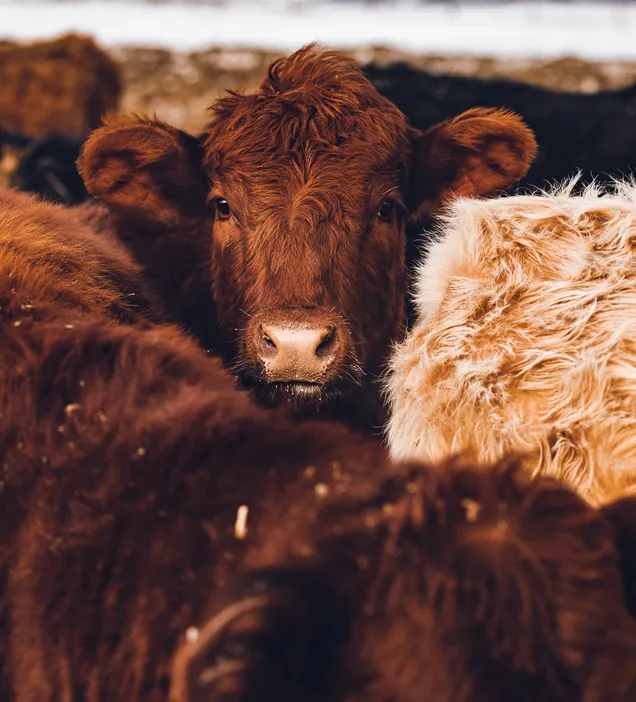
Cattle farming is well established here, and pellet feed is becoming more common for controlled nutrition. Compared to loose forage, pellets are easier to store and transport. Many clients upgrading to a feed mill in Poland are doing it to improve feed consistency, not just capacity.

POULTRY FEED PELLET PRODUCTION
POULTRY FEED PELLET SOLUTION
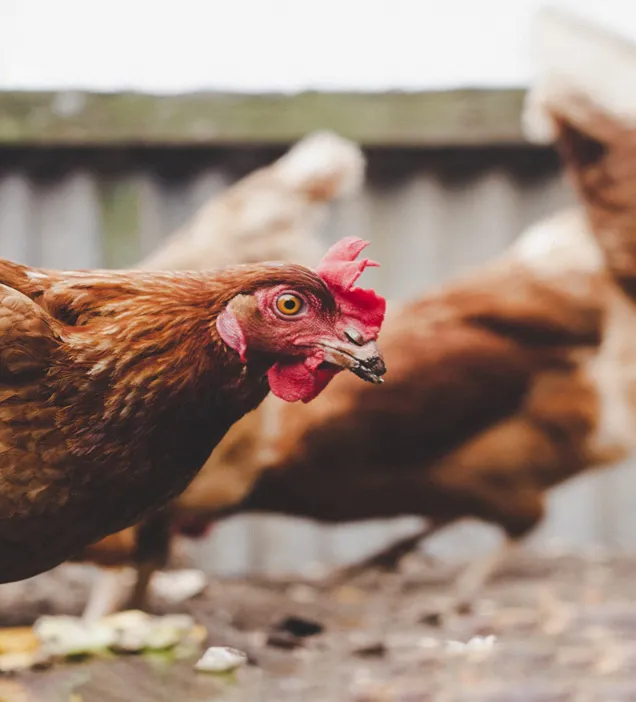
Poultry operations tend to scale faster, and that drives demand for stable pellet feed. A modern feed production line in Poland helps reduce feed waste and improves conversion rates. Most buyers in this segment focus heavily on conditioning and pellet durability.

LIVESTOCK FEED PELLET PRODUCTION
LIVESTOCK FEED PELLET SOLUTION
Some clients don’t stick to one type of animal feed. They want flexibility—switching formulas depending on season or demand. That’s where a modular feed plant in Poland setup becomes important, especially when using a versatile pellet machine in Poland.


FERTILIZER PELLET PRODUCTION
FERTILIZER PELLET SOLUTION
With increasing pressure on waste management, manure and organic waste are being turned into fertilizer pellets. A pellet plant in Poland for this purpose often includes drying and mixing systems. The interesting part is the variety—chicken manure, cow dung, even blended organic materials.

FISH FEED PELLET PRODUCTION
FISH FEED PELLET SOLUTION
Aquaculture is smaller compared to other sectors, but it’s growing steadily. Clients here are more technical—they ask about floating rates, expansion, and protein retention. An extrusion-based feed plant in Poland is usually preferred over a standard pellet mill.

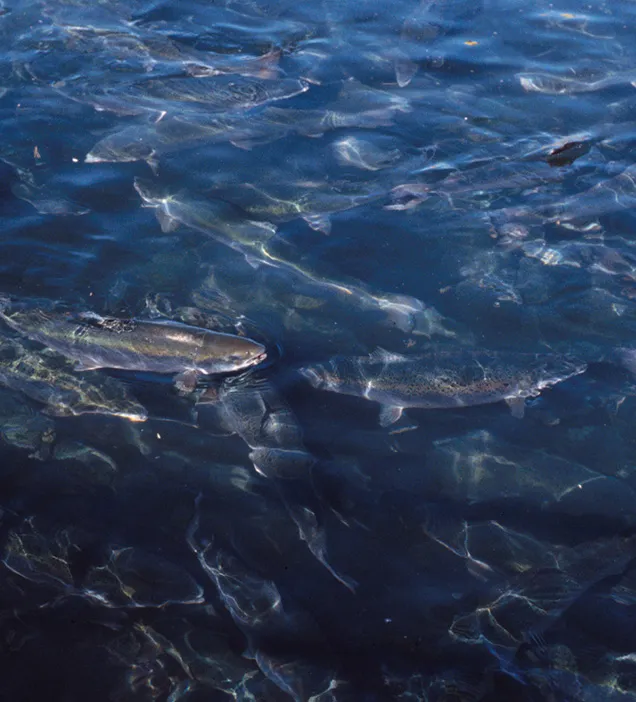
PET FOOD PELLET PRODUCTION
PET FOOD PELLET SOLUTION
Pet food production is shifting toward higher quality and more controlled formulations. Some smaller producers are entering the market with niche products. A compact pellet production line in Poland can support this, especially when flexibility in recipe is needed.

cat litter PELLET PRODUCTION
cat litter PELLET SOLUTION
This segment has been surprisingly active. Raw materials vary—wood, straw, tofu residue, even paper pulp. The main concern is absorbency and shape stability. A properly configured pellet machine in Poland can handle different formulations without major changes.


paper PELLET PRODUCTION
paper PELLET SOLUTION
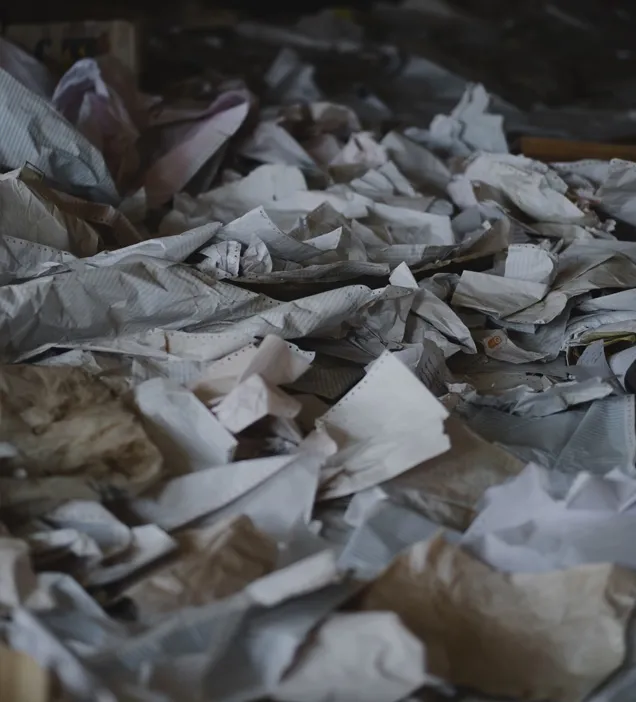
Paper waste is not always suitable for recycling, especially when mixed or contaminated. Some clients convert it into fuel pellets, others into cat litter. The challenge is moisture and binding, which affects how the pellet mill in Poland is configured.

ANIMAL BEDDING PELLET PRODUCTION
ANIMAL BEDDING PELLET SOLUTION
Not all bedding is pelletized, but more farms are moving in that direction. Pellets are easier to store and cleaner to use. Materials like sawdust and shavings work well, provided the pellet plant equipment in Poland includes proper drying and dust control.
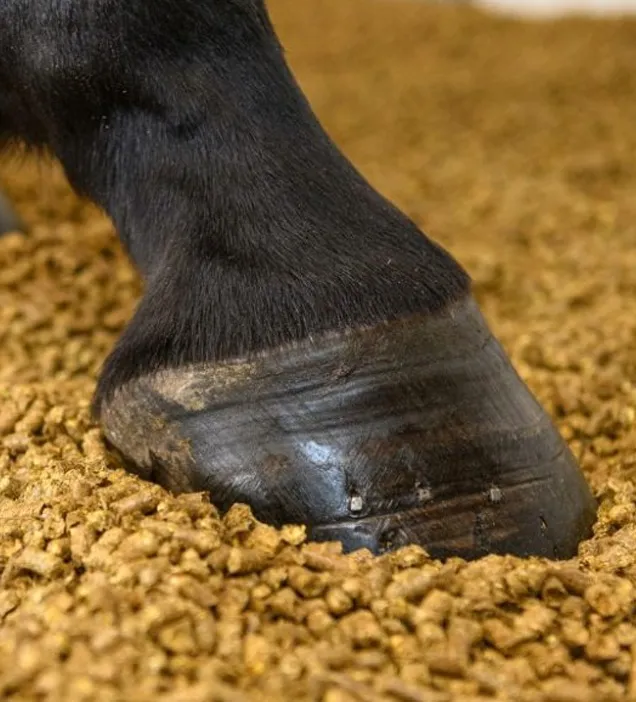
RDF PELLET PRODUCTION
RDF PELLET SOLUTION
Refuse-derived fuel is a growing topic, especially near urban areas. The material is mixed, sometimes unpredictable. A heavy-duty industrial pellet mill in Poland is usually required here, along with strong pre-sorting and crushing systems.

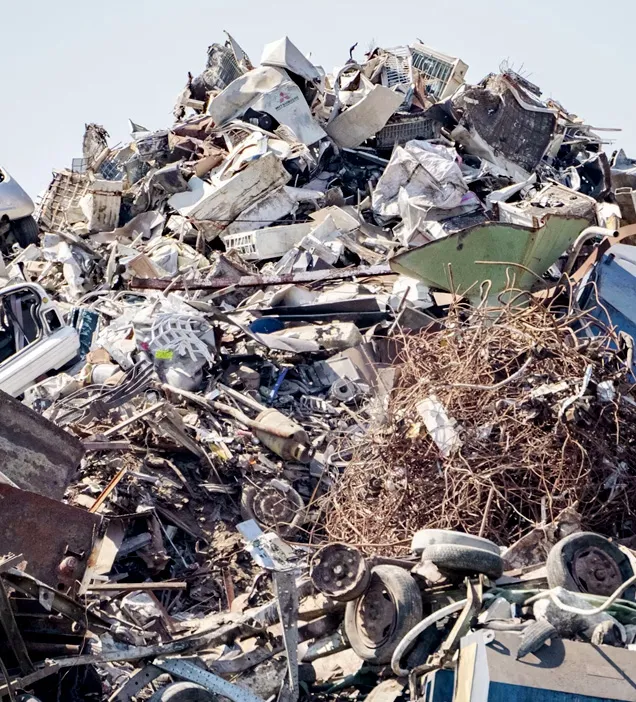
Raw grain puffing PRODUCTION
Raw grain puffing SOLUTION
Some clients focus on grain expansion rather than pelletizing. This is common in feed applications where digestibility matters. An extrusion-based system can be integrated into a broader feed plant in Poland, depending on the product goal.


Pyrolytic carbon PELLET PRODUCTION
Pyrolytic carbon PELLET SOLUTION
Biochar is still a niche, but interest is rising. Pellets make handling and application easier, especially in agriculture. The process often combines carbonized material with binders before using a pellet press in Poland.


Rat poison PELLET PRODUCTION
Rat poison PELLET SOLUTION
This is a specialized segment, but it exists. Pellets are used as carriers for active ingredients. The focus here is precision—uniform size and controlled density. A small-scale pellet machine in Poland is usually enough for this kind of production.


solid waste PELLET PRODUCTION
solid waste PELLET SOLUTION
More projects are starting to look at mixed waste streams—not just for disposal, but for reuse. This is where engineering becomes less standard. A pellet plant in Poland for this purpose often needs custom design, depending on what the waste actually looks like.


Equipment That Clients in Poland Actually Keep Reordering
When we review repeat orders for pellet machine in Poland, the pattern is quite clear. Clients don’t just come back for the same machine—they expand around it. A pellet mill leads to a dryer upgrade, then better crushing, then storage. What’s interesting in Poland is how mixed the applications are. One customer might run a biomass pellet plant in Poland, another a feed mill in Poland, but they often end up using very similar core equipment with different configurations.
Below are the machines that keep showing up in projects—not because they’re standard, but because they’ve proven they can handle local materials like pine sawdust, rapeseed straw, meadow grass, and various agricultural by-products. Most of these are part of a complete pellet production line in Poland, not standalone units.
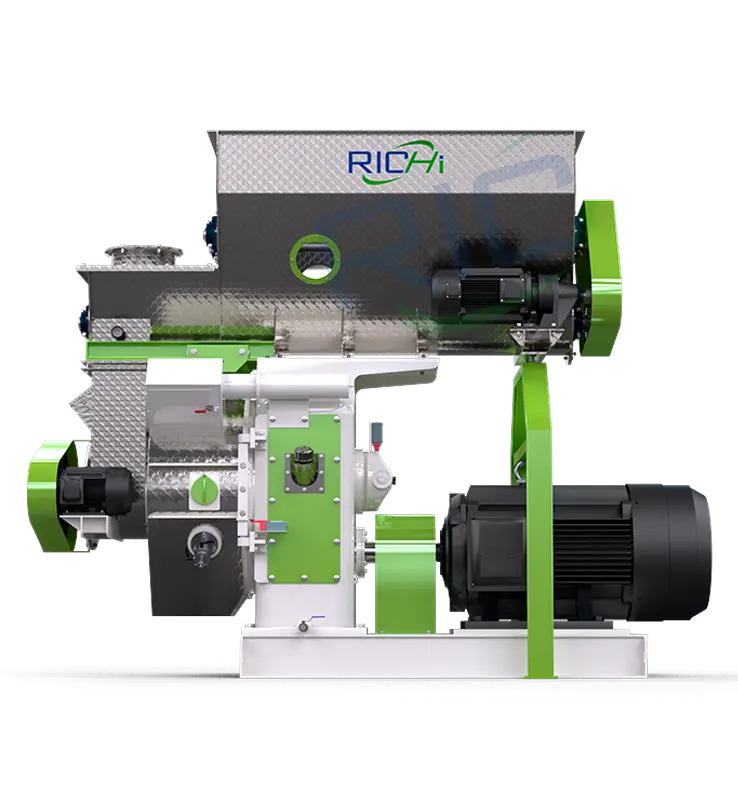
biomass pellet mill for sale
In Poland, this machine is mostly used for wood residues—pine, spruce, and mixed sawdust from furniture factories. A typical pellet machine in Poland setup like this helps clients turn low-value waste into heating fuel, especially for local distribution. It’s not just about output; stability over long winter runs is what customers really look for.

grass pellet machine for sale
Grass isn’t uniform here—meadow grass, hay, and mixed forage all behave differently. This machine is widely used in livestock regions where drying and pelletizing improve storage. Many clients use it to replace loose feed with more manageable pellets, especially when transport distance becomes an issue.

feed mill pellet machine
This is probably the most stable seller in feed plant projects. Used across poultry, cattle, and mixed livestock feed production lines, it handles grain-based formulas common in Poland. What customers care about most is consistent pellet quality, not just capacity.
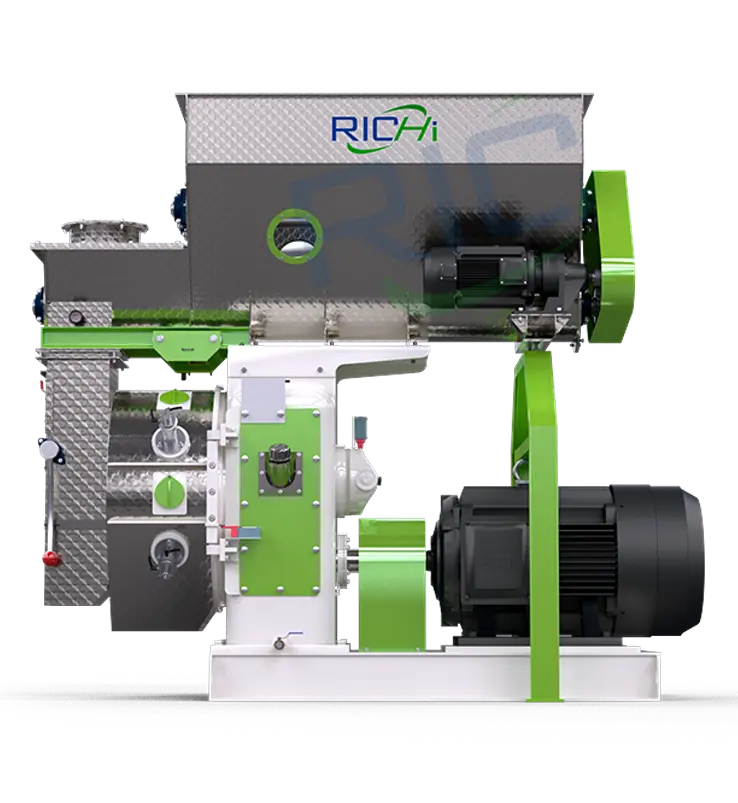
fertilizer granulator equipment
With more farms trying to manage manure locally, these machines are now part of many small fertilizer pellet plants. Chicken manure, cow dung, and even mixed organic waste are processed. It gives farms a way to reduce waste while producing something they can actually sell or reuse.

twin screw extruder for sale
Used mainly in fish feed and some pet food projects. Compared to a standard pellet mill in Poland, this machine handles higher moisture materials and produces floating or expanded feed. Clients who choose this are usually more focused on feed performance than cost.
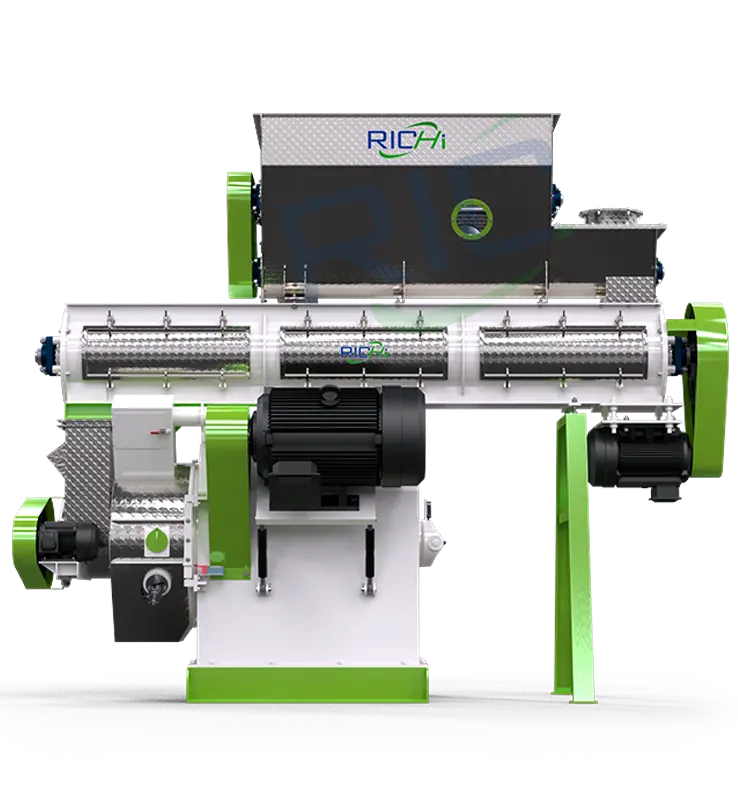
straw pellet machine for sale
Straw is everywhere, but it’s not easy to process. This machine is used for wheat straw, corn stover, and rapeseed straw. Once properly crushed and dried, it becomes a usable feed or fuel product. Many pellet plants in Poland are built around this type of raw material.

shrimp feed pellet machine
Not a large segment, but it exists in specialized aquaculture setups. These machines are configured for finer grinding and precise pellet shaping. Feed stability in water is the main concern, so the setup is usually more controlled than standard feed lines.

cat litter pellet machine
This has been growing faster than expected. Materials range from wood dust to straw and tofu residue. The machine needs to handle light, fibrous material while keeping pellet shape stable. A lot of small pellet factories in Poland are entering this niche market.
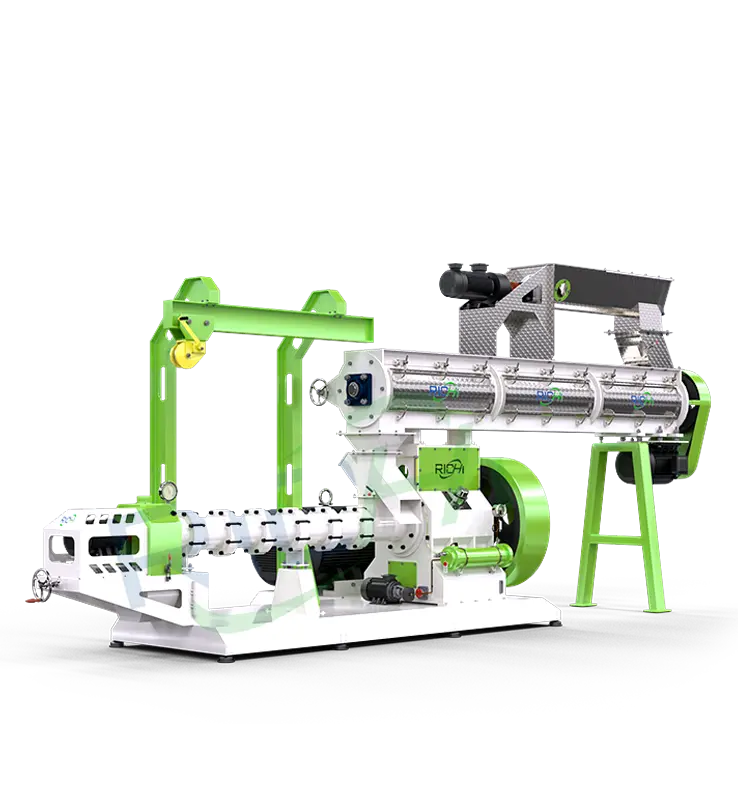
single screw extruder machine
Used for simpler feed extrusion projects where budget is limited. It’s often chosen by smaller aquaculture farms. Compared to twin-screw systems, it’s easier to operate but requires more attention to raw material preparation.

Grain extruder machine
Some feed producers use this for grain pre-treatment before pelletizing. It improves digestibility, especially for livestock feed. It’s not always part of a pellet production line in Poland, but when used, it changes the final feed quality quite a bit.
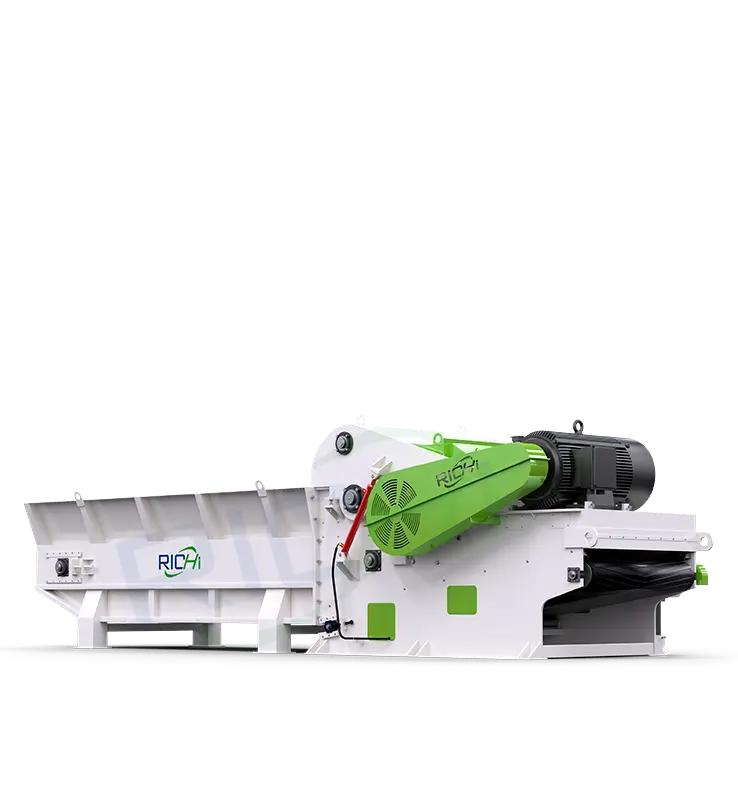
wood chipper machine
Before any pelletizing starts, size reduction matters. In Poland, wood often comes in irregular pieces—branches, slabs, offcuts. This machine prepares raw material for further crushing, making the whole pellet plant more stable.

shredder machine
Used in waste processing projects—textile waste, RDF materials, mixed industrial residues. The input is unpredictable, so the shredder needs to be robust. It’s often the first step before feeding material into a pellet machine in Poland.

Wood Chip Dryer
Drying is where many projects succeed or fail. This type is widely used for biomass—wood chips, straw, grass. Moisture control directly affects pellet quality, so clients usually invest more here after initial operation.

bale crusher
A practical machine for farms dealing with round or square bales. Instead of manual handling, it breaks material into smaller pieces for further processing. In many straw-based pellet plants in Poland, this is the starting point.

hammer mill
This is one of those machines that runs all day without much attention—until it stops. Used for grains, wood chips, and biomass, it reduces material to the right size for pelletizing. Many animal feed mill plants in Poland rely on this type.

mesh belt dryer
More common in feed and food-related projects. It’s used for fish feed, pet food, and sometimes organic materials that require gentle drying. Compared to rotary dryers, it offers better control over final moisture.

Feed mixer machine
Used across almost every project type. Whether it’s feed formulas or fertilizer blends, proper mixing affects pellet quality directly. Clients often underestimate this part at the beginning.

fertilizer crusher machine
Designed for breaking down organic fertilizer materials before granulation. In Poland, it’s often used in manure processing lines where materials are not uniform. It helps improve consistency before pelletizing.

grass straw crusher machine
This machine handles long fiber materials like hay and straw. Without proper crushing, pelletizing becomes unstable. It’s a key part of most agricultural pellet plants in Poland.

vibrating screening machine
After pelletizing, not all pellets are perfect. Screening separates fines and oversized material. It’s a small part of the system, but it improves final product quality significantly.

storage silos
Storage is often overlooked at the planning stage. In Poland, where production may run seasonally, silos help manage raw materials and finished pellets. Both small and large systems are used depending on project scale.
Common Questions About Pellet Machine in Poland
When we talk with customers looking for a pellet machine in Poland, the questions are rarely simple. Most of them already have raw materials in hand—straw, sawdust, manure, or feed ingredients—and what they really want is clarity: Will this actually run in my conditions? What capacity is realistic? What will it cost me in the end?
Below is a collection of real-world style questions we’ve received from Polish clients across feed, biomass fuel, fertilizer, and litter pellet sectors. You’ll notice many of them are very specific—because in practice, pelletizing is never “standard.” Moisture, fiber content, local regulations, even winter temperatures in Poland all affect how a pellet mill Poland project should be designed.
I need a fruit pomace pellet machine 1.2 tph — will this handle mixed fruit waste and ensure uniform pellets?
+
What are the typical specifications and price ranges of different pellet machine in Poland models for feed, biomass, straw, and fertilizer production?
+
What are the specifications and price ranges of different pellet machines available in Poland?
When clients ask about a pellet machine in Poland, they’re usually comparing more than one application—feed, biomass, fertilizer, sometimes even mixed-use lines. So instead of giving a single model, we normally lay out the full range like this, based on what we’ve actually supplied into the pellet mill Poland market.
Feed Pellet Machine (Ring Die Type)
This series is widely used in animal feed production plant in Poland and medium-to-large feed plant in Poland, especially for poultry, cattle, and compound feed production.
| Model | SZLH250 | SZLH320 | SZLH350 | SZLH420 | SZLH508 | SZLH558 | SZLH678 | SZLH768 |
|---|---|---|---|---|---|---|---|---|
| Main Power (kW) | 22 | 37 | 55 | 110 | 160 | 185 | 250 | 315 |
| Feeder Power (kW) | 1.1 | 1.5 | 1.5 | 1.5 | 1.5 | 1.5 | 1.5 | 2.2 |
| Conditioner Power (kW) | 1.5 | 4 | 4 | 7.5 | 7.5 | 11 | 11 | 11 |
| Ring Die Diameter (mm) | 250 | 320 | 350 | 420 | 508 | 558 | 673 | 762 |
| Pellet Size (mm) | 2–12 | |||||||
| Capacity (t/h) | 1–1.5 | 3–4 | 5–6 | 10–12 | 15–16 | 20–22 | 30–33 | 38–40 |
From what we see on the ground, SZLH350 and SZLH420 are the most frequently selected for standard feed production lines. Larger models like SZLH508+ are usually part of full-scale feed factory in Poland setups.
Feed pellet machine price in Poland / pellet machine price in Poland:
- SZLH250: $6,500 – $9,500
- SZLH320: $14,000 – $20,000
- SZLH350: $25,000 – $34,000
- SZLH420: $28,000 – $38,000
- SZLH508+: $40,000 – $85,000
If you’re checking small feed pellet machine price in Poland, SZLH250 is typically where most clients start.
Wood / Biomass Pellet Machine
Common in biomass fuel pellet machine in Poland, especially for pine, spruce residues, and furniture wood waste—which is quite typical in local sawmills.
| Model | MZLH320 | MZLH350 | MZLH420 | MZLH520 | MZLH678 | MZLH768 |
|---|---|---|---|---|---|---|
| Main Power (kW) | 22 | 37 | 90 | 132 | 185 | 250 |
| Anti-arching Feeder (kW) | 2.2 | 2.2 | 3 | 3 | 3 | 4 |
| Force Feeder (kW) | 0.75 | 0.75 | 1.5 | 1.5 | 1.5 | 1.5 |
| Ring Die Diameter (mm) | 320 | 350 | 420 | 520 | 673 | 762 |
| Pellet Size (mm) | 4–12 | |||||
| Capacity (t/h) | 0.2–0.3 | 0.3–0.5 | 1.0–1.2 | 1.5–2.0 | 2.5–3.0 | 3.0–4.0 |
In practice, Polish clients often move directly to MZLH420 or MZLH520, especially if they already have drying systems in place.
Cost of pellet machine in Poland / small wood pellet machine price in Poland:
- MZLH320: $13,000 – $18,500
- MZLH350: $18,000 – $24,000
- MZLH420: $26,000 – $36,000
- MZLH520: $40,000 – $55,000
- MZLH678+: $60,000 – $90,000
For entry-level setups, MZLH320 is often quoted under small pellet machine price in Poland searches.
Grass / Straw Pellet Machine
These are widely used in agricultural regions for hay, alfalfa, and straw-based feed or fuel pellets.
| Model | CZLH320 | CZLH350 | CZLH420 | CZLH520 | CZLH678 | CZLH768 |
|---|---|---|---|---|---|---|
| Main Power (kW) | 22 | 37 | 90 | 132 | 185 | 250 |
| Anti-arching Feeder (kW) | 2.2 | 2.2 | 3 | 3 | 3 | 4 |
| Force Feeder (kW) | 0.75 | 0.75 | 1.5 | 1.5 | 1.5 | 1.5 |
| Ring Die Diameter (mm) | 320 | 350 | 420 | 520 | 673 | 762 |
| Pellet Size (mm) | 4–12 | |||||
| Capacity (t/h) | 0.5–0.6 | 1.0–1.2 | 1.8–2.0 | 2.8–3.0 | 4–5 | 6–8 |
These machines are often part of mixed-use pellet plant equipment in Poland, especially where raw material changes seasonally.
Pellet machine price in Poland (grass/straw):
- CZLH320: $16,000 – $23,000
- CZLH420: $28,000 – $38,000
- CZLH520: $48,000 – $60,000
- CZLH678+: $70,000 – $95,000
Fertilizer Pellet Machine
Used in organic fertilizer plants, especially for manure, digestate, and compost-based pellets.
| Model | FZLH250 | FZLH320 | FZLH350 | FZLH420 | FZLH520 | FZLH678 | FZLH768 |
|---|---|---|---|---|---|---|---|
| Main Power (kW) | 22 | 22 | 37 | 90 | 132 | 185 | 250 |
| Anti-arching Feeder (kW) | 2.2 | 2.2 | 2.2 | 3 | 3 | 3 | 4 |
| Force Feeder (kW) | 0.75 | 0.75 | 0.75 | 1.5 | 1.5 | 1.5 | 1.5 |
| Ring Die Diameter (mm) | 250 | 320 | 350 | 420 | 520 | 673 | 762 |
| Pellet Size (mm) | 4–12 | ||||||
| Capacity (t/h) | 1–1.5 | 2–3 | 3–5 | 6–8 | 9–12 | 18–22 | 22–26 |
In Poland, these are often installed alongside composting systems or biogas plants.
Price of pellet machine in Poland (fertilizer type):
- FZLH250: $7,000 – $10,000
- FZLH350: $18,000 – $28,000
- FZLH420: $26,000 – $36,000
- FZLH520+: $40,000 – $75,000
A quick note from real projects
Most buyers searching pellet machine for sale Poland or pelletizer for sale Poland initially focus on price. But once we go into details—raw material size, moisture (very important here), and final pellet use—the configuration usually changes.
That’s why the pellet machine price in Poland can vary quite a bit even for the same model. Feeders, conditioners, die compression ratio, even layout design—all affect the final cost.
Final note
The machines listed above cover the main types of pellet machine in Poland, but they’re not the full range. We supply different configurations for biomass, feed, fertilizer, waste recycling, and more.
If you already have a raw material in mind—sawdust, straw, manure, or mixed feed—just send over the details. We can size the system properly and give you a more accurate quotation for your pellet production line in Poland.
How much does a wood biomass pellet line in Poland cost for different capacities?
+
When Polish clients reach out about a biomass pellet plant in Poland, the first question is almost always about price—but it usually comes with a follow-up: “we have sawdust… sometimes mixed with chips… moisture not very stable, what would it cost?” That’s where things start to vary.
I’ll walk you through the typical ranges we’ve been quoting recently, based on actual configurations we’ve shipped, from small workshop setups to full biomass pellet project in Poland installations.
For very small operations—often furniture workshops or small farms handling their own residues—a furniture wood waste pellet line in Poland or wood shavings pellet plant in Poland at:
- 0.2–0.3 T/H → around 18,000 – 150,000 USD
- 0.3–0.5 T/H → around 25,000 – 175,000 USD
These setups are quite simple on paper, but in reality, drying becomes the tricky part. Polish wood waste isn’t always dry enough, especially in winter.
Moving into what I’d call “serious small-scale production”—this is where many clean wood pellet production plant in Poland or hardwood pellet plant in Poland projects sit:
- 1.0–1.2 T/H → about 35,000 – 240,000 USD
- 1.5–2.0 T/H → about 50,000 – 300,000 USD
At this level, customers usually start thinking about stable output, not just making pellets. That’s when we see interest in a proper industrial wood biomass pellet plant in Poland layout—feeding, hammer milling, drying, pelletizing, cooling, all connected.
Then you get into medium-capacity plants, often linked to forestry operations or energy supply contracts. A typical forestry waste pellet plant in Poland or forestry residue pellet plant in Poland would look like this:
- 2.5–3.0 T/H → roughly 70,000 – 380,000 USD
- 3.0–4.0 T/H → roughly 85,000 – 460,000 USD
Here, raw material becomes more mixed—branches, bark, sometimes even recycled wood. We usually adjust the grinding and screening system quite a bit.
For larger commercial projects—especially those targeting heating fuel markets—you’ll see full energy pellet plant in Poland or wood fuel pellet plant in Poland setups:
- 5.0–6.0 T/H → around 140,000 – 620,000 USD
- 6.0–8.0 T/H → around 170,000 – 750,000 USD
At this point, plant layout starts to matter a lot. We’ve had projects where material flow design saved more money than the machine itself.
When capacity goes higher, typically for export-oriented producers or industrial heating supply chains:
- 10–12 T/H → about 250,000 – 1,200,000 USD
- 12–15 T/H → about 420,000 – 1,500,000 USD
- 20–24 T/H → about 520,000 – 2,300,000 USD
These are full-scale pellet machine in Poland installations, often including automation, storage silos, and sometimes even packaging lines.
One thing worth mentioning—Poland is not only about wood. Quite a few clients are now asking about wheat straw pellet plant in Poland, rapeseed straw pellet plant in Poland, and broader agricultural straw pellet line in Poland projects. The pricing structure is similar, but the process design changes quite a bit due to ash content and fiber characteristics.
So when someone asks for a “price,” I usually turn the question back a bit:
- What material exactly? Clean sawdust or mixed forestry waste?
- Moisture level? Fresh or already dried?
- Final use? Fuel, bedding, or feed-related?
Because the difference between a basic line and a well-running plant is not just the pellet machine in Poland, but everything around it—drying, grinding, feeding consistency.
These figures give you a working range, but they are not fixed. Every biomass pellet plant in Poland we supply is built around actual raw material and production targets. Richi Machinery handles these as custom projects—from single machines to complete turnkey plants.
If you already have a material sample or a target capacity in mind, it’s much easier to narrow this down and give you something more precise.
What is the price range for different feed pellet production lines and animal feed plants in Poland?
+
This question usually comes up after clients in Poland have already looked at a basic pellet machine in Poland and start thinking about a full setup instead of a single unit. Once it shifts to a complete feed mill plant in Poland or pellet production line in Poland, the pricing changes quite a bit because everything depends on layout, automation, and raw material structure.
Below is how we normally break it down based on real projects we’ve supplied.
Small Capacity Feed Production Line (Flat Die Type)
This type is often chosen for farm-level animal nutrition pellet plant in Poland, or early-stage poultry and cattle feed processing. It’s simple, but still includes basic grinding and mixing.
For Small capacity:
Complete flat die pelletizer production line, FOB Price:
Including: hammer mill, horizontal mixer, flat die pellet machine
Can produce mash feed and pellet feed:
- 1 t/h mash feed + 0.2–0.3 t/h pellet feed: USD 13,000 – 15,500
- 1 t/h mash feed + 0.5–0.6 t/h pellet feed: USD 14,000 – 17,000
- 1 t/h mash feed + 0.8–1.0 t/h pellet feed: USD 15,000 – 18,500
These systems are commonly used in small poultry feed pellet machine in Poland setups or trial-stage sheep feed pellet plant in Poland projects. Some clients also test dairy ration formulas here, especially for dairy feed pellet plant in Poland applications with mixed grain input.
Industrial Scale Feed Pellet Production Line (Ring Die Type)
This is the standard configuration for commercial feed factory in Poland projects, especially when clients are targeting stable production for poultry, cattle, or compound feed markets.
For Big capacity:
Complete ring die pellet feed production line, FOB Price:
Including: weighing system, hammer mill, mixer, pellet mill, cooling, screening system
- 1–2 t/h: USD 25,000 – 65,000
- 3–4 t/h: USD 55,000 – 210,000
- 5–6 t/h: USD 75,000 – 260,000
- 10 t/h: USD 160,000 – 340,000
- 15 t/h: USD 230,000 – 420,000
- 20 t/h: USD 420,000 – 620,000
- 30 t/h: USD 580,000 – 750,000
- 40 t/h: USD 680,000 – 850,000
- 60 t/h: above USD 1,100,000
These are widely used in chicken feed pellet plant in Poland, cattle feed pellet plant in Poland, and larger compound feed pellet plant in Poland projects. Some high-capacity lines are also integrated into grain feed pellet production in Poland systems where corn, wheat, and soybean meal are processed continuously.
When clients compare pellet machine price in Poland, they often underestimate how much auxiliary systems (cooling, batching, automation) affect the final budget.
How Polish clients usually think about pricing
In real discussions, buyers don’t only ask “feed pellet machine price in Poland”, but more like:
- “What is the full cost of a pellet plant equipment in Poland setup?”
- “Can one line handle both mash and pellet feed?”
- “Is SZLH series better for a poultry feed pellet production line in Poland or a mixed system?”
That’s where we usually explain that even within the same pellet mill Poland configuration, the final cost can shift depending on automation level, raw material moisture, and whether the plant is designed for animal nutrition pellet plant in Poland or industrial feed production.
If you are planning a pellet production line in Poland, the most useful step is usually to share your raw material type, target capacity, and end product (feed, fertilizer, or biomass). From there, we can give a more realistic quotation instead of a general price range.
What is the floating fish feed machine price in Poland for a complete production line?
+
This is one of the first questions we usually get when clients in Poland start planning an aquafeed processing plant in Poland. Most of them are not just asking about a single extruder—they want to understand the full investment for a complete floating fish feed production line in Poland or even a mixed sinking fish feed pellet plant in Poland setup.
The answer really depends on capacity, extrusion type, and how automated the aquafeed feed plant in Poland will be. In practice, we normally combine extruders with grinding, mixing, drying, and coating systems, so the price is always for a full system, not just one machine.
1) Single Screw Floating Fish Feed System (full line configuration)
Used in small to medium fish feed extrusion machine in Poland projects, especially for carp feed, trout feed, and some starter aquaculture feed production.
- 200–400 kg/h: USD 60,000 – 80,000
- 500–600 kg/h: USD 70,000 – 100,000
- 800–1000 kg/h: USD 130,000 – 170,000
This type is commonly selected for small aquafeed pellet machine in Poland setups or pilot-scale fish feed extrusion line in Poland projects. Many clients also test local raw materials like wheat flour, fish meal blends, and rapeseed protein before scaling up.
In this range, customers are usually comparing cost of pellet machine in Poland and total line ROI before moving to larger systems like a feed production line in Poland.
2) Double Screw Floating Fish Feed System (industrial scale lines)
This is the mainstream solution for commercial aquaculture feed pellet plant in Poland, especially for high protein fish feed, shrimp feed, and floating/sinking dual-purpose production.
- 0.5–1.0 T/H: USD 150,000 – 200,000
- 1.5–2.0 T/H: USD 440,000 – 560,000
- 3.0–4.0 T/H: USD 530,000 – 650,000
- 5.0–6.0 T/H: USD 670,000 – 840,000
- 8.0–10.0 T/H: USD 880,000 – 1,200,000
These lines are often used in larger floating fish feed line in Poland or combined shrimp feed extrusion system in Poland projects. The extrusion system is more stable when handling high-fat formulas or dense protein blends, which is important for trout feed production in colder regions.
We’ve also seen some customers in Poland design hybrid setups combining sinking fish feed machine in Poland and floating production in one aquafeed processing plant in Poland, depending on seasonal demand.
Related equipment context (important for real pricing understanding)
When we calculate the full system, the extrusion machine is only part of it. A typical pellet production machine in Poland for aquafeed will also include:
- Grinding system (hammer mill or micro pulverizer)
- Mixing system (for uniform protein blending)
- Conditioning & extrusion section
- Dryer (belt or multi-layer type depending on moisture target)
- Oil coating system (very common in fish feed lines)
- Cooling and screening section
That’s why searches like pellet machine price in Poland, feed pellet machine price in Poland, or pellet plant equipment in Poland usually vary a lot in real quotations.
Final clarification
The machines and prices above represent the main configurations of our floating fish feed machine in Poland projects, but they are not the full scope of what we supply.
We design and manufacture complete pellet mill Poland systems covering feed, biomass, fertilizer, and waste recycling applications. Every pelletizing machine in Poland or pellet factory in Poland project can be adjusted based on raw material conditions, space, and production targets.
If you want a more accurate quotation, just share your expected capacity, raw material type, and final product requirement. We can then prepare a tailored pellet production line in Poland solution instead of a generic price list.
What is the investment cost for a straw/grass based cattle feed pellet plant in Poland?
+
When this topic comes up with Polish clients, it rarely starts with “how much is the line.” It usually begins with something like: “we have alfalfa in round bales… sometimes clover… sometimes mixed hay, can we pellet all of that?”
And the short answer is yes—but the investment depends heavily on how that grass arrives at the factory.
In Poland, the raw materials for this type of project are quite diverse. We’ve seen alfalfa (lucerne), red clover, white clover, mixed meadow grass, hay, even some four-leaf clover blends used for specialty feed. On top of that, the form varies a lot—round bales, square bales, loose long fiber grass, pre-crushed grass meal, and sometimes even mixed with straw like wheat or rapeseed residues. All of these can go into the same pellet machine in Poland, but the front-end system changes quite a bit.
For smaller farms or pilot projects, where capacity is limited and material is relatively clean:
- 0.3–2 T/H → around 32,000 – 70,000 USD
These setups usually include a bale breaker or simple cutter, a hammer mill, and a compact pelletizing section. A lot of horse farms or rabbit feed producers in Poland start here.
Once the scale increases and the client wants more flexibility—handling both grass and straw, maybe switching between cattle and sheep feed—the system becomes more complete:
- 0.5–4 T/H → around 70,000 – 230,000 USD
- 1–6 T/H → around 90,000 – 260,000 USD
At this stage, we often recommend a proper feeding system for long fibers. Otherwise, uneven feeding becomes a problem, especially with wet hay or dense alfalfa bales. Many users don’t expect how different alfalfa behaves compared to dry straw until they run it.
For commercial production—this is where feed plants supplying cattle, sheep, and even deer farms are operating:
- 2–10 T/H → about 170,000 – 450,000 USD
- 3–12 T/H → about 200,000 – 500,000 USD
Here, the line typically includes controlled drying (not always full drying, sometimes just moisture adjustment), fine grinding, conditioning, and a stable pellet machine in Poland section designed for fibrous material. This is also where we see mixed formulations—grass plus straw, sometimes with additives.
For larger agricultural groups or feed suppliers:
- 4–20 T/H → roughly 270,000 – 700,000 USD
These are full-scale grass and straw pellet plants, often running continuously. Layout becomes important—how bales are stored, how they move into the system, and how dust is handled. In Poland, winter conditions alone can change how materials flow, so we usually leave some buffer space in design.
One thing worth pointing out—grass pellet lines are not as “plug and play” as wood pellet systems. Fiber length, moisture variation, and seasonal differences all affect performance. That’s why two projects with the same capacity can end up with noticeably different configurations.
Also, these lines are not limited to cattle feed. The same setup can produce pellets for sheep, horses, rabbits, and even some bedding applications if needed. Many clients like that flexibility.
The price ranges above are just a working reference. Every straw/grass pellet plant in Poland we build is adjusted based on raw material type, bale density, moisture, and the final feed formula. Richi Machinery provides customized solutions—from single units to complete lines—so the final investment always depends on real production conditions rather than a fixed template.
If you already know what kind of grass you’ll be processing—alfalfa, clover, hay, or straw—and in what form, we can usually narrow this down pretty quickly and give you a more precise estimate.
What is the rotary drum dryer in Poland price for biomass, sawdust, and agricultural materials?
+
A customer from eastern Poland once told me something quite direct: “My pellet machine works fine, but the raw material kills the whole line.” He was dealing with wet wood chips and seasonal straw. That’s usually where the discussion shifts to a proper rotary dryer in Poland.
Drying is not just a step—it decides whether your downstream system runs smoothly or not. Especially if you’re feeding a biomass rotary dryer in Poland into a pellet line, moisture consistency matters more than people expect.
From the projects we’ve delivered, the rotary drum dryer price in Poland typically falls into a wide range:
- roughly 12,000 USD up to 200,000 USD, depending on size, structure, and heat source setup
Let’s break it down based on actual machines we’ve shipped.
For small workshops or pilot lines, especially when handling sawdust or light agricultural waste, we usually start with compact single-drum units:
- φ0.6×6
- φ0.8×8
These are often selected for sawdust dryer in Poland or small wood chip dryer in Poland setups. Simple structure, easy to install, but limited throughput. You’ll see them in farms or small processing yards.
Once the customer moves into continuous production, things change quickly.
Mid-range models like:
- φ1.2×12
- φ1.5×15
These are common in rotary dryer for straw in Poland or agricultural residue rotary dryer in Poland applications. Straw, hay, corn stalks—materials that come in with 30–60% moisture and need to be brought down to around 12–15%.
At this stage, airflow design starts to matter. If the hot air distribution is uneven, you get partially dried material, which later causes pellet cracks. We’ve seen that more than once.
For industrial setups, especially when customers are building a full industrial drying system in Poland, larger drums come into play:
- φ1.8×18
- φ1.8×20
- φ1.8×36
These are typical for wood chip rotary dryer in Poland, especially when processing forestry waste or sawmill residues. Feed size is less of an issue here, since the drum design can handle irregular chips and fibers.
Some clients also choose multi-layer designs:
- φ1.8×12×3C
- φ1.8×24×3C
These are more compact in footprint but increase heat utilization. Useful when space is limited but capacity still needs to be maintained.
A few technical points customers usually overlook:
- Inlet temperature is typically controlled around 400–500°C, but not all materials tolerate that equally
- Final discharge temperature sits around 70–80°C, which affects storage conditions
- Drum rotation speed (3–12 rpm) needs to match material type—too fast and drying is uneven, too slow and efficiency drops
Also, raw material form matters more than expected. Loose straw behaves very differently from compressed bales. Wet sawdust from furniture factories is not the same as forestry residue.
That’s why someone searching for a biomass drying equipment in Poland or even a wood chip dryer in Poland often ends up needing a customized solution.
We’ve supplied dryers not only for biomass fuel, but also for feed raw materials, organic fertilizer substrates, even some industrial by-products. Same machine type, completely different internal configuration.
So the numbers above are just a working range. Real pricing depends on:
- moisture content
- input size (chips, powder, bales)
- required final moisture
- heat source (biomass burner, gas, steam)
- and how the dryer integrates with the rest of your line
If you’re already running a pellet machine and struggling with moisture, it’s worth stepping back and looking at the drying stage first. Share your raw material details and target capacity—we can map out a proper rotary dryer in Poland solution that actually fits your process, not just a standard model.
What is the straw grass hammer mill price in Poland, and how does it vary depending on capacity and configuration?
+
When we talk with customers about straw grass hammer mill price in Poland, the first thing we usually clarify is that there is no single fixed figure. Farmers and biomass processors in Poland use this type of equipment for very different setups—some are preparing straw for pelletizing, some are processing hay for animal bedding, and others are simply reducing bulk volume for storage or transport. That’s why the configuration matters more than anything.
For smaller workshop-scale setups, the typical water-drop type hammer mill (SFSP56×40 / SFSP66×60) used for straw, hay, and light grass materials usually falls around:
- 37–55 kW systems: roughly 8,500 – 15,000 USD
These are often chosen by users who already run a small straw chipping machine in Poland or a basic grass chopper machine for sale Poland setup and just need finer grinding before pelletizing.
Once you move into medium production—this is where most Polish biomass projects sit—the demand shifts to models like SFSP66×80 or SFSP66×100:
- 75–90 kW systems: about 15,000 – 28,000 USD
These are commonly paired with a straw hammer mill in Poland line or a full hay grinding mill in Poland workflow, especially when the raw material includes mixed straw, reed grass, or moisture-variation hay collected from different regions.
For larger agricultural cooperatives or pellet factories supplying heating fuel or bedding materials, heavier models like SFSP66×120 and SFSP66×150 are used:
- 110–220 kW systems: roughly 28,000 – 45,000 USD
At this level, the machines are often integrated into a continuous straw crusher machine in Poland system or feeding directly into a pellet plant. The wear resistance and screen flexibility become important because Polish straw can vary a lot depending on harvest conditions.
One thing we often notice from project discussions in Poland is that customers don’t just ask about “hammer mill price”—they usually compare it with the whole line, including pellet machine in Poland, drying, and storage. A hammer mill is rarely purchased alone; it sits in the middle of a complete preparation chain.
Also, depending on the final particle size requirement (0.5mm to 20mm), screen changes and rotor balance upgrades can slightly adjust the final cost. Some clients even run dual-purpose systems—switching between straw grinding and light wood waste crushing depending on the season.
For reference, we always explain that these machines are not limited to one material. With proper configuration, the same unit can process straw, hay, corn stalks, and even mixed biomass waste. That flexibility is exactly why many buyers in Europe prefer a modular setup instead of a fixed single-purpose machine.
If we talk about straw grass hammer mill price in Poland, it’s really tied to production goal, not just horsepower. A 10 T/H pellet factory will never choose the same configuration as a small farm-based pellet machine Poland installation.
Richi Machinery designs these systems based on raw material condition, moisture level, and final application—whether it is animal bedding, fuel pellets, or feed preparation. Many customers also combine it with pellet mill in Poland, biomass pellet mill in Poland, or full pellet production line in Poland projects.
Above are the commonly supplied hammer mill configurations, but they are not the full range. We can adjust rotor design, feeding structure, and screening system according to different materials and industries. Every project in Poland tends to be slightly different, so pricing always depends on actual requirements, capacity expectations, and layout conditions.
What is the belt dryer machine price in Poland for feed, grain, and food drying applications?
+
A few months back, I was on-site with a client near Poznań. He originally searched for a belt dryer in Poland just to dry hay. But after walking through his facility, it turned into something else—he also wanted to handle grain by-products and even considered a small food drying machine in Poland setup for herbs.
That’s pretty typical here. Polish customers rarely buy a dryer for just one material.
From what we’ve delivered over the past few years, the belt dryer machine price in Poland usually falls somewhere in this range:
- around 10,000 USD to 280,000 USD, depending on width, heating method, and airflow design
Let’s go through the machines in a way that actually reflects how they’re used.
For smaller farms or pilot operations, especially when people search for a belt dryer for hay in Poland or a simple forage belt dryer for sale Poland, they usually end up with compact electric models:
- DHG-400
- 0.8 m belt width
- about 13㎡ drying area
- 5-layer belt structure
- DHG-500
- 1.0 m belt width
- around 21㎡
These are often used as a feed drying machine in Poland when dealing with chopped grass, alfalfa, or light agricultural material. Not huge capacity, but stable and easy to operate. Power consumption is something customers always bring up here, especially with electricity prices fluctuating.
Then we get into mid-range units, which are probably the most common in Poland.
- DHG-1000
- 1.2 m belt width
- 43㎡ drying area
- DHG-2000
- 1.6 m belt width
- 58㎡ drying area
These are frequently selected for grain dryer machine in Poland applications, especially for maize by-products or brewery residues. Also quite popular in fish feed dryer in Poland configurations when paired with extrusion lines.
One detail many overlook: belt dryers handle fragile materials better than rotary systems. That’s why you’ll see them used as fish feed drying machine in Poland setups—pellets keep their shape instead of breaking.
For clients with access to steam or biomass boilers, we often recommend the QHG series:
- QHG-500 / QHG-1000 / QHG-2000
- same belt widths as above
- steam heating instead of electric
These are widely used in food-related applications—think vegetable drying machine in Poland or fruit drying equipment in Poland. Apples, carrots, even mushrooms. Poland has a strong agricultural processing sector, so these machines come up more often than people expect.
Steam heating reduces operating cost over time, but the initial setup is more complex. Some clients hesitate at first, then switch after calculating long-term energy use.
A few practical notes from real installations:
- The system works by circulating hot air through multiple layers, and once humidity builds up, exhaust fans remove the moist air and pull in fresh dry air
- If airflow is not balanced, you get uneven drying—top layer overdried, bottom still wet
- Material thickness on the belt matters more than machine size
Also, raw material condition changes everything. Wet forage straight from the field behaves differently from pre-pressed pulp. That’s why a biomass drying equipment in Poland inquiry often turns into a custom airflow design discussion.
We’ve used the same type of belt dryer for feed, food, and even some chemical materials. The structure is similar, but internal configuration—air ducts, heating method, belt speed—gets adjusted each time.
So the price range I mentioned earlier is just a working reference.
If you’re planning a belt dryer in Poland, it’s better to start with a few basics:
- What material exactly? (hay, pellets, fruit slices, grain residue?)
- Initial and final moisture?
- Available heat source?
- Required throughput per hour?
Once those are clear, the selection becomes much more precise.
What we listed above are typical models we export, not the full range. Every feed drying machine in Poland or food drying machine in Poland we supply is adjusted to the client’s process.
If you have a project in mind, share a bit more detail. It’s much easier to give you a realistic configuration—and a price that actually matches your plant—rather than a generic number.
I am planning a barley straw pellet machine in Poland and corn straw pellet machine in Poland project at 3–4 t/h. Which pellet machine in Poland model should I choose, and what price range is realistic?
+
For barley straw and corn straw, the first thing we usually check is not capacity, but fiber condition after crushing. In Poland, straw is often stored in bales and can vary a lot in length and moisture depending on the season. If the fibers are still too long when they enter the pellet machine in Poland, you’ll see unstable feeding, sometimes even material bridging above the feeder.
At 3–4 t/h, the MZLH350 is a practical choice. It’s not oversized, and it handles agricultural residues quite steadily as long as the pre-processing is done right. If you expect to increase capacity later, some clients go directly to MZLH420, but for a first project, that’s not always necessary. What matters more is keeping moisture around 13–15% and making sure the straw is crushed to below 5 mm.
In terms of price, a pellet machine in Poland for this range typically falls between $17,000 and $30,000 depending on configuration. If you include a simple feeding system and basic control panel, you’ll be closer to the higher end. We’ve seen clients try to cut cost on the die and roller quality—honestly, that usually backfires within a few months because wear increases quickly with straw.
For a pine wood pellet machine in Poland and hardwood pellet machine in Poland mixed raw material at 8–10 t/h, can one pellet mill Poland handle it?
+
Yes, but this is where real operation experience matters. Pine and hardwood behave very differently inside the pellet machine in Poland. Pine has natural resin, which helps binding and reduces power consumption. Hardwood, on the other hand, is denser and requires more compression force. If you mix them randomly, the machine load will fluctuate, and operators will notice it immediately on the amperage meter.
For 8–10 t/h, we usually suggest either one MZLH520 or two MZLH420 units depending on how stable you want the system to be. In one project we worked on, the client initially insisted on one machine to save space. It worked, but every time the raw material ratio changed, they had to adjust parameters. Later they added a second unit just to stabilize production.
Another thing many overlook is the upstream wood sawdust pellet machine in Poland section. If the sawdust particle size is inconsistent, even the best pellet machine won’t perform well. Ideally, you want uniform material below 3–4 mm. Price-wise, the pellet machine in Poland for this capacity usually ranges from $28,000 to $55,000 depending on model and configuration.
I want to start a wood sawdust pellet machine in Poland project at 1–2 t/h for heating fuel. Should I invest in a complete pellet plant in Poland or just a single machine?
+
At 1–2 t/h, many clients prefer to start simple, and that’s understandable. An MZLH320 pellet machine in Poland is often enough to get production running, especially if your sawdust is already dry and clean. For small workshops or sawmills, this approach works fine in the beginning.
But after a few months, most users start noticing inefficiencies—manual feeding, uneven output, and difficulty maintaining consistent pellet quality. That’s when they realize a basic system (even a small one) makes a big difference. A simple setup with a small hopper, screw feeder, and cooler can stabilize the whole process.
From a cost perspective, the pellet machine in Poland itself might be around $15,000–$22,000. A small complete pellet plant in Poland setup could reach $35,000–$60,000 depending on how automated you want it. The decision really depends on whether you’re testing the market or planning long-term production.
What is the animal feed making machine price Poland, including both poultry feed pellet machines and complete feed production lines?
+
This question usually comes up after we’ve already talked a bit about raw materials—corn, wheat, soybean meal, sometimes rapeseed cake here in Poland. The price really depends on whether you’re looking at a single machine or building a full feed mill factory.
Let me break it down the same way I normally explain it during project discussions.
First, if you’re only considering a single poultry feed pellet machine, the investment is relatively straightforward.
Single poultry feed pellet machine price range (for pellet machine in Poland):
- Capacity: 1–40 T/H
- Price range: around 6,500 USD to 95,000 USD
This is where most small and mid-scale buyers start. When people search things like animal feed making machine price Poland, poultry feed making machine price in Poland, or chicken feed machine price in Poland, they’re usually referring to this category.
A small unit for a farm might sit at the lower end, while a 20–40 T/H industrial ring die pellet machine—what we typically supply to commercial feed plants—pushes toward the upper range.
Now, once the conversation shifts to automation, batching, and consistent output, we’re no longer talking about a single pelletizer. That’s when a complete poultry feed production line comes into play.
Complete ring die poultry feed production line price (feed plant setup):
- 1–2 T/H: about 25,000 – 70,000 USD
- 3–4 T/H: about 55,000 – 220,000 USD
- 5–6 T/H: about 75,000 – 280,000 USD
- 10 T/H: about 150,000 – 360,000 USD
- 15–20 T/H: about 220,000 – 650,000 USD
- 30–40 T/H: about 550,000 – 900,000 USD
- 60 T/H and above: can go over 1,200,000 USD
These systems typically include grinding, mixing, pelleting, cooling, and sometimes automatic packing. In Poland, we’ve seen a lot of interest in 5–10 T/H lines for regional feed plants, especially where customers want to supply both poultry and pig farms.
One thing I usually point out—because it’s easy to underestimate—is how much the layout affects cost. Two plants with the same capacity can look very different in price. For example:
- Steel structure vs. simple workshop installation
- Manual feeding vs. full batching system
- Local vs. imported electrical components
That’s why when someone asks about pellet machine in Poland, I don’t give a fixed number right away. I’ll usually ask a few follow-ups—raw materials, daily working hours, whether they want mash + pellet flexibility, things like that.
Also, although we’re talking about poultry here, these machines are not limited to chickens. The same systems are commonly used for:
- cattle feed
- pig feed
- sheep and goat feed
- even some customized formulations for rabbits or ducks
We’ve shipped similar lines into Poland where one plant runs multiple formulas depending on the season.
To be clear, the ranges above reflect the main configurations we supply, not everything. We build equipment for different materials and production goals, and almost every project ends up slightly different once we get into real planning.
If you already have an idea—capacity, raw materials, or even just a rough budget—send it over. It’s much easier to narrow down the actual animal feed making machine price Poland for your case once those details are on the table.
For a meadow grass pellet mill in Poland and hay pellet machine in Poland at 5 t/h, what are the main technical risks?
+
Grass-based materials look easy on paper, but in practice, they can be tricky. The fiber structure is tough, and if it’s not ground properly, the pellet machine in Poland will produce loose pellets or uneven density. We’ve seen cases where output was fine, but pellets broke apart during transport—that’s usually a grinding issue, not a pelleting issue.
At 5 t/h, MZLH420 is a reliable option. It has enough power to handle fibrous materials without being overloaded. But the real focus should be on the feed grinding machine in Poland before the pellet mill. Particle size consistency is key. If one batch is fine and the next is coarse, the pellet machine will keep adjusting, and production becomes unstable.
Another small detail: grass moisture changes quickly depending on storage conditions. Even a 2–3% difference can affect pellet quality. That’s why in a pellet machine in Poland setup for grass, we often recommend adding moisture monitoring, even if it’s just a simple handheld tester.
Can a corn stover pellet machine in Poland run at 6–8 t/h without adding a drying system?
+
In most cases, it’s difficult. Corn stover in Poland often comes with higher moisture, especially if stored outdoors or processed after harvest. Feeding it directly into a pellet machine in Poland usually leads to low capacity and soft pellets that don’t hold shape well.
At 6–8 t/h, stability becomes more important than just reaching peak output. Without drying, the machine might run at 4–5 t/h most of the time, and operators will keep adjusting parameters without much improvement. That’s why we usually suggest integrating a belt dryer system in Poland for this kind of raw material.
It’s not just about drying, though. Proper airflow and even drying distribution matter a lot. We’ve seen setups where the dryer was installed but poorly adjusted—resulting in uneven moisture, which caused more problems than it solved. A well-balanced pellet machine in Poland line should treat drying as part of the core process, not an optional add-on.
What is the wood chipper machine price in Poland?
+
When someone asks about a wood chipper machine in Poland, I usually ask one thing first: what exactly are you feeding into it? Straight logs from forestry, sawmill slabs, or mixed branches? That decision alone can shift the machine size—and the budget—quite a bit.
Right now, for a typical rotary drum chipper for sale Poland, the price range we see in actual export projects is roughly:
16,000 USD to 100,000 USD
That’s a big gap, but once you look at the models, it makes sense.
Let’s go through the machines the way we normally size them during a project.
XPJ500×230 (small entry drum chipper)
- Inlet size: 500×230 mm
- Feeding diameter: φ230 mm
- Main motor: 75 kW
- Feed motor: 4+3 kW
- Knives: 2 flying knives, 1 fixed
This unit is often used where customers process small branches or light forestry residue. In Poland, we’ve seen it used as a wood chip slicer in Poland for small heating plants or farm-level biomass use.
Estimated price: 16,000 – 25,000 USD
XPJ680×300 (compact but more stable feeding)
- Inlet: 680×300 mm
- Feeding diameter: φ300 mm
- Main motor: 90 kW
A bit more forgiving when material size varies. Some clients pair it with a forage shredder machine in Poland when they handle mixed agricultural waste.
Estimated price: 20,000 – 32,000 USD
XPJ500×500 (balanced configuration, very common)
- Inlet: 500×500 mm
- Feeding diameter: φ500 mm
- Main motor: 110 kW
- Knives: 6 flying knives
This one shows up a lot in wood chipper for biomass in Poland projects, especially when feeding a small wood pellet plant. The wider inlet makes life easier when logs are not perfectly sorted.
Estimated price: 28,000 – 45,000 USD
XPJ850×500 (industrial entry level)
- Inlet: 850×500 mm
- Feeding diameter: φ500 mm
- Main motor: 132 kW
- Knives: 10 flying knives
At this point, we’re clearly in industrial shredder for biomass in Poland territory. Suitable for sawmill offcuts, furniture factory waste, even irregular wood pieces.
Estimated price: 35,000 – 60,000 USD
XPJ1200×500 (large-scale processing)
- Inlet: 1200×500 mm
- Main motor: 200 kW
- Knives: 14 flying knives
This machine is usually installed in a drum chipper for sawmill waste in Poland setup, where throughput matters more than flexibility. It handles continuous feeding quite well.
Estimated price: 50,000 – 85,000 USD
XPJ850×600 (heavy-duty, high-throughput)
- Inlet: 850×600 mm
- Feeding diameter: φ600 mm
- Main motor: 200 kW
- Feed motor: 7.5+7.5 kW
This is the kind of unit we recommend for large biomass shredder for forestry residue in Poland lines. Especially when customers process thick logs or mixed hardwood waste.
Estimated price: 65,000 – 100,000 USD
All these machines work on the same principle—cutting logs, branches, and wood strips into 20–40 mm chips, which is exactly what downstream equipment like dryers or pellet mills expect. Screen size can be adjusted if needed.
In real projects, these chippers are rarely standalone. They usually sit upstream of:
- a wood waste grinder in Poland
- or a biomass crusher machine in Poland
- and then a pellet system
That’s why sizing matters. If the chipper is too small, the whole line backs up. Too big, and you’re wasting power.
One more thing that comes up often—customers searching for wood crusher machine for sale Poland or chipper machine for wood in Poland sometimes mix shredders and chippers. They’re not the same. A drum chipper gives you uniform chips, which is what pellet plants and biomass boilers really need.
The ranges above are based on standard configurations we export. In practice, things like knife material, hydraulic feeding strength, discharge conveyor length, or even how you plan to feed the logs (manual vs. conveyor) will shift the final price.
If you already have a raw material profile—diameter, moisture, type of wood—it’s worth sharing. We can usually narrow down the exact wood chipper machine price in Poland pretty quickly once those details are clear.
For a 10 t/h biomass pellet plant in Poland using forestry waste, what pellet machine configuration is recommended and what is the expected cost?
+
Forestry waste in Poland is actually a strong advantage—branches, chips, bark, all readily available. But the material is not uniform, so processing becomes more important. For 10 t/h, we typically recommend one MZLH520 or two MZLH420 units depending on how continuous you want your operation to be.
In real production, clients who choose two machines often report smoother operation because they can run one while maintaining the other. This is especially useful in winter when raw material conditions change. The pellet machine in Poland is only one part—the wood crushing plant in Poland and drying system are just as critical.
As for cost, the pellet machine section usually ranges from $30,000 to $55,000. The final number depends on whether you include automatic feeding, lubrication systems, and spare parts packages. Many experienced buyers prefer to invest slightly more upfront to reduce downtime later.
For a cattle feed pellet machine in Poland at 4–5 t/h, what raw material combination works best, and how does it affect pellet machine performance?
+
For cattle feed in Poland, a typical formulation includes corn, wheat bran, soybean meal, and sometimes alfalfa or grass powder. From the pellet machine in Poland perspective, the balance between starch and fiber is what really affects performance. Too much fiber, and the pellets become loose. Too much starch, and you risk die blockage if conditioning is not well controlled.
At 4–5 t/h, an SZLH350 is usually sufficient, but the real performance depends heavily on the mixing and conditioning stage. In several pellet mill Poland projects we handled, the clients initially focused on the pellet machine, but later realized the animal feed mixer in Poland was the weak point. Once mixing uniformity improved, pellet durability increased noticeably and production became more stable.
For a poultry feed pellet machine in Poland and pig feed pellet mill in Poland at 6–8 t/h, do we need different pellet machine configurations?
+
The base machine can be the same, typically an SZLH420 for this capacity range. What changes is mainly the die specification and conditioning process. Poultry feed usually requires smaller pellet size and slightly different moisture control compared to pig feed.
In a pellet machine in Poland setup, it’s common to switch between products, but operators need to adjust steam input and feeding rate carefully. In one project, the client tried to run both formulations without adjustment, and pellet quality varied significantly. Once they established standard operating parameters for each type, the same pellet machine handled both products without issues.
If I plan a grain feed pellet production in Poland at 10–12 t/h, is it better to use one large pellet machine or multiple units?
+
From a purely technical standpoint, one larger pellet machine in Poland can handle the load. But in real production environments, especially where maintenance and raw material variation are factors, multiple machines are usually the safer choice.
We often suggest two SZLH420 units instead of one oversized machine. This gives flexibility—if one unit needs maintenance, the other keeps running. In several pellet mill Poland projects, this approach helped clients avoid complete shutdowns, which is especially important during peak production seasons.
What is the hammer mill price in Poland for feed, grain, wood, and biomass grinding applications?
+
When customers ask about a hammer mill price in Poland, the first thing I usually check is not the budget—it’s the material. Grinding maize is one thing, running wood chips or straw through the same machine is a completely different load on the rotor.
In Poland, we’ve supplied everything from feed hammer mill in Poland setups for poultry farms to industrial hammer mill in Poland systems working alongside pellet lines for biomass fuel. Same machine family, different configurations.
Let me walk you through the actual models we ship, because the price always follows the size and workload.
SFSP56×40 (entry-level, small plant use)
- Rotor diameter: 560 mm
- Chamber width: 400 mm
- Speed: 2980 rpm
- Power: 37 kW
- Grain capacity: 3–5 T/H
- Wood chips: 0.5–0.6 T/H
This is the kind of feed grinding machine in Poland you’ll see in small scale feed mills or farms. Also used as a maize grinding machine in Poland where output requirements are modest.
Estimated price range: 6,000 – 11,000 USD
SFSP66×60 (mid-small scale, flexible use)
- Rotor diameter: 660 mm
- Chamber width: 600 mm
- Speed: 2980 rpm
- Power: 55–75 kW
- Grain capacity: 5–7 T/H
- Wood chips: 1.0–1.2 T/H
A common choice when customers want one grain hammer mill in Poland that can also handle some biomass. Not ideal for heavy wood, but workable for mixed operations.
Estimated price range: 9,000 – 18,000 USD
SFSP66×80 / SFSP66×100 (medium industrial range)
- Rotor diameter: 660 mm
- Chamber width: 800–1000 mm
- Power: 75–110 kW
- Grain capacity: up to 10–12 T/H
- Wood chips: around 2.0–2.5 T/H
This is where we start seeing use in biomass grinding machine in Poland projects—especially when feeding pellet machines. Also used as a sawdust grinding machine in Poland before drying systems.
Estimated price range: 15,000 – 28,000 USD
SFSP66×120 (large animal feed processing plant / biomass line)
- Rotor diameter: 660 mm
- Chamber width: 1200 mm
- Power: 132–160 kW
- Grain capacity: 15–22 T/H
- Wood chips: 3.0–4.0 T/H
At this level, it’s clearly an industrial grinding mill in Poland. Often paired with automated batching systems or large pellet plants.
Estimated price range: 25,000 – 45,000 USD
SFSP66×150 (high-capacity industrial system)
- Rotor diameter: 660 mm
- Chamber width: 1500 mm
- Power: up to 220 kW
- Grain capacity: 30–50 T/H
- Wood chips: 5.0–8.0 T/H
This is what we typically supply for large biomass crusher machine in Poland setups or export-oriented feed mills. It’s not just a grinder—it becomes a bottleneck machine if undersized, so most clients here go a bit bigger than they initially planned.
Estimated price range: 40,000 – 70,000 USD
A small detail many buyers overlook: the same machine can behave very differently depending on screen size. We’ve had Polish customers running 2 mm screens for poultry feed, then switching to 6–8 mm for pre-pellet biomass grinding. Capacity jumps, power draw changes—it’s not just about the motor.
Also, moisture matters. Straw at 12% is easy. At 20%, it starts to clog. That’s when we adjust hammer design or feeding structure, especially for wood hammer mill in Poland or mixed raw materials.
All these machines can crush materials below 5 cm into powder. Final size can be adjusted from 0.5 mm up to 20 mm just by changing screens. That flexibility is why one unit can serve as both a feed hammer mill in Poland and part of a biomass line.
What I listed above covers the main configurations we export, not the full range. In practice, we often tweak rotor layout, motor brand, feeding system, even the base frame depending on the plant layout.
If you already know your raw material—corn, wheat, wood chips, straw, or a mix—share that first. It saves a lot of back-and-forth, and we can narrow down the right model and a more accurate hammer mill price in Poland pretty quickly.
For a chicken feed pellet plant in Poland at 6 t/h, what is the realistic budget for the pellet machine section?
+
For this scale, the pellet machine in Poland itself—typically MZLH420—will cost around $22,000 to $38,000 depending on configuration. But focusing only on the pellet machine can be misleading, because the surrounding equipment also plays a big role.
A complete pellet production line in Poland for chicken feed includes grinding, mixing, conveying, and cooling. In many real cases, the pellet machine accounts for only 30–40% of the total investment. Clients who understand this early usually make better decisions and avoid bottlenecks later.
What is the biomass pellet machine price in Poland for processing different raw materials like straw, wood, and grass using an MZLH pellet machine in Poland?
+
A recent inquiry came from a client in central Poland who was trying to decide whether to process agricultural residues or wood waste first. The interesting part was not the capacity—they were already clear about 2–3 t/h—but the raw material side. In Poland, this is usually the real decision point.
They had access to barley straw, corn stover from nearby farms, and also pine and hardwood sawdust from a furniture workshop. So the question became very practical: can one pellet machine in Poland handle all of this without changing the whole configuration?
The answer is yes, but the cost depends on how flexible and reinforced the system needs to be.
For reference, the typical biomass pellet machine price in Poland for MZLH series equipment is:
15,000 USD – 85,000 USD
The range is wide because raw material behavior in Poland is not uniform. Straw behaves very differently from pine sawdust or meadow grass, especially when moisture fluctuates between seasons.
The MZLH pellet mill series we supply to Poland is commonly used for fuel pellets, animal bedding, and cat litter production. It’s not limited to one industry. That’s also why most clients don’t buy it just based on capacity—they look at what materials they can realistically process throughout the year.
Here’s how different raw materials are typically discussed in actual projects:
barley straw pellet machine in Poland
Works well for seasonal fuel pellet production, but requires stable feeding due to low density.
corn straw pellet machine in Poland
Often slightly more abrasive, especially if not properly pre-crushed.
rapeseed straw pellet machine in Poland
Common in northern Poland; oil residue content affects die wear.
pine wood pellet machine in Poland
One of the most stable applications; widely used for heating fuel export.
hardwood pellet machine in Poland
Denser material, usually higher energy consumption but better pellet durability.
wood sawdust pellet machine in Poland
Probably the most consistent raw material in Polish pellet plants.
meadow grass pellet mill in Poland
This one is tricky; fiber length control matters more than machine size.
corn stover pellet machine in Poland
Often mixed with straw; feeding consistency becomes the key issue.
From a technical standpoint, all these applications can be handled by the same pellet machine in Poland, but not with identical settings. Die compression ratio, feeding system, and conditioning stage usually need adjustment depending on whether the plant is running wood-based or agricultural-based production.
For example, a pine wood line can run almost continuously with minimal intervention. But when switching to meadow grass or corn straw, operators usually spend more time adjusting moisture and feed stability. That’s something we often explain during commissioning—it’s not a machine limitation, it’s material behavior.
The MZLH pellet machine range we supply typically covers:
0.2–4 T/H capacity
15,000 USD – 85,000 USD price range
Lower-end configurations are often used for small farms or pilot plants, especially in mixed-material setups. Higher-end machines are more common in industrial fuel pellet plants or export-oriented production lines.
One thing that often comes up in Poland is seasonal raw material switching. A plant might run hardwood sawdust in winter for heating pellets, then switch to barley straw or corn stover after harvest season. That flexibility is exactly why many investors prefer MZLH series instead of fixed-purpose machines.
We usually ask clients a few simple but important questions before confirming configuration:
- Are you planning fuel pellets, animal bedding, or cat litter production?
- Will raw materials be single-source or mixed throughout the year?
- Is the plant located near sawmills, or mainly agricultural zones?
The answers change the final setup more than the nominal capacity does.
The price range above is only a reference for biomass pellet machine price in Poland. Every project is adjusted based on raw material type, moisture condition, and production stability requirements. We also supply complete pellet machine lines, not just standalone machines, and each system is tuned differently depending on whether the feedstock is straw-heavy or wood-heavy.
In real projects, the machine is rarely the problem—the raw material behavior is what defines the final performance.
For alfalfa pellet machine in Poland at 3–4 t/h, can we produce stable pellets without additives?
+
Alfalfa has natural binding properties, so additives are usually not required. However, the key is proper grinding. If fiber length is too long, the pellet machine in Poland will struggle to compress the material effectively, resulting in uneven pellets.
At this scale, CZLH520 works well. But in practice, operators often underestimate how quickly alfalfa can wrap around rollers if not processed correctly. In one pellet mill Poland project, simply adjusting the grinding fineness improved both output and pellet quality without changing the machine itself.
What is the main difference between a biomass pellet plant in Poland and a compound feed pellet plant in Poland in terms of pellet machine selection?
+
Although the machines look similar, the working conditions are quite different. Feed pellets require precise control over nutrition and moisture, while biomass pellets focus more on density and combustion efficiency.
In a pellet machine in Poland setup, biomass applications often use higher compression dies, especially for hardwood or straw. Feed applications require more attention to conditioning and mixing. We’ve seen clients try to use one configuration for both, but that usually leads to compromises in performance.
For a wood shavings pellet plant in Poland at 5–6 t/h, is MZLH520 sufficient?
+
Yes, in most cases two sets MZLH520 is a good match for this capacity. However, wood shavings are lighter than sawdust, which affects feeding consistency. If the feeding system is not well designed, the pellet machine in Poland may not reach its full capacity.
In practice, we often recommend adding a controlled feeding system to stabilize material flow. Without that, even a properly sized pellet machine can show fluctuating output, especially when raw material density changes.
Can a manure pellet machine in Poland process cow dung directly at 2–3 t/h?
+
Direct processing is not realistic because of high moisture content. Cow dung often contains over 25% moisture, which is too high for efficient pelleting. A pellet machine in Poland requires much drier material.
In real projects, we usually include a drying stage before pelleting. Once moisture is reduced to around 15%, the pellet machine can operate normally. Skipping this step usually results in low output and poor pellet quality.
What is the investment for a pellet machine for biomass fuel in Poland at 15 t/h?
+
At 15 t/h, a single machine is not enough. You will need multiple units, typically MZLH520 or higher. The pellet machine in Poland cost for the pelletizing section usually ranges between $50,000 and $80,000.
However, for this scale, the overall project cost is driven more by drying, storage, and handling systems than the pellet machine itself. Many clients initially focus on machine cost, but later realize that upstream and downstream equipment define the real investment.
For pine sawdust pellet mill in Poland, how critical is the cooling process after pelleting?
+
Cooling is essential. Without proper cooling, pellets remain soft and may crack or deform during handling. A pellet machine in Poland always needs a cooling stage to stabilize the product.
In practice, insufficient cooling often leads to customer complaints, even if the pellet machine is working correctly. This is why we always include a cooler in the system design, even for smaller capacities.
Can a pellet machine in Poland be used for biodegradable litter pellet plant in Poland projects?
+
Yes, especially when using plant fibers or agricultural residues. Many clients in Poland are exploring eco-friendly litter products, and MZLH pellet machines are suitable for this application.
The key is adjusting the die and controlling moisture. In a pellet machine in Poland setup, small changes in formulation can significantly affect pellet hardness and absorption properties.
How much does a mixer machine price in Poland cost for feed mixer, ribbon mixer, and paddle mixer systems?
+
I had a call not long ago with a customer from central Poland. He wasn’t only looking for a feed mixer in Poland, actually his situation was a bit more complicated.
Part of his plant was for poultry feed, but he also needed mixing equipment for premix additives and a small organic fertilizer side business. So the discussion quickly moved beyond a simple animal feed mixer machine in Poland.
The first thing I usually explain is this: mixer pricing is not just about capacity. It’s more about material behavior. Powder is easy. Sticky molasses feed? That’s a different story.
For reference, the mixer machine price in Poland we’ve supplied generally falls in this range:
- around 2,000 USD up to 40,000 USD, depending on configuration, material, and automation level
Now, let me walk you through the actual machines we’ve been shipping, because this is where customers usually start comparing.
For most standard feed plants, especially when people search for a feed mixer machine in Poland or industrial feed mixer in Poland, they end up looking at single shaft paddle mixers.
Our SLHJ series is a common starting point:
- SLHJ1A / 1B
- 500 kg per batch
- 11 kW
- carbon steel or stainless option
- SLHJ2A / 2B
- 1000 kg per batch
- 22 kW
- SLHJ3A / SLHJ4A / SLHJ6A
- from 1500 kg up to 3000 kg per batch
- 30–55 kW
These are typical paddle mixer in Poland solutions used in medium feed mills. Mixing time is usually 2–4 minutes, and you get pretty consistent uniformity. For grain-based feed, they do the job without overcomplicating the system.
Then we had another case—customer processing premix and fine powders. He specifically asked about a ribbon mixer in Poland, because he was worried about dead zones.
That’s where SLHY ribbon mixers come in:
- SLHY0.5A to SLHY7.5L
- batch size from 250 kg up to 3000 kg
- 4–45 kW
Ribbon mixers are slower but gentler. You’ll see them a lot in chemical or additive lines, and also in smaller feed mixing system in Poland setups where precision matters more than speed.
For higher efficiency, especially in larger plants, we usually move to twin shaft designs.
SLHSJ double shaft paddle mixers:
- SLHSJ0.5A / 1.0A / 2.0A / 4.0A
- 250 kg to 2000 kg per batch
- 5.5–30 kW
These are widely used when customers are building a full feed mixing system in Poland connected to pellet mill lines. Mixing is fast, discharge is clean, and it handles different raw materials better—corn meal, soybean meal, even some fibrous content.
There are also some more specific machines that come up less often but are critical in certain projects.
For example, when adding molasses for ruminant feed, we recommend the STHJ high-speed mixer:
- 15–30 T/H processing capacity
- 30–45 kW
It’s a continuous mixer, usually installed above the pellet machine. Without this, sticky liquid addition becomes messy very quickly.
And for small batch operations or premix workshops, especially when someone just starts with a small feed mixer in Poland, drum mixers (ZGH series) are still used:
- 100–500 kg per batch
- low power, simple structure
Cheap, simple, but not suitable for large-scale production.
One thing I always tell customers: don’t choose a mixer based only on keywords like animal feed mixer machine in Poland or paddle mixer in Poland. The real question is:
- What raw materials are you mixing?
- Powder, fiber, liquid-added feed?
- Batch or continuous process?
- Do you plan to connect it to a pellet machine in Poland later?
These small details shift the price quite a bit.
Also, many clients come in asking only for a mixer, but once we map the full process—crushing, mixing, pelleting—they realize the mixer is just one part of a larger system.
What I listed above are the common mixer types we export. Not everything. We’ve done custom designs for sticky biomass blends, chemical powders, even mineral mixes.
So if you’re trying to pin down a real mixer machine price in Poland, it’s better to start with your material and capacity. Share that, and we can narrow it down properly and give you something that actually fits your plant—not just a number that looks good on paper.
What is the price range for a pellet grading screen Poland, like vibrating screen Poland or pellet screening machine for sale in Poland?
+
A few months ago, I was talking with a client in southern Poland who had just finished installing a 3–4 t/h complete wood pellet line. Everything looked fine on paper, but once production started, they noticed something common—too much dust in the final product and inconsistent pellet size. That’s usually where a proper pellet grading screen Poland setup comes in.
They were comparing a vibrating screen Poland option versus a rotary type. The question wasn’t just technical—it quickly turned into a cost discussion.
From our recent export projects, the price for a vibrating screen for pellets in Poland or a complete pellet grading unit typically falls in this range:
2,000 USD – 10,000 USD
The final number depends more on throughput and structure than people expect. A small 2–3 t/h line doesn’t need the same configuration as a 20 t/h industrial system.
Here’s how we usually explain it during project discussions.
For clients running standard biomass or feed pellet production lines, the SFJZ series vibrating screen Poland is often the first choice. It’s compact, simple, and does the job without overcomplicating the system.
Model options we supplied to Poland include:
SFJZ63*1C/2C
Power: 0.18 kW
Capacity: 2–3 t/h
SFJZ80*1C/2C
Power: 0.18 kW
Capacity: 5–10 t/h
SFJZ100*1C/2C
Power: 0.25 kW
Capacity: 10–20 t/h
SFJZ1251C/2C
Power: 0.552 kW
Capacity: 20–30 t/h
SFJZ1502C
Power: 0.552 kW
Capacity: 40–50 t/h
Screen surface angle: 19°
In practice, this type of pellet screening machine for sale in Poland works well for removing fines right after cooling. One small detail operators often mention—the internal flow design really matters. If the outlet isn’t smooth, pellets start accumulating, especially when moisture is slightly higher than expected.
Now, for customers who want a cleaner separation—especially when selling pellets commercially—we usually move to the SFJH rotary grading system.
SFJH80*2C
Power: 1.5 kW
Capacity: 3–6 t/h
SFJH100*2C/3C
Power: 2.2 kW
Capacity: 4–8 t/h
SFJH125*2C/3C
Power: 4 kW
Capacity: 8–15 t/h
SFJH150*2C/3C
Power: 5.5 kW
Capacity: 15–20 t/h
SFJH185*2C/3C
Power: 5.5 kW
Capacity: 30–40 t/h
Rotation radius: 25–35 mm
This design splits material into three fractions—oversize, qualified pellets, and fines. In Poland, especially for export-grade wood pellets, this makes a noticeable difference in bulk density and customer acceptance.
Something that often gets overlooked—screening is not just about separating sizes. It also stabilizes the whole line. When fines are properly removed and recycled, the pellet mill runs smoother, and you don’t get that sudden load fluctuation operators complain about.
We’ve seen cases where adding a better pellet grading screen Poland reduced pellet breakage by 10–15%. Not dramatic on paper, but over a year, it adds up.
The ranges above are reference values. A basic vibrating screen Poland for a small line may sit closer to 2,000–4,000 USD, while larger or multi-layer systems with higher capacity and better materials can reach 8,000–10,000 USD.
But in reality, no two projects are exactly the same.
Material type (wood, straw, feed), pellet size, moisture level after cooling, plant layout—even how the conveyor feeds into the screen—all of this changes the configuration.
That’s why every pellet screening machine for sale in Poland we supply is adjusted based on the actual process, not just capacity numbers.
If you’re planning a line or upgrading an existing one, it’s usually worth checking the full flow—crusher, dryer, pellet mill, cooler, and then screening. The screen itself is simple equipment, but it sits at a critical point in the system. Get it right, and the whole line feels more stable.
For a digestate pellet plant in Poland, what is the biggest operational challenge?
+
The main challenge is handling moisture and stickiness. Digestate is not a straightforward raw material, and without proper pre-treatment, it can cause feeding issues in the pellet machine in Poland.
We usually recommend drying and sometimes blending with other materials to improve flowability. In real projects, this step often determines whether the operation is stable or not.
What pellet machine in Poland configuration is suitable for a 20 t/h wood fuel pellet making plant?
+
At this capacity, multiple machines are required. Typically, several MZLH series units are configured to handle the load. A pellet machine in Poland project at this scale becomes a full system design task.
Layout planning is also important. We’ve seen cases where poor layout caused material flow issues, even though the machines themselves were correctly selected.
Can one pellet machine in Poland handle both feed and biomass applications?
+
Technically possible, but not recommended for regular production. Feed and biomass have different requirements, and switching between them frequently affects efficiency.
In practice, most clients prefer dedicated lines. Using a single pellet machine in Poland for multiple purposes usually leads to compromises in output and product quality.
What is the price of a pellet cooler machine in Poland, especially a pellet cooling system in Poland or counterflow cooler in Poland?
+
After bagging, some deformation started showing up during storage. That’s usually the point where people start seriously looking for a proper pellet cooler in Poland instead of treating it as an optional unit.
Most customers don’t expect the cooler to be such a “process stabilizer,” but once production runs daily, it becomes obvious.
For pricing, based on recent exports to Poland and nearby EU markets, a pellet cooler machine in Poland generally falls in this range:
4,000 USD – 20,000 USD
The variation depends mostly on capacity, structure type, and whether it is a simple discharge cooling unit or a full pellet cooling system in Poland integrated with air control and discharge automation.
In practical projects, we usually separate two common designs used in Poland:
SKLF Series – Flap Type Counterflow Cooler
(SKLF counterflow cooler in Poland applications)
SKLF11×11
Capacity: 1–3 t/h
Power: 1.5 kW
SKLF14×14
Capacity: 3–5 t/h
Power: 1.5 kW
SKLF17×17
Capacity: 6–8 t/h
Power: 1.5 kW
SKLF20×20
Capacity: 8–13 t/h
Power: 1.5 kW
SKLF24×24
Capacity: 13–20 t/h
Power: 2.2 kW
SKLF28×28
Capacity: 25–30 t/h
Power: 2.2 kW
SKLF32×32
Capacity: 30–40 t/h
Power: 2.2 kW
Cooling time: 6–15 minutes
Final pellet temperature: ambient +3–5°C
This type is widely used in pellet cooling machine in Poland installations because it handles uneven airflow pretty well. In some older plants, operators mentioned they preferred it over older vertical cooling boxes simply because the discharge is more stable—less pellet breakage during unloading.
SKLY Series – Impeller Counterflow Cooler
(also common in industrial biomass setups)
SKLY11×11
Capacity: 1–3 t/h
Power: 1.5 kW
SKLY14×14
Capacity: 3–5 t/h
Power: 1.5 kW
SKLY17×17
Capacity: 6–8 t/h
Power: 1.5 kW
SKLY20×20
Capacity: 8–13 t/h
Power: 1.5 kW
SKLY24×24
Capacity: 13–20 t/h
Power: 2.2 kW
SKLY28×28
Capacity: 25–30 t/h
Power: 2.2 kW
SKLY32×32
Capacity: 30–40 t/h
Power: 2.2 kW
Same cooling principle—bringing hot pellets down to near ambient temperature—but the internal air distribution is a bit more active. In some pellet cooling system in Poland projects using softwood pellets, this model performs slightly better when moisture variation is unstable after pelletizing.
From a pricing perspective, smaller units for pellet cooler in Poland applications (around 1–5 t/h) usually sit closer to the lower end of the range, around 4,000–8,000 USD. Once you move into 20–40 t/h industrial cooling systems, especially with full ducting and discharge integration, the system can reach 15,000–20,000 USD depending on layout.
What often gets underestimated is how much the cooler affects downstream processes. If pellets go into the bagging machine still warm, the moisture balance shifts slightly inside the bag. That’s where operators start seeing condensation issues during warehouse storage in colder Polish winters.
Another thing worth mentioning from field experience: in Poland, many biomass plants are processing mixed raw materials—wood sawdust, agricultural straw, sometimes even sunflower husk. That variability means cooling stability matters more than theoretical capacity.
So when we discuss pellet cooling machine in Poland configurations, we usually don’t just talk about size. We ask questions like:
- Is the raw material stable or seasonal?
- Is the plant running 24 hours or batch production?
- How long is the storage chain after cooling?
These details often decide whether a standard SKLF unit is enough or a reinforced pellet cooling system in Poland setup is needed.
The pricing above is only a working reference. Every system we supply is adjusted based on actual pellet temperature, production layout, and airflow design in the workshop. We also provide cooling systems for biomass, feed pellets, and even special agricultural residues.
If a project is being planned from scratch, it’s usually better to look at the whole line instead of just the cooler—because once airflow and pellet temperature are balanced, everything after that becomes noticeably easier to manage.
For a 25 t/h forestry residue pellet plant in Poland, how should we configure the line and what is the price of a pellet machine in Poland?
+
For forestry residue pellet projects around 25 t/h, the biggest issue is not the pelletizing itself—it’s how stable your upstream preparation is. In Poland, a lot of clients are using mixed forestry residue pellet plant in Poland setups: bark, branches, sawmill offcuts, sometimes even some wet chips coming straight from logging sites. If the moisture swings between 35% and 55%, you cannot expect a pellet machine in Poland to run steadily without a proper drying section.
In this capacity range, we usually recommend MZLH520 or MZLH678 models as the core pellet mill Poland solution, combined with a drum dryer and a well-designed screening-return system. For a full pellet production line in Poland at 25 t/h, the investment for the pellet machine in Poland itself typically falls around 28,000–65,000 USD depending on configuration, die material, and automation level. What matters more is how you stabilize raw material flow before it even reaches the die.
Can a pellet machine in Poland handle MDF dust pellet plant projects safely and what is the cost range?
+
MDF dust is tricky. It looks like normal wood powder, but it contains adhesives—urea-formaldehyde mainly. We’ve seen MDF dust pellet plant in Poland projects where the first concern is actually emissions, not pellet quality. During compression, you get some odor release, so the plant design must include ventilation and dust collection.
From the pelletizing perspective, a pellet machine in Poland using MZLH420 or MZLH520 works well, but die compression ratio needs adjustment. Too high, and you’ll get overheating. Too low, pellets break easily. Pricing-wise, for this type of pellet making equipment in Poland, expect around 20,000–55,000 USD for the pellet machine in Poland. We usually advise clients to send sample MDF dust first—this saves a lot of trial-and-error later.
For a 10 t/h cow manure pellet mill in Poland, what process adjustments are needed and how much does the pellet machine cost?
+
Cow manure pelletizing is becoming more common, especially near large dairy farms. But fresh manure in Poland often comes with 70% moisture. You can’t feed that directly into any pellet machine in Poland. It needs solid-liquid separation first, then drying down to around 15–18%.
For a 10 t/h cow manure pellet mill in Poland, we typically configure FZLH520 with a belt dryer system in Poland. The material also needs a binder adjustment sometimes, depending on fiber content. The pellet machine in Poland itself usually ranges from 38,000 to 58,000 USD. The real investment is in drying and handling sticky material—this is where many projects fail if underestimated.
What should I consider when buying a pellet machine for biomass fuel in Poland using pine sawdust?
+
Pine sawdust is one of the easier materials, but Polish pine has a relatively high resin content compared to some other regions. That’s actually helpful for binding, but it also increases die wear over time. A pellet machine in Poland working with pine sawdust pellet mill in Poland setups usually runs smoothly if moisture is controlled around 12–15%.
For 5–8 t/h, two sets MZLH768 is commonly used. Pricing for pellet machine for sale Poland in this category is roughly 45,000–70,000 USD. One practical note: don’t oversize your machine. Running a large pellet mill at low load is less stable than a properly matched one.
Is it possible to run a mixed waste pellet processing plant in Poland using one pellet machine?
+
Mixed waste pellet processing is a different game. If you are talking about RDF pellet plant in Poland or municipal waste pellet production line in Poland, then the pellet machine in Poland is only one part of a very controlled system. You need sorting, shredding, drying, and sometimes blending before pelletizing.
For the pelletizing unit, we usually select industrial pellet mill in Poland models like MZLH520 or above, depending on throughput. The pellet machine in Poland price for such applications is typically 30,000–70,000 USD. But honestly, the success of these projects depends more on preprocessing than on the pellet mill itself.
For a 15 t/h poultry feed pellet production line in Poland, which pellet machine is suitable and what is the budget?
+
In poultry feed pellet machine in Poland projects, consistency matters more than peak capacity. Polish poultry farms often require stable 3–4 mm pellets with good durability. For 15 t/h, SZLH420 or SZLH508 is usually the right fit.
The pellet machine in Poland cost in this range is around 22,000–60,000 USD. But you’ll also need a good conditioner and feed hammer mill system in Poland. Without proper steam conditioning, even the best pellet machine in Poland won’t give you the pellet quality farmers expect.
How does a pellet machine in Poland perform with rapeseed straw pellet machine applications?
+
Rapeseed straw is widely available in Poland, but it’s not the easiest material. It has high silica and tends to be abrasive. That means faster wear on rollers and dies. For rapeseed straw pellet machine in Poland, we usually suggest CZLH678 with reinforced die material.
Capacity around 3–6 t/h per machine is realistic. The pellet machine in Poland price is typically between 18,000 and 50,000 USD. Also, pre-crushing is critical—if the straw length is not uniform, you’ll see unstable feeding.
What is the right setup for a 30 t/h wood biomass pellet line in Poland?
+
At 30 t/h, you are no longer looking at a single pellet machine in Poland. This becomes a multi-line system. Usually 8–10 units of MZLH520 or MZLH678 working in parallel. The wood biomass pellet production line in Poland must be designed with redundancy, otherwise one machine downtime affects the whole plant.
Each pellet machine in Poland in this setup costs roughly 30,000–70,000 USD. The key point here is not just machine price—it’s system stability. Conveyor layout, buffer bins, and cooling capacity all need to be balanced.
What is the automatic weighing packing machine in Poland price for pellet and feed bagging systems?
+
This usually comes up at the very end of a project. Everything is running—grinding, mixing, even the pellet machine—and then someone says, “We’re still packing by hand.” That’s when people start searching for a pellet packing machine in Poland or an automatic bagging machine in Poland.
I’ve seen it many times. Production is stable, but two workers are struggling to keep up with bags. That’s where a proper pellet bagging machine in Poland makes a real difference.
From what we’ve supplied to Poland, the automatic weighing packing machine price typically lands somewhere between:
- 4,000 USD and 25,000 USD, depending on configuration, feeding method, and speed
Now, let’s go through the machines based on how they are actually used in the field.
For basic pellet plants, especially small to mid-scale lines, the most common choice is:
- DCS-50W
- gravity feeding
- 2–3 bags per minute
- suitable for standard pellets
This is the typical entry-level pellet packaging machine in Poland. Simple, stable, not too fast, but reliable. Many small feed preparation plants start here.
When the line runs faster, customers quickly realize they need more output.
- DCS-50K
- still gravity feeding
- 5–6 bags per minute
This model is often used in feed bagging machine in Poland setups where pellet flow is consistent and free-flowing. It’s a step up without making the system too complicated.
Powder materials change everything. One client processing premix feed learned this the hard way—gravity feeding just doesn’t work.
- DCS-50F
- screw feeding
- 6–8 bags per minute
This is more suitable for powder or fine materials. If you’re dealing with mash feed or additives, this type of automatic bagging machine in Poland is usually necessary.
Then there are mixed-material cases—pellets with some fines, or irregular flow.
- DCS-50P
- belt feeding
- 6–8 bags per minute
- DCS-50P*2
- double scale system
- 10–12 bags per minute
The double version is something we often recommend when customers want to scale up but keep manual labor low. You’ll see this configuration in larger pellet bagging machine in Poland installations where output consistency matters.
For premix and higher hygiene requirements, especially in feed additives:
- DCS-50FB (stainless steel)
- screw feeding
- 6–8 bags per minute
This one is commonly used when customers are strict about contamination control. It shows up in more specialized feed bagging machine in Poland projects.
A few technical details that usually come up during installation:
- Accuracy is typically around ±0.1% static, ±0.2% dynamic
- Air supply needs to be stable (0.4–0.6 MPa), otherwise bag clamping becomes unreliable
- Sealing can be heat sealing, stitching, or combined—depends on bag type
Also, the upstream process matters a lot. If pellets are still hot or dusty, it affects weighing accuracy. Some clients ignore this and then wonder why bag weights fluctuate.
We’ve supplied these systems not only for feed, but also for biomass pellets, fertilizer granules, even some chemical materials. Same structure, different feeding and sealing setups.
So the price range above is just a reference window.
If you’re planning a pellet packing machine in Poland or a full automatic bagging machine in Poland, it helps to think about:
- material type (pellet, powder, mixed)
- target bags per hour
- bag size (25 kg, 50 kg, jumbo bags?)
- level of automation (manual feeding vs full line integration)
What I listed here covers the common models we export, not everything. We regularly adjust feeding systems, add conveyors, or integrate with full production lines depending on the project.
If you already have a production line running, just tell us your capacity and material. It’s much easier to match the right pellet packaging machine in Poland and give a realistic quotation that actually fits your workflow.
Can a pellet machine in Poland process corn stover efficiently for fuel pellets?
+
Corn stover pellet machine in Poland projects are increasing, especially in agricultural regions. The challenge is fiber length and seasonal moisture variation. After harvest, moisture can be quite high, so drying is required.
CZLH678 works well for 3–5 t/h. The pellet machine in Poland cost is around 28,000–45,000 USD. One thing we often tell clients: don’t skip the hammer mill sizing. Corn stover needs proper fiber length reduction before entering the pellet mill Poland.
What is the investment for a small 2–3 t/h hay pellet plant in Poland?
+
Hay pellet machine in Poland projects are usually farm-based. Clients want to process their own grass or hay into pellets for easier storage and transport. These projects are simpler, but still require drying if moisture is above 15%.
For 2–3 t/h, CZLH520 is enough. The pellet machine in Poland price can be as low as 12,000–28,000 USD depending on configuration. Many clients start with a single machine and expand later.
How to choose a pellet machine in Poland for biochar pellet production?
+
Biochar pellet production line in Poland is a niche but growing segment. Biochar is very fine and low in binding properties, so you usually need additives. The pellet machine in Poland must have a lower compression ratio to avoid blocking.
MZLH350 or MZLH420 is commonly used. Price range for pellet machine in Poland is about 15,000–42,000 USD. Testing is strongly recommended here—biochar behaves very differently compared to wood.
Is a pellet machine in Poland suitable for textile waste pellet production?
+
Textile waste pellet production in Poland is more about waste-to-energy. Materials are irregular, sometimes mixed with synthetics. Before pelletizing, shredding and drying are necessary.
For this application, we use industrial biomass pellet press in Poland models like MZLH520. The pellet machine in Poland price is around 28,000–65,000 USD. The real challenge is feeding uniform material into the machine.
What capacity pellet machine is needed for a 12 t/h dairy feed pellet mill in Poland?
+
Dairy feed pellet mill in Poland typically uses corn, soybean meal, and additives. The formula is relatively stable, so pelletizing is not difficult. For 12 t/h, SZLH420 is a good match.
The pellet machine in Poland cost is around 20,000–55,000 USD. Steam conditioning again plays a big role here. Without it, feed digestibility drops.
Can a pellet machine in Poland handle cardboard waste pellet production?
+
Cardboard waste pellet production in Poland is feasible, but requires shredding and moisture adjustment. Cardboard fibers can bind well, but ink and additives may affect emissions.
MZLH420 works fine. Pellet machine in Poland pricing is typically 18,000–50,000 USD. We usually suggest adding a dust collection system to keep the plant clean.
What is the typical setup for a 20 t/h animal bedding pellet plant in Poland?
+
Animal bedding pellet machine in Poland projects often use wood shavings, straw, or mixed biomass. For 20 t/h, multiple MZLH420 or MZLH520 units are used.
Each pellet machine in Poland costs around 25,000–60,000 USD. Bedding pellets don’t need as high density as fuel pellets, so die configuration is different.
How does a pellet machine in Poland perform in aquaculture feed pellet plant projects, and what should I budget?
+
In aquaculture feed pellet plant in Poland projects, the first thing we usually clarify with the client is whether they are targeting sinking feed or floating feed. A lot of Polish customers initially assume one pellet machine in Poland can handle both, but that’s not really how it works in practice.
For sinking fish feed or carp feed pellet plant in Poland setups, a pellet mill Poland like SZLH420 or SZLH520 can do the job well, especially when paired with a proper conditioner and fine grinding system. But once floating feed comes into the picture, you’re stepping into extrusion territory.
We’ve worked with clients processing trout feed pellet machine in Poland and high protein fish feed line in Poland configurations, and in those cases, the pellet machine in Poland is only part of the system. You still need a fish feed extrusion line in Poland for floating pellets, followed by drying and coating.
For budgeting, the pellet machine in Poland itself typically falls in the range of 20,000–55,000 USD depending on size and configuration. But the full aquaculture setup will be higher because of the extruder and dryer. If you’re unsure, we usually suggest starting from your target fish species and feed type, then build backward from there.
For a 35 t/h industrial biomass pellet mill in Poland, what kind of configuration is realistic and how much does each pellet machine cost?
+
At 35 t/h, you’re no longer dealing with a single pellet machine in Poland. This is firmly in industrial biomass granulator in Poland territory, where system design matters more than individual equipment specs.
In Poland, large-scale energy pellet plant in Poland projects often use a parallel layout—typically 3 to 4 pellet mills running simultaneously. For example, MZLH520 or MZLH678 models are commonly used in this capacity range, depending on raw material density and required pellet diameter.
From experience, the challenge at this scale is not pelletizing—it’s keeping material flow consistent across all lines. If your upstream wood crushing plant in Poland or sawdust dryer machine in Poland is not stable, one machine will starve while another overloads.
Pricing-wise, each pellet machine in Poland in this category usually ranges from 30,000 to 75,000 USD. Clients sometimes focus only on unit price, but in reality, the coordination between machines is what determines whether you actually reach 35 t/h or stay stuck at 28–30 t/h.
Can a pellet machine in Poland be used for digestate pellet plant projects, and what are the technical concerns?
+
Digestate pellet plant in Poland projects are becoming more common with the expansion of biogas facilities. But digestate is not a standard raw material—it varies a lot depending on what goes into the digester. Some clients bring us samples that behave almost like compost, others are more like slurry after separation. So when selecting a pellet machine in Poland, we always start with material testing.
For most digestate pellet plant in Poland setups, MZLH420 is a practical choice for medium capacity (3–6 t/h per unit). However, drying is the real bottleneck. Even after mechanical separation, moisture can still be above 30%, which is too high.
Once properly dried to around 15–18%, the pellet machine in Poland can handle it with adjusted compression ratio. Price-wise, you’re looking at around 18,000–50,000 USD for the pellet machine in Poland. One thing we always point out: digestate pellets are often used as fertilizer, so appearance matters less than stability and moisture resistance.
What is the suitable pellet machine in Poland for a 5 t/h biofertilizer granulation line?
+
For biofertilizer granulation line in Poland projects, the material usually includes compost, manure, and organic additives. Compared to feed or wood pellets, this type of material has more variability—especially in moisture and particle size. A pellet machine in Poland used here needs to be a bit more forgiving in terms of feeding and compression.
In most cases, we recommend FZLH350 or FZLH420 depending on final capacity targets. The pellet machine in Poland price for this range is typically between 15,000 and 52,000 USD. However, many clients also compare this with fertilizer granulator machine in Poland options like disc or drum granulators.
The choice really depends on whether you want cylindrical pellets or round granules. From a practical standpoint, if your raw material already has some fiber content, a pellet mill Poland is often the more stable option.
For a 8 t/h wood litter pellet production project in Poland, what equipment is required and how much does the pellet machine cost?
+
Wood litter pellet production in Poland is quite active, especially for cat litter pellet machine in Poland and eco litter pellet production in Poland markets. The raw material is usually clean sawdust, wood shavings, or sometimes plant fiber blends. Compared to fuel pellets, litter pellets need better absorption performance, so density and structure need to be adjusted.
For an 8 t/h setup, MZLH768 is typically sufficient, sometimes combined with two units for flexibility. The pellet machine in Poland itself costs around 58,000–80,000 USD depending on configuration. One detail many clients overlook is screening—litter pellets need consistent size to avoid dust in packaging.
We usually recommend adding a grading sieve and sometimes a polishing drum after the pellet machine in Poland to improve product appearance before packing.
60000 +
Backed by a 60,000 m² advanced production complex
140 +
Global footprint extends across 140+ international markets
2000 +
Over 2,000 successful pellet production system installations
2013
RICHI MANUFACTURE
Established in 1995, RICHI MACHINERY has grown from a medium-sized enterprise to become China’s largest pellet production line manufacturer. With two major manufacturing bases spanning hundreds of thousands of square meters, we specialize in custom pellet machines and complete plant solutions, handling every production stage in-house—from R&D to delivery.
Our vertically integrated facilities (including dedicated sections for production, testing, and logistics) ensure premium quality, environmental responsibility, and operational reliability for feed, biomass, and fertilizer industries worldwide. For nearly three decades, we’ve partnered with clients to enhance productivity, minimize risks, and achieve sustainable outcomes through innovative engineering.
Zhengzhou Headquarters
R&D, global operations and strategic management converge

Jiaozuo New Production Base (2025)
Featuring automated production lines and Industry 4.0 technologies

Kaifeng Original Complex (Since 1995)
Our manufacturing legacy began and quality traditions endure
Certifications & Patents
As a world-leading pellet equipment manufacturer, RICHI Machinery demonstrates its engineering prowess through internationally recognized certifications and proprietary innovations.
Our ISO quality management system, CE compliance, BV-certified production processes, GOST-R for Russian compliance, ATEX explosion-proof certification for EU safety standards, FDA registration for U.S. market access, and EHEDG hygienic design certification validate our commitment to global standards, while 50+ patented technologies in pellet mills, extruders and automation systems deliver unmatched performance.

When you choose RICHI, you’re selecting globally validated, future-proof pelletizing solutions backed by the industry’s most comprehensive certification portfolio.

01
Consultation
Our experts provide professional advice to understand your specific feed production requirements.

02
Design
We develop customized solutions with optimized layouts and equipment configurations for your project.

03
Manufacturing
All pelletizing equipment is precision-built using quality materials in our ISO-certified factories.
04
Shipping
We handle secure packaging and global logistics with reliable delivery timelines.

05
Installation
Our engineers supervise on-site assembly and commissioning for smooth operation.

06
Training
Comprehensive operator instruction ensures proper use and maintenance of equipment.

07
After-sales
Dedicated support team provides troubleshooting and technical assistance.
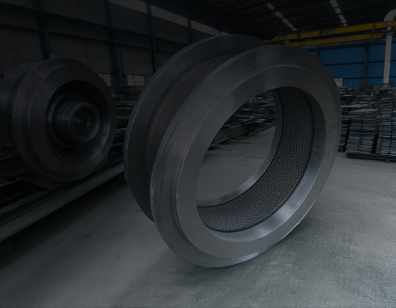
08
Spare Parts
Genuine components are available worldwide with fast delivery service.


