 0086-138 3838 9622
Grain Extrusion Production Line in Brazil
The grain extrusion production line in Brazil processes soybeans and maize in separate campaigns. One matched module, material-specific settings and controlled finishing help a grain business supply feed manufacturers with ingredients they can analyse and use.

RICHI MACHINERY
Two Ingredient Campaigns on One Processing Route
The grain extrusion production line in Brazil is designed for a Mato Grosso grain business supplying processed feed ingredients. RICHI’s arrangement uses one extrusion module for separate soybean and maize campaigns, with preparation, moisture finishing and product sizing selected for each material’s different processing needs.
The reference duty is 4 t/h, supporting 18,000 tonnes annually over 300 days and 15 net running hours daily. The product plan allocates 14,400 tonnes to full-fat soybean meal and 3,600 tonnes to extruded maize meal, with each product identified and tested separately.
4 t/h
capacity
USD 580,000
investment
Brazil
location
Extrusion
project type
RICHI MACHINERY
Sell a Defined Ingredient to Feed Manufacturers
A grain buyer needs to know what processing adds to a particular material. With soybeans, the main task is controlled thermal treatment while retaining the bean oil. With maize, the customer may seek a specified degree of starch cooking and a meal that works reliably in its next manufacturing stage.
The grain extrusion production line in Brazil therefore has two product specifications. Soybean product acceptance includes composition and heat-treatment quality. Maize product acceptance includes starch-processing and physical tests agreed with the buyer. The line is a feed-ingredient system; its output is not automatically a complete poultry, pig or fish feed.
Mato Grosso offers a relevant soybean and maize procurement setting. The operator still needs supplier agreements, receiving checks and confirmed customers. Regional crop production supports a sourcing assessment, but it does not establish that any delivered grain meets the required moisture, contamination or identity specification.
For an extruded grain processing plant in Brazil, this product-first approach keeps the sales offer clear. A feed mill can request a representative sample and analysis for the ingredient it actually needs. RICHI then connects that specification with the machinery duty and material trials behind the equipment proposal.
RICHI MACHINERY
Turn Grain Handling Experience into Process Control
The customer profile is an agricultural business already familiar with grain purchasing, storage and delivery. Adding extrusion introduces another set of jobs: recording process settings, releasing product through quality checks and planning campaigns so one ingredient remains identifiable from intake to dispatch.
The grain extrusion production line in Brazil builds on the useful parts of that trading experience. Receiving staff continue to check each delivery and allocate stock correctly. Production staff take responsibility for grinding, thermal treatment and finishing. Quality staff connect the incoming grain record with the ingredient the feed manufacturer receives.
This division also helps define RICHI’s role as the equipment manufacturer. We develop the processing route, supply the agreed machines and provide installation and commissioning guidance. The customer controls procurement, approved formulations, product declarations and sales. A clear handover makes training and acceptance more useful than a general promise of automatic profitability.
RICHI MACHINERY
Plan Soybean and Maize Hours Separately
The grain extrusion production line in Brazil uses separate production campaigns on the same module. At the 4 t/h reference duty, 14,400 tonnes of soybean product needs 3,600 net hours and 3,600 tonnes of maize product needs 900 hours. The total is 4,500 hours, matching the annual operating plan.
| Finished ingredient | Annual production plan | Net processing hours | Product identity |
|---|---|---|---|
| Full-fat extruded soybean meal | 14,400 tonnes | 3,600 hours | Whole-bean ingredient retaining its natural oil |
| Extruded maize meal | 3,600 tonnes | 900 hours | Heat-processed cereal ingredient with an agreed starch specification |
| Combined production | 18,000 tonnes | 4,500 hours | Separate campaigns and release records |
A soybean and corn extrusion plant in Brazil also allows time outside those net hours for changeover, inspection and maintenance. Material remaining in bins and conveyors is handled through a documented transition route. Saleable product is booked only after the new campaign meets its own operating and quality conditions.
RICHI MACHINERY
Buy Materials that Match the Campaign
The reference intake is 19,000 tonnes annually: 15,200 tonnes of whole soybeans and 3,800 tonnes of maize. The composite balance uses 12% incoming moisture. Actual lot moisture and separated material are recorded so production yield can be compared on a consistent dry-matter basis.
For the grain extrusion production line in Brazil, soybean procurement checks include protein, oil, damaged beans and contamination. Maize procurement adds buyer-relevant checks on grain damage and mycotoxin risk. Visual inspection helps identify a suspect delivery, but analytical acceptance follows the agreed sampling and test programme.
| Material question | Soybean campaign | Maize campaign |
|---|---|---|
| What is the useful composition? | Protein, oil and moisture on a stated basis | Starch, moisture and the buyer’s ingredient analysis |
| What needs process validation? | Residual inhibitors and excessive heat damage | Cooking response and finished physical properties |
| What changes at receiving? | Bean damage and foreign-material checks | Grain damage, contamination and mycotoxin checks |
| What goes on the product record? | Full-fat identity and measured composition | Maize identity and agreed starch-processing results |
The standard supply plan uses the materials available through qualified grain channels. A non-GMO declaration requires an identity-preserved purchasing and handling chain. It is not inferred from the country or added to the finished product description without supporting records.
A maize extrusion production line in Brazil should not accept another oilseed merely because the equipment can physically convey it. Canola or rapeseed would require its own sourcing assessment, feed-use specification and processing trial. That possible future campaign stays outside the two-product annual plan until its requirements are established.
RICHI MACHINERY
Give Water and Heat Their Own Design Duties
The grain extrusion production line in Brazil includes a conditioning-steam allowance of 1,080 tonnes annually across both campaigns. The steam flow for an individual recipe follows its trial results; the annual allowance is not a fixed instruction to condition soybeans and maize identically.
The reference material balance requires about 1,489 tonnes of water removal annually after accounting for separated material. Across 4,500 net hours, that averages roughly 330 kg/h. Flash separation and a moisture-finishing stage provide the required route before final cooling, with a combined selection duty of up to 500 kg/h water removal.
The finishing heater has an approximate 800 kW thermal allowance. Its source and exhaust arrangement are checked for the site. Conditioning requires a suitable steam service; a unit around 1 t/h provides capacity above the average requirement, with actual pressure, steam quality and operating range selected by the utility supplier.
Connected electrical load is approximately 600 kW. At a reference average running demand of 320 kW, annual use is 1,440,000 kWh, or about 80 kWh per finished tonne. The electrical design uses a 60 Hz equipment basis, with voltage and connection capacity confirmed against the property. Water provision is approximately 1,600 m³ annually, including steam makeup and support uses.
RICHI MACHINERY
Select One Module for the Agreed Materials
The grain extrusion production line in Brazil uses one duty-selected extrusion module. Its screw arrangement and operating window are verified separately for the accepted soybean and maize feeds. A 315 kW drive allowance is carried in the project schedule, with the final machine specification confirmed through the supplier’s material-based selection.
| Section | Equipment arrangement | Selection duty |
|---|---|---|
| Grain preparation | Cleaning screen, aspiration and magnets | Controlled, protected feed for both campaigns |
| Grinding | One 75 kW grinding circuit | At least 5 t/h at the agreed feed distribution |
| Conditioning and extrusion | One complete wet-extrusion module | Reference 4 t/h finished output for each approved campaign |
| Moisture finishing | Flash separation and controlled drying | Up to 500 kg/h combined water removal |
| Cooling and sizing | One cooler and adjustable finishing mill | Released meal at the agreed moisture, temperature and particle size |
| Packing | One 50 kg weighing and closing route | At least three bags per minute |
A grain extrusion machine in Brazil needs its auxiliary equipment sized to the same material basis. RICHI checks grinder capacity on the selected feed size and checks finishing capacity on hot product condition. Enough hopper volume is provided to steady the feed, while instruments allow the operator to see changes before they become a large off-spec batch.
RICHI MACHINERY
Follow the Material from Cleaning to Release
The grain extrusion production line in Brazil uses a recorded sequence for each campaign. Operators can adjust settings within an approved recipe while keeping incoming grain, transition material and released product identifiable.
Sample and release the incoming grain
Check the delivery documents, take a representative sample and decide whether the material meets the receiving specification. Record the storage position and lot identity. Moisture readings guide storage and process preparation; suspected contamination is handled through the quality procedure before the grain enters the production feed.
Clean and grind for the selected recipe
Remove coarse debris, light contaminants and ferrous material through the appropriate cleaning stages. Grind to the distribution validated for the ingredient. For this system, preparation generally uses a coarse meal in the 1–3 mm region, with actual sieving used to check the result. Grinder screen size alone is not the finished-feed measurement.
Condition and extrude the material
Coordinate feed rate, steam flow and the selected screw settings. Soybean operation follows the validated treatment needed for residual inhibitor control and protein quality. Maize operation follows its agreed cooking and physical targets. The operator records the conditions for the material being processed instead of using one setting sheet for both.
Remove water and cool the extrudate
The grain extrusion production line in Brazil separates flash vapour and uses controlled finishing when residual moisture requires it. Final cooling brings released product close to ambient temperature, normally within about 5°C under suitable conditions. Moisture and temperature are checked together before storage or packing.
Make a meal that suits the next factory
Size cooled extrudate to the customer’s specified distribution, commonly a predominantly 1–2 mm ingredient meal. Check coarse particles and loose fines through sampling. The product is intended for further formulation and feed manufacture, so a decorative expanded shape is not used as its quality measure.
Pack the released production lot
Use 50 kg bags or a suitably designed bulk-bag attachment for customers with mechanical handling. At three 50 kg bags per minute, nominal packing capacity is 9 t/h, above the 4 t/h process duty. Apply product identity and batch details, then move the stock to the correct dispatch position.
RICHI MACHINERY
Close the Annual Material Balance
The grain extrusion production line in Brazil accounts for both feedstock and injected steam. At the reference moisture, incoming grain contains 16,720 tonnes of dry matter. Finished ingredients contain 16,200 tonnes, leaving 520 tonnes of dry matter in separated material and unrecovered losses.
| Annual input | Quantity | Annual output | Quantity |
|---|---|---|---|
| Soybeans and maize | 19,000 tonnes | Released ingredients | 18,000 tonnes |
| Conditioning steam | 1,080 tonnes | Separated material | About 591 tonnes |
| Total | 20,080 tonnes | Removed water | About 1,489 tonnes |
| Total | 20,080 tonnes |
These rounded quantities establish a reference design balance. Production records replace the estimates with weighed intake, output and reject quantities. Clean fines returned within an authorised campaign stay inside the balance. They do not increase the recorded purchased intake or the quantity invoiced to a customer.
Moisture changes also affect the apparent yield. A drier product weighs less even when useful dry matter has been retained. Comparing batches on their stated moisture basis helps the operator distinguish a drying change from an increase in grinding losses or rejected grain.
RICHI MACHINERY
Use the Building for Flow and Service Access
The site allocation is 3,800 m², with 1,820 m² of covered space in an available industrial building. The internal allocation is 1,000 m² for processing and service aisles, 400 m² for receiving support and ingredients, 300 m² for finished stock and 120 m² for staff, laboratory and control functions.
The grain extrusion production line in Brazil connects with approximately 300 tonnes of usable bulk grain storage, subject to inspection and ingredient segregation. That represents roughly four to five working days of reference intake. Supplier deliveries maintain the operating stock through the year, while finished holding is planned around about 90 tonnes.
Installation planning covers access for the extruder screw, grinder maintenance and removal of major wear parts. RICHI supplies equipment dimensions and loading information for the local structural review. Packing lists and handling instructions support freight and inland delivery planning, with shipment timing agreed from the actual manufacturing and transport schedule.
Before equipment dispatch, the receiving team checks package dimensions, lifting points and access from the unloading position to the foundation. Heavy parts need an agreed lifting arrangement. The installation sequence allows checks of motor rotation, instruments and material-flow interlocks before grain is introduced. These preparations help the customer organise local labour and services around delivery, leaving a clear list of jobs for the first material trial.
RICHI MACHINERY
Put a Clear Boundary around the Budget
The equipment budget for the grain extrusion production line in Brazil is USD 380,000. The total project investment budget is USD 580,000 for the described processing installation in the available building. It includes one extrusion module and the preparation, moisture finishing, cooling, sizing and dispatch equipment required by the two-product plan.
The project total allows for freight and import charges, installation, limited building adaptation, electrical distribution, commissioning and a defined contingency. It assumes suitable site access and usable storage infrastructure. Buying land, constructing a new grain-storage complex, major utility reinforcement and operating working capital require a separate project assessment.
A grain extrusion plant cost in Brazil is easier to assess when its quotation states the product duty and thermal scope. RICHI identifies the water-removal capacity, process-steam requirement and selected packing arrangement. Those details let the purchaser compare complete processing offers on the same basis.
RICHI MACHINERY
Give Customers Evidence They Can Use
Eighteen people cover eight process positions across the operating runs, four handling and warehouse roles, two maintenance roles, two quality roles and two coordination roles. Training follows the actual campaign sheets, sampling points and cleaning instructions. Operators learn how a material change affects the feeder, steam addition and release checks.
The grain extrusion production line in Brazil supports customer trials with identified samples and measured results. Soybean quality checks consider residual inhibitors and excessive heat treatment together. Maize checks follow the agreed starch and physical methods. Neither ingredient receives a universal digestibility or gelatinisation claim without the relevant evidence.
For a feed ingredient extrusion plant in Brazil, a useful sales pack includes the product analysis, particle distribution, packaging format and delivery plan. RICHI’s equipment proposal supports that offer with a material-based machinery list, access layout, load schedule and commissioning checks. The customer can then evaluate the line against its grain supply and intended feed buyers.
RICHI MACHINERY
Bring Your Grain Campaign Plan
Share your soybean and maize analyses, required ingredient specifications and available building details with RICHI Machinery. We can assess the grain extrusion production line in Brazil through separate material trials and a matched finishing calculation. Request a one-module equipment proposal showing campaign duties, utilities and dispatch options. That gives your purchasing team a practical basis for developing a consistent processed-ingredient supply.
● RICHI MACHINERY
RICHI Service

● Consulting
Customer Consultation
We want to have a deep understanding of your industrial process, to know your exact needs of feed, wood, biomass, fertilizer or other pellet processing.

● Design
extrusion Plant Design
Based on your unique situation and industrial process, we will tailor grain extrusion production line you need, and inform you of every additional detail that could facilitate operation, minimize total cost.
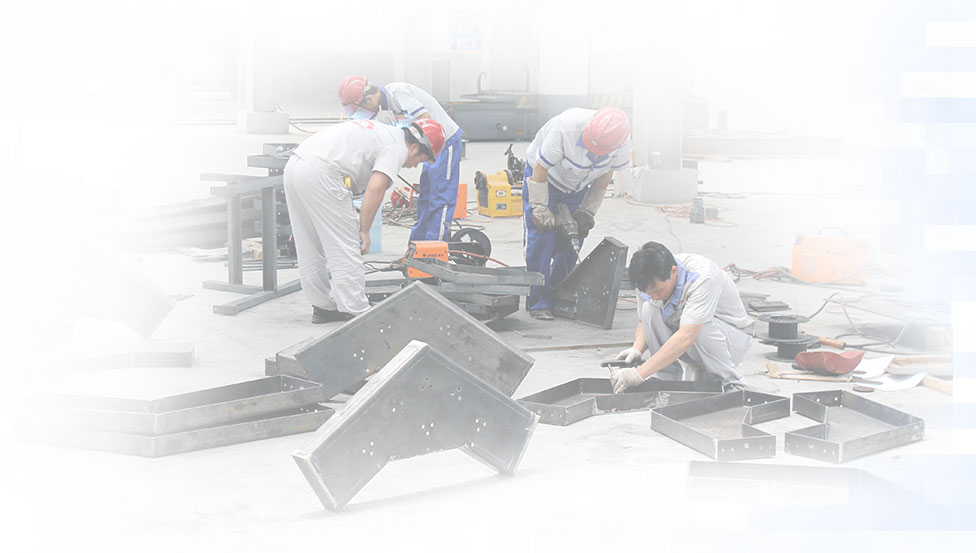
● Manufacturing
Equipment Manufacturing
The critical components of the of the complete pellet production line equipment are built in our own workshops in Asia. Additional equipment is manufactured by our worldwide network of reliable partners.

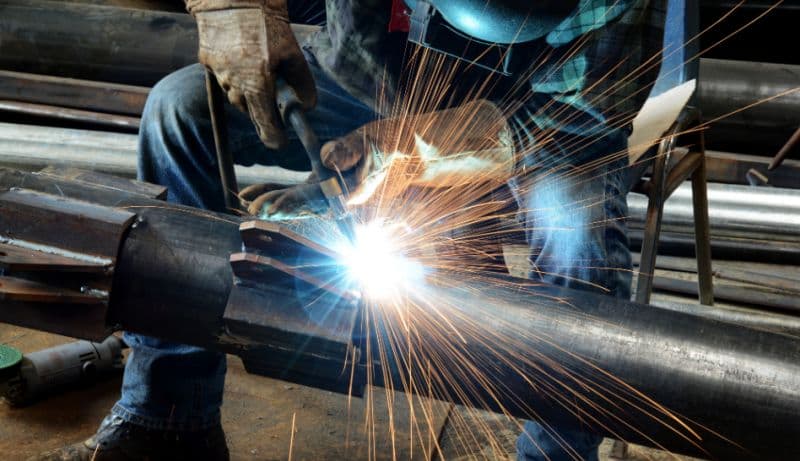
● Testing
Quality Inspection & Testing
Before leaving the factory, all equipment will be inspected by the quality inspection department. We can also provide customers with testing services from a single machine to a complete grain extrusion production line in Brazil, and provide you with real actual data for “worry-free use.”

● Delivery
Equipment Delivery
In equipment boxing and packaging, we adopt professional packaging and modular solutions to ensure the safe and non-destructive delivery of pellet plant equipment.
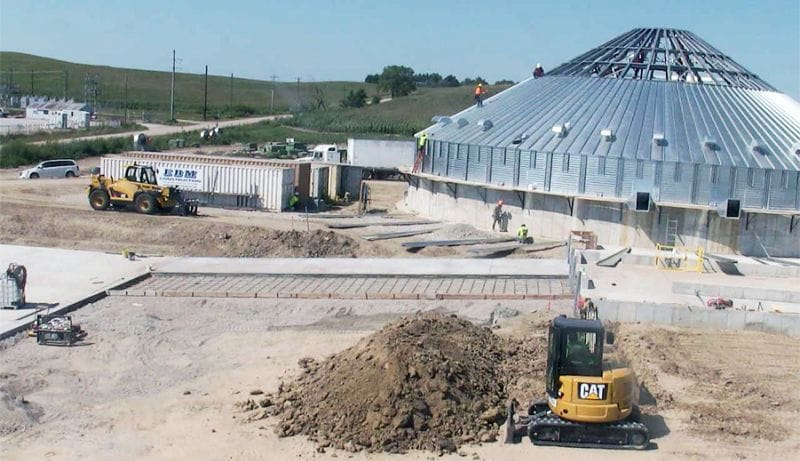
● Installation
Installation & Commissioning
Whether you choose your own subcontractor for the erection phase or you want to install everything together with us, a Richi supervisor will be around to make sure everything is mounted in a safe and thorough way.

● Training
Staff Training
We provide comprehensive training for the technicians of each project. We can also continue to provide support for the technicians during latter project operation.
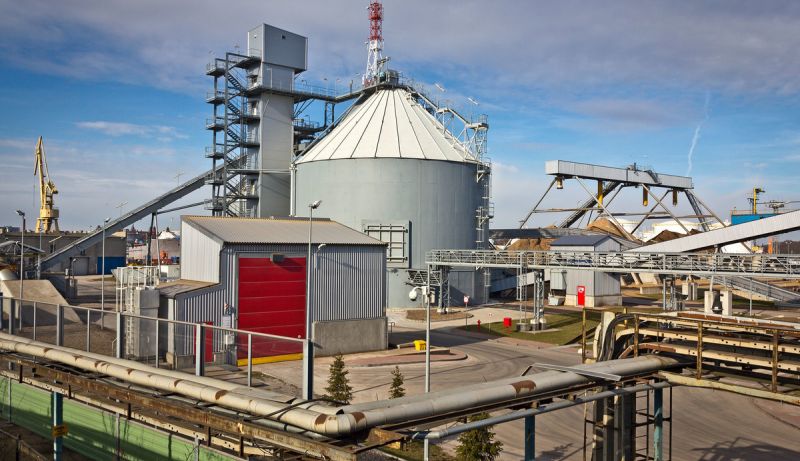
● After-sales
Project Follow-Up
When everything is up and running our Richiers will help you further whenever needed. We are ready to answer your call 24/7.We’ll also visit you regularly to learn about your needs.
Who we are
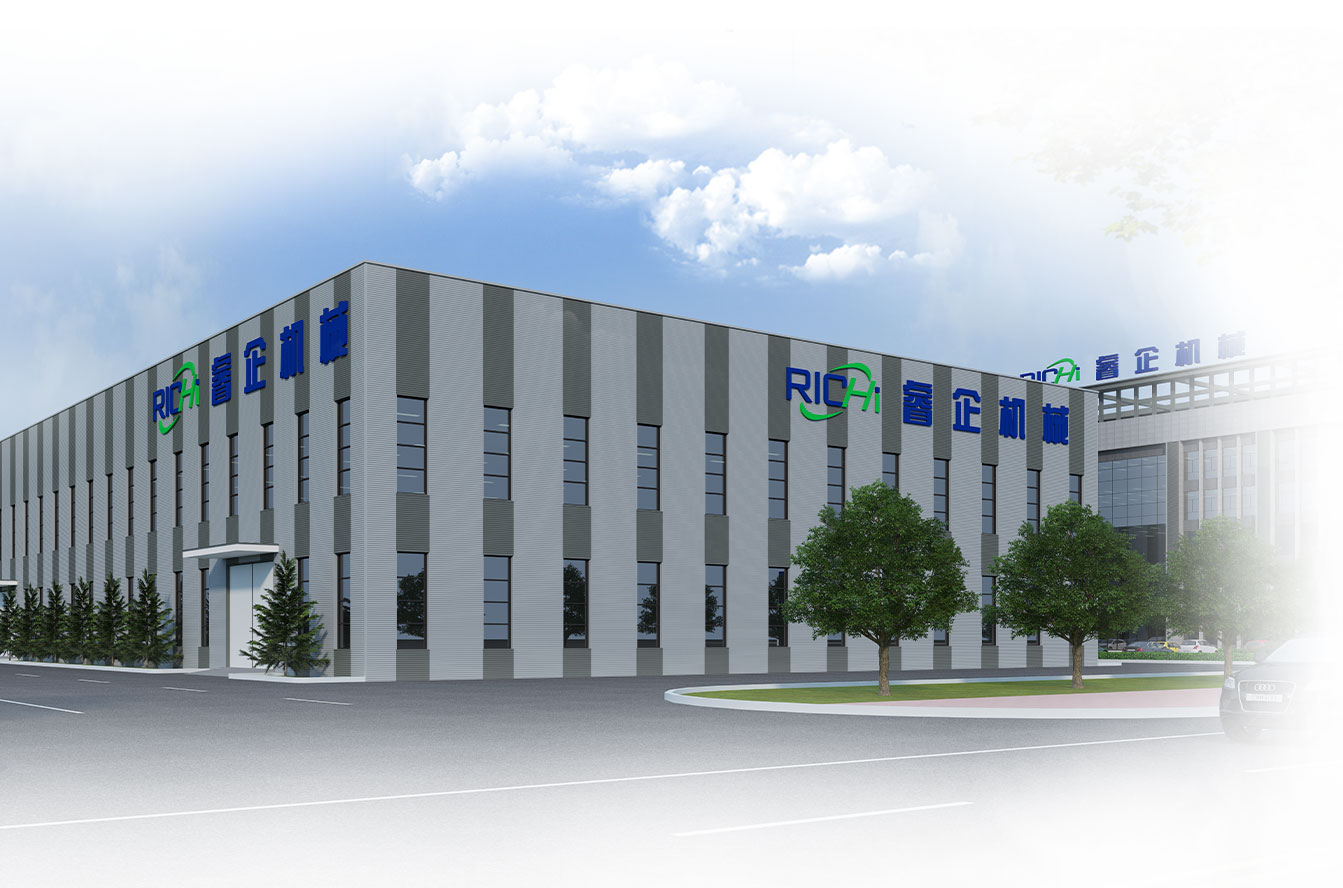
RICHI Machinery is one of the world’s leading suppliers of technology and services for the animal feed, aqua feed and pet food industries, also the largest pellet production line manufacturer in China.
Since 1995, RICHI’s vision to build a first-class enterprise, to foster first-class employees, and to make first-class contributions to society has never wavered.
In the past three decades, we have expanded our business to a wide range of areas, including animal feed mill equipment, aqua feed equipment, pet feed equipment, biomass pellet equipment, fertilizer equipment, cat litter equipment, municipal solid waste pellets equipment, etc.

1995
RICHI Established

2000+
Serving More Than 2000 Customers

120+
RICHI Employees

140+
Exported To 140 Countries