0086-138 3838 9622
Chicken Manure Organic Fertilizer Pellet Production Line in Poland
Chicken Manure Organic Fertilizer Pellet Production Line in Poland connects a poultry cooperative’s treated compost with a defined 10 t/h product route. One suitable press, matched moisture preparation and traceable packing support practical fertilizer distribution.

RICHI MACHINERY
Poultry Manure With a Better Distribution Route
Chicken Manure Organic Fertilizer Pellet Production Line in Poland addresses a poultry cooperative’s need to move stabilized manure beyond the immediate farm area. RICHI’s equipment work centres on converting qualified compost into consistent, bagged pellets at a defined finished-product duty.
The organic fertilizer production line connects existing manure treatment with drying, preparation, one suitable press and controlled finishing. The commercial objective is a fertilizer that distributors can handle and growers can evaluate, supported by clear batch information rather than broad claims about what manure contains.
10 T/H
capacity
USD 650,000
investment
Poland
location
Fertilizer
project type
RICHI MACHINERY
What the Cooperative Needed From the Equipment
A cooperative collecting material from several poultry units needs consistency before it needs a larger machine list. Bedding content, manure moisture and storage history can change between farms. The Chicken Manure Organic Fertilizer Pellet Production Line in Poland therefore uses a receiving specification for stabilized material entering the pellet section.
The client’s operating priorities are practical:
- Accept compost against moisture, maturity and contamination checks.
- Keep untreated manure traffic apart from released fertilizer.
- Produce a defined pellet size for handling and application trials.
- Provide bag identification that links a delivery to its production lot.
RICHI’s role is the equipment and process interface. Farm collection, upstream treatment approval and finished-fertilizer marketing remain distinct responsibilities. Making those boundaries clear helps the cooperative coordinate its own facilities with the supplied production machinery.
RICHI MACHINERY
Why Pellet Form Matters to the Customer
Loose compost can be difficult to dose, store and deliver through agricultural-input channels. Pellet form makes it easier to establish a repeatable bagged product, provided moisture, durability and nutrient declarations are controlled. It does not increase the total nutrients simply by compressing the material.
For this Poland poultry manure pellet plant, the customer can develop separate sales discussions with field-crop growers, horticultural suppliers and distributors. Each buyer needs the product analysis and a suitable application recommendation. A uniform cylinder alone does not establish agronomic value or permission for use in certified organic farming.
The Chicken Manure Organic Fertilizer Pellet Production Line in Poland links those sales needs to production checks. Receiving quality protects the recipe; drying protects storage condition; screening limits fines; lot coding supports follow-up. These are equipment functions a customer can inspect and understand.
RICHI MACHINERY
Ten Tonnes With a Defined Annual Programme
| Production item | Design basis |
|---|---|
| Finished pellet duty | 10 t/h |
| Net operating schedule | 10 hours daily; 300 days annually |
| Annual finished production | 30,000 tonnes |
| Main press | One FZLH520; 132 kW main drive |
| Pellet diameter | 6 mm base product |
| Finished moisture basis | 15%, subject to product qualification |
The organic fertilizer production project is balanced around the finished duty, not the mass of fresh manure collected by the farms. Productive hours exclude planned cleaning, inspections and stoppages. Staggered staffing and suitable relief cover the extended daily production window.
The Supply Boundary Around Composting
The pellet section receives matured, hygienically qualified compost from the cooperative’s treatment system. The equipment budget assumes that suitable upstream composting infrastructure is available; it does not finance a new regional manure-treatment estate.
This boundary matters to a Poland chicken manure fertilizer factory. Fresh collection, active composting, curing and pellet manufacture have different storage and residence-time requirements. Their capacities are checked together during integration, even where they belong to different equipment packages.
Follow One Lot Through the Plant
- Identify the supplier farm and upstream treatment batch.
- Release compost after the agreed maturity and hygiene checks.
- Record moisture at the pellet-section receiving point.
- Track drying, preparation and pressing under one batch record.
- Release the finished lot against the fertilizer specification.
This chain gives distributors a useful answer when they ask what is in a particular delivery. It also allows the cooperative to hold an unsuitable lot without losing its identity in a large mixed pile.
RICHI MACHINERY
Compost Quality Comes Before Die Selection
The Chicken Manure Organic Fertilizer Pellet Production Line in Poland uses an annual pellet-section input allowance of 40,000 tonnes at 35% moisture. This is stabilized compost, not fresh chicken manure. It contains 26,000 tonnes of dry matter against 25,500 tonnes in the finished product.
The 500-tonne dry-matter allowance covers separated contaminants and process losses. Biological losses from upstream composting are outside that pellet-section balance and must be measured within the treatment operation.
| Receiving check | Why it affects the line |
|---|---|
| Maturity and stability | Limits continuing decomposition in storage |
| Moisture variation | Changes evaporation and achievable output |
| Bedding and fibre | Changes grinding and die behaviour |
| Stones, metal and plastic | Requires rejection or separation before pressing |
Composting conditions and treatment validation follow the actual material and applicable route. A fixed number of days or the heat inside the pellet press is not used as a universal hygiene guarantee.
RICHI MACHINERY
Dry, Prepare and Press in the Right Order
The chicken manure pellet machine receives material only after upstream stabilization and release. RICHI’s line configuration brings moisture and particle size into a controlled working range before pressing, with cooling and screening matched to the same output.
Reduce the water load
Pre-drying brings the accepted compost toward an approximately 18% pressing-moisture basis. Calculated pre-dryer evaporation is about 8,133 tonnes annually, or 2.71 t/h. The selected allowance is at least 3 t/h water evaporation with approximately 4.5 MW separate thermal capacity.
Break lumps and blend evenly
A suitable compost crusher and mixer prepare a consistent feed. The working grind is established through the 6 mm product trial, typically requiring fine, even material rather than long bedding fibres. Screening and magnetic protection reduce avoidable press damage.
Form the approved product
The press compresses the prepared compost through a qualified die. Feed rate follows motor load and product condition. Die specification and conditioning are selected using the actual compost, rather than transferring a wood-pellet setting to fertilizer.
Finish before packing
Cooling and screening bring the product to its agreed release condition. The remaining moisture reduction from the pressing basis to the 15% finished basis is included in finishing checks. Warm or off-specification product is held rather than sealed for dispatch.
RICHI MACHINERY
One Suitable Fertilizer Press
The Organic Fertilizer Pellet Making Machine is selected as an FZLH520, within the user-confirmed 9–12 t/h fertilizer-machine range, with a 132 kW main drive. One suitable unit serves the 10 t/h base duty. Its operating commitment is tied to the compost, die and accepted pellet quality.
The Chicken Manure Organic Fertilizer Pellet Production Line in Poland also needs preparation and finishing equipment that can sustain that rate. The main drive alone does not describe factory capacity.
- One controlled compost receiving and feeding route.
- One matched drying and heat system.
- One crusher and batch-mixing route.
- One main fertilizer pellet press.
- Matched cooling, screening, clean-fines return and packing.
Maintenance access is reserved around the press, crusher and dryer. Safe die changes and inspection of wear parts are part of the layout, supporting predictable servicing without unnecessary duplicated presses.
RICHI MACHINERY
A Fertilizer Specification Buyers Can Read
The base product is a 6 mm cylindrical pellet, approximately 10–20 mm long. These are physical design targets for handling and application trials. Moisture, durability, fines and bulk density are checked on representative production samples.
The Chicken Manure Organic Fertilizer Pellet Production Line in Poland does not assign a fixed nutrient analysis to all poultry manure. Nitrogen, phosphorus, potassium, organic matter, contaminants and relevant microbiological parameters require the product’s own laboratory evidence.
| Product information | Basis for declaration |
|---|---|
| Nutrient and organic-matter values | Representative analysis and stated reporting basis |
| Hygiene status | Validated treatment and required product testing |
| Storage instructions | Packaging and stability assessment |
| Application rate | Soil, crop and nutrient-management advice |
Domestic marketing, EU-market access and organic-farming acceptance follow the applicable route for the actual product. Pellet shape is not a certificate or a substitute for registration and verification.
The Chicken Manure Organic Fertilizer Pellet Production Line in Poland also separates product development from normal order fulfilment. A trial recipe is identified until its physical and analytical specification is accepted. Once released, production follows the authorized conditions so that the distributor’s next order is comparable with the sample it approved.
A useful working record connects incoming compost, drying settings, die condition and packing results. If fines increase after transport, the team can compare a retained sample with the customer’s bag. That makes it possible to distinguish a process issue from moisture exposure or unusually rough handling later in distribution.
RICHI MACHINERY
Build Sales Around a Representative Trial
The first commercial discussion should connect a sample to a product specification and delivery format. A distributor may want a standard bag and pallet arrangement; a larger grower may prioritize spreader behaviour and handling losses.
For the Poland organic fertilizer pellet line, a useful trial asks:
- Does the product flow through the customer’s application equipment?
- Do transport and handling create excessive fines?
- Does the bag remain sound through the intended warehouse cycle?
- Can each delivered lot be identified and supported by analysis?
The Chicken Manure Organic Fertilizer Pellet Production Line in Poland is strongest when repeat orders can be supplied to the same agreed conditions. Marketing should focus on those demonstrated properties and the practical supply service, rather than promising a universal yield increase.
RICHI MACHINERY
RICHI’s Work at the Equipment Interfaces
The RICHI Machinery equipment scope connects the customer’s treated compost to a finished bagged product. Process design establishes the flow; equipment selection establishes duty; the layout identifies foundations, power, heat, extraction and access requirements.
For the Chicken Manure Organic Fertilizer Pellet Production Line in Poland, a useful handover package includes:
- A process flow and equipment supply list.
- Motor loads and heat-service interfaces.
- Installation and maintenance clearances.
- Operating instructions and a product-test basis.
- An agreed commissioning and training scope.
Upstream treatment validation and product authorization are coordinated with the responsible specialists. Equipment supply supports those activities without implying that machinery alone grants regulatory acceptance.
What the Customer Can Check Before Ordering
A material trial should identify incoming moisture, preparation, die configuration and finished quality. Output is evaluated with drying and finishing operating, rather than by timing a brief discharge from the press.
The cooperative can then compare proposals at the same process boundary. Matching incoming material, water removal, bag format and installation responsibilities makes the investment comparison meaningful and reduces avoidable omissions at the site.
RICHI MACHINERY
Utilities and People Behind the Output
Electrical connected-load allowance is 550 kW, including preparation, pressing, fans, conveying and packing. Average operating demand is budgeted at 350 kW, giving approximately 1.05 million kWh over 3,000 productive hours. Dryer heat is supplied separately.
The Chicken Manure Organic Fertilizer Pellet Production Line in Poland uses a 24-person planning roster: ten production staff across staggered crews, six handling staff, three maintenance staff, three quality staff and two coordinators. Upstream manure-treatment labour belongs to the cooperative’s separate treatment operation.
Water provision includes personnel, cleaning and the selected heat-system services. Final demand follows the heat technology and the property’s drainage design. Compost moisture control is not treated as permission to add cleaning water indiscriminately to a released pellet-feed batch.
The Poland chicken manure pelletizing equipment schedule also identifies emergency stops, isolation points and downstream interlocks. Operators need a clear response when material feed or finishing becomes unavailable.
RICHI MACHINERY
Space for Material and Service Access
The pellet-stage layout allowance is 3,000 m² covered: 1,400 m² incoming compost, 800 m² processing, 650 m² finished goods and 150 m² support. A 9,000 m² operational plot allowance provides vehicle movement and separation, subject to the actual site survey.
The Chicken Manure Organic Fertilizer Pellet Production Line in Poland uses suitable available industrial assets as its investment basis. Upstream compost treatment and seasonal farm storage are assessed separately. These working areas should not be mistaken for the land required to collect and compost all fresh manure.
Cold-weather operation requires attention to doors, condensation, exposed services and product loading. Covered storage and a dry packing area protect finished pellets after cooling. Site routing keeps untreated-material vehicles away from released-product handling wherever the layout requires separation.
Packing is part of the capacity test
At a 50 kg bag size, ten tonnes per hour require approximately 200 bags hourly. A suitable filling and closure station is selected above that continuous requirement, with provision for bag supply, coding and pallet handling. Its theoretical filling speed is checked against the complete work station.
A Polish poultry compost pellet factory can also evaluate larger packs where its distribution model supports them. That choice changes lifting equipment, storage geometry and loading practice. It is settled before the equipment order so the owner is not left with a suitable press and an unsuitable dispatch arrangement.
The handling trial should use normal production pellets and the proposed bags. Product strength, seal performance and moisture protection all affect the bag received by the grower. These practical checks turn the line’s technical specification into something the customer’s purchasing team can assess.
RICHI MACHINERY
Control Odour Where It Starts
Dry dust collection and manure odour treatment perform different jobs. Capturing grinding dust does not establish ammonia control at receiving or composting. The installation needs a site-specific ventilation, odour and environmental assessment.
- Capture dust at crushing, transfer, screening and filling.
- Enclose or otherwise control odorous receiving operations as designed.
- Separate stormwater, leachate, cleaning discharge and sanitary water.
- Establish safe handling for rejected material and collected residues.
For the Chicken Manure Organic Fertilizer Pellet Production Line in Poland, emissions and noise claims require installation-specific evidence. Product traceability and operating records support responsible production without relying on an unmeasured statement that all nuisance has disappeared.
RICHI MACHINERY
Investment With the Treatment Boundary Stated
The equipment budget is USD 350,000. The total project investment budget is USD 650,000. These scoped amounts assume suitable available buildings and upstream composting assets, with allowances for pellet-line installation, internal services, heat integration, commissioning and contingency.
Land acquisition, a new regional composting estate and major external utility works require separate assessment. Final delivery terms, taxes and local works determine the commercial offer. The Chicken Manure Organic Fertilizer Pellet Production Line in Poland should therefore be compared with other proposals at equivalent boundaries.
One appropriate press keeps capital concentrated on the required duty. Matched drying, finishing and traceability protect what the customer intends to sell. The financial discussion can then use the cooperative’s actual supply and order programme, without assuming a fixed return from an unverified selling price.
RICHI MACHINERY
Discuss Your Poultry Compost Supply
Send your treated-compost sample, annual volume and intended fertilizer specification. We can assess the Chicken Manure Organic Fertilizer Pellet Production Line in Poland against your available treatment infrastructure and packing needs. Request a matched equipment proposal showing drying duty, one suitable press and the site interfaces. That gives your team a practical basis for evaluating both the machinery and the product route.
● RICHI MACHINERY
RICHI Service

● Consulting
Customer Consultation
We want to have a deep understanding of your industrial process, to know your exact needs of feed, wood, biomass, fertilizer or other pellet processing.

● Design
biomass Pellet Plant Design
Based on your unique situation and industrial process, we will tailor complete pellet plant you need, and inform you of every additional detail that could facilitate operation, minimize total cost.
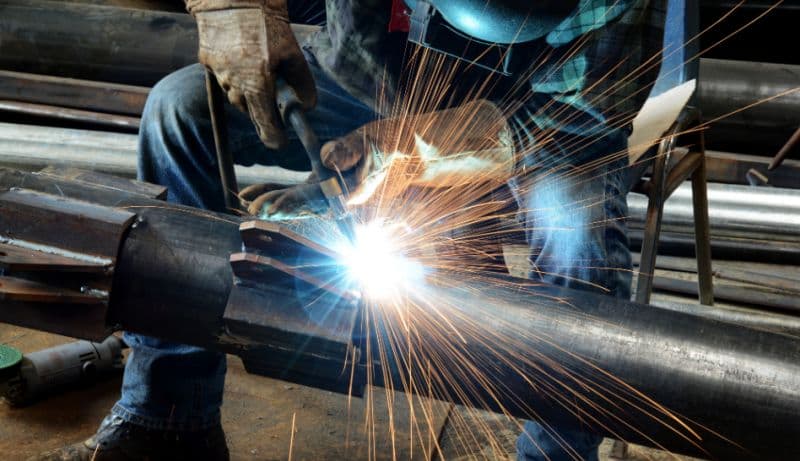
● Manufacturing
Equipment Manufacturing
The critical components of the of the complete pellet production line equipment are built in our own workshops in Asia. Additional equipment is manufactured by our worldwide network of reliable partners.

● Testing
Quality Inspection & Testing
Before leaving the factory, all equipment will be inspected by the quality inspection department. We can also provide customers with testing services from a single machine to a complete pellet plant system, and provide you with real actual data for “worry-free use.”

● Delivery
Equipment Delivery
In equipment boxing and packaging, we adopt professional packaging and modular solutions to ensure the safe and non-destructive delivery of pellet plant equipment.
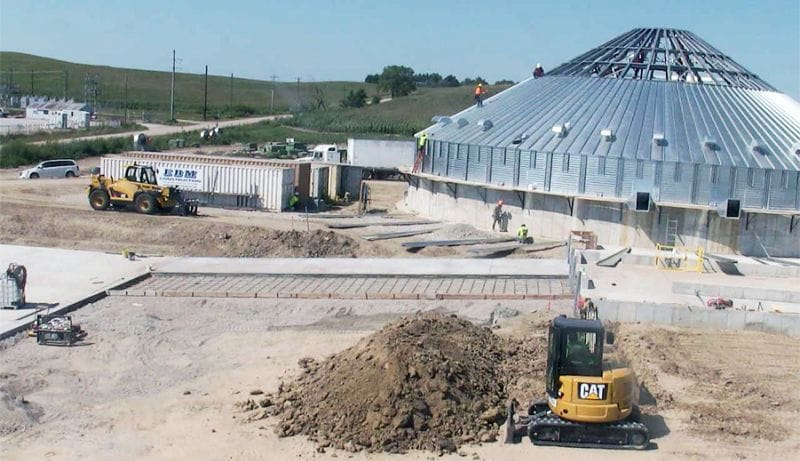
● Installation
Installation & Commissioning
Whether you choose your own subcontractor for the erection phase or you want to install everything together with us, a Richi supervisor will be around to make sure everything is mounted in a safe and thorough way.

● Training
Staff Training
We provide comprehensive training for the technicians of each project. We can also continue to provide support for the technicians during latter project operation.
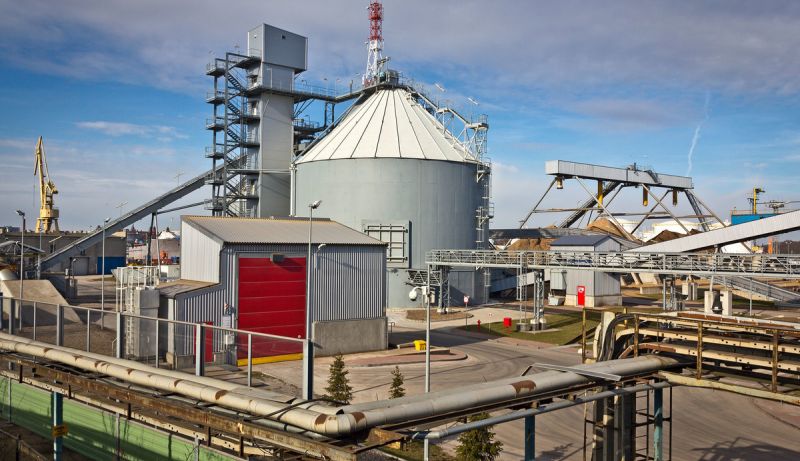
● After-sales
Project Follow-Up
When everything is up and running our Richiers will help you further whenever needed. We are ready to answer your call 24/7.We’ll also visit you regularly to learn about your needs.
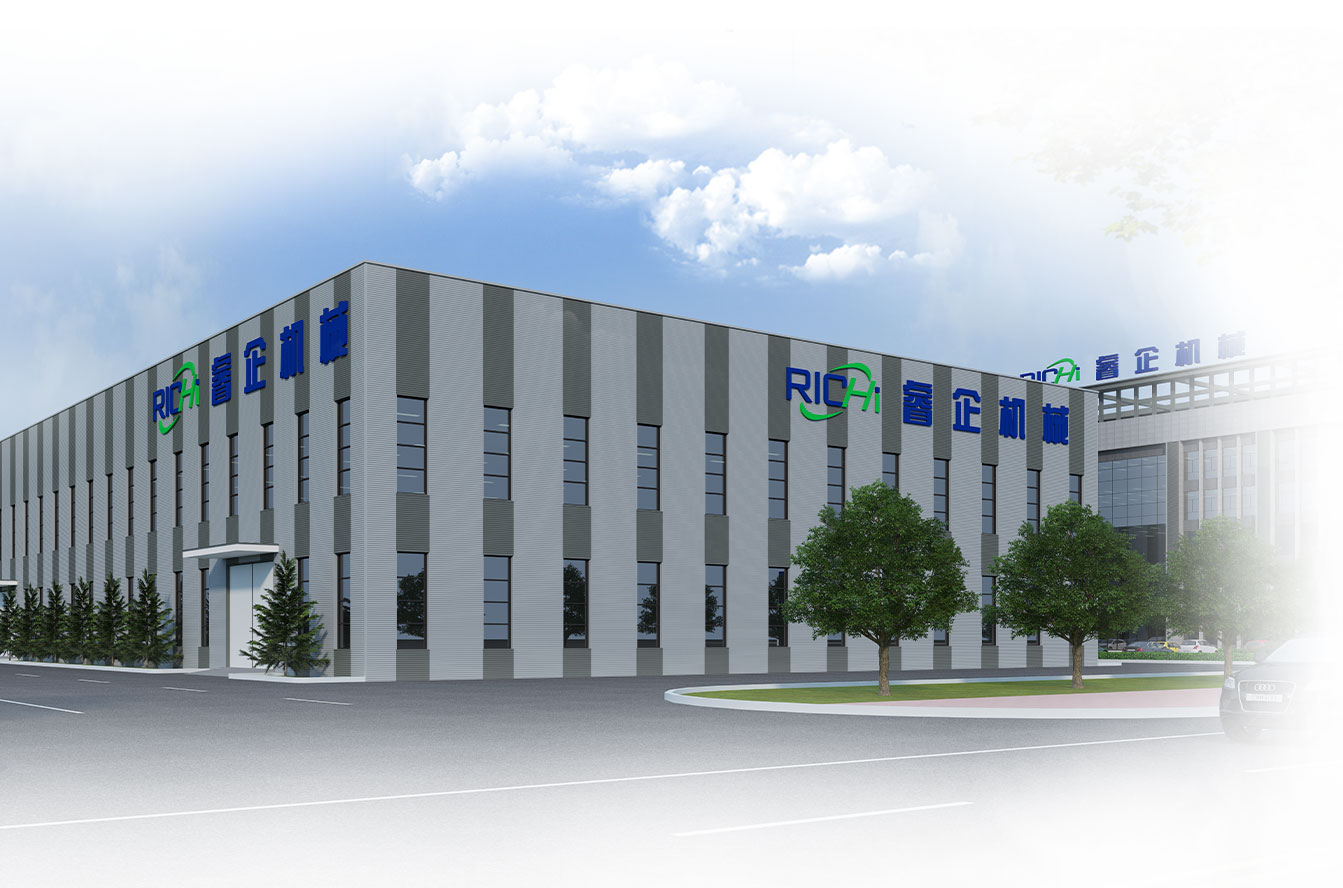
Who we are
RICHI Machinery is one of the world’s leading suppliers of technology and services for the animal feed, aqua feed and pet food industries, also the largest pellet production line manufacturer in China.
Since 1995, RICHI’s vision to build a first-class enterprise, to foster first-class employees, and to make first-class contributions to society has never wavered.
In the past three decades, we have expanded our business to a wide range of areas, including animal feed mill equipment, aqua feed equipment, pet feed equipment, biomass pellet equipment, fertilizer equipment, cat litter equipment, municipal solid waste pellets equipment, etc.

1995
RICHI Established

2000+
Serving More Than 2000 Customers

120+
RICHI Employees

140+
Exported To 140 Countries