RICHI NEWS
richi news
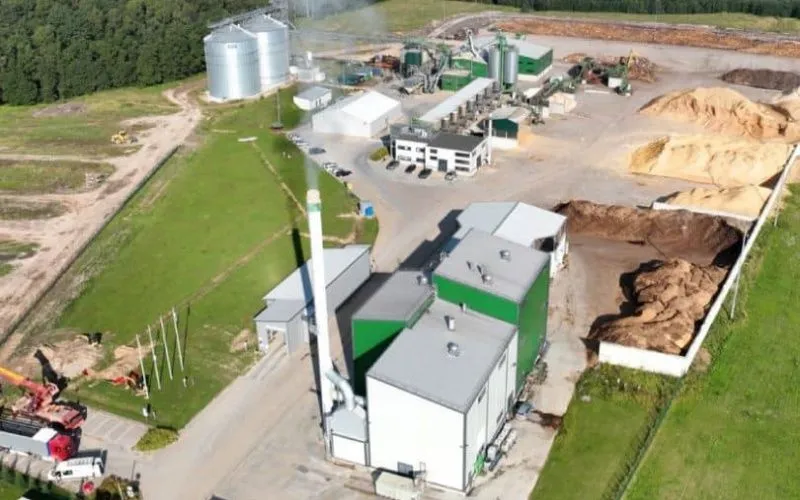
Biomass pellet production line in Brazil
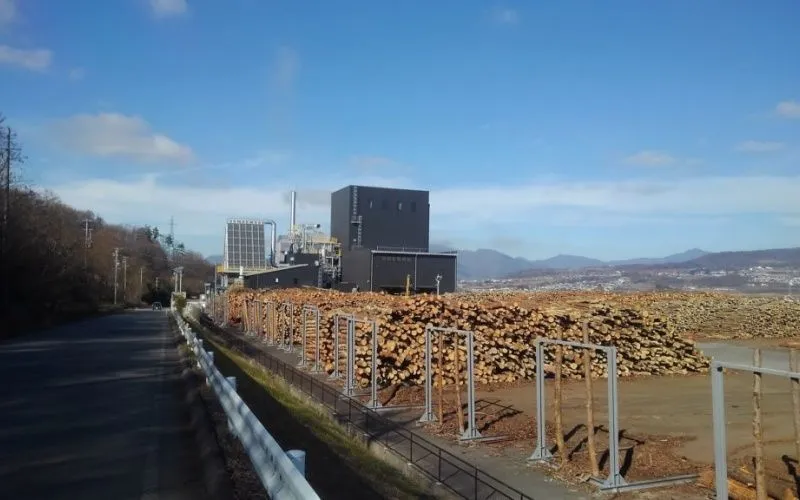
Sawdust pellet production line in Japan
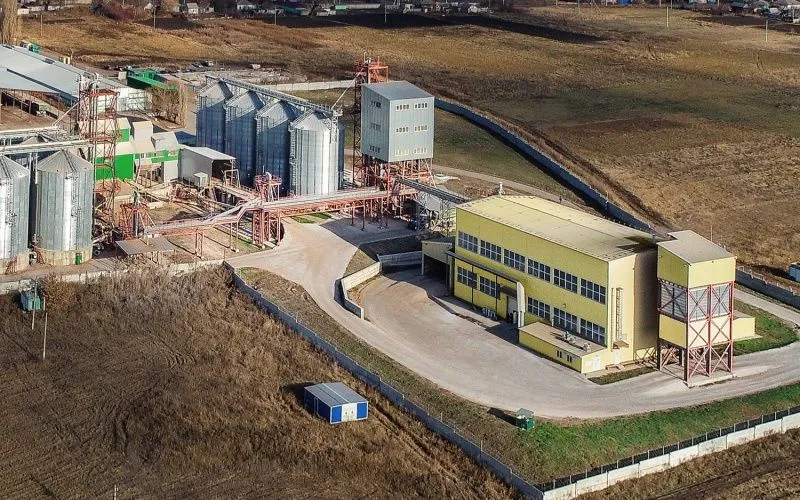
Animal feed production line in Indonesia
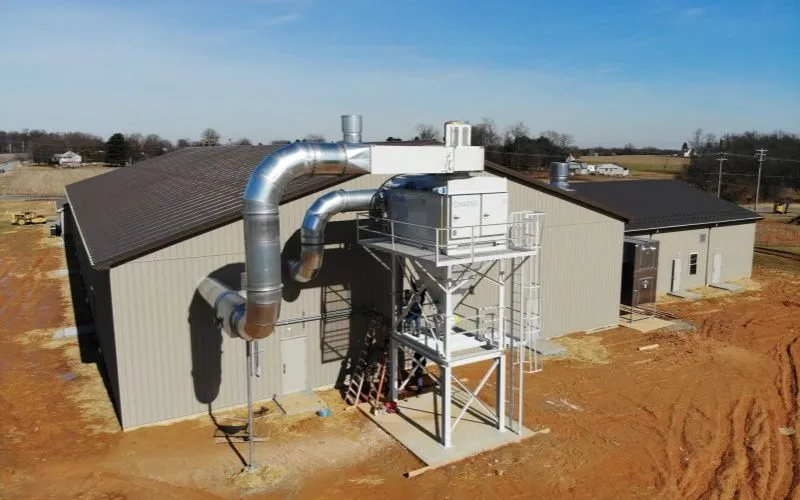
Chicken manure production line in the United States
Cat litter production line in Russia
Poultry feed production line in Thailand
Wood pellet production line in Germany
Fuel pellet production line in Argentina
Cattle feed production line in South Africa

RICHI MACHINERY Layer Feed Production Line Commissioned in Brazil

RICHI MACHINERY has successfully commissioned a 6-ton-per-hour layer feed production line in São Paulo state, Brazil, enhancing local egg production efficiency for one of the country’s largest poultry integrations. Market Background Brazil ranks among the world’s largest egg producers, with layer operations concentrated in the southeastern states where feed mills supply integrated operations and independent […]

RICHI MACHINERY has successfully commissioned a 6-ton-per-hour layer feed production line in São Paulo state, Brazil, enhancing local egg production efficiency for one of the country’s largest poultry integrations.

Market Background

Brazil ranks among the world’s largest egg producers, with layer operations concentrated in the southeastern states where feed mills supply integrated operations and independent producers alike. Layer nutrition differs significantly from broiler formulations: calcium requirements are substantially higher for shell formation, particle size affects intake rates, and feed texture influences consumption patterns.

The customer, an established egg producer with multiple layer facilities, sought to upgrade feed production capabilities to reduce dependency on third-party suppliers and gain greater control over formulation and quality.

Raw Material and Feed Formulation

The feed formulation reflects layer requirements at different production stages:

  • Corn and soybean meal provide the energy and protein base
  • Wheat bran contributes fiber for digestive health
  • Limestone and mineral premix deliver calcium at rates exceeding 4 percent of complete feed
  • Vitamins and trace elements ensure egg quality and bird health

Pellet size and hardness are optimized for intake efficiency—layers prefer smaller pellets than broilers—while minimizing fines that birds reject, leading to nutrient waste and uneven consumption.

Line Configuration

The production line comprises:

  • Automated batching and weighing with accuracy within 0.1 percent for major ingredients
  • Hammer mill with screen options for different grind sizes
  • Twin-shaft mixer for rapid, homogeneous blending
  • SZLH series feed pellet mill with steam conditioning for starch gelatinization
  • Counterflow cooler and screening units for pellet finishing
  • Bagging and palletizing for finished product dispatch

The automation system manages the entire production sequence—from ingredient scaling to finished product discharge—with real-time monitoring of key parameters and recipe storage for rapid changeovers between starter, grower, and layer formulations.

Installation and Commissioning

Equipment delivery occurred in November 2025, with mechanical assembly and electrical integration completed in December. RICHI field technicians supported the customer’s installation team throughout the process, ensuring alignment and control system configuration met specifications.

Trial production in January confirmed stable output at 6 tons per hour with pellet durability exceeding 95 percent and moisture content consistently below 13 percent—performance levels meeting the customer’s quality requirements.

Benefits

The line provides high-quality feed for the customer’s layer operations, improving egg production consistency and feed efficiency compared to purchased feed. It also reduces dependency on third-party suppliers who may not prioritize layer-specific formulations or who face their own production constraints.

For RICHI, the project reinforces the company’s position in Brazilian poultry feed equipment, a market where competition is intense and performance requirements are exacting.

17 / 2025
11

RICHI MACHINERY Commissions 3 T/H Coconut Shell Pellet Production Line in Philippines

RICHI MACHINERY has successfully commissioned a 3-ton-per-hour coconut shell pellet production line in the Philippines, marking the company’s entry into the country’s growing biomass sector. The facility, located in Quezon Province, converts coconut processing waste into high-density fuel pellets for industrial and export markets. Market Background The Philippines ranks among the world’s largest coconut producers, […]

RICHI MACHINERY has successfully commissioned a 3-ton-per-hour coconut shell pellet production line in the Philippines, marking the company’s entry into the country’s growing biomass sector. The facility, located in Quezon Province, converts coconut processing waste into high-density fuel pellets for industrial and export markets.

Market Background

The Philippines ranks among the world’s largest coconut producers, with shell representing roughly 15 percent of the nut’s weight. Traditionally, these shells have been discarded in plantations or burned in open pits—a practice that releases particulates and contributes to respiratory issues in rural communities.

Pelletizing coconut shells provides an alternative: dense, high-calorific-value fuel suitable for industrial boilers, power plants, and overseas buyers seeking renewable alternatives to coal. The calorific value of coconut shell pellets typically exceeds 4,500 kcal/kg—comparable to low-grade coal but with lower sulfur emissions.

Process Design and Challenges

Coconut shells present specific processing challenges. They are denser than most agricultural residues, harder than wood, and highly abrasive due to silica content. Standard pellet mills designed for straw or grass would experience rapid wear when processing coconut shell.

RICHI engineers addressed these challenges through material selection and component specification. The reinforced pellet mill uses chrome-molybdenum alloys for dies and rollers, with increased wall thickness in wear zones. The crushing stage employs impact rather than shear forces to break the hard shell material efficiently.

The process flow follows: primary crushing reduces whole shells to manageable fragments, hammer milling achieves uniform particle size, rotary drying lowers moisture to optimal levels (below 12 percent), pelletizing compresses the material into dense cylinders, cooling stabilizes the pellets, and screening removes fines before bagging.

Equipment and Configuration

The complete line consists of:

  • Coconut shell crusher with heavy-duty rotor and replaceable hammers
  • Hammer mill for fine grinding to particle sizes suitable for pelletizing
  • Rotary dryer sized to handle initial moisture content that can exceed 20 percent
  • MZLH pellet mill with reinforced die and roller assembly
  • Counterflow cooler for gentle temperature reduction without pellet cracking
  • Screening system for separating on-spec pellets from fines
  • Automatic bagging with weigh scale and stitching conveyor

The line consistently achieves pellet moisture below 10 percent, density above 650 kg/m³, and durability sufficient for long-distance transport—requirements specified by the customer’s intended export customers in South Korea and Japan.

Installation and Trial Production

Installation began in November 2025 and concluded in December, with RICHI field engineers working alongside local contractors to complete mechanical assembly and electrical integration. Trial production runs confirmed stable throughput at 3 tons per hour across a range of shell conditions—from freshly processed material to dried stockpiles.

Operators received training on equipment maintenance, with particular attention to die and roller inspection procedures. Coconut shell’s abrasiveness means wear parts require more frequent monitoring than in standard biomass applications, and the training emphasized early identification of wear patterns.

Economic and Environmental Benefits

The plant delivers multiple benefits. It eliminates open burning of shells in surrounding communities, reduces pressure on landfills, and creates rural employment. For the customer, it transforms a waste disposal cost into a revenue-generating product with established demand in Asian energy markets.

The project also demonstrates RICHI’s ability to adapt biomass processing technology to region-specific feedstocks—a capability increasingly important as agricultural processors worldwide seek alternatives to waste disposal.

12 / 2025
11

RICHI MACHINERY Pet Extruded Feed Production Line in South Korea Enters Final Installation Stage

RICHI MACHINERY is currently completing installation of a 4-ton-per-hour pet extruded feed production line in South Korea, serving the rapidly expanding companion animal market in one of Asia’s most affluent economies. The facility is designed to produce premium dog and cat kibble using formulations based on chicken meal, rice flour, corn starch, and vegetable proteins—ingredients […]

RICHI MACHINERY is currently completing installation of a 4-ton-per-hour pet extruded feed production line in South Korea, serving the rapidly expanding companion animal market in one of Asia’s most affluent economies.

The facility is designed to produce premium dog and cat kibble using formulations based on chicken meal, rice flour, corn starch, and vegetable proteins—ingredients that meet the expectations of Korean pet owners increasingly focused on nutrition quality and ingredient transparency.

Market Demand for Premium Pet Nutrition

South Korea’s pet population has grown significantly over the past decade, with more households treating animals as family members rather than working animals or simple companions. This shift has driven demand for high-quality, locally manufactured pet food products that compete with imported premium brands.

The customer, an established player in the Korean animal feed sector, identified pet food as a natural extension of their business. They selected RICHI MACHINERY to supply a turnkey extrusion system capable of producing multiple kibble shapes and formulations while maintaining the consistency required for branded retail products.

Extrusion Technology and Process Flow

The production line includes:

  • Micro-batching system for precise control of minor ingredients and additives
  • Fine grinding unit achieving particle sizes appropriate for pet food digestibility
  • Twin-screw extruder with configurable screw profiles for different kibble textures
  • Multi-layer dryer designed for gentle moisture removal without case hardening
  • Vacuum oil coating system for high-fat inclusion without oxidation
  • Cooling and screening for temperature reduction and fines removal
  • Automatic packaging with weight control and bag sealing
  • The twin-screw extruder is the centerpiece of the system, ensuring uniform expansion, precise temperature control, and stable pellet structure across formulation changes. Screw and barrel configurations can be modified as the customer develops new products, providing flexibility for future market demands.
  • Oil coating is applied under vacuum, allowing high fat inclusion—often exceeding 20 percent in premium pet foods—while maintaining kibble integrity. This process also improves palatability, a critical factor in pet food acceptance.

Installation Progress

RICHI technicians began on-site installation in November 2025. Mechanical assembly is now complete, with electrical integration and control system testing underway. The Korean installation team has worked in coordination with local contractors handling power supply and building modifications.

Commissioning is scheduled for February, followed by formulation trials and operator training. The customer plans initial production runs focused on their core retail formulas before expanding into specialty diets later in the year.

Strengthening RICHI’s Pet Feed Portfolio

This project demonstrates RICHI’s expanding capabilities in high-value pet food processing and extrusion technology. While the company has long supplied aquaculture and livestock feed lines, pet food represents a growing segment requiring tighter process control and greater attention to physical product characteristics.

07 / 2025
11

RICHI MACHINERY Ships 8 T/H Premix Production Line to Brazil for Livestock Nutrition Expansion

RICHI MACHINERY has completed shipment of an 8-ton-per-hour premix production line to southern Brazil, supporting regional feed manufacturers focused on high-precision livestock nutrition. Premix products form the foundation of modern feed formulations, supplying essential vitamins, minerals, and trace elements that represent small inclusion rates but have outsized effects on animal health. Accurate dosing and homogeneous […]

RICHI MACHINERY has completed shipment of an 8-ton-per-hour premix production line to southern Brazil, supporting regional feed manufacturers focused on high-precision livestock nutrition.

Premix products form the foundation of modern feed formulations, supplying essential vitamins, minerals, and trace elements that represent small inclusion rates but have outsized effects on animal health. Accurate dosing and homogeneous mixing are not optional—they are critical to both animal performance and production economics.

Project Background

Brazil ranks among the world’s leading producers of poultry, pork, and beef, with feed conversion efficiency driving competitiveness in export markets. As formulations become increasingly sophisticated—with specialty additives, enzymes, and precisely balanced trace minerals—demand for high-quality premix facilities continues to grow.

The customer, an established feed manufacturer supplying independent livestock producers, sought a compact yet precise premix system capable of supplying multiple downstream feed mills with consistent nutrient blends. Their existing operation relied on manual addition of micro-ingredients, a method that becomes impractical as product lines diversify and accuracy requirements tighten.

Technical Solution

RICHI provided a specialized premix line incorporating:

  • Micro-ingredient storage bins sized for frequent batch changeovers
  • High-accuracy weighing modules with electromagnetic force restoration load cells
  • Horizontal ribbon mixer engineered for gentle but complete dispersion of fine powders
  • Dust-free conveying system incorporating sealed transfers and centralized filtration
  • Finished product packing unit with automated bag placement and sealing

The system achieves dosing accuracy within ±0.1 percent of target weight and mixing coefficient of variation below 5 percent—performance levels required for premix operations supplying commercial feed mills.

Special anti-segregation designs prevent separation of fine powders during discharge and transfer. This is particularly important in premix applications where particle size differences between ingredients can lead to stratification and inconsistent nutrient content from bag to bag.

Factory Acceptance and Shipment

Prior to shipment, RICHI conducted full factory acceptance testing witnessed by the customer’s technical staff. Verification included weighing accuracy across the full range of batch sizes, mixer performance through tracer studies, and electrical system stability under simulated operating conditions.

The equipment was packed into four containers and dispatched in January, with installation scheduled for early March. RICHI’s Brazilian service network will provide on-site support during mechanical assembly and control system integration.

Supporting Brazil’s Feed Industry

Once commissioned, the premix plant will supply multiple compound feed lines, enhancing nutritional consistency across livestock operations ranging from poultry integrations to independent swine producers.

This project highlights RICHI’s capability to deliver high-precision feed processing systems for advanced nutrition applications—equipment that operates at tighter tolerances than standard compound feed lines while maintaining the throughput required for commercial viability.

02 / 2025
11

RICHI Delivers 4 T/H Chicken Manure Organic Fertilizer Pellet Line to Egypt

RICHI MACHINERY has completed shipment of a 4-ton-per-hour chicken manure organic fertilizer pellet production line to Upper Egypt. The equipment will serve poultry operations in the region looking for practical solutions to what has become a pressing environmental challenge: the disposal of accumulated poultry litter. Addressing Poultry Waste Challenges Egypt’s poultry sector has expanded considerably […]

RICHI MACHINERY has completed shipment of a 4-ton-per-hour chicken manure organic fertilizer pellet production line to Upper Egypt. The equipment will serve poultry operations in the region looking for practical solutions to what has become a pressing environmental challenge: the disposal of accumulated poultry litter.

Addressing Poultry Waste Challenges

Egypt’s poultry sector has expanded considerably over the past decade, with large concentrated farms now operating throughout the Nile Valley. These operations produce substantial volumes of manure that, if stockpiled or improperly handled, can contaminate groundwater and generate ammonia emissions affecting local communities.

The customer, a diversified agricultural company with existing poultry operations, recognized an opportunity. Rather than treating manure as a disposal problem, they aimed to convert poultry litter into commercial organic fertilizer suitable for vegetable and fruit cultivation—crops that feature prominently in Upper Egyptian agriculture.

RICHI provided a turnkey solution integrating composting, granulation, and drying, covering the entire conversion process from raw manure to finished bagged product.

Process Design and Equipment Scope

The production line includes several integrated stages:

  • Manure crushing system for breaking up compacted litter and removing larger aggregates
  • Compost fermentation layout with windrow turning capability to accelerate biological stabilization
  • Organic material grinder for consistent particle size reduction prior to pelleting
  • Dual-shaft mixer for blending composted material with binders and optional nutrient additives
  • Organic fertilizer pellet mill equipped with corrosion-resistant materials to handle the abrasive nature of manure-based feedstocks
  • Rotary dryer to reduce moisture content to storage-stable levels
  • Cooler and screener for temperature reduction and particle size classification
  • Automatic bagging system for finished product

Designed output capacity is 4 tons per hour under continuous operation, though the system can run at reduced rates during initial commissioning while operators gain familiarity.

The fermentation stage is particularly critical. Proper composting eliminates pathogens and weed seeds while stabilizing the organic matter—essential steps for producing a product that meets agricultural safety standards. The pelletizing stage that follows transforms loose, dusty manure into uniform, easy-to-handle granules that flow through standard fertilizer application equipment.

Factory Acceptance and Logistics

All equipment underwent factory testing prior to shipment, with particular attention to the pellet mill’s performance on simulated organic feedstock. Seven containers were loaded and dispatched in January, with arrival expected at the customer’s site in mid-February.

RICHI will deploy field engineers to supervise on-site installation and commissioning once civil works are completed by the customer’s local contractors. Operator training will follow, focusing on fermentation management and pellet mill die selection for organic materials.

Agricultural Benefits

The finished fertilizer pellets will provide slow-release nutrients to local farms, improving soil structure through organic matter addition while reducing reliance on imported chemical fertilizers. For the customer, the project creates a new revenue stream from what was previously a cost center—waste disposal.

28 / 2025
10

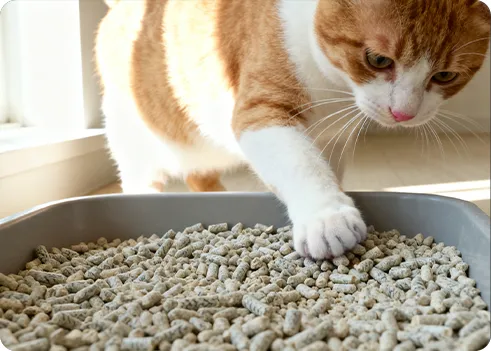
RICHI MACHINERY Tofu Cat Litter Pellet Production Line Advances in Japan

Osaka’s morning tofu production starts before dawn, the steam rising from cooking vats as soybeans transform into milk and then curds. By mid-morning, the okara—soy pulp—accumulates in bins, a byproduct that historically went to animal feed or disposal. Now some of it goes to cat litter. Market Background Japan’s pet market has evolved rapidly. Pet […]

Osaka’s morning tofu production starts before dawn, the steam rising from cooking vats as soybeans transform into milk and then curds. By mid-morning, the okara—soy pulp—accumulates in bins, a byproduct that historically went to animal feed or disposal. Now some of it goes to cat litter.

Market Background

Japan’s pet market has evolved rapidly. Pet owners, particularly cat owners, seek products that are convenient, effective, and environmentally responsible. Traditional clay litter requires mining, produces dust, and fills landfills. Tofu-based litter offers an alternative: biodegradable, flushable, and made from a renewable resource.

The okara feedstock is abundant in Japan, where tofu consumption remains high. It’s food-grade material, clean and consistent, with properties that make it suitable for litter after processing.

Raw Material and Processing Challenges

Fresh okara contains 70 to 80 percent moisture—far too wet for direct pelleting. It spoils quickly without preservation. And its protein and fiber content affect how it absorbs moisture and controls odor.

The process must address all these factors. Drying reduces moisture to pelletizing range. Additives control odor and improve absorption. And the pellet mill must form durable pellets without over-compressing the material—over-compression reduces absorbency and makes pellets too hard for cats to cover.

Production Line Design

The Osaka line incorporates lessons from previous installations:

  • Raw material receiving and pre-mixing with additives and preservatives
  • Hammer mill for particle size adjustment
  • Rotary dryer with temperature control to prevent protein degradation
  • Pellet mill with specialized die for soft-but-durable pellets
  • Counterflow cooler for gentle temperature reduction
  • Screening system for fines removal
  • Automatic bagging with dust control

The cat litter pellet machine uses dies with compression ratios specific to soy-based materials—different from paper or wood because the protein and fiber content affect binding.

Installation and Timeline

Mechanical assembly at the Osaka site is complete. Electrical integration continues, with commissioning scheduled for March. The customer plans initial production focused on the domestic Japanese market, where tofu litter commands premium prices.

Environmental and Market Benefits

For the tofu manufacturers supplying okara, the plant provides a disposal channel for a material that has low value. For the litter producer, it creates a product with growing demand. For Japanese cat owners, it offers a litter option that reduces environmental impact compared to clay.

For RICHI, the project demonstrates adaptation to yet another specialized feedstock—the kind of application-specific engineering that distinguishes the company from competitors offering standardized solutions.

23 / 2025
10

RICHI Cow Manure Organic Fertilizer Production Line Commissioned in Netherlands

RICHI MACHINERY has successfully commissioned a 6 T/H cow manure organic fertilizer production line in the Netherlands, providing sustainable solutions for dairy farms and crop producers. Market Background The Netherlands is known for its intensive dairy sector, generating large volumes of cow manure annually. Efficient manure management is critical for environmental compliance, odor control, and […]

RICHI MACHINERY has successfully commissioned a 6 T/H cow manure organic fertilizer production line in the Netherlands, providing sustainable solutions for dairy farms and crop producers.

Market Background

The Netherlands is known for its intensive dairy sector, generating large volumes of cow manure annually. Efficient manure management is critical for environmental compliance, odor control, and nutrient recycling. Pelletized organic fertilizer allows farmers to convert waste into a valuable, easy-to-apply product.

Raw Material and Composition

Cow manure, mixed with straw and other agricultural residues, serves as the primary feedstock. The line produces pellets rich in nitrogen, phosphorus, and potassium, suitable for broadacre crops and greenhouse applications.

Process Design and Technical Features

The production line includes:

  • Receiving and pre-mixing system
  • Fermentation system for composting
  • Hammer mill for size reduction
  • Rotary dryer to control moisture
  • FZLH series organic fertilizer pellet mill
  • Counterflow cooler
  • Screening system for fines
  • Automatic packaging and palletizing

The fermentation system ensures pathogen reduction and odor control. Pellets are dense, uniform, and suitable for automated application equipment.

Installation and Commissioning

Equipment delivery occurred in November 2025. RICHI engineers completed mechanical assembly and electrical integration by December. Trial production confirmed stable output at 6 T/H, with pellet durability above 92% and moisture content below 12%.

Environmental and Economic Impact

The organic fertilizer production line converts waste into high-quality fertilizer, reducing environmental pollution and providing additional revenue streams for dairy farmers. This project demonstrates RICHI MACHINERY’s expertise in sustainable organic fertilizer solutions.

18 / 2025
10

RICHI MACHINERY Bamboo Pellet Production Line Installed in Thailand

The installation sits in Chiang Rai province, near the Myanmar border, where bamboo grows on hillsides that are too steep for rice paddies. The plant owner had been selling raw poles to construction and furniture makers, but the residues—tops, branches, processing waste—accumulated in piles that occasionally caught fire during the dry season. Market Background Thailand’s […]

The installation sits in Chiang Rai province, near the Myanmar border, where bamboo grows on hillsides that are too steep for rice paddies. The plant owner had been selling raw poles to construction and furniture makers, but the residues—tops, branches, processing waste—accumulated in piles that occasionally caught fire during the dry season.

Market Background

Thailand’s bamboo resource is substantial but underutilized. The country has millions of hectares of bamboo forest, both natural and planted, generating continuous biomass as stands are harvested on rotation. Most of it goes to low-value uses or simply decomposes.

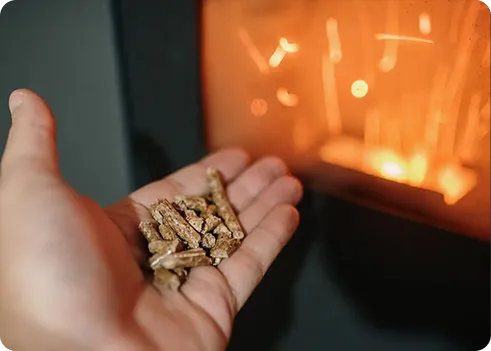
Pelletizing changes the economics. Bamboo pellets burn hot—calorific value around 4,500 kcal/kg, comparable to wood—with low ash and minimal sulfur. Industrial users in Thailand and neighboring countries will buy all that can be produced, at prices that justify processing.

Raw Material and Process Design

Bamboo’s structure presents challenges. The stems are hollow, with dense nodes and fibrous walls. The silica content, absorbed from soil during growth, accelerates wear on cutting surfaces. And the moisture distribution is uneven—green bamboo can exceed 50 percent moisture in the stems while leaves are much drier.

The process must handle all of it. Pre-chopping reduces whole stems to manageable pieces. Hammer milling further reduces particle size while knocking loose the silica that would otherwise embed in pellet dies. Drying brings moisture below 12 percent regardless of starting point. Then pelletizing compresses the fiber into dense cylinders.

Equipment Configuration

The Chiang Rai line comprises:

  • Bamboo pre-chopper and conveyor system with heavy-duty knives
  • Hammer mill with screens sized for bamboo fiber
  • Rotary dryer with thermal efficiency optimized for biomass
  • MZLH series bamboo pellet machine with wear-resistant die materials
  • Counterflow cooler for pellet stabilization
  • Screening system for fines removal
  • Bagging and palletizing unit for finished product

The pellet mill uses chrome-molybdenum dies with increased wall thickness in wear zones. Rollers are surfaced with tungsten carbide for extended life. Even with these measures, the operator expects to replace dies every 800 to 1,000 hours—shorter intervals than for wood, but acceptable given the feedstock cost.

Installation and Commissioning

Mechanical installation finished in January, ahead of the dry season when construction access is easiest. Electrical integration continues, with commissioning scheduled for March. The customer plans initial operation at 5 tons per hour, ramping to full capacity as the supply chain stabilizes.

Environmental and Economic Benefits

For the plant owner, the line converts a waste disposal problem into a revenue stream. For local bamboo growers, it creates a market for material that previously had no value. For Thailand’s renewable energy targets, it supplies fuel that displaces imported coal.

RICHI’s role in the biomass pellet project demonstrates the company’s ability to engineer for difficult feedstocks—the kind that competitors avoid because the processing challenges are non-standard.

13 / 2025
10

Compact 3 T/H Floating Fish Feed Line for Small-Scale Vietnamese Farms

RICHI Machinery has successfully installed a 3 T/H floating fish feed production line in Vietnam’s Mekong Delta, specifically designed to serve small and medium-scale tilapia and pangasius farmers. Utilizing locally available rice bran, cassava residue, and freshwater shrimp meal, the plant produces affordable, nutritionally balanced floating feeds tailored to regional farming conditions. The production system […]

RICHI Machinery has successfully installed a 3 T/H floating fish feed production line in Vietnam’s Mekong Delta, specifically designed to serve small and medium-scale tilapia and pangasius farmers. Utilizing locally available rice bran, cassava residue, and freshwater shrimp meal, the plant produces affordable, nutritionally balanced floating feeds tailored to regional farming conditions.

The production system employs RICHI’s adaptable dual-density extrusion technology, allowing farmers to select pellet buoyancy durations from 20 minutes to 6 hours. A post-extrusion probiotic coating station enhances feed digestibility and supports gut health in warm-water environments. The line is energy-efficient, incorporating a heat-recirculation design that reduces thermal energy consumption by 35%.

Operating under a cooperative ownership model, the facility supplies over 120 local farms within a 50 km radius, with many farmers participating in ingredient supply and feed collection rotations. Since operations began, participating farms have observed a 20% improvement in feed conversion ratios and a marked reduction in water quality issues, demonstrating the viability of decentralized, small-scale feed production in tropical aquaculture systems.

08 / 2025
10

Advanced 4.5 T/H Fish Feed Mill Plant Supports Norwegian Aquaculture

In Western Norway, RICHI Machinery has recently commissioned a specialized 4.5 T/H fish feed production plant, serving regional hatcheries and smolt producers. The facility focuses on producing high-value starter and grower feeds for Atlantic salmon and rainbow trout, utilizing sustainable ingredients such as insect meal, single-cell proteins, and locally sourced marine microalgae. The compact production […]

In Western Norway, RICHI Machinery has recently commissioned a specialized 4.5 T/H fish feed production plant, serving regional hatcheries and smolt producers. The facility focuses on producing high-value starter and grower feeds for Atlantic salmon and rainbow trout, utilizing sustainable ingredients such as insect meal, single-cell proteins, and locally sourced marine microalgae.

The compact production line integrates RICHI’s precision micro-ingredient dosing system with tolerance within 0.05%, ensuring optimal delivery of vitamins, minerals, and functional additives critical for early-life stages. An innovative low-shear extrusion process preserves nutrient integrity while achieving optimal pellet water stability. The plant also features a dedicated vacuum coater that enables high lipid inclusion without compromising pellet durability.

Designed for flexibility, the line can produce batches as small as 500 kg, allowing customized formulations for different hatchery clients. The facility operates with a closed-loop water recycling system and utilizes waste heat recovery, aligning with Norway’s stringent environmental standards. Already, local smolt producers report a 12% improvement in survival rates and more uniform growth, underscoring the role of precision feed manufacturing in sustainable aquaculture.

03 / 2025
10
Biomass pellet project in Romania
videobtn
Argentina Alfalfa Pellet Project
videobtn
Russia Trout Extruded Feed Project
videobtn
videobtn
Malaysia Cat Litter Project
videobtn
20tph Wood pellet plant construction in Bangladesh
videobtn
Rice Straw Pellet Production Line in Brazil
videobtn
fish feed mill project
videobtn
animal feed factory project
videobtn
Australia Rat Poison Project
videobtn

Investment Guide

Pioneering Pelletizing Solutions Since 1995

richi factory
richi factory

Pelletizing Excellence Across Industries

animal feed solution
biomass pellet solution
fertilizer pellet solution
cat litter solution
fuel pellet solution
Email
WhatsApp
click it!

LEAVE YOUR NEEDS

Keeping in touch with us is an effective way to solve all your problems. If you have any needs or questions, please leave your contact information, then RICHI technical consultants will send design, quotation, videos to your mailbox. You can also contact us directly via WhatsApp: +86 138 3838 9622

    Application:

    * We will store the information you have provided us. We will only use this information for the purpose of helping to answer your inquiries. We will not disclose your information to third parties.

    Scroll to Top