RICHI NEWS
richi news
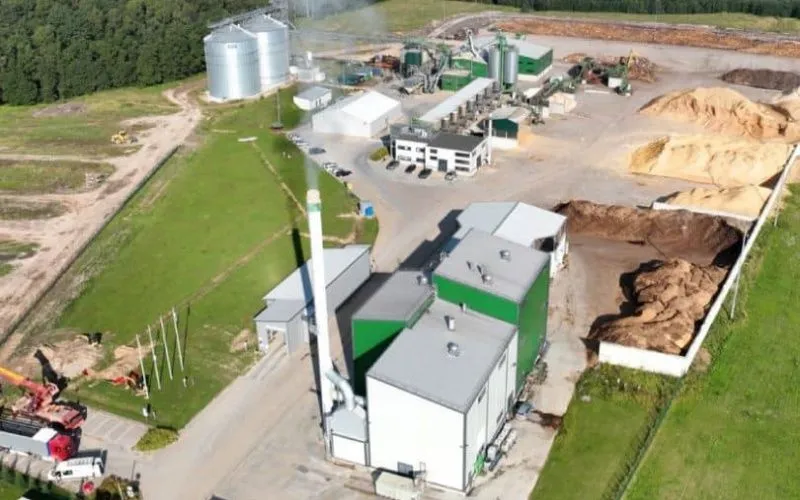
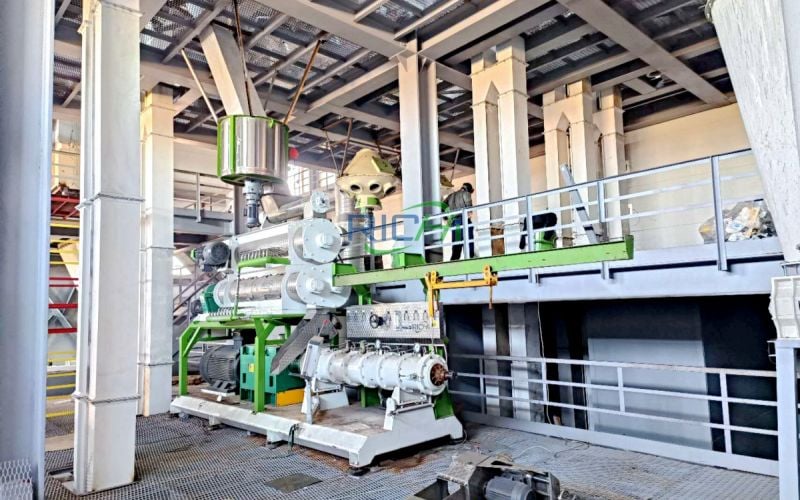
Biomass pellet production line in Brazil
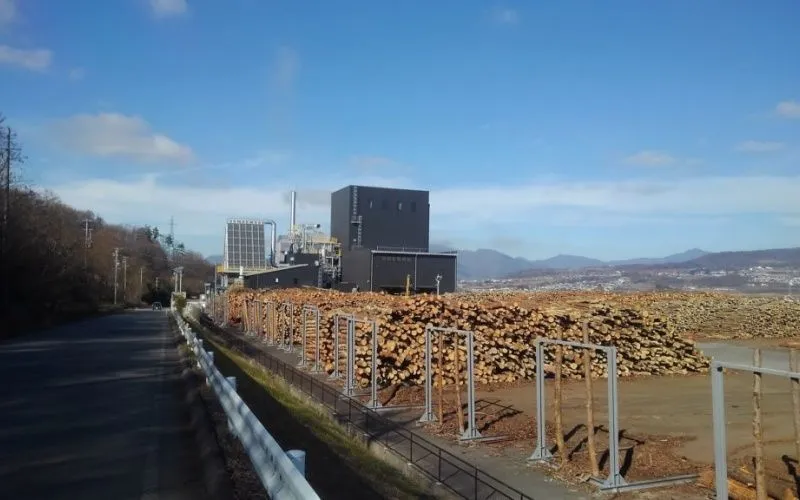
Sawdust pellet production line in Japan
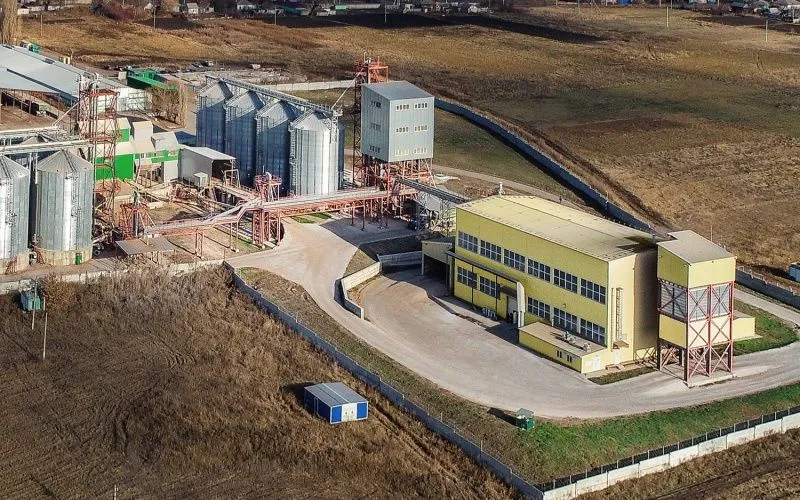
Animal feed production line in Indonesia
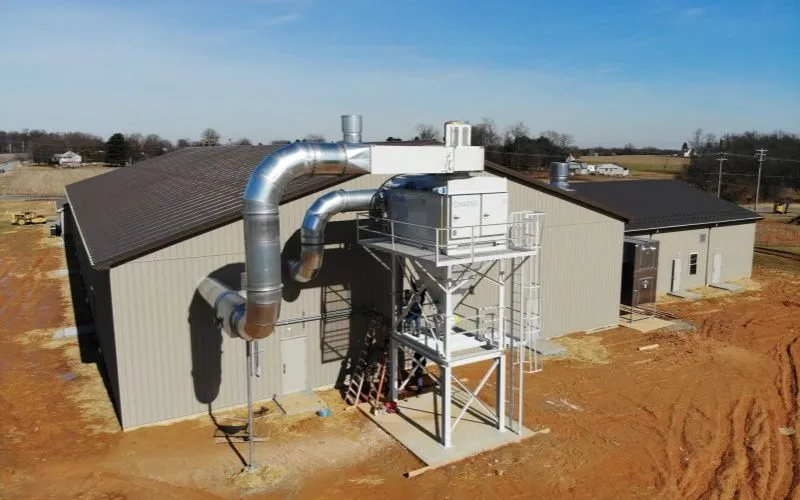
Chicken manure production line in the United States
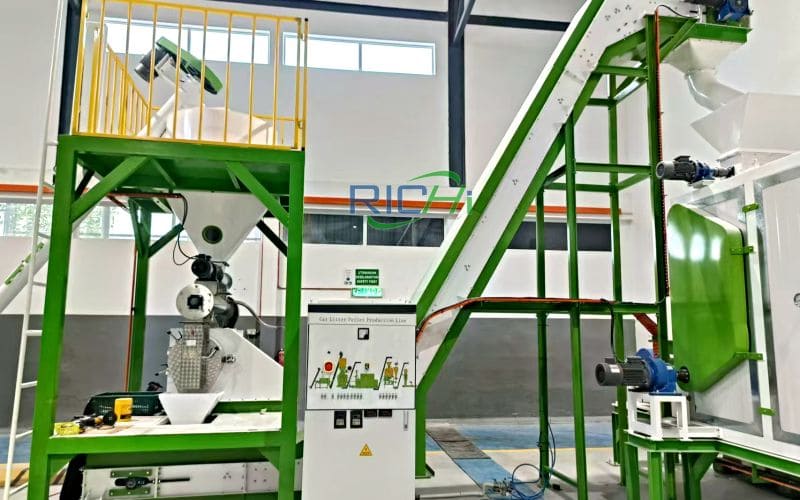
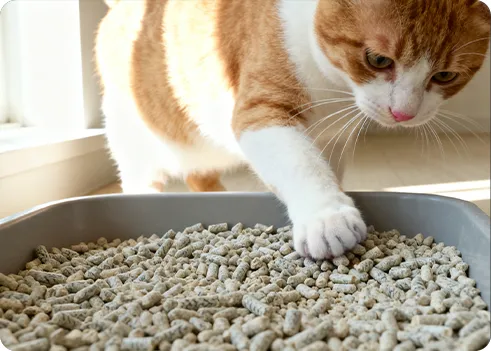
Cat litter production line in Russia
Poultry feed production line in Thailand
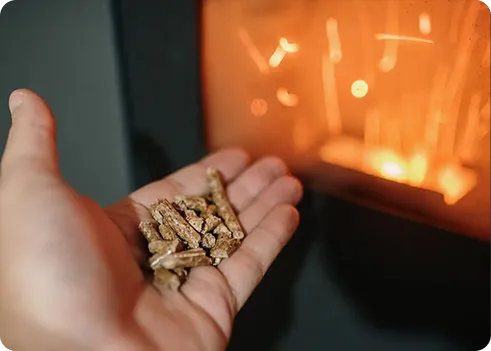
Wood pellet production line in Germany
Fuel pellet production line in Argentina
Cattle feed production line in South Africa

RICHI Completes Commissioning of 12 T/H Goat Feed Production Line in Morocco

RICHI MACHINERY has successfully completed commissioning of a 12-ton-per-hour goat feed production line in northern Morocco, supporting a regional livestock development initiative aimed at improving small ruminant productivity. Goat farming plays a vital role in Morocco’s rural economy, particularly in semi-arid regions where goats are better adapted than cattle to local grazing conditions. However, traditional […]

RICHI MACHINERY has successfully completed commissioning of a 12-ton-per-hour goat feed production line in northern Morocco, supporting a regional livestock development initiative aimed at improving small ruminant productivity.

Goat farming plays a vital role in Morocco’s rural economy, particularly in semi-arid regions where goats are better adapted than cattle to local grazing conditions. However, traditional feeding practices often rely on inconsistent forage quality, limiting growth performance and milk yield.

To address these challenges, the customer partnered with RICHI MACHINERY to establish a modern compound feed facility capable of producing nutritionally balanced goat feed pellets using locally sourced grains and agricultural by-products.

Project Objectives and Market Background

Morocco has steadily expanded its livestock modernization programs, encouraging farmers to adopt formulated feed to improve animal health and production efficiency. The new plant aims to supply pelleted goat feed to surrounding farming communities while reducing dependence on imported feed products.

The project targets an output capacity of 12 tons per hour, producing grower and lactation formulas based on barley, corn, sunflower meal, wheat bran, and mineral premixes.

Feed Formulation and Process Design

Goats require diets with moderate fiber content and carefully balanced protein levels. Excessively hard pellets or overly fine grinding can negatively affect intake.

RICHI engineers designed the line to preserve structural fiber while ensuring pellet integrity. Key process features include:

  • Controlled grinding to maintain appropriate particle size distribution
  • Dual-shaft paddle mixing achieving CV below 5%
  • Steam conditioning to improve starch gelatinization
  • Adjustable pellet compression for optimal hardness

Oil addition systems are integrated to enhance energy density and palatability.

Equipment Configuration

The production line supplied by RICHI includes:

  • Raw material receiving and silo storage
  • Computerized batching system
  • Water-drop hammer mill
  • Twin-shaft mixer
  • SZLH series feed pellet mill
  • Counterflow cooler
  • Vibrating screener
  • Automatic packing system

The automation platform allows rapid formula changes and real-time production monitoring.

Installation and Commissioning

Equipment delivery was completed in October 2025. RICHI technicians arrived on site shortly afterward to oversee mechanical installation, electrical wiring, and control system setup.

Commissioning began in December, with trial production confirming stable operation at 12 T/H and consistent pellet quality.

Operator training covered formulation adjustment, pellet mill maintenance, and daily quality control procedures.

Regional Impact

With the plant now operational, local farmers gain access to standardized feed products, supporting improved animal performance and farm profitability.

This Moroccan project further strengthens RICHI MACHINERY’s presence in North African livestock feed markets.

06 / 2026
01

Alfalfa Pellet Production Line in Spain Achieves Stable Commercial Operation

RICHI MACHINERY has successfully completed commissioning of a 6-ton-per-hour alfalfa pellet production line in central Spain, marking another important achievement in the company’s forage processing portfolio across Southern Europe. The project was developed by a regional agricultural investor aiming to produce export-grade alfalfa pellets for dairy cattle, beef cattle, and equine feed markets throughout Europe […]

RICHI MACHINERY has successfully completed commissioning of a 6-ton-per-hour alfalfa pellet production line in central Spain, marking another important achievement in the company’s forage processing portfolio across Southern Europe.

The project was developed by a regional agricultural investor aiming to produce export-grade alfalfa pellets for dairy cattle, beef cattle, and equine feed markets throughout Europe and North Africa.

Spain is one of Europe’s major alfalfa-producing countries, benefiting from abundant sunlight and favorable growing conditions. Large volumes of sun-dried alfalfa are harvested annually, creating strong demand for efficient densification technologies that improve storage, transportation, and feed handling efficiency.

Project Background and Market Demand

Traditional baled alfalfa requires significant storage space and is costly to transport over long distances. Pelleting transforms loose forage into dense, uniform products with higher bulk density, enabling more economical logistics and consistent feeding.

Recognizing this opportunity, the customer partnered with RICHI MACHINERY to establish a modern pellet production facility capable of processing baled alfalfa into standardized feed pellets.

The project targets a nominal output of 6 tons per hour, with finished pellets primarily destined for export markets.

Raw Material Characteristics and Processing Strategy

Alfalfa contains high levels of protein and structural fiber but is sensitive to excessive heat and mechanical stress. Over-processing can degrade nutrients and reduce feed palatability.

RICHI engineers designed a gentle processing route that preserves nutritional integrity while ensuring pellet durability. Key considerations included:

  • Controlled bale breaking to minimize fiber damage
  • Low-shear grinding to maintain particle structure
  • Moderate drying temperatures to prevent protein denaturation
  • Optimized die compression ratios for forage materials

This approach allows consistent pellet formation without compromising feed quality.

Equipment Configuration

The production line supplied by RICHI includes:

  • Automatic bale breaker and conveying system
  • Hammer mill with reinforced screens
  • Belt dryer with multi-zone temperature control
  • MZLH series biomass pellet mill
  • Counterflow cooling system
  • Vibrating screen for fines separation
  • Automatic bagging and palletizing section

The pellet mill is equipped with a forced feeding system to handle fibrous alfalfa material efficiently, while the dryer maintains final pellet moisture below 10%.

All key components are constructed from wear-resistant materials to support continuous operation.

Installation and Trial Production

Equipment delivery was completed in October 2025. RICHI technical engineers arrived on site shortly afterward to oversee installation, alignment, and electrical integration.

After mechanical assembly and system calibration, trial production commenced in December.

Initial test runs confirmed:

  • Stable throughput at 6 T/H
  • Pellet durability index exceeding 92%
  • Uniform pellet size
  • Minimal fines generation

Operators received hands-on training covering moisture management, die maintenance, and daily operational procedures.

Operational Benefits

Compared with baled forage, alfalfa pellets produced by the new plant offer:

  • Reduced transportation costs
  • Improved storage efficiency
  • Easier automated feeding
  • Consistent nutritional delivery

The facility now supplies pellets to regional distributors and export partners, strengthening Spain’s position in the international forage trade.

Strengthening RICHI’s Forage Processing Portfolio

This project highlights RICHI MACHINERY’s capability to deliver customized forage pellet solutions tailored to regional crop characteristics and market requirements.

With successful commissioning complete, RICHI continues to provide after-sales support and process optimization services to ensure long-term plant performance.

01 / 2026
01

RICHI Completes Installation of 5 T/H Cow Dung Organic Fertilizer Pellet Line in Kenya

RICHI MACHINERY has successfully completed the mechanical installation of a 5-ton-per-hour cow dung organic fertilizer pellet production line in western Kenya, supporting a regional agricultural cooperative’s transition toward sustainable nutrient recycling. The project utilizes fresh cattle manure blended with crop residues and microbial additives to produce granular organic fertilizer for local maize and vegetable farms. […]

RICHI MACHINERY has successfully completed the mechanical installation of a 5-ton-per-hour cow dung organic fertilizer pellet production line in western Kenya, supporting a regional agricultural cooperative’s transition toward sustainable nutrient recycling.

The project utilizes fresh cattle manure blended with crop residues and microbial additives to produce granular organic fertilizer for local maize and vegetable farms.

Turning Livestock Waste into Valuable Fertilizer

Cattle farming is widespread in Kenya, generating significant quantities of manure that are often underutilized. The customer approached RICHI seeking a compact yet efficient system capable of converting cow dung into market-ready fertilizer pellets.

RICHI provided a fully integrated solution including:

  • Raw manure receiving and crushing system
  • Compost fermentation area layout
  • Organic material grinder
  • Double-shaft mixer
  • Organic fertilizer pellet mill
  • Rotary dryer and cooler
  • Screening and automatic packing

The line is designed for a nominal capacity of 5 T/H, with final pellet moisture controlled below 12%.

Process Optimization for High-Moisture Materials

Fresh cow dung typically contains 60–70% moisture. RICHI engineers incorporated a pre-fermentation and drying stage to stabilize organic matter while eliminating pathogens and weed seeds.

The pelletizing section uses a reinforced ring die designed for abrasive organic inputs, ensuring consistent pellet shape and extended die life.

Optional nutrient dosing units allow the addition of phosphorus and potassium depending on seasonal crop requirements.

Installation and Training

RICHI technicians arrived on site in December 2025. Mechanical installation was completed in five weeks, followed by electrical wiring and control system configuration.

Operator training focused on fermentation management, moisture control, and pellet mill maintenance. Trial production confirmed smooth material flow and stable pellet quality.

Supporting Local Agriculture

Once fully commissioned, the plant will supply organic fertilizer to surrounding farming communities, reducing reliance on imported chemical fertilizers.

This Kenyan project highlights RICHI’s growing presence in African organic fertilizer markets and demonstrates the company’s ability to adapt equipment designs to regional agricultural conditions.

27 / 2025
12

Peru Sawdust Pellet Production Line Reaches Shipment Stage at RICHI Manufacturing Base

RICHI MACHINERY recently completed factory acceptance testing for a 4 T/H sawdust pellet production line destined for southern Peru, marking another export milestone for RICHI’s biomass equipment division. The project focuses on converting sawmill residues and furniture factory offcuts into high-density biomass pellets for industrial boiler fuel. Compact Design for Distributed Biomass Resources The customer […]

RICHI MACHINERY recently completed factory acceptance testing for a 4 T/H sawdust pellet production line destined for southern Peru, marking another export milestone for RICHI’s biomass equipment division.

The project focuses on converting sawmill residues and furniture factory offcuts into high-density biomass pellets for industrial boiler fuel.

Compact Design for Distributed Biomass Resources

The customer required a moderate-capacity system suitable for decentralized wood waste collection. RICHI delivered a streamlined configuration including:

  • Wood chip crusher
  • Hammer mill
  • Rotary drum dryer
  • MZLH biomass pellet mill
  • Counterflow cooler
  • Pellet screening unit
  • Automatic bagging system

Designed capacity is 4 tons per hour, with finished pellets achieving a calorific value exceeding 4,200 kcal/kg.

Factory Testing and Quality Control

Before shipment, RICHI conducted full-load testing at its production facility. Engineers verified:

  • Motor performance
  • Bearing temperature stability
  • Pellet density and durability
  • Electrical system responsiveness

All equipment passed acceptance criteria, and the complete line was dismantled for container loading.

Logistics and Delivery

The equipment was packed into eight 40-foot containers and dispatched via Shanghai port. Arrival in Peru is scheduled for late February, with installation to follow immediately.

RICHI will provide on-site supervision and remote commissioning support.

Expanding Biomass Utilization in South America

Peru’s woodworking sector generates substantial volumes of sawdust annually. This project provides a practical solution for converting waste into renewable energy while creating additional revenue streams for local producers.

22 / 2025
12

RICHI Signs 6 T/H Rice Straw Pellet Production Line Project in Indonesia

RICHI MACHINERY recently signed a 6-ton-per-hour rice straw pellet production line project with a local agricultural investor in Central Java, Indonesia. The project marks another milestone in RICHI’s expanding footprint across Southeast Asia and reflects the growing regional demand for biomass pellet solutions based on agricultural residues. Indonesia produces millions of tons of rice straw […]

RICHI MACHINERY recently signed a 6-ton-per-hour rice straw pellet production line project with a local agricultural investor in Central Java, Indonesia. The project marks another milestone in RICHI’s expanding footprint across Southeast Asia and reflects the growing regional demand for biomass pellet solutions based on agricultural residues.

Indonesia produces millions of tons of rice straw annually. Traditionally, much of this biomass has been burned or left to decompose in open fields, causing environmental concerns and wasted energy potential. The investor approached RICHI with a clear objective: transform surplus rice straw into high-density biomass pellets for industrial fuel and commercial heating applications.

After several rounds of technical discussions, RICHI’s engineering team proposed a customized processing solution designed specifically for long-fiber straw materials with variable moisture content.

Project Overview

The production line is designed for a stable output of 6 T/H and includes:

  • Straw bale breaker and feeding system
  • Hammer mill with anti-winding rotor design
  • Rotary dryer for moisture reduction
  • MZLH series biomass pellet mill
  • Counterflow cooler
  • Pellet screening system
  • Automatic bagging and palletizing section

The entire system is optimized to handle rice straw with initial moisture levels of 18–25%, producing finished pellets with moisture below 10% and bulk density above 600 kg/m³.

RICHI also integrated a dust collection and cyclone system to meet local environmental standards and ensure clean workshop conditions.

Engineering Design Tailored for Rice Straw

Rice straw presents unique challenges due to its fibrous structure and silica content. To address this, RICHI adopted reinforced hammer blades, enlarged airflow channels, and specially treated ring dies to improve durability and reduce downtime.

The pellet mill is equipped with a forced feeding system to ensure consistent material flow, while the conditioning section allows optional binder addition for customers targeting export-grade pellets.

According to RICHI’s technical team, the line can process both loose straw and pre-baled raw materials, giving the investor flexibility in sourcing.

Project Timeline

The contract was finalized in January 2026. Equipment manufacturing is currently underway at RICHI’s production base, with shipment scheduled for early April. On-site installation is expected to begin in May, followed by commissioning and operator training.

  • The full project is scheduled to enter commercial operation in the third quarter of 2026.
  • Supporting Indonesia’s Biomass Energy Transition

Indonesia has been actively promoting biomass co-firing and renewable fuel initiatives. This project aligns closely with national energy diversification goals while creating new income streams for local farmers.

RICHI MACHINERY will provide full technical support, including layout design, installation guidance, process optimization, and after-sales service.

This rice straw pellet project further demonstrates RICHI’s capability to deliver reliable biomass pellet solutions tailored to regional agricultural resources.

17 / 2025
12

Corn Straw Pellet Production Line Starts in India

The installation site sits at the edge of a village in Haryana state, surrounded by fields that, two months ago, stood thick with corn. Now the stalks are gone—harvested, baled, and stacked in a field across from the new plant. Soon they’ll feed into the line taking shape under the tin roof. Market Background Northern […]

The installation site sits at the edge of a village in Haryana state, surrounded by fields that, two months ago, stood thick with corn. Now the stalks are gone—harvested, baled, and stacked in a field across from the new plant. Soon they’ll feed into the line taking shape under the tin roof.

Market Background

Northern India’s post-harvest burning has become an annual crisis. Satellite images show the smoke plume spreading across the Indo-Gangetic plain, schools closing in Delhi, hospitals reporting respiratory admissions spikes. The government has tried bans, fines, awareness campaigns—none have stopped the burning entirely, because farmers have no economically viable alternative.

Pelletizing offers one. Convert the straw to fuel, and suddenly it has value instead of being a disposal problem. Industrial boilers can burn it. Power plants can co-fire it. Even livestock farmers can use it as bedding or, with careful formulation, as roughage.

Raw Material Characteristics

Corn straw differs from wheat straw in ways that matter for processing. It’s coarser, with thicker stems and higher lignin content. Moisture at harvest runs higher—often 18 percent or more—requiring more drying energy. And the silica content, while lower than rice straw, still accelerates wear on cutting surfaces.

The customer’s feedstock comes from local fields within a 30-kilometer radius. Farmers deliver baled straw by tractor-trolley, stacking it in the yard for inventory. The variation between loads—some rain-washed, some field-dried, some mixed with weeds—means the process must tolerate inconsistency.

Production Line Design

RICHI configured the line for straw’s specific demands:

  1. Pre-chopping and feeding system breaks bales and meters material into the process
  2. Hammer mill with screens sized for straw’s fibrous structure
  3. Rotary dryer sized generously to handle peak moisture loads
  4. MZLH series corn stalk pellet machine with increased roller pressure and wear-resistant components
  5. Counterflow cooler for pellet stabilization
  6. Screening system for fines removal and reprocessing
  7. Bagging and palletizing for finished product

The straw dryer is oversized deliberately. In northern India, humidity varies enormously between dry winter days and foggy mornings. Having dryer capacity in reserve allows operators to adjust for ambient conditions without throttling production.

Installation and Timeline

Mechanical assembly finished last week. Now electricians run cables through trays overhead, terminating at motors and sensors. The control panels sit in a air-conditioned room at one end of the building, their screens dark until power comes on.

Commissioning is scheduled for March, after the local electrical utility completes a transformer upgrade. The customer plans to run through the summer, building inventory for the winter heating season when industrial demand peaks.

Benefits and Regional Impact

The plant will consume about 15,000 tons of straw annually at full operation—a small fraction of what the district burns, but a start. If the economics work—if the pellets sell at prices that cover costs and return a margin—more such plants will follow.

For RICHI, the project demonstrates adaptation to local conditions. Straw pelleting equipment must tolerate variability, run on marginal grid power, and be maintainable by local mechanics with limited formal training. This line meets those requirements.

12 / 2025
12

Paper Cat Litter Pellet Production Line Commissioned in South Korea

The control room overlooks the new line through a wall of safety glass. On the screens, numbers cycle through in green—temperatures, motor loads, production totals. Below, finished pellets stream into bags that index automatically under the discharge chute. The line in Busan has been running for three weeks now, and the operators have settled into […]

The control room overlooks the new line through a wall of safety glass. On the screens, numbers cycle through in green—temperatures, motor loads, production totals. Below, finished pellets stream into bags that index automatically under the discharge chute. The line in Busan has been running for three weeks now, and the operators have settled into the rhythm of startup, steady-state production, and shutdown.

Market Background

South Korea’s pet industry has grown faster than almost anyone predicted. Ten years ago, cat litter was an afterthought—clay from multinational brands, whatever the local pet shop stocked. Today, consumers read labels. They know about strip mining for clay. They know about landfill volume. And they’re willing to pay more for products that don’t come with environmental baggage.

Paper litter addresses both concerns. The raw material is recycled—newspaper offcuts, office paper, cardboard trimmings that would otherwise go to landfill. The finished product is biodegradable; flushable, even, if the customer’s plumbing can handle it. And the absorption characteristics, properly engineered, match or exceed clay.

Raw Material and Formulation

The line draws from two feedstock streams. The primary stream is pre-consumer paper waste—trim from printing operations, envelope manufacturing, packaging plants. This material is clean, consistent, and available year-round. The secondary stream is post-consumer, collected through municipal recycling programs, which requires more sorting and carries higher variability.

The formulation includes additives for odor control—sodium bicarbonate for acid neutralization, activated carbon for adsorption—blended at rates determined by lab testing of incoming paper batches. Too much additive affects pellet formation; too little compromises performance. Finding the balance required three weeks of trials during commissioning.

Process Design and Technical Features

The line follows a sequence specific to paper pelleting:

  • Raw material intake and pre-shredding breaks bales and removes contaminants
  • Hammer mill reduces paper to fiber length optimal for pellet formation
  • Rotary dryer adjusts moisture to the narrow window required for soft-die pelleting
  • Pellet mill with soft-die configuration forms lightweight cylinders without over-compression
  • Counterflow cooler stabilizes pellets before handling
  • Vibrating screen removes fines for reprocessing
  • Automatic bagging with dust control

The soft-die configuration is the critical element. Paper pellets require less density than fuel pellets; over-compression reduces absorbency and makes pellets too hard for cats to dig in. RICHI’s engineers specified die geometry with reduced compression ratios and roller pressure adjusted downward from biomass standards.

Installation and Commissioning

Equipment arrived in Busan during December’s cold weather, containers stacked at the port while customs cleared. Installation started immediately after delivery, working through the year-end holidays to meet the customer’s schedule.

Commissioning revealed the expected challenges. Paper variability meant moisture adjustments from batch to batch. Fines generation ran higher than projections until operators learned to read the system’s responses and adjust feeder speeds accordingly. By the third week, though, the line ran steadily at 3 tons per hour, with pellets meeting the customer’s specifications for absorption and dust.

Market and Environmental Impact

The customer’s marketing department has already positioned the product as “eco-friendly Korean litter” for the domestic market. Initial retail placement focuses on specialty pet stores where consumers seek out premium options. If adoption meets projections, the line will run double shifts within the year.

For RICHI, the project represents another entry in the specialty pet products portfolio—a category with different requirements than feed or biomass, but growing fast enough to justify the engineering attention.

07 / 2025
12

RICHI MACHINERY Hosts Delegation to Explore Aquaculture Feed Solutions

The delegation that arrived in late January represented aquaculture operations across Asia—tilapia farmers from the Philippines, shrimp producers from Vietnam, salmon growers from a land-based operation in China. What they shared was a common interest: improving feed quality and reducing dependence on purchased complete feeds. Visit Program RICHI structured the visit around demonstrations of floating […]

The delegation that arrived in late January represented aquaculture operations across Asia—tilapia farmers from the Philippines, shrimp producers from Vietnam, salmon growers from a land-based operation in China. What they shared was a common interest: improving feed quality and reducing dependence on purchased complete feeds.

Visit Program

RICHI structured the visit around demonstrations of floating feed extrusion lines scaled to different production volumes. The tilapia producers watched trials on a 5-ton-per-hour line similar to what they would need for regional distribution. The shrimp farmers focused on smaller equipment with the precision required for larval and juvenile feeds.

Discussions covered the nutritional factors affecting aquaculture performance: protein levels and sources, energy density, fatty acid profiles for different species. RICHI’s applications engineers walked through formulation examples, showing how ingredient selection affects both feed cost and fish growth.

The operator training sessions addressed practical concerns: startup and shutdown procedures, die changes, troubleshooting common problems. Quality control workshops covered sampling protocols, lab testing, and correlation between process parameters and finished feed performance.

Strategic Outcomes

By the visit’s end, two delegations had requested proposals for specific projects. A third scheduled follow-up discussions for the following month. The salmon producer, still in planning stages for their land-based facility, requested technical data for inclusion in their feasibility study.

For RICHI, the visit reinforced the importance of application-specific expertise. Aquaculture feed production differs fundamentally from livestock feed; the equipment must accommodate smaller pellets, higher fat inclusion, and water stability requirements that don’t exist in terrestrial feeding. Demonstrating that expertise face-to-face builds confidence that catalogs alone cannot provide.

02 / 2025
12

RICHI MACHINERY Receives Executive Delegation from North America

The five visitors represented a North American feed manufacturer with operations across the Midwest and Plains states. Their existing facilities used equipment from domestic suppliers, but expansion plans required additional capacity and the company wanted to evaluate non-traditional sources. Visit Highlights The delegation focused on high-capacity systems—10-to-15-ton-per-hour feed lines capable of running continuously through peak […]

The five visitors represented a North American feed manufacturer with operations across the Midwest and Plains states. Their existing facilities used equipment from domestic suppliers, but expansion plans required additional capacity and the company wanted to evaluate non-traditional sources.

Visit Highlights

The delegation focused on high-capacity systems—10-to-15-ton-per-hour feed lines capable of running continuously through peak seasons. They walked through RICHI’s assembly areas examining construction quality, weld consistency, and component sourcing.

The automated batching demonstration held their attention longest. North American labor costs and regulatory requirements make automation essential; manual weighing and recording systems that suffice elsewhere won’t pass inspection in the US. RICHI’s system, with its batch recording, deviation alarms, and ERP integration, met their requirements.

Technical discussions covered formulation flexibility—the ability to switch between poultry, swine, and cattle feeds with minimal changeover time. Premix addition accuracy. Pellet durability and fines control. All the factors that determine whether a feed mill operates profitably or struggles with quality claims.

Outcomes

The delegation left without commitments—their process requires multiple evaluations and board approvals—but requested detailed proposals for two potential projects. They also invited RICHI to visit their US operations for further discussions.

For RICHI, North America represents both opportunity and challenge. The market is large, sophisticated, and currently served by established domestic manufacturers. Breaking in requires not just competitive equipment but credibility with operators who have used the same brands for decades. Visits like this—face-to-face, technical, serious—are the only way to build that credibility.

27 / 2025
11

RICHI MACHINERY Salmon Feed Production Line Installation Advances in Canada

RICHI MACHINERY is overseeing installation of a 2.5-ton-per-hour salmon feed production line in British Columbia, Canada, supporting sustainable aquaculture with high-performance floating feed pellets for one of the province’s established salmon farmers. Market Background Canada’s salmon farming industry is concentrated in British Columbia and Atlantic Canada, with production focused on Atlantic salmon for domestic and […]

RICHI MACHINERY is overseeing installation of a 2.5-ton-per-hour salmon feed production line in British Columbia, Canada, supporting sustainable aquaculture with high-performance floating feed pellets for one of the province’s established salmon farmers.

Market Background

Canada’s salmon farming industry is concentrated in British Columbia and Atlantic Canada, with production focused on Atlantic salmon for domestic and export markets. Feed represents the largest operating cost in salmon production, and feed quality directly affects growth rates, feed conversion, and fish health.

Salmon require feed with high protein levels (typically 35-45 percent), significant oil inclusion (20-30 percent for energy), and precise nutrient profiles that vary with life stage. Floating feed allows farmers to monitor consumption directly—critical for managing feed costs and detecting health issues before they become visible through other indicators.

Raw Material and Formulation

The feed formulation reflects salmon requirements at different production stages:

  • Fishmeal and soybean meal provide the protein base, with fishmeal inclusion rates higher than in warmwater aquaculture
  • Wheat and corn gluten supply energy through digestible carbohydrates
  • Fish oil delivers essential omega-3 fatty acids required for salmon health and flesh quality
  • Vitamins and mineral premixes ensure complete nutrition for fast growth and disease resistance
  • Maintaining nutrient integrity through extrusion, drying, and coating is critical—salmon are sensitive to nutrient degradation and oxidative rancidity in fats.

Process Design and Equipment

The production line features several elements specific to salmon feed requirements:

  • Micro-batching system for precise dosing of vitamins, minerals, and specialty additives
  • Fine grinding units achieving particle sizes appropriate for juvenile salmon feeds
  • Twin-screw extruder with configured screw profiles for salmon diet formulations
  • Multi-stage drying system for gentle moisture removal without nutrient degradation
  • Vacuum oil coating system for high-fat inclusion without oxidation
  • Cooling, screening, and packaging for finished product handling

The extrusion process is optimized for uniform floating pellets with minimal fines—salmon are surface feeders that show reduced consumption when pellets sink before capture.

Installation and Timeline

Mechanical installation at the customer’s site in British Columbia is complete. Electrical integration and automation programming are ongoing, with RICHI technicians working alongside the customer’s engineering staff to ensure control systems meet their specific requirements.

Trial production is scheduled for March 2026, with commercial operation to follow once performance testing confirms throughput, pellet quality, and nutrient retention through the process.

Benefits and Industry Impact

The facility ensures consistent feed quality for the customer’s salmon operations, reducing variability compared to purchased feed and enabling rapid formulation adjustments based on fish performance and ingredient availability.

For RICHI, the project represents entry into the Canadian salmon feed sector, a market with exacting quality requirements and established competition. Success here demonstrates the company’s capability to meet the highest standards in aquaculture feed processing.

22 / 2025
11
Biomass pellet project in Romania
videobtn
Argentina Alfalfa Pellet Project
videobtn
Russia Trout Extruded Feed Project
videobtn
videobtn
Malaysia Cat Litter Project
videobtn
20tph Wood pellet plant construction in Bangladesh
videobtn
Rice Straw Pellet Production Line in Brazil
videobtn
fish feed mill project
videobtn
animal feed factory project
videobtn
Australia Rat Poison Project
videobtn

Investment Guide

Pioneering Pelletizing Solutions Since 1995

richi factory
richi factory

Pelletizing Excellence Across Industries

animal feed solution
biomass pellet solution
fertilizer pellet solution
cat litter solution
fuel pellet solution
Email
WhatsApp
click it!

LEAVE YOUR NEEDS

Keeping in touch with us is an effective way to solve all your problems. If you have any needs or questions, please leave your contact information, then RICHI technical consultants will send design, quotation, videos to your mailbox. You can also contact us directly via WhatsApp: +86 138 3838 9622

    Application:

    * We will store the information you have provided us. We will only use this information for the purpose of helping to answer your inquiries. We will not disclose your information to third parties.

    Scroll to Top