RICHI NEWS
richi news
Biomass pellet production line in Brazil
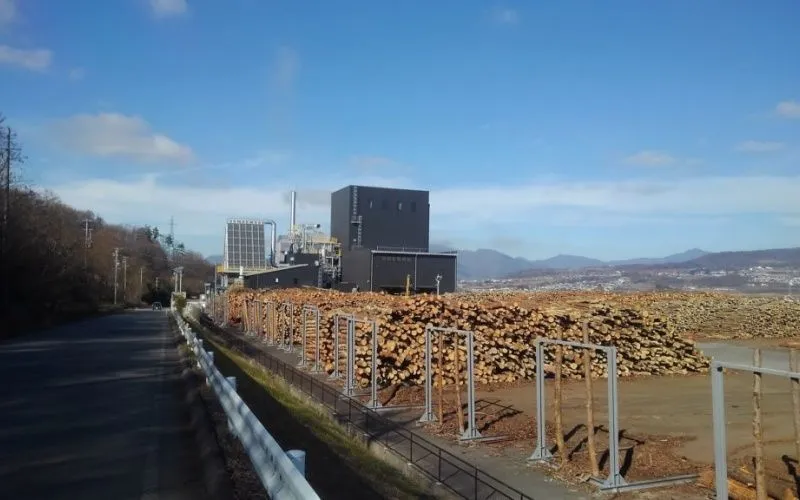
Sawdust pellet production line in Japan
Animal feed production line in Indonesia
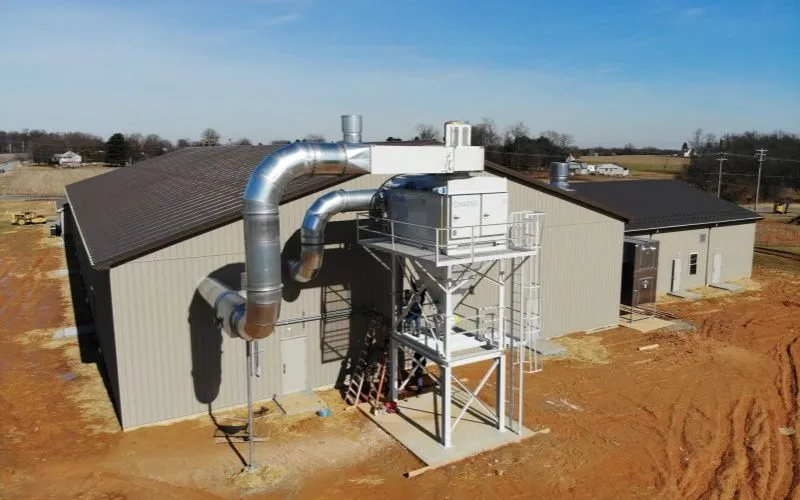
Chicken manure production line in the United States
Cat litter production line in Russia
Poultry feed production line in Thailand
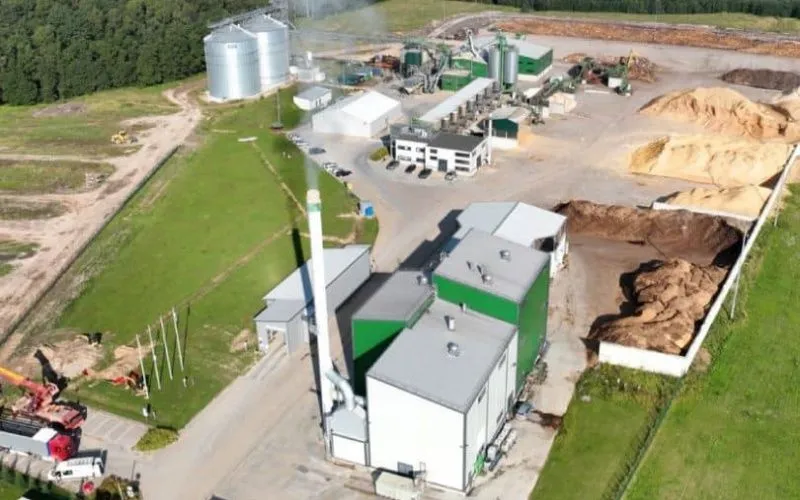
Wood pellet production line in Germany
Fuel pellet production line in Argentina
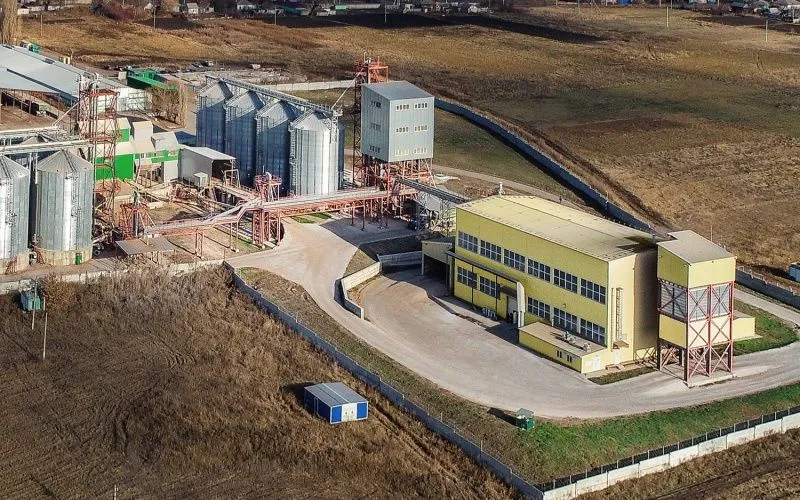
Cattle feed production line in South Africa

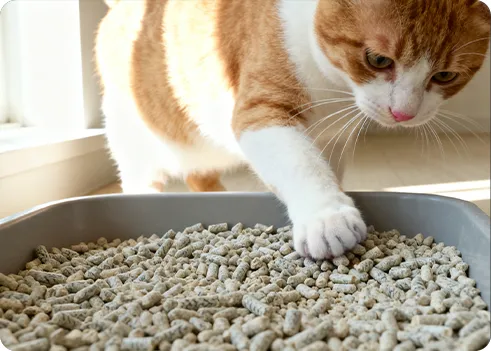
Malaysian Pet Products Manufacturer Places 4 T/H Tofu Cat Litter Line Order with RICHI

A Malaysian pet products manufacturer is adding tofu cat litter to its production portfolio with a new 4 t/h line ordered from RICHI Machinery. The project has entered detailed engineering following confirmation of the main product requirements. Instead of beginning with a standard cat litter pellet mill configuration, the current design work is being driven […]

A Malaysian pet products manufacturer is adding tofu cat litter to its production portfolio with a new 4 t/h line ordered from RICHI Machinery.

The project has entered detailed engineering following confirmation of the main product requirements. Instead of beginning with a standard cat litter pellet mill configuration, the current design work is being driven by the characteristics expected from the retail cat litter itself: controlled granule size, limited loose dust, sufficient strength for packaging and transport, and stable final moisture.

This product-led approach is shaping the complete line from fiber preparation through drying and screening.

Soybean-Derived Fiber Forms the Material Base

The customer’s formulations will use soybean-derived fiber together with starch and other suitable plant-based ingredients.

These materials do not behave like grain feed or dry wood powder.

Fiber condition influences feeding. Starch and binder distribution influence formation. Water added or retained during mixing affects both the forming process and the load placed on the downstream dryer.

The engineering team is therefore evaluating the material as a formulated pet product rather than treating it as generic biomass.

Dryer Capacity Is Being Matched to the Forming Section

One of the current design tasks concerns what happens immediately after the litter granules are formed.

Fresh product cannot simply move directly into retail packaging.

Moisture must be reduced to the required final condition, and the drying section needs enough effective capacity to prevent accumulation behind the forming equipment.

RICHI is coordinating the dryer, cooler and screening sections with the intended 4 t/h production scale.

Product Changeovers Are Included in the Factory Plan

The Malaysian manufacturer expects to develop more than one commercial tofu litter specification.

That means future production may involve changes in granule dimensions, formulation or other product characteristics.

The cat litter production line is therefore being arranged so that reasonable product changeovers can be made without redesigning the factory each time.

Cleaning access and material retention between batches are also being considered during layout development.

Engineering Moves into Factory Layout Coordination

The customer’s available production space now needs to accommodate raw-material preparation, mixing, forming, drying, cooling, screening and finished-product transfer without creating unnecessary material movement.

RICHI Machinery is coordinating equipment positions with operating aisles, maintenance access and utility connections.

Once these details are confirmed, the principal machines will be released into manufacturing.

For the Malaysian manufacturer, the new order represents an expansion into a plant-based pet-care product rather than simply another pellet production project. The engineering work now underway is intended to make the complete factory respond to that finished-product requirement.

08 / 2026
06

First 3–5mm Fertilizer Granules Produced During Thailand Plant Commissioning

The first saleable-size fertilizer granules have come off a new 5 t/h organic fertilizer production line during commissioning in Thailand. The plant, equipped by RICHI Machinery, is being developed for an agricultural waste processor that converts stabilized poultry manure into a more uniform commercial fertilizer product. The appearance of the first 3–5 mm granules is […]

The first saleable-size fertilizer granules have come off a new 5 t/h organic fertilizer production line during commissioning in Thailand.

The plant, equipped by RICHI Machinery, is being developed for an agricultural waste processor that converts stabilized poultry manure into a more uniform commercial fertilizer product.

The appearance of the first 3–5 mm granules is an important commissioning milestone, but the work on site is now moving beyond the simple question of whether the equipment can make pellets.

The Current Target Is Repeatable Production

A short successful run and a stable production shift are not the same thing.

RICHI engineers and the customer’s operators are now extending operating periods and observing whether the prepared organic material continues to feed, form and screen consistently as production continues.

The first runs have already provided information about three areas.

Prepared Manure Moisture

The poultry manure enters the mechanical production line only after the required biological stabilization and upstream preparation.

Its moisture at this point has a direct effect on downstream feeding and granule formation.

Adjustments during commissioning are therefore being made against the customer’s actual prepared material rather than a theoretical manure value.

Screening Return

Fines and off-size material separated after granulation provide useful feedback.

A sudden increase in return material can point to changes in preparation, moisture or forming conditions upstream.

The commissioning team is monitoring this return instead of evaluating only the visually acceptable granules.

Formula Changes

The customer will not necessarily sell one manure-only product.

Prepared plant-derived organic matter and selected mineral or nutrient ingredients may be introduced according to the intended fertilizer formulation.

Each change can alter the physical behavior of the mixture.

Fresh Chicken Manure Does Not Enter the Pellet Mill Directly

The organic fertilizer production project separates biological treatment from downstream mechanical fertilizer production.

Fresh manure must first pass through the customer’s appropriate stabilization or composting route. RICHI’s current commissioning work concerns the prepared material after that stage.

Keeping these two processes distinct is important both technically and operationally.

A 5 t/h mechanical line cannot compensate for unstable upstream fermentation or highly inconsistent incoming moisture.

Thai Operators Begin Taking Control of Daily Start-Up

Training is now becoming part of the commissioning schedule.

Customer personnel are participating in equipment inspection, startup sequence, feeder adjustment, product observation, shutdown and routine cleaning.

As production becomes more stable, RICHI engineers will progressively reduce direct intervention and move toward supervisory support.

The first 3–5 mm granules show that the plant has crossed an important threshold. The remaining commissioning work will determine whether the Thailand operation can reproduce that result consistently enough for routine commercial fertilizer production.

03 / 2026
06

Main Equipment Installation Advances at 8 T/H Cattle Feed Plant in Uzbekistan

The upper levels of a new cattle feed plant are taking shape in Uzbekistan as installation progresses on an 8 t/h production system supplied by RICHI Machinery. Storage bins, conveying equipment and the main processing sections are being connected at the site for a regional feed producer serving dairy and beef cattle operations. The project […]

The upper levels of a new cattle feed plant are taking shape in Uzbekistan as installation progresses on an 8 t/h production system supplied by RICHI Machinery.

Storage bins, conveying equipment and the main processing sections are being connected at the site for a regional feed producer serving dairy and beef cattle operations.

The project is entering a stage where installation accuracy will directly affect how easily the future factory can be operated and maintained.

Work Moves from the Upper Bins Toward the Processing Floor

Installation has been progressing vertically.

Ingredient storage and distribution equipment at the upper levels must be positioned before many of the batching, mixing and downstream connections beneath them can be finalized.

The site team is checking outlet positions, conveyor alignment and access around drives as each section is fixed.

Once a large vertical feed plant is fully connected, correcting a poorly positioned outlet or inaccessible maintenance point becomes far more difficult. These checks are therefore being made before electrical work closes out the mechanical installation.

Uzbek Formulas Bring Grain, Fiber and Molasses into One Factory

The customer expects to work with a combination of barley, corn and wheat-derived ingredients together with oilseed meals, alfalfa meal, minerals, premixes and molasses.

This gives the factory a different material profile from a grain-heavy poultry feed plant.

Alfalfa meal and bran occupy more volume than many dense ingredients. Molasses introduces a liquid-handling requirement. Micro ingredients need controlled dosing despite representing a much smaller share of each formula.

The installation follows the storage and dosing logic developed for those different material groups.

Maintenance Access Is Being Checked Before Commissioning

Site work is not limited to connecting one machine to the next.

RICHI’s installation coordination also considers whether operators can reach bearings, motors, inspection points and cleaning positions after the plant is in service.

Current checks include clearances around major drives, access to bin outlets and the relationship between platforms and routine service positions.

These details rarely appear in a finished feed pellet, but they have a direct effect on long-term plant operation.

Electrical Work Will Open the Next Installation Phase

After the principal mechanical connections are completed, attention will move to electrical installation, sensors, controls and equipment interlocks.

No-load testing will then establish whether conveyors, gates, feeders and processing equipment respond in the intended sequence.

Material commissioning comes later.

The customer’s actual cattle-feed formulas will be used to establish practical production settings for meal and pellet products, with pellet specifications expected mainly within the 4–8 mm range.

The Uzbekistan cattle feed plant project has not reached production yet, but the factory is now visibly moving from a collection of delivered machines toward one connected cattle feed manufacturing system.

29 / 2026
05

3 T/H Floating Fish Feed Line Leaves RICHI Factory for Ecuador

Containers carrying equipment for a new 3 t/h floating fish feed plant are leaving RICHI Machinery for Ecuador, moving the aquafeed project from factory manufacturing into its overseas delivery phase. The Ecuadorian customer is developing the facility to produce extruded feeds for warm-water aquaculture. Planned products cover several specifications from approximately 1.5 mm for smaller […]

Containers carrying equipment for a new 3 t/h floating fish feed plant are leaving RICHI Machinery for Ecuador, moving the aquafeed project from factory manufacturing into its overseas delivery phase.

The Ecuadorian customer is developing the facility to produce extruded feeds for warm-water aquaculture. Planned products cover several specifications from approximately 1.5 mm for smaller fish through larger sizes up to around 6 mm.

Before loading began, the equipment was grouped according to the future installation sequence rather than simply packed machine by machine.

Shipment Connects Fine Grinding with Final Feed Handling

The dispatched production system begins well before extrusion.

Aquafeed ingredients such as corn, soybean meal, wheat-based materials and fish meal require controlled grinding and mixing before they can enter conditioning and extrusion.

After the floating fish feed extruder machine, another production sequence begins.

Fresh extrudate contains moisture that must be reduced in the fish feed dryer. Feed then proceeds through cooling and, where the customer’s formulation requires it, controlled oil application before final screening and handling.

The equipment now heading to Ecuador therefore represents one connected aquafeed system rather than an extruder surrounded by unrelated auxiliary machines.

Different Pellet Sizes Will Be Commissioned Separately

The customer plans to produce several feed sizes, and RICHI will not use one operating setting for the entire product range.

Smaller extruded products place greater demands on grinding fineness and can influence practical throughput. Larger products can require different extrusion and drying conditions.

During commissioning in Ecuador, the principal commercial specifications will be tested separately.

This is also why the 3 t/h rating should be understood as the designed production scale rather than a fixed output for every future formula and diameter.

Packing Marks Prepared for Ecuador Installation

A complete fish feed production line can contain numerous conveyors, structural pieces, electrical components and machine connections that look unrelated once removed from the factory layout.

Before shipment, the RICHI project team completed equipment and package identification to make the later installation sequence easier to follow.

The customer’s site team in Ecuador will use the approved layout together with the packing records when unloading and positioning begins.

The Next Project Update Will Come from the Installation Site

The factory phase in China is now largely complete.

After the containers arrive in Ecuador, mechanical installation will reconnect the fine grinding, batching, mixing, extrusion, drying, cooling and downstream systems.

No-load testing will follow.

Only after those checks are completed will the customer’s local ingredients enter the line for material commissioning.

For the Ecuadorian producer, shipment marks a visible change in the fish feed mill project: the new fish feed factory is no longer represented mainly by drawings and machines on RICHI’s production floor. Its equipment is now on the way to the site where commercial aquafeed production will begin.

24 / 2026
05

RICHI Secures 18 T/H Poultry Feed Mill Order from Nigerian Feed Producer

RICHI Machinery has secured an order for an 18 t/h poultry feed mill from a Nigerian commercial feed producer expanding its supply of broiler and layer feeds. Unlike a project built around one finished feed, the new factory is being planned for a broader production program. Broiler starter, grower and finisher feeds will share the […]

RICHI Machinery has secured an order for an 18 t/h poultry feed mill from a Nigerian commercial feed producer expanding its supply of broiler and layer feeds.

Unlike a project built around one finished feed, the new factory is being planned for a broader production program. Broiler starter, grower and finisher feeds will share the plant with layer products, while mash, pellets and crumbled feed will leave the process at different points according to the product specification.

The contract brings the Nigerian project into detailed engineering, where storage, formula management and production scheduling are becoming as important as the main feed equipment itself.

New Mill Supports a Broader Poultry Feed Portfolio

Corn and soybean meal will remain major ingredients in the customer’s formulas. Wheat bran and other locally available cereal ingredients can enter selected recipes together with vegetable oil, limestone, phosphate, amino acids and vitamin-mineral premixes.

The number of ingredients creates an immediate engineering question: how should they be stored and dosed when several formulas are produced during the same operating period?

RICHI is therefore coordinating raw-material bins and batching positions with the customer’s intended formula schedule.

The poultry feed plant needs enough flexibility to change products without turning every recipe change into a long manual operation.

Product Routes Separate After Mixing

Not every tonne of feed produced by the Nigerian factory will follow an identical route.

Mash products can leave the process without pelletizing. Pellet feeds continue through conditioning and pellet formation. Selected feeds for younger birds can be crumbled after cooling to obtain the required physical size.

This creates several possible destinations for material after mixing.

The control system must recognize those routes and coordinate gates, conveyors and downstream equipment accordingly.

18 T/H Is a Factory Target, Not a Promise for Every Formula

RICHI and the customer are treating 18 t/h as the designed production scale for the main product program rather than claiming that every formula will run at exactly the same hourly output.

Formula composition, pellet diameter, conditioning conditions and the use of crumbling can all influence practical production.

This distinction is being incorporated into the engineering work before the equipment enters manufacturing.

Engineering Work Now Concentrates on Four Interfaces

Current discussions with the Nigerian project team are focused on:

  • ingredient storage versus formula frequency;
  • grinding capacity versus batching demand;
  • mixing cycles versus downstream pellet production;
  • finished-feed routing for mash, pellet and crumble products.

These interfaces determine whether the factory can maintain production over a complete shift.

Manufacturing Will Begin After Final Layout Confirmation

The customer is now coordinating the proposed equipment arrangement with the planned factory building and utility conditions in Nigeria.

Once those interfaces and the final technical documents are approved, RICHI will release the principal machines into production.

The new order therefore represents more than the purchase of poultry feed pellet machines. It marks the beginning of an 18 t/h poultry feed mill project designed around the Nigerian customer’s own product portfolio and production schedule. (You might be interested in all the projects we have carried out in Nigeria: pelleting machine in Nigeria)

19 / 2026
05

Vietnam 6 T/H Biomass Pellet Project Enters Final Equipment Inspection at RICHI

Manufacturing work is nearing completion at RICHI Machinery for a 6 t/h biomass pellet project destined for Vietnam. The main production equipment has been assembled, and the project team has moved into inspection and delivery preparation before the line leaves the factory. The plant is being developed for a Vietnamese biomass fuel producer working with […]

Manufacturing work is nearing completion at RICHI Machinery for a 6 t/h biomass pellet project destined for Vietnam. The main production equipment has been assembled, and the project team has moved into inspection and delivery preparation before the line leaves the factory.

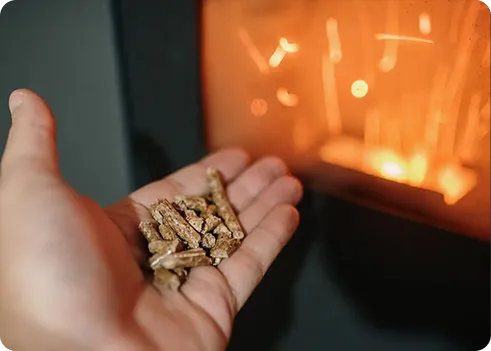
The plant is being developed for a Vietnamese biomass fuel producer working with residues generated by rice processing and local wood-processing operations. Rice husk will form one of the regular feedstocks, while clean untreated sawdust and selected wood residues provide another available material stream.

The future plant will produce densified biomass fuel for industrial energy users, with 8 mm pellets planned as the principal commercial specification.

Factory Work Shifts from Manufacturing to Project Inspection

The latest work at RICHI Machinery is no longer centered on fabricating individual machines. Attention has moved to checking whether the equipment supplied for different production sections matches the approved engineering documents.

Motors, feeders, pelletizing equipment, cooling and screening sections are being checked together with the corresponding conveyors and electrical components.

Equipment identification is also being completed before packing. This becomes important after arrival in Vietnam, when machines that have traveled in separate packages must be reassembled according to one production layout.

Rice Husk and Wood Residues Follow Different Routes Before Pelletizing

One of the engineering characteristics of the Vietnam project is the difference between its two main biomass sources.

Rice husk already has a relatively small physical size. Clean sawdust can also bypass some coarse size-reduction equipment when its condition is suitable.

Larger wood-processing residues require additional preparation.

Moisture adds another variable. Material that arrives close to the required pelletizing condition places a very different load on the preparation system from wet biomass that requires substantial water removal.

For this reason, the 6 t/h rice husk pellet plant project was developed around the condition of each material stream before they reach the common pellet production section.

8 mm Pellets Target Industrial Fuel Users

The Vietnamese customer is not building the plant around animal feed or consumer wood products. The planned output is industrial biomass fuel.

The 8 mm specification gives the producer a practical product for bulk handling, storage and delivery to suitable industrial biomass energy users.

Final pellet quality will still depend on the actual feedstock supplied to the factory. Clean-material control is particularly important for the wood stream. Painted, chemically treated or adhesive-contaminated wood is not part of the approved feedstock basis.

Delivery Preparation Is the Next Factory Milestone

Once the current inspections are completed, equipment will move into packing and loading preparation.

Meanwhile, work in Vietnam will continue on the production site, utilities and installation conditions.

The most important production settings will not be finalized until commissioning takes place with the customer’s own rice husk and wood residues. At that stage, moisture, particle preparation, feeder settings and pellet formation will be adjusted around the real local material.

For now, the 6 t/h Vietnam project is approaching the end of its manufacturing phase at RICHI and preparing for the next part of its journey: delivery and installation at the customer’s biomass fuel pellet plant.

14 / 2026
05

Poland 1.5 T/H Paper Cat Litter Project Completes Pre-Shipment Preparation

A 1.5 t/h paper cat litter production system ordered by a Polish pet-care products company has completed pre-shipment preparation at RICHI Machinery. The equipment is now being organized for overseas delivery before installation begins at the customer’s factory in Poland. The project will convert prepared recycled paper fiber and cellulose-based materials into lightweight absorbent litter […]

A 1.5 t/h paper cat litter production system ordered by a Polish pet-care products company has completed pre-shipment preparation at RICHI Machinery. The equipment is now being organized for overseas delivery before installation begins at the customer’s factory in Poland.

The project will convert prepared recycled paper fiber and cellulose-based materials into lightweight absorbent litter products. For the customer, the investment adds a paper-based product category alongside its existing pet-care business rather than simply increasing production of an established pellet product.

That commercial objective has influenced the cat litter production line from the beginning: the customer needs a clean, consistently screened retail product that can proceed into packaging, not merely material that has passed through a forming machine.

Final Packing Work Follows the Future Installation Sequence

With the main equipment ready, the current factory work is focused on identification, packing and shipment organization.

Low-density fiber handling, mixing, forming and downstream treatment will occupy different areas of the Polish production site. Corresponding conveyors, electrical components and structural parts are therefore being grouped with installation in mind.

This preparation becomes particularly useful after international transport, when dozens of separate components must be connected again according to one production layout.

Paper Fiber Required a Different Feeding Approach

Prepared recycled paper is light and fibrous. Even after size preparation, its flow behavior differs from dense granular ingredients.

Simply enlarging a feeder does not guarantee stable production.

During engineering, RICHI considered how the fiber enters storage, how it discharges, and how formulation ingredients are distributed before forming.

Virgin cellulose or other approved fiber materials can also be incorporated according to the customer’s future product formulations, but the line is not based on one permanently fixed recipe.

Retail Quality Continues After Granule Formation

For the Polish customer, forming is only one stage in making saleable cat litter.

The product leaving that section still needs to reach the required final moisture and pass through downstream screening. Loose fiber, fines and off-size material can otherwise affect dust level, packaging consistency and saleable yield.

This is why downstream handling received significant attention even though the project has a comparatively modest 1.5 t/h production scale.

Poland Site Takes Over the Next Project Stage

The customer is continuing preparation of the production area while the equipment enters delivery.

After arrival, installation will be followed by electrical testing and trial runs using the customer’s actual paper-fiber formulations.

Those trials will establish practical operating settings for different product specifications.

The project has now finished its principal factory preparation at RICHI Machinery. The next visible changes will take place in Poland, where the individual equipment packages will be assembled into the customer’s new paper cat litter production system. (You might be interested in all the projects we have carried out in Poland: pellet machine in Poland)

09 / 2026
05

Broiler Chicken Feed Line Reaches Full Capacity Operation in Pakistan — 20 t/h

A 20 t/h broiler chicken feed production line supplied by RICHI Machinery to a poultry feed mill operation in Punjab, Pakistan, has reached full rated capacity operation, according to production data the buyer shared following several weeks of ramp-up since initial commissioning. Pakistan’s poultry sector is one of the larger ones in South Asia, and […]

A 20 t/h broiler chicken feed production line supplied by RICHI Machinery to a poultry feed mill operation in Punjab, Pakistan, has reached full rated capacity operation, according to production data the buyer shared following several weeks of ramp-up since initial commissioning.

Pakistan’s poultry sector is one of the larger ones in South Asia, and broiler feed represents a substantial share of overall feed production volume given the scale of commercial broiler operations across the country — feed mills supplying this sector operate at meaningfully higher throughput than many of the specialty or smaller-scale feed lines RICHI works with elsewhere.

The buyer’s broiler formula follows a fairly typical regional pattern: maize as the primary energy source, soybean meal and some rice polish (a byproduct of rice milling, commonly used in South Asian poultry formulas as a partial substitute for more expensive ingredients) as protein and fiber components, plus a vitamin-mineral premix.

Equipment for this larger-scale line includes dual hammer mills running in parallel (a configuration used at higher throughput levels to avoid a single grinding bottleneck — each mill handles a portion of the total material flow, with the outputs combined before the mixing stage), a large-capacity batch mixer, conditioner, pellet press (ring die, 3mm pellets typical for broiler starter/grower feed, with the buyer also running some larger 4mm pellets for finisher-stage feed via die change), and pellet cooler sized for the higher throughput.

Ramp-up to full capacity took longer than some smaller installations RICHI has commissioned — partly because at this scale, achieving consistent output across dual hammer mills required some balancing adjustments (ensuring both mills receive proportionally even material flow from the receiving and metering system, which initially showed some imbalance that the buyer’s maintenance team corrected with minor conveyor speed adjustments based on RICHI’s commissioning engineer’s diagnostic observations during the ramp-up period).

With full capacity now achieved and sustained over multiple production days, the buyer’s plant management has indicated the facility is meeting their production planning targets, supporting their broiler feed supply commitments to integrated poultry operations across the surrounding region.

04 / 2026
05

Cork Waste and Wood Chip Combined Pellet Line — Equipment Configuration Finalized for Portugal Project

Equipment configuration has been finalized for a 4.5 t/h pellet production line in Portugal designed to process a combination of cork waste and wood chips — a feedstock combination that’s relatively unusual but makes practical sense given Portugal’s position as a major global cork producer, generating substantial cork processing waste alongside more conventional wood residue […]

Equipment configuration has been finalized for a 4.5 t/h pellet production line in Portugal designed to process a combination of cork waste and wood chips — a feedstock combination that’s relatively unusual but makes practical sense given Portugal’s position as a major global cork producer, generating substantial cork processing waste alongside more conventional wood residue streams.

Cork waste (granules and dust from cork stopper and flooring production) has interesting properties for pelletizing — it’s naturally low density, has some inherent water-resistant characteristics due to cork’s cellular structure, and burns with a distinctive but acceptable profile for biomass fuel applications, though pure cork pellets aren’t common — blending with wood chips is the more typical approach, which is what this buyer is doing.

The buyer’s blend ratio is approximately 30% cork waste to 70% wood chips by volume, though this can be adjusted seasonally depending on cork waste availability from the buyer’s own cork processing operations (which generate the cork waste as a byproduct) versus wood chip supply from regional sawmills.

Equipment includes a chip/material receiving and proportioning system (allowing the blend ratio to be adjusted by the operator), hammer mill, drum dryer, ring die pellet mill, and cooler — fairly standard configuration overall, though the proportioning system at the front end is a feature not all biomass lines include, added specifically because of the blend-ratio flexibility the buyer wanted.

Pellet target is 6mm, for the residential and small commercial heating market in Portugal and potentially for export to neighboring Spain, where biomass heating demand has also been growing.

During the configuration finalization process, the buyer requested confirmation that the dryer’s burner could run on a portion of the buyer’s own wood waste as fuel for the drying process itself (rather than relying solely on purchased fuel for the dryer) — RICHI confirmed the dryer’s burner configuration is compatible with wood waste fuel, a fairly common setup that helps offset the dryer’s operating costs, though the buyer will need to manage their own wood waste fuel supply separately from the cork/wood chip feedstock for pelletizing.

Manufacturing is set to begin shortly, with delivery estimated at 7-8 weeks.

29 / 2026
04

Hay Pellet Line for Equine Feed Market — Shipment Confirmed for Client in United Arab Emirates

A 5 t/h hay pellet production line, configured for the equine (horse) feed market, has been confirmed as shipped to a client in the United Arab Emirates, where demand for high-quality forage products is driven significantly by the region’s substantial horse racing and equestrian sectors. Hay pellets for horses serve a different purpose than typical […]

A 5 t/h hay pellet production line, configured for the equine (horse) feed market, has been confirmed as shipped to a client in the United Arab Emirates, where demand for high-quality forage products is driven significantly by the region’s substantial horse racing and equestrian sectors.

Hay pellets for horses serve a different purpose than typical livestock feed pellets — they’re often used as a forage replacement or supplement, particularly useful in regions like the UAE where growing or storing large volumes of baled hay locally is impractical given climate conditions, and importing baled hay is costly relative to its bulk and weight.

The raw material for this line is alfalfa and timothy hay, imported by the buyer in baled form (likely from suppliers in regions like the US or parts of Europe, though RICHI’s role doesn’t extend to the buyer’s raw material sourcing) and processed locally into pellets — reducing the bulk volume significantly compared to baled hay, which simplifies the buyer’s own storage and onward distribution to stables across the region.

Equipment includes a bale breaker, hammer mill for initial size reduction (hay needs less aggressive grinding than wood biomass — the goal is more about achieving uniform particle size for consistent pelletizing than breaking down tough fiber), pellet press (ring die, 16mm pellet diameter — notably larger than feed pellets for poultry or swine, since equine hay pellets are typically larger, sometimes described in the industry as “hay cubes” though the equipment here produces cylindrical pellets rather than cube-shaped products), and a cooler with an extended cooling section given the larger pellet size takes longer to stabilize temperature throughout the pellet’s cross-section.

No additional formula ingredients are involved — this is a single-ingredient (or dual-ingredient, alfalfa plus timothy, processed in separate runs or blended depending on the buyer’s product lines) pelletizing operation, simpler in terms of process complexity than most feed lines RICHI handles, though the larger pellet diameter does require specific die configuration.

The shipment includes four containers, with sea freight transit estimated at approximately 3-4 weeks to a UAE port, followed by inland transport to the buyer’s facility.

24 / 2026
04
Biomass pellet project in Romania
videobtn
Argentina Alfalfa Pellet Project
videobtn
Russia Trout Extruded Feed Project
videobtn
videobtn
Malaysia Cat Litter Project
videobtn
20tph Wood pellet plant construction in Bangladesh
videobtn
Rice Straw Pellet Production Line in Brazil
videobtn
fish feed mill project
videobtn
animal feed factory project
videobtn
Australia Rat Poison Project
videobtn

Investment Guide

Pioneering Pelletizing Solutions Since 1995

richi factory
richi factory

Pelletizing Excellence Across Industries

animal feed solution
biomass pellet solution
fertilizer pellet solution
cat litter solution
fuel pellet solution
Email email
WhatsApp whatsapp
Get Quote!

LEAVE YOUR NEEDS

Keeping in touch with us is an effective way to solve all your problems. If you have any needs or questions, please leave your contact information, then RICHI technical consultants will send design, quotation, videos to your mailbox. You can also contact us directly via WhatsApp: +86 138 3838 9622

    Application:

    * We will store the information you have provided us. We will only use this information for the purpose of helping to answer your inquiries. We will not disclose your information to third parties.

    +
    Scroll to Top