 0086-138 3838 9622
Wood Straw Pellet Production Line in Turkey
RICHI MACHINERY
Project Overview
In 2024, a wood straw pellet production line in Turkey was initiated with the purpose of addressing both local agricultural residue utilization and the growing demand for renewable fuel in the region. The project involves the relocation and expansion of an existing biomass pellet facility, originally established in Asia, to Turkey’s Marmara region, where access to raw materials such as wood residues, sawdust, and straw is abundant. The final designed production capacity is 15,000 tons per year of densified biomass fuel pellets, an increase from the previous capacity of 9,000 tons.
The production site covers 2,308.8 m², including raw material storage, production workshops, and finished product warehouses. The investment totals approximately 690,000 USD. The facility employs 20 workers, operating under a 330-day, two-shift system. With advanced crushing, grinding, screening, pelleting, and dust removal systems, the plant represents a modern, sustainable, and compliant model for renewable energy projects in Turkey.
4T/H
capacity
690,000 USD
investment
Turkey
location
Biofuel
project type
RICHI MACHINERY
Project Background
Turkey, a country with vast agricultural production, generates millions of tons of straw, husks, pruning residues, and wood-processing by-products each year. Historically, a significant portion of this material was either burned in open fields or discarded, creating both environmental challenges and economic waste. Recognizing this, a mid-sized Turkish agricultural cooperative — operating primarily in cereal and sunflower farming — sought a new way to transform their straw residues and purchased wood by-products into marketable fuel.
The client is not a multinational corporation but a regional farmer’s cooperative based in northwest Turkey. Their main concern was the rising cost of natural gas and coal for heating, as well as the tightening EU-aligned Turkish regulations on emissions and agricultural waste disposal. By investing in a wood straw pellet production line in Turkey, the cooperative aimed to:
- Utilize waste efficiently – turning straw and sawdust into fuel pellets.
- Create an additional income stream – selling pellets to industrial boilers and heating plants.
- Support local households – supplying affordable, clean-burning biomass fuel.
- Comply with environmental policies – preventing uncontrolled straw burning, which is under stricter regulation.
The new site was strategically chosen in an industrial park near Izmit, close to both agricultural areas and existing wood-processing industries, ensuring consistent supply of raw materials.
The wood straw pellet plant has a designed hourly output of 2 tons, equivalent to 48 tons per day under two shifts, and 15,000 tons annually. The primary products are biomass pellets made from straw, wood chips, sawdust, and furniture residues, suitable for both industrial boiler fuel and residential heating markets.
RICHI MACHINERY
Raw Materials and Energy Consumption
1. Raw and Auxiliary Materials
The straw wood pellet production line is designed to process straw, sawdust, wood residues, and furniture offcuts transported by truck from local farms and wood industries. The annual consumption is expected to be:
- Straw: ~200 tons/year
- Wood residues (planks, offcuts, bark): ~5,800 tons/year
- Sawdust: ~3,000 tons/year
These raw materials are low-cost or even free-of-charge in Turkey, as many farmers struggle to dispose of residues properly. The cooperative benefits from both waste supply agreements and partnerships with furniture factories.
2. Utilities
- Freshwater: 300 tons/year (for cooling, dust suppression, sanitation).
- Electricity: 400,000 kWh/year (sourced from municipal grid).
- Fuel use: none; the factory itself can use rejected pellets or dust briquettes as auxiliary fuel.
The total annual utility costs in Turkey, with industrial electricity priced at 0.12–0.14 USD/kWh, amount to roughly 50,000 USD.
RICHI MACHINERY
Wastewater and Emissions Management
The wood straw pellet production line in Turkey implements a rainwater and wastewater separation system.
- Rainwater: collected via drainage and discharged into the municipal rainwater network.
- Wastewater: about 240 tons/year of domestic sewage from staff facilities, treated through a septic tank and then transferred to the municipal wastewater treatment plant. Effluents meet Turkey’s wastewater standards, aligned with EU norms.
Air emissions, primarily dust particles from crushing, grinding, and screening, are managed through a centralized dust collection system, bag filters, and a 15m exhaust stack. Test runs confirmed that particulate matter emissions remain within the limits of Turkey’s Industrial Emission Standards.
Noise from pelletizers and grinders is reduced by soundproofing workshops, installing silencers, and using low-noise motors, ensuring boundary noise does not exceed 65 dB (daytime) and 55 dB (nighttime).
Solid waste includes:
- Metal scraps from maintenance (sold to recyclers).
- Dust and off-spec pellets (reused as boiler fuel).
- Domestic garbage (collected by municipal sanitation services).
- Lubricating oil (disposed of via licensed hazardous waste contractors).
RICHI MACHINERY
Engineering Content and Plant Layout
- Project Nature: Relocation and Expansion
- Investment: 690,000 USD
- Annual Capacity: 15,000 tons of pellets
- Workforce: 20 employees
- Operation: 330 days/year, 24-hour pelleting with daytime crushing and screening
Plant Layout
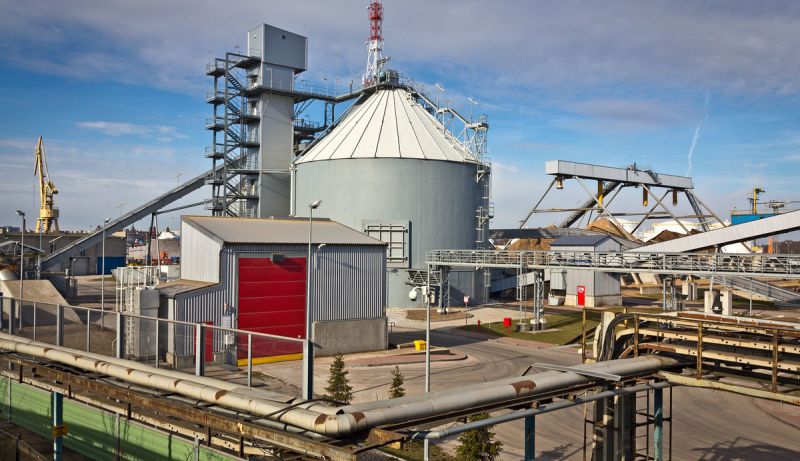
- Production Workshop: 2,308.8 m², containing crushing, grinding, pelletizing, screening, and packaging lines.
- Raw Material Storage: 100 m², located northwest of the workshop.
- Finished Product Warehouse: 200 m², northeast of the workshop.
- General Solid Waste Warehouse: 50 m².
- Hazardous Waste Storage: 5 m².
Material flows from the west (input) to the east (finished products), ensuring smooth logistics and avoiding cross-contamination.
RICHI MACHINERY
Production Process Description
The wood straw pellet production line in Turkey follows a standard dry pelleting process adapted to Turkish raw materials:
- Raw Material Reception & Storage
Trucks deliver straw bales, sawdust, and wood residues to the factory. Straw is shredded with a bale breaker. - Crushing
Large wood pieces are broken down with a 2 t/h crusher. - Fine Grinding
Crushed straw and wood residues are ground in a 2 t/h hammer mill to 3–5 mm particle size. - Magnetic Separation
Metal impurities are removed with a magnetic drum to protect pellet dies. - Screening
The ground material is screened for uniformity. Oversized particles are sent back for re-grinding. - Pelletizing
Material is fed into 4 biomass pellet mills (2 operating, 2 standby), each with a 2 t/h capacity. Pellets are compressed through ring dies under high pressure, forming dense biomass fuel pellets. - Cooling & Screening
Hot pellets are cooled in air coolers and re-screened to remove fines. - Packaging & Storage
Finished pellets are packed into 20 kg and 25 kg bags for households, and 1-ton jumbo bags for industrial buyers.
RICHI MACHINERY
Environmental Protection Measures
The wood straw pellet production line in Turkey project allocated 42,000 USD to environmental protection facilities:
- Dust Collection & Emission System: Central vacuum + bag filters + 15m chimney.
- Wastewater Management: 10 m³ septic tank connected to municipal sewage treatment.
- Noise Reduction: Equipment layout optimization + silencers + insulated walls.
- Solid Waste Management: New warehouses for general and hazardous waste, with safe disposal contracts.
All measures ensure compliance with Turkish environmental regulations and EU standards.
RICHI MACHINERY
Project Economic Analysis
- Total Investment: ~690,000 USD
- Annual Output: 15,000 tons of pellets
- Average Market Price of Pellets in Turkey: ~170–200 USD/ton
- Expected Annual Revenue: 2.55–3.0 million USD
- Payback Period: ~3 years
Turkey’s pellet prices are slightly lower than in the EU but higher than coal, making pellets attractive for urban heating, greenhouses, and industrial boilers, particularly given subsidies for renewable heating.
RICHI MACHINERY
Future Prospects of Pellet Production in Turkey
Turkey is rapidly transitioning towards renewable energy sources, supported by EU-aligned climate policies and growing domestic demand for clean heating fuels. The government is discouraging open-field burning of straw and promoting biomass energy projects. With large agricultural residues available, the country has the potential to become both a domestic supplier and an export hub to Europe and the Middle East.
The wood straw pellet production line in Turkey demonstrates how agricultural cooperatives can modernize their operations, diversify income, and contribute to environmental goals. This project provides a replicable model for other Turkish regions such as Konya, Bursa, and Adana.
RICHI MACHINERY
Why Choose Us
We specialize in designing customized biomass pellet production lines suited to local raw materials, regulations, and market conditions. In Turkey, we provided not only machines but also site relocation services, engineering support, and environmental compliance consulting.
For investors and cooperatives considering biomass energy, we ensure:
- Tailor-made design for straw, wood, or mixed feedstock.
- Efficient equipment with low electricity consumption.
- Environmental compliance meeting EU/Turkish standards.
- After-sales service with local installation support.
The success of this wood straw pellet production line in Turkey proves the viability and profitability of such projects. With Turkey’s abundance of raw material and growing renewable market, now is the best time to invest.
● RICHI MACHINERY
RICHI Service

● Consulting
Customer Consultation
We want to have a deep understanding of your industrial process, to know your exact needs of feed, wood, biomass, fertilizer or other pellet processing.

● Design
biomass Pellet Plant Design
Based on your unique situation and industrial process, we will tailor complete pellet plant you need, and inform you of every additional detail that could facilitate operation, minimize total cost.
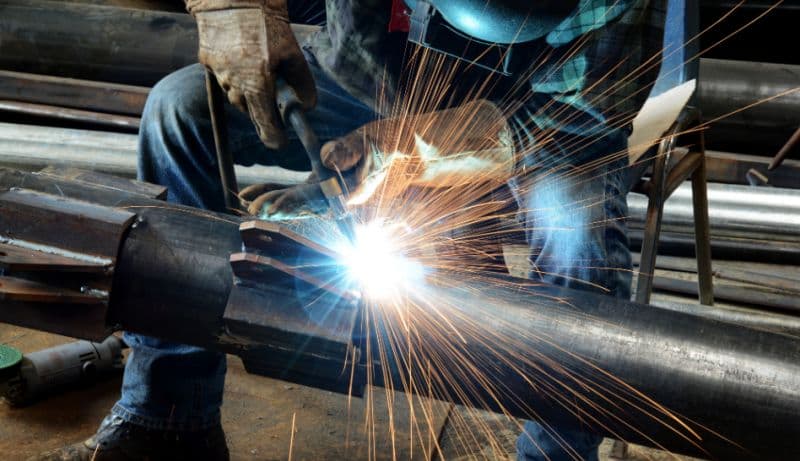
● Manufacturing
Equipment Manufacturing
The critical components of the of the complete pellet production line equipment are built in our own workshops in Asia. Additional equipment is manufactured by our worldwide network of reliable partners.

● Testing
Quality Inspection & Testing
Before leaving the factory, all equipment will be inspected by the quality inspection department. We can also provide customers with testing services from a single machine to a complete pellet plant system, and provide you with real actual data for “worry-free use.”

● Delivery
Equipment Delivery
In equipment boxing and packaging, we adopt professional packaging and modular solutions to ensure the safe and non-destructive delivery of pellet plant equipment.
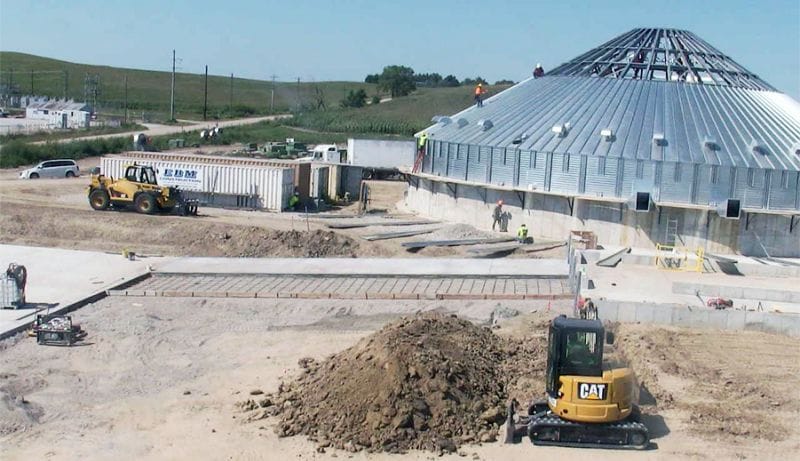
● Installation
Installation & Commissioning
Whether you choose your own subcontractor for the erection phase or you want to install everything together with us, a Richi supervisor will be around to make sure everything is mounted in a safe and thorough way.

● Training
Staff Training
We provide comprehensive training for the technicians of each project. We can also continue to provide support for the technicians during latter project operation.
● After-sales
Project Follow-Up
When everything is up and running our Richiers will help you further whenever needed. We are ready to answer your call 24/7.We’ll also visit you regularly to learn about your needs.
Who we are
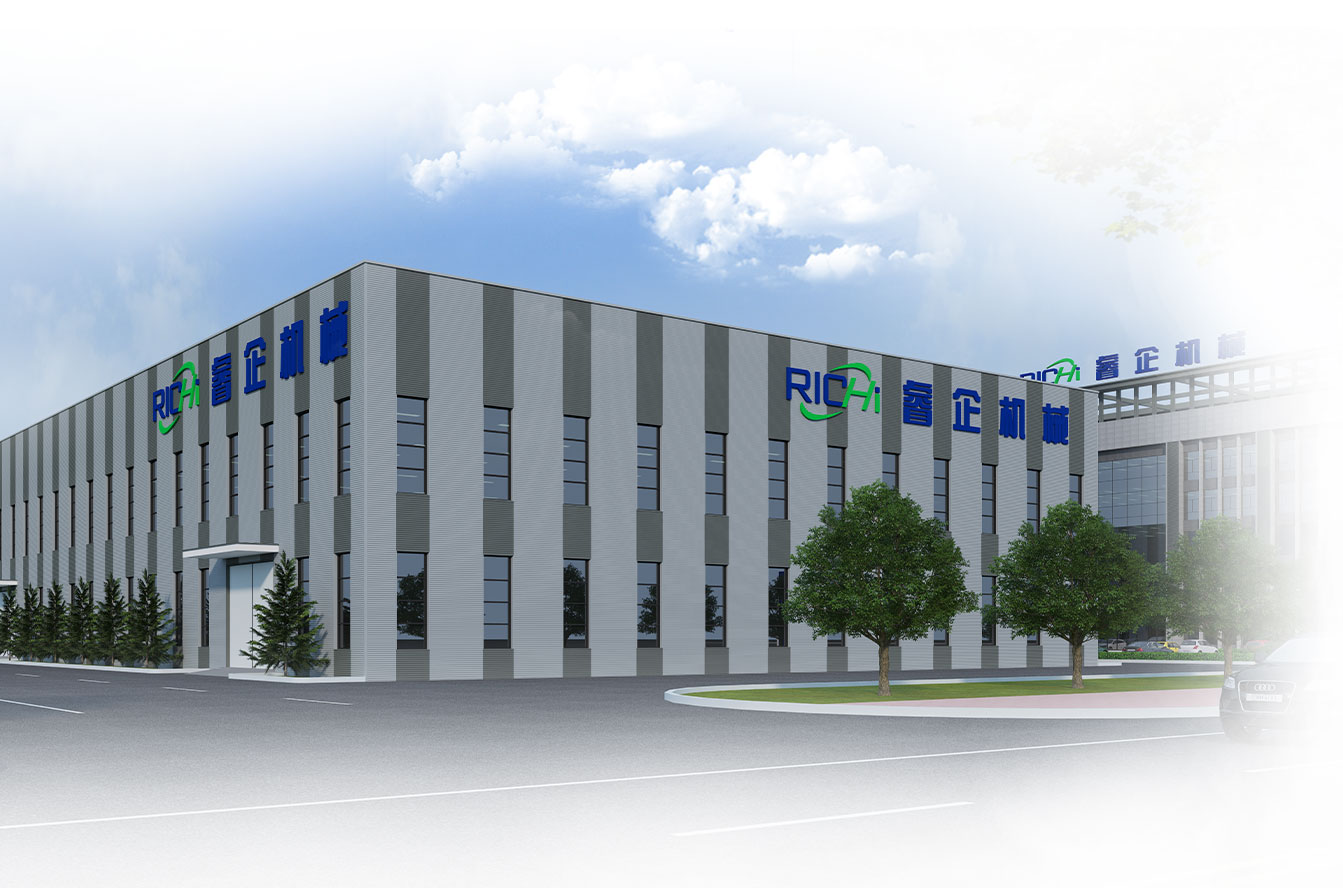
RICHI Machinery is one of the world’s leading suppliers of technology and services for the animal feed, aqua feed and pet food industries, also the largest pellet production line manufacturer in China.
Since 1995, RICHI’s vision to build a first-class enterprise, to foster first-class employees, and to make first-class contributions to society has never wavered.
In the past three decades, we have expanded our business to a wide range of areas, including animal feed mill equipment, aqua feed equipment, pet feed equipment, biomass pellet equipment, fertilizer equipment, cat litter equipment, municipal solid waste pellets equipment, etc.

1995
RICHI Established

2000+
Serving More Than 2000 Customers

120+
RICHI Employees

140+
Exported To 140 Countries