 0086-138 3838 9622
Wood Bamboo Pellet Production Line in Ethiopia

RICHI MACHINERY
Project Overview
Ethiopia, located in the Horn of Africa, is undergoing rapid economic transformation. Over the past decade, the Ethiopian government has emphasized industrialization, rural development, and sustainable energy. Despite these efforts, the country continues to face serious energy challenges. Nearly 90% of the population relies on traditional biomass fuels such as firewood, crop residues, and charcoal for cooking and heating. This dependency has led to deforestation, environmental degradation, and adverse health impacts due to indoor air pollution.
At the same time, Ethiopia possesses abundant bamboo and woody biomass resources. Ethiopia is often referred to as the “bamboo capital of Africa,” hosting more than 67% of the entire continent’s bamboo resources. Large tracts of highland bamboo (Yushania alpina) and lowland bamboo (Oxytenanthera abyssinica) grow naturally in regions such as Oromia, Amhara, and Southern Nations. Along with bamboo, Ethiopia’s growing wood processing sector produces sawdust, shavings, and offcuts that are often wasted or burned inefficiently.
Recognizing both the energy deficit and the untapped biomass potential, an Ethiopian agro-industrial company partnered with a local cooperative of bamboo growers to establish a bamboo wood pellet production line. The biomass pellet project aims to transform locally available biomass into modern, high-density fuel pellets for domestic use and export to neighboring markets. The annual production target is 12,000 tons of biomass pellets, with two lines each producing between 1.0 and 1.5 tons per hour.
The wood bamboo pellet production line in Ethiopia project not only supports Ethiopia’s renewable energy strategy but also provides local employment, increases farmer income, and contributes to carbon emission reduction.
2-3T/H
capacity
250,000USD
investment
Ethiopia
location
Biofuel
project type
RICHI MACHINERY
Investor and Customer Identity
The investor is a private Ethiopian agro-industrial company headquartered in Addis Ababa. The company has experience in agricultural processing, particularly coffee and oilseeds, and has recently expanded into renewable energy ventures.
Its partners include:
- Local bamboo cooperatives in Oromia, who provide long-term raw material supply contracts.
- A European development finance institution, which offered technical advice and partial funding under a renewable energy support program.
- Regional authorities in Oromia, who facilitated land allocation within an industrial park to host the facility.
The end customers are diverse:
- Domestic households and institutions: urban households seeking modern alternatives to charcoal and rural schools and hospitals looking for cost-effective heating solutions.
- Industrial clients: textile factories and food processors requiring process heat.
- Export buyers: trial shipments are planned for Sudan and Djibouti, with potential expansion to European niche markets emphasizing African sustainable biomass.
RICHI MACHINERY
Construction Content and Production Scale
The biomass pellet plant is located in the Oromia Industrial Park, about 120 kilometers from Addis Ababa. The site was chosen for its proximity to bamboo plantations, good road access, and availability of utilities.
Main construction elements include:
- Raw Material Yard (2,000 m²): for bamboo culm storage and wood residues.
- Chipping and Crushing Workshop (800 m²): equipped with bamboo chippers and hammer mills.
- Drying Section (1,000 m²): rotary drum dryers powered by biomass hot air furnaces.
- Pelletizing Workshop (1,200 m²): housing two pellet production lines.
- Finished Product Warehouse (600 m²): capacity for 2,500 tons of pellets.
- Auxiliary Facilities (400 m²): offices, laboratory, staff rooms, and utilities.
Production Capacity:
- 2 bamboo wood pellet lines, each 1.0–1.5 t/h
- Total annual output: 12,000 tons of biomass pellets
- Operating schedule: 16 hours/day, 300 days/year
RICHI MACHINERY
Raw Materials and Pellet Types
Raw Materials
| Source | Type of Biomass | Annual Supply (tons) | Characteristics |
|---|---|---|---|
| Bamboo cooperatives (Oromia, Amhara) | Highland and lowland bamboo culms | 10,000 | High fiber, renewable, abundant |
| Local sawmills | Sawdust, shavings, offcuts | 4,000 | Dry, easy to pelletize |
| Coffee husk (seasonal) | Coffee parchment & husks | 2,000 | Adds calorific value, reduces waste |
Total available raw materials exceed 16,000 tons/year, sufficient to support the designed capacity.
Pellet Types
- Household heating pellets: 6–8 mm diameter, 10–20 mm length, moisture <10%, calorific value ~4,200 kcal/kg.
- Industrial pellets: slightly larger, with lower ash requirements, for boilers and furnaces.
- Export-grade pellets: meeting ENplus A2 standards for potential sales to Europe.
RICHI MACHINERY
Process Flow and Main Equipment
Process Flow design
- Raw Material Collection and Transport – bamboo culms are harvested, bundled, and delivered to the plant.
- Chipping – bamboo culms are cut into small chips (10–30 mm).
- Crushing – hammer mills reduce chips and wood residues into fine powder (2–5 mm).
- Drying – rotary dryers reduce moisture from 50–60% down to 10–12%.
- Pelletizing – ring die biomass pellet mills compress material into high-density pellets.
- Cooling – counterflow coolers bring pellet temperature down to ambient levels.
- Screening – sieves remove dust and broken pellets.
- Packaging – pellets are packed in 15 kg bags for retail or jumbo bags (1 ton) for industrial/export.
- Storage & Distribution – finished pellets are stored in warehouses, ready for domestic and export delivery.
Main Equipment
| Equipment | Quantity | Specification |
|---|---|---|
| Bamboo chipper | 2 | 15 t/h capacity |
| Hammer mill | 4 | 110 kW, fine crushing |
| Rotary dryer | 2 | 1.5 t/h evaporation |
| Biomass furnace | 2 | 1.8 MW thermal |
| Ring die bamboo pellet machine | 2 | 160 kW, 1.2 t/h each |
| Counterflow cooler | 2 | 3 t/h capacity |
| Vibrating screener | 2 | 5 t/h |
| Automatic bagging machine | 2 | 15–50 kg & 1-ton bags |
RICHI MACHINERY
Site Conditions and Infrastructure
The Oromia Industrial Park provides:
- Electricity: 33 kV grid connection, supplemented with a 500 kVA diesel generator for backup.
- Water: piped industrial water supply from a regional borehole system.
- Roads: asphalt highway connecting to Addis Ababa and Djibouti port.
- Telecommunications: fiber-optic internet, supporting modern business operations.
- Labor: workforce of 60 employees, including 10 engineers, 20 machine operators, and 30 support staff.
RICHI MACHINERY
Environmental Protection Measures
To comply with Ethiopian and EU standards, the wood bamboo pellet production line in Ethiopia project adopts the following:
- Air Emissions: dryers are equipped with cyclones and bag filters to capture dust. Biomass furnaces are optimized for complete combustion, minimizing smoke.
- Noise Control: bamboo wood pellet mills and hammer mills are installed in insulated buildings; workers use protective equipment.
- Solid Waste: pellet fines and rejected materials are recycled back into the process.
- Water Management: minimal water use; only for cooling and staff needs. Wastewater is treated in a septic system.
- Green Belt: trees are planted around the facility to improve air quality and aesthetics.
RICHI MACHINERY
Investment and Financial Analysis
Investment Breakdown
| Item | Cost (USD) | Percentage |
|---|---|---|
| Civil works & construction | 80,000 | 32% |
| Equipment purchase & installation | 120,000 | 48% |
| Utilities & infrastructure | 20,000 | 8% |
| Training, commissioning, start-up | 15,000 | 6% |
| Working capital & contingencies | 15,000 | 6% |
| Total | 250,000 | 100% |
Financial Performance
- Annual revenue (12,000 tons × USD 150/ton avg.) = USD 1.8 million
- Annual operating cost (raw materials, labor, energy, maintenance) ≈ USD 1.2 million
- Annual profit ≈ USD 600,000
- Payback period: less than 2 years
RICHI MACHINERY
Market Prospects in Ethiopia
Ethiopia’s demand for modern biomass fuels is rising due to urbanization, deforestation control policies, and efforts to reduce indoor air pollution. Government programs promote clean cooking solutions, and biomass pellets are included in the future national energy mix.
- Domestic Market: Charcoal substitution in Addis Ababa could alone create demand for over 500,000 tons of pellets annually.
- Industrial Market: Factories in textiles, cement, and food processing are seeking alternatives to heavy fuel oil and firewood.
- Export Potential: Djibouti, Sudan, and Kenya are immediate regional markets. With certification (ENplus), pellets could reach Europe as part of niche sustainable trade.
RICHI MACHINERY
Conclusion
The wood bamboo pellet production line in Ethiopia is a strategically designed project that leverages the country’s vast bamboo resources and growing demand for renewable energy. With an annual output of 12,000 tons, modern equipment, and strong environmental safeguards, the project demonstrates economic viability, environmental responsibility, and social impact.
It provides a model for other African nations to transform biomass resources into sustainable energy solutions, creating rural jobs, improving energy access, and contributing to global climate goals.
● RICHI MACHINERY
RICHI Service

● Consulting
Customer Consultation
We want to have a deep understanding of your industrial process, to know your exact needs of feed, wood, biomass, fertilizer or other pellet processing.

● Design
bamboo Pellet Plant Design
Based on your unique situation and industrial process, we will tailor complete pellet plant you need, and inform you of every additional detail that could facilitate operation, minimize total cost.
● Manufacturing
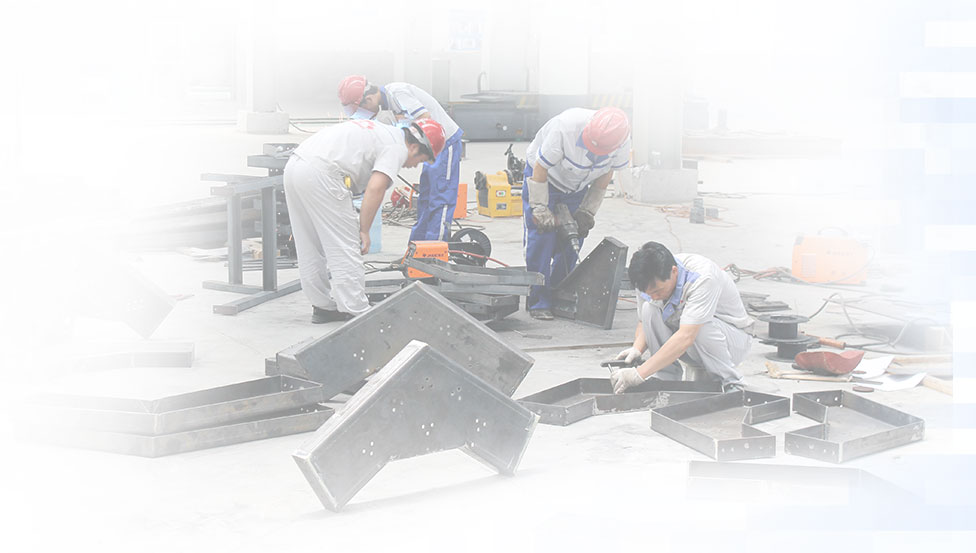
Equipment Manufacturing
The critical components of the of the complete pellet production line equipment are built in our own workshops in Asia. Additional equipment is manufactured by our worldwide network of reliable partners.

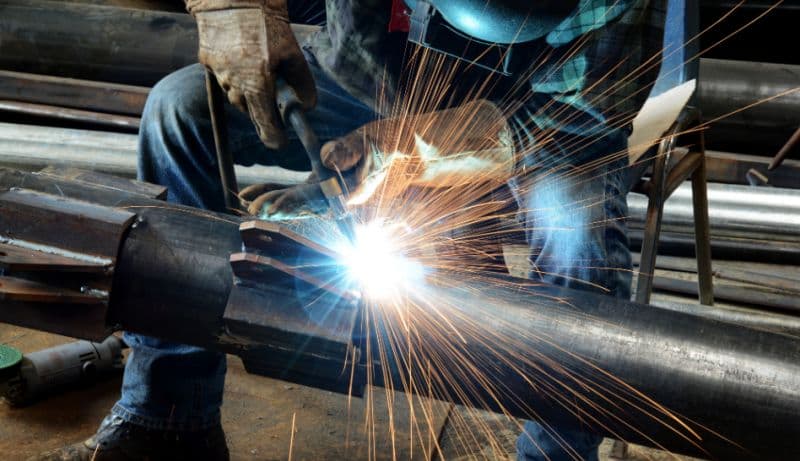
● Testing
Quality Inspection & Testing
Before leaving the factory, all equipment will be inspected by the quality inspection department. We can also provide customers with testing services from a single machine to a complete pellet plant system, and provide you with real actual data for “worry-free use.”

● Delivery
Equipment Delivery
In equipment boxing and packaging, we adopt professional packaging and modular solutions to ensure the safe and non-destructive delivery of pellet plant equipment.
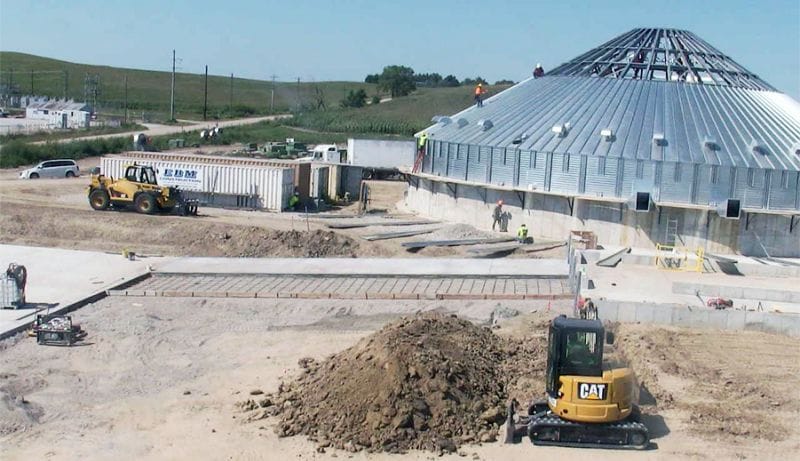
● Installation
Installation & Commissioning
Whether you choose your own subcontractor for the erection phase or you want to install everything together with us, a Richi supervisor will be around to make sure everything is mounted in a safe and thorough way.

● Training
Staff Training
We provide comprehensive training for the technicians of each project. We can also continue to provide support for the technicians during latter project operation.
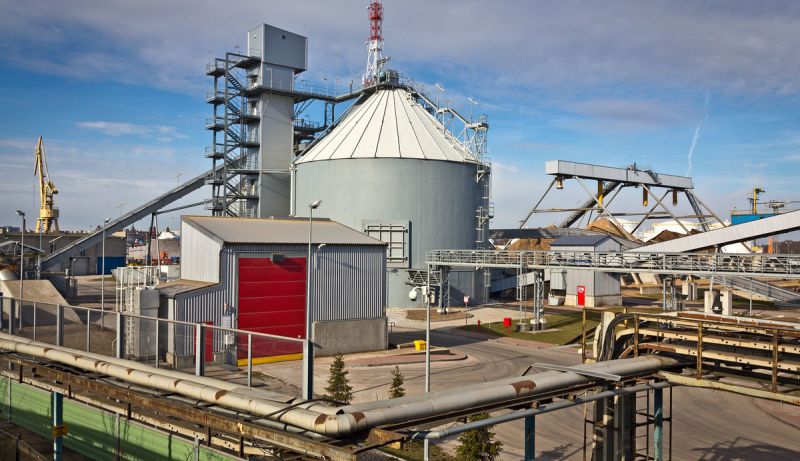
● After-sales
Project Follow-Up
When everything is up and running our Richiers will help you further whenever needed. We are ready to answer your call 24/7.We’ll also visit you regularly to learn about your needs.
Who we are
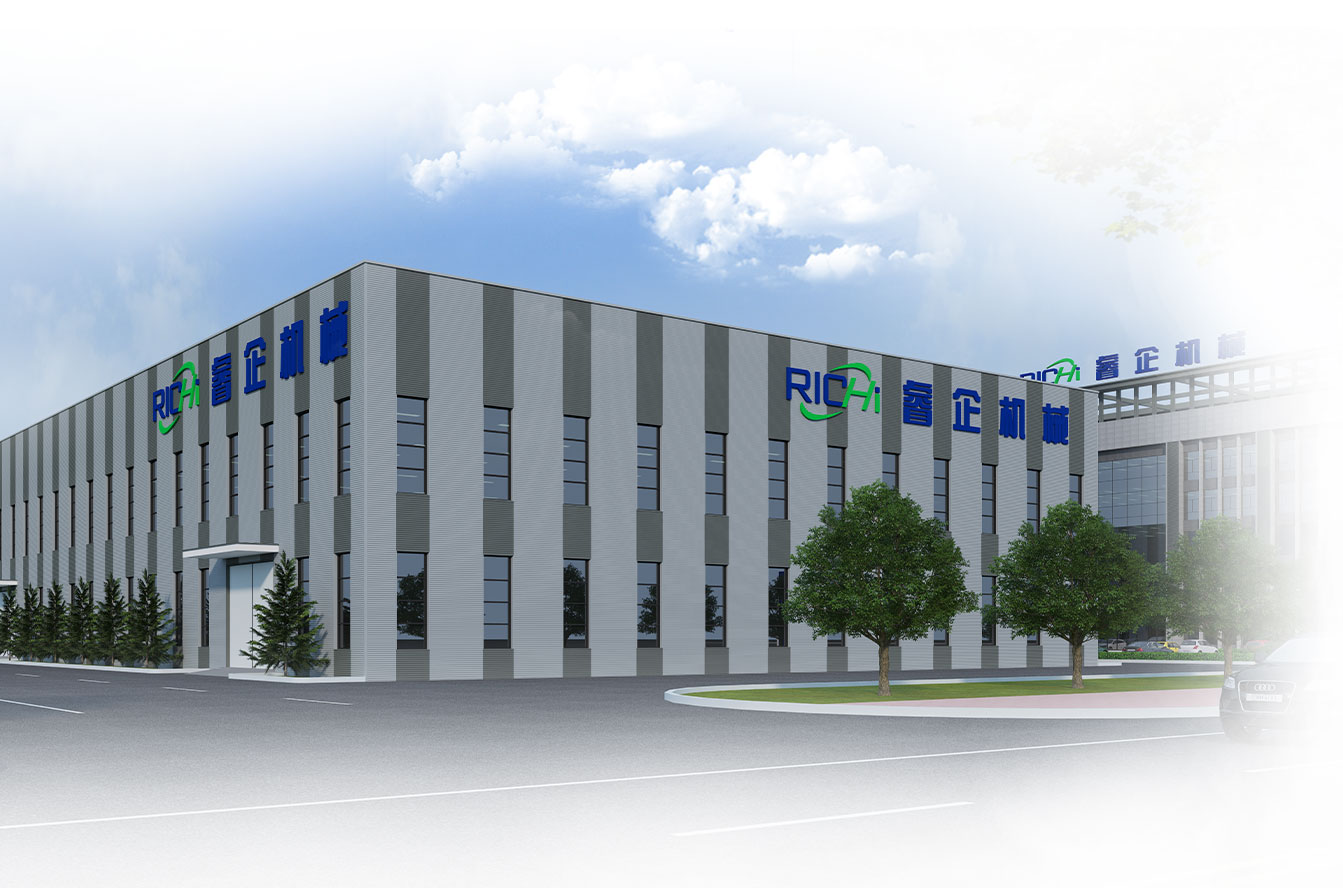
RICHI Machinery is one of the world’s leading suppliers of technology and services for the animal feed, aqua feed and pet food industries, also the largest pellet production line manufacturer in China.
Since 1995, RICHI’s vision to build a first-class enterprise, to foster first-class employees, and to make first-class contributions to society has never wavered.
In the past three decades, we have expanded our business to a wide range of areas, including animal feed mill equipment, aqua feed equipment, pet feed equipment, biomass pellet equipment, fertilizer equipment, cat litter equipment, municipal solid waste pellets equipment, etc.

1995
RICHI Established

2000+
Serving More Than 2000 Customers

120+
RICHI Employees

140+
Exported To 140 Countries