 0086-138 3838 9622
Wood Pellet Fuel Factory Setup for Biomass Energy Production in Portugal
RICHI MACHINERY
Project Overview
A small manufacturing entrepreneur reached out to RICHI Machinery about building an 8t/h wood pellet fuel factory setup for biomass energy production in Portugal with an annual capacity of 20,000 tons of wood pellets (running 8 hours per day, 300 days per year — the client runs about 250 days, producing 16,000-17,000 tons).
The facility produces high-quality fuel pellets from forest residues and wood processing waste for residential pellet stoves, industrial boilers, and district heating plants across Portugal and for export to Spain and France.
The client is located in the Leiria District of central Portugal, about 120km north of Lisbon. This region is Portugal’s “pine belt” — extensive maritime pine and eucalyptus forests support a robust timber and wood processing industry (sawmills, furniture factories, paper mills). The area generates massive amounts of wood waste (bark, sawdust, offcuts, branches, treetops) that are currently burned in the open or sent to landfills.
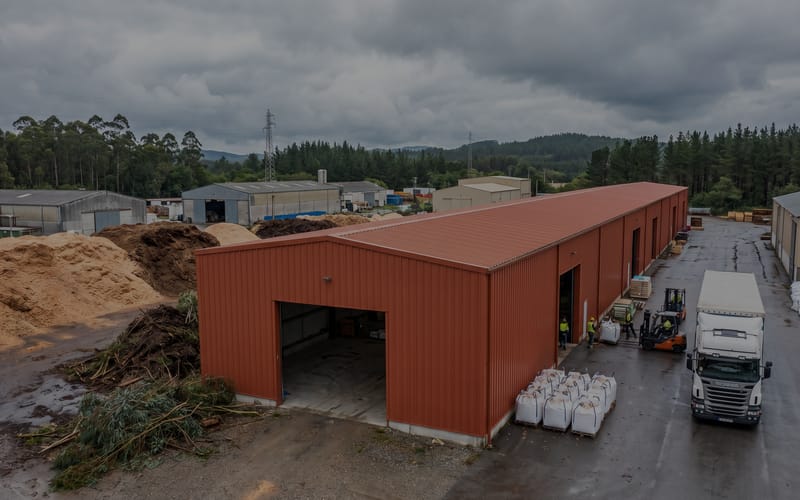
The client previously worked as a logistics manager for a sawmill. He built the facility on a 2,710m² site (about 0.67 acres). The building is a single-story steel-framed structure.
Total investment was about $385,000 USD .
8T/H
capacity
$385,000
investment
Portugal
location
Biofuel
project type
RICHI MACHINERY
Why Portugal?
Portugal has abundant forestry resources and a growing biomass market:
| Parameter | Value |
|---|---|
| Forest cover | 3.5+ million hectares (35% of land area) |
| Pine and eucalyptus plantations | 2+ million hectares |
| Wood processing waste | 1+ million tons/year |
| Current pellet production | 200,000-300,000 tons/year |
| Pellet consumption (residential + industrial) | 150,000-200,000 tons/year |
| Export to Spain/France | 100,000+ tons/year |
| EU renewable energy target | 32% by 2030 (Portugal: 47% renewables already) |
Key drivers for biomass pellets in Portugal:
| Driver | Impact |
|---|---|
| Coal phase-out (Portugal: 2021 — already coal-free) | Biomass is replacing coal |
| Carbon tax (Portugal: €25/ton CO2) | Pellets have lower carbon footprint than gas/diesel |
| Residential pellet stoves | 500,000+ households use pellet stoves |
| Export to Spain and France | Premium prices (€180-220/ton) |
| Abundant forest waste | Cheap raw material — fuel cost is EUR0 (waste) |
Target customers:
| Customer segment | Location | Annual demand (tons) | Price (EUR/ton) |
|---|---|---|---|
| Residential pellet stoves (ENplus A1) | Nationwide | 100,000+ | 220-260 |
| Industrial boilers | Leiria, Coimbra, Porto | 50,000+ | 160-180 |
| District heating | Lisbon, Porto, Braga | 30,000+ | 170-190 |
| Export to Spain | Galicia, Madrid | 200,000+ | 180-220 |
The client’s breakeven point is 10,000 tons/year (50% capacity). At full capacity (16,000-17,000 tons/year), operating margin is about 15-20%.
RICHI MACHINERY
Raw Materials: Forest Residues and Wood Processing Waste
The client’s raw material comes from two sources (forestry residues and wood processing waste):
| Raw Material | Annual (tons) | Moisture (%) | Source | Cost (EUR/ton) | Notes |
|---|---|---|---|---|---|
| Forest residues (branches, treetops, bark) | 10,000 | 15-20% | Local pine/eucalyptus forests | 20 (collection cost) | €20/ton collection fee |
| Wood processing waste (sawdust, offcuts, shavings) | 10,000 | 10-15% | Local sawmills, furniture factories | 15 | €15/ton |
| Total input | 20,000 | — | — | — | — |
Why the client doesn’t need a dryer: Wood processing waste (sawdust, shavings) comes from kiln-dried lumber — moisture is already 10-15%. Forest residues are air-dried in the forest for 3-6 months before collection — moisture 15-20%. The target moisture for pelletizing is 10-15%. The client can process without a dryer, though for high-moisture forest residues (>18%), he sun-dries them on the concrete yard for 1-2 days.
The client’s raw material quality control:
| Contaminant | Percentage | Removal method |
|---|---|---|
| Iron (nails, staples, wire) | 6.5-6.7% | Magnetic separators at crusher and mill inlets |
| Plastics, paper | 10% | Manual sorting + air aspiration system |
The client sells the separated metal and plastic to recyclers (extra revenue).
The client’s advantage: Most pellet producers in Portugal pay €30-50/ton for sawdust. The client pays €15-20/ton for waste that would otherwise be landfilled or burned. His raw material cost is 30-50% lower.
RICHI MACHINERY
The Site and Building
The client’s site is in an industrial complex in Leiria, Portugal. The building is a single-story steel-framed structure (2,710m²) with a concrete floor and 8m ceiling height.
Building layout (2,710m²):
| Zone | Size (approx.) | Equipment |
|---|---|---|
| Raw material storage | ~800m² (north side) | Stacked wood chips, sawdust, forest residues |
| Production area | ~1,000m² (center) | Crusher (2), hammer mill (2), 6 pellet mills, conveyors |
| Finished goods | ~600m² (south side) | Bagged pellets (15kg, 25kg, 1-ton bulk) |
| Office | ~300m² (southwest) | Admin, control room |
| Total | ~2,700m² | — |
The building has a concrete floor and 8m ceiling height — adequate for the equipment.
RICHI MACHINERY
Equipment Configuration
| Equipment | Quantity | Power (each) | Function |
|---|---|---|---|
| Crusher | 2 | 90 kW each | Primary size reduction (large wood to 2-3cm) |
| Hammer mill | 2 | 110 kW each | Grinding to <6mm |
| Pellet mill | 3 | 110 kW | Producing 6-8mm fuel pellets |
| Belt conveyors | 3 | 5 kW | Material transport |
| Bucket elevators | 1 | 5 kW | Vertical lift |
| Double screw conveyors | 2 | 5.5 kW | Distribution to mills |
| Storage bins | 3 | — | Pellet cooling and temporary storage |
| Air compressor | 2 | 5.5 kW, 7.5 kW | For pneumatic controls |
| Bag filter | 1 set | 5,000 m³/h | Dust collection |
| 15m stack | 1 | — | Exhaust |
Equipment cost (FOB Qingdao): $385,000 USD
Why this configuration for wood pellets (8 t/h, 20,000 tons/year):
1. Two-stage crushing/grinding. Large forest residues (branches, treetops) go through the crusher first, then the hammer mill. Sawdust and small chips bypass the crusher and go directly to the hammer mill.
2. No dryer. Raw materials are already dry enough (10-20% moisture). Saved €15,000-20,000.
3. No cooler. Hot pellets (80-90°C) drop into the storage bins and cool naturally. The client also spreads pellets on the finished goods floor for additional cooling. Saved €8,000-10,000.
4. Basic dust collection (5,000 m³/h bag filter + 15m stack). Meets EU emissions standards (particulate <50 mg/m³).
RICHI MACHINERY
Process Flow
This is a simple wood pellet production line. No dryer, no cooler, minimal conveyors. The client uses manual sorting and magnetic separation to remove contaminants.
Step 1: Raw Material Receiving
Trucks deliver forest residues (branches, treetops, bark) and wood processing waste (sawdust, offcuts, shavings). The client stores raw material in the 800m² raw material storage area).
The client’s raw material pre-treatment:
- Manual sorting to remove plastics and other contaminants
- Magnetic separators at crusher and pellet mill inlets to remove iron (nails, staples, wire)
Step 2: Crushing (for large material only)
Large material (branches, offcuts >5cm) is fed into two wood chipper machines.
Crusher parameters (each):
- Output size: 2-3cm pieces
- Throughput: 5-6 t/h each (10-12 t/h total)
Small material (sawdust, chips) bypasses the crusher and goes directly to the hammer mills.
Step 3: Grinding (Hammer Mill)
All material (crusher output + small material) is fed into two wood pellet hammer mills.
Hammer mill parameters (each):
- Screen size: 6 mm
- Throughput: 4-5 t/h each (8-10 t/h total)
- Output: <6mm wood powder
Step 4: Pelletizing
Ground material is distributed to 3 wood pellet mills via belt conveyors, bucket elevators, and double screw conveyors.
Pellet specifications (fuel pellets, ENplus A2 standard):
| Parameter | ENplus A2 | Client’s product |
|---|---|---|
| Diameter | 6-10 mm | 8.5-9 mm |
| Length | 10-40 mm | 25-35 mm |
| Moisture | ≤10% | 9-11% |
| Density | >1,000 kg/m³ | 1,050-1,100 kg/m³ |
| Bulk density | ≥600 kg/m³ | 620 kg/m³ |
| Durability | ≥97.5% | 96-97% |
| Ash content | ≤1.5% | 1-2% |
| Calorific value | ≥16.5 MJ/kg | 17.5-18.5 MJ/kg |
Step 5: Cooling and Storage
Hot pellets (80-90°C) drop into three storage bins for natural cooling.
Cooling process: Pellets cool in the bins for 2-3 hours, then the client transfers them to the finished goods area for additional cooling. Portugal’s ambient temperature is 15-25°C (depending on season), so the temperature difference (80°C → 20°C = 60°C delta) is sufficient for natural cooling.
Step 6: Bagging
Cooled pellets are bagged manually.
Packaging process:
- Bag sizes: 15kg (retail), 25kg (retail), 1-ton bulk bags (industrial)
- The client uses a simple hanging scale (accuracy ±200g)
- Bags are sewn closed with a portable bag sealer
The client also sells bulk (30-ton truckloads) to industrial customers and export.
RICHI MACHINERY
Utilities and Consumption
| Utility | Annual consumption | Cost (EUR) | Cost (USD at 1.05 EUR/USD) |
|---|---|---|---|
| Electricity | 600,000 kWh | 72,000 | $75,600 |
| Water (domestic only) | 112 m³ | 336 | $353 |
Electricity cost per ton: 1,380,000 kWh ÷ 16,000 tons = 86 kWh/ton × 0.12 EUR/kWh = 10.3 EUR/ton ($10.80). Very efficient.
RICHI MACHINERY
How RICHI Customized This Line for Wood Processing Waste
The client had specific requirements that shaped the equipment design:
Requirement 1: Raw material is forest residues and wood processing waste. This material is free or very cheap, but contains contaminants (iron, plastic, paper).
RICHI solution: Added magnetic separators at the crusher and pellet mill inlets to remove iron (6.5-6.7% of input). The client manually sorts plastic and paper (10% of input) before processing. The client sells separated contaminants to recyclers (extra revenue).
Requirement 2: No dryer needed. All raw materials are already dry enough (10-20% moisture).
RICHI solution: Designed the line without a dryer. The client only processes material that is already dry. The client sun-dries wet forest residues on the concrete yard for 1-2 days.
Requirement 3: Low budget (less than $100,000 for equipment). The client is a small entrepreneur, not a large corporation.
RICHI solution: Recommended a simple line with no dryer, no cooler, no automated packaging. The client uses manual bagging. Total equipment cost: $92,000 FOB Qingdao.
Requirement 4: The client had 14 staff (no on-site accommodation), no prior pellet experience.
RICHI solution: Provided a 2-week on-site training program:
- Week 1: Basic safety, machine startup/shutdown, daily checks (magnets, screens, lubrication)
- Week 2: Adjusting the wood pellet press die gap, changing dies, troubleshooting common problems
The client’s lead operator (a former sawmill worker) became proficient within 2 weeks.
Requirement 5: The client needed to meet EU emissions standards to export to Spain and France.
RICHI solution: The bag filter (5,000 m³/h) + 15m stack meets EU particulate limits (50 mg/m³). The client’s pellets meet ENplus A2 standards for export.
RICHI MACHINERY
Product Specifications
The client’s pellets meet ENplus A2 standards (European standard for biomass pellets), allowing export to Spain, France, and other EU countries.
| Parameter | ENplus A2 | Client’s product |
|---|---|---|
| Diameter | 6-10 mm | 8.5-9 mm |
| Length | 10-40 mm | 25-35 mm |
| Moisture | ≤10% | 9-11% |
| Density | >1,000 kg/m³ | 1,050-1,100 kg/m³ |
| Bulk density | ≥600 kg/m³ | 620 kg/m³ |
| Durability | ≥97.5% | 96-97% |
| Ash content | ≤1.5% | 1-2% |
| Calorific value | ≥16.5 MJ/kg | 17.5-18.5 MJ/kg |
Pricing (as of July 2025):
| Format | Price (EUR/ton) | Price (USD/ton at 1.05 EUR/USD) | Customers |
|---|---|---|---|
| 15kg bags (retail) | 250 | $263 | Residential |
| 25kg bags (retail) | 230 | $242 | Residential |
| 1-ton bulk bags | 180 | $189 | Small farms |
| Bulk (30-ton truckload) | 150 | $158 | Industrial, export |
Comparison with other heating fuels in Portugal:
| Fuel | Cost (EUR/toe) | CO2 emissions (kg/GJ) |
|---|---|---|
| Wood pellets (client) | 180 | 0 (carbon neutral) |
| Natural gas | 220 | 56 |
| Diesel | 350 | 74 |
| Firewood | 100 | 0 (but less efficient) |
RICHI MACHINERY
Market Outlook for Wood Pellets in Portugal
Portugal’s biomass pellet market is mature and export-oriented. Key drivers:
1. Coal phase-out (Portugal became coal-free in 2021). Biomass is replacing coal in industrial boilers and district heating.
2. Residential pellet stoves. Portugal has 500,000+ pellet stoves. Demand is steady at 100,000+ tons/year.
3. Export to Spain and France. Spain is Europe’s largest pellet consumer (2+ million tons/year). France consumes 1+ million tons/year. Portugal’s location gives a logistics advantage.
4. Carbon tax (Portugal: €25/ton CO2). Pellets have lower carbon emissions than fossil fuels.
5. Abundant raw material. Portugal has 3.5+ million hectares of forest. Wood processing waste is cheap (€15-20/ton).
Competition: There are 40-50 pellet producers in Portugal (1,000-30,000 tons/year). The client’s 16,000-17,000 tons/year puts them in the mid-tier.
Challenges the client is managing:
| Challenge | Mitigation |
|---|---|
| Raw material supply (seasonal, forest residues are harvested in winter) | Build 2-3 month inventory (3,000-4,000 tons) during winter months |
| Competition from established producers (Lusofloresta, Caima) | Lower raw material cost (€15-20/ton vs €30-50/ton for competitors) |
| Export logistics (Portugal is on the Iberian Peninsula) | Located 100km from Spanish border; own fleet of 3 trucks |
| EU regulations (RED II sustainability criteria) | Source only from legal, sustainable sources (FSC/PEFC certified forests) |
The client’s breakeven point is 10,000 tons/year (50% capacity). At full capacity (16,000-17,000 tons/year), operating margin is about 15-20%. Payback on equipment ($92,000) is about 2 years.
RICHI MACHINERY
Why a Wood Pellet Factory Makes Sense in Portugal
Portugal has abundant forest waste, a mature pellet market, and access to higher-priced export markets (Spain, France). Here’s why you should consider this market:
Raw material is cheap — or free. Portugal has 3.5+ million hectares of forest. Forest residues (branches, treetops) are waste — the client pays only collection cost (€20/ton). Wood processing waste (sawdust, offcuts) is €15/ton — much less than in other European countries.
No dryer needed for most materials. Wood processing waste from kiln-dried lumber is 10-12% moisture. Forest residues air-dry in the forest for 3-6 months. The client only sun-dries wet material (1-2 days).
The market is mature and export-oriented. Portugal produces 200,000-300,000 tons of pellets annually. Spain imports 500,000+ tons. France imports 1+ million tons. The client’s location (100km from Spanish border) gives a transport advantage.
Portugal has a stable business environment. EU membership, skilled workforce, good infrastructure (ports, roads, rail), and access to EU funding for renewable energy projects.
If you’re considering a wood pellet factory in Portugal (or any European country), RICHI can help. We’ve designed lines for wood residues, forest waste, and other biomass. We understand EU regulations (ENplus, RED II, emissions standards) and can recommend the right equipment for your budget.
Contact us to discuss your wood pellet plant construction project. Tell us about your raw material (type, moisture, volume), target customers (residential, industrial, export), site conditions, and budget. We’ll prepare a customized process flow, equipment list, and budget estimate — no obligation.
RICHI Machinery – Wood pellet factories from 0.2 t/h to 90 t/h. Shipping from Qingdao to Lisbon port: 25-30 days. Installation support available in Portugal within 2 weeks.
● RICHI MACHINERY
RICHI Service

● Consulting
Customer Consultation
We want to have a deep understanding of your industrial process, to know your exact needs of feed, wood, biomass, fertilizer or other pellet processing.
● Design
biomass Pellet Plant Design
Based on your unique situation and industrial process, we will tailor complete pellet plant you need, and inform you of every additional detail that could facilitate operation, minimize total cost.
● Manufacturing
Equipment Manufacturing
The critical components of the of the complete pellet production line equipment are built in our own workshops in Asia. Additional equipment is manufactured by our worldwide network of reliable partners.

● Testing
Quality Inspection & Testing
Before leaving the factory, all equipment will be inspected by the quality inspection department. We can also provide customers with testing services from a single machine to a complete pellet plant system, and provide you with real actual data for “worry-free use.”

● Delivery
Equipment Delivery
In equipment boxing and packaging, we adopt professional packaging and modular solutions to ensure the safe and non-destructive delivery of pellet plant equipment.
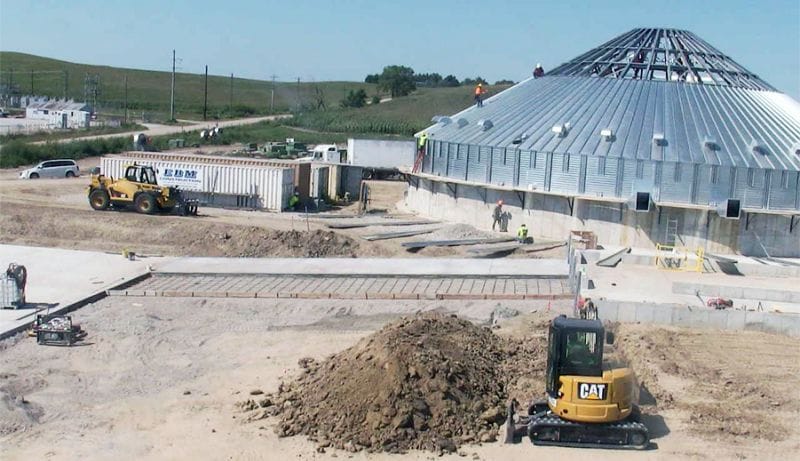
● Installation
Installation & Commissioning
Whether you choose your own subcontractor for the erection phase or you want to install everything together with us, a Richi supervisor will be around to make sure everything is mounted in a safe and thorough way.

● Training
Staff Training
We provide comprehensive training for the technicians of each project. We can also continue to provide support for the technicians during latter project operation.
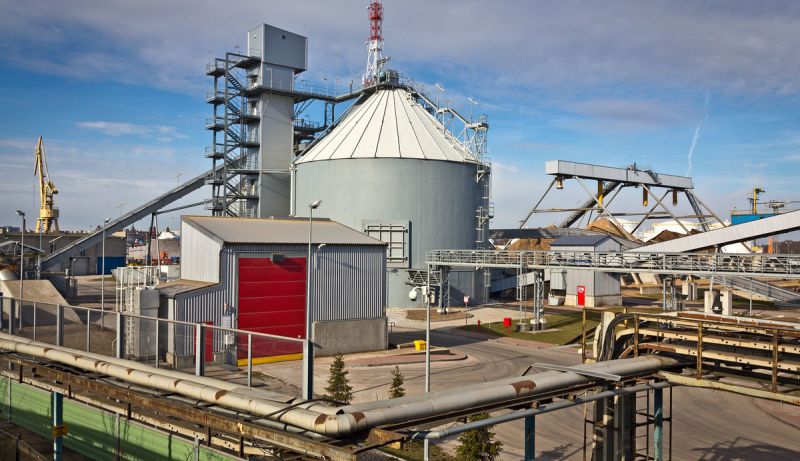
● After-sales
Project Follow-Up
When everything is up and running our Richiers will help you further whenever needed. We are ready to answer your call 24/7.We’ll also visit you regularly to learn about your needs.
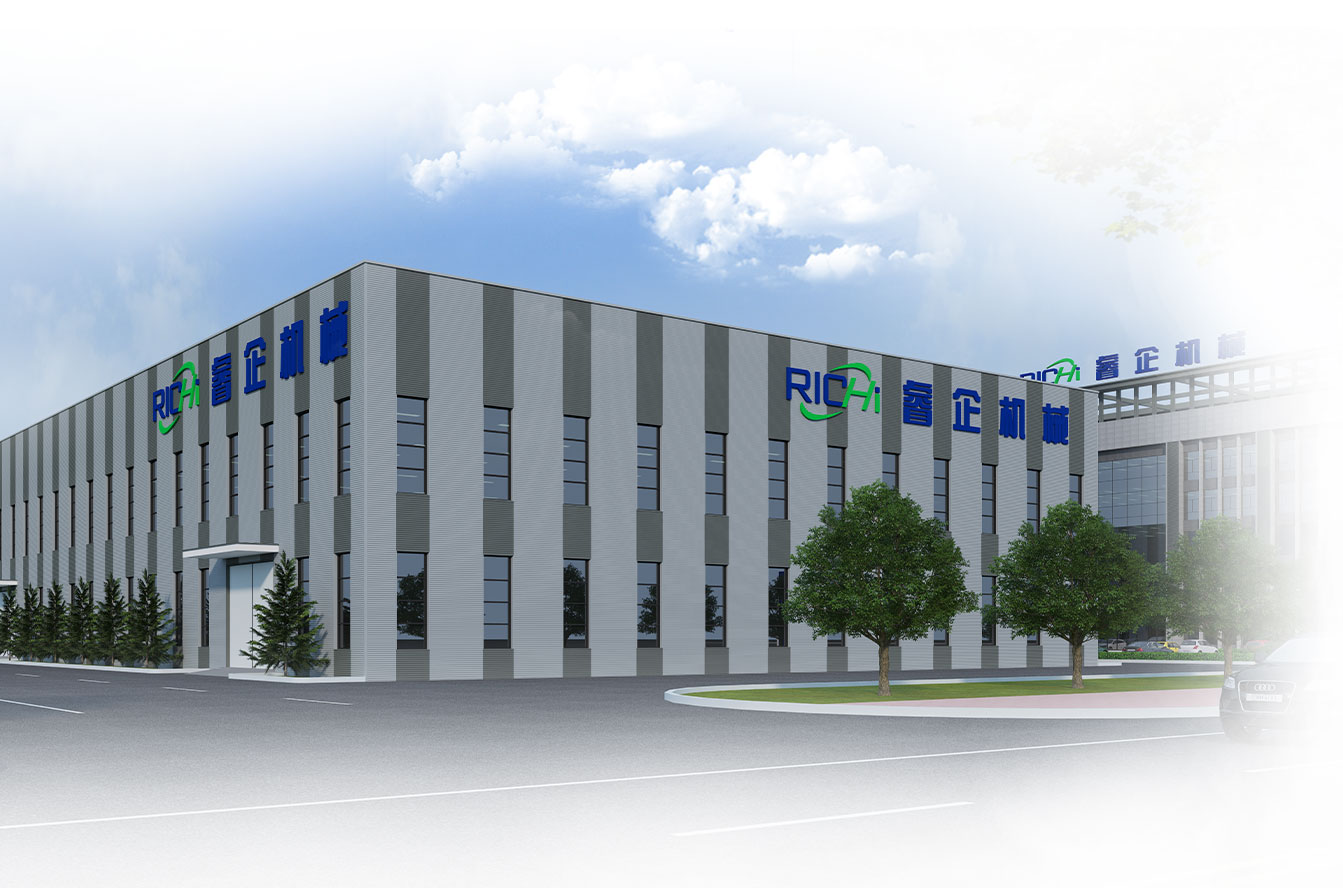
Who we are
RICHI Machinery is one of the world’s leading suppliers of technology and services for the animal feed, aqua feed and pet food industries, also the largest pellet production line manufacturer in China.
Since 1995, RICHI’s vision to build a first-class enterprise, to foster first-class employees, and to make first-class contributions to society has never wavered.
In the past three decades, we have expanded our business to a wide range of areas, including animal feed mill equipment, aqua feed equipment, pet feed equipment, biomass pellet equipment, fertilizer equipment, cat litter equipment, municipal solid waste pellets equipment, etc.

1995
RICHI Established

2000+
Serving More Than 2000 Customers

120+
RICHI Employees

140+
Exported To 140 Countries