 0086-138 3838 9622
Organic Fertilizer Granule and Powder Production Line in Uruguay
RICHI MACHINERY
Project Overview
An agricultural waste management company reached out to RICHI Machinery about building an organic fertilizer granule and powder production line in Uruguay with an annual capacity of 10,000 tons of bio-organic fertilizer (running 8 hours per day, 300 days per year for post-fermentation processing). The facility produces both powder fertilizer (5,000 tons/year) and granular fertilizer (5,000 tons/year) from cattle manure, pig manure, chicken manure, and crop residues (corn stalks, wheat straw), serving farms across the Durazno, Flores, and Florida regions.
The client is located in the Durazno Department of central Uruguay, about 180km north of Montevideo. Uruguay has one of the highest cattle-to-people ratios in the world (3.5 million cattle, 3.3 million people), generating massive amounts of cattle manure annually. The country also produces significant wheat, corn, and soybeans, generating abundant crop residues.
The client saw an opportunity to convert these waste streams into a valuable product for Uruguay’s growing organic agriculture sector, which exports beef, wine, olives, and other products to the EU.
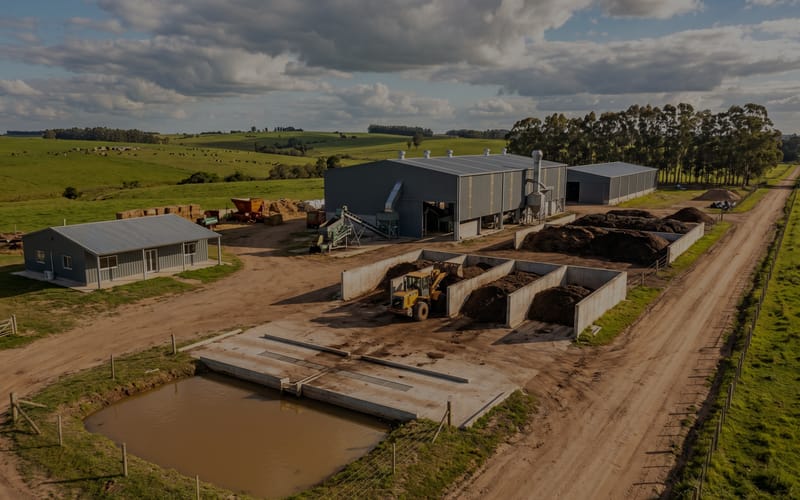
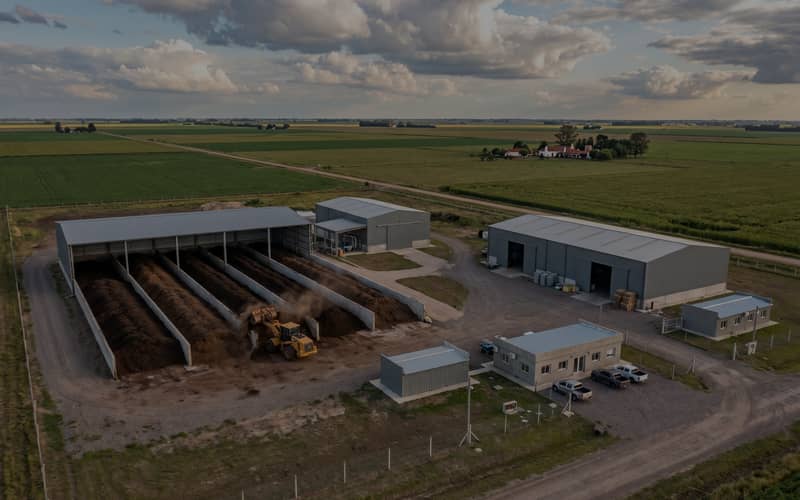
The facility is built on a 10,000m² site (about 2.5 acres). The client built a new 4,000m² steel-framed production building (80m × 50m, 8m ceiling height) divided into:
- Straw crushing area: 600m²
- Fermentation area: 500m² with 3 bays (20m × 6m × 3m each)
- Aging/curing area: 400m²
- Screening and granulation area: 1,350m²
- Finished product storage: 750m²
The client also has a separate 150m² office building, a vehicle wash station, and a 150m³ sedimentation pond that doubles as an initial rainwater collection tank.
Total investment was about $220,000 USD (including equipment, building, land, and working capital), of which $168,000 was the equipment cost.
4T/H
capacity
$220,000
investment
Uruguay
location
Fertilizer
project type
RICHI MACHINERY
Why Uruguay? (Market Context for Organic Fertilizer)
Uruguay’s agricultural sector is dominated by cattle ranching (80-85% of agricultural land) and grain production (soybeans, wheat, corn, rice).
Organic agriculture in Uruguay:
| Parameter | Value |
|---|---|
| Organic farmland | 2+ million hectares (20-25% of total farmland) |
| Organic cattle farms | 1,000+ |
| Organic crop area | 100,000+ hectares |
| Main organic exports | Beef, wine, olives, honey, rice |
| Growth rate | 5-10% annually |
The problem: Conventionally raised cattle produce manure, but most is left on pasture (inefficient nutrient utilization). Confined animal operations (pig farms, poultry houses, dairy feedlots) generate concentrated manure that can pollute water bodies (Uruguay has strict water quality regulations under Decree 253/979).
The opportunity: Organic certification (EU, US, Japan standards) requires organic inputs. Fertilizer is the first step. The client’s product meets Uruguay’s Ministry of Livestock, Agriculture and Fisheries (MGAP) standards for organic inputs.
Target customers:
| Customer segment | Location | Annual demand (tons) | Client’s target |
|---|---|---|---|
| Organic cattle pastures (supplemental) | Nationwide | 20,000+ | 3,000 |
| Organic vegetable farms | Canelones, Montevideo | 10,000+ | 3,000 |
| Organic vineyards | Canelones, Colonia | 5,000+ | 2,000 |
| Organic olive groves | Maldonado, Rocha | 3,000+ | 1,000 |
| Household gardens | Nationwide | 2,000+ | 1,000 |
| Total | — | 40,000+ | 10,000 |
The client’s breakeven point is 6,000 tons/year (60% capacity). Their distribution network (through agricultural cooperatives) guarantees 4,000 tons, so they need only 2,000 additional tons to break even.
RICHI MACHINERY
Raw Materials: Manure and Crop Residues
The client’s raw materials are sourced from local farms:
| Raw Material | Annual (tons) | Moisture | Source | Cost (UYU/ton) | USD/ton (40 UYU/USD) |
|---|---|---|---|---|---|
| Corn stalks | 1,500 | 8-12% | Local farmers | 500 | $12.50 |
| Wheat straw | 3,500 | 8-12% | Local farmers | 500 | $12.50 |
| Cattle manure | 1,000 | 45-55% | Dairy farms | 200 | $5.00 |
| Pig manure | 3,500 | 55-62% | Pig farms | 200 (tipping fee) | $5.00 |
| Chicken manure | 800 | 50-60% | Poultry farms | 200 | $5.00 |
| Soybean meal residue | 200 | 10-20% | Soybean processing | 1,000 | $25.00 |
| Microbial starter | 2 | Solid | Imported | 200,000 | $5,000 |
| Total input (dry matter) | 10,502 | — | — | — | — |
Wait, the input is 10,502 tons for 10,000 tons output? Yes. The difference (502 tons) is:
- Dust collected in filters (3.7 tons, recycled)
- NH3 and H2S emitted during fermentation (1.87 tons)
- Water evaporated during fermentation and aging (about 8,053 tons — most of the “loss”)
- The client adds 7,560 tons of water during mixing to achieve 60% moisture, then loses it during fermentation/aging
Raw material quality control:
- The client only accepts manure from farms with veterinary health certificates (free of disease)
- Straw must be dry (moisture <15% — tested with hand-held meter)
- The client rejects any load with visible plastic, metal, or medical waste
- Manure arrives in sealed vacuum trucks — no contact with outside air
RICHI MACHINERY
The Site and Building
The client’s site is on former agricultural land (reclassified as industrial use with a permit from the Durazno Municipal Government).
Building layout:
| Area | Size (m²) | Construction | Use |
|---|---|---|---|
| Production building (1#) | 4,000 | Steel frame, 8m high | All processing (crushing, fermentation, aging, screening, granulation, packaging) |
| Office (2#) | 150 | Brick/concrete, 2 floors | Admin, lab, control room |
| Vehicle wash station | 20 | Concrete | Manure truck washing |
| Sedimentation pond | 150m³ | Concrete | Rainwater + wash water storage |
| Total site | 10,000 | — | — |
Production building layout (80m × 50m, 8m ceiling):
The client chose a single-story layout with enclosed rooms for odor control.
| Zone | Size | Equipment | Enclosure |
|---|---|---|---|
| Straw crushing area | 600m² (southeast) | Straw chopper | Semi-enclosed (dust collection) |
| Manure storage | 400m² (northeast) | Storage pit (3m deep) | Fully enclosed (negative pressure) |
| Fermentation area | 500m² (north) | 3 bays (20m × 6m × 2.5m deep), 3 turners | Fully enclosed (negative pressure + biofilter) |
| Aging/curing area | 400m² (west) | — | Fully enclosed (negative pressure) |
| Screening/granulation area | 1,350m² (center-south) | Crusher, screener, fertilizer granulation equipment, bagging scales | Dust collection |
| Finished product storage | 750m² (west) | — | Ambient |
Fermentation bays details:
- Dimensions: 20m long × 6m wide × 2.5m deep (usable depth)
- Floor: Concrete + HDPE liner
- Aeration: Perforated pipes at the bottom connected to a blower (forced aeration)
- Leachate collection: Sloped floor drains to a 50m³ collection tank (reused in mixing)
- Maximum capacity per bay: 20 × 6 × 2.5 × 800 kg/m³ = 240 tons (3 bays × 240 = 720 tons total)
- Fermentation cycle: 15 days → daily throughput: 720 ÷ 15 = 48 tons/day (enough for 10,000 tons/year)
RICHI MACHINERY
Equipment Configuration
The client chose a complete organic fertilizer line from RICHI:
| Equipment | Model | Quantity | Power | Function |
|---|---|---|---|---|
| Straw chopper | / | 1 | 45 kW | Cuts straw to 2-5cm pieces |
| Twin-shaft mixer | / | 1 | 30 kW | Mixes manure, straw, water, starter |
| Compost turner | / | 3 | 15 kW each | Turns material in fermentation bays |
| Vertical crusher | / | 1 | 37 kW | Crushes cured fertilizer to <8mm |
| Rotary screener | / | 1 | 7.5 kW | Powder fertilizer grading |
| Organic fertilizer pellet mill | / | 1 | 90 kW | Granular fertilizer production |
| Rotary screener | / | 1 | 5.5 kW | Granule grading (2mm cutoff) |
| Bagging scale | / | 2 | 3 kW each | 20-50kg bags |
| Bucket elevator | / | 1 | 5.5 kW | Material lift |
| Belt conveyors | / | 2 | 2.2 kW each | Transport |
| Baghouse filter | 20,000 m³/h | 1 | 30 kW fan | Dust from crushing, screening, granulation |
| Biofilter system | 50,000 m³/h | 1 | 75 kW fans | Odor from manure storage, fermentation, aging |
| Vehicle wash platform | 4m × 5m | 1 | — | Manure truck washing |
| Sedimentation pond | 6m × 5m × 5m (150m³) | 1 | — | Rainwater + wash water storage |
Equipment cost (FOB Qingdao): $118,000 USD
Why this configuration for organic fertilizer:
1. Straw chopper (15 t/h capacity). The client’s straw is baled (compressed). The chopper uses knife blades and friction to break the bales and cut straw to 2-5cm pieces. Oversized for the line (15 t/h vs 4 t/h needed), but provides buffer capacity.
2. Twin-shaft mixer (50 t/h capacity). The mixer can handle 50 t/h — 10x the required capacity. But the client only runs it for 384 hours/year (batches), not continuously. The client adds water (7,560 t/year) to achieve 60% moisture. The mixer has water spray nozzles.
3. Three compost turners. Each bay has its own turner (a single turner straddling all 3 bays would be cheaper, but the client wanted redundancy). The turner runs on rails.
4. Vertical crusher (5 t/h). After curing/aging (up to 30 days in the aging area), the fertilizer may have lumps. The crusher reduces it to <8mm particles.
5. Ring die organic fertilizer pellet making machine (2.5 t/h). The client only produces 5,000 tons/year of granules, so 2.5 t/h for 2,000 hours (250 days × 8 hours) = 5,000 tons.
6. Two-stage screening: The client uses:
- Rotary screener for powder fertilizer — separates acceptable powder (<0.5mm) from larger particles (return to crusher)
- Rotary screener (GS150×400) for granules — separates >2mm (finished) from <2mm (return to pellet mill)
7. Biofilter system (50,000 m³/h). This is oversized for the facility, but the client wanted to ensure no odor complaints from nearby farms.
RICHI MACHINERY
Process Flow
The process of this organic fertilizer production line produces both powder and granular fertilizer from the same fermentation batch. Key steps: crushing & mixing → fermentation → aging → screening (powder) or granulation → packaging.
Step 1: Raw Material Receiving
Straw: Baled straw arrives on flatbed trucks. The client uses a front-end loader to move bales to the straw crushing area.
Manure: Sealed vacuum trucks (20 tons each) arrive at the facility. The driver backs up to the sealed manure storage pit (northeast corner, 400m², 3m deep). The manure is discharged directly into the pit through a sealed connection — no odor escapes. The truck then goes to the wash station.
The client’s wash station:
- Size: 4m × 5m (for trucks)
- The truck is sprayed with water (0.09 m³ per wash)
- Wash water flows to the 150m³ sedimentation pond
- The pond also collects the first 15 minutes of rainwater
Step 2: Straw Crushing
Straw arrives compressed into bales. The chopper must break the bales and cut the straw to 2-5cm pieces.
The front-end loader feeds bales into the straw chopper.
Chopper parameters:
- Type: Knife and friction
- Input: Whole bales (1.2m diameter, 0.2 tons each)
- Output: 2-5cm straw pieces
- Throughput: 15 t/h (oversized, but the client only runs it for 384 hours/year — when batching for fermentation)
Step 3: Batching and Mixing
The client operates in batches for fermentation. Each batch is about 60 tons (one bay’s capacity). The mixing sequence:
Mixing parameters:
- Manure (Cattle Manure / Pig Manure / Chicken Manure) is pumped from the storage pit to the mixer via sealed pipes
- Chopped straw is conveyed to the mixer via enclosed belt conveyor
- Soybean meal residue is added manually (small quantity)
- Water is added through spray nozzles (7,560 tons/year total)
- Microbial starter is added manually
The target: 60% moisture (for optimal aerobic fermentation). The raw materials (manure 50-60%, straw 10%) average 31% moisture, so the client adds 7560 tons of water annually to reach 60%.
The mixer runs for 5-8 minutes per batch. The client produces about 48 batches per year (each batch 60 tons, 48 × 60 = 2,880 tons — wait, that’s too low. Let me check: 10,000 tons/year ÷ 60 tons/batch = 167 batches per year.)
Actually, the client’s fermentation capacity is 3 bays × 240 tons each = 720 tons per cycle. With a 15-day fermentation cycle, that’s 720 × (365 ÷ 15) = 720 × 24.3 = 17,500 tons/year capacity — enough for the 10,000 tons/year of fermented material (the client uses less than full capacity).
Odor at mixing: The mixer is enclosed. Air is pulled from the mixing area and sent to the biofilter.
Step 4: Fermentation
This is the most critical step. Fermentation determines the final product’s organic matter content, pathogen kill, and odor.
The mixed material (60% moisture) is conveyed via enclosed belt conveyor to one of the 3 fermentation bays (each 20m × 6m × 2.5m deep, 240 tons capacity).
Fermentation parameters:
| Parameter | Value | Notes |
|---|---|---|
| Initial material depth | 2.5m | Full bay |
| Initial temperature | Ambient (10-30°C in Uruguay) | / |
| Thermophilic phase temperature | 70-85°C | Day 3-10 |
| Turning frequency | Daily once temperature reaches 70°C | More frequent if temperature >85°C |
| Fermentation cycle | 15 days | / |
| Covered with fermentation membrane | Yes | Reduces odor, retains heat |
The client uses compost turner — one per bay. The turner runs on rails and straddles the bay.
Aeration: The fermentation bays have perforated pipes at the bottom connected to a blower. The blower runs intermittently (30 minutes on, 30 minutes off) to provide oxygen for aerobic bacteria.
Leachate management: During the first few days of fermentation, moisture is squeezed out of the material and drains to a leachate collection tank. The client reuses this leachate in the mixing process (added to dry batches) — zero discharge.
Fermentation gases: The fermentation process produces CO2, H2O (water vapor), NH3 (ammonia), and H2S (hydrogen sulfide). The fermentation area is enclosed with negative pressure ventilation. Air is pulled through a biofilter before exhausting to atmosphere.
The biofilter process:
- Odor-laden air enters the tower
- Air passes through a biological media (wood chips + compost + microorganisms)
- Microorganisms break down NH3 and H2S into harmless compounds (nitrates, sulfates, water)
- Clean air exits through a 15m stack (DA002)
The client also sprays a microbial deodorant on the material surface to further reduce odors.
Fermentation completion indicators:
- Temperature drops to 30-40°C
- Material has earthy smell (not ammonia)
- Material is dark brown, crumbly
Step 5: Curing / Aging
After 15 days of active fermentation, the material may still have high moisture (>30%). The client moves it to the curing area (400m²).
Curing parameters:
- Duration: Up to 30 days (depending on moisture)
- Purpose: Allow moisture to evaporate (water vapor removed by ventilation)
- Target moisture: <30% (for powder) or <25% (for granules)
Odor during curing: The curing area is enclosed with negative pressure ventilation. Air is sent to the same biofilter.
Step 6: Powder Fertilizer Production
If the client is producing powder fertilizer (5000 tons/year):
Vertical crusher:
- Input: Cured fertilizer (moisture <30%)
- Output: <8mm particles
- Dust: Captured by baghouse
Rotary screener:
- Separates powder (0.1-0.5mm) from larger particles
- Acceptable powder goes to bagging
- Larger particles return to crusher
Powder packaging:
- Bag sizes: 20kg, 25kg, 50kg
- The powder is bagged directly (no further processing)
Step 7: Granular Fertilizer Production
If the client is producing granular fertilizer (5000 tons/year):
| Parameter | Value |
|---|---|
| Type | Ring die (with electrical heating for drying) |
| Die diameter | 1.2m? (ZG1.2×4) |
| Granule size | 3-4.5mm (target) |
| Roundness | ≥0.7 (spherical) |
| Efficiency | ≥90% (fines returned to mill) |
| Throughput | 2.5 t/h |
Drying: The organic fertilizer granulator machine has integrated electrical heaters to dry the granules to <25% moisture.
Granule screener:
- Acceptable granules (>2mm) → packaging
- Fines (<2mm) → return to pellet mill
Granule packaging:
- Bag sizes: 20kg, 25kg, 50kg
Step 8: Finished Product Storage
Bagged fertilizer is stacked on pallets (40 bags × 25kg = 1,000kg/pallet) and stored in the finished product area. The warehouse holds about 375 tons of finished product (about 30 days of production).
RICHI MACHINERY
Utilities and Consumption
| Utility | Annual consumption | Cost (UYU) | Cost (USD at 40 UYU/USD) |
|---|---|---|---|
| Electricity | 600,000 kWh | 360,000 | $9,000 |
| Water | 6,883 m³ | 20,650 | $516 |
| Diesel (front-end loaders, forklifts) | 5,000 liters | 200,000 | $5,000 |
Electricity breakdown (annual):
- Straw chopper: 45 kW × 384 hours = 17,280 kWh
- Mixer: 30 kW × 384 hours = 11,520 kWh
- Compost turners (3): 15 kW × 2,000 hours (intermittent) = 30,000 kWh
- Crusher: 37 kW × 2,000 hours = 74,000 kWh
- Powder screener: 7.5 kW × 2,000 hours = 15,000 kWh
- Pellet mill: 90 kW × 2,000 hours = 180,000 kWh
- Granule screener: 5.5 kW × 2,000 hours = 11,000 kWh
- Bagging scales (2): 6 kW × 2,500 hours = 15,000 kWh
- Baghouse fan: 30 kW × 3,000 hours = 90,000 kWh
- Biofilter fans: 75 kW × 8,760 hours = 657,000 kWh (but this is 24/7 for the biofilter — likely lower)
The total is about 600,000-700,000 kWh/year.
RICHI MACHINERY
How RICHI Customized This Line for Uruguayan Conditions
The client had specific requirements that shaped the equipment design:
Requirement 1: The client wanted to produce both powder and granular fertilizer from the same line. Powder fertilizer is cheaper to produce (skip granulation), but granular fertilizer commands a higher price.
RICHI solution: Designed the line with a split after aging/curing. The client can send material:
- Directly to the crusher → powder screener → bagging (powder fertilizer)
- To the manure pellet mill → granule screener → bagging (granular fertilizer)
The split is manual (the operator diverts the conveyor).
Requirement 2: The client’s manure arrives at high moisture (45-62%). Mixing with dry straw (10%) wasn’t enough to reach 60% moisture (they actually need to ADD water — waiting, that’s counterintuitive.)
Let me check: Manure is 45-62% moisture. Straw is 10%. The target for fermentation is 60%. So the client adds water (7,560 tons/year). That’s correct — they need more water, not less.
RICHI solution: The mixer has water spray nozzles. The client also reuses leachate (from fermentation) and condensation water (from the biofilter) as make-up water.
Requirement 3: Uruguayan farmers have a strong preference for locally produced inputs. The client needed to compete with imported organic fertilizers from Argentina and Brazil (which have higher transport costs).
RICHI solution: The client’s production cost is about 15-20% lower than imported products. The equipment line is efficient, and raw materials are free or very cheap.
Requirement 4: The client has 20 staff, most with no prior fertilizer production experience. The client’s workers are agricultural laborers from nearby farms.
RICHI solution: Provided a 3-week on-site training program:
- Week 1: Fermentation management (temperature monitoring, turning schedule, leachate management)
- Week 2: Crusher, screener, and pellet mill operation
- Week 3: Quality control (moisture testing, organic matter testing, particle size)
RICHI MACHINERY
Product Specifications
The client’s products meet Uruguayan Ministry of Livestock, Agriculture and Fisheries (MGAP) standards for organic inputs.
Powder bio-organic fertilizer:
| Parameter | Standard | Client’s product |
|---|---|---|
| Organic matter (dry basis) | ≥40% | 45-55% |
| Total N + P2O5 + K2O | Not specified | 5-7% |
| Moisture | ≤30% | 25-30% |
| pH | 5.5-8.5 | 6.5-7.5 |
| Particle size | <0.5mm | 0.1-0.5mm |
| E. coli | ≤100 MPN/g | <50 |
| Ascaris eggs | ≤95% mortality | >98% |
Granular bio-organic fertilizer:
| Parameter | Standard | Client’s product |
|---|---|---|
| Organic matter (dry basis) | ≥40% | 45-55% |
| Total N + P2O5 + K2O | Not specified | 5-7% |
| Moisture | ≤25% | 20-25% |
| pH | 5.5-8.5 | 6.5-7.5 |
| Granule size | 3-4.5mm | 3-4.5mm |
| Roundness | ≥0.7 | 0.7-0.8 |
| E. coli | ≤100 MPN/g | <50 |
Pricing (as of August 2025):
| Product | Price (UYU/kg) | Price (UYU/ton) | Price (USD/ton at 40 UYU/USD) |
|---|---|---|---|
| Powder (25kg bags) | 12 | 12,000 | $300 |
| Granular (25kg bags) | 15 | 15,000 | $375 |
| Bulk (30-ton truckload) | 8-10 | 8,000-10,000 | $200-250 |
Comparison with imported organic fertilizer:
| Source | Price (USD/ton) | Delivery time |
|---|---|---|
| Client’s product | $200-375 | 1-2 days |
| Imported (Argentina) | $350-450 | 1-2 weeks |
| Imported (Brazil) | $400-500 | 2-3 weeks |
RICHI MACHINERY
Market Outlook for Organic Fertilizer in Uruguay
Uruguay’s organic fertilizer market is growing at about 10-15% annually. Key drivers:
1. Export requirements. The EU requires organic certification for imported beef and wine. Fertilizer is part of that certification.
2. Soil degradation. Uruguay’s soils have low organic matter (2-3%) due to decades of conventional farming. Farmers are looking to rebuild soil health.
3. Government support for organic agriculture. Law 18.856 (2012) promotes organic production.
4. Input substitution. Imported fertilizers are expensive. Local production is cheaper.
Competition: There are 10-15 organic fertilizer producers in Uruguay, most small-scale (1,000-5,000 tons/year). The client’s 10,000 tons/year makes them one of the largest.
Challenges the client is managing:
| Challenge | Mitigation |
|---|---|
| Raw material seasonality (straw only after harvest) | Build 6-month inventory of straw (2,000-3,000 tons) during harvest (December-March) |
| Manure availability (pig manure is seasonal) | Storage pit holds 280 tons (2 weeks of production); the client also uses cattle and chicken manure |
| Odor complaints (Uruguay has strict odor regulations) | Biofilter + sealed fermentation bays + microbial deodorant spray |
| Price sensitivity of farmers | Focus on value: higher organic matter, better nutrient availability than raw manure |
RICHI MACHINERY
Why an Organic Fertilizer Line Makes Sense in Uruguay
Uruguay has abundant cattle manure, crop residues, and a growing organic agriculture sector. Here’s why you should consider this market:
Manure is free or very cheap. The client pays 200 UYU/ton ($5) for manure — the farmers are happy to get paid for something they used to have to manage.
Straw is cheap. Wheat is one of Uruguay’s main crops. Straw is available for 500 UYU/ton ($12.50) — much less than in other countries.
Export markets are demanding organic certification. The EU, US, and Japan require certified organic inputs. The client’s product meets those standards.
The government is supportive. Uruguay’s agricultural policies favor organic production.
If you’re considering an organic fertilizer line in Uruguay (or any agricultural country with cattle/pig/chicken farming), RICHI can help. We’ve designed lines for livestock manure, crop residues, and other organic wastes. We understand the challenges (odor control, leachate management, fermentation) and can recommend the right equipment.
Contact us to discuss your organic fertilizer production project. Tell us about your raw materials (type, moisture, volume), target products (powder, granules, or both), site conditions, and budget. We’ll prepare a customized process flow, equipment list, and budget estimate — no obligation.
RICHI Machinery – Organic fertilizer lines from 5,000 t/year to 100,000 t/year, designed for powder and granular production. Shipping from Qingdao to Montevideo port: 25-30 days. Installation support available in Uruguay within 2 weeks.
● RICHI MACHINERY
RICHI Service

● Consulting
Customer Consultation
We want to have a deep understanding of your industrial process, to know your exact needs of feed, wood, biomass, fertilizer or other pellet processing.
● Design
biomass Pellet Plant Design
Based on your unique situation and industrial process, we will tailor complete pellet plant you need, and inform you of every additional detail that could facilitate operation, minimize total cost.
● Manufacturing
Equipment Manufacturing
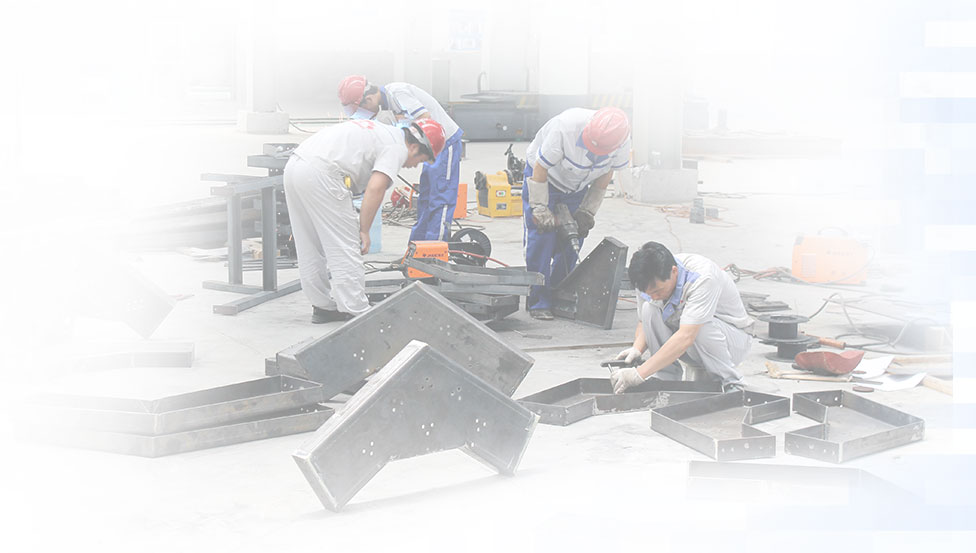
The critical components of the of the complete pellet production line equipment are built in our own workshops in Asia. Additional equipment is manufactured by our worldwide network of reliable partners.
● Testing
Quality Inspection & Testing
Before leaving the factory, all equipment will be inspected by the quality inspection department. We can also provide customers with testing services from a single machine to a complete pellet plant system, and provide you with real actual data for “worry-free use.”
● Delivery
Equipment Delivery
In equipment boxing and packaging, we adopt professional packaging and modular solutions to ensure the safe and non-destructive delivery of pellet plant equipment.
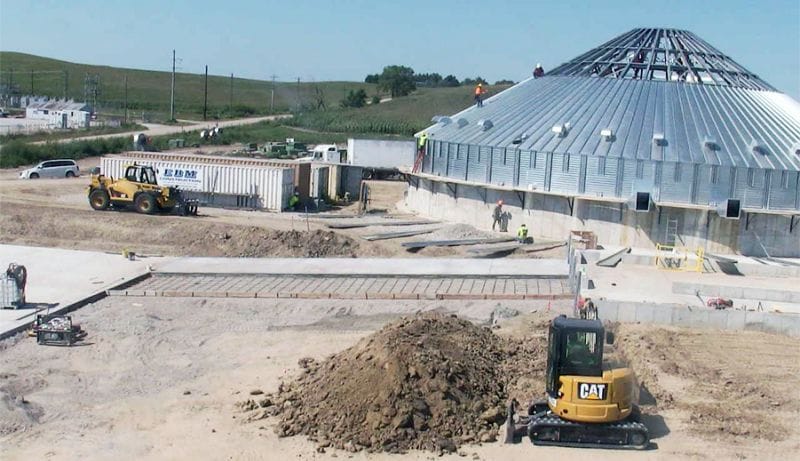
● Installation
Installation & Commissioning
Whether you choose your own subcontractor for the erection phase or you want to install everything together with us, a Richi supervisor will be around to make sure everything is mounted in a safe and thorough way.

● Training
Staff Training
We provide comprehensive training for the technicians of each project. We can also continue to provide support for the technicians during latter project operation.
● After-sales
Project Follow-Up
When everything is up and running our Richiers will help you further whenever needed. We are ready to answer your call 24/7.We’ll also visit you regularly to learn about your needs.
Who we are
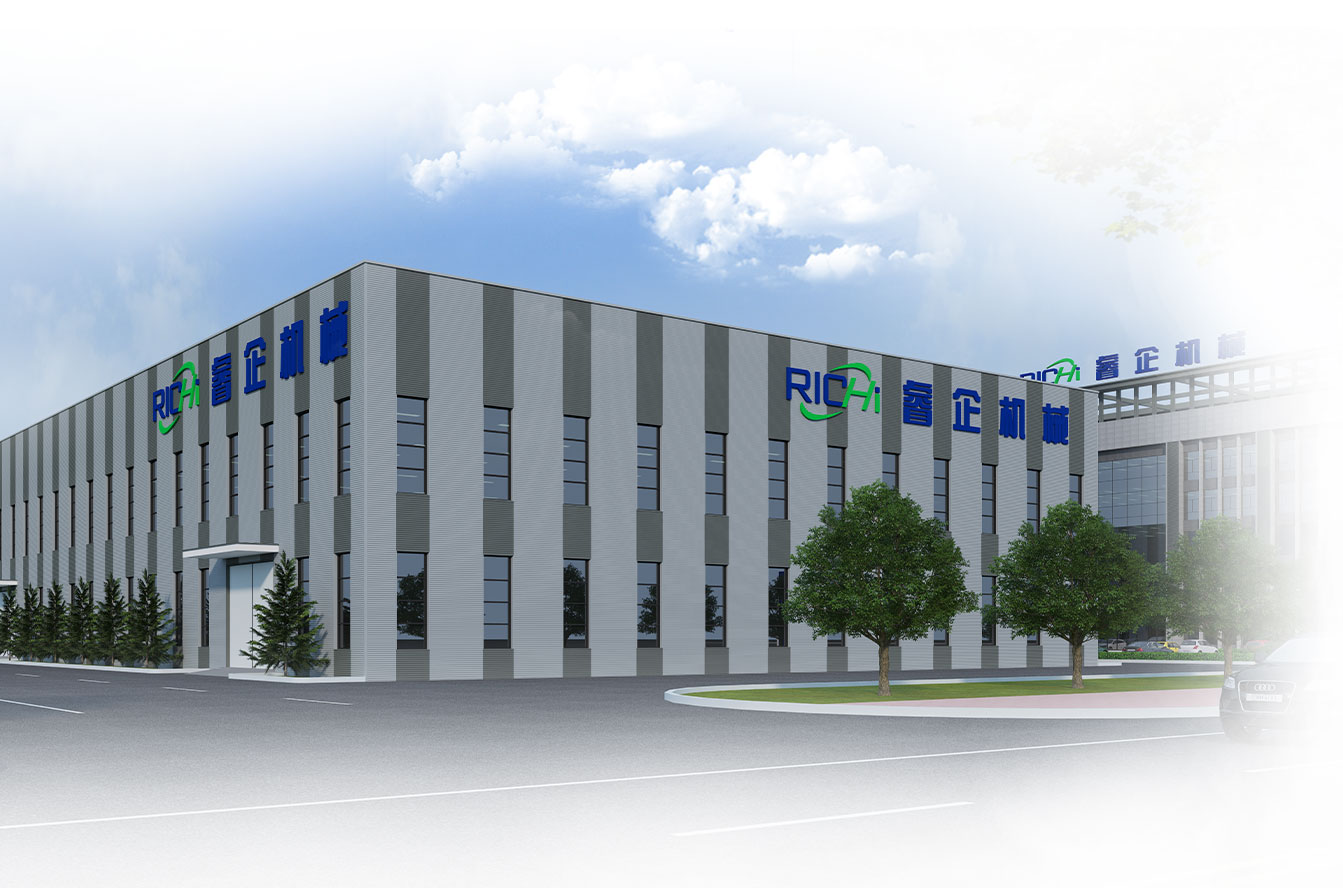
RICHI Machinery is one of the world’s leading suppliers of technology and services for the animal feed, aqua feed and pet food industries, also the largest pellet production line manufacturer in China.
Since 1995, RICHI’s vision to build a first-class enterprise, to foster first-class employees, and to make first-class contributions to society has never wavered.
In the past three decades, we have expanded our business to a wide range of areas, including animal feed mill equipment, aqua feed equipment, pet feed equipment, biomass pellet equipment, fertilizer equipment, cat litter equipment, municipal solid waste pellets equipment, etc.

1995
RICHI Established

2000+
Serving More Than 2000 Customers

120+
RICHI Employees

140+
Exported To 140 Countries