 0086-138 3838 9622
Biomass Pellet Production Line in Netherlands
RICHI MACHINERY
Project Overview
This biomass pellet production line in Netherlands project is located in the province of Gelderland, near an industrial zone with convenient road access. The production line is established on the site of a former sawmill, with a total land area of 2,428.61 square meters.
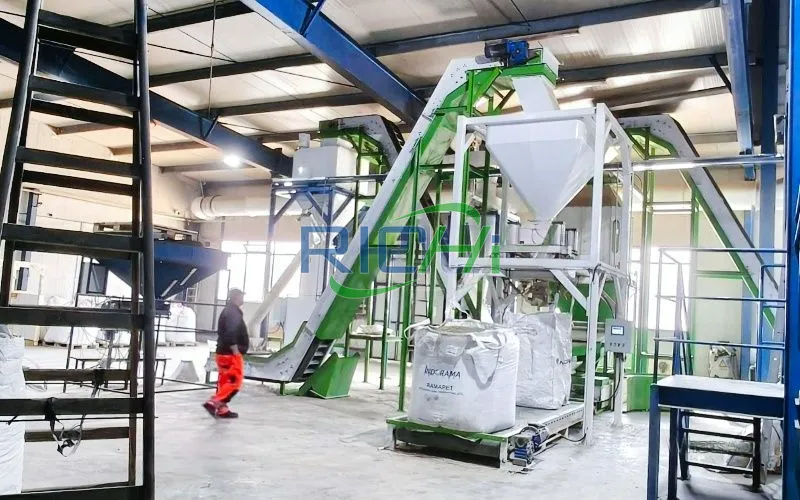
The construction includes a 960 m² steel-structure workshop (housing crushing, grinding, pelleting, storage, and management areas), as well as a 16 m³ water storage tank. The facility is equipped with one heavy-duty crusher, one fine grinder, three pellet mills, four tractors for raw material and finished product transport, a transformer and control cabinets, a packaging platform, and a steep-incline conveyor.
Upon completion, the factory will reach a production capacity of 30 tons per day, equivalent to 9,000 tons of biomass fuel pellets annually. Equipment maintenance is outsourced to qualified Dutch service companies.
1.5T/H
capacity
USD 220,000
investment
Netherlands
location
Biofuel
project type
RICHI MACHINERY
Project Background
The Netherlands has a strong commitment to renewable energy under EU directives, aiming to reduce dependence on fossil fuels and cut carbon emissions. Biomass energy plays a crucial role in this transition, especially for district heating and co-firing in power plants.
The client, a mid-sized Dutch agricultural cooperative, decided to launch this biomass pellet production project to make use of surplus straw, sawdust, wood shavings, branches, and rice husks collected from surrounding farms and forestry enterprises. The goal is to reduce agricultural waste, generate additional revenue streams for farmers, and supply the local renewable energy market with eco-friendly solid fuel pellets.
The designed biomass pellet production line in Netherlands has a capacity of 1.5 tons per hour, with an annual output of 9,000 tons of biomass pellets. These pellets will primarily be used for district heating networks, greenhouse heating in horticulture, and small-scale industrial boilers.
RICHI MACHINERY
Engineering and Construction Details
The construction details of the biomass pellet production line in Netherlands are as follows:
Main Facilities
- Production Workshop (280 m²):
A single-story steel structure located in the southeastern part of the site. It includes crushing, grinding, and pelleting areas. The crusher and grinder are housed in an enclosed section, while the pellet mills are semi-open to allow ventilation.
Storage Facilities
- Raw Material Warehouse (260 m²):
Semi-open steel structure on the east side of the workshop. Stores straw, branches, sawdust, shavings, and rice husks. - Finished Product Warehouse (240 m²):
Located on the northwest side, also semi-open, used to store finished pellets.
Auxiliary Facilities
- Administration Building (180 m²):
Brick-and-concrete structure for offices and staff operations. - Water Storage Tank (16 m³):
Serves fire safety and dust suppression needs. - Power Distribution Room:
Houses a transformer supplying power to all production units.
Utilities and Infrastructure
- Water Supply:
Provided by the municipal water grid. - Power Supply:
Connected to the 10 kV local high-voltage grid. - Drainage:
Rainwater is collected via site-wide drainage and discharged into industrial stormwater channels. Minimal wastewater (mainly from staff handwashing) is treated and reused for dust suppression.
RICHI MACHINERY
Product Scheme and Production Scale
The biomass pellet production line in Netherlands project’s main product is biomass solid fuel pellets, with specifications of 700 kg/m³ bulk density.
| Product Name | Specification | Unit | Annual Output |
|---|---|---|---|
| Biomass Solid Fuel Pellets | 700 kg/m³ | t/a | 9,000 t/a |
RICHI MACHINERY
Raw Materials and Energy Consumption
The biomass pellet production line in Netherlands mainly relies on agricultural and forestry residues from the region.
Raw Materials
The cooperative sources approximately 10,800 tons per year of raw materials, ensuring stable supply.
| Category | Source | Annual Volume (t) | Storage |
|---|---|---|---|
| Straw | Local farms in Gelderland | ~5,000 | Raw material warehouse |
| Waste wood | Sawmills and furniture shops | ~2,000 | Warehouse |
| Wood shavings | Panel and carpentry plants | ~1,000 | Warehouse |
| Sawdust | Sawmills and workshops | ~1,500 | Warehouse |
| Branches | Forestry residues | ~800 | Warehouse |
| Rice husks | Imported from grain mills | ~500 | Warehouse |
Energy
- Electricity Consumption: ~1.5 million kWh/year, supplied by municipal grid (with partial renewable electricity purchase under Dutch green energy schemes).
RICHI MACHINERY
Major Equipment
The following equipment of biomass pellet production line in Netherlands is installed for production:
| No. | Equipment Name | Model | Quantity | Purpose |
|---|---|---|---|---|
| 1 | Heavy-duty Crusher | HL1250-500 | 1 | Raw material crushing |
| 2 | Fine Grinder | HL650-1300 | 1 | Material grinding |
| 3 | Biomass Pellet Mill | — | 2 | Pelletizing |
| 4 | Tractor | — | 4 | Raw material & pellet transport |
| 5 | Transformer | — | 1 | Power supply |
| 6 | Control Cabinet | — | 1 | Electrical system |
| 7 | Packaging Platform | — | 1 | Pellet packaging |
| 8 | Inclined Conveyor | DPJ50*12 | 1 | Material transfer |
RICHI MACHINERY
Workforce and Operation Schedule
Staffing: 6 employees.
Shifts: One 8-hour shift per day, 300 working days per year.
No dormitory or canteen is provided; staff commute from nearby towns.
RICHI MACHINERY
Site Layout
The layout of biomass pellet production line in Netherlands follows rational process flow:
- Raw materials enter from the southeast, move through crushing, grinding, pelleting, and end in packaging and storage.
- Warehouses are positioned for logistical efficiency, with clear segregation of raw and finished products.
- A 2.5 m-high boundary wall reduces noise spread.
- The nearest sensitive receptors are farmhouses about 20 m from the site, and a village downwind. The plant is designed with EU-standard dust and noise control systems to minimize environmental impact.
RICHI MACHINERY
Environmental Protection Measures
Air Emissions
- Crushers, grinders, and wood straw pellet machines are equipped with dust collectors and bag filters.
- Collected dust is reused in pellet production.
Wastewater
- Only minimal sanitary wastewater is generated (from handwashing).
- It undergoes sedimentation and is reused for dust suppression.
Noise
- Low-noise equipment selection.
- Acoustic insulation and vibration damping within workshops.
Solid Waste
- Dust from collection systems is reused.
- Nonconforming products and sweepings are recycled or sent to municipal waste management.
RICHI MACHINERY
Environmental Investment
Total investment in the project is approximately USD 220,000, of which USD 7,000 is allocated for environmental measures (about 3.2% of total investment).
| Component | Content | Cost (USD ‘000) |
|---|---|---|
| Dust suppression | Bag filter systems | 2.0 |
| Wastewater handling | Sedimentation tank + reuse system | 1.2 |
| Noise control | Acoustic panels & vibration damping | 2.0 |
| Solid waste handling | Collection bins, contracts with waste firm | 1.0 |
| Miscellaneous | Safety signage, monitoring equipment | 0.8 |
| Total | 7.0 |
RICHI MACHINERY
Process Flow
Steps:
- Feeding: Raw materials delivered to warehouse, then transported by tractors to feed hopper.
- Crushing: Large straw and branches crushed into smaller fragments.
- Grinding: Materials refined to consistent particle size.
- Pelletizing: Ground material enters straw wood pellet mills, where heat and pressure compress it into dense cylinders.
- Cooling & Packaging: Pellets cooled naturally, then packed and stored.
All stages include dust collection and monitoring for noise and emissions.
RICHI MACHINERY
Market Outlook in the Netherlands
The Netherlands is actively promoting renewable energy, with biomass contributing significantly to its heating and power sectors. Rising demand comes from:
- District heating systems in urban areas.
- Greenhouse horticulture, where biomass is seen as a stable energy source.
- Industrial boilers, replacing coal or natural gas.
With an annual output of 9,000 tons, this project can cover local agricultural cooperatives’ energy needs and provide surplus supply to energy traders.
Given government subsidies, carbon credit incentives, and growing biomass imports into the Netherlands, this plant is positioned as both an environmental solution for waste utilization and a profitable renewable energy business.
RICHI MACHINERY
Conclusion
The biomass pellet production line in Gelderland, Netherlands represents a successful case of combining sustainable agriculture, renewable energy production, and rural economic development.
By turning agricultural and forestry residues into high-value solid fuel, the project not only reduces waste but also supports the Dutch and EU goals for renewable energy. With a reasonable investment of USD 220,000, annual capacity of 9,000 tons, and state-of-the-art environmental safeguards, it stands as a model for similar initiatives across Europe.
For investors and cooperatives seeking reliable solutions in biomass pellet production, this biomass pellet project demonstrates that a well-designed, moderately scaled production line can achieve strong environmental, economic, and social benefits.
● RICHI MACHINERY
RICHI Service

● Consulting
Customer Consultation
We want to have a deep understanding of your industrial process, to know your exact needs of feed, wood, biomass, fertilizer or other pellet processing.

● Design
biomass Pellet Plant Design
Based on your unique situation and industrial process, we will tailor complete wood straw pellet plant you need, and inform you of every additional detail that could facilitate operation, minimize total cost.
● Manufacturing
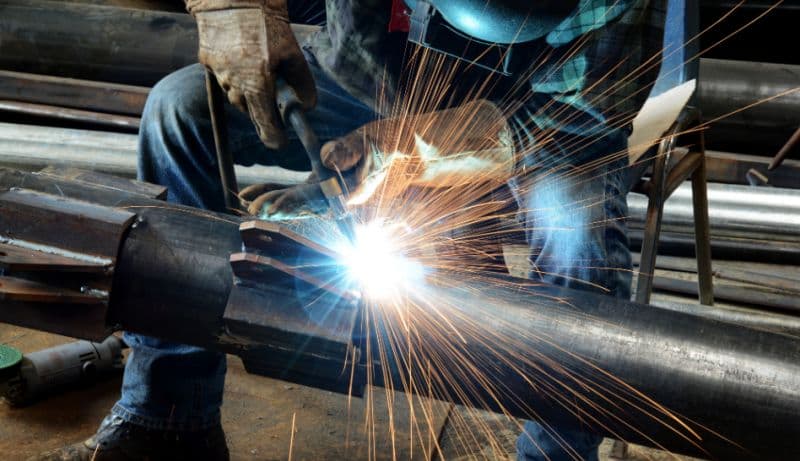
Equipment Manufacturing
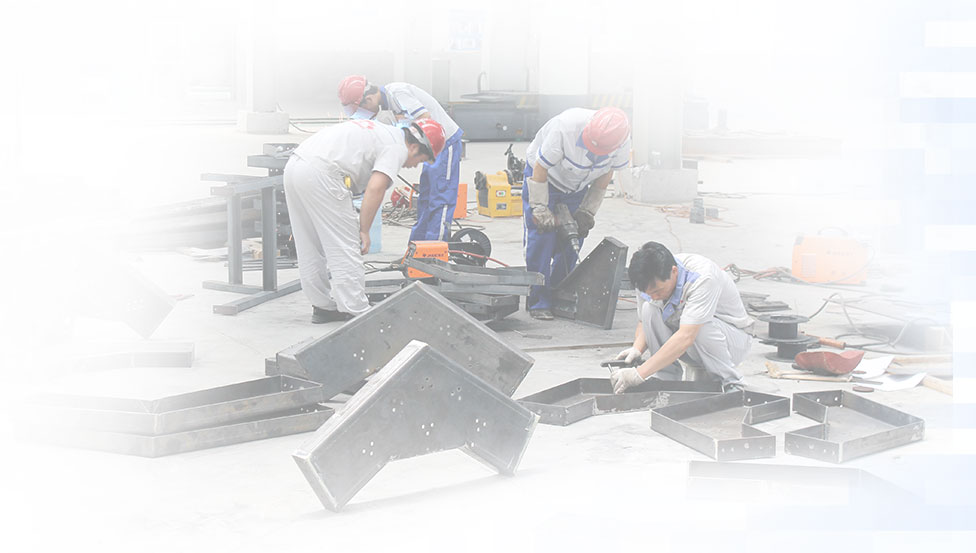
The critical components of the of the complete straw wood pellet production line equipment are built in our own workshops in Asia. Additional equipment is manufactured by our worldwide network of reliable partners.
● Testing
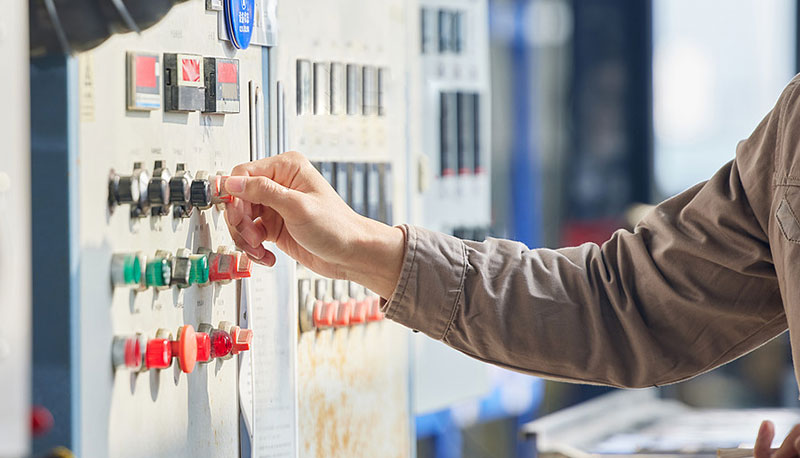
Quality Inspection & Testing
Before leaving the factory, all equipment will be inspected by the quality inspection department. We can also provide customers with testing services from a single machine to a complete pellet plant system, and provide you with real actual data for “worry-free use.”
● Delivery
Equipment Delivery
In equipment boxing and packaging, we adopt professional packaging and modular solutions to ensure the safe and non-destructive delivery of pellet plant equipment.
● Installation
Installation & Commissioning
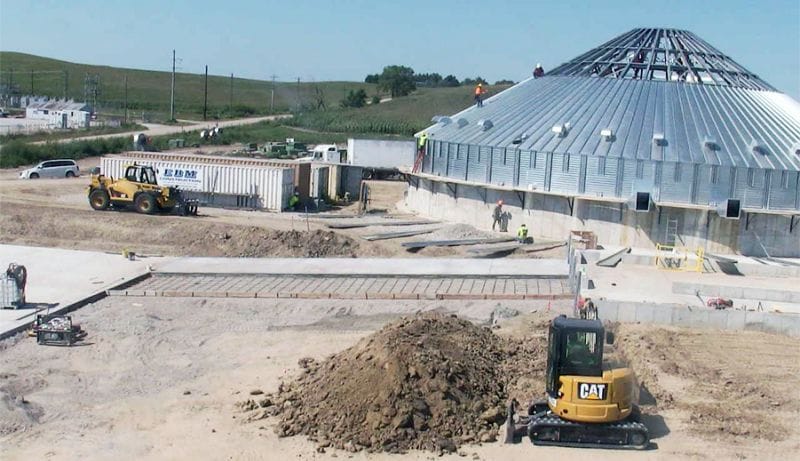
Whether you choose your own subcontractor for the erection phase or you want to install everything together with us, a Richi supervisor will be around to make sure everything is mounted in a safe and thorough way.

● Training
Staff Training
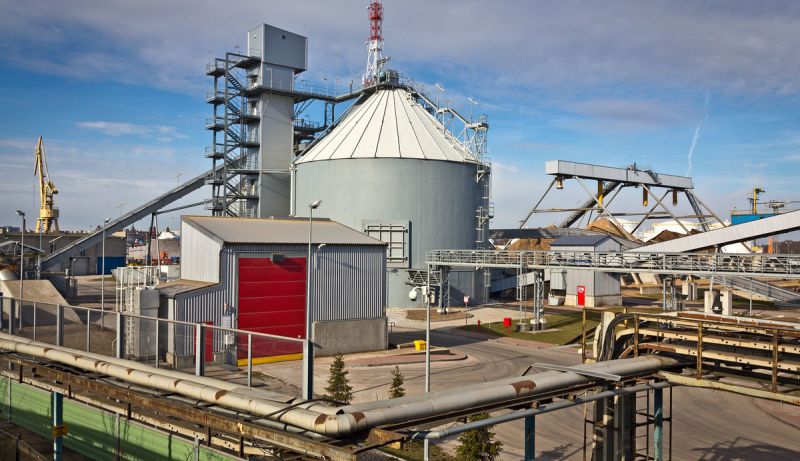
We provide comprehensive training for the technicians of each project. We can also continue to provide support for the technicians during latter project operation.
● After-sales
Project Follow-Up
When everything is up and running our Richiers will help you further whenever needed. We are ready to answer your call 24/7.We’ll also visit you regularly to learn about your needs.
Who we are
RICHI Machinery is one of the world’s leading suppliers of technology and services for the animal feed, aqua feed and pet food industries, also the largest pellet production line manufacturer in China.
Since 1995, RICHI’s vision to build a first-class enterprise, to foster first-class employees, and to make first-class contributions to society has never wavered.
In the past three decades, we have expanded our business to a wide range of areas, including animal feed mill equipment, aqua feed equipment, pet feed equipment, biomass pellet equipment, fertilizer equipment, cat litter equipment, municipal solid waste pellets equipment, etc.

1995
RICHI Established

2000+
Serving More Than 2000 Customers

120+
RICHI Employees

140+
Exported To 140 Countries