0086-138 3838 9622
Waste Wood Straw Pellet Production Line in Ukraine
The waste wood straw pellet production line in Ukraine connects wet residue preparation to a 7 T/H industrial product, with two matched presses, controlled drying, active cooling and a practical plan for storage and utility interruptions.
RICHI MACHINERY
Waste Wood Straw Pellet Production Line in Ukraine for Reliable Industrial Supply
Seasonal agricultural and timber-processing residues come together in the waste wood straw pellet production line in Ukraine, a 7 T/H industrial fuel operation. Its shared dryer and material-specific preparation bring qualified woody residues and straw to a consistent forming condition.
RICHI coordinates this biomass pellet project around two suitably sized pellet mills, one shared dryer and active product cooling. A 19,600-tonne annual basis follows ten net production hours per day over 280 operating days.
7 T/H
capacity
USD 520,000
investment
Ukraine
location
Fuel
project type
RICHI MACHINERY
Two Forming Units within One Coordinated Train
The straw pellet production line shares receiving, preparation, drying and final grinding before the flow divides between the two presses. A common matched finishing arrangement handles the combined output, with product identity maintained through packing.
The waste wood straw pellet production line in Ukraine uses the existing 2,500 m² workshop and an additional 1,500 m² yard allocation. Daily material buffers, mill maintenance space and loading access are included in the layout so operating staff can keep material movement organised.
The forming duty is defined for an 8 mm industrial pellet and an approved wood-dominant blend. A different die diameter or a larger straw fraction receives its own throughput assessment.
RICHI MACHINERY
The Customer Needs Control over a Variable Supply
Wet residue delivery creates two linked problems: each tonne brings a different amount of usable dry matter, and the dryer must remove the water before the press receives its feed. The customer’s purchasing programme therefore records moisture as well as delivered weight.
RICHI matches the waste wood straw pellet production line in Ukraine to this supply pattern. The dryer and buffer arrangement provide a controlled route between receiving and forming, while the equipment layout allows operators to inspect each material handover.
The industrial buyer receives a product specification and identified lots. Consistent moisture and fuel chemistry make those deliveries easier to assess than an unclassified mixed residue product.
RICHI MACHINERY
Qualified Wood and Straw with Separate Receiving Decisions
| Feedstock | Annual supply allowance | Reference condition | Preparation |
|---|---|---|---|
| Untreated woody residues | Around 20,000 tonnes | Sampled moisture and controlled dimensions | Chip bulky pieces; fine material bypasses coarse preparation |
| Agricultural straw | Around 5,900 tonnes | Identified bales, assessed moisture and cleanliness | Remove bindings and shorten fibre |
Around 25,700 tonnes of accepted material at an approximately 30% average moisture supports the 19,600-tonne product basis with the selected moisture change and a modest dry-matter loss allowance. The supply allowances provide room around that requirement; gross delivered material and accepted feedstock are recorded separately.
This wood pellet plant construction scope excludes painted timber, glued board, plastics, soil-rich residues and suspect contamination. Supplier identity and moisture limits protect the fuel blend before machinery settings are considered.
RICHI MACHINERY
Drying Duty and Electrical Planning
At 7 T/H finished pellets and 10% moisture, the product contains 6.3 tonnes of dry matter per hour. With a 30% incoming moisture reference and a 2% dry-matter loss allowance, evaporation is approximately 2.05 tonnes of water per hour.
The wet biomass pellet production line has a dryer basis of 3 tonnes/hour water evaporation, supported by 4.2 MW of thermal input. Wetter material changes the usable feeding rate. The drying specification defines the moisture envelope used for receiving and feeding.
A 1,000 kW connected electrical basis covers the main drives and auxiliaries. An annual electricity allowance around 1.8 GWh corresponds to approximately 92 kWh per tonne at the stated output basis. This is an operating allowance; actual consumption follows the blend and machine loading.
RICHI MACHINERY
One Shared Grinder and Two Appropriate Pellet Mills
| Main duty | Equipment | Quantity | Selection basis |
|---|---|---|---|
| Wood coarse preparation | Chipper | 1 | 75 kW main drive for accepted bulky wood |
| Straw preparation | Bale opener and cutter | 1 | 30 kW main drive |
| Moisture reduction | Dryer with heat supply | 1 set | 3 tonnes/hour evaporation basis |
| Fine preparation | Biomass hammer mill | 1 | 200 kW main drive |
| Pellet forming | Biomass Fuel Pellet Machine, MZLH768 | 2 | 250 kW main drive each, selected combined 7 T/H duty |
| Product cooling | Counterflow cooler | 1 matched arrangement | Cool the combined formed output |
| Grading and packing | Screen, finished buffer and weighed dispatch | 1 coordinated set | Separate fines and identify finished lots |
Two suitable forming units meet the seven-tonne duty. The shared grinder is selected for the approved material and particle specification, with prepared sawdust bypassing unnecessary coarse treatment.
The waste wood straw pellet production line in Ukraine includes feeder control, enclosed transfers, extraction and service access. These supporting functions keep the presses supplied with material within their assessed working conditions.
RICHI MACHINERY
Workshop and Yard Allocation
The covered 2,500 m² accommodation provides 800 m² for feedstock and receiving, 1,100 m² for processing, 450 m² for finished stock and 150 m² for services. The additional yard supports vehicle movement, utilities and the approved outdoor handling arrangement.
The waste wood straw pellet production line in Ukraine keeps wet receiving separate from cooled pellet stock. The heat equipment and exhaust arrangement have their own access and service clearances. Mill access accommodates die and roller work without blocking dispatch.
Seasonal straw storage beyond the daily buffer uses suitable separate accommodation. The customer’s stock programme connects those stores to the factory’s receiving schedule and keeps the process bins supplied with identified material.
RICHI MACHINERY
The Waste Wood Straw Pellet Production Line in Ukraine Process
Receive by source and moisture class
Staff inspect timber and straw separately, measure moisture and identify supplier lots. Suspect deliveries are held outside the production blend.
Prepare bulky wood and long fibre
The chipper handles accepted wood dimensions. The straw equipment removes bindings and cuts fibre. Qualified fine material takes a bypass where appropriate.
Dry against the measured water load
The dryer coordinates feed rate, air movement and heat input. Operators verify discharge moisture and keep the material within the selected forming condition.
Grind and meter the common blend
The hammer mill prepares the required particle distribution, typically within the selected 2–5 mm range. Metered feeding maintains the approved composition before the prepared flow reaches the presses.
Form the industrial pellets
The two feeders divide the duty between the mills. Die selection, moisture condition and load checks follow material trials. Finished capacity is assessed on the actual product blend.
Cool and screen
Active counterflow cooling precedes grading and storage. Clean compatible fines return through an identified route, while cooled and released pellets enter the finished-stock area with their lot information.
Pack and record dispatch
The released product enters weighed bags or bulk bags. Product identity, test information and loading records stay with the shipment.
RICHI MACHINERY
Dust Control and Compatible Process Return
The wood pellet production line has extraction at preparation, grinding, transfer and grading points. Enclosed conveying reduces spillage, while cleaning access lets staff remove retained material between incompatible campaigns.
Only clean identified fines return to the approved blend. Sweepings, foreign objects and contaminated residues remain separate. Heat-source ash follows a handling and recovery route established from its composition and the site’s applicable requirements.
The waste wood straw pellet production line in Ukraine includes fire detection, isolation and housekeeping provisions selected for the material and installation. Exhaust treatment and outlet design follow the local site assessment.
RICHI MACHINERY
Equipment Cost and Total Project Investment
| Investment item | Budget |
|---|---|
| Equipment cost | USD 385,000 |
| Total project investment | USD 520,000 |
The equipment scope covers the two coarse preparation duties, dryer and heat supply, shared grinder, two pellet mills, active cooling, grading, conveying, packing, extraction and controls. The project total also allows for freight, installation, foundations, local electrical work, workshop adaptation, commissioning and contingency.
The waste wood straw pellet production line in Ukraine uses existing premises. New land, extensive building work, major upstream grid reinforcement, a site-wide standby generator purchase and recoverable taxes are outside this basis.
RICHI MACHINERY
Machinery Delivery and Site Readiness
Equipment arrives according to the booked freight and inland transport corridor. Heavy mill assemblies, dryer sections and preparation machinery carry lifting information, while smaller components are grouped by process area.
Gateway selection considers current route availability, cargo handling and access to the receiving site. The installation programme coordinates booked arrival with foundations, electrical connections and heat-system preparation, giving the customer a delivery schedule tied to actual site readiness.
RICHI MACHINERY
A Feedstock Business with an Industrial Sales Programme
The customer already handles agricultural and timber residues. Pellet manufacture adds a defined product route when accepted supply, utility availability and industrial orders support the operating programme.
The waste wood straw pellet production line in Ukraine supplies an 8 mm mixed biomass fuel. The buyer evaluates moisture, durability, bulk density, heat value, ash and relevant chemistry for its combustion equipment. The agreed product specification determines the permitted blend range.
This focus gives the business a clear way to qualify suppliers and explain its product to industrial customers, without assuming that every residue is suitable for household heating.
RICHI MACHINERY
Acceptance and Restart Procedures
Capacity checks use the approved blend and include product after cooling and screening. Weighing and moisture records distinguish incoming wet tonnes from saleable pellet tonnes.
For the waste wood straw pellet production line in Ukraine, utility interruptions are a practical operating consideration. The control and restart procedure checks retained material, dryer condition and extraction readiness before feeding resumes. Protected control power preserves records and controls; running the main motors needs a separately assessed power source.
Training includes material identification, moisture sampling, feeder adjustment and wear inspection. The operator can then investigate a product change through recorded process conditions.
RICHI MACHINERY
Plan Around Supply, Power and Fuel Buyers
The annual basis is 7 × 10 × 280, or 19,600 tonnes. Two scheduled shifts give room around the ten net hours for inspection, maintenance and changeovers. Staffing provides five people per shift plus four shared quality, maintenance and administrative roles.
The waste wood straw pellet production line in Ukraine follows that operating envelope. Ingredient stock, energy availability and the delivery programme determine which hours become productive campaigns. Expanding capacity requires those supporting commitments as well as additional machinery.
RICHI MACHINERY
Request a Waste Wood Straw Pellet Production Line in Ukraine Proposal
RICHI’s biomass pellet project support connects material assessment, machinery selection, site layout, installation guidance and operator training. The scope is built around the customer’s wet residue duty and industrial product.
What controls output when incoming material becomes wetter?
The dryer limits the usable wet-feed rate. Moisture measurements establish the water load, and operators adjust feeding to retain the selected discharge condition.
Can two presses share the preparation train?
Yes, when receiving, drying, grinding and buffers can supply their combined duty. Each press has controlled feeding, while finishing is matched to the total saleable product.
Get Your Wet Residue Layout
Send your wood forms, straw type, moisture records, annual quantities, workshop drawings and utility information. RICHI can prepare a waste wood straw pellet production line in Ukraine proposal with matched forming capacity and a clearly defined installation scope.
● RICHI MACHINERY
RICHI Service

● Consulting
Customer Consultation
We want to have a deep understanding of your industrial process, to know your exact needs of feed, wood, biomass, fertilizer or other pellet processing.

● Design
biomass Pellet Plant Design
Based on your unique situation and industrial process, we will tailor complete pellet plant you need, and inform you of every additional detail that could facilitate operation, minimize total cost.
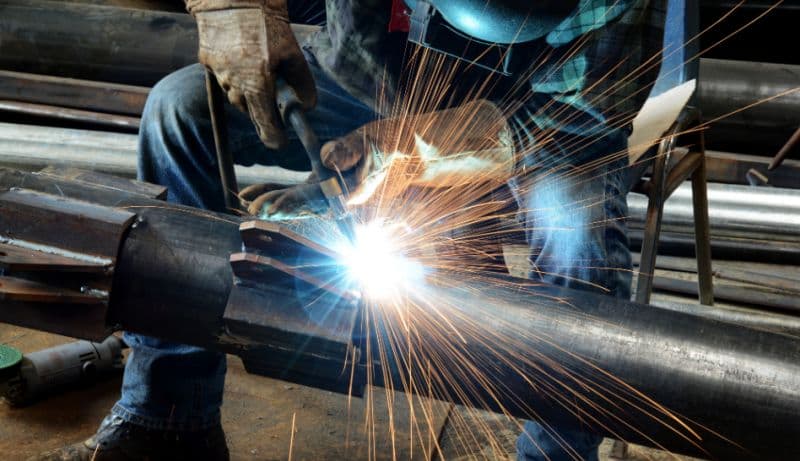
● Manufacturing
Equipment Manufacturing
The critical components of the of the complete pellet production line equipment are built in our own workshops in Asia. Additional equipment is manufactured by our worldwide network of reliable partners.

● Testing
Quality Inspection & Testing
Before leaving the factory, all equipment will be inspected by the quality inspection department. We can also provide customers with testing services from a single machine to a complete pellet plant system, and provide you with real actual data for “worry-free use.”

● Delivery
Equipment Delivery
In equipment boxing and packaging, we adopt professional packaging and modular solutions to ensure the safe and non-destructive delivery of pellet plant equipment.
● Installation
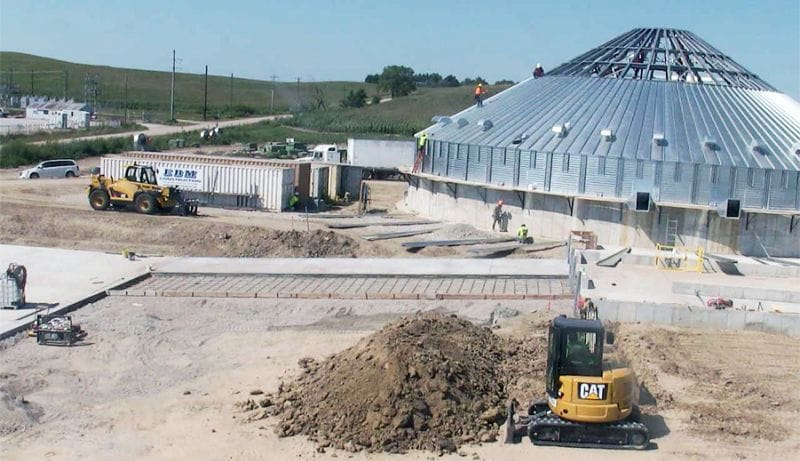
Installation & Commissioning
Whether you choose your own subcontractor for the erection phase or you want to install everything together with us, a Richi supervisor will be around to make sure everything is mounted in a safe and thorough way.

● Training
Staff Training
We provide comprehensive training for the technicians of each project. We can also continue to provide support for the technicians during latter project operation.
● After-sales
Project Follow-Up
When everything is up and running our Richiers will help you further whenever needed. We are ready to answer your call 24/7.We’ll also visit you regularly to learn about your needs.
Who we are
RICHI Machinery is one of the world’s leading suppliers of technology and services for the animal feed, aqua feed and pet food industries, also the largest pellet production line manufacturer in China.
Since 1995, RICHI’s vision to build a first-class enterprise, to foster first-class employees, and to make first-class contributions to society has never wavered.
In the past three decades, we have expanded our business to a wide range of areas, including animal feed mill equipment, aqua feed equipment, pet feed equipment, biomass pellet equipment, fertilizer equipment, cat litter equipment, municipal solid waste pellets equipment, etc.

1995
RICHI Established

2000+
Serving More Than 2000 Customers

120+
RICHI Employees

140+
Exported To 140 Countries