 0086-138 3838 9622
Multi Raw Material Pellet Processing Plant for Energy in Austria
RICHI MACHINERY
Project Overview
A specialized biomass research company reached out to RICHI Machinery about building a 6t/h multi raw material pellet processing plant for energy in Austria with an annual capacity of 15,000 tons of blended biomass pellets (running 8 hours per day, 300 days per year).
The facility produces high-performance fuel pellets from a proprietary blend of wood powder, straw powder, and lignin powder. The operation also includes a 4-ton biomass test boiler for product R&D and supplies excess steam to a neighboring factory.
The client is located in Upper Austria, about 200km west of Vienna. Austria has one of the most developed biomass markets in Europe — 50% of Austria’s renewable energy comes from biomass. The country has 4+ million hectares of forest and a strong agricultural sector generating crop residues.
The client is unique: they are not just a pellet producer. They are an R&D company backed by a university biomass research center. They developed a proprietary pellet formulation that increases combustion efficiency by blending wood, straw, and lignin. This is an “industry-university-research” project. They needed a pilot-scale production line to commercialize their formula.
The facility is located on the site of an existing bio-chemical company (a lignin extraction plant). The client use 1,000m² of space (a single building) from the host company. The host company supplies raw material (wood powder and lignin powder from their lignin extraction process) and receives steam from the client’s boiler.
The symbiotic relationship:
- Host company produces waste wood powder and lignin powder → sells to client as raw material
- Client produces pellets and steam → steam goes back to host company for their production process
- Client’s pellets are tested in the 4-ton boiler → data used to improve formula
6T/H
capacity
$285,000
investment
Austria
location
Biofuel
project type
RICHI MACHINERY
Why Austria?
Austria is a European leader in biomass energy:
| Parameter | Value |
|---|---|
| Forest cover | 48% of land area (4+ million hectares) |
| Agricultural land | 3+ million hectares |
| Straw production | 2+ million tons/year |
| Pellet consumption | 1.2+ million tons/year |
| Number of pellet producers | 200+ |
| Export market | Italy, Germany, Switzerland |
Key drivers for blended pellets in Austria:
| Driver | Impact |
|---|---|
| EU Renewable Energy Directive (RED II) | Targets 32% renewable energy by 2030 |
| Carbon tax (€30/ton CO2) | Pellets cheaper than gas/oil |
| Coal phase-out (Austria coal-free since 2020) | Biomass replacing coal in district heating |
| R&D incentives | Government supports innovative biomass projects |
| High pellet quality standards (ENplus) | Premium prices for high-quality pellets |
Target customers:
- District heating plants (testing phase first, then commercial)
- Industrial boilers
- Residential pellet stoves (premium segment)
RICHI MACHINERY
Raw Materials: A Proprietary Blend
The client’s raw materials come from two sources. The host company (a lignin extraction plant) supplies wood powder and lignin powder. Straw powder is purchased from local farms.
| Raw Material | Annual (tons) | Source | Cost (EUR/ton) | USD/ton (1.05 EUR/USD) |
|---|---|---|---|---|
| Wood powder | 9,600 | Host company (waste from lignin extraction) | 20 | $21 |
| Straw powder | 3,400 | Local farms (wheat, barley) | 30 | $31.50 |
| Lignin powder | 2,000 | Host company (byproduct) | 40 | $42 |
| Total input | 15,000 | — | — | — |
The client’s proprietary blend (developed at the university):
| Component | Percentage | Function |
|---|---|---|
| Wood powder | 64% | Bulk material, energy content |
| Straw powder | 23% | Lower cost, adds fiber |
| Lignin powder | 13% | Natural binder, improves pellet durability and heating value |
Why lignin is special: Lignin is a natural polymer that acts as a binder. When heated during pelletizing, lignin softens and glues the particles together. The client adds extra lignin powder (beyond what is naturally present in the wood) to improve pellet strength and combustion characteristics.
Raw material moisture: The host company’s wood powder and lignin powder are dry (8-12% moisture) from their drying process. Straw powder is sun-dried (10-15%). The client uses a dryer (steam from the 4-ton boiler) to reduce moisture further to <10%.
RICHI MACHINERY
The Site and Building (1,000m²)
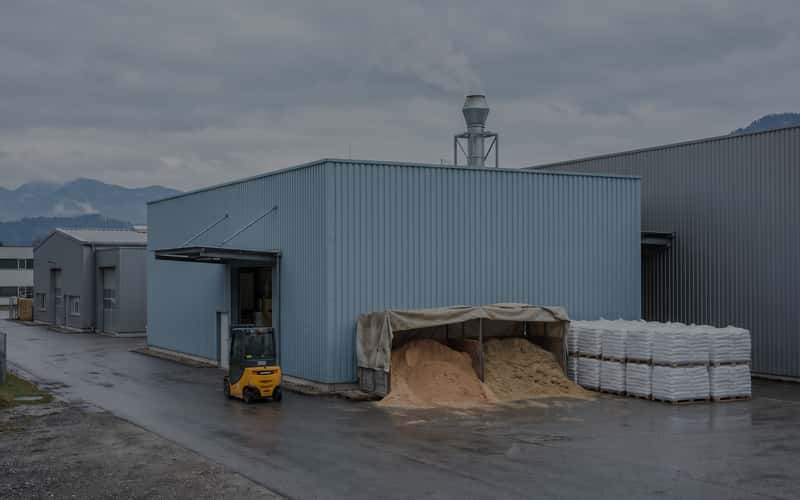
The client’s facility is a single 1,000m² building leased from the host company. The building is steel-framed with 8m ceiling height.
Building layout (1,000m²):
| Zone | Size (approx.) | Equipment |
|---|---|---|
| Raw material storage | 200m² | Wood powder, straw powder, lignin powder |
| Production area | ~500m² | Conveyors, pellet mills, bag filter |
| Finished product storage | 200m² | Bagged pellets |
| Boiler room | ~100m² | 4 t/h biomass test boiler, bag filter |
RICHI MACHINERY
Equipment Configuration
| Equipment | Quantity | Power (each) | Function |
|---|---|---|---|
| Pellet mill | 2 | 132 kW each | Producing 6-8mm fuel pellets |
| Belt conveyor | 2 | 5 kW each | Material transport |
| Screw conveyor | 1 | 3 kW | Feeding to mills |
| Feed hopper | 1 | — | Raw material intake |
| Finished product bin | 1 | — | Pellet storage |
| Double-barrel bag filter | 2 sets | 15 kW fans | Dust collection |
| Electrical cabinets | 1 | — | Individual mill controls |
| 4 t/h biomass boiler | 1 | — | Steam for drying, product testing, research |
| Boiler bag filter | 1 set | 15 kW fan | Boiler exhaust |
Equipment cost (FOB Qingdao): $285,000 USD (excluding boiler)
Why this configuration for multi-raw material blending (6 t/h, 15,000 tons/year):
1. 2 pellet mills instead of fewer large mills. This is a pilot/test facility, not a commercial production plant. The client runs different recipes (different blend ratios) and needs flexibility. With 2 small mills, they can run different settings on different mills simultaneously.
2. Double-barrel bag filter. Two dust collectors connected in parallel.
3. 4 t/h biomass test boiler. This is not for production heating — it’s for testing the client’s pellets. The boiler burns the pellets to measure combustion efficiency, emissions, and boiler performance. Excess steam is supplied to the host company.
4. No crusher or hammer mill. The raw materials are already powders — no size reduction needed.
5. Dryer (integrated with boiler). The client uses steam from the boiler for drying. This is a closed-loop system: boiler steam → dry raw material → pellets → boiler fuel.
RICHI MACHINERY
Process Flow
This is a pilot-scale R&D fuel pellet plant. The process is simple but highly controlled.
Step 1: Raw Material Receiving
Trucks deliver wood powder, straw powder, and lignin powder. The client stores raw materials in bins in the 200m² raw material storage area.
Step 2: Blending
The client manually blends the three powders in the feed hopper. The hopper has a mixing auger to ensure uniform distribution.
The blending ratio (proprietary):
- 64% wood powder
- 23% straw powder
- 13% lignin powder
Step 3: Drying (Using Boiler Steam)
The blended material is dried using steam from the 4 t/h biomass boiler. The dryer reduces moisture from 10-15% to <10%.
Why drying matters: Lignin activation requires specific moisture (8-12%). Too wet, pellets are soft. Too dry, lignin doesn’t bind properly.
Step 4: Pelletizing
Dried blended material is fed into 2 biomass pellet mills.
Pellet mill parameters (each):
| Parameter | Value |
|---|---|
| Die diameter | 450-500 mm |
| Die hole diameter | 6-8 mm |
| Compression ratio | 5.5:1 |
| Die speed | 180-220 RPM |
| Operating temperature | 80-130°C (from friction) |
| Throughput per mill | 3-4 t/h |
| Total | 6-8 t/h |
Pellet specifications (blended fuel pellets):
| Parameter | Wood-only pellets | Blended pellets |
|---|---|---|
| Diameter | 6-8 mm | 6-8 mm |
| Length | 15-25 mm | 15-25 mm |
| Moisture | 8-10% | 8-10% |
| Density | >1,000 kg/m³ | >1,000 kg/m³ |
| Ash content | <1.5% | 2-3% |
| Calorific value | 17-18 MJ/kg | 17-18 MJ/kg |
The lignin advantage: The added lignin increases calorific value (lignin has higher energy density than cellulose) and improves pellet durability.
Step 5: Dust Collection
Each pellet mill has a dust collection hood connected to two double-barrel bag filters. Dust is captured and returned to the feed hopper.
Step 6: Cooling (Natural)
Hot pellets (80-90°C) drop into the finished product bin and then to the 200m² finished product storage area. The client spreads pellets on the floor to cool naturally.
Step 7: Testing (The Boiler)
The client uses the 4 t/h biomass boiler to test their pellets. The boiler burns the pellets while instruments measure:
- Combustion efficiency
- Emission levels (particulate, NOx, CO)
- Ash characteristics
- Boiler heat transfer
The boiler has a bag filter and 35m stack
The symbiotic relationship:
- Boiler steam → host company for their lignin extraction process
- Host company supplies the client with raw material
RICHI MACHINERY
Utilities and Consumption
| Utility | Annual consumption | Cost (EUR) | Cost (USD at 1.05 EUR/USD) |
|---|---|---|---|
| Electricity | 270,000 kWh | 32,400 | $34,020 |
| Water | 1,526 m³ | 3,050 | $3,200 |
| Biomass pellets (for boiler) | 2,200 tons | (self-produced, opportunity cost ~330,000 EUR) | $346,500 |
Electricity breakdown (annual, 300 days, 8 hours/day = 2,400 hours):
| Equipment | kW average | Hours/day | kWh/day | kWh/year |
|---|---|---|---|---|
| Pellet mills (2) | 90 (45 each avg) | 8 | 720 | 216,000 |
| Conveyors (3) | 10 | 8 | 80 | 24,000 |
| Bag filter fans (2) | 20 | 8 | 160 | 48,000 |
| Boiler fans | 15 | 8 | 120 | 36,000 |
| Lighting, office | 5 | 8 | 40 | 12,000 |
| Total | 550 | — | 4,400 | 336,000 kWh |
Water usage: 1,526 m³/year is high for a facility with only 25 staff. This includes boiler make-up water, cooling water, and possibly other uses. The boiler has a recirculating system; only blowdown is replaced.
RICHI MACHINERY
How RICHI Customized This Line for R&D and Multi-Raw Material Blending
The client had specific requirements that shaped the biomass pellet plant equipment design:
Requirement 1: Proprietary blend of three different powders (wood, straw, lignin). The client needed to blend them precisely and run different formulations.
RICHI solution: A simple manual blending system in the feed hopper with a mixing auger. The client blends small batches (500-1,000 kg) for testing, then scales up.
Requirement 2: This is a pilot R&D facility, not a commercial production plant. The client needed flexibility, not maximum throughput.
RICHI solution: 2 biomass fuel pellet machines instead of 1 large ones. Each mill can run different settings (die size, compression ratio). The client can run multiple recipes simultaneously.
Requirement 3: The client has a 4-ton test boiler. They needed the boiler to be integrated with the production line (steam for drying) but also operate independently for R&D.
RICHI solution: The boiler has its own fuel feed system (feeding self-produced pellets). Steam lines connect to the dryer, with valves to isolate for R&D tests.
Requirement 4: The client had 25 staff (20 living on site), no prior pellet production experience.
RICHI solution: Provided a 3-week on-site training program:
- Week 1: Basic safety, machine startup/shutdown, daily checks
- Week 2: Adjusting pellet mill settings for different blends
- Week 3: Boiler operation, emissions monitoring, data collection for R&D
RICHI MACHINERY
Product Specifications
The client’s blended pellets meet Austrian standards for biomass fuel (ÖNORM M 7135), which is similar to ENplus.
| Parameter | ÖNORM M 7135 | Client’s blended pellets |
|---|---|---|
| Diameter | 6-10 mm | 6-8 mm |
| Length | 10-40 mm | 15-25 mm |
| Moisture | ≤10% | 8-10% |
| Density | >1,000 kg/m³ | 1,000-1,050 kg/m³ |
| Ash content | ≤1.5% (for premium) | 2-3% |
| Calorific value | ≥16.5 MJ/kg | 17-18 MJ/kg |
Prices (research project — not yet commercial): The client’s pellets are currently for R&D only. Commercial price would be 200-240 EUR/ton for industrial customers.
RICHI MACHINERY
Market Outlook for Blended Biomass Pellets in Austria
Austria’s biomass pellet market is mature and export-oriented. Key drivers for blended pellets:
1. Raw material optimization. Blending straw (cheaper) with wood (more expensive) reduces production cost. Straw pellets alone have higher ash; blending with wood reduces ash content.
2. Lignin as a binder. Adding lignin improves pellet durability, allowing lower compression ratios and reducing energy consumption in the pellet mill.
3. R&D incentives. The Austrian government (FFG — Austrian Research Promotion Agency) funds biomass innovation projects. The client’s university collaboration qualifies for grants.
4. Carbon tax (€30/ton CO2). Pellets have lower carbon emissions than fossil fuels.
Competition: There are 200+ pellet producers in Austria (1,000-100,000 tons/year). The client’s 15,000 tons/year puts them in the mid-tier.
Challenges the client is managing:
| Challenge | Mitigation |
|---|---|
| Proprietary blend (IP protection) | The client has a patent application pending; formula is confidential |
| Small production scale (15,000 t/year) | This is a pilot plant; commercial scale will be 50,000+ tons |
| Customer acceptance of blended pellets | Test results show higher efficiency than pure wood pellets |
| Export logistics (Austria is landlocked) | Rail connections to Italy, Germany, Switzerland |
The client’s breakeven point is 9,000 tons/year (60% capacity). At full capacity (15,000 tons/year), operating margin is about 15-20%. Payback on equipment ($485,000) is about 2.5 years.
RICHI MACHINERY
Why a Multi-Raw Material Pellet Plant Makes Sense in Austria
Austria has abundant biomass resources, a mature pellet market, and strong government support for renewable energy. Here’s why you should consider this market:
Raw materials are available. Wood powder from sawmills and lignin from bio-refineries are waste products. Straw is abundant.
Lignin is an underutilized resource. Lignin has high energy density and acts as a natural binder. Blending lignin with wood/straw improves pellet quality.
Austria has strong R&D support. Government grants, tax incentives, and university partnerships make innovation viable.
The market is large but competitive. To succeed, you need a differentiated product. Blended pellets can compete on price (lower raw material cost) or performance (higher efficiency).
If you’re considering a multi-raw material biomass pellet manufacturing plant in Austria (or any country with biorefineries), RICHI can help. We’ve designed lines for wood, straw, lignin, and other biomass blends. We understand R&D requirements (flexibility, data collection) and can recommend the right equipment for your budget.
Contact us to discuss your biomass pellet project. Tell us about your raw materials (type, moisture, volume), target products (blended or single-feedstock), site conditions, and budget. We’ll prepare a customized process flow, equipment list, and budget estimate — no obligation.
RICHI Machinery – Multi-raw material pellet plants from 0.2 t/h to 90 t/h. Shipping from Qingdao to Koper port (Slovenia) then overland to Austria: 20-25 days. Installation support available in Austria within 2 weeks.
● RICHI MACHINERY
RICHI Service

● Consulting
Customer Consultation
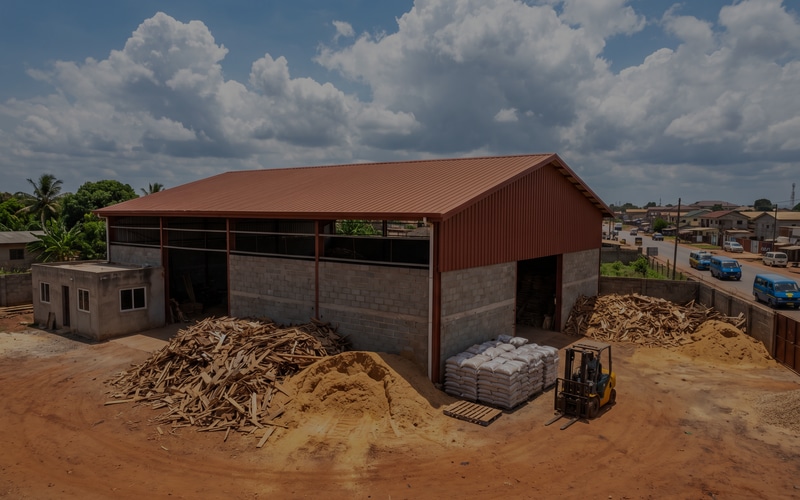
We want to have a deep understanding of your industrial process, to know your exact needs of feed, wood, biomass, fertilizer or other pellet processing.
● Design
biomass Pellet Plant Design
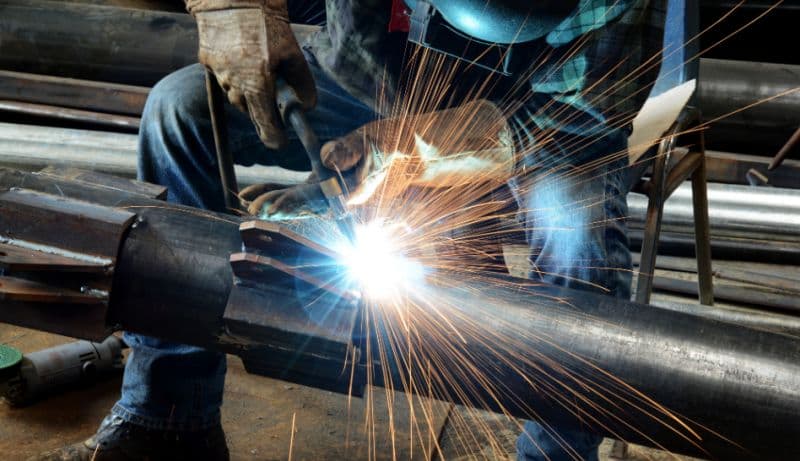
Based on your unique situation and industrial process, we will tailor complete pellet plant you need, and inform you of every additional detail that could facilitate operation, minimize total cost.
● Manufacturing
Equipment Manufacturing
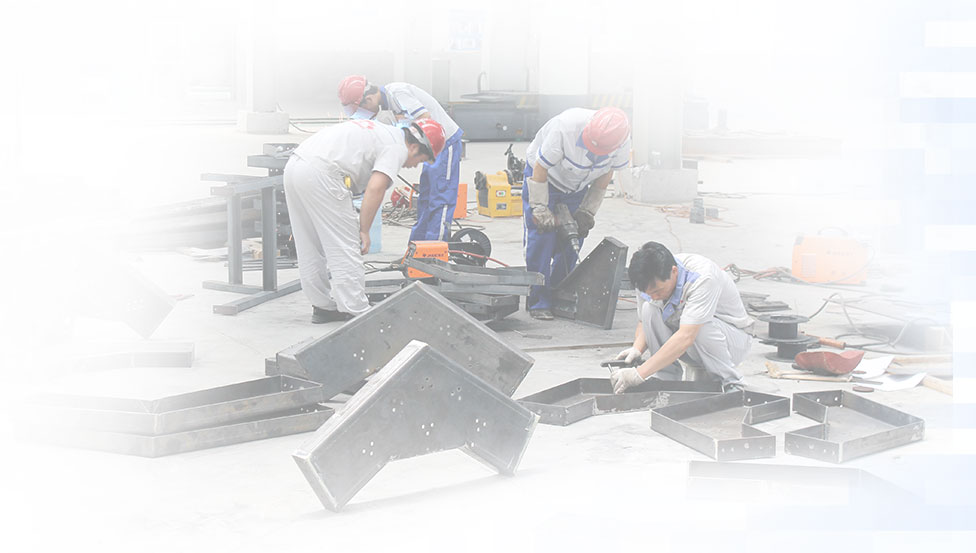
The critical components of the of the complete pellet production line equipment are built in our own workshops in Asia. Additional equipment is manufactured by our worldwide network of reliable partners.
● Testing
Quality Inspection & Testing
Before leaving the factory, all equipment will be inspected by the quality inspection department. We can also provide customers with testing services from a single machine to a complete pellet plant system, and provide you with real actual data for “worry-free use.”
● Delivery
Equipment Delivery
In equipment boxing and packaging, we adopt professional packaging and modular solutions to ensure the safe and non-destructive delivery of pellet plant equipment.
● Installation
Installation & Commissioning
Whether you choose your own subcontractor for the erection phase or you want to install everything together with us, a Richi supervisor will be around to make sure everything is mounted in a safe and thorough way.

● Training
Staff Training
We provide comprehensive training for the technicians of each project. We can also continue to provide support for the technicians during latter project operation.
● After-sales
Project Follow-Up
When everything is up and running our Richiers will help you further whenever needed. We are ready to answer your call 24/7.We’ll also visit you regularly to learn about your needs.
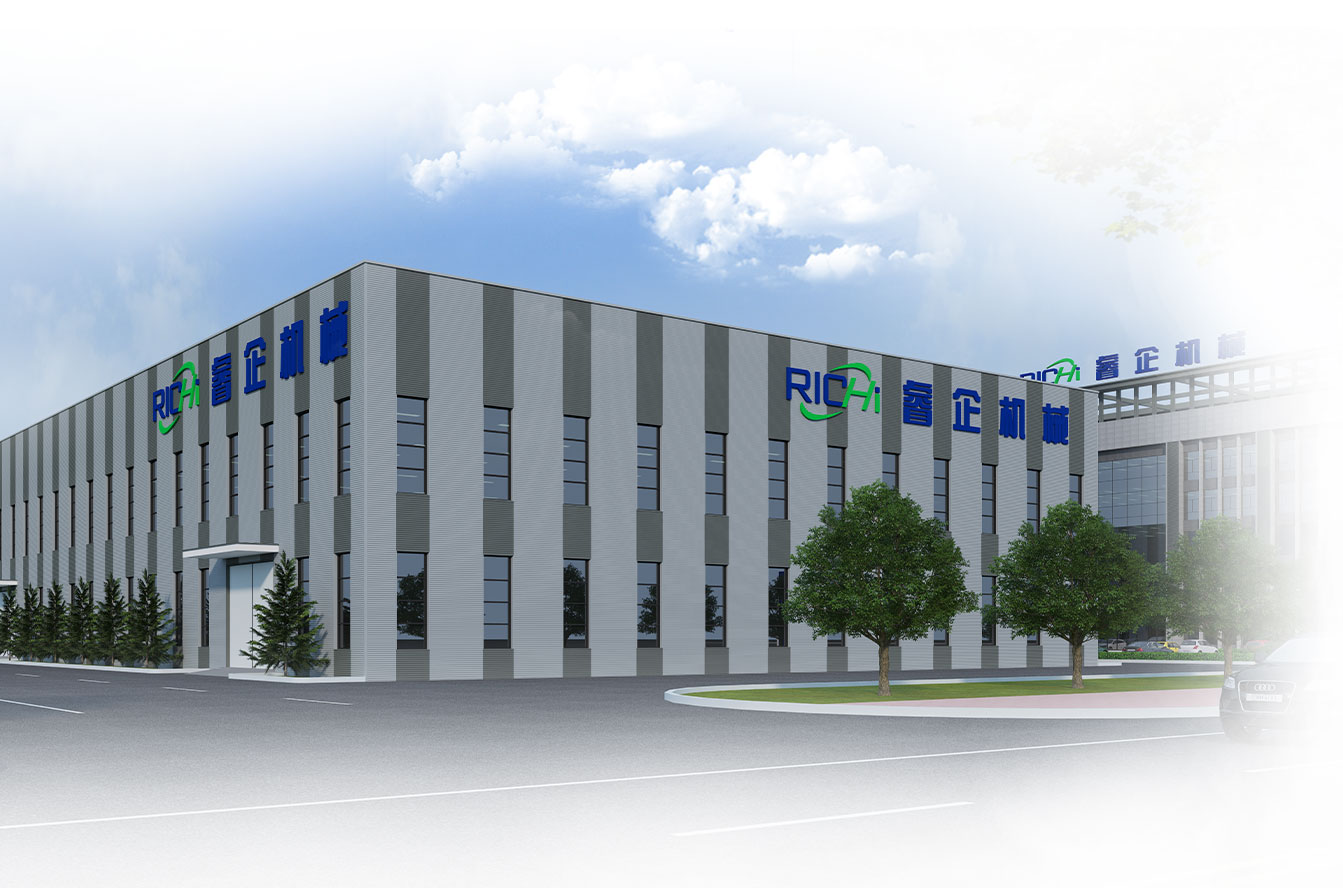
Who we are
RICHI Machinery is one of the world’s leading suppliers of technology and services for the animal feed, aqua feed and pet food industries, also the largest pellet production line manufacturer in China.
Since 1995, RICHI’s vision to build a first-class enterprise, to foster first-class employees, and to make first-class contributions to society has never wavered.
In the past three decades, we have expanded our business to a wide range of areas, including animal feed mill equipment, aqua feed equipment, pet feed equipment, biomass pellet equipment, fertilizer equipment, cat litter equipment, municipal solid waste pellets equipment, etc.

1995
RICHI Established

2000+
Serving More Than 2000 Customers

120+
RICHI Employees

140+
Exported To 140 Countries