 0086-138 3838 9622
Feed Plant for Mash and Pellet Feed Production in Uganda
RICHI MACHINERY
Project Overview
A feed manufacturing company reached out to RICHI Machinery to design and supply an 8t/h feed plant for mash and pellet feed production in Uganda with an annual capacity of 20,000 tons of compound feed (running 8 hours per day, 300 days per year). The facility produces both mash (powdered) and pelleted feed for poultry, pigs, and aquaculture, serving farmers in the Central and Eastern regions of Uganda.
The client is located in the Mukono District of Central Uganda, about 25km east of Kampala. This region has a high concentration of poultry farms (broilers and layers), piggeries, and emerging tilapia aquaculture operations. The client has been distributing imported feed from Kenya and China for several years but decided to build their own mill to capture margin and offer better prices to local farmers.
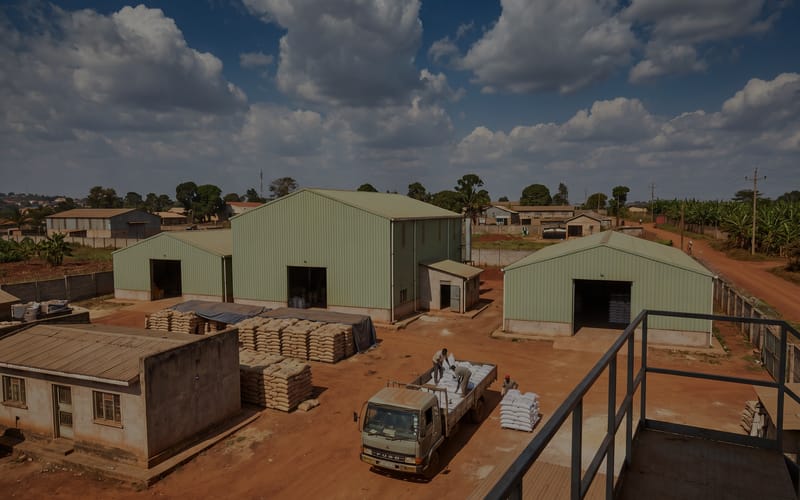
The facility is built on a 5,000m² site. The site includes a 2,000m² production building (steel frame, 8m ceiling height), a 1,000m² raw material warehouse, a 2,000m² finished goods warehouse, a 200m² office, and a 80m² boiler house. The building was already in place – the client adapted it for feed production.
Total investment was about 420,000USD (including equipment, building modifications, and working capital),of which 285,000 was the equipment cost.
The client produces two types of feed:
| Feed type | Annual (tons) | Products |
|---|---|---|
| Mash feed (powder, no pelleting) | 10,000 | Pig starter/grower, layer mash |
| Pelleted feed | 10,000 | Broiler feed, fish feed (sinking pellets) |
This flexibility is important for the Ugandan market. Many small-scale farmers prefer mash feed (it’s cheaper, they mix it with local ingredients). Commercial farms prefer pellets (better feed conversion, less waste).
8T/H
capacity
$420,000
investment
Uganda
location
Feed
project type
RICHI MACHINERY
Why Uganda?
Uganda’s livestock sector is growing but still has significant unmet demand for quality feed. Key drivers:
| Driver | Impact |
|---|---|
| Population growth (45+ million, 3% annual) | Rising meat and egg demand |
| Urbanization (Kampala, Jinja, Gulu) | Shift to commercial poultry and pig production |
| Aquaculture growth (tilapia farming in Central region) | Need for floating/sinking fish feed |
| Import substitution | Local feed is 15-25% cheaper than imported (from Kenya, China) |
Current market situation:
- Annual compound feed production: Estimated at 300,000-400,000 tons (formal sector). On-farm mixing adds another 200,000 tons.
- Import dependency: Many feed ingredients (soybean meal, premix, some corn) are imported from Kenya, Tanzania, and China.
- Price: Commercial feed ranges from 2,500-3,500 UGX/kg ($0.68-0.95) depending on type and quality.
- Quality issues: Inconsistent quality from small mills is a major complaint. The client’s own experience with delayed deliveries and variable pellet durability motivated them to build their own mill.
The client’s target market:
| Customer segment | Annual demand (tons) | Notes |
|---|---|---|
| Broiler farms (Mukono, Kampala, Jinja) | 8,000 | Fastest growing segment |
| Layer farms | 5,000 | Steady demand |
| Pig farms (smallholder) | 4,000 | Growing but price-sensitive |
| Tilapia farms (aquaculture) | 3,000 | Emerging segment, requires specialized feed |
| Total | 20,000 | Full capacity |
The client’s breakeven point is 12,000 tons/year (60% capacity). They have already secured off-take agreements with several large poultry farms in Mukono and Kampala.
RICHI MACHINERY
The Site and Building
The client’s facility is located on a former agricultural research station site in Mukono District. The site was leased from the Mukono District local government. The key advantage was an existing 2,000m² steel-framed building with 8m ceiling height – perfect for feed production with some modifications.
Site layout:
| Building | Size (m²) | Construction | Use |
|---|---|---|---|
| Production building | 2,000 | Steel frame, 8m high | All processing (grinding, mixing, pelleting, packaging) |
| Raw material warehouse | 1,000 | Steel frame | Storage for corn, soybean meal, wheat, rice bran |
| Finished goods warehouse | 2,000 | Steel frame | Bagged feed (mash and pellets) |
| Office | 200 | Concrete block | Admin, lab, break room |
| Boiler house | 80 | Attached to production building | 2 t/h biomass boiler |
| Total site area | 5,000 | — | — |
Production building layout (single story, 2,000m²):
The client originally wanted a multi-story gravity-flow design, but the existing building was single story. RICHI designed a single-story layout with bucket elevators and conveyors to move material between equipment.
| Zone | Area (m²) | Equipment |
|---|---|---|
| North end (intake) | ~400 | Intake hoppers (3), rotary screener, magnetic separators, bucket elevators |
| North-central | ~400 | Hammer mills (3), micro-grinding mills (3), cyclones, bag filters |
| Central | ~400 | Ingredient bins (20), batching system, mixer |
| South-central | ~400 | Pellet mill, conditioner, cooler, screener |
| South end (packaging) | ~400 | Finished bins, bagging scale, conveyor |
The client’s key requirement: The line must produce both mash feed (no pelleting) and pelleted feed. Mash feed bypasses the pellet mill, cooler, and screener – going directly from the mixer to the finished bins. The layout accommodates this with a diverter after the mixer.
RICHI MACHINERY
Equipment Configuration
The client chose RICHI’s equipment configured for a flexible 8 t/h line (expanding to 8 t/h with future upgrades). N
Major equipment :
| System | Equipment | Quantity |
| Intake & cleaning | ||
| Intake hoppers | 2 | With grates |
| Drag chain conveyor | 2 | Horizontal transport |
| Bucket elevator | 1 | Vertical lift |
| Rotary screener | 1 | For particles |
| Powder screener | 1 | For powder material |
| Magnetic separators | 3 | Removes ferrous metal |
| Rotary distributor | 2 | Distributes material to bins |
| Grinding system | ||
| Hammer mill feed grinder | 1 | 132*50 series |
| Micro-grinding mill | 1 | For finer particles (fish feed) |
| Airlock feeder | 1 | Controls feed to mills |
| Cyclone + bag filter | 2 | Dust control |
| Batching & mixing | ||
| Ingredient bins | 10 | For corn, soybean meal, wheat, rice bran, etc. |
| Screw feeders | 10 | Large, medium, small sizes |
| Batching scale | 1 | 1,500kg and 1,000kg capacities |
| Minor ingredient addition | 1 | For premix, minerals |
| Feed mixer machine | 1 | SLHY7, 7m³ capacity |
| Pelleting system | ||
| Animal feed pellet mill | 1 | SZWT*35 series |
| Conditioner | 1 | Steam injection |
| Counterflow cooler | 1 | SLNF14×14 |
| Cyclone | 1 | Removes fines from cooler exhaust |
| Pellet crumbler machine | 1 | For chick starter and small fish feed |
| Screening & packaging | ||
| Rotary screener | 1 | For pellet grading |
| Vibrating screening machine | 1 | For mash feed |
| Finished bins | 3 | For different products |
| Bagging scale | 3 | 5kg-50kg capacities |
| Bag sealer conveyor | 1 | With sewing machine |
| Utility | ||
| Biomass boiler | 1 | 2 t/h |
| Baghouse filters | 3 | For dust control |
| Air compressors | 2 | For pneumatic controls |
Equipment cost (FOB Qingdao): $185,000 USD
Why this configuration for a flexible feed plant:
1. Hammer mills + micro-grinding mills. The client processes corn, wheat, and other grains. For poultry feed, the standard hammer mill (3mm screen) is sufficient. For fish feed (tilapia), the client uses the micro-grinding mill (1-1.5mm screen) for finer particles. Having dedicated mills for different tasks reduces downtime for screen changes.
2. Separate mash and pellet routes. After the mixer, a diverter sends material either:
- Directly to finished bins (mash feed) – bypassing the pellet mill, cooler, and screener.
- To the pellet mill for pelleting (pelleted feed).
This allows the client to produce both product types without stopping production.
3. Biomass boiler (2 t/h). The client chose a biomass boiler (fueled by rice husks or wood pellets) instead of diesel or electric because:
- Biomass fuel is cheaper in Uganda (about 400 UGX/kg ≈ $0.11)
- Diesel is expensive (4,500 UGX/liter ≈ $1.22)
- The client has access to rice husks from local rice mills
4. Counterflow cooler. The pellet cooler machine is essential for pelleted feed (hot pellets must be cooled to <40°C before bagging to prevent mold). The client also uses the cooler for some mash feed (cooling is not required for mash, but the cooler is bypassed when producing mash).
RICHI MACHINERY
Raw Materials
The client produces feed for poultry (broilers and layers), pigs (growers and finishers), and fish (tilapia). The formulations vary, but the core ingredients are:
Annual raw material consumption:
| Raw Material | Form | Annual (tons) | Source | Cost (UGX/kg) | USD/ton (3,700 UGX/USD) |
|---|---|---|---|---|---|
| Corn (maize) | Grain | 1,200 | Local farmers | 1,000 | $270 |
| Soybean meal (46% protein) | Meal | 10,000 | Imported (Uganda/Tanzania) | 2,000 | $540 |
| Wheat | Grain | 7,300 | Local farmers | 1,100 | $297 |
| Rapeseed meal | Meal | 300 | Imported | 1,300 | $351 |
| Rice bran | Powder | 600 | Local rice mills | 600 | $162 |
| Salt | Powder | 6,004 | Imported | 500 | $135 |
| Premix (vitamins/minerals) | Powder | (included above) | Imported | — | — |
| Total input | — | 25,404 | — | — | — |
Corrected raw material consumption (approximate, for 20,000 tons of feed):
| Raw Material | Annual (tons) | Percentage |
|---|---|---|
| Corn | 8,000 | 40% |
| Soybean meal | 5,000 | 25% |
| Wheat | 4,000 | 20% |
| Rice bran | 1,000 | 5% |
| Rapeseed meal | 500 | 2.5% |
| Salt | 60 | 0.3% |
| Premix, minerals (limestone, DCP) | 500 | 2.5% |
| Moisture loss & impurities | 940 | 4.7% |
| Total | 20,000 | 100% |
Raw material quality control:
The client has an incoming inspection process:
- Visual inspection for mold and insects – any load with visible mold is rejected.
- Moisture testing – corn must be <14% moisture; if higher, the client negotiates a discount or rejects.
- Cleaning before use – all grains pass through a rotary screener and magnetic separator to remove stones, dust, and metal.
- Two intake points – one for grains needing grinding, one for powders like salt and premix that don’t need grinding.
RICHI MACHINERY
Process Flow
This animal feed production line can produce both mash and pellet feed. The flow splits after the mixer. This is a key design feature for the Ugandan market where farmers want both options.
Overview: Two Production Routes
| Route | Flow | Products |
|---|---|---|
| Mash feed | Intake → cleaning → grinding → batching → mixing → finished bins → packaging | Layer mash, pig grower mash |
| Pelleted feed | Intake → cleaning → grinding → batching → mixing → conditioning → pelleting → cooling → screening → finished bins → packaging | Broiler pellets, fish feed pellets |
Step 1: Raw Material Intake and Cleaning
The client uses two separate intake lines:
Intake Line I (for corn, wheat, rapeseed):
- Workers open bags and dump into the hopper (with grate to catch large debris).
- Drag chain conveyor moves material to a bucket elevator.
- Material lifted to the rotary screenerto remove stones, dust, and oversized material.
- Material passes through a magnetic separator to remove ferrous metal.
- Cleaned material goes to the hammer mills.
Intake Line II (for rice bran, salt, premix):
- Similar process, but uses a powder screener instead of a rotary screener.
- Powdered materials go directly to the batching bins (no grinding needed).
Step 2: Grinding (Hammer Milling and Micro-grinding)
Particle size matters. Poultry feed needs 800-1,200 microns; fish feed needs 300-500 microns.
Corn, wheat, and rapeseed from the intake go to the hammer mills. The client uses different mills for different particle sizes:
- Standard hammer mills (SFSP132*50): For poultry and pig feed. Screen size: 3mm. Output particle size: 800-1,200 microns.
- Micro-grinding mills (SWFP66×80): For fish feed (tilapia). Screen size: 1.5mm. Output particle size: 300-500 microns.
Hammer mill parameters (each):
| Parameter | Value |
|---|---|
| Rotor width | 500mm (SFSP132*50) |
| Screen size (poultry/pig) | 3mm |
| Screen size (fish) | 1.5mm (micro-grinding mill) |
| Motor power | 75-90 kW |
| Throughput (3mm screen) | 3-4 t/h per mill (3 mills = 9-12 t/h) |
Step 3: Batching
Ground material is lifted to the ingredient bins (20 bins total) by bucket elevators.
Bin configuration:
| Bin type | Quantity | Capacity | Stores |
|---|---|---|---|
| Large bins | 4 | 10-15 tons | Corn, wheat |
| Medium bins | 13 | 5-10 tons | Soybean meal, rice bran, rapeseed meal |
| Small bins | 3 | 2-5 tons | Premix, limestone, dicalcium phosphate |
Batching system (computer-controlled):
The client uses two batching scales:
- Large scale: 1,500 kg/batch – for major ingredients (corn, soybean meal)
- Small scale: 1,000 kg/batch – for minor ingredients (rice bran, premix)
Batching sequence (per batch):
| Stage | Duration | Action |
|---|---|---|
| 1 | 5 sec | Scale tares |
| 2 | 90 sec | Major ingredients feed (high speed) |
| 3 | 30 sec | Dribble feed (final 50kg) |
| 4 | 60 sec | Minor ingredients feed (medium speed) |
| 5 | 30 sec | Micro ingredients (manual addition) |
| 6 | 30 sec | Discharge to mixer |
| Total | 245 sec | ~15 batches per hour (~12-15 t/h) |
Accuracy: ±0.1% for major ingredients, ±0.5% for micro ingredients.
Step 4: Mixing
The batch drops into the twin-shaft paddle mixer.
Mixer parameters:
| Parameter | Value |
|---|---|
| Capacity | 7,000 liters (about 3,500-4,000 kg per batch) |
| Mix time | 90-120 seconds |
| Discharge time | 30 seconds |
| Coefficient of variation (CV) | <5% |
After mixing, the flow splits:
- For mash feed: Material goes directly to the finished bins.
- For pelleted feed: Material goes to the pellet mill.
Step 5: Pelleting (Only for Pelleted Feed)
Steam is critical for pellet quality. The client’s biomass boiler provides steam at 150°C, which drops to 85-95°C in the conditioner.
Conditioning:
Material from the mixer drops into the one layer conditioner where steam from the 2 t/h biomass boiler is injected.
Conditioning parameters:
| Parameter | Value |
|---|---|
| Steam temperature (at boiler) | 150°C |
| Material temperature after conditioning | 70-85°C |
| Steam addition | 3-5% of feed mass |
| Retention time | 30-45 seconds |
| Parameter | Value |
|---|---|
| Die diameter | 350 mm |
| Die hole diameter | 3mm (broiler), 4mm (pig), 2mm (fish) |
| Compression ratio | 8:1 to 12:1 |
| Die speed | 180-220 RPM |
| Motor power | 90-110 kW |
| Capacity | 3-5 t/h (depends on die size and recipe) |
The client has interchangeable dies:
- 3mm die: Broiler starter/finisher
- 4mm die: Pig grower/finisher
- 2mm die: Tilapia grower
Step 6: Cooling and Crumbling
Hot pellets (70-85°C) drop into the counterflow cooler.
Cooler parameters:
- Type: Counterflow
- Fan: 4-72-11No8c
- Retention time: 10-15 minutes
- Outlet temperature: ambient + 3-5°C (28-32°C in Uganda)
Crumbling (for chick starter and small fish feed): If the product needs to be crumbled (broken into smaller pieces), the pellets go through the roller crumbler.
Step 7: Screening
For pelleted feed: Pellets pass through a rotary screener to remove fines and oversize.
- Top deck (6mm): rejects oversize (returns to pellet mill)
- Middle deck (3mm): retains acceptable pellets
- Bottom deck (2mm): removes fines (returns to mixer)
For mash feed: Powder passes through a vibrating screener to remove agglomerates (lumps).
Step 8: Packaging
Finished product is stored in three finished bins, then packaged.
Packaging equipment:
| Equipment | Quantity | Purpose |
|---|---|---|
| Bagging scale | 2 | 5kg-50kg capacities |
| Bulk bagging system | 1 | 50kg bags |
| Bag sealer conveyor | 1 | With sewing machine |
Packaging process:
- Operator hangs a 25kg or 50kg woven poly bag on the filling spout.
- Scale fills automatically (accuracy ±100g for 25kg bags).
- Bag is sewn closed and conveyed to palletizing area.
- Bags are stacked on pallets (40 × 25kg = 1,000kg/pallet).
RICHI MACHINERY
Utilities and Consumption
Water balance:
| Category | Annual (m³) | Notes |
|---|---|---|
| Boiler make-up | 4,800 | 2 t/h × 8h × 300d = 4,800 m³ steam |
| Boiler blowdown (5% of steam) | 240 | Clean discharge to rainwater |
| Resin regeneration wastewater | 100 | Neutralized, used for dust suppression |
| Domestic (15 staff, no on-site meals) | 180 | 60 L/person-day × 300d × 0.8 (waste factor) |
| Total water | ~5,320 | — |
Important note: The client’s boiler water is recycled (condensate return). Only 10-20% is fresh make-up. “steam 4,800 m³” is the steam generated, not fresh water consumed.
RICHI MACHINERY
How RICHI Customized This Line for Mash and Pellet Production
The client had specific requirements that shaped the equipment design:
Requirement 1: The client needs to produce both mash feed (powder) and pelleted feed. Many farmers in Uganda prefer mash feed because it’s cheaper (no pelleting cost). But commercial farms want pellets.
RICHI solution: Designed the line with a diverter after the mixer. The diverter sends material either:
- Directly to the finished bins (mash feed) – bypassing the pellet mill, cooler, and screener.
- To the pellet mill for pelleting (pelleted feed).
This allows the client to produce both product types without stopping production or reconfiguring the line.
Requirement 2: The client has a single-story building (no gravity flow). The original building was a steel-framed structure with 8m ceiling height – adequate for equipment but not tall enough for a multi-story gravity-flow design.
RICHI solution: Designed a single-story layout with bucket elevators at key points:
- Elevator 1: Intake to screener and hammer mills
- Elevator 2: Grinding to ingredient bins
- Elevator 3: Mixer to pellet mill (or directly to finished bins for mash feed)
- Elevator 4: Cooler to screener and finished bins
The layout uses 5 bucket elevators total (TDTG36/28 and TDTGQ series).
Requirement 3: The client needs fine grinding for fish feed (tilapia). Tilapia feed requires particle sizes of 300-500 microns – too fine for standard hammer mills.
RICHI solution: Included a micro-grinding mill dedicated to fish feed production. The mill uses a 1.5mm screen and high rotor speed (4,500 RPM). The client runs the micro-grinding mill once per week to produce a month’s worth of fish feed base.
Requirement 4: The client has no municipal sewage connection. The facility is in a rural area.
RICHI solution: Recommended a package sewage treatment plant for domestic wastewater. The treated water is used for landscaping (the client’s site has a small garden). No discharge to surface water.
Requirement 5: The client has limited technical staff (15 employees, 8 production workers). Their workers are experienced but not professional complete feed mill plant operators.
RICHI solution: Provided a 3-week on-site training program:
- Week 1: Basic safety, machine startup/shutdown, daily checks (screens, magnets, lubrication)
- Week 2: Adjusting the hammer mill screens, changing dies on the pellet mill, troubleshooting common problems (overloads, blockages)
- Week 3: Computer batching system operation, batching accuracy checks, record keeping
The client’s lead operator (a former mechanic at a local grain mill) became proficient within 4 weeks.
RICHI MACHINERY
Product Specifications
The client’s feed products meet Uganda National Bureau of Standards (UNBS) specifications for compound feed.
Product portfolio:
| Product Code | Target Species | Stage | Annual (tons) | Form |
|---|---|---|---|---|
| — | Pig | Starter (up to 10kg) | 200 | Mash |
| — | Pig | Grower (10-30kg) | 500 | Mash |
| — | Pig | Finisher (30-60kg) | 1,000 | Mash |
| — | Pig | Pregnant sow | 200 | Mash |
| — | Pig | Lactating sow | 100 | Mash |
| 510 | Chicken | Broiler starter | 1,000 | Pellet (2-3mm) |
| 511 | Chicken | Broiler grower | 1,000 | Pellet (3mm) |
| 512 | Chicken | Broiler finisher | 1,500 | Pellet (3-4mm) |
| — | Chicken | Layer mash | 2,000 | Mash |
| 610 | Duck | Starter | 500 | Pellet |
| 611 | Duck | Grower | 1,000 | Pellet |
| 612 | Duck | Finisher | 1,500 | Pellet |
| 810 | Fish | Tilapia starter | 500 | Crumble (1-2mm) |
| 818 | Fish | Tilapia grower/finisher | 1,000 | Sinking pellet (2-3mm) |
| Total | — | — | 12,000 | — |
The total is 12,000 tons, not 20,000. The product list adds up to about 12,000 tons. The remaining 8,000 tons are probably custom formulations or bulk sales to other mills. The client’s design capacity is 20,000 tons, but actual production is ramping up.
Typical nutritional analysis (broiler starter, 510):
| Parameter | Value |
|---|---|
| Crude protein (min) | 22% |
| Crude fat (min) | 4% |
| Crude fiber (max) | 5% |
| Moisture (max) | 12% |
| Calcium | 0.9-1.2% |
| Phosphorus (available) | 0.4-0.6% |
RICHI MACHINERY
Market Outlook for Compound Feed in Uganda
Uganda’s feed industry is growing. Key drivers:
1. Rising meat and egg consumption. Uganda’s per capita meat consumption is about 12 kg/year (vs 30-40 kg in developed countries). Growth potential is significant.
2. Government support. The Uganda National Development Plan III (2020-2025) targets livestock sector growth. The government offers tax exemptions for feed milling equipment (VAT exempt, import duty reduced).
3. Import substitution. Locally produced feed is 15-25% cheaper than imported feed (mainly from Kenya and China). The client’s import substitution advantage is significant.
4. Aquaculture growth. Tilapia farming is expanding in Central Uganda (Mukono, Kampala, Jinja). Fish feed (sinking pellets) is a growing segment. The client’s micro-grinding mill and 2mm die for the pellet mill allow them to produce high-quality tilapia feed.
Competition: There are 20-30 larger feed mills in Uganda (2,000-10,000 tons/year). The client’s 20,000 tons/year capacity puts them in the top tier. Smaller mills (500-1,000 tons) are common but have higher production costs per ton.
Challenges the client is managing:
| Challenge | Mitigation |
|---|---|
| Raw material price volatility | Lock in 6-month contracts with corn farmers and soybean importers |
| Imported soybean meal is expensive | Sourcing local soybean meal from Uganda’s expanding soybean processing industry |
| Electricity outages (Uganda has load shedding) | 50kVA diesel generator for critical equipment (mill, cooler) |
| Farmer preference for mash (cheaper) vs pellets (better) | Offer both; educate farmers on feed conversion benefits of pellets |
| Remote location (transport cost) | Locate within 50km of 60% of customers; use own fleet of 3 trucks |
The client’s breakeven point is 12,000 tons/year (60% capacity). At full capacity (20,000 tons/year), operating margin is about 15-20%. Payback on equipment ($185,000) is about 2 years.
RICHI MACHINERY
Why an 8t/h Feed Plant Makes Sense in Uganda
Uganda has a growing livestock sector, abundant raw materials (corn, rice bran, soybeans), and a government supportive of agribusiness. Here’s why you should consider this market:
The economics work. A 20,000-ton/year feed mill in Uganda can generate $500,000-1,000,000 in annual profit at current prices. Payback is 18-24 months.
Raw materials are available. Uganda produces 3-4 million tons of corn annually. Rice bran is available from rice mills in eastern Uganda. Local soybean processing is expanding.
Demand is growing. Poultry and pig farming are expanding to meet urban demand. Fish farming is taking off.
Entry barriers are moderate. Import duties on feed milling equipment are reduced (0% VAT, 10% import duty). Financing is available from local banks (20-25% interest rates).
If you’re considering a commercial feed mill in Uganda, RICHI can help. We’ve designed lines for mash feed, pellet feed, and multi-species production. We understand the local conditions (rural locations, lack of natural gas, preference for mash feed).
Contact us to discuss your animal feed factory project. Tell us about your raw materials (available locally or imported), target species (poultry, pigs, fish), site conditions (existing building or new construction), and budget. We’ll prepare a customized process flow, equipment list, and budget estimate – no obligation.
● RICHI MACHINERY
RICHI Service

● Consulting
Customer Consultation
We want to have a deep understanding of your industrial process, to know your exact needs of feed, wood, biomass, fertilizer or other pellet processing.

● Design
animal feed Plant Design
Based on your unique situation and industrial process, we will tailor complete pellet plant you need, and inform you of every additional detail that could facilitate operation, minimize total cost.
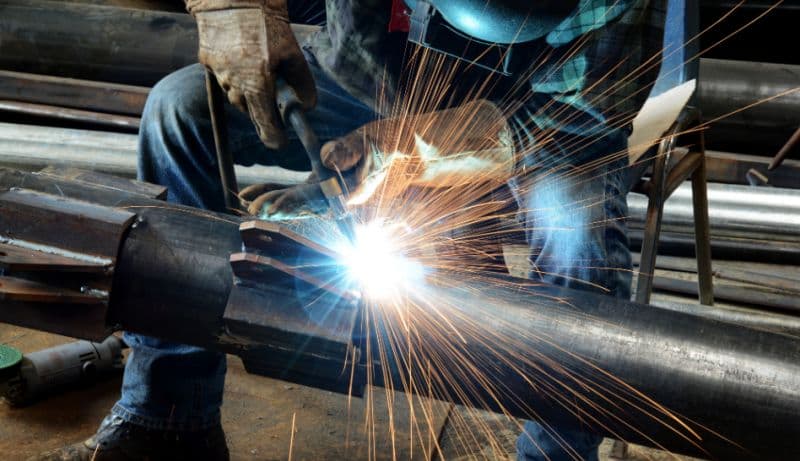
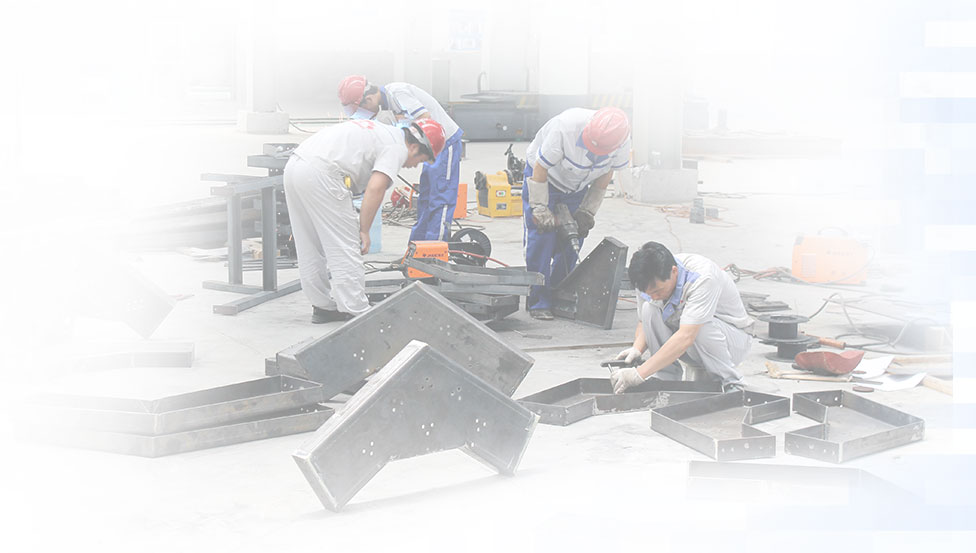
● Manufacturing
Equipment Manufacturing
The critical components of the of the complete pellet production line equipment are built in our own workshops in Asia. Additional equipment is manufactured by our worldwide network of reliable partners.
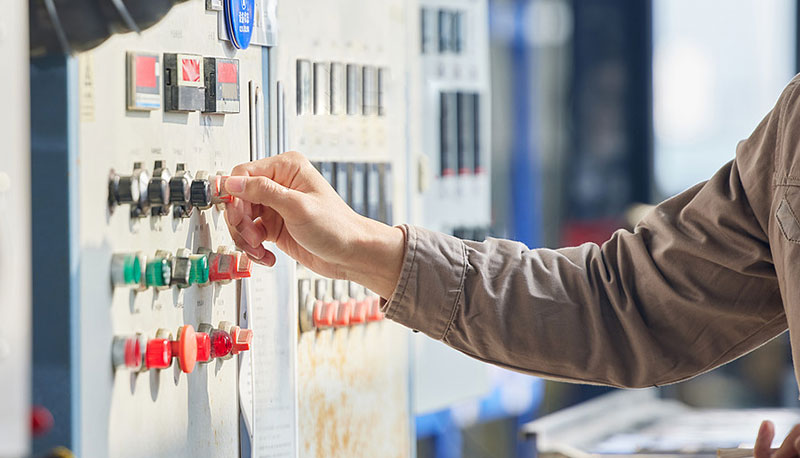
● Testing
Quality Inspection & Testing
Before leaving the factory, all equipment will be inspected by the quality inspection department. We can also provide customers with testing services from a single machine to a complete pellet plant system, and provide you with real actual data for “worry-free use.”

● Delivery
Equipment Delivery
In equipment boxing and packaging, we adopt professional packaging and modular solutions to ensure the safe and non-destructive delivery of pellet plant equipment.
● Installation
Installation & Commissioning
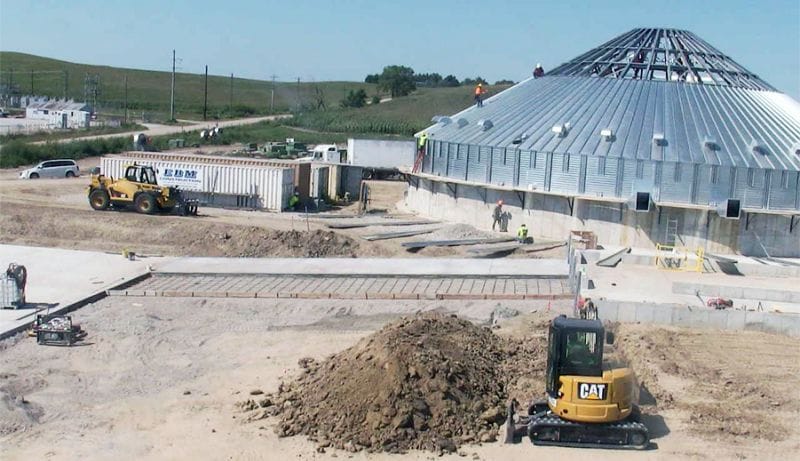
Whether you choose your own subcontractor for the erection phase or you want to install everything together with us, a Richi supervisor will be around to make sure everything is mounted in a safe and thorough way.

● Training
Staff Training
We provide comprehensive training for the technicians of each project. We can also continue to provide support for the technicians during latter project operation.
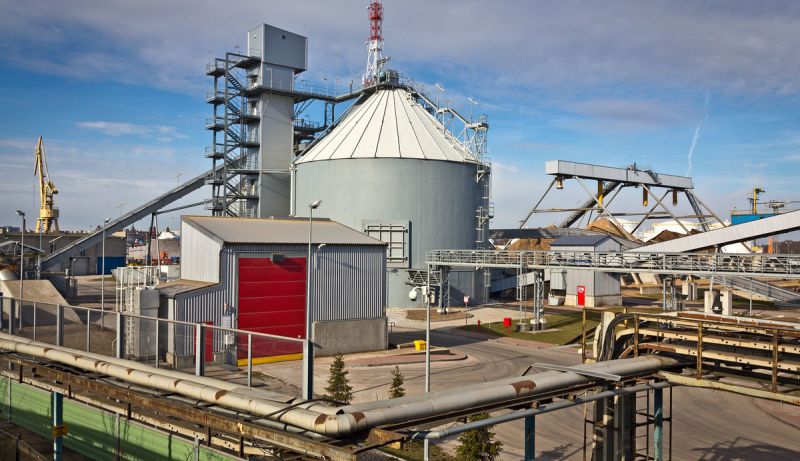
● After-sales
Project Follow-Up
When everything is up and running our Richiers will help you further whenever needed. We are ready to answer your call 24/7.We’ll also visit you regularly to learn about your needs.
Who we are
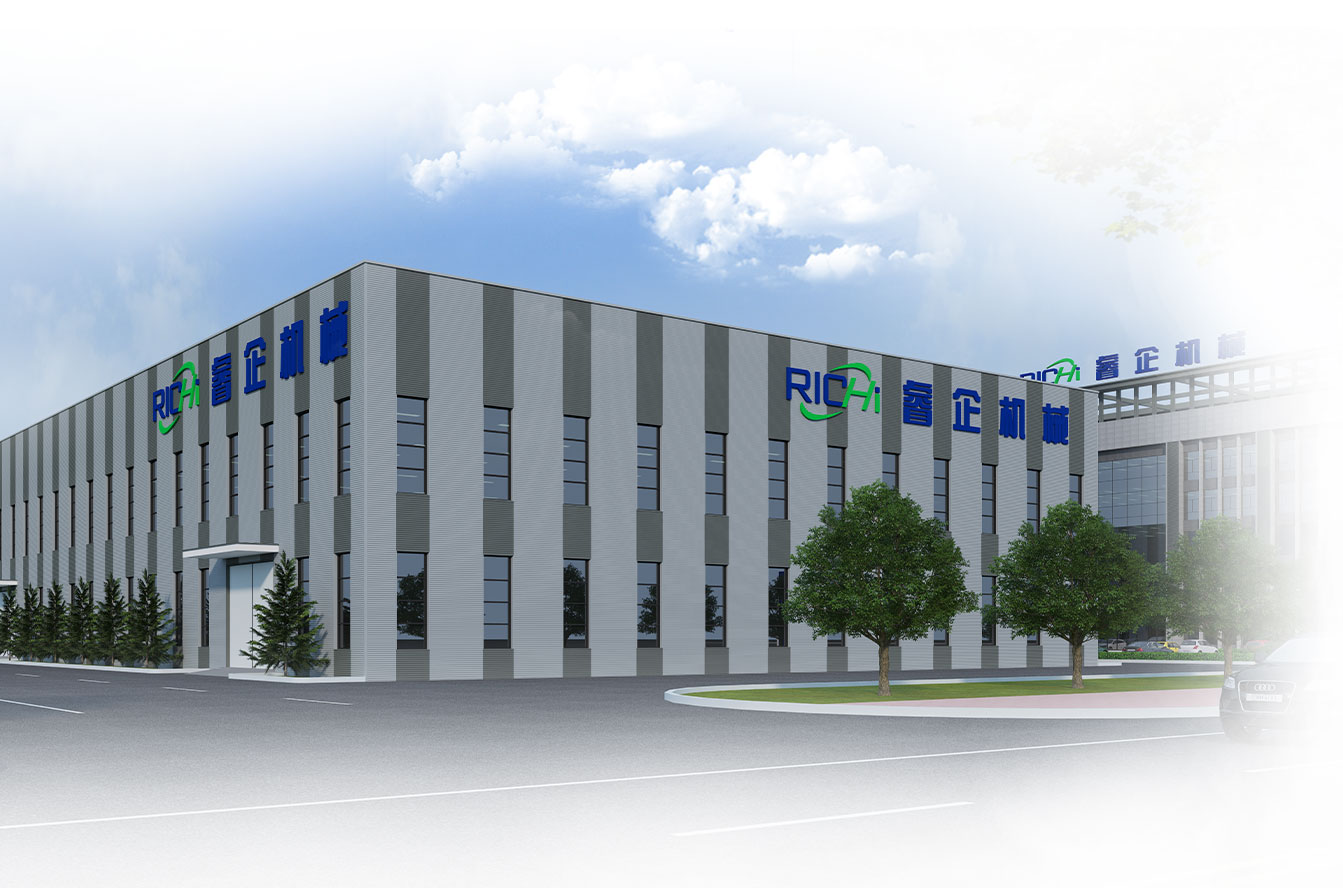
RICHI Machinery is one of the world’s leading suppliers of technology and services for the animal feed, aqua feed and pet food industries, also the largest pellet production line manufacturer in China.
Since 1995, RICHI’s vision to build a first-class enterprise, to foster first-class employees, and to make first-class contributions to society has never wavered.
In the past three decades, we have expanded our business to a wide range of areas, including animal feed mill equipment, aqua feed equipment, pet feed equipment, biomass pellet equipment, fertilizer equipment, cat litter equipment, municipal solid waste pellets equipment, etc.

1995
RICHI Established

2000+
Serving More Than 2000 Customers

120+
RICHI Employees

140+
Exported To 140 Countries