 0086-138 3838 9622
Bamboo Pellet Manufacturing Plant for Biomass Fuel in Laos
RICHI MACHINERY
Project Overview
A rural entrepreneur reached out to RICHI Machinery about building a 4-5t/h bamboo pellet manufacturing plant for biomass fuel in Laos with an annual capacity of 6,000 tons of bamboo pellets (running 8 hours per day, 270 days per year). The facility produces high-calorific biomass pellets from bamboo processing waste (scraps, dust, offcuts) for local industrial boilers and for export to Vietnam and Thailand.
The client is located in Vientiane Province, about 40km north of the capital. Laos has abundant bamboo resources — an estimated 1-2 million hectares of bamboo forest, with dozens of bamboo processing workshops producing bamboo flooring, bamboo weaving products, and bamboo furniture. These workshops generate massive amounts of waste (bamboo chips, dust, offcuts) that are currently burned or landfilled.
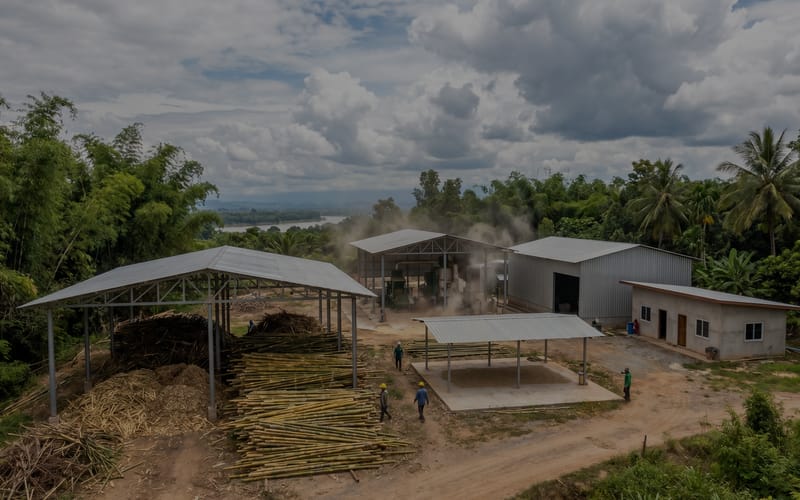
The client previously ran a small woodworking shop and saw the opportunity to convert bamboo waste into pellets. The facility is built on a 2,500m² site with a 1,800m² production building (low-cost steel frame, semi-enclosed). The site includes raw material storage (1,000m² outdoor covered), drying area (200m²), pelletizing area (500m²), packaging area (100m²), finished goods warehouse (500m²), and a small living area (200m²) for the 9 staff who live on site.
Total investment was about 160,000 USD (including equipment, building, land,and working capital),of which 72,000 was the equipment cost.
4-5T/H
capacity
$160,000
investment
Laos
location
Biofuel
project type
RICHI MACHINERY
Why Laos? (Market Context for Bamboo Pellets)
Laos is one of Asia’s least-developed countries, but it has abundant biomass resources and growing energy demand.
Bamboo resources in Laos:
| Parameter | Value |
|---|---|
| Estimated bamboo forest area | 1-2 million hectares |
| Bamboo species | 100+ (mostly Bambusa, Dendrocalamus) |
| Annual bamboo harvest | Not well quantified, but significant |
| Bamboo processing waste | Estimated 50,000-100,000 tons/year |
The problem: Most bamboo processing waste is currently burned in the open. This creates air pollution and wastes a valuable energy resource.
The opportunity: Bamboo has excellent fuel properties:
| Parameter | Bamboo | Wood | Rice husk |
|---|---|---|---|
| Calorific value (dry) | 18-19 MJ/kg | 17-18 MJ/kg | 14-15 MJ/kg |
| Ash content | 1-2% | 1-2% | 15-20% |
| Lignin content | 20-25% | 25-30% | 15-20% |
Bamboo pellets have comparable (or better) calorific value than wood pellets, with low ash content.
Target customers:
| Customer segment | Location | Annual demand | Current fuel |
|---|---|---|---|
| Industrial boilers (textile, food) | Vientiane | 20,000 tons | Diesel/coal |
| Rice mills | Laos | 10,000 tons | Rice husks |
| Export to Vietnam | Border areas | 50,000+ tons | — |
| Export to Thailand | Border areas | 100,000+ tons | — |
RICHI MACHINERY
Raw Materials: Bamboo Waste from Local Workshops
The client’s raw material is bamboo waste from 20+ bamboo processing workshops within 50km.
Bamboo waste characteristics:
| Parameter | Value | Notes |
|---|---|---|
| Moisture (green, freshly cut) | 40-50% | Needs drying |
| Moisture (air-dried waste) | 15-25% | Some workshops store waste outside |
| Ash content | 1-2% | Very low — good for fuel |
| Calorific value (dry) | 18-19 MJ/kg | Excellent |
| Particle size | 1-10cm (mostly 1-3cm) | Bamboo dust from sanding is very fine |
Why bamboo needs drying: Bamboo is often harvested green and processed immediately. The waste from these workshops can be 40-50% moisture. The client built a drying system (hot air furnace burning bamboo waste) to dry the material to 10-12% before pelletizing.
Raw material supply:
| Source | Distance | Annual volume (tons) | Cost (LAK/ton) | Cost (USD/ton at 20,000 LAK/USD) |
|---|---|---|---|---|
| Bamboo furniture workshop A | 10 km | 3,000 | Free (client pays 50,000 LAK/tip fee) | $2.50 |
| Bamboo flooring workshop B | 25 km | 3,000 | Free | $2.50 |
| Bamboo weaving workshop C | 40 km | 2,000 | 100,000 | $5.00 |
| Bamboo chopstick factory | 50 km | 2,000 | 200,000 | $10.00 |
| Total input | — | 10,000 | — | — |
- Water evaporated during drying (about 3,000-3,500 tons — the raw material is 40-50% moisture, dried to 10-12%)
- Dust collected in filters (about 5-10 tons, recycled)
- Other losses
The client also uses 90 tons of bamboo waste annually as fuel for the dryer.
Raw material quality control:
The client only accepts bamboo waste that is:
- Free from plastic, metal, and other contamination
- Not moldy (some bamboo can get black mold if stored wet)
- Not treated with chemicals (some bamboo is preserved with borax; the client rejects treated bamboo)
RICHI MACHINERY
The Site and Building (2,500m² Total)
The client’s site is on agricultural land (converted to industrial use with a provincial permit) about 40km north of Vientiane. The site is inexpensive.
Building layout:
| Building | Size (m²) | Construction | Use |
|---|---|---|---|
| Raw material storage (outdoor covered) | 1,000 | Steel posts + roof | Bamboo waste storage |
| Drying area | 200 | Concrete pad + roof | Bamboo chips drying |
| Pelletizing area | 500 | Steel frame, semi-enclosed | Crusher, dryer, pellet mill |
| Packaging area | 100 | Steel frame, enclosed | Bagging station |
| Finished goods warehouse | 500 | Steel frame, enclosed | Bagged pellets |
| Living quarters | 200 | Concrete block | 9 staff |
| Total | 2,500 | — | — |
The production building (1,800m² total) is divided into:
| Zone | Size | Equipment |
|---|---|---|
| Crushing area | 320m² | Crusher |
| Drying area | 200m² | Hot air furnace, dryer |
| Pelletizing area | 500m² | Pellet mills , cooler, screener |
| Packaging | 100m² | Bagging line |
The crusher is underground to reduce noise and dust — a clever design choice by the client.
RICHI MACHINERY
Equipment Configuration (What the Client Installed)
The client chose a simple, low-cost biomass pellet production line for bamboo waste:
| Equipment | Quantity | Power (each) | Notes |
|---|---|---|---|
| Crusher | 1 | 45 kW | Underground installation |
| Dryer | 1 | 15 kW (fan) + furnace | Hot air from burning bamboo waste |
| Bamboo pellet machine | 2 | 132 kW each | Ring die type |
| Screener | 1 | 3 kW | For pellet grading |
| Cooling bin | 1 | — | Ambient cooling |
| Bagging line | 1 | 3 kW | Manual bagging |
| Cyclone | 1 | 7.5 kW fan | For crusher dust |
Equipment cost (FOB Qingdao): $72,000 USD
Why this configuration for bamboo waste:
1. Underground crusher. Bamboo is fibrous. Crushers are loud (85-95 dB). The client excavated a pit and installed the crusher below ground level. This reduces noise by 10-15 dB and contains dust.
2. Dryer. Bamboo waste from workshops can be 40-50% moisture. The client needed a dryer, material is conveyed through a hot air stream. The furnace burns bamboo waste (90 tons/year) — a closed-loop system.
3. Two biomass pellet mills. Each mill produces 2-2.5 t/h of bamboo pellets. Combined capacity is 4-5 t/h. The client runs both for full production, or one for maintenance.
RICHI MACHINERY
Process Flow (Step by Step, Exactly as Designed)
Bamboo is different from wood. It’s fibrous, has a waxy outer layer, and holds moisture. But once dried and ground, it pellets similar to wood.
Step 1: Raw Material Receiving
Trucks deliver bamboo waste (chips, dust, offcuts) to the raw material storage area (1,000m² covered). The material is stored under roof to keep rain off (bamboo absorbs water quickly).
Raw material separation: Large pieces (offcuts >10cm) are moved by hand to the crusher. Small chips and dust go directly to a pile near the dryer.
Step 2: Crushing
Bamboo offcuts are long and tough. The underground crusher reduces them to 1-2cm pieces.
Large bamboo pieces are fed into the crusher via a belt conveyor. The crusher is underground (in a pit), with only the hopper visible at floor level.
Crusher parameters:
- Type: Hammer mill (probably)
- Output size: 1-2cm
- Throughput: 4-6 t/h
Step 3: Drying
Bamboo waste is wet (40-50% moisture). It must be dried to 10-12% for pelletizing.
The crushed bamboo chips are conveyed to the dryer.
Dryer parameters:
| Parameter | Value |
|---|---|
| Type | Pneumatic conveying dryer (airflow) |
| Hot air temperature | 150-200°C |
| Retention time | 5-10 seconds |
| Moisture in | 40-50% |
| Moisture out | 10-12% |
How it works: Wet bamboo chips are blown through a hot air stream. The chips are dried almost instantly (5-10 seconds residence time). This type of dryer is compact and efficient.
Heat source: A hot air furnace (Burning Bamboo Stumps and Shavings) burning bamboo waste (90 tons/year). The furnace burns bamboo scrap to produce hot air at 150-200°C. Fuel is free (bamboo waste that would otherwise be discarded).
Limitation: The air velocity must be high enough to keep the chips suspended. If the chips are too wet or too large, they won’t fluidize properly. The client crushes to 1-2cm, which works.
Step 4: Pelletizing
Dried bamboo chips (10-12% moisture) are conveyed to two pellet mills.
Pellet mill parameters (each):
| Parameter | Value |
|---|---|
| Die diameter | 508 mm |
| Die hole diameter | 8 mm (produces 8.5-9mm pellets) |
| Compression ratio | 5:1 (standard for wood/bamboo) |
| Die speed | 180-220 RPM |
| Operating temperature | 80-100°C (from friction) |
| Throughput per mill | 2-2.5 t/h |
Pellet specifications (bamboo):
| Parameter | Target | Actual |
|---|---|---|
| Diameter | 8-9 mm | ~8 mm |
| Length | 20-40 mm | 2-4 cm |
| Moisture | 8-10% | 4.7% (very low) |
| Density | >1,000 kg/m³ | — |
| Bulk density | 600-650 kg/m³ | — |
| Ash content | <2% | 1.1% (excellent) |
| Calorific value | >17 MJ/kg | 4,795 kcal/kg ≈ 20.1 MJ/kg (very high) |
Note on the product quality: 4,795 kcal/kg (about 20.1 MJ/kg) , Bamboo has excellent fuel properties.
No binder needed — bamboo has sufficient lignin (20-25%) for binding when heated to 80-100°C.
Step 5: Cooling
Hot pellets (80-90°C) drop into a cooling bin.
Cooling parameters:
- Type: Ambient air cooling (no mechanical cooler)
- Retention time: 4-6 hours
- The client spreads pellets on the floor or in the bin to cool naturally
Step 6: Screening and Packaging
Cooled pellets pass through a screener to remove fines.
- Oversize (>40mm) — returned to pellet mill
- Acceptable (20-40mm) — packaging
- Fines (<3mm) — returned to pellet mill
Packaging line:
- Bag sizes: 25kg, 50kg (the client uses manual bagging)
- The client also sells bulk (30-ton truckloads) to large customers
RICHI MACHINERY
Utilities and Consumption
| Utility | Annual consumption | Source | Cost (LAK) | Cost (USD at 20,000 LAK/USD) |
|---|---|---|---|---|
| Electricity | 421,000 kWh | Grid | — | — |
| Water (domestic) | 364.5 m³ | Well | — | — |
| Bamboo waste (dryer fuel) | 90 tons | Self-produced | $0 (waste) | $0 |
Electricity estimate: For a 4-5 t/h line:
- Crusher: 45 kW × 4 hours/day = 180 kWh
- Dryer fan: 15 kW × 8 hours = 120 kWh
- Pellet mills (2): 150 kW (avg) × 8 hours = 1,200 kWh
- Conveyors, screener, bagging: 10 kW × 6 hours = 60 kWh
- Total per day: ~1,560 kWh
- Annual (270 days × 8 hours): ~421,000 kWh
The client’s actual consumption depends on the motor sizes.
RICHI MACHINERY
Product Specifications (Bamboo Pellets)
The client’s bamboo pellets meet export standards for Vietnam and Thailand (which follow European ENplus standards).
| Parameter | Client’s product | ENplus A1 (wood) | Notes |
|---|---|---|---|
| Diameter | 8-9 mm | 6-10 mm | Acceptable |
| Length | 20-40 mm | 10-40 mm | Acceptable |
| Moisture | 4.7% | <10% | Excellent |
| Ash content | 1.1% | <1.5% | Excellent |
| Calorific value | 20.1 MJ/kg | >16.5 MJ/kg | Excellent |
| Durability | Not reported | >97% | Unknown |
| Bulk density | Not reported | >600 kg/m³ | Unknown |
The client’s bamboo pellets have exceptionally high calorific value (20.1 MJ/kg) and low ash (1.1%). These numbers are better than typical wood pellets. Bamboo is an excellent fuel.
Pricing (as of July 2025):
| Format | Price (USD/ton) | Customers |
|---|---|---|
| Bulk (30-ton truckload, domestic) | $80-100 | Local factories |
| 25kg bags | $100-120 | Retail |
| Export FOB Vietnam border | $110-130 | Vietnamese buyers |
RICHI MACHINERY
Market Outlook for Bamboo Pellets in Laos
Laos has abundant bamboo resources, but the pellet industry is in its infancy.
Key drivers:
1. Export to Vietnam and Thailand. Both countries import wood pellets for power generation (co-firing with coal). Bamboo pellets are a direct substitute. The client is 200-300km from the Vietnamese border — trucking distance is manageable.
2. Industrial growth in Laos. Foreign investment (especially Chinese) is building factories in Laos. These factories need energy. Biomass pellets are cheaper than diesel.
3. Bamboo waste is free or very cheap. The client pays a small tipping fee (50,000-100,000 LAK/ton ≈ 2.50−5.00)—muchlessthanthecostofwoodchips(30-50/ton in other countries).
4. Low ash, high calorific value. Bamboo pellets are premium fuel. The client’s product (1.1% ash, 20.1 MJ/kg) is better than many wood pellets.
Competition: There are 5-10 pellet producers in Laos, most using wood waste. The client may be the only one using bamboo.
Challenges the client is managing:
| Challenge | Mitigation |
|---|---|
| Bamboo has high moisture when fresh (40-50%) | The dryer removes moisture. The client uses bamboo waste as fuel — no fuel cost. |
| Drying is energy-intensive | 90 tons of bamboo waste/year for fuel — free. |
| Transport to Vietnam (export) | The client is 200-300km from the border; trucking cost is about $20-30/ton — acceptable. |
| Customer education (bamboo pellets vs wood) | Same customers who buy wood pellets will buy bamboo pellets. |
The client’s breakeven point is 3,600 tons/year (60% capacity). At full capacity (6,000 tons/year), operating margin is about 25-30%. Payback on equipment ($72,000) is about 18 months.
RICHI MACHINERY
Why a Bamboo Pellet Plant Makes Sense in Laos
Laos has bamboo, cheap labor, and proximity to export markets. Here’s why you should consider this market:
Bamboo is abundant and fast-growing. Bamboo grows 3-5x faster than trees. Laos has 1-2 million hectares of bamboo forest.
Bamboo waste is free or very cheap. The client pays a small tipping fee (or nothing) for bamboo waste. This is much cheaper than wood chips ($30-50/ton elsewhere).
Bamboo pellets have premium quality. Low ash (1-2%), high calorific value (18-20 MJ/kg). These are better than many wood pellets.
Laos is close to Vietnam and Thailand. Both countries import wood pellets. Bamboo pellets are a direct substitute. The client can export via land border (truck) — no shipping needed.
If you’re considering a bamboo pellet plant in Laos (or any country with bamboo resources), RICHI can help. We’ve designed lines for bamboo, wood, rice husks, and other biomass. We understand the challenges (high moisture, fiber, drying) and can recommend the right equipment.
Contact us to discuss your biomass pellet project. Tell us about your raw material (type, moisture, volume), site conditions, target capacity, and budget. We’ll prepare a customized process flow, equipment list, and budget estimate — no obligation.
RICHI Machinery – Bamboo pellet lines from 0.2 t/h to 60 t/h. Shipping from Qingdao to Vientiane (via Thailand): 20-25 days. Installation support available in Laos within 2 weeks.
● RICHI MACHINERY
RICHI Service

● Consulting
Customer Consultation
We want to have a deep understanding of your industrial process, to know your exact needs of feed, wood, biomass, fertilizer or other pellet processing.
● Design
biomass Pellet Plant Design
Based on your unique situation and industrial process, we will tailor complete pellet plant you need, and inform you of every additional detail that could facilitate operation, minimize total cost.
● Manufacturing
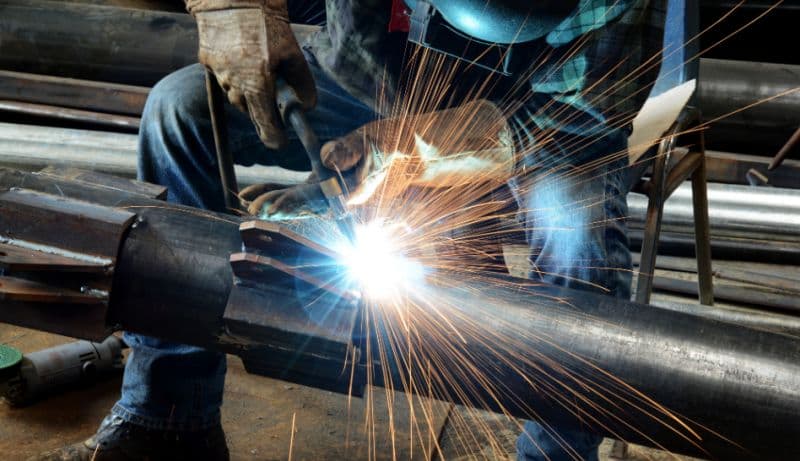
Equipment Manufacturing
The critical components of the of the complete pellet production line equipment are built in our own workshops in Asia. Additional equipment is manufactured by our worldwide network of reliable partners.

● Testing
Quality Inspection & Testing
Before leaving the factory, all equipment will be inspected by the quality inspection department. We can also provide customers with testing services from a single machine to a complete pellet plant system, and provide you with real actual data for “worry-free use.”

● Delivery
Equipment Delivery
In equipment boxing and packaging, we adopt professional packaging and modular solutions to ensure the safe and non-destructive delivery of pellet plant equipment.
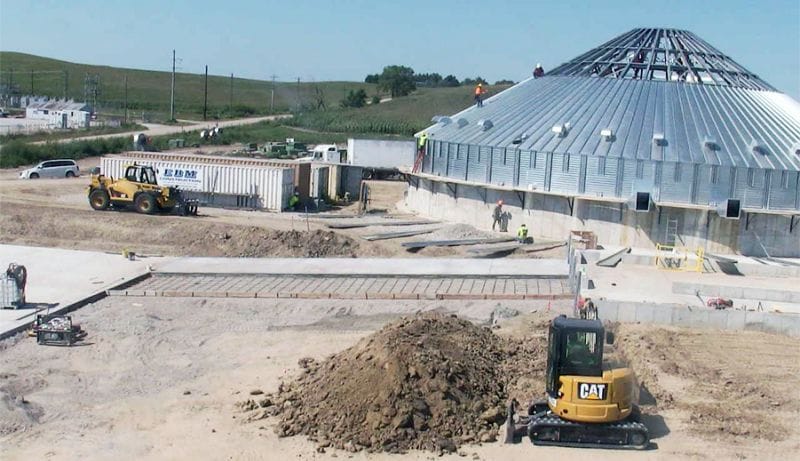
● Installation
Installation & Commissioning
Whether you choose your own subcontractor for the erection phase or you want to install everything together with us, a Richi supervisor will be around to make sure everything is mounted in a safe and thorough way.

● Training
Staff Training
We provide comprehensive training for the technicians of each project. We can also continue to provide support for the technicians during latter project operation.
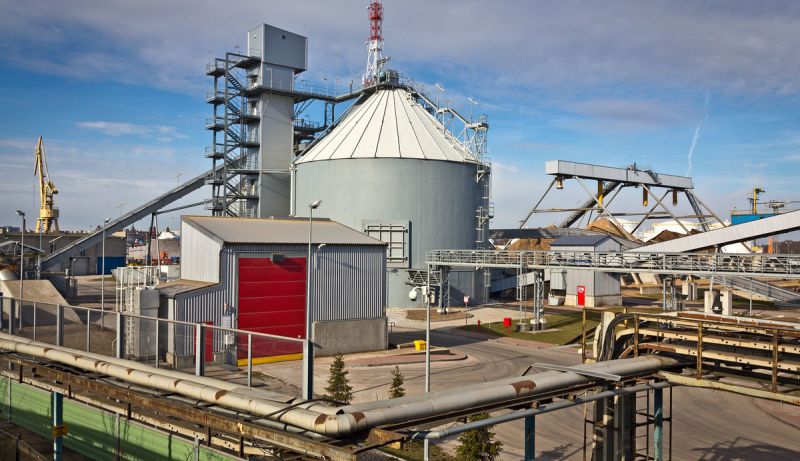
● After-sales
Project Follow-Up
When everything is up and running our Richiers will help you further whenever needed. We are ready to answer your call 24/7.We’ll also visit you regularly to learn about your needs.
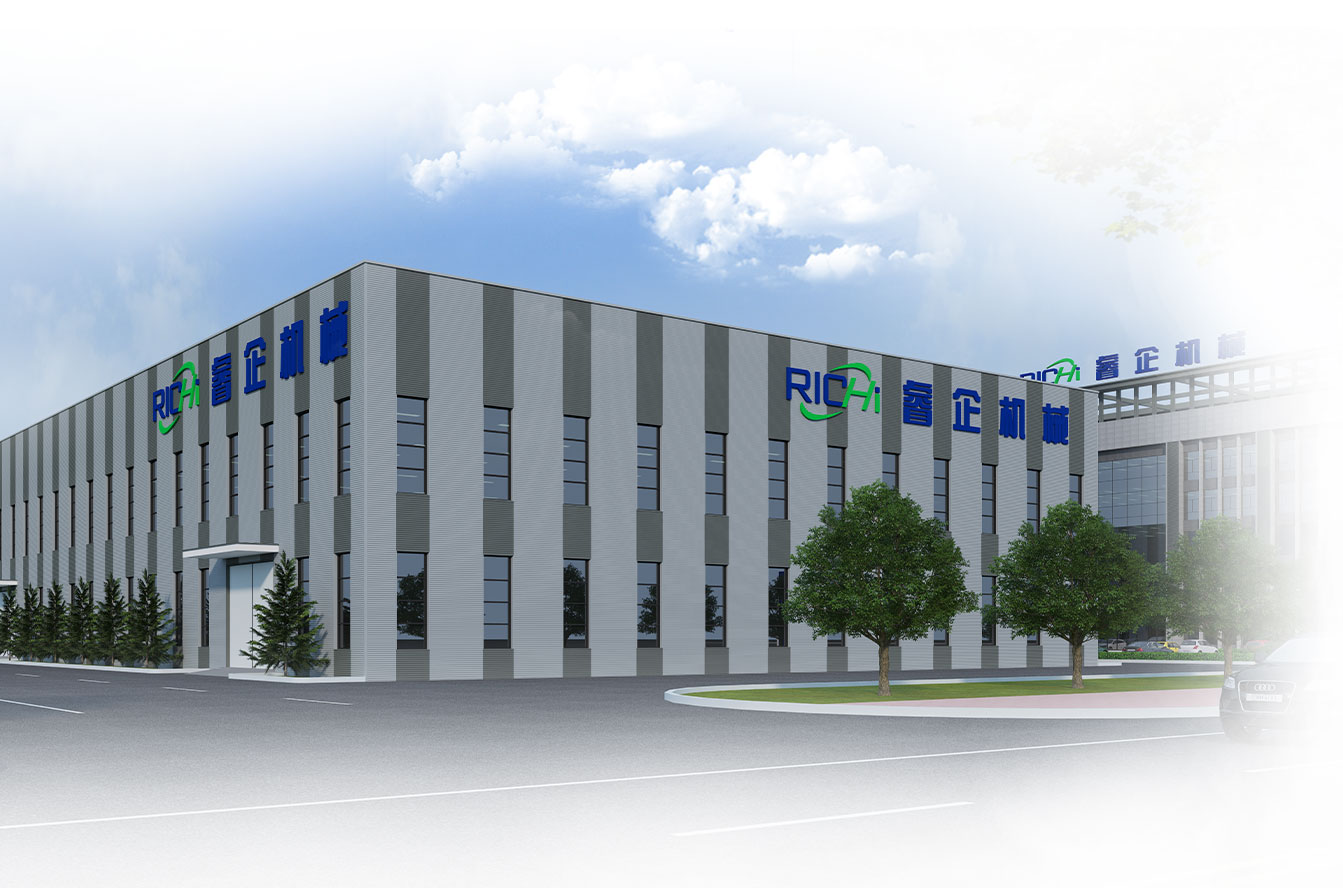
Who we are
RICHI Machinery is one of the world’s leading suppliers of technology and services for the animal feed, aqua feed and pet food industries, also the largest pellet production line manufacturer in China.
Since 1995, RICHI’s vision to build a first-class enterprise, to foster first-class employees, and to make first-class contributions to society has never wavered.
In the past three decades, we have expanded our business to a wide range of areas, including animal feed mill equipment, aqua feed equipment, pet feed equipment, biomass pellet equipment, fertilizer equipment, cat litter equipment, municipal solid waste pellets equipment, etc.

1995
RICHI Established

2000+
Serving More Than 2000 Customers

120+
RICHI Employees

140+
Exported To 140 Countries