 0086-138 3838 9622
Wood Shavings Bedding Pellet Plant for Cattle in Sri Lanka
RICHI MACHINERY
Project Overview
A small wood processing entrepreneur reached out to RICHI Machinery about building a 6t/h wood shavings bedding pellet plant for cattle in Sri Lanka with an annual capacity of 19,000 tons of animal bedding pellets (running 10 hours per day, 300 days per year). The facility produces soft, absorbent, dust-free wood shaving pellets for dairy cattle stalls, horse stables, and poultry houses across Sri Lanka’s Central and Uva Provinces.
The client is located in the Gampaha District of western Sri Lanka, about 30km northeast of Colombo. Sri Lanka has a significant wood processing industry (furniture manufacturing, lumber production, and tea processing pallets) generating abundant wood shavings and sawdust. The country also has a growing dairy sector (350,000+ dairy cattle) and large-scale poultry industry, both of which need high-quality bedding.
The client previously ran a small woodworking shop and already had a basic wood pellet production line but was producing fuel pellets for industrial boilers. He realized that animal bedding pellets command a higher price (30-40% premium) and have softer specifications, so he asked RICHI to help him convert his line to bedding pellets.
The Wood Shavings Bedding Pellet Plant for Cattle in Sri Lanka is built on a 3,505m² leased site (about 0.86 acres) with three production buildings totaling 1,600m² (brick/steel structure, 6-8m ceiling height). The site includes:
| Building | Size (m²) | Use |
|---|---|---|
| Production building 1 | ~600 | Main processing (screening, drying, pelletizing) |
| Production building 2 | ~500 | Raw material storage (wood shavings) |
| Production building 3 | ~500 | Finished product storage and bagging |
Total investment was about 105,000 USD (including equipment, building modifications, and workingcapital).
6T/H
capacity
$105,000
investment
100+
location
Bedding
project type
RICHI MACHINERY
Why Sri Lanka?
Sri Lanka has a growing livestock sector and abundant wood processing waste:
| Parameter | Value |
|---|---|
| Dairy cattle | 350,000+ head |
| Poultry population | 30+ million birds |
| Horse population (sport, police) | 5,000+ |
| Wood processing waste | 100,000+ tons/year |
| Current bedding pellet production | Very limited (mostly imported) |
The problem with current bedding materials in Sri Lanka:
| Material | Issues |
|---|---|
| Coconut coir (common bedding) | Dusty, inconsistent quality, variable moisture |
| Raw sawdust | Dusty, can contain contaminants, variable quality |
| Straw | Not locally abundant, expensive to import |
| Imported bedding pellets | Very expensive (import duties + freight) |
The opportunity: The client can produce bedding pellets for 35,000-40,000 LKR/ton ($115-130) — 30-40% cheaper than imported pellets.
Target customers:
| Customer segment | Location | Annual demand (tons) | Notes |
|---|---|---|---|
| Dairy farms (large-scale) | Central Province | 8,000 | High volume |
| Poultry farms | Western Province | 5,000 | Need absorbent bedding |
| Horse stables | Colombo, Kandy | 1,000 | Premium market, need dust-free |
| Export to India (potential) | South India | 5,000 | Higher margin |
The client’s breakeven point is 11,400 tons/year (60% capacity). At full capacity (19,000 tons/year), operating margin is about 20-25%.
RICHI MACHINERY
Raw Materials: Wood Shavings and Sawdust
The client’s raw material comes from local sawmills and wood processing workshops:
| Raw Material | Annual (tons) | Moisture (%) | Source | Cost (LKR/ton) | USD/ton (305 LKR/USD) |
|---|---|---|---|---|---|
| Wood shavings | 12,000 | 12-15% | Furniture factories | 15,000 | $49 |
| Sawdust | 8,000 | 15-20% | Sawmills | 12,000 | $39 |
| Total input | 20,000 | — | — | — | — |
Why the raw material is already dry enough: Sri Lanka’s wood processing industry uses kiln-dried lumber. The shavings and sawdust from these operations are already 12-20% moisture — acceptable for bedding pellets (target 10-12%). The client only uses the dryer for material that’s been stored in the rain.
Raw material quality control:
- The client only accepts shavings from untreated wood (no painted or glued lumber)
- Visual inspection for mold and contamination
- The client’s screening process removes oversized material (larger shavings go back to the hammer mill)
RICHI MACHINERY
The Site and Building
The client’s site is on former industrial land in Gampaha District, about 30km northeast of Colombo.
Building layout (three buildings, total 1,600m²):
| Zone | Size (m²) | Equipment/Use |
|---|---|---|
| Production building 1 | ~600 | Dryer, screeners, wood pellet mills (3 units), dust collection |
| Production building 2 | ~500 | Raw material storage (wood shavings, sawdust) |
| Production building 3 | ~500 | Finished product storage, bagging station |
| Outdoor area | ~1,900 | Roadways, parking, landscaping |
The client’s buildings are a mix of brick/block and steel frame with tile roofs (typical Sri Lankan industrial construction).
RICHI MACHINERY
Equipment Configuration
The client already had a basic wood pellet production plant from a previous supplier, but the equipment was poorly configured. RICHI helped him modify the line for bedding pellets:
| Equipment | Quantity | Power | Function | Status |
|---|---|---|---|---|
| Dryer line | 1 | 30 kW fan + heater | Drying (electric) | Existing, modified |
| Screener | 1 | 5.5 kW | Removing fines | Existing, kept |
| Fan | 2 | 7.5 kW each | Airflow for dryer | Existing, kept |
| Electrical panel | 5 | — | Power distribution | Existing, kept |
| Belt conveyors | 2 | 2.2 kW each | Material transport | Existing, kept |
| Wood pellet extruder machine | 3 | 132 kW each | 6mm die for bedding pellets | Existing, modified |
| Bagging station | 1 | 2.2 kW | 25kg, 50kg bags | New |
Why this configuration for bedding pellets (converted from fuel pellets):
1. No crusher. The client’s raw material is wood shavings, which are already small enough. The raw material is already semi-finished, no crushing needed.
2. Dryer for moisture control (existing). The client has an electric dryer line to reduce moisture for material that has been stored in the rain. The dryer uses electricity (no natural gas in this part of Sri Lanka; diesel would be expensive). The dryer is used about 30-40 days/year.
3. Three wood pellet presses. Each mill produces 2-2.5 t/h. Combined capacity is 6-7.5 t/h. The client runs all five for 6 t/h, buffer capacity for maintenance.
4. Modified die for bedding pellets. The client originally had 8mm dies (for fuel pellets). RICHI replaced them with 6mm dies (produces 6.5-7mm bedding pellets) and changed the compression ratio from 5.5:1 to 4:1 (softer pellets).
RICHI MACHINERY
Process Flow
This pellet machine line was originally for fuel pellets. The client asked RICHI to modify it for bedding pellets. The changes were: die size (8mm → 6mm), compression ratio (5.5:1 → 4:1), and operating temperature (80-100°C → 70-85°C).
Step 1: Raw Material Receiving
Trucks deliver wood shavings (in bags or loose) to production building 2 (raw material storage, 500m²). The client uses a front-end loader to move material to the production building.
Step 2: Screening
Raw material passes through a screener to remove:
- Oversize (>10mm shavings) — these are returned to the supplier or sold separately
- Fines (<1mm) — sent to a separate bin (sold as cheap bedding or used as fuel)
The client’s screening process: The raw material is already semi-finished, no crushing needed. The screener only removes oversized particles.
Step 3: Drying (Used Occasionally)
The client only uses the dryer for wet material (rain-soaked storage). For most of the year, the dryer is off.
The client’s dryer is used about 30-40 days per year when processing material with moisture >20%. The dryer is a simple rotary drum with electric heating.
Dryer parameters (when used):
- Inlet temperature: 100-120°C
- Outlet moisture: 10-12%
- Retention time: 5-10 minutes
Drying fuel: The client burns self-produced wood waste (300 tons/year) . The dryer uses wood scraps from the same sawmills.
Step 4: Pelletizing (Bedding Pellets)
The key difference between fuel and bedding pellets is the die size and compression ratio.
Dried (or naturally dry) material is fed into three wood granulator machines.
Pellet mill parameters (converted for bedding pellets):
| Parameter | Original (Fuel) | Modified (Bedding) |
|---|---|---|
| Die hole diameter | 8 mm | 6 mm |
| Compression ratio | 5.5:1 | 4:1 |
| Die speed | 180-220 RPM | 160-180 RPM |
| Operating temperature | 80-100°C | 70-85°C |
Bedding pellet specifications (corrected for animal bedding):
| Parameter | Target | Notes |
|---|---|---|
| Diameter | 6-8 mm | 6.5-7 mm actual |
| Length | 10-25 mm | |
| Moisture | 8-12% | |
| Density | 900-1,000 kg/m³ | Softer than fuel pellets |
| Bulk density | 550-600 kg/m³ | |
| Durability (PDI) | >90% | 92-94% |
| Ash content | <2% | (clean shavings) |
| Dust content | <0.5% | Critical for cattle respiratory health |
| Absorbency | 250-300% | 2.5-3x weight in water |
Why lower temperature (70-85°C vs 80-100°C for fuel): Bedding pellets should be soft. Lower temperatures preserve fiber flexibility, which improves absorbency.
Step 5: Cooling (Natural)
Hot pellets (70-85°C) drop onto a belt conveyor. The client uses natural cooling — pellets travel on the conveyor for 2-3 minutes, then cool to ambient temperature in the finished product storage area.
Cooling process: after screening, the pellets are naturally cooled before packaging.
Step 6: Bagging
Cooled pellets are packaged in bags.
Packaging process (manual):
- Bag sizes: 25kg, 50kg
- The client uses a simple hanging scale
- Bags are tied or sewn closed
RICHI MACHINERY
Utilities and Consumption
| Utility | Annual consumption | Cost (LKR) | Cost (USD at 305 LKR/USD) |
|---|---|---|---|
| Electricity | 1,200,000 kWh | 1.2 million | $3,934 |
| Water (for dust collection) | 50 m³ | 5,000 | $16 |
| Wood waste (for dryer) | 300 tons | opportunity cost | — |
Electricity breakdown (annual, 300 days, 10 hours/day = 3,000 hours):
| Equipment | kW average | Hours/day | kWh/day | kWh/year |
|---|---|---|---|---|
| Screener | 4 | 10 | 40 | 12,000 |
| Dryer fan + heater (rarely used) | 10 (average over year) | 10 | 100 | 30,000 |
| Fans (2) | 10 | 10 | 100 | 30,000 |
| Belt conveyors ( 2) | 4 | 10 | 40 | 12,000 |
| Pellet mills (3) | 240 (80 each avg) | 10 | 2,400 | 720,000 |
| Bagging station | 2 | 4 | 8 | 2,400 |
| Lighting | 2 | 10 | 20 | 6,000 |
RICHI MACHINERY
How RICHI Customized This Line for Bedding Pellets (Converting from Fuel)
The client already had a biomass pellet plant but was producing fuel pellets. He asked RICHI to help him convert to bedding pellets. The specific modifications:
Requirement 1: The client needed bedding pellets (soft, absorbent, dust-free), not fuel pellets. The specifications are different.
RICHI solution: Replaced the dies:
- Original: 8mm die (for fuel pellets)
- New: 6mm die (produces 6.5-7mm bedding pellets)
- Reduced compression ratio from 5.5:1 to 4:1 (softer pellets)
- Reduced operating temperature from 80-100°C to 70-85°C
Requirement 2: The client’s raw material is wood shavings, not sawdust. Wood shavings are larger and fluffier than sawdust — better for bedding.
RICHI solution: The client’s existing screener was modified to remove oversize shavings (>10mm). The acceptable size range for bedding pellets is 2-8mm. The client’s shavings are naturally in this range.
Requirement 3: The client needed to reduce moisture for material stored in the rainy season. Sri Lanka has two monsoons (May-August and October-January). Material stored outdoors can absorb moisture (up to 25-30%).
RICHI solution: The client keeps his dryer as emergency backup. The dryer uses wood waste (300 tons/year) as fuel — free material. The dryer is used about 30-40 days/year.
Requirement 4: The client has 12 staff, most with no prior pellet experience. The client’s workers are general laborers.
RICHI solution: Provided a 2-week on-site training program:
- Week 1: Basic safety, machine startup/shutdown, daily checks (screens, magnets, lubrication)
- Week 2: Adjusting the pellet mill die gap, changing dies, troubleshooting common problems
The client’s lead operator (a former mechanic at a sawmill) became proficient within 3 weeks.
Requirement 5: The client’s building has low ceiling height (6-7m). The original building wasn’t designed for pellet production.
RICHI solution: The client uses a single-story layout with bucket elevators. The five pellet mills are arranged in a row (side by side) to minimize height requirements.
RICHI MACHINERY
Product Specifications (Bedding Pellets)
The client’s bedding pellets meet Sri Lankan standards for animal bedding (based on international best practices).
| Parameter | Value | Notes |
|---|---|---|
| Diameter | 6.5-7 mm | Correct for bedding (6-8 mm) |
| Length | 12-20 mm | Correct for bedding (10-25 mm) |
| Moisture | 9-11% | |
| Density (pellet) | 950-1,000 kg/m³ | Softer than fuel pellets |
| Bulk density | 580 kg/m³ | |
| Durability (PDI) | 92-94% | Lower than fuel pellets (fine for bedding) |
| Ash content | <2% | Very low (clean shavings) |
| Dust content | <0.5% | Critical for respiratory health |
| Absorbency | 250-280% | 2.5-2.8x weight in water |
Comparison with other bedding materials in Sri Lanka:
| Material | Absorbency | Dust | Price (LKR/ton) | Notes |
|---|---|---|---|---|
| Wood shaving pellets (client) | 250-280% | Very low | 35,000-40,000 | Premium product |
| Coconut coir | 150-200% | High | 15,000-20,000 | Dusty, inconsistent |
| Raw sawdust | 150-200% | High | 10,000-15,000 | Dusty, inconsistent |
| Imported wood pellets | 200-250% | Low | 60,000-80,000 | Very expensive |
The client’s product is priced between raw sawdust (cheaper but dusty) and imported pellets (much more expensive). Dairy farmers pay a premium for dust-free bedding — respiratory health is critical for milk production.
Pricing (as of June 2025):
| Format | Price (LKR/ton) | Price (USD/ton at 305 LKR/USD) |
|---|---|---|
| 25kg bags | 40,000 | $131 |
| 50kg bags | 38,000 | $125 |
| Bulk (farm pickup) | 35,000 | $115 |
RICHI MACHINERY
Market Outlook for Wood Shaving Bedding Pellets in Sri Lanka
Sri Lanka’s bedding pellet market is small but growing. Key drivers:
1. Growing dairy sector. Sri Lanka has 350,000+ dairy cattle. Large-scale farms (200+ cows) are switching to pellet bedding (better absorbency, less labor). The client has already supplied trial batches to two farms in Kandy.
2. Poultry industry growth. Sri Lanka produces 30+ million broilers annually. Poultry houses need dry, absorbent bedding. Wood shaving pellets are ideal (low dust, high absorbency).
3. Import substitution. Imported pellets are expensive (60,000-80,000 LKR/ton). The client’s product is 30-40% cheaper.
4. Abundant raw material. Sri Lanka has hundreds of sawmills and furniture factories generating wood shavings. The client’s raw material cost is low (12,000-15,000 LKR/ton).
Competition: There are no other bedding pellet producers in Sri Lanka (a few make fuel pellets). The client has the market to themselves.
Challenges the client is managing:
| Challenge | Mitigation |
|---|---|
| Raw material moisture during monsoon | Dryer (wood waste-fired) as backup; use covered storage |
| Customer education (many farmers don’t know bedding pellets) | Free samples to large dairy farms; demonstrations |
| Power outages (Sri Lanka has load shedding) | Small diesel generator (20 kVA) for critical equipment (pellet mills) |
| Competition from raw sawdust (cheaper) | Emphasize dust-free benefits; show absorbency tests |
RICHI MACHINERY
Why a Wood Shaving Bedding Pellet Plant Makes Sense in Sri Lanka
Sri Lanka has abundant wood shavings, a growing dairy sector, and no local competition. Here’s why you should consider this market:
Raw material is abundant and low-cost. Sri Lanka has 200+ sawmills and furniture factories generating thousands of tons of wood shavings annually. The client pays 12,000-15,000 LKR/ton ($39-49) — much less than in developed countries.
No crusher needed. Wood shavings are already small enough (2-8mm). The client’s raw material is semi-finished — ready for screening and pelletizing.
No dryer needed for most material. Sri Lankan wood processing uses kiln-dried lumber. The shavings are already 12-20% moisture — perfect for bedding pellets (target 10-12%). The client only uses the dryer during the rainy season.
The market is underserved. Dairy farmers currently use dusty coconut coir or raw sawdust. The client’s product is 30-40% cheaper than imported pellets.
Sri Lanka has a stable business environment. English is widely spoken (the client’s staff are fluent). The legal system is familiar to foreign investors.
If you’re considering a wood shaving bedding pellet plant in Sri Lanka (or any country with sawmills and dairy farms), RICHI can help. We’ve designed lines for wood shavings, sawdust, and other wood residues. We understand the differences between bedding and fuel pellets (softer, more absorbent, lower durability) and can recommend the right equipment.
Contact us to discuss your project. Tell us about your raw material (type, moisture, volume), target market (dairy, poultry, horses), site conditions, and budget. We’ll prepare a customized process flow, equipment list, and budget estimate — no obligation.
RICHI Machinery – Wood shaving bedding pellet lines from 0.2 t/h to 90 t/h. Shipping from Qingdao to Colombo port: 12-16 days. Installation support available in Sri Lanka within 2 weeks.
● RICHI MACHINERY
RICHI Service

● Consulting
Customer Consultation
We want to have a deep understanding of your industrial process, to know your exact needs of feed, wood, biomass, fertilizer or other pellet processing.
● Design
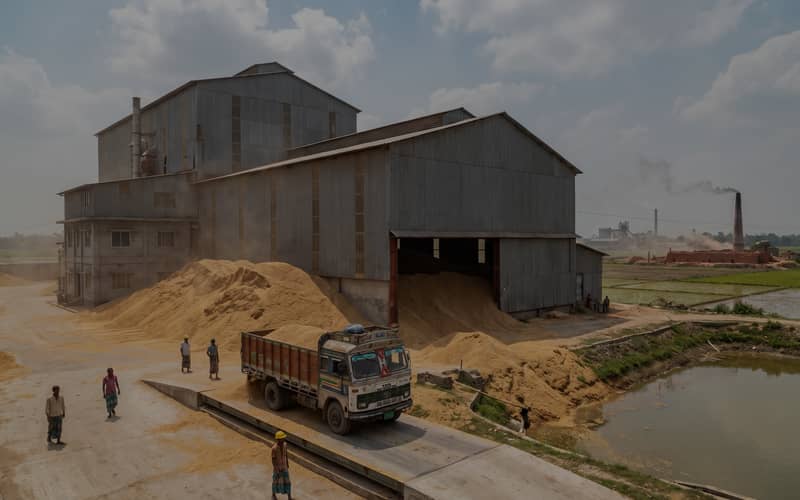
biomass Pellet Plant Design
Based on your unique situation and industrial process, we will tailor complete pellet plant you need, and inform you of every additional detail that could facilitate operation, minimize total cost.
● Manufacturing
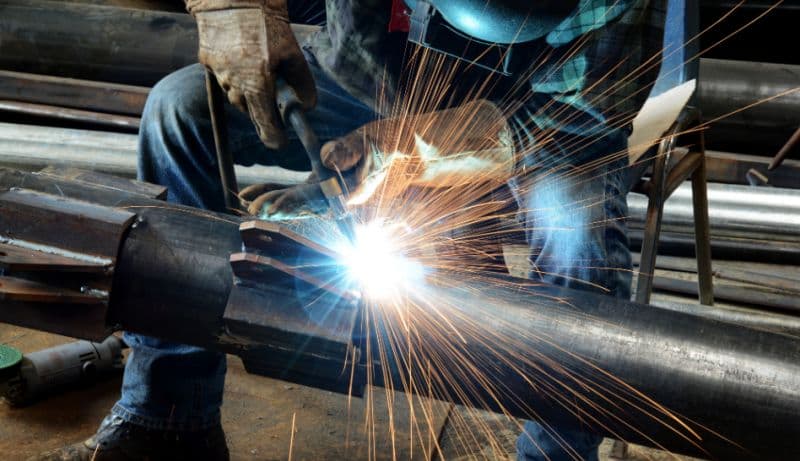
Equipment Manufacturing
The critical components of the of the complete pellet production line equipment are built in our own workshops in Asia. Additional equipment is manufactured by our worldwide network of reliable partners.

● Testing
Quality Inspection & Testing
Before leaving the factory, all equipment will be inspected by the quality inspection department. We can also provide customers with testing services from a single machine to a complete pellet plant system, and provide you with real actual data for “worry-free use.”

● Delivery
Equipment Delivery
In equipment boxing and packaging, we adopt professional packaging and modular solutions to ensure the safe and non-destructive delivery of pellet plant equipment.
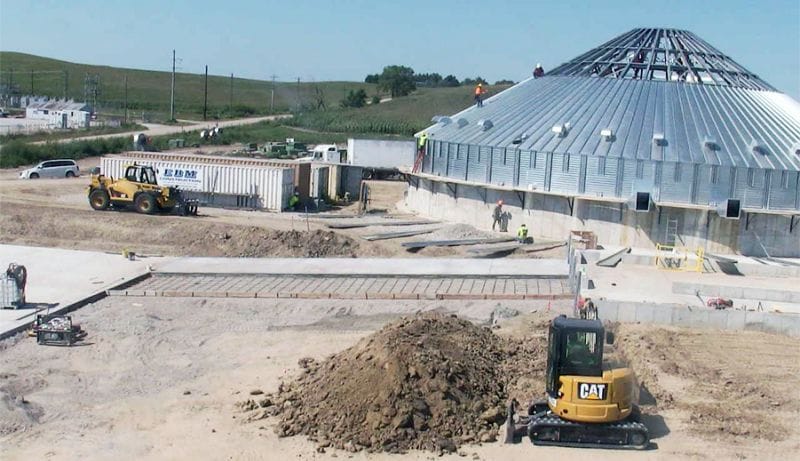
● Installation
Installation & Commissioning
Whether you choose your own subcontractor for the erection phase or you want to install everything together with us, a Richi supervisor will be around to make sure everything is mounted in a safe and thorough way.

● Training
Staff Training
We provide comprehensive training for the technicians of each project. We can also continue to provide support for the technicians during latter project operation.

● After-sales
Project Follow-Up
When everything is up and running our Richiers will help you further whenever needed. We are ready to answer your call 24/7.We’ll also visit you regularly to learn about your needs.
Who we are
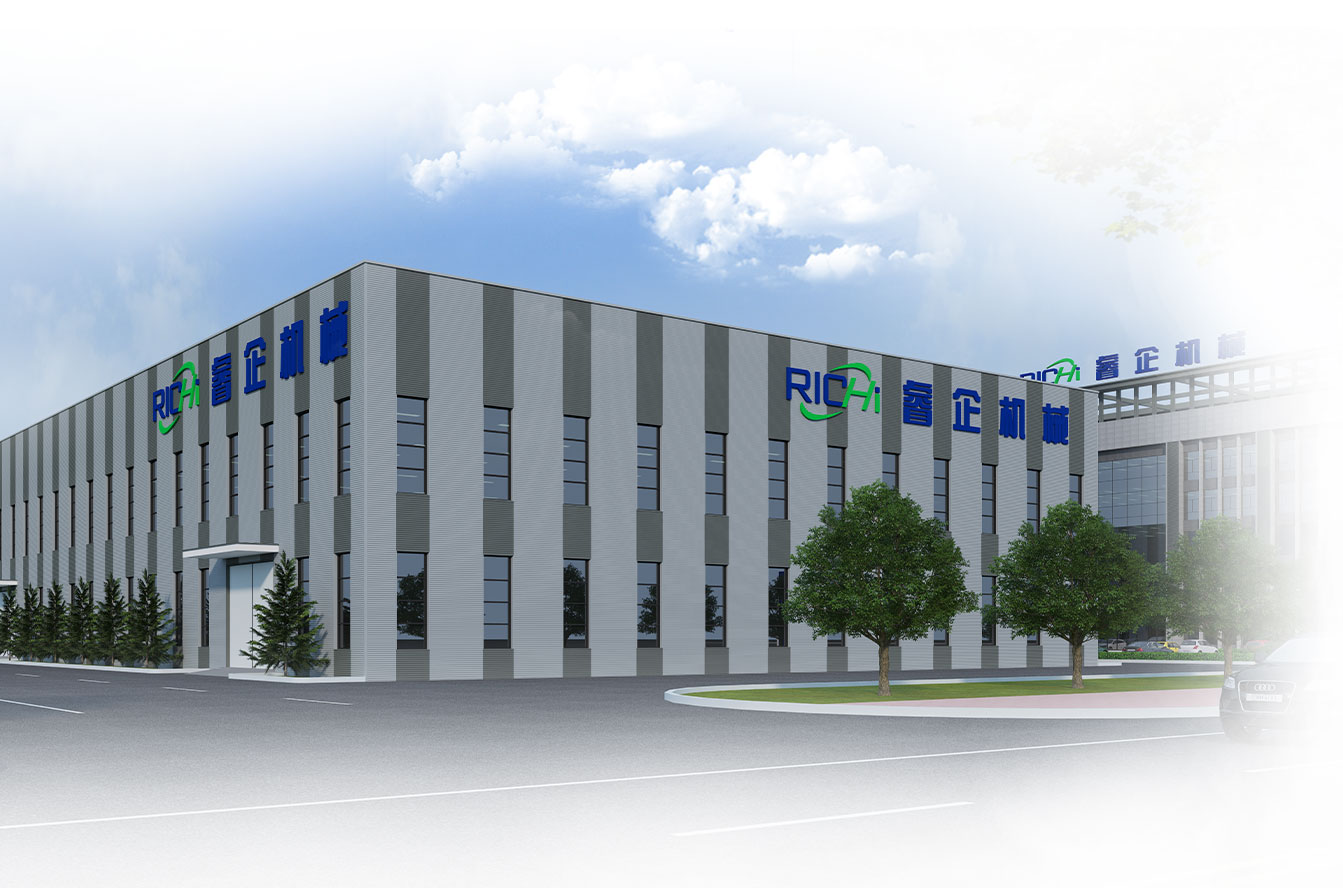
RICHI Machinery is one of the world’s leading suppliers of technology and services for the animal feed, aqua feed and pet food industries, also the largest pellet production line manufacturer in China.
Since 1995, RICHI’s vision to build a first-class enterprise, to foster first-class employees, and to make first-class contributions to society has never wavered.
In the past three decades, we have expanded our business to a wide range of areas, including animal feed mill equipment, aqua feed equipment, pet feed equipment, biomass pellet equipment, fertilizer equipment, cat litter equipment, municipal solid waste pellets equipment, etc.

1995
RICHI Established

2000+
Serving More Than 2000 Customers

120+
RICHI Employees

140+
Exported To 140 Countries