

 0086-138 3838 9622

Pellet machine For Sale South Africa
Looking for a reliable pellet machine for sale in South Africa? From single units to complete turnkey plants, we deliver proven ring die pelletizing solutions across the nation. Explore our extensive portfolio of successful South African projects below.d systems that match each client’s exact requirements.


210+ Units
Pellet Machines Exported & Installed
From feed, wood, fertilizer to waste, our robust ring die pellet machines are operational nationwide.
84+ Projects
Turnkey Pellet Plants Commissioned
Comprehensive projects delivered, covering feed, fertilizer, biomass, and waste recycling.
USD 88 Million+
In Total Equipment Value Supplied
Investing in South Africa’s agri-processing and waste-to-value sectors through reliable machinery.
Featured Projects: Delivering Solutions Across South Africa
Below are some of our key pellet plant installations throughout South Africa. Each project was tailored to the client’s unique raw materials and end-product goals, showcasing our versatility in delivering complete, high-performance production lines. From animal feed to biomass energy, we transform local resources into value.
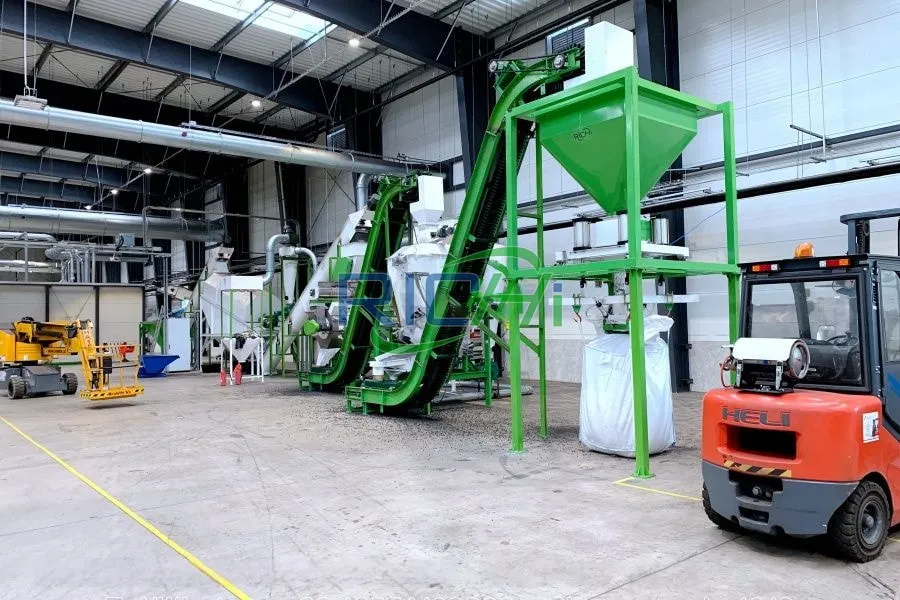
Free State
8 t/h maize straw/corn stalks pellet machine south africa project
A large-scale cattle farm in the Free State seeking to reduce winter feed costs and effectively utilize crop residues from their own lands. We supplied a heavy-duty CZLH768 ring die pellet machine for sale South Africa model, processing coarse maize straw and stalks.
- Raw Material: Primarily maize straw/corn stalks, occasionally mixed with lucerne. Material was baled, with an initial moisture content of 15-18%.
- Pellet Spec: 6mm diameter cattle feed pellets.
- Full Line & Process: The complete line included a bale breaker, hammer mill for coarse grinding, mixer, conditioner, pellet mill, counter-flow cooler, and packing scale. We provided the process design to dry, grind, pelletize, and cool the fibrous material efficiently.
- Investment: $250,000

5 t/h lucerne pellet machine south africa project
An agri-cooperative in the Western Cape aiming to pelletize sun-dried lucerne for export as high-value horse and dairy feed, improving storage and transport economics. A precision CZLH678 ring die pellet mill for sale South Africa configured for protein-rich, leafy material.
- Raw Material: 100% sun-dried lucerne (alfalfa), chopped, with moisture at 12-14%.
- Pellet Spec: 8mm diameter premium lucerne pellets.
- Full Line & Process: The line featured a fine grinding hammer mill, steam conditioner to activate binding, pellet mill, vertical cooler, and automated bagging. Dust extraction was critical.
- Investment: $190,000
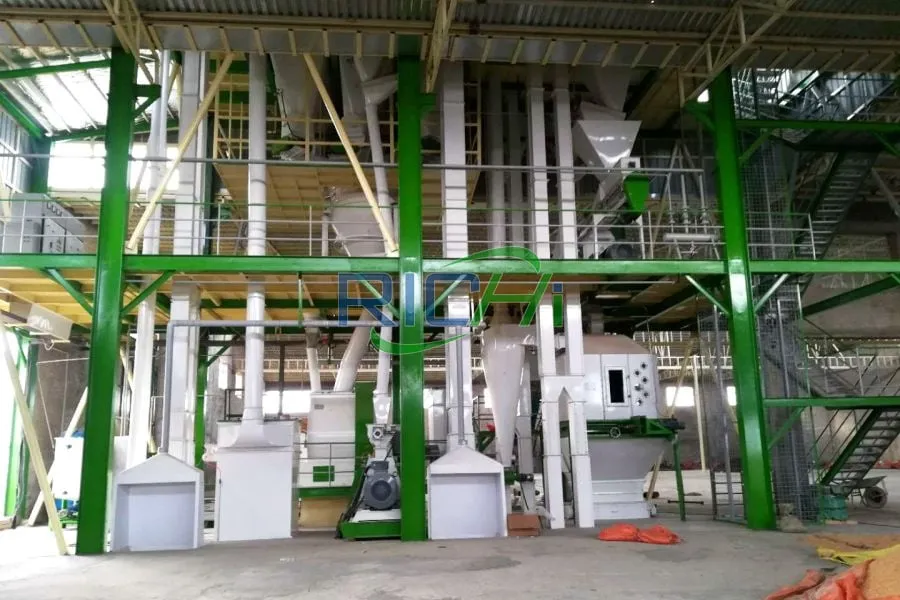
Western Cape
Mpumalanga
5 t/h pine wood chips pellet making machine south africa project
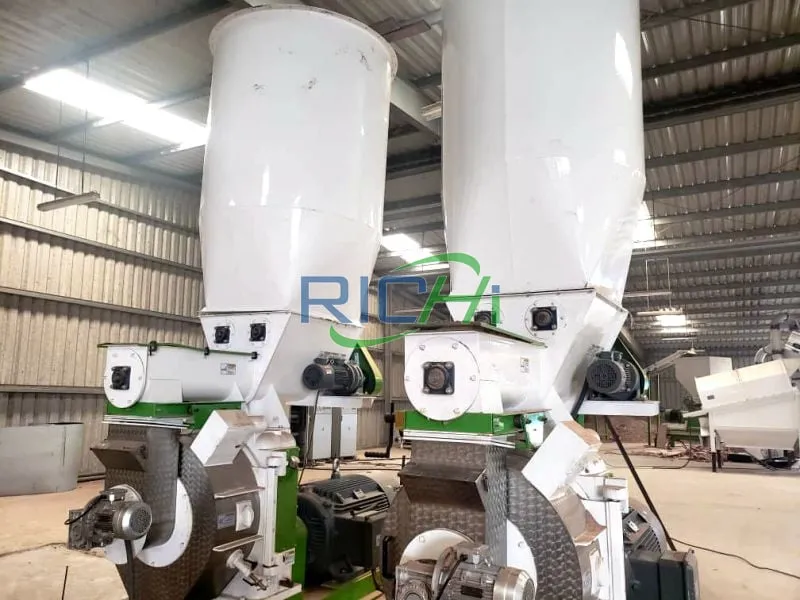
A timber processing company in Mpumalanga with abundant pine off-cuts, aiming to produce wood pellets for local industrial boiler fuel markets. Two industrial-grade MZLH520 ring die pellet making machines South Africa project built for abrasive softwood.
- Raw Material: 100% pine wood chips and sawdust from their mill, with variable moisture of 25-55%.
- Pellet Spec: 8mm diameter EN-Plus standard wood pellets.
- Full Line & Process: A comprehensive system including belt dryer, hammer mills, pellet mill, cooler, screening, and bulk storage silos. We designed the process to handle high, variable moisture input.
- Investment: $360,000

15 t/h animal feed pellet making machine south africa project
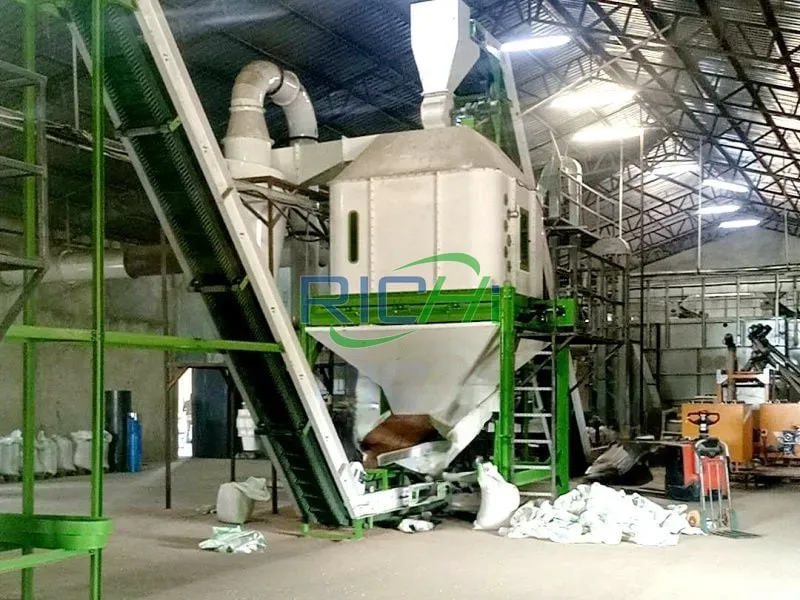
A leading national feed mill in Gauteng expanding capacity to produce multi-species feed for poultry, swine, and cattle. A high-capacity SZLH508 ring die animal feed pellet making machine South Africa system with dual lines for flexibility.
- Raw Material: Diverse: maize, soybean meal, wheat bran, vitamins, etc. Moisture was pre-conditioned.
- Pellet Spec: 2.5mm to 8mm pellets for different animals.
- Full Line & Process: A major plant including silos, batch mixers, twin-shaft paddle mixers, dual conditioners, pellet mills, horizontal coolers, crumbles, and fat coating systems.
- Investment: $310,000
Gauteng
Limpopo
2 t/h tilapia feed pellets pellet mill for sale south africa project
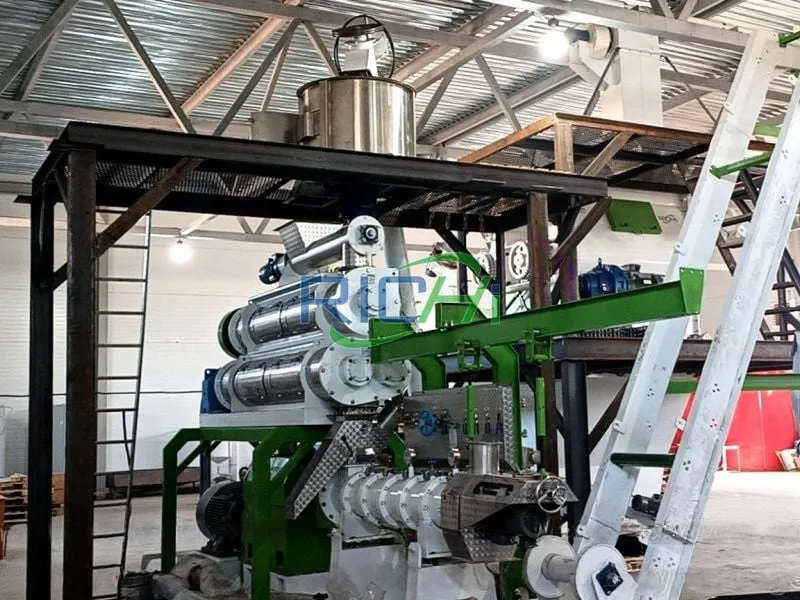
A tilapia farm in Limpopo aiming to produce their own highly digestible, floating feed to control nutrition and cost. A specialized SPHS120*2 twin-screw wet extruder (not a traditional pellet mill), supplied as part of our pelletizing machine South Africa solutions for aqua feed.
- Raw Material: Mix of fishmeal, soybean, maize, binders, etc. Fine powder form.
- Pellet Spec: 2mm and 4mm diameter floating pellets.
- Full Line & Process: Line included micro-grinding, mixing, twin-screw extruder, multi-pass dryer, oil coating drum, and cooling.
- Investment:$330,000
3-4 t/h chicken feed making machine south africa project
A poultry integrator in North West Province supplying contracted farmers, needing to produce specialized feed for different bird types. A versatile SZLH320 ring die chicken feed making machine South Africa line.
- Raw Material: Varied formulations for layers, ducks, and turkeys. Primarily maize-based meals.
- Pellet Spec: 3.5mm (layer), 4mm (duck), and 5mm (turkey) crumbled or whole pellets.
- Full Line & Process: Comprising grinding, mixing, conditioning, pelleting, crumbling, cooling, and screening. Designed for quick recipe changeovers.
- Investment: $62,000
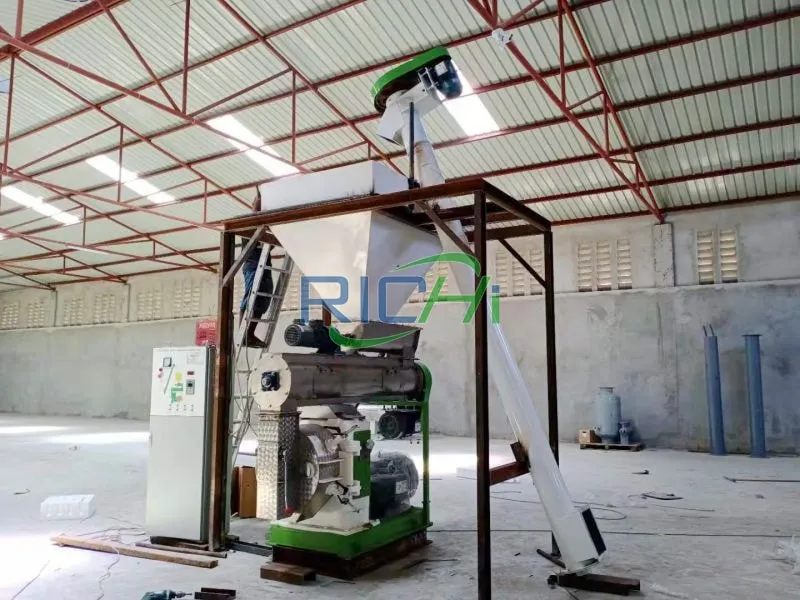
North West
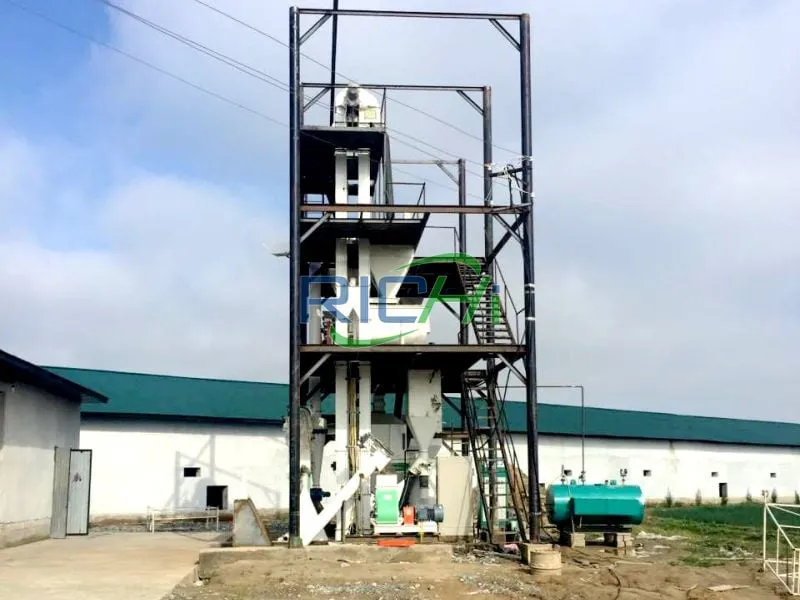
Eastern Cape
5-6 t/h cattle feed pellet machine south africa project
A dairy and beef operation in the Eastern Cape needing a robust system to pelletize their total mixed ration (TMR) for improved feed efficiency and wastage reduction. A large-aperture SZLH350 ring die feed pellet machine for sale South Africa designed for dense, fibrous rations.
- Raw Material: Mixed TMR: maize silage, lucerne, distiller’s grains, concentrates. Moisture ~16-18%.
- Pellet Spec: 8mm and 10mm dense pellets for both beef and dairy herds.
- Full Line & Process: Key equipment included a TMR mixer-preconditioner, a dedicated pellet mill for tough rations, a heavy-duty cooler, and a bulk bin loading system.
- Investment: $90,000
5 t/h sunflower husk pellet machine south africa project
An edible oil processor in KwaZulu-Natal seeking to valorize sunflower hulls by-product into a fibrous feed supplement for ruminants. A durable SZLH350 ring die pellet press South Africa built for very abrasive hulls.
- Raw Material: 100% sunflower husks from their pressing plant. Dry and fibrous (10-12% moisture).
- Pellet Spec: 8mm diameter fiber pellets.
- Full Line & Process: The process focused on fine grinding, steam conditioning to soften lignin, pelleting, and cooling. Included dedicated wear parts for abrasion resistance.
- Investment: $65,000
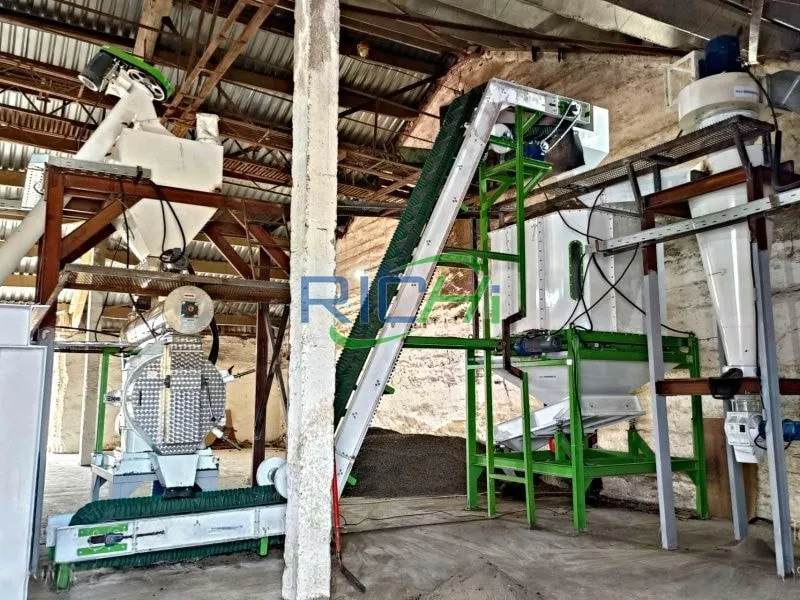
KwaZulu-Natal

Mpumalanga
10 t/h chicken manure pellet mill south africa project
A large poultry farm in Mpumalanga addressing manure management by producing stable, odor-reduced organic fertilizer pellets for sale. A corrosion-resistant SZLH420 ring die pellet mill South Africa system for high-moisture, challenging materials.
- Raw Material: Broiler litter (manure + bedding), moisture 25-35%.
- Pellet Spec: 4mm and 6mm organic fertilizer pellets.
- Full Line & Process: A complete line with de-stoner, dryer, hammer mill, mixer (for additive blending), pellet mill, cooler, and screen. We designed the process for drying, sterilization, and pelletizing.
- Investment: $260,000
1 t/h Pet Feed pellet extruder for sale south africa
A startup premium pet food brand in Gauteng wanting full control over ingredients and nutrition in their baked-style kibble. A SPHS75x2 twin-screw wet extruder for pet feed pellet extruder for sale South Africa, creating highly digestible, shaped kibble.
- Raw Material: Mixed fresh meats, grains, vitamins. A dough-like consistency after preconditioning.
- Pellet Spec: Various shapes (bone, star) for dog and cat food, and small cylinders for rabbits.
- Full Line & Process: Line included meat mincer, preconditioner, twin-screw extruder with different dies, multi-zone oven dryer, flavor coater, and cooling.
- Investment: $180,000
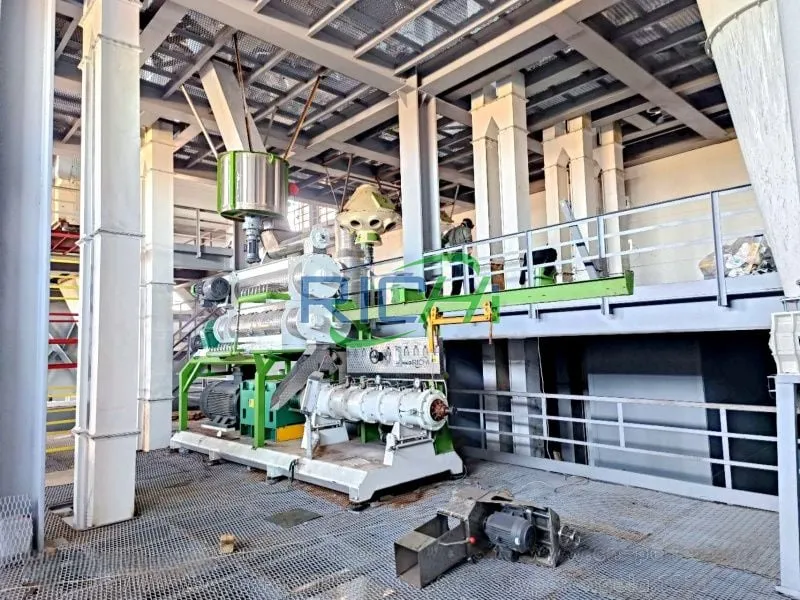
Gauteng
Proven Success Across South Africa’s Industries
From specialized feed production to innovative waste recycling, our expertise extends to a wide array of applications. Explore more examples of how our reliable pelletizing technology creates value from diverse local materials.
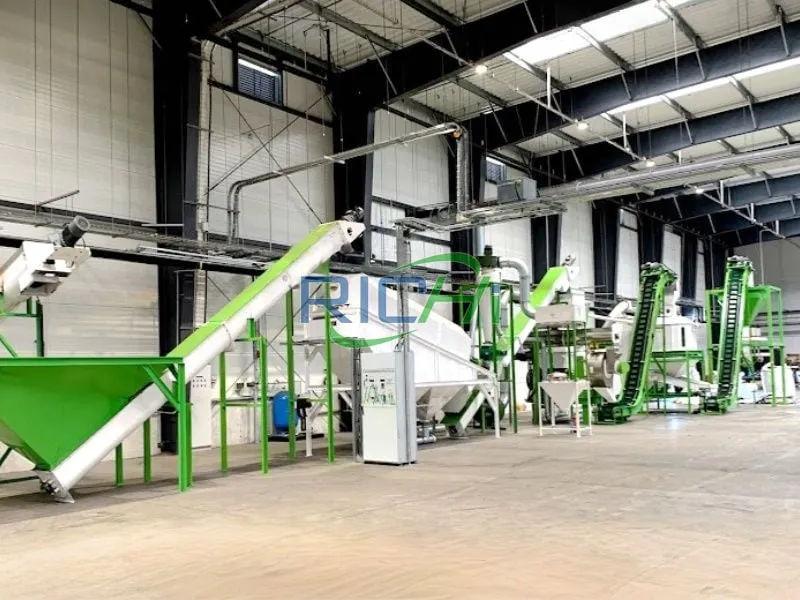
5 t/h teff hay pellet machine for sale south africa Project
A livestock feed producer in the Northern Cape pelletizes premium teff hay to create a compact, nutrient-rich feed for export markets, reducing storage space and transport costs.
Pellet Mill Model
CZLH678
Pellet Size
8mm
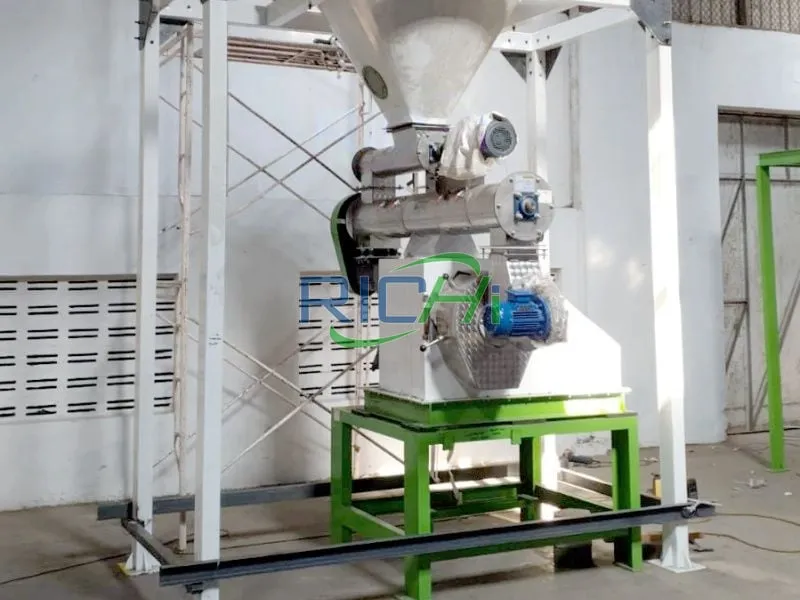
1 t/h sheep goat feed pellet machine for sale south africa project
A Free State farming cooperative utilizes this compact line to produce specialized small ruminant feed, ensuring balanced nutrition and minimizing feed waste on pasture.
Pellet Mill Model
CZLH350
Pellet Size
4mm
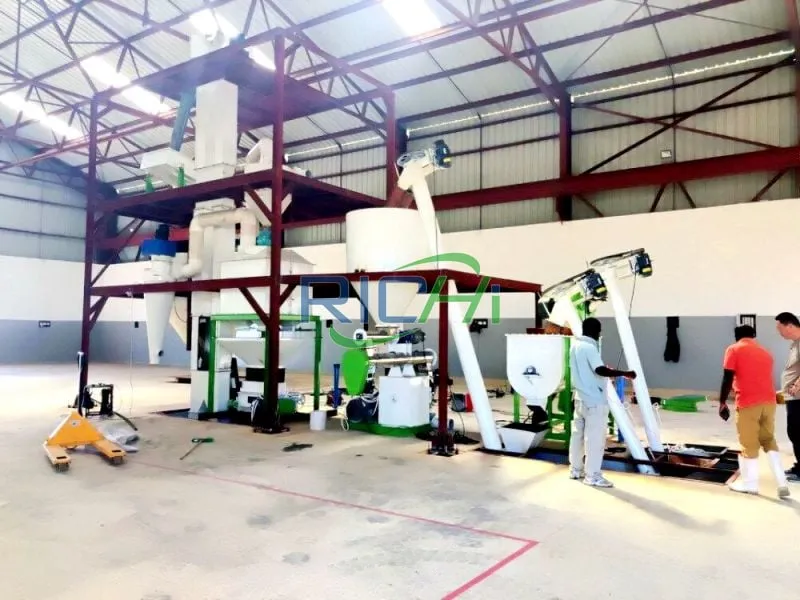
1-2 t/h animal feed pelletizing machine south africa project
A KwaZulu-Natal poultry operation installed this efficient line to produce high-density starter and grower feed, improving feed conversion ratios for their broiler flocks.
Pellet Mill Model
SZLH250
Pellet Size
3/ 4.5mm

5 t/h cattle manure / cow dung pelletizer for sale south africa
Addressing waste management, a Mpumalanga dairy farm transforms raw manure into stable, odor-controlled organic fertilizer pellets, creating a new revenue stream.
Pellet Mill Model
FZLH350
Pellet Size
6mm
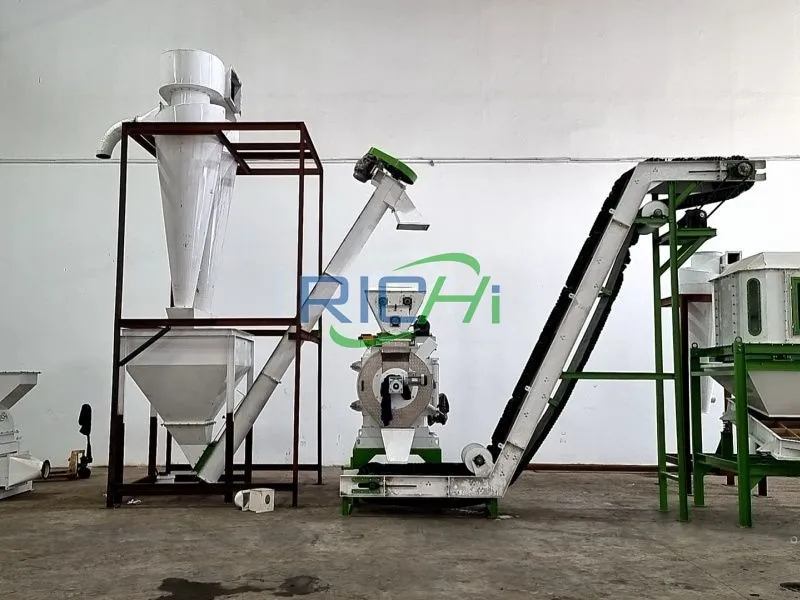
2 t/h paper/cardboard waste pelletizer for sale south africa
A Gauteng recycling company uses this specialized pelletizer for sale in south africa to compact cardboard and paper waste into high-calorific fuel pellets for industrial heating.
Pellet Mill Model
MZLH520
Pellet Size
10mm
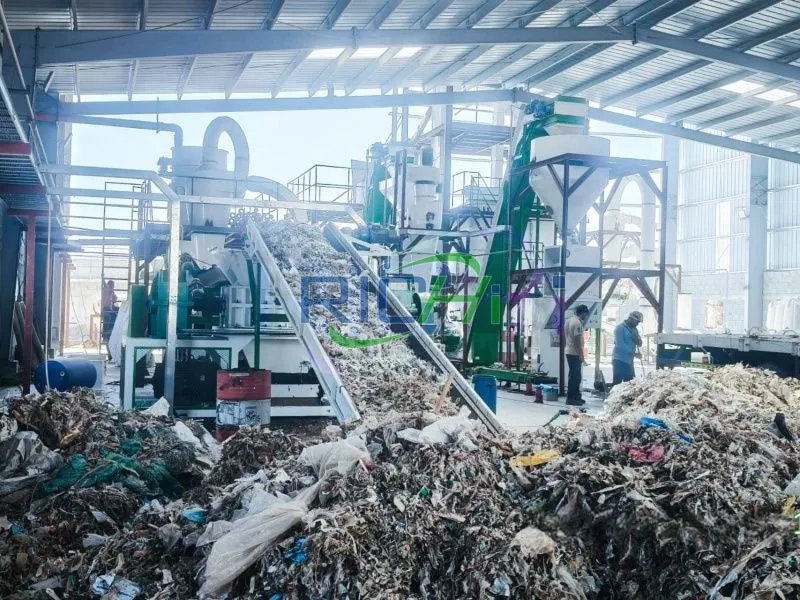
2 t/h municipal solid waste pelletizer south africa project
A pioneering waste management facility in the Western Cape processes mixed urban waste into refuse-derived fuel (RDF) pellets, diverting material from landfills.
Pellet Mill Model
MZLH520
Pellet Size
8-12mm
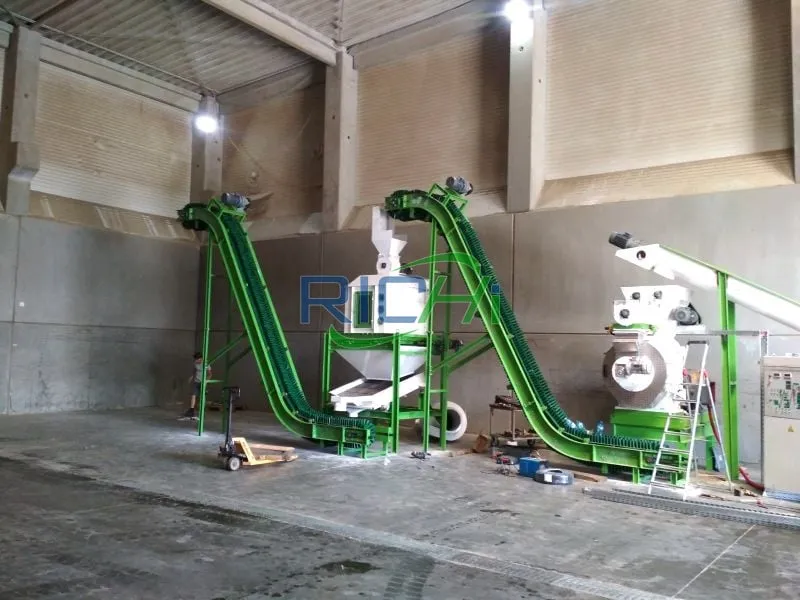
1 t/h coal fines / coal dust pellet machines south africa project
A mining supplier in Mpumalanga converts fine coal dust into stable, clean-burning fuel pellets, utilizing a by-product and reducing dust pollution.
Pellet Mill Model
MZLH420
Pellet Size
25mm
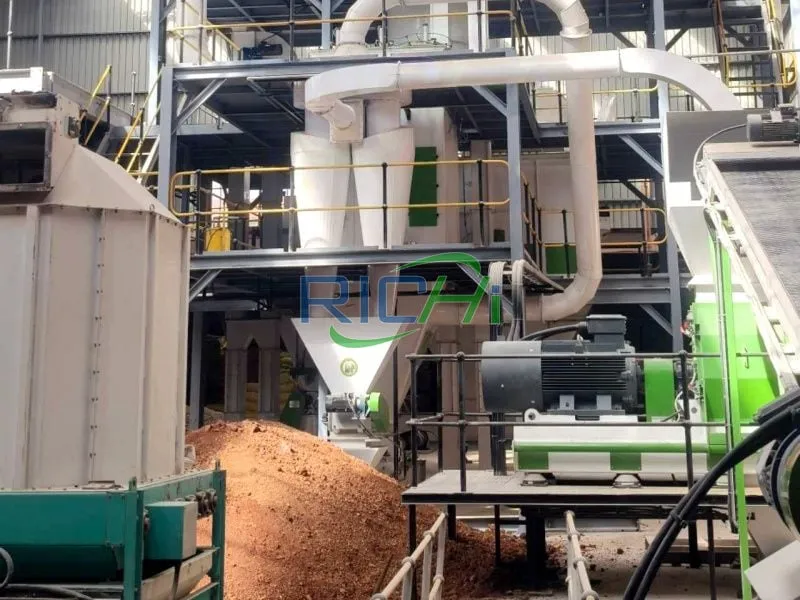
3-4 t/h sugarcane bagasse pellet machine south africa project
A mill in KwaZulu-Natal valorizes bagasse into efficient boiler fuel pellets for their own co-generation plant, reducing energy costs and waste.
Pellet Mill Model
MZLH768
Pellet Size
8mm
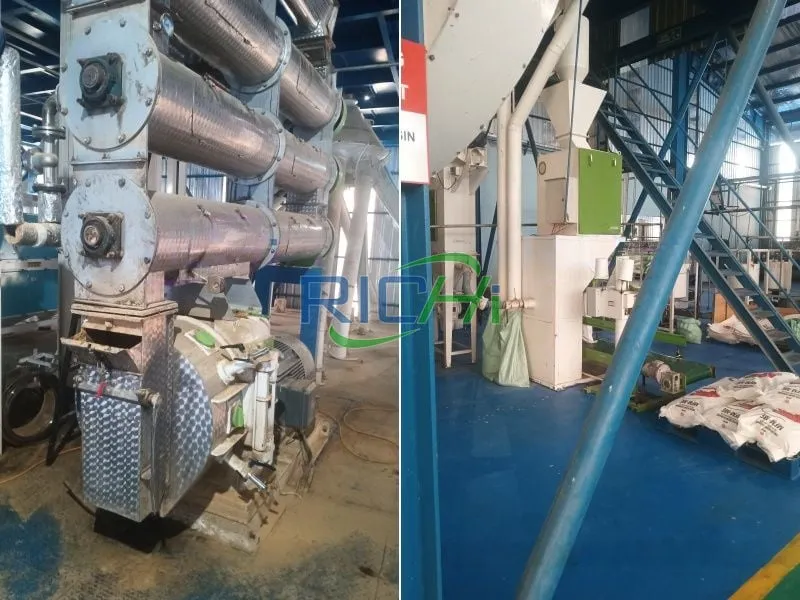
2 t/h aqua feed pellet making machine for sale south africa
A Eastern Cape aquaculture farm produces sinking and floating feed pellets with high water stability, optimizing nutrition for different fish species.
Pellet Mill Model
SZLH350
Pellet Size
2/3/5mm
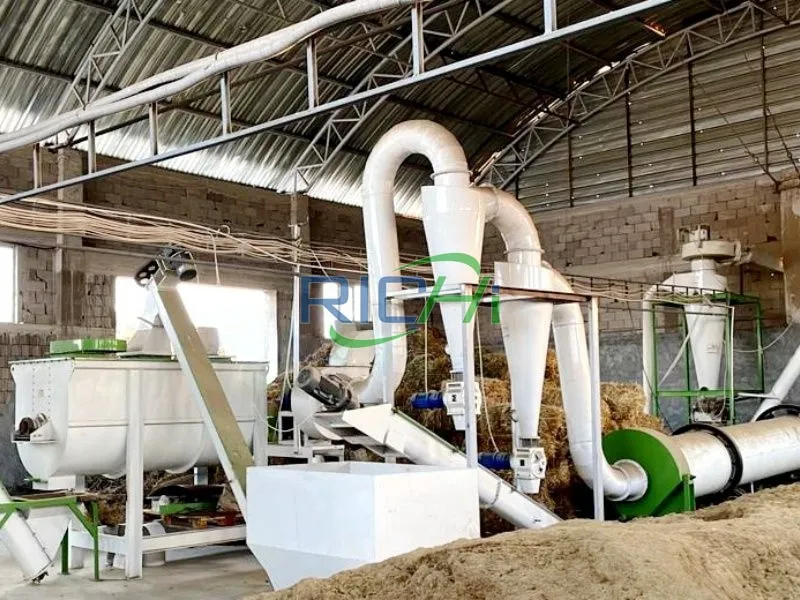
3 t/h alfalfa pellet machine for sale south africa Project
An Eastern Cape producer creates high-protein alfalfa pellets for dairy and stud farms, ensuring consistent quality and year-round supply of this valuable fodder.
Pellet Mill Model
CZLH520
Pellet Size
6/10mm
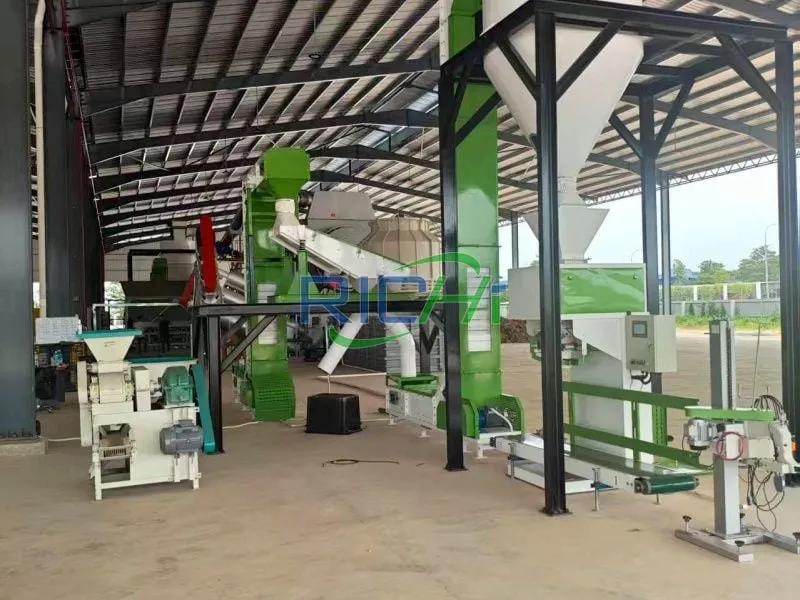
1 t/h pyrolysis carbon / biochar pelletizer for sale in south africa
An environmental startup in Gauteng produces biochar-based air purification pellets from pyrolysis carbon, offering a sustainable filtration solution.
Pellet Mill Model
MZLH420
Pellet Size
5mm
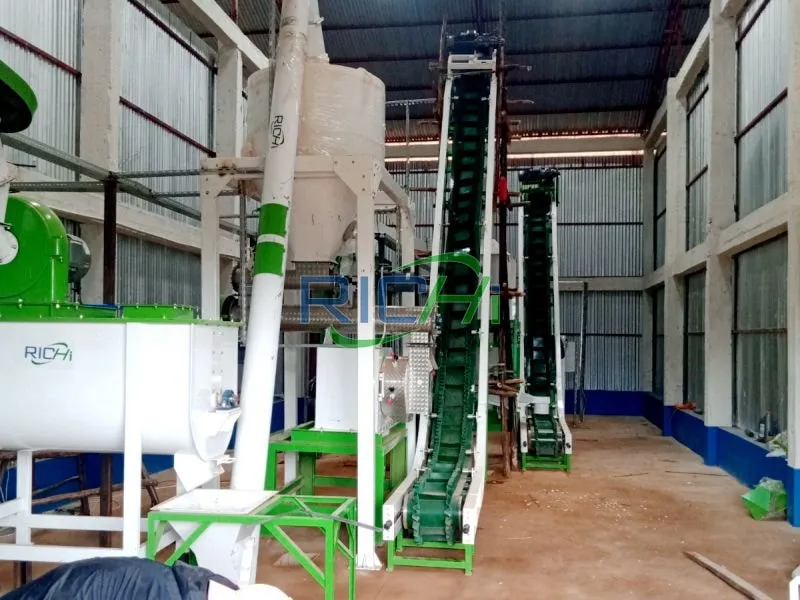
1 t/h rhodes grass pelleting machine for sale south africa
A Limpopo game farm pelletizes Rhodes grass to provide consistent, high-fiber feed for wildlife during the dry season, supporting conservation efforts.
Pellet Mill Model
CZLH350
Pellet Size
8mm
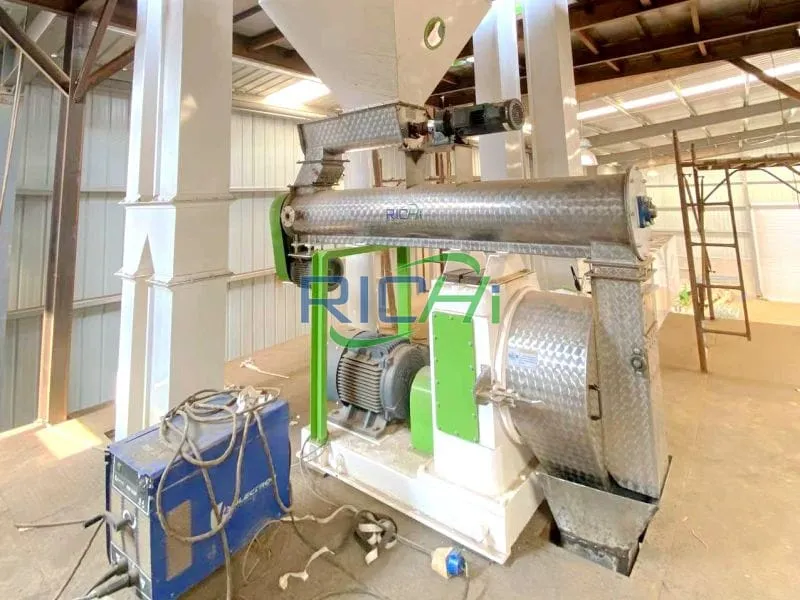
2-3 t/h peanut shell pellet machine south africa project
A North West agri-processor turns peanut shells into a valuable fibrous feed supplement for cattle, adding value to a common processing by-product.
Pellet Mill Model
MZLH678
Pellet Size
8mm
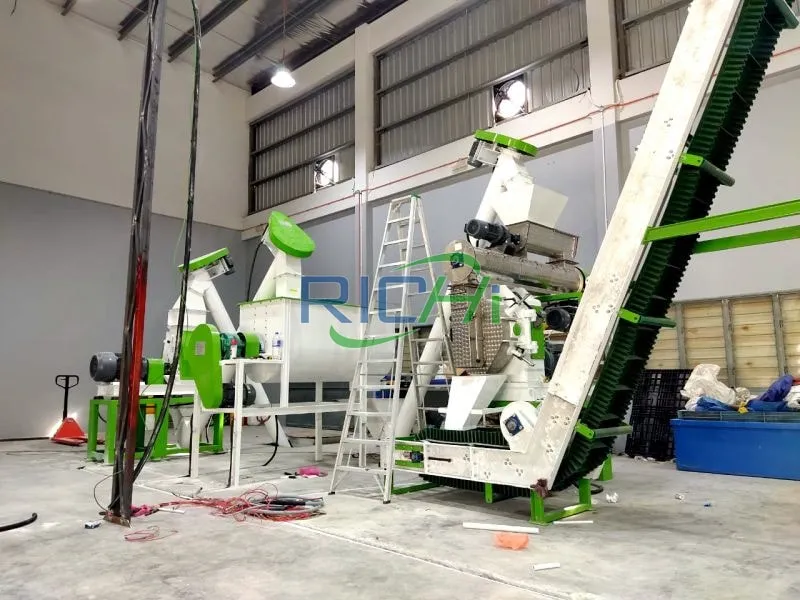
2 t/h rice husk pellet machine south africa project
A miller in the Free State converts rice husks into dense fuel pellets for local heating applications, solving a persistent disposal challenge.
Pellet Mill Model
MZLH520
Pellet Size
8mm

5 t/h fish feed extruder machine for sale south africa Project
A large-scale aqua feed manufacturer in the Western Coast employs twin-screw extrusion technology to produce highly digestible, floating feed for various fish species.
Pellet Mill Model
SPHS150*2
Pellet Size
1.5-6mm
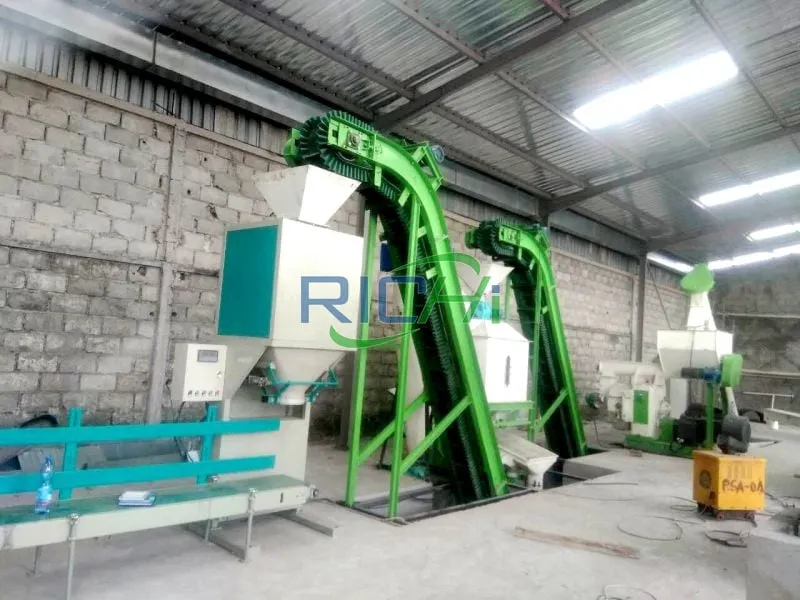
1 t/h charcoal fines pelletizer machine south africa project
A barbecue charcoal producer in Gauteng recycles fine charcoal dust into uniform briquettes, maximizing yield and reducing product loss.
Pellet Mill Model
MZLH420
Pellet Size
25x 25mm
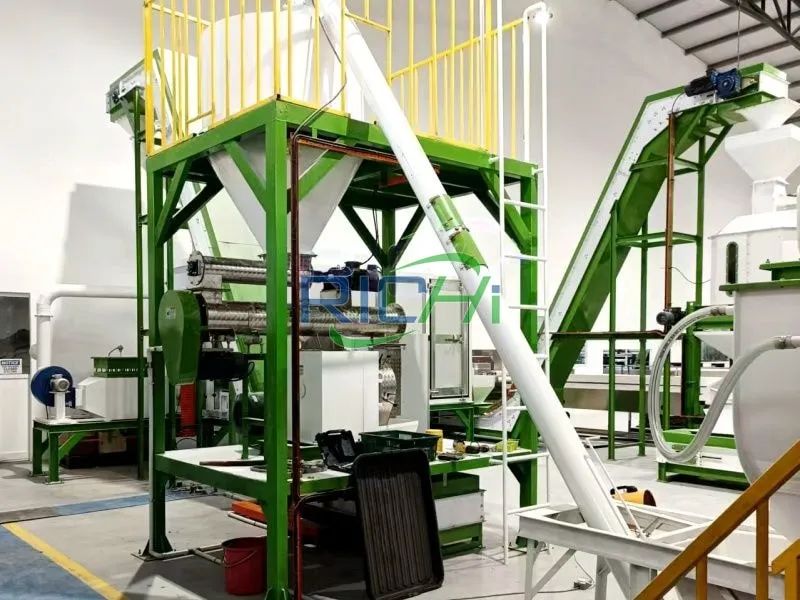
4 t/h fruit processing waste pelletizer south africa project
A Western Cape fruit processor transforms pomace (grape, citrus, apple) into rich organic fertilizer pellets, closing the loop on agricultural waste.
Pellet Mill Model
FZLH350
Pellet Size
4mm
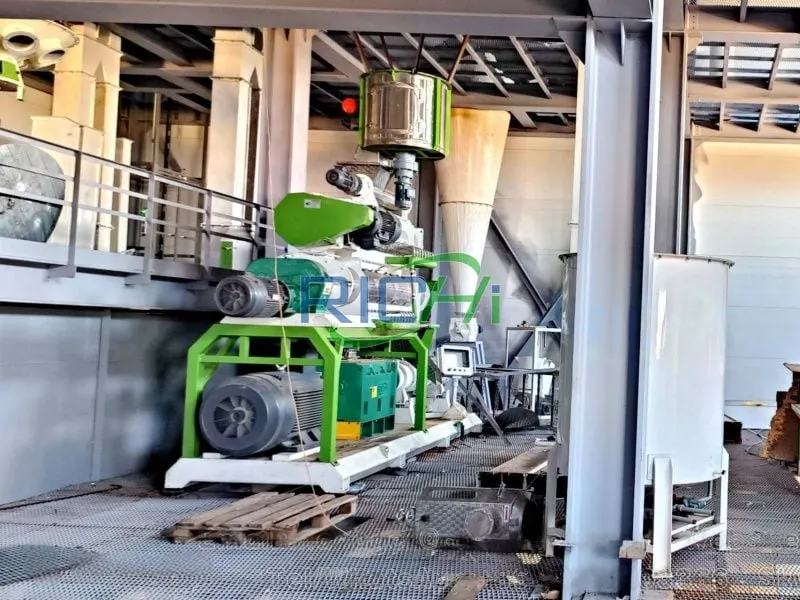
3 t/h dog food pellet machine South Africa Project
A premium pet food company in Gauteng uses extrusion to produce highly palatable, shaped kibble with precise nutrient retention for the domestic market.
Pellet Mill Model
SPHS120*2
Pellet Size
8-15mm
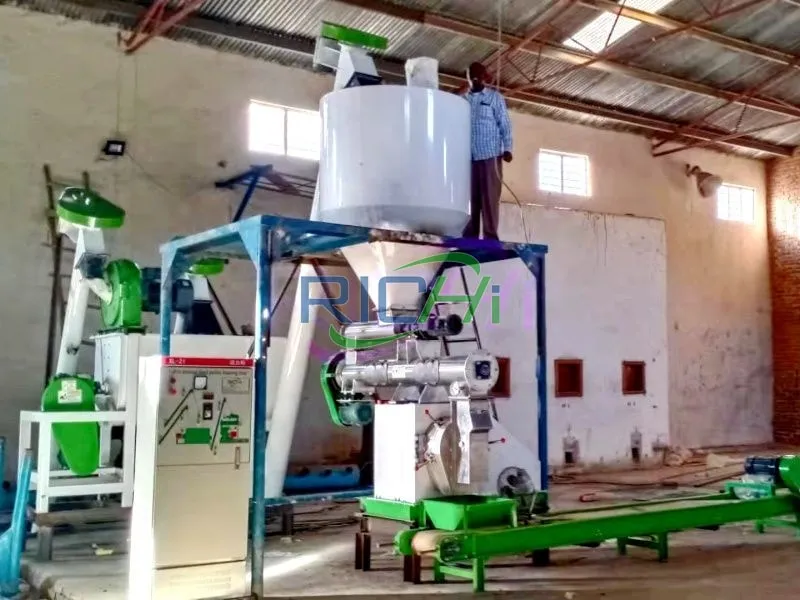
1–2 t/h horse feed pellet mill for sale South Africa Project
A specialized equine feed producer in the Western Cape creates balanced, dust-free feed pellets for racehorses and leisure horses, ensuring optimal digestibility.
Pellet Mill Model
SZLH250
Pellet Size
8/12mm
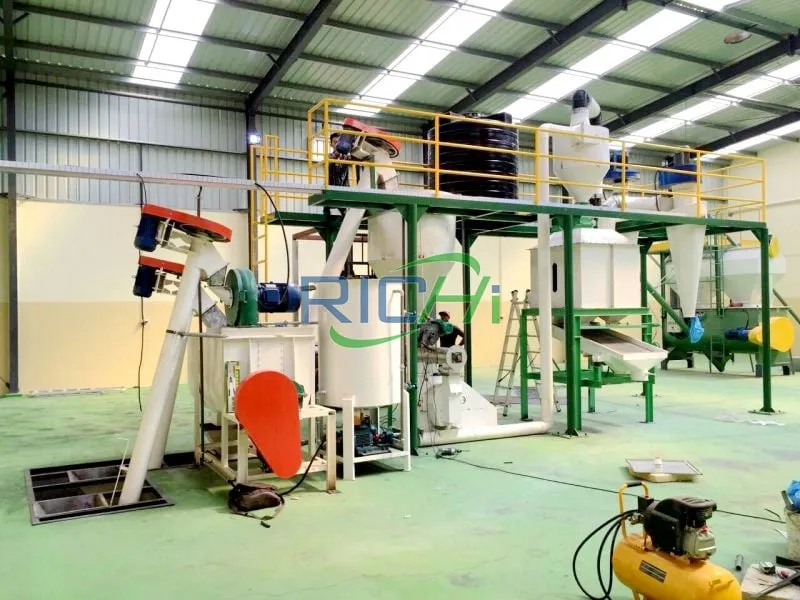
600 kg/h wheat straw pellet machine for sale South Africa
A mixed farm in the Free State pelletizes wheat straw to create a manageable, high-fiber feed component for their own dairy cattle during winter.
Pellet Mill Model
CZLH320
Pellet Size
6mm
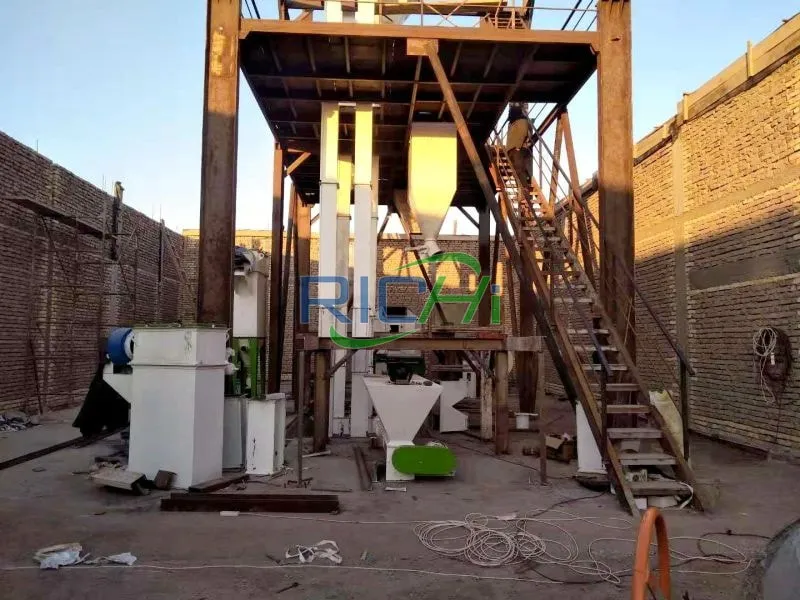
2 t/h sorghum stalk pellet mill for sale South Africa Project
A farmer in Mpumalanga utilizes sorghum stalks, a common residue, to produce cost-effective roughage feed pellets for his beef cattle operation.
Pellet Mill Model
SZLH250
Pellet Size
8mm
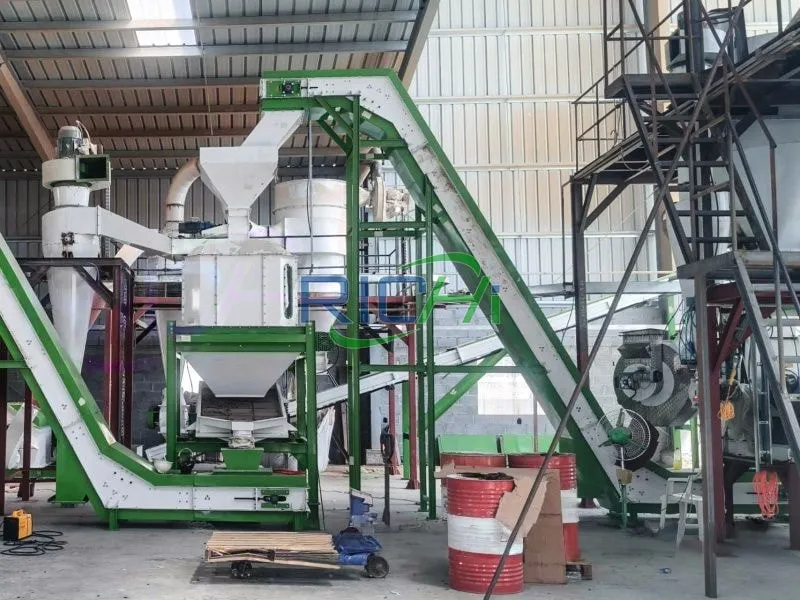
5 t/h cow manure pellet machine South Africa Project
A large-scale feedlot in the North West addresses environmental compliance by converting manure into stabilized, transportable fertilizer pellets for sale to crop farmers.
Pellet Mill Model
FZLH350
Pellet Size
6mm
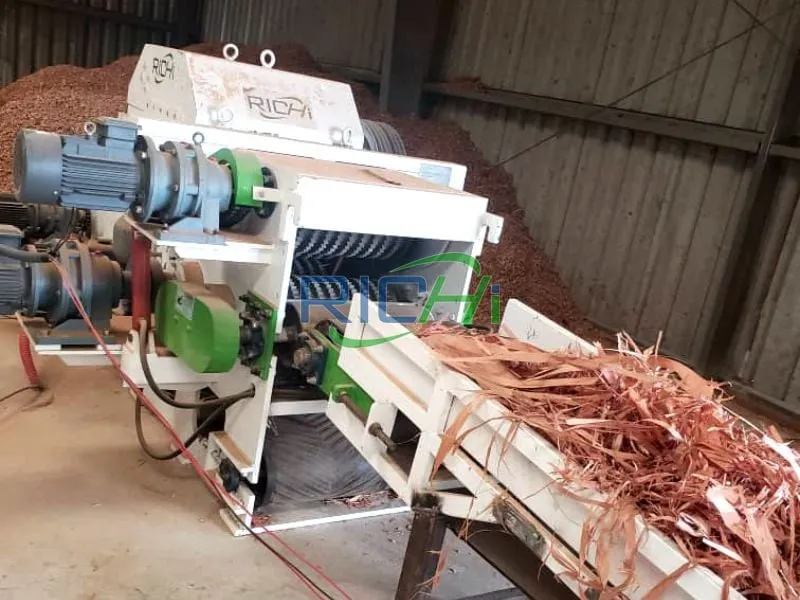
XPJ1200*500 wood chipper for sale South Africa Project
A timber processing plant in Mpumalanga uses this heavy-duty chipper to uniformly process pine and eucalyptus logs into optimal wood chips for their subsequent pellet production line.
Equipment Model
XPJ1200×500
Processing Capacity
15-35mm
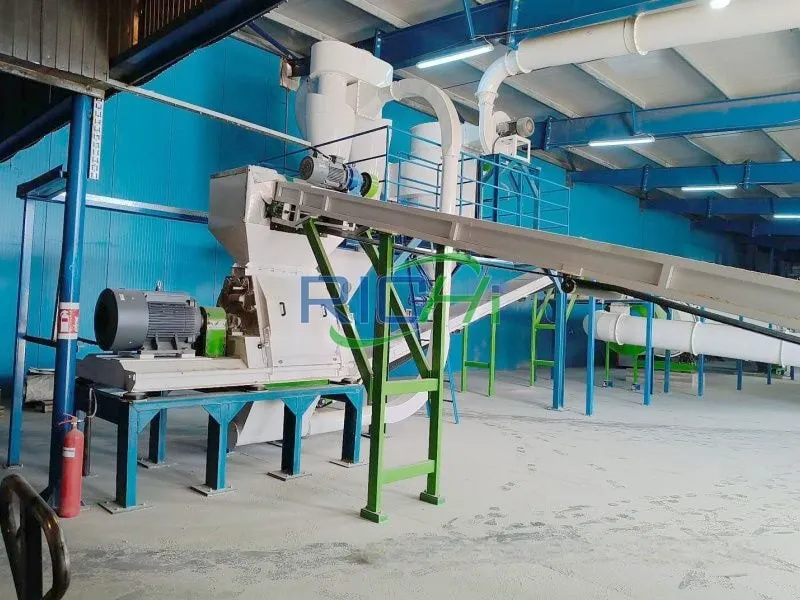
5.0-6.0T/H wood hammer mill South Africa Project
Integrated into a large biomass pellet plant in Gauteng, this high-capacity hammer mill efficiently reduces wood chips and sawmill scraps into fine, consistent sawdust for pelleting.
Equipment Model
SGHM6680
Processing Capacity
≤3mm
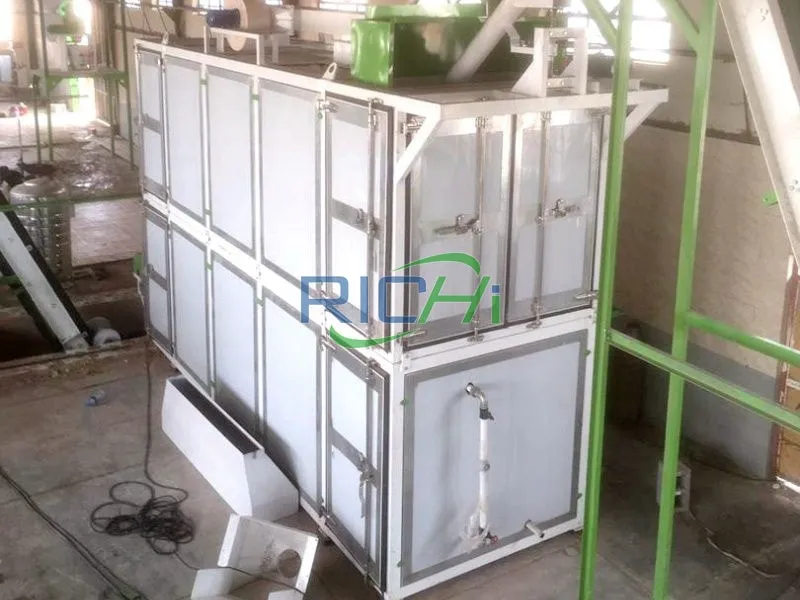
DHG-1000 feed dryer machine South Africa Project
A KwaZulu-Natal feed mill employs this conveyor-belt dryer to gently and uniformly reduce moisture in poultry feed pellets after the cooling process, ensuring long-term storage stability.
Equipment Model
DHG-1000
Processing Capacity
1.0-1.5t/h
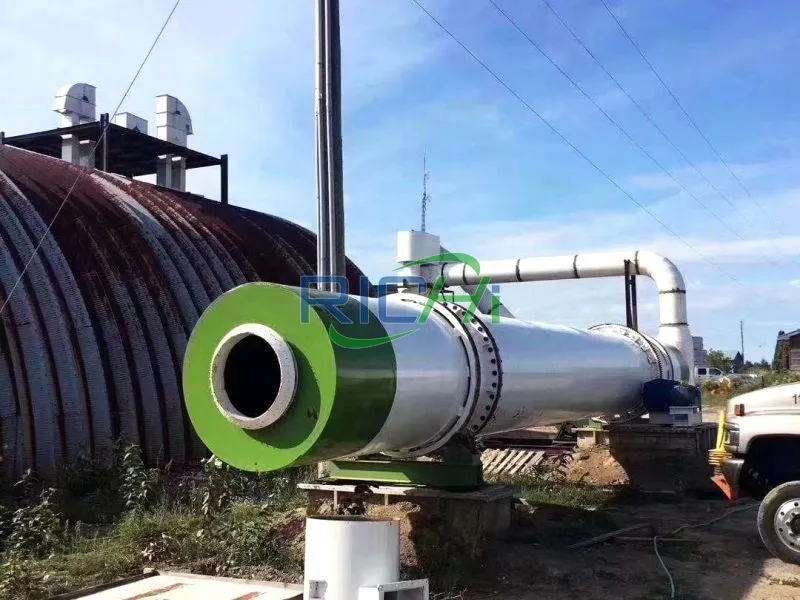
φ1.2*12 alfalfa dryer Machine South Africa Project
A hay supplier in the Eastern Cape utilizes this rotary dryer to efficiently lower the moisture content of chopped fresh alfalfa, preparing it for high-quality pellet production.
Equipment Model
Φ1.2×12
Processing Capacity
60% to 15%
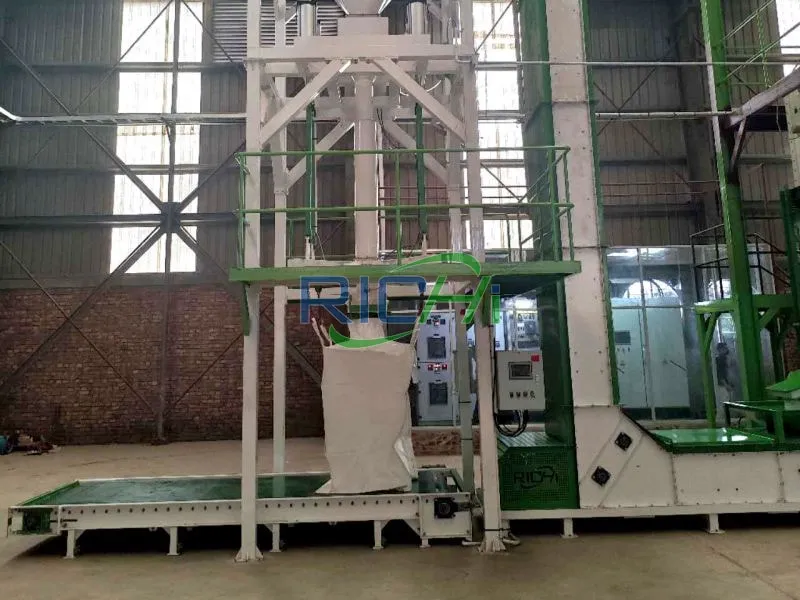
wood pellet bagging machine South Africa Project
A premier wood pellet manufacturer in the Western Cape automated their final packaging with this system, ensuring accurate 15kg bag weights for both retail and bulk orders.
Equipment Model
DCS-1000V
Packaging Speed
12 bags/min
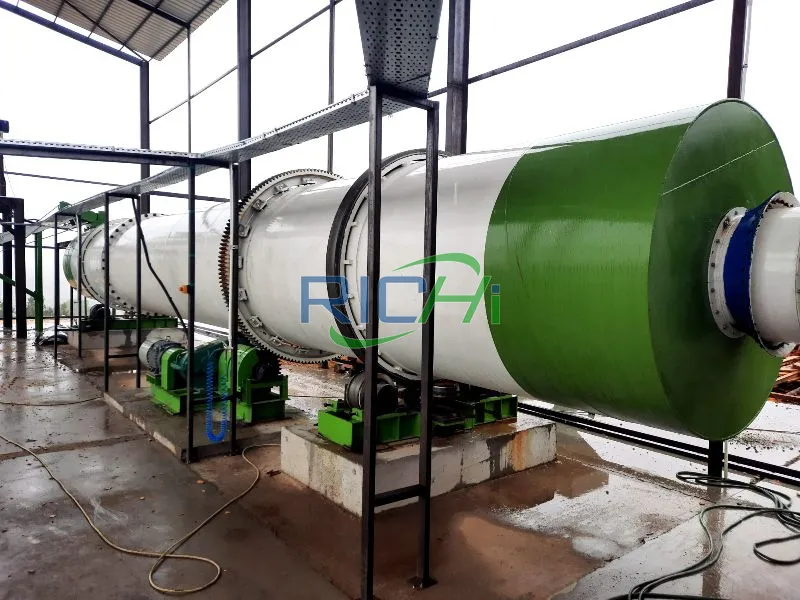
φ1.8*20 sawdust rotary dryer machine for sale South Africa
A major biomass energy company in Limpopo installed this large rotary dryer to process high-moisture sawdust from green timber, a critical pre-treatment for efficient wood pellet manufacturing.
Equipment Model
Φ1.8×20
Processing Capacity
To 8-12%
See Our Pellet Plants in Action
Witness the reliability and scale of our solutions through these real-world project videos. See how our machinery performs in South African facilities, from biomass energy to high-volume feed production.
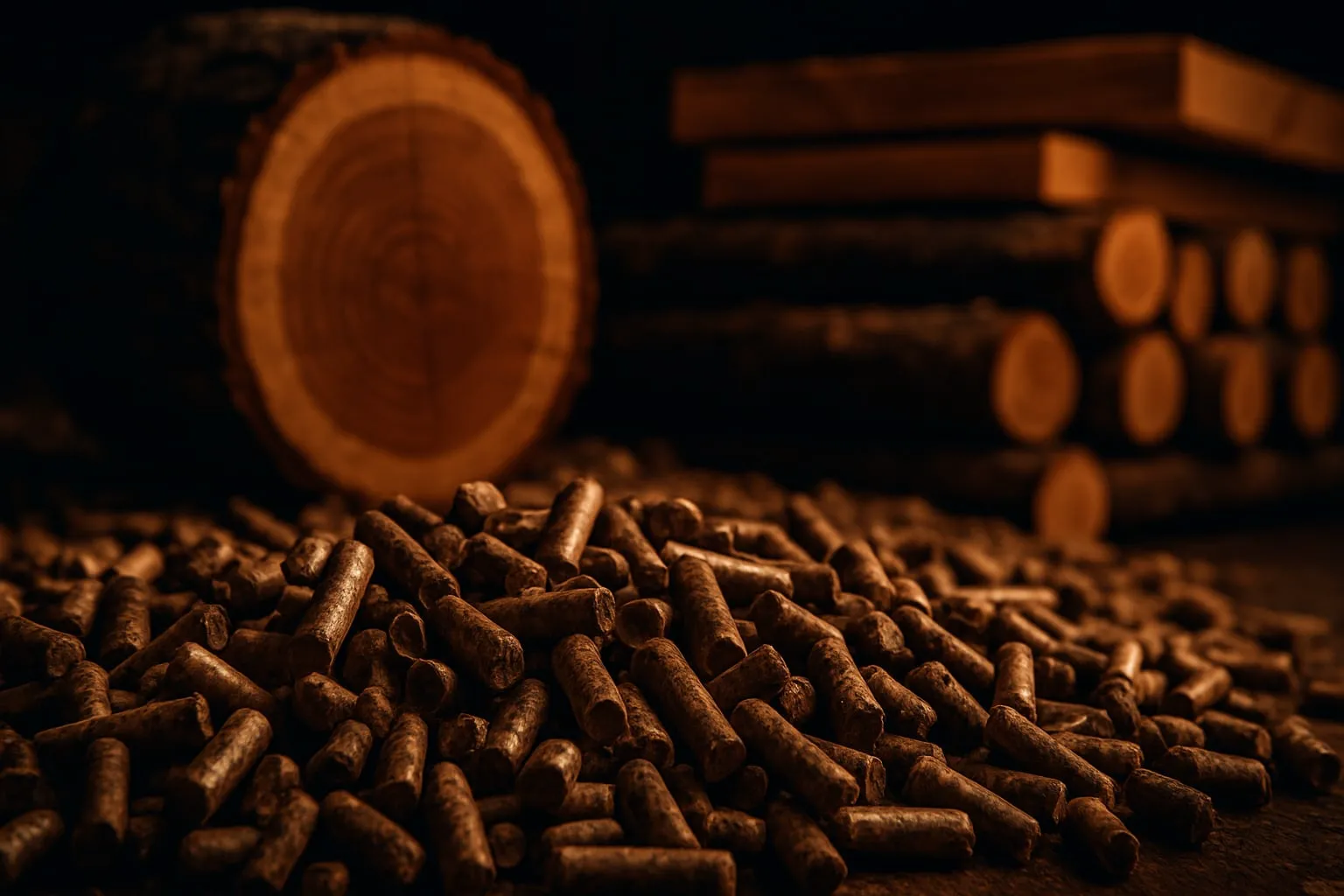
2-3T/H biomass wood pellet plant for sale south africa
See our robust ring die pellet machine for sale South Africa in action at a Mpumalanga sawmill, transforming pine and eucalyptus waste into premium fuel pellets (8mm diameter). This video showcases the complete process from chipping to bagging.
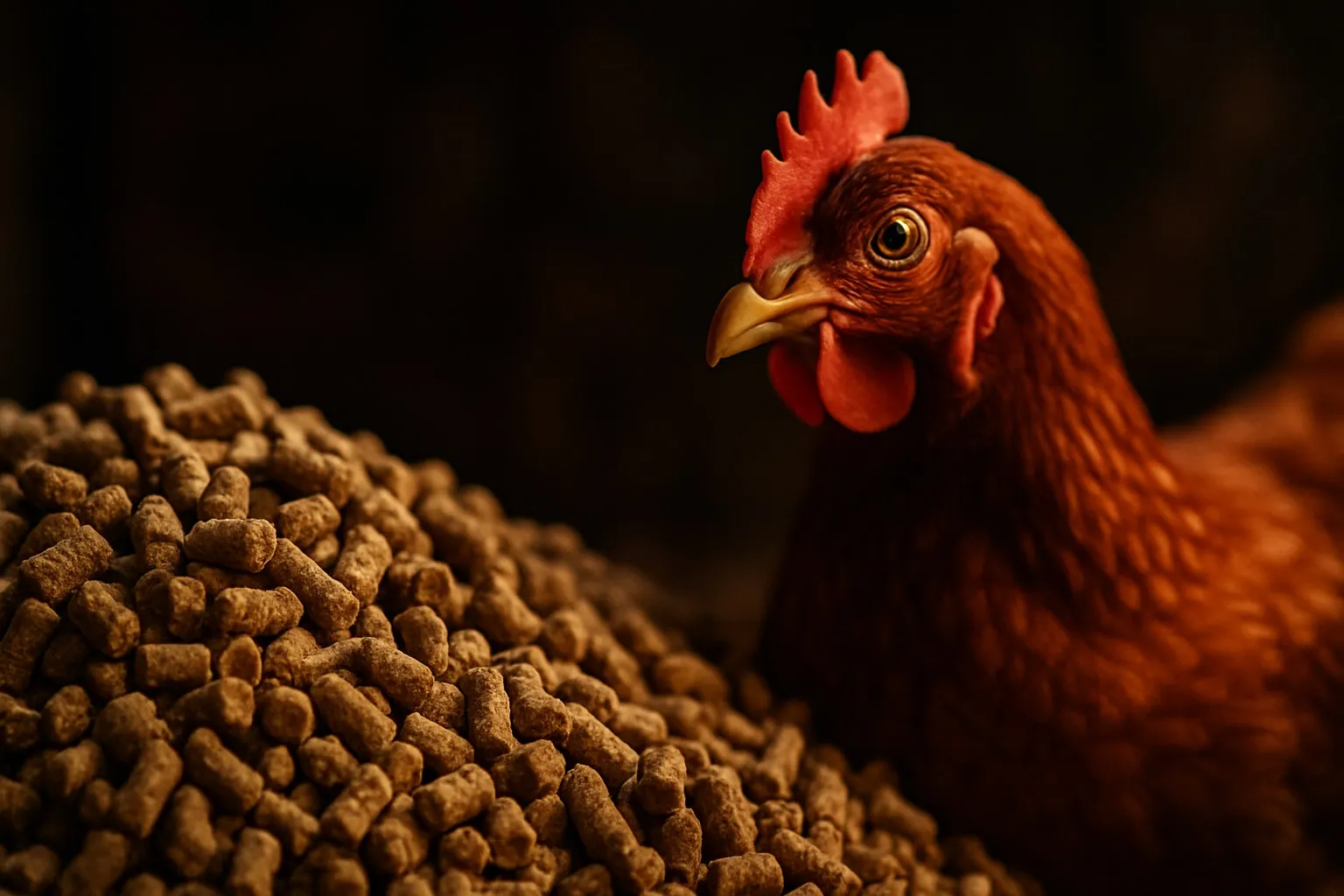
5-7 t/h poultry feed pellet production line south africa
Tour a high-efficiency feed mill in Gauteng built around our high-capacity pellet making machine for sale in south africa. Produce 3mm and 4.5mm crumbled & whole pellets. The video details the conditioning, pelleting, and cooling process for broiler feed.
15 t/h automatic cattle feed pellet production line in south africa
Experience the scale of one of our largest installations for a leading dairy co-op in the Free State. Produce 6mm, 8mm, and 12mm dairy & beef feed pellets. This video highlights the automation and precision of our industrial feed pellet machine for sale south africa.
3T/H biomass rotary dryer for sale south africa
This video from a KwaZulu-Natal project focuses on a critical pre-processing stage: drying sugarcane bagasse and grass. Reduces moisture from 50% to 12% for pelleting. See how our rotary dryer ensures consistent moisture for optimal pelleting.
3-5 t/h livestock feed pellet line for sale south africa
Follow the process at a mixed farm in the Eastern Cape, where our versatile pellet mill south africa produces nutrient-dense feed pellets from home-grown lucerne and maize for sheep and cattle.
2 t/h pet & fish feed production line in south africa
Discover our extrusion technology at a specialized aqua and pet food plant in the Western Cape. This video demonstrates the twin-screw extruder creating floating fish feed and shaped pet kibble.

What Our Customers Say

For years, sourcing consistent, high-quality dairy feed was a major cost and logistical challenge for our operation in the Eastern Cape. We decided to take control by producing our own, and after evaluating several suppliers, we chose this team for their pellet machine for sale South Africa solution.
They didn’t just sell us a machine; they delivered a complete 5t/h feed line tailored to our mix of home-grown lucerne and maize. Their CZLH520 pellet mill handles our fibrous material perfectly, producing durable 6mm and 8mm pellets that significantly improved feed intake and reduced waste. What truly set them apart was the on-ground support—their engineers were here for commissioning and training, ensuring we ran smoothly from day one. This investment has given us predictability in both quality and cost.
Thabo van der Merwe
Feed Mill Manager
Large-Scale Dairy & Livestock Farm, Eastern Cape

Market Opportunities: Pelletizing Potential in South Africa
South Africa’s diverse agricultural, forestry, and industrial sectors generate abundant raw materials perfectly suited for pelletizing. Investing in the right pellet machine for sale South Africa unlocks significant value, turning local resources into profitable, market-ready products. Richi Machinery provides the tailored technology to capitalize on these growing opportunities.
No matter your raw material—fibrous, wet, abrasive, or mixed—we engineer the precise pellet production line south africa you need. From single machines to complete plants, we provide the design, technology, and support to transform your local resource into a competitive pellet product.
WOOD PELLET PRODUCTION
WOOD PELLET SOLUTION
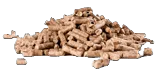
With extensive timber plantations and a push for renewable energy, wood pellets for industrial boilers and residential heating present a strong growth market. Our systems process pine, eucalyptus, and alien invasive biomass into high-calorific fuel.

GRASS PELLET PRODUCTION
GRASS PELLET SOLUTION
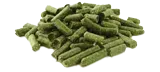
Pelletizing teff, lucerne, and Rhodes grass creates nutrient-stable, export-grade fodder. This is crucial for South Africa’s livestock sector to manage seasonal forage variability and reduce feed transport costs over long distances.

STRAW PELLET PRODUCTION
STRAW PELLET SOLUTION
Maize, wheat, and sorghum residues are widely available. Pelletizing these materials produces an affordable roughage feed for ruminants or biomass fuel, offering farmers a new revenue stream from crop waste.


RUMINANT FEED PELLET PRODUCTION
CATTLE FEED PELLET SOLUTION
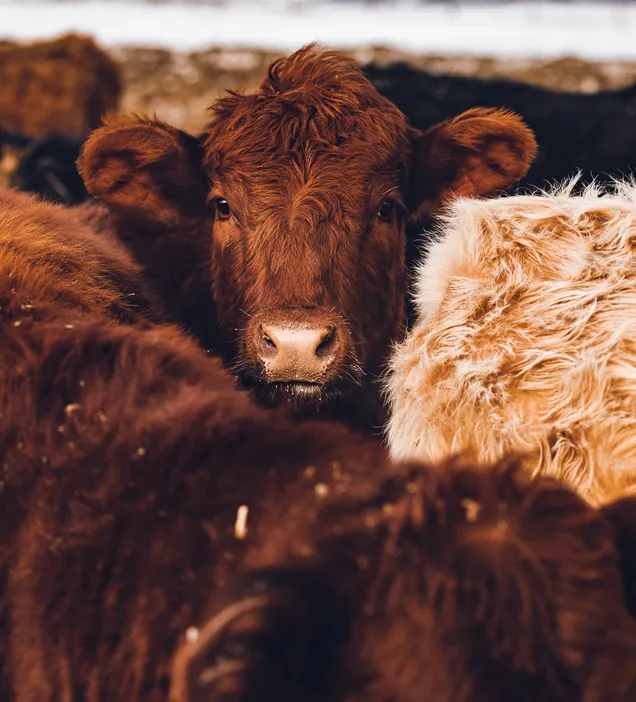
The large beef and dairy industry demands consistent, high-fibre feed. Pelletizing Total Mixed Rations (TMR) with ingredients like maize stalks, lucerne, and concentrates improves feed efficiency and farm profitability.

POULTRY FEED PELLET PRODUCTION
POULTRY FEED PELLET SOLUTION
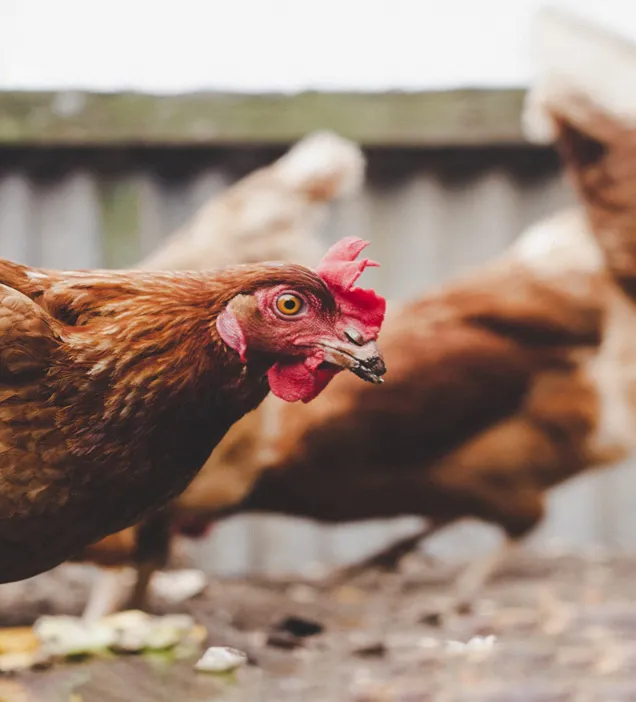
As a major poultry producer, South Africa requires efficient feed production. Pelletizing improves digestibility and reduces waste for broiler, layer, and turkey operations, making a feed pellet machine south africa a smart investment for integrators and farmers.

LIVESTOCK FEED PELLET PRODUCTION
LIVESTOCK FEED PELLET SOLUTION
From sheep and goat feed to specialized game farm rations, pelletizing allows for precise nutrition management. Compact pellets are ideal for supplementary feeding across South Africa’s vast farming landscapes.


FERTILIZER PELLET PRODUCTION
FERTILIZER PELLET SOLUTION
Converting chicken litter, cow manure, and compost into uniform organic fertilizer pellets addresses waste management and meets the growing demand for sustainable soil amendments in both commercial and subsistence farming.

FISH FEED PELLET PRODUCTION
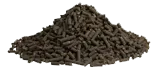
FISH FEED PELLET SOLUTION
The expanding aquaculture sector for species like tilapia and catfish needs specialized floating or sinking feed. Our extrusion and pelleting technology produces water-stable, nutrient-rich feed to support this industry’s growth.

PET FOOD PELLET PRODUCTION
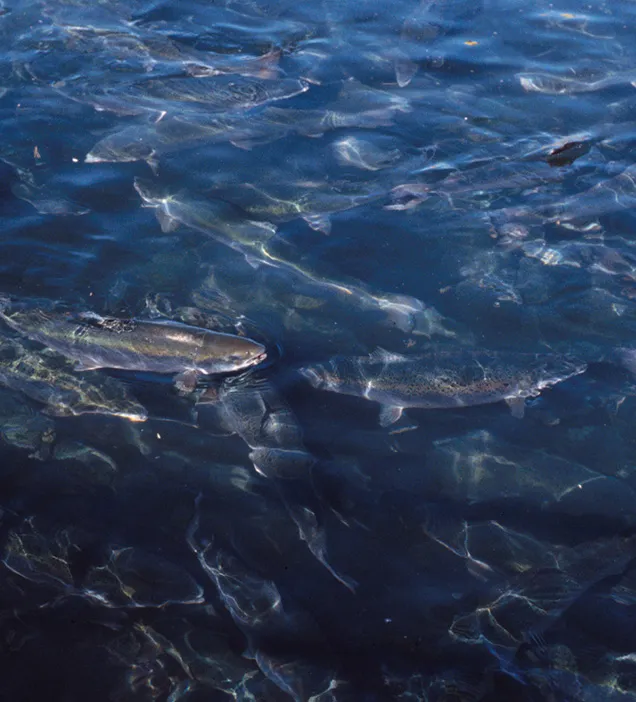
PET FOOD PELLET SOLUTION
The growing domestic pet care market creates demand for premium, locally-produced pet food. Extrusion technology allows for the production of highly digestible, shaped kibble from various meat and grain sources.

cat litter PELLET PRODUCTION
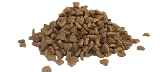
cat litter PELLET SOLUTION
Using local bentonite, recycled paper, or pine sawdust, producing absorbent cat litter pellets taps into the fast-moving consumer goods market with a product that has consistent quality and strong local demand.

paper PELLET PRODUCTION
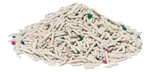
paper PELLET SOLUTION
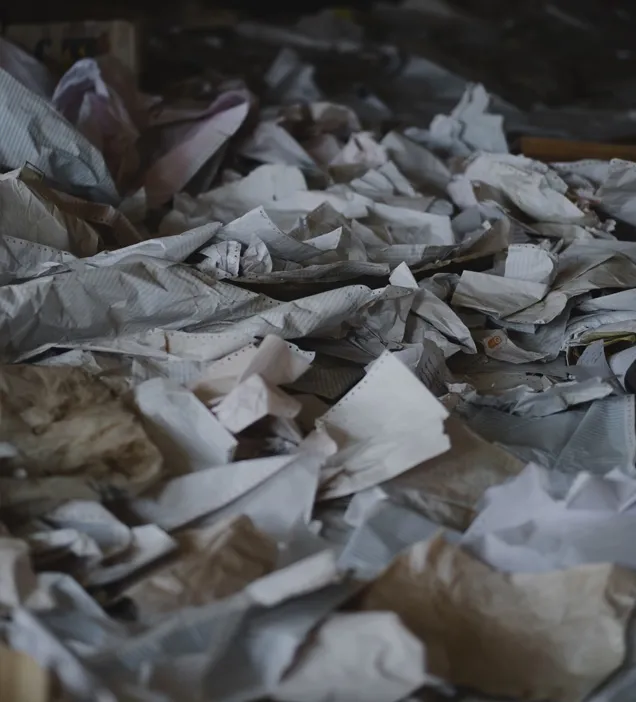
Pelletizing cardboard and office paper waste creates a high-grade fuel (SRF) for industrial use or an absorbent bedding material, offering an efficient recycling solution for urban centers.

ANIMAL BEDDING PELLET PRODUCTION
ANIMAL BEDDING PELLET SOLUTION
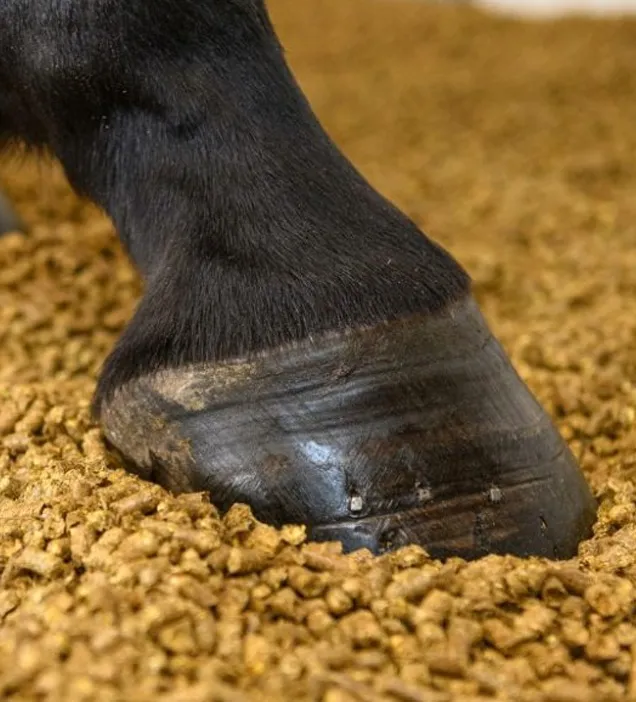
Processing sawdust, shavings, or straw into low-dust, highly absorbent bedding pellets meets the needs of the equine, poultry, and pet industries, adding value to wood processing by-products.
RDF PELLET PRODUCTION
RDF PELLET SOLUTION
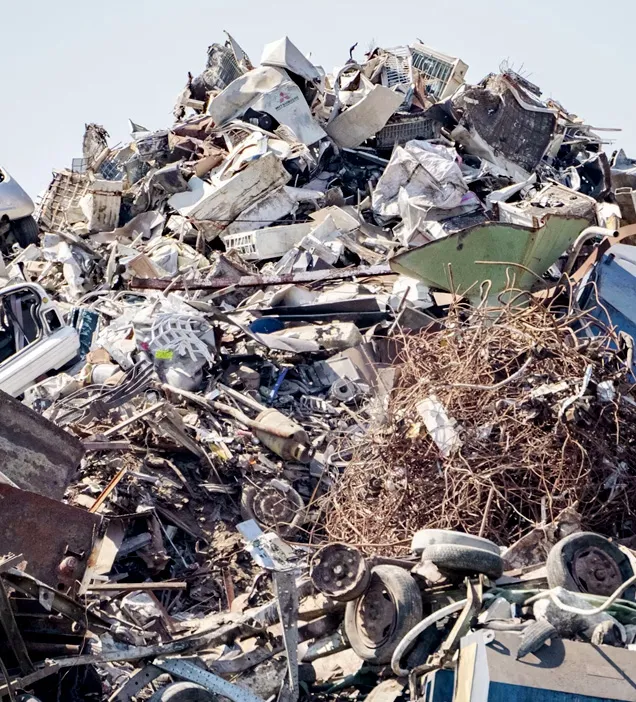
With landfill pressures mounting, pelletizing non-recyclable municipal and industrial waste into RDF pellets provides a alternative fuel for cement kilns and power plants, supporting the circular economy.

Raw grain puffing PRODUCTION
Raw grain puffing SOLUTION
Extruding maize, sorghum, and other grains produces expanded, highly digestible feeds for young livestock, pets, and niche food ingredients, enhancing the value of local grains.


Pyrolytic carbon PELLET PRODUCTION
Pyrolytic carbon PELLET SOLUTION
Biochar from agricultural waste, when pelletized, is used for soil enhancement, water filtration, and as a carbon source. This aligns with sustainable farming and environmental remediation projects.


Rat poison PELLET PRODUCTION
Rat poison PELLET SOLUTION
Producing uniform, weather-resistant bait pellets for rodent and snail control is essential for crop protection in South Africa’s extensive agricultural sector.


solid waste PELLET PRODUCTION
solid waste PELLET SOLUTION
From textile waste to mixed plastics, pelletizing difficult-to-recycle streams can create alternative fuels or raw materials for further industrial processing, tackling unique waste challenges.


High-Performance Machinery Supplied to South Africa
From primary processing to final pellet production, Richi Machinery supplies a complete range of robust equipment engineered for South African conditions. Each machine is proven across local farms, feed mills, and biomass plants to process regional materials into high-value products.
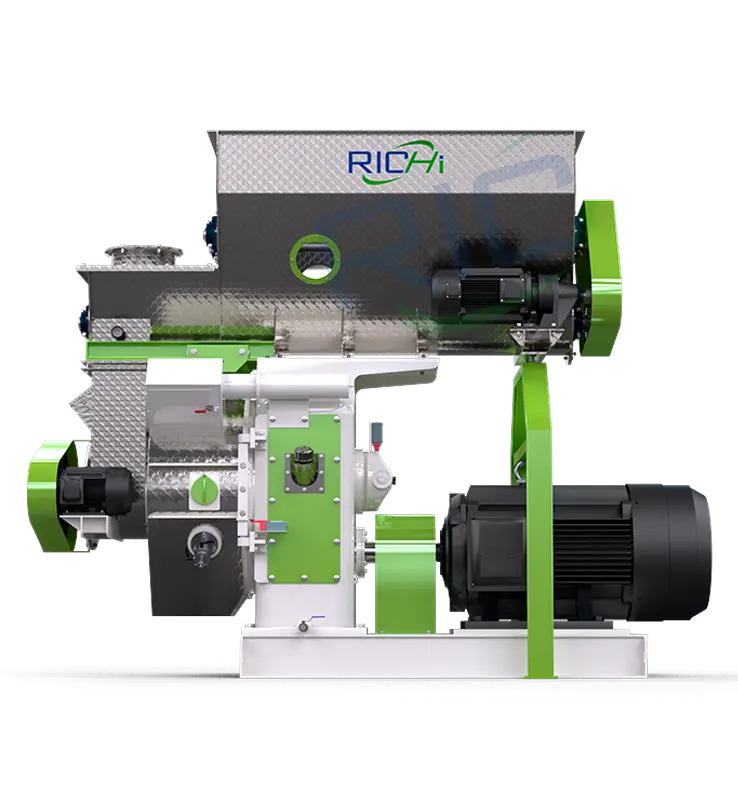
biomass pellet machine for sale south africa
Our heavy-duty ring die mills are the backbone of South Africa’s growing biomass sector, processing pine, eucalyptus, and invasive alien plants into consistent fuel pellets for industrial and domestic heating solutions.

grass pellet machine for sale south africa
Specifically engineered for fibrous materials, these pelletizers efficiently process lucerne, teff, and Rhodes grass into dense fodder pellets, enabling farmers to create stable, transportable feed reserves for drought periods.

feed mill pellet machine for sale south africa
This is the workhorse of the local feed industry. Our pellet machine for sale South Africa models produce durable poultry, cattle, and pig feed from maize, soy, and other concentrates, directly improving feed conversion ratios nationwide.ary systems including mixers, dryers, and conveyors, making it a key component of a turnkey feed line.
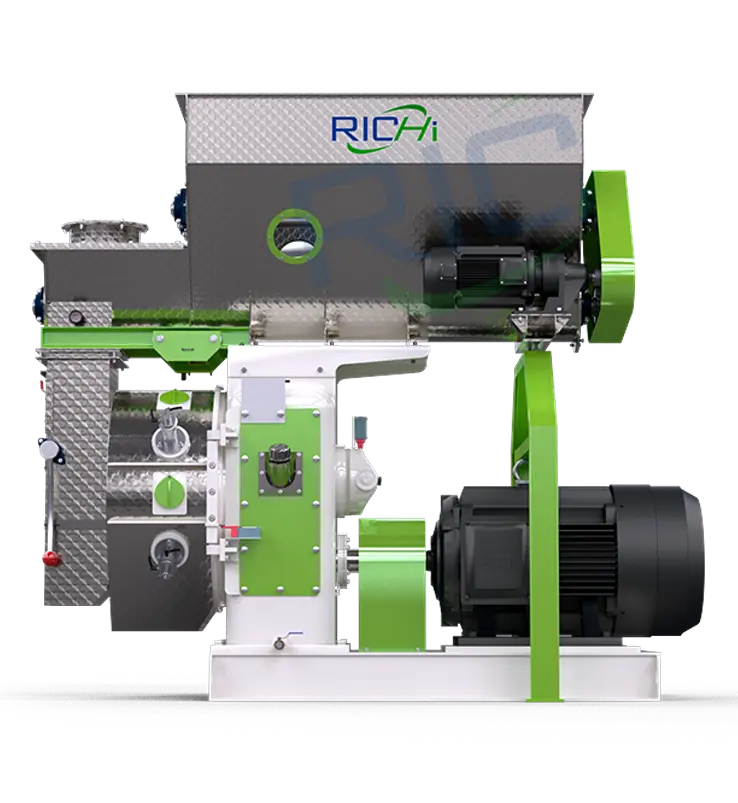
fertilizer granulator equipment
Converting chicken manure, cow dung, and compost into uniform, easy-to-spread organic fertilizer pellets, this machine helps farmers manage waste and improve soil health across South Africa’s agricultural heartlands.

twin screw extruder for sale south africa
Essential for the aqua and pet food industry, this extruder produces highly digestible floating fish feed for tilapia farms and shaped kibble for the growing domestic pet food market, utilizing local fishmeal and grains.
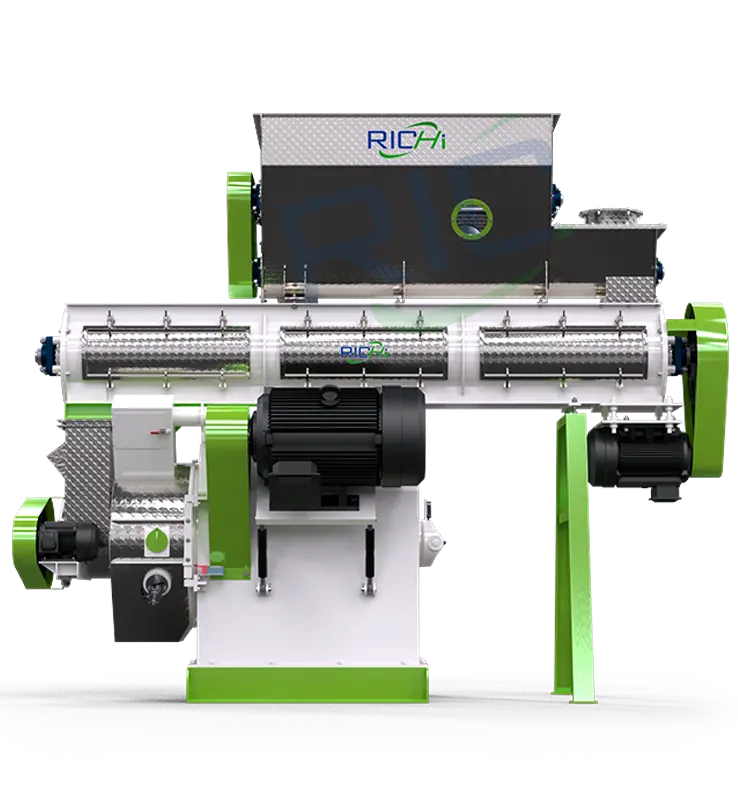
straw pellet machine for sale south africa
Turning maize and wheat straw—a common residue—into valuable cattle feed or biomass fuel pellets, this machine provides an innovative solution for crop waste management in the Free State and other grain-producing regions.

shrimp feed pellet machine for sale south africa
Though niche, our specialized aqua feed pelleting systems support emerging marine and freshwater prawn projects, producing slow-sinking, water-stable feed critical for successful cultivation.

cat litter pellet machine for sale south africa
Processing local bentonite clay or recycled paper into highly absorbent clumping or non-clumping litter pellets meets the specific needs of South African consumers and pet supply retailers.
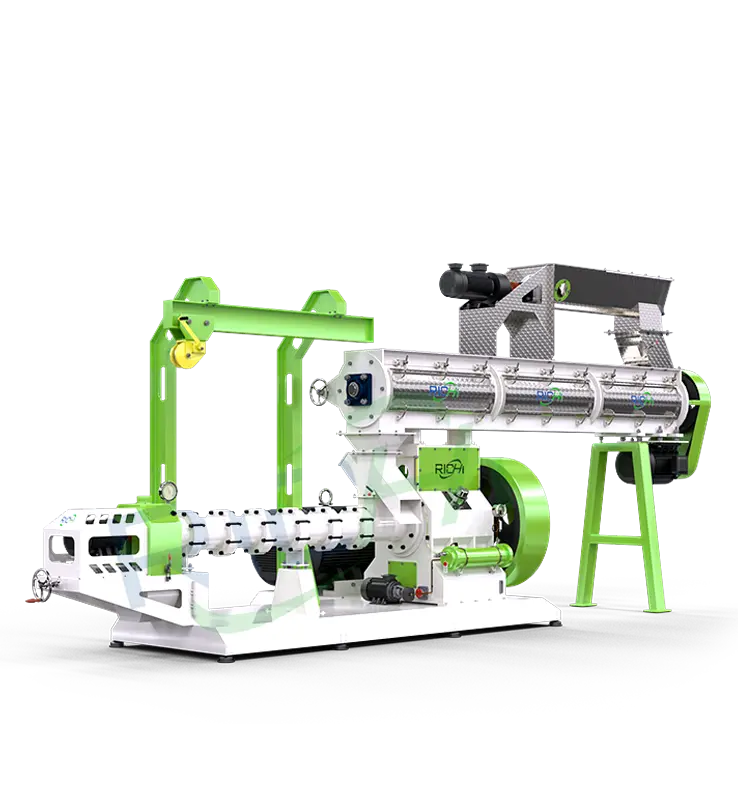
single screw extruder machine
A versatile solution for producing expanded pet snacks, textured soy protein, and pre-cooked animal feed, this extruder adds value to locally sourced grains and proteins.

Grain extruder machine
Used by feed mills to precook and expand maize and sorghum, this machine improves starch digestibility for young livestock and poultry, a key process for enhancing feed efficiency.
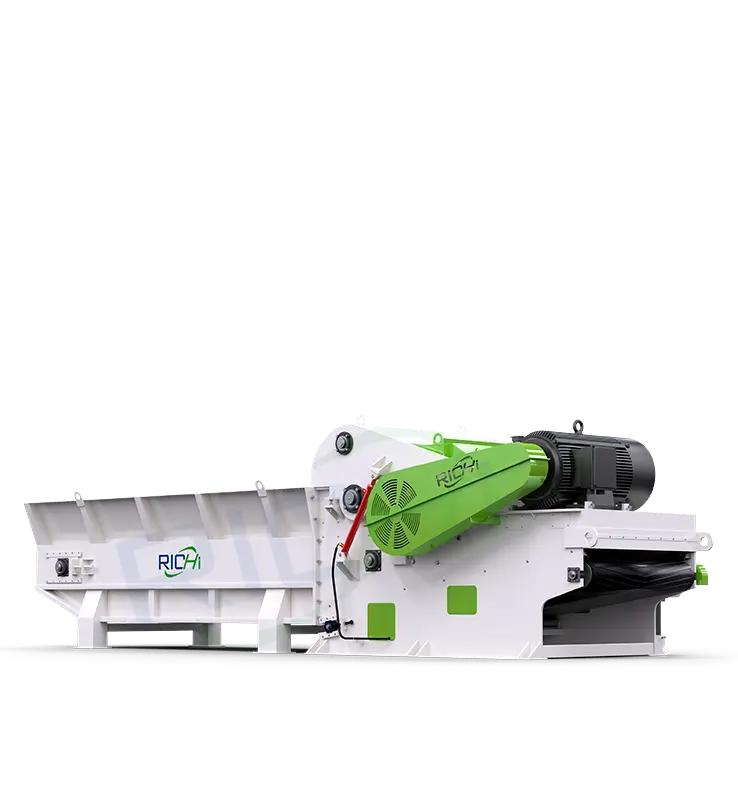
wood chipper machine
Processing plantation timber and orchard prunings into uniform chips, this machine provides the ideal feedstock for biomass pellet plants and paper mills across the forestry regions of Mpumalanga and KwaZulu-Natal.

shredder machine
A vital first-step in waste processing, our shredders handle diverse materials from municipal plastic waste to agricultural film and cardboard, preparing them for recycling or RDF pellet production.

Wood Chip Dryer
Critical for biomass preprocessing, these dryers efficiently reduce the moisture in wet sawdust, bagasse, and macadamia nut shells sourced from local processors, making them ready for pelletizing.

bale crusher
Designed for South Africa’s hay and straw bales, this machine efficiently breaks apart dense lucerne and grass bales, preparing the material for size reduction and mixing in feed production lines.

hammer mill
A versatile grinder for both feed and biomass sectors, it processes maize for feed and wood chips for pellets with high efficiency, forming the core of countless pellet making machine south africa production lines.

mesh belt dryer
Ideal for heat-sensitive materials, this dryer gently reduces moisture in poultry feed pellets and certain fertilizers, ensuring product quality and preventing nutrient degradation after pelleting.

Feed mixer machine
Ensuring homogenous nutrition, our horizontal and vertical mixers are fundamental in feed mills across Gauteng and the North West, accurately blending vitamins, minerals, and various meals for uniform pellet quality.

fertilizer crusher machine
Specifically designed for hard and caked materials, this crusher processes dried manure lumps and NPK fertilizer into a fine powder, which is essential for producing smooth, uniform fertilizer pellets.

grass straw crusher machine
Tackling tough, fibrous materials like sun-dried hay and sugarcane leaves, this specialized crusher prepares roughage for mixing and pelleting, which is crucial for creating balanced ruminant feed.

vibrating screening machine
Used for both raw material cleaning and finished pellet sieving, this equipment ensures only correctly sized sawdust enters the pellet mill south africa and that only premium, dust-free pellets reach the bagging station.

storage silos
From storing bulk maize and soybean meal at feed mills to holding finished wood pellets at export terminals, our silos provide essential, reliable storage solutions for the entire supply chain.
Frequently Asked Questions
From raw material suitability to plant setup and cost, find answers to the most common questions South African clients ask when investing in pellet production. Below, we address key considerations for feed, biomass, fertilizer, and other specialized pelletizing projects.
What are the specifications of the different pellet machines you supply to South Africa?
+
As a leading supplier of pelleting solutions to South Africa, we offer a comprehensive range of ring die pellet mills, each engineered for specific material characteristics and output requirements. Below are the detailed technical parameters for our core series of pellet machines for sale South Africa. These robust machines form the heart of countless successful feed, biomass, and fertilizer operations across the country.
Feed Pellet Mill
This series is designed for high-nutrition, durable animal feed production from materials like maize, soybean meal, and mixed concentrates.
| Model | SZLH250 | SZLH320 | SZLH350 | SZLH420 | SZLH508 | SZLH558 | SZLH678 | SZLH768 |
|---|---|---|---|---|---|---|---|---|
| Main Motor (kW) | 22 | 37 | 55 | 110 | 160 | 185 | 250 | 315 |
| Feeder Motor (kW) | 1.1 | 1.5 | 1.5 | 1.5 | 1.5 | 1.5 | 1.5 | 2.2 |
| Conditioner Motor (kW) | 1.5 | 4 | 4 | 7.5 | 7.5 | 11 | 11 | 11 |
| Ring Die I.D. (mm) | 250 | 320 | 350 | 420 | 508 | 558 | 673 | 762 |
| Pellet Diameter (mm) | 2~12 | 2~12 | 2~12 | 2~12 | 2~12 | 2~12 | 2~12 | 2~12 |
| Capacity (T/H) | 1.0-1.5 | 3-4 | 5-6 | 10-12 | 15-16 | 20-22 | 30-33 | 38-40 |
Biomass (Wood Pellet) Mill
Built for durability against abrasive materials like pine, eucalyptus, and wood waste, this series is key to South Africa’s biomass energy sector.
| Model | MZLH320 | MZLH350 | MZLH420 | MZLH520 | MZLH678 | MZLH768 |
|---|---|---|---|---|---|---|
| Main Motor (kW) | 22 | 37 | 90 | 132 | 185 | 250 |
| Bridge Breaker Motor (kW) | 2.2 | 2.2 | 3 | 3 | 3 | 4 |
| Force Feeder Motor (kW) | 0.75 | 0.75 | 1.5 | 1.5 | 1.5 | 1.5 |
| Ring Die I.D. (mm) | 320 | 350 | 420 | 520 | 673 | 762 |
| Pellet Diameter (mm) | 4~12 | 4~12 | 4~12 | 4~12 | 4~12 | 4~12 |
| Capacity (T/H) | 0.2-0.3 | 0.3-0.5 | 1.0-1.2 | 1.5-2.0 | 2.5-3.0 | 3.0-4.0 |
Straw & Grass Pellet Mill
Optimized for low-density, fibrous materials such as maize stover, teff grass, lucerne, and other forage crops prevalent in South African agriculture.
| Model | CZLH320 | CZLH350 | CZLH420 | CZLH520 | CZLH678 | CZLH768 |
|---|---|---|---|---|---|---|
| Main Motor (kW) | 22 | 37 | 90 | 132 | 185 | 250 |
| Bridge Breaker Motor (kW) | 2.2 | 2.2 | 3 | 3 | 3 | 4 |
| Force Feeder Motor (kW) | 0.75 | 0.75 | 1.5 | 1.5 | 1.5 | 1.5 |
| Ring Die I.D. (mm) | 320 | 350 | 420 | 520 | 673 | 762 |
| Pellet Diameter (mm) | 4~12 | 4~12 | 4~12 | 4~12 | 4~12 | 4~12 |
| Capacity (T/H) | 0.5-0.6 | 1.0-1.2 | 1.8-2.0 | 2.8-3.0 | 4-5 | 6-8 |
Cat Litter Pellet Mill
Designed for producing uniform, highly absorbent pellets from bentonite, paper, or other absorbent minerals, catering to the growing pet care market.
| Model | MSZLH250 | MSZLH320 | MSZLH350 | MSZLH420 | MSZLH508 | MSZLH558 | MSZLH678 | MSZLH768 |
|---|---|---|---|---|---|---|---|---|
| Main Motor (kW) | 22 | 37 | 55 | 110 | 160 | 185 | 250 | 315 |
| Feeder Motor (kW) | 1.1 | 1.5 | 1.5 | 1.5 | 1.5 | 1.5 | 1.5 | 2.2 |
| Conditioner Motor (kW) | 1.5 | 4 | 4 | 7.5 | 7.5 | 11 | 11 | 11 |
| Ring Die I.D. (mm) | 250 | 320 | 350 | 420 | 508 | 558 | 673 | 762 |
| Pellet Diameter (mm) | 2~12 | 2~12 | 2~12 | 2~12 | 2~12 | 2~12 | 2~12 | 2~12 |
| Capacity (T/H) | 1.0-1.5 | 3-4 | 5-6 | 10-12 | 15-16 | 20-22 | 30-33 | 38-40 |
Fertilizer Pellet Mill
Constructed with corrosion-resistant features to handle challenging organic materials like chicken manure, compost, and NPK blends.
| Model | FZLH250 | FZLH320 | FZLH350 | FZLH420 | FZLH520 | FZLH678 | FZLH768 |
|---|---|---|---|---|---|---|---|
| Main Motor (kW) | 22 | 22 | 37 | 90 | 132 | 185 | 250 |
| Bridge Breaker Motor (kW) | 2.2 | 2.2 | 2.2 | 3 | 3 | 3 | 4 |
| Force Feeder Motor (kW) | 0.75 | 0.75 | 0.75 | 1.5 | 1.5 | 1.5 | 1.5 |
| Ring Die I.D. (mm) | 250 | 320 | 350 | 420 | 520 | 673 | 762 |
| Pellet Diameter (mm) | 4~12 | 4~12 | 4~12 | 4~12 | 4~12 | 4~12 | 4~12 |
| Capacity (T/H) | 1-1.5 | 2-3 | 3-5 | 6-8 | 9-12 | 18-22 | 22-26 |
The tables above represent our primary series of pellet mills for sale South Africa, but they are not an exhaustive list. Our engineering capability extends far beyond these standard models. We understand that every project in South Africa has unique requirements based on local raw materials, desired product specifications, and production goals. Therefore, we specialize in providing fully customized pelleting solutions.
Whether you need a machine for a niche material, a specific capacity not listed, or a complete turnkey production line, our engineers can tailor the design, specifications, and configuration to meet your exact needs. Contact us with your specific material and output target for a bespoke pellet machine for sale South Africa proposal.
What is the price range for a pellet mill machine in South Africa?
+
The price of a pellet mill machine for the South African market varies significantly based on the machine type, capacity, motor power, and specific configuration required for your raw material. As a direct manufacturer, Richi Machinery offers competitive FOB pricing for our extensive range of ring die pellet mills.
Below is a general price guide for our core series to help with initial budgeting. Please note that these are indicative FOB prices for the main pellet machine unit with standard configuration and control cabinet; final costs for a complete production line including auxiliary equipment (hammer mills, dryers, coolers, etc.) and shipping to South African ports will be higher and determined during a detailed quotation process.
Single Ring Die Feed Pellet Machine (FOB Price)
This series is designed for producing high-quality animal feed and is a popular choice for chicken feed making machine south africa and cattle feed operations.
| Model & Power | Capacity (T/H) | Indicative FOB Price Range |
|---|---|---|
| SZLH250 (22KW) | 1-2 | $6,500 – $9,000 |
| SZLH320 (37KW) | 3-4 | $14,500 – $19,000 |
| SZLH350 (55KW) | 5-6 | $26,000 – $32,000 |
| SZLH420 (110KW) | ~10 | $28,000 – $35,000 |
| SZLH508 (160KW) | ~15 | $38,000 – $47,000 |
| SZLH558 (185KW) | ~20 | $45,000 – $55,000 |
| SZLH678 (250KW) | ~30 | $60,000 – $74,000 |
| SZLH768 (315KW) | ~40 | $72,000 – $89,000 |
Single Biomass Wood Pellet Machine (FOB Qingdao Price)
Configured for abrasive biomass like pine and eucalyptus, this series is central to inquiries about a biomass pellet mill South Africa price. Price includes anti-arching feeder, force feeder, pelletizer, and control cabinet.
| Model & Power | Capacity (T/H) | Indicative FOB Price Range |
|---|---|---|
| MZLH320 (22KW) | 0.2-0.3 | $13,000 – $17,000 |
| MZLH350 (37KW) | 0.3-0.5 | $18,000 – $23,000 |
| MZLH420 (90KW) | 1.0-1.2 | $26,000 – $33,000 |
| MZLH520 (132KW) | 1.5-2.0 | $40,000 – $50,000 |
| MZLH678 (200KW) | 2.5-3.0 | $60,000 – $74,000 |
| MZLH768 (315KW) | 3.0-4.0 | $72,000 – $89,000 |
Single Grass Pellet Machine (FOB Qingdao Price)
Optimized for fibrous materials like lucerne, teff, and straw, this is a key solution for those searching for a grass pellet machine price in South Africa. Price includes anti-arching feeder, conditioner, force feeder, pelletizer, and control cabinet.
| Model & Power | Capacity (T/H) | Indicative FOB Price Range |
|---|---|---|
| CZLH250 (22KW) | 0.3-2 | $7,000 – $9,500 |
| CZLH320 (22KW) | 0.5-4 | $17,000 – $22,000 |
| CZLH350 (37KW) | 1-6 | $22,000 – $28,000 |
| CZLH420 (90KW) | 2-10 | $28,000 – $35,000 |
| CZLH520 (132KW) | 3-12 | $46,000 – $57,000 |
| CZLH678 (200KW) | 4-20 | $66,000 – $82,000 |
| CZLH768 (315KW) | 6-30 | $78,000 – $97,000 |
The price ranges above cover our most commonly requested pellet machine for sale South Africa types for feed, wood, and grass. However, this is not an exhaustive list. We also manufacture specialized machines for fertilizer, cat litter, aqua feed, and other niche applications, each with its own pricing structure based on materials of construction and specific features.
It is crucial to understand that the final pellet mill machine price South Africa for your project is highly customized. Factors that influence the final cost include:
- The specific raw material and its characteristics (moisture, abrasiveness).
- The desired final pellet specification (size, density, durability).
- The level of automation and control systems required.
- The choice and scale of auxiliary equipment for a complete line.
- International shipping terms and current freight rates to Durban, Cape Town, or other ports.
Therefore, the most accurate way to get a tailored quote is to provide us with your detailed requirements. For a precise animal feed pellet machine South Africa price or a quotation for a complete turnkey plant, please contact our sales team with your capacity goals and material information. We will provide a comprehensive and competitive proposal tailored to your business needs in South Africa.
What is the investment range for a complete pellet or feed production line in South Africa?
+
Investing in a complete production line is a significant decision, and the total cost depends entirely on the desired output, product type, and level of automation. At Richi Machinery, we engineer and supply full turnkey lines, from raw material intake to finished pellet bagging.
Below are indicative FOB price ranges for our core series of complete production lines supplied to South Africa. These ranges are for reference and encompass the essential equipment for each process; the final price is customized based on your specific site conditions and technical requirements.
Poultry & Livestock Feed Production Line Price
This covers complete systems for producing mash and pellet feed for chickens, cattle, pigs, and other livestock. It is the solution for clients searching for a complete feed pellet plant South Africa cost.
| Capacity (T/H) | Indicative FOB Price Range (USD) |
|---|---|
| Small Capacity (Flat Die System) | Ideal for starter farms or small cooperatives. Includes hammer mill, mixer, flat die pellet machine. |
| 1t/h Mash + 0.2-0.3t/h Pellets | $12,000 – $16,000 |
| 1t/h Mash + 0.5-0.6t/h Pellets | $13,000 – $17,000 |
| 1t/h Mash + 0.8-1.0t/h Pellets | $14,000 – $19,000 |
| Commercial Capacity (Ring Die System) | For serious feed mills. Includes weighing, grinding, mixing, pelleting, cooling, and more. |
| 1-2 | $30,000 – $60,000 |
| 3-4 | $60,000 – $200,000 |
| 5-6 | $80,000 – $250,000 |
| 10 | $170,000 – $320,000 |
| 15 | $240,000 – $400,000 |
| 20 | $440,000 – $600,000 |
| 30 | $600,000 – $700,000 |
| 40 | $700,000 – $800,000 |
| 60+ | > $1,100,000 |
Biomass Wood Pellet Production Line Price
This is for full plants producing fuel pellets from pine, eucalyptus, or wood waste. The range reflects the complexity from a simple pellet machine for sale South Africa setup to a fully automated plant with drying.
| Capacity (T/H) | Indicative FOB Price Range (USD) |
|---|---|
| 0.2-0.3 | $20,000 – $140,000 |
| 0.3-0.5 | $28,000 – $160,000 |
| 1.0-1.2 | $39,000 – $220,000 |
| 1.5-2.0 | $56,000 – $270,000 |
| 2.5-3.0 | $78,000 – $350,000 |
| 3.0-4.0 | $95,000 – $430,000 |
| 5.0-6.0 | $160,000 – $570,000 |
| 6.0-8.0 | $190,000 – $690,000 |
| 10-12 | $280,000 – $1,100,000 |
| 12-15 | $470,000 – $1,430,000 |
| 20-24 | $570,000 – $2,100,000 |
Aqua Feed (Floating) Production Line Price
These are specialized lines using extrusion technology for high-quality fish and shrimp feed. Includes grinding, mixing, extrusion, drying, coating, and cooling.
| Capacity (T/H) | Single-Screw Extruder Line (USD) | Twin-Screw Extruder Line (USD) |
|---|---|---|
| 0.2-0.4 | $60,000 – $80,000 | – |
| 0.5-0.6 | $70,000 – $100,000 | – |
| 0.8-1.0 | $130,000 – $170,000 | – |
| 0.5-1.0 | – | $150,000 – $200,000 |
| 1.5-2.0 | – | $440,000 – $560,000 |
| 3.0-4.0 | – | $530,000 – $650,000 |
| 5.0-6.0 | – | $670,000 – $840,000 |
| 8.0-10.0 | – | $880,000 – $1,200,000 |
Alfalfa & Grass Pellet Production Line Price
Complete lines for pelleting lucerne, teff, Rhodes grass, and crop straws into fodder or fuel pellets. Price highly dependent on the need for a drying system.
| Capacity (T/H) | Indicative FOB Price Range (USD) |
|---|---|
| 0.3-2 | $37,000 – $62,000 |
| 0.5-4 | $80,000 – $200,000 |
| 1-6 | $99,000 – $220,000 |
| 2-10 | $190,000 – $400,000 |
| 3-12 | $220,000 – $450,000 |
| 4-20 | $300,000 – $620,000 |
The tables above represent primary configurations for major market sectors in South Africa. However, they are not exhaustive. We design and supply custom lines for many other applications, including organic fertilizer pellet plants, cat litter production lines, RDF (waste-to-fuel) systems, and more.
It is critical to understand that a final production line price is not standard. The wide ranges shown reflect how factors like these drastically affect the investment:
- Raw Material: Initial moisture and preparation needs (e.g., a dryer can double a line’s cost).
- Automation Level: From manual bagging to full PLC control with robotic palletizing.
- Material Handling: The scale and type of conveying (screw, pneumatic, belt) and storage (silos vs. bags).
- Site-Specific Engineering: Civil works, electrical infrastructure, and emission control systems.
Therefore, the price for a complete pellet production line south africa is always project-specific. To receive a meaningful and accurate quotation for your pellet machine for sale South Africa project, please share your detailed requirements with our engineering team.
Tell us your target capacity, raw material specifics, final product goals, and available site conditions. We will then provide a comprehensive, tailored proposal to turn your vision into a profitable reality.
What is the price for a chicken feed machine in South Africa?
+
The price for chicken feed production equipment in South Africa depends entirely on whether you are purchasing a standalone pellet machine or investing in a complete, automated production line. As a leading supplier to the South African poultry sector, Richi Machinery offers solutions across this full spectrum.
Below is a clear breakdown of our indicative FOB price ranges to help you with initial planning. These figures are for the core machinery; final costs are customized based on your specific capacity, automation level, and auxiliary equipment selection.
Standalone Chicken Feed Pellet Machine Price
This refers to the price of the core ring die pellet machine unit itself, which is the heart of any feed mill. This is the essential piece of equipment for clients searching specifically for a chicken feed making machine south africa price. Our machines are built for durability and high output, suitable for producing both starter crumbles and grower/finisher pellets.
| Capacity Range (T/H) | Indicative FOB Price Range (USD) | Notes |
|---|---|---|
| 1 – 2 | $6,500 – $9,500 | Ideal for medium-scale farms or starter feed mills. |
| 3 – 4 | $14,000 – $19,000 | A popular capacity for small to mid-sized commercial operations. |
| 5 – 6 | $25,000 – $33,000 | Suitable for established cooperatives or integrated farms. |
| 10 – 12 | $28,000 – $36,000 | Entry-level for larger commercial feed production. |
| 15 – 16 | $38,000 – $47,000 | For large commercial feed production. |
| 20 – 22 | $45,000 – $56,000 | For large commercial feed production. |
| 30 – 33 | $60,000 – $75,000 | For high-volume poultry integrators. |
| 38 – 40 | $72,000 – $90,000 | Industrial-scale feed milling capacity. |
Complete Chicken Feed Production Line Price
A complete line transforms raw ingredients like maize and soybean meal into finished, packaged feed. The investment is significantly higher but encompasses the entire process for maximum efficiency and quality control. This is the solution for those needing a complete animal feed pellet plant South Africa cost analysis.
| Capacity Range (T/H) | Indicative FOB Price Range (USD) | Scope & Key Components |
|---|---|---|
| 1 – 2 | $30,000 – $60,000 | Basic line with grinding, mixing, pelleting, and cooling. |
| 3 – 4 | $60,000 – $200,000 | Price varies widely with automation. May include weighing and basic dust control. |
| 5 – 6 | $80,000 – $250,000 | More robust system with better conveying and control. |
| 10 | $170,000 – $320,000 | Commercial-grade plant with higher automation and silo storage. |
| 15 | $240,000 – $400,000 | Commercial-grade plant with higher automation and silo storage. |
| 20 | $440,000 – $600,000 | Advanced line with possible fat coating and extensive automation. |
| 30 | $600,000 – $750,000 | Large-scale integrated feed mill systems. |
| 40 | $700,000 – $850,000 | Large-scale integrated feed mill systems. |
| 60+ | > $1,100,000+ | Custom-engineered, fully automated plants. Capacity up to 120 T/H. |
Important Context for Your Investment
Our feed pellet machines are not limited to chicken feed alone. The same robust ring die pellet machine for sale south africa technology is perfectly suited for processing feed for other poultry (ducks, turkeys), cattle, pigs, and even sinking aqua feed for species like catfish. The versatility lies in the die specification (hole size and compression ratio) and the conditioning process.
The wide price ranges, especially for complete lines, reflect the many factors that customize a project:
- Raw Material Handling: Cost differs for bagged intake versus bulk silo reception with pneumatic conveying.
- Grinding Stage: The number, size, and type of hammer mills (like our SFSP series) affect price.
- Mixing Precision: Choice between a simple mixer and a high-uniformity twin-shaft paddle mixer.
- Post-Pelleting Processes: Inclusion of coolers, crumbler rolls for starter feed, fat coating systems, and automated bagging/palletizing.
- Automation & Control: From simple button control to full PLC systems with production monitoring.
Therefore, providing an exact chicken feed machine price in south africa requires understanding your complete vision. To move from a price range to a firm quotation, please share your target daily/weekly production tonnage, available factory space, desired level of automation, and any specific product features (like crumbled starter feed).
Contact us with these details, and our engineering team will provide a comprehensive, tailored proposal for your pellet machine for sale South Africa project.
What is the price range for a hammer mill (water drop type) in South Africa?
+
The price for a high-quality water drop hammer mill in South Africa is directly tied to its size, motor power, and designed capacity. As a critical component in both feed and biomass pellet production lines, investing in a reliable hammer mill from a trusted supplier like Richi Machinery ensures consistent particle size, which is vital for downstream pelleting efficiency and final product quality. Below is a detailed technical and pricing overview of our SFSP series, a workhorse model widely supplied to South African farms and feed mills.
Our SFSP series “water drop” hammer mills are renowned for their efficient, symmetrical grinding chamber design that promotes even wear and consistent particle size reduction. The price ranges provided are indicative FOB prices and can vary based on specific motor brand selection, custom sieve mesh sizes, and inclusion of starters or ancillary equipment.
SFSP Series Hammer Mill Specifications & Price Guide
| Model | Rotor Dia. (mm) | Chamber Width (mm) | Speed (rpm) | Hammer Speed (m/s) | Power (kW) | Grain Capacity (T/H) | Forage/Straw Capacity (T/H) | Wood Chip Capacity (T/H) | Indicative FOB Price Range (USD) |
|---|---|---|---|---|---|---|---|---|---|
| SFSP56×40 | 560 | 400 | 2980 | 88 | 37 | 3-5 | 0.8-1.0 | 0.5-0.6 | $5,300 – $7,500 |
| SFSP66×60 | 660 | 600 | 2980 | 103 | 55 / 75 | 5-6 / 6-7 | 1.0-1.5 | 1.0-1.2 | $8,000 – $13,000 |
| SFSP66×80 | 660 | 800 | 2980 | 103 | 75 / 90 / 110 | 8-10 / 10-12 | 2.0-2.5 | 2.0-2.5 | $11,000 – $18,000 |
| SFSP66×100 | 660 | 1000 | 2980 | 103 | 110 / 132 / 160 | 15-17 / 20-22 | 3.0-4.0 | 3.0-4.0 | $15,000 – $24,000 |
| SFSP66×120 | 660 | 1200 | 2980 | 103 | 160 / 185 / 220 | 25-27 / 30-32 | 5.0-6.0 | 4.0-5.0 / 5.0-6.0 | $20,000 – $30,000 |
| SFSP66×150 | 660 | 1500 | 2980 | 103 | 220 | 40-50 | 7.0-8.0 | 7.0-8.0 | $28,000 – $35,000 |
Key Considerations for Your Selection & Final Price
The table demonstrates how capacity and power scale with price. When determining the right hammer mill for your operation in South Africa and its final cost, consider these factors:
- Primary Material: Your main feedstock dictates the model. Grinding maize for a 10T/H feed line requires a different mill (e.g., SFSP66×80) than processing pine chips for a 2T/H biomass plant (which may need a more powerful model like the SFSP66×100 due to fiber and abrasion).
- Desired Final Particle Size: This is controlled by the screen (sieve) mesh diameter. Finer grinding requires more power and may reduce throughput. We supply a range of standard and custom screens.
- Configuration: A basic mill with a direct connection to a bin differs in price from one integrated with a cyclone, dust collector, and pneumatic conveying system—a common setup for feed pellet machine south africa lines to control dust.
- Motor & Starter: The price varies with the power rating (kW) and the quality of the electric motor and starter. We use reputable international and Chinese brands to balance performance and cost.
The hammer mill price South Africa clients ultimately pay is part of a larger system investment. This machine is a fundamental preprocessing stage for any efficient pellet making machine south africa line, whether for animal feed, biomass fuel, or organic fertilizer. Its performance directly impacts pellet quality, production rate, and the wear on your pellet mill’s die and rollers.
For an exact quotation tailored to your specific material, target particle size, and integration needs, please contact us with your production line capacity goals. We will recommend the optimal SFSP model and provide a precise price, ensuring your grinding process effectively supports your overall pelleting operation.
What is the price for a bagasse pellet mill in South Africa?
+
The price for a specialized bagasse pellet mill in South Africa varies based on the required capacity and the machine’s configuration to handle this specific, fibrous, and often abrasive biomass material.
At Richi Machinery, we engineer pellet mills with the durability and power necessary to efficiently compress sugarcane bagasse into high-density fuel or feed pellets. Below is a clear breakdown of our indicative FOB price ranges for bagasse-dedicated pelleting equipment. These ranges reflect the core pellet machine unit; final project costs for a complete line with drying and grinding will be higher and customized.
Bagasse pelleting presents unique challenges due to its high silica content and low natural lignin compared to wood. Therefore, our recommended bagasse pellet mill is built from our heavy-duty biomass series, featuring reinforced gearboxes, high-chromium alloy dies, and robust force feeders to ensure consistent production and withstand abrasion.
Bagasse Pellet Mill – Technical & Price Overview
| Target Capacity (T/H) | Recommended Model Series | Key Machine Features for Bagasse | Indicative FOB Price Range (USD) |
|---|---|---|---|
| 0.2 – 0.5 | MZLH320 / MZLH350 | Compact design, ideal for pilot projects or small-scale cogeneration at mills. Includes force feeder for consistent material flow. | $13,000 – $23,000 |
| 1.0 – 1.5 | MZLH420 / MZLH520 | Mid-range capacity perfect for most mill by-product valorization. Equipped with abrasion-resistant components and higher torque. | $26,000 – $50,000 |
| 2.0 – 3.0 | MZLH678 | Industrial capacity for dedicated bagasse pellet plants. Heavy-duty construction for 24/7 operation with minimal downtime. | $60,000 – $75,000 |
| 3.0 – 4.0+ | MZLH768 / Custom | Large-scale production for export or major fuel supply contracts. Features the largest ring die and highest power motor for maximum throughput. | $72,000 – $90,000+ |
Critical Factors Influencing Your Bagasse Pellet Mill Investment
It is essential to understand that the standalone pellet mill for sale South Africa is just one component of a viable bagasse pelleting operation. The following factors significantly influence both the selection of the mill and the total system cost:
- Moisture Content: Fresh bagasse straight from the mill has 45-55% moisture. Pelleting requires 10-15% moisture. Therefore, a high-capacity rotary dryer is almost always a necessary and major additional investment, often costing as much as or more than the pellet mill itself.
- Pre-Grinding: Bagasse often requires size reduction after drying to achieve a uniform particle size for optimal pelleting. A powerful hammer mill (like our SFSP series) is a key auxiliary.
- Pellet End-Use: If producing bagasse pellets for animal feed (as a fibre source), the line may require a conditioner and different die specifications compared to fuel pellets.
- Complete Line vs. Single Machine: The price ranges above are for the core pelletizing unit. A complete, functional bagasse pellet production line south africa including dryer, hammer mill, cooler, and conveyor systems represents a larger capital investment, typically ranging from $150,000 to over $1,000,000 depending on scale.
Our expertise lies in providing the right pellet making machine south africa solution tailored to your specific bagasse feedstock and end-product goals. We offer comprehensive project design, from a single machine to a full turnkey plant.
To get an accurate quotation for your bagasse pellet mill price South Africa project, please contact us with details on your available bagasse quantity, its initial moisture, desired final pellet use (fuel/feed), and target hourly output. Our engineers will then provide a detailed proposal and equipment recommendation to ensure your venture’s success.
We have a mix of maize stover, wheat straw, and some lucerne. What type of pellet machine for sale South Africa would you recommend for producing a 6mm general ruminant feed pellet at about 3 tons per hour?
+
For processing a fibrous mix of maize stover, wheat straw, and lucerne at 3 t/h, we recommend a robust ring die system. The key challenge with such materials is their low natural lignin content, which can affect binding. For this application, our CZLH520 model pellet mill for sale South Africa is ideal.
It is engineered with a heavy-duty gearbox and high-compression rollers to generate the necessary heat and pressure to plasticize the fibres. To ensure a smooth operation, the complete line should include a coarse crusher (like a straw-specific grinder) to reduce the stalk length, a paddle mixer to uniformly add a minimal amount of moisture or binder if required, and a steam conditioner to soften the material before it enters the pelletizing chamber.
The 6mm die for this machine would have a specific compression ratio and inlet design to handle the fibrous flow. A counter-flow cooler is essential post-pelleting to stabilize the pellets. We have supplied similar systems to farms in the Free State and Eastern Cape, where such crop residues are abundant.
Our engineers can provide a detailed layout that includes all auxiliary equipment like conveyors and a control panel, ensuring you get a fully functional feed pellet machine for sale south africa solution tailored to your exact material blend.
I need a small-scale solution to process chicken manure from my 20,000-bird layer farm into fertilizer pellets. What is the basic process and estimated cost for a 1t/h chicken manure pellet machine South Africa line?
+
Processing chicken manure into high-value organic fertilizer pellets is an excellent way to manage waste and create revenue. For a 1 t/h output, the basic process involves:
- 1) Dehydration/Drying: Fresh manure has high moisture (60-70%) and must be dried to 25-30% for pelleting. We typically recommend a DHG series belt dryer or a rotary drum dryer, using biomass (like wood chips) as a heat source for cost-efficiency.
- 2) Crushing: Dried manure often forms clumps. A vertical fertilizer crusher will pulverize it into a fine, uniform powder.
- 3) Pelletizing: The powdered manure is then fed into our FZLH250 model small fertilizer pellet machine. This model features corrosion-resistant alloys in key contact areas to handle the abrasive and slightly corrosive nature of the material.
- 4) Cooling & Screening: Hot pellets are cooled and screened to remove fines, which are recycled. The final product is a stable, odour-reduced pellet ideal for crop farming.
For a complete 1t/h line, including the dryer, crusher, pellet mill, cooler, simple packing scale, and basic dust collection, the investment typically ranges between $40,000 – $110,000, depending on the level of automation and dryer heat source configuration.
This is a guideline; a precise quotation requires details on your manure’s initial moisture and available space. Richi Machinery provides a full turnkey service from design to commissioning for such pellet making machines south africa projects, ensuring you have a compliant and profitable operation.
Can your biomass pellet mill handle a 50/50 mix of pine sawdust and invasive Port Jackson chips for fuel pellets, and what’s the expected output for a 5t/h line?
+
Absolutely. A 50/50 mix of pine sawdust and Port Jackson (Acacia saligna) chips is a very viable feedstock for biomass fuel pellets. Port Jackson is denser and more abrasive than pine, so the pellet mill must be built to handle this. For a target output of 5 t/h of finished pellets, we would configure our MZLH678 series two sets biomass pellet machine.
This industrial-grade pellet press south africa is equipped with a heavy-duty gearbox, high-chrome alloy dies, and rollers specifically designed for abrasive materials. The key to success is consistent feedstock preparation: the Port Jackson chips must be reduced to a particle size similar to the sawdust (ideally ≤3mm) using a high-torque hammer mill. The mixture’s moisture must be uniformly conditioned to 12-15%.
With proper preparation, the SZLH678 can maintain the 5 t/h output, producing standard 6mm or 8mm EN Plus-quality pellets. The complete 5t/h line would also include a rotary dryer (if the chips are green), hammer mills, mixers, a pellet mill, a cooler, and a screening/packing system. We have extensive experience processing invasive species in the Western Cape and can advise on the entire pellet production line south africa setup to maximize your yield and pellet durability.
We’re a cooperative looking to pelletize sun-dried lucerne for export. What’s the difference between a standard lucerne pellet machine and one set up for export-grade durability?
+
Export-grade lucerne pellets command a premium but must withstand prolonged storage, multiple handlings, and long sea voyages without excessive breakdown (fines). The difference lies in both the machine specification and the process design.
A standard lucerne pellet machine south africa might focus on throughput for local consumption. For export grade, we specify our CZLH lucerne pellet mill with several critical upgrades:
1) Die Specification: We use dies with a higher compression ratio and a more precise, wear-resistant alloy to create a denser, harder pellet.
2) Conditioning: Precision steam conditioning is vital. We integrate a high-shear conditioner that precisely controls temperature and moisture uptake (typically to 14-16%), activating the natural binders in the lucerne without degrading proteins.
3) Cooling: A multi-stage, vertical cooler is used to gradually and uniformly bring pellet temperature down, preventing thermal cracking.
4) Screening: A highly efficient triple-deck grading screen removes all fines and oversize particles before packing.
The entire process is designed for maximum pellet integrity (high PDI – Pellet Durability Index). Furthermore, we can integrate fat coating systems to add a dust-suppressing layer. Investing in this engineered approach from pellet machine manufacturers south africa like Richi Machinery ensures your product meets the strictest international standards, protecting your brand and profit margins.
For a 10t/h commercial cattle feed operation using maize, soybean meal, and hominy chop, what is the total investment range for a complete feed pellet plant, including mixing and cooling?ments?
+
A 10 t/h commercial cattle feed plant is a significant investment in infrastructure and technology. The total cost range is broad, typically between 170,000 $ and 820,000 $, depending heavily on the level of automation, raw material storage (silos vs. bags), and building requirements.
A basic breakdown includes:
- Raw Material Reception & Storage: Maize silos, weigh hoppers.
- Grinding: High-capacity hammer mills (e.g., our SGHM series) for maize.
- Mixing: A large-capacity twin-shaft paddle mixer or a horizontal ribbon mixer for uniformity.
- Pelleting: The heart is a high-capacity ring die feed pellet machine, typically our SZLH420 model. This is a heavy-duty animal feed pellet making machine south africa built for 24/7 operation.
- Cooling: A large horizontal cooler or counter-flow cooler.
- Packing: Automated weighing and bagging lines or bulk outloading.
- Auxiliaries: Conveyors (belt and bucket elevators), electrical control systems, dust collection (cyclones and bag filters), and possibly a fat coater.
The higher end of the budget includes full PLC automation, extensive silo capacity, and advanced quality control labs. As a direct manufacturer, Richi Machinery provides the complete feed mill plant engineering, from civil drawings to equipment commissioning. We recommend a detailed consultation to scope your specific needs for an accurate quotation.
Do you offer a pelleting machines south africa solution for converting macadamia nut shells and avocado pits into biomass fuel, and what pre-crushing is needed?
+
Yes, we have successfully engineered solutions for processing high-hardness agricultural waste like macadamia shells and avocado pits. These materials are excellent for high-calorific fuel pellets but are exceptionally abrasive and hard. The pre-crushing stage is absolutely critical. You cannot feed whole pits or large shell pieces into a standard biomass pellet mill.
We recommend a two-stage size reduction: First, a robust wood crusher machine or a dedicated nut shell cracker to break the material into chunks (10-20mm). Second, a specially hardened hammer mill with tungsten carbide tipped hammers and screens to grind the chunks into a consistent powder or small granules (≤3mm). Only after this preparation can the material be fed into the pellet mill. For such abrasive feedstock, we specify our MZLH series agri pellet machinery with extra-hardened, wear-resistant alloy dies and rollers, and possibly a ceramic-lined feeder.
A complete line would also include mixing (to ensure uniform moisture), conditioning, pelleting, and cooling. This is a specialized application where our engineering expertise in wear protection and material flow is invaluable for a profitable operation.
What is the price range for a 2t/h ring die pellet machine South Africa configured for producing 4mm sinking pellets for catfish farming?
+
A standalone 2 t/h ring die pellet machine configured for dense, sinking catfish feed would typically be in the range of 15000 $ to 18000 $ for the main pellet mill unit (e.g., our SZLH320 models). However, it is crucial to understand that this is only for the pellet press itself. Producing quality sinking aqua feed requires a full line. The complete system must include a super-fine grinding stage (using a micro-pulverizer to achieve particle size ≤0.6mm for high digestibility), a precise twin-shaft conditioner to add steam and binders, the pellet mill with a specific 4mm die and compression ratio for high density, a post-pelleting dryer (to further reduce moisture and ensure sinkability), and a cooler. The investment for a complete 2t/h sinking catfish fish feed pellet machine south africa line, therefore, ranges from approximately 60,000 $ to 200,000 $, depending on the complexity of the recipe and automation level. We provide detailed process design to ensure your pellets have the required water stability and nutrient retention.
Can a single pelletizing machine south africa process both sugarcane bagasse for fuel and napier grass for feed, or do we need two separate systems?
+
Technically, a single high-quality ring die pelletizing machine can process both, but it is not operationally efficient and requires significant changeover time and adjustments. The requirements differ substantially:
- Sugarcane Bagasse (for fuel): Requires high pressure and heat to lignin. The die has a specific compression ratio and longer effective thickness (die depth). Moisture content going in is lower (10-15%).
- Napier Grass (for feed): Requires conditioning with steam to gelatinize starch, uses a different die compression ratio to preserve nutrients, and may need a fat coating post-pelleting.
Switching between the two would involve: changing the die and often the rollers, thoroughly cleaning the conditioner and feeder to prevent cross-contamination (critical for feed safety), and recalibrating the entire moisture/steam addition system.
For a facility planning to produce both regularly, we strongly advise two dedicated production lines, or at minimum, two separate pellet mills sharing some preprocessing equipment (like a dryer for bagasse and a grinder).
Our engineers can design a flexible layout that allows for future expansion, but for consistent, high-quality output in both the fuel and feed sectors, dedicated pellet making machines are the recommended investment.
We want to produce organic fertilizer pellets from vineyard pomace (grape skins) and cow manure. What’s the process from shredding to packing for a 2-3t/h output?
+
This is an excellent example of circular agriculture. For a 2-3 t/h output of organic fertilizer pellets from grape pomace and cow manure, the process is as follows:
- Pre-mixing & Fermentation (Optional but recommended): The two materials are roughly mixed in a windrow or in a fermenter to initiate composting, which stabilizes the nutrients and reduces pathogens.
- Primary Crushing/Shredding: The composted or raw mixture is passed through a straw crusher or shredder to break down large lumps and stalks.
- Drying: The material is fed into a rotary drum dryer (e.g., our Φ2.2x18m model) to reduce moisture from 50-60% down to the optimal pelleting range of 25-30%.
- Secondary Grinding: The dried material goes through a vertical fertilizer crusher to create a fine, uniform powder.
- Mixing & Conditioning: The powder is blended in a horizontal mixer. If needed, binders (like bentonite) or other nutrients (NPK) can be added here. It may then pass through a conditioner.
- Pelletizing: The conditioned powder is formed into pellets by our FZLH320 organic fertilizer pellet mill. This model handles the fibrous and sometimes sticky nature of such materials effectively.
- Cooling & Screening: Hot, soft pellets are hardened in a cooler and then screened to remove fines (which are recycled to the mixer).
- Coating & Packing: Pellets can be coated with a dust-reducing agent before being bagged by a semi-automatic or automatic bagging machine.
Richi Machinery can supply every component of this complete fertilizer pellet plant, providing a seamless, integrated system from shredding to packing.
For a 1.5t/h dog food line producing kibble from offal and maize, should we choose a single-screw or twin-screw extruder, and what auxiliary equipment is critical??
+
For a 1.5 t/h dog food line using fresh offal and maize, a twin-screw pet food extruder machine (like our SPHS120*2 model) is overwhelmingly the better choice. Twin-screw machines offer superior control, flexibility, and self-cleaning action, which is crucial when processing high-fat, high-protein, and variable-moisture materials like offal. They handle recipe changes more easily and produce a more uniform product texture (kibble expansion and shape).
Critical auxiliary equipment for a complete pet feed pellet extruder for sale south africa line includes:
- Raw Material Prep: A meat mincer/grinder for offal, a hammer mill for dry grains.
- Preconditioning: A twin-shaft steam preconditioner to partially cook the mixture.
- Extrusion: The twin-screw extruder with custom dies for kibble shapes.
- Post-Extrusion Processing: A multi-pass belt pet food dryer and an oven to dry and bake the kibble to the correct moisture and texture, followed by a fat/flavor coater drum and a cooler.
- Packing: An automated weighing and bagging scale.
The twin-screw system, while a higher initial investment, provides greater product quality, operational stability, and versatility for future product development, making it the professional choice for serious pet food manufacturers.
What is the typical power requirement and 3-phase voltage configuration for your 3t/h wood pellet mill South Africa to run on our local grid?
+
Our 3t/h wood pellet mill, typically the MZLH768 model, is a robust piece of industrial equipment designed for reliable operation. Its main motor is rated at approximately 90-110 kW. We understand that South Africa’s industrial grid commonly operates on a 3-phase, 380V/400V, 50Hz system.
All our pellet mill for sale south africa units are configured ex-factory to match this standard voltage and frequency.
For larger installations, we always recommend and can provide detailed guidance on proper electrical infrastructure, including the correct cable sizing, protection devices (circuit breakers, overload relays), and star-delta starters to manage the high inrush current during startup.
Our technical documentation, provided with every machine, includes single-line diagrams and motor specifications to assist your local electrician in a compliant installation.
It is always prudent to have your site’s electrical capacity verified before installation. As a direct manufacturer, we ensure our pellet making machine south africa is built to perform reliably under the specific electrical conditions found across your country’s industrial zones.
We have abundant reeds and wetland grasses. Can these be pelleted into fuel, and what’s the maximum moisture content your grass biomass pellet machine can accept?
+
Yes, reeds and wetland grasses like common reed (Phragmites australis) can be successfully pelleted into a viable biomass fuel, and we have experience with such feedstocks. These materials are fibrous and can produce pellets with a good calorific value. The critical factor, as you’ve identified, is moisture.
Our grass biomass pellet machine, such as the CZLH series, is designed to process fibrous materials, but the ideal moisture content entering the pellet mill’s conditioner is between 12% and 16%. Reeds and grasses harvested green can have moisture levels of 50-70%. Therefore, a robust drying stage is non-negotiable for a fuel pellet operation.
We would integrate a rotary drum dryer into your pellet production line south africa to consistently reduce the moisture to the target range. Attempting to pellet material with moisture consistently above 20% will lead to poor pellet formation, excessive die wear, and blockages.
The complete solution we provide includes not just the pelletizing machine south africa, but also the necessary preprocessing equipment to condition your locally abundant wetland grasses into a suitable, profitable fuel feedstock.
What’s the lead time and shipping cost for a complete 8t/h poultry feed pellet production line South Africa from your factory to Durban port?
+
The lead time for a complete 8t/h poultry feed pellet production line varies based on the final configuration and complexity but typically ranges from 60 to 90 days after order confirmation and receipt of deposit.
This period covers manufacturing, assembly, and pre-shipment testing of all components, from silos and hammer mills to the core SZLH420 poultry feed pellet making machine and packaging system.
Regarding shipping cost to Durban Port, this is highly dependent on the total volume (CBM) and weight of the containerized equipment. A line of this scale usually requires multiple 40-foot high-cube containers.
As a ballpark estimate for planning, sea freight for such a project can range from USD 170,000 $ to 320,000 $, but this is subject to current market freight rates, which we monitor closely.
We provide a detailed, all-inclusive FOB or CIF quotation that breaks down the equipment cost and the most current shipping estimate to Durban, ensuring you have complete clarity on the total landed cost of your feed pellet machine for sale south africa project before you commit.
Do your systems for making grass pellets from teff or rhodes grass include a dryer, or do we need to supply already dried material?ets?
+
Our complete grass pellet making machines south africa systems are fully integrated and can be designed to include a dryer. Whether you need one depends entirely on the state of your raw material. If you are sourcing sun-dried and baled teff or Rhodes grass that has been properly cured and has a stable moisture content below 16%, you can feed it directly into the grinding and pelleting line. However, if the grass is baled at higher moisture (common to preserve leaf content) or gets rain-affected, then a dryer becomes an essential component. We often recommend including a rotary dryer for clients who require consistent, year-round production and cannot guarantee perfect field-drying conditions. Our engineers will assess your specific supply chain and raw material state to design the most cost-effective and reliable system. We are not just a pellet machine manufacturers south africa; we are process solution providers who ensure every stage from raw material intake to final pellet is optimized.
We need to produce 8mm bedding pellets from pine shavings for the equine market. Is a standard wood pellet press sufficient, or is a specialized pelletizer for sale in south africa required?
+
A standard wood pellet press used for fuel pellets is perfectly suitable and is, in fact, the standard machine for producing pine shavings bedding pellets. The process and machinery are identical to fuel pellet production.
The key differences for a high-quality bedding pellet are in the raw material preparation and the die specification. The pine shavings must be dry (8-12% moisture) and of a consistent, small particle size to form a smooth, low-dust, and highly absorbent pellet. The die we would supply for an 8mm bedding pellet would have a specific compression ratio designed to create a firm but not overly dense pellet that breaks down appropriately.
No specialized pelletizer for sale in south africa is needed; our MZLH420 or MZLH520 models are widely used for this exact application. The value we add is in configuring the entire line—including drying (if shavings are green), fine grinding, and efficient cooling—to produce a premium product for the discerning equine market in South Africa.
What are the key differences between a flat die and a ring die animal feed pellet making machine south africa for a small-scale farmer producing 1000kg/h of pig feed?
+
For a small-scale operation targeting 500kg/h of pig feed, the choice between flat die and ring die animal feed pellet making machine south africa is significant.
- Flat Die Pellet Mill: This is a simpler, lower-cost machine. The die is a flat, perforated disk, and rollers press material through it from above. It’s generally easier to maintain and can handle a wider range of moisture in feed. However, for production runs, its output per kWh is lower, pellet durability can be inconsistent, and wear parts (the flat die and rollers) typically need replacing more frequently than in a ring die system. It’s often seen as an entry-level or farm-use machine.
- Ring Die Pellet Mill: Even in small models like our SZLH250, this is a more industrial pig feed pellet machine. Material is fed into the center of a rotating ring die and pressed outward by stationary rollers. It produces far more consistent, durable pellets with higher production efficiency (more kg per kWh). It is built for longer, continuous runs and the ring die itself has a much longer service life. The initial investment is higher.
For a farmer serious about producing quality feed reliably and with lower long-term operating costs, the small ring die pellet mill for sale south africa is the superior professional choice. It is a foundation you can build upon, whereas a flat die mill may soon become a bottleneck.
Can you supply a machine to make rodenticide bait pellets from grain and chemical powder, and are there specific safety or cleaning protocols for the equipment??
+
Yes, we can supply a complete system for producing rodenticide or pest control bait pellets. This typically involves a precise mixer to blend the grain flour (like maize meal) with the active powder and binders, followed by a small pelletizer machine for sale south africa, such as our MZLH350, and a cooler.
Critical Safety & Cleaning Protocols: We must emphasize that this application requires strict safety and cleaning procedures which the client is responsible for implementing. We recommend a dedicated, isolated production line that is never used for food or feed purposes.
The equipment should feature a fully enclosed design with points for safe dust extraction. A rigorous post-production cleaning protocol, potentially including a “wash-out” sequence with inert materials, is essential to prevent cross-contamination.
Our machines can be constructed with food-grade stainless steel in contact areas to facilitate thorough cleaning. We provide the mechanical pellet making machine for sale in south africa, and we strongly advise you to consult with product safety experts to establish a full HACCP plan for your specific formulation and to ensure all local regulatory requirements for pesticide manufacturing are met.
What is the operational cost (power, wear parts, labour) per ton for running a 5t/h biomass pellet line on eucalyptus in Mpumalanga?
+
Operational costs (OPEX) per ton for a 5t/h eucalyptus pellet line in Mpumalanga can be broken down as follows (estimates in ZAR):
- Power: This is the largest variable. A full line (chipping, grinding, drying, pelleting, cooling) consumes significant energy. For eucalyptus, you might use 80-120 kWh per ton of finished pellets. At an industrial tariff of ~R2.00/kWh, that’s R160 – R240 per ton.
- Wear Parts (Dies & Rollers): Eucalyptus is moderately abrasive. A ring die and roller set for our MZLH678 pellet press south africa might produce 2,000-3,000 tons before needing replacement. If a die set costs R180,000, the wear cost is R60 – R90 per ton. Hammer mill hammers and dryer fuel (if using biomass) add to this.
- Labour: For a semi-automated 5t/h line running 2 shifts, you may need 3-4 operators per shift. Factoring in salaries, this could add R80 – R150 per ton depending on efficiency and wage levels.
A rough total OPEX estimate, excluding raw material cost, is therefore in the range of R300 – R480 per ton. These figures are highly sensitive to your local electricity costs, raw material moisture (drying energy), and plant efficiency. Our engineers can provide a more detailed OPEX model based on your specific site assessment and choice of our pelleting machines south africa.
For producing RDF pellets from mixed municipal waste (plastics, textiles, paper), what type of shredder and pellet press south africa do you recommend, and are emissions a concern?
+
Producing Refuse-Derived Fuel (RDF) pellets is a specialized application requiring heavy-duty equipment.
Emissions: Yes, emissions are a major concern, primarily from two sources:
1) Dust during shredding and handling, requiring a high-efficiency bag filter dust collection system.
2) Volatile Organic Compounds (VOCs) and Odors that can be released from the waste, especially if it contains organic fractions. Thermal drying (if used) can exacerbate this.
An enclosed system with proper ventilation and possibly a thermal oxidizer or biofilter may be required to meet local air quality regulations. We design the mechanical process, but you must engage with environmental consultants for the emissions control strategy compliant with South African laws.
Shredder: A universal industrial shredder with high torque and slow-speed, high-shear blades is essential as a primary reducer. It must handle the tough, variable mix without jamming. We supply robust shredders with hardened cutting elements for this purpose.
Pellet Press: A standard biomass pellet mill south africa is not suitable. You need an extremely heavy-duty pellet press built for high-density, variable materials. We recommend our specially reinforced MZLH series machines with oversized gearboxes, hardened components, and designed to handle the inconsistent bulk density and potential contaminants of RDF. The die geometry is also specific for this material.
We want to add a fat coating system to our existing 4t/h feed line. Can you integrate a pellet coating machine, and what’s involved in the retrofit?
+
Absolutely. Integrating a fat or flavor coating system is a common upgrade we perform. The retrofit involves several key steps:
- Assessment: We need to understand your current line layout—specifically the space available after the cooler and before the packing/bagging station.
- Equipment: We would supply a coating drum, a fat/molasses tank with a heating system, a precision pump, and a control panel. The drum is designed to evenly spray fat onto tumbling pellets without causing breakage.
- Integration: The retrofit involves installing the coating drum in line with your existing conveyor system. The hot pellets from the cooler are ideal for coating, as they absorb the fat more effectively. We would connect the fat delivery system and synchronize the controls with your main line.
- Minimal Downtime: A well-planned retrofit like this can often be executed with just a few days of production downtime. Our engineers can supervise the installation and commissioning.
Adding a coater significantly enhances feed palatability and energy content. As a full-service pellet machine manufacturers south africa, we specialize in such upgrades to improve your product and profitability.
What is the minimum floor space and ceiling height required to install a 1t/h complete fertilizer pellet plant with a granulator and dryer?
+
For a compact 1t/h complete fertilizer pellet plant with a dryer and granulator, careful planning is needed. A rough guideline for the main production floor is a space of approximately 15 meters in length by 8 meters in width (120 sq m), with a clear ceiling height of at least 5.5 to 6 meters.
This space needs to accommodate the dryer (which is long, e.g., a Φ1.2x12m rotary drum), the granulator/pellet mill, the cooler, elevators, and conveyors in a logical flow. This does not include separate space for raw material storage (which can be covered outdoor space), finished product storage, or the boiler room if the dryer is thermally heated.
The height is crucial for the vertical elevators and the dryer inlet/outlet connections. We provide detailed layout and foundation drawings for any pellet making machine for sale in south africa project, which are essential for your contractor to prepare the site correctly before our equipment arrives.
Can your alfalfa pellet machine South Africa handle material that’s been rain-affected and has slightly higher moisture, or must it be perfectly dry?
+
Our alfalfa pellet machine is built to be robust, but its performance is directly tied to feedstock consistency. While it can handle slightly higher moisture than the ideal 12-14% range—perhaps up to 16-18%—there are significant trade-offs.
Rain-affected alfalfa often has uneven moisture, clumping, and can even have begun microbial activity, which is problematic. At higher moisture:
- 1) Pellet formation becomes difficult, leading to soft, crumbly pellets.
- 2) The required energy input at the pellet press south africa increases dramatically.
- 3) It drastically accelerates wear on the die and rollers due to slippage.
- 4) It poses a risk of blocking the die holes.
For reliable, high-quality pellet production, we strongly advise re-drying rain-affected bales back to the optimal range before processing.
Integrating a dryer into your lucerne pellet machine south africa line is the best way to ensure consistent quality and protect your capital investment in the pelleting equipment from unnecessary wear.
What after-sales support do you provide in South Africa for your industrial pellet mills, including spare parts availability and technician visits?
+
As a direct manufacturer exporting to South Africa, Richi Machinery has established a strong after-sales support framework to ensure your long-term success, even though we do not have local agents.
Documentation: We supply detailed operation and maintenance manuals, parts lists, and electrical diagrams.
Our commitment is to be your reliable partner, ensuring that when you purchase a pellet machine for sale south africa from us, you receive the full support needed to keep it running productively for years.
Technical Support: We provide lifelong, remote technical support via email, WhatsApp, and video call. Our engineers are available to troubleshoot operational issues and provide guidance.
Spare Parts: We maintain a comprehensive inventory of critical spare parts—dies, rollers, shafts, bearings, etc.—for all our pellet mill south africa models. These parts are shipped directly from our factory via express air or sea freight. We guide you on maintaining a local strategic stock of common wear items.
Technician Dispatch: For major commissioning or complex issues that cannot be resolved remotely, we can dispatch one of our factory-trained technicians to your site in South Africa. All travel and labor costs are agreed upon transparently beforehand.
For a 15t/h dairy feed operation, what are the advantages of a twin-shaft mixer over a vertical feed mixer before the pellet mill?
+
For a high-volume, precision operation like a 15t/h dairy feed plant, a twin-shaft paddle mixer (or double-shaft ribbon mixer) offers decisive advantages over a vertical mixer:
- Mixing Uniformity (CV): This is the most critical factor. Twin-shaft mixers achieve a superior Coefficient of Variation (often below 5%), meaning micro-ingredients like vitamins, minerals, and additives are distributed with extreme uniformity in every batch. Vertical mixers struggle to achieve this level of homogeneity, especially with small quantities of powders.
- Mixing Time: They mix much faster, typically in 2-4 minutes per batch, compared to 10-15 minutes for a vertical mixer, increasing overall line throughput.
- No Dead Zones: The intermeshing paddles ensure the entire batch volume is actively mixed, eliminating stagnant material in corners.
- Liquid Addition: They handle the addition of liquids (molasses, fats) much more effectively, dispersing them evenly without clumping.
While vertical mixers have a lower cost and footprint, the investment in a twin-shaft mixer is essential for a commercial dairy feed mill where consistent nutrition is non-negotiable for animal health and milk production. We integrate these high-performance mixers as a standard in our large-scale feed pellet machine south africa lines.
We process sunflower seeds and have tons of hulls. Can your pellet mill for sale south africa compress these into a viable cattle feed pellet binder or fuel pellet?
+
Yes, sunflower hulls are an excellent candidate for pelletizing and represent a smart way to add value to your processing waste.
- As a Cattle Feed Pellet Binder/Fibre Source: Sunflower hulls are rich in fibre. When ground finely and incorporated at a moderate percentage (10-20%) into a ruminant feed ration, they can act as both a fibre source and a natural “binder” due to their lignin content, helping to improve pellet durability. They should be mixed with other ingredients like grains and protein meals. Our animal feed pellet machine south africa can process this mixed ration effectively.
- As a Fuel Pellet: Sunflower hulls have a good calorific value and are widely pelletized for biomass fuel, often mixed with wood dust. They are, however, very abrasive. For fuel pellet production, we would recommend our MZLH series pellet mill equipped with extra-hardened, wear-resistant dies and rollers specifically to handle the abrasive nature of the hulls.
In both cases, the hulls must be ground to a consistent small particle size. We can design a complete solution to transform your hulls from a waste stream into a marketable pellet making machine south africa product.
What dust control or bag filter systems are recommended for a straw pellet production line to comply with local environmental regulations?
+
Dust control is critical in straw processing due to the high volume of fine, combustible particles. To comply with South African environmental and occupational health regulations (such as the OHS Act), a multi-stage approach is recommended for a straw pellet production line:
- Source Capture: Use hoods and enclosed transfers at key dust generation points: the bale breaker intake, the discharge of the hammer mill, and at all screening and packing points.
- Primary Collection (Cyclones): Install cyclones after the hammer mill and grinder to remove the bulk of the coarse dust before it reaches the finer filter.
- Secondary/Final Filtration (Pulse-Jet Bag Filter): This is the essential component. A high-efficiency pulse-jet bag filter system, with filter bags rated for fine dust (e.g., <10 microns), should be installed to clean the air from all capture points before it is exhausted. The system must have an appropriate air-to-cloth ratio and explosion vents or suppression systems due to the combustible nature of straw dust.
- Ducting & Design: Properly sized ducting with adequate airflow velocity to transport dust without settling.
We design and supply these integrated dust collection systems as part of our turnkey pellet plant projects, ensuring your operation is safe, clean, and compliant from day one.
Is it possible to use your equipment to make non-clumping cat litter pellets from local calcium bentonite, and what is the expected production rate for a mid-sized machine?
+
Absolutely. Producing non-clumping cat litter pellets from calcium bentonite is a straightforward process that our equipment handles well. The process involves feeding the bentonite powder (which must be milled to a specific fineness) into a pelletizer machine for sale south africa with a ring die.
Moisture is carefully controlled; often just a small amount of water or steam is added to activate the clay’s natural binding properties. The pellets are then dried in a rotary dryer to achieve the final hard, absorbent form.
For a mid-sized operation, our MSZLH320 model pellet mill is a popular choice. It can produce 3mm or 5mm bentonite litter pellets at a rate of approximately 3 to 4 tons per hour, depending on the specific characteristics of your local clay and the final pellet density required.
The complete line would include a mixer, the pellet mill, a rotary dryer, and a cooler/screener. We can test your bentonite sample in our lab to confirm the optimal process parameters before you invest.
What is the difference in final product between a pellet machine and a briquette press for processing charcoal fines from braai charcoal production?
+
The choice between a pellet machine and a briquette press for charcoal fines results in two distinct products for different market segments.
- Pellet Machine: Produces small, cylindrical pellets (typically 6-10mm in diameter). Charcoal pellets are primarily used as a fuel for specific pellet stoves or as a filtration medium. They offer a very uniform size, are easy to bag, and have a high surface-area-to-volume ratio, which can be desirable for certain applications. Our pelletizer for sale in south africa would require a binder (like starch) to be mixed with the charcoal fines to hold the pellet together.
- Briquette Press: Produces larger, pillow-shaped or hexagonal briquettes (e.g., 50mm x 50mm) that closely resemble the original “braai” charcoal blocks. This is the product most familiar to the South African consumer for barbecuing. Briquettes are denser, burn longer, and are designed for open grills. A briquette press uses very high pressure and often requires less binder than a pellet mill.
For the braai charcoal market, a briquette press is the standard and expected product form. For niche fuel or industrial applications, a pellet making machines south africa might be suitable. We supply both types of equipment and can advise on the best path for your business model.
For a 6t/h feed mill making both poultry and cattle pellets, how quickly can we change the die and roller assembly to switch between 3mm and 8mm pellet sizes?
+
In a well-designed feed mill with our ring die pellet machine, a full die and roller changeover can be accomplished efficiently. For a model like our SZLH350, an experienced two-person maintenance team can typically complete the swap in 60 to 90 minutes.
This includes locking out the machine, removing the housing, extracting the old die and roller assembly, installing the new pre-assembled die and roller set (we recommend keeping pre-assembled spares for quick change), reassembling, and making minor adjustments.
The key to fast changeovers is preparation: having the correct tools on hand, using a hoist for handling the heavy die, and keeping pre-assembled spares. Our animal feed pellet making machine south africa is designed with maintenance access in mind to minimize this downtime. We also offer training for your team on efficient changeover procedures.
Can you design a system that uses a wood chipper to process orchard trimmings, then a hammer mill, and finally a pellet mill, all in one continuous line?
+
Yes, this is a classic and highly effective configuration for biomass pellet production from orchard waste, and we have supplied many such systems. The design is a continuous, integrated line:
- Primary Reduction: Orchard trimmings are fed into a disc wood chipper (like our XPJ series) to produce uniform wood chips.
- Drying (if necessary): If the chips are from green trimmings, they are conveyed to a rotary drum dryer to reduce moisture to 12-15%.
- Secondary Grinding: The dry chips are then fed into a high-capacity hammer mill (e.g., our SFSP66 series) to be ground into a fine, consistent sawdust suitable for pelleting.
- Pelletizing: The sawdust is conditioned and then formed into pellets in a ring die pellet machine for sale south africa.
- Cooling & Packaging: Pellets are cooled and screened before bagging.
We design the entire material handling system (belt conveyors, bucket elevators, screw conveyors) to link these stages seamlessly, with centralized control for efficient operation. This is the core of our expertise as a provider of complete pellet making machine south africa solutions.
What are the most common wear parts in a manure pellet machine, and what is their typical lifespan when processing abrasive cow dung?
+
In a manure pellet machine, the most common and critical wear parts are:
- The Ring Die: The holes in the die wear out, increasing in diameter and changing the compression profile, leading to poor pellet quality and reduced output.
- The Rollers and Roller Shells: The outer shells of the rollers that press material into the die wear down, reducing the effective pressure.
- The Feeder and Conditioner Paddles/Shafts: These are subject to abrasion and corrosion from the wet, acidic, and gritty nature of manure.
For processing abrasive cow dung, the lifespan of a die and roller set in our FZLH series organic fertilizer pellet making machine can vary widely based on the dung’s sand/soil content and pre-processing. With well-screened and properly dried manure, a high-chromium alloy die might last for 800 to 1,500 tons of production before needing replacement.
In very abrasive conditions, this could be lower. Using wear-resistant alloys and having a systematic spare parts plan is crucial. We provide guidance on optimal raw material preparation to maximize the life of your pellet machine for sale south africa wear parts.
Do you offer a grinding and pelleting combine unit, or do we always need a separate feed grinder and pellet making machine for sale in south africa?
+
We offer integrated solutions, but not a single “combo unit” that performs both grinding and pelleting in one housing. The two processes have fundamentally different mechanical requirements and operating parameters. Grinding requires high-speed impact with hammers, while pelleting requires high-pressure, slow compression. Combining them would compromise the efficiency and quality of both.
However, we design and supply complete feed pellet production lines where a feed grinder (hammer mill) and an animal feed pellet mill are perfectly matched and connected via conveyors and mixers into a seamless, automated system. From the client’s perspective, it operates as a single, coordinated “unit” even though it comprises specialized machines.
This approach ensures each stage is optimized, leading to higher overall efficiency, better pellet quality, and easier maintenance than any true combo machine could provide. When you purchase a feed pellet machine for sale south africa line from us, you get this expertly integrated system.
For aqua feed, what is the benefit of a twin-screw floating fish feed machine over a standard ring die system for sinking feed?
+
The choice between a twin-screw extruder and a ring die system is defined by the desired feed type and quality.
- Twin-Screw Extruder (for Floating/Slow-Sinking Feed): This machine cooks the feed mixture under high temperature, pressure, and shear. This gelatinizes starches thoroughly, resulting in a highly digestible feed that can be puffed/expanded to control density. The key benefit is the ability to produce floating feed or feed with precise buoyancy, which is crucial for monitoring consumption in species like tilapia. It also allows for a wider range of raw materials (including fresh ingredients), higher fat inclusion, and creates a more water-stable pellet.
- Standard Ring Die System (for Sinking Feed): This is a lower-temperature, compression-based process. It is excellent for producing dense, sinking pellets required for species like catfish or shrimp. It is generally more energy-efficient for high-tonnage production of sinking feeds and has lower operational costs.
For floating feed, the twin-screw extruder is not just beneficial—it is necessary. For high-volume sinking feed, the ring die pellet mill south africa is the industry standard. We supply both technologies and advise based on your target species and market.
What are the licensing or regulatory hurdles we should know about when setting up a commercial biomass pellet plant in South Africa?
+
Setting up a commercial biomass plant in South Africa involves several regulatory considerations (this is not legal advice, and you should consult local experts):
- Environmental Authorisation (EA): Required under NEMA. You’ll need to assess and manage impacts related to air emissions (from drying and combustion), noise, wastewater, and waste management.
- Air Emission License (AEL): If your dryer is fuel-fired (especially if using coal), you will likely need an AEL from the local DEFF office. Even biomass-fired dryers may require one depending on scale.
- Water Use License (WUL): If you abstract significant water from a ground or surface source for processing or cooling.
- Local Municipal By-Laws: Zoning (industrial zoning is required), building plans approval, fire safety regulations (especially for dust explosion risks), and business licensing.
- Occupational Health and Safety (OHS): Compliance with the OHS Act for noise, dust, and machine safety is mandatory.
As your equipment supplier, Richi Machinery can provide technical data on emissions, noise levels, and plant layouts to support your application, but the permitting process itself is the client’s responsibility to manage with South African authorities.
Can your systems produce low-density, high-fibre pellets from oat hulls for the horse feed market, or will they be too crumbly?
+
Yes, our systems can be precisely configured to produce the specific type of low-density, high-fibre pellet desired for the horse feed market. The challenge with oat hulls is their high fibre and low starch content, which reduces natural binding. The keys to success are:
- Fine Grinding: The oat hulls must be ground to a consistent, relatively fine particle size to increase surface area for binding.
- Conditioning: Careful steam conditioning is used to soften the fibres without overcooking.
- Die Specification: We use a ring die with a low compression ratio and a shorter effective thickness. This applies just enough pressure to form a pellet without over-compacting it, resulting in a less dense, more crumble-prone pellet that is actually desirable for equine digestion.
- Post-Pelleting Handling: Gentle cooling and handling are essential to prevent excessive breakage.
With this tailored approach, our animal feed pellet making machines south africa can produce a perfect supplementary fibre pellet for horses. We can test your oat hull sample to fine-tune the process parameters.
What is the best way to source and stockpile raw materials like maize stalks or pine sawdust to ensure consistent supply for a 3t/h pellet operation?
+
For a 3t/h operation, securing a consistent, year-round supply is critical. Here are key strategies for South African conditions:
Pine Sawdust: Establish contracts with multiple sawmills or timber processors. Consider a mix of suppliers to mitigate risk. For consistent quality, specify the required moisture and particle size range. You may need a large, ventilated storage shed or silo. Having your own wood chipper to process slab wood or off-cuts from sawmills can give you more control over the feedstock and cost.
For both, maintaining a buffer stock equivalent to at least 1-2 months of production is wise to manage supply chain disruptions. Our engineers can design your pellet production line south africa with appropriate raw material reception and pre-processing systems to handle the variability inherent in these bulk agricultural and forestry materials.
Maize Stalks: Build relationships with several farms in your region. Contract for the straw before harvest. Plan for collection and baling immediately after harvest to avoid weather damage. You will need significant, dry, covered storage space (a large shed) to store enough bales to last until the next harvest, as it is a seasonal material.
For a small-scale farmer, is it more cost-effective to buy a premade mash feed or invest in a small feed pellet mill to make their own?
+
The cost-effectiveness analysis for a small-scale farmer depends on several factors:
- Buying Premade Mash: Lower upfront capital. No labor for processing. Consistent quality but reliant on supplier pricing and availability. Transportation costs can be high.
- Investing in a Small Pellet Mill (e.g., our SZLH250): Higher initial investment (30,000 $ to 60,000 $ for a basic line). However, it grants control: control over feed formulation (you can use your own grains), control over quality, and significant potential for long-term cost savings by avoiding the middleman’s margin. It also allows you to pelletize home-grown roughages. The payoff period can be 1-3 years depending on scale and local feed prices.
For a farmer with reliable access to own-grown maize and a desire for independence, quality control, and long-term cost management, investing in a small feed pellet machine south africa is often the more strategic and profitable decision. We can help you run the numbers based on your specific situation.
What moisture content is ideal for pelleting soybean straw, and do we need to add a binder for the pellets to hold their shape?
+
The ideal moisture content for pelleting pure soybean straw is in the range of 14% to 18% when it enters the conditioning chamber of the pellet press south africa. Soybean straw is fibrous and has some natural lignin, but it can be less bindable than wood or lucerne.
While it is possible to pellet it without a binder at optimal moisture and with a correctly specified die, the resulting pellets may be somewhat less durable.
For commercial production of high-quality fuel or feed pellets, adding a small percentage (1-3%) of a natural binder, such as starch or lignosulfonate, is often recommended. This significantly improves pellet durability (PDI), reduces fines generation during handling, and can lower the energy required at the pellet mill.
We test materials like soybean straw in our facility to determine the exact optimal moisture and binder requirement for your specific pellet making machine for sale in south africa project.
Can you provide the civil engineering drawings and power load calculations required for our local municipality when we install a 10t/h pellet line?
+
Yes, absolutely. As part of our comprehensive engineering service for large projects like a 10t/h pellet line, we provide a complete set of documentation to support your local authority submissions. This package typically includes:
Power Load Summary: A detailed table listing each motor’s kW rating, starting current, and total connected/operational load for the entire plant. This is crucial for your electrical contractor and the municipality to size transformers and feeders.
Providing this professional documentation is a standard part of our service, ensuring your pellet machine for sale south africa project meets all local technical and regulatory requirements for a smooth installation.
General Layout Drawings: Showing the floor plan and elevation of all equipment.
Foundation Drawings: Detailed drawings with dimensions, bolt positions, and load-bearing requirements for each major machine (pellet mill, dryer, mixer, etc.).
Electrical Single-Line Diagrams: Showing the main power distribution, motor loads, and control circuitry.
What is the noise level of your larger pelleting machines south africa, and do we need to consider soundproofing for an urban feed mill?
+
Our larger industrial pelleting machines, such as the SZLH678 or SZLH858, generate significant operational noise, primarily from the gearbox and the compression action. Sound pressure levels at a distance of 1 meter can range from 85 to 95 dB(A), which is above the typical exposure limits for prolonged worker exposure and can be an issue in urban areas.
For an urban feed mill, soundproofing is highly recommended, both for regulatory compliance with local noise bylaws and as good neighbor practice. Common measures include:
Ensuring all ducts and conveyors connected to the room have flexible acoustic couplings.
We can advise on basic acoustic treatment and include necessary silencers on pneumatic systems as part of our feed pellet machine south africa line design. A full acoustic engineering study may be required for sensitive locations.
Enclosing the pellet mill in a separate room with acoustic paneling on walls and ceilings.
Using vibration damping pads under the machine.
How do we prevent corrosion in a fertilizer pellet machine when processing acidic chicken litter or other aggressive organic wastes?
+
Corrosion prevention in a fertilizer pellet machine processing acidic materials like chicken litter is addressed through material selection and design:
Post-Operation Protocol: We advise implementing a simple post-shift cleaning routine with water to rinse away residues. Specifying the right materials from the start is the most effective strategy. When you order a manure pellet mill machine from Richi Machinery, we discuss your specific raw material to ensure we supply a machine built with the appropriate corrosion resistance for long service life in South Africa’s diverse agricultural conditions.
Stainless Steel Contact Parts: We construct key components—the conditioner shaft and paddles, the feeder, the die housing interior, and sometimes the ring die itself—from 304 or 316 grade stainless steel, which offers excellent resistance to organic acids and chlorides.
Protective Coatings: For non-critical structural parts, we apply heavy-duty anti-corrosion paint systems.
Design for Cleanability: The machine is designed to be easily cleaned and drained to prevent material from sitting and causing prolonged corrosive attack.
Is remote monitoring and support available for your pellet mill suppliers South Africa, or do all diagnostics require an on-site technician?
+
Yes, Richi Machinery offers advanced remote monitoring and support capabilities, which is a key advantage of working with a direct, technologically-advanced manufacturer. We are not just pellet mill suppliers South Africa; we are your engineering partners.
On-Site Visits: For complex mechanical failures or major commissioning, we dispatch our technicians. The remote diagnostics often help us identify the exact problem and ensure the correct parts and tools are sent ahead of time, making the on-site visit highly efficient.
This layered support model ensures you get the fastest possible resolution, minimizing your downtime.
Remote Diagnostics: Many of our modern pellet making machines south africa can be equipped with PLC control systems that allow for remote access (with your permission). This enables our engineers in China to view operational parameters, alarms, and historical trends in real-time.
Instant Support: For most operational issues, our team can guide your local technicians through diagnostics and corrective steps via video call, sharing screens, and analyzing data logs. This resolves >80% of issues without any travel.
For producing biochar pellets, what binder is most effective and environmentally safe, and can your pelletizer machine for sale south africa handle it?
+
For producing biochar pellets, the choice of binder is crucial as it must not contaminate the biochar’s primary applications (soil amendment, filtration). The most common and environmentally safe binders are:
Clay (Bentonite): For some applications, a small amount of clay can be used.
Water is often used to activate these binders. The ideal binder percentage is usually low (3-8%). Our pelletizer machine for sale south africa, such as the MZLH series, is perfectly capable of handling this process. The fine biochar powder is mixed with the binder solution in a paddle mixer before being fed to the pellet mill. We can test your specific biochar with different binders in our lab to recommend the most cost-effective and suitable formula for your target market.
Starch-based binders (e.g., corn starch, cassava starch): They are natural, burn cleanly if used for fuel pellets, and are safe for soil.
Lignosulfonate: A by-product of the paper industry, it is also natural and effective.
What is the energy consumption (kWh per ton) of your ring die pellet machine South Africa models compared to competitors?
+
The specific energy consumption (SEC) of a ring die pellet machine is a key metric of its efficiency and quality. For our RICHI pellet mill south africa models, we consistently achieve SEC figures that are highly competitive.
For standard wood pellets, our machines typically consume 18-25 kWh per ton of output for the pelleting action alone (excluding grinding and drying). For fibrous materials like grass, this might be 30-40 kWh/ton. Our advantage comes from:
Superior Bearing and Drive Alignment: Reducing friction.
While we are confident in our performance, direct comparison is difficult as competitors’ published figures often exclude auxiliary drives or are measured under ideal lab conditions. We invite clients to speak with our existing customers in South Africa about the real-world operating costs of our pellet machine for sale south africa equipment or to provide a sample for a test run in our factory, where we can measure and demonstrate the actual kWh/ton consumption.
Precision Engineering: Optimized die and roller geometry that reduces slippage and wasted energy.
High-Efficiency Gearboxes: Minimizing mechanical losses.
Can you supply a truck loading system, like a pneumatic conveyor, to load finished wood pellets directly from our bagging station into bulk trucks?
+
Yes, we can and frequently do supply complete bulk outloading systems as part of a large-scale wood pellet production line. A common solution is a dense-phase pneumatic conveyor.
This system uses compressed air to gently transport pellets from a storage silo or the discharge of your bagging station through a pipeline directly into the top of a bulk truck or shipping container. It is enclosed, dust-free, and highly efficient for loading large volumes quickly.
We design the system with appropriate filters, airlocks, and controls, and we integrate it seamlessly with your existing storage and packaging infrastructure. This is a key component for clients looking to supply industrial power plants or for export operations, moving beyond just bagged retail product.
What safety features, like emergency stops and guard interlocks, are standard on your commercial pellet machine South Africa units?
+
Safety is paramount. All our commercial pellet machine South Africa units come with a comprehensive suite of safety features as standard:
Lock-Out/Tag-Out (LOTO) Points: Clearly designated points for attaching personal safety locks during maintenance.
These features are designed to comply with international machinery safety standards (like CE) and provide a fundamental layer of protection for your operators. We emphasize safety training during commissioning.
Emergency Stop Buttons: Clearly marked, mushroom-head emergency stop buttons are installed at multiple, accessible points on the machine.
Safety Guard Interlocks: All access doors and guards to the gearbox, drive belt, and pelletizing chamber are equipped with mechanical or electrical interlocks. If opened, the machine cannot be started, and if running, it will immediately stop.
Overload Protection: Electrical overload protection on all motors and mechanical shear pin/safety clutch protection on the main drive to prevent catastrophic damage from a major blockage.
For a mixed straw pellet machine processing wheat and barley straw, what is the expected die and roller life before replacement?
+
For a mixed straw pellet machine processing abrasive materials like wheat and barley straw, the lifespan of the die and rollers is a significant operating cost. The abrasiveness comes from the silica content in the straw.
Using our standard high-chromium alloy die and rollers, you can expect a production life of approximately 800 to 1,200 tons of pellets before the die hole wear affects pellet quality (increase in fines, change in pellet density) to an unacceptable level and replacement is needed.
This can vary based on the straw’s cleanliness (soil/sand content), moisture uniformity, and the specific compression ratio of the die. We offer optional extra-hardened alloy die and rollers which can extend this life by 30-50% for a higher initial cost.
Proper maintenance, like timely rotation of the rollers, also maximizes lifespan. We provide a full wear parts recommendation and inventory plan with every pellet press south africa we sell.
Do you offer training for our operators on how to maintain and troubleshoot the pellet mill, cooler, and auxiliary equipment?
+
Yes, comprehensive training is a vital part of our service and is included with every major project. The training typically occurs during the commissioning phase at your site in South Africa and covers:
Safety Procedures: Full review of all safety features and lock-out/tag-out protocols. We provide detailed Operation & Maintenance Manuals in English. Our goal is to make your team self-sufficient in running and maintaining your pellet making machines south africa effectively.
Daily Operation: Startup, running, and shutdown procedures for the entire line.
Routine Maintenance: Greasing, lubrication checks, belt tensioning, and daily inspections.
Troubleshooting: How to identify common problems like low pellet quality, vibration, power fluctuations, and basic corrective actions.
Die & Roller Changeover: Hands-on training for safely and efficiently changing these key wear parts.
What is the warranty period on your pellet machine manufacturers south africa equipment, and what does it specifically cover?
+
Richi Machinery provides a standard 12-month warranty from the date of commissioning or 18 months from the date of shipment (whichever comes first) for our pellet machine manufacturers south africa equipment. The warranty covers defects in materials and workmanship under normal use and proper maintenance as per our manuals. It specifically includes:
Replacement of defective electrical components within control panels we supply.
It does not cover normal wear parts (dies, rollers, hammer mill hammers, screens, belts, etc.), damage due to improper operation, lack of maintenance, use of incorrect spare parts, or natural disasters.
We provide a clear warranty certificate with each machine. Our commitment extends beyond the warranty period through our continued spare parts supply and technical support.
Replacement or repair of faulty major components like gearboxes, main shafts, and bearing housings.
We have a budget of roughly 30,000 USD. What capacity of complete feed pellet machine for sale South Africa line can we realistically expect for that investment?
+
With a budget of 30,000 USD, you can realistically invest in a small-scale, semi-automated complete feed pellet production line with a capacity in the range of 1-2 ton/h. This line would typically include:
- A small hammer mill (like our SFSP56 series)
- A mixing bin or simple horizontal mixer
- A core ring die small animal feed pellet machine (like our SZLH250)
- A small cooler
- A simple manual or semi-automatic bagging scale
- Basic bucket elevators and screw conveyors to link the machines.
- A simple control panel.
This setup is ideal for a medium-sized farm, a cooperative starter project, or a niche feed producer. It allows you to produce your own quality pellets from home-grown grains and concentrates.
For a higher capacity (e.g., 2-3 t/h), the budget would need to increase significantly to accommodate larger motors, more robust conveyors, and better automation. We can provide a detailed quotation tailored to your exact 30,000 USDn budget, maximizing the value and capability of your feed pellet machine for sale south africa investment.
60000 +
Backed by a 60,000 m² advanced production complex
140 +
Global footprint extends across 140+ international markets
2000 +
Over 2,000 successful pellet production system installations
2013
RICHI MANUFACTURE
Established in 1995, RICHI MACHINERY has grown from a medium-sized enterprise to become China’s largest pellet production line manufacturer. With two major manufacturing bases spanning hundreds of thousands of square meters, we specialize in custom pellet machines and complete plant solutions, handling every production stage in-house—from R&D to delivery.
Our vertically integrated facilities (including dedicated sections for production, testing, and logistics) ensure premium quality, environmental responsibility, and operational reliability for feed, biomass, and fertilizer industries worldwide. For nearly three decades, we’ve partnered with clients to enhance productivity, minimize risks, and achieve sustainable outcomes through innovative engineering.
Zhengzhou Headquarters
R&D, global operations and strategic management converge

Jiaozuo New Production Base (2025)
Featuring automated production lines and Industry 4.0 technologies

Kaifeng Original Complex (Since 1995)
Our manufacturing legacy began and quality traditions endure
Certifications & Patents
As a world-leading pellet equipment manufacturer, RICHI Machinery demonstrates its engineering prowess through internationally recognized certifications and proprietary innovations.
Our ISO quality management system, CE compliance, BV-certified production processes, GOST-R for Russian compliance, ATEX explosion-proof certification for EU safety standards, FDA registration for U.S. market access, and EHEDG hygienic design certification validate our commitment to global standards, while 50+ patented technologies in pellet mills, extruders and automation systems deliver unmatched performance.

When you choose RICHI, you’re selecting globally validated, future-proof pelletizing solutions backed by the industry’s most comprehensive certification portfolio.

01
Consultation
Our experts provide professional advice to understand your specific feed production requirements.

02
Design
We develop customized solutions with optimized layouts and equipment configurations for your project.

03
Manufacturing
All pelletizing equipment is precision-built using quality materials in our ISO-certified factories.
04
Shipping
We handle secure packaging and global logistics with reliable delivery timelines.

05
Installation
Our engineers supervise on-site assembly and commissioning for smooth operation.

06
Training
Comprehensive operator instruction ensures proper use and maintenance of equipment.

07
After-sales
Dedicated support team provides troubleshooting and technical assistance.
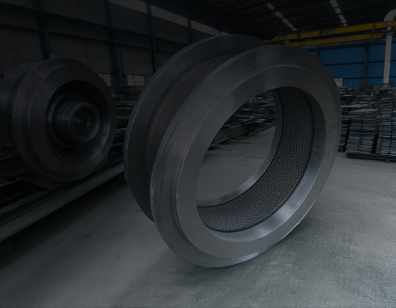
08
Spare Parts
Genuine components are available worldwide with fast delivery service.
