 0086-138 3838 9622
poultry and cow feed mill in Lebanon
This is a poultry and cow feed mill project in Lebanon. In a country like Lebanon, where resilience is part of daily life, it’s no surprise that enterprising professionals often turn challenges into opportunities. This is exactly what happened when a determined mechanical engineer named Haidar decided to transform his vision for local feed production into a working business model.
His journey with RICHI Machinery began back on October 6th, 2020, and after nearly three years of careful planning, budgeting, and design discussions, Haidar signed the contract for his first feed production line on June 7th, 2023 — a customized 1-2 tons per hour poultry and cattle feed mill that will serve as the first step in a broader plan to expand into pet and aquafeed in the coming years.

RICHI MACHINERY
overview
When Haidar first reached out to RICHI, he was clear about his dream:
“Greetings, I am Haidar Haidar from Lebanon, mechanical engineer. I am studying a pellet production project: I am looking for one line for dogs, cats and fish (floating and non-melting). Capacity around 500kg/hr. One livestock and poultry pellet machine. Capacity around 2-3t/hr. The lines should be continuous including the packing system (packing machine). The port of destination is Beirut, Lebanon. Can you please send me your best quotation and details with all the technical information of each machine of each line? My warehouse’s height is 5.8 meters.”
This message showed that Haidar had done his homework. He understood the local market’s growing demand for high-quality animal feed — not just for poultry and cattle, but also for companion animals and aquaculture, sectors that are slowly but steadily gaining importance in Lebanon’s agri-food economy.
However, when the financial planning got real, Haidar realized that starting with two complete animal feed production lines — one for extrusion and one for pelleting — was too ambitious for his initial budget. Rather than abandoning the plan, he made a smart decision: begin with a smaller, lower-cost feed pellet production line focused on poultry and cattle feed, get the business running profitably, then reinvest in an extruder system for fish and pet food when conditions allow.
The total investment for this first phase came in at a manageable USD 58,500 — a cost-effective way to get a foot in the door of Lebanon’s feed market.
1-2T/H
capacity
USD 58,500
investment
Lebanon
location
Feed
project type
RICHI MACHINERY
Feeding Chickens and Cows: Smart Use of Local Resources
For the initial livestock poultry feed production lines, Haidar’s mill focuses on two high-demand sectors: poultry and cattle. Lebanon’s domestic poultry production is significant for local meat and egg supply, while dairy and beef cattle farming is an important livelihood for rural communities. Both sectors face chronic challenges with the cost and quality of imported feed, especially given Lebanon’s currency fluctuations and import dependency.
To tackle this, Haidar sources raw materials locally whenever possible, combining them with carefully selected imports to ensure nutritional quality:
- Maize and corn meal: mostly imported, but sometimes procured regionally.
- Wheat bran: a by-product from Lebanon’s flour milling industry, readily available and cost-effective.
- Soybean meal: imported in bulk for its high protein content.
- Barley: sourced regionally when available.
- Alfalfa meal and roughage: Lebanon’s Bekaa Valley provides good local alfalfa.
- Vitamin and mineral premixes: purchased from trusted local suppliers who import certified additives.
By combining these ingredients smartly, this poultry and cow feed mill in Lebanon can produce balanced poultry feed for layers and broilers, as well as nutrient-rich cattle feed for dairy and beef.
RICHI MACHINERY
The Customized Production Flow for poultry and cow feed mill in Lebanon
Every animal feed mill plant is only as good as its process design — and for a small-scale operation, efficiency and flexibility are critical. RICHI’s engineers worked closely with Haidar to ensure that the new poultry and cow feed mill in Lebanon fits his 5.8-meter-high warehouse and runs smoothly with limited manpower.
The final design follows a simple but robust flow:
- Grinding: Raw grains, bran, and alfalfa are fed into a hammer mill to ensure all particles are of consistent, digestible size.
- Mixing: The ground materials move to a horizontal mixer. Here, precise mixing ensures that every bag of feed delivers uniform nutrition, avoiding deficiencies that could slow animal growth.
- Pelleting: The mixed mash enters the SZLH250 livestock poultry feed pellet making machine — chosen for its proven output of around 1-2 tons per hour, perfect for Haidar’s starting scale.
- Cooling: Freshly pressed pellets exit the poultry livestock feed pellet machine hot and slightly moist. A counterflow cooler brings them to ambient temperature, which is essential for safe storage.
- Screening: A vibrating screener filters out fines and broken pellets, recycling them back into the process to minimize waste.
- Packing: A semi-automatic packing system bags the finished pellets into manageable units for easy on-farm use or resale.
RICHI MACHINERY
Small Mill, Big Potential: What Else Could It Do?
Though the initial goal is poultry and cattle feed, the flexibility of the SZLH250 small feed making machine means this setup can easily be adjusted to produce feed for goats, sheep, rabbits, or even horses. Many small livestock owners in Lebanon keep mixed herds, so being able to tweak formulations makes Haidar’s mill more responsive to local demands.
Once the initial business is profitable, Haidar’s plan is to add an extruder line to process floating fish feed for Lebanon’s growing aquaculture sector and to expand into dry pet food for dogs and cats — two markets that increasingly demand locally produced, high-quality alternatives to expensive imports.
RICHI MACHINERY
The Machinery for poultry and cow feed mill in Lebanon
Lebanon’s energy costs, space constraints, and sometimes challenging supply chains mean livestock poultry feed mill equipment must be durable, simple to maintain, and adaptable.
Haidar’s 1-2T/H small scale feed mill relies on a lean but powerful equipment set:
- One compact hammer mill.
- One efficient horizontal mixer.
- The SZLH250 small animal feed pellet machine, robust enough to handle various recipes.
- A counterflow cooler for safe moisture control.
- A vibrating screener to guarantee product consistency.
- A semi-automatic packing system that minimizes manual labor and speeds up bagging.
RICHI MACHINERY
Lebanon’s Feed Sector: Opportunities Amid Challenges
Why invest in feed production in Lebanon? Despite recent economic hardships, Lebanon remains an agricultural hub for its region. Its poultry sector alone covers nearly 90% of local demand for fresh chicken meat, while cattle farms supply much of the country’s fresh dairy and beef. However, most feed is still imported in bulk — often at volatile prices that fluctuate with global markets and shipping disruptions.
By setting up a small domestic poultry and cow feed mill in Lebanon, Haidar positions himself to serve local farmers looking for reliable supply at more stable costs. If he can deliver quality feed consistently, he not only secures his own farming network’s needs but also builds a loyal customer base eager to buy from a local producer who understands the realities of Lebanon’s agricultural economy.
RICHI MACHINERY
From Vision to Reality: What Makes This Story Special
This poultry and cow feed mill in Lebanon project’s story is more than just machines and dollars — it’s about RICHI’s ability to listen, adapt, and support new entrepreneurs through each phase of the journey. Haidar’s initial plan — two lines at once — wasn’t feasible for his starting capital. But rather than walk away, RICHI’s engineers and sales team helped him refine his vision, choose the right starting point, and make sure the factory layout fit his warehouse’s 5.8-meter height perfectly.
The final result? A practical, flexible 1-2 tons per hour poultry livestock feed production line that respects the site’s limitations, the local climate, and the realities of Lebanon’s power supply.
RICHI MACHINERY
Looking Ahead: Room for Growth
Haidar’s story isn’t over. Once the poultry and cattle feed business generates steady cash flow, the plan is to reinvest profits into a specialized extrusion line for floating fish feed and pet food. Lebanon’s fish farming sector is growing steadily along its coastline, and more Lebanese households are keeping dogs and cats, opening up demand for quality local pet food.
By keeping expansion in mind from the start, Haidar has laid the groundwork for a diversified product portfolio. In the years ahead, this modest 1-2T/H poultry and cow feed mill in Lebanon could evolve into a multi-line facility that produces a complete range of animal feeds — all managed under one roof.
RICHI MACHINERY
Why Stories Like This Matter
Haidar’s poultry and cow feed mill in Lebanon project is proof that even in markets facing challenges, clear thinking and the right partners can unlock opportunity. RICHI Machinery didn’t just sell a feed line; they provided design expertise, helped match machine capacity to site constraints, and supplied dependable technology that lets Haidar focus on operations, not daily breakdowns.
For others in Lebanon or similar markets, this project shows that you don’t need to start big to succeed. A clear plan, solid local raw materials, and proven equipment can turn a single small production line into the foundation for a thriving local feed brand.
From the first message in 2020 to the signed contract in June 2023, Haidar’s story shows what’s possible when vision meets reality — and when you have a partner like RICHI Machinery making sure every detail works, every step of the way.
● RICHI MACHINERY
RICHI Service

● Consulting
Customer Consultation
We want to have a deep understanding of your industrial process, to know your exact needs of feed, wood, biomass, fertilizer or other pellet processing.

● Design
Feed Pellet Plant Design
Based on your unique situation and industrial process, we will tailor complete pellet plant you need, and inform you of every additional detail that could facilitate operation, minimize total cost.
● Manufacturing
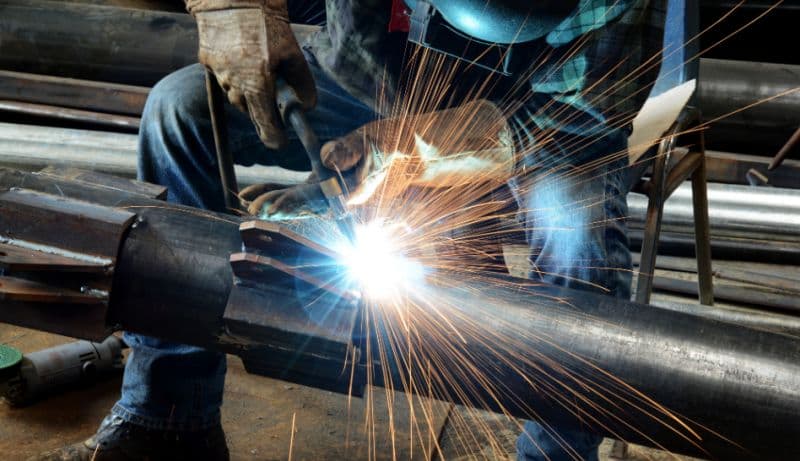
Equipment Manufacturing
The critical components of the of the complete livestock feed mill equipment are built in our own workshops in Asia. Additional equipment is manufactured by our worldwide network of reliable partners.
● Testing
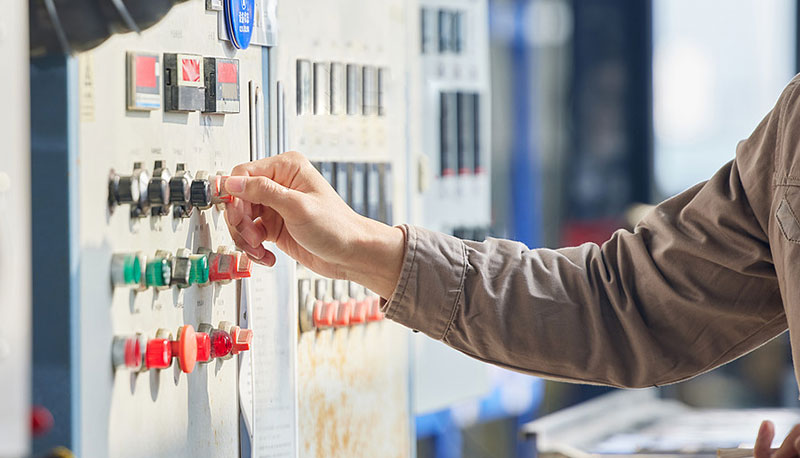
Quality Inspection & Testing
Before leaving the factory, all equipment will be inspected by the quality inspection department. We can also provide customers with testing services from a single machine to a complete pellet plant system, and provide you with real actual data for “worry-free use.”

● Delivery
Equipment Delivery
In equipment boxing and packaging, we adopt professional packaging and modular solutions to ensure the safe and non-destructive delivery of feed mill equipment.
● Installation
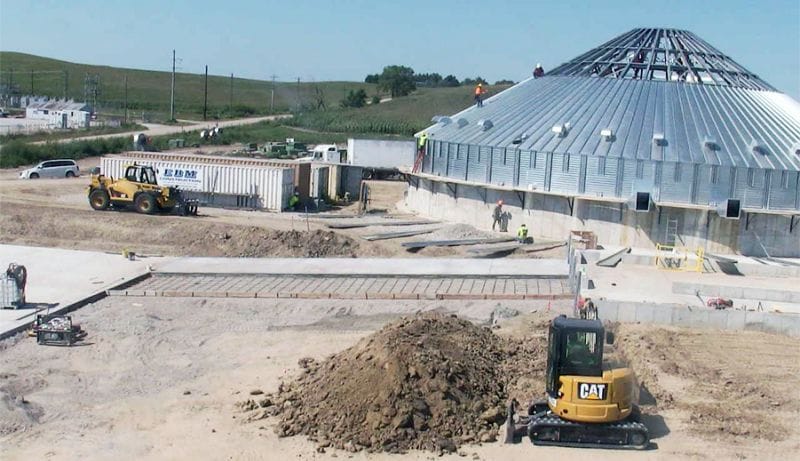
Installation & Commissioning
Whether you choose your own subcontractor for the erection phase or you want to install everything together with us, a Richi supervisor will be around to make sure everything is mounted in a safe and thorough way.

● Training
Staff Training
We provide comprehensive training for the technicians of each poultry and cow feed mill in Lebanon project. We can also continue to provide support for the technicians during latter project operation.
● After-sales
Project Follow-Up
When everything is up and running our Richiers will help you further whenever needed. We are ready to answer your call 24/7.We’ll also visit you regularly to learn about your needs.
Who we are
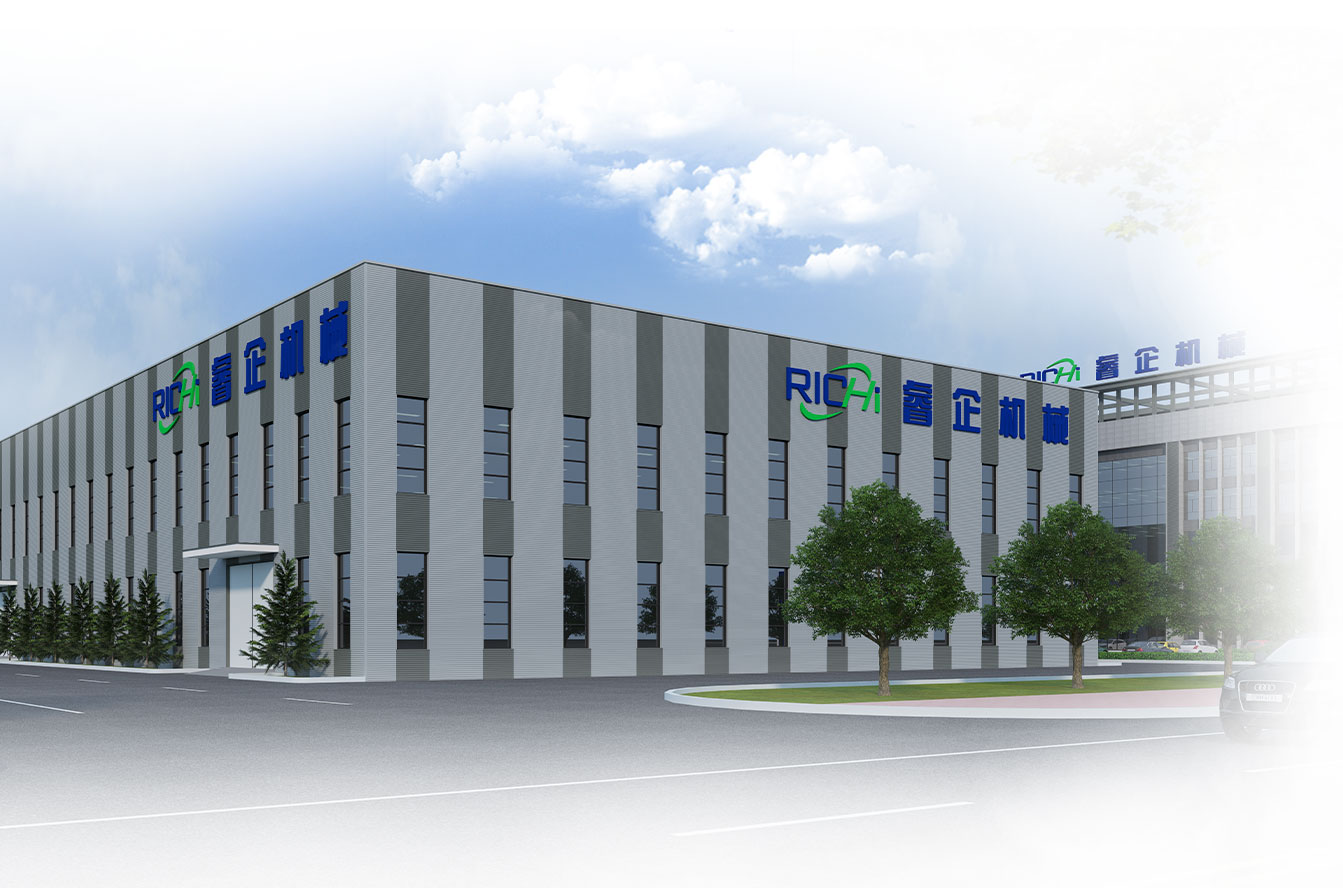
RICHI Machinery is one of the world’s leading suppliers of technology and services for the animal feed, aqua feed and pet food industries, also the largest pellet production line manufacturer in China.
Since 1995, RICHI’s vision to build a first-class enterprise, to foster first-class employees, and to make first-class contributions to society has never wavered.
In the past three decades, we have expanded our business to a wide range of areas, including animal feed mill equipment, aqua feed equipment, pet feed equipment, biomass pellet equipment, fertilizer equipment, cat litter equipment, municipal solid waste pellets equipment, etc.

1995
RICHI Established

2000+
Serving More Than 2000 Customers

120+
RICHI Employees

140+
Exported To 140 Countries