 0086-138 3838 9622
Pig Feed Manufacturing Plant in Myanmar
RICHI MACHINERY
overview
Pig Feed Manufacturing Plant in Myanmar was established in Naypyidaw Industrial Zone for a local livestock producer operating 15,000 sows and piglets across three farms near Naypyidaw and Mandalay.
Facing a 40% surge in imported feed prices over two years while local alternatives remained inconsistent, the client decided to build their own 30-35 t/h production line capable of running 24 hours per day, 330 days per year, yielding 240,000 tons annually—enough to feed over 300,000 finishing pigs.
RICHI Machinery delivered a complete turnkey solution including layout design, steel structure, equipment supply, installation, and on-site training, with the first bag of feed produced in December 2025, just six months after contract signing.
This Pig Feed Mill processes a total of approximately 247,500 tons of raw materials annually, including locally sourced corn from Shan and Mandalay regions (160,600 t/y), soybean meal from Yangon (50,000 t/y), fish meal from Ayeyarwady (5,000 t/y), and rice bran or wheat middlings from local mills (24,000 t/y), supplemented with imported limestone, dicalcium phosphate, amino acids, and vitamin premix.
The line employs a pre-mix then grind process using four animal feed pellet mills (each 7-9 t/h, 250kW), four hammer mill feed grinders (132kW each), two double-shaft paddle mixers (6 tons/batch), four counterflow coolers, and two crumbler units for piglet feed, all controlled by a PLC-based batching system with 20 main screws and 8 micro screws.
With a total equipment investment of $1.28 million USD and annual operating costs of $2.1 million, the plant produces feed at $285 per ton versus $380-420 for imports, generating net annual savings exceeding $12.7 million after loan payments and achieving payback in less than two months.
30-35T/H
capacity
$1.28 million
investment
Myanmar
location
Feed
project type
RICHI MACHINERY
How a Livestock Producer in Naypyidaw Solved Rising Feed Costs
The phone call came in early March 2025. A livestock operation in central Myanmar was expanding – fast. They had 15,000 sows and piglets across three farms near Naypyidaw and Mandalay. Their biggest headache? Imported pig feed prices had jumped 40% in two years. Local feed was cheaper but inconsistent. Their solution: build their own 30-35 t/h pig feed manufacturing plant.
Not a small project. We’re talking about a line that runs 24 hours a day, 330 days a year, producing 240,000 tons annually. That’s enough to feed over 300,000 finishing pigs.
The client found RICHI Machinery through an industry contact who had seen our turnkey pig feed lines in Vietnam and Thailand. They wanted a complete pig feed pellet production line – not just machines, but someone who could handle the whole thing: layout, steel structure, equipment, installation, and training.
We signed the contract in June 2025. By December, the first bag of pig feed rolled off the line.
This is how it happened.
RICHI MACHINERY
Why Myanmar? The Market Reality
Myanmar has one of the fastest-growing livestock sectors in Southeast Asia. Before 2020, most pig farms were small – 50 to 200 head. But things changed. Large operations started appearing around Yangon, Mandalay, and Naypyidaw. Foreign investment came in. By 2025, the country had over 8 million pigs, but feed production still lagged.
Most commercial feed was still imported from Thailand or China. Local mills were small – 5 to 10 t/h at best – and couldn’t deliver consistent quality. The client told us: “We’re paying too much for feed that we could make ourselves, cheaper and better.”
That’s the opportunity. A 30-35 t/h pig feed manufacturing plant at this scale doesn’t just serve one farm. It becomes a regional hub. You can produce for your own animals and sell to neighboring farms. The math works.
RICHI MACHINERY
First Conversation: What the Client Actually Needed
The client wasn’t new to farming. They knew pigs. But feed milling? That was new.
Their initial request was simple: “We want a line that can do 30 tons per hour. We’ll feed corn, soybean meal, and some local ingredients. Can you do it?”
But we don’t just say yes and ship machines. We ask questions. Lots of them.
- What’s your corn moisture content in monsoon season? (Myanmar gets heavy rain – sometimes 18-22% moisture)
- Do you have your own storage silos, or do we need to design those too?
- What pellet sizes do you need? (For piglets: 2.5-3.5mm. For grower/finisher: 4.5-5mm)
- Do you want to run mash feed as well, or only pellets?
- What’s your power situation? (Grid power in industrial zones is stable, but they wanted backup diesel capability)
After two weeks of back-and-forth – emails, WhatsApp calls, sharing photos of their existing buildings – we had a clear picture. They already had a 2.6-hectare plot in an industrial zone north of Naypyidaw. One building was already up: 40 meters high (yes, for the production tower), with about 7,800 square meters of floor space. But they needed us to design everything inside: from the intake pit to the bagging scale.
This wasn’t a “buy a pellet mill and figure it out” situation. They needed a complete pig feed pelletizing line that could run three shifts, handle tropical humidity, and produce consistent pellets day after day.
RICHI MACHINERY
Project Overview
| Parameter | Value |
|---|---|
| Project location | Naypyidaw Industrial Zone, Myanmar |
| Plant capacity | 30-35 t/h (240,000 t/year, 330 days, 24h/day) |
| Main products | Piglet feed (2.4万 t/y), grower feed (4.8万 t/y), finisher feed (16.8万 t/y) |
| Plant area | 26,666.56 m² |
| Production building | 40.3m height, 7,808.49 m² |
| Staff | 100 (24 management/sales, 76 production/logistics) |
| Operation hours | 24h/day, 3 shifts, 330 days/year |
| Contract signed | June 2025 |
| Commissioning | December 2025 |
The total equipment investment? $1.28 million USD for the complete animal feed production line, including dust collection, conveying, mixing, pelleting, cooling, and bagging. That’s competitive for this capacity in Southeast Asia. We kept costs reasonable by sourcing some local steel for platforms and using standard motors instead of premium brands where it didn’t matter.
RICHI MACHINERY
Raw Materials: Local Sourcing Is Key
Myanmar grows plenty of corn – over 3 million tons per year, mostly in Shan State and the central plains. But the quality varies. The client set up contracts with local farmers for yellow corn, dried to below 14% moisture. They also bring in soybean meal from a crusher near Yangon. Fish meal? They use local production – Myanmar has a decent fishing industry.
One smart move: they added a separate intake for rice bran and broken rice. These are cheap local ingredients that work well in grower/finisher diets. Not every feed mill in Myanmar uses them, but they cut costs significantly.
Here’s the full raw material list they gave us:
| Raw Material | Annual Consumption (t) | Source |
|---|---|---|
| Corn | 160,600 | Local farms (Shan & Mandalay regions) |
| Soybean meal | 50,000 | Yangon crushing plant |
| Fish meal | 5,000 | Local (Ayeyarwady region) |
| Wheat middlings / rice bran | 24,000 | Local mills |
| Limestone (stone powder) | 2,500 | Imported (China) or local quarry |
| Dicalcium phosphate | 2,500 | Imported |
| Lysine | 250 | Imported |
| Methionine | 250 | Imported |
| Premix (vitamins/minerals) | 2,400 | Imported (Thailand) |
| Packaging bags | 6 million pieces | Local supplier |
| Natural gas | 150,000 Nm³ | Local pipeline (for boiler) |
Total incoming raw materials: about 247,500 tons per year.
One thing we learned during design: the corn moisture in Myanmar during harvest season is fine (12-14%), but if they store it through the monsoon (May to October), they needed drying or aeration. We added extra aeration floors in their storage silos. Not cheap, but cheaper than losing 1,000 tons of moldy corn.
RICHI MACHINERY
Equipment List: What We Supplied
This pig livestock feed production line uses a pre-mix then grind process. Most pig feed plants do it the other way – grind first, then mix. But with high-fiber ingredients like rice bran, grinding after mixing gives better particle size uniformity. We explained this to the client, showed them both options, and they chose the pre-mix method.
The feed factory machines package included:
| Equipment | Qty | Function |
|---|---|---|
| Scraper conveyors | 6 | Heavy-duty, move corn and meal |
| Bucket elevators (self-cleaning) | 5 | Vertical lifting, reduces carryback |
| Drum pre-cleaner | 4 | Removes large debris and fines |
| Rotary powder screen | 4 | Sifts meal before mixing |
| Paddle feeder with magnet | 5 | Controls feed rate, removes iron |
| Hammer mill (ultra-fine, 132kW) | 4 | Grinds corn to 500-800 microns |
| Distribution valve (TFPX8-250A) | 4 | Routes material to bins |
| High-pressure fans | 4 | Air handling for conveying |
| Main batching screw (TWLL36) | 20 | Accurate weighing for major ingredients |
| Micro batching screw (TWLL25) | 8 | For premix and additives |
| Double-shaft paddle mixer (SJHS6A, 6 tons/batch) | 2 | Mixes 6 tons per 6 minutes |
| Stainless steel magnet (TCXT20) | 2 | Final metal removal before pelleting |
| Conditioner bin (40 m³ each) | 8 | Holds mash before pelleting |
| Pig feed pellet machine | 4 | Main pelleting – 7-9 t/h each |
| Counterflow cooler (SKLN24x24A) | 4 | Cools pellets from 80°C to room temp |
| Crumblers | 2 | Breaks pellets for piglet feed |
| Electronic bagging scale | 4 | 50kg bags, 10-12 bags/min |
| Boiler (4 t/h, gas-fired) | 1 | Steam for conditioning |
| Pulse dust collectors (various sizes) | 7 | Keeps air clean, recovers fines |
| Water pump (DG12-25X7) | 1 | Boiler feed |
| Fans (induced draft / forced draft) | 2 | Boiler exhaust |
The ring die feed pellet machines are the heart of the line. We specified four SZLH units – each can do 7-9 t/h of pig feed with a 4.5mm die. That gives them redundancy. If one mill goes down, they still run 22-25 t/h. In Myanmar, where service techs aren’t around every corner, that matters.
RICHI MACHINERY
Process Flow: Step by Step
We didn’t just ship boxes of steel. We designed the entire flow, from the truck scale to the finished bag stack.
Stage 1: Intake and Cleaning
Trucks dump corn into a below-floor receiving pit (10m x 8m, with a grate to catch large debris). A scraper conveyor moves it to a bucket elevator, which lifts it to the top of the cleaning tower. Two drum screens remove corn cobs, dirt, and fines. A magnetic separator pulls out any nails or wire pieces – critical for protecting the hammer mill.
Stage 2: Grinding
Clean corn drops into a surge bin, then feeds into four hammer mills. Each mill has a 132kW motor and a 2.5mm screen for pig feed (finer than cattle feed, coarser than fish feed). Ground corn is pneumatically conveyed to a holding bin above the batching system.
Stage 3: Batching and Mixing
This is where accuracy matters. The client’s nutritionist gave us formulas with 15-18 ingredients. The system uses 20 main screws and 8 micro screws, all controlled by a PLC. Each batch is 6 tons. Mixing time? 6 minutes. That’s 10 batches per hour, or 60 t/h – plenty of capacity for a 35 t/h line.
The mixer is a double-shaft paddle type. It’s aggressive but gentle enough to not break premix particles. After mixing, the mash either goes directly to bagging (if they’re making mash feed for small piglets) or to the pelleting section.
Stage 4: Conditioning and Pelleting
Mash enters a conditioner where steam (from the 4 t/h boiler) raises the temperature to 80-85°C and adds moisture to about 17%. This gelatinizes starches, making the pellets harder and more digestible. Retention time in the conditioner is about 45 seconds – enough for pig feed, not so long that vitamins degrade.
Then the four pellet mills take over. Each mill runs at about 75-80% capacity, giving them room to increase production later if needed. The pellets exit at 80-85°C and need cooling immediately.
Stage 5: Cooling and Crumbling
Four counterflow coolers pull ambient air through the hot pellets. In 15-20 minutes, pellets drop to within 5°C of room temperature. For piglet feed, pellets pass through a crumbler – two large rolls that crack the pellets into smaller pieces (2-3mm). This makes it easier for baby pigs to eat.
Stage 6: Screening and Bagging
A final rotary screen removes fines (which get recycled back to the mixer). Then the bagging scale fills 50kg woven poly bags – about 700 bags per hour at full capacity. We included a manual bag closer and a conveyor to move bags to the warehouse.
RICHI MACHINERY
How We Handled the Climate Challenge
Myanmar has three seasons: hot-dry (March-May), wet (June-October), and cool-dry (November-February). The wet season is the problem. Humidity hits 80-90%, and raw materials absorb moisture.
We made three specific design changes for this 30-35 t/h pig feed manufacturing plant:
- Added steam-heated dryers to the air intake for the coolers. Without this, pellets wouldn’t dry properly in August.
- Specified stainless steel for all material contact surfaces in the conditioner and pellet mill die area. Carbon steel would rust within two years.
- Increased the dust collector air volume by 15% to handle sticky, humid fines that would otherwise clog filters.
The client didn’t ask for these. We insisted. That’s the difference between a machine supplier and a real engineering partner.
RICHI MACHINERY
Utilities and Infrastructure
Water: The pig animal feed production plant draws from the city mains (Naypyidaw has decent municipal supply). Peak usage is about 30 m³/day – mostly for boiler makeup, cleaning, and staff facilities. We installed a water softener (ion exchange) for the boiler. Without it, the 4 t/h boiler would scale up in six months.
Power: The local grid is reliable but not perfect. We sized the main transformer at 2.5 MVA. The plant draws about 1.8 MVA at full load. They have a 500 kVA diesel generator for backup – enough to run the cooling and bagging lines if the grid fails, but not the hammer mills.
Gas: The boiler runs on natural gas from the nearby pipeline. This is cheaper than diesel in Myanmar. The client pays about $0.35 per Nm³.
Wastewater: The plant produces three streams:
- Domestic sewage (toilets, showers) – septic tank + soakaway.
- Boiler blowdown – sent to a cooling pond, then to a municipal drain.
- Vehicle wash water – oil/water separator, then municipal drain.
No river discharge. No environmental issues. Myanmar doesn’t have strict environmental laws yet, but we designed to international standards anyway. It’s just better business.
RICHI MACHINERY
Dust Control: Not an Afterthought
Complete feed mill plants are dusty. That’s a fact. But a dusty mill is a dangerous mill – explosion risk, health risk, product loss risk.
We installed seven pulse-jet baghouse dust collectors. Four are on the mixing and batching floor, two on the pelleting floor, and one at the bagging station. Each vents through a 20-meter stack. The captured dust? It’s just feed. We return it to the mixer.
The client asked if they could skip the collector on the bagging line. We said no. After three months of operation, they thanked us. The floor stays clean, and they recover about 15 tons of dust per year. That’s $6,000 worth of feed they would have lost.
RICHI MACHINERY
Noise and Working Conditions
A 30-35 t/h pig feed manufacturing plant is loud. Hammer mills alone hit 95-100 dB. We designed a few things to help:
- All high-noise equipment (mills, fans, pellet mills) on vibration-damping mounts.
- The control room is double-walled with acoustic glass.
- Operators wear earplugs (we supplied reusable ones).
- Shift rotations: no one stays on the mill floor for more than 4 hours.
Is it silent? No. Is it safe? Yes.
The client also requested a separate lunchroom and changing area with showers. We added those to the layout. Happy workers stay longer.
RICHI MACHINERY
What Went Wrong (And How We Fixed It)
Not everything was smooth. Here are three problems we hit:
Problem 1: The bucket elevator on the corn intake kept choking during the first week. The client’s local electrician had reversed two phases on the motor, so the elevator ran backward. The buckets scooped nothing. An easy fix once we noticed – but it took a day of troubleshooting.
Problem 2: The pellet mill dies wore out after 1,200 hours instead of the expected 2,000. Why? The local corn had more silica (sand contamination) than lab tests showed. We switched to a thicker die (65mm vs 50mm) and added a second magnet separator before the mill. Problem solved.
Problem 3: The cooler exhaust was venting steam directly into the steel roof, causing condensation and rust spots. We added insulated ductwork to route the steam outside. Cost $1,200. Worth it.
The client was nervous during the first week. The first few tons were either too wet or too dry. That’s normal for a new line. We stayed on-site for 10 days after startup, adjusting steam pressure, die gap, and cooling time. By day four, the pellets looked perfect.
RICHI MACHINERY
What the Line Produces Now
After six months of operation (January to June 2026), the numbers look good:
| Product | Monthly output (t) | Pellet size | Crude protein |
|---|---|---|---|
| Piglet feed (starter) | 2,000 | 2.5mm crumbles | 20% |
| Grower feed (15-30kg) | 4,000 | 4.0mm pellets | 18% |
| Finisher feed (30kg to market) | 14,000 | 5.0mm pellets | 15% |
| Total | 20,000 | – | – |
That’s 240,000 tons per year – exactly on target.
The client told us their cost per ton of finished feed is $285. Imported feed of similar quality costs $380-$420. Even accounting for their capital investment, they’re saving over $15 million per year compared to buying imported feed.
RICHI MACHINERY
Investment and Payback
Let’s talk numbers, because that’s what really matters.
| Cost item | USD |
|---|---|
| Equipment (complete line, FOB Qingdao) | $1,080,000 |
| Shipping & insurance (Qingdao to Yangon port) | $95,000 |
| Import duties & taxes (Myanmar, ~5%) | $58,750 |
| Local installation labor | $46,250 |
| Total equipment investment | $1,280,000 |
| Building modifications (they already owned the shell) | $120,000 |
| Electrical & control system (local procurement) | $85,000 |
| Total project cost | $1,485,000 |
The client financed this with a mix of their own capital (40%) and a local bank loan (60%) at 11% interest over 5 years.
Payback calculation:
- Annual feed cost savings vs. imports: $15.2 million
- Operating cost (labor, utilities, maintenance): $2.1 million/year
- Loan payment: $390,000/year
- Net annual benefit after loan: $12.7 million
Yes, that’s a massive number. But that’s what happens when you replace imported feed at $400/ton with your own at $285/ton. The payback period on the equipment? Less than two months. Seriously. The client told us they regretted not doing it three years earlier.
RICHI MACHINERY
Training and After-Sales Support
We didn’t just hand over a manual and leave. The client sent four operators to our training center in Qingdao for two weeks before we shipped anything. They learned:
- How to change dies and rollers (they practiced on a spare mill)
- How to read moisture and temperature readings
- Basic troubleshooting (what to do when the pellet mill stalls)
- PLC adjustments (batch sizes, mixing times)
After installation, we spent 20 days on-site in Myanmar. The first week was mechanical completion – checking bolts, aligning motors, testing interlocks. The second week was commissioning and fine-tuning. The third week was running at 50% capacity, then 75%, then full load.
We still provide remote support via WhatsApp. The client sends us photos of error codes or worn parts. We reply within a few hours (time zone difference is only 1.5 hours – Myanmar is UTC+6:30, China is UTC+8).
RICHI MACHINERY
The Bigger Picture: Pig Feed Market in Myanmar
Why should anyone else invest in a similar 30-35 t/h pig feed manufacturing plant in Myanmar?
First, demand is growing faster than supply. Myanmar’s pig population is about 8-9 million heads. Each pig eats roughly 300 kg of feed per year (from weaning to slaughter). That’s 2.4 million tons of feed – just for pigs. Current domestic production is maybe 1.2-1.5 million tons. The rest is imported or farm-mixed.
Second, the government is pushing for self-sufficiency in livestock products. Import tariffs on finished feed are going up (currently 5%, rumored to hit 15% by 2028). But tariffs on raw corn and soybean meal are staying low (0-3%). That makes local milling more attractive every year.
Third, the industrial zones around Naypyidaw, Mandalay, and Yangon have decent infrastructure – power, water, roads. Land is affordable (about $30-50 per square meter in industrial zones). Labor is available and cheap (factory workers earn $150-200 per month).
The risks? The political situation is still uncertain. Currency fluctuations are real (the Myanmar kyat has been volatile). And you need a local partner to navigate permits and customs.
But for a company already operating in Myanmar – or willing to find a good local partner – the opportunity is real.
RICHI MACHINERY
Why RICHI for Your Pig Feed Project
We’ve built over 200 commercial feed mills in Southeast Asia alone. Vietnam, Thailand, Indonesia, the Philippines, and now Myanmar. We know the challenges: high humidity, variable raw materials, operators with limited experience, and the need for reliable equipment that doesn’t break down every week.
Here’s what we offer that most suppliers don’t:
Process design, not just equipment sales. We’ll sit down with your nutritionist and operations team to design the flow that works for YOUR ingredients and YOUR climate. Pre-grind or post-grind? Two-stage conditioning or single? Crumblers or not? We help you decide.
Realistic capacity guarantees. Some suppliers promise 40 t/h from a line that struggles to do 25. We test our designs in our own factory. We’ll give you a written guarantee on throughput and pellet quality.
Local support in Southeast Asia. We have service engineers based in Bangkok and Ho Chi Minh City. They can be in Myanmar within 24 hours (visa permitting). We also keep a spare parts inventory in Yangon for critical items – dies, rollers, bearings.
Training that works. Your operators will leave our Qingdao factory knowing how to change a die in under 20 minutes. That’s a promise.
Fair pricing. Our feed mill equipment costs about 15-20% less than European brands, with similar reliability. We don’t use premium motors where standard ones work fine. We don’t over-spec stainless steel where carbon steel with coating is adequate. We save you money where it doesn’t hurt quality.
RICHI MACHINERY
Final Thoughts: Is a 30-35 t/h Plant Right for You?
Not everyone needs this scale. If you have 5,000 pigs or less, a 5-10 t/h line is plenty. But if you’re running 15,000 sows or more – or if you want to sell feed to other farms – this size makes sense.
The client in Myanmar went from paying $400/ton for imported feed to making their own at $285/ton. That difference pays for the equipment in weeks. After that, it’s pure savings.
If you’re considering a pig feed pellet production line in Southeast Asia, South Asia, or Africa, let’s talk. Send us your raw material list, your target capacity, and your site photos. We’ll give you a realistic proposal – no overpromising, no hidden costs.
Email us at [RICHI sales contact] or WhatsApp +86 [RICHI number]. We’ve done the big lines. We’ve done the small ones. We know what works.
RICHI MACHINERY
Logistics Note
All equipment ships from Qingdao Port, China. For Myanmar, the nearest major port is Yangon Port (Thilawa terminal). Shipping takes about 7-10 days. From Yangon, equipment moves by truck to Naypyidaw (about 6 hours). We handle the logistics coordination, but the client is responsible for customs clearance and local transport. We provide all documentation (commercial invoice, packing list, bill of lading, and certificate of origin).
● RICHI MACHINERY
RICHI Service

● Consulting
Customer Consultation
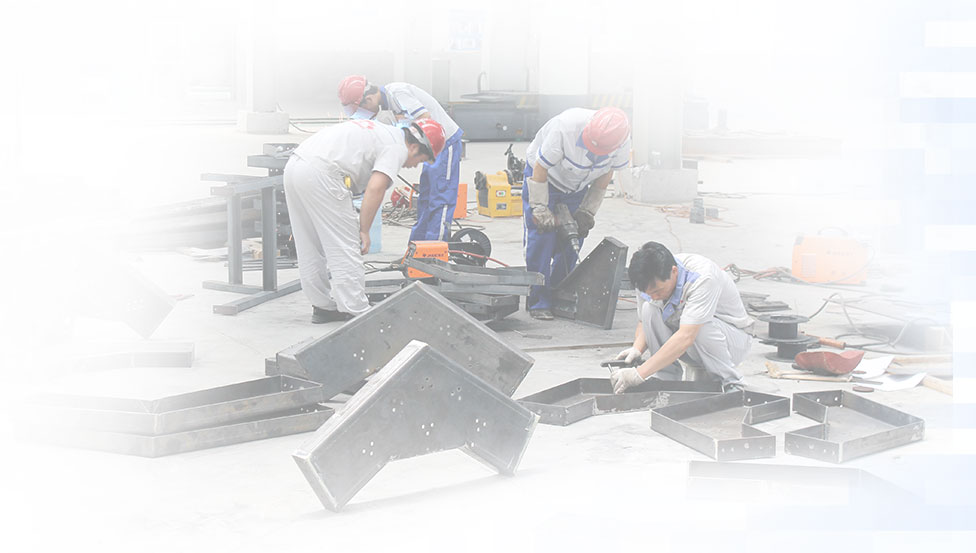
We want to have a deep understanding of your industrial process, to know your exact needs of feed, wood, biomass, fertilizer or other pellet processing.

● Design
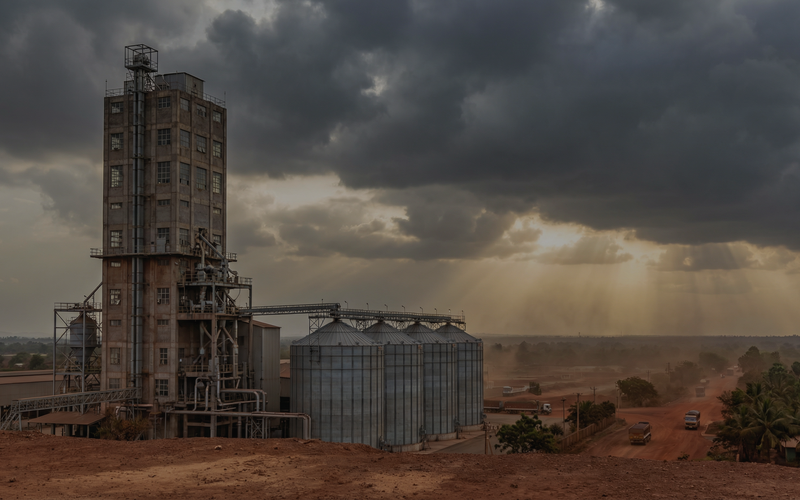
Feed Pellet Plant Design
Based on your unique situation and industrial process, we will tailor complete pellet plant you need, and inform you of every additional detail that could facilitate operation, minimize total cost.
● Manufacturing
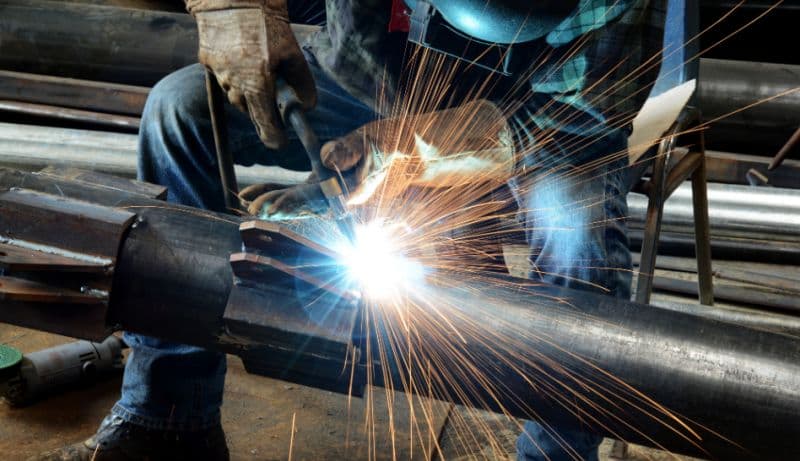
Equipment Manufacturing
The critical components of the of the complete pellet production line equipment are built in our own workshops in Asia. Additional equipment is manufactured by our worldwide network of reliable partners.
● Testing
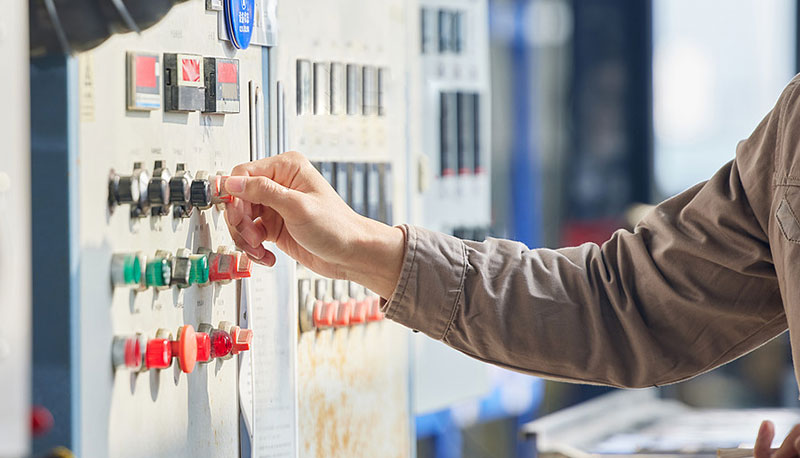
Quality Inspection & Testing
Before leaving the factory, all equipment will be inspected by the quality inspection department. We can also provide customers with testing services from a single machine to a complete pellet plant system, and provide you with real actual data for “worry-free use.”
● Delivery
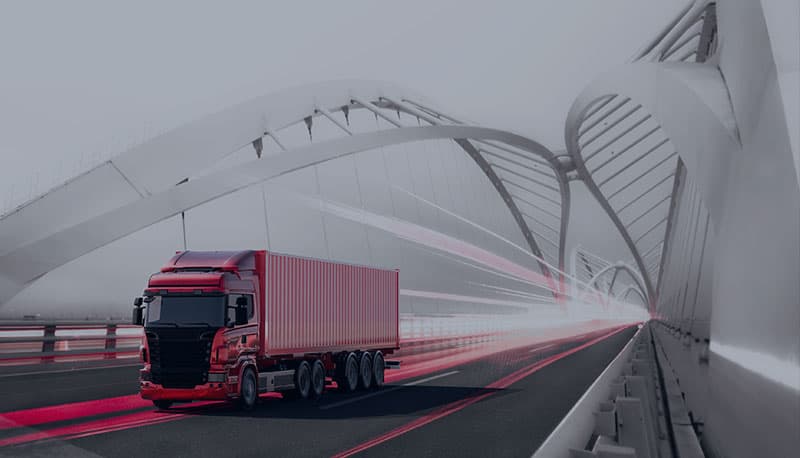
Equipment Delivery
In equipment boxing and packaging, we adopt professional packaging and modular solutions to ensure the safe and non-destructive delivery of pellet plant equipment.
● Installation
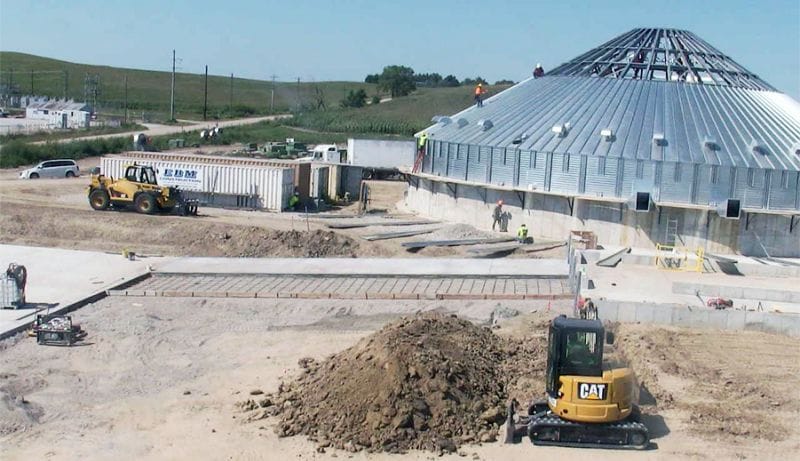
Installation & Commissioning
Whether you choose your own subcontractor for the erection phase or you want to install everything together with us, a Richi supervisor will be around to make sure everything is mounted in a safe and thorough way.

● Training
Staff Training
We provide comprehensive training for the technicians of each project. We can also continue to provide support for the technicians during latter project operation.
● After-sales
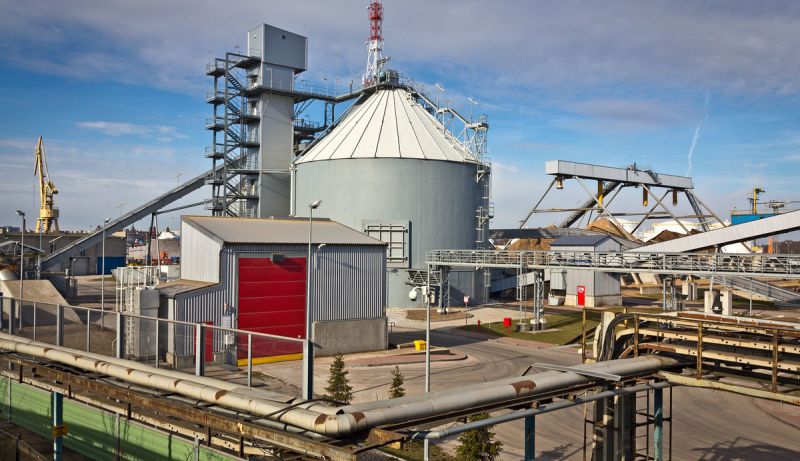
Project Follow-Up
When everything is up and running our Richiers will help you further whenever needed. We are ready to answer your call 24/7.We’ll also visit you regularly to learn about your needs.
Who we are
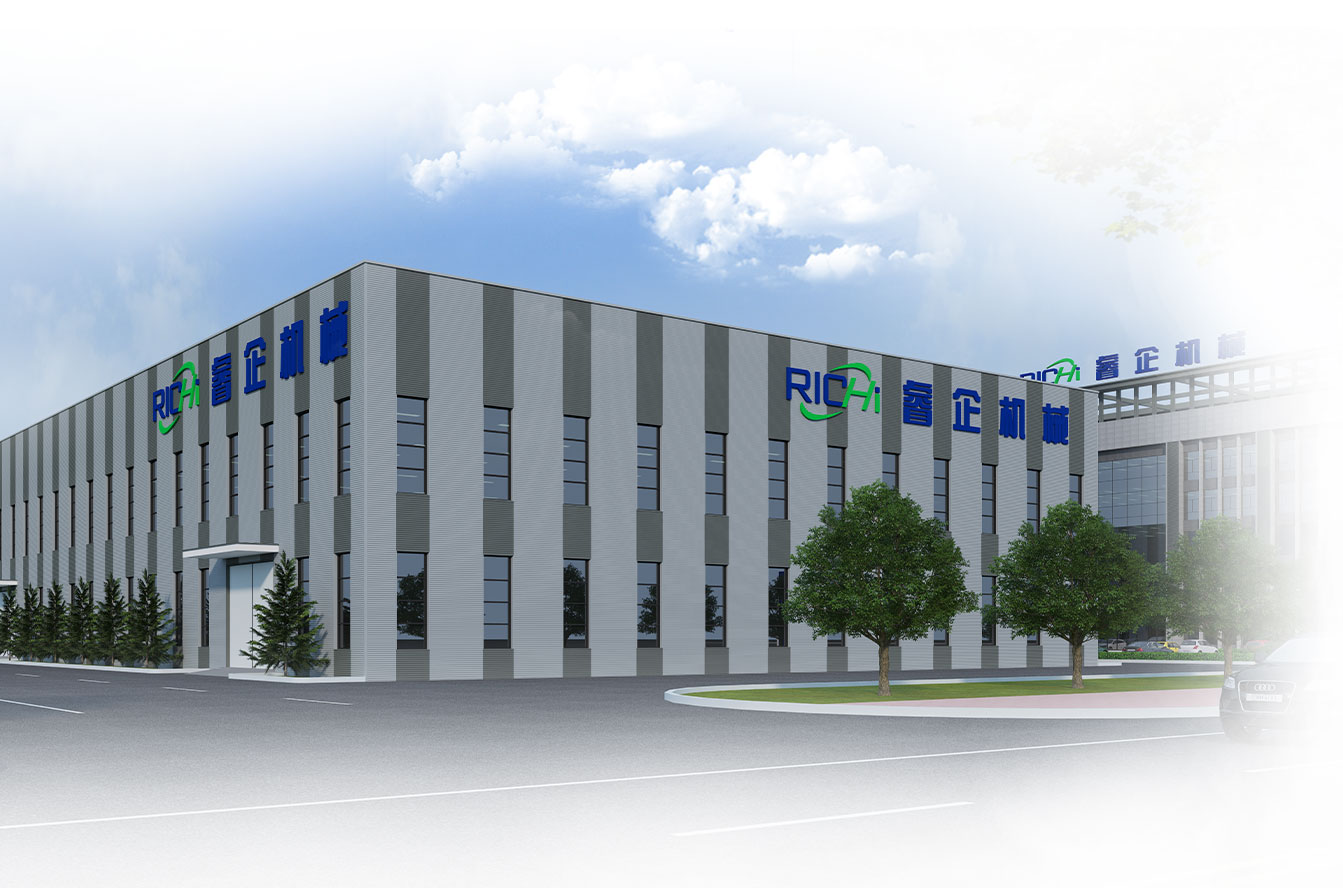
RICHI Machinery is one of the world’s leading suppliers of technology and services for the animal feed, aqua feed and pet food industries, also the largest pellet production line manufacturer in China.
Since 1995, RICHI’s vision to build a first-class enterprise, to foster first-class employees, and to make first-class contributions to society has never wavered.
In the past three decades, we have expanded our business to a wide range of areas, including animal feed mill equipment, aqua feed equipment, pet feed equipment, biomass pellet equipment, fertilizer equipment, cat litter equipment, municipal solid waste pellets equipment, etc.

1995
RICHI Established

2000+
Serving More Than 2000 Customers

120+
RICHI Employees

140+
Exported To 140 Countries