

 0086-138 3838 9622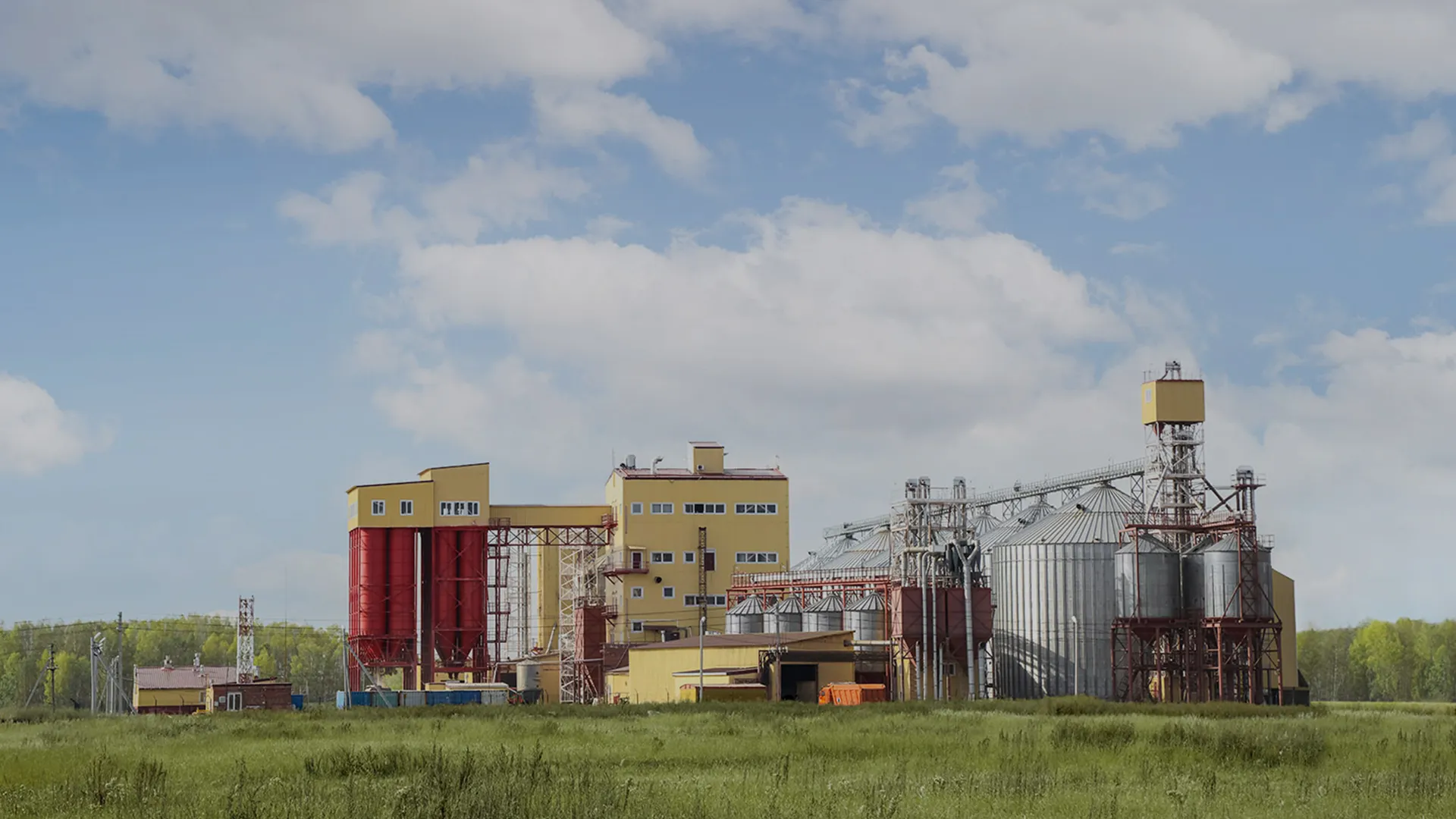

Pellet Making Machine In India
From biomass to feed and beyond, our pellet making machine in India powers diverse industries. We deliver not just equipment, but complete, customized pelletizing solutions—turning local materials into valuable pellets across the nation.


100+ Units
Pellet Machines Exported
Reliable ring die pelletizers, tailored for India’s varied raw materials.
50+ Projects
Complete Plants Installed
End-to-end pellet production lines, from design to commissioning.
15+Years
Local Expertise
Deep understanding of India’s market needs and applications.
Featured Projects: Our Pelletizing Solutions Across India
Explore a selection of our landmark projects that demonstrate the versatility and reliability of our pellet making machine in India. From large-scale industrial plants to specialized feed production, these cases highlight how we turn diverse raw materials into profitable pellets nationwide.
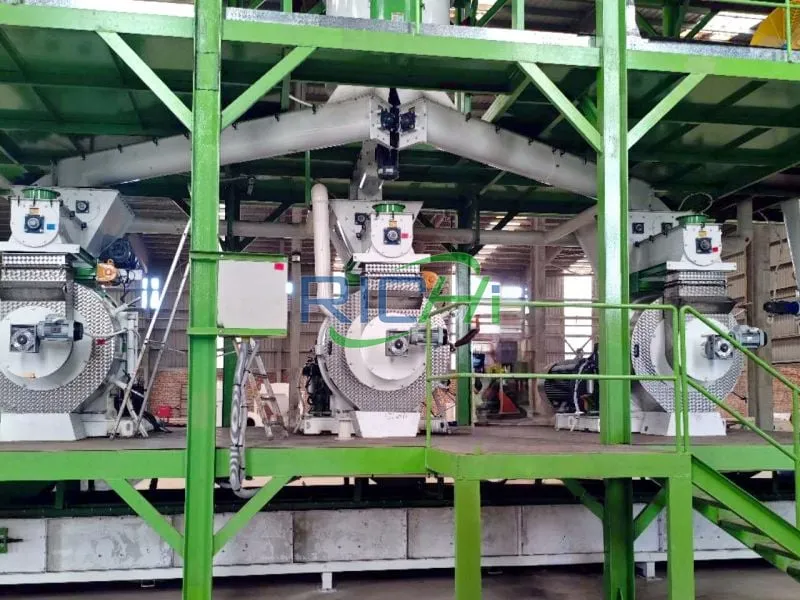
Gujarat

20 t/h biomass pellet plant india project
A major renewable energy developer in Gujarat sought to establish a large-scale biomass power plant feedstock line. Their goal was to convert abundant local agricultural waste into standardized, high-density fuel pellets for co-firing in industrial boilers, reducing reliance on fossil fuels.
- Selected pellet mill: We supplied a complete turnkey plant centered around our heavy-duty MZLH768 ring die biomass fuel pellet machine.
- Raw materials: The client processes a mixed stream of raw materials including wood waste, sawdust, cotton stalk, soybean husk, and groundnut shell. The feedstock, with an initial size of 3-5cm chips and moisture of 15-25%, is processed into 8mm diameter industrial fuel pellets.
- Other equipment: The project scope far exceeded a single pellet machine in India. We provided a full system including hammer mills, rotary drum dryers, counter-flow coolers, vibrating screens, and automated packaging machines.

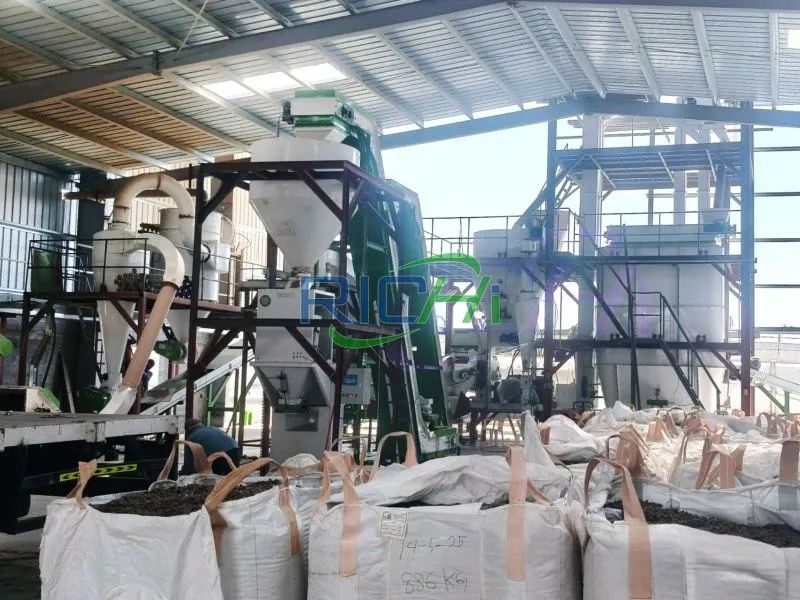
2-2.5T/H RDF pellet making machine in india
An urban waste management company in Maharashtra aimed to tackle municipal solid waste (MSW) by producing Refuse-Derived Fuel (RDF) pellets. Their intent was to create a valuable, marketable fuel product from non-recyclable combustibles, diverting waste from landfills and generating revenue.
- Selected pellet mill: The core of this robust line is our specially engineered MZLH520 RDF pellet making machine in India, designed for abrasive materials.
- Raw materials: The primary raw material is processed MSW fluff (RDF), consisting of mixed plastics, paper, textiles, and fibers, pre-shredded to <30mm and dried to below 15% moisture. The line produces 10mm dense RDF pellets.
- Other equipment: This challenging application required a full complement of equipment: shredders, magnetic separators, specialized mixers, our pellet mill, heavy-duty coolers, and dust extraction systems. We provided end-to-end engineering, from raw material intake to pellet storage. The project investment was around $220,000.
Maharashtra
Punjab

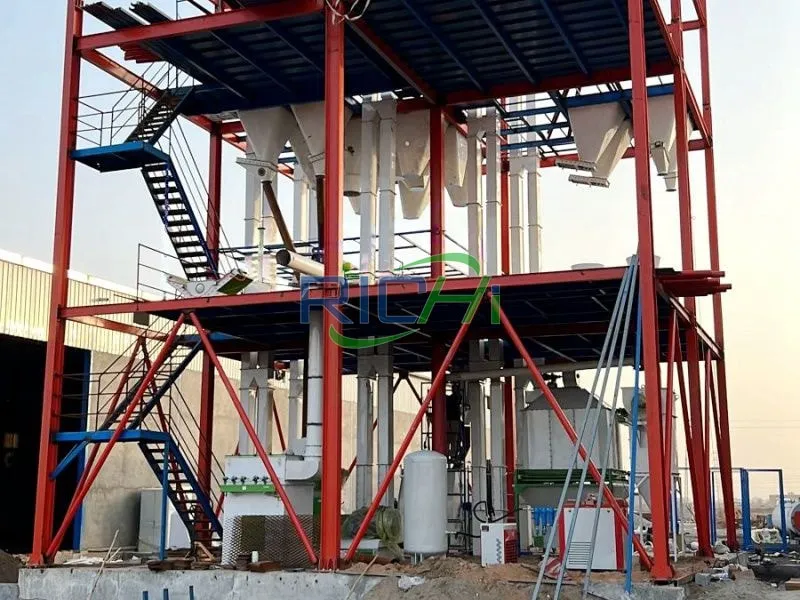
10T/H animal feed pellet making machine in india
An integrated poultry and dairy farm in Punjab needed to vertically integrate their operations by producing high-quality, nutritionally precise feed in-house. Their goal was to control feed quality, reduce costs, and ensure biosecurity for their large livestock population.
- Selected pellet mill: We installed a high-capacity feed mill featuring our gear-drive SZLH 420 animal feed pellet press in India.
- Raw materials: The line formulates feed using multiple ingredients: maize, soybean meal, wheat bran, oil cakes, and premixes. Raw materials are ground to a fine mash (<1mm) and conditioned to 16-18% moisture before pelleting into 3mm, 4mm, and 6mm diameter pellets for different animal groups.
- Other equipment: This comprehensive animal feed production line includes raw material cleaning, hammer mills, batch mixers, silos, steam conditioners, the pellet mill, horizontal coolers, fat coating systems, and automated weighing/packaging. We delivered full process design, equipment manufacturing, and commissioning services, with a project value near $350,000.

1-2T/H floating fish feed machine in india
An aquaculture feed specialist in Andhra Pradesh, the heart of India’s shrimp farming, wanted to produce premium, extruded floating feed for shrimp and fish. Their aim was to cater to the high-value aquaculture sector with locally produced, digestible feed that reduces water pollution.
- Selected pellet machine: This project utilized our specialized SPHS120*2 twin-screw extruder and pellet mill system for floating feed.
- Raw materials: The formula includes fishmeal, soybean meal, wheat flour, binders, and vitamins. Ingredients are micro-ground into a fine flour (<150 microns) and moisture is precisely controlled during extrusion. The final product is 1.0mm to 2.5mm diameter floating pellets.
- Other equipment: The supplied line is a sophisticated system featuring micro-grinders, powder mixers, twin-screw extruders, air conveyor dryers, oil sprayers, and flavor coaters. It showcases our capability beyond a standard pellet making machine in India, providing a complete aqua feed solution. The investment for this advanced line was approximately $320,000.

Andhra Pradesh
Our Diverse Portfolio Across India
Our expertise in India extends far and wide, powering pellet production for countless regional and niche applications. Each project, big or small, is a testament to our commitment to delivering the right pellet making machine in India for the job.
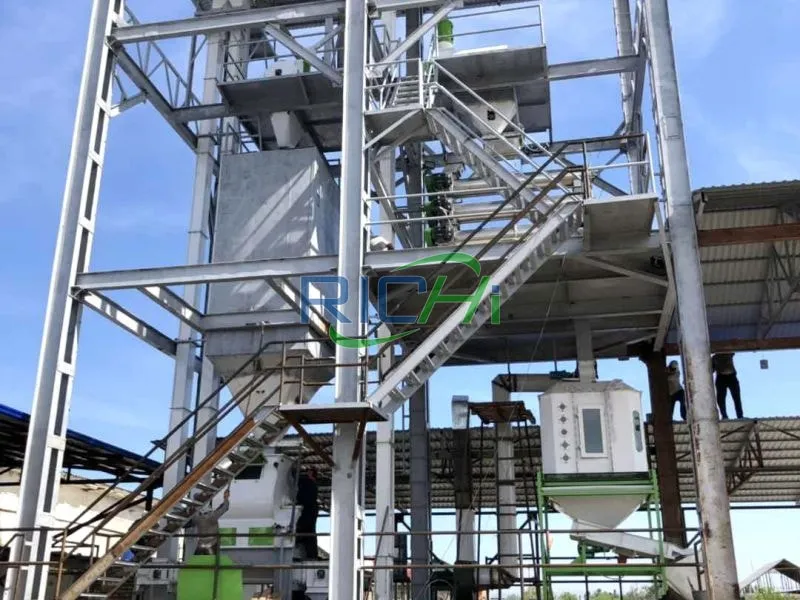
2 t/h Shrimp Feed Pellet Making Machine in India
A coastal feed miller in Tamil Nadu produces high-protein, water-stable shrimp feed using our specialized extrusion system, catering to India’s growing aquaculture belt.
Pellet Mill Model
SZLH420
Pellet Size
1.2mm, 1.5mm, and 2.0mm sinking pellets

10 t/h Poultry Feed Pellet Machine in India
A large integrator in Telangana runs this high-capacity line to produce consistent, nutritious feed for their broiler operations, ensuring optimal feed conversion ratios.
Pellet Mill Model
SZLH420
Pellet Size
3mm and 4mm crumbled & whole pellets

2-3 t/h Bamboo Pellet Machine in India
Utilizing Assam’s abundant bamboo, this project use bamboo pellet machine to produces dense biomass fuel pellets for industrial heating, offering a sustainable alternative to coal.
Pellet Mill Model
MZLH678
Pellet Size
8mm diameter fuel pellets

1-2 t/h Cattle Feed Pellet Machine in India
A dairy cooperative in Rajasthan uses this compact line to turn locally sourced cottonseed meal and grains into balanced feed, boosting milk yield.
Pellet Mill Model
SZLH250
Pellet Size
6mm diameter pellets

3-4 t/h Rice Husk Pellet Making Machine in India
In Punjab, this rice husk pellet plant converts rice mill waste into clean-burning fuel pellets, solving disposal issues and creating an additional revenue stream.
Pellet Mill Model
MZLH768
Pellet Size
8mm diameter fuel pellets

5 t/h Floating Fish Feed Making Machine in India
This advanced plant in Andhra Pradesh uses twin-screw extrusion to produce highly digestible floating feed for catfish and carps, supporting local fish farmers.
Extruder Model
SPHS150*2
Pellet Size
2mm, 3mm, and 4.5mm floating pellets
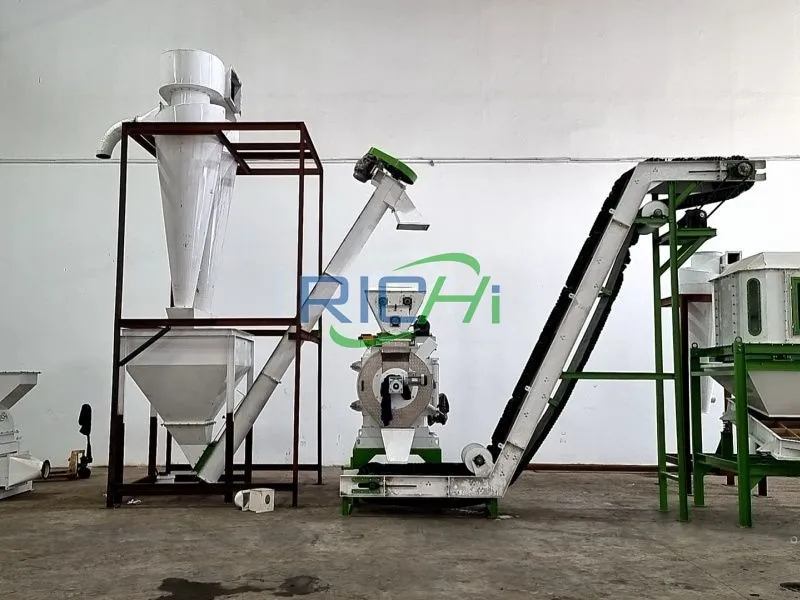
2 t/h Sawdust Pellet Making Machine in India
A furniture cluster in Kerala turns wood waste into premium heating pellets for export and domestic use, leveraging our robust sawdust pellet machine in India.
Pellet Mill Model
MZLH520
Pellet Size
6mm diameter ENplus-grade pellets
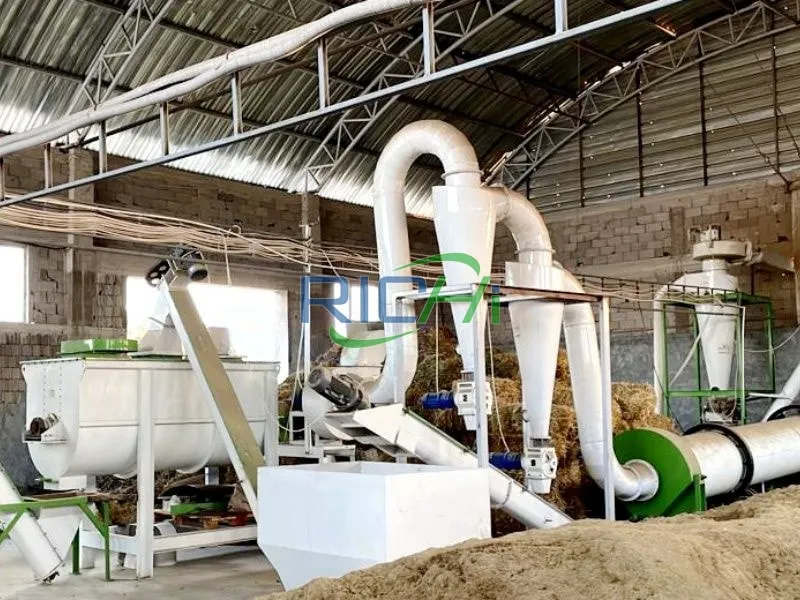
1-2 t/h Napier Grass Pellet Making Machine in India
A progressive farmer in Maharashtra processes high-yield Napier grass into nutritious pellets for his dairy herd, enabling year-round fodder supply.
Pellet Mill Model
CZLH350
Pellet Size
8mm diameter fodder pellets

5 t/h Chicken Feed Pellet Making Machine in India
This automated chicken feed mill plant in Karnataka serves numerous layer farms, producing uniform mash and pellets that ensure precise nutrient intake.
Pellet Mill Model
SZLH350
Pellet Size
3.5mm pellets for layers

5 t/h Rice Straw Pellet Making Machine in India
In Haryana, this innovative rice straw pellet making machine tackles stubble burning by compacting rice straw into fuel pellets, promoting cleaner air and circular agriculture.
Pellet Mill Model
MZLH678*2
Pellet Size
10mm diameter industrial pellets

2 t/h Wood Pellet Making Machine in India
Using mixed hardwood from forest thinning in Odisha, this project creates sustainable fuel for local hospitality businesses switching from fossil fuels.
Pellet Mill Model
MZLH520
Pellet Size
8mm diameter heating pellets
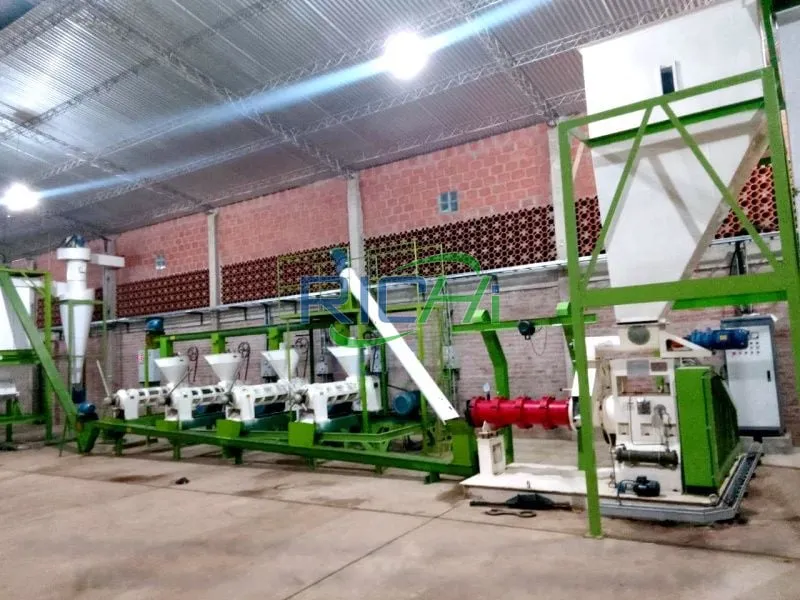
6 t/h Pig Feed Pellet Making Machine in India
This integrated pig feed mill in Uttar Pradesh includes grain expansion for improved digestibility, producing high-quality feed for a large-scale swine operation.
Pellet Mill Model
SZLH350
Pellet Size
4mm and 5mm diameter pellets
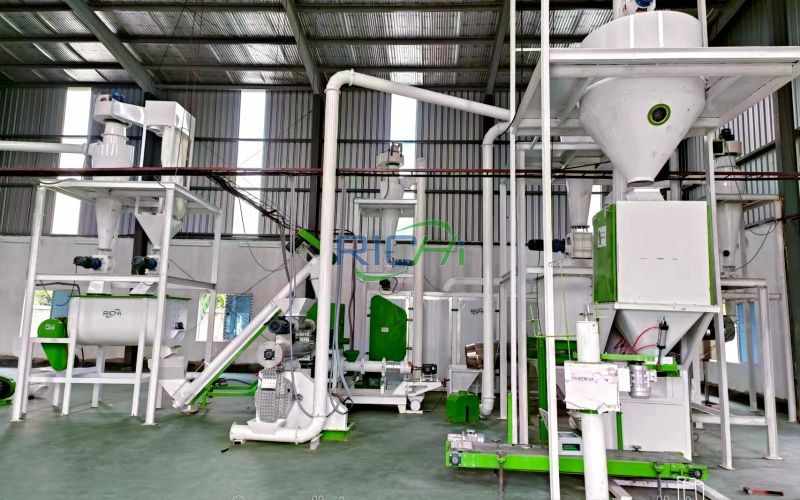
500kg/h Fish Feed Pellet Making Machine in India
A small entrepreneur in West Bengal uses a compact dry extrusion system for fish feed and a secondary pellet mill for poultry, maximizing his machinery investment.
Pellet Mill Model
DGP-120B & SZLH250
Pellet Size
2mm fish feed & 3mm chicken feed
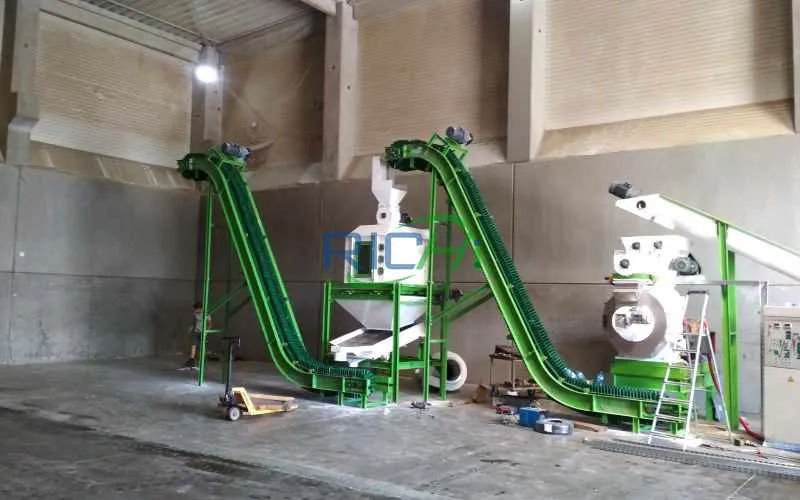
5 t/h Cow Dung Pellet Making Machine in India
Transforming dairy farm waste in Gujarat, this organic fertilizer pellet line supports sustainable farming, producing a valuable soil amendment product.
Pellet Mill Model
FZLH350
Pellet Size
6mm diameter fertilizer pellets
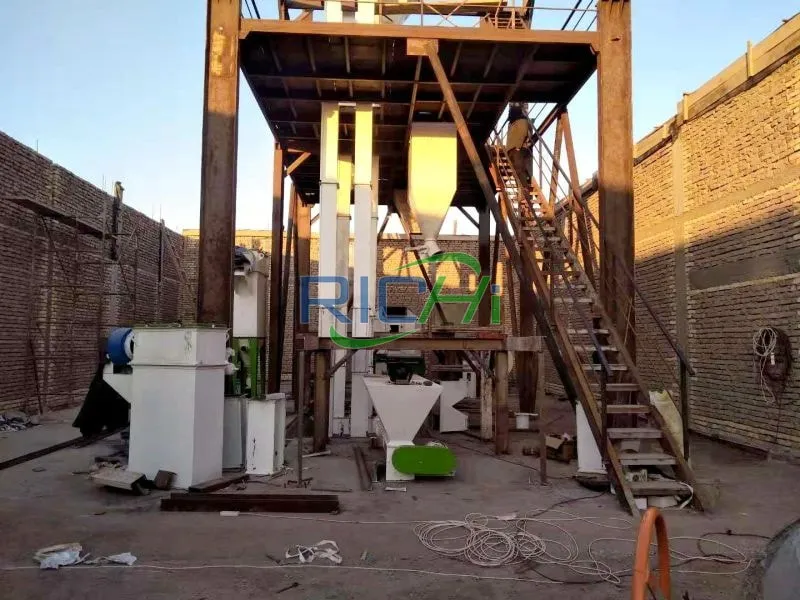
3-4 t/h Livestock Feed Pellet Making Machine in India
A versatile feed mill in Madhya Pradesh produces custom formula pellets for sheep, goats, and cattle, serving a diverse community of local farmers.
Pellet Mill Model
SZLH320
Pellet Size
4mm and 8mm diameter pellets
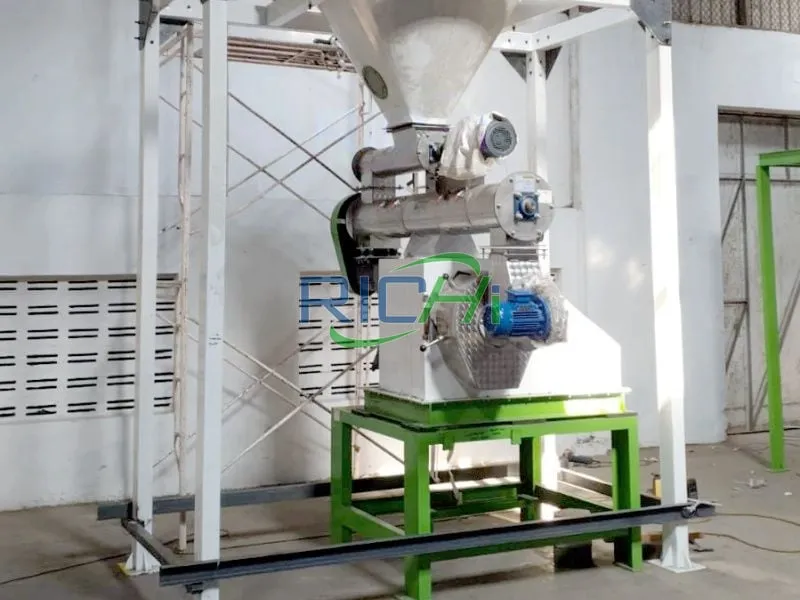
1-2 t/h Broiler Feed Pellet Making Machine in India
Focused on fast-growing broilers, this Chhattisgarh-based broiler feed mill produces high-energy, crumbled starter feed and pellets to maximize growth efficiency.
Pellet Mill Model
SZLH250
Pellet Size
2.5mm crumble & 4mm pellets

300kg/h Floating Fish Feed Pellet Machine in India
Ideal for a hatchery in Kerala, this dual-purpose setup produces micro floating feed for fingerlings and cattle feed, showcasing adaptable pellet machine in India solutions.
Pellet Mill Model
DGP-90B & SZLH250
Pellet Size
1mm floating feed & 6mm cattle feed
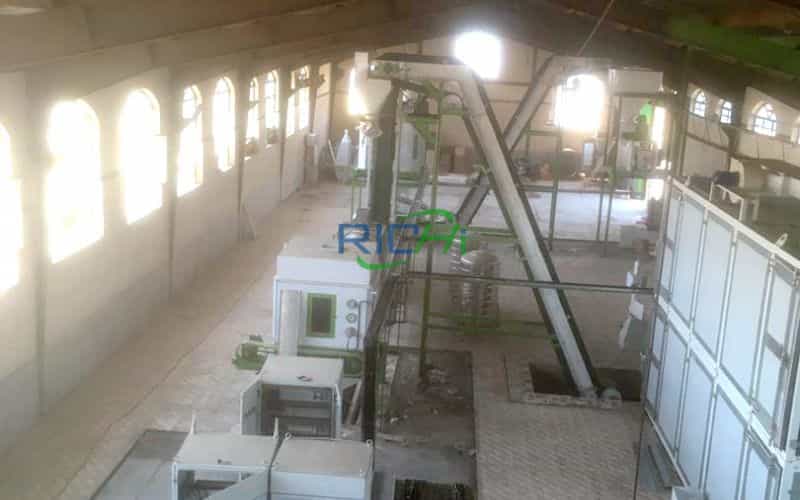
1 t/h Fish Pet Food Extruder Machine in India
Catering to the premium aquarium market, this Mumbai-based unit produces colorful, nutrient-rich sinking and floating pellets for ornamental fish.
Extruder Model
SPHS75x2
Pellet Size
0.8mm to 2mm specialty pellets
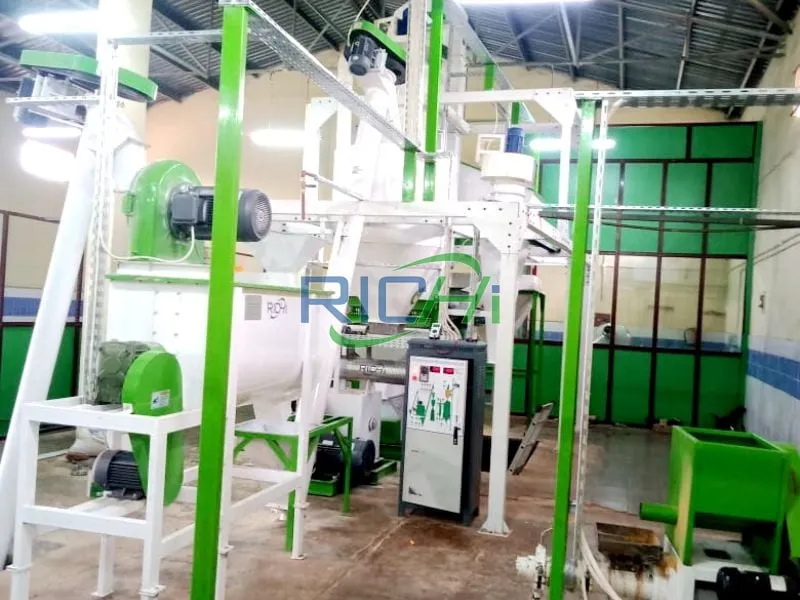
1-2 t/h Horse Feed Pellet Making Machine in India
A stud farm in Rajasthan produces tailored, high-fiber pellet feed for racehorses and equestrian sports, ensuring optimal equine health and performance.
Pellet Mill Model
SZLH250
Pellet Size
10mm diameter horse feed pellets
Project Video Gallery
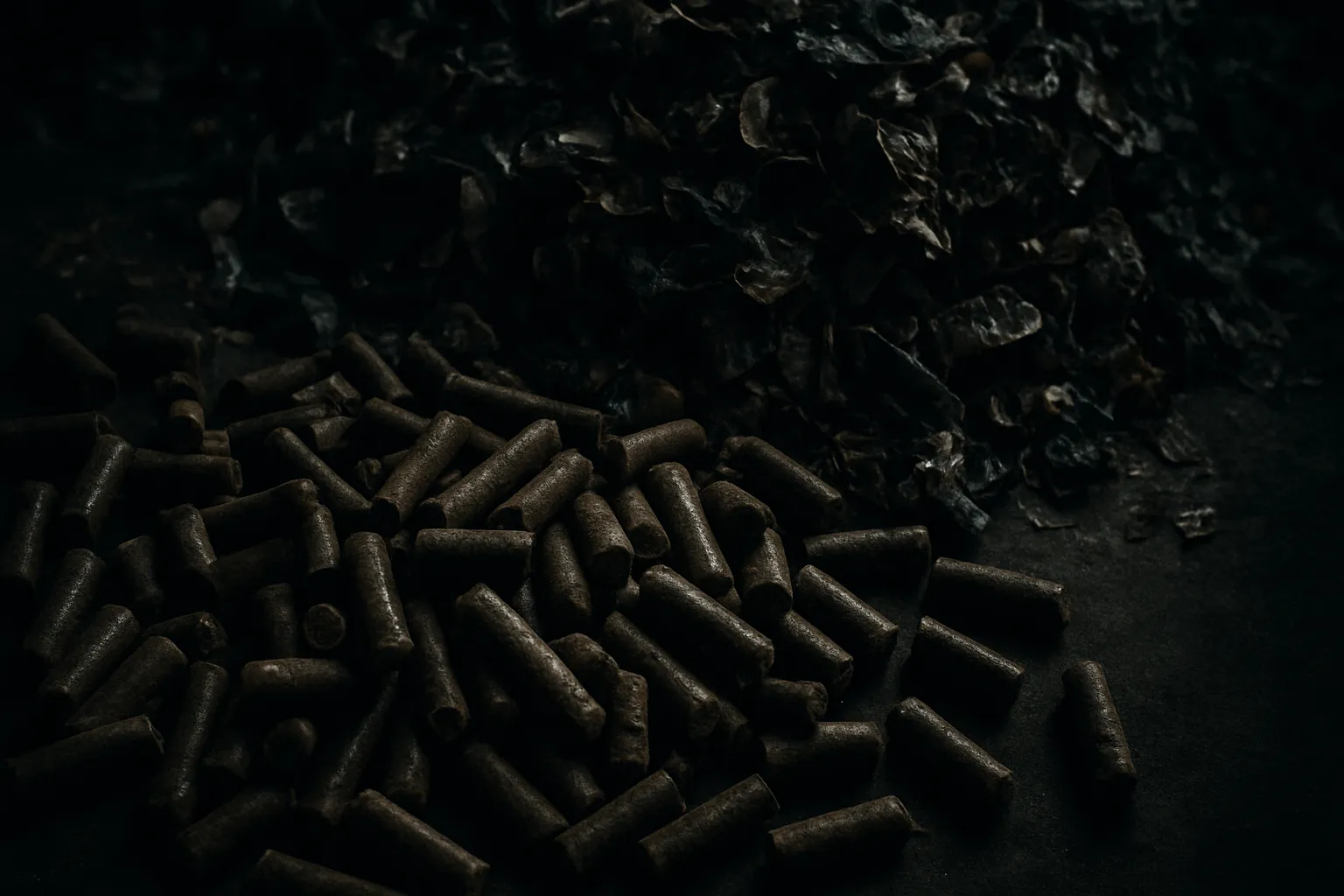
Video: 2-2.5T/H RDF Pellet Plant in india
This video captures our rugged RDF waste pellet making machine in India at the heart of a waste-to-energy plant near Mumbai. See how mixed municipal waste is transformed into uniform 10mm RDF pellets, providing a sustainable alternative fuel for local industries.

Video: 5T/H floating fish feed mill plant in india
Tour a modern aquafeed facility powered by our twin-screw fish feed extruder. Located in India’s shrimp farming hub, this plant produces highly digestible 2mm and 3mm floating pellets, critical for the region’s high-density aquaculture.
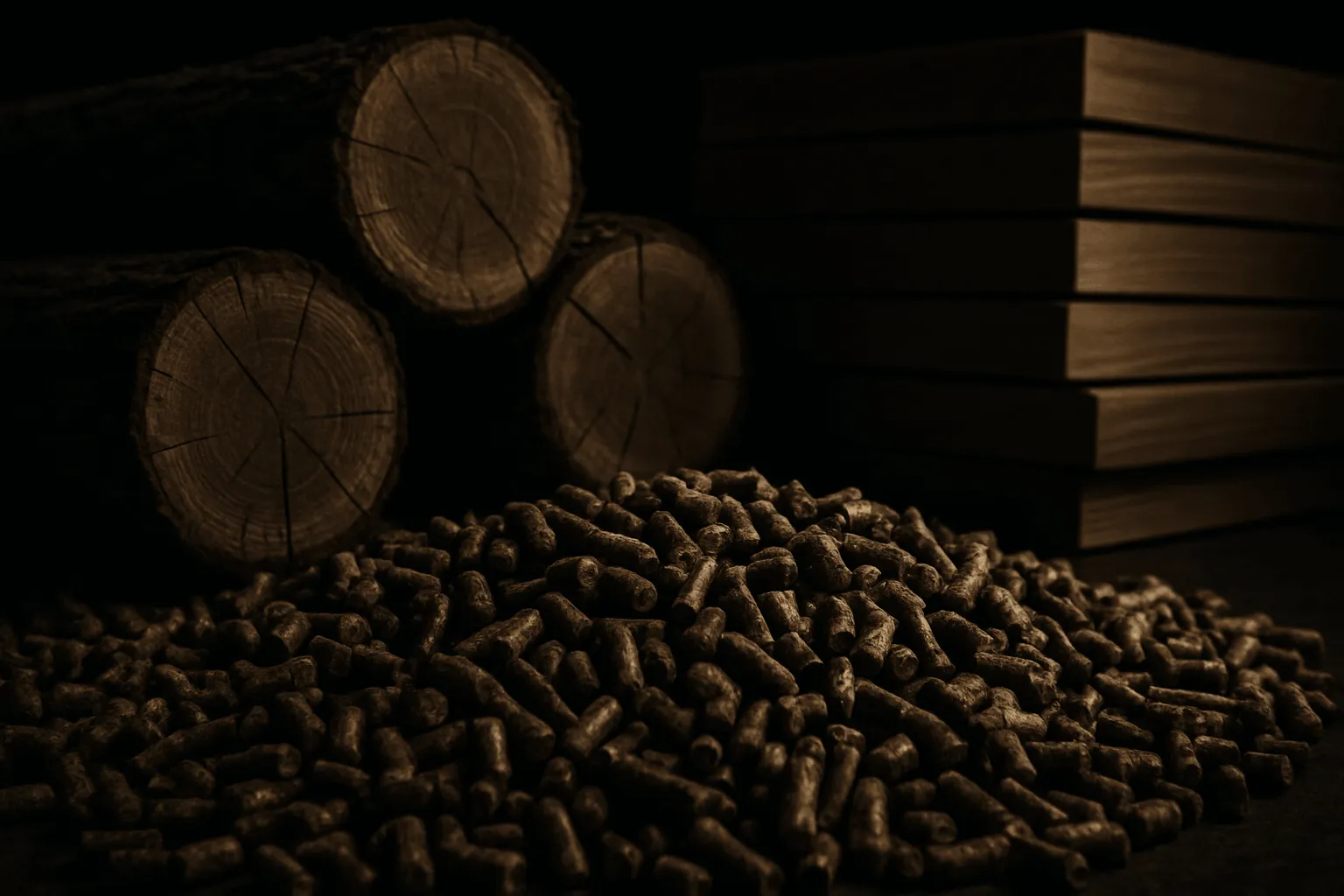
Video: 20T/H biomass wood pellet plant in india
Experience the scale of one of our largest renewable energy biomass pellet projects. Featuring multiple biomass pellet mills, this Gujarat plant processes agricultural residues into 8mm industrial-grade fuel pellets at high capacity, supporting local clean energy goals.
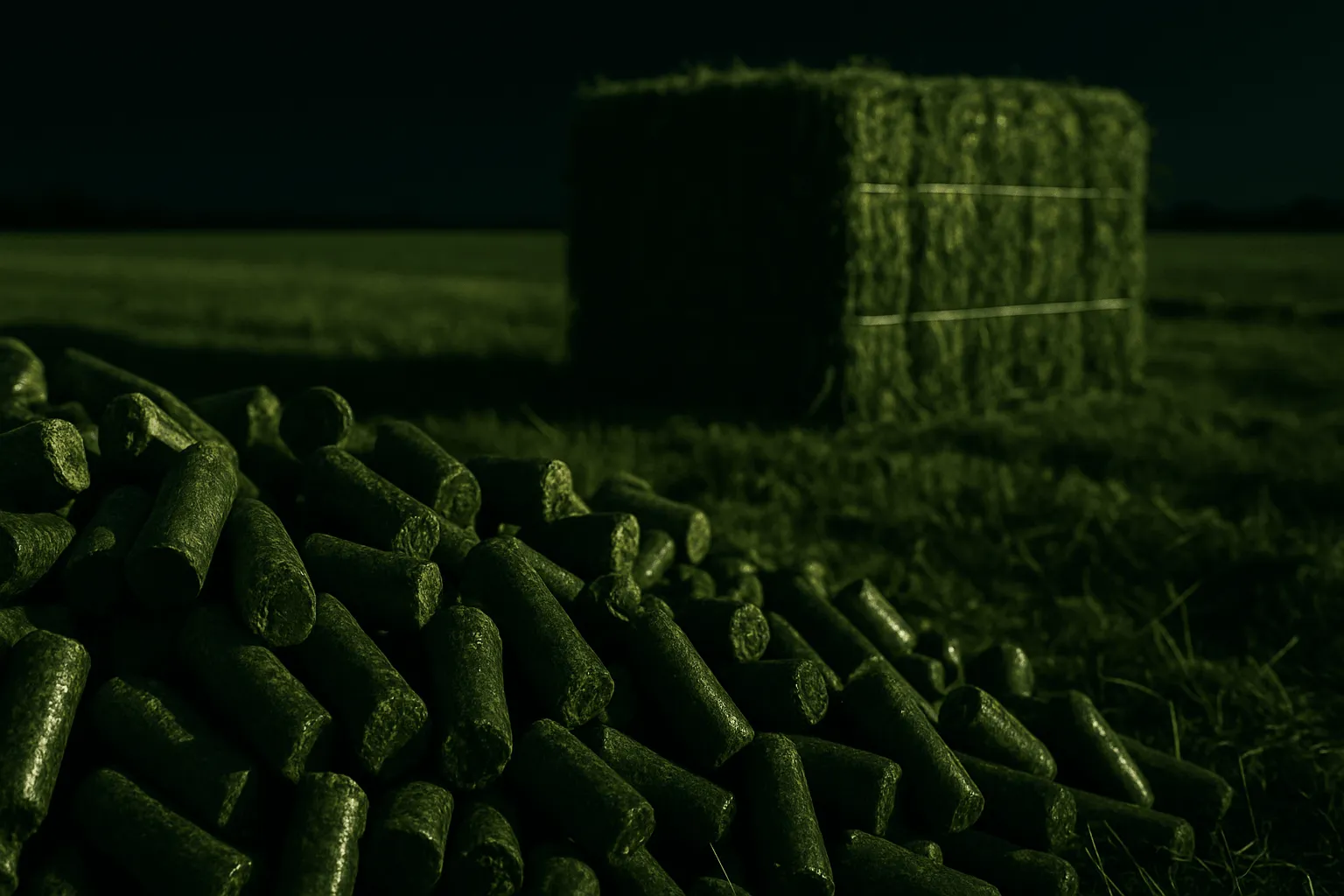
Video: 5T/H dairy cow grass feed pellet plant in india
This video highlights a feed solution for Punjab’s dairy belt. Our grass pellet making machine in India efficiently compacts alfalfa and napier grass into nutritious 6mm and 8mm pellets, ensuring year-round quality fodder for dairy herds.
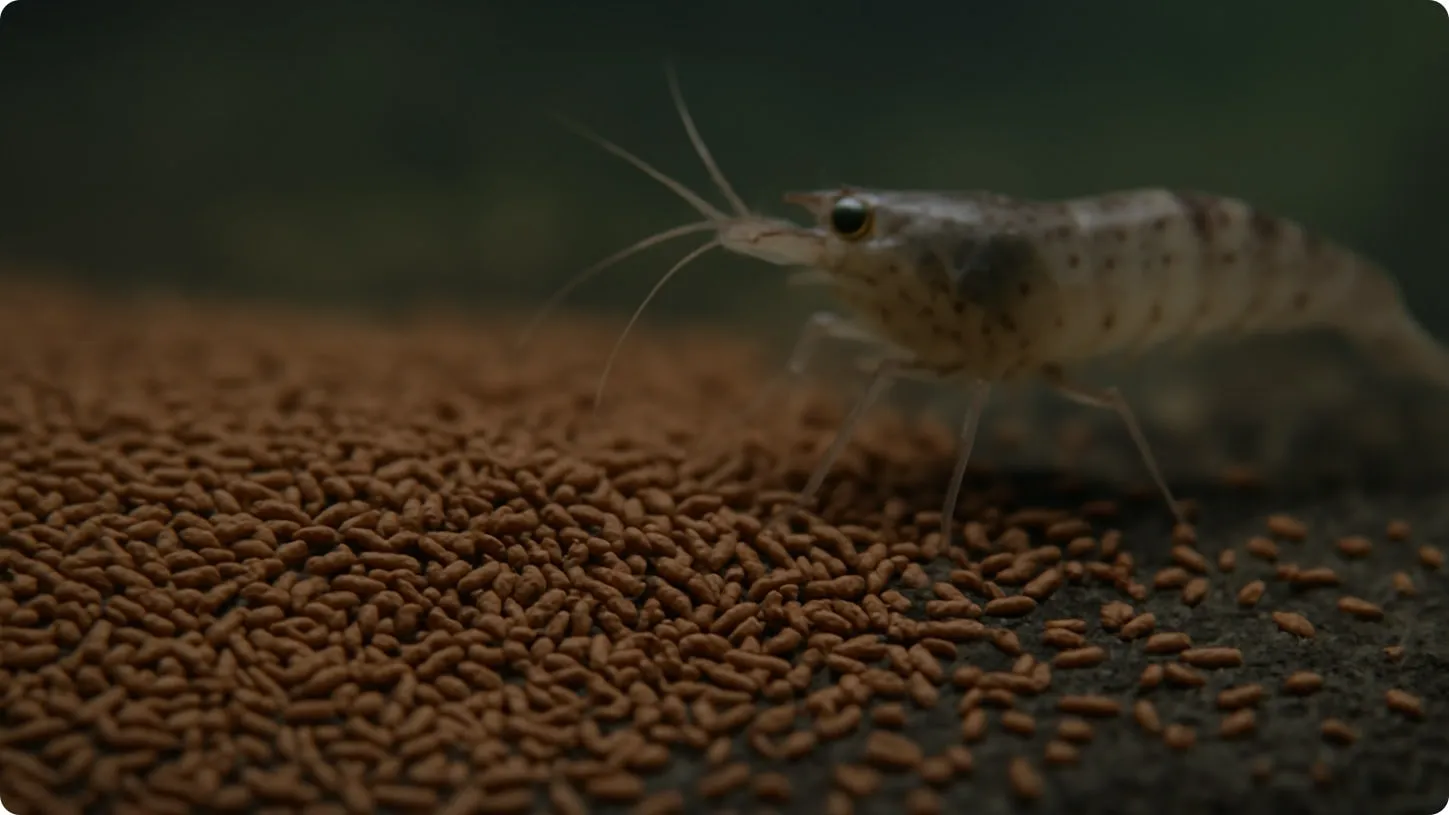
Video: 2T/H shrimp feed pellet plant in india
Dive into the precision of shrimp feed manufacturing. This coastal shrimp feed mill utilizes our ring die shrimp feed pellet mill to produce micro-sized 1.2mm and 1.5mm sinking pellets, meeting the stringent demands of India’s vital shrimp farming industry.

1.5-2.5T/H Small Poultry & Floating Fish Feed Mill in India
Perfect for aspiring feed millers, this video shows a versatile setup. It features a SZLH250 animal feed granulator for 3.5mm chicken feed and a dry type fish feed extruder for 2mm fish feed, demonstrating how to serve multiple markets with one compact line.

Customer Testimonials

We operate a 10T/H biomass pellet plant in Punjab, processing rice straw and cotton stalks into fuel pellets. The challenge was the abrasive nature of the material and the need for continuous operation. Your SZLH678 ring die pellet making machine in India has been a game-changer. It handles our tough feedstock with remarkable durability, and the pellet quality is consistently high, which is critical for our boiler clients.
Beyond the machine itself, your team’s support in plant layout and ongoing technical advice made the entire project a smooth success. You didn’t just sell us equipment; you became a reliable partner in our business growth.
Rohan Sharma
Operations Director, Agricultural Biomass Processing Cooperative

Opportunities Across India’s Diverse Landscape
India’s dynamic economy presents vast opportunities for turning local materials into valuable pellets. From solving agricultural waste issues to meeting the demands of growing industries, a strategic investment in a pellet making machine in India opens doors to multiple profitable sectors. At Richi Machinery, we design complete solutions tailored to India’s unique raw materials and market needs, ensuring your venture’s success from the first pellet to full-scale production.
No matter your raw material—be it powdery mash, fibrous straw, wet manure, or blended granules—Richi Machinery provides the precise pellet making machine in India and engineered process to achieve your product goals. We analyze your local feedstock’s size, moisture, and composition to deliver a complete, high-yield pellet plant. Here’s a look at key sectors with strong growth potential across the country:
WOOD PELLET PRODUCTION
WOOD PELLET SOLUTION
Driven by industrial boiler conversions and a push for cleaner energy, wood pellets from sawmill waste and forest thinnings are in high demand. Our robust pellet mills deliver the durability needed for India’s often varied and abrasive wood feedstock.

GRASS PELLET PRODUCTION
GRASS PELLET SOLUTION
With dairy being a cornerstone of rural India, processing Napier grass, alfalfa, and other fodder into nutrient-dense pellets ensures year-round, high-quality feed supply, boosting milk production and farmer income.


STRAW PELLET PRODUCTION
STRAW PELLET SOLUTION
Addressing the critical issue of stubble burning in Punjab and Haryana, straw pelletizing converts rice and wheat residue into valuable fuel or bedding, promoting cleaner air and circular agriculture.


RUMINANT FEED PELLET PRODUCTION
CATTLE FEED PELLET SOLUTION
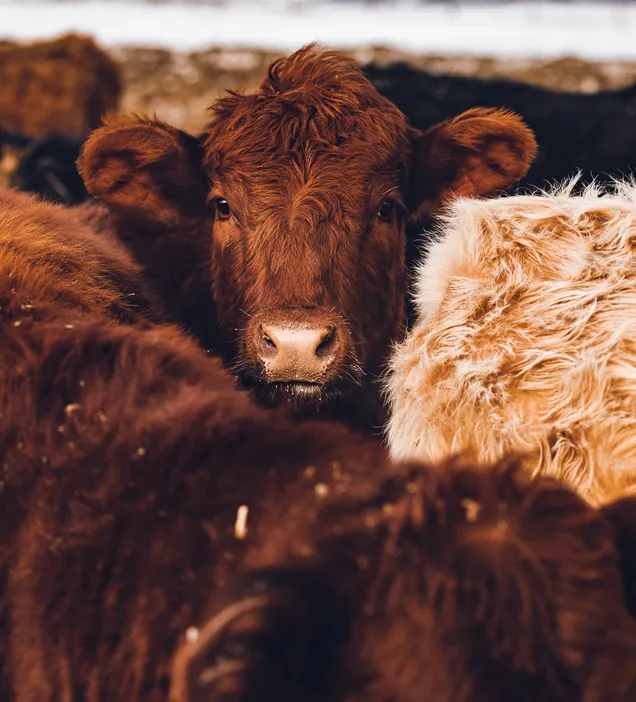
The large ruminant population requires nutritionally balanced, compact feed. Pelletizing improves feed efficiency, reduces waste, and allows for precise inclusion of urea and minerals, vital for India’s dairy and beef sectors.

POULTRY FEED PELLET PRODUCTION
POULTRY livestock FEED SOLUTION
India’s rapidly growing poultry and piggery industries rely on high-performance feed. Pelletizing enhances digestibility, biosecurity, and handling, making it essential for modern, large-scale operations across the country.

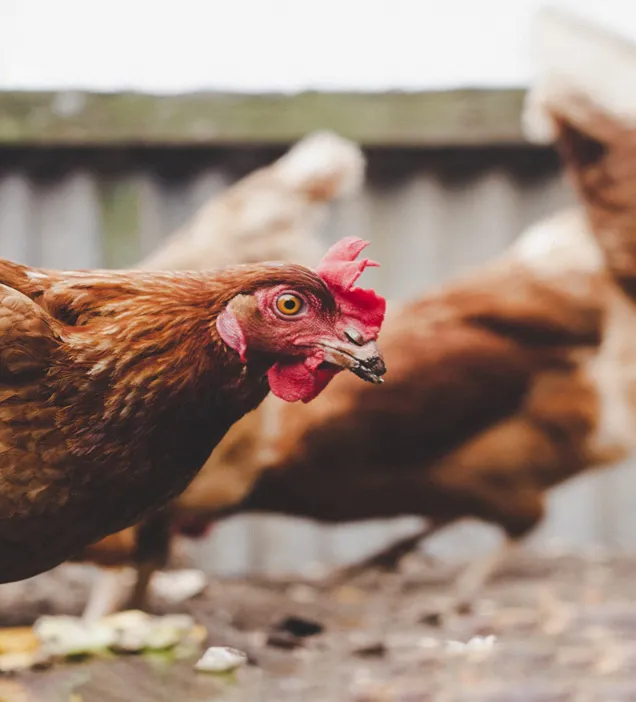
FERTILIZER PELLET PRODUCTION
FERTILIZER PELLET SOLUTION
From organic manure pellets from cow dung to premium NPK blends, pelletized fertilizers are easier to store, transport, and apply. This sector supports India’s mission toward sustainable agriculture and soil health.


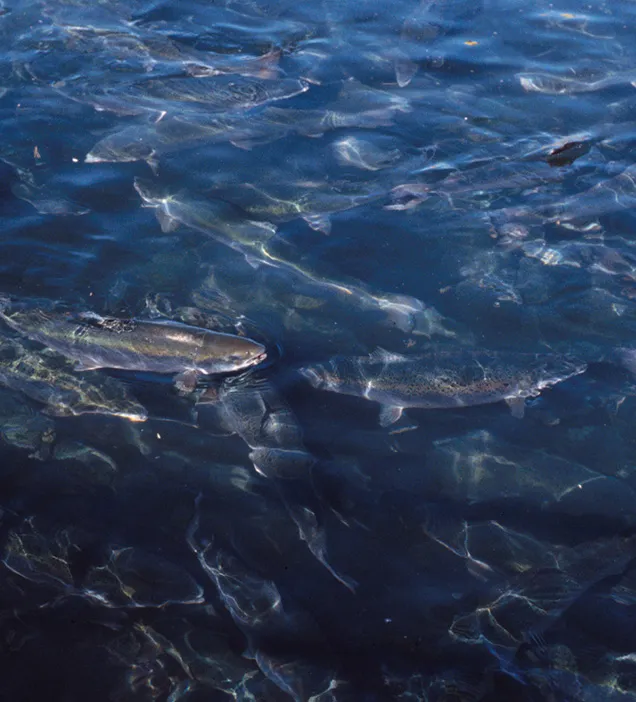
FISH FEED PELLET PRODUCTION
FISH FEED PELLET SOLUTION
As aquaculture expands, the need for species-specific floating and sinking feed grows. Our extrusion and pelletizing technology produces water-stable, nutritious feed critical for shrimp and fish farms in coastal states.

PET FOOD PELLET PRODUCTION
PET FOOD PELLET SOLUTION
The rising middle class is fueling a premium pet care market. Producing high-quality, extruded dog and cat food pellets locally captures value in this fast-growing niche.

cat litter PELLET PRODUCTION
cat litter PELLET SOLUTION
Moving beyond traditional clay, processed bentonite or plant-based pelletized cat litter offers a superior, absorbent product for India’s expanding urban pet owner demographic.


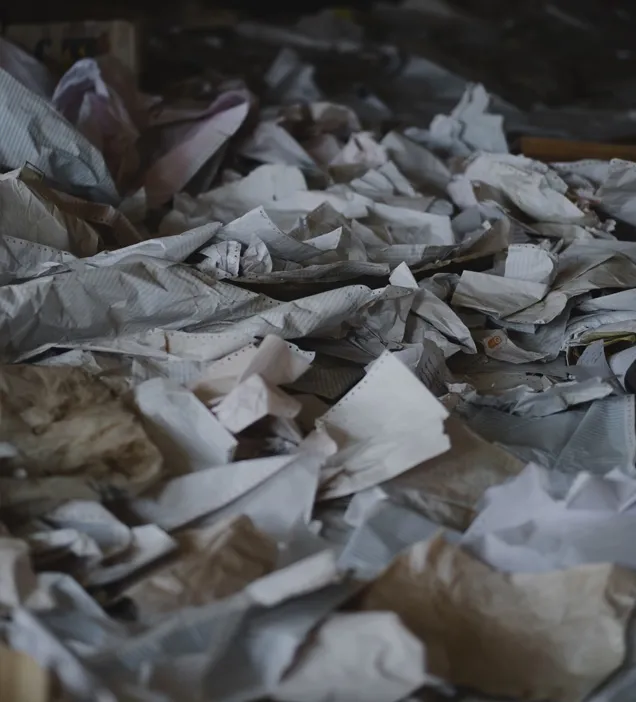
paper PELLET PRODUCTION
paper PELLET SOLUTION
Converting paper mill waste and sorted municipal paper into fuel or absorbent bedding pellets provides an efficient waste management solution for India’s urban centers.

ANIMAL BEDDING PELLET PRODUCTION
ANIMAL BEDDING PELLET SOLUTION
Processed sawdust or shaving pellets offer hygienic, absorbent bedding for poultry and dairy farms, improving animal welfare and farm management.
RDF PELLET PRODUCTION
RDF PELLET SOLUTION
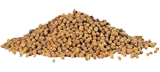
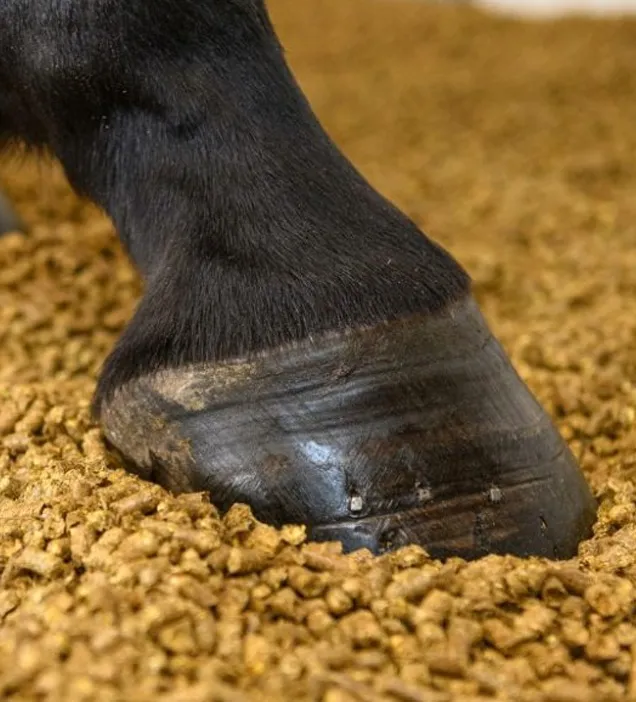
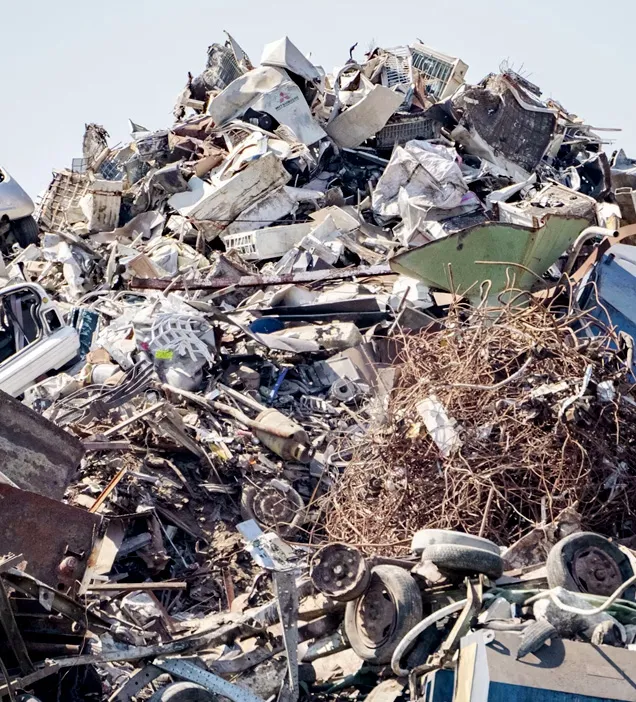
With growing waste-to-energy initiatives, pelletizing combustible municipal waste into RDF provides a consistent alternative fuel for cement kilns and power plants, tackling India’s urban waste challenge.

Raw grain puffing PRODUCTION
Raw grain puffing SOLUTION
Expanding grains like maize or soybean improves digestibility for young livestock. This value-added process is key for advanced feed mills catering to India’s professional poultry and dairy sectors.


Pyrolytic carbon PELLET PRODUCTION
Pyrolytic carbon PELLET SOLUTION
Biochar pellets from agricultural waste enhance soil carbon sequestration and fertility. This emerging field supports climate-smart agriculture and offers a high-value carbon product.


Rat poison PELLET PRODUCTION
Rat poison PELLET SOLUTION
Pelletized bait allows for targeted, effective control of rodents and pests in agricultural and urban settings, a persistent need across India’s diverse landscapes.


solid waste PELLET PRODUCTION
solid waste PELLET SOLUTION
From textile waste to food processing residue, pelletizing diverse industrial streams into fuel or raw material supports the circular economy and helps industries manage by-products responsibly.


Our Top-Selling Equipment for the Indian Market
For over a decade, we have supplied a comprehensive range of robust and efficient machinery to the Indian subcontinent. From core pellet making machine in India to essential auxiliary units, our equipment is engineered to handle India’s diverse feedstocks and challenging operating conditions. Each machine is part of a complete solution, designed to maximize your productivity and return on investment.
Each piece of equipment is part of our holistic engineering approach. We don’t just sell a machine; we provide the integrated system knowledge to make your entire pellet making machine in India project a success.
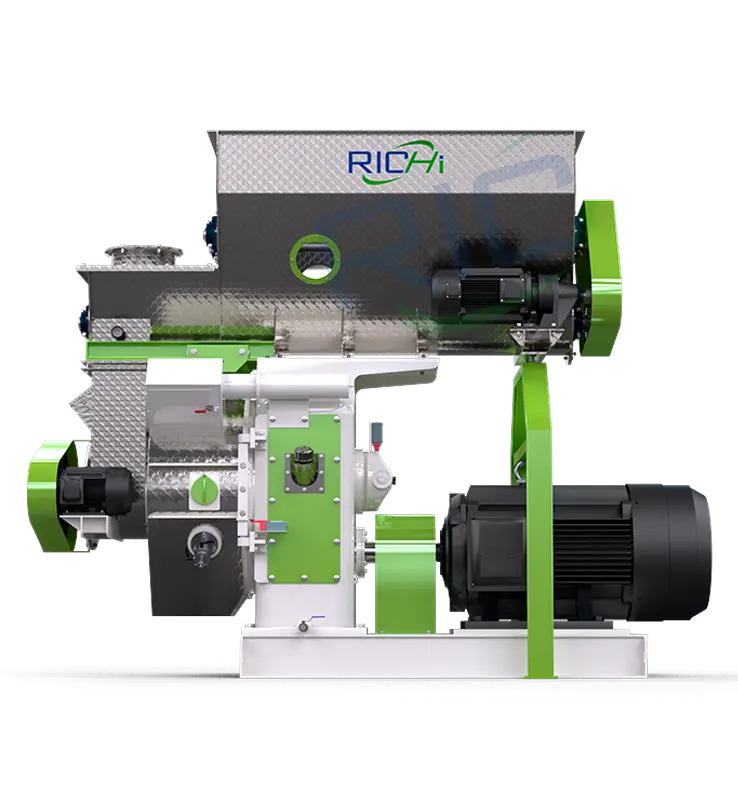
biomass pellet mill for sale india
Our heavy-duty biomass pellet making machines are the workhorses of India’s renewable energy sector, reliably processing rice husk, wheat straw, sugarcane bagasse, and sawdust into dense fuel pellets. They empower businesses to convert agricultural waste into a profitable, clean-burning alternative to coal, directly supporting local waste-to-energy initiatives.

grass pellet machine for sale india
Specifically designed for India’s fodder challenges, these machines efficiently compact high-moisture Napier grass, Para grass, and alfalfa into durable cattle feed pellets. This technology enables dairy farmers to create nutritionally preserved feed, ensuring year-round supply and stabilizing milk production despite seasonal fodder shortages.

feed mill pellet machine
The backbone of India’s modern poultry and aquaculture feed industry. Our ring die mills produce high-quality, durable pellets from various mash formulations, ensuring optimal feed conversion ratios (FCR) for the country’s massive broiler, layer, and shrimp farming operations.
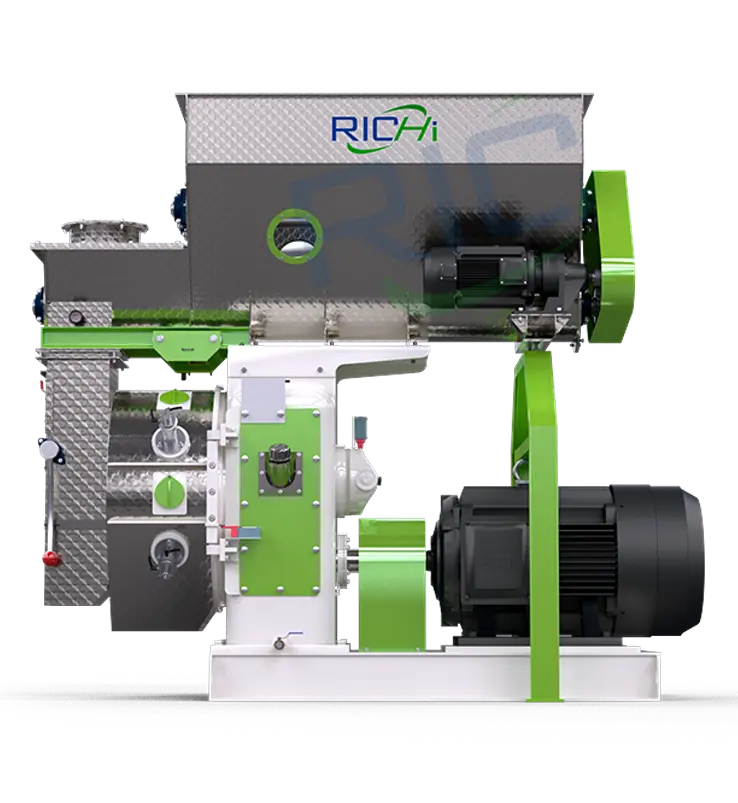
fertilizer granulator equipment
Essential for India’s organic farming movement, these machines transform cow dung, poultry litter, and blended NPK powders into uniform, easy-to-apply fertilizer pellets. They help reduce bulk, minimize dust loss, and create a commercial product from farm waste, boosting soil health and farmer income.

twin screw extruder
Critical for producing high-value aqua and pet food. Our extruders manufacture floating, sinking, and expanded pellets with precise shapes and textures, meeting the sophisticated demands of India’s growing shrimp, fish, and premium pet food markets.
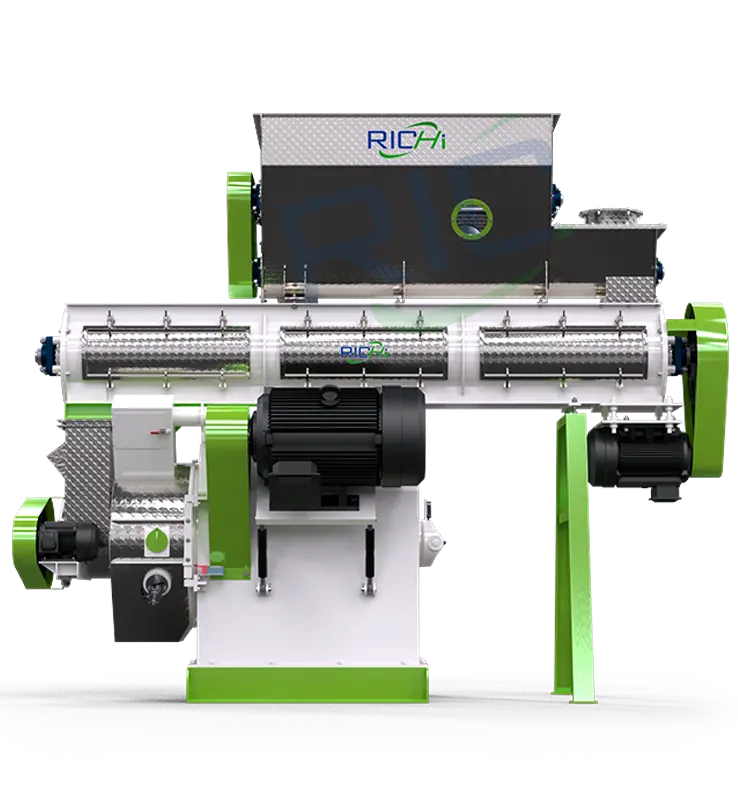
straw pellet machine for sale india
A direct solution to stubble burning in northern India. These robust machines compress rice and wheat straw into compact fuel or bedding pellets, turning an environmental liability into a source of revenue for farmers and biomass entrepreneurs.

shrimp feed pellet machine
Specialized extruders and pellet mills that produce water-stable, high-nutrition feed critical for India’s intensive shrimp farming in states like Andhra Pradesh and Tamil Nadu. They ensure minimal feed waste and optimal growth in pond conditions.

cat litter pellet machine
Catering to the urban pet care boom, this equipment processes bentonite or plant-based materials into highly absorbent, low-dust clumping pellets, offering a superior alternative to traditional sand for India’s growing cat-owner population.
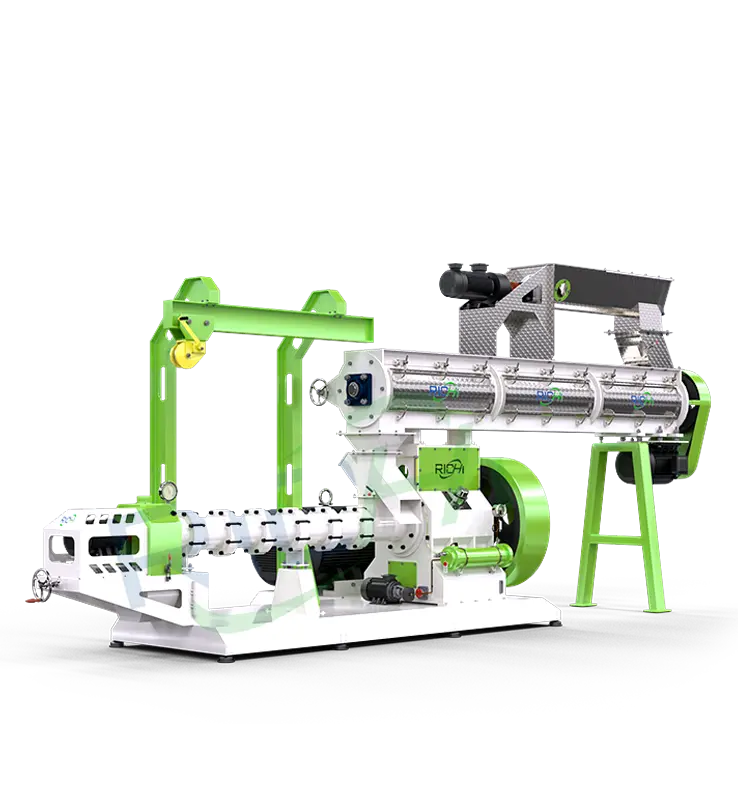
single screw extruder machine
A versatile and cost-effective solution for small-scale floating fish feed, pet food, and textured soya protein production. Ideal for entrepreneurs and cooperatives starting in the value-added feed sector across India.

Grain extruder machine
Used in advanced feed mills to gelatinize starches in maize and other grains, improving digestibility for poultry and piglets. This process enhances feed efficiency, a key metric for India’s competitive livestock sector.
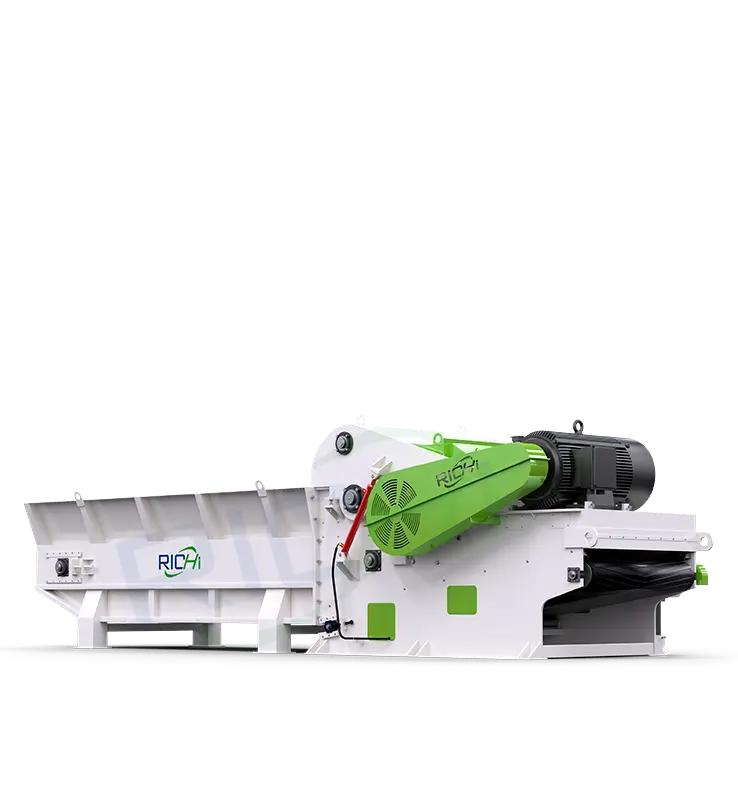
wood chipper machine
The first step in biomass processing, turning forestry waste, plantation trimmings, and scrap wood into uniform chips suitable for drying and pelleting. It maximizes material yield for fuel pellet plants across India’s timber-rich regions.

shredder machine
Handles a vast array of bulky materials common in Indian waste streams, including municipal solid waste (MSW), cardboard, plastic films, and agricultural stalks. It prepares heterogeneous materials for further processing in RDF or composting lines.

Rotary Drum Dryer (Biomass)
Indispensable for conditioning high-moisture Indian biomass like paddy straw, wet sawdust, and bagasse before pelleting. Our dryers ensure stable combustion quality in fuel pellets by bringing feedstock to the optimal moisture level efficiently.

bale crusher
Dramatically improves animal feed mill plant and biomass plant efficiency by quickly and evenly breaking apart dense bales of hay, straw, or cotton stalks, facilitating downstream grinding and mixing processes.

Hammer Mill (Water-Drop Type)
A high-efficiency grinder for feed ingredients and biomass. Its design minimizes heat generation and ensures a fine, consistent grind for poultry feed mash or biomass powder, crucial for high-quality pellet formation.

mesh belt dryer
Ideal for heat-sensitive materials like certain herbal residues or high-value feed ingredients. It provides gentle, controlled drying essential for preserving nutrients in specialized feed or organic products.

Feed mixer machine
Ensures homogenous blending of micro-ingredients, vitamins, and bulk materials in feed formulations. Uniform mixing is non-negotiable for producing nutritionally consistent feed for India’s large-scale poultry and dairy operations.

Vertical Fertilizer Crusher
Specifically designed for crushing hardened lumps in organic fertilizers (like composted manure) and NPK materials back into a uniform powder, ready for granulation. It maintains the production flow in fertilizer plants.

grass straw crusher machine
A specialized cutter and crusher that pre-processes long, fibrous Napier grass or rice straw into short lengths, making them suitable for drying and feeding into a pellet making machine in India.

vibrating screening machine
Vital for final product quality. It separates fines from finished pellets in feed and biomass plants, and cleans raw grains or biomass feedstock of sand and debris, protecting downstream equipment and ensuring premium product standards.

storage silos
Provides critical storage for raw grains, mash, or finished pellets. Silos ensure buffer stock, enable continuous plant operation, and protect materials from weather and contamination, a key need in India’s diverse climate.
Frequently Asked Questions
Navigating the purchase and setup of a pellet production business involves many technical and commercial considerations. Over the years, our clients across India have asked insightful questions that reflect the diversity of the market. We’ve compiled the most common ones below, covering everything from specific raw materials and machine capabilities to logistics and after-sales support.
What are the technical specifications and parameters of the different pellet making machines you export to India?
+
Selecting the right pellet making machine in India is critical, as performance must align with local raw materials and production goals. The specifications below detail our core ring die pellet mill series, engineered for India’s diverse applications from feed milling to biomass processing.
Please note that the final pellet making machine price in India is determined by the specific model, configuration, and scope of auxiliary equipment required for a complete production line.
1. Feed pellet making machine in india
Ideal for producing nutritious poultry, cattle, and aqua feed, this series is the backbone of India’s modern livestock and aquaculture sectors. It ensures high pellet durability and precise nutrient retention.
| Model | Main Motor Power (kw) | Feeder Power (kw) | Conditioner Power (kw) | Ring Die Inner Diameter (mm) | Pellet Diameter (mm) | Output (T/H) |
|---|---|---|---|---|---|---|
| SZLH250 | 22 | 1.1 | 1.5 | 250 | 2~12 | 1.0-1.5 |
| SZLH320 | 37 | 1.5 | 4 | 320 | 2~12 | 3-4 |
| SZLH350 | 55 | 1.5 | 4 | 350 | 2~12 | 5-6 |
| SZLH420 | 110 | 1.5 | 7.5 | 420 | 2~12 | 10-12 |
| SZLH508 | 160 | 1.5 | 7.5 | 508 | 2~12 | 15-16 |
| SZLH558 | 185 | 1.5 | 11 | 558 | 2~12 | 20-22 |
| SZLH678 | 250 | 1.5 | 11 | 673 | 2~12 | 30-33 |
| SZLH768 | 315 | 2.2 | 11 | 762 | 2~12 | 38-40 |
2. Wood pellet making machine in india
Built for durability, this series processes sawdust, wood chips, and forestry waste into dense fuel pellets. It handles the abrasive nature of Indian hardwoods and mixed biomass efficiently.
| Model | Main Motor Power (kw) | Bridge-Breaker Feeder Power (kw) | Force Feeder Power (kw) | Ring Die Inner Diameter (mm) | Pellet Diameter (mm) | Output (T/H) |
|---|---|---|---|---|---|---|
| MZLH320 | 22 | 2.2 | 0.75 | 320 | 4~12 | 0.2-0.3 |
| MZLH350 | 37 | 2.2 | 0.75 | 350 | 4~12 | 0.3-0.5 |
| MZLH420 | 90 | 3 | 1.5 | 420 | 4~12 | 1.0-1.2 |
| MZLH520 | 132 | 3 | 1.5 | 520 | 4~12 | 1.5-2.0 |
| MZLH678 | 185 | 3 | 1.5 | 673 | 4~12 | 2.5-3.0 |
| MZLH768 | 250 | 4 | 1.5 | 762 | 4~12 | 3.0-4.0 |
3. Straw/Grass pellet making machine in india
Specifically engineered for India’s fibrous agricultural residues like rice straw, wheat straw, and Napier grass, this series ensures stable pelletization for fodder and fuel applications.
| Model | Main Motor Power (kw) | Bridge-Breaker Feeder Power (kw) | Force Feeder Power (kw) | Ring Die Inner Diameter (mm) | Pellet Diameter (mm) | Output (T/H) |
|---|---|---|---|---|---|---|
| CZLH320 | 22 | 2.2 | 0.75 | 320 | 4~12 | 0.5-0.6 |
| CZLH350 | 37 | 2.2 | 0.75 | 350 | 4~12 | 1.0-1.2 |
| CZLH420 | 90 | 3 | 1.5 | 420 | 4~12 | 1.8-2.0 |
| CZLH520 | 132 | 3 | 1.5 | 520 | 4~12 | 2.8-3.0 |
| CZLH678 | 185 | 3 | 1.5 | 673 | 4~12 | 4-5 |
| CZLH768 | 250 | 4 | 1.5 | 762 | 4~12 | 6-8 |
4. Cat Litter pellet making machine in india
Designed for bentonite and plant-based materials, this series produces low-dust, highly absorbent clumping pellets for India’s growing pet care market.
| Model | Main Motor Power (kw) | Feeder Power (kw) | Conditioner Power (kw) | Ring Die Inner Diameter (mm) | Pellet Diameter (mm) | Output (T/H) |
|---|---|---|---|---|---|---|
| MSZLH250 | 22 | 1.1 | 1.5 | 250 | 2~12 | 1.0-1.5 |
| MSZLH320 | 37 | 1.5 | 4 | 320 | 2~12 | 3-4 |
| MSZLH350 | 55 | 1.5 | 4 | 350 | 2~12 | 5-6 |
| MSZLH420 | 110 | 1.5 | 7.5 | 420 | 2~12 | 10-12 |
| MSZLH508 | 160 | 1.5 | 7.5 | 508 | 2~12 | 15-16 |
| MSZLH558 | 185 | 1.5 | 11 | 558 | 2~12 | 20-22 |
| MSZLH678 | 250 | 1.5 | 11 | 673 | 2~12 | 30-33 |
| MSZLH768 | 315 | 2.2 | 11 | 762 | 2~12 | 38-40 |
5. Fertilizer pellet making machine in india
Robustly built to handle moist organic materials like cow dung, poultry manure, and NPK blends, this series supports India’s organic farming and waste management initiatives.
| Model | Main Motor Power (kw) | Bridge-Breaker Feeder Power (kw) | Force Feeder Power (kw) | Ring Die Inner Diameter (mm) | Pellet Diameter (mm) | Output (T/H) |
|---|---|---|---|---|---|---|
| FZLH250 | 22 | 2.2 | 0.75 | 250 | 4~12 | 1-1.5 |
| FZLH320 | 22 | 2.2 | 0.75 | 320 | 4~12 | 2-3 |
| FZLH350 | 37 | 2.2 | 0.75 | 350 | 4~12 | 3-5 |
| FZLH420 | 90 | 3 | 1.5 | 420 | 4~12 | 6-8 |
| FZLH520 | 132 | 3 | 1.5 | 520 | 4~12 | 9-12 |
| FZLH678 | 185 | 3 | 1.5 | 673 | 4~12 | 18-22 |
| FZLH768 | 250 | 4 | 1.5 | 762 | 4~12 | 22-26 |
The tables above represent our primary series of pellet making machines in India. It is important to understand that this is not an exhaustive list. We provide specialized pellet mills and complete lines for numerous other materials and sectors.
The exact wood pellet machine price in India, feed pellet machine price in India, or biomass pellet making machine price in India varies based on customized configurations, auxiliary equipment, and technical service packages.
We highly recommend discussing your specific raw material characteristics, desired pellet specifications, and target capacity with our engineering team to receive a tailored solution and an accurate quotation.
What is the price of a pellet mill machine in India?
+
This is one of the most common questions we receive from Indian entrepreneurs and businesses. The price of a pellet making machine in India varies significantly based on the machine type, capacity, configuration, and the specific needs of your project. There is no single price, as a machine for making poultry feed has different engineering requirements than one for processing hardwood or agricultural straw.
The figures below provide a general FOB price range for our core single pellet mill units. This is the starting point. A complete, operational pellet plant includes many other components (crushers, dryers, coolers, conveyors), which constitute the majority of the total project investment. The final pellet mill machine price in India for a full system is determined after a detailed analysis of your raw materials, desired output, and final product specifications.
Here is a guideline for different machine categories:
1. feed pellet machine price in india
Ideal for producing animal and poultry feed, these robust mills are central to India’s growing livestock sector. Prices vary with capacity and motor power.
| Model & Power | Capacity Range (T/H) | Indicative FOB Price Range (USD) |
|---|---|---|
| SZLH250 (22KW) | 1 – 2 | $6,500 – $8,500 |
| SZLH320 (37KW) | 3 – 4 | $15,000 – $18,000 |
| SZLH350 (55KW) | 5 – 6 | $26,000 – $32,000 |
| SZLH420 (110KW) | 8 – 12 | $28,000 – $33,000 |
| SZLH508 (160KW) | 13 – 16 | $38,000 – $47,000 |
| SZLH558 (185KW) | 18 – 22 | $45,000 – $55,000 |
| SZLH678 (250KW) | 28 – 33 | $60,000 – $74,000 |
| SZLH768 (315KW) | 36 – 40 | $72,000 – $89,000 |
2. Biomass wood pellet making machine price in india
Engineered for abrasive materials like sawdust and wood chips, these machines are built for durability in India’s biomass energy sector.
| Model & Power | Capacity Range (T/H) | Indicative FOB Price Range (USD) |
|---|---|---|
| MZLH320 (22KW) | 0.15 – 0.35 | $13,500 – $16,500 |
| MZLH350 (37KW) | 0.25 – 0.6 | $18,000 – $23,000 |
| MZLH420 (90KW) | 0.8 – 1.4 | $26,000 – $33,000 |
| MZLH520 (132KW) | 1.3 – 2.2 | $40,000 – $50,000 |
| MZLH678 (200KW) | 2.2 – 3.5 | $60,000 – $74,000 |
| MZLH768 (315KW) | 2.8 – 4.5 | $72,000 – $89,000 |
3. Grass Pellet Machine Price in india
Specifically designed for fibrous Indian materials like rice straw, wheat straw, and Napier grass, these machines include preconditioning systems.
| Model & Power | Capacity Range (T/H) | Indicative FOB Price Range (USD) |
|---|---|---|
| CZLH250 (22KW) | 0.2 – 2.5 | $7,000 – $9,000 |
| CZLH320 (22KW) | 0.4 – 4.5 | $17,000 – $22,000 |
| CZLH350 (37KW) | 0.8 – 6.5 | $22,000 – $28,000 |
| CZLH420 (90KW) | 1.5 – 11 | $28,000 – $33,000 |
| CZLH520 (132KW) | 2.5 – 13 | $46,000 – $57,000 |
| CZLH678 (200KW) | 3.5 – 22 | $66,000 – $82,000 |
| CZLH768 (315KW) | 5 – 32 | $78,000 – $97,000 |
Important Notes on Pricing:
- FOB Basis: The above ranges are for FOB (Free On Board) main Chinese ports like Qingdao. They cover the standard machine configuration as listed. Final freight, insurance, Indian customs duty, GST, and installation costs are separate.
- Core Unit Only: This is the price for the key pellet making machine in India. The feed pellet machine price in India or biomass pellet making machine price in India for a complete, functional production line is typically 3 to 8 times the cost of the single pellet mill, depending on automation level and auxiliary equipment.
- Customization: The final wood pellet machine price in India or animal feed pellet making machine price in India can be affected by customizations like specific die sizes, special coatings, motor brands, or control system upgrades.
The tables above cover our primary series. We manufacture and supply a much wider range of pelletizing solutions for other materials like fertilizer, cat litter, and RDF. The best way to get an accurate pellet making machine price in India is to share your specific project details with us.
Please tell us about your raw material, target capacity, pellet size, and site conditions. Based on this, we can provide a detailed quotation for either a single machine or a complete, cost-effective pellet production line tailored for the Indian market.
For a precise quote, please contact RICHI with your requirements.
What is the price for a complete feed or pellet production line in India?
+
Understanding the investment for a complete production line is crucial for planning a viable business in India’s competitive market. The price varies dramatically based on capacity, automation level, raw material complexity, and final product specifications.
A single pellet making machine in India is just one component; the total cost encompasses the entire integrated system—from raw material intake to finished pellet packaging.
Below are indicative price ranges for three major types of complete production lines we commonly supply to India. These are FOB estimates for standard configurations. The final project cost, including shipping, installation, and commissioning, is determined after a detailed technical discussion of your specific needs.
1. Poultry & Livestock Feed Production Line Price Range
This line produces both mash and pelleted feed for chickens, cattle, and pigs. Small-scale setups use flat die pelletizers, while larger, professional operations require ring die systems.
| Capacity Range (T/H) | Line Type & Key Components | Indicative FOB Price Range (USD) |
|---|---|---|
| Small Scale (Mash + Pellet) | ||
| 1T/H Mash + 0.2-0.3T/H Pellet | Complete line with Hammer Mill, Horizontal Mixer, and Flat Die Pellet Machine. Ideal for small farms or local feed production. | $12,000 – $16,000 |
| 1T/H Mash + 0.5-0.6T/H Pellet | $13,000 – $17,000 | |
| 1T/H Mash + 0.8-1.0T/H Pellet | $14,000 – $18,000 | |
| Large Scale (Ring Die System) | ||
| 1-2 T/H | Complete line with Weighing, Grinding, Mixing, Conditioning, Ring Die Pelletizing, Cooling, and Packaging systems. | $28,000 – $65,000 |
| 3-4 T/H | $55,000 – $220,000 | |
| 5-6 T/H | $75,000 – $270,000 | |
| 10 T/H | $160,000 – $350,000 | |
| 15 T/H | $220,000 – $440,000 | |
| 20 T/H | $400,000 – $660,000 | |
| 30 T/H | $550,000 – $750,000 | |
| 40 T/H | $650,000 – $850,000 | |
| 60 T/H and above | Custom-engineered large-scale industrial plants. | > $1,000,000 |
2. Aquafeed Production Line Price Range
These specialized lines use extrusion technology (single or twin-screw) to produce floating or sinking feed for shrimp and fish, critical for India’s thriving aquaculture sector.
| Capacity Range | Line Type & Process | Indicative FOB Price Range (USD) |
| Single-Screw Extruder Line | ||
| 200-400 KG/H | Complete line for small to medium-scale floating fish feed production, including grinding, mixing, extruding, drying, and oil coating. | $55,000 – $90,000 |
| 500-600 KG/H | $65,000 – $115,000 | |
| 800-1000 KG/H | $120,000 – $190,000 | |
| Twin-Screw Extruder Line | ||
| 0.5-1.0 T/H | High-tech line for premium, high-capacity shrimp and fish feed production, offering superior control over pellet shape, texture, and digestibility. | $140,000 – $220,000 |
| 1.5-2.0 T/H | $400,000 – $600,000 | |
| 3.0-4.0 T/H | $500,000 – $700,000 | |
| 5.0-6.0 T/H | $630,000 – $900,000 | |
| 8.0-10.0 T/H | $830,000 – $1,300,000 | |
3. Alfalfa/Grass & Straw Pellet Production Line Price Range
Designed to handle India’s abundant fibrous biomass like alfalfa, Napier grass, rice, and wheat straw, these lines produce fodder or fuel pellets and include essential pre-processing like drying.
| Capacity Range (T/H) | Line Description | Indicative FOB Price Range (USD) |
| 0.3 – 2 T/H | Small-scale biomass line, often including a crusher, dryer, and pellet mill. | $33,000 – $70,000 |
| 0.5 – 4 T/H | Medium-scale line for agricultural co-operatives or dedicated biomass plants. | $70,000 – $220,000 |
| 1 – 6 T/H | $90,000 – $250,000 | |
| 2 – 10 T/H | Large-scale commercial line with automated material handling and advanced control systems. | $170,000 – $450,000 |
| 3 – 12 T/H | $200,000 – $500,000 | |
| 4 – 20 T/H | Industrial-scale plant for major fodder producers or bio-energy projects. | $270,000 – $680,000 |
Crucial Factors Influencing the Final Price:
The wide ranges above reflect how customization affects cost. Key variables include:
- Raw Material: Moisture content, abrasiveness, and density of your specific feedstock (e.g., sawdust vs. rice husk) determine equipment specifications.
- Automation Level: Manual, semi-automatic, or fully automatic control systems.
- Pellet Quality Requirements: Standards for durability, density, and moisture control.
- Auxiliary Equipment Scope: The inclusion and scale of dust removal, cooling, screening, and packaging systems.
- Site-Specific Engineering: Civil work guidance, plant layout, and electrical design services.
The listed lines are our primary configurations. We provide fully customized pellet making machine in India solutions for countless other materials—including fertilizer, RDF (Refuse-Derived Fuel), wood, and more. The price is always project-specific.
To receive a precise and confidential quotation tailored to your raw material, capacity goal, and budget, please contact us with your detailed project plan. We will design a cost-effective production line that delivers maximum return on your investment in the Indian market.
We are in Punjab and want to start a 5 T/H poultry feed plant focusing on broiler feed. What type of pellet making machine in India do you recommend for our maize-soybean based formula, and what is the typical project cost range for such a complete line?
+
For a 5 T/H broiler feed plant in Punjab using maize-soybean based formulas, we recommend the Richi SZLH508 ring die pellet mill. This model, with a 160KW main motor, is specifically engineered to handle high-starch formulations common in poultry feed, ensuring optimal gelatinization and pellet durability.
For a complete poultry feed production line—including hammer mills, mixers, conditioners, coolers, and packaging systems—the typical FOB project cost ranges from $80,000 to $250,000, depending on the level of automation and auxiliary equipment.
Richi Machinery designs each line to accommodate Punjab’s seasonal temperature variations, incorporating conditioning systems that maintain pellet integrity even in high humidity. Our engineers will provide a customized layout to optimize your production flow, ensuring energy efficiency and consistent output for your broiler operations.
I have access to large quantities of rice husk and groundnut shell in Andhra Pradesh. Can your machinery produce 8mm biomass fuel pellets at a rate of 3-4 T/H? What is the wood pellet machine price in India for this capacity, and does the price include the necessary dryer for our humid climate?
+
Yes, our Richi MZLH420 biomass fuel pellet machine is ideal for processing rice husk and groundnut shell into 8mm fuel pellets at 3-4 T/H. This model features a 90KW motor and a reinforced ring die designed for abrasive agricultural residues. For the humid climate in Andhra Pradesh, we always recommend integrating a rotary drum dryer to reduce feedstock moisture to 12-15% before pelleting.
The pellet making machine price in India for this configuration typically ranges from $26,000 to $33,000 FOB for the rice husk pellet machine unit, while a complete production line—including dryer, hammer mill, cooler, and conveyor—ranges from $70,000 to $220,000 depending on automation. Our team can design a layout that accounts for local humidity levels to ensure stable pellet quality year-round.
For a small dairy cooperative in Rajasthan, we need to make 6mm cattle feed pellets from a mix of cottonseed cake, wheat bran, and mineral supplements at about 1.5 T/H. What is the smallest suitable pellet mill machine price in India for this, and what other basic equipment do we need?
+
The Richi SZLH250 small animal feed pellet machine is perfectly suited for your 1.5 T/H cattle feed production in Rajasthan. This compact yet robust model (22KW) efficiently processes cottonseed cake and wheat bran blends into uniform 6mm pellets.
The cattle feed pellet machine price in India for the SZLH250 unit starts at approximately $6,500 to $8,500 FOB. For a basic operational line, we recommend adding a hammer mill (for grinding), a horizontal mixer (for blending supplements), a small cooler, and a packing scale. A complete small-scale setup typically ranges between $28,000 and $65,000 FOB.
Richi Machinery ensures the complete feed mill plant is tailored to cooperative-scale operations, focusing on ease of use and maintenance for local operators.
Our company in Gujarat processes municipal green waste and wants to produce organic fertilizer pellets. Can your equipment handle a moist, varied compost mix to output 2 T/H of 4mm pellets, and what is the process to control pellet hardness?
+
Absolutely. Our Richi FZLH350 organic fertilizer granulator machine is designed to handle moist, heterogeneous materials like municipal green waste. With a 37KW motor and a specialized anti-clogging die, it can produce 2 T/H of 4mm organic fertilizer pellets. The process includes pre-shredding, aerobic fermentation (if needed), precise moisture adjustment to 25-30%, and pelleting with post-drying to achieve desired hardness and crush strength.
A complete organic fertilizer production project for this application, including shredders, mixers, and a dryer, typically ranges from $75,000 to $270,000 FOB. Richi’s engineers provide full guidance on compost recipes to ensure pellet quality meets Indian market standards.
We are setting up a 10 T/H commercial layer feed plant in Tamil Nadu. Beyond the main pellet mill, what specific grading and cooling equipment is critical to ensure pellet durability in India’s hot weather, and are these included in the line price?vide a turnkey pellet plant for producing 3 tph wood pellets from logging residues?
+
For a 10 T/H layer feed plant in Tamil Nadu’s hot climate, counter-flow coolers and multi-deck vibrating grading screens are critical. The cooler rapidly reduces pellet temperature without case-hardening, while the screen removes fines to ensure consistent pellet size for layers. Yes, these are included in our standard complete line offering.
We recommend the Richi SZLH420 animal feed pellet making machine in India as the core unit, paired with a SKLN series cooler and SFJH series screener. The complete line, which also includes grinding, mixing, conditioning, and packaging, typically falls in the $160,000 to $350,000 FOB range.
Our design accounts for high ambient temperatures by optimizing airflow and retention time in the cooler, ensuring pellet durability and prolonged shelf life.
Is it possible to use one production line to make both 2mm shrimp feed (using extrusion) and 4mm poultry feed? We are looking at a combined output of around 2 T/H for our integrated farm in Kerala. What would such a hybrid line configuration look like?
+
Yes, a hybrid line is entirely feasible. For your integrated farm in Kerala, we propose a dual-system setup centered on a Richi twin-screw floating fish feed extruder for 2mm shrimp feed and a Richi SZLH350 ring die poultry feed pellet making machine for 4mm poultry feed.
Shared equipment would include a hammer mill, batch mixer, and raw material storage. A diverter valve system would channel mash to either the extruder or pellet mill. This configuration allows flexible production with a combined output of ~2 T/H.
The estimated FOB cost for such a customized hybrid line ranges from $140,000 to $220,000, depending on automation level. Richi Machinery specializes in designing multi-purpose lines that maximize ROI for diverse operations like yours.
For processing bamboo and forest thinnings in Odisha into 6mm wood pellets at 8 T/H, what is the power consumption of your recommended biomass pellet making machine in India, and how do you address the wear from such abrasive material?
+
For processing abrasive bamboo and forest thinnings at 8 T/H into 6mm pellets, we recommend the Richi MZLH678 wood pellet machine. Its main motor power is 185KW, with total connected power for the pelletizing section around 220KW, depending on ancillary feeders. To combat wear, we equip this model with alloy steel ring dies and carburized rollers, offering 3-4 times longer lifespan than standard parts. Additionally, the force feeder ensures consistent material flow, reducing uneven die wear.
A complete 8 T/H pellet mill line for such fibrous biomass, including chippers, hammer mills, and dryers, typically ranges from $400,000 to $660,000 FOB. Our engineers can conduct a raw material analysis to tailor the wear protection specifically for Odisha’s bamboo species.
What is the animal feed pellet making machine price in India for a medium-scale 15 T/H operation producing pig feed? Please break down what is included in the FOB price versus CIF cost to Mumbai port.
+
For a 15 T/H pig feed operation, the core Richi SZLH678 pig feed pellet machine has an FOB unit price range of $60,000 to $74,000. A complete line FOB price, including grinding, mixing, conditioning, cooling, screening, and packaging systems, typically ranges from $220,000 to $440,000.
FOB price covers the equipment cost, inland transport to Chinese port, and loading onto the vessel. CIF to Mumbai port adds ocean freight, marine insurance, and documentation fees, which vary based on shipment volume and season; this usually adds 15-25% to the FOB value.
Import duty, GST, and inland transport in India are borne by the buyer. Richi provides detailed FOB/CIF breakdowns and works with reliable freight forwarders to ensure smooth delivery to Mumbai.
We want to produce 10 T/H of fortified goat feed pellets in Madhya Pradesh using local grains and oil cakes. What is the ideal pellet size for ruminants, and does your machine allow for easy change between different die sizes (e.g., 4mm and 8mm)?
+
For goat feed, the ideal pellet sizes are 4mm for kids and 6-8mm for adult goats. The Richi SZLH420 goat feed pellet making machine in India is excellent for this 10 T/H application. It features a quick-release ring die clamp system, allowing a die change from 4mm to 8mm in under 30 minutes. This minimizes downtime when switching between feed formulations.
We also recommend a dual-shaft paddle mixer to ensure even distribution of fortification premixes in your grain and oil cake blend. A complete feed preparation plant for fortified goat feed, including grinding, mixing, pelleting, and cooling, typically ranges from $160,000 to $350,000 FOB. Our team can formulate specific recipes optimized for the nutritional needs of goats in the Madhya Pradesh region.
Can you supply the complete machinery, including hammer mills and mixers, for a 20 T/H feed mill? We are concerned about after-sales service. Since you have no local agent in India, how do you handle installation supervision, spare parts delivery, and technician training?
+
Yes, Richi Machinery supplies complete turnkey plants, including hammer mills, mixers, animal feed pellet mills, and automation for 20 T/H feed mills. Our after-sales service for India is handled directly from our China headquarters. We provide:
- 1) Detailed installation manuals and video guides;
- 2) Remote video commissioning support with our engineers available in your time zone;
- 3) On-site supervision by sending our engineers to India (client covers visa and local expenses);
- 4) A strategically stocked inventory of critical spare parts (dies, rollers, bearings) for express air shipment, typically delivering within 5-7 days;
- 5) Comprehensive training for your technicians at our factory in China or via online sessions. This direct approach ensures expert support without intermediary delays.
For making 1 T/H of high-quality floating fish feed in West Bengal, is a single-screw or twin-screw extruder better? What is the price difference, and which is more suitable for a first-time entrepreneur with a catfish farm?
+
For a 1 T/H floating catfish feed operation in West Bengal, a single-screw extruder (like our Richi DSP-135B, DGP-160B) is generally more suitable for first-time entrepreneurs. It is more cost-effective, easier to operate, and requires less maintenance than a twin-screw. The pellet making machine price in India for a complete single-screw line (including grinding, mixing, extruding, drying, coating) ranges from $55,000 to $115,000 FOB.
A twin-screw floating fish feed production line for the same capacity would range from $140,000 to $220,000 FOB. Twin-screw offers superior shape versatility and handles complex recipes better, but for standard floating catfish feed, the single-screw provides excellent ROI. Richi guides new entrepreneurs through the entire process, from recipe formulation to production parameters.
Our raw material is sun-dried chicken litter mixed with crop residues. Can your fertilizer pellet mill produce 3 T/H of uniform 6mm pellets from this, and what is the maximum moisture content it can tolerate without a pre-dryer?
+
Our Richi FZLH350 organic fertilizer pellet mill can efficiently process sun-dried chicken litter and crop residues into 3 T/H of uniform 6mm pellets. For stable pelleting without a pre-dryer, the raw material moisture content should not exceed 25-28%. If your litter mixture has higher moisture, we recommend a simple rotary drum dryer integrated into the line.
The fertilizer granulator equipment uses a high-compression ring die and horizontal force feeder to densify the fibrous material. A complete 3 T/H organic fertilizer production line, including a crusher, mixer, and cooler, typically ranges from $75,000 to $270,000 FOB. We also advise on carbon-nitrogen ratio balancing in your mix to optimize composting and pellet quality.
What are India’s common voltage and frequency requirements for industrial pellet mills (e.g., 415V, 50Hz)? Do your machines come pre-configured for this, or do we need local transformers? the optimal configuration for producing municipal green waste pellets at 2 tph?
+
India’s standard industrial voltage is 415V, 3-phase, 50Hz. All Richi pellet making machines in India are manufactured and pre-configured to this specification as default. Control panels are wired and tested for 415V/50Hz operation before shipment. You will not need additional transformers for the machinery itself.
We provide detailed electrical schematics for your local electrician to connect to your main distribution board. It’s crucial to ensure your incoming power supply is stable, as voltage fluctuations can affect motor performance. We can also supply optional voltage stabilizers or soft starters as part of the package to protect equipment in areas with unstable grids.
We are interested in a 25 T/H high-capacity plant for producing biomass pellets from soybean straw and cotton stalk in Maharashtra. What is the project lead time from order to shipment, and what information do you need from us to begin engineering?-grade pellets?
+
For a 25 T/H biomass pellet plant, the typical lead time from order confirmation to FOB shipment is 60-75 days. To begin engineering, we require:
- 1) Detailed raw material analysis (moisture, fiber content, ash content of soybean straw and cotton stalk);
- 2) Desired pellet specification (diameter, density, final moisture);
- 3) Site layout plan or available space dimensions;
- 4) Preferred level of automation.
With this, our engineering team designs the complete process flow, including pre-cutting, drying, grinding, pelleting, and cooling. We then provide a detailed layout, equipment list, and firm quotation. Our MZLH768 wood pellet extruder machine (or multiple units) would be the core of such a high-capacity pellet machine line.
I have a paper mill and want to pelletize our paper sludge and waste into fuel. Can your equipment process this fibrous, low-density material into pellets at a rate of 4-5 T/H, and what is the estimated pellet making machine price in India for this niche application?
+
Yes, processing paper mill sludge into fuel pellets is a specialty application we have executed. The key is pre-drying to 12-15% moisture and using a high-compression ring die. Our Richi MZLH520 biomass pellet machine is well-suited for 4-5 T/H of this material.
It features a deep-conditioning chamber and heavy-duty force feeder to compress the low-density fibers. The pellet making machine price in India for the core MZLH520 unit ranges from $40,000 to $50,000 FOB.
A complete waste paper pellet plant, incorporating a belt dryer, shredder, and specialized mixer for binders (if needed), typically ranges from $200,000 to $500,000 FOB. We conduct lab tests with your sludge sample to fine-tune the process parameters for optimal pellet quality and calorific value.
Beyond the pellet press, we need a robust hammer mill to grind dried fish before mixing. What model do you recommend for 2 T/H capacity, and is it part of your standard feed line package?
+
For grinding 2 T/H of dried fish, we recommend the Richi SWFP66 series hammer mill with a 55-75KW motor. This model features a water-drop design chamber and reversible hammers for fine, consistent grinding essential for fishmeal incorporation.
Yes, a hammer mill is a standard component in our complete feed line packages. We size it according to your overall line capacity and raw material characteristics.
In a 2 T/H small scale feed mill, this hammer mill would be integrated with a proportioning system, mixer, and pellet mill for a seamless process. We ensure all components are matched for capacity to avoid bottlenecks, providing a balanced and efficient production system.
For a large-scale 30 T/H cattle feed project, how do you design the raw material intake and pneumatic conveying system to handle different ingredients like maize, soybean meal, and minerals efficiently?
+
For a 30 T/H cattle feed plant project, we design a multi-ingredient receiving and batching system. This includes:
- 1) Multiple receiving pits with grating for bulk grains;
- 2) Pneumatic conveying lines for lightweight meals like soybean meal;
- 3) Micro-ingredient dosing systems for minerals and premixes, using screw conveyors or weight belts.
The pneumatic system is engineered with calculated airspeed and pipe diameter to prevent separation or clogging. The entire intake is controlled by a PLC-based batching system that automates sequencing and weighing. The core pelleting would utilize multiple Richi SZLH678 pellet mills.
This level of integrated design ensures accuracy, minimizes cross-contamination, and maximizes throughput for large-scale operations.
We plan to use Napier grass as the primary feedstock. What type of specialized cutter/crusher is required to prepare this long grass before pelleting, and can you integrate it into a 5 T/H complete fodder pellet line?
+
For Napier grass, a Richi 9Z series stalk crusher is essential as a pre-processing step. This machine uses rotating cutters and hammers to chop the long grass into 20-30mm pieces, making it suitable for further drying and fine grinding.
Absolutely, we integrate this crusher as the first stage in a 5 T/H complete fodder pellet line. The standard process flow would be: Stalk Crusher → Rotary Dryer → Hammer Mill → Mixer → Richi CZLH420 grass pellet machine → Cooler → Packing.
A complete 5 T/H Napier grass pellet line for cattle feed typically ranges from $90,000 to $400,000 FOB. This setup is highly effective for dairy regions, turning high-yield grass into storable, nutritious fodder pellets.
Are your control panels compatible with the dusty and humid conditions common in Indian feed mills and biomass plants? What protection standards (like IP ratings) do they have?Is it possible to make pellets from warm-season grasses and switchgrass in the same plant?
+
Yes, our control panels are specifically built for challenging industrial environments. They are rated at a minimum of IP54 (dust and water splash protection), with options for IP65 (dust-tight and water jet protected) for areas near conditioning or cooling sections. The panels feature sealed cabinets, dust-proof switches, and corrosion-resistant coatings on components.
For the high humidity common in coastal Indian states, we can include internal heating elements or dehumidifiers to prevent condensation. All wiring conforms to international standards, and we provide clear labeling in English. This robust design ensures reliable operation and safety in the demanding conditions of Indian pellet plants.
Considering India’s evolving environmental norms for air and dust pollution, what kind of dust collection and filtration systems do you recommend and supply for a 12 T/H wood pellet plant?
+
To comply with environmental norms, we recommend and supply a centralized pulse-jet bag filter dust collection system for a 12 T/H complete wood pellet plant. Key features include:
- 1) High-efficiency polyester filter bags with 99.5% collection efficiency for particles >1 micron;
- 2) Automated pulse-jet cleaning;
- 3) Spark detection and suppression systems for critical points like the dryer exit; and
- 4) Soundproofed fan units.
The system is designed with specific air-to-cloth ratios and suction hoods at all major dust generation points: intake, grinding, cooler, and packing. This integrated approach keeps the plant clean, recovers product, and ensures emissions are well within CPCB (Central Pollution Control Board) standards. We include this as a core part of our plant design and quotation.
We have abundant wheat straw in Uttar Pradesh and aim to produce 8mm fuel pellets at 2-3 T/H. Given the high fiber content, what specific configurations does your equipment require for smooth operation, and what is the approximate price range for such a complete production line?
+
For processing wheat straw in Uttar Pradesh into 2-3 T/H of 8mm fuel pellets, the high fiber content requires specific engineering. We recommend our MZLH520 grass/straw pellet machine as the core.
Key configurations include a heavy-duty pre-cutting and coarse grinding system to reduce straw length, a high-temperature rotary dryer to achieve optimal moisture of 12-15%, and a reinforced ring die with a higher compression ratio (1:8 or above) to effectively bind the fibrous material. Additionally, a robust force feeder is essential to ensure consistent material flow into the die.
A complete biomass pellet manufacturing plant with these specifications, including all necessary preprocessing, pelleting, cooling, and packaging equipment, typically carries an FOB price range of $70,000 to $220,000. This investment ensures smooth operation and high-quality pellet output tailored to the specific challenges of wheat straw.
We plan to set up a bagasse pellet plant in Gujarat. The raw material has around 50% moisture content, and our target capacity is 5 T/H for 6mm pellets. What drying and conditioning systems do you recommend, and are they included in the standard line pellet making machine price in India?
+
For bagasse with ~50% moisture in Gujarat, a two-stage drying and conditioning system is critical. We recommend a high-capacity rotary drum dryer to reduce moisture to 15-20%, followed by a steam conditioner to adjust moisture to the optimal 12-15% for pelleting and to soften the fibers.
The two sets MZLH520 bagasse pellet machine is ideal for the 5 T/H, 6mm pellet target. The pellet making machine price in India for the core MZLH520 unit ranges from $40,000 to $50,000 FOB. However, this unit price does not include the dryer and conditioner.
A complete, turnkey bagasse pellet line, including the dryer, hammer mill, conditioner, pellet mill, cooler, and electrical controls, typically falls within an FOB range of $200,000 to $500,000. Our engineers design the system to balance energy efficiency with the high evaporation load required for bagasse.
In Assam, we have access to mixed forestry waste (including twigs, leaves, and bark). Can your biomass pellet mill produce uniform 10mm pellets from this heterogeneous material at 4 T/H, and what pre-processing equipment is necessary?
+
Yes, our Richi MZLH678 biomass granulator is capable of processing mixed forestry waste from Assam into uniform 10mm pellets at 4 T/H. To handle the heterogeneity (twigs, leaves, bark), essential pre-processing equipment includes:
- 1) A wood chipper to reduce twigs and small branches to a uniform chip size;
- 2) A hammer mill with a specific screen size to grind the chips, leaves, and bark into a consistent powder;
- 3) A rotary dryer to standardize moisture content, as leaves and bark often have different moisture levels than wood.
The pellet mill’s force feeder and heavy-duty ring die are designed to compress this mixed material into dense, uniform pellets. A complete line for this application is typically priced between $95,000 and $430,000 FOB.
CaWe want to process rice straw and cotton stalk together in a 3 T/H biomass plant in Punjab. What is the ideal mixing ratio for stable pellet quality, and how does your equipment handle two different feedstocks simultaneously?
+
For a 3 T/H plant processing a blend of rice straw and cotton stalk in Punjab, we recommend a mixing ratio between 60:40 to 70:30 (rice straw to cotton stalk). Cotton stalk is more fibrous and provides better binding, while rice straw has a higher ash content; this balance improves pellet durability and calorific value.
Our equipment handles this through an automated weighing and batching system that meters each feedstock into a dual-shaft paddle mixer before grinding and drying. This ensures a homogeneous blend. The core Richi CZLH420 pellet making machine in India is then fed this consistent mixture.
The integrated process control system monitors and adjusts feeder speeds to maintain the set ratio, ensuring stable pellet quality throughout production.
Our raw material is sunflower husk from local oil mills in Maharashtra. Can your machine process this low-density material into 8mm pellets at 1.5 T/H efficiently? What is the power consumption for such a setup?
+
Processing low-density sunflower husk into 1.5 T/H of 8mm pellets is efficiently achieved with our Richi MZLH420 pellet machine. This model is equipped with a deep-knuckled ring die and a high-speed force feeder that pre-compacts the fluffy husk before it enters the pelleting chamber, significantly improving density and output.
The total connected power for a basic pelleting setup (including the force feeder and pellet mill) is approximately 45-50 KW. For a complete operational line that includes grinding (if needed) and cooling, total power consumption would be around 80-100 KW. A complete, efficient line for sunflower husk pelleting typically represents an FOB investment of $39,000 to $220,000.
We have dried coconut shells and coir pith in Kerala. Can your system produce 6mm pellets from these abrasive materials at 2 T/H? What wear-resistant features do your ring dies and rollers offer?
+
Yes, our system can produce 6mm pellets from abrasive coconut shell and coir pith at 2 T/H. We recommend the Richi MZLH5020 pellet making machine for this application. To combat extreme abrasion, we offer ring dies and rollers made from high-chromium alloy steel (e.g., D2 or equivalent) that are through-hardened and undergo a specialized vacuum heat treatment.
This process increases surface hardness to HRC 58-62 while maintaining a tough core to prevent cracking. Furthermore, the rollers feature tungsten carbide hardfacing on critical surfaces. These wear-resistant features can extend the lifespan of wearing parts by 2-3 times compared to standard parts when processing highly abrasive materials like those found in Kerala.
For a 10 T/H wood pellet plant in Madhya Pradesh using eucalyptus and acacia wood chips, what is the required chip size and moisture content before pelleting? Does your line include a chipper and dryer?
+
For optimal pelleting of eucalyptus and acacia at 10 T/H, the ideal feedstock specification is chip size of 3-5mm after final grinding and a moisture content of 12-15%. Yes, a complete pellet making machine in India line from Richi Machinery includes all necessary preprocessing equipment.
This would typically feature a drum chipper for initial log sizing, a hammer mill for fine grinding, and a rotary drum dryer to achieve the precise moisture content, which is crucial for the high production rate and pellet quality.
Our 10 T/H complete wood pellet lines are engineered as integrated systems where each component is sized and selected to work seamlessly with the others, ensuring efficiency and consistency for projects in Madhya Pradesh and across India.
We want to use mustard straw and pigeon pea stalks in Rajasthan to produce 8mm pellets for industrial boilers. What capacity (in T/H) is feasible, and what is the biomass pellet making machine price in India for this application?
+
Using mustard straw and pigeon pea stalks, a feasible and common capacity for a commercial plant in Rajasthan is 2-3 T/H of 8mm boiler fuel pellets. For this output, the Richi CZLH350 pellet mill is an excellent choice. The biomass pellet making machine price in India for the core CZLH350 unit falls in the range of $22,000 to $28,000 FOB.
A complete straw pellet plant capable of handling these tough stalks—including a stalk crusher, dryer, grinder, pellet mill, and cooler—would have a total FOB investment range of $90,000 to $250,000. The exact capacity and price depend on the specific blend ratio and the desired level of automation for the boiler fuel supply operation.
Can your equipment process wet coffee husk (45% moisture) from Karnataka into 6mm pellets at 1 T/H? What drying technology do you propose, and is it energy-efficient for Indian rural areas??
+
Yes, we can process wet coffee husk (45%) into 1 T/H of 6mm pellets. The key is efficient drying. For energy efficiency in rural areas of Karnataka, we often recommend a triple-pass rotary dryer that can utilize biomass-fired hot air generators.
This setup uses a portion of the produced pellets or other local biomass (like wood chips) as fuel, creating a highly efficient, closed-loop system that minimizes external energy costs. After drying to 12-15% moisture, the husk is processed by a Richi MZLH320.
This integrated approach makes the project economically viable for rural settings by leveraging local fuel sources to power the most energy-intensive part of the process.
We have sawdust mixed with sandalwood powder in Tamil Nadu. Can your pellet mill handle this combination to produce 6mm incense pellets at 0.8 T/H? How do you address potential contamination and ensure pellet purity?
+
Our Richi MZLH350 wood granulator machine is perfectly suited for producing 0.8 T/H of 6mm incense pellets from a blend of sawdust and precious sandalwood powder.
To ensure purity and prevent cross-contamination, we design a dedicated, closed system for this application. This includes using stainless steel contact parts in the mixer, conditioner, and feeder hoppers. The biomass pellet manufacturing plant would be isolated from other material streams.
Furthermore, the ring die and rollers for this application are new and used exclusively for this product. We also implement a purge procedure in the control logic to ensure the system is completely cleared between batches, guaranteeing the integrity and purity of your high-value incense pellets.
What is the expected maintenance schedule for the roller and die in a pellet making machine in India, especially when processing high-silica agricultural residues?
+
The maintenance schedule depends heavily on the abrasiveness of the material. For high-silica residues like rice straw, we recommend inspecting the roller and die every 200-300 operational hours for initial wear patterns. Complete replacement of these wearing parts is typically needed after 800-1,200 hours of continuous use.
To extend this lifespan, we equip our pellet making machine in India with carbide-tipped rollers and alloy steel dies specifically hardened for abrasive feedstocks. We provide clients with a detailed maintenance checklist and video guides to help local operators perform routine checks, ensuring optimal performance and preventing unexpected downtime in Indian farming regions.
WCan your machinery process de-oiled rice bran mixed with broken pulses into balanced cattle feed pellets, and what capacity options do you have for a 8 T/H plant in Uttar Pradesh?
+
Absolutely. Our SZLH420 ring die pellet mill is ideal for processing de-oiled rice bran and broken pulses into nutritionally dense cattle feed pellets.
For an 8 T/H plant in Uttar Pradesh, we recommend a complete animal feed production plant including a hammer mill for fine grinding, a vertical mixer for homogeneous blending, and a counter-flow cooler to stabilize pellets in the region’s climate.
The pellet mill is capable of producing 4-8mm pellets with a durability rate exceeding 95%. A turnkey 8 T/H plant typically ranges between $160,000 to $350,000 FOB, depending on automation and ancillary equipment like fat coating systems.
We have large quantities of groundnut vines post-harvest in Andhra Pradesh. Can your pellet mill convert this into fodder pellets, and what is the required moisture content before processing?
+
Yes, groundnut vines are an excellent material for fodder pellets. Our CZLH350 pellet making machine in India is designed for such fibrous agricultural by-products. For optimal pelleting, the vines should be dried and shredded to achieve a moisture content of 13-15%. We recommend integrating a rotary cutter and belt dryer into the production line to preprocess the vines efficiently. This setup can yield 1-1.5 T/H of 6mm fodder pellets, providing a valuable feed resource for drought-prone areas in Andhra Pradesh while reducing post-harvest waste.
What safety features are included in your pellet mill to protect operators in India, where training levels may vary?
+
Safety is paramount in our design. Every pellet making machine in India includes electrical overload protection, emergency stop buttons at multiple points, and mechanical guarding around all moving parts. The main drive incorporates a shear pin or torque limiter to prevent catastrophic damage if foreign material enters the die.
For the Indian context, we provide multilingual safety pictograms on the machine and emphasize these points during our virtual or on-site training sessions. Additionally, control panels are IP54 rated to resist dust and moisture, common in Indian industrial environments.
Can your equipment produce pellets from recycled cardboard and paper mill waste for use as alternative fuel, and what is the estimated output for a mid-sized unit?
+
Yes, our MZLH420 biomass pellet mill is capable of processing recycled cardboard and paper mill waste into high-calorific fuel pellets. The material must be shredded and dried to below 12% moisture. A mid-sized setup with a shredder, hammer mill, and dryer can produce approximately 1-1.5 T/H of 8mm pellets.
These pellets are suitable for industrial boilers and are an excellent way for packaging clusters in cities like Mumbai or Delhi to manage waste sustainably. The pellet making machine price in India for such a system starts around $70,000 FOB for a basic line.
Do you offer a pellet mill that can handle both poultry feed and cattle feed by simply changing the die, and what is the changeover time??
+
Our SZLH350 pellet making machine in India is perfect for this dual application. It features a quick-release die clamp system that allows an operator to switch from a 3mm die for poultry feed to an 8mm die for cattle feed in under 20 minutes.
This minimizes downtime and maximizes operational flexibility for integrated farms or small feed mills. We provide training on the changeover procedure and recommend keeping spare, pre-assembled die sets for different feed types to streamline the process further.
What is the power consumption of a complete 5 T/H animal feed pellet line, including all motors for grinding, mixing, and pelleting?
+
A complete 5 T/H animal feed pellet production line, including a hammer mill (55KW), mixer (7.5KW), pellet mill (55KW), cooler (5.5KW), and auxiliary conveyors and fans (approx. 15KW), has a total connected load of approximately 140-150 KW.
Actual running consumption will be 10-20% lower depending on the load. We design the electrical system to be compatible with India’s 415V, 50Hz, 3-phase supply and can provide guidance on transformer and generator requirements for areas with unstable grid power.
Can you supply a machine to make pellets from dried flower waste (marigold, rose petals) for use in incense or herbal products?
+
Yes, we have developed a specialized low-temperature pelleting system for delicate materials like dried flower waste. Using a modified SZLH250 pellet mill with stainless steel contact parts and precision temperature control during conditioning, we can produce dense, aromatic pellets for incense or herbal extracts. To preserve volatile oils, the process operates at temperatures below 60°C.
A small-scale line with a capacity of 1000 kg/h can be engineered, with the core pellet making machine in India priced from $12,500 FOB.
What is the lead time for shipping a complete wood pellet plant to Chennai port, and what documentation do you provide?
+
The lead time for a complete wood pellet processing plant is typically 60-75 days from order confirmation to FOB shipment. Sea freight to Chennai port adds 25-35 days, depending on the sailing schedule.
We provide full export documentation, including Commercial Invoice, Packing List, Bill of Lading, Certificate of Origin, and detailed Equipment Manuals.
For Indian customs clearance, we also supply test certificates for major electrical components and can assist with any required BIS (Bureau of Indian Standards) compliance documentation for machinery.
How do your machines handle the high humidity during monsoon season in coastal regions like Kerala, especially for biomass pellet production?
+
For coastal regions like Kerala, we engineer the biomass pellet production line with specific monsoon-season adaptations. This includes dehumidifiers or pre-heaters in the grinding and mixing sections to prevent material clumping, enhanced corrosion protection on all external surfaces, and IP65-rated electrical panels for critical controls.
For biomass, we specify a larger capacity dryer to handle the higher moisture content in ambient air and raw materials during the monsoon. Operational protocols for managing feedstock storage and in-process moisture are also part of our commissioning training to ensure year-round production stability.
What is the price range for feed mixer machines in the Indian market?
+
Investing in a high-quality feed mixer is fundamental for ensuring uniform nutrition and consistent quality in animal feed production. The feed mixer machine price in India varies significantly based on the mixer type, batch capacity, construction material, and specific functionality required for different feed formulations.
Richi Machinery exports a comprehensive range of mixers designed to meet the diverse needs of India’s thriving feed and dairy sectors. Below is a detailed overview of our popular series with specifications and indicative FOB price ranges.
Feed Mixer Models, Specifications & Indicative Price Ranges
1. SLHJ Series: Single Shaft Double Layer Paddle Mixer
A robust and versatile mixer suitable for standard feed, premix, and even viscous materials.
| Model | Motor Connection | Material | Power (kW) | Batch Capacity (kg) | Effective Volume (m³) | Approx. FOB Price Range (USD) |
|---|---|---|---|---|---|---|
| SLHJ1A | Direct Drive | Carbon Steel | 11 | 500 | 1 | $4,000 – $6,500 |
| SLHJ1B | Direct Drive | Stainless Steel | 11 | 500 | 1 | $6,000 – $9,000 |
| SLHJ2A | Direct Drive | Carbon Steel | 22 | 1000 | 2 | $7,000 – $11,000 |
| SLHJ2B | Direct Drive | Stainless Steel | 22 | 1000 | 2 | $10,000 – $15,000 |
| SLHJ3A | Direct Drive | Carbon Steel | 30 | 1500 | 3 | $9,000 – $14,000 |
| SLHJ4A | Direct Drive | Carbon Steel | 37 | 2000 | 4 | $12,000 – $18,000 |
| SLHJ6A | Direct Drive | Carbon Steel | 55 | 3000 | 6 | $18,000 – $26,000 |
2. SLHSJ Series: Twin Shaft Paddle Mixer
Engineered for superior mixing efficiency with shorter cycle times, ensuring a perfectly homogenous blend.
| Model | Motor Connection | Material | Power (kW) | Batch Capacity (kg) | Effective Volume (m³) | Approx. FOB Price Range (USD) |
|---|---|---|---|---|---|---|
| SLHSJ0.5A | Chain Drive | Carbon Steel | 5.5 | 250 | 0.5 | $3,500 – $5,500 |
| SLHSJ0.5B | Chain Drive | Stainless Steel | 5.5 | 250 | 0.5 | $5,500 – $8,000 |
| SLHSJ1.0A | Chain Drive | Carbon Steel | 7.5 | 500 | 1 | $5,000 – $8,000 |
| SLHSJ1.0B | Chain Drive | Stainless Steel | 7.5 | 500 | 1 | $8,000 – $12,000 |
| SLHSJ2.0A | Chain Drive | Carbon Steel | 18.5 | 1000 | 2 | $9,000 – $14,000 |
| SLHSJ4.0A | Chain Drive | Carbon Steel | 30 | 2000 | 4 | $15,000 – $22,000 |
3. SLHY Series: Single Shaft Double Ribbon Mixer
The classic horizontal ribbon mixer, known for reliability and thorough mixing in small to medium feed mills.
| Model | Power (kW) | Batch Capacity & Discharge Type | Effective Volume (m³) | Approx. FOB Price Range (USD) |
|---|---|---|---|---|
| SLHY0.5A | 4 | 250 kg (Manual) | 0.5 | $2,800 – $4,500 |
| SLHY1.0A | 7.5 | 500 kg (Manual) | 1 | $4,000 – $6,500 |
| SLHY1.0A | 7.5 | 500 kg (Pneumatic) | 1 | $4,500 – $7,000 |
| SLHY2.5L | 18.5 | 1000 kg (Pneumatic) | 2.5 | $8,000 – $12,000 |
| SLHY3.5L | 30 | 1500 kg (Pneumatic) | 3.5 | $11,000 – $17,000 |
| SLHY5.0L | 37 | 2000 kg (Pneumatic) | 5 | $15,000 – $23,000 |
| SLHY7.5L | 45 | 3000 kg (Pneumatic) | 7.5 | $20,000 – $30,000 |
4. STHJ Series: High-Speed Molasses Mixer
A specialized continuous mixer for uniform liquid addition, critical for TMR (Total Mixed Ration) and ruminant feed.
| Model | Material Option | Power (kW) | Output (T/H) | Approx. FOB Price Range (USD) |
|---|---|---|---|---|
| STHJ35x200A/B | Carbon / Stainless Steel | 30 | 15-20 | $13,000 – $19,000 |
| STHJ40x250A/B | Carbon / Stainless Steel | 37 | 20-25 | $16,000 – $23,000 |
| STHJ50x275A/B | Carbon / Stainless Steel | 45 | 25-30 | $20,000 – $28,000 |
5. ZGH Series: Drum Mixer
For small-batch premix or additive blending in laboratory or small-scale production settings.
| Model | Power (kW) | Batch Capacity (kg) | Approx. FOB Price Range (USD) |
|---|---|---|---|
| ZGH-100 | 2.2 | 100 | $1,500 – $3,000 |
| ZGH-200 | 2.2 | 200 | $2,000 – $3,800 |
| ZGH-300 | 3 | 300 | $2,800 – $4,500 |
| ZGH-500 | 3+4 | 500 | $3,800 – $6,000 |
Selection Guidance for the Indian Market:
Choosing the right equipment depends on your specific application:
- For general poultry and cattle feed: The SLHY ribbon mixer or SLHJ paddle mixer offer excellent value and performance.
- For high-efficiency mixing requiring short cycles: The SLHSJ twin-shaft mixer is the superior choice.
- For dairy feed and TMR production: Incorporating the STHJ high-speed molasses mixer is essential. When inquiring about a TMR feed mixer price in India or TMR mixer price in India, this model is often a core component of a complete mixing system designed to handle roughage, concentrates, and liquid binders effectively.
- For premixes or small batches: The ZGH drum mixer provides a simple and cost-effective solution.
The final feed mixer machine price in India for any model is influenced by material of construction (carbon steel vs. stainless steel), discharge mechanism, motor specifications, and any customizations required for your plant layout.
To receive a precise quotation and model recommendation, please contact us with your required batch size, mixing cycle time, material types (including any liquid additions), and preferred configuration. Our engineering team will propose the optimal solution tailored to your production goals.
What is the price range for hammer mill machines supplied to the Indian market?
+
As a leading international supplier of size reduction equipment, we understand that the hammer mill machine price in India is a key consideration for feed mills, biomass plants, and agro-processors.
Our SFSP series drop-shaped hammer mills are engineered for high efficiency, durability, and versatility in processing a wide range of Indian raw materials, from grains and oil cakes to biomass residues.
The price varies significantly based on the model’s size, motor power, and specific configuration. Below is a detailed breakdown of our SFSP series with core specifications and indicative FOB price ranges for the Indian market.
SFSP Drop-Shaped Hammer Mill Series – Specifications & Price Ranges
| Model | Rotor Diameter (mm) | Crushing Chamber Width (mm) | Power (kW) Options | Grain Output (T/H) | Grass/Straw Output (T/H) | Wood Chip Output (T/H) | Approx. FOB Price Range (USD) |
|---|---|---|---|---|---|---|---|
| SFSP56×40 | 560 | 400 | 37 | 3-5 | 0.8-1.0 | 0.5-0.6 | $4,000 – $7,500 |
| SFSP66×60 | 660 | 600 | 55 / 75 | 5-6 / 6-7 | 1.0-1.5 | 1.0-1.2 | $6,500 – $11,500 |
| SFSP66×80 | 660 | 800 | 75 / 90 | 8-10 | 2.0-2.5 | 2.0-2.5 | $9,000 – $15,500 |
| SFSP66×100 | 660 | 1000 | 110 / 132 | 10-12 / 15-17 | 3.0-4.0 | 3.0-4.0 | $13,000 – $21,000 |
| SFSP66×120 | 660 | 1200 | 160 / 185 | 20-22 | 5.0-6.0 | 4.0-5.0 | $18,000 – $29,000 |
| SFSP66×150 | 660 | 1500 | 220 | 25-27 / 30-32 / 40-50 | 7.0-8.0 | 5.0-6.0 / 7.0-8.0 | $25,000 – $42,000 |
Key Features & Application Guidance:
This series represents advanced hammer mill pulverizer technology. Its unique drop-shaped crushing chamber disrupts material airflow, increasing output by up to 25% compared to conventional designs.
A critical feature is the customizable screen (sieve); by changing the screen size, the final particle size can be precisely adjusted within a range of 0.5mm to 20mm. This makes one machine suitable for various stages of processing, from coarse cracking to fine grinding.
- For Feed Milling: As a core hammer mill in poultry, cattle, and aquafeed lines, these machines excel at grinding maize, soybean meal, and other ingredients to a uniform fine powder (typically 1-3mm), which is critical for proper mixing and pelleting.
- For Biomass Processing: In pellet plants, it serves as the fine grinder after chipping and drying, processing materials like wood chips, rice husk, or straw into a consistent fibrous flour suitable for pelletizing.
- General Grinding: Its ability to handle diverse materials makes it a versatile hammer mill pulverizer for various agro-processing applications beyond feed and pellets.
Why the Price Range Exists for the Indian Market:
When evaluating the hammer mill price in India, it’s important to understand that the final cost for a specific model is influenced by several factors:
- Motor Power & Brand Selection: The choice between different power options within a model (e.g., 75kW vs 90kW for the SFSP66×80) and the selection of standard or premium-efficiency motors.
- Screen Customization: Specific screen sizes, hole shapes, or special materials (e.g., stainless steel or hardened steel for abrasive materials) required for your application.
- Additional Features: Requests for special inlet/outlet configurations, integrated magnetic separators, specific voltage motors (for India’s common 415V/50Hz 3-phase supply), or comprehensive spare part packages.
- System Integration: Pricing may differ if the mill is part of a larger, quoted system versus a standalone machine.
As experienced hammer mill manufacturers and suppliers, we provide equipment suitable for all scales of operation in India, from small feed mills to large industrial plants. All machines are customizable to fit specific production line layouts and material characteristics.
To get an exact price and model recommendation, please inform us of the material you need to grind, your target particle size, and your required hourly capacity. Our technical team will then specify the optimal SFSP model and provide a precise, competitive quotation tailored for your project in India.
What is the price range for industrial wood chipper machines in the Indian market?
+
Investing in a robust wood chipper is the critical first step for establishing a successful biomass pellet plant or for processing forestry and agricultural wood waste in India. The wood chipper price in India varies substantially based on the machine’s capacity, power, and ability to handle different log diameters commonly found in the region, such as farm prunings, forestry residue, and plantation wood.
Below is a detailed overview of our industrial-grade XPJ series drum chippers, which are specifically engineered for the demanding conditions of continuous biomass processing, along with their indicative FOB price ranges.
Drum Wood Chipper (Wood Crusher) Series – Models & Specifications
| Model | Inlet Size (mm) | Max. Feed Diameter (mm) | Feeder Motor (kW) | Main Motor (kW) | Hydraulic Pump (kW) | Outlet Conveyor (kW) | Flying Knives | Bed Knives |
|---|---|---|---|---|---|---|---|---|
| XPJ500x230 | 500×230 | Φ230 | 4+3 | 75 | 0.75 | 1.5 | 2 | 1 |
| XPJ680x300 | 680×300 | Φ300 | 4+3 | 90 | 1.1 | 1.5 | 2 | 1 |
| XPJ500*500 | 500×500 | Φ500 | 4+3 | 110 | 1.5 | 2.2 | 6 | 2 |
| XPJ850*500 | 850×500 | Φ500 | 4+3 | 132 | 1.5 | 2.2 | 10 | 3 |
| XPJ1200*500 | 1200×500 | Φ500 | 5.5+4 | 200 | 1.5 | 2.2 | 14 | 3 |
| XPJ850*600 | 850×600 | Φ600 | 7.5+7.5 | 200 | 3 | 2.2 | 14 | 3 |
Function & Key Features:
The primary function of this industrial wood chipper is to efficiently process logs, branches, and wood strips into consistent 20-40mm wood chips, which are the ideal feedstock for subsequent drying and grinding in a pellet line.
The screen (sieve) size can be customized to produce chips tailored for your specific downstream process. These chippers are built for high output and durability, featuring:
- Heavy-Duty Construction: A welded body from high-strength steel plate ensures stability and longevity under continuous operation.
- Premium Cutting System: Flying knives and bed knives are manufactured from 6CrW2Si steel, hardened through a quenching process for exceptional wear resistance and long life, which is crucial for processing abrasive Indian woods.
- Hydraulic Feeding System: This vital feature automatically adjusts the feed roller pressure based on log diameter, forcing material into the cutting chamber to prevent slippage and kickback. This ensures smooth, safe, and efficient processing of variable-sized feedstock.
- Dynamic Balancing: The rotor is precision-balanced to minimize vibration and noise, significantly extending the machine’s service life and ensuring stable operation.
Price Range & Selection Guidance for India:
The wood chipper price India for these industrial models typically falls within a range of $16,000 to $100,000+ (FOB). The exact cost is determined by the specific model required for your operation’s scale and feedstock.
- Smaller to Medium Models (e.g., XPJ500x230, XPJ680x300): Suitable for smaller operations, farms, or lower-volume pre-processing, starting from the lower end of the price range.
- Medium to Large Industrial Models (e.g., XPJ850*500, XPJ1200*500): Designed for continuous, high-volume processing in commercial biomass pellet plants or large-scale waste management facilities, representing the mid to upper price range.
Selecting the correct model is paramount. You must match the chipper’s maximum feed diameter and power to the size and volume of your raw wood material. An appropriately sized wood chipper in India ensures a steady, reliable supply of uniform chips, which is the foundation for an efficient pellet production line.
All our wood chippers are customizable based on specific operational needs. To receive an accurate wood chipper price quotation for your project in India, please contact us with details about your primary wood source (type of wood, average diameter, and required hourly chip output). Our engineering team will then recommend the optimal model and provide a detailed proposal.
60000 +
Backed by a 60,000 m² advanced production complex
140 +
Global footprint extends across 140+ international markets
2000 +
Over 2,000 successful pellet production system installations
2013
RICHI MANUFACTURE
Established in 1995, RICHI MACHINERY has grown from a medium-sized enterprise to become China’s largest pellet production line manufacturer. With two major manufacturing bases spanning hundreds of thousands of square meters, we specialize in custom pellet machines and complete plant solutions, handling every production stage in-house—from R&D to delivery.
Our vertically integrated facilities (including dedicated sections for production, testing, and logistics) ensure premium quality, environmental responsibility, and operational reliability for feed, biomass, and fertilizer industries worldwide. For nearly three decades, we’ve partnered with clients to enhance productivity, minimize risks, and achieve sustainable outcomes through innovative engineering.
Zhengzhou Headquarters
R&D, global operations and strategic management converge

Jiaozuo New Production Base (2025)
Featuring automated production lines and Industry 4.0 technologies

Kaifeng Original Complex (Since 1995)
Our manufacturing legacy began and quality traditions endure
Certifications & Patents
As a world-leading pellet equipment manufacturer, RICHI Machinery demonstrates its engineering prowess through internationally recognized certifications and proprietary innovations.
Our ISO quality management system, CE compliance, BV-certified production processes, GOST-R for Russian compliance, ATEX explosion-proof certification for EU safety standards, FDA registration for U.S. market access, and EHEDG hygienic design certification validate our commitment to global standards, while 50+ patented technologies in pellet mills, extruders and automation systems deliver unmatched performance.

When you choose RICHI, you’re selecting globally validated, future-proof pelletizing solutions backed by the industry’s most comprehensive certification portfolio.

01
Consultation
Our experts provide professional advice to understand your specific feed production requirements.

02
Design
We develop customized solutions with optimized layouts and equipment configurations for your project.

03
Manufacturing
All pelletizing equipment is precision-built using quality materials in our ISO-certified factories.
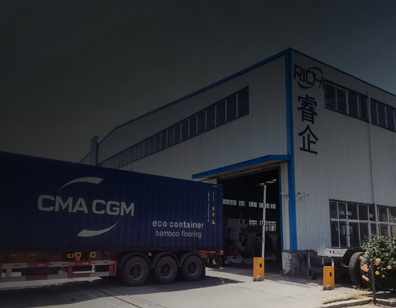
04
Shipping
We handle secure packaging and global logistics with reliable delivery timelines.

05
Installation
Our engineers supervise on-site assembly and commissioning for smooth operation.

06
Training
Comprehensive operator instruction ensures proper use and maintenance of equipment.

07
After-sales
Dedicated support team provides troubleshooting and technical assistance.
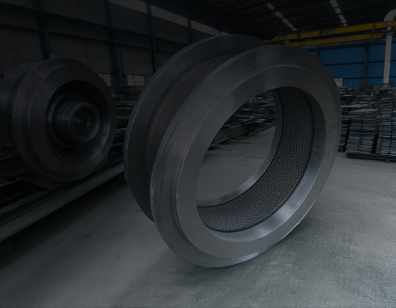
08
Spare Parts
Genuine components are available worldwide with fast delivery service.
