

 0086-138 3838 9622

Pellet Machine in Turkey
Over the years, our pellet machine in Turkey has found its way into just about every grinding and pressing application you can think of—from wood and alfalfa to used paper, pet food, even pest poison pellets for snail control. We’ve supplied single units and complete production lines across the country, covering pretty much every feedstock imaginable. If a client has a material that needs turning into pellets, we’ve likely already built a solution for it here.


110+
Pellet Mills Installed
That’s the number of our ring-die pellet machines currently running across Turkish facilities, from small farms to large industrial yards.
40+ Projects
Over 40 Complete Plants
We’ve designed and delivered full pellet production lines for Turkish clients, each one tailored to unique raw materials and output goals.
30+
Material Types Processed
Alfalfa, chicken feed, municipal waste, biochar for air filters—you name it. Our equipment handles an unusually wide range in this market.
Real Projects Across Turkey
Not just single machines—every one of these was a complete pellet line we designed, shipped, and helped get running. Some customers came to us with a clear idea. Others just had raw material and asked us to figure out the rest. Below are actual installations we’ve done in different regions. Each project had its own headaches, material quirks, and solutions. Take a look—you might spot something close to what you’re planning.
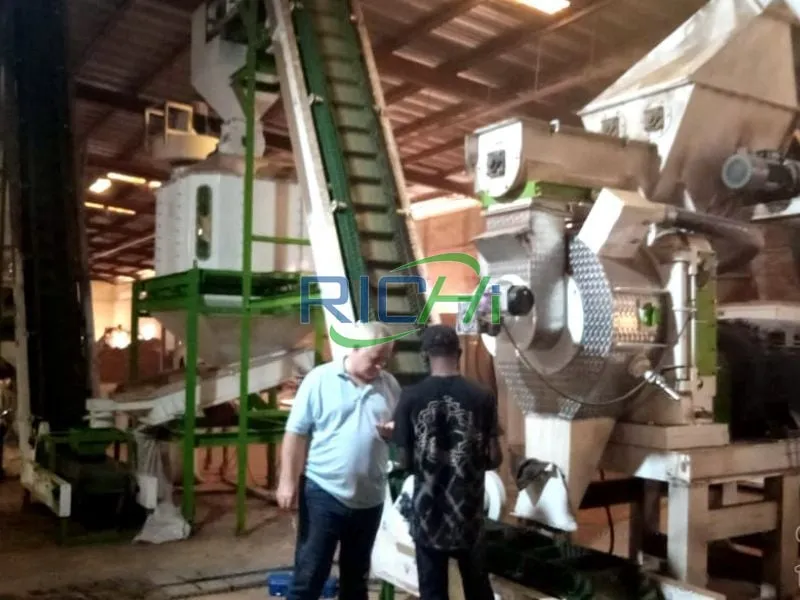
Izmir Province
2 t/h industrial ring die wood pellet mill in Turkey
A medium-sized wood processing contractor in Izmir region wanted to turn their sawdust and planer shavings into sellable boiler fuel. They’d been paying to dispose of it. That didn’t make sense. We supplied a complete line around the MZLH520.
Raw material is mixed softwood and hardwood sawdust, around 6mm average size, moisture content 12-14%, pretty consistent. They use single feedstock—just clean mill residues.
- Final pellets are 6mm diameter for industrial burners. Beyond the wood pellet extruder machine Turkey, we added a drum chipper, hammer mill (for oversize particles), rotary dryer, two screening stages, a cooler, and bagging station.
- Process flow: size reduction → drying → grinding (yes, two-stage) → pelleting → cooling → screening → packing.
- Total investment roughly $185k USD. We handled layout design, full installation supervision, and trained their four operators over two weeks in October.

10-12 t/h cattle feed pellet machine in Turkey
A large dairy operation in Konya wanted to stop buying expensive compound feed. They had plenty of barley and wheat grown on their own land, so they asked: can we just pellet 100% grain? We said yes, but explained the recipe needs binder and fat for durability.
Their grain mix (80% barley, 20% wheat) comes in at 14% moisture, ground to 2.5mm through our hammer mill. This pellet mill Turkey runs 8 hours daily producing 8mm cattle pellets.
- We built a full feed plant: receiving pit, magnet separator, two hammer mills (one backup), ribbon mixer with molasses addition, the SZLH420 cattle feed pellet machine Turkey, counterflow cooler, crumbler (optional), and vertical screener. Also supplied a liquid coating system for post-pellet fat spray.
- Process is grind → mix (with molasses 3%) → condition at 85°C → pellet → cool → crumble half the batch → screen.
- Project came to $340k USD. We provided full civil drawings, steel structure design, and on-site commissioning.
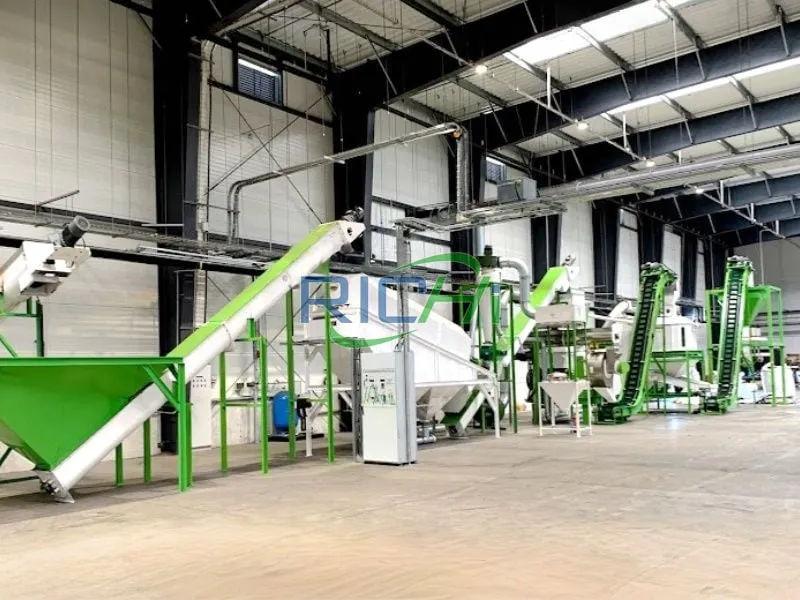
Konya Province
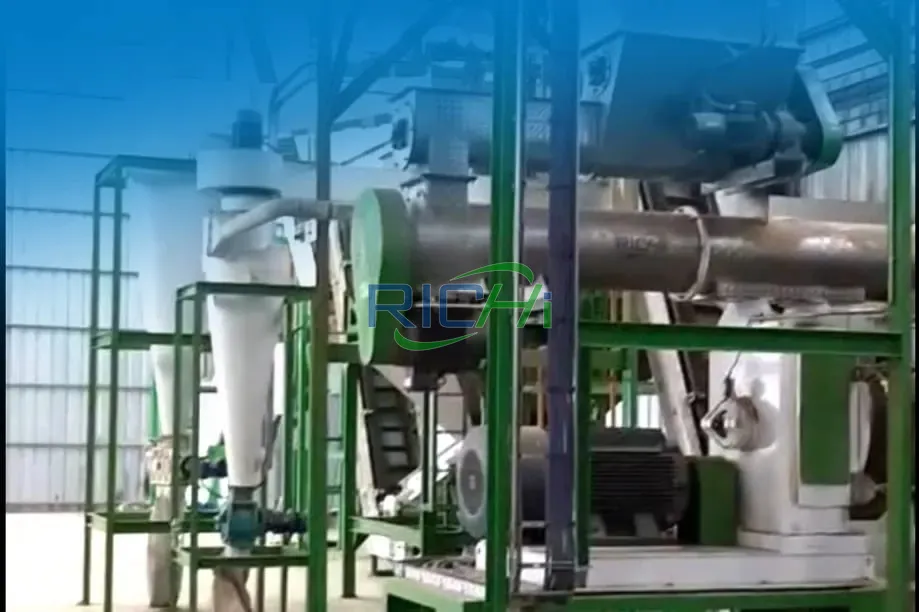
Elazığ Province
5 t/h alfalfa hay pellet machine in Turkey
An agricultural cooperative in Elazığ had thousands of square bales of alfalfa hay sitting in fields. They wanted to pelletize for export to Middle Eastern livestock farms. The challenge? Dry hay is brittle and dusty. We supplied a line based on the CZLH678. Raw material is baled alfalfa hay, chopped to 30-50mm pieces then hammer-milled to 4mm.
Moisture was low at 10-11%, so we added a moisture conditioner (not a dryer—just a paddle mixer with water injection). Final pellet size is 8mm for sheep and goats. This pellet machine Turkey runs with a 110kW motor.
- Other equipment: bale debaler, heavy-duty hammermill, paddle mixer with water addition, the alfalfa pellet mill Turkey, a long-column cooler, and a double-bagging scale.
- Process: debale → coarse grind → fine grind → add moisture (to 14%) → pellet → cool → bag.
- Total about $160k USD. We also helped them modify an existing barn into a production hall.
12-15 t/h broiler feed pellet mill in Turkey
One of the bigger poultry integrators in Bolu—that’s Turkey’s chicken capital—needed to replace an old European line that kept breaking down. Their nutritionist had a strict recipe: corn (60%), soybean meal (25%), plus oil, minerals, and enzymes. Raw materials arrive as 500-micron grind corn and 300-micron SBM, moisture 12.5%.
They blend six ingredients in a 3-ton horizontal mixer. We installed the SZLH508 with a 160kW main motor and a 3-layer conditioner (steam injection to 90°C). Pellet size 3.5mm for broilers.
- The full line: receiving pit, cleaning screen, two hammer mills, micro-dosing system, ribbon mixer, pellet mill Turkey, counterflow cooler, crumbler (set for 2mm fines), grading screener, and coating drum for enzymes. Also added a fat spray system.
- Process is grind → batch mix → condition → pellet → cool → crumble → screen → coat.
- Investment $430k USD. We did everything from foundation drawings to operator training.
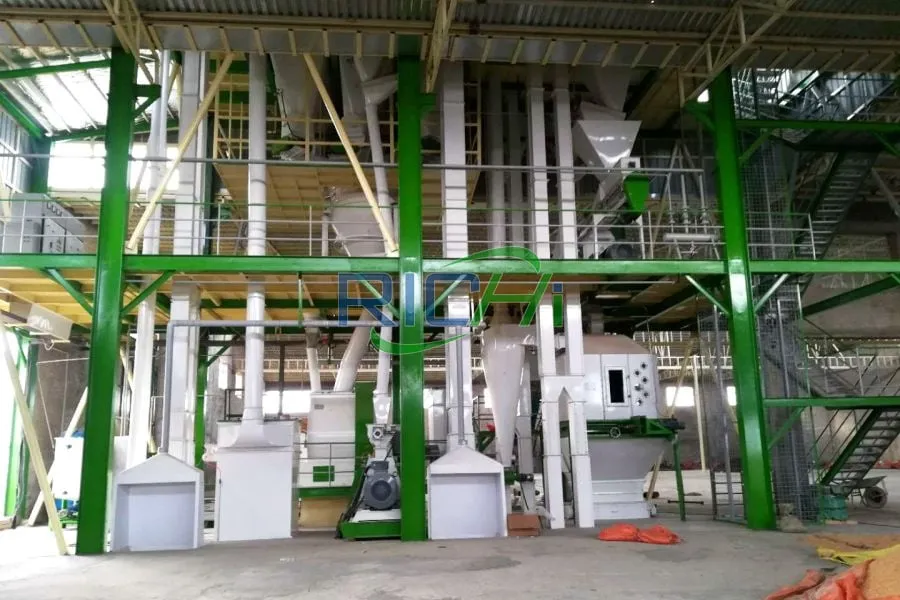
Bolu Province
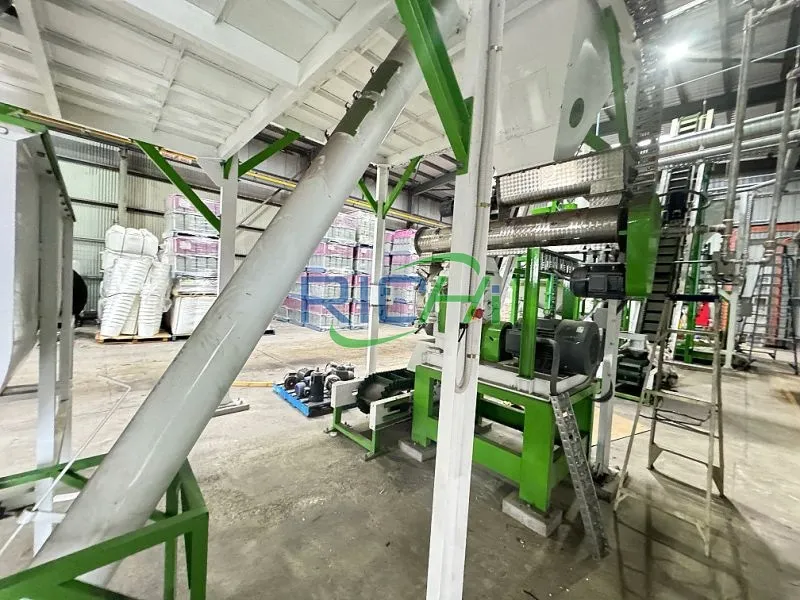
Şanlıurfa Province
5-6 T/h wheat straw pellet machine in Turkey
A ruminant feed manufacturer in Şanlıurfa needed to turn cheap wheat straw into a more digestible feed for their local sheep and goat market. Raw straw came as chopped 40-60mm pieces, moisture 9% (too low for good pelleting).
We added steam conditioning to bring it to 16% moisture before the die. The CZLH768 runs at 132kW producing 8mm straw pellets.
- This pellet making machine Turkey is part of a line that includes: a bale shredder, hammer mill (screen 5mm), paddle mixer for molasses (2%), dual-conditioner with steam, the wheat straw pellet mill Turkey, a horizontal cooler, and a vibrating screener.
- Process: shred → grind → mix with molasses → steam condition → pellet → cool → screen → bulk load. They also bought a 10m³ surge bin between mixer and pellet mill.
- Project cost was $260k USD. We provided a full process P&ID and sent two engineers for startup.
1-2 t/h floating fish feed extruder in Turkey
A specialized aquafeed startup near Adana wanted to produce high-floating trout and seabass feed. They had zero experience with extrusion. We designed the whole system around the twin-screw SPHS120×2.
Raw materials: fishmeal (40%), soybean flour (25%), wheat flour (20%), plus oil and vitamins. All ground to 250 microns. Moisture adjusted to 25% before extruder. Final pellets are 2-4mm with >95% floating for 2 hours.
- The line includes: micro-grinding mill, ribbon mixer, the floating fish feed extruder, a drying oven (4-pass air flow), vacuum coater for oil spray, and a cooling conveyor. Also supplied a screener and packing scale.
- Process: grind → batch mix (add 20% moisture) → extrude at 130°C → dry to 8% → oil coat → cool → screen → bag.
- Investment $350k USD. We trained them for 5 days on die recipes and temperature profiles.
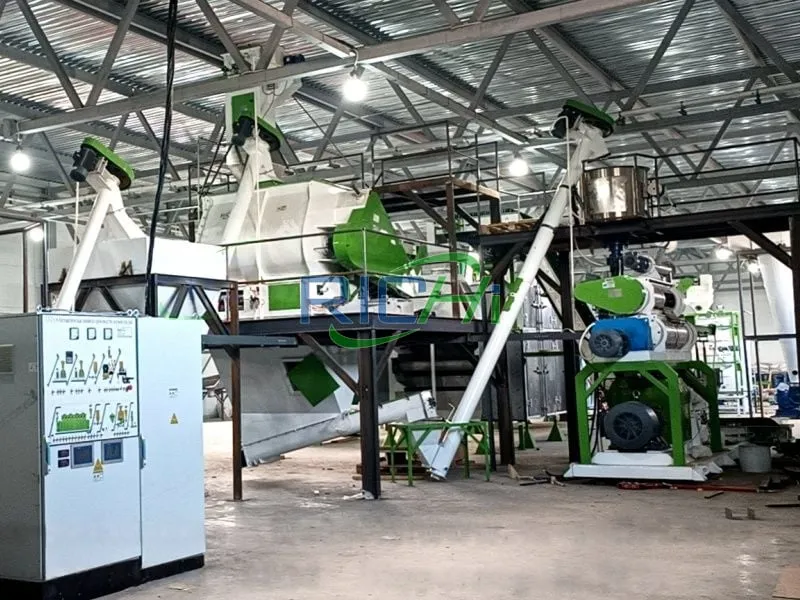
Adana Province

Balıkesir Province
15-20 t/h dairy cow feed pellet mill in Turkey
A big dairy cooperative in Balıkesir was struggling with high-moisture alfalfa bales—32% moisture, sometimes moldy on the edges. They needed a way to stabilize it into a TMR-type pellet for 2,000 cows. We supplied twin CZLH768 running in parallel.
Raw material is baled alfalfa at 30-35% moisture, particle size after grinding 6mm. They use multiple ingredients: alfalfa (70%), corn silage (15%), and mineral premix (15%). Final pellet is 10mm for lactating cows.
- Beyond the pellet machine in Turkey, we added: bale shredder, wet hammer mill (with SS304 lining), rotary dryer (to drop moisture from 32% to 14% before pelleting), a 5-ton paddle mixer, twin pellet mills, a counterflow cooler, and a flaking mill for partial rolling. Also supplied a molasses blending system.
- Process: shred → dry to 14% → grind → mix → steam condition at 75°C → pellet → cool → flake part of output → blend back.
- Total $720k USD (including the rotary dryer). We designed the entire plant layout and steel support structure.
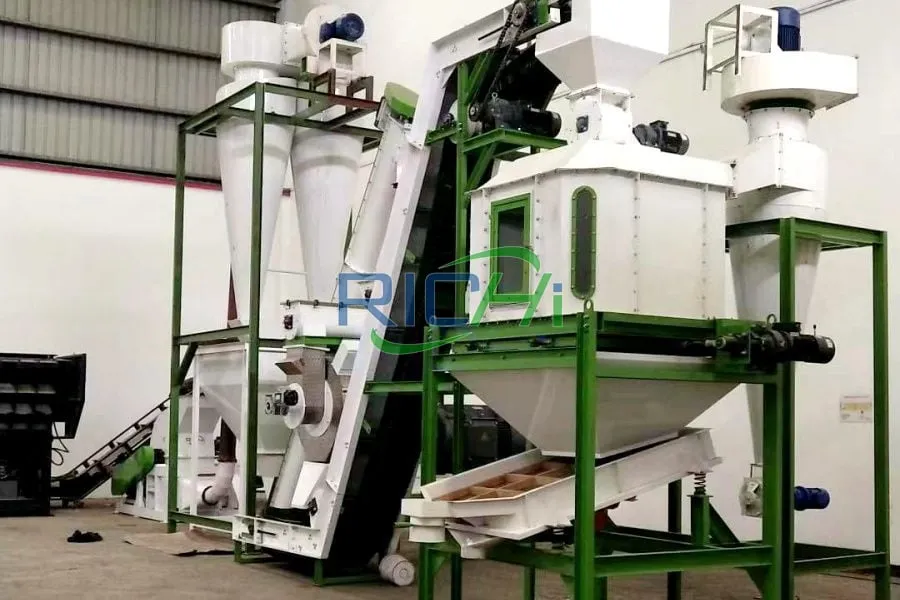
1-3 t/h recycled paper cat litter pellet mill in Turkey
An industrial waste recycler in Kocaeli saw a niche: pelletized paper cat litter. They had access to tons of corrugated cardboard and old newspapers. Raw material is mixed (60% cardboard, 40% newspaper), shredded to 20mm pieces, moisture 11%.
No grinding needed—just shredding. We supplied a line with the MZLH678 producing 6mm pellets that absorb 400% of their weight in liquid. The wood pellet machine Turkey in this case runs without binder; paper lignin acts as natural glue.
- Other equipment: hydraulic bale cutter, twin-shaft shredder, paddle mixer (adds a bit of water to 14% moisture), the paper pellet mill Turkey, a rotary dryer (to bring final moisture to 7%), and a packaging machine (15kg paper bags).
- Process: shred → mix to 14% → pellet → dry to 7% → cool → bag. Investment $95k USD.
- We gave them a free process test using their paper samples before they ordered.
Kocaeli Province
Muğla Province
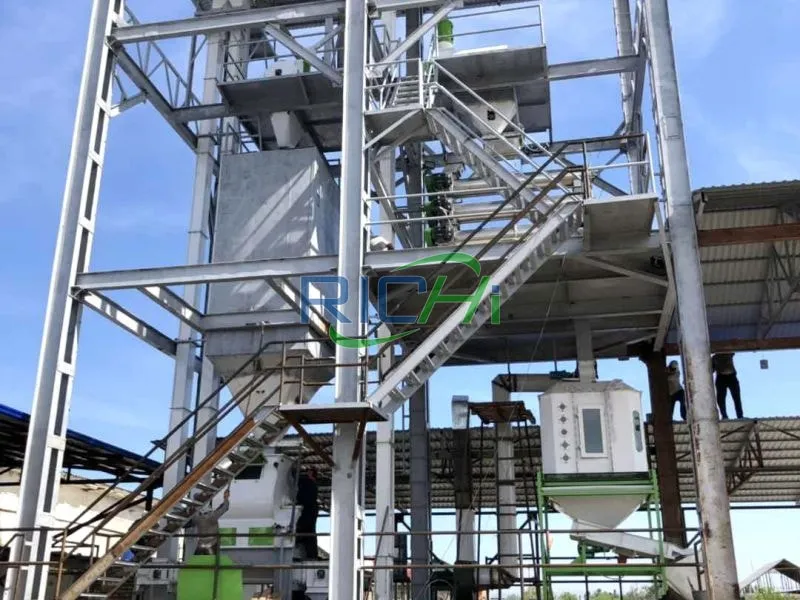
1.5-2.5 t/h shrimp feed pellet making machine in Turkey
A small aquafeed producer in Muğla—close to shrimp farms along the Aegean coast—wanted a dedicated line for marine shrimp feed. They’re picky: feed must sink slowly and stay stable in saltwater for 4 hours. We used the SZLH420 with a triple conditioner for longer steam cooking.
Raw materials: fishmeal (35%), squid meal (10%), soybean meal (20%), wheat starch (20%), and additives. All ground to 180 microns. Moisture in at 13%, then steam brings it to 18% in the conditioner. Final pellets: 1.2mm and 1.8mm diameters (sinking).
- The pellet making machine Turkey line includes: ultrafine grinder, ribbon mixer, 3-layer conditioner, pellet mill Turkey, horizontal cooler, crumbler for 1.2mm sizing, double-deck screener, and a vacuum fat coater.
- Process: ultrafine grind → mix → triple-condition at 95°C → pellet → cool → crumble → screen → coat (5% fish oil).
- Project cost $305k USD. We provided formulation advice and a 1-year spare parts kit.
4 t/h RDF refuse derived fuel pellet press in Turkey
An environmental services company in Bursa was sorting municipal waste and wanted to turn the combustible fraction (plastics, paper, textiles) into RDF pellets for cement kilns. Tricky material—inconsistent, sometimes abrasive.
We supplied the MZLH768 with a wear-resistant die and a forced feeder. Raw material is mixed (50% plastics, 30% paper/cardboard, 20% textiles), pre-shredded to 30mm, moisture 12-15%. No drying needed. Final pellet is 25mm diameter for co-firing.
- This pellet press for sale Turkey concept worked but needed extra prep: we added a two-stage shredder (primary 100mm, secondary 25mm), an overbelt magnet, a wind-sifter to remove heavy inerts, the pellet press Turkey, and a cooling conveyor. Also supplied a big cyclone and bag filter for dust.
- Process: two-stage shred → separate heavy materials → pellet → cool → blow into storage silo. Investment $380k USD. We ran three weeks of on-site trials adjusting die specs.

Bursa Province
Düzce Province
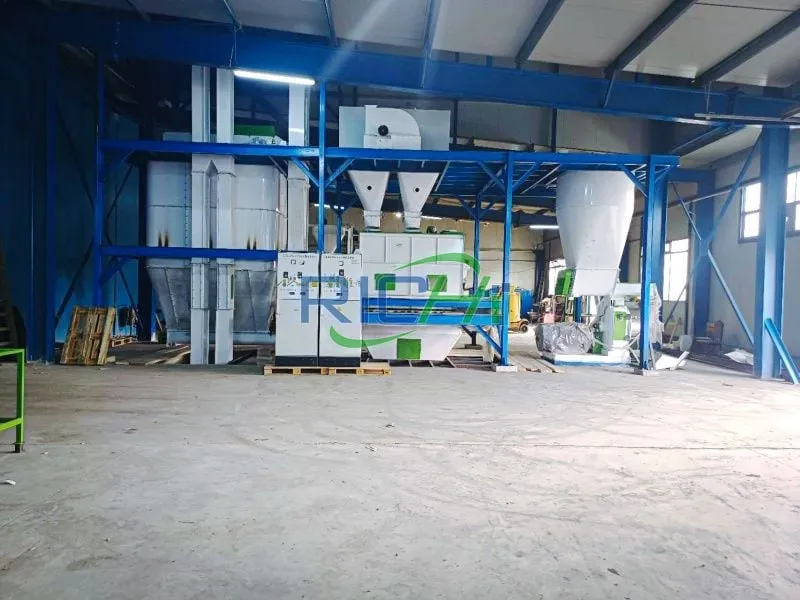
3 t/h sawdust pellet machine for boiler fuel in Turkey
A furniture factory in Düzce—where lots of wood processing happens—had a mountain of dry sawdust and sanding dust. They wanted to replace their fuel oil boiler with pellet-fired one. We supplied a compact line around the MZLH678.
Raw material is pure pine and beech sawdust (90% below 2mm), moisture 8-10% (actually too dry). We added a water mixer to bring it to 14% before the die. Final pellets: 6mm for screw-fed burners.
- The wood sawdust pellet machine in Turkey set includes: a storage silo with live bottom, magnet separator, paddle mixer for water addition, the pellet mill Turkey, a counterflow cooler, and a bagging scale (15kg bags for retail). Also supplied a small hammer mill for occasional oversize material.
- Process: meter from silo → add water to 14% → pellet → cool → bag. Total $155k USD. We trained their maintenance guy on die and roller changes.
1 t/h paper and cardboard pellet mill in Turkey
A small recycling shop in Denizli had been baling cardboard and selling it at low prices. They asked if pelleting could increase value—yes, for animal bedding. We supplied a starter line with the MZLH420.
Raw material is clean cardboard (70%) and office paper (30%), shredded to 15mm strips, moisture 9%. They add 5% water in a paddle mixer before pelleting. Final pellet size 8mm for horse bedding.
- Beyond the pellet mill Turkey, we provided: a manual bale breaker, a slow-speed shredder (20mm screen), paddle mixer, the small pellet mill for sale Turkey (55kW motor), a vertical cooler, and a manual bagging frame.
- Process: shred → mix water (to 14%) → pellet → cool → bag. Investment $92k USD. Simple but effective. They broke even in 8 months selling to local stables.
Denizli Province
More Pellet Lines & Feed Plants We’ve Delivered Across Turkey
Beyond the larger flagship projects, we’ve done dozens of other installations here—some bigger, some smaller, but each with its own little twist. Turkish customers process everything from hazelnut shells to textile waste, and honestly, that variety keeps things interesting. Below are more examples of what pellet machine in Turkey looks like in real life. Different regions, different budgets, different headaches. Take a look.
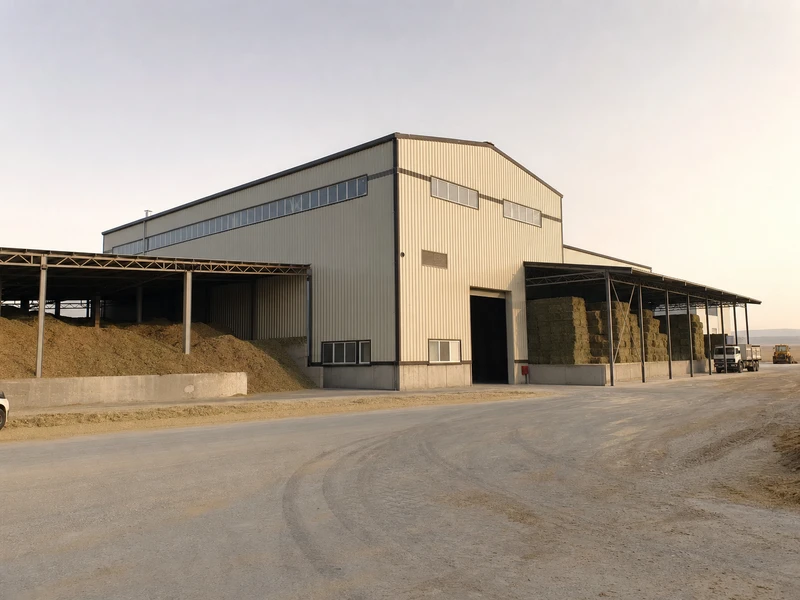
3-5 t/h dried alfalfa pellet production line in Turkey
A forage trading company near Sivas needed to turn sun-cured alfalfa into export-grade pellets for Gulf countries. They’d been selling loose hay but shipping costs were killing them. The pellet machine Turkey here serves as the core densification step, turning fluffy chopped alfalfa into 8mm dense pellets that stack perfectly in containers. Raw material is second-cut alfalfa, moisture 12%, chopped to 40mm then hammer-milled to 5mm.
Model
CZLH678
Pellet Size
8 mm
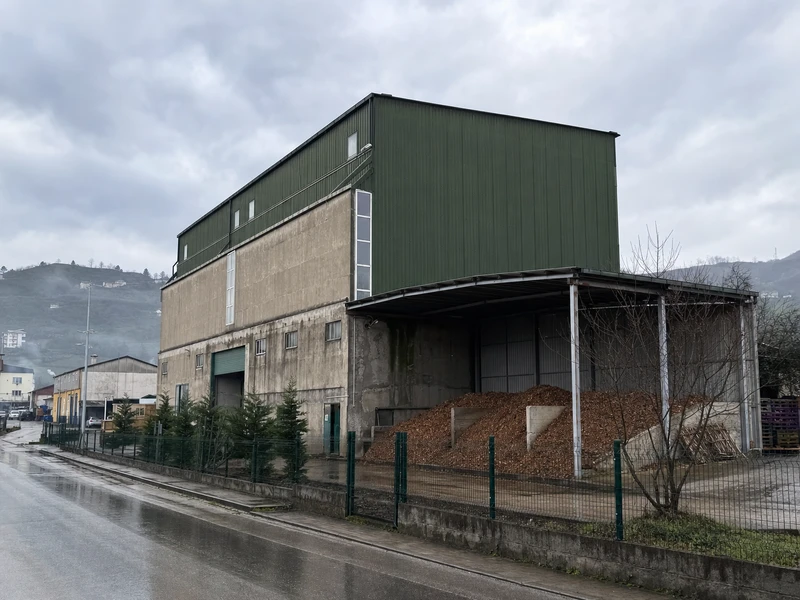
5-6 t/h hazelnut husk pellet line in Turkey
A biomass trader in Giresun—right in the hazelnut belt—wanted to monetize the millions of tons of husks left after nut processing. The pellet mill Turkey in this line compresses those light, fluffy husks into 6mm fuel pellets for local greenhouses. Raw material is dried hazelnut husks at 11% moisture, pre-ground to 6mm particles. They face consistency issues, so we added a forced feeder to prevent bridging.
Model
MZLH678
Pellet Size
6 mm

6-8 t/h furniture waste pellet production line in Turkey
A large furniture manufacturer in Kayseri had tons of MDF dust, particleboard offcuts, and sanding fines. They wanted to turn this waste into industrial boiler fuel. The pellet press Turkey sits after a fine-grinding hammermill, pressing mixed wood dust into 8mm pellets that burn hot and leave little ash. Raw material varies (60% MDF dust, 30% particleboard, 10% solid offcuts), moisture 10-12%.
Model
MZLH768
Pellet Size
8 mm
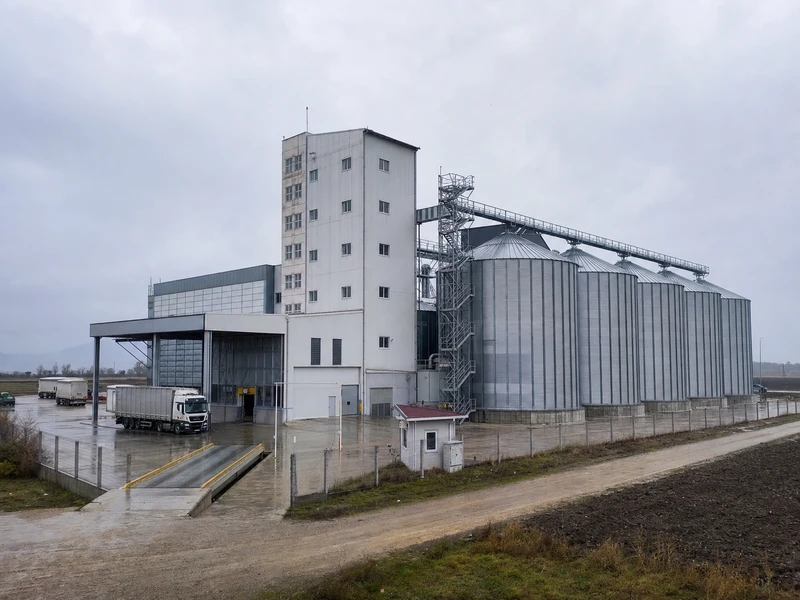
10-12 t/h chicken feed pellet production system in Turkey
An integrated poultry operation in Manisa decided to bring feed production in-house after years of buying from third parties. The pellet machine Turkey (feed grade) produces 3.5mm crumbled pellets for broilers and 4.5mm pellets for layers. Raw materials are corn (ground to 600μm), soybean meal, vegetable oil, and a custom premix. Moisture is controlled at 13% before conditioning at 85°C.
Model
SZLH420
Pellet Size
3.5 & 4.5mm
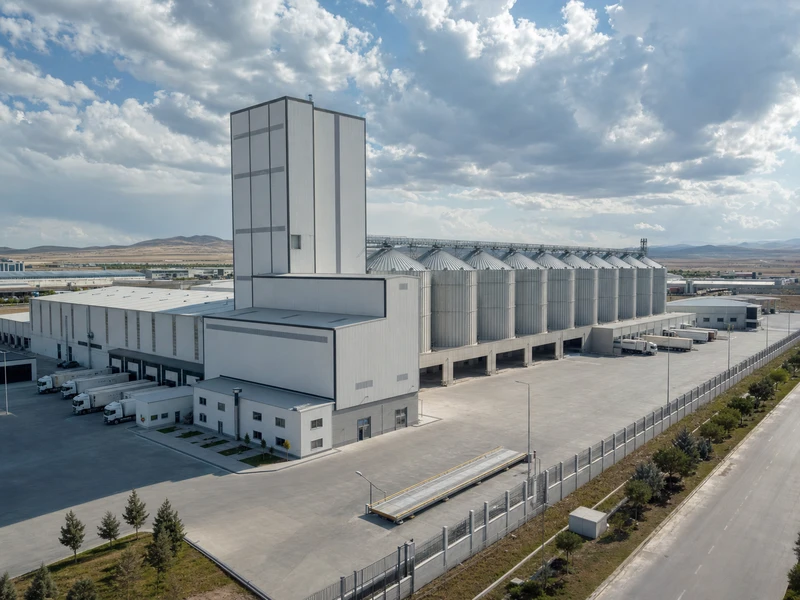
20-30 t/h compound feed production line in Turkey
One of the bigger feed mills in the Aegean region upgraded their old line to meet growing demand for dairy and beef feed. The pellet mill Turkey here runs 20 hours daily, producing 6mm and 8mm pellets for ruminants. Raw materials include corn, barley, wheat bran, sunflower meal, and molasses. This is a full industrial feed plant with twin pellet mills working in parallel.
Model
SZLH768
Pellet Size
6 & 8mm
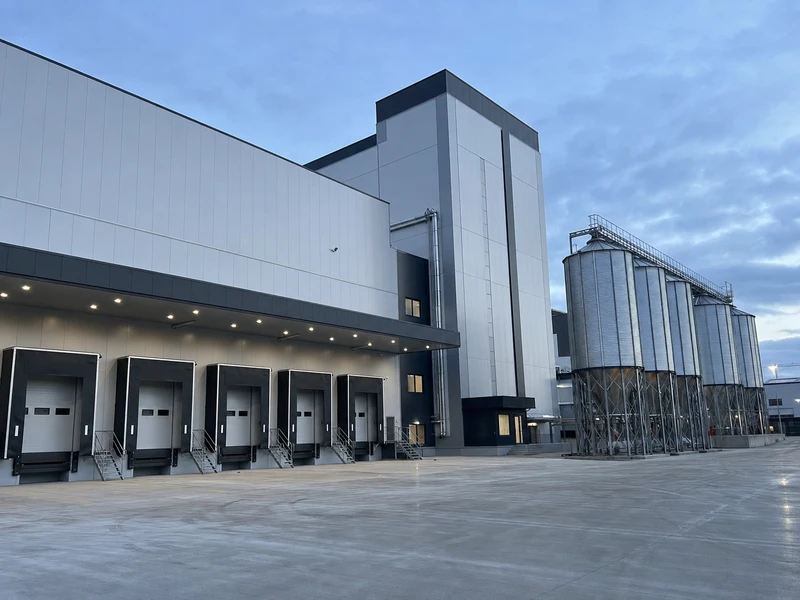
5 t/h wet pet food processing line in Turkey
A pet food company near İstanbul wanted to produce wet pâté and chunks in gravy. We supplied a line including a meat grinder, emulsifier, twin-screw extruder, and retort sterilization. Their recipe uses fresh chicken (40%), beef byproducts (25%), liver (10%), rice flour (15%), and vitamins (10%). The SPHS120 extruder cooks at 110°C with 35% moisture, shaping 10mm chunks. This isn’t a traditional pellet machine in Turkey – it’s wet pet food extrusion.
Model
SPHS150*2
Pellet Size
10mm x 15mm
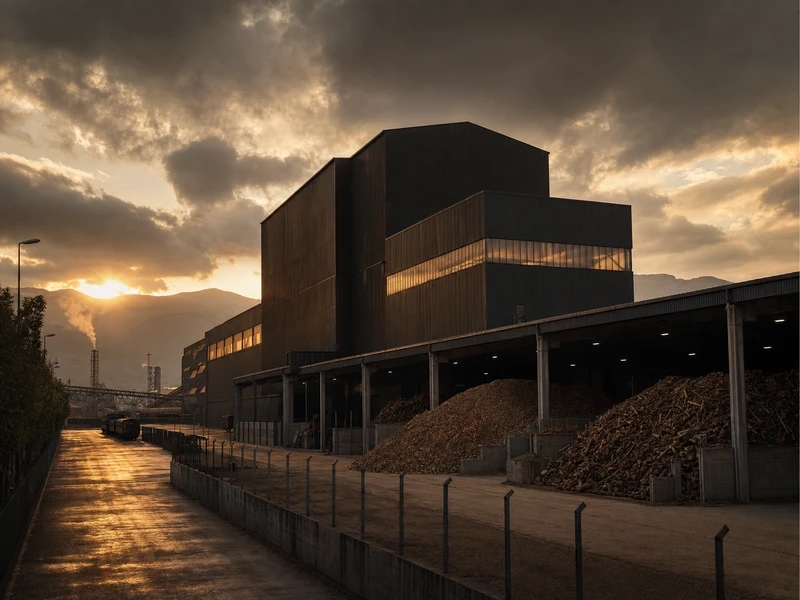
7-9 t/h torrefied wood pellet plant in Turkey
An energy company in Zonguldak wanted to produce high-calorific black pellets for co-firing in power plants. Torrefaction happens before the pellet press Turkey, which then compresses the brittle, roasted biomass into 6mm super-dense pellets. Raw material is pine and beech sawdust, torrefied at 280°C to remove volatiles. Moisture drops to under 3% before pelleting.
Model
MZLH768
Pellet Size
6mm
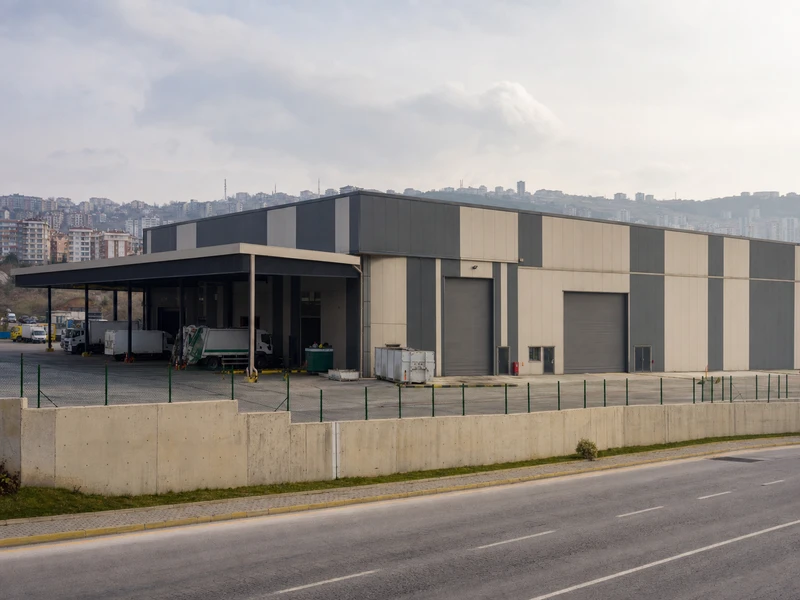
5 t/h MSW sorting and pelleting line in Turkey
A municipal waste management company in Istanbul built a pilot plant to process 50 tons/day of mixed household waste into RDF pellets. The pellet machine Turkey takes the combustible fraction (plastics, paper, textiles) after sorting and shredding. Raw material is inconsistent—25-40% moisture, particle size 15-20mm after shredding. They produce 25mm fuel pellets for cement kilns.
Model
MZLH678
Pellet Size
25mm
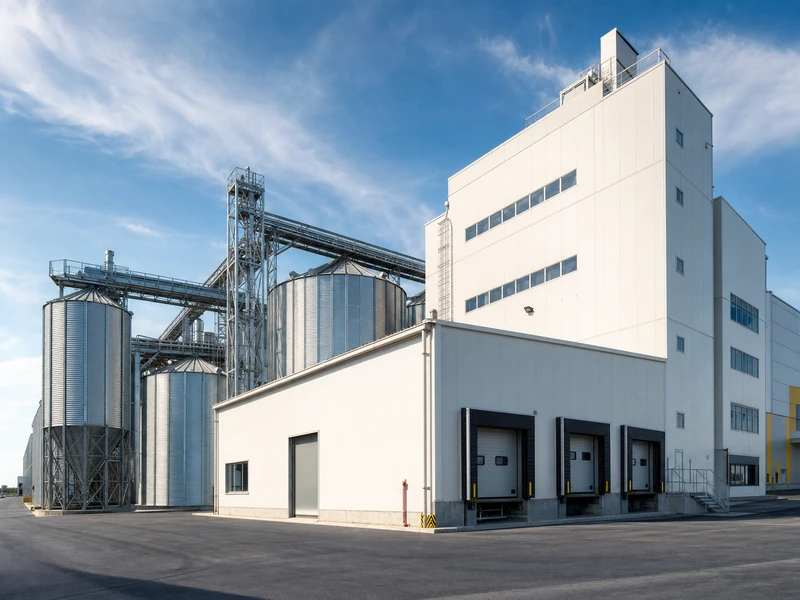
8 t/h cat food kibble production line in Turkey
An İzmir pet food manufacturer built a dedicated cat food line. Cats need smaller kibble (6-8mm) and higher protein (36%+). Their recipe: chicken meal (45%), corn gluten (15%), rice (12%), chicken fat (10%), fish meal (8%), and premix (10%). The SPHS100 extruder cooks at 105°C, producing 7mm fish-shaped kibble. A belt dryer reduces moisture from 24% to 8%, then a coating drum adds 8% fat. This pellet machine in Turkey runs 18 hours daily.
Model
SPHS185*2
Pellet Size
7mm
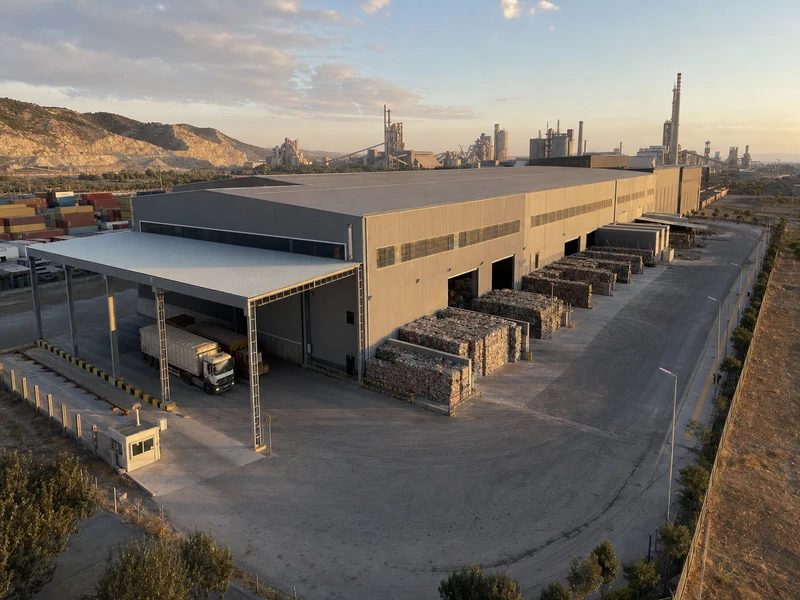
10 t/h solid recovered fuel production line in Turkey
An industrial waste recycler in Kocaeli processes commercial and industrial waste (plastics, paper, wood, textiles) into SRF for a local cement plant. The pellet press Turkey densifies the shredded, dried material into 30mm x 30mm fuel briquettes. Raw material moisture is reduced from 20% to under 10% using a rotary dryer before pelleting.
Model
MZLH768
Pellet Size
30mm x 30mm

2 t/h textile waste SRF pellet plant in Turkey
A textile recycling specialist in Denizli—home to Turkey’s denim industry—had mountains of cotton and polyester blend scraps. The pellet mill Turkey compresses shredded textile waste into 20mm fuel pellets for industrial boilers. Raw material is 80% cotton/20% polyester, chopped to 10mm strips, moisture 8%. They add no binder; natural fibers hold shape well.
Model
MZLH520
Pellet Size
20mm
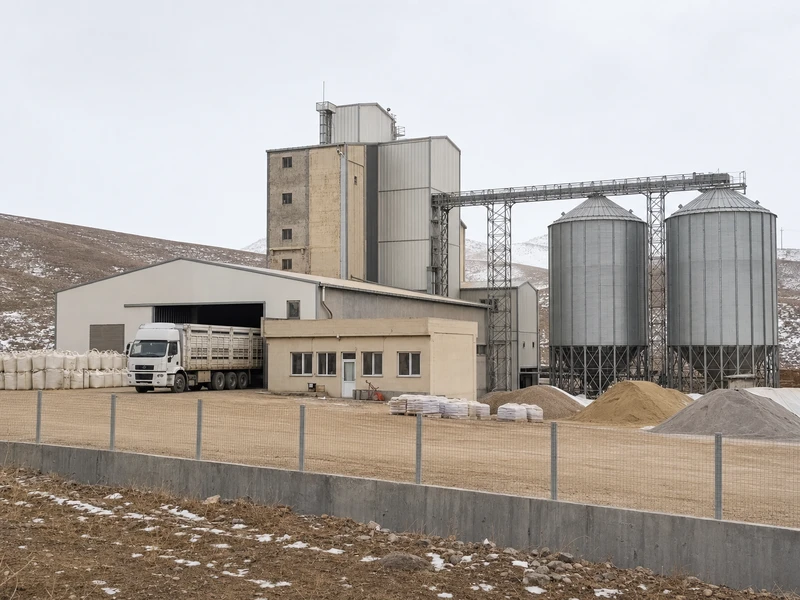
8-10 t/h sheep feed pellet plant in Turkey
A livestock cooperative in Van, near the Iranian border, wanted to produce affordable maintenance feed for local sheep herds. The pellet machine Turkey produces 6mm pellets that reduce waste compared to loose mash. Raw materials are barley straw (40%), wheat bran (30%), cottonseed meal (20%), and salt/minerals (10%). Moisture is adjusted to 14% in a paddle mixer.
Model
SZLH420
Pellet Size
6mm
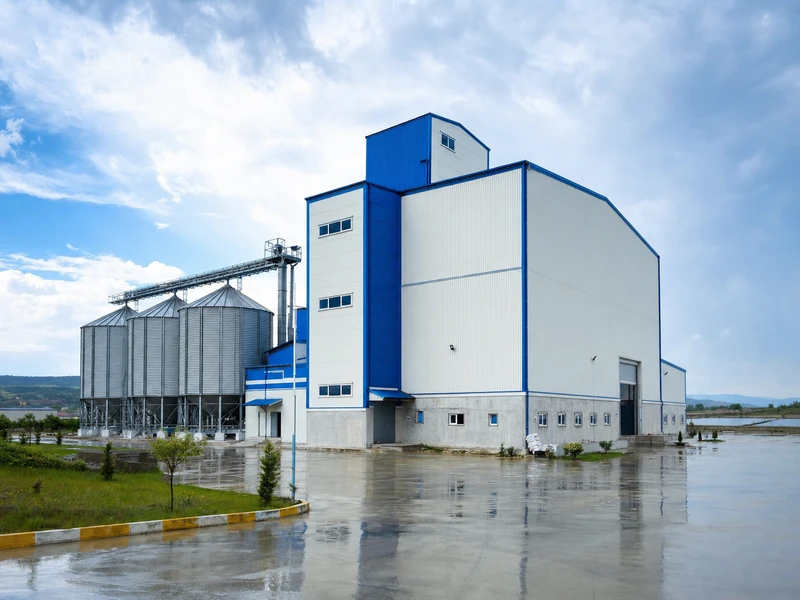
2-4 t/h catfish feed pellet plant in Turkey
An aquafarm startup in Aydın wanted to produce sinking pellets for African catfish raised in concrete tanks. The pellet mill Turkey (feed-grade) presses a high-protein recipe into 3mm sinking pellets that hold together for 3 hours. Raw materials include fishmeal (35%), soybean meal (25%), wheat flour (20%), and blood meal (10%), all ground to 250 microns.
Model
SZLH350
Pellet Size
3mm
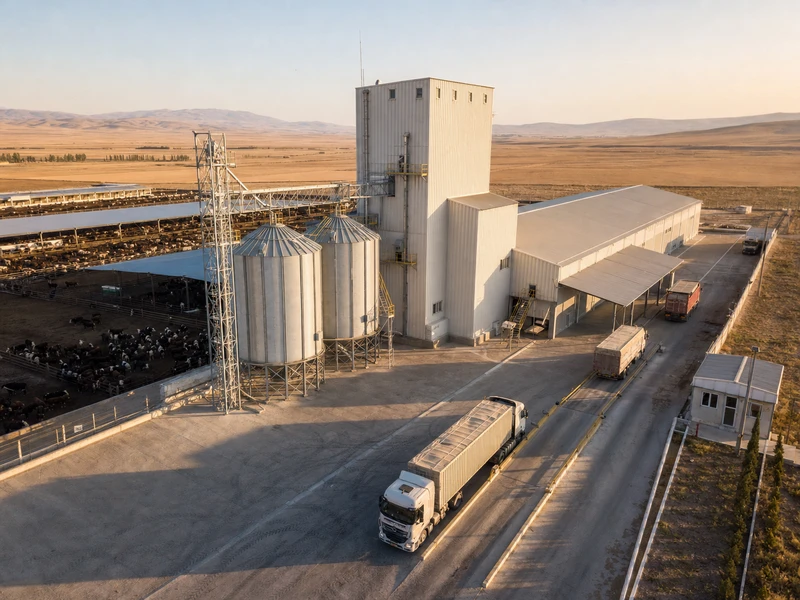
12-15 t/h feedlot cattle pellet system in Turkey
A large feedlot operation in Şanlıurfa—where summers hit 45°C—needed a high-density growing ration for imported beef cattle. The pellet press Turkey turns a mash of ground barley, cottonseed hulls, molasses, and urea into 8mm durable pellets that reduce sorting behavior. Raw materials come in at 13% moisture; steam conditioning brings it to 17% before the die.
Model
SZLH508
Pellet Size
8mm
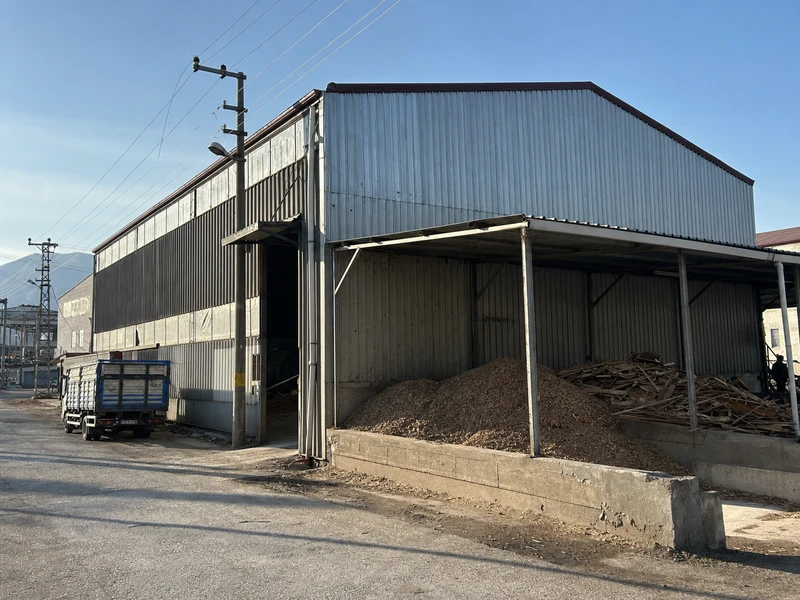
1-2 t/h small scale wood pellet factory in Turkey
A retired forestry worker in Kastamonu wanted to start a small business selling bagged wood pellets to local households. The pellet machine Turkey in this mini-plant runs on pine sawdust from nearby sawmills. Raw material is dry (10% moisture), particle size under 3mm, no drying needed. They produce 6mm heating pellets and pack in 15kg bags for stove users.
Model
MZLH420
Pellet Size
6mm
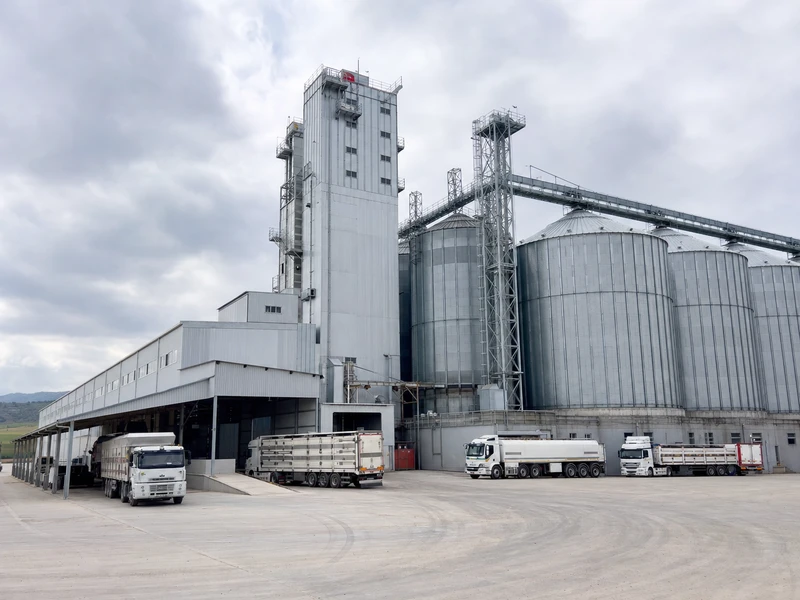
25-30 t/h TMR pellet plant for dairy in Turkey
A mega-dairy in Balıkesir with 5,000 milking heads wanted to produce a complete TMR pellet to simplify feeding. The pellet mill Turkey here blends alfalfa hay, corn silage, rolled barley, and a mineral pack into 10mm pellets that serve as a full ration. Raw materials arrive chopped and mixed in a 5-ton ribbon mixer before pelleting. Moisture target is 14-15% entering the die.
Model
CZLH768
Pellet Size
10mm
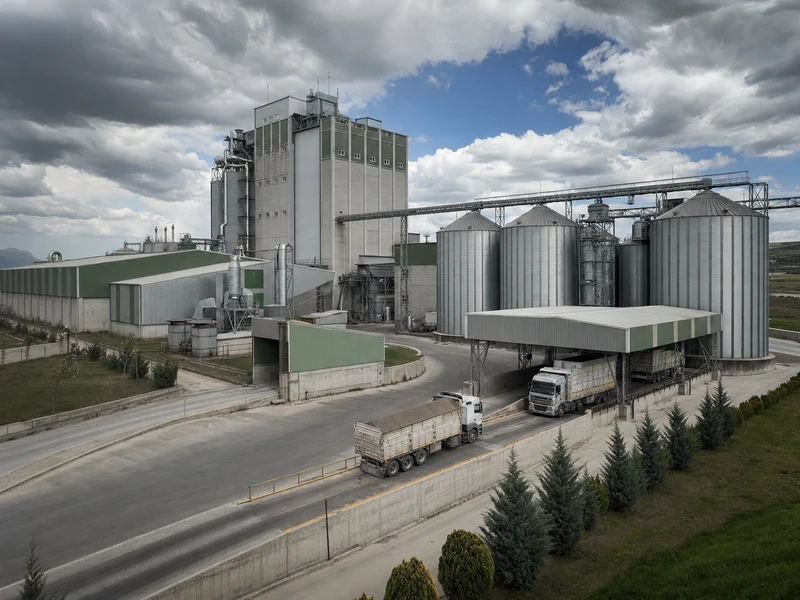
30-40 t/h ruminant feed processing plant in Turkey
An industrial feed group in Konya—Turkey’s breadbasket—built a greenfield plant for sheep and goat feed destined for export to Iraq and Syria. The pellet machine Turkey (multiple units) runs 24/7 producing 4mm and 8mm pellets from locally grown barley, wheat middlings, and lentil screenings. Raw materials are ground to 3.5mm, conditioned with steam at 80°C.
Model
SZLH508
Pellet Size
4 & 8mm
Watch Our Pellet Plants & Production Lines in Turkey
Seeing the equipment run is better than any spec sheet. Below are real video clips from actual projects we’ve completed across Turkey. You’ll see everything from wood processing to fish feed extrusion. Each clip shows a different installation, a different challenge, and a different solution. The common thread? Every single one uses our ring-die pellet machine in Turkey as the core of the line. Hit play and see for yourself.

4T/H Wood Chips Pellet Factory in Turkey
A timber processing plant in Bolu had piles of wet wood chips (45% moisture) going to waste. We designed a full line around a rotary dryer and our MZLH768 ring die pellet mill. The wood pellet machine in Turkey runs on mixed pine and spruce chips, ground to 4mm, dried to 12% moisture. Final pellets are 8mm for industrial boiler fuel. The video shows the whole sequence from chipper to bagging station.
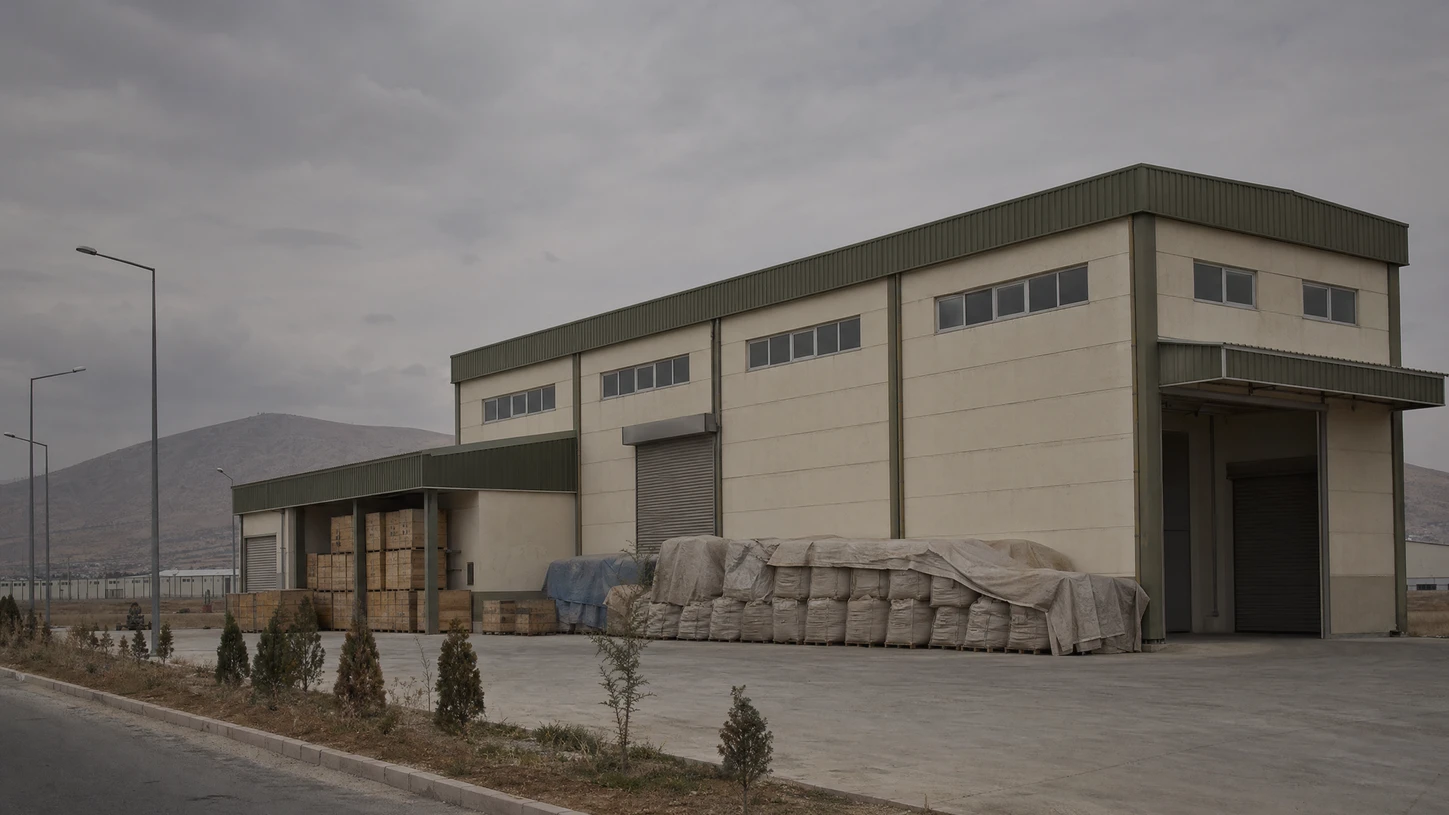
1-2T/H Pistachio Shell Pellet Plant in Turkey
A nut processing cooperative in Gaziantep—where most of Turkey’s pistachios are processed—wanted to turn hard shells into fuel pellets. The pellet press Turkey uses our MZLH520 with a special wear-resistant die because pistachio shells are abrasive. Raw shells are dried to 10% moisture, crushed to 3-5mm particles. They produce 6mm pellets that burn hotter than wood. The clip shows the hammer mill and pelletizer for sale Turkey in action.

3-4T/H Alfalfa Pellet Plant for Export in Turkey
A forage exporter in Konya built this alfalfa pellet production line specifically for the Gulf market. The pellet machine Turkey (CZLH678 model) turns chopped alfalfa hay into 8mm export-grade pellets. Raw material is first-cut alfalfa at 11% moisture, ground through a 5mm screen. They add 2% bentonite as a binder. The video shows the conditioning process and the cooler discharge. This industrial pellet mill in Turkey runs 16 hours a day during harvest season.
1.5-2.5T/H Premium Pet Food Pellet Plant in Turkey
A boutique pet food brand in Muğla wanted to produce grain-free kibble for dogs and cats. We supplied a complete line with a twin-screw extruder (SPHS120) as the main pellet making machine Turkey. Raw materials are fresh chicken meal (50%), sweet potato, and pea protein, ground to 200 microns. Moisture hits 28% before extrusion. Final pellets are 10mm soft kibble, coated after drying. The video captures the extrusion and coating stages.
3-5T/H Marine Fish Feed Production Line in Turkey
A commercial aquafeed producer in İzmir wanted high-oil floating feed for sea bass and bream. The pellet production machine in Turkey here is our SZLH508 feed mill running at 140kW. Raw materials include fishmeal (45%), squid meal, wheat flour, and fish oil. All ground to 250 microns, conditioned to 90°C. Final pellets are 2.5mm and 4.5mm floating for 2+ hours. The video shows the pellet mill Turkey and the vacuum coater applying 8% oil.

5T/H Bentonite Cat Litter Pellet Line in Turkey
A mining company in Ankara—close to bentonite deposits—wanted to produce clumping cat litter pellets. The pelletizer for sale Turkey in this line is our MZLH678 with a special die that creates 4mm cylindrical pellets. Raw material is crushed bentonite clay at 10% moisture, mixed with a small amount of plant fiber for binding. No drying needed after pelleting. The video shows the dedusting and packaging sections. This pellet factory in Turkey produces 40 tons per day.
20T/H Sludge Dryer for Fertilizer in Turkey
A municipal wastewater treatment plant in Bursa needed to dry and pelletize sewage sludge into organic fertilizer. This project uses our rotary drum dryer before the pellet machine Turkey (MZLH768). Sludge enters at 75% moisture, leaves the dryer at 12%, then gets pelleted into 6mm fertilizer granules. The video focuses on the dryer and dust collection system. The pellet plant equipment in Turkey runs 24/7, processing 150 wet tons daily.

What Our Customers in Turkey Say

We started our wood pellet business with just an old hammer mill and a lot of hope. Then we bought our first pellet machine in Turkey from these guys—a 2 t/h MZLH520 running on mixed pine and poplar sawdust from furniture factories around Düzce. The difference was night and day. No more constant die jams, no more guessing about moisture levels. Your team didn’t just ship the machine; they helped us design the whole layout, trained my guys for a full week, and even suggested changing our screening process to remove fine dust before pelleting.
Now we run 16-hour shifts producing 6mm boiler-grade pellets, and our reject rate dropped from 12% to under 2%. Honestly, we’ve tried other suppliers—nobody gives you that level of hand-holding after the sale.
Mehmet Yıldırım
Production Manager, Düzce, Turkey

Pellet Processing Opportunities Across Turkey
Turkey isn’t one single market for pellet processing—it’s more like a patchwork of different agricultural and industrial byproducts waiting to be turned into value. Over the years, we’ve seen demand shift and grow in specific directions. The right pellet machine in Turkey depends entirely on what raw material you have access to. Below is a practical look at which sectors are expanding, what we’ve built for local customers, and where a pellet machine Turkey could fit into your own plans. This isn’t theoretical—it’s based on real projects we’ve delivered.
WOOD PELLET PRODUCTION
WOOD PELLET SOLUTION
Turkey’s furniture and forestry industries generate huge amounts of sawdust, shavings, and offcuts, especially around Düzce, Bolu, and İnegöl. Many sawmills used to burn waste or pay for disposal. Now they’re installing ring die pellet mill in Turkey to produce 6-8mm industrial fuel pellets. We’ve supplied complete wood pellet lines with dryers, hammer mills, and our MZLH series pellet mills. The local market for bagged pellets for home heating is still developing, but industrial demand from textile dryers and greenhouse heaters is already strong.

GRASS PELLET PRODUCTION
GRASS PELLET SOLUTION
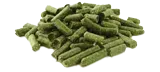
Alfalfa and meadow grass are widely grown across Central Anatolia (Konya, Aksaray, Kırşehir). Farmers traditionally bale hay, but pelleting cuts shipping volume by half and prevents spoilage. We’ve built alfalfa pellet plants for exporters targeting Gulf countries. A biomass pellet mill in Turkey configured for grassy materials needs a good conditioner because dry hay is tricky to bind. We add molasses or bentonite depending on the customer’s end market—livestock feed or fuel.

STRAW PELLET PRODUCTION
STRAW PELLET SOLUTION
Wheat and barley straw are everywhere after harvest, especially in Şanlıurfa, Diyarbakır, and Adana. Most gets left in fields or burned. A few forward-thinking contractors are now compressing straw into 8mm pellets for ruminant feed or low-grade boiler fuel. The challenge? Straw is fibrous and abrasive. We provide heavy-duty hammer mills and pellet manufacturing equipment in Turkey with wear-resistant liners. The economics work when you’re within 50km of a feedlot or a cement plant needing alternative fuel.


RUMINANT FEED PELLET PRODUCTION
CATTLE FEED PELLET SOLUTION
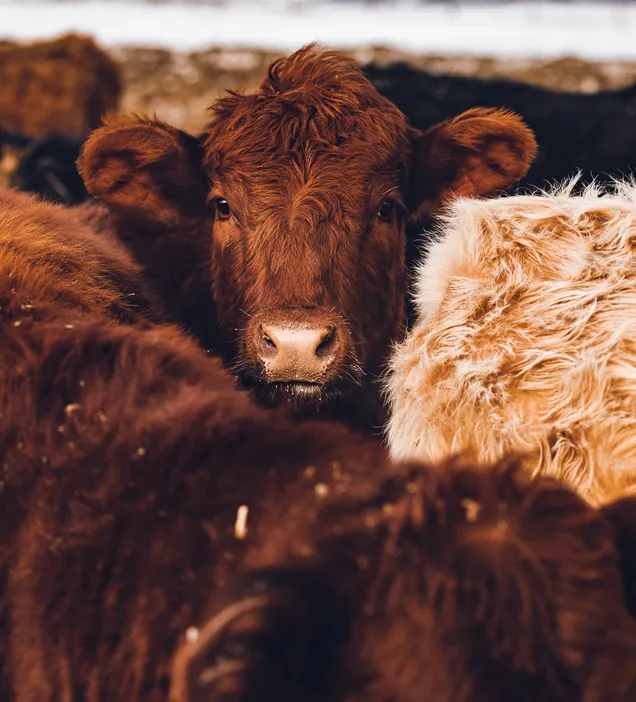
Turkey has over 16 million cattle and 40 million sheep. Large feedlots in Balıkesir, İzmir, and Konya are moving from loose mash to pelleted feed because pellets reduce waste and improve feed conversion. We’ve installed SZLH series feed mills for dairy and beef rations using corn, barley, cottonseed meal, and alfalfa. A feed mill in Turkey producing 6-10mm ruminant pellets can serve 5,000-10,000 head per shift. Many customers also add molasses spraying systems post-pellet.

POULTRY FEED PELLET PRODUCTION
POULTRY FEED PELLET SOLUTION
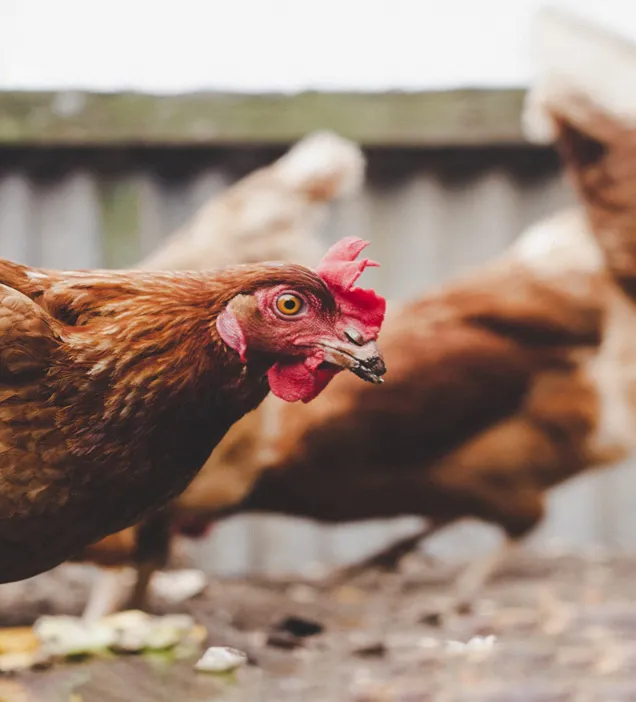
The Bolu region is Turkey’s chicken production hub. Broiler and layer operations need consistent, durable 3-4mm pellets. We’ve supplied SZLH420 and SZLH508 pellet presses to integrators who previously bought feed from traders. In-house feed production cuts costs by 15-20% if you’re growing your own corn and soy. A pellet production machine in Turkey for poultry needs precise steam conditioning (85-90°C) to gelatinize starch without burning the feed.

LIVESTOCK FEED PELLET PRODUCTION
LIVESTOCK FEED PELLET SOLUTION
Pig farming is smaller than poultry or cattle in Turkey, but growing, especially around İzmir and Thrace. Swine feed requires fine grinding (under 500 microns) and pellet durability to prevent separation during transport. We’ve built small-scale lines with our SZLH350 pellet mill for independent hog operations. Customers appreciate that we adjust the recipe for higher fat content—pigs need energy-dense feed.


FERTILIZER PELLET PRODUCTION
FERTILIZER PELLET SOLUTION
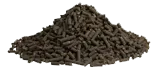
Turkey has a strong agricultural sector and a growing awareness of organic soil amendments. We’ve installed lines processing chicken litter, cattle manure, and even municipal sludge into 4-6mm fertilizer pellets. A pellet plant equipment in Turkey for fertilizers needs a good dryer (manure can be 70% moisture) and a corrosion-resistant pellet mill. One of our recent projects in Bursa turns dried sewage sludge into certified organic fertilizer for olive orchards.

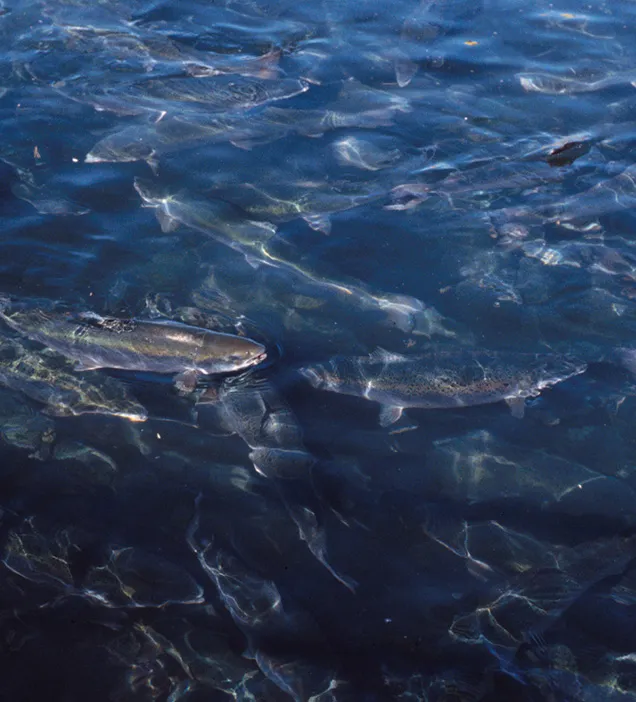
FISH FEED PELLET PRODUCTION
FISH FEED PELLET SOLUTION
Aquaculture is expanding along the Aegean and Mediterranean coasts (Muğla, İzmir, Adana). Sea bass, sea bream, and trout farms need floating or slow-sinking 2-4mm pellets. We’ve delivered complete fish feed production lines with twin-screw extruders, dryers, and vacuum coaters for oil addition. A pelletizer for sale Turkey for aquafeed must produce pellets that stay stable in saltwater for at least 2 hours. Our SZLH and SPHS series do exactly that.

PET FOOD PELLET PRODUCTION
PET FOOD PELLET SOLUTION
Turkish pet ownership is rising fast, especially in Istanbul, Ankara, and İzmir. Premium dry kibble for dogs and cats has good margins. We’ve built lines producing 8-12mm kibble using chicken meal, rice, and vegetables. The pellet machine Turkey for pet food needs a twin-screw extruder if you’re making floating or semi-moist products. For simple dry kibble, a ring die pellet mill with a good conditioner works fine. We customize recipes based on protein and fat targets.

cat litter PELLET PRODUCTION
cat litter PELLET SOLUTION
There’s a surprising niche: bentonite clay and recycled paper cat litter. Turkey has bentonite deposits near Ankara. One customer processes crushed clay into 4mm clumping litter pellets. Another uses waste cardboard to make 6mm paper litter pellets. A industrial pellet mill in Turkey for cat litter needs a clean die (no oil residue) and a dedusting system. We’ve supplied both clay and paper lines. The market is competitive, but quality litter sells well to pet stores and supermarkets.


Waste Paper Pellet Processing (Fuel & Litter)
paper PELLET SOLUTION
Cardboard and mixed paper are abundant from packaging and retail waste. We’ve helped recyclers turn shredded paper into 6mm fuel pellets for industrial boilers and 8-10mm animal bedding pellets. The key is moisture control—paper needs 12-14% moisture for good pellet binding. A pellet press machine in Turkey for paper requires sharp knives and a die with shallow compression. We’ve done several small lines in Kocaeli and İstanbul with our MZLH420 and MZLH520 models.


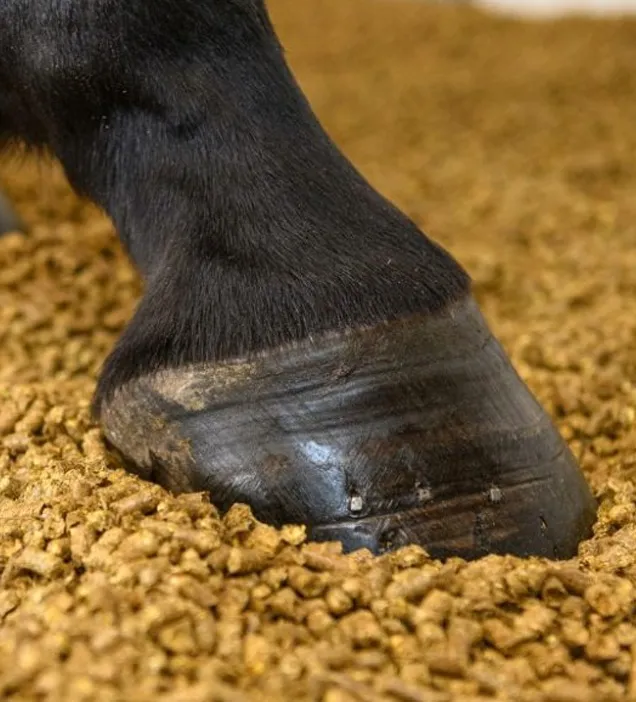
ANIMAL BEDDING PELLET PRODUCTION
ANIMAL BEDDING PELLET SOLUTION
Not all bedding is pellets. Many Turkish horse owners and small livestock farms prefer loose wood shavings or chopped straw. We supply hammer mills and chippers that produce fluffy bedding material—no pellet die needed. That said, some customers do make 8-10mm wood pellets specifically for horse stalls because pellets absorb more moisture than shavings. We configure pellet plant in Turkey based on whether you want loose bedding or pelleted. Both have their markets.
RDF & SRF Pellet ProcessingTION
RDF PELLET SOLUTION
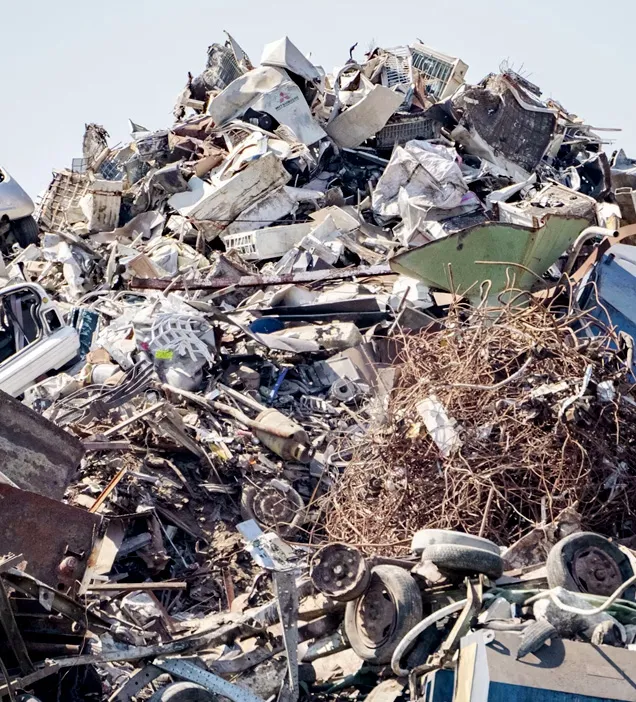
Cement plants in Turkey (over 50 facilities) are hungry for alternative fuels. Refuse-derived fuel from municipal and industrial waste is a growing business. We’ve installed heavy-duty pellet mills in Bursa and İstanbul processing plastics, paper, and textiles into 25-30mm fuel pellets. A ring die pellet mill in Turkey for RDF needs a forced feeder and wear-resistant alloys because the material is abrasive and inconsistent. The economics work when you’re within 200km of a cement kiln.

Grain Extrusion (Puffed Grain Processing)N
Raw grain puffing SOLUTION
Some livestock and pet food producers want expanded (puffed) grains rather than pellets. We provide twin-screw extruders that puff corn, barley, or soy at high temperature. The output is light, crispy pieces that mix well in specialty feeds or direct-to-consumer breakfast cereals. A pellet machine Turkey can be swapped for an extruder in the same line—we design modular systems. Extruded grains have better digestibility for young animals and weaning pigs.


Biochar & Pyrolysis Pellet Processing
Pyrolytic carbon PELLET SOLUTION
A few innovative Turkish companies are torrefying biomass (wood, nut shells) into biochar for soil amendment or carbon removal credits. The pellet press Turkey here compresses torrefied material (which is brittle and low-moisture) into 6mm black pellets. We’ve supplied one line in the Black Sea region using hazelnut shells as feedstock. The technology is early-stage in Turkey, but interest is growing as carbon markets develop. Our pelletizing machine in Turkey handles low-moisture, fragile materials with gentle compression.


Rodenticide & Pest Control Pellet Processing
Rat poison PELLET SOLUTION
Farmers across Turkey struggle with voles, mice, and snails in grain fields and greenhouses. Poison baits are often sold as small pellets. We’ve supplied SZLH200 (lab-scale) and SZLH320 pellet mills to pest control product manufacturers. Raw materials include grain-based carriers mixed with active ingredients. The pellet factory in Turkey producing rodenticide needs strict cleaning protocols between batches. We provide separate dies and conditioning systems to prevent cross-contamination.


Urban & Industrial Waste Pellet Processing
solid waste PELLET SOLUTION
Beyond RDF, we’ve done projects processing textile waste (Denizli’s denim factories), olive pomace (Aydın, Balıkesir), and pistachio shells (Gaziantep). Each material behaves differently. Textile waste wraps around screw conveyors. Olive pomace is oily and sticky. Nut shells are hard and abrasive. Our approach: test your material first, then design the line. A feed plant in Turkey for industrial waste is really a custom engineering job. We’ve built enough of them to know what works and what fails.


Best-Selling Equipment for the Turkish Market
We don’t just ship pellet machine in Turkey and call it a day. Turkish customers regularly ask for specific support equipment that makes their lines run smoother. Below are the machines we sell most often to this market, what they’re actually processing, and why buyers keep coming back for more. Whether you need a single unit or a complete feed plant in Turkey, we’ve got the lineup. Everything works together—or standalone. Your call.aterial handling, plant layout, and process engineering.
biomass pellet mill for sale
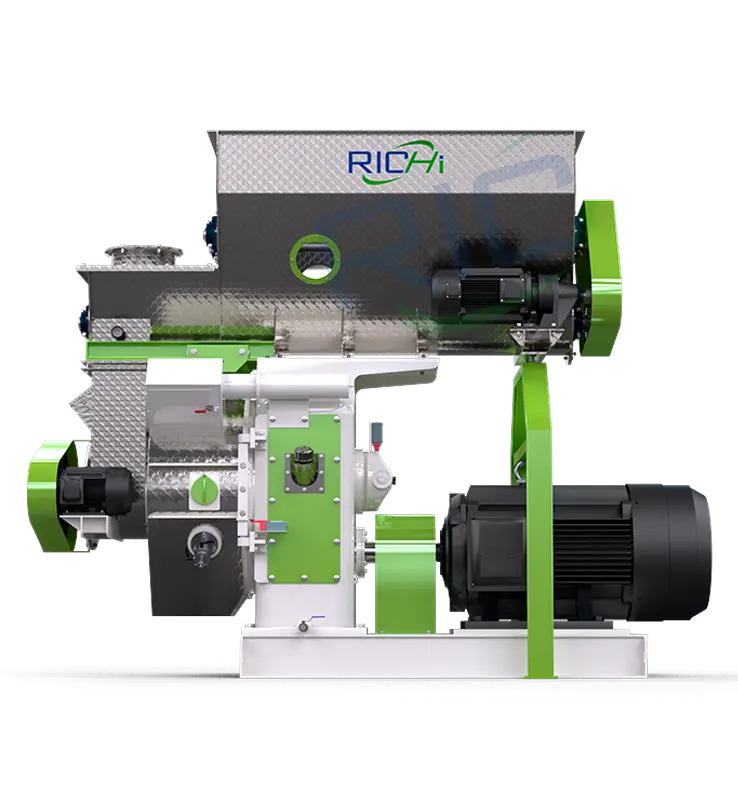
Our ring-die MZLH series is the workhorse for Turkish wood pellet producers around Düzce, Bolu, and Antalya. These customers process pine, poplar, and beech sawdust into 6-8mm industrial fuel pellets for greenhouses and textile dryers. One furniture waste recycler in Kayseri runs his MZLH678 18 hours daily on mixed MDF dust and sanding fines. The biomass pellet mill in Turkey has helped dozens of factories turn disposal costs into revenue. We stock spare dies and rollers locally.

grass pellet machine for sale
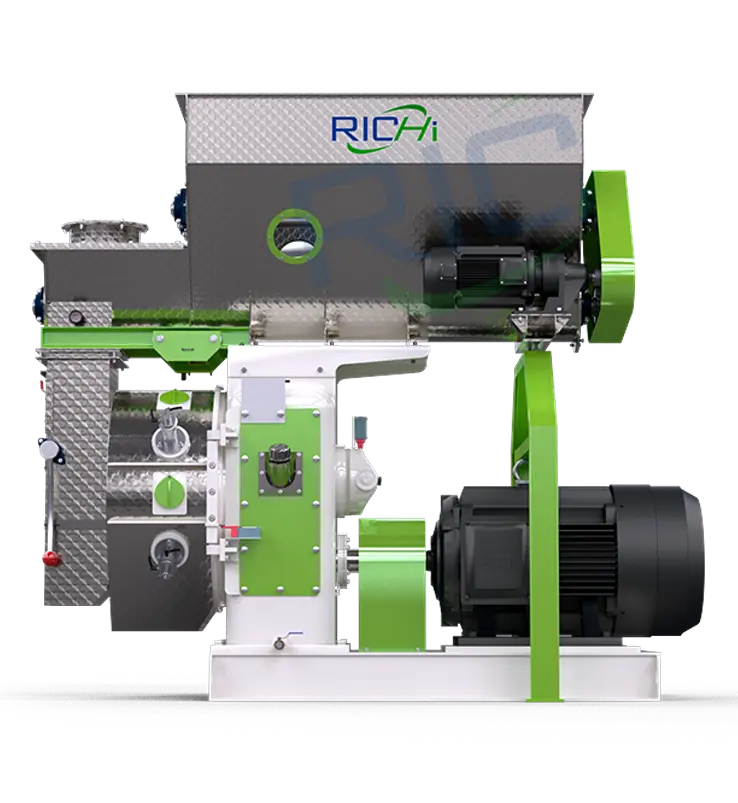
Alfalfa and meadow grass are big in Central Anatolia. We’ve configured our CZLH pellet mills with extra conditioning to handle dry, slippery material. A cooperative near Konya uses one to turn second-cut alfalfa into 8mm export pellets for Gulf livestock farms. Without proper conditioning, dry grass just slides through the die. Our grass pellet machine adds steam and optional binder (bentonite or molasses). Makes all the difference.

feed mill pellet machine
Poultry and cattle feed producers in Bolu, Balıkesir, and İzmir swear by our SZLH series. These pellet mills Turkey produce 2-6mm feed pellets with 95% durability—no excessive fines. One broiler integrator switched from a competitor’s machine and cut his recirculation load by half. The secret? Precise die spec and a heavy-duty gearbox that doesn’t overheat during long shifts. We’ve sold over 40 SZLH units here in the past three years.
fertilizer granulator equipment
Turkey’s organic fertilizer sector is growing. We’ve supplied corrosion-resistant pellet mills for chicken litter (Bursa), cattle manure (Konya), and municipal sludge (İstanbul). A pellet production machine in Turkey for fertilizer needs stainless steel contact parts because manure acids eat regular steel. Our customers produce 4-6mm organic pellets for olive orchards and vineyards. One plant processes 15 tons of dried poultry litter daily into certified fertilizer.

twin screw extruder for sale
For floating fish feed and premium pet food. We’ve installed SPHS series extruders in Muğla (sea bass feed), İzmir (trout feed), and Antalya (cat kibble). The twin-screw design handles high oil content and gives you control over expansion ratio. Turkish aquafeed producers need 2-4mm floating pellets stable in saltwater for 2+ hours. Our extruder delivers that. Also used for puffed snacks and textured vegetable protein.
straw pellet machine for sale
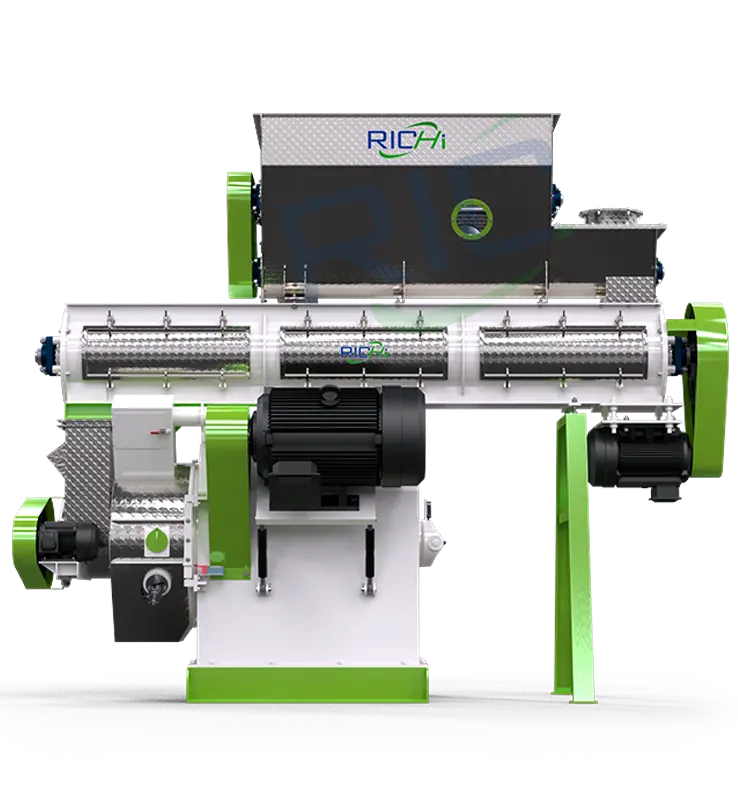
Wheat and barley straw are abundant after harvest in Şanlıurfa, Diyarbakır, and Adana. We’ve built heavy-duty lines with our CZLH768 pellet mill to compress straw into 8mm fuel or feed pellets. The challenge is abrasion—straw contains silica. Our dies use alloy steel that lasts 800+ hours. One feedlot customer in Şanlıurfa processes 6 t/h of straw into ruminant feed pellets. His feed mill in Turkey runs entirely on local straw.

shrimp feed pellet machine
Small but growing niche along the Aegean coast (İzmir, Muğla). Shrimp feed requires fine grinding (180-200 microns) and 1.2-1.8mm sinking pellets. We supply SZLH350 with a 3-layer conditioner for extra steam cooking. A pellet mill in Turkey for shrimp feed must produce pellets that don’t disintegrate in high-salinity water. Our customers report 3+ hours of stability. One operation in Muğla feeds 20 ponds with our line.

cat litter pellet machine
Two types of customers: bentonite clay processors near Ankara and paper recyclers in Kocaeli. Both need clean, dust-free 4-6mm pellets. We use ring die mills with polished dies (no oil residue) and add a heavy-duty deduster after the cooler. A pellet plant equipment in Turkey for cat litter includes our MZLH520 and a rotary screener. One paper litter plant sells 40 tons monthly to pet stores across Istanbul and Ankara.
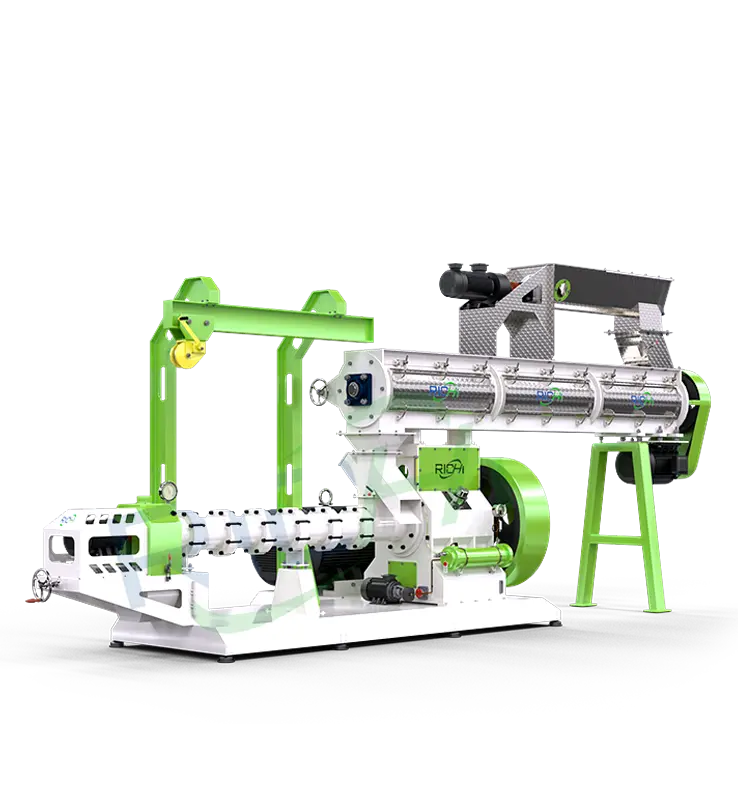
single screw extruder machine
Simpler than twin-screw, good for dry pet food, some fish feed, and textured soy. Turkish customers use our SP series for dog kibble production (small to medium scale) and for expanding grains like corn and barley. A feed factory in Turkey running a single-screw extruder can switch between recipes faster because there’s less residence time. We’ve sold 15 units in the past two years, mostly to startups in İzmir and Adana.

Grain extruder machine
Not pellets—puffed grain for young animal feed and specialty pet food. Turkish livestock producers use expanded corn and barley for piglets and calves because it’s more digestible. Our grain expander heats and presses grain through a die plate at high temperature, then it expands when released. One customer in Thrace processes 3 t/h of expanded barley for his nursery pig operation. Very different from a standard pelletizer for sale Turkey, but we make both.
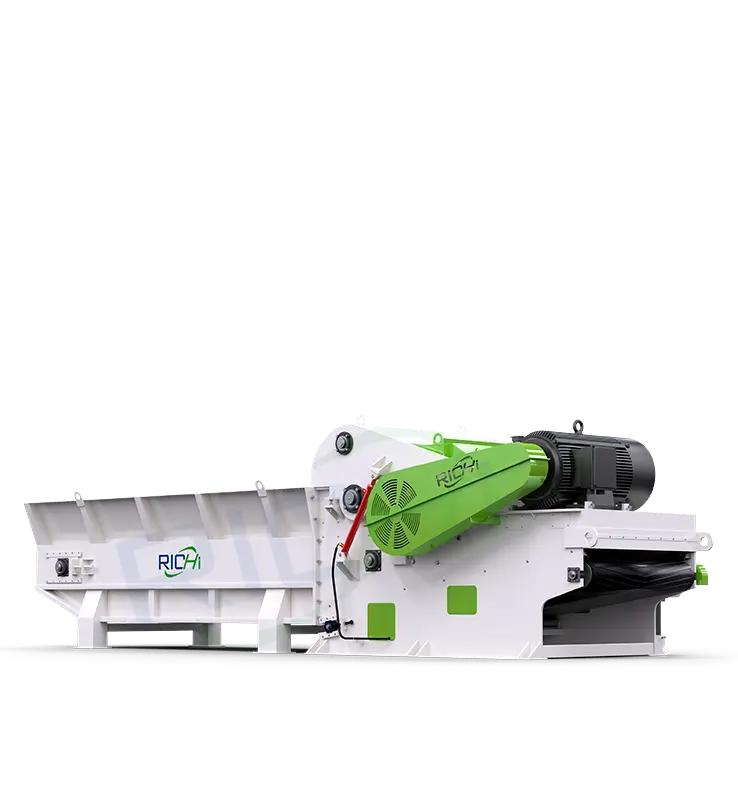
wood chipper machine
First step in any wood pellet line. Turkish sawmills and forestry operations need chippers that handle wet logs and slab wood. We supply drum-style chippers with 15-200 kW motors. A furniture factory in İnegöl chips 20 tons of offcuts daily before drying and pelleting. Our chipper produces uniform 20-30mm chips—perfect for the hammer mill downstream. Heavy-duty rotor, replaceable knives. Simple and reliable.

shredder machine
For tough, mixed materials: textile waste (Denizli), hazelnut shells (Giresun), olive pomace (Aydın), and plastic films (İstanbul). Our twin-shaft shredder with hydraulic ram pushes material into cutting rotors. One RDF plant in Bursa shreds municipal waste from 300mm down to 30mm before the pellet press Turkey. Another shredder processes denim cutting scraps into 20mm strips for SRF production. Universal means universal.

Wood Chip Dryer
Wood chips, sawdust, alfalfa, and manure all need drying before pelleting. Turkish customers in wet regions (Black Sea coast) especially need dryers because fresh sawdust can be 50% moisture. We’ve supplied 1.5m to 3.2m diameter rotary dryers with burners running on wood waste or natural gas. One wood pellet plant in Düzce reduced moisture from 45% to 12% using our dryer. Without it, no pellet machine Turkey can run properly.

bale crusher
For alfalfa bales, straw bales, and haylage. Turkish forage processors were manually breaking bales—dangerous and slow. Our horizontal bale breaker cuts strings, opens the bale, and feeds material into a hammer mill. One alfalfa pellet plant in Elazığ processes 150 round bales daily through our debaler. Works on square and round bales up to 1.5m diameter. Saves labor and eliminates manual handling.

hammer mill
We call it the SW series. Turkish customers use it for corn grinding (feed mills), wood chip grinding (pellet plants), and even dried vegetable waste. The drop-shaped grinding chamber reduces recirculation and increases throughput. A feed mill in Turkey running our SW66M processes 8 t/h of corn through a 3mm screen. Also used for grinding alfalfa cubes and straw. Replaceable hammers, balanced rotor. Workhorse machine.

mesh belt dryer
For temperature-sensitive materials: fish feed, pet food, vegetables, and herbs. Turkish aquafeed producers need gentle drying to avoid fat oxidation or nutrient loss. Our belt dryer runs at 60-90°C with adjustable belt speed. One marine feed line in İzmir uses a 3-layer belt dryer to reduce pellet moisture from 22% to 8% without surface cracking. Also used for drying dog kibble and even dried tomatoes in the Antalya region.

Feed mixer machine
For feed, fertilizer, and specialty chemicals. Turkish customers mix everything: poultry feed (corn, soy, premix), fertilizer (manure + minerals), and even pest control baits (grain + poison). We offer 0.5 to 10-ton batch mixers. A feed plant in Turkey running our 2-ton ribbon mixer achieves 1:10,000 mixing uniformity (coefficient of variation under 5%). Stainless steel option for corrosive materials. Add liquid spray system for molasses or oil.

fertilizer crusher machine
For breaking down caked or agglomerated fertilizer before or after drying. Turkish organic fertilizer producers use our vertical chain crusher to reduce manure-based material from 10mm lumps down to 1mm powder. One chicken litter plant in Bursa crushes 5 t/h of dried litter before feeding the pellet mill Turkey. Simple design, low maintenance, no screens to clog.

grass straw crusher machine
Different from the drop-shaped version. This one has a wider chamber and specialized hammers for long-fiber materials like wheat straw, barley straw, and meadow grass. Turkish farmers and feedlot operators use it to grind baled straw down to 5-8mm particles before mixing with concentrate or pelleting. A cattle feed plant in Konya grinds 10 t/h of straw through a 6mm screen. PTO or electric drive available.

vibrating screening machine
For cleaning raw materials (remove stones, fines) and for classifying finished pellets. Turkish customers use our TYL series screens after the pellet mill Turkey to remove dust and oversize. One wood pellet exporter in Antalya runs two screens: one before storage (clean incoming chips) and one after cooling (grade 6mm pellets from 3mm fines). Double-deck, easy screen change, low vibration.

storage silos
For storing raw materials, pellets, or feed. We supply bolted steel silos from 10m³ to 1,000m³. Turkish feed mills and pellet plants need silos because they buy grain seasonally but produce year-round. One compound feed plant in Konya uses four 300m³ silos for corn, barley, wheat bran, and soybean meal. Our silos include aeration floors, temperature sensors, and level indicators. We design discharge cones to prevent bridging.
Common Questions About Pellet Machine in Turkey
Over the years of shipping equipment to Turkish customers, we’ve heard the same questions again and again. About raw materials, about power specs, about what actually works with local crops and byproducts. This FAQ is built from real conversations. Whether you’re looking at a pellet machine in Turkey for alfalfa, chicken manure, hazelnut shells, or cat litter, chances are someone has already asked what you’re wondering. We manufacture everything ourselves in China and ship directly to your site—no middlemen, no local agents. Here’s what Turkish buyers typically want to know before they order.
What voltage and frequency do your pellet machines use for the Turkish market? Do we need a transformer?
+
Turkey runs on 380V / 50Hz three-phase power, same as most European countries. Our standard pellet machine in Turkey is built exactly to this spec. No transformer needed. We ship with IEC-compatible motors. That said, some older factories still have 220V three-phase in certain regions. Tell us what you have at your site. We can rewind motors or supply step-up transformers. One customer in İzmir had an odd 440V setup from an old German line. We swapped the motor before shipping. Easy fix.
What’s the price range for a complete pellet production line in Turkey?
+
Depends entirely on capacity and raw material. A small 1-2 t/h wood pellet line might run $50,000-$180,000. A medium 4-6 t/h alfalfa pellet plant with dryer and cooler is more like $80,000-$220,000. Large 10-15 t/h feed mills can hit $160,000-$450,000.
We don’t hide pricing. Send us your target output and what you’re processing. We’ll send a line-by-line quote. Remember, a pellet machine in Turkey is just one piece. The dryer, hammer mill, cooler, and bags make up most of the cost.
Do you have distributors or agents in Turkey, or do we buy directly?
+
Direct only. No agents, no local distributors, no middlemen taking a cut. Everything we ship to Turkey comes straight from our factory in China to your site. We’ve been asked many times to set up a local office in Istanbul or İzmir. Maybe someday. For now, buying direct means you pay factory pricing. Our engineers fly in for installation and training. We handle shipping, customs clearance, and delivery to your door. You talk to us, not a reseller.
We have alfalfa bales at 15% moisture. Can we pellet directly without drying?
+
At 15% moisture, you’re right on the edge. Ideal for a pellet machine in Turkey running alfalfa is 12-14%. At 15%, pellets may be soft and might mold in storage. You have two choices: add a small rotary dryer (brings moisture down to 12%) or blend with drier material like 8% moisture straw.
One customer in Konya blends wet alfalfa with dry wheat straw. Works fine. But if you’re exporting to Gulf countries, they’ll reject high-moisture pellets. Better to dry. We’ve supplied 10 t/h alfalfa rotary drum dryers to several Turkish forage exporters.
What’s the smallest wood pellet line you recommend for a startup in Turkey?
+
Our smallest commercial recommendation is the MZLH320 small wood pellet machine in Turkey at 0.2-0.3 t/h.
Complete line: chipper (if you have logs), hammer mill, pellet mill, cooler, screener, bagging scale. Total investment roughly $40,000-$110,000 depending on automation level. We have customers in Kastamonu and Düzce running exactly this setup. They break even in 12-18 months selling bagged pellets to local stove users.
Can your pellet mill handle high-moisture corn silage for cattle feed?
+
Yes, but not directly. Silage at 65% moisture will just clog the die. You need a dryer first or a press dewatering step. What most Turkish feedlots do is mix silage (65% moisture) with dry grain (12% moisture) to bring the blend down to 18%, then add a binder.
Even then, 18% is high. We recommend drying silage to 14% using a rotary dryer before feeding into the pellet machine in Turkey. We’ve done this for a large dairy in Balıkesir. They dry 20 t/h of corn silage to 14%, then pellet with our SZLH508. Works great.
Do you have experience with pistachio shell pellets? Gaziantep region has tons of shells.
+
Absolutely. We supplied a 2 t/h line to a cooperative in Gaziantep. Pistachio shells are hard and abrasive. Standard dies wear out fast. We use a special alloy die with extra hardening.
The pellet machine in Turkey for pistachio shells needs a heavier hammer mill too—those shells are tough. Final 6mm pellets burn hot, about 4,800 kcal/kg. Better than many woods. If you have access to shells, it’s a good business. Just budget for more frequent die changes.
What’s the real production cost per ton for wood pellets in Turkey?
+
Let’s do rough math. Sawdust delivered at 250 TL per ton (roughly $8-9 USD). Electricity for a 110kW pellet machine in Turkey running 1 hour produces about 2 tons = 55 kWh per ton at $0.10/kWh = $5.50. Labor: one operator per shift, say $15 per ton. Die and roller wear: about $3 per ton. Packaging: $10 per ton for bags. Total roughly $35-40 per ton before overhead. Selling price for bagged industrial pellets is around $110-130 per ton. Margin exists. But if you’re paying for sawdust, it’s tight. Free waste material changes everything.
Can we produce floating fish feed with your equipment for Turkish sea bass farms?
+
Yes, but you need a twin-screw extruder, not a standard ring die pellet machine in Turkey. Ring die makes sinking pellets. For floating feed (sea bass, sea bream, trout), we supply the SPHS series extruder.
One of our customers in Muğla runs an SPHS120 producing 3-4 t/h of 2-4mm floating pellets. You’ll also need a belt dryer after the extruder (moisture drops from 25% to 8%) and a vacuum coater for oil spraying. Total floating fish feed production line cost for 2-3 t/h is roughly $150,000-$450,000.
How does Turkish customs treat imported pellet mills? Any hidden fees?
+
Standard HS code 8436.80.00 for feed pellet mills, 8479.82.00 for biomass pellet machines. Import duty is around 2.7-4% for most pellet equipment. Plus 18% VAT (you can reclaim if you have a tax number). No special permits needed for standard biomass or feed pellet machine in Turkey. For waste-derived fuel lines (RDF), you might need environmental paperwork.
We handle all shipping and customs clearance as part of our service. One tip: if you’re importing multiple containers, consolidate into one shipment. Saves on customs agent fees.
Our chicken farm produces 5 tons of wet manure daily. Can we pellet it for fertilizer?
+
Yes, but you absolutely must dry it first. Fresh chicken manure is 70-75% moisture. A pellet machine in Turkey will just turn it into paste. You need: a solid-liquid separator (brings moisture to 60%), then a rotary dryer (drops to 12-14%), then the pellet mill.
We’ve done this for a farm in Bursa. They dry 5 t/h of wet manure to 14% using a 2.2m diameter rotary dryer, then pellet with our MZLH520. Final 5mm organic fertilizer pellets sell to olive orchards. Total investment for 3-5 t/h line is roughly $100,000-$280,000.
What’s the difference between your SZLH and MZLH series? Which one for Turkey?
+
SZLH is our gear-driven feed mill. Higher rpm (250-300), better for soft materials like grain, soybean meal, alfalfa. Produces 2-6mm feed pellets. MZLH is our belt-driven biomass mill. Lower rpm (80-150), higher torque. Better for wood, straw, shells, manure. If you’re making cattle feed from barley and corn, go SZLH.
If you’re making wood pellets or straw fuel, go MZLH. Both are excellent pellet machine in Turkey options. We just match the drive to your raw material. One customer in Konya uses SZLH for feed and MZLH for straw fuel in the same building.
Can we use olive pomace (pirinç) as raw material? We have tons in Aydın and Balıkesir.
+
Olive pomace is tricky because it’s oily (8-12% fat content) and sticky. Standard pellet machine in Turkey will struggle with die slippage. Solution: mix pomace with a dry, fibrous material like sawdust or straw. 70% pomace + 30% straw works. Or install an oil press before pelleting to remove some fat.
We’ve done one line in Balıkesir using 100% dried pomace with a special high-friction die. It works but die life is shorter. Honestly, mixing with straw is simpler. Final 8mm pellets burn well for boiler fuel.
What’s the lead time from order to delivery in Turkey?
+
For standard pellet machine in Turkey models (MZLH420, MZLH520, SZLH420, SZLH508), we keep some stock. Lead time 25-35 days.
For larger or custom lines (complete plants, special dies), 45-60 days. Shipping from China to Mersin or Istanbul ports takes about 25-30 days. Add another 10 days for customs clearance and inland delivery.
So total: order to your door ranges from 2 to 3.5 months depending on complexity. We’ve done rush orders in 6 weeks (air freight for critical parts, sea for the rest). Extra cost, but possible.
Do you offer training for Turkish operators?
+
Yes, and we insist on it. Every ring die pellet machine in Turkey we sell includes on-site training. Our engineer flies to your site, spends 5-10 days installing, commissioning, and training your guys. We cover die and roller changes, conditioning adjustments, troubleshooting common problems like die jams or overheating.
After we leave, you get remote support via WhatsApp (we have Turkish-speaking engineers now, which helps a lot). No extra charge for standard training within the first 30 days after installation.
Can we produce horse bedding from waste cardboard? How?
+
Absolutely. One customer in Kocaeli does exactly this. Shred cardboard to 15-20mm strips. No fine grinding needed. Add 5% water to bring moisture to 14%. Then run through an MZLH420 pellet machine in Turkey with a 10mm die (large holes). Don’t use a 6mm die—too small, cardboard compresses too hard.
Final 10mm pellets absorb moisture well. No binder needed because cardboard has natural lignin. They sell to stables in Istanbul as “eco-friendly bedding.” Simple line: shredder, paddle mixer, pellet mill, cooler. Total investment around $60,000. Payback under 12 months.
What’s the maximum moisture your hammer mill can handle before drying?
+
Hammer mill can handle up to 20-25% moisture without serious clogging. Above that, screens start blinding, especially with fibrous materials like straw or alfalfa. If your raw material is above 25% moisture, you really need a dryer before the hammer mill.
One exception: green wood chips at 40-50% moisture will still go through a heavy-duty hammer mill, but output drops by half. For consistent operation, we recommend drying to 15-18% before grinding, then final dry to 12-14% before the pellet machine in Turkey.
Do you make pellet lines for RDF from municipal waste? Turkish cement plants buy RDF.
+
Yes, we’ve supplied two RDF lines in Turkey. One in Bursa processes municipal solid waste into 25mm fuel pellets for a cement kiln. The pellet machine in Turkey for RDF is a heavy-duty MZLH768 with forced feeder and wear-resistant alloy.
Before pelleting, you need: primary shredder (100mm), magnet separator, wind-sifter to remove heavy inerts (glass, stones), secondary shredder (25mm), and dryer if moisture exceeds 15%. Total investment for 4-6 t/h line is roughly $400,000-$600,000. Cement plants pay $60-80 per ton for RDF. Math works if you have consistent waste supply.
What size pellets are best for broiler feed in Turkey?
+
3.5mm is standard for broiler finisher. Starter feed can be 2.5mm crumbles. We recommend a dual setup: pellet machine in Turkey produces 3.5mm pellets, then a crumbler reduces half the batch to smaller sizes for young birds.
One of our customers in Bolu uses SZLH508 to make 3.5mm pellets, then runs through a crumbler with roller gap at 1.5mm. Gives them 50% whole pellets, 50% crumbles. Layer hens prefer 4-4.5mm pellets. Turkeys (also big in Bolu region) need 5-6mm. Tell us your bird type and age. We’ll spec the die.
How often do dies and rollers need replacement?
+
Depends on material. For wood pellets: 800-1,200 hours from a standard die, 1,500-2,000 hours from our hardened alloy die. For feed (corn/soy): 2,000-3,000 hours. For abrasive materials like straw or hazelnut shells: 500-800 hours. Rollers last about half as long as the die.
We always recommend buying one spare die and two spare roller shells with your initial pellet machine in Turkey order. Shipping takes 30 days. You don’t want your line stopped waiting for parts. We keep common dies (6mm, 8mm for wood; 3.5mm, 4.5mm for feed) in our Turkey spare parts inventory now.
We have hazelnut shells in Giresun. Can we make fuel pellets? What machine works best?
+
Hazelnut shells are dense and abrasive. A standard ring die pellet machine in Turkey won’t last long without upgrades. We recommend the MZLH series pellet machine with a tungsten carbide-coated die and heavy-duty main shaft bearings. One customer in Giresun processes 4-5 t/h of dried shells (moisture 10%) into 6mm pellets.
The shells need grinding first through a hammer mill with a 4mm screen. Final pellets have high calorific value (about 4,900 kcal/kg) and low ash. Good for greenhouses and industrial boilers. Expect die life around 600-700 hours. Budget for more frequent replacements than wood.
What’s the difference between a vertical and horizontal feed mixer for Turkish feed mills?
+
Vertical mixers are cheaper and okay for simple grain rations. But they struggle with sticky ingredients like molasses or wet distillers grains. Horizontal ribbon mixers give better uniformity, especially for premix and micro-ingredients. For a pellet machine in Turkey making compound feed, we almost always recommend a horizontal ribbon or paddle mixer.
Batch sizes from 500kg to 5 tons. One animal feed mill plant in Konya uses our 2-ton ribbon mixer with a liquid spray system for molasses (3% addition). Mixing time 3-4 minutes, CV under 5%. Vertical mixers take 10-15 minutes and still leave dead zones.
Can we use your extruder for both fish feed and pet food?
+
Yes, but not simultaneously without cleaning. The SPHS series twin-screw extruder can handle both. For floating fish feed (sea bass, trout), you’ll run at higher moisture (25-28%) and temperature (120-130°C).
For dog kibble, lower moisture (22-24%) and lower temperature (100-110°C). The die changes. Many customers in Turkey buy one extruder and switch between products.
But you need a full day to clean and reconfigure. A pellet machine in Turkey dedicated to one product is more efficient. That said, we have a customer in İzmir who runs fish feed 5 days, pet food 2 days on the same SPHS120. Works fine.
What’s your most popular pellet mill for small-to-medium Turkish farms?
+
The SZLH250 pellet machine at 22kW. It produces 1-2 t/h depending on material. Perfect for a farm with 500-1,000 cattle making their own feed, or a small poultry feed pellet startup. Price for the pellet machine in Turkey alone is about $8,000-$15,000. Complete line (hammer mill, mixer, cooler, bags) around $15,000-$55,000.
We’ve sold over 30 MZLH420 units to Turkish customers in the past two years. Sweet spot for capacity and budget. One sheep farm in Van uses theirs to process barley straw into 8mm maintenance pellets for 800 head. Runs 6 hours daily. Simple and reliable.
Do we need a magnet separator before the pellet mill? How important?
+
Critical. You’d be surprised what ends up in raw material. Nails from pallets, bolts from demolition wood, metal fragments from feed ingredients. One customer in İnegöl ignored our advice and destroyed a die on day 3.
A magnet separator is cheap (around $800-1,500). We install a neodymium magnetic drum or plate right before the pellet machine in Turkey. Catches ferrous metal before it hits the rollers and die. Also recommend a screener after the hammer mill to catch stones. Metal plus stone equals cracked die. Cheap insurance.
Can we produce organic fertilizer pellets from sheep manure only?
+
Sheep manure is less wet than chicken or cattle manure (about 50-60% moisture). You still need drying to 14-16% before pelleting. The pellet machine in Turkey for sheep manure should have stainless steel contact parts because manure acids corrode regular steel. We use SS304 for the die housing and conditioner.
One customer in Konya processes 3 t/h of dried sheep manure into 5mm organic pellets. They sell to vineyard owners. No binder needed because manure has natural fiber. Total line cost (dryer, hammer mill, pellet mill, cooler) around $60,000-$150,000 for 2-3 t/h.
What’s the real energy consumption of your pellet mills per ton?
+
For biomass (wood, straw, shells): MZLH420 uses about 45-55 kWh per ton. MZLH520 uses 50-65 kWh. MZLH678 uses 55-75 kWh. For feed (corn, soy, barley): SZLH420 uses 30-40 kWh per ton because feed is easier to compress.
A pellet machine in Turkey running 8 hours daily at 60 kWh/ton means about 480 kWh per day. At $0.10/kWh, that’s $48 in electricity for 8 tons of pellets. About $6 per ton. We can share actual power logs from running Turkish plants if you need verification.
Do you make small 0.5 t/h pellet mills for backyard use?
+
We don’t recommend anything below 1 t/h for commercial use. Below that, you’re in hobby machine territory. Those use cheap bearings, thin dies, and fail fast. Our smallest commercial pellet machine in Turkey is the MZLH420 at 1-1.5 t/h.
Price around $15,000-25,000 for the mill alone. If you only need 500 kg/h, run the MZLH350 at half speed. It’ll last longer anyway. One customer in Antalya runs their MZLH350 at 60% capacity making poultry feed for 2,000 layers. Works perfectly and the machine isn’t stressed.
Can we pellet wet brewery spent grain from Turkish beer factories?
+
Spent grain comes out at 75-80% moisture. Impossible to pellet directly. You need a screw press to mechanically squeeze moisture down to 55-60%, then a rotary dryer to reach 12-14%. After drying, spent grain pellets easily through any feed pellet machine in Turkey.
One customer in İzmir processes 10 tons of wet spent grain daily from a local brewery. They dry to 14% using our 1.8m rotary dryer, then pellet with SZLH420 into 6mm cattle feed. Nutritious and cheap raw material. Total line investment around $180,000.
What about voltage fluctuations in rural Turkey? Will that damage the pellet mill?
+
Rural areas in Eastern and Southeastern Turkey can have unstable voltage (drops to 340V, spikes to 430V). A standard pellet machine in Turkey might trip or overheat. We recommend adding a soft starter (standard on most of our mills) plus a voltage stabilizer for problematic areas.
Cost about $500-1,000 extra. We’ve shipped to Şanlıurfa and Diyarbakır with this setup. No complaints. Without stabilization, you risk burning out the main motor. One customer in Van learned the hard way. Now they run a stabilizer.
Can we make pellets from tomato plant residue? Tons available after harvest in Antalya.
+
Tomato plants are fibrous and slightly acidic. You need to dry them first (fresh plants are 80% moisture). After drying to 12-14%, grind through a 5mm screen. The pellet machine in Turkey for tomato residue should have stainless steel or coated dies because the acid corrodes regular steel.
We’ve supplied one line in Antalya processing 2-3 t/h of dried tomato vines into 6mm fuel pellets. Calorific value around 3,800 kcal/kg. Not great, but better than paying to dispose of the waste. Works for greenhouse heating.
What’s the warranty on your pellet mills for Turkish customers?
+
18 months from shipment or 12 months from commissioning, whichever comes first. Covers manufacturing defects, premature wear (if we spec’d wrong), and bearing failures. Does not cover dies or rollers (consumables) or damage from foreign objects (metal, stones). We’ve had very few warranty claims from Turkey.
The machines are built heavy. One customer in Konya has run their SZLH508 for 6,000 hours with only routine maintenance. We keep warranty parts in our China warehouse. Shipping to Turkey takes 5-7 days by air if urgent.
Do you offer turnkey installation in Turkey? Or just equipment delivery?
+
Turnkey means we handle everything: civil works, steel structure, equipment installation, electrical wiring, commissioning. Yes, we do it. But most Turkish customers prefer to handle civil work themselves (cheaper local labor) and have us do equipment installation and training.
A pellet machine in Turkey installation takes our team 5-10 days depending on line complexity. We send 2-4 engineers. You provide local labor for lifting and moving. We provide all drawings (civil, steel, electrical, P&ID) free before shipment. You decide how much you want us to do.
Can we produce 8mm alfalfa pellets for camel feed? Export to Gulf countries from Turkey.
+
Yes, and we’ve done several lines for exactly this purpose. Camels prefer larger pellets (8-10mm) because they chew slowly. The pellet machine in Turkey for alfalfa should have a conditioner running at 75-80°C to soften the hay. Add 2% bentonite as binder for durability during shipping to Gulf countries (long transit, hot conditions).
One exporter in Konya runs our CZLH678 producing 5 t/h of 8mm alfalfa pellets. They ship container loads to Saudi Arabia and UAE. The key is pellet durability index above 95%. Our dies achieve that.
What’s the smallest feed mill you’ve built in Turkey? For a small farm cooperative.
+
1.5 t/h complete feed mill plant for a cooperative in Aksaray. They process their own barley and wheat into 4mm sheep pellets. Equipment: 500kg batch mixer, SZLH320 pellet machine in Turkey (30kW), counterflow cooler, and manual bagging frame. No dryer needed because grain arrives at 12-13% moisture.
Total investment around $45,000. They serve 40 small farms. Runs 4 hours daily, produces enough for all members. Simple, low maintenance. If your group has 500+ sheep, this scale works.
Can we use walnut shells? What output can we expect?
+
Walnut shells are harder than pistachio shells. Very abrasive. You need a heavy-duty MZLH520 with a forged die and carbide coating.
One customer in Kırşehir (walnut growing region) processes 2 t/h of shells into 6mm fuel pellets. But they pre-grind through a 3mm screen (finer than hazelnut shells). Output per hour is lower than wood because shells are dense.
Expect 1.5-2 t/h from an MZLH520. The pellet machine in Turkey for walnut shells needs frequent die checks. Every 400-500 hours, rotate or replace. But the pellets burn extremely hot (5,200+ kcal/kg).
Do you have experience with DDGS pellets for cattle feed in Turkey?
+
Yes. DDGS (dried distillers grains) from Turkish bioethanol plants is excellent protein source. But it’s sticky when warm. A standard pellet machine in Turkey will need extra cooling before pelleting. We recommend adding a cooler before the pellet mill, not just after.
One feed mill in Konya blends DDGS (30%) with barley (60%) and molasses (10%). They use our SZLH350. Output 4 t/h of 6mm pellets. The key is keeping DDGS temperature below 40°C entering the die. Above that, die plugs fast. We added a air cooling conveyor before their pellet mill. Solved the problem.
What’s the most common mistake Turkish buyers make when buying their first pellet line?
+
Underestimating pre-processing. Everyone focuses on the pellet machine in Turkey. But the hammer mill and dryer are equally important. We’ve seen customers buy a nice pellet mill then feed it with wet, uneven material. Results are terrible. The second mistake: no magnetic separator. Third: not buying spare dies upfront. Fourth: believing they can run 24/7 without maintenance stops.
A pellet line needs daily checks (grease bearings, check die bolts, clean magnets). We include a maintenance checklist with every shipment. Follow it. Your machine will last 10+ years.
Can we produce shrimp feed with your equipment for Turkish shrimp farms?
+
Yes, but shrimp feed requires very fine grinding (200-250 microns) and small pellets (1.2-1.8mm). Standard feed pellet machine in Turkey won’t produce that small reliably. We use the SZLH350 with a special thin die (1.5mm holes) and a 3-layer conditioner for extra steam cooking.
One shrimp farm in Muğla runs our line producing 1.5 t/h of 1.5mm sinking pellets. They add squid meal (15%) to the recipe. Pellets stay stable in saltwater for 3 hours. Total line with ultrafine grinder and vacuum coater: about $140,000-320,000.
How do you handle spare parts delivery to Turkey?
+
We have a dedicated spare parts warehouse in Istanbul now. Common items: dies (6mm, 8mm for biomass; 3.5mm, 4.5mm for feed), roller shells, bearings, belts for MZLH series, gears for SZLH series. Delivery within Turkey takes 1-3 days by cargo. For less common parts, we ship from China by air (5-7 days) or sea (25-30 days).
Every pellet machine in Turkey we sell comes with a spare parts list. We recommend keeping 3 months of consumables on site. One customer in İzmir stocks 5 dies and 20 roller shells. They never stop production. Smart planning.
We’re looking at a 6-8 t/h goat feed pelletizer for sale Turkey. What machine do you recommend and what’s the typical recipe?
+
Goat feed needs smaller pellets than cattle (5-6mm) because goats have smaller mouths. We recommend the SZLH508 goat feed pellet machine in Turkey running at 110-132kW. One customer in İzmir produces 7 t/h of goat feed using 40% barley, 25% alfalfa meal, 20% wheat bran, 10% sunflower meal, and 5% molasses.
They condition at 75°C, not too hot because goats are sensitive to over-processed grain. The pellet durability doesn’t need to be as high as cattle feed – goats chew thoroughly anyway. Complete line with hammer mill, 2-ton mixer, pellet mill, cooler, and screener runs about $120,000-380,000 depending on automation.
Can you supply a 20-25 t/h beef cattle feed pellet line in Turkey? What’s the footprint?
+
Yes, we’ve built several this size for feedlots in Balıkesir and Konya. For 20-25 t/h, you need twin SZLH768 pellet mills running in parallel (each does 10-12 t/h). Total line includes: receiving pit, 4-ton batch mixer (or continuous mixer), 2 x pellet mills, 2 x counterflow coolers, crumbler for calves, grading screener, and bulk loadout system.
Footprint roughly 40m x 25m for the main production hall, plus 3-4 silos for grain storage. A pellet machine in Turkey at this scale needs heavy-duty foundations – we provide civil drawings. Total investment $1.2-1.8 million. Lead time 4-5 months.
What’s the difference between a 5-7 t/h lamb creep feed pellet press and a regular feed mill?
+
Creep feed for lambs needs smaller pellets (3-4mm) and softer texture. Plus the recipe has more milk powder and protein. The pellet machine in Turkey for creep feed should run at slightly lower temperature (65-70°C) to protect milk proteins from burning. We use the SZLH350 with a variable-speed feeder to control retention time in the conditioner.
One customer in Konya produces 6 t/h of lamb starter pellets using 55% corn, 20% soybean meal, 15% whey powder, and 10% fish meal. The die has 3.5mm holes with a shallower compression ratio than regular feed. Higher production cost but better margins.
We need a 4-6 t/h calf starter pellet mill in Turkey. What special considerations for calves?
+
Calves have underdeveloped rumens, so they need highly digestible, fine-textured pellets. The pellet machine in Turkey for calf starter should be paired with a ultra-fine hammer mill (screens at 1.5-2.0mm). One dairy operation in Balıkesir runs our SZLH350 producing 5 t/h of 4.5mm calf pellets.
They add 10% molasses and 5% fat to bind the fine particles. Conditioning temperature 70°C max. After pelleting, they run half through a crumbler to create 2mm mini-pellets for very young calves (2-8 weeks). The line cost around $80,000-240,000 including the fine-grind hammermill.
Can your equipment make 3-5 t/h sheep fattening feed pellets? What’s the ideal pellet size?
+
Absolutely. Sheep fattening feed is one of our most common requests in Turkey’s Central and Eastern regions. Ideal pellet size is 5-6mm – not too small (they swallow whole) not too large (wasted).
A pellet machine in Turkey running sheep feed should have a conditioner because sheep digest better with steam-cooked grain. One customer in Van produces 4 t/h using 50% barley, 20% wheat bran, 15% cottonseed meal, 10% sunflower meal, and 5% molasses. They use our SZLH320 at 55kW. Final pellets have durability index 92-94% – plenty for sheep. Complete line $50,000-150,000.
What about 7-9 t/h ewe lactation feed? Does that need a different pellet mill?
+
Ewe lactation feed has higher energy and protein (18-20% protein) than maintenance feed. The pellet machine in Turkey can be the same SZLH508, but you’ll need a better conditioner (3 layers instead of 1) to add more steam and molasses.
One sheep farm in Konya produces 8 t/h of lactation pellets using 45% corn, 15% barley, 20% soybean meal, 10% alfalfa, and 10% molasses. The molasses content is high, so we added a liquid spray system in the mixer and a post-pellet molasses coater. Total line with two-stage molasses addition runs about $150,000-320,000.
Do you make small 2-3 t/h goat kid feed pellet presses? For a specialized goat farm.
+
Yes. Goat kids need very small pellets (3mm) and a softer texture than adult goat feed. We recommend the SZLH350 pellet machine in Turkey at 55kW. One goat dairy in İzmir produces 2.5 t/h of kid starter using 40% rolled oats, 25% alfalfa, 20% soybean meal, 10% whey powder, and 5% molasses.
The key is the hammer mill screen at 1.5mm – very fine grind. They also add a probiotic spray after cooling. Complete compact line fits in a 15m x 10m building. Investment around $130,000-170,000. Good for a specialist operation with 500+ does.
What does a 50 t/h large scale cattle feed factory in Turkey cost and what’s included?
+
This is industrial scale. We’ve built one in Konya and one in Balıkesir. For 50 t/h, you need 4 x SZLH768 pellet mills in parallel (each 12-13 t/h). Plus: 6 x 500-ton grain silos, 3-ton batch mixer (continuous weighing system), 4 coolers, 2 crumbler, double-deck screener, bulk loadout (truck fill) and bagging line with palletizer.
A pellet machine in Turkey at this scale requires serious power: total connected load 2.5-3 MW. Investment $0.5-1.5 million depending on automation level (full PLC with remote monitoring). Lead time 8-10 months. Only for very large feedlots (10,000+ head) or commercial feed companies.
We need a 10 t/h alfalfa rotary drum dryer in Turkey. How does it work with the pellet line?
+
Alfalfa hay comes off the field at 15-18% moisture. For stable storage and good pelleting, you need 10-12%. A 10 t/h rotary drum dryer is about 2.2m diameter x 18m long. It runs on natural gas or biomass (you can burn alfalfa dust). The dryer sits before the hammer mill and pellet machine in Turkey.
One alfalfa exporter in Konya dries 10 t/h from 18% down to 11% using a 2.5m x 20m dryer. Fuel consumption about 80-100 m³ of natural gas per hour. Dryer cost $120,000-200,000. Without it, you cannot pellet wet alfalfa reliably or store pellets long-term.
What’s the best pellet mill for 8-10 t/h layer feed in Turkey? Poultry nutritionist asking.
+
Layer feed has more calcium (oyster shell, limestone) than broiler feed. That calcium is abrasive. We recommend the SZLH508 with a hardened die and stainless steel conditioner. A pellet machine in Turkey for layers should run at 75-80°C, not too hot because high calcium can burn.
One layer farm in Bolu produces 9 t/h of 4.5mm layer pellets using 55% corn, 20% soybean meal, 10% wheat midds, 8% limestone, and 7% premix. They change dies every 1,500 hours instead of 3,000 hours for regular feed. Budget for more frequent die replacements. Complete line $180,000-380,000.
Can we make 6-8 t/h turkey feed pellets? Turkey industry is big in Bolu region.
+
Yes, turkey feed requires larger pellets than chicken feed – 5-6mm for growing turkeys, 7-8mm for adults. Turkeys also need higher protein (24-26% for starters). The pellet machine in Turkey for turkey feed should have a conditioner running at 85°C to gelatinize more starch.
One turkey farm in Bolu runs our SZLH420 producing 7 t/h of 6mm grower pellets. Recipe: 45% corn, 25% soybean meal, 10% wheat, 10% meat meal, 10% fat and premix. They use a 3-layer conditioner for longer steam treatment. Line cost similar to broiler feed: $150,000-350,000.
What about 4-6 t/h duck feed pellets? Is duck feed different from chicken?
+
Duck feed needs higher niacin and often is fed as wet mash, not dry pellets. But some Turkish duck farms do want pellets to reduce waste. The pellet machine in Turkey for ducks can be the same SZLH350 used for chickens. But ducks prefer larger pellets (5-6mm) and they eat less consistently.
One duck farm in Kars produces 4 t/h of duck grower pellets using 55% corn, 20% soybean meal, 10% wheat bran, 8% fish meal, and 7% premix. They add extra niacin (vitamin B3) in the mixer. Line cost around $80,000-260,000.
Do you make small 3-5 t/h quail feed pellet mills? Quail farming is growing in Turkey.
+
Quail feed needs very small pellets or crumbles – 1.5-2mm. A standard pellet machine in Turkey can’t reliably make pellets that small. We recommend the SZLH320 with a special 2mm die and a crumbler after cooling.
One quail farm in Afyon produces 3.5 t/h of 1.8mm pellets using 50% corn, 25% soybean meal, 15% wheat bran, 8% fish meal, and 2% premix. They run the pellets through a crumbler with roller gap at 1.0mm to create mini-crumbles for young quail. Total line cost around $50,000-160,000.
What’s the right pellet size for 5-7 t/h breeder feed? For parent stock chickens.
+
Breeder feed needs to be larger (4-4.5mm) and more durable than broiler feed because breeders eat slower and you don’t want fines in the feeder. The pellet machine in Turkey for breeder feed should run at 80°C with a die compression ratio of 1:12 to 1:14.
One breeder farm in Manisa produces 6 t/h of 4.5mm pellets using 50% corn, 15% soybean meal, 10% wheat midds, 8% corn gluten meal, 10% calcium, and 7% premix. They also add an enzyme coating after pelleting. Line cost similar to layer feed: $60,000-250,000.
We’re a small farm with 500 chickens. Is there a 1-2 t/h backyard poultry pellet machine in Turkey?
+
For 500 chickens, you only need 100-200 kg/h, which is too small for our commercial equipment. But we do have the SZLH250 at 1-1.5 t/h as our smallest commercial pellet machine in Turkey. You can run it at 50% capacity. One village cooperative in Kastamonu shares a single SZLH250 among 5 small farms.
They produce 1 t/h of 3.5mm layer feed in the morning, then clean and make broiler feed in the afternoon. Total investment around $15,000-55,000 for a basic line (hammer mill, mixer, pellet mill, manual bags). Good for small groups.
What’s needed for 7-9 t/h organic chicken feed? Different from conventional?
+
Organic feed cannot use synthetic methionine or other additives. The pellet machine in Turkey for organic feed needs extra care to prevent cross-contamination from non-organic batches. You need dedicated equipment or very thorough cleaning between runs.
One organic farm in İzmir uses our SZLH420 with stainless steel contact parts. They flush the system with 500kg of organic corn before each production run. Recipe: 60% organic corn, 20% organic soy, 10% organic wheat, 5% oyster shell, 5% organic premix. Condition at 75°C max to preserve natural enzymes. Line cost adds about 20% for stainless steel upgrades.
Can your equipment make 2-3 t/h sea bass feed pellets in Turkey? We’re in Muğla region.
+
Yes, sea bass feed needs slow-sinking pellets (not fully floating) at 3-4mm size. We recommend the SPHS100 twin-screw extruder, not a ring die pellet machine in Turkey. Sea bass feed has high fish oil content (12-15%) which makes binding difficult.
One aquafarm in Muğla produces 2.5 t/h of 3.5mm slow-sinking pellets using 45% fishmeal, 20% soybean meal, 15% wheat flour, 10% fish oil, and 10% premix. They use a vacuum coater after drying to add the oil. Total line with extruder, belt dryer, vacuum coater, cooler: $80,000-350,000.
What about 1-1.5 t/h sea bream feed? Different from sea bass?
+
Sea bream feed has slightly lower protein (42-45% vs 48% for sea bass) and smaller pellets (2-3mm). The extrusion process is similar. A pellet machine in Turkey for sea bream can be the same SPHS100 extruder, just change the die and adjust recipe.
One farm in İzmir does both species on the same line. They run sea bass in the morning (4mm die), then switch to sea bream (2.5mm die) in the afternoon. Takes 2 hours to clean and change. Annual production 800 tons of each. Line investment $300,000-380,000 with quick-change die system.
Do you make small 0.5-1 t/h trout feed extruders? For a small farm in Black Sea region.
+
Trout feed is floating, size 2-4mm for grower, 1-1.5mm for fingerlings. Our smallest commercial extruder is the SPHS65 at 0.5-1 t/h. This is a single-screw extruder, cheaper than twin-screw. One trout farm in Rize produces 0.8 t/h of 2.5mm floating pellets using 40% fishmeal, 20% soybean meal, 15% wheat flour, 15% corn gluten, 10% fish oil.
A pellet machine in Turkey for trout does not need a vacuum coater for oil at this scale – they spray manually. Total line with extruder, belt dryer (small 2-layer), cooler: $95,000-130,000. Good for farms producing 200-500 tons annually.
I need a fruit pomace pellet machine 1.2 tph — will this handle mixed fruit waste and ensure uniform pellets?
+
Trout feed is floating, size 2-4mm for grower, 1-1.5mm for fingerlings. Our smallest commercial extruder is the DSP-135B and DGP-160B at 0.8-1 t/h. This is a single-screw extruder, cheaper than twin-screw. One trout farm in Rize produces 0.8 t/h of 2.5mm floating pellets using 40% fishmeal, 20% soybean meal, 15% wheat flour, 15% corn gluten, 10% fish oil. A pellet machine in Turkey for trout does not need a vacuum coater for oil at this scale – they spray manually. Total line with extruder, belt dryer (small 2-layer), cooler: $60,000-130,000. Good for farms producing 200-500 tons annually.
What’s the right extruder for 0.8-1.2 t/h tilapia feed? Tilapia is grown in Southern Turkey.
+
Tilapia feed is floating, lower protein (28-32%) than marine fish. They also need smaller pellets (1.5-2.5mm) for fingerlings. We recommend the SPHS85 twin-screw extruder at 0.8-1.5 t/h. One farm in Adana produces 1 t/h of 2mm tilapia feed using 30% soybean meal, 25% corn, 20% wheat midds, 10% fishmeal, 10% rice bran, 5% oil.
The pellet machine in Turkey for tilapia can run at lower temperature (95°C) than marine feed. Complete line with extruder, 3-layer belt dryer, and manual oil spray: $60,000-220,000. Good for farms producing 1,000-2,000 tons annually.
Can we make 1-2 t/h sinking fish feed pellet press for catfish? What’s different from floating?
+
Sinking feed is easier because you don’t need an extruder. A standard ring die pellet machine in Turkey can produce sinking pellets. For catfish (grown in Adana and Antalya regions), we recommend the SZLH350 at 1-2 t/h. Recipe: 35% soybean meal, 25% corn, 15% wheat flour, 15% fishmeal, 5% oil, 5% binder. Moisture at 13-14%, no expansion needed. Final 3-4mm pellets sink immediately.
One catfish farm in Adana runs this setup. No dryer needed after pelleting because sinking pellets don’t need low moisture like floating feed. Total line with hammer mill, mixer, pellet mill, cooler: $50,000-120,000. Much cheaper than floating feed extrusion.
Do you make 0.2-0.4 t/h ornamental fish feed micro pelletizer for small pet fish?
+
Ornamental fish (guppies, goldfish, cichlids) need micro pellets under 1mm. A standard pellet machine in Turkey cannot make pellets that small reliably. We recommend our DGP-90B lab-scale extruder with a 0.8mm die. Output 0.2-0.4 t/h.
One specialty feed producer in İstanbul makes 0.4 t/h of 0.8mm micro pellets for export to European aquarium stores. Recipe: 40% fishmeal, 20% shrimp meal, 15% wheat flour, 10% spirulina, 10% krill meal, 5% binder. They add astaxanthin for color enhancement. Line includes ultra-fine jet mill (grinding to 100 microns), mixer, pellet mill, and micro-screener. Investment $35,000-70,000. Very niche but good margins.
What’s a pet food coating drum used for in Turkey? Do we need one?
+
A coating drum applies fat, oil, or liquid additives after pelleting or extrusion. For dog and cat food, you need one because kibble gets a fat spray (usually chicken fat or fish oil) to improve palatability. A pellet machine in Turkey making pet food should have a coating drum after the dryer.
One pet food producer in İzmir uses our 1.5m diameter coating drum to apply 8% chicken fat to 2 t/h of dog kibble. Without coating, dry kibble is less attractive to pets. Also used for fish feed (oil coating) and some specialty livestock feeds (enzyme coating).
Can you supply a fish feed dryer belt type for Turkey? What capacity?
+
Yes, belt dryers are standard for extruded fish feed and pet food. Hot air (60-100°C) passes through perforated belts. For 2-3 t/h of floating pellets, you need a 3-layer belt dryer about 8m long x 2m wide. One fish feed plant in Muğla uses our belt dryer to reduce moisture from 24% (after extruder) to 8% (after dryer).
A pellet machine in Turkey making floating feed always needs a belt dryer – without it, pellets will mold in bags. Cost for 2-3 t/h belt dryer: $40,000-80,000. For 5 t/h, $80,000-140,000. Stainless steel contact parts add 30%.
What’s an aquatic feed crumbler used for? When do we need one?
+
A crumbler breaks large pellets into smaller pieces for small fish or young animals. For aquatic feed, you might make 4mm pellets then crumble to 1-2mm for fingerlings. The pellet machine in Turkey produces the base pellet, then the crumbler reduces size without re-grinding.
One trout farm in Rize uses our crumbler to turn 3mm grower pellets into 1.5mm starter feed for fry. Also used for poultry feed (broiler starters) and shrimp feed (very fine crumbles for post-larvae). Simple machine with two corrugated rollers.
What’s the best 1-2 t/h dog food pellet machine for a Turkish startup?
+
For dry dog kibble (not wet food), use a single-screw extruder, not a ring die pellet machine in Turkey. We recommend the SPHS65 single-screw extruder at 1-2 t/h. One pet food startup in Antalya produces 1.5 t/h of 10mm round kibble using 50% corn, 25% chicken meal, 15% rice, 5% fat, 5% vitamins. They use a 2-layer belt dryer and a coating drum for chicken fat.
Complete small line: grinder, mixer, extruder, dryer, coater, cooler, bagging scale. Total $140,000-490,000. They sell to pet shops in Antalya and İzmir. Payback around 18 months.
Do you make 0.5-1 t/h pet food extruder for small business in Turkey? Home-based?
+
Yes, the SPHS75x2 is our smallest commercial extruder at 0.5-1 t/h. It’s twin-screw, runs on 380V 50Hz. One home-based business in Muğla makes 0.6 t/h of cat kibble. They started with a used machine that kept breaking, then bought ours.
The pet food extruder machine in Turkey for small pet food needs good temperature control (90-110°C range). Their recipe: 40% chicken meal, 30% rice, 20% corn, 10% fat. They dry on trays (manual, slow) and coat by hand. We suggested a small belt dryer but they’re saving up.
Can we make kitten feed on the same line as puppy feed? What’s different?
+
Yes, same extruder, different die and recipe. Kitten feed needs smaller kibble (5-6mm) and higher taurine content. The pellet machine in Turkey can switch between products with a 2-hour cleanup.
One pet food producer in Ankara runs puppy in morning, kitten in afternoon on the same SPHS120*2 line. Kitten recipe: 40% chicken, 20% turkey meal, 15% rice, 10% fish oil, 10% taurine premix, 5% fiber. They change the die from 7mm to 5mm. Takes about 45 minutes. Good strategy for small manufacturers serving both markets.
What’s a 0.4-0.7 t/h senior pet food pellet machine? Special requirements?
+
Senior dog and cat food needs softer kibble and sometimes smaller size for missing teeth. The pellet machine in Turkey for senior pet food runs at lower temperature (85-90°C) and uses a higher percentage of wet ingredients.
One producer in İzmir makes 0.5 t/h of senior dog kibble at 8mm with 28% protein, plus added glucosamine and chondroitin. They add 5% more water to the recipe before extrusion to create a softer texture. After drying, the kibble is less crunchy than adult feed. Same DSP-90B extruder, just different recipe and temperature settings. No extra cost.
Do you have a 1-2 t/h grain free pet food extruder for Turkey? Growing market.
+
Grain free means no corn, wheat, or rice. Use potatoes, sweet potatoes, peas, or lentils as carbohydrates. The extrusion is trickier because these ingredients don’t expand as well. We recommend the twin-screw SPHS100 for grain free. A pellet machine in Turkey making grain free pet food needs higher torque and better temperature control.
One producer in Antalya runs 1.5 t/h of grain free dog food using 50% chicken, 25% sweet potato, 15% pea protein, 10% fat. They run the extruder at 110°C (higher than grain-based). Twin-screw line with dryer and coater: $160,000-4300,000. Margins are better because grain free sells at premium price.
What about 0.6-1 t/h hypoallergenic pet food? For dogs with allergies?
+
Hypoallergenic uses novel proteins (duck, rabbit, venison) and single carbohydrate source (potato or tapioca). The pellet machine in Turkey for hypoallergenic feed must be extremely clean between batches to avoid cross-contamination with common proteins (chicken, beef).
One specialist producer in Muğla runs small batches of 0.7 t/h using our SPHS75x2 with a dedicated die for each protein type. They flush the system with rice flour between recipes. Recipe: 40% duck meal, 30% potato, 20% pea starch, 10% duck fat. Line cost $140,000-290,000. Very niche but customers pay premium (2-3x normal pet food price).
What’s the right 3-5 t/h horse feed pellet mill for Turkey? Different from cattle?
+
Horse feed needs larger pellets (8-10mm) because horses chew thoroughly. Also cannot contain urea (toxic to horses) and needs lower starch than cattle feed. The pellet machine in Turkey for horses should be a ring die mill with a shallow die (compression ratio 1:8 to 1:10).
One horse farm in Bursa (racehorse training center) uses our SZLH350 producing 4 t/h of 9mm horse pellets. Recipe: 40% oats, 20% alfalfa, 15% barley, 10% molasses, 10% soybean meal, 5% mineral premix. No urea. Condition at 65°C max (horses are sensitive to overheated grain).
Can we make 2-3 t/h equine performance feed? For working horses and racehorses?
+
Performance feed has higher fat (8-10%) and higher energy than maintenance horse feed. The pellet machine in Turkey for performance horses needs extra conditioning because high fat makes pellets slippery.
One racehorse feed producer in İzmir adds 8% vegetable oil to their recipe. They run the conditioner at 60°C (lower than normal to prevent oil separation). They also use a post-pellet fat coater to add additional oil after pelleting. Their SZLH320 makes 2.5 t/h of 8mm performance pellets. Recipe: 40% oats, 20% corn, 15% alfalfa, 10% molasses, 8% oil, 7% protein supplement.
What about 1.5-2.5 t/h pony feed? Smaller size needed?
+
Ponies have smaller mouths than horses and need 6-7mm pellets, not 8-10mm. The pellet machine in Turkey for pony feed uses a die with 6mm holes. One pony stud farm in Kocaeli produces 2 t/h of pony maintenance feed using 45% barley, 20% oats, 15% alfalfa, 10% molasses, 5% soybean meal, 5% minerals.
They run the SZLH320 at 50% speed to avoid overheating the smaller die. Complete line with hammer mill, mixer, pellet mill, cooler, bagging: $50,000-110,000. Good for farms with 50-100 ponies.
Do you supply 4-6 t/h horse bedding pellet plant in Turkey? From wood?
+
Yes, horse bedding pellets are usually 8-10mm wood pellets made from pine or spruce. We recommend the MZLH768 pellet machine in Turkey for bedding pellets because you want longer pellets (10-12mm) that don’t break down into dust.
One bedding producer in Düzce makes 5 t/h of 10mm horse bedding pellets using 100% pine sawdust at 12% moisture. No binder needed. They don’t use a crumbler after cooling – they want full-length pellets. The key is die with large holes (10mm) and shallow compression. Complete line: dryer (if needed), hammer mill, pellet mill, cooler, screener.
What’s a 2-4 t/h wood shavings pellet press for bedding? Or just shavings?
+
Some horse owners prefer loose wood shavings, not pellets. For shavings, you don’t need a pellet machine in Turkey at all – you need a wood shaver or planer. We supply disc shavers that produce fluffy shavings (not compressed).
One bedding producer in Bolu uses our disc shaver to make 3 t/h of pine shavings for horse stalls. The shaver cost $5,000-20,000. No pelleting involved. Shavings sell for similar price as pellets but some customers prefer them because they’re softer. We offer both options. Tell us which product you want to sell.
Do you make 1-2 t/h small animal bedding pelletizer for hamsters, guinea pigs?
+
Yes, small animal bedding uses 4-6mm wood or paper pellets, often scented. The pellet machine in Turkey for small animal bedding should produce very low dust pellets.
One pet bedding manufacturer in İstanbul uses our MZLH420 with a 6mm die to make 1.5 t/h of pine bedding pellets. They add a tiny amount of vanilla scent in the mixer (0.5%). After pelleting, they run through a double screener to remove all fines. Dust level under 0.5%. Line cost $60,000-140,000 including scent dosing system. Sold to pet stores across Turkey.
What about 3-4 t/h straw pellet mill for livestock bedding? Using wheat straw?
+
Straw bedding pellets are cheaper than wood pellets but less absorbent. The pellet machine in Turkey for straw bedding needs a heavy-duty hammer mill because straw is fibrous.
One bedding producer in Konya uses our MZLH768 making 3.5 t/h of 10mm straw pellets from wheat straw. They add 2% water before pelleting (straw comes at 10% moisture, needs 12-14%). No binder. Final pellets are less durable than wood but acceptable for cattle bedding. Line cost $70,000-150,000. Straw is abundant and cheap in Central Anatolia.
Can we make 0.5-1 t/h guinea pig bedding pellets from recycled paper?
+
Yes, guinea pig owners prefer soft paper bedding over wood. A pellet machine in Turkey for paper bedding uses shredded cardboard and office paper. One small producer in Ankara makes 0.8 t/h of 6mm paper bedding pellets using waste paper (70% cardboard, 30% newspaper). They add 5% water to reach 14% moisture before pelleting.
The MZLH350 works well for this. No dryer needed because paper is already dry (8-10% moisture). They sell to pet shops in 10kg bags. Total micro-line cost $40,000-95,000. Simple and profitable with free waste paper.
60000 +
Backed by a 60,000 m² advanced production complex
140 +
Global footprint extends across 140+ international markets
2000 +
Over 2,000 successful pellet production system installations
2013
RICHI MANUFACTURE
Established in 1995, RICHI MACHINERY has grown from a medium-sized enterprise to become China’s largest pellet production line manufacturer. With two major manufacturing bases spanning hundreds of thousands of square meters, we specialize in custom pellet machines and complete plant solutions, handling every production stage in-house—from R&D to delivery.
Our vertically integrated facilities (including dedicated sections for production, testing, and logistics) ensure premium quality, environmental responsibility, and operational reliability for feed, biomass, and fertilizer industries worldwide. For nearly three decades, we’ve partnered with clients to enhance productivity, minimize risks, and achieve sustainable outcomes through innovative engineering.
Zhengzhou Headquarters
R&D, global operations and strategic management converge

Jiaozuo New Production Base (2025)
Featuring automated production lines and Industry 4.0 technologies

Kaifeng Original Complex (Since 1995)
Our manufacturing legacy began and quality traditions endure
Certifications & Patents
As a world-leading pellet equipment manufacturer, RICHI Machinery demonstrates its engineering prowess through internationally recognized certifications and proprietary innovations.
Our ISO quality management system, CE compliance, BV-certified production processes, GOST-R for Russian compliance, ATEX explosion-proof certification for EU safety standards, FDA registration for U.S. market access, and EHEDG hygienic design certification validate our commitment to global standards, while 50+ patented technologies in pellet mills, extruders and automation systems deliver unmatched performance.

When you choose RICHI, you’re selecting globally validated, future-proof pelletizing solutions backed by the industry’s most comprehensive certification portfolio.

01
Consultation
Our experts provide professional advice to understand your specific feed production requirements.

02
Design
We develop customized solutions with optimized layouts and equipment configurations for your project.

03
Manufacturing
All pelletizing equipment is precision-built using quality materials in our ISO-certified factories.
04
Shipping
We handle secure packaging and global logistics with reliable delivery timelines.

05
Installation
Our engineers supervise on-site assembly and commissioning for smooth operation.

06
Training
Comprehensive operator instruction ensures proper use and maintenance of equipment.

07
After-sales
Dedicated support team provides troubleshooting and technical assistance.
08
Spare Parts
Genuine components are available worldwide with fast delivery service.
