 0086-138 3838 9622
Municipal Sludge Powder Fertilizer Production Line in Vietnam
RICHI MACHINERY
Project Overview
A bio-environmental company approached RICHI Machinery to build a 6t/h municipal sludge powder fertilizer production line in Vietnam that converts wastewater treatment sludge, animal manure, and food waste into high-quality organic fertilizer. The facility produces 45,000 tons of powdered bio-fertilizer annually (running 24 hours per day, 300 days per year, three shifts). The output meets Vietnam’s national standard for organic fertilizers.
The client is located in Binh Duong Province, about 40km north of Ho Chi Minh City. This is one of Vietnam’s most industrialized regions, with hundreds of factories, food processing plants, and municipal wastewater treatment facilities. The area generates massive amounts of organic waste that currently goes to landfills or is discharged into water bodies—both environmentally problematic and increasingly regulated.
The client leases a 16,650m² former industrial site (an old sulfur mine processing facility that stopped operating in 2018). The site has 6,250m² of buildings, including a fermentation hall, mixing building, crushing and screening area, finished product warehouse, office space, and a quality control laboratory. The facility operates 24/7 with 20 staff across three shifts.
6T/H
capacity
$350,000
investment
Vietnam
location
Fertilizer
project type
RICHI MACHINERY
Why Vietnam? And Why Sludge-Based Fertilizer?
Vietnam’s rapid industrialization has created a waste management crisis. Ho Chi Minh City alone generates about 2,500 tons of municipal solid waste daily, plus significant volumes of industrial and municipal sludge. Current disposal methods are:
- Landfilling: About 70% of sludge goes to landfills, but space is running out. Landfill tipping fees have increased 300% since 2020.
- Incineration: Expensive (about $120/ton) and produces air emissions that face increasing public opposition.
- Illegal dumping: Still happens, but enforcement is getting stricter. Fines for unauthorized discharge can reach 500 million VND ($20,000).
The Vietnamese government has been pushing for waste-to-resource solutions. Decree 08/2022/ND-CP on solid waste management requires municipalities to achieve 50% recycling or recovery rates for organic waste by 2028. Organic fertilizer production from sludge and manure is explicitly encouraged, with tax incentives (0% VAT on organic fertilizer products) and preferential loans for waste treatment facilities.
The client saw an opportunity: collect sludge from municipal wastewater plants in Binh Duong and neighboring provinces, add locally available manure and food waste, process it into organic fertilizer, and sell it back to the same agricultural regions that supply the raw materials. Closed-loop circular economy.
RICHI MACHINERY
Raw Materials: What Goes Into the Fertilizer
The client’s raw material strategy is built around three main waste streams:
1. Municipal sludge (75,000 tons/year, 50% moisture)
- Source: Wastewater treatment plants in Binh Duong, Dong Nai, and Ho Chi Minh City
- Transport: Sealed tanker trucks (6-8 truckloads per day)
- Storage: None—sludge is pumped directly from tankers into the mixing system
- Quality standard: Must meet Vietnam’s QCVN 54:2020/BTNMT for sludge used in agriculture
2. Livestock manure (10,000 tons/year, 30% moisture)
- Source: Pig and chicken farms in Binh Duong and Tay Ninh provinces
- Transport: Sealed trucks (2-3 loads per day)
- Storage: 2-day buffer in covered bunkers
3. Food waste (5,000 tons/year, 80% moisture)
- Source: Industrial canteens, restaurants, schools in Ho Chi Minh City
- Transport: Dedicated food waste collection trucks (the same companies that serve the city’s composting pilots)
- Storage: None—processed immediately upon arrival due to rapid decomposition
4. Fermentation starter culture (1,800 tons/year)
- Source: Imported from Japan (effective microorganism concentrate)
- Function: Accelerates composting, suppresses pathogens, reduces odor
Total input: 91,800 tons of raw material (but about 46,800 tons is water that evaporates during the 12-15 day fermentation process). Output is 45,000 tons of finished fertilizer at less than 30% moisture.
Raw material quality control is critical. The client tests every incoming load of sludge for heavy metals using a portable XRF analyzer (about $18,000 equipment cost). If cadmium, mercury, lead, chromium, or arsenic exceed limits, the entire load is rejected back to the supplier. This clause is in every contract. In the first three months of operation, the client rejected about 8% of incoming sludge loads. Suppliers learned quickly to improve their pretreatment.
| Raw Material | Annual (tons) | Moisture (%) | Source distance (km) | Cost (VND/ton) | USD/ton (24,500 VND/USD) |
|---|---|---|---|---|---|
| Municipal sludge | 75,000 | 50 | 30-80 | 200,000 | $8.16 |
| Livestock manure | 10,000 | 30 | 40-100 | 150,000 | $6.12 |
| Food waste | 5,000 | 80 | 30-60 | 50,000 (tipping fee paid to facility) | $2.04 (negative cost – they get paid to take it) |
| Fermentation starter | 1,800 | <10 | Imported | 15,000,000 | $612 |
| Weighted average raw material cost | — | — | — | ~245,000 VND/ton | ~$10.00 |
(The weighted average is low because food waste has negative cost and sludge/manure are cheap. The fermentation starter is expensive but used at low dosage—about 2% of total input.)
RICHI MACHINERY
The Site and Buildings (How 16,650m² Is Organized)
The client’s site is a former sulfur mine processing facility. The original buildings had deteriorated, so the client demolished three old structures and built new ones within the approved boundary. The site is fully concreted (required for environmental compliance).
| Area | Size (m²) | Construction | Use |
|---|---|---|---|
| Mixing building | 576 | Steel frame, sealed floor with secondary containment | Sludge and manure intake, mixing, blending |
| Fermentation hall | 1,728 | Steel frame with forced ventilation | 12-15 day composting, turning equipment |
| Crushing and screening building | 300 | Steel frame, dust-tight enclosures | Post-fermentation processing |
| Finished product warehouse | 300 | Steel frame, dry storage | Bagged fertilizer storage |
| Office + lab + canteen + dormitory | 400 | Concrete block | Administration, QC testing, staff welfare |
| Hazardous waste storage | 15 | Within lab building, sealed | Expired chemicals, contaminated waste |
| Total buildings | 3,319 | — | — |
| Remainder | ~13,300 | Concrete yard, drainage channels | Truck parking, maneuver area, future expansion |
Key design features for odor control (required by Vietnamese regulations):
- Fermentation hall is under negative air pressure (exhaust fans pulling air through biofilter)
- Mixing area has separate ventilation system with chemical scrubber
- All process water is contained and recirculated (zero discharge)
- The site has a 500m green buffer zone to the nearest residence
RICHI MACHINERY
Equipment Configuration
| Equipment | Quantity | Power | Function |
|---|---|---|---|
| Mixer (twin-shaft paddle) | 1 | 45kW | Blending sludge, manure, food waste, starter culture |
| Feed hoppers | 2 | — | Receiving pits for sludge and manure |
| Screw conveyors (7m, 10m) | 2 | 3kW each | Feeding mixer |
| Material distributor | 1 | 5.5kW | Spreading mixed material to fermentation bays |
| Compost turner | 1 | 30kW | Moving and aerating material along fermentation channel |
| Discharge conveyors | 4 (32m, 10m, 10m, 5m) | 4kW total | Moving fermented material to crushing |
| Crusher | 1 | 55kW | Breaking up agglomerated material |
| Vibrating screener | 1 | 3kW | Separating oversized material for recirculation |
| Automatic bagging scale | 1 | 3kW | 25kg and 50kg bags |
| Odor control system (scrubber + biofilter + UV + activated carbon) | 1 set | 75kW | Treating 50,000 m³/h of exhaust air from fermentation and mixing |
| Dust collector (baghouse) | 1 set | 15kW | Treating 10,000 m³/h from crushing and screening |
| Laboratory equipment (various) | 1 set | 5kW | QC testing (N, P, K, pH, heavy metals, moisture) |
| Forklift | 1 | — | Client bought used locally |
| Front-end loader | 1 | — | Client bought used locally |
Why this specific configuration? The client had three unusual requirements:
- No raw material storage allowed. Sludge and manure must be processed within 24 hours of arrival to prevent odor and leachate issues. RICHI designed a “continuous feed” system where tanker trucks pump directly into the mixing hoppers. The system can handle peak loads of 400 tons per day (about 13 truckloads).
- Powder fertilizer, not granules. Most fertilizer lines produce pellets or granules. The client’s customers prefer powder because it mixes faster with soil and costs less to produce (no fertilizer granulator equipment, no cooler, simpler equipment). We eliminated the pelletizing step entirely. The crushing and screening line produces uniform powder with particle size <6mm.
- Three-shift operation with minimal labor. The client has only 20 staff total. RICHI automated the fermentation turning (the compost turner moves automatically along a 50m channel on rails). The operator only needs to start and stop the machine.
RICHI MACHINERY
Process Flow
This process is different from typical biomass pellet production lines. No drying before composting—the moisture is actually beneficial for microbial activity. No pelletizing—powder is the final product.
Step 1: Raw Material Intake and Mixing
Tanker trucks arrive at the site, are weighed on a 60-ton platform scale, and directed to the mixing building.
For sludge: The truck connects to a 150mm stainless steel pipe using a camlock fitting. A progressive cavity pump transfers sludge from the truck into the mixer at 5-8 tons per hour. The entire transfer takes 45-60 minutes per truck.
For manure: Dump trucks back up to a 50m³ receiving hopper. A screw conveyor at the bottom of the hopper meters manure into the mixer at a controlled rate (adjustable from 2-10 t/h).
For food waste: Collection trucks discharge into a separate 20m³ hopper. Because food waste contains plastic and metal contamination (despite source separation rules), the hopper has a coarse screen (50mm) and a magnetic separator. Rejected material goes back to the truck for disposal at a landfill.
Mixing sequence (automated by PLC):
- Meter sludge into mixer (target: 7.5 tons per batch)
- Add manure (1 ton per batch)
- Add food waste (0.5 ton per batch)
- Add fermentation starter (180 kg per batch—dispensed from a separate small hopper)
- Mix for 5 minutes
Batch size: About 9.2 tons of mixed material. The mixer can process 6 batches per hour, giving 55 tons/hour capacity—much higher than the 6 t/h final product rate. This buffer allows for uneven incoming material flow.
Moisture after mixing: 45-50%. Perfect for aerobic composting. No additional water is added.
Step 2: Distribution to Fermentation Hall
Mixed material discharges from the mixer onto a belt conveyor (enclosed, dust-tight) that feeds the material distributor.
The material distributor is a traveling hopper on rails that runs the length of the fermentation hall (50m long, 8 bays across). The operator selects which bay to fill. The distributor moves to that bay, a gate opens, and material drops into the bay. The bay width is 5m, allowing the compost turner to pass.
Bay filling pattern: The client fills bays from one end to the other. Each bay holds about 250 tons of material (2.5 days of production). With 8 bays, the total active capacity is 2,000 tons—about 20 days of production. This allows for staggered filling, turning, and emptying.
Step 3: Fermentation (The Critical Step)
This is where the magic happens—but it’s also where most operators make mistakes. Temperature monitoring is non-negotiable.
The material sits in the fermentation bay for 12-15 days. During this time, aerobic microorganisms (from the starter culture) consume organic matter, generating heat.
Temperature profile over the fermentation period:
| Day | Temperature (°C) | What’s happening |
|---|---|---|
| 0-2 | 30-50 | Mesophilic phase—initial microbial growth |
| 3-10 | 55-70 | Thermophilic phase—pathogen kill, rapid decomposition |
| 11-15 | 40-55 | Cooling phase—maturation, stabilization |
The client monitors temperature daily using a 1.5m compost probe (thermocouple on a pole, cost about $300). Temperature must reach at least 55°C for 3 consecutive days to meet Vietnamese regulations for pathogen reduction (similar to US EPA Class A biosolids requirements).
Turning (aeration): The client uses a rail-mounted compost turner that travels the length of the hall. The turner has rotating drums with tines that lift and drop the material, exposing it to air.
Turner operating parameters:
- Travel speed: 2-4 m/min
- Drums rotate at 200-300 RPM
- Turning depth: 1.8m (full depth of the bay)
- Each bay is turned once every 2 days (6-8 turns total per batch)
Why every 2 days? Too frequent turning cools the pile too much and stops thermophilic activity. Too infrequent turning causes oxygen depletion and anaerobic conditions (which produce hydrogen sulfide—rotten egg smell). Every 2 days is the sweet spot for this material mix.
Odor control during fermentation: The entire fermentation hall is under negative pressure. Exhaust fans (75kW total) pull air from the hall at 50,000 m³/h through:
- A pre-scrubber (water spray, removes particulate and ammonia)
- A biofilter (wood chips and compost media, removes organic odors)
- UV photolysis (breaks down residual VOCs)
- Activated carbon (polishing)
The treated air exits through a 15m stack. The client measures outlet odor every week using an olfactometer (human panel method, required by Vietnamese regulation). The result is consistently below 1,000 odor units (standard is 2,000).
What happens during fermentation:
- Organic matter is converted to humus (stable, soil-like material)
- Pathogens are killed by high temperature
- Weed seeds are inactivated
- Ammonia and volatile fatty acids are consumed (reducing odor)
- Moisture content drops from 50% to about 35% (partly from evaporation, partly from microbial consumption)
- Total mass decreases by about 40% (carbon is released as CO2, water evaporates)
Signs of complete fermentation: The material is dark brown, has an earthy smell (not manure odor), is crumbly and疏松, and does not heat up again after turning. The client’s QC uses a simple test: put a handful of material in a sealed plastic bag for 24 hours at room temperature. If there is no ammonia smell after 24 hours, fermentation is complete.
Step 4: Discharge from Fermentation Hall
After 12-15 days, the client uses the same compost turner to push material toward the discharge end of the bay. Material falls onto a belt conveyor (32m long) that runs the length of the hall, collecting material from all bays.
The conveyor is enclosed and slightly inclined (5% slope) to drain any leachate. Leachate (about 1-2% of material mass) is collected in a sump and pumped back to the mixer—zero discharge.
Step 5: Crushing (Breaking Agglomerates)
Fermented material always has lumps. Don’t skip crushing or the screening will be a nightmare.
Material from the fermentation hall is conveyed to the crusher. The crusher is a hammer mill but with a larger screen (12mm) and slower tip speed (about 65 m/s) than a typical mill. Why slower speed? The material is moist (30-35% moisture) and sticky. High-speed crushing would smear material on the screens and cause plugging.
Crusher parameters:
- Motor: 55kW
- Screen size: 12mm
- Rotor speed: 1,200 RPM (compared to 2,900 RPM for dry milling)
- Throughput: 6-8 t/h (depends on moisture and fiber content)
The crusher breaks down lumps and aggregates but doesn’t pulverize. The target particle size after crushing is <12mm.
Step 6: Screening
Crushed material falls onto a vibrating screener (3kW, two decks).
Screener configuration:
- Top deck: 8mm screen (removes oversize material)
- Bottom deck: 2mm screen (removes fines—but for powder fertilizer, fines are acceptable, so bottom deck is often bypassed)
- Acceptable size: 2-8mm for granular fertilizer, or <6mm for powder
The client produces powder fertilizer (no size specification other than “passes 6mm screen”), so they only use the top deck. Material >8mm goes back to the crusher via a bucket elevator. Material <8mm goes to the finished product system.
Why not produce granules? Granules require an organic fertilizer pellet making machine plus a dryer and cooler. That would add about $200,000 to equipment cost and increase energy consumption by 40 kWh/ton. The client’s customers (rice farmers, vegetable growers, fruit orchards) prefer powder because they mix it with water or broadcast it using simple spreaders. Powder is also cheaper to produce and store (no risk of pellets breaking apart).
Step 7: Finished Product Storage
Screened material drops into a 50-ton hopper (not a silo—the material is powdery and could bridge in a tall silo). The hopper has a cone bottom with a 70° angle and a vibrator to prevent bridging.
The client’s finished product specification (meets Vietnam Standard TCVN 7185:2022):
| Parameter | Requirement | Client’s typical result |
|---|---|---|
| Organic matter (dry basis) | ≥45% | 48-52% |
| Total N + P2O5 + K2O | ≥5.0% | 5.5-6.5% |
| Moisture (as shipped) | ≤30% | 25-28% |
| pH | 5.5-8.5 | 6.8-7.2 |
| Arsenic (As) | ≤15 mg/kg | <10 |
| Mercury (Hg) | ≤2 mg/kg | <0.5 |
| Lead (Pb) | ≤50 mg/kg | <30 |
| Cadmium (Cd) | ≤3 mg/kg | <1 |
| Chromium (Cr) | ≤150 mg/kg | <80 |
| Pathogens (Salmonella, E. coli) | Not detectable | None detected |
The client batches every 50 tons (one hopper full) and tests the batch in their on-site laboratory before packaging. If a batch fails, it goes back to the mixing stage (diluted with fresh material) or is sold at a discount as “soil conditioner” (lower regulatory requirements).
Step 8: Packaging
Finished product is discharged from the hopper onto a belt conveyor feeding the automatic bagging scale.
Bagging scale specifications:
- Type: 325ZJ, semi-automatic
- Capacity: 8-10 bags per minute (25kg bags), or 5-6 bags per minute (50kg bags)
- Accuracy: ±150g for 25kg bags
- Bag types: Woven polypropylene with inner PE liner (moisture barrier)
Packaging process:
- Operator hangs an empty bag on the filling spout
- Presses button
- Scale fills to target weight
- Operator removes bag and sews it closed (portable bag closer on a swing arm)
- Bags are stacked on pallets (40 bags per pallet for 25kg = 1,000kg per pallet)
- Pallets are stretch-wrapped and labeled
The client’s pricing:
- Bulk (picker trucks): 3,500,000 VND/ton ($143)
- 25kg bags: 4,000,000 VND/ton ($163)
- 50kg bags: 3,800,000 VND/ton ($155)
Most sales are 25kg bags to small farmers. The client delivers within 200km using their own fleet of 5-ton trucks.
RICHI MACHINERY
Quality Control Laboratory
The client has a fully equipped on-site laboratory. This was a requirement from the Vietnamese Ministry of Agriculture and Rural Development (MARD) for organic fertilizer production certification.
Lab equipment:
| Equipment | Brand/Type | Function |
|---|---|---|
| Kjeldahl nitrogen analyzer | Semi-automatic | Total nitrogen content |
| Graphite digestion system + exhaust | WD03 | Sample digestion before N analysis |
| Ultrapure water system | Boyuan Si | Reagent water |
| UV/Vis spectrophotometer | Standard | Phosphorus colorimetric analysis |
| Flame photometer | Standard | Potassium analysis |
| Vacuum drying oven | Standard | Moisture content (105°C) |
| Convection drying oven | Standard | Glassware drying |
| Analytical balances (0.1mg, 0.01g) | 2 units | Weighing |
| pH meter | Standard | pH measurement |
| Ultrasonic cleaner | Standard | Glassware cleaning |
| Small air compressor | Standard | For lab instruments |
Quality control frequency:
| Test | Frequency | Method |
|---|---|---|
| Moisture | Every batch (every 50 tons) | Drying oven, 105°C for 24 hours |
| Organic matter | Every 5 batches | Loss on ignition at 550°C |
| N-P-K | Every 5 batches | Kjeldahl + colorimetric + flame photometry |
| pH | Every batch | Meter |
| Heavy metals | Monthly | External lab (outsourced) |
| Pathogens | Monthly | External lab |
| Finished product (retained sample) | Every batch stored for 1 year | For traceability |
The lab can process about 10 samples per day. One full-time lab technician (the client has 2, rotating shifts) manages the workload.
Chemical waste management: The lab generates about 7 tons of liquid waste annually (acidic, containing heavy metals and organic solvents) plus 0.2 tons of solid waste (expired chemicals, contaminated gloves, reagent bottles). All hazardous waste is stored in the 15m² hazardous waste room and collected quarterly by a licensed contractor (cost: 8,000,000 VND per collection ≈ $327).
RICHI MACHINERY
Utility Requirements and Consumption
| Utility | Annual consumption | Source | Cost (VND) | Cost (USD at 24,500 VND/USD) |
|---|---|---|---|---|
| Electricity | 1,200,000 kWh | Vietnam Electricity (EVN) | 2.16 billion | $88,200 |
| Water (make-up for scrubber) | 40 m³ | Municipal supply | 240,000 | $9.80 |
| Diesel (forklift + loader) | 5,000 liters | Petrolimex | 110 million | $4,490 |
Electricity breakdown (annual):
| Equipment | kW average | Hours/year (24/7, 300 days) | kWh/year |
|---|---|---|---|
| Mixer + conveyors | 30 | 7,200 | 216,000 |
| Compost turner + distributor | 25 | 4,800 (not continuous) | 120,000 |
| Odor control system (fans + scrubber + UV + carbon) | 60 | 7,200 | 432,000 |
| Crusher + screener + conveyors | 40 | 4,800 (two shifts of crushing per day) | 192,000 |
| Bagging line + lab + lights | 15 | 4,800 | 72,000 |
| Total | — | — | 1,032,000 kWh |
The client’s actual consumption is about 1.2 million kWh including HVAC and office. Electricity cost is 1,800 VND/kWh ($0.073) for industrial users in Binh Duong.
Water use: Only 40 m³/year for scrubber make-up. No process water discharge. Scrubber water is recirculated; blowdown goes to the fermentation hall (moisture for composting). The site has a rainwater collection system (500m³ pond) that supplies most of the scrubber water during the rainy season (May-November). The client only uses municipal water during the dry season.
RICHI MACHINERY
Environmental Compliance
Vietnam’s environmental framework is getting stricter. The client needed three main permits:
- Environmental Impact Assessment (EIA) approval from the Binh Duong Department of Natural Resources and Environment (DONRE). The EIA process took 4 months and cost about 150 million VND ($6,100) in consultant fees.
- Wastewater discharge permit (even though the facility has zero discharge—the permit covers the rainwater system and emergency overflow). Condition: all process water must be contained. The 300m³ retention pond on site holds 5 days of rainwater.
- Air emissions permit for the 50,000 m³/h exhaust from the fermentation hall. The permitted limits:
| Parameter | Vietnam limit (QCVN 19:2022/BTNMT) | Client’s result |
|---|---|---|
| Particulate (mg/m³) | 200 | 45 |
| SO2 (mg/m³) | 300 | 10 (not measurable in exhaust) |
| NOx (mg/m³) | 400 | 65 |
| NH3 (mg/m³) | 30 | 8 |
| H2S (mg/m³) | 0.5 | 0.1 |
| Odor (odor units) | 2,000 | 850 |
| VOC (mg/m³) | 50 | 12 |
Compliance strategy that worked for the client:
- Sealed the fermentation hall (steel cladding with silicone seals at joints). No air leaks except through the designed exhaust vents.
- The biofilter is oversized (120m² of media surface area for 50,000 m³/h flow, vs. the rule of thumb of 40-60 m² per 10,000 m³/h). The client spent an extra $8,000 on a bigger biofilter. Worth it—outlet odor is consistently below 1,000 units.
- UV + carbon after the biofilter. Vietnam’s regulations don’t require tertiary treatment for compost exhaust, but the client added it anyway. The UV lamps ($1,200 per year for replacement) break down compounds that the biofilter misses.
Solid waste management (from fertilizer production, not the lab):
| Waste type | Annual (tons) | Disposal method |
|---|---|---|
| Dust from baghouse | 12 | Recycled back into product (reported as product, not waste) |
| Screen oversize (rejects) | 8 | Recycled to crusher inlet |
| Sludge from scrubber blowdown | 2 | Sent to fermentation hall (reprocessed) |
| Rejected product (failed QC) | 5 | Re-mixed with incoming material |
| Total waste | 27 | Zero to landfill |
The client achieved zero waste to landfill in the first three months of operation. The Binh Duong DONRE recognized the facility as a “green enterprise” in October 2025, which comes with a 15% reduction in environmental protection fees.
RICHI MACHINERY
How RICHI Machinery Customized This Line
The client had specific requirements that RICHI addressed during the engineering phase:
Requirement 1: No raw material storage allowed. Sludge and manure must be processed within 24 hours.
RICHI solution: Raw material intake system that connects directly to tanker trucks. Progressive cavity pumps (2 units, one for sludge, one for manure) transfer material from trucks to the mixer at rates up to 10 t/h. The system has a “truck waiting” buffer—the mixer PLC tracks truck arrival times and sequences the mixing batches. Peak capacity is 400 tons per day (about 13 trucks), more than the client’s average 306 tons/day (75,000 tons ÷ 300 days × 50% moisture adjustment).
Requirement 2: Powder fertilizer, not granules. Eliminate pelletizing equipment.
RICHI solution: Designed the line to stop at crushing and screening. Removed the pellet mill, cooler, and coating system that would be typical for a biomass pellet line. This saved the client about $80,000 in equipment cost and reduced electricity consumption by 40 kWh/ton. The crushing and screening section uses a single 55kW crusher (with 12mm screen) and a vibrating screener. The powder passes through an 8mm screen. No further size reduction.
Requirement 3: Three-shift operation with only 20 staff. The client cannot afford to have operators manually managing fermentation.
RICHI solution: Rail-mounted automatic compost turner with PLC control. The turner travels the 50m hall on rails, turning material in each bay on a programmable schedule. The operator (one person, first shift only) sets the schedule: Bay 1 turns every Tuesday and Friday at 08:00, Bay 2 at 10:00, etc. The turner runs unattended. The client also installed level sensors in the bays (ultrasonic type) so the operator can see fill levels from the control room.
Requirement 4: Meet Vietnam organic fertilizer standards. The client had specific targets for NPK and organic matter.
RICHI solution: Worked with the client’s agronomist to calculate the optimal raw material mix. The client ran lab-scale fermentations (50kg batches) for 6 weeks before ordering the equipment. The final recipe: 82% sludge, 11% manure, 5% food waste, 2% starter culture (by wet weight). This consistently produces fertilizer with 48-52% organic matter and 5.5-6.5% total NPK. The client can adjust the recipe up to ±20% for each ingredient without changing the equipment.
RICHI MACHINERY
Market Outlook for Organic Fertilizer from Sludge in Vietnam
Vietnam’s organic fertilizer market is growing at about 15% annually. The government’s target is to increase organic fertilizer use from the current 5% of total fertilizer consumption to 15% by 2030.
Key drivers:
- Soil degradation. Decades of chemical fertilizer use has degraded soil organic matter in the Mekong Delta and Red River Delta. Rice yields have plateaued despite increasing chemical inputs. Farmers are looking for organic options to rebuild soil health.
- Higher prices for organic rice and vegetables. Organic produce sells for 30-50% more than conventional. For certified organic farms, using organic fertilizer is mandatory. The client’s fertilizer is certified organic (Vietnam’s Organic Agriculture Standard TCVN 11041:2017) and can be used on organic farms.
- Carbon credit potential. Composting sludge reduces methane emissions compared to landfilling. The client is exploring carbon credit registration under Vietnam’s voluntary carbon market. At 5−10pertonCO2equivalent,thepotentialrevenueisabout20,000-40,000 annually (estimated from avoided landfill methane).
- Corporate sustainability commitments. Industrial parks in Binh Duong have “zero waste” targets. The client’s service—taking sludge and food waste from factories and converting it to fertilizer—helps those factories meet their environmental goals.
Competition: There are about 20 organic fertilizer producers in Vietnam with capacity over 10,000 tons/year. Most use crop residues (rice husks, cassava waste) as their main feedstock. The client is one of only three facilities in the country that processes municipal sludge. This gives them a lower raw material cost (sludge is cheaper than crop residues) and a different market positioning (waste treatment service + fertilizer sales).
Challenges the client is managing:
- Heavy metals in sludge. Some incoming sludge loads exceed limits. The client now requires suppliers to provide monthly test reports. Suppliers who fail twice in six months are removed from the approved list.
- Seasonal demand. Fertilizer demand peaks before planting seasons (May-June for wet season rice, November-December for dry season rice). The client builds inventory in the off-season. The 300-ton finished product warehouse can hold about 4-5 days of production—too small. They’re adding a 1,000m² warehouse in year two.
- Transport logistics. The client delivers within 200km. Beyond that, transport cost exceeds the price difference from local competitors. They’re opening a second facility in Can Tho (Mekong Delta) in 2026 to serve the southern region.
RICHI MACHINERY
Thinking About a Sludge-to-Fertilizer Project?
Here’s what we learned from this organic fertilizer production project that might help you:
Sludge is a tricky feedstock. It’s wet (50% moisture plus bound water), sticky, and variable. Don’t assume that equipment designed for manure or crop residues will work with sludge. The mixing system needs aggressive agitation. The conveyors need to be self-cleaning (scraper belts or screw conveyors, not smooth belts). The crusher needs slow speed and a large screen.
Odor control is not optional. Even with a perfect biofilter, you’ll get complaints if your site is within 500m of residences. The client chose a site with a natural buffer (the old mine site is in a valley, surrounded by 10m-high earth berms). That helps. But the odor control system still cost $40,000. Budget accordingly.
Fermentation is where quality is made. The client’s lab runs a “maturity test” (the plastic bag test I mentioned earlier) on every batch. If the material isn’t fully fermented, it goes back to the fermentation hall for 3-5 more days. Pushing material through the line before it’s ready results in poor product and customer complaints.
Powder is easier and cheaper than pellets. Unless your customers specifically require granules (e.g., for blending with chemical fertilizers in a bulk blender), consider powder. No pellet mill, no cooler, less energy, less maintenance. The client’s powder sells for only 5-10% less than granular products but costs 30% less to produce.
Vietnam is a good market for this right now. Waste management regulations are getting stricter. Organic fertilizer is subsidized (0% VAT, compared to 8% for chemical fertilizers). Raw material (sludge) is abundant and cheap. And the government is actively seeking foreign investment in waste-to-resource projects through Decree 31/2021/ND-CP (investment incentives for environmental projects).
RICHI MACHINERY
Considering a Sludge Processing or Organic Fertilizer Project?
The organic fertilizer market is not saturated. Municipal sludge is an underutilized resource in most countries. But every project is different because regulations, sludge composition, and market conditions vary.
What we need to know to help you:
- What sludge sources are available? (Municipal wastewater, industrial effluent, septage—each has different heavy metal and pathogen profiles)
- What are the local regulations for sludge use in agriculture? (Heavy metal limits, pathogen reduction requirements, land application restrictions)
- Do you have other organic waste available? (Manure, food waste, crop residues—mixing improves product quality)
- What’s your target market? (Rice, vegetables, fruit trees, flowers—each has different fertilizer preferences)
- Do you have a site? (Minimum 10,000m² for a 6 t/h line, with buffer distance from residences)
Send us: Raw material types and volumes, target product spec (powder or granules), site information, and your country’s organic fertilizer standard. We’ll reply within 7 business days with a preliminary process flow, equipment list, and budget estimate. No obligation. Just engineering.
RICHI Machinery – Organic fertilizer production lines from 1 t/h to 60 t/h, designed for sludge, manure, and organic waste. Shipping from Qingdao to Ho Chi Minh City port: 10-14 days. Installation support available in Southeast Asia within 1 week. Process includes fermentation, crushing, screening, and packaging. Optional granulation and drying for premium products.
● RICHI MACHINERY
RICHI Service

● Consulting
Customer Consultation
We want to have a deep understanding of your industrial process, to know your exact needs of feed, wood, biomass, fertilizer or other pellet processing.
● Design
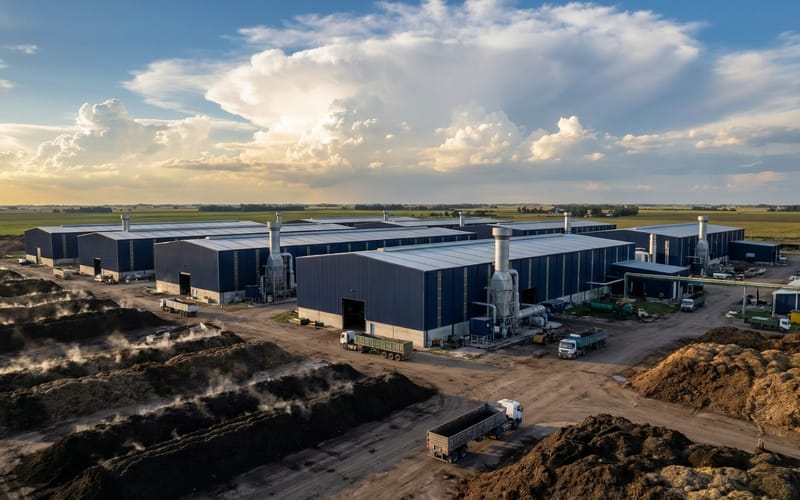
organic fertilizer Plant Design
Based on your unique situation and industrial process, we will tailor complete pellet plant you need, and inform you of every additional detail that could facilitate operation, minimize total cost.
● Manufacturing
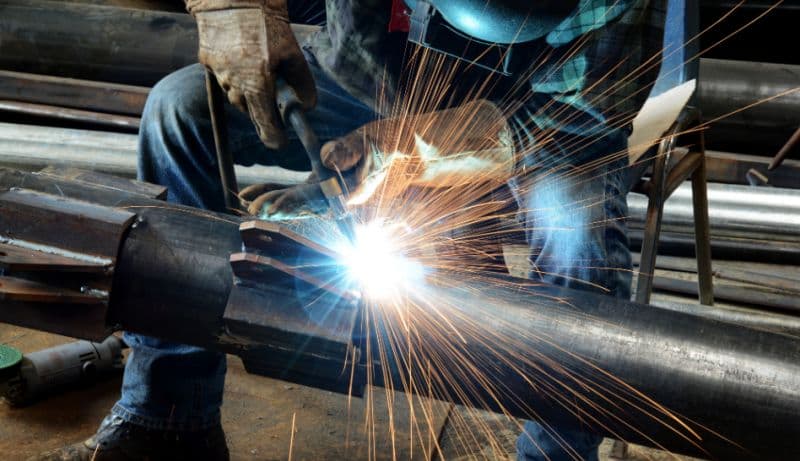
Equipment Manufacturing
The critical components of the of the complete pellet production line equipment are built in our own workshops in Asia. Additional equipment is manufactured by our worldwide network of reliable partners.
● Testing
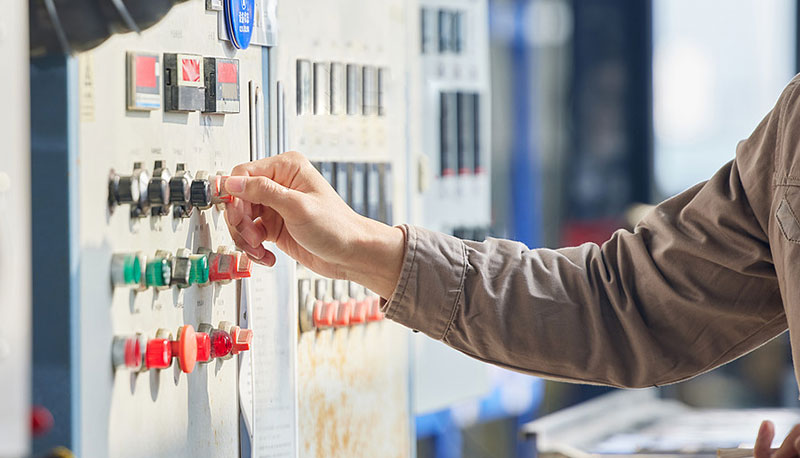
Quality Inspection & Testing
Before leaving the factory, all equipment will be inspected by the quality inspection department. We can also provide customers with testing services from a single machine to a complete pellet plant system, and provide you with real actual data for “worry-free use.”

● Delivery
Equipment Delivery
In equipment boxing and packaging, we adopt professional packaging and modular solutions to ensure the safe and non-destructive delivery of pellet plant equipment.
● Installation
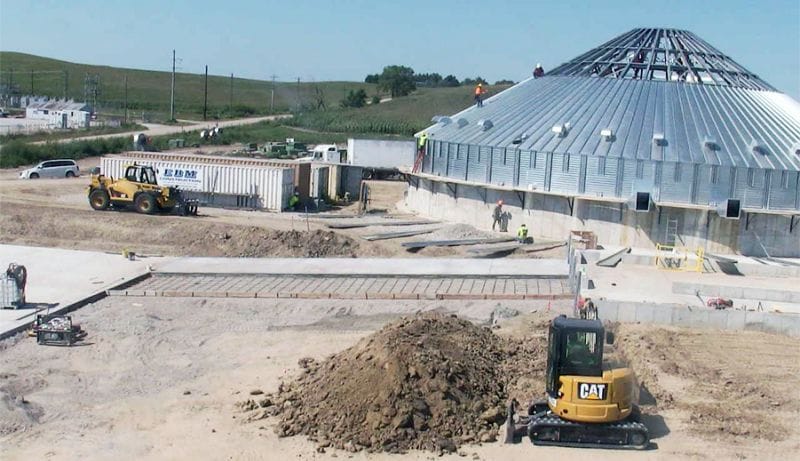
Installation & Commissioning
Whether you choose your own subcontractor for the erection phase or you want to install everything together with us, a Richi supervisor will be around to make sure everything is mounted in a safe and thorough way.

● Training
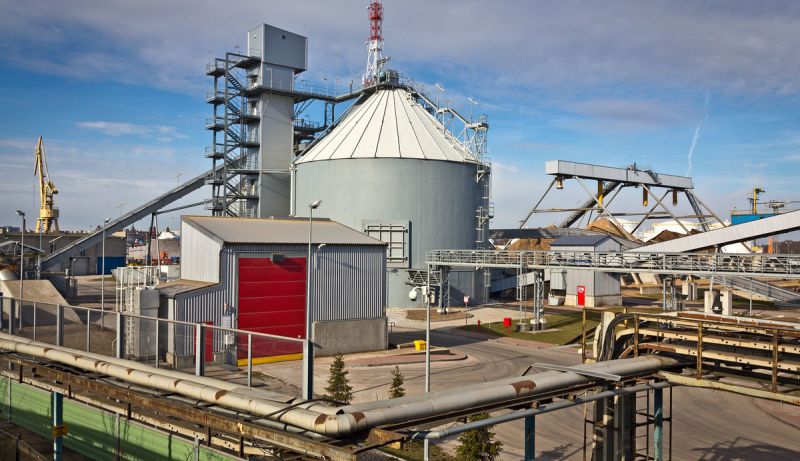
Staff Training
We provide comprehensive training for the technicians of each project. We can also continue to provide support for the technicians during latter project operation.
● After-sales
Project Follow-Up
When everything is up and running our Richiers will help you further whenever needed. We are ready to answer your call 24/7.We’ll also visit you regularly to learn about your needs.
Who we are
RICHI Machinery is one of the world’s leading suppliers of technology and services for the animal feed, aqua feed and pet food industries, also the largest pellet production line manufacturer in China.
Since 1995, RICHI’s vision to build a first-class enterprise, to foster first-class employees, and to make first-class contributions to society has never wavered.
In the past three decades, we have expanded our business to a wide range of areas, including animal feed mill equipment, aqua feed equipment, pet feed equipment, biomass pellet equipment, fertilizer equipment, cat litter equipment, municipal solid waste pellets equipment, etc.

1995
RICHI Established

2000+
Serving More Than 2000 Customers

120+
RICHI Employees

140+
Exported To 140 Countries