 0086-138 3838 9622
Pet Food Processing Line in Poland
RICHI MACHINERY
Project Overview
Back in early 2025, we got an inquiry from a Polish food processing company looking to expand into the pet food market. They had been importing finished pet food from Germany and the Netherlands for years, but with rising logistics costs and growing local demand for premium pet food, they finally decided to set up their own production. The core requirement was a 6t/h pet food processing line that could handle both dry kibble and semi-moist products. After about three months of back-and-forth discussions—going through raw material specs, plant layout options, and equipment configurations—they signed the contract in June.
The project is located in Poznań, western Poland, a region with good access to agricultural raw materials and established logistics infrastructure. The client already had a 5,000m² building on their property (originally used for grain storage), which they decided to convert into the new pet food factory. We helped them redesign the interior layout to fit the entire pet food production line while leaving space for future expansion.
What makes this project interesting is the raw material mix. Unlike many pet food plants that rely heavily on dry grains, this client wanted to incorporate fresh poultry meat (1,170 tons annually) directly into the recipe. That meant we had to include a fresh meat pre-treatment system—something not every pet food processing plant supplier offers as standard.
6T/H
capacity
$1,180,000
investment
Poland
location
Feed
project type
RICHI MACHINERY
Why Poland? Market Context
Poland has one of the fastest-growing pet populations in Central Europe. According to industry data, there are over 8 million dogs and 7 million cats in the country, and Polish pet owners are increasingly switching from economy brands to premium and super-premium products. The domestic pet food market grew by about 12% in 2024 alone, with imports still accounting for nearly 40% of total consumption.
The client saw an opportunity to capture part of that import substitution market. By producing locally, they could offer fresher products with shorter lead times while undercutting imported brands on price. Their target price point is about 15-20% below German premium brands but with comparable or better ingredient quality.
Poland also has strong agricultural sectors—grain production, poultry farming, and meat processing are all well-established. This means raw material supply is reliable and cost-competitive. The client sources corn and碎米 from local farms within 150km, chicken meal and fresh chicken from regional processors, and fish meal from Gdansk port (imported from Norway and Peru).
RICHI MACHINERY
Raw Materials and Formulation
The client’s recipe formulation is what we’d call “mid-premium” — better than basic supermarket kibble but not quite at the veterinary prescription diet level. They’re targeting health-conscious pet owners who read ingredient labels and want high protein content without artificial preservatives.
Here’s the full raw material breakdown for the 6t/h pet food extruder line in Poland:
Main Ingredients (Annual Consumption)
| Raw Material | Annual Quantity (tons) | Function | Source |
|---|---|---|---|
| Corn | 3,770 | Carbohydrate source, structure | Local farms |
| Broken Rice | 3,770 | Digestible carb, kibble texture | Local mills |
| Corn Protein Meal | 2,770 | Protein booster | Domestic |
| Rice Protein Concentrate | 1,265 | Plant protein, hypoallergenic | Imported |
| Fish Meal | 1,265 | Animal protein, palatability | Imported (Peru/Norway) |
| Chicken Meal | 5,465 | Primary animal protein | Regional processors |
| Beet Pulp | 1,170 | Fiber source, digestive health | Domestic |
| Fresh Chicken | 1,170 | Fresh meat inclusion, premium positioning | Local farms |
| Chicken Fat / Fish Oil | 3,770 | Fat coating, energy, omega fatty acids | Mixed sources |
| Premix (vitamins/minerals) | 974 | Nutritional completeness | Imported |
| Amino Acids | 365 | Protein profile optimization | Imported |
| Palatants | 1,265 | Flavor enhancement | Specialized supplier |
Total annual input: 30,019 tons (including ~3,000 tons added water during processing, mostly removed in drying)
Laboratory Chemicals (for QC testing)
| Chemical | Annual Usage |
|---|---|
| Absolute alcohol | 10 liters |
| Methanol | 6 liters |
| Sulfuric acid | 2 liters |
| Sodium hydroxide | 2.5 kg |
| TPC Medium | 5 kg |
| VRBGA Medium | 2.5 kg |
| VRBA Medium | 2.5 kg |
| 75% alcohol | 5 liters |
The lab setup was actually a late addition to the animal feed factory project. During our April site visit, the client mentioned they wanted to do in-house quality control for protein, fat, moisture, and microbiology. We helped them allocate about 80m² on the second floor of the production building for a basic QC lab. Nothing fancy — just the essentials for incoming raw material testing and finished product release.
RICHI MACHINERY
Equipment Configuration
The complete pet feed mill plant includes everything from raw material intake to finished product packaging. Here’s the full equipment list:
| System / Equipment | Quantity | Notes |
|---|---|---|
| Raw material receiving system | 1 set | Includes intake pit, hopper, and bucket elevator |
| Fresh meat pre-treatment system | 1 set | Meat grinder, mixing tank, transfer pump |
| Primary grinding system | 1 set | Hammer mill with 1.5mm and 2.5mm screens |
| Batching system | 1 set | 12-bin配料仓, computerized scale |
| Mixing system | 1 set | Double shaft paddle mixer, 1,000kg/batch |
| Secondary grinding system | 1 set | Fine hammer mill for regrind |
| Pet food extruder machine | 1 unit | 7.2 t/h capacity, twin-screw wet extruder |
| Pet food dryer | 1 unit | Belt type, 80-90°C |
| Dryer | 1 unit | Multi-pass belt dryer, direct gas-fired |
| Coating system | 1 set | Vacuum coating for fats and oils |
| Air compressor system | 1 set | Screw type, for pneumatic controls |
| Boiler and steam system | 1 set | 5 t/h gas boiler, with water softener and RO system |
| Packaging system | 1 set | Vertical form-fill-seal, 5-20kg bags |
| Dust collection system | 7 units | Pulse jet bag filters at key dust points |
| Odor control system | 2 units | Pre-scrubber + biofilter for dryer exhaust |
Critical capacity note: The extruder is rated at 7.2 t/h, but the downstream dryer and coating systems are the real bottlenecks. We designed the pet food extruder line for sustained 6 t/h output with capacity spikes up to 7 t/h. The client runs 16 hours/day, two shifts, 300 days/year — actual throughput is about 28,800-30,000 tons annually depending on formula changes and maintenance downtime.
RICHI MACHINERY
Utilities and Consumption
The client had existing utilities in the building, but we needed to upgrade almost everything for the pet food pelleting line demands:
| Utility | Annual Consumption | Notes |
|---|---|---|
| Water | 10,766 tons | City supply, treated on-site |
| Electricity | 9.59 million kWh | 3-phase, 400V, upgraded from 400kVA to 1,200kVA |
| Natural gas | 1 million m³ | For dryer and boiler |
| Soft water production | 5 t/h capacity | Ion exchange system |
| RO water production | 2 t/h capacity | For CIP cleaning |
Water balance breakdown:
- Softener make-up for boiler: ~3,500 t/year
- RO water for CIP cleaning: ~1,200 t/year
- Process water (steam injection, hydration): ~3,000 t/year
- Wet cleaning: ~1,500 t/year
- Laboratory and domestic: ~1,500 t/year
- Total discharge to treatment: ~6,809 t/year
The wastewater treatment system we installed includes grease trap, DAF (dissolved air flotation), MBR bioreactor, and advanced oxidation. Polish environmental regulations are strict — discharge limits for pet food plants are actually tighter than EU averages. The MBR system was probably overkill for their load, but we convinced the client it’s better to overspec now than face fines later.
RICHI MACHINERY
Plant Layout and Building Details
The client’s existing building needed significant modifications. Here’s what we started with versus what we designed:
Original building: 5,000m² single-story grain storage with 8m ceiling height. Not ideal for a multi-level pet food manufacturing plant.
Modified layout:
| Area | Dimensions | Height | Use |
|---|---|---|---|
| Production building (new construction) | 13,338 m² (5 floors) | 34.1 m | Main processing: grinding through coating |
| Raw material warehouse (existing conversion) | 2,901 m² (1 floor) | 9.06 m | Grain storage, intake pit |
| Auxiliary building (new) | 663 m² (2 floors) | 10.9 m | Maintenance shop, break room, lab |
| Additive warehouse (new) | 863 m² (1 floor) | 9.06 m | Premix, amino acids, small-bag ingredients |
| Oil tank farm (outdoor) | 3 tanks x 40 m³ | — | Chicken fat and fish oil storage |
| Wastewater treatment | Outdoor concrete basins | — | On-site treatment prior to municipal discharge |
Spatial considerations we had to solve:
The original building had no basement, but we needed an underground tunnel for the intake conveyor (to keep dust contained and allow gravity feeding). So we excavated a 5m deep, 406m² underground passage under the new production building. That added about €150,000 to civil works but was absolutely necessary for a clean operation.
The 34m height of the main building was driven by gravity flow requirements. We stacked operations:
- Ground floor: Intake, grinding, batching scale
- 2nd floor: Mixing, secondary grinding
- 3rd floor: Twin screw Extruder, mesh belt dryer
- 4th floor: Dryer, coating
- 5th floor: Finished product bins, packaging
This vertical arrangement means material moves mostly by gravity — less conveying equipment, less dust generation, lower energy consumption.
RICHI MACHINERY
Detailed Process Flow
Let me walk you through the pet food pelletizing line step by step. This is exactly how it runs in Poznań:
Stage 1: Raw Material Intake
We installed separate intake lines for different material types:
- Granular materials (corn, broken rice): Bottom-dump trucks discharge into a 30m³ receiving pit. The pit has a 15m screw conveyor running at variable speed. Dust is pulled from under the grate by a 7.5kW fan through a cyclone + bag filter combo. Discharge is through a rotary airlock into the bucket elevator.
- Powder materials (corn protein, rice protein, fish meal, chicken meal): Same pit but with tighter grating (50mm vs 100mm for grains) and higher suction airflow. Powders want to fly everywhere — we learned that the hard way on previous jobs.
- Fresh meat: This comes in 200kg frozen blocks on pallets. Workers thaw blocks overnight in a 128m² cold room (4°C), then dump into a hopper feeding a meat grinder. Ground meat (about 12mm particle size) is pumped directly into the pre-conditioner.
Stage 2: Primary Grinding
Corn and rice go through the first hammer mill. Screen size is 2.5mm for corn (harder), 1.8mm for rice (brittle). Target particle size is ≤600 microns for extrusion. The mill runs at 2,900 RPM, takes about 110kW. We installed sound insulation around the mill enclosure — without it, the control room 20m away measured 92dB.
The mill discharges into a drag conveyor feeding eight storage bins (150 tons total capacity). Each bin has high and low level sensors tied to the PLC.
Stage 3: Batching and Mixing
The client uses a computerized batching system with 12 batching bins. Each bin has a variable-speed screw feeder underneath. The scale hopper sits on four load cells (HBM, 0.05% accuracy).
Batch sequence:
- Scale tares (about 3 seconds)
- Major ingredients (corn, rice) feed at high speed down to within 20kg of target
- Feeder switches to dribble speed for final 20kg
- Minor ingredients (protein meals) feed
- Micro ingredients (premix, amino acids) are manually added via a separate small-scale station
Total batch time: about 180 seconds for 1,000kg. That gives us ~20 batches per hour or 20 tons/hour theoretical — more than enough for the 6 t/h extruder.
The feed mixer machine is a double-shaft paddle type (2.2m³ working capacity). Mix time is 90 seconds for complete homogenization. We validated this with tracer tests — blue dye distribution had CV <5% after 75 seconds, so 90 seconds is conservative.
Stage 4: Secondary Grinding
After mixing, about 40% of the batch goes through a second hammer mill. Why not grind everything before mixing? Because fats and fresh meat would clog the screens. The sequence is:
- Dry ingredients (grains, protein meals) → grind → mix → regrind
- Wet ingredients (fresh meat, fats) → added only after regrind
The secondary mill uses a 1.2mm screen. This produces flour-like consistency (200-300 microns) which is critical for proper starch gelatinization in the extruder.
Stage 5: Extrusion (The Heart of the Line)
The animal feed extruder is a twin-screw, wet-type machine. Key parameters:
| Parameter | Set Point | Range |
|---|---|---|
| Screw speed | 480 rpm | 300-600 rpm |
| Barrel temperature (zone 1-4) | 110-130°C | 100-150°C |
| Steam injection | 12% of dry matter | 8-18% |
| Water injection | 8% of dry matter | 5-12% |
| Die plate | 4mm holes | 3-8mm interchangeable |
| Knife speed | 800 rpm | 500-1,200 rpm |
The twin-screw configuration is essential for the fresh meat inclusion. Single-screw extruders struggle with high-fat, high-moisture mixes — the slip between screw and barrel kills conveyance. Twin-screws self-wipe and handle up to 30% fat in the recipe.
Residence time in the extruder is about 20-25 seconds. That’s enough to:
- Gelatinize starch (measured by DSC, target >85% gelatinization)
- Denature proteins
- Kill pathogens (Salmonella, E. coli — validated with spore strips)
- Expand the kibble (density drops from 600kg/m³ to 320kg/m³)
Stage 6: Drying
The wet kibble exits the extruder at about 28% moisture. Final product needs to be ≤10% for shelf stability. That means removing 18% moisture or 180kg of water per ton of product.
We installed a three-pass animal feed dryer:
- Zone 1 (pre-dry): 80°C, 15 minutes, removes surface moisture
- Zone 2 (main dry): 95°C, 25 minutes, bulk moisture removal
- Zone 3 (finish): 85°C, 10 minutes, equalization
The dryer is direct gas-fired — meaning combustion products (CO2, H2O, trace NOx) mix with the drying air. This is legal in Poland (and most of EU) for animal feed as long as combustion is clean. We installed a modulating burner with excess O2 control to keep CO below 50ppm.
Stage 7: Coating and Cooling
After drying, kibble passes through a grading screen to remove fines (undersize) and oversize clumps. Acceptable range is 8-15mm diameter.
The coating system is a vacuum batch coater. Here’s why vacuum:
- Dry kibble absorbs fat only on the surface without vacuum
- Vacuum pulls air out of kibble pores
- When vacuum releases, fat is sucked deep into the kibble
- Result: 30% fat coating without greasy surface
Process cycle (6 minutes per 1,000kg):
- Load kibble into coater drum
- Pull vacuum to -0.8 bar (45 seconds)
- Spray liquid fat (chicken fat or fish oil) through nozzles (90 seconds)
- Hold vacuum for 120 seconds for penetration
- Release vacuum, discharge to cooler
The cooler is a counterflow air type: kibble moves down, ambient air moves up. Residence time 12 minutes, outlet temperature ≤15°C above ambient. Hot kibble going into bags = condensation = mold = very unhappy customer.
Stage 8: Packaging
Finished product is stored in twelve 15-ton bins (stainless steel, cone bottom). Packaging line includes:
- Bagging scale: 5-20kg range, ±50g accuracy
- FFS machine: Vertical form-fill-seal, 25 bags/minute
- Palletizer: Semi-automatic (manual bag placement, auto stacking)
The client runs about 6,000 bags per day (average 15kg bag size). Three packaging lines run simultaneously during peak shifts.
RICHI MACHINERY
Environmental Controls
Poland enforces EU industrial emissions standards (IED). For the pet food processing line in Poland of this size, the key requirements are:
Air emissions:
| Parameter | Limit (mg/m³) | Our achieved |
|---|---|---|
| Particulate (all sources) | 20 | 8.4 |
| Total VOCs | 150 | 47 |
| Odor (OU/m³ at property line) | 500 | 320 |
| NOx (dryer/gas boiler) | 200 | 112 |
Wastewater:
The client’s wastewater treatment system (MBR + AOP) discharges to municipal sewer. Limits:
| Parameter | Limit | Our effluent |
|---|---|---|
| COD | 800 mg/L | 312 |
| BOD5 | 400 mg/L | 98 |
| TSS | 350 mg/L | 42 |
| Fat/oil | 100 mg/L | 22 |
| pH | 6.5-9.5 | 7.2 |
Solid waste:
- Clean screenings (dust, fines): ~9 tons/year → sold to biogas plant
- Rejected product: ~10 tons/year → sent to anaerobic digestion
- Spent biofilter media: ~15 tons/year → composted on-site
- Lab chemical waste: ~0.5 tons/year → hazardous waste contractor
RICHI MACHINERY
Project Timeline
| Date | Milestone |
|---|---|
| March 12, 2025 | Initial inquiry through website contact form |
| March 18 | First video call: discussed capacity, raw materials, budget range |
| April 2 | Client visited our Qingdao factory — saw similar line running |
| April 10 | Sent preliminary layout and equipment list |
| April 20 | Site visit to Poznań — measured existing building, reviewed utilities |
| May 5 | Finalized process flow and civil requirements |
| May 15 | Signed technical proposal |
| June 8 | Signed commercial contract (30% deposit) |
| July 15 | Equipment manufacturing completed |
| August 1 | Shipped from Qingdao port |
| August 22 | Arrived Gdansk port (Poland) |
| September 10 | Installation started (our team of 6 engineers) |
| November 5 | Mechanical completion |
| November 15 | First batch produced |
| December 1 | Performance test passed (6.2 t/h sustained) |
| December 15 | Final acceptance signed |
RICHI MACHINERY
What Made This Project Challenging
I’m not going to pretend everything went perfectly. A few problems came up:
Fresh meat handling: The client’s initial plan was to receive fresh chicken daily. But their local supplier couldn’t guarantee daily delivery in winter (road conditions). We had to add a 64m² freezer (-18°C) and train staff on thaw protocols. This added 3 weeks to the schedule.
Odor complaints: Even with the biofilter, neighbors 500m downwind complained during startup. We underestimated the odor load during dryer warm-up and cool-down cycles. The fix was adding a recirculation loop that sends off-spec exhaust back through the biofilter instead of to the stack. Cost €25k and 2 weeks.
Gas pressure: The local gas network didn’t have enough pressure for both the dryer and boiler at full load. We had to install a gas booster (another €18k). In hindsight, should have checked pressure at the meter during the site visit instead of trusting the utility’s published specs.
Operator training: The client’s operators had experience with fish feed extruders (single-screw, dry type). Moving to twin-screw wet extrusion required retraining on steam injection control and die plate changes. We ended up extending on-site training from 1 week to 3 weeks.
RICHI MACHINERY
Investment and Returns
Equipment cost (FOB Qingdao): $1,180,000 USD
Additional costs:
| Item | Cost (USD) |
|---|---|
| Shipping (Qingdao to Gdansk) | $45,000 |
| Customs clearance (Poland) | $22,000 |
| Installation supervision (our team) | $38,000 |
| Civil works (building modifications) | $210,000 |
| Utility upgrades (gas, electric, water) | $95,000 |
| Wastewater treatment system | $120,000 |
| Odor control system | $68,000 |
| Lab equipment | $35,000 |
| Training and documentation | $15,000 |
Total project cost: ~$1,828,000 USD
RICHI MACHINERY
Why This Type of Project Makes Sense in Poland
Poland isn’t the first place people think of for pet food production. But here’s why it works:
Market dynamics: Polish pet owners are trading up. The economy has grown consistently for 30 years. Disposable income is rising. People spend more on their pets. The premium segment grew 18% in 2024, compared to 4% for economy brands.
Export potential: Poland is in the EU. From Poznań, the client can truck finished product to Germany (2 days), Czech Republic (1 day), Slovakia (1 day), and even Ukraine (3 days with border clearance). They’re already talking to distributors in Berlin and Prague.
Raw material access: Poland is a major grain producer (corn, wheat, rye) and has a large poultry industry (chicken meal is abundant). Fish meal comes through Gdansk port — one of the busiest in the Baltic. Logistics costs are low.
Labor costs: Polish manufacturing wages are about €12-15/hour for skilled operators. Compare to Germany (€25-30) or France (€22-28). Labor is skilled and reliable — the Polish technical education system produces good industrial workers.
Regulatory environment: EU rules apply, but Polish enforcement has historically been… pragmatic. Not lax, but reasonable. The environmental permitting process took 4 months — faster than Italy (8-12 months) but slower than Hungary (2-3 months).
RICHI MACHINERY
A Few Things We Learned
If you’re thinking about a similar project, here’s practical advice based on this installation:
Don’t underestimate the dryer. Every client asks about the extruder first. But the dryer determines your real capacity. Oversize it by at least 20%.
Fresh meat sounds great on marketing material but is operationally hard. Unless you have a guaranteed daily supply and dedicated cold chain, start with dry meat meals. Add fresh meat in phase two.
Budget for odor control like you mean it. We thought the biofilter was enough. It wasn’t. The pre-scrubber + biofilter combination works, but if we did it again, we’d add a UV oxidation stage as backup.
Polish winters are cold. Outdoor equipment (tanks, piping, compressed air dryers) froze during commissioning in November. We had to wrap everything in heat trace tape. Add “winterization” to your scope if you’re installing in Central Europe between October and March.
The client’s operators will find new ways to break things. Our training program covered normal operation and basic troubleshooting. But we didn’t cover “what happens if someone opens the extruder die plate while the screws are still turning” (someone did). Add an extra week of safety training.
RICHI MACHINERY
Why We Got This Contract
The client talked to three other suppliers before us:
- A German company (very expensive, long lead time)
- An Italian company (cheaper but wouldn’t customize the meat pre-treatment)
- A Turkish company (lowest price but no references in EU)
We won because:
- We’ve done this before. Our engineering team has installed pet food lines in 15+ countries. We brought photos and performance data from similar projects.
- We customized, not just sold standard equipment. The fresh meat system? We designed that around their specific supplier situation, not our standard catalog.
- We showed up. Our project manager flew to Poznań twice during the bidding phase. The Italian rep only did video calls.
- Reasonable price, not bargain basement. We were 15% above the Turkish quote but 30% below German. The client saw value in that middle position.
What we offer isn’t just boxes of steel shipped in a container. We offer process design, layout optimization, installation supervision, operator training, and spare parts support for the life of the line. We’ve seen what works and what fails. We’ll tell you honestly if your raw material mix or site constraints will cause problems.
RICHI MACHINERY
Considering a Pet Food Production Project?
Here’s what I’d recommend:
First, evaluate your raw material supply honestly. Do you have consistent access to high-quality protein meals? Can you handle fresh or frozen meat if you want to go premium? Your ingredient strategy dictates 80% of the equipment choices.
Second, visit a working plant. Not a showroom — an actual production floor running similar recipes. See the dust, hear the noise, smell the exhaust. Pet food manufacturing is not clean or quiet. Know what you’re getting into.
Third, talk to us early. We don’t charge for preliminary consulting. Send us your raw material specs, target capacity, and site information. We’ll send back a realistic cost estimate and process flow — no obligation.
Fourth, plan for the first six months to be rough. Every new line has teething problems. Expect 70-80% of rated capacity for the first 90 days. Budget for extra training, extra spare parts, and extra patience.
RICHI MACHINERY
Final Thoughts
This pet food processing line in Poland project is now running at 6.2-6.5 t/h consistently, producing about 95 tons per shift. The client has already started discussions about Phase 2 — adding a second extruder to reach 12 t/h total capacity.
The pet food market in Central and Eastern Europe isn’t saturated yet. There’s room for regional producers who can deliver quality products without the logistics overhead of shipping from Western Europe. If you’re in Poland, Czech Republic, Slovakia, Hungary, or even Ukraine and thinking about entering this market — the timing is good.
We’ve built the plant in Poznań. We can build one for you too.
Interested in discussing your project? Contact our sales engineering team with your raw material list and target capacity. We’ll respond with a preliminary process flow and budget estimate within 2 business days.
RICHI Machinery – Pet food processing lines from 0.3 t/h to 60 t/h. Installation support available worldwide. Spare parts stocked in Europe, Asia, and Americas.
● RICHI MACHINERY
RICHI Service

● Consulting
Customer Consultation
We want to have a deep understanding of your industrial process, to know your exact needs of feed, wood, biomass, fertilizer or other pellet processing.

● Design
Feed Pellet Plant Design
Based on your unique situation and industrial process, we will tailor complete pellet plant you need, and inform you of every additional detail that could facilitate operation, minimize total cost.
● Manufacturing
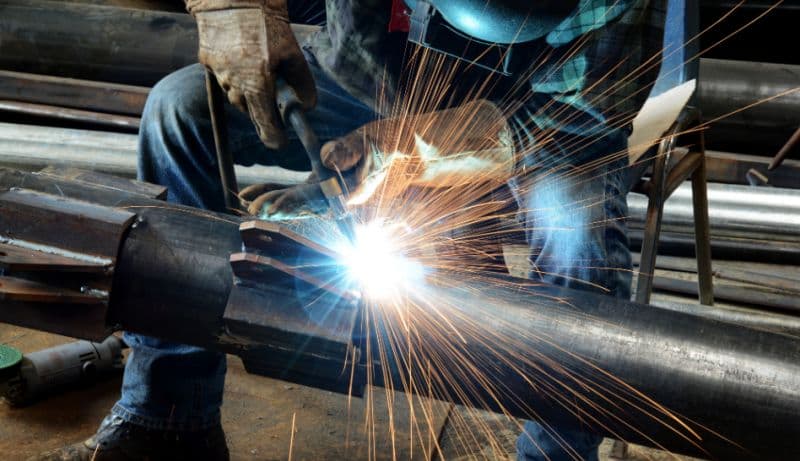
Equipment Manufacturing
The critical components of the of the complete pellet production line equipment are built in our own workshops in Asia. Additional equipment is manufactured by our worldwide network of reliable partners.
● Testing
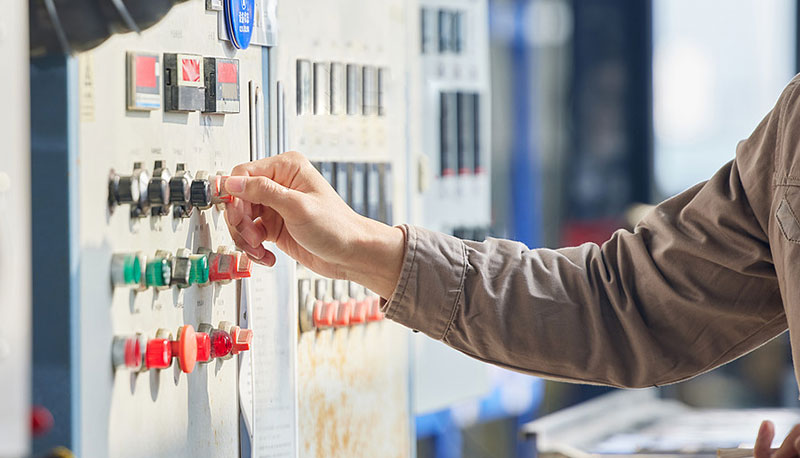
Quality Inspection & Testing
Before leaving the factory, all equipment will be inspected by the quality inspection department. We can also provide customers with testing services from a single machine to a complete pellet plant system, and provide you with real actual data for “worry-free use.”
● Delivery
Equipment Delivery
In equipment boxing and packaging, we adopt professional packaging and modular solutions to ensure the safe and non-destructive delivery of pellet plant equipment.
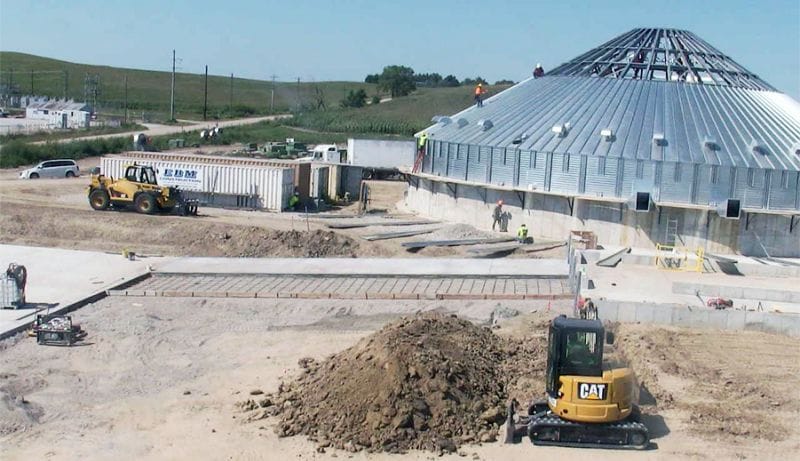
● Installation
Installation & Commissioning
Whether you choose your own subcontractor for the erection phase or you want to install everything together with us, a Richi supervisor will be around to make sure everything is mounted in a safe and thorough way.

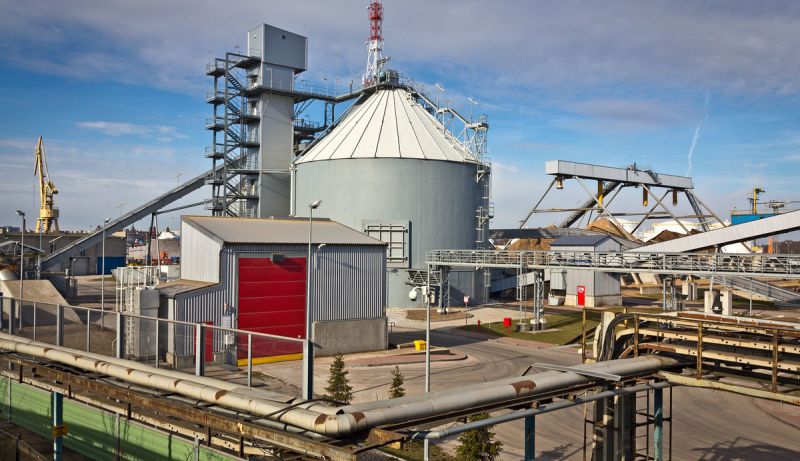
● Training
Staff Training
We provide comprehensive training for the technicians of each project. We can also continue to provide support for the technicians during latter project operation.
● After-sales
Project Follow-Up
When everything is up and running our Richiers will help you further whenever needed. We are ready to answer your call 24/7.We’ll also visit you regularly to learn about your needs.
Who we are
RICHI Machinery is one of the world’s leading suppliers of technology and services for the animal feed, aqua feed and pet food industries, also the largest pellet production line manufacturer in China.
Since 1995, RICHI’s vision to build a first-class enterprise, to foster first-class employees, and to make first-class contributions to society has never wavered.
In the past three decades, we have expanded our business to a wide range of areas, including animal feed mill equipment, aqua feed equipment, pet feed equipment, biomass pellet equipment, fertilizer equipment, cat litter equipment, municipal solid waste pellets equipment, etc.

1995
RICHI Established

2000+
Serving More Than 2000 Customers

120+
RICHI Employees

140+
Exported To 140 Countries