 0086-138 3838 9622
Maize Based Poultry Feed Production Line in Ghana
RICHI MACHINERY
overview
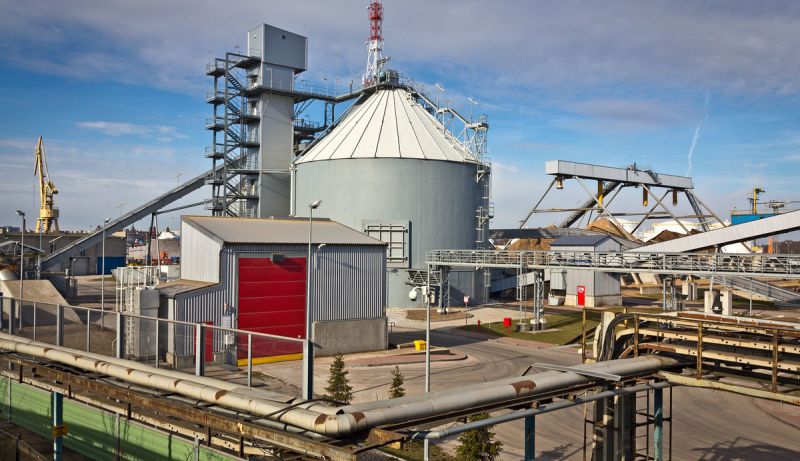
“Maize Based Poultry Feed Production Line in Ghana” represents a successful transformation from a small, outdated feed milling setup into a modern, high-capacity production system. Located in Tema, the project utilizes an existing 4,300 m² facility and upgrades it from a 5–8 t/h inconsistent operation to a fully engineered 30 t/h maize-based feed line.
Due to the building’s limited height (6.5 meters), a conventional multi-level design was not feasible, so a compact horizontal layout with optimized conveyors and low-profile structures was adopted.
Equipped with dual animal feed pellet mills and advanced conditioning systems, the plant achieves stable output and high pellet quality. With a total investment of حوالي $2.6 million, the project delivers strong production performance, currently reaching 27–28 t/h and positioning the client for rapid market expansion.
From a market perspective, the project aligns perfectly with Ghana’s fast-growing poultry industry and increasing demand for locally produced feed. By leveraging abundant domestic maize resources and government support for agricultural self-sufficiency, the client can produce high-quality poultry feed at costs 15% lower than imported alternatives.
The poultry feed production line is designed to produce both broiler and layer feed with flexible formulations, ensuring consistent pellet durability and nutritional quality. Since commissioning, the upgraded facility has significantly improved product reliability, regained lost customers, and secured supply agreements with large poultry farms.
With an estimated payback period of around 22 months, the project demonstrates strong profitability and long-term scalability in West Africa’s feed market.
30T/H
capacity
$890,000
investment
Ghana
location
Feed
project type
RICHI MACHINERY
How This Project Started
The client owns a medium-sized feed milling operation in Tema, about 30 kilometers east of Accra. They had been running a small line—maybe 5–8 tons per hour—using old hammer mills and a second-hand mixer. Production was inconsistent, and they were losing customers because pellet durability was poor.
In January 2024, their production manager called us. Not through a fancy inquiry form—just a WhatsApp message: “We have a 4,300 m² building. We want 30 tons per hour. Maize based. Can you fit it?”
That was the whole brief.
We asked for photos of the building. Low ceiling—only 6.5 meters at the highest point. That immediately ruled out a multi-floor tower design. So we had to think differently. Horizontal conveyors instead of tall bucket elevators. Low-profile bins. Compact layout.
Three months of back-and-forth later, they signed the contract. By then, we had a full feed mill engineering package tailored to that specific building.
RICHI MACHINERY
Why Ghana? The Market Logic
Ghana’s poultry industry has grown fast—about 8–10% annually over the last five years. But here’s the problem: most feed is still imported from Europe or South Africa, or produced by small mills with outdated technology. The country produces plenty of maize (around 3.5 million tons per year), but a lot of it goes into human consumption or is wasted due to poor storage.
The government has been pushing for self-sufficiency in poultry feed through the Planting for Food and Jobs program. There are tax breaks for locally produced feed. So the timing was right.
This client saw an opportunity: produce high-quality broiler feed at a price 15% lower than imported brands, using locally grown maize. Their break-even calculation showed 18 months at 70% capacity. Aggressive, but possible.
RICHI MACHINERY
What They Wanted to Produce
The client needed two main feed types from the same 30t/h maize based poultry animal feed production line:
| Feed Type | Annual Output (tons) | Pellet Size | Target Birds |
|---|---|---|---|
| Broiler starter/finisher | 140,000 | 2.0–3.5 mm | Day-old to 6 weeks |
| Layer feed | 60,000 | 3.0–4.0 mm | Laying hens |
Both required consistent pellet hardness (above 90% durability by Holmen tester) and proper steam conditioning. The broiler feed needed higher energy density—so more maize and oil. The layer feed needed more calcium and larger particles for grit.
RICHI MACHINERY
Raw Materials – Sourcing in Ghana
This is where things got interesting. Ghanaian maize is not the same as Brazilian or Ukrainian maize. It tends to have higher fiber content (about 3–4% vs 2% in imported maize) and variable moisture—anywhere from 12% to 18% depending on harvest season and storage conditions.
Here’s the client’s raw material list and actual usage:
| Raw Material | Annual Usage (tons) | Form | Local Source |
|---|---|---|---|
| Maize | 120,000 | Grain (bulk) | Volta, Brong-Ahafo regions |
| Soybean meal | 40,000 | Powder (bulk) | Imported via Tema port |
| Wheat bran | 10,000 | Flaky (bagged) | Local flour mills |
| Wheat middlings | 10,000 | Powder (bagged) | Local flour mills |
| Rice bran | 10,000 | Flaky (bagged) | Rice mills in Northern Region |
| Premix (vitamins, minerals) | 10,000 | Powder (bagged) | Imported |
The maize supply was the biggest variable. We recommended they install a moisture meter at the intake pit and blend wetter maize with drier batches before grinding. Simple, but effective.
One thing the client initially forgot: mycotoxin risk. Ghana’s humid climate means aflatoxin can be a problem in stored maize. We added a mycotoxin binder injector in the mixer—cheap insurance. They later thanked us for that.
RICHI MACHINERY
Equipment List – What We Actually Supplied
We didn’t just ship a standard line. We modified the layout to fit their existing building. Here’s the final poultry feed mill equipment set (no model numbers—just what matters):
| Section | Equipment | Quantity |
| Receiving & Cleaning | Receiving pit with grate | 2 units |
| Pulse bag filter (dust control) | 2 units | |
| Bucket elevator | 2 units | |
| Grain pre-cleaner (drum type) | 1 unit | |
| Powder pre-cleaner (sieve type) | 1 unit | |
| Permanent magnetic drum | 2 units | |
| Rotary distributor | 1 unit | |
| Grinding | Hammer mill (coarse, 75 kW) | 1 unit |
| Ultra-fine hammer mill (110 kW) | 1 unit | |
| Pulse filters for both mills | 2 units | |
| Horizontal screw conveyors | 3 units | |
| Batching & Mixing | Overhead bins (total 150 m鲁) | 1 set |
| Screw feeders (various sizes) | 10 units | |
| Batch scale (20 tons/batch) | 1 unit | |
| Batch scale (10 tons/batch) | 1 unit | |
| Conditioning & Pelleting | Surge bins for pelleting | 2 units |
| Long-term conditioner (4m length) | 4 units | |
| Pellet mill (main line) | 2 units | |
| Counterflow cooler | 1 unit | |
| Grading sieve | 1 unit | |
| Bagging | Finished product bins | 2 units |
| Bagging scale with sewn closure | 1 unit |
The two hammer mill feed grinders gave them flexibility. The coarse mill (75 kW) handles most of the maize. The fine mill (110 kW) runs soybean meal and premix when they need finer particles for starter feed. They don’t run both at the same time—that would exceed their power supply.
RICHI MACHINERY
The Building Challenge – Making 30 t/h Fit in 4,300 m²
This was the hardest part. The client’s building was a single-story structure, originally built for rabbit farming (of all things). Ceiling height was only 6.5 meters. A normal 30t/h maize based poultry feed production line needs at least 12–15 meters of vertical height for gravity flow.
We couldn’t change the building. So we changed the flow.
Instead of tall bins feeding mixers by gravity, we used horizontal screw conveyors and bucket elevators in a zigzag pattern. The mixer is on a raised platform (1.5 meters high), not a full floor above. The pellet mill sits on a separate steel structure outside the main building—connected by a short conveyor.
We also moved the boiler outside. That freed up floor space inside. The cooler and sieve are on ground level, with finished product bins raised just enough to clear the bagging scale.
The client’s site manager joked during installation: “I didn’t think you could fit all this in here without knocking down a wall.” Neither did we, honestly. But it worked.
RICHI MACHINERY
Process Flow – How the Line Actually Runs
Let me walk you through the real sequence, not a diagram.
Step 1 – Intake and pre-cleaning
Trucks dump maize into the receiving pit. A grate catches corn cobs and stones. The bucket elevator lifts it to the drum pre-cleaner. That removes husks, broken kernels, and fine dust. The dust goes to a pulse bag filter (captured material goes back into the line).
Metal contamination: The permanent magnetic drum catches stray nails and wire. We’ve seen too many hammer mills damaged by metal. Not on this line.
Step 2 – Grinding
Clean maize drops into the coarse hammer mill. Target particle size: 600–800 microns for broiler feed. For layer feed, they use a slightly coarser grind (1,000–1,200 microns) to improve gizzard function.
Dust control: Each mill has its own pulse filter. The collected fines go back into the same material stream—zero waste.
Step 3 – Batching
Ground maize, soybean meal, wheat bran, and premix are weighed automatically into the two batch scales. The 20-ton scale handles the bulk ingredients (maize, soybean meal). The 10-ton scale handles the smaller additions (premix, minerals).
Sequencing: The PLC weighs maize first (largest volume), then soybean meal, then bran, then premix. Total cycle time: 4 minutes per batch.
Step 4 – Mixing
The weighed batch drops into the ribbon mixer. Mix time: 3 minutes. Target CV (coefficient of variation) below 5%. We tested this during commissioning—the client’s lab got 4.2% on the first run. Good enough.
Step 5 – Conditioning and pelleting
Mixed mash goes into the long-term conditioner. Steam from the boiler (2 t/h, biomass-fired) is injected at 85–90°C, raising mash moisture to 17–18%. Retention time: about 90 seconds. This gelatinizes starch and kills Salmonella.
Then into the poultry feed pellet making machine. Die size: 3.0 mm for broiler feed, 3.5 mm for layers. Production rate: 15 tons per hour per mill (two mills running = 30 t/h).
Steam quality issue: During the first week, we noticed the pellets were cracking. Traced it to wet steam—the boiler was carryover moisture. We added a steam trap and separator before the conditioner. Problem solved.
Step 6 – Cooling
Hot pellets (70–80°C) drop into the counterflow cooler. Ambient air is pulled upward through the pellet bed. Cooling time: 6–8 minutes. Exit temperature: within 5°C of room temperature. Moisture drops from 17% to 11–12%.
Step 7 – Grading and bagging
Pellets pass through a two-deck grading sieve. Oversize pellets go back to the grinder. Fines go back to the mixer. Correct-size pellets drop into the finished product bins. The bagging scale fills 25 kg or 50 kg woven bags, which are then sewn closed.
RICHI MACHINERY
Utilities – What It Actually Consumes
After three months of operation (August to October 2024), the client tracked actual consumption:
| Utility | Daily Use | Annual (300 days) | Notes |
|---|---|---|---|
| Water (total) | 7.1 m³ | 2,272 m³ | Low because no staff housing |
| – Boiler makeup | 3.2 m³/day | 1,024 m³ | Steam loss ~20% |
| – Boiler dust scrubber | 1.6 m³/day | 512 m³ | Recirculated, minimal discharge |
| – Staff (26 people) | 1.3 m³/day | 416 m³ | Toilet + handwashing only |
| – Landscape | 1.0 m³/day | 320 m³ | Dust suppression on roads |
| Power | 24,000 kWh/day | 7.2 million kWh/year | Grid supply, no generator |
| Biomass pellets (boiler fuel) | 1.5 tons/day | 448 tons/year | Made from rice husks locally |
The low water consumption surprised us. But the client doesn’t have staff housing—everyone lives nearby and goes home after shift. That kept the water bill down.
RICHI MACHINERY
Environmental Setup – Simple but Effective
Ghana doesn’t have the same strict emission standards as Europe. But the client wanted to avoid complaints from neighbors (the factory is about 400 meters from a small village). So we installed:
- Pulse bag filters at every dust generation point: intake, grinding, mixing, pelleting, bagging. Collected dust goes back into production.
- Multicyclone + water scrubber on the boiler exhaust. The boiler burns biomass pellets (rice husks), so ash is minimal. The scrubber removes any remaining particulate.
- Septic tank for staff wastewater. The treated effluent is used on the factory’s own landscaping—no discharge to any river.
The client also built a small ash collection shed next to the boiler. Ash from the multicyclone and scrubber is sold to a local farmer as soil conditioner. Not a big revenue stream, but it covers the cost of disposal.
RICHI MACHINERY
What Went Wrong (and How We Fixed It)
Let me be honest. Not everything went smoothly.
Problem 1: The pellet mill dies wore out faster than expected.
After only 1,500 tons, the dies started showing uneven wear. We checked the client’s formula—they were using 15% rice bran, which is abrasive. The standard dies (X46Cr13 steel) weren’t enough. We shipped replacement dies in D2 steel (higher wear resistance) via air freight. Cost more, but lasted 4,000 tons.
Problem 2: The cooler discharge jammed twice.
The counterflow cooler’s rotary valve was undersized for the 30 t/h rate when running fine pellets (2.0 mm). We replaced it with a larger valve (from our stock in the Accra warehouse—yes, we keep parts there). No jams since.
Problem 3: The client’s electrician wired the PLC wrong.
Not our equipment—their local contractor. The emergency stop circuit was reversed. When they hit the E-stop, nothing happened. We sent a video showing how to rewire it. Took them 30 minutes. No harm done, but it was a nervous hour.
RICHI MACHINERY
Staff Training – The Part Most Suppliers Skip
We spent 10 days on-site after commissioning. Two engineers. We trained:
- Shift supervisors on the PLC interface: how to adjust steam flow, change die clearance, and set the cooler speed.
- Maintenance crew on hammer mill screen changes (a 15-minute job when you know the trick), bearing greasing schedules, and how to spot a worn die before it cracks.
- Quality control on moisture testing (using a portable oven) and pellet durability testing (Holmen tumbler).
The client’s production manager told us: “Before your training, we didn’t even know we had to calibrate the moisture meter. We were adding water based on guesswork.” That’s exactly why we do hands-on training.
RICHI MACHINERY
Shipping and Logistics
All poultry feed plant equipment was shipped from Qingdao Port to Tema Port, Ghana. Transit time: about 35–40 days depending on transshipment in Durban or Algeciras.
Tema is a well-equipped port. We packed everything in 40-foot high-cube containers (12 containers total) plus one flat rack for the larger pellet mill components.
The client cleared customs themselves—took 8 days. Their local agent knew the HS codes for feed milling equipment (which have a reduced duty rate under Ghana’s One District One Factory program). That saved them about 5% in import tax.
RICHI MACHINERY
Project Investment – What the Client Actually Paid (USD)
| Item | Cost (USD) | Notes |
|---|---|---|
| Equipment (FOB Qingdao) | $890,000 | Complete line as listed above |
| Sea freight + insurance | $65,000 | Qingdao to Tema |
| Customs duty + local transport | $110,000 | ~10% duty after partial exemption |
| Civil works (modifications to existing building) | $620,000 | Raised platforms, new pits, boiler slab |
| Electrical installation | $180,000 | Panels, cables, transformers |
| Steam piping + insulation | $95,000 | Boiler to conditioners |
| Installation supervision (our team) | $85,000 | Two engineers, 35 days total |
| Training + commissioning | $35,000 | Included in service package |
| Contingency (client’s buffer) | $120,000 | For unexpected local costs |
| Total | ~$2,600,000 |
The client financed this through a combination of a bank loan (60% at 14% interest over 4 years) and an agricultural development grant (40% from a government program for local feed production). Their payback calculation: 22 months at full capacity.
RICHI MACHINERY
What We Would Do Differently Next Time
Looking back:
- Spec the D2 dies from the start. We knew rice bran was abrasive. We should have recommended the harder dies immediately instead of waiting for failure.
- Install a second moisture meter at the cooler discharge. The client only has one at the intake. Having one after the cooler would help them adjust drying time automatically.
- More training on the PLC backup procedure. The client lost a week’s worth of recipes when a power surge corrupted the memory. We now include a USB backup drive in every control panel.
But overall? The poultry feed preparation plant is running at 27–28 tons per hour after six months. Not quite 30 yet, but close. The client is happy. They’ve already started supplying feed to three large poultry farms in the Eastern Region.
RICHI MACHINERY
Why a 30 t/h Maize Based Poultry Feed Production Line Makes Sense in Ghana
Ghana imports about 40% of its poultry feed, mostly from the EU and South Africa. That’s expensive—and unreliable when shipping delays happen. A local line at this scale can undercut imports by 15–20% while offering fresher product.
Also, maize is abundant. Ghana produces 3.5 million tons annually, but post-harvest losses are high (20–30% due to poor drying and storage). A steady buyer like this feed mill encourages farmers to invest in better drying and storage—which benefits everyone.
The government is also serious about reducing import dependency. The National Poultry Development Plan targets 80% local feed production by 2027. That’s a huge opportunity for anyone who gets in early.
And the raw materials are here. Maize, rice bran, wheat bran—all produced locally. Soybean meal is imported, but there’s talk of a local crushing plant in the next two years. If that happens, production costs will drop even further.
RICHI MACHINERY
Thinking About Your Own Project?
Every building is different. Every raw material has its quirks. We don’t copy designs from one poultry feed mill project to another—that’s a recipe for failure.
What we do:
- Ask about your building. Height, floor space, column spacing. We’ve fit 30 t/h lines into spaces where others said it was impossible.
- Test your raw materials. Send us a 5 kg sample of your maize. We’ll run it through our lab mill and tell you the exact particle size distribution and energy requirement.
- Simulate the line. We use CAD and mass balance software to model your entire flow before cutting any steel.
- Train your people. Not just how to push buttons—how to maintain, troubleshoot, and optimize.
We’ve built over 300 feed lines in Africa alone. Ghana is not new to us. We have a service office in Accra with spare parts for hammer mill screens, pellet mill dies, and bearings. Same-day delivery in the Greater Accra region.
So if you’re planning a new feed pellet production line—or upgrading an old one—get in touch. Send us your building dimensions and your target output. We’ll send back a preliminary layout and budget.
● RICHI MACHINERY
RICHI Service

● Consulting
Customer Consultation
We want to have a deep understanding of your industrial process, to know your exact needs of feed, wood, biomass, fertilizer or other pellet processing.

● Design
Feed Pellet Plant Design
Based on your unique situation and industrial process, we will tailor complete pellet plant you need, and inform you of every additional detail that could facilitate operation, minimize total cost.
● Manufacturing
Equipment Manufacturing
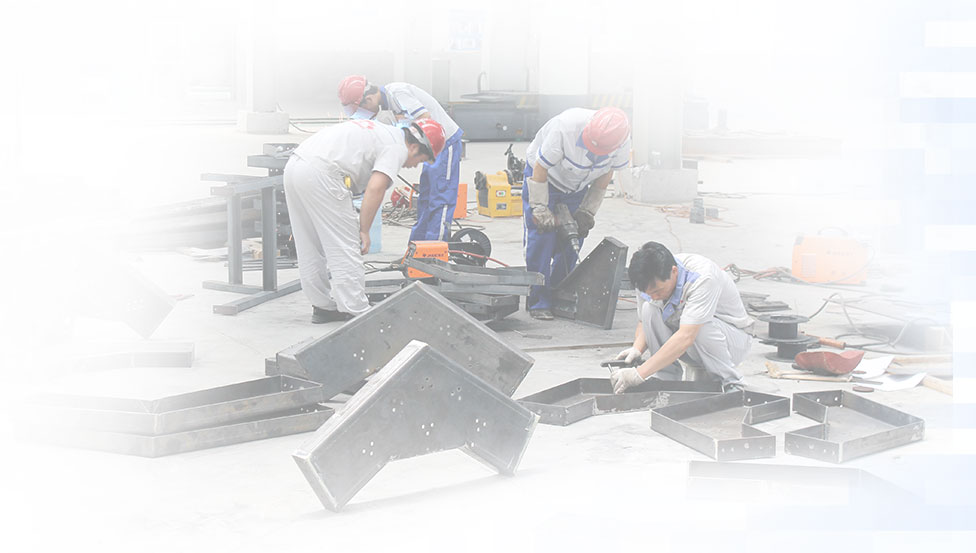
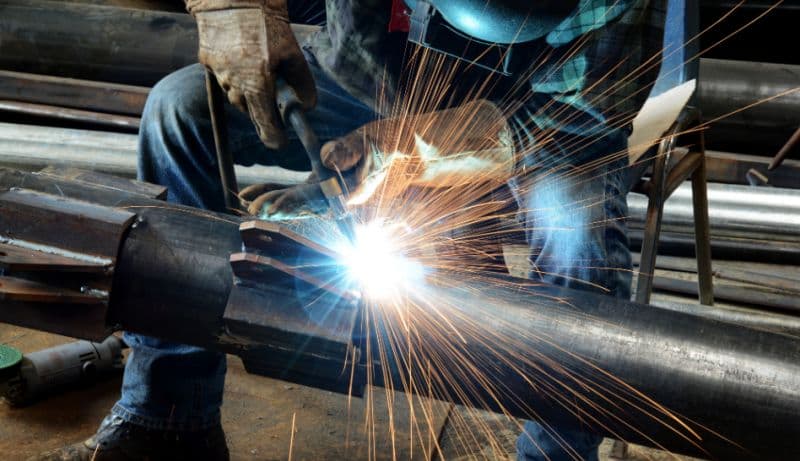
The critical components of the of the complete pellet production line equipment are built in our own workshops in Asia. Additional equipment is manufactured by our worldwide network of reliable partners.

● Testing
Quality Inspection & Testing
Before leaving the factory, all equipment will be inspected by the quality inspection department. We can also provide customers with testing services from a single machine to a complete pellet plant system, and provide you with real actual data for “worry-free use.”

● Delivery
Equipment Delivery
In equipment boxing and packaging, we adopt professional packaging and modular solutions to ensure the safe and non-destructive delivery of pellet plant equipment.
● Installation
Installation & Commissioning
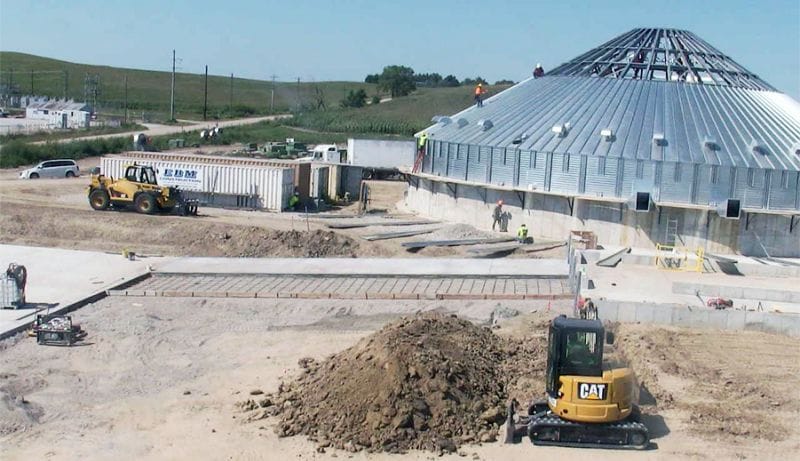
Whether you choose your own subcontractor for the erection phase or you want to install everything together with us, a Richi supervisor will be around to make sure everything is mounted in a safe and thorough way.

● Training
Staff Training
We provide comprehensive training for the technicians of each project. We can also continue to provide support for the technicians during latter project operation.
● After-sales
Project Follow-Up
When everything is up and running our Richiers will help you further whenever needed. We are ready to answer your call 24/7.We’ll also visit you regularly to learn about your needs.
Who we are
RICHI Machinery is one of the world’s leading suppliers of technology and services for the animal feed, aqua feed and pet food industries, also the largest pellet production line manufacturer in China.
Since 1995, RICHI’s vision to build a first-class enterprise, to foster first-class employees, and to make first-class contributions to society has never wavered.
In the past three decades, we have expanded our business to a wide range of areas, including animal feed mill equipment, aqua feed equipment, pet feed equipment, biomass pellet equipment, fertilizer equipment, cat litter equipment, municipal solid waste pellets equipment, etc.

1995
RICHI Established

2000+
Serving More Than 2000 Customers

120+
RICHI Employees

140+
Exported To 140 Countries