 0086-138 3838 9622
Wood Pellet Production Facility Project in Venezuela
RICHI MACHINERY
Project Overview
The 2t/h wood pellet production facility project in Venezuela started from a fairly simple request: turning scattered wood waste into something that could actually be sold. What looked like a small-capacity setup on paper gradually turned into a well-structured pellet plant once the raw material variability and local energy demand were properly considered.
This 2t/h wood pellet production facility project in Venezuela is designed for an annual output of 5,000 tons of biomass fuel pellets, using wood residues such as sawdust, bamboo fragments, and woodworking offcuts.
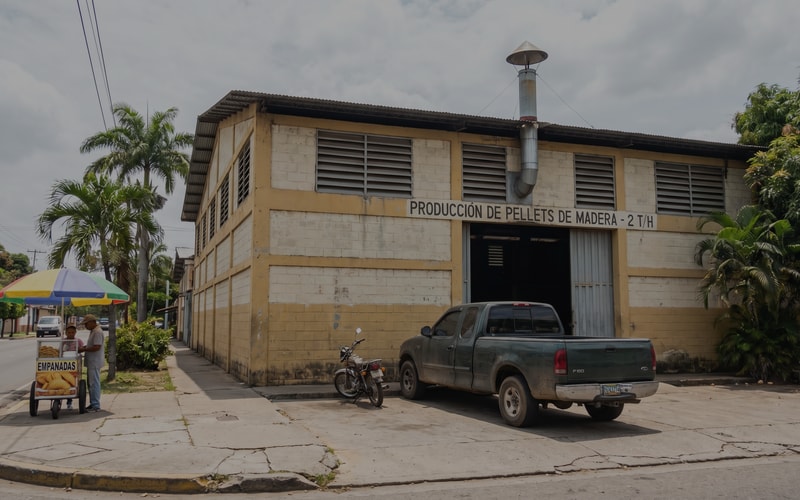
The wood pellet plant construction project relies on an existing workshop, with a compact but complete pelletizing line including crushing, drying, pelletizing, and packaging sections. The entire system was configured to run 8 hours per day, 300 days per year, which fits the client’s labor and power supply conditions.
2T/H
capacity
$165,000
investment
Venezuela
location
Biofuel
project type
RICHI MACHINERY
How the conversation actually started
The inquiry came in around March 2024. The client wasn’t initially asking for a full pellet plant. The first question was more like:
“Can wood waste from furniture workshops be turned into fuel pellets, and is it worth doing at small scale?”
The location—central Venezuela—has a mix of small timber processors, and a lot of their residues were either burned or dumped. Not ideal. At the same time, local industries were struggling with unstable fuel supply, especially for small boilers.
By May 2024, after several rounds of material testing discussions and layout sketches, the project was formally confirmed. Equipment manufacturing followed quickly, and shipment was arranged from Qingdao Port to Puerto Cabello Port.
RICHI MACHINERY
Project snapshot
| Item | Details |
|---|---|
| Project Name | 2t/h wood pellet production facility project in Venezuela |
| Annual Capacity | 5,000 tons |
| Daily Operation | 8 hours/day |
| Working Days | 300 days/year |
| Total Investment | ~$290,000 |
| Equipment Cost | ~$165,000 |
| Raw Materials | Wood chips, sawdust, bamboo residues |
| Plant Area | 5,500 m² |
| Workshop Type | Existing facility reused |
RICHI MACHINERY
Why this project made sense locally
Venezuela isn’t the first country people think of for biomass pellets. But once you look closer, the logic is there:
- Small and medium woodworking workshops generate steady waste
- Transporting raw biomass is inefficient, pellets solve that
- Industrial users are open to alternative fuels due to supply instability
The client wasn’t aiming for export. This was a local fuel substitution project, mainly targeting small factories and drying kilns.
RICHI MACHINERY
Raw materials – not as uniform as expected
One of the first issues discussed was material consistency. The client’s feedstock wasn’t “clean sawdust.”
It included:
| Raw Material | Annual Usage | Max Storage | Storage Method |
|---|---|---|---|
| Sawdust (with bamboo fragments) | 6,250 tons | 1,000 tons | Bulk, truck delivery |
Moisture ranged from 20% to 30%, sometimes higher after rain. That directly affected the drying system design.
A small note from early trials:
The first batches were uneven—some too wet, some too brittle. That’s when the drying parameters were adjusted more aggressively.
RICHI MACHINERY
Product positioning
| Product | Output | Storage | Packaging |
|---|---|---|---|
| Biomass wood pellets | 5,000 t/year | 500 tons | Bagged, truck transport |
Pellets are mainly used for:
- Industrial boilers
- Small-scale thermal applications
- Agricultural drying
RICHI MACHINERY
Equipment configuration (core system)
The line is compact but complete. No unnecessary complexity.
| No. | Equipment | Quantity |
|---|---|---|
| 1 | Belt conveyor | 1 |
| 2 | Crusher | 1 set |
| 3 | Discharge conveyor | 1 set |
| 4 | Feeding conveyor | 1 set |
| 5 | High-efficiency crusher | 1 set |
| 6 | Screw conveyor | 1 set |
| 7 | Bucket elevator | 1 set |
| 8 | Storage bin | 1 set |
| 9 | Conveyor system | 1 set |
| 10 | Wood pellet mill | 1 set |
| 11 | Box-type conveyor | 1 set |
| 12 | Finished product conveyor | 1 |
| 13 | Finished product bin | 1 |
| 14 | Hot air furnace | 1 set |
| 15 | Bag filter dust collector | 1 |
No oversized machines. Everything matched to the 2t/h wood pellet production facility project in Venezuela requirement.
RICHI MACHINERY
Process flow – what actually happens on site
Instead of a theoretical diagram, here’s how it runs in practice:
- Screening
- Manual removal of plastic, metal fragments
- Dust already starts appearing here
- Crushing
- Large bamboo pieces reduced
- Fully enclosed system with dust collection
- Drying
- Rotary drum dryer
- Biomass hot air furnace provides heat
- Moisture reduced to below 15%
- Pelletizing
- Temperature: 110–120°C
- Electric heating assist
- Material compressed into dense pellets
- Cooling & Packaging
- Natural cooling (no forced cooler to keep cost down)
- Bagging and storage
RICHI MACHINERY
Layout considerations
The client already had a building, so everything had to fit.
Key decisions:
- Raw material storage placed on the west side
- Finished goods warehouse on the east side
- Processing sections aligned in sequence to reduce internal transport
Workshops:
| Area | Size |
|---|---|
| Pelletizing workshop | 150 m² |
| Drying workshop | 100 m² |
| Crushing workshop | 100 m² |
| Raw material warehouse | 800 m² |
| Finished goods warehouse | 450 m² |
RICHI MACHINERY
Environmental handling
Instead of copying another country’s standards, the system was simplified but effective:
- Dust control: bag filter + centralized exhaust
- Wastewater: only domestic sewage, reused for landscaping
- Solid waste:
- Dust reused as raw material
- Ash used as fertilizer
- Scrap returned to suppliers
Dust emission after treatment: ~0.1685 t/year
RICHI MACHINERY
Some real operational notes
- The dryer needed tuning in the first week due to uneven moisture
- Bamboo content increased wear slightly on crusher blades
- Operators adapted quickly—training took about 3 days
RICHI MACHINERY
Investment overview
| Category | Cost (USD) |
|---|---|
| Equipment | $165,000 |
| Installation & civil adjustments | $45,000 |
| Auxiliary systems | $30,000 |
| Total | ~$290,000 |
The client specifically requested a low-risk investment, so no oversized systems were added.
RICHI MACHINERY
What made this project different
This wasn’t about building the biggest biomass pellet plant. It was about:
- Making unstable raw materials usable
- Keeping investment controlled
- Ensuring the line can actually run daily
A lot of similar biomass pellet projects fail not because of equipment, but because of raw material inconsistency. That part was handled early here.
RICHI MACHINERY
Market outlook in Venezuela
Biomass pellets are still an emerging segment locally, but demand is quietly growing:
- Small industries need stable heat sources
- Fuel diversification is becoming necessary
- Wood residues are widely available
The 2t/h wood pellet production facility project in Venezuela fits right into that gap—small enough to manage, large enough to supply a local market.
RICHI MACHINERY
Final thought from an engineering perspective
Projects like this usually start with uncertainty:
“Will the raw material work?”
“Is the output stable?”
“Can we sell the pellets?”
Those questions are normal. What matters is designing the system around real conditions, not ideal ones.
For clients considering a similar setup, the first step isn’t buying machines. It’s understanding your material and your local market. Once that’s clear, the rest becomes much easier to plan.
And that’s usually where these wood pellet production line projects start taking shape.
● RICHI MACHINERY
RICHI Service

● Consulting
Customer Consultation
We want to have a deep understanding of your industrial process, to know your exact needs of feed, wood, biomass, fertilizer or other pellet processing.
● Design
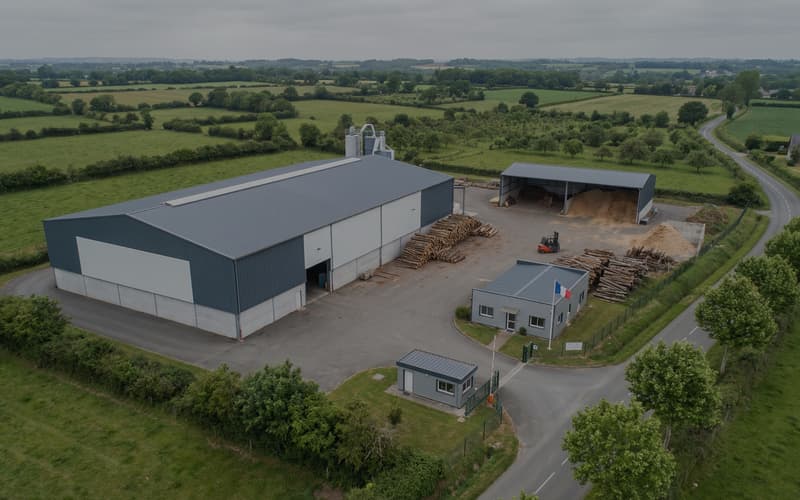
Wood Pellet Plant Design
Based on your unique situation and industrial process, we will tailor complete pellet plant you need, and inform you of every additional detail that could facilitate operation, minimize total cost.
● Manufacturing
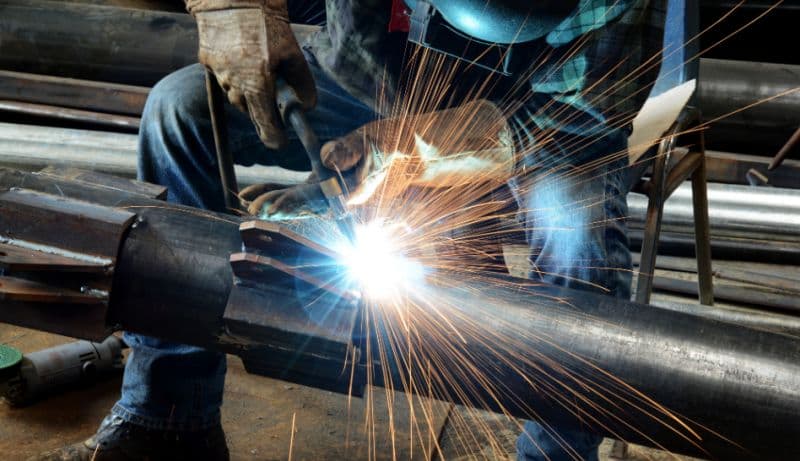
Equipment Manufacturing
The critical components of the of the complete pellet production line equipment are built in our own workshops in Asia. Additional equipment is manufactured by our worldwide network of reliable partners.
● Testing
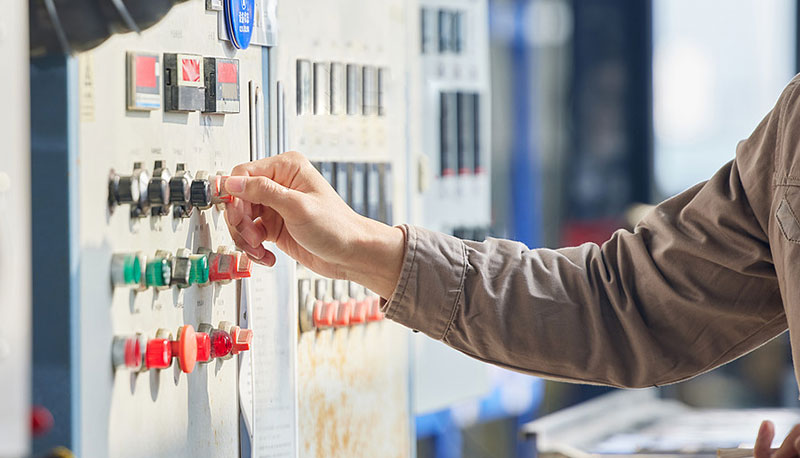
Quality Inspection & Testing
Before leaving the factory, all equipment will be inspected by the quality inspection department. We can also provide customers with testing services from a single machine to a complete pellet plant system, and provide you with real actual data for “worry-free use.”

● Delivery
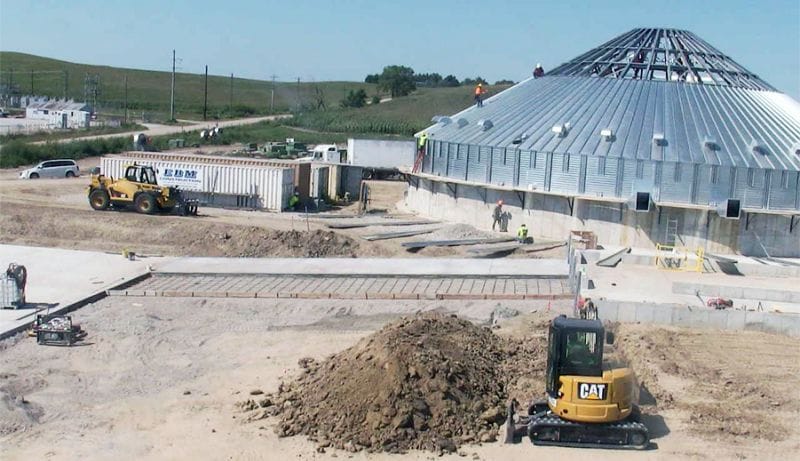
Equipment Delivery
In equipment boxing and packaging, we adopt professional packaging and modular solutions to ensure the safe and non-destructive delivery of pellet plant equipment.
● Installation
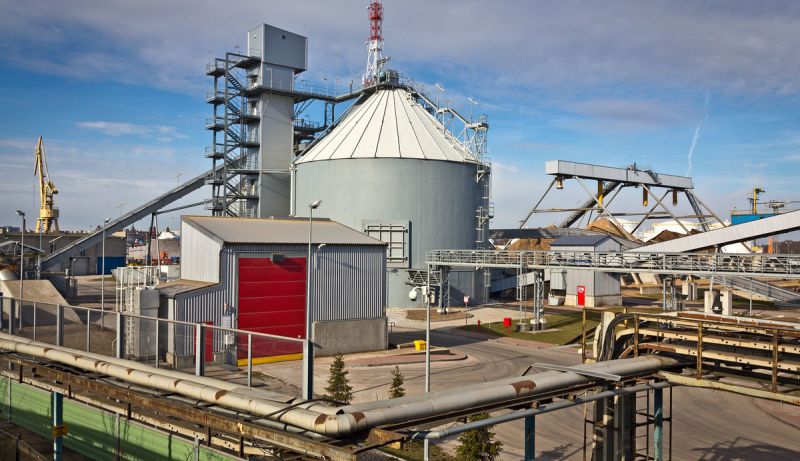
Installation & Commissioning
Whether you choose your own subcontractor for the erection phase or you want to install everything together with us, a Richi supervisor will be around to make sure everything is mounted in a safe and thorough way.

● Training
Staff Training
We provide comprehensive training for the technicians of each project. We can also continue to provide support for the technicians during latter project operation.
● After-sales
Project Follow-Up
When everything is up and running our Richiers will help you further whenever needed. We are ready to answer your call 24/7.We’ll also visit you regularly to learn about your needs.
Who we are
RICHI Machinery is one of the world’s leading suppliers of technology and services for the animal feed, aqua feed and pet food industries, also the largest pellet production line manufacturer in China.
Since 1995, RICHI’s vision to build a first-class enterprise, to foster first-class employees, and to make first-class contributions to society has never wavered.
In the past three decades, we have expanded our business to a wide range of areas, including animal feed mill equipment, aqua feed equipment, pet feed equipment, biomass pellet equipment, fertilizer equipment, cat litter equipment, municipal solid waste pellets equipment, etc.

1995
RICHI Established

2000+
Serving More Than 2000 Customers

120+
RICHI Employees

140+
Exported To 140 Countries