 0086-138 3838 9622
Private Label Cat Litter Manufacturing Plant in Poland
RICHI MACHINERY
overview
Private Label Cat Litter Manufacturing Plant in Poland began as a straightforward idea—replace imported cat litter with a locally produced, branded alternative that could compete on both price and sustainability.
With a compact 1 t/h production setup and an initial equipment budget kept under $70,000, the project transformed a modest 280 m² warehouse in Łódź into a functional tofu cat litter manufacturing unit serving regional retail channels.
What stands out in this project is how practical the approach was from day one. Instead of chasing large-scale automation, the focus stayed on stable production, consistent quality, and quick market entry. By relying on locally sourced soybean residue and starch-based binders, the plant achieved a balance between low production cost and product performance.
Within a few months of commissioning, the cat litter production line was already supplying private label products to pet stores, showing that even a small-scale Private Label Cat Litter Manufacturing Plant in Poland can establish a competitive position in a growing European pet care market.
1T/H
capacity
$68,000
investment
Poland
location
Cat Litter
project type
RICHI MACHINERY
How This Project Came Together
The client reached out to us through our website in early February 2024. They weren’t a big company—just two partners who had been running a small online pet supply store for about three years. They sold imported cat litter from Germany and China, but the margins were getting tighter. Shipping costs from China had gone up, and German products were expensive for Polish pet owners.
Their idea: make their own private label cat litter. Sell it under their own brand. Cut out the middleman.
They had done some homework. Poland has a growing pet population—estimates say around 7 million cats. And Polish cat owners are becoming more environmentally conscious. They want products that are biodegradable, flushable, and made from natural ingredients. That’s exactly what tofu (soybean-based) cat litter offers.
The client had found a small factory space for lease in Łódź—about 3,030 square feet (roughly 280 m²). Single story. Low ceiling. Not ideal for a massive line, but perfect for a compact 1 t/h setup.
They asked us: *“Can we do 1 ton per hour with tofu-based raw materials? And can we keep the total equipment cost under $70,000?”*
We said yes. But we also told them honestly—at that price point, some things would be manual instead of automatic. They were fine with that. They planned to start small and reinvest profits into automation later.
RICHI MACHINERY
Why Poland? The Market Logic
Poland is actually one of the better markets for private label pet products in Central Europe. Here’s why:
First, the raw materials. Poland grows a lot of soybeans—about 2.5 million tons annually. That means soybean residue (okara, or bean curd residue) is available locally at low cost. The client’s plan was to source okara from a tofu factory near Warsaw. Cheap, consistent supply.
Second, the pet market. Polish households spend about €1.2 billion annually on pet products. Cat litter alone is a €70 million market, and it’s growing 8-10% per year. Big chains like Żabka and Biedronka are expanding their private label pet sections. So there’s a real channel to sell through.
Third, EU regulations. Once the client’s product meets EU pet product standards (which aren’t as strict as food standards, but still require proper labeling and safety data), they can sell anywhere in the EU. That’s a big advantage over importing from outside the EU.
The client’s calculation: if they can produce at €0.60 per kg and sell at €1.20 per kg (still cheaper than German brands at €2.00+ per kg), they’ll make a healthy margin. At 2,000 tons per year, that’s €1.2 million in revenue. Not bad for a small operation.
RICHI MACHINERY
What They Wanted to Produce
The client wanted a single product line to start: tofu-based (soybean residue) cat litter. Clumping, flushable, biodegradable. The kind that’s popular with urban cat owners who live in apartments.
| Product | Annual Output | Pellet Size | Key Feature |
|---|---|---|---|
| Tofu cat litter (unscented) | 1,500 tons | 3–5 mm | Clumping, flushable |
| Tofu cat litter (green tea scent) | 500 tons | 3–5 mm | Odor control |
The scented version was a later addition. They decided to add a small manual mixing step for essential oils. Not automated—just a hand spray during cooling. Low cost, and it gives them a premium product option.
RICHI MACHINERY
Raw Materials – What Goes Into Tofu Cat Litter
Tofu cat litter is made from okara—the soybean pulp left over after making tofu or soy milk. It’s high in fiber (about 60%), which gives the pellets their absorbency. The rest is corn starch (binder) and a small amount of guar gum (improves clumping).
Here’s the client’s raw material plan:
| Raw Material | Annual Usage (tons) | Form | Local Source |
|---|---|---|---|
| Okara (soybean residue) | 1,000 | Wet cake (60% moisture) | Tofu factory, Warsaw |
| Corn starch | 985 | Powder (bagged) | Polish corn processor |
| Guar gum | 10 | Powder (bagged) | Imported, but stocked locally |
| Green tea powder (scented line) | 5 | Powder (bagged) | Herbal supplier, Kraków |
| Cat litter bags (private label) | 100,000 pieces | Printed film rolls | Local printer, Łódź |
The okara was the tricky part. Fresh okara has about 60% moisture. The client planned to dry it themselves. That’s why they needed the mesh belt dryer in the line. We recommended a rotary drum dryer with a biomass burner (they’ll use wood pellets or agricultural waste). That adds some cost but saves on electricity compared to an electric dryer.
RICHI MACHINERY
Equipment – What We Supplied for This 1t/h Private Label Cat Litter Manufacturing Plant
The client’s budget was tight. So we designed a line that balances automation with manual steps. What makes this project particularly unique is that, rather than utilizing the most traditional cat litter pellet machines, it employs an extruder for the cat litter processing. Here’s what we sent:
| Section | Equipment | Quantity |
| Raw material handling | Feed hopper with screw conveyor | 1 unit |
| Mixing tank (stainless steel, 500L) | 3 units | |
| Extrusion | Single-screw extruder (tofu formula) | 2 units |
| Bucket elevator | 6 units | |
| Drying | Rotary drum dryer (biomass-heated) | 2 units |
| Cooling & screening | Air cooler (counterflow) | 1 unit |
| Vibrating screener (3 decks) | 3 units | |
| Re-grinder (for rejects) | 1 unit | |
| Mixing (scented line) | Small ribbon blender (200L) | 1 unit |
| Packaging | Automatic bagging scale (5–10 kg) | 3 units |
| Bag sealer (heat) | 2 units | |
| Carton sealer (tape) | 2 units | |
| Carton strapper | 2 units | |
| Date coder (inkjet) | 1 unit | |
| Auxiliary | Air compressor (screw type) | 1 unit |
| Storage bins (stainless) | 7 units |
Total cat litter making machine count: 37 units (as the client requested)
Some notes: The two extruders give them redundancy. If one breaks, they can still run at 0.5 t/h. The screener has three decks: one for oversize (goes back to grinder), one for correct size (3–5 mm), and one for fines (goes back to mixer).
RICHI MACHINERY
The Factory Layout – Fitting 1 t/h into 3,030 Square Feet
The client’s building was a former warehouse—single story, about 3,030 square feet (280 m²). Steel frame. Concrete floor. Ceiling height was only 4.5 meters. That’s low for a typical vertical line.
We designed a horizontal layout instead:
- Raw material storage (back corner): 500 ft². Okara in plastic totes. Corn starch in bags on pallets.
- Mixing & extrusion (center): 800 ft². Three mixing tanks in a row. Two extruders side by side.
- Drying & cooling (along the wall): 700 ft². Rotary dryer (12 feet long) with a cyclone for dust collection. Cooler next to it.
- Screening & grinding (near dryer): 400 ft². Vibrating screener, grinder for rejects.
- Packaging (front area): 400 ft². Three bagging lines, sealing tables.
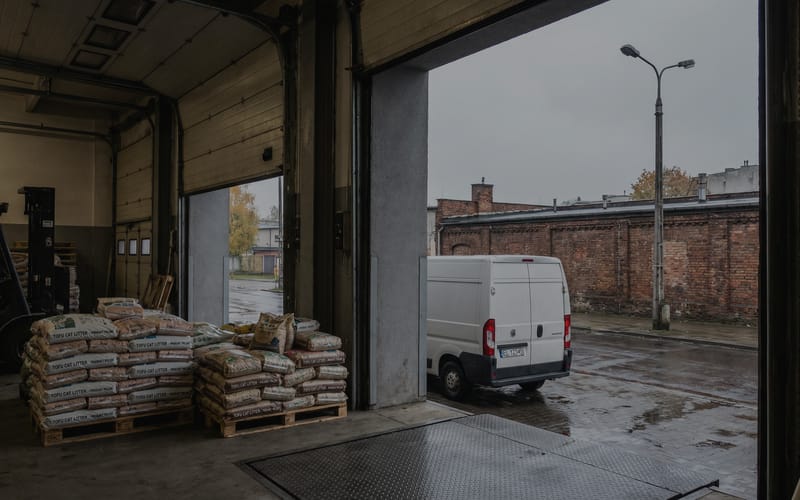
- Finished goods (near loading door): 230 ft². Pallets of bagged litter ready for shipping.
The client liked this layout because it’s easy to supervise. From the center of the room, one person can see the mixers, extruders, and dryer.
One problem: the dryer’s exhaust. The client’s building didn’t have a vent. We installed a cyclone separator (catches fine particles) plus a fabric filter. The exhaust goes through the wall to the outside. Their local inspector approved it.
RICHI MACHINERY
Process Flow – How Tofu Cat Litter Is Actually Made
Here’s the real step-by-step. Not a textbook—what actually happens on the floor.
Step 1 – Weighing and mixing
The operator weighs okara (wet cake) and corn starch using a floor scale. Ratios: 50% okara (dry basis), 48% corn starch, 2% guar gum. Water is added to reach 35–40% moisture for extrusion. Mixing time: 10 minutes in the stainless steel tank. The mix is sticky—like wet dough.
Step 2 – Extrusion
The wet mix feeds into the single-screw extruder. The screw pushes it through a die plate with 3–4 mm holes. The extruded strands fall onto a conveyor belt. The extruder doesn’t cook the material—it just shapes it. That’s different from feed extrusion, which uses high heat. Tofu litter uses a cold extrusion process to preserve the fiber structure.
Step 3 – Drying
The wet pellets (still 35–40% moisture) drop into the rotary drum dryer. Hot air from the biomass burner enters at 120–150°C. The drum rotates slowly, tumbling the pellets. Retention time: about 20–30 minutes. Target exit moisture: 8–10%. Too wet, and the litter won’t clump. Too dry, and it creates dust.
Problem we hit during commissioning: The client tried to dry too fast. They set the burner too hot (180°C). The outside of the pellets dried hard, but the inside stayed wet. After cooling, the pellets cracked. We had to retrain them: lower temperature, longer time. Now they dry at 120°C for 35 minutes. Works fine.
Step 4 – Cooling
Hot pellets (70–80°C) drop into the air cooler. Ambient air is pulled through from the bottom. Cooling time: about 10 minutes. Exit temperature: 25–30°C. This also removes any remaining surface moisture.
Step 5 – Screening
Cooled pellets go to the vibrating screener. The top deck catches oversize (pellets stuck together). Those go to the grinder. The middle deck collects the correct size (3–5 mm). The bottom deck catches fines (dust and small bits). Fines go back to the mixer.
Step 6 – Scenting (for green tea line)
For the scented version, the operator manually sprays diluted green tea extract onto the pellets in the small ribbon blender. Mix for 5 minutes. Low tech, but it works for small batches.
Step 7 – Bagging
The finished pellets drop into the bagging scale. The client uses 5 kg and 10 kg bags—both with a resealable zipper. The heat sealer closes the bag. Then it goes to carton sealing (for retail) or palletizing (for bulk sales to pet stores).
Step 8 – Re-grinding rejects
Oversize pellets from the screener go into the grinder. The grinder breaks them back into powder. That powder goes back to the mixer. Nothing is wasted—except the dust collected by the filters.
RICHI MACHINERY
Utilities – What the Line Actually Consumes
The client tracked usage for the first two months (August–September 2024):
| Utility | Daily Use (10-hour shift) | Annual (300 days) | Notes |
|---|---|---|---|
| Water (mixing) | 0.8 m³ | 240 m³ | All goes into product |
| Water (staff) | 0.6 m³ | 180 m³ | 15 people, no showers—just toilets |
| Electricity | 480 kWh | 144,000 kWh | Mixers, extruders, fans, compressor |
| Biomass pellets (dryer fuel) | 0.45 tons | 135 tons | Pine pellets, locally sourced |
The client doesn’t discharge any wastewater. The mixing water is absorbed by the product. Staff wastewater goes to a septic tank (the building had one already). No discharge to any river or sewer.
RICHI MACHINERY
Environmental Controls – Simple but Compliant
Poland has EU-aligned environmental regulations. The client needed to meet emission limits for particulate matter and noise.
We installed:
- Pulse bag filter on the dryer exhaust. Captures fine dust. The collected dust is mostly corn starch and okara fiber—it goes back into the mixer.
- Cyclone pre-separator before the bag filter. Removes larger particles first, extending bag life.
- Enclosed conveyors on all material transfer points. Reduces dust at the source.
- Rubber anti-vibration pads under the extruders and screener. Noise level at the property boundary: 68 dB(A)—well below Poland’s 75 dB(A) daytime limit.
The client also built a small dust collection hood over the bagging area. Not required by law, but it keeps the packaging area clean. Good for food safety (even though cat litter isn’t food, the same hygiene principles apply).
RICHI MACHINERY
What Went Wrong (Real Problems, Real Fixes)
I’m not going to pretend everything was perfect.
Problem 1 – The extruder died after 40 hours
The client ran the extruder with wet okara that had been sitting in a warm warehouse for three days. It had fermented slightly. The acidity corroded the stainless steel screw tip. We shipped a replacement screw (316L stainless, more acid-resistant) via DHL. Cost them $320 and three days of downtime. Now they store okara in a cool room.
Problem 2 – The dryer caught fire
Yes, really. The client had set the biomass burner too high (200°C) and the pellets accumulated in a dead zone inside the drum. The dust ignited. Small fire, contained by the dryer’s flame sensor (which shut down the burner). No damage to the building, but they had to clean the drum. We added a temperature interlock: if the outlet temp exceeds 100°C, the burner cuts off automatically.
Problem 3 – Bags wouldn’t seal
The heat sealer worked fine on dry bags, but if any dust was on the bag lip, the seal failed. The client added a compressed air nozzle to blow dust off before sealing. Simple fix. Cost: $15.
These are the kinds of things you don’t learn from a manual. You learn them by running the line.
RICHI MACHINERY
Staff Training – What We Actually Taught Them
We spent 7 days on-site after installation. Not because the line was complicated—because the client’s staff had never run an extruder before.
We trained:
- Operator 1 (mixing): How to check okara moisture (simple oven method, 105°C for 4 hours). How to adjust water addition for consistent dough consistency.
- Operator 2 (extrusion): How to change die plates (takes 10 minutes). How to spot uneven extrusion (indicates screw wear or wrong moisture).
- Operator 3 (dryer): How to set burner temperature for different ambient conditions (colder days need slightly higher temp). How to clean the drum (weekly task).
- Maintenance person: How to replace the bag filter (every 3 months). How to lubricate bearings (monthly). How to check the grinder blades (every 2 weeks).
The client’s owner told us: “I thought we could just watch YouTube videos. After your training, I realize how much we didn’t know.”
That’s why we don’t just ship machines.
RICHI MACHINERY
Shipping and Logistics
All equipment was shipped from Qingdao Port to Gdańsk Port, Poland. Transit time: about 45–50 days (one transshipment in Rotterdam).
Gdańsk is a major Baltic port. We packed everything in three 20-foot containers and one 40-foot high-cube. The rotary dryer (disassembled) went on a flat rack.
The client cleared customs themselves. HS code for cat litter extruders: 8479.82.00. Duty rate: 2.7% (Poland follows EU common tariff). VAT: 23% (refundable for registered businesses). Total customs cost: about $2,800.
RICHI MACHINERY
Project Investment – What the Client Actually Paid (USD)
| Item | Cost (USD) | Notes |
|---|---|---|
| Equipment (FOB Qingdao) | $68,000 | Complete line as listed |
| Sea freight + insurance | $9,500 | Qingdao to Gdańsk |
| Customs duty (2.7%) + VAT (23%, refundable) | $18,500 | Upfront cost, VAT refunded later |
| Local transport (Gdańsk to Łódź) | $1,200 | Truck rental |
| Building lease (first year) | $18,000 | $1,500/month |
| Electrical work (local contractor) | $8,000 | Panels, wiring, lighting |
| Dryer exhaust installation | $4,500 | Cyclone, ducting, fan |
| Installation supervision (our team, 7 days) | $12,000 | Flights, hotel, per diem included |
| Training + commissioning | $5,000 | Included in equipment price |
| Raw materials (first batch: 50 tons okara, 50 tons starch) | $18,000 | Startup stock |
| Packaging (first 50,000 bags) | $6,000 | Printed with their logo |
| Contingency | $15,000 | For unexpected issues |
| Total | ~$245,000 |
The client financed this with their own savings (about $100,000) plus a small business loan from Bank Pekao ($145,000 at 8% interest over 3 years). Their break-even point: 1,200 tons sold. At their current rate (about 6 tons per day), that’s 200 days of production. So roughly 8–10 months to break even.
RICHI MACHINERY
What We Would Do Differently Next Time
Looking back after six months of operation:
- Recommend a moisture meter from the start. The client relied on oven drying for the first month. That’s accurate but slow. A handheld moisture meter ($300) would have saved them time and prevented the extruder corrosion issue.
- Include a metal detector before the grinder. The client had a screw break off inside the grinder. Damaged the blades. A $400 metal detector would have caught it.
- Better documentation on dryer cleaning. The client didn’t clean the drum for six weeks. Built-up material caught fire (again—small fire, no damage). Now we include a laminated cleaning checklist.
But overall? The plant is running at 0.9–1.1 tons per hour. They’ve already signed supply agreements with three pet store chains in Warsaw and Kraków. Their private label brand is on shelves.
RICHI MACHINERY
Why a 1 t/h Private Label Cat Litter Manufacturing Plant Makes Sense in Poland
Poland is one of the better places in Europe for this kind of small manufacturing.
First, raw materials are cheap and available. Okara is a waste product from tofu production. Tofu factories in Warsaw, Poznań, and Wrocław are happy to give it away (or sell it for next to nothing) because they’d otherwise pay to dispose of it. Corn starch is produced locally—Poland grows about 4 million tons of corn annually.
Second, labor costs are reasonable. Minimum wage is about €4.50 per hour. The client pays their three operators €6–7 per hour. That’s higher than China, but lower than Germany or France. And Polish workers are skilled—lots of manufacturing experience from the automotive and food processing sectors.
Third, the market is growing. Pet ownership in Poland increased 15% between 2018 and 2023. Cat owners specifically are switching from clay litter (heavy, not biodegradable) to plant-based litter. The client’s research showed that 40% of Polish cat owners would switch to a cheaper eco-friendly option if it worked as well as imported brands.
Fourth, EU export potential. Once the client has their product certified (CE marking for pet products is straightforward), they can sell anywhere in the EU. No additional tariffs. No customs checks. That’s a huge advantage over non-EU competitors.
RICHI MACHINERY
Thinking About Your Own Project?
Maybe you’re reading this because you’re in a similar position—small business, limited budget, want to start your own private label cat litter line.
Here’s what I’d tell you:
Start with a realistic capacity. 1 ton per hour is a good entry point. It fits in a small building (3,000 square feet is enough). It doesn’t require a huge crew (3–4 people per shift). And the equipment cost is manageable—under $70,000 for a basic line like this one.
But don’t skip the important stuff: good drying, proper dust collection, and training. Those are the things that separate a line that works from a line that collects dust.
We’ve built over 80 cat litter lines in the last five years. Tofu, bentonite, wood, corn starch—we’ve seen all the formulas. Poland is not new to us. We have a service partner in Warsaw who stocks common spare parts (screws, dies, bearings, filters).
So if you’re planning a cat litter project—or any small-scale extrusion line—get in touch. Tell us your raw material, your target output, and your building size. We’ll send you a proposal and a layout sketch.
● RICHI MACHINERY
RICHI Service

● Consulting
Customer Consultation
We want to have a deep understanding of your industrial process, to know your exact needs of feed, wood, biomass, fertilizer or other pellet processing.

● Design
cat litter Pellet Plant Design
Based on your unique situation and industrial process, we will tailor complete pellet plant you need, and inform you of every additional detail that could facilitate operation, minimize total cost.
● Manufacturing
Equipment Manufacturing
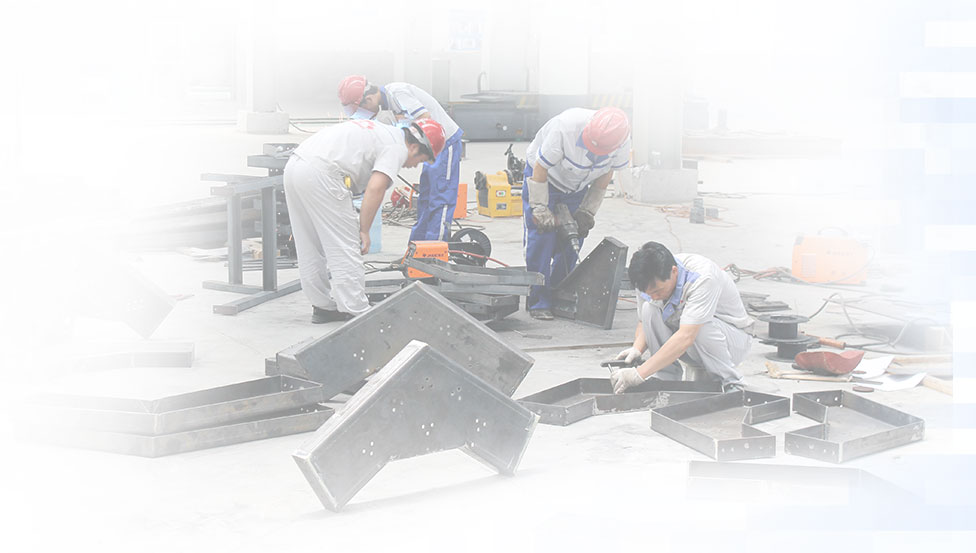
The critical components of the of the complete pellet production line equipment are built in our own workshops in Asia. Additional equipment is manufactured by our worldwide network of reliable partners.
● Testing
Quality Inspection & Testing
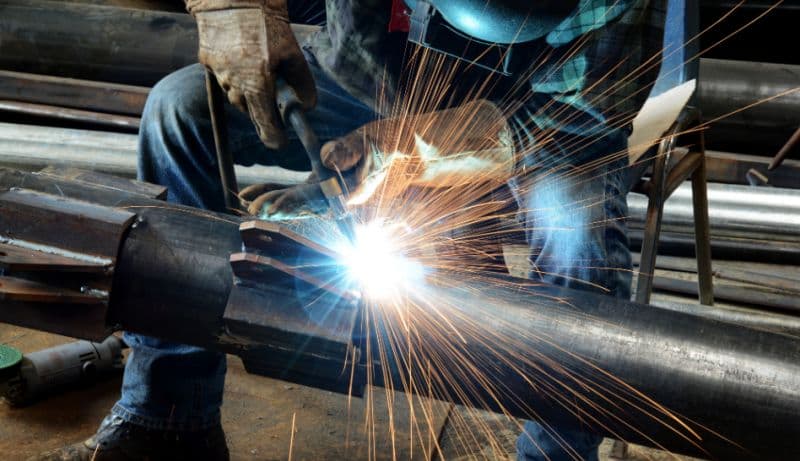
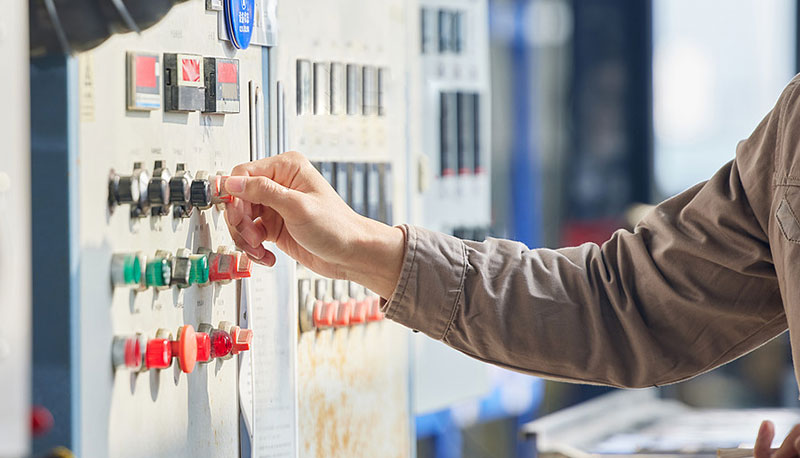
Before leaving the factory, all equipment will be inspected by the quality inspection department. We can also provide customers with testing services from a single machine to a complete pellet plant system, and provide you with real actual data for “worry-free use.”
● Delivery
Equipment Delivery
In equipment boxing and packaging, we adopt professional packaging and modular solutions to ensure the safe and non-destructive delivery of pellet plant equipment.
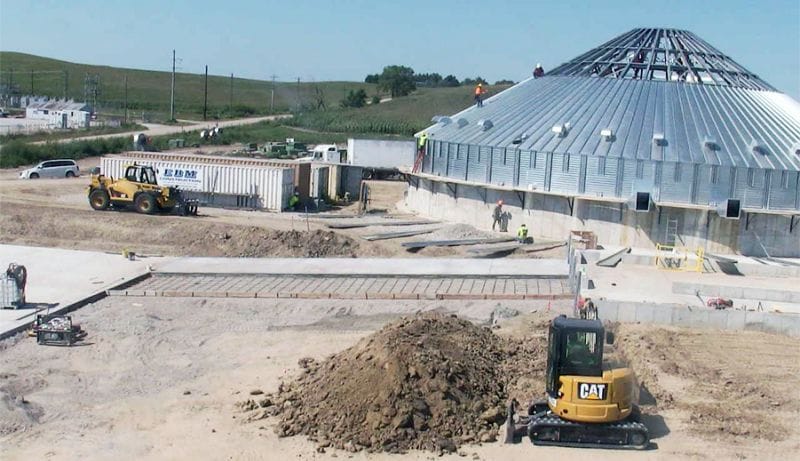
● Installation
Installation & Commissioning
Whether you choose your own subcontractor for the erection phase or you want to install everything together with us, a Richi supervisor will be around to make sure everything is mounted in a safe and thorough way.

● Training
Staff Training
We provide comprehensive training for the technicians of each project. We can also continue to provide support for the technicians during latter project operation.
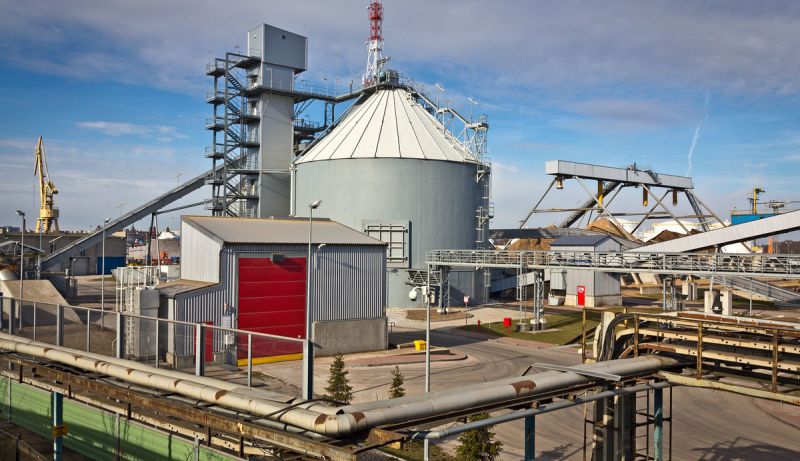
● After-sales
Project Follow-Up
When everything is up and running our Richiers will help you further whenever needed. We are ready to answer your call 24/7.We’ll also visit you regularly to learn about your needs.
Who we are
RICHI Machinery is one of the world’s leading suppliers of technology and services for the animal feed, aqua feed and pet food industries, also the largest pellet production line manufacturer in China.
Since 1995, RICHI’s vision to build a first-class enterprise, to foster first-class employees, and to make first-class contributions to society has never wavered.
In the past three decades, we have expanded our business to a wide range of areas, including animal feed mill equipment, aqua feed equipment, pet feed equipment, biomass pellet equipment, fertilizer equipment, cat litter equipment, municipal solid waste pellets equipment, etc.

1995
RICHI Established

2000+
Serving More Than 2000 Customers

120+
RICHI Employees

140+
Exported To 140 Countries