

 0086-138 3838 9622
FISH FEED
MILL PROJECT
For over 30 years, RICHI has been at the forefront of fish feed plant engineering, delivering customized solutions for every major aquaculture sector. Our expertise spans:
- Floating feed production lines for tilapia, catfish and other freshwater species
- High-performance pellet systems for shrimp and marine fish feeds
- Specialized extruders for high-fat carnivorous fish diets
- Micro-pellet lines for hatchery and juvenile feeds
We’ve successfully implemented 500+ aquafeed projects across 80 countries, from small-scale farms to industrial feed mills producing 50+ tons/hour. Each plant is engineered to handle your specific raw materials, nutritional requirements and production goals while maximizing pellet durability, water stability and feed conversion ratios.
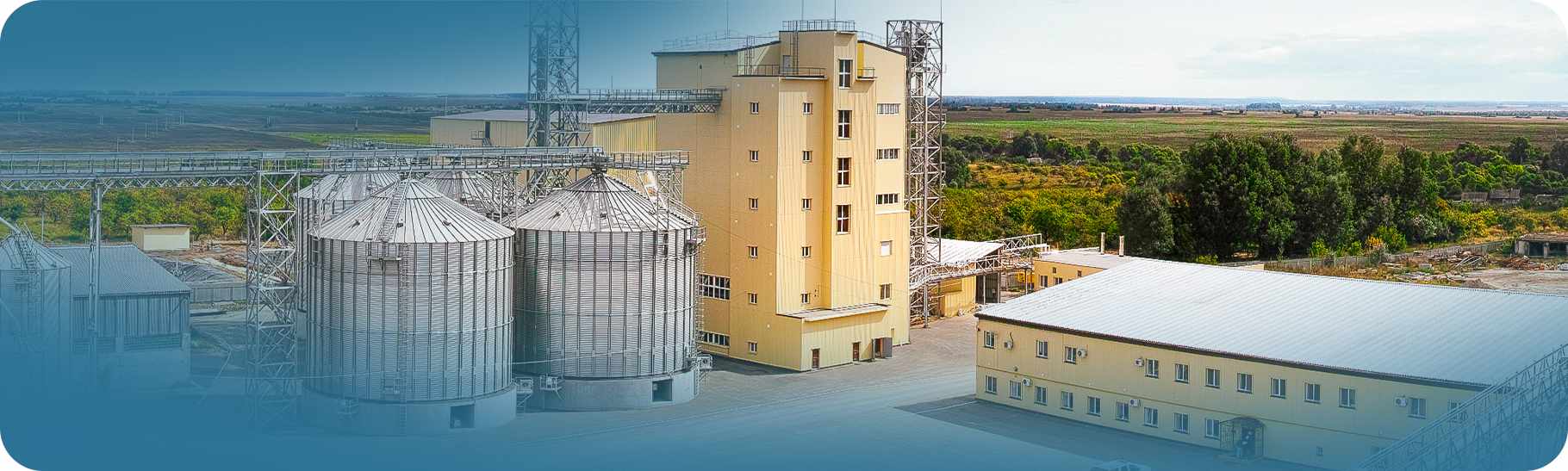
120+
Global Aqua Feed Solutions – Built on Experience
With three decades of expertise, RICHI has successfully delivered 120+ specialized fish feed production plants worldwide. Our proven track record positions us as a trusted partner for industrial aqua feed manufacturing.
$200M+
Global Project Value – Your Trust, Our Commitment
From initial design to full-scale production, RICHI’s team collaborates at every stage to bring your fish feed facility to life—efficiently, reliably, and tailored to your needs.
50+
Countries Served – Tailored Solutions for Every Market
No two fish feed mills are alike. Whether you’re expanding or launching a new aqua feed plant, RICHI delivers end-to-end solutions designed for your region’s unique demands.
Proven Solutions for High-Performance Fish Feed Production
At RICHI, we understand that modern aquaculture demands more than just feed—it requires precision-engineered solutions that maximize nutrition, efficiency, and profitability. With decades of hands-on experience, we’ve designed and built fish feed mills for every major species—from tilapia and catfish to shrimp and high-value marine fish. Our projects span floating, sinking, and specialty micro-pellet feeds, tailored to meet the unique challenges of hatcheries, grow-out farms, and large-scale commercial operations.
Below, explore our global portfolio of successful fish feed mill projects. Each case demonstrates our ability to deliver turnkey solutions—whether optimizing existing facilities or building high-capacity plants from the ground up. From raw material handling to extrusion, drying, and packaging, these real-world examples showcase how we help producers achieve consistent quality, superior feed conversion ratios, and long-term operational success. Let our experience guide your next project.
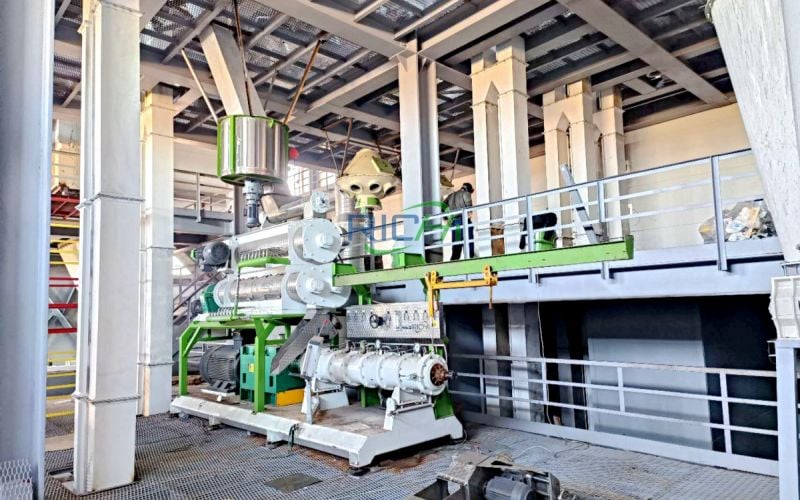
Russia
Guiding Price:
920.000 USD
5T/H trout fish feed mill project In Russia
Specialized for high-protein trout feed pellets (3-8mm) using local wheat and fishmeal blends. Serves mid-sized feed producers supplying Russia’s growing cold-water fish farms.
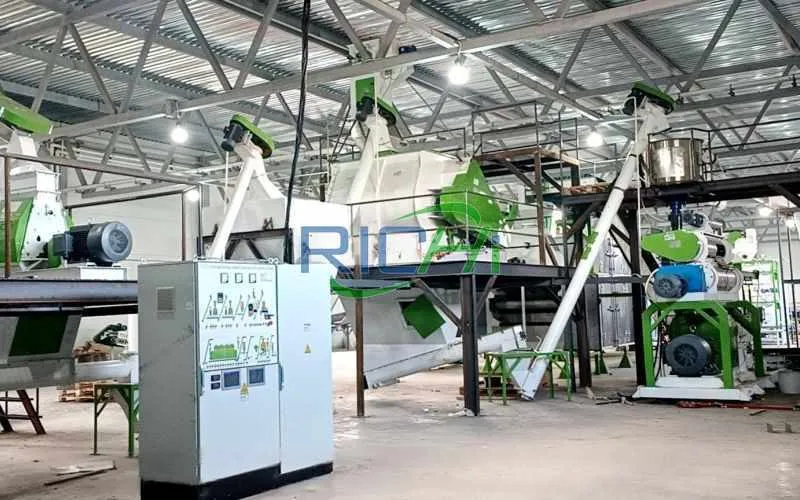
India
Guiding Price:
180.000 USD
1-2T/H floating fish feed mill project In India
Produces 2-4mm floating pellets for carp and tilapia, incorporating rice bran and mustard oil cake. Designed for entrepreneurs entering India’s booming inland aquaculture sector.
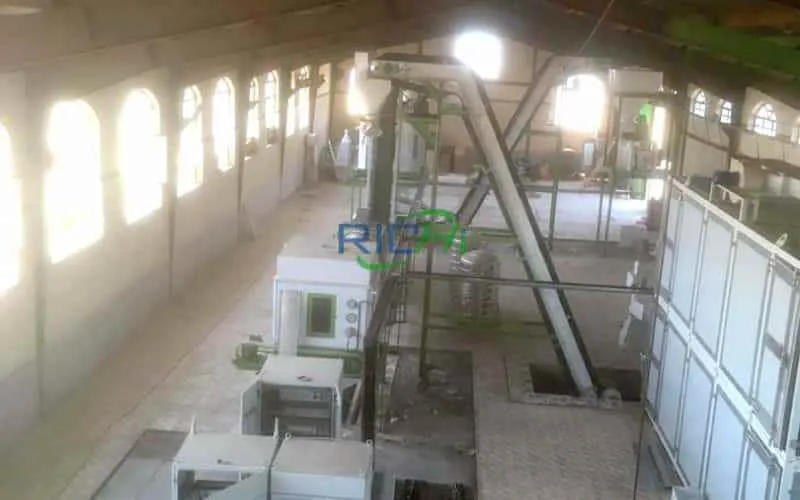
Iran
Guiding Price:
350.000 USD
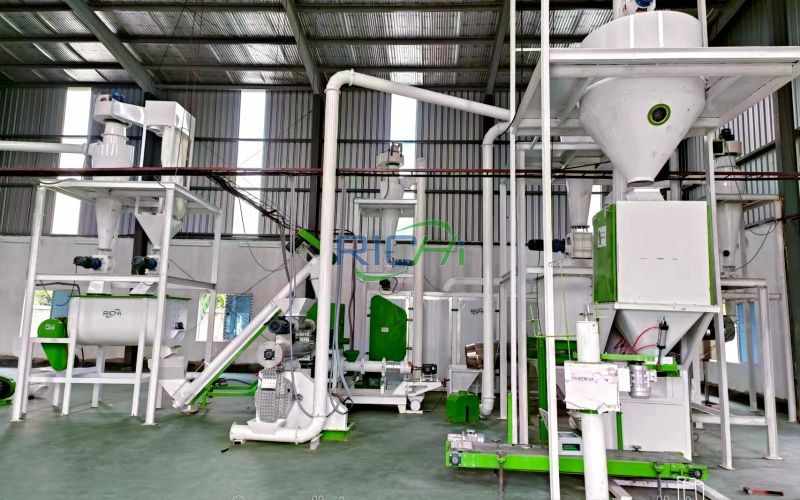
1-2T/H shrimp fish feed mill project In Iran
Compact line for 1.5-2.5mm shrimp pellets utilizing date palm byproducts. Caters to Persian Gulf region hatcheries upgrading to local feed production.
Bangladesh
Guiding Price:
56.000 USD
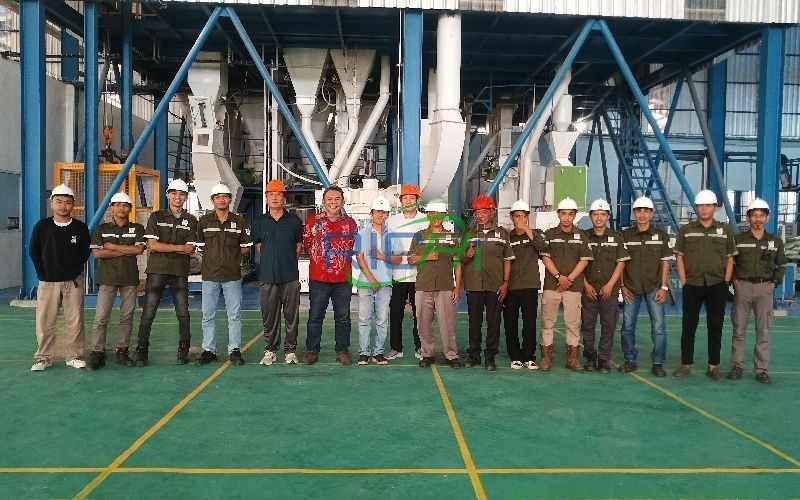
1-1.5T/H poultry fish feed mill In Bangladesh
Dual-purpose system processing both 2-4mm fish feed and poultry mash. Serves integrated farms diversifying into aquaculture near Dhaka.
Indonesia
Guiding Price:
460.000 USD
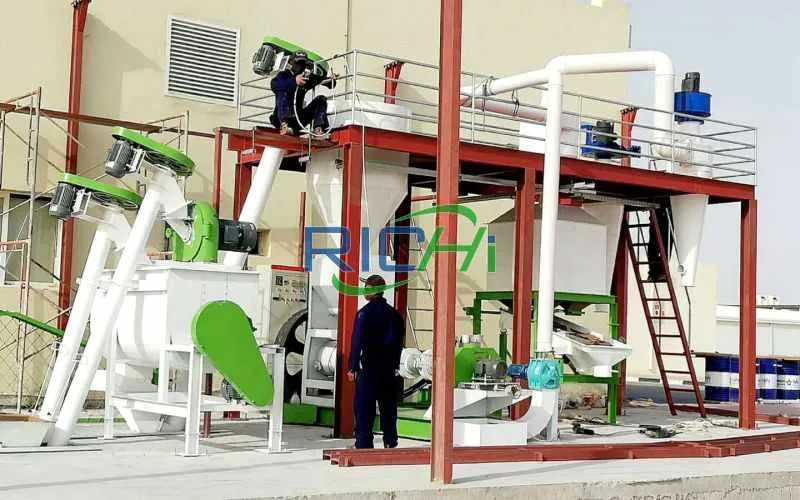
2T/H fish shrimp feed plant project In Indonesia
Versatile extruder produces 1-3mm shrimp feed and 3-5mm tilapia pellets using cassava and palm kernel meal. Targets Java-based medium-scale feed manufacturers.
Qatar
Guiding Price:
41.000 USD
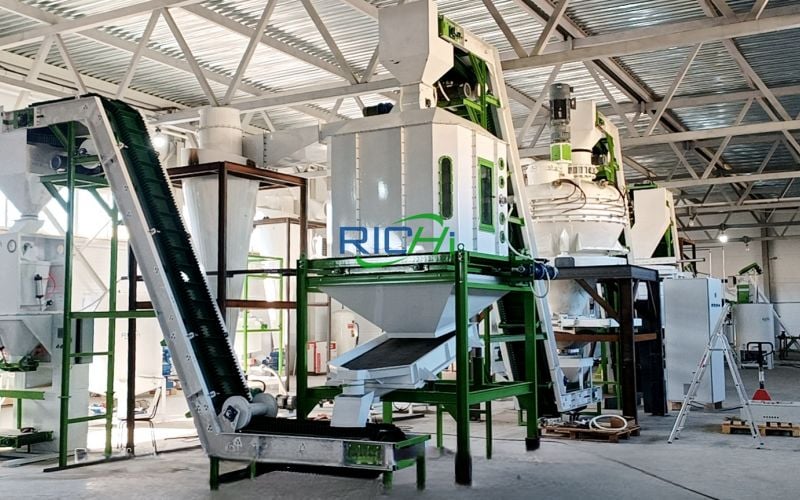
1-1.5T/H Pigeon Camel fish feed plant In Qatar
Niche system for 4-6mm specialty feeds incorporating barley and fishmeal. Developed for livestock operations expanding into value-added production.
Chile
Guiding Price:
210.000 USD
1-2T/H floating fish feed mill plant project In Chile
Precision line for 3-6mm salmon starter feeds with optimized oil absorption. Serves emerging producers supplying southern Chile’s aquaculture hubs.
Germany
Guiding Price:
1.350.000 USD
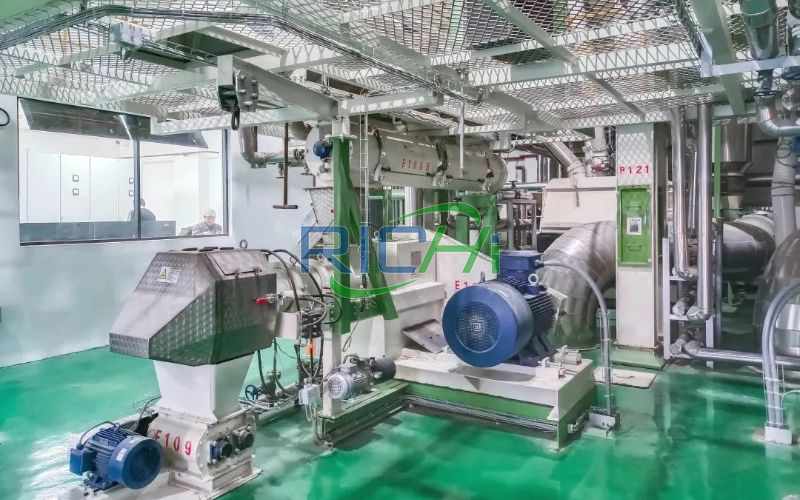
5T/H pet fish feed plant project In Germany
High-end facility producing 0.5-3mm ornamental fish pellets using insect protein. Caters to European pet food brands seeking sustainable ingredients.
Egypt
Guiding Price:
160.000 USD
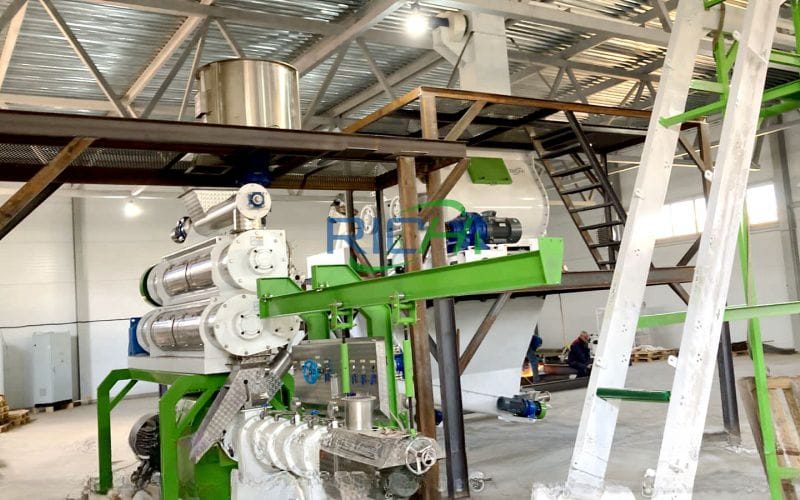
1T/H extruded floating fish feed mill project In Egypt
Compact unit for 2-4mm tilapia floating feed with cottonseed meal inclusion. Designed for Nile Delta cooperatives modernizing operations.
Uzbekistan
Guiding Price:
230.000 USD
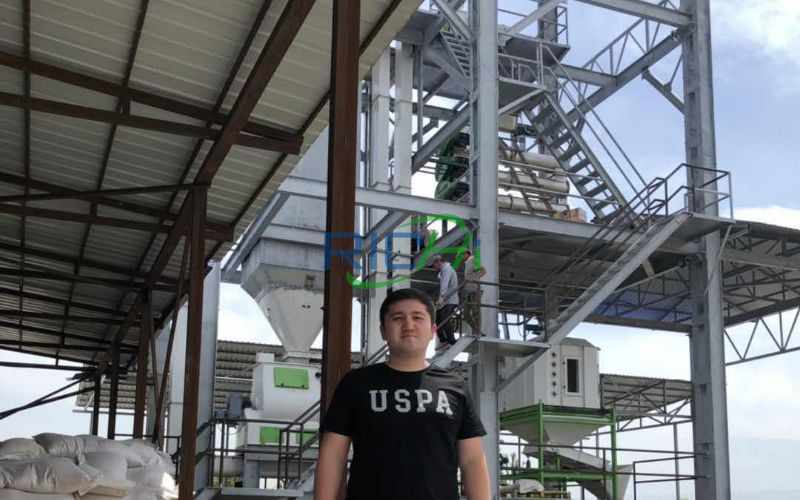
5T/H sinking fish feed mill project In Uzbekistan
Robust system for 4-8mm carp pellets utilizing local wheat and sunflower meal. Serves collective farms revitalizing Soviet-era aquaculture.

Ecuador
Guiding Price:
580.000 USD
3T/H fish shrimp feed mill project In Ecuador
Turnkey solution for 1-2mm shrimp and 3-5mm tilapia pellets. Targets Guayaquil-based processors exporting to regional markets.

New Zealand
Guiding Price:
320.000 USD
3T/H fish pet food mill project In New Zealand
Flexible plant producing 2-5mm salmon feed and premium pet kibble. Developed for South Island producers diversifying product lines.
Thailand
Guiding Price:
640.000 USD
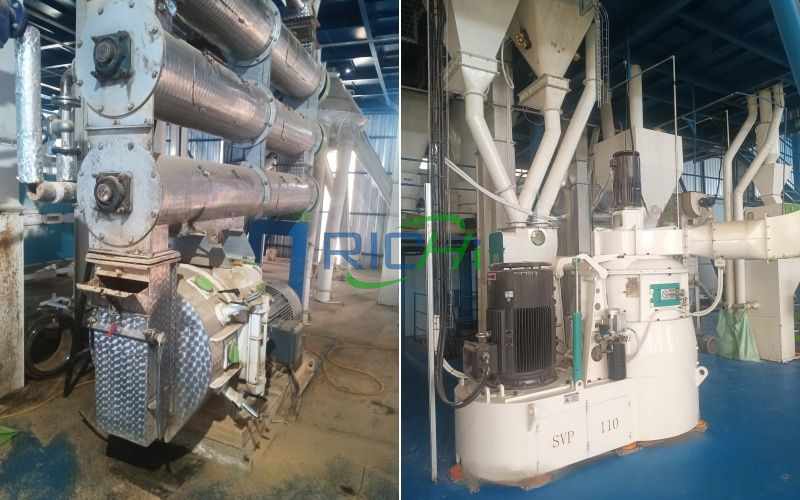
3T/H fish shrimp feed line project In Thailand
Advanced system for 1-3mm vannamei shrimp feed with 30% broken rice inclusion. Serves Eastern Seaboard feed mills upgrading technology.
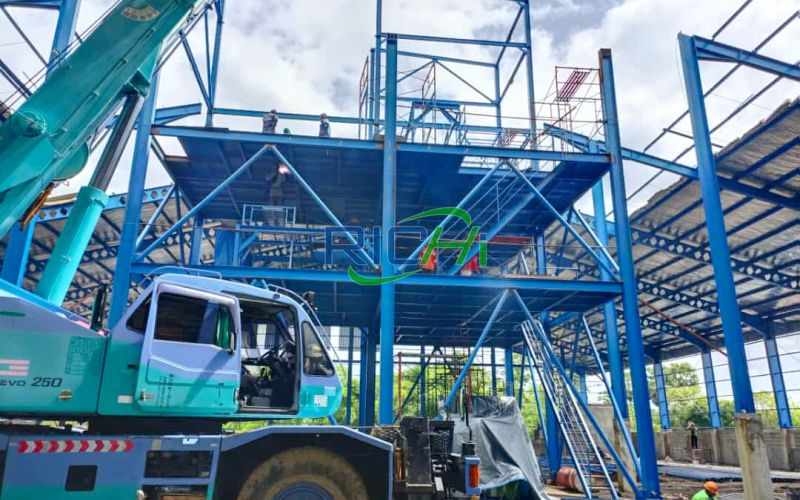
South Africa
Guiding Price:
350.000 USD
2T/H shrimp fish feed line project In South Africa
Compact coastal plant for 1.5-2.5mm shrimp pellets using local maize and fishmeal. Caters to emerging Black Sea aquaculture investors.
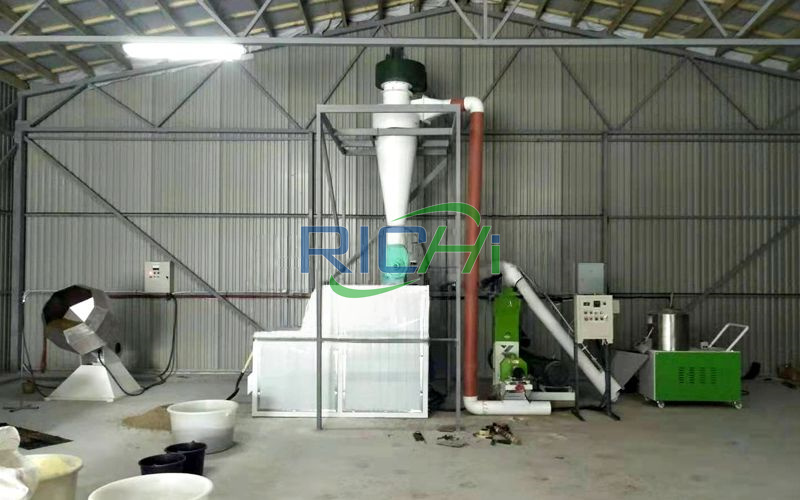
Ukraine
Guiding Price:
18.000 USD
0.3T/H floating fish feed line projecty In Ukraine
Starter system for 2-4mm carp feed incorporating sunflower meal. Designed for Dnipro River region smallholders.

Malaysia
Guiding Price:
63.000 USD
1-2T/H chicken fish feed line project In Malaysia
Hybrid operation producing 2-4mm tilapia feed and poultry mash. Serves integrated farms in Selangor region.

Peru
Guiding Price:
460.000 USD
5T/H poultry fish feed mill plant project In Peru
Dual-output plant for 3-5mm trout feed and broiler crumbles. Developed for Andean agribusinesses expanding protein production.

Australia
Guiding Price:
1.300.000 USD
10T/H cattle fish feed mill project In Australia
Industrial-scale operation producing 4-8mm barramundi feed and livestock supplements. Targets northern Queensland agri-processors.

Turkey
Guiding Price:
560.000 USD
5T/H aqua fish feed mill project In Turkey
Coastal facility for 3-6mm sea bass pellets with olive pomace inclusion. Serves Aegean region medium-scale producers.

United States
Guiding Price:
1.380.000 USD
10T/H cattle fish feed mill project In United States
Mega-plant processing 4-8mm catfish feed and cattle supplements. Designed for Mississippi Delta agribusiness clusters.
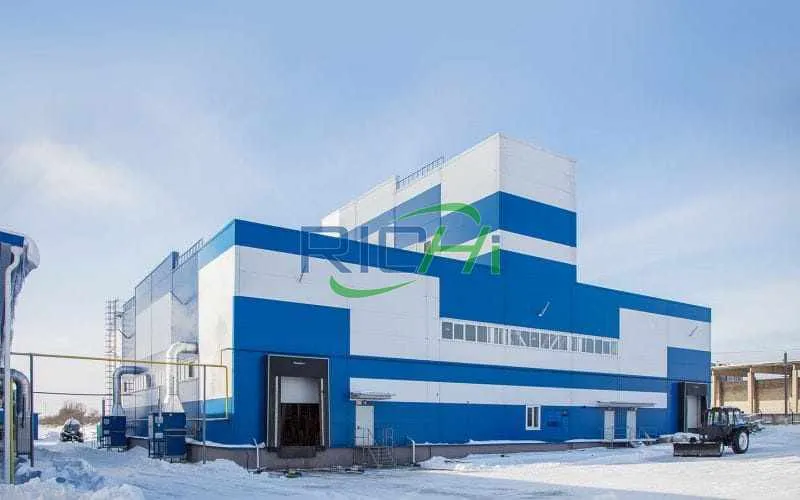
Kyrgyzstan
Guiding Price:
880.000 USD
10T/H poultry fish feed factory project In Kyrgyzstan
High-altitude adapted system for 3-6mm trout pellets and layer mash. Caters to Issyk-Kul region agricultural cooperatives.

Vietnam
Guiding Price:
1.400.000 USD
20T/H chicken fish feed factory project In Vietnam
Mekong Delta powerhouse producing 2-4mm pangasius feed and broiler rations. Built for integrated protein conglomerates.
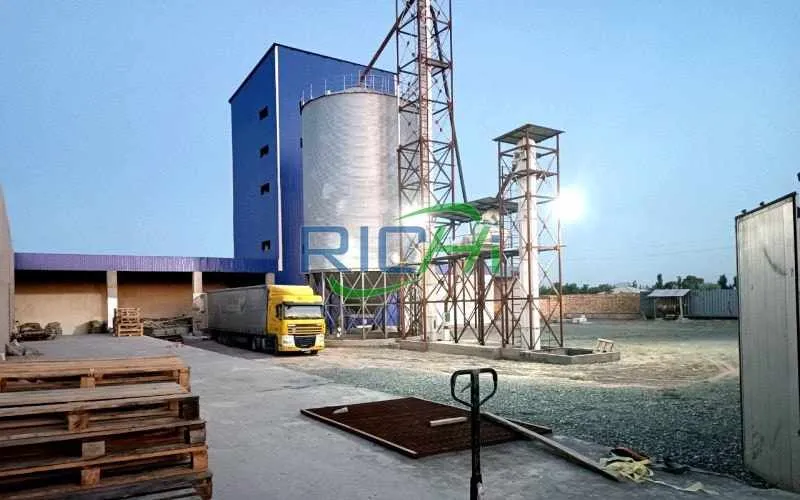
Mexico
Guiding Price:
670.000 USD
10T/H cattle fish feed factory project In Mexico
Industrial complex making 4-8mm tilapia feed and beef supplements. Serves Sonora region agri-food processors.

Brazil
Guiding Price:
950.000 USD
15T/H cattle fish feed factory project In Brazil
Amazon-focused megafacility for 3-6mm tambaqui feed and livestock rations. Developed for Mato Grosso agribusiness groups.
fish feed mill project report/ business plan
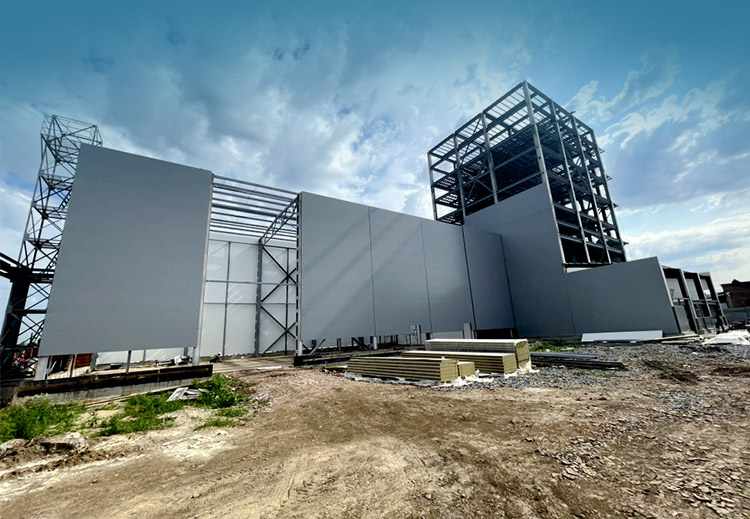
1T/H fish feed mill project in russia
This project was initiated by a family-owned fish farm that manages multiple trout ponds in northwest Russia.
- Annual output : 7000 t/a
- Feed Type: Trout, carp, sturgeon, other freshwater and cold-water aquaculture feed
- Packaging Specifications : 10kg/bag, 20kg/bag
- Water Consumption : 600 tons/year
- Power Consumption : 110,000 kWh/year
- Main Raw Materials(t/a) :
Russia 1 T/H Floating Fish Feed mill equipment & process design
The equipment used in this project mainly includes raw material pre-cleaner, bucket elevator, hammer mill, fine pulverizer, twin-shaft paddle mixer, wet-type single screw extruder, steam boiler, belt dryer, oil spraying system, counterflow cooler, rotary grading screen, dust collection system, and automatic bagging scale.
Process Description:
- Raw Material Receiving & Cleaning: High-quality fish meal, soybean meal, wheat flour, and other ingredients are sourced locally or imported as needed. All raw materials pass through a pre-cleaning system to remove foreign matter such as stones, strings, or dust.
- Primary Crushing & Fine Pulverizing: Materials like grains and oilseeds are crushed with a hammer mill, then finely ground with a dedicated pulverizer. For floating feed, fine particle size is critical to ensure even gelatinization during the wet extrusion process.
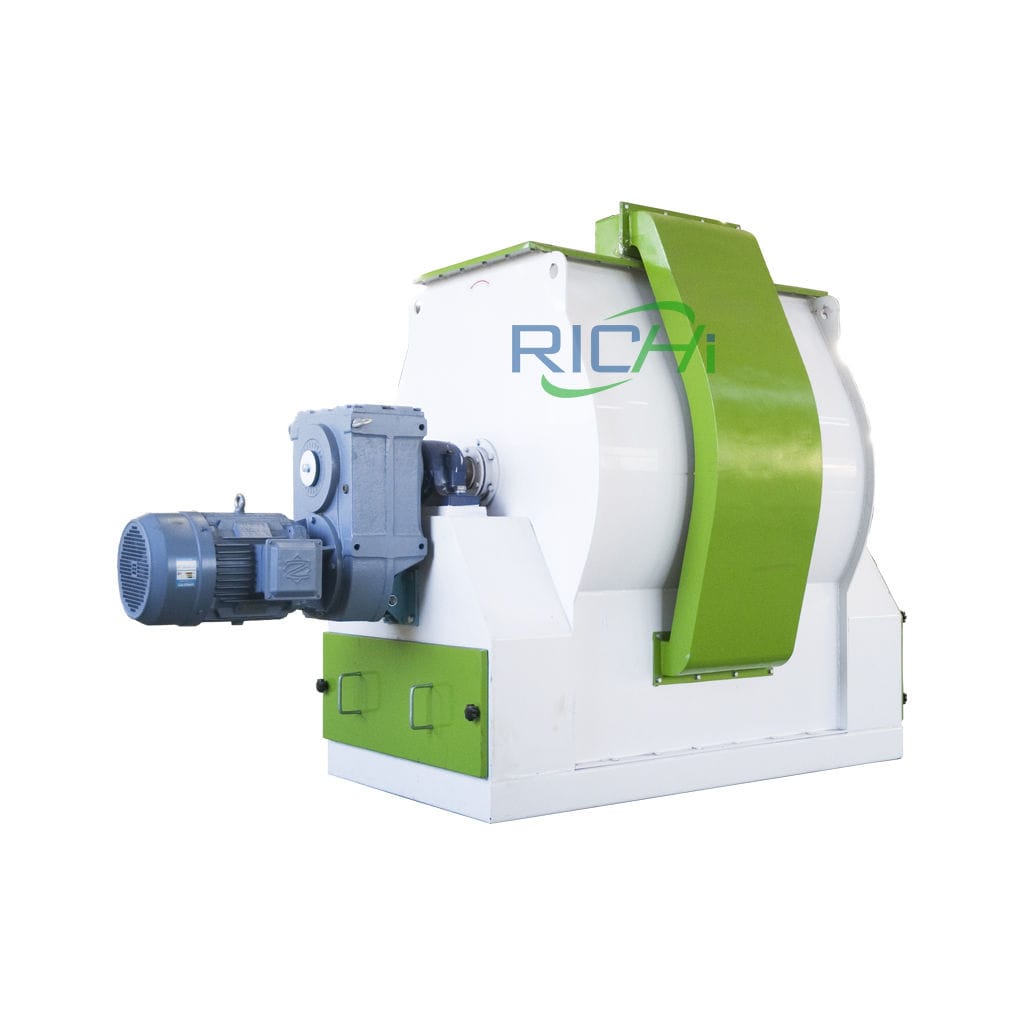
- Batch Mixing: The finely ground ingredients are weighed according to species-specific recipes that meet the nutritional demands of trout and sturgeon in Russia’s colder water conditions. Fish oil and vitamin-mineral premixes are blended uniformly in the twin-shaft paddle mixer, ensuring balanced nutrient distribution.
- Wet Extrusion: A defining feature of this project is the wet-type single screw extruder DSP-135B, which uses high-pressure steam from a dedicated boiler to pre-condition the raw material mix before extrusion. This method increases starch gelatinization and protein denaturation, producing stronger, more stable floating pellets. The extruder allows the client to adjust pellet density and buoyancy as required for different water depths and fish feeding behaviors.
- Drying: The freshly extruded pellets, with higher moisture, are conveyed into a belt-type dryer that reduces moisture content to safe storage levels (about 8-10%). Gentle circulation ensures even drying without compromising pellet structure.
- Oil Spraying: An automatic spraying system coats the cooled pellets with a thin layer of fish oil, boosting energy density and enhancing palatability, which is especially important for cold-water species with higher fat needs.
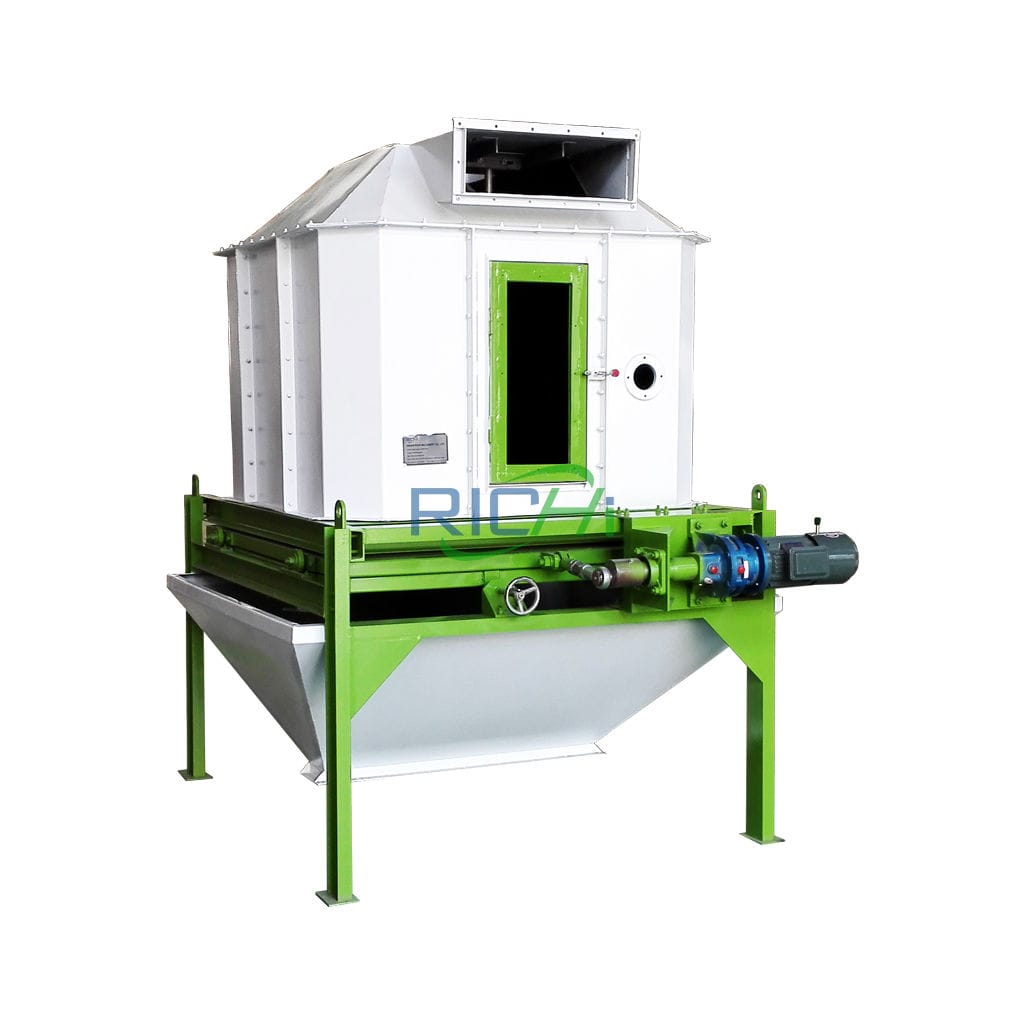
- Cooling & Screening: Pellets exit the dryer warm and are cooled rapidly in a counterflow cooler to maintain physical integrity. A rotary grading screen removes fines and ensures uniform pellet size.
- Packing: Finished feed is packed in 10kg or 20kg bags, sealed, and stored in a dedicated warehouse. Part of the production is used directly in the farm’s own ponds; surplus is sold to neighboring small trout farmers.
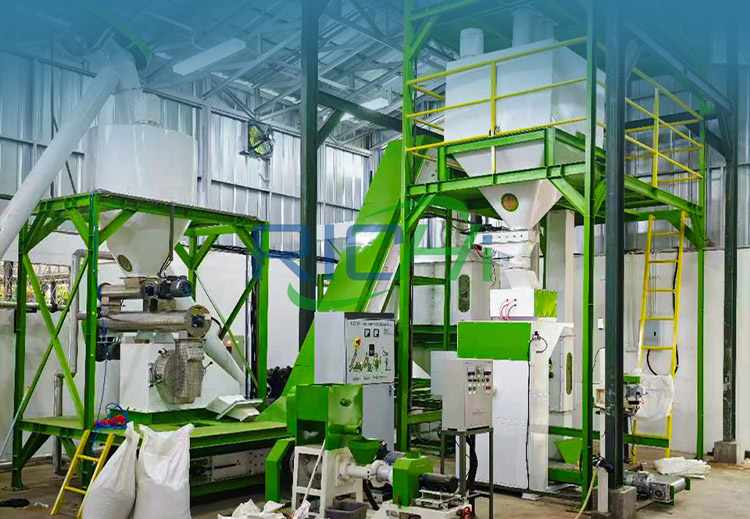
500KG/H fish feed mill project in indonesia
This fish feed mill is designed to process a variety of locally sourced ingredients into floating feed pellets specifically tailored to the nutritional needs of local freshwater species. In addition to fish feed, the project also processes 1-2t/h of chicken feed pellets.
- Annual output : 3500 t/a
- Feed Type : Tilapia, Catfish, Shrimp, Chicken feed.
- Water Consumption : 250 tons/year
- Power Consumption : 80,000 kWh/year
- Main Raw Materials (t/a) :
Indonesia 500KG/H Floating Fish Feed Mill equipment & process design
The main equipment used in this project includes grain cleaning machine, bucket elevator, hammer mill, fine pulverizer, horizontal mixer, dry-type single screw extruder, belt dryer, oil sprayer, counterflow cooler, rotary grading screen, dust removal unit, automatic packing scale, etc.
Process Description:
- Raw Material Cleaning & Crushing: Locally sourced corn, rice bran, wheat bran, and other ingredients are first cleaned to remove stones, dust, and metal debris. Once cleaned, the grains and protein meals are crushed using a hammer mill to ensure particle size uniformity suitable for fine grinding.
- Fine Grinding: To produce high-quality floating pellets, fine grinding is crucial. The finer the feed particles, the better the gelatinization during extrusion. A fine pulverizer further reduces the raw meal to the optimal fineness, enhancing digestibility.
- Mixing: All ground materials, including soybean meal, fish meal, premixes, and starch binders, are weighed according to the specific nutritional formula designed for tilapia and catfish. These are thoroughly mixed in a horizontal ribbon mixer to achieve a balanced nutrient blend.
- Extrusion: The mixed mash feed is then fed into the DGP-90B dry-type single screw extruder. This unit uses mechanical friction and high temperature to gelatinize starches and denature proteins, ensuring the pellets maintain shape and buoyancy. The final pellets can be produced in sizes ranging from 1mm for fry to 6mm for mature fish.
- Drying: Freshly extruded pellets are moist and warm. They are conveyed into a belt-type circulation dryer, which reduces moisture to safe storage levels, typically down to about 8-10% to prevent mold growth.
- Oil Coating: An oil sprayer applies a light coating of fish oil or vegetable oil to enhance energy content and improve palatability.
- Cooling & Screening: Warm pellets are cooled in a counterflow cooler, then pass through a rotary grading screen to remove fines and ensure size uniformity.
- Packing: Qualified finished pellets are packed automatically in 10kg or 20kg bags and stored for farm use or for small-scale local sales.

4 T/H fish feed mill project in Kazakhstan
This 20,000-ton/year aquatic fish feed plant project specializes in lobster and high-protein fish feed, packaged in 20kg/25kg bags for commercial markets.
- Working system : 26 people, the annual production time is 300 days, two-shift system, each shift works 8 hours
- Water consumption : 988t/a
- Power consumption : 300,000 kw·h
- Main raw materials :
Kazakhstan 4T/H fish feed mill project Process description:
The main equipment used in this fish feed mill project includes: boiler, bucket elevator, pulverizer, ultra-fine pulverizer, twin-shaft paddle mixer, single-screw extruder, belt circulation dryer, grease sprayer, counterflow cooler, rotary classification screen, dust removal system, etc.
- Crushing section: After cleaning and removing impurities, the main raw and auxiliary materials are crushed by the crusher.
- Ingredients and mixing section: According to the formula requirements of aquatic products, various raw materials participating in the ingredients are weighed and entered into the mixer in sequence.
- Ultra-fine grinding section: Because the finer the particles, the larger their surface area, the larger the contact area between the digestive juice and them, thereby improving the digestibility of the feed and increasing its nutritional return.
- Secondary mixing section: mix the ultrafinely pulverized raw materials again.
- Expansion and drying section(for extruded feed): The secondary mixed raw and auxiliary materials are heated and expanded, and part of the steam enters the material. After the material is expanded in the expansion section, it is loaded into the dryer for electric drying treatment. The moisture content of the material after drying is about 2%.
- Granulation section(for pelletized feed): The mixed raw materials enter the pellet mill, and the temperature of the material is adjusted by steam to reach 80~85°C. The moisture content of the material is about 10%, and then the aqua feed pelletizer is used to form granules with a specified particle size.
- Cooling section: The pellets are sent to the cooling machine for cooling treatment.
- Dual-material packaging section: Packed into warehouse, qualified products are stored for sale or shipment.
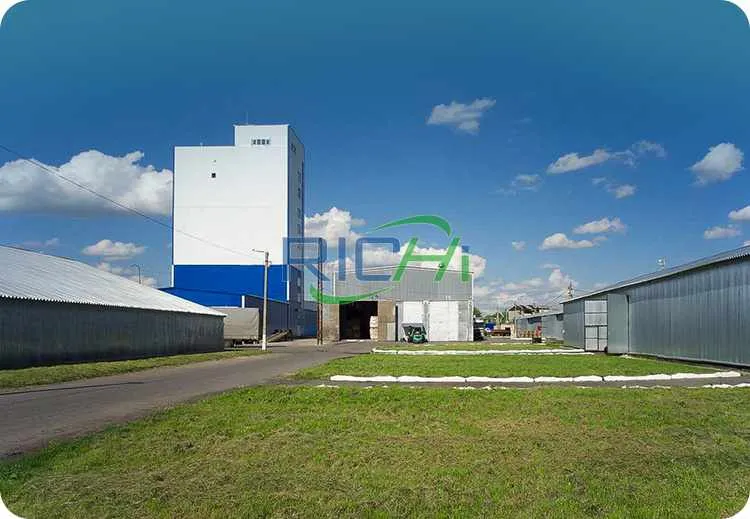

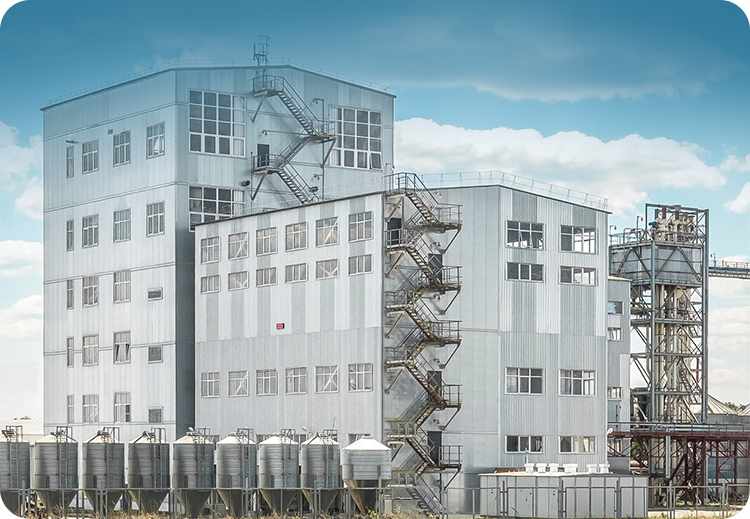
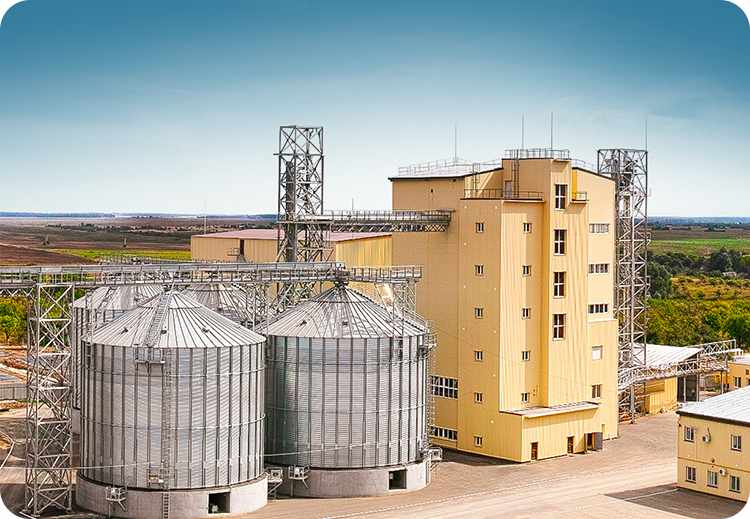

equipment for fish feed mill project
RiCHl Machinery offers a diverse expertise to provide solutions for your feed factory constructionrenovations, design/build, upgrades and engineering projects. We begin with our customers keydesign criteria in mind.We begin with our customers keydesign criteria in mind.

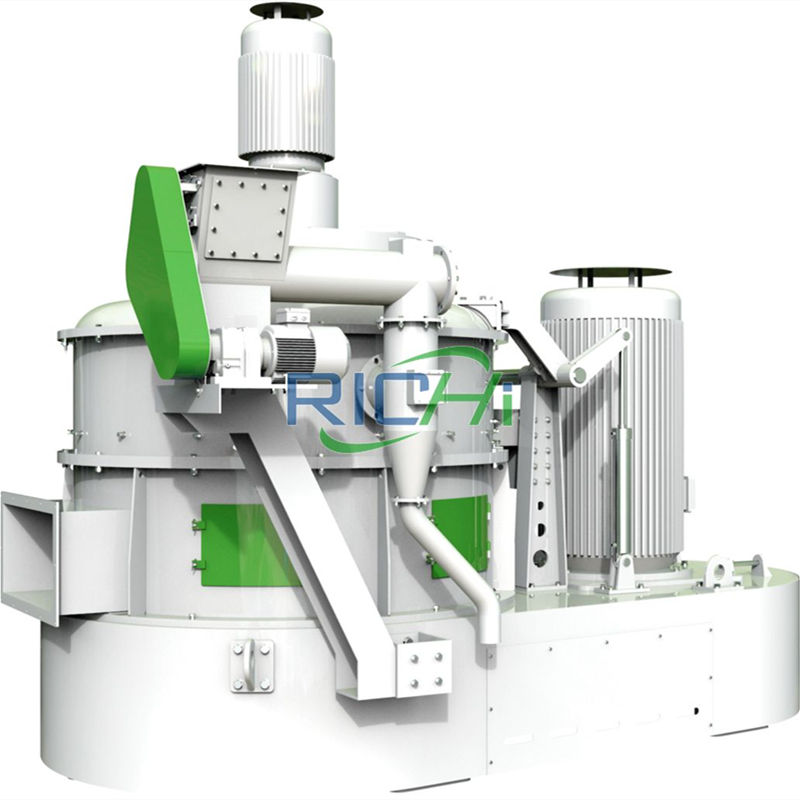
Grinding Equipment
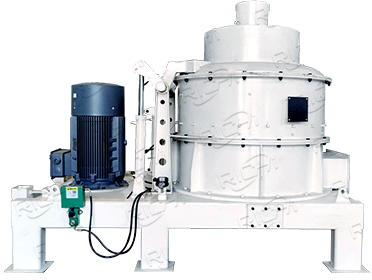
Ultrafine powder
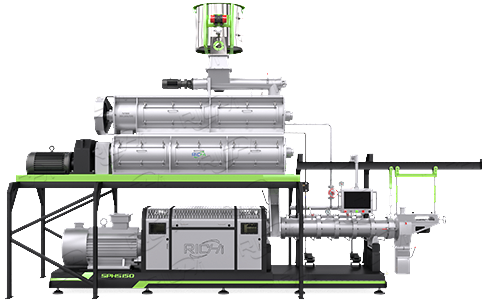
Extruder Equipment
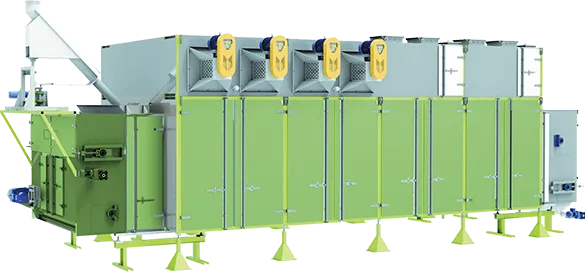
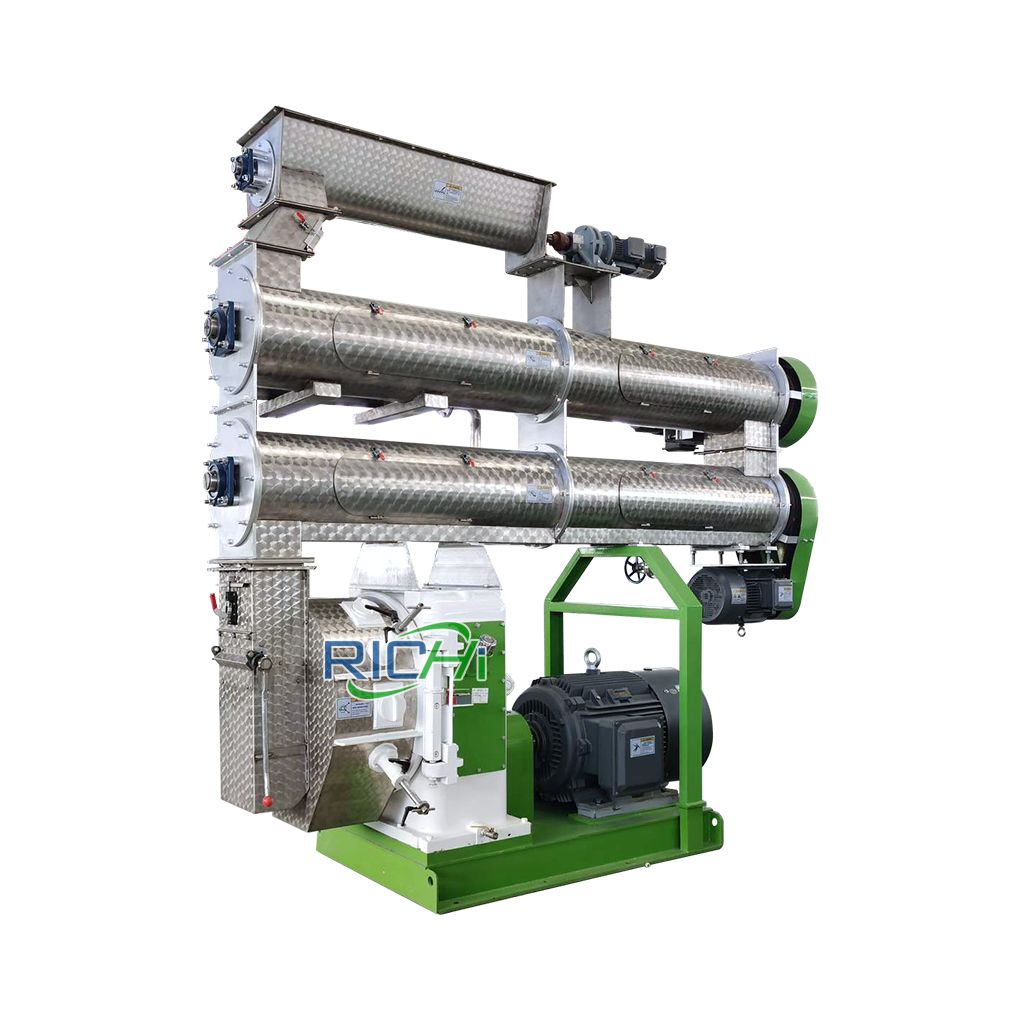
Drying Equipment
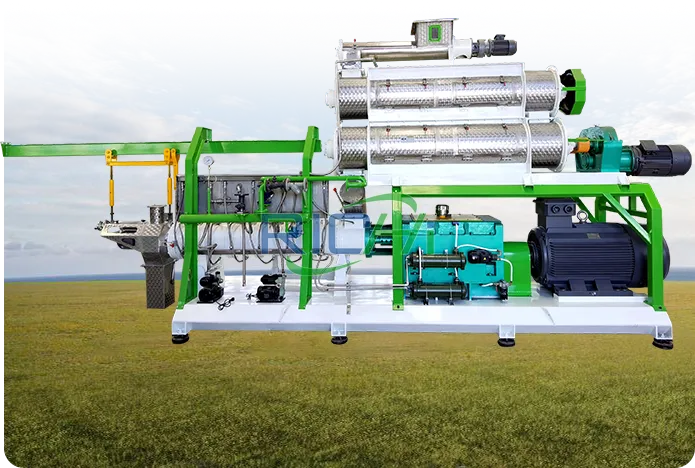
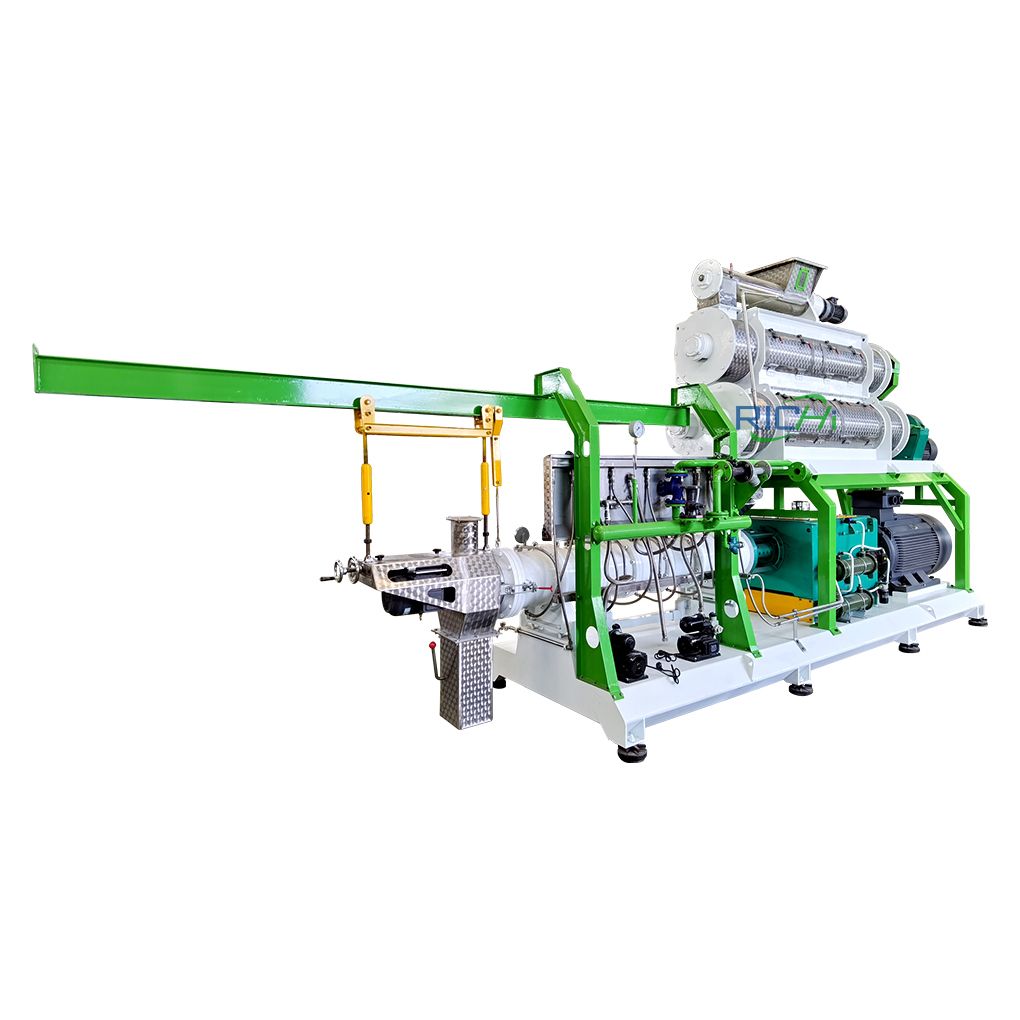
floating fish feed extruder machine (twin screw)
A high-capacity twin screw extruder designed for producing floating fish feed with precise expansion control. The twin-screw configuration ensures superior mixing and cooking of ingredients, achieving uniform texture and buoyancy. Ideal for high-fat formulations (up to 15% lipid content) with outputs ranging from 0.5-12T/H.
Capacity
0.5-4T/H
Power
55-130KW
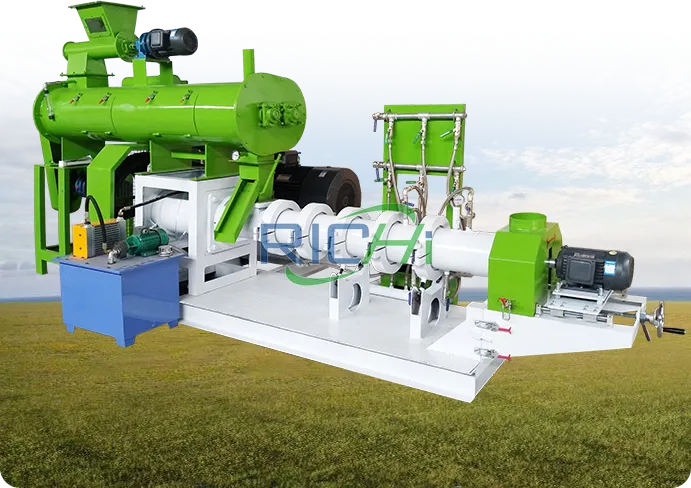
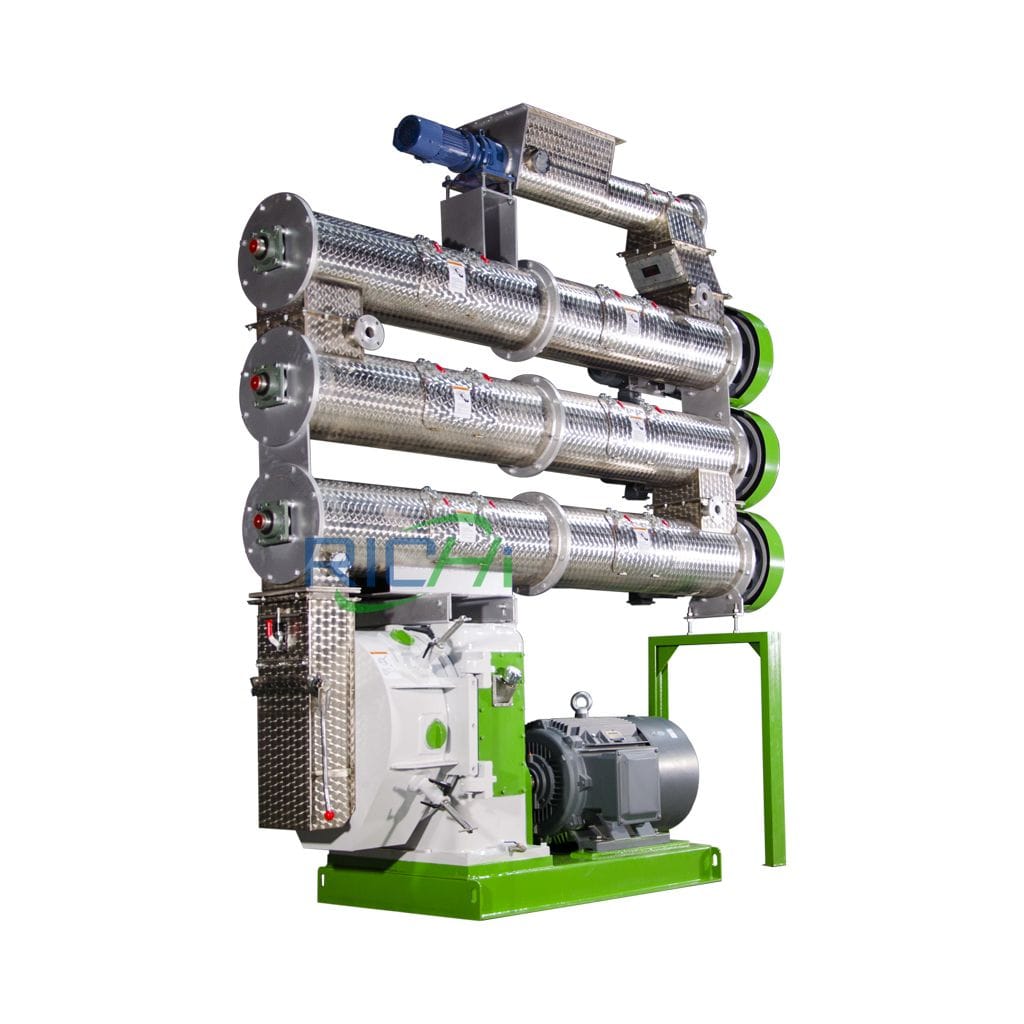
wet type fish feed extruder machine
A cost-effective solution for small to medium-scale operations, processing pre-conditioned high-moisture mixes (25-30% moisture) into semi-floating or slow-sinking pellets. Features steam injection for starch gelatinization and simple die assembly for quick product changes.
Capacity
0.2-4T/H
Power
18.5-132KW

dry type fish feed extruder machine
Compact extruder for producing dense sinking feeds without steam preconditioning. Processes low-moisture mixes (12-18%) through mechanical friction heating, suitable for small farms making 0.5-3T/H of high-protein pellets.
Capacity
0.2-1T/H
Power
37-90KW
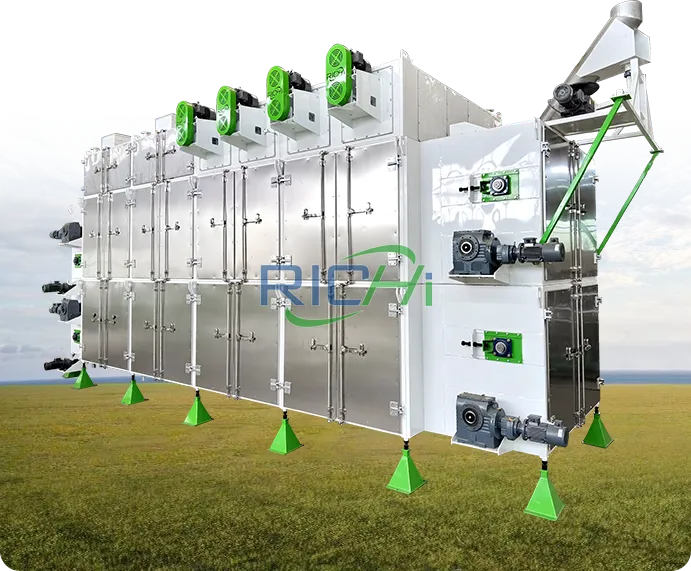
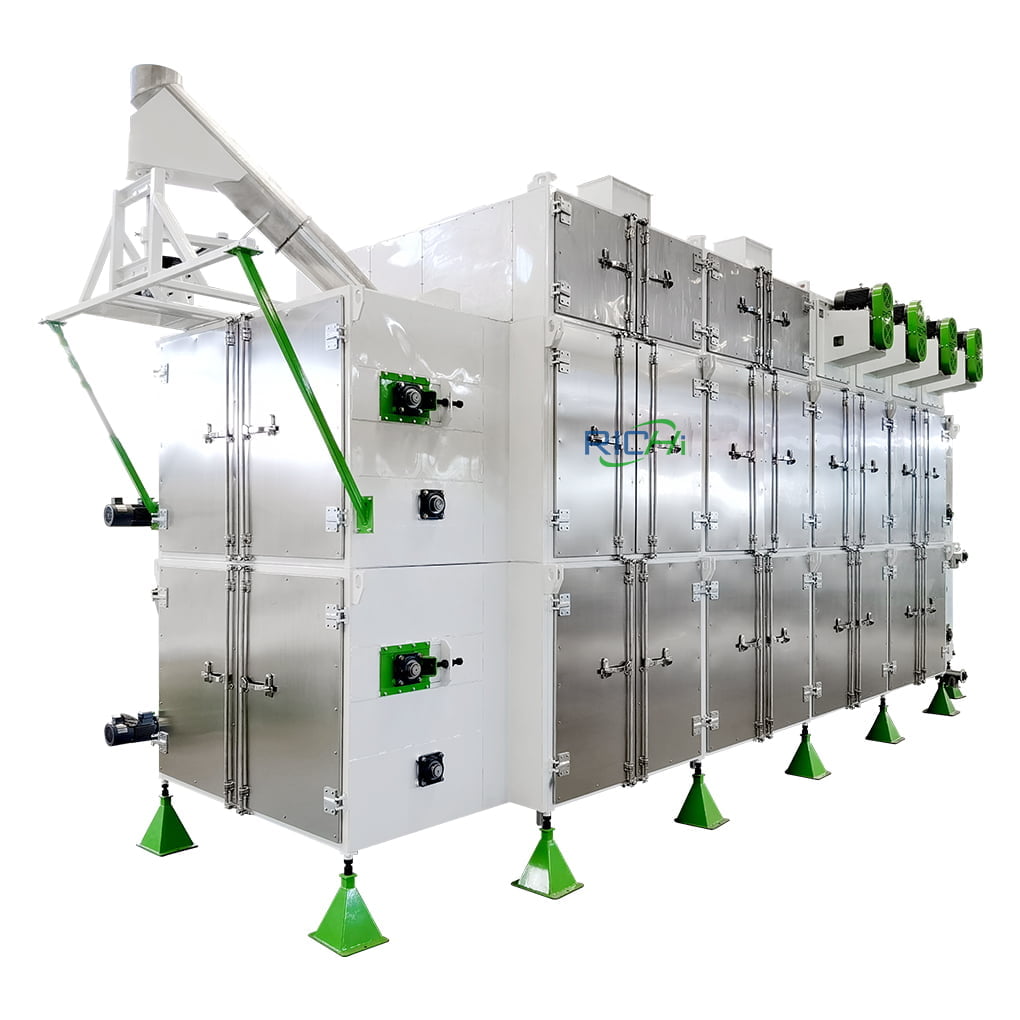
mesh belt dryer
Multi-layer conveyor dryer with precise temperature zones (40-100°C adjustable) for gradual moisture reduction. Processes extruded pellets from 25% to 8-10% moisture content while preserving heat-sensitive nutrients. Includes anti-stick belt coating and energy recovery systems.
Belt Width (m)
0.8-1.6
Drying Area (m²)
13-58
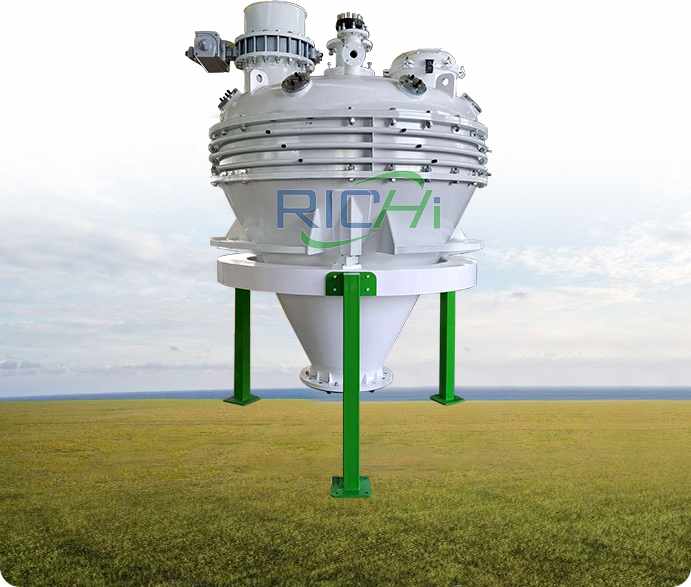
Vacuum spraying machine
Post-drying coating system that infuses oils, vitamins or binders into pellets under negative pressure. Achieves 98% coating efficiency with 3-5% liquid addition, significantly higher than conventional spraying. Features PLC-controlled dosage and residue-free chamber design.
Capacity
1-15T/H
Power
18.5-22KW
fish feed mill Project Video
Want to know how fish feed mill projects achieve efficient and stable production? We’ve selected three typical project videos to show you professional solutions in different scenarios, providing real reference for your project planning!
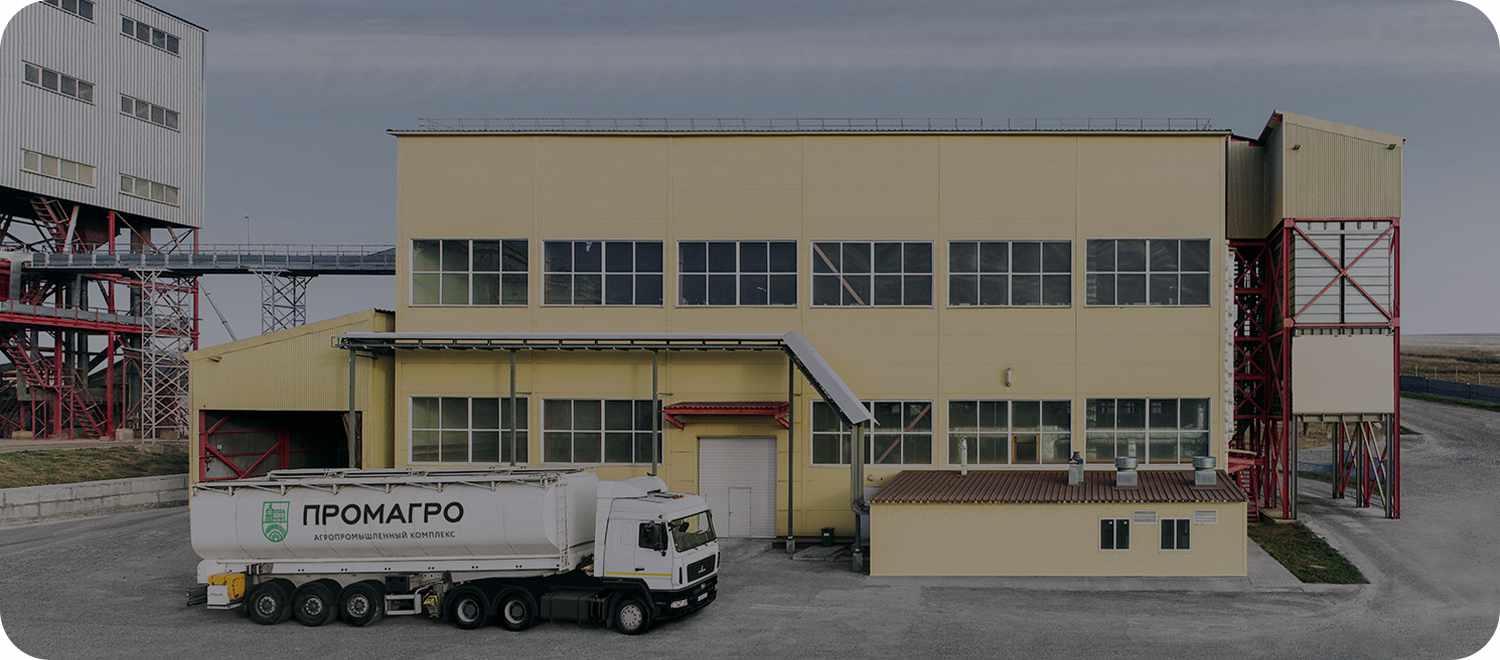
5T/H fish feed plant project in russia

2T/H shrimp feed mill project in indonesia

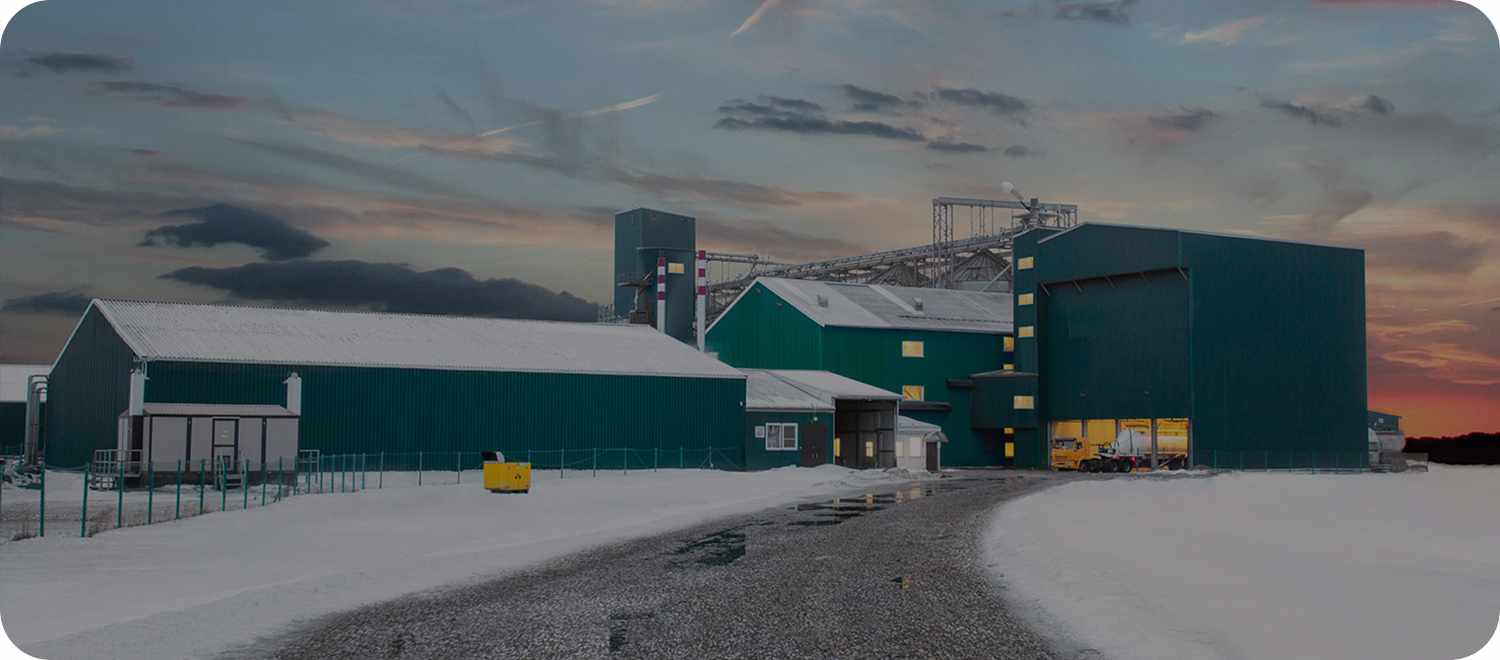
1-2T/H fish feed mill project in iran
In the field of fish and shrimp feed production, technological innovation directly determines your market competitiveness. We are well aware of this, so each feed production system incorporates cutting-edge technology and intelligent control – from precise raw material ratios to stable underwater durability, from efficient energy utilization to safe production throughout the entire process. We create not only equipment, but also guarantee your stable profitability.
cost to start fish feed mill project
Investing in a fish feed mill project requires careful planning to balance capacity, efficiency, and budget. The total cost depends on multiple factors, including production scale, automation level, raw material handling, and regional logistics.
Below, we provide a cost breakdown for different production capacities, helping you estimate the investment needed for your operation.
| Production scale | fish feed mill cost(USD) | Total Power(KW) | Project Site Requirements (m²) | Installation cycle (Days) |
|---|---|---|---|---|
| 200-400 KG/H | 20,000-80,000 | 53-100 | 100-250 | 7-20 |
| 500-600 KG/H | 30,000-100,000 | 135-180 | 200-300 | 10-20 |
| 800-1000 KG/H | 50,000-170,000 | 164-200 | 300-500 | 15-30 |
| 1.5-2.0 T/h | 80,000 – 560,000 | 182-250 | 500-700 | 20-40 |
| 3.0-4.0 T/H | 230,000 – 650,000 | 223-310 | 800-2000 | 30-60 |
| 5.0-6.0 T/H | 470,000 – 840,000 | 247-420 | 1000-3000 | 40-80 |
| 8.0-10.0 T/H | 580,000 – 1,200,000 | 345-580 | 1500-4000 | 45-90 |
About the profit
Quality fish feed production typically delivers 25-40% gross margins due to growing global aquaculture demand and efficient modern production methods.
Well-designed fish feed mills achieve full ROI within 3-5 years through high uptime (85%+), low energy use (under 35kWh/ton), and long equipment lifespan.
Specialty feeds (medicated, floating, organic) command 15-30% higher prices, while flexible lines allow simultaneous production of standard and premium products.
Interested in our projects?
Consult us now to get more information and customize the best solution for you!

start your fish feed mill project
A good feed production line should be as trustworthy as a precision instrument. For 30 years, we have continuously optimized every link from feeding to finished products: twin-screw extruders can meet the production needs of floating and sinking feeds at the same time; intelligent temperature control systems ensure that different formulas can achieve the best degree of maturation; modular design allows your production line to be upgraded and expanded at any time – these technological innovations will eventually turn into your production advantages.
When you browse our project cases in 80 countries, you will not see a cold list of equipment, but real challenges that we have solved together with aquaculture companies: how to reduce power consumption, how to improve the palatability of open bait, how to keep the quality of feed after long-distance transportation… These cases prove that choosing us means choosing a partner who understands aquaculture and production.
Frequently Asked Questions
Get expert answers to the most common technical and operational questions about fish feed production lines. Whether you’re planning a new project or optimizing an existing mill, this section covers key considerations on equipment selection, formulation challenges, production efficiency, and ROI optimization.
What’s the real production capacity I can expect from a 5t/h fish feed mill after accounting for formula changes and maintenance?
+
A nominal 5T/H fish feed mill typically achieves 4–4.5T/H sustained output in real-world conditions after accounting for:
Key Factors Affecting Actual Throughput
- Formula Variations
- High-oil diets (e.g., salmon feed) may reduce output by 10–15% due to extended conditioning time
- Fibrous ingredients (e.g., rice bran) can decrease capacity by 8–12%
- Maintenance & Changeovers
- Daily cleaning & lubrication: 30–45 min downtime
- Die/roller changes: 20–40 min per switch (depending on operator skill)
- Weekly deep cleaning: 2–3 hours
- Operational Efficiency
- Well-trained crews maintain 85–90% uptime
- Poorly managed mills drop to 70–75%
Maximizing Your 5T/H feed Line’s Output
We recommend:
✔ Pre-conditioning optimization – Adjust steam levels for faster gelatinization
✔ Scheduled maintenance – Prevent unplanned stops
✔ Staff training – Reduce changeover time by 30–50%
Want a customized capacity estimate for your formulas? Send us your recipe for a free throughput simulation report.
What’s the typical timeline from fish feed mill equipment delivery to full production – and what delays should we anticipate?
+
Standard Implementation Timeline
- Equipment Installation (4–8 weeks)
- Foundation & utility preparation: 1–2 weeks
- Mechanical assembly: 2–3 weeks
- Electrical/automation wiring: 1–2 weeks
- Commissioning & Testing (2–4 weeks)
- Dry-run checks: 3–5 days
- Trial production with client formulas: 1–2 weeks
- Operator training: 5–7 days
- Production Ramp-Up (2–4 weeks)
- Gradual output increase to target capacity
- Final process fine-tuning
Total: 8–16 weeks (optimized cases) to 20–24 weeks (complex projects)
Common Delays & Mitigation Strategies
| Delay Factor | Typical Impact | Our Preventive Measures |
|---|---|---|
| Customs clearance | +2–4 weeks | Pre-shipment documentation review |
| Utility hookups | +1–3 weeks | On-site power/water audits pre-delivery |
| Operator skill gaps | +1–2 weeks | Multilingual training manuals + VR simulations |
| Formula adjustments | +1 week | Pilot testing at our facility first |
Real-World Example:
An Ecuadorian shrimp feed plant achieved full production in 14 weeks (vs. industry average 22 weeks) because we:
- Dispatched bilingual engineers for on-site support
- Conducted steam system pre-testing before shipment
- Provided augmented reality assembly guides
Can Tilapia and Carp Feed Use the Same Raw Materials and Formulas?
+
While tilapia and carp feeds share some common ingredients, their optimal formulations differ significantly due to distinct digestive physiologies and nutritional requirements. Here’s a professional breakdown:
Key Differences in Formulation
- Protein Sources
- Tilapia: Thrives on plant-based proteins (soybean meal, cottonseed meal – 28-32% crude protein)
- Carp: Requires more animal/byproduct proteins (fishmeal, poultry byproduct meal – 24-28% crude protein) for essential amino acids
- Carbohydrate Utilization
- Tilapia: Efficient at digesting corn/wheat starch (up to 40% inclusion)
- Carp: Prefers easily fermentable fibers (rice bran, wheat bran – max 25% starch)
- Fat Types & Levels
- Tilapia: Benefits from vegetable oils (soybean, palm oil – 5-8%)
- Carp: Requires higher omega-3s (fish oil/flaxseed – 4-6%) for cold-water metabolism
Shared Ingredients (With Caution)
| Ingredient | Tilapia Max % | Carp Max % | Notes |
|---|---|---|---|
| Soybean meal | 35% | 25% | Carp need slower digestion |
| Corn | 40% | 30% | Limit mycotoxins for carp |
| Rice bran | 20% | 35% | Carp utilize fiber better |
Equipment Considerations
Our pellet mills handle both species’ feeds but require adjustments:
- Tilapia: Standard 1:4.5 L/D dies (2-4mm pellets)
- Carp: Extended 1:6 L/D dies (3-6mm pellets) for fiber binding
Proven Solutions
A Thai fish farm successfully produces both feeds on one line by:
- Precision conditioning (carp: 85°C/20sec; tilapia: 75°C/15sec)
- Sequential production runs (cleaning between formulas)
- Modular die changes (30-minute switch)
How to build a fish feed mill project? fish feed mill project construction process
+
No matter in which country, aquatic feed factory, shrimp feed factory, fish feed factory construction projects are mainly subdivided into the following stages and steps. It should be noted that many of the steps are often carried out simultaneously. One of the key factors for the success of the project is management and coordination.
01 Pre-approval
It mainly includes: fish feed mill project filing, land use, site selection and environmental review, obtaining land use certificates and planning approval, etc. Some of these contents can be carried out simultaneously. The specific operating procedures in most areas are basically the same, and some areas may The specific details of the sequence and operation methods will vary.
02 Overall and supporting design of fish feed plant
Fish feed mill project design usually includes three stages: pre-design work, preliminary design and construction drawing design.
- Preliminary design work:
Including feasibility study, site selection and preparation of design brief. The design brief is organized and compiled by the competent department of the construction project.
Its purpose is to analyze the main issues of the construction project, namely product plan, construction scale, construction area and location, professional cooperation scope, investment, etc. based on the feasibility study report and site selection report. Decisions should be made on the limits, sources of funds, required technical levels and economic benefits. - Preliminary design:
Prepared according to the approved design brief. Preliminary design includes: determining the sources and amounts of main raw materials, fuel, water, and power; stipulating the main principles for the design of technological processes, material storage and transportation, and environmental protection; clarifying the composition and requirements of equipment, buildings, and public systems;
And conducting factory layout, design the floor plan of the entire fish feed factory and workshops; propose plans for production organization, management information systems and living welfare facilities; calculate the quantity of major equipment and materials, various technical and economic indicators and project budget estimates.
The approved preliminary design is the basis for appropriation of construction investment, ordering of complete sets of equipment and design of construction drawings. - Design of construction drawings:
Draw detailed structural drawings of various buildings, installation details of equipment and pipelines, construction details of various outdoor projects, and prepare detailed lists of all equipment and materials and construction budgets. What needs special mention is about fire protection approval and acceptance.
03 fish feed mill project construction
The entire construction project process of the fish feed mill project building will focus on testing the overall strength of the feed equipment manufacturers and feed companies in project operation and management.
Generally speaking, most feed companies neglect the multi-party coordination of construction projects and the effective management and monitoring of project quality and progress. The losses caused by the delay in project progress and the delay in putting the factory into production are often staggering.
Therefore, more and more feed companies are strengthening professional monitoring and management of the overall project to ensure the controllability of the project. Matching this, professional project consulting and management services are being widely recognized and accepted.
04 Product process and production layout
When laying out the process design and improvement of fish feed mill projects, the four elements of people, machines, materials, and methods in each process must be organically combined and fully balanced.
Because, once the four elements are not unified and coordinated, the operation will be easily fragmented, which will prolong the stagnation time and increase the number of material handling.
05 Factory organization and personnel planning
Factory organization and personnel planning are important components of human resource planning for fish feed mill projects. Strategic planning is the stipulation of the guidelines, policies and strategies for the development and utilization of human resources of the enterprise based on the overall development strategy goals of the enterprise.
It is the core of various specific human resources plans and a key plan related to the operation of the fish feed mill plant.
06 fish feed mill daily management process
- In general, the implementation of process management is firstly conducive to the standardization of fish feed mill operations, improving efficiency and ensuring operational quality;
- Secondly, it is conducive to the implementation of standardization by enterprises. The construction of standardization is conducive to the establishment of corporate brands and the rapid development of business and large-scale replication;
- Third, it is conducive to the realization of informatization by aqua feed enterprises. Information management can greatly improve the efficiency of aqua feed enterprises and improve labor productivity, especially through the use of the Internet to achieve remote services and remote control.
07 Equipment installation, commissioning and supporting facilities
The production equipment required for the new fish feed mill project requires professionals to install and debug the equipment according to relevant installation and debugging specifications, and to maintain complete equipment installation and debugging records.
At the same time, future daily equipment maintenance and management should be formulated and completed by professionals. system.
08 Personnel recruitment and training
Personnel recruitment and training fall under the tactical plan of fish feed mill human resources. The tactical plan is based on the forecast of the supply and demand of external human resources that the company will face in the future, as well as the forecast of the demand for human resources due to the company’s development.
The tactical plan is a specific plan based on the forecast results, including specific personnel demand schedules, recruitment, training, Wage and benefit policies, echelon building and organizational change.
09 Trial operation and rectification
The trial operation and rectification mentioned here refers to the final trial operation link of the fish feed mill project management itself, which will mainly focus on the two aspects of the automation control system and aqua feed mill equipment to examine and inspect the completion and inspection of each part of the fish feed mill project. Status assessment and rectification.
For projects with a short cycle, RICHI opens a green channel specifically for you to shorten the installation period, that is, make various preparations before placing an order, such as: detailed planning, construction plans, all delivery batches, and materials The completion is detailed down to the individual, and the construction cycle is strictly controlled.
After each aqua shrimp prawn fish feed mill project is approved, comprehensive remote management and control will be carried out from design, construction progress, safety, quality, etc. to accurately control the total construction period of on-site construction, follow up on the project progress in real time, and make accurate decisions and solve any safety and quality issues in the first time.
How to design fish feed mill project process?
+
According to the different needs of fish feed manufacturers and the growth stages of fish, shrimps and crabs, RICHI’s professional team uses three-dimensional digital modular design and standardizable design of non-standard prefabricated parts to accurately plan and achieve the goal in one step.
It makes the layout of the entire fish feed plant more reasonable, the process more optimized, and the logistics more efficient. It greatly shortens the installation cycle and improves the quality of the fish feed mill project, reduce fish feed production line operating costs from the source and improve production efficiency.
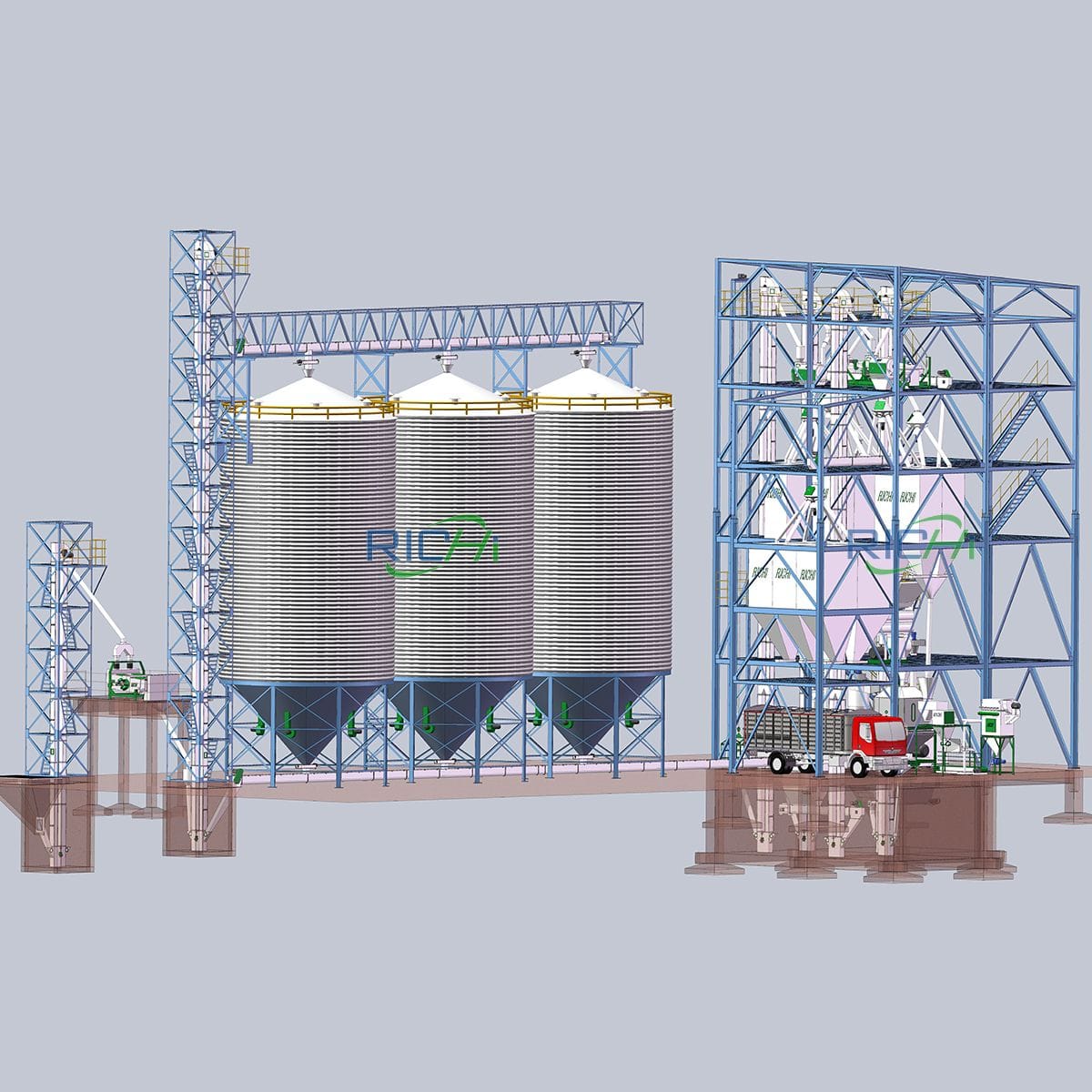
The standard process for aquatic feed processing is:
Cleaning – ingredients – mixing – crushing – micro-crushing – puffing – drying – grading – spraying – cooling – packaging
- For the processing of extruded fish feed: the above process can be directly used, or it can be customized according to the actual needs of customers. For example, some customers need to add a palletizing system; some customers need to replace ordinary spraying equipment with vacuum spraying equipment; some customers want to use twin-screw extruders, etc.
- For the processing of shrimp and crab feed: the above process flow can be used, or pelletizing technology can be used, that is, the extrusion section is replaced by a pelleting process, the extruder is replaced by a shrimp feed pelletizer, and equipment such as a high square screen is added.
- For ordinary fish feed processing: similar to the processing technology of livestock and poultry feed, the general process is cleaning – batching – mixing – crushing – granulation – cooling – screening – packaging. Drying, micro-grinding, spraying and other processes and equipment can be added according to customer needs.
Production lines and processes designed for fish feed mill projects in different countries:
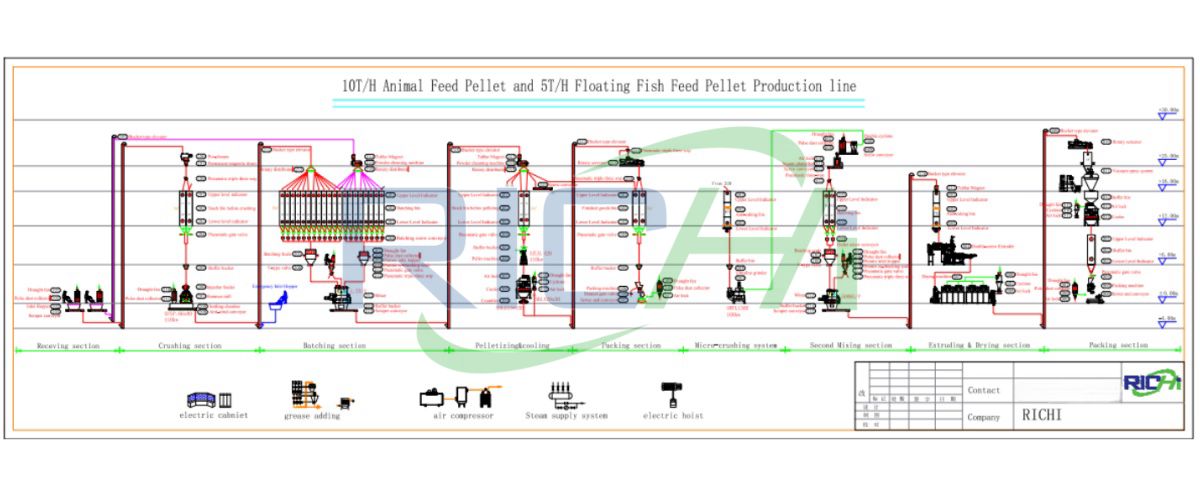
10T/H animal feed & 5T/H floating fish feed mill design
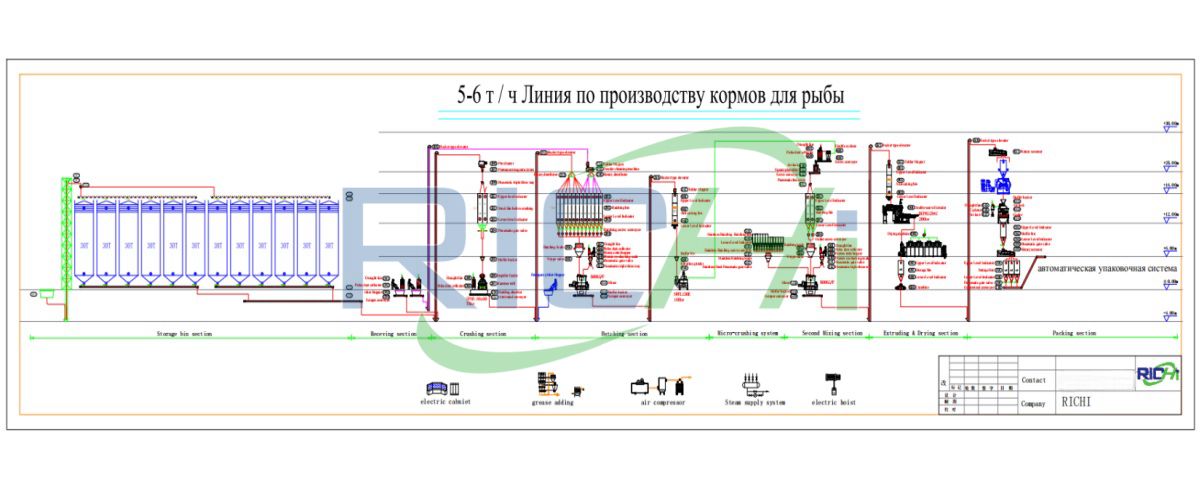
5-6 T/H extruded floating fish feed plant design
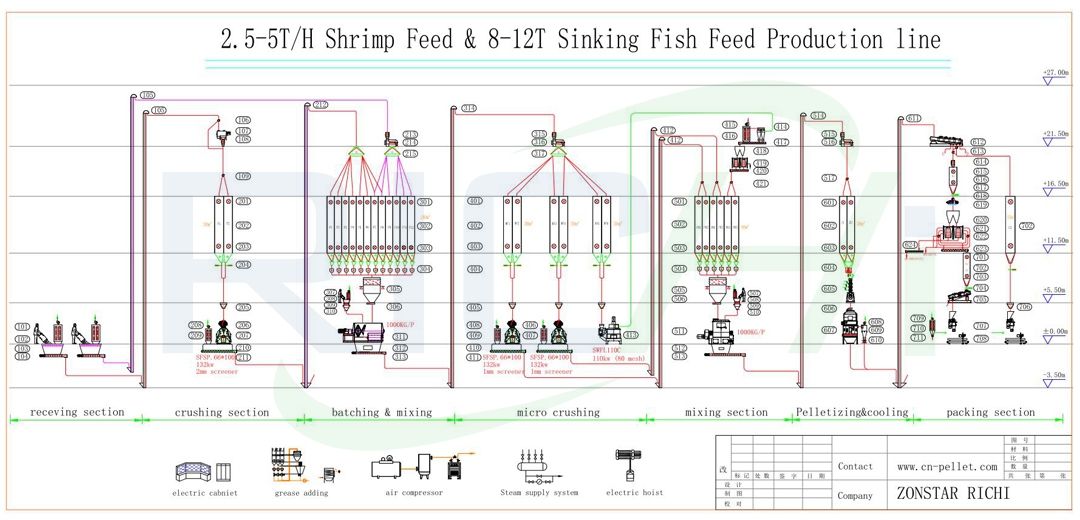
2.5-5T/H shrimp & 8-12T/H fish feed mill design
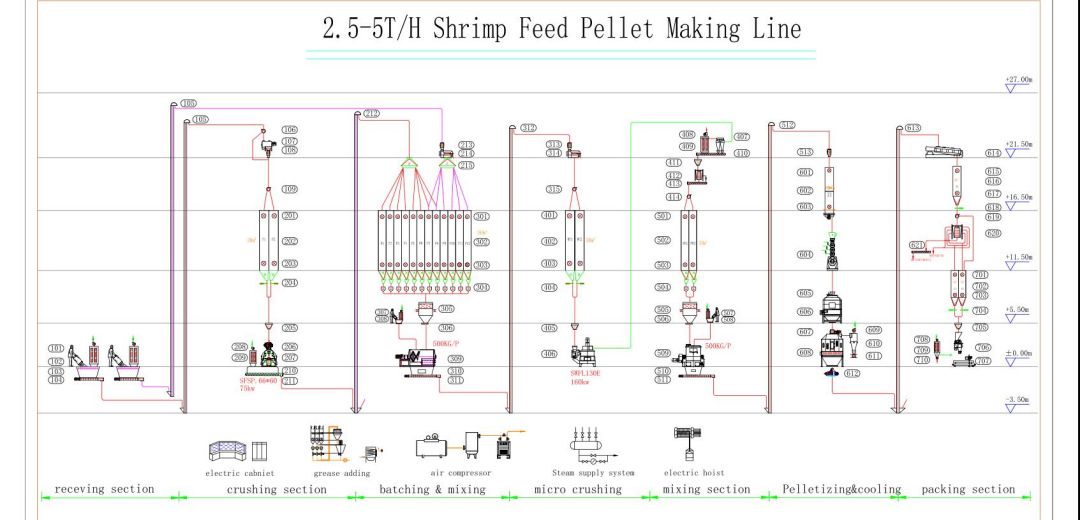
2.5-5T/H shrimp aqua feed mill process design
Contact us for technical support for fish feed mill project construction!
What Equipment is needed to start fish feed mill project?
+
RICHI adopts industry-leading process design, and responds to the company’s own needs in all aspects of raw material cleaning and crushing, ingredient mixing, conditioning and puffing, drying and cooling, spraying and packaging. RICHI’s stable and efficient aqua feed mill equipment is used to meet the needs of different aquatic fish feeds production.
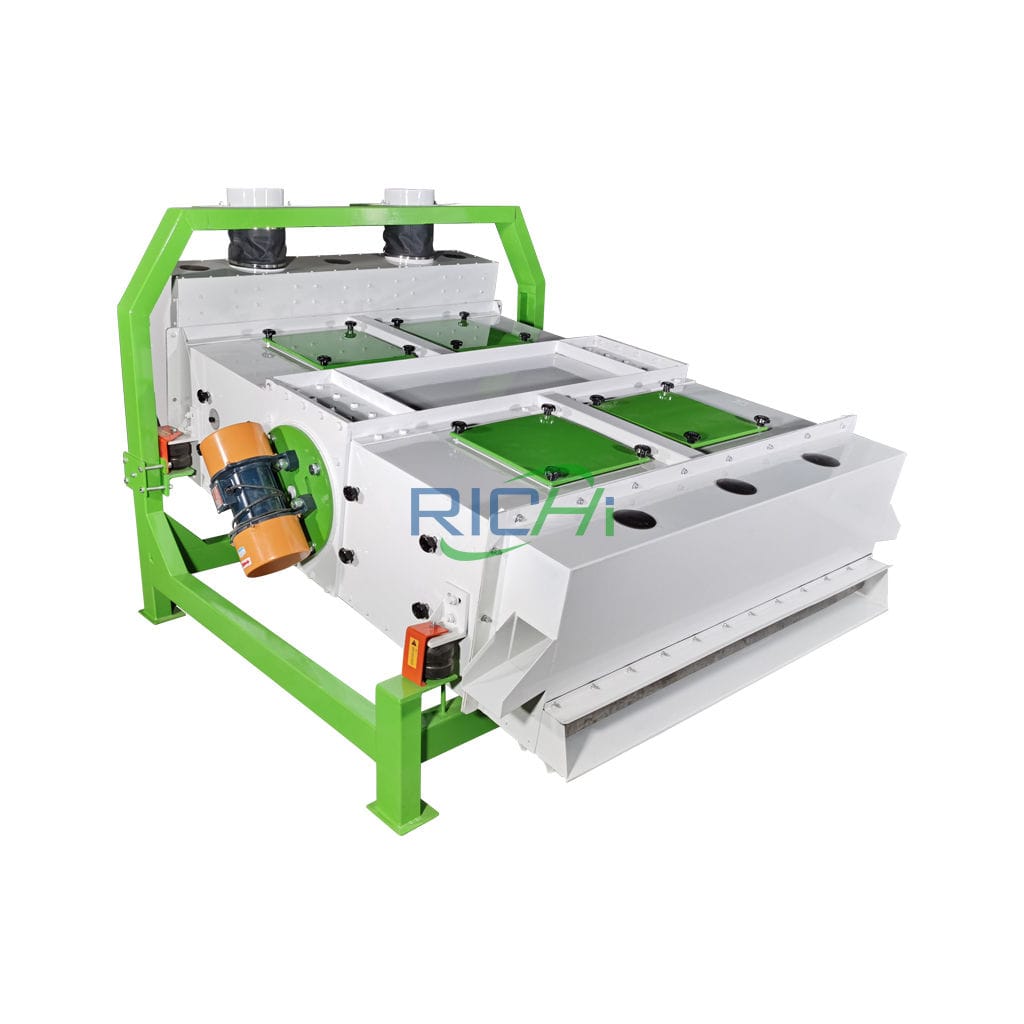
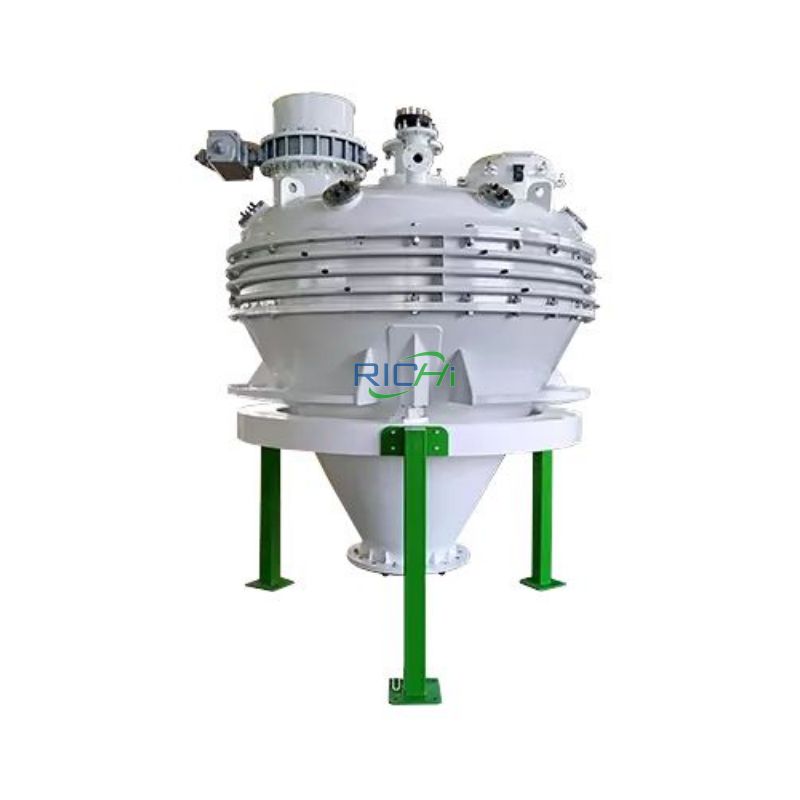
The equipment required for aquatic feed projects, shrimp feed production line projects and fish feed mill projects generally includes cleaning equipment, crushing equipment, mixing equipment, drying equipment, spraying equipment, puffing equipment, cooling equipment, screening equipment, packaging equipment, and palletizing equipment, silo equipment, automated control systems, etc.
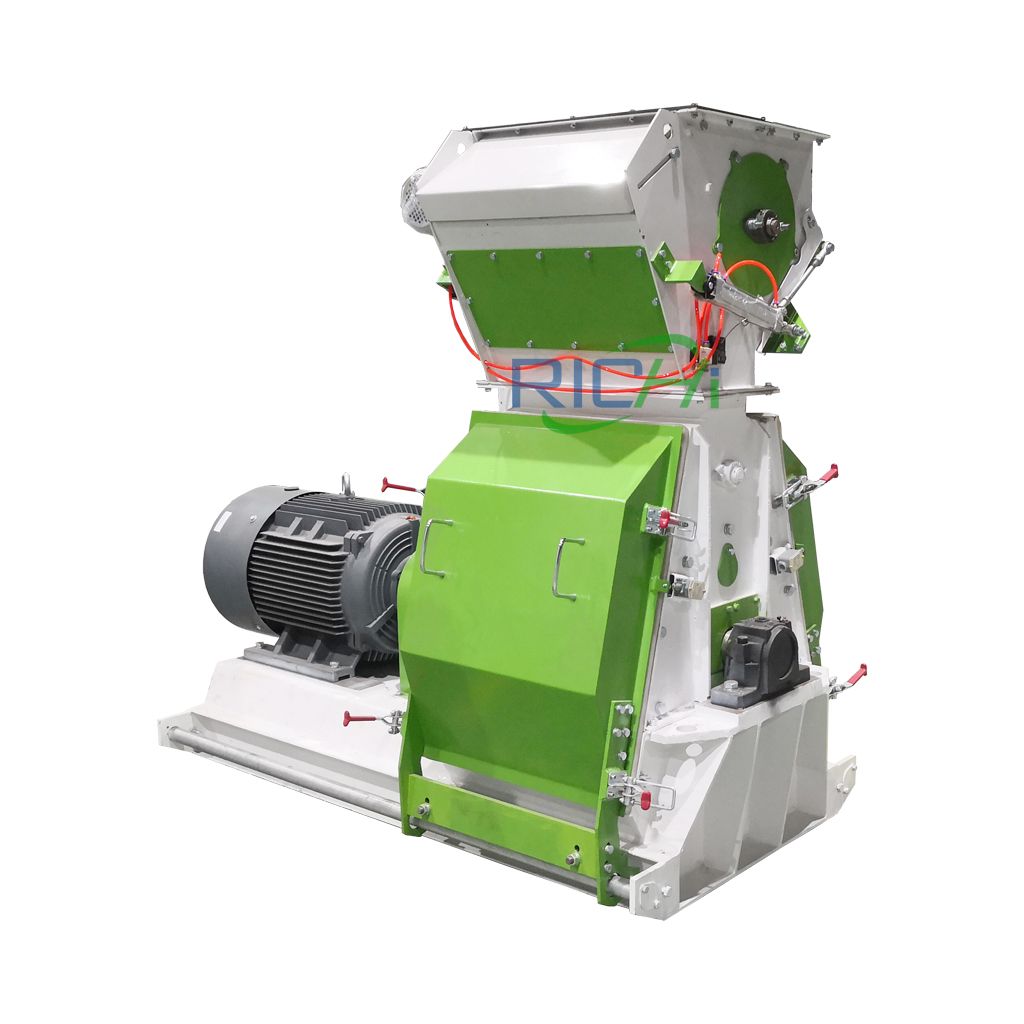
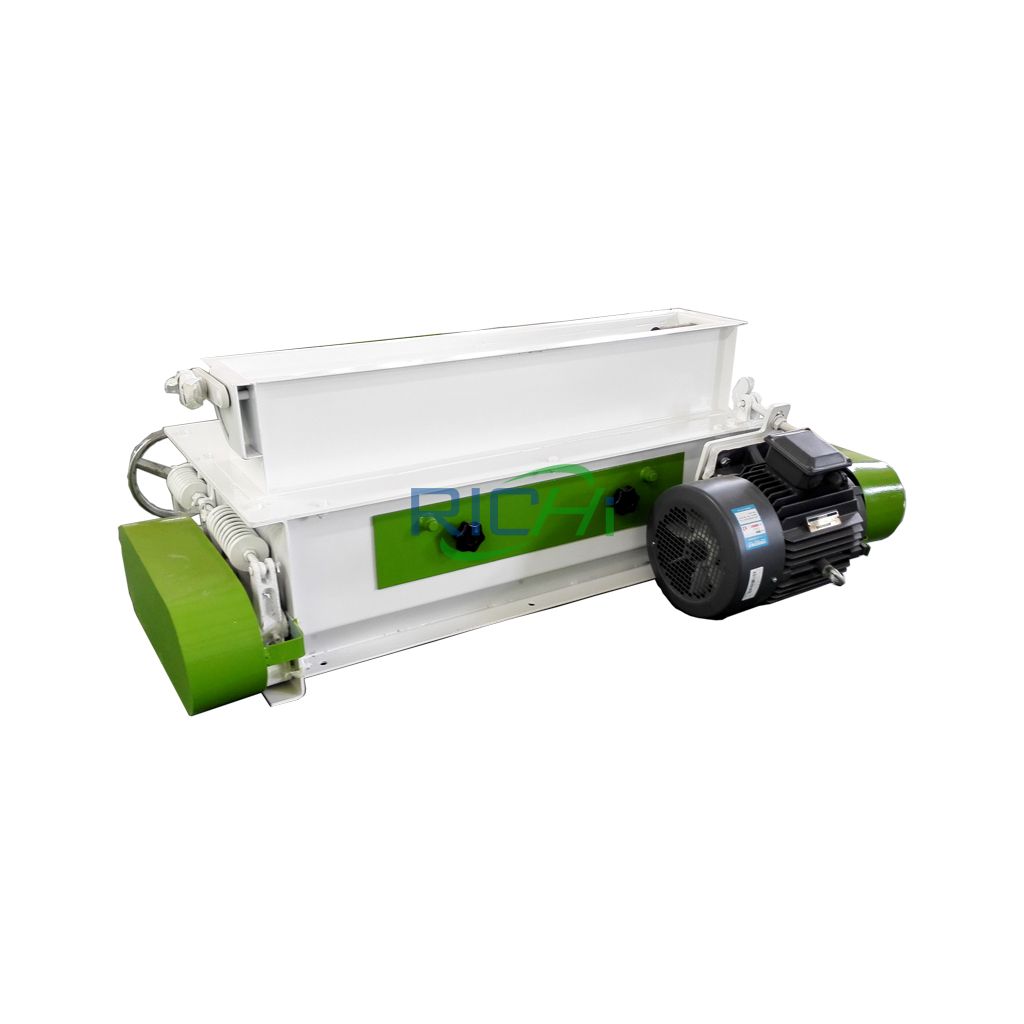
Spraying Machine
- Capacity: 1-15T/H
- Main Power: 18.522KW
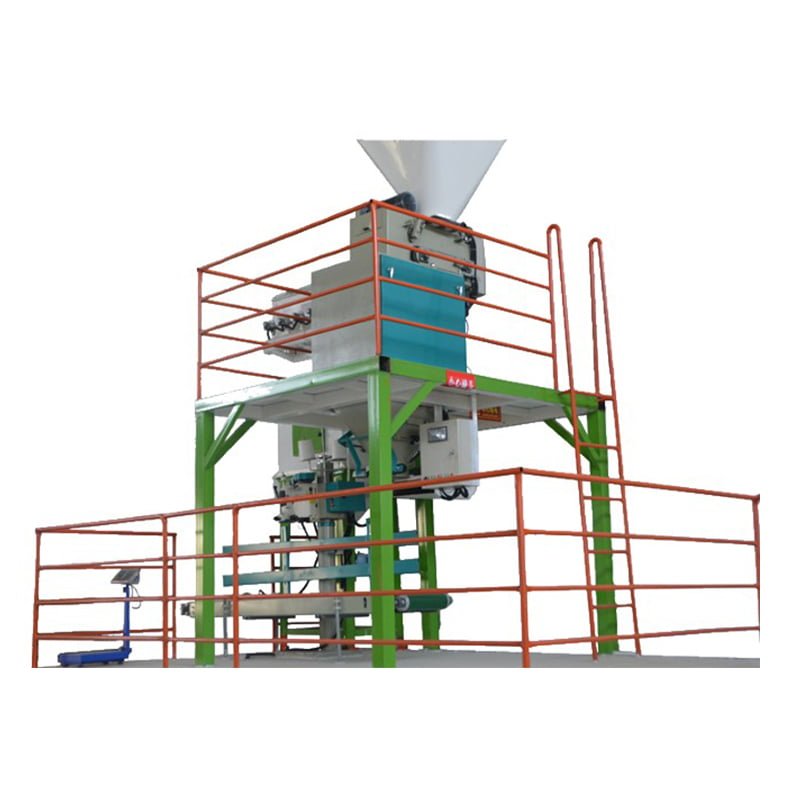
Paired with RICHI’s efficient and intelligent feed equipment, it is stable, reliable and has a long service life. The feed produced has good palatability, good crushing fineness, high degree of maturation, and good feed-to-meat ratio, which can help fish feed companies and feed processors create differentiated competitive advantages, achieve strict food safety control, and be responsible for people’s healthy lives.
Can the same line efficiently produce both floating and sinking feeds when needed?
+
Yes, with proper system design, a single production line can efficiently switch between floating and sinking fish feeds – but success depends on three critical factors:
1. Equipment Adaptations Required
- Extruder Configuration
- Floating feeds: High-shear screws + steam injection (130-150°C)
- Sinking feeds: Low-shear screws + limited steam (90-110°C)
- Solution: Our Quick-Switch Screw System changes profiles in 45 minutes
- Drying Parameters
- Floating: Multi-stage drying (moisture <8%)
- Sinking: Gentle drying (moisture 10-12%)
- Solution: Dual-zone dryer with automated moisture feedback
2. Operational Best Practices
✔ Sequence Production Runs
- Process floating feeds first (avoiding oil contamination)
- Follow with sinking feeds (no cleaning required)
✔ Shared Ingredients
- Base mix (60-70% of formula) can be identical
- Only adjust:
- Starch level (floating: 25-35%; sinking: 15-25%)
- Oil injection rate (floating: 2-4%; sinking: 5-8%)
3. Real-World Viability
Case Example:
An Indonesian plant produces:
- Floating tilapia feed (8am-4pm)
- Sinking catfish feed (5pm-12am)
Key Metrics:
- Changeover time: 55 minutes
- Capacity utilization: 92%
- Pellet quality: >95% durability both types
Cost-Effective Upgrade Options:
- Turnkey ($150k): Dedicated parallel extrusion system
- Basic ($15k): Manual screw change + shared dryer
- Premium ($75k): Automated screw switcher + smart dryer
What’s the true energy consumption per ton when running our specific feed formulations?
+
The true energy cost for your operation depends on three key variables:
1. Formula-Specific Factors
• Starch Content
High-starch diets (e.g., tilapia 35-45% starch) require 22-28 kWh/ton
Low-starch protein feeds (e.g., salmon 50%+) consume 32-38 kWh/ton
• Fat Levels
Every 5% added oil reduces energy needs by 1.8-2.5 kWh/ton
• Fiber Challenges
Diets with >12% crude fiber (e.g., rice bran blends) increase power demand by 15-20%
2. Process Optimization
Our systems achieve savings through:
✔ Adaptive preconditioning (right moisture/temperature balance)
✔ Shear-controlled extrusion (prevents over-processing)
✔ Heat recovery systems (recapture 8-12% energy)
3. Real-World Data
Recent Client Examples:
- Norwegian Salmon Feed: 41.2 kWh/ton (38% fishmeal)
- Vietnam Pangasius Feed: 26.3 kWh/ton (28% rice bran)
- Ecuador Shrimp Feed: 34.7 kWh/ton (12% squid meal)
Do you have any solutions for fish feed mill projects with different production capacities?
+
Of course, in response to different production scales, plant conditions, feed types, process requirements, and raw material formulas, we provide customers with customized solutions, process design, civil engineering solutions, equipment layout, equipment configuration and other technical support.
From a 200kg/h small scale fish feed plant project to a 60t/h large-scale aquatic feed plant, here are some of the solutions we recommend for you.
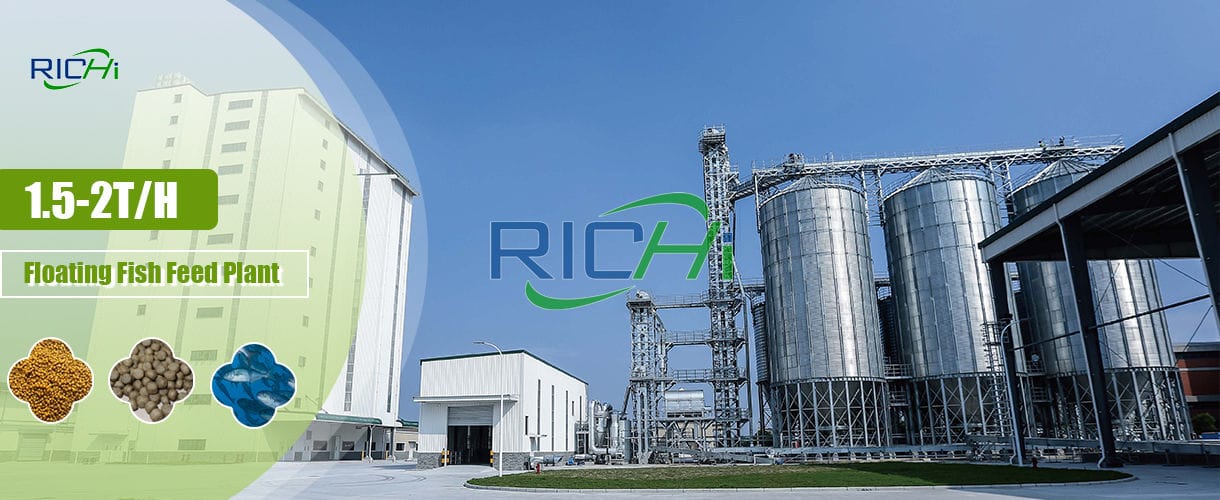
1-2T/H Fish Feed Processing Line
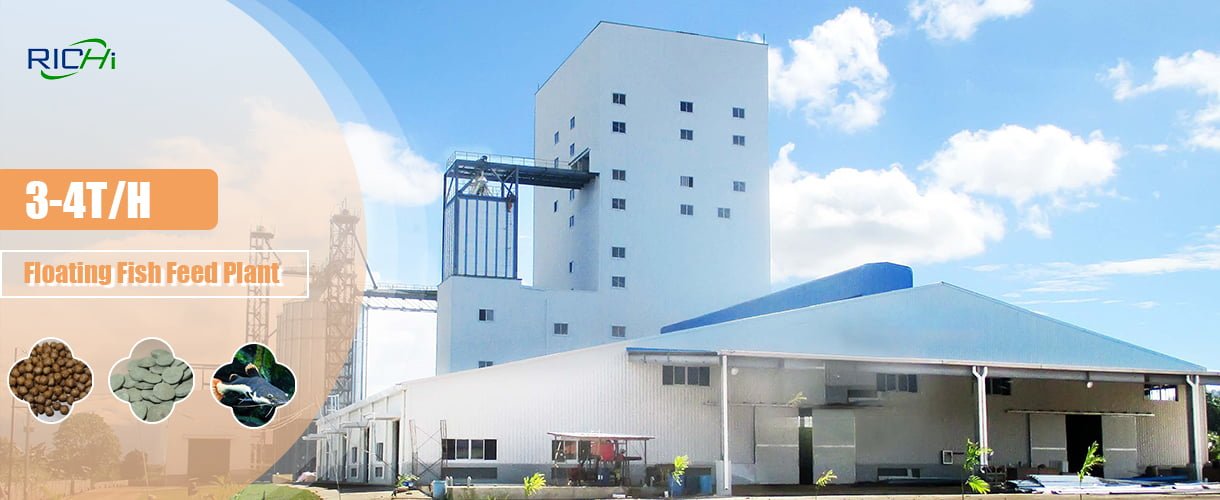
3-4T/H Floating Fish Feed Production Line
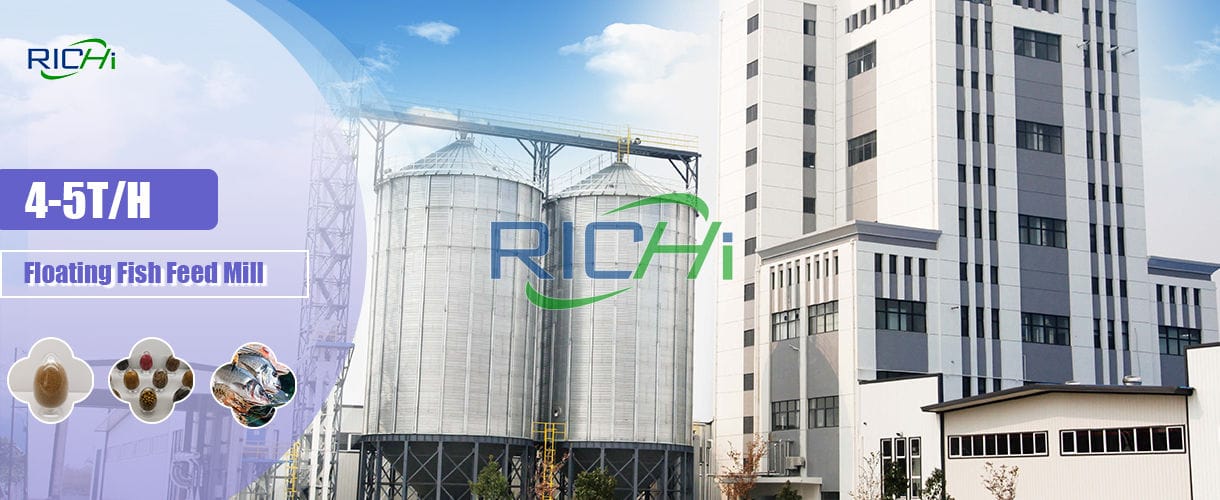
4-5T/H Floating Fish Feed Plant
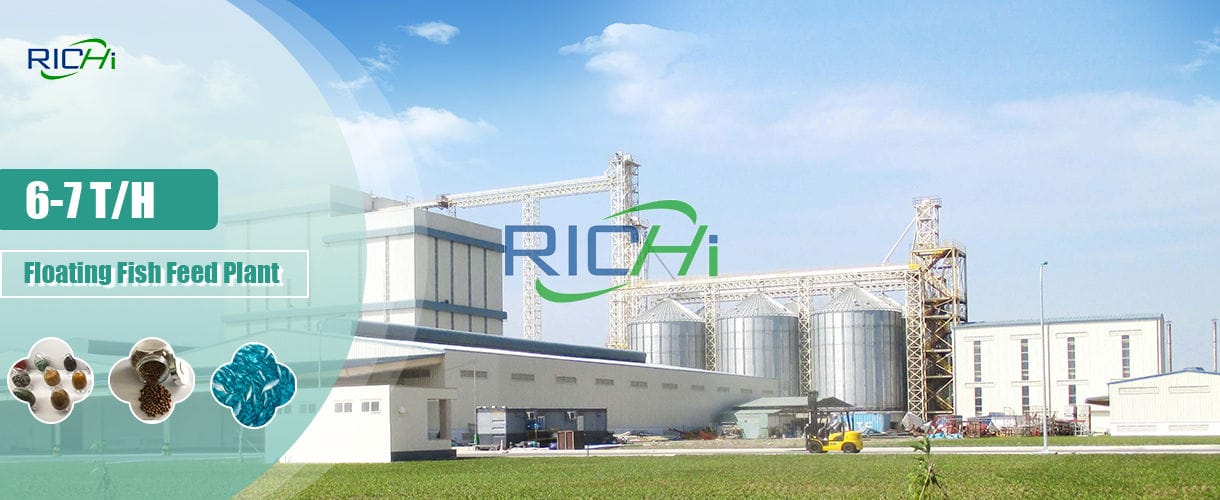
6-7T/H Fish Feed Plant
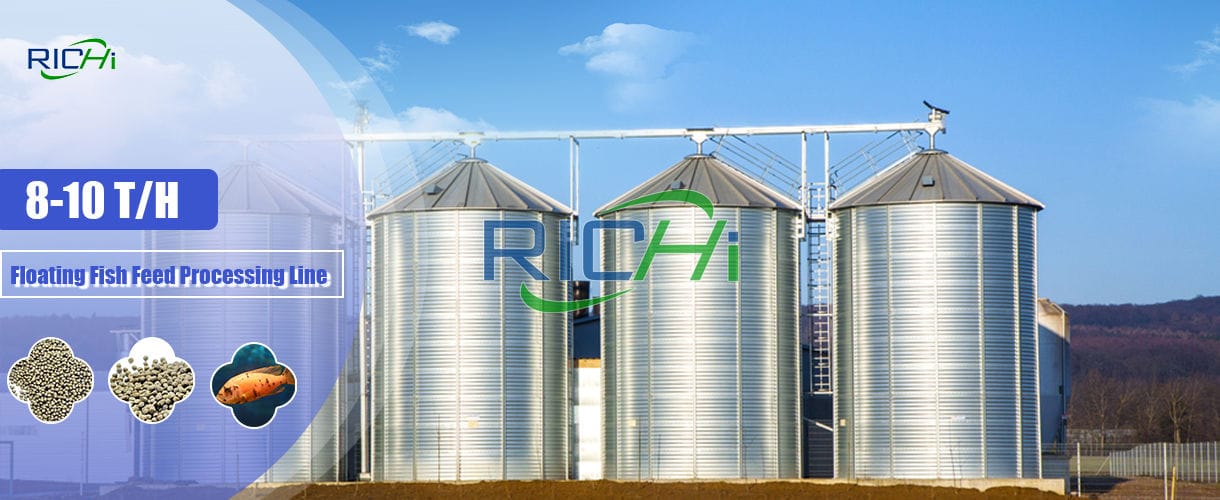
8-10T/H Fish Feed Mill
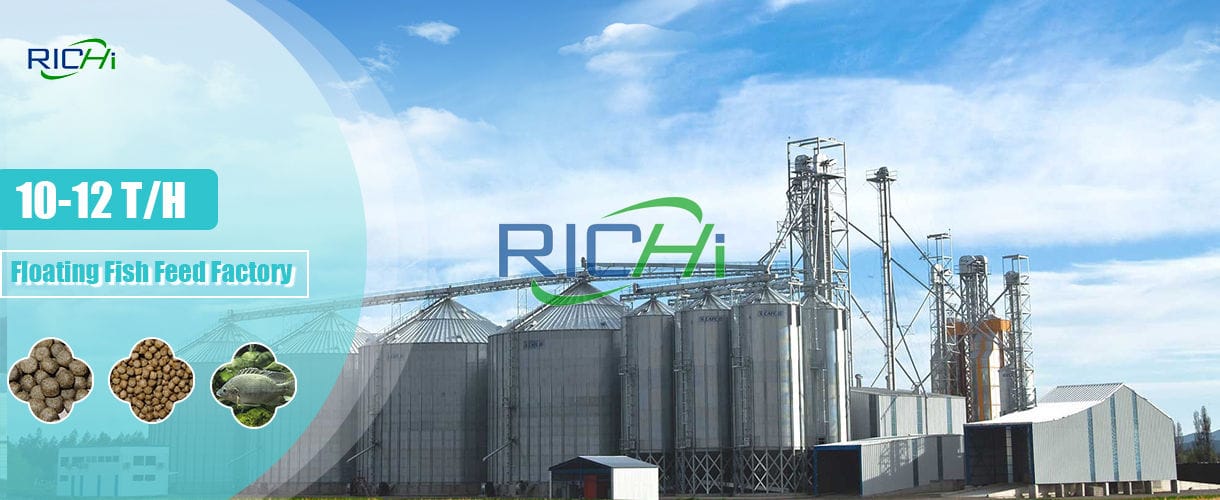
10-12T/H Fish Feed Factory
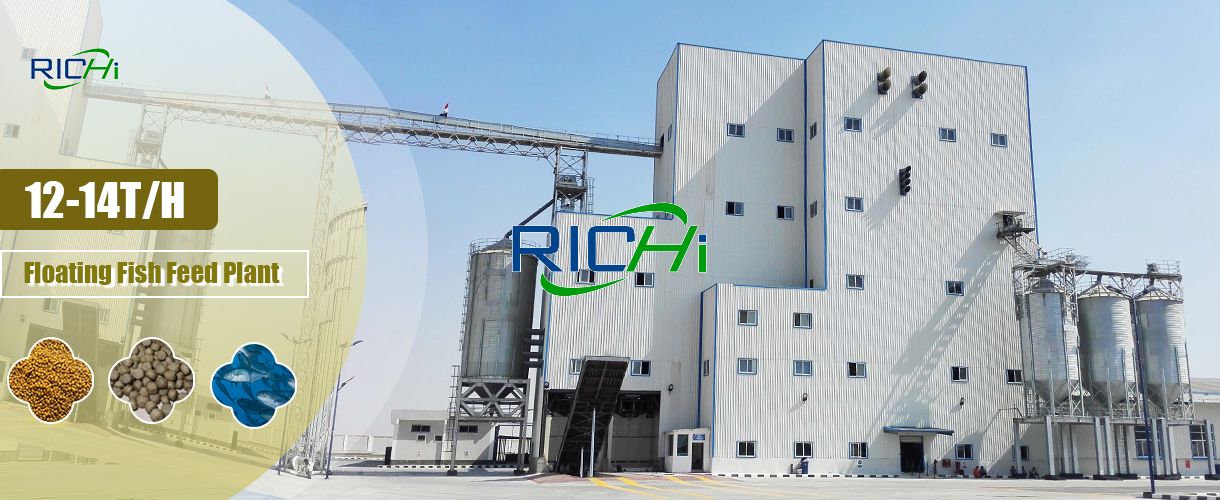
12-14T/H Fish Feed Manufacturing Plant
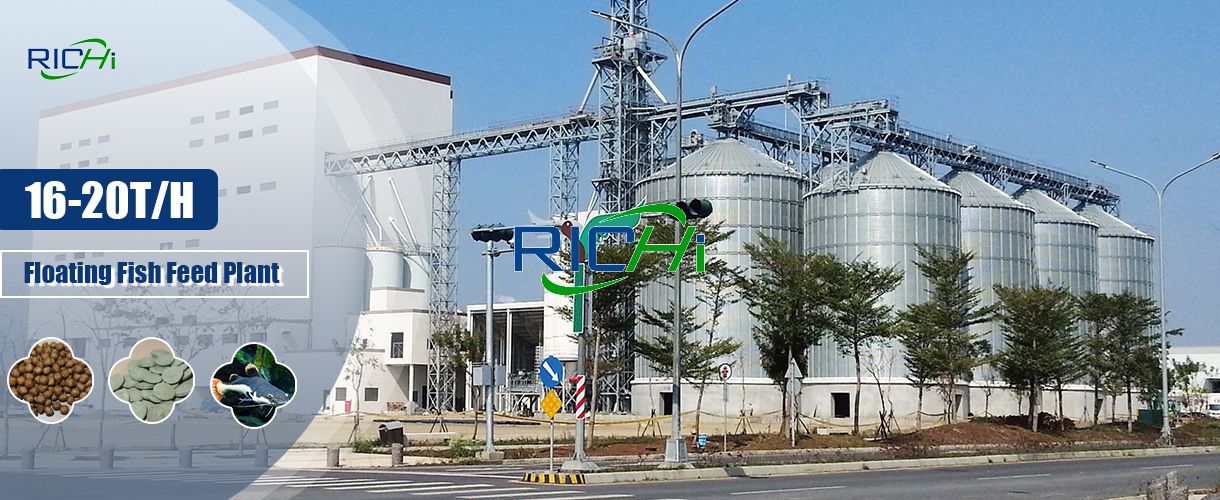
16-20T/H Fish Food Factory
What fish feed mill projects do you have under construction?
+
- Iran: 2 fish feed pellet lines + 2 shrimp feed pellet lines + 2 6 tons/hour puffing lines;
- Nigeria: annual output of 120,000 tons of livestock and poultry feed + 2 aquatic product extrusion lines;
- Russia: 10t/h aquatic pellet material + 10t/h aquatic expanded material;
- Thailand: 6 tons/hour fish feed production line project;
- India: 4 production lines, special aquatic feed factory (1 high-grade shrimp feed, 2 puffed feed, 1 tilapia feed);
- Vietnam: Large-scale aquatic feed turnkey project, with 2 high-end shrimp production lines and 1 puffed feed production line;
- Russia: 2 sets pet & floating fish puffed feed lines,
- Kazakhstan: 1 2t/h puffed fish feed line,
- Ghana: 2 sets of 1t/h pet & fish feed extrusion lines
- Philippines: 2t/h floating fish feed extrusion line;
- Mexico: shrimp feed pelleting line with an output of 3 tons per hour;
- Malaysia: 5t/h floating fish feed line
- Senegal: 1 t/h floating fish feed line
- Nigeria: 500kg/h floating fish feed line
- Zimbabwe: 1-2t/h animal & fish feed combined line
- Ethiopia: 2-3t/h fish and pet food line
- . . .
If you are interested in our fish feed mill project, feel free to contact us to get the latest news of the project.
Trust comes from professionalism, and service enhances value!
Over the years, RICHI has been insisting on using high-standard equipment, processes, and fish feed mill project technologies to help customers achieve higher quality and more efficient production operations. It also adheres to the customer lifelong service model to create long-term value for the majority of aqua fish feed companies!
About RICHI
Since founding in 1995, RICHI MACHINERY has grown to become the world’s leading designer and builder of pellet production line systems. RICHI has delivered over 2000 projects to clients located in more than 140 countries across six continents. Altogether we have over 200 employees, and from start to finish, RICHI can design, manufacture, build and deliver your entire project – there’s no need to manage multiple project partners.

RICHI Technology
Adhering to the R&D tenet of “independent innovation”, Richi Machinery’s annual R&D investment accounts for more than 3% of total sales. It is supported by CAD, Solidworks and other computer-aided design systems, Ansys, matlab simulation analysis software, and VCC, EasyBuoder8000 and other programming software.

Project Management
For the construction of a complex pellet plant, process design, equipment manufacturing, precise logistical organization, accurate work, a combined installation team of experienced subcontractors are essential, which our company has retained for decades.

Patents & certifications
In the process of our continuous development, exploration and innovation, relying on our strength, we have more than 30 patent technologies, and all products have passed ISO international quality system certification, EU CE certification and Customs Union CU-TR certification.
Service You Can Count On
When customers need support, our customer service is the solution.
consultation
We assess our client’s long-term development needs, what the products manufactured by it require, what it intends to manufacture and what quantity it wants to produce.

Design
Advanced design technology combined with years of experience, specialist skills and innovative thinking drives advanced, cost-effective and productive solutions for our customers.

manufacturing
The technological equipment and machines comprising the pellet plant are manufactured by our permanent expert staff in continuous consultation with our engineers.

Installation
We offer a range of start-up field services across a variety of industries to get your new equipment set up and running as quickly as possible. Once installed, we test and analyze key operations to maximize performance.

Industrial maintenance
Regular maintenance achieves a longer service life for investments and maximises production efficiency. We are able to react quickly to problem situations and serve you flexibly with a package tailored to your needs.

Accessories
Your pellet plant equipment will require regular maintenance and wear parts will need to be replaced. We have a large parts inventory so you can rely on us to have in stock what you need and be able to get it to you in a timely manner.

