 0086-138 3838 9622
Fish Feed Manufacturing Plant in Brazil

RICHI MACHINERY
overview
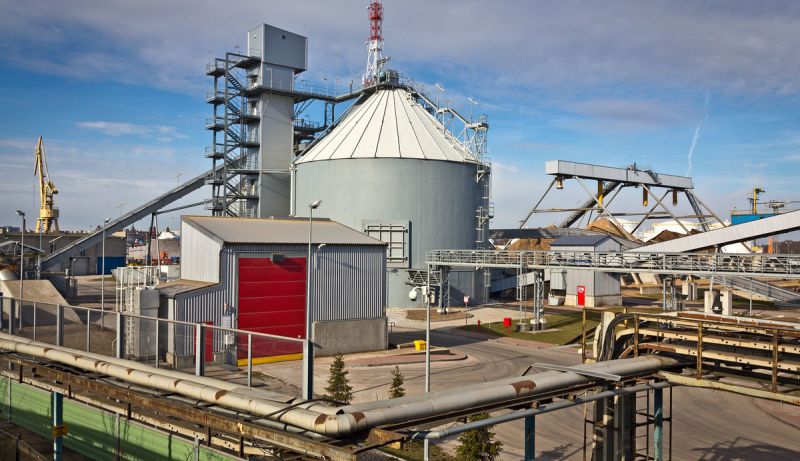
This is project analysis on fish feed manufacturing plant in Brazil. With the expansion of aquaculture in Brazil, the demand for high-quality fish feed has grown significantly. To address the needs of commercial fish farms and to improve feed efficiency and aquatic animal health, a new fish feed manufacturing plant in Brazil has been developed. This expansion project is designed to process 140,000 tons of aquatic feed annually, with a storage capacity of 1,000 tons in finished product warehouses. The facility incorporates advanced feed production technology, environmental controls, and efficient material handling systems.
The fish feed manufacturing plant in Brazil is located on a 111,236 m² plot acquired by the client company, strategically positioned within a fully developed industrial zone with reliable access to municipal water and electricity. The production area includes a newly constructed main production building, multiple finished product warehouses, and a raw material warehouse. The facility operates under a three-shift system (24 hours/day) with an annual operation of 250 days, employing 120 personnel, 80 of whom reside on-site.
24T/H
capacity
$ 3.58 million
investment
Brazil
location
Feed
project type
RICHI MACHINERY
Project Background
The client is a Brazilian aquaculture company specializing in the production of high-value fish species for domestic consumption and export. Recognizing the need for locally produced, high-quality fish feed, the client initiated this expansion project to reduce dependence on imported feed and ensure consistent supply.
The choice of Brazil as the project site leverages the country’s abundant supply of fishmeal, soybean meal, starch, and other feed additives. The production line was designed to handle an annual output of 140,000 tons of fish feed, primarily targeting commercial aquaculture operations. The feed products are formulated for optimal growth performance and digestibility, particularly for species such as tilapia, catfish, and shrimp.
The fish feed manufacturing plant in Brazil project includes the construction of one main production workshop (4,930.77 m², four floors including one basement), five finished product warehouses, and one raw material storage building (16,000 m²), along with office facilities and a boiler house. Environmental protection measures are incorporated to meet local regulations, including wastewater treatment, dust and odor control, and solid waste management.
RICHI MACHINERY
Construction and Project Scope
Main Project Components
| Project Component | Description |
|---|---|
| Main Production Workshop | One new 4# main production building, 4 floors + 1 basement, 2,930.77 m², housing all feed production lines. |
| Raw Material Warehouse | 16,000 m², single-story building for raw material storage. |
| Finished Product Warehouses | Five warehouses with areas: 2,271.68 m² (1F), 13,500 m² (1F), 5,403.13 m² (2F), 3,494.40 m² (4F), 10,635.28 m² (1F). |
| Office Building | 687.80 m², 2 floors. |
| Boiler House | 1,652.04 m², single-story, natural gas-fired boiler. |
| Utilities | Municipal water and plant distribution power supply. |
| Pollution Control Measures | Wastewater treatment, exhaust gas filtration, dust removal, and solid waste collection. |
Main Products and Capacity
| Product Name | Annual Output (t/a) | Storage Capacity (t) | Storage Location | Storage Method |
|---|---|---|---|---|
| Aquatic Feed | 140,000 | 1,000 | Finished product warehouses | Bagged |
Key Production Units
The fish feed manufacturing plant in Brazil is centralized in the main production workshop. The facility incorporates a raw material receiving system, pre-mixing, grinding, secondary mixing, extrusion (expansion) and pelleting, drying, coating, cooling, and packaging systems. The plant also includes boiler facilities, air compression systems, and auxiliary dust collection and filtration equipment.
RICHI MACHINERY
Raw Materials
Brazil provides abundant access to high-quality feed ingredients suitable for aquaculture feed production. The primary raw materials for this fish feed manufacturing plant in Brazil include fishmeal, soybean meal, wheat flour, starch, oils, and feed additives. These materials are sourced from domestic suppliers to ensure consistency and cost-effectiveness.
| Raw Material | Annual Consumption (t/a) | Storage Capacity (t) | Storage Method |
|---|---|---|---|
| Fishmeal | 49,000 | 20,000 | Tank/Barrel |
| Wheat Flour | 14,000 | 2,000 | Barrel |
| Starch | 9,800 | 500 | Barrel |
| Soybean Meal | 42,000 | 2,000 | Bagged |
| Feed Additives | 14,000 | 500 | Barrel |
| Oils | 11,200 | 2,000 | Bulk Storage |
RICHI MACHINERY
Water and Waste Management
Water consumption for the plant is approximately 200 t/d (50,000 t/a), including boiler water, cleaning water, and domestic water for employees. The boiler system recycles condensate, minimizing fresh water intake. The plant employs a biochemical wastewater treatment system to handle domestic and process wastewater, discharging treated water in compliance with local municipal standards. Rainwater is collected and directed to municipal drainage.
The fish feed manufacturing plant in Brazil project adopts zero-discharge practices for boiler condensate and cleaning wastewater, maximizing water recycling. Domestic wastewater, accounting for 11.4 t/d (2,800 t/a), is treated using a septic tank followed by secondary biological treatment before release into the municipal sewer.
RICHI MACHINERY
Workforce
The fish feed mill project employs 120 personnel, working three shifts over 24 hours. 80 employees reside on-site, reducing commuting-related emissions and improving operational efficiency. Worker safety and training are integral parts of the facility management.
RICHI MACHINERY
Plant Layout
The fish feed plant layout is carefully designed for optimal material flow and operational efficiency. The main production building is located on the eastern side of the plot, the boiler house is positioned north (downwind) to minimize air pollution impact, and warehouses occupy the remaining area. Production processes are arranged to reduce cross-contamination and ensure safe, efficient operations.
RICHI MACHINERY
Detailed Production Process and Operation Control
The fish feed manufacturing plant in Brazil follows a fully integrated production process designed for high efficiency, feed quality consistency, and operational safety. The process combines raw material preparation, pre-mixing, grinding, secondary mixing, extrusion/pelleting, drying, coating, cooling, screening, packaging, and auxiliary operations.
1. Raw Material Handling and Pre-Mixing
Operation:
- Incoming raw materials (corn, soybean meal, fish meal, wheat middlings, vitamins, minerals) are received in the Receiving Hopper and conveyed via Scraper Conveyors and Bucket Elevators to pre-mixing silos.
- Materials pass through Magnetic Separators to remove metal contaminants. Oversized debris is screened via Screens.
- Pre-Mixer blends materials for 3–5 minutes for initial homogeneity. Minor additives are measured with Electronic Weighing Scales for accurate dosing.
Control Points:
- Moisture content of raw materials monitored continuously; ideal range 12–14%.
- Pre-mixer speed adjusted to maintain uniform blending without material segregation.
- Dust collected by Pulse Dust Collector to maintain air quality.
Maintenance:
- Daily inspection of conveyors, elevators, and separators for wear or blockages.
- Dust collector bags replaced monthly or as needed.
- Magnetic separator magnets cleaned weekly.
2. Grinding System
Operation:
- Hammer Mills grind pre-mixed materials to fine powder (<1 mm).
- Ground powder passes through Cyclone Separators to remove airborne dust, returning fines to the process.
- Air Lock Valves maintain negative pressure in pneumatic systems, ensuring smooth material flow.
Control Points:
- Monitor hammer wear; replace every 3–6 months depending on feed type.
- Adjust fan speed to maintain proper airflow and prevent overheating.
- Moisture and particle size checked before transferring to secondary mixers.
3. Secondary Mixing and Additive Incorporation
Operation:
- Ground material enters Vertical Mixers for homogenization.
- Liquid Spray Systems add oils, attractants, and micro-nutrients uniformly.
- Batching Scales ensure precise addition of vitamins and trace minerals.
Control Points:
- Mixing time 5–8 minutes to prevent segregation.
- Temperature monitored during oil addition to prevent oxidation.
- Continuous sampling for quality control.
4. Extrusion and Pelleting
Operation:
- Conditioned feed enters Multi-Layer Conditioner with controlled steam injection to gelatinize starches.
- Fish Feed Extruder shapes feed into pellets; Dies determine pellet diameter.
- Cutters ensure consistent pellet length.
Control Points:
- Steam pressure and temperature monitored continuously.
- Screw speed and die temperature adjusted for desired density.
- Moisture content of pellets post-extrusion targeted at 20–22%.
5. Drying, Cooling, Coating, and Packaging
Operation:
- Horizontal Fish Feed Dryers reduce pellet moisture to 8–10%.
- Pellet Coolers cool pellets to ambient temperature to prevent microbial growth.
- Coating Drums apply oils, vitamins, and attractants uniformly.
- Rotary Sieves ensure uniform pellet size.
- Automatic Bagging Machines pack feed into 25 kg bags.
Control Points:
- Drying temperature and airflow monitored to prevent pellet cracking.
- Coating rate adjusted for nutrient requirements.
- Packaging scales calibrated daily.
6. Auxiliary Systems
- Boiler (2 t/h Natural Gas): Steam generation for conditioning; monitored for pressure and temperature.
- Compressed Air System (7.5 kW): Supports pneumatic transport; moisture traps maintained weekly.
- Emergency Generator (100 kW): Ready for power interruptions; tested monthly.
RICHI MACHINERY
Key Equipment and Machinery
The fish feed manufacturing plant in Brazil is equipped with a comprehensive suite of machinery to ensure high-efficiency production, precise formulation, and consistent feed quality. All equipment supplied by the client has been retained, including models, specifications, and quantities. The full production line covers raw material handling, pre-mixing, grinding, secondary mixing, extrusion/pelleting, drying, coating, cooling, packaging, and auxiliary systems.
1. Raw Material Receiving and Handling System
| No. | Equipment | Model/Specification | Quantity | Location | Function |
|---|---|---|---|---|---|
| 1 | Silencer | – | 4 | Production Workshop | Reduces noise from pneumatic conveying |
| 2 | Fan | 4–72№3.6A | 4 | Workshop | Air supply for pneumatic conveying and dust collection |
| 3 | Pulse Dust Collector | LNGM21 | 4 | Workshop | Collects dust during material transfer |
| 4 | Hydraulic Flap | 17 m × 3.5 m | 1 | Workshop | Controls material flow in large pipelines |
| 5 | Scraper Conveyor | TGSS32 | 1 | Workshop | Transports raw materials to pre-mixing bins |
| 6 | Bucket Elevator | Z-10 | 2 | Workshop | Vertical transport of bulk raw materials |
| 7 | Magnetic Separator | – | 4 | Workshop | Removes ferrous impurities |
| 8 | Cone Screen | – | 2 | Workshop | Removes oversized impurities and debris |
| 9 | Receiving Hopper | – | 4 | Raw Material Warehouse | Temporary storage for incoming raw materials |
| 10 | Screw Conveyor | TGS50 | 6 | Workshop | Transfers powders to pre-mixer |
2. Pre-Mixing and Primary Mixing Equipment
| No. | Equipment | Model/Specification | Quantity | Function |
|---|---|---|---|---|
| 1 | Pre-Mixer | PLJ-2000 | 2 | Initial blending of bulk ingredients |
| 2 | Electronic Weighing Scale | JH-EW-200 | 6 | Accurate batching of base ingredients |
| 3 | Paddle Mixer | JS-1500 | 3 | Homogenizes pre-mixed raw materials |
| 4 | Powder Storage Silo | 30 t | 4 | Holds pre-mixed powders before grinding |
3. Grinding System
| No. | Equipment | Model/Specification | Quantity | Function |
|---|---|---|---|---|
| 1 | Hammer Mill | – | 4 | Primary grinding of raw ingredients to fine powder |
| 2 | Cyclone Separator | – | 4 | Separates dust from milled powder |
| 3 | Air Lock Valve | – | 4 | Controls material flow and maintains air pressure |
| 4 | Feed Screw Conveyor | TGS32 | 6 | Transfers ground material to secondary mixer |
4. Secondary Mixing and Additive Incorporation
| No. | Equipment | Model/Specification | Quantity | Function |
|---|---|---|---|---|
| 1 | Vertical Mixer | PLJ-2000 | 4 | Homogenizes ground feed with micro-additives |
| 2 | Liquid Spray System | – | 2 | Adds oils and liquid nutrients |
| 3 | Batching Scale | JS-EW-100 | 4 | Measures minor additives precisely |
5. Extrusion / Pelleting System
| No. | Equipment | Model/Specification | Quantity | Function |
|---|---|---|---|---|
| 1 | Floating Fish Feed Extruder Machine | SJZ65 | 3 | Produces expanded feed pellets |
| 2 | Screw Feeder | TGS50 | 4 | Feeds raw material into extruder |
| 3 | Conditioner | SZLH350 Multi-Layer | 3 | Steams and conditions material before extrusion |
| 4 | Die | – | 3 | Shapes extruded feed into pellets |
| 5 | Cutter | – | 3 | Cuts pellets to target length |
6. Drying and Cooling
| No. | Equipment | Model/Specification | Quantity | Function |
|---|---|---|---|---|
| 1 | Vertical Dryer | LHS-12 | 2 | Reduces moisture of extruded pellets |
| 2 | Horizontal Dryer | LHS-8 | 2 | Ensures uniform drying |
| 3 | Pellet Cooler | LS-6 | 3 | Cools pellets to ambient temperature |
| 4 | Cyclone Dust Collector | – | 2 | Collects dust during drying/cooling |
7. Coating and Flavoring
| No. | Equipment | Model/Specification | Quantity | Function |
|---|---|---|---|---|
| 1 | Coating Drum | XZL-3 | 2 | Adds oil, vitamins, and attractants to pellets |
| 2 | Liquid Sprayer | – | 2 | Ensures even distribution of coating liquids |
8. Screening and Packaging
| No. | Equipment | Model/Specification | Quantity | Function |
|---|---|---|---|---|
| 1 | Rotary Sieve | TQL-8 | 2 | Ensures uniform pellet size |
| 2 | Automatic Bagging Machine | DCS-25 | 6 | Weighs and packs finished feed |
| 3 | Pneumatic Conveyor | TGS32 | 4 | Transfers pellets to storage |
| 4 | Finished Product Storage Silo | 30 t | 6 | Stores feed prior to shipment |
9. Auxiliary Equipment
| No. | Equipment | Model/Specification | Quantity | Function |
|---|---|---|---|---|
| 1 | Air Compressor | 7.5 kW | 2 | Provides compressed air for pneumatic conveying |
| 2 | Boiler | 2 t/h Natural Gas | 1 | Generates steam for conditioning |
| 3 | Water Pump | 3 kW | 2 | Supplies water to conditioning and cleaning systems |
| 4 | Emergency Generator | 100 kW | 1 | Provides backup power |
| 5 | Dust Collection Bags | – | 200 pcs | Replacement for pulse dust collectors |
Note: The plant incorporates over 100 individual equipment items, all specifically selected to meet feed quality standards, ensure high operational efficiency, and provide flexibility for multiple feed formulas, including tilapia, catfish, shrimp, and specialty feeds.
RICHI MACHINERY
Environmental Protection Measures
The fish feed manufacturing plant in Brazil is designed with a strong emphasis on sustainability and compliance with Brazilian environmental regulations.
1. Wastewater Treatment
- Domestic Wastewater: 11.4 t/d (2,850 t/a) collected and treated through a septic tank and secondary biological treatment before discharge.
- Process and Boiler Wastewater: Fully recycled for reuse in the system. Steam condensate, cooling water, and cleaning water are returned to storage tanks and reused, minimizing fresh water consumption.
- Rainwater Management: Rainwater from roofs and hard surfaces is collected and directed to municipal drainage, preventing flooding and soil erosion.
2. Air Pollution Control
- Boiler Emissions: Natural gas-fired boiler, 2 t/h capacity, exhaust vented through a 15 m stack to ensure dispersion.
- Dust Collection: Pulse bag filters (3 units) capture dust from pre-mixing, grinding, and pelleting stages. Collected dust is returned to the process or safely stored.
- Odor Control: Exhaust from feed processing lines is passed through an alkaline scrubber system before release, controlling odor and reducing environmental impact.
3. Solid Waste Management
- Waste packaging materials are collected and sent to municipal recycling or disposal.
- Sludge from wastewater treatment is processed, dried, and can be used as organic soil amendment if suitable.
- Equipment maintenance generates minimal solid waste, managed via internal procedures.
RICHI MACHINERY
Investment and Project Cost
The total investment for the fish feed manufacturing plant is approximately USD 3.58 million, including:
- Equipment and machinery: USD 2.6 million
- Construction and infrastructure: USD 900,000
- Environmental protection facilities: USD 50,000
- Contingencies and miscellaneous costs: USD 30,000
The Brazil fish feed mill plant cost breakdown:
| Item | Cost (USD) | Notes |
|---|---|---|
| Main Production Workshop | 1,200,000 | Includes foundation, structural work, roofing, and finishing |
| Warehouses (Raw & Finished Products) | 800,000 | 6 buildings with storage silos and material handling systems |
| Office & Ancillary Buildings | 200,000 | Staff facilities, canteen, control rooms |
| Feed Processing Equipment | 2,600,000 | All machinery listed in Section 9 |
| Environmental Protection | 50,000 | Dust collectors, scrubbers, wastewater treatment |
| Utilities & Contingency | 30,000 | Water, electricity, safety, and minor costs |
RICHI MACHINERY
Market Prospects of Fish Feed Manufacturing in Brazil
Brazil is among the top aquaculture producers globally, with tilapia, catfish, and shrimp farms expanding rapidly. Key market drivers include:
- Rising demand for high-quality, protein-rich fish feed to increase growth rates and feed conversion efficiency.
- Government incentives for sustainable aquaculture practices, including support for pelletized feed.
- Growing export markets for farmed fish and shrimp.
- Shift from farm-made feed to professional feed processing for consistency and safety.
The fish feed industry in Brazil is expected to grow at 5–7% annually, with high potential for modern, fully automated plants capable of producing multiple feed types.
RICHI MACHINERY
RICHI’s Support and Service for the Project
RICHI provided comprehensive support throughout the fish feed production line project lifecycle:
- Feasibility Study: Detailed assessment of raw materials, production capacity, and local regulations.
- Customized Line Design: Layout and equipment selection tailored to client specifications and feed types.
- Equipment Supply and Installation: All machinery, including twin screw extruder, mesh belt dryers, and DCS bagging machines, delivered and installed.
- Staff Training: On-site training for operators, maintenance staff, and quality control personnel.
- Technical Assistance: Post-installation support, process optimization, and troubleshooting.
- Environmental Compliance Guidance: Ensured all air, water, and solid waste treatment systems meet Brazilian standards.
RICHI MACHINERY
Project Summary
The fish feed manufacturing plant in Brazil represents a modern, fully automated production facility, capable of producing high-quality feed for multiple aquaculture species. Key achievements include:
- Retention of all client-specified equipment models and specifications, ensuring operational reliability.
- Integration of advanced environmental protection measures: dust collection, wastewater recycling, and odor control.
- Efficient, flexible production process allowing customization of pellet size, density, and nutritional content.
- Comprehensive technical support and training provided by RICHI, guaranteeing smooth commissioning and operational readiness.
- Strong market positioning, leveraging Brazil’s growing aquaculture sector and rising demand for professional feed solutions.
This fish feed processing line project establishes a benchmark for fish feed production in Brazil, combining high-quality feed output, environmental responsibility, and operational efficiency, positioning the client for sustainable growth in the aquaculture industry.
● RICHI MACHINERY
RICHI Service

● Consulting
Customer Consultation
We want to have a deep understanding of your industrial process, to know your exact needs of feed, wood, biomass, fertilizer or other pellet processing.

● Design
Fish feed Plant Design
Based on your unique situation and industrial process, we will tailor complete pellet plant you need, and inform you of every additional detail that could facilitate operation, minimize total cost.
● Manufacturing
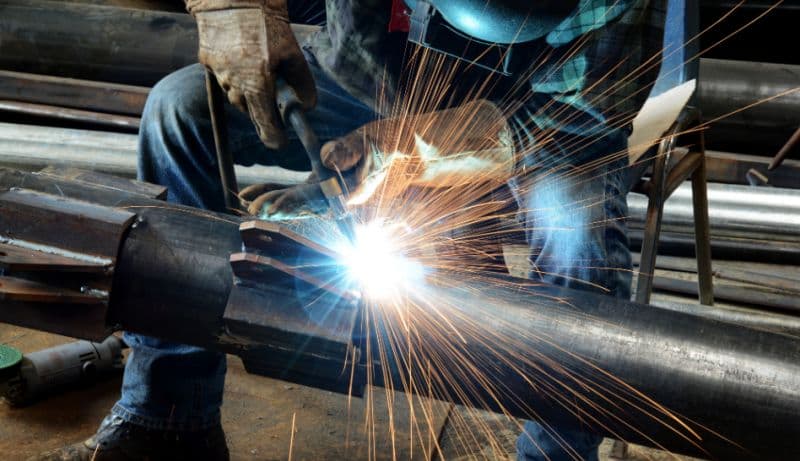
Equipment Manufacturing
The critical components of the of the complete pellet production line equipment are built in our own workshops in Asia. Additional equipment is manufactured by our worldwide network of reliable partners.
● Testing
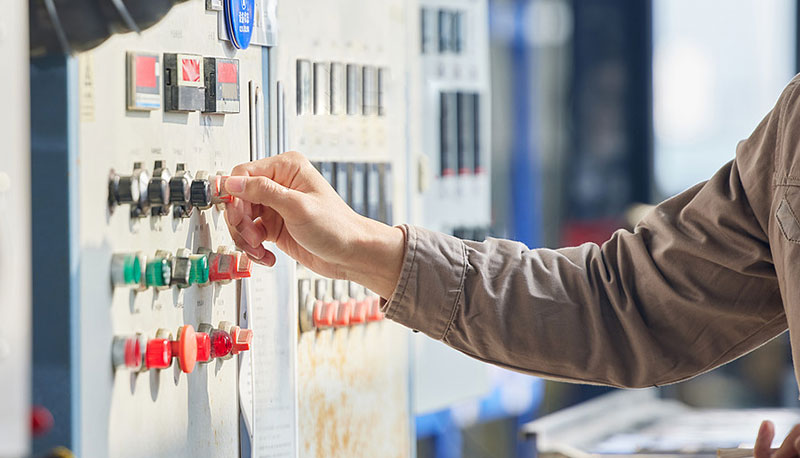
Quality Inspection & Testing
Before leaving the factory, all equipment will be inspected by the quality inspection department. We can also provide customers with testing services from a single machine to a complete pellet plant system, and provide you with real actual data for “worry-free use.”

● Delivery
Equipment Delivery
In equipment boxing and packaging, we adopt professional packaging and modular solutions to ensure the safe and non-destructive delivery of pellet plant equipment.
● Installation
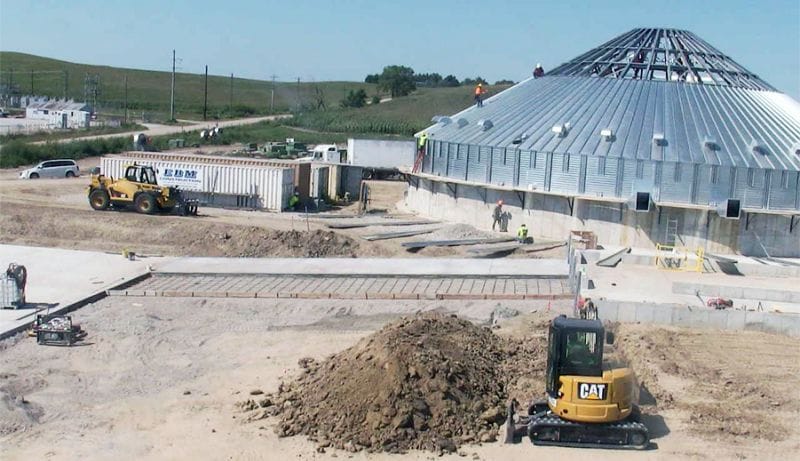
Installation & Commissioning
Whether you choose your own subcontractor for the erection phase or you want to install everything together with us, a Richi supervisor will be around to make sure everything is mounted in a safe and thorough way.

● Training
Staff Training
We provide comprehensive training for the technicians of each project. We can also continue to provide support for the technicians during latter project operation.
● After-sales
Project Follow-Up
When everything is up and running our Richiers will help you further whenever needed. We are ready to answer your call 24/7.We’ll also visit you regularly to learn about your needs.
Who we are
RICHI Mahttps://www.richipelletmachine.com/chinery is one of the world’s leading suppliers of technology and services for the animal feed, aqua feed and pet food industries, also the largest pellet production line manufacturer in China.
Since 1995, RICHI’s vision to build a first-class enterprise, to foster first-class employees, and to make first-class contributions to society has never wavered.
In the past three decades, we have expanded our business to a wide range of areas, including animal feed mill equipment, aqua feed equipment, pet feed equipment, biomass pellet equipment, fertilizer equipment, cat litter equipment, municipal solid waste pellets equipment, etc.

1995
RICHI Established

2000+
Serving More Than 2000 Customers

120+
RICHI Employees

140+
Exported To 140 Countries