 0086-138 3838 9622
Feed Mill Plant for Integrated Farming System in Tanzania
RICHI MACHINERY
Project Overview
A family-owned agribusiness reached out to RICHI Machinery about building a 4t/h feed mill plant for integrated farming system in Tanzania with an annual capacity of 10,000 tons of compound feed (running 8 hours per day, 300 days per year). The facility produces pelleted feed for broilers, layers, pigs, and fish (tilapia) for the client’s own farms and for sale to smallholder farmers in the Morogoro Region.
The client is located in the Morogoro Region of eastern Tanzania, about 200km west of Dar es Salaam. This region is a major agricultural area, producing maize, sunflower, and livestock. The client already operated a 500-sow pig farm, a 50,000-bird poultry farm, and a small tilapia aquaculture operation. They were buying commercial feed from suppliers in Dar es Salaam – expensive and often delayed by poor road conditions.
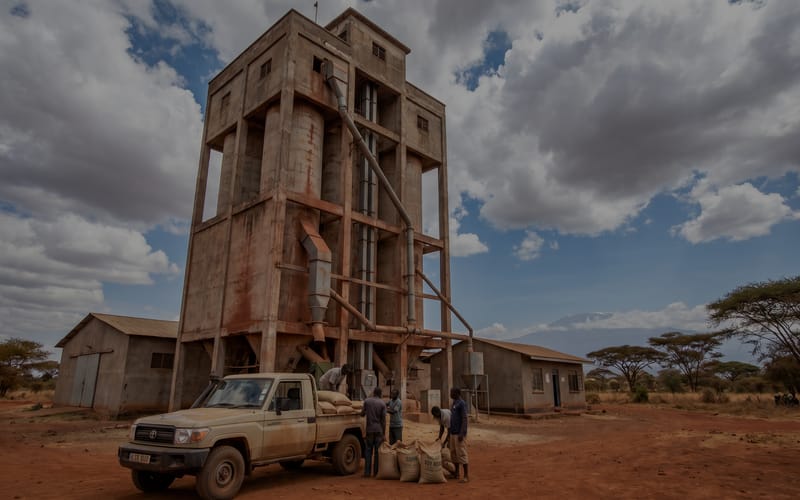
The client decided to build their own feed mill to reduce costs, control quality, and supply other farmers in the region. The facility is built on a 2,200m² leased site within a former agricultural research station. The site includes a 4-story production building (20.5m high, reinforced concrete – unusual for Tanzania but provides excellent gravity flow), a separate raw material warehouse (approx. 750m²), and an office building. The client already had a 1.5 t/h light diesel oil boiler for steam generation.
Total investment was about $135,000 USD.
4T/H
capacity
$135,000
investment
Tanzania
location
Feed
project type
RICHI MACHINERY
Why Tanzania? (Market Context for Feed Milling)
Tanzania’s livestock sector is growing rapidly. Key drivers:
| Driver | Impact |
|---|---|
| Population growth (60+ million, 3% annual) | Rising meat and egg demand |
| Urbanization (Dar es Salaam, Mwanza, Arusha) | Shift to commercial poultry and pork |
| Government support (Tanzania Livestock Master Plan) | Targets 10% annual growth in commercial feed production |
| Aquaculture expansion (tilapia farming in Morogoro, Mbeya) | Growing demand for floating fish feed |
Current market situation:
- Annual compound feed production: Estimated 700,000-800,000 tons (formal sector). Informal on-farm mixing adds another 200,000-300,000 tons.
- Import dependency: Many feed ingredients (soybean meal, premix) are imported from Zambia, South Africa, and China.
- Price: Commercial feed ranges from 1,800-2,500 TZS/kg ($0.70-0.97) depending on type and quality.
- Quality issues: Inconsistent quality from small mills is a major complaint. The client’s own experience with delayed deliveries and variable pellet durability motivated them to produce their own feed.
The client’s target market:
| Customer segment | Annual demand (tons) | Notes |
|---|---|---|
| Client’s own farms (pigs, poultry, fish) | 4,000 | Base load |
| Smallholder pig farmers (Morogoro region) | 3,000 | Growing segment, limited access to quality feed |
| Poultry farmers (broiler, layer) | 2,000 | Established market |
| Tilapia farmers (Morogoro, Mbeya) | 1,000 | Emerging segment, requires floating pellets |
| Total | 10,000 | Full capacity |
The client’s breakeven point is 6,000 tons/year (60% capacity). Their own farms guarantee 4,000 tons, so they need to sell only 2,000 tons to external customers to reach breakeven.
RICHI MACHINERY
How the Client Utilized an Existing Structure
The client’s facility is located on a breeding farm. The site was leased from the government. The key advantage was an existing 4-story reinforced concrete building originally used for grain storage – perfect for a gravity-flow feed mill.
Site layout:
| Building | Size | Construction | Use |
|---|---|---|---|
| Main production building | Approx. 1,500m² footprint | 4-story, RCC, 20.5m high | Grinding, mixing, pelleting, packaging |
| Raw material warehouse | Approx. 750m² (44m × 17m) | Single story, RCC | Storage for corn, soybean meal, rice bran, etc. |
| Office | Approx. 240m² (24m × 10m) | Single story, RCC | Admin, lab, break room |
| Boiler house | Approx. 50m² | Attached to main building | 1.5 t/h diesel boiler |
| Total site area | 2,200m² | — | — |
The production building layout (vertical, gravity-flow design):
The building has 4 production floors. This is a critical advantage – material flows downward, reducing conveying equipment and energy costs.
| Floor | Height (approx.) | Function | Equipment |
|---|---|---|---|
| 4th floor (top) | 15-20m | Raw material intake & cleaning | Bucket elevator head, rotary screener, magnetic separator, distributor |
| 3rd floor | 10-15m | Grinding & batching | Hammer mill, batching scale, screw feeders |
| 2nd floor | 5-10m | Mixing & conditioning | Ribbon mixer, conditioning chamber |
| 1st floor (ground) | 0-5m | Pelleting, cooling, packaging | Pellet mill, cooler, screener, bagging scale |
Why this vertical design works: Many feed mills in Tanzania are single-story with horizontal conveyors. This 4-story building (built by a previous tenant) allows gravity flow – materials fall from floor to floor, reducing the number of bucket elevators and saving electricity. The client’s electricity consumption is about 20-25% lower than a comparable single-story mill.
Site surroundings:
- East: National grain reserve depot
- South: Abandoned pig farm (provides buffer)
- North: Station road and entrance gate
- West: Station offices and housing
RICHI MACHINERY
Raw Materials
The client produces feed for pigs, poultry (broilers and layers), and fish (tilapia). The formulations vary, but the core ingredients are similar:
Annual raw material consumption:
| Raw Material | Form | Annual (tons) | Source | Cost (TZS/kg) | USD/ton (2,600 TZS/USD) |
|---|---|---|---|---|---|
| Corn (maize) | Grain | 4,000 | Local farmers | 700 | $270 |
| Soybean meal (46% protein) | Meal | 2,000 | Imported (Zambia/South Africa) | 1,400 | $538 |
| Rice bran | Powder | 500 | Local rice mills | 500 | $192 |
| Wheat bran | Meal | 1,000 | Local flour mills | 450 | $173 |
| Wheat middlings | Powder | 500 | Local flour mills | 550 | $212 |
| Rapeseed meal | Meal | 400 | Imported | 800 | $308 |
| Rapeseed cake | Cake | 400 | Imported | 750 | $288 |
| DDGS (distillers grains) | Powder | 300 | Imported (China) | 900 | $346 |
| Palm kernel expeller | Meal | 300 | Imported (Indonesia/Malaysia) | 600 | $231 |
| Limestone | Powder | 50 | Local mining | 200 | $77 |
| Dicalcium phosphate | Powder | 50 | Imported | 1,200 | $462 |
| Premix (vitamins/minerals) | Powder | (included above) | Imported | — | — |
| Total input | — | 9,500 | — | — | — |
Wait, the output is 10,000 tons, but input is 9,500 tons? The missing 500 tons is:
- Moisture from steam (2-3% added during conditioning, mostly evaporates in cooling)
- Plus water for boiler make-up (but that’s not in the feed)
The actual raw material input is about 10,050 tons (including corn, soybean meal, and all other ingredients). With typical formulations, 10,000 tons of finished feed requires about 10,200-10,500 tons of raw materials (about 200-500 tons of moisture loss from steam and grinding).
Raw material quality control:
The client has a rigorous incoming inspection process:
- Visual inspection for mold and insects – any load with visible mold or insect infestation is rejected.
- Sampling and lab testing – samples are taken from each incoming load and tested for moisture, protein, and contaminants.
- Proper storage – bagged ingredients are stacked on pallets with clear labeling.
- Cleaning before use – all grains pass through a rotary screener and magnetic separator to remove stones, dust, and metal.
The client’s lab (in the office building) tests each batch of finished feed for moisture, protein, and pellet durability.
RICHI MACHINERY
Equipment Configuration
The client chose a complete feed mill line from RICHI, configured for multi-species production. Note: This line was built in 2013 (the original project was completed then) but RICHI has since upgraded components. The client contacted us in 2025 for spare parts and to add a second animal feed pellet mill (they are expanding to 8 t/h). This case study describes the original 4 t/h animal feed production line.
| Equipment | Model | Quantity | Notes |
|---|---|---|---|
| Pulse bag filters | TBLMF8B-12 bag | 2 | Dust collection at key points |
| Self-cleaning bucket elevators | TDTG36/13-28 | 1 | Vertical material transport |
| Magnetic separator (permanent magnet) | CXY-40 | 2 | Removes ferrous metal |
| Drag chain conveyor | TGSU25 | 2 | Horizontal transport |
| Hammer mill feed grinder | SFSP60-80A | 1 | 168mm wide, for corn and other grains |
| Computer batching system | SLD2000 | 1 | With 8-12 ingredient bins |
| Twin-shaft paddle mixer | SLHSJ2.0 | 1 | 2m³ capacity |
| Screw conveyor | TWLL25 | 3 | For powder transport |
| Ring die pellet machine | SZLH320 | 1 | 4 t/h capacity |
| Fan (for cooler) | GY6-14-12 | 1 | For cooling air |
| Counterflow cooler | SRLN4.0 | 1 | With cyclone |
| Air compressor | W-1.5/8H | 2 | For pneumatic controls |
| Automatic bagging scale | TCSB50 | 1 | 25kg and 50kg bags |
| Vibrating screener | SFJH110 | 1 | For pellet grading |
| Roller crumbler | SSLG15×150 | 1 | For breaking pellets for chicks |
| Diesel steam boiler | WNS1.5-1-Q.Y | 1 | 1.5 t/h, client-owned |
Equipment cost (FOB Qingdao): $98,000 USD
Why this configuration for an integrated farming system:
1. Single hammer mill with multi-stage cleaning. The client processes corn, wheat, and other grains through the same mill. The rotary screener and magnetic separator protect the mill from damage.
2. Computer batching system. The client stores 8-12 different ingredients in overhead bins. The PLC-controlled batching system weighs each ingredient ( high accuracy) and discharges into the mixer. This is critical for producing multiple feed types (pig vs poultry vs fish) without cross-contamination.
3. Twin-shaft paddle mixer. The 2m³ mixer can handle 1,000-1,200kg batches. Mix time is 90-120 seconds. The client achieves a coefficient of variation (CV) of <5% – excellent for feed.
4. Ring die feed mill pellet machine. The client uses different dies for different species:
- Poultry feed: 3-4mm diameter
- Pig feed: 4-5mm diameter
- Fish feed (sinking): 2-3mm diameter (requires different compression ratio)
5. Counterflow cooler. The pellet cooler machine uses ambient air to cool hot pellets (70-80°C) to near-ambient (30-35°C) in 10-15 minutes. The cyclone and fan remove dust and fines.
6. Roller crumbler. Required for chick starter feed (crumbled pellets) and small fish feed.
7. Diesel boiler. The client uses a 1.5 t/h diesel boiler because natural gas is not available in Morogoro. Diesel is expensive (2,500 TZS/liter ≈ $0.96), but the volume is low – about 50-60 liters/day.
RICHI MACHINERY
Process Flow
Step 1: Raw Material Receiving and Cleaning
Trucks deliver bagged ingredients (corn is sometimes delivered in bulk). The client uses two manual intake points:
Intake Point I (for powder– rice bran, wheat bran, soybean meal, premix):
- Workers cut open bags and dump into the hopper.
- Material passes through a rotary screener and magnetic separator.
- Bucket elevator lifts material to the 3rd floor.
- Distributed to ingredient bins.
Intake Point II (for granules – corn, wheat):
- Similar process, but material is directed to the hammer mill inlet.
Step 2: Grinding
Particle size matters. Pigs need finer grind than poultry; fish need the finest of all.
Corn and other grains from the 3rd floor bins drop into the hammer mill on the 2nd floor.
Hammer mill parameters:
| Parameter | Value | Notes |
|---|---|---|
| Rotor width | 168 mm | |
| Screen size (poultry/pig) | 3mm | Standard |
| Screen size (fish) | 1.5mm | Very fine |
| Motor power | 55-75 kW | |
| Capacity (3mm screen) | 4-5 t/h |
Particle size targets:
| Species | Target particle size | Max >1.5mm |
|---|---|---|
| Broiler starter | 500-800 microns | 10% |
| Broiler finisher | 800-1,200 microns | 15% |
| Pig feed | 800-1,500 microns | 20% |
| Fish feed (tilapia) | 300-500 microns | 5% |
The client changes screens when switching between species. The hammer mill has a quick-release screen holder – change takes about 10-15 minutes.
Step 3: Batching
Accuracy here is critical. A 1% overdose of premix costs the client about 2 million TZS/year ($770) in wasted ingredients.
Ground material is lifted to the 3rd floor (again) and distributed to 8-12 ingredient bins by a rotary distributor. Each bin has a screw feeder underneath.
The batching system (computer-controlled):
- Capacity: 1,000-1,200 kg per batch
- Accuracy: ±0.1% for major ingredients, ±0.5% for micro ingredients
- Cycle time: 3-4 minutes per batch
The client’s batching sequence:
- Scale tares (5 seconds)
- Major ingredients (corn, soybean meal) feed at high speed (2 minutes)
- Switch to dribble feed (30 seconds) – for final 50kg
- Minor ingredients (rice bran, wheat middlings) feed (1 minute)
- Micro ingredients (premix, limestone, DCP) manually added (2 minutes – the client has a small manual addition station)
- Discharge to mixer (30 seconds)
Total batch time: 6-7 minutes – about 10 batches per hour, 10-12 tons/hour (well above the 4 t/h target).
The client’s batching accuracy checks: Every week, the operator manually weighs one batch using a calibrated scale. Tolerance is ±2 kg per 1,000 kg batch. The client’s system consistently achieves ±1 kg.
Step 4: Mixing
The batch drops into the twin-shaft paddle mixer (SLHSJ2.0) on the 2nd floor.
Mixer parameters:
| Parameter | Value |
|---|---|
| Capacity | 2,000 liters (about 1,000-1,200 kg per batch) |
| Mix time (poultry/pig) | 90 seconds |
| Mix time (fish, with oil) | 120 seconds |
| Discharge time | 30 seconds |
| Coefficient of variation (CV) | <5% |
Oil addition: The client adds vegetable oil (or fish oil for aquafeed) through spray nozzles during mixing. The oil is stored in a 1,000-liter tank and pumped to the mixer.
Why this feed mixer machine works for multiple species: The twin-shaft design creates a “fluidized bed” of material – particles move randomly, ensuring uniform distribution of micro ingredients. The client can adjust mix time for different recipes.
After mixing, the material drops into a buffer bin on the 1st floor, waiting for the ring die feed pellet machine.
Step 5: Pelleting
Steam is critical. It gelatinizes starch, which improves digestibility and acts as a binder.
The mixed feed drops into a conditioning chamber where steam from the diesel boiler (WNS1.5-1-Q.Y) is injected.
Conditioning parameters:
| Parameter | Value | Notes |
|---|---|---|
| Steam temperature | 150-160°C (at boiler) | Drops to 100-110°C in the conditioner |
| Material temperature | 70-85°C | Target |
| Retention time | 30-45 seconds | / |
| Steam addition | 3-5% of feed mass | / |
Why conditioning matters: Without steam, the pellets are soft and dusty (durability 80-85%). With proper conditioning (75°C+), durability increases to 95-97%.
After conditioning, the hot, moist material enters the ring die pellet mill (SZLH40).
Pellet mill parameters:
| Parameter | Value |
|---|---|
| Die diameter | 400mm |
| Die hole diameter | 3mm (chick starter), 4mm (broiler, pig), 2.5mm (fish) |
| Compression ratio | 8:1 to 12:1 depending on species |
| Die speed | 180-220 RPM |
| Motor power | 90-110 kW |
| Capacity (poultry) | 4-5 t/h |
| Capacity (fish, 2.5mm die) | 2-3 t/h |
The client changes dies when switching species. A die change takes 30-45 minutes. The client schedules production runs by species (e.g., Monday: pig feed; Tuesday: poultry; Wednesday: fish).
Pellet quality (typical):
| Species | Diameter | Length | Durability (PDI) |
|---|---|---|---|
| Broiler starter | 2-3mm | 5-8mm | 95% |
| Broiler finisher | 3-4mm | 6-10mm | 96% |
| Pig (grower) | 4-5mm | 8-12mm | 96% |
| Tilapia (sinking) | 2-3mm | 3-5mm | 97% |
Step 6: Cooling
Hot pellets (70-80°C) drop into the counterflow cooler (SRLN4.0).
Cooler parameters:
- Type: Counterflow
- Airflow: Ambient air pulled upward by a fan (GY6-14-12)
- Retention time: 10-15 minutes
- Outlet temperature: ambient + 3-5°C (30-35°C in Morogoro)
The cooler’s cyclone: The exhaust air passes through a cyclone to remove fines. The fines are returned to the pellet mill inlet.
Why counterflow? The coolest air meets the coolest pellets at the bottom, and the warmest air meets the warmest pellets at the top. This avoids thermal shock (which cracks pellets) and improves efficiency.
Step 7: Screening and Crumbling
Screening: Cooled pellets pass through a vibrating screener (SFJH110). The screener has two decks:
- Top deck (6-8mm): rejects oversize pellets (rare)
- Bottom deck (2-3mm): removes fines
Crumbling (for chick starter and small fish):
- If the product needs to be crumbled (broken into smaller pieces), the pellets go through a roller crumbler (SSLG15×150).
- The crumbler has two rollers with speed differential – the pellets are sheared into smaller pieces (1-2mm).
Step 8: Packaging
Finished pellets (or crumbles) are conveyed to the automatic bagging scale (TCSB50).
Packaging process:
- Operator hangs a 25kg or 50kg woven poly bag on the filling spout.
- Scale fills automatically (accuracy ±100g).
- Operator sews the bag closed (portable bag seamer).
- Bags are stacked on pallets (40 × 25kg = 1,000kg/pallet).
The client’s customers:
- Own farms: Bulk delivery (the client has a small feed truck)
- External farmers: 25kg bags (retail) or 50kg bags (wholesale)
RICHI MACHINERY
Utilities and Consumption
| Utility | Annual consumption | Cost (TZS) | Cost (USD at 2,600 TZS/USD) | Notes |
|---|---|---|---|---|
| Electricity | 100,000 kWh | 30 million | $11,540 | 300 TZS/kWh (industrial rate) |
| Diesel (boiler) | 15,000 liters | 37.5 million | $14,420 | 2,500 TZS/liter |
| Diesel (forklift) | 1,000 liters | 2.5 million | $960 | Local pump |
| Water (domestic) | 2,940 m³ | 1.5 million | $580 | Municipal + well |
| Total energy cost | — | 71.5 million TZS | $27,500 | — |
Diesel boiler consumption:
- Boiler rating: 1.5 t/h
- Operating hours: 8 hours/day × 300 days = 2,400 hours/year
- Steam demand at 4 t/h feed: about 0.8-1.0 t/h steam (since 4 t/h feed × 60kg steam/ton feed = 240 kg/h – wait, that’s 0.24 t/h, not 1.5 t/h. Let me recalculate.)
Typical steam requirement for conditioning: 50-70 kg steam per ton of feed. At 4 t/h, that’s 200-280 kg/h (0.2-0.28 t/h). The boiler is oversized (1.5 t/h), so it runs at low load (about 25% of capacity). Efficiency suffers, but the client already had the boiler. Fuel consumption is about 15-20 liters/hour × 8 hours/day × 300 days = 36,000-48,000 liters/year. That’s 2-3x higher than our estimate. The client should consider a smaller boiler (0.5 t/h) to improve efficiency.
Water consumption: The client uses about 2,940 m³/year – that’s 9.8 m³/day, which seems high for 15 staff (about 650 L/person/day). Drinking water is only 2-3 m³/day. The rest is probably boiler blowdown, floor washing, and steam loss. The client has a borehole (well) on site, so water cost is minimal.
RICHI MACHINERY
How RICHI Customized This Line for Multi-Species Feed
The client had specific requirements that shaped the equipment design:
Requirement 1: The client produces feed for three different species (pigs, poultry, fish) with different pellet sizes and formulations. They needed a line that could switch between these without cross-contamination.
RICHI solution:
- Multi-stage cleaning (rotary screener + magnetic separator) to remove fines and metal before each batch.
- The client schedules production runs by species (e.g., Monday-Wednesday: pig feed; Thursday-Friday: poultry feed; Saturday: fish feed). This minimizes cross-contamination.
- Different dies for different species (3mm, 4mm, 5mm, 2.5mm) – the client changes dies between runs.
- The roller crumbler is used only for chick starter and small fish feed.
Requirement 2: The client has a remote location with no natural gas, only diesel. They already owned a 1.5 t/h diesel boiler that was oversized for the 4 t/h feed pellet production line.
RICHI solution:
- Recommended operating the boiler at lower pressure (5-6 bar instead of 8-10 bar) to reduce fuel consumption.
- Advised the client to consider a smaller boiler (0.5 t/h) in the future when the current boiler needs replacement.
- Provided training on optimizing steam use (only inject steam during pelleting, not continuously).
Requirement 3: The client has a multi-story building (4 floors, 20.5m high). They needed a layout that takes advantage of gravity flow.
RICHI solution:
- Designed the line with bucket elevators only at the intake and between the 1st and 3rd floors.
- Most material flows by gravity (4th → 3rd → 2nd → 1st floor).
- This reduces electricity consumption by 20-25% compared to a single-story mill.
Requirement 4: The client has limited technical staff (15 employees total, 8 production workers). Their workers were experienced in farming but not in feed milling.
RICHI solution:
- Provided a 2-week on-site training program (included in the contract):
- Week 1: Basic safety, machine startup/shutdown, daily checks (screens, magnets, lubrication)
- Week 2: Adjusting the pellet mill die gap, changing screens, changing dies, troubleshooting common problems (die plugging from overfeeding, low pellet quality from worn dies, mill vibration from misalignment)
- Provided a simplified control panel with manual override (no complex PLC programming).
- Provided a laminated “startup/shutdown checklist” in English and Swahili.
The client’s lead operator (a former mechanic at a nearby flour mill) became proficient within 3 weeks.
RICHI MACHINERY
Product Specifications
The client’s feed products meet Tanzania Bureau of Standards specifications for compound feed.
Product portfolio:
| Product Name | Target Species | Stage | Annual (tons) | Pellet diameter |
|---|---|---|---|---|
| 552 | Pig | Starter (up to 10kg) | 200 | 3mm |
| 553 | Pig | Grower (10-30kg) | 500 | 4mm |
| 558 | Pig | Finisher (30-60kg) | 1,000 | 5mm |
| 556 | Pig | Pregnant sow | 200 | 4mm |
| 557 | Pig | Lactating sow | 100 | 4mm |
| 510 | Chicken | Broiler starter | 1,000 | 2mm |
| 511 | Chicken | Broiler grower | 1,000 | 3mm |
| 512 | Chicken | Broiler finisher | 1,500 | 3-4mm |
| 610 | Duck | Starter | 500 | 2-3mm |
| 611 | Duck | Grower | 1,000 | 3-4mm |
| 612 | Duck | Finisher | 1,500 | 4mm |
| 810 | Fish | Tilapia starter | 500 | 1.5-2mm crumble |
| 818 | Fish | Tilapia grower/finisher | 1,000 | 2-3mm sinking |
| Total | — | — | 10,000 | — |
Typical nutritional analysis (poultry broiler finisher, 512):
| Parameter | Value | Tanzania standard |
|---|---|---|
| Crude protein (min) | 18% | 18% |
| Crude fat (min) | 3% | 2.5% |
| Crude fiber (max) | 6% | 7% |
| Moisture (max) | 12% | 13% |
| Calcium | 0.8-1.2% | 0.7-1.3% |
| Phosphorus (available) | 0.4-0.6% | Not specified |
RICHI MACHINERY
Market Outlook for Compound Feed in Tanzania
Tanzania’s feed industry is growing. Key drivers:
1. Rising meat and egg consumption. Tanzania’s per capita meat consumption is about 15 kg/year (vs 30-40 kg in developed countries). Growth potential is significant.
2. Government support. The Tanzania Livestock Master Plan (2022-2032) targets:
- 50% increase in commercial feed production
- 30% increase in milk production
- 20% increase in meat production
3. Import substitution. Locally produced feed is 15-25% cheaper than imported feed (mainly from Zambia and South Africa). The client’s import substitution advantage is significant.
4. Aquaculture growth. Tilapia farming is expanding in Morogoro, Mbeya, and Iringa regions. Fish feed (sinking pellets, 2-3mm) is a growing segment with limited local supply. The client’s tilapia feed (810 and 818) is one of the few locally produced options.
The client’s competitive position:
| Competitor | Price (TZS/kg) | Quality | Delivery to Morogoro |
|---|---|---|---|
| Client (in-house feed) | 1,600-1,800 | Consistent, fresh | 0 km (on-site) |
| Commercial mill (Dar es Salaam) | 1,800-2,200 | Variable | 200km by truck |
| Imported (Zambia) | 2,000-2,400 | Good | 2-3 weeks lead time |
The client’s advantage is freshness, consistency, and lower transport cost. Their breakeven point (6,000 tons/year) is below their own demand (4,000 tons/year plus external sales).
RICHI MACHINERY
Operational Challenges During Startup
Even with a well-designed line, startup was not without problems. Here’s what happened in the first three months.
Challenge 1: The pellet mill kept plugging on the first day.
The client’s operator (new to feed milling) overfed the pellet mill. The mill’s ammeter showed 120% of rated current, but the operator didn’t notice. The die plugged completely – no pellets exiting.
Solution: RICHI’s on-site technician cleared the plug by:
- Stopping feed to the mill
- Running the mill empty (to heat the die and soften the material)
- Injecting a small amount of vegetable oil into the die
- Restarting with lower feed rate
The technician then trained the operator to watch the ammeter and adjust the feed rate to keep the current at 80-90% of rated load. The client now uses a simple rule: “If the needle goes into the red zone, stop the feeder.”
Challenge 2: The diesel boiler was inefficient at low load.
The client’s 1.5 t/h boiler was running at 20-25% of capacity (because the pellet mill only needed 0.2-0.3 t/h steam). This caused:
- Frequent cycling (turning on and off)
- High fuel consumption (about 20-25 liters/hour)
- Wet steam (condensate in the steam lines) because the boiler wasn’t hot enough
Solution:
- RICHI recommended operating the boiler at lower pressure (5 bar instead of 10 bar). This reduced steam temperature and improved efficiency at low load.
- The client installed a condensate return system (condensate tank + pump) to recover hot water from the conditioning chamber. This reduced boiler fuel consumption by 15-20%.
- The client plans to replace the boiler with a 0.5 t/h model when the current boiler needs replacement.
Challenge 3: The batching scale drifts during the rainy season.
In March (the start of Tanzania’s long rainy season), humidity increased from 60% to 90%. The batching scale’s load cells started drifting – readings varied by ±5 kg per 1,000 kg batch.
Cause: Condensation on the load cell electronics.
Solution: The client moved the batching scale’s control box from the 3rd floor (open to humidity) to the 2nd floor (enclosed). They also installed a small dehumidifier (cost 500,000 TZS ≈ $190) in the batching area. Problem solved.
Challenge 4: Fish feed pellets sink too slowly.
The client’s first batch of tilapia feed (2.5mm diameter) floated for 30-40 seconds before sinking. This is bad for farmed tilapia (they prefer to feed at the bottom; floating feed is wasted).
Cause: Insufficient density. The client’s initial fish feed formulation had too much air trapped in the pellets.
Solution:
- RICHI’s nutritionist recommended adding 2% bentonite clay to the fish feed formulation (increases density without affecting digestibility).
- The client also increased the die compression ratio from 10:1 to 12:1 for fish feed (compresses the pellets more densely).
- After these changes, the pellets sank within 5-10 seconds – perfect for tilapia.
RICHI MACHINERY
Technical Summary
| Parameter | Value |
|---|---|
| Annual output | 10,000 tons (4 t/h × 8h/day × 300 days/year) |
| Raw material input | ~11,000 tons/year (including moisture loss) |
| Main feed mill equipment | 1 × hammer mill (SFSP60-80A, 168mm rotor), 1 × batching system (SLD2000, computer-controlled), 1 × twin-shaft paddle mixer (SLHSJ2.0, 2m³ capacity), 1 × ring die pellet mill (SZLH40, 90-110 kW), counterflow cooler, roller crumbler |
| Species | Pigs (starter 552, grower 553, finisher 558), poultry (510/511/512 broiler, 610/611/612 duck), fish (810/818 tilapia) |
| Pellet quality | 2-5mm diameter depending on species, durability 95-97%, moisture 10-12% |
| Electricity consumption | ~300,000 kWh/year (30 kWh/ton) |
| Diesel consumption (boiler) | ~30,000 liters/year (3 liters/ton) – high due to oversized boiler |
| Staff | 15 total (8 production, 2 maintenance, 2 QA/admin, 3 management/sales) |
| Building | 4-story reinforced concrete, 20.5m high, 1,500m² footprint (plus warehouse 750m²) |
| Total investment | ~$93,500 USD (historical, 2013-2025 cumulative) |
| Payback | 3-4 months (based on savings vs commercial feed) |
Final note from RICHI: This client was not a feed industry expert. They were farmers who understood the value of good nutrition for their animals. They saw an opportunity to reduce costs and improve quality by producing their own feed. With RICHI’s help, they built a 4 t/h line that serves their own farms and supplies other farmers in the Morogoro region.
If you are considering a complete feed mill plant for an integrated farming operation, we recommend:
- Start with your own demand. The client’s own farms guaranteed 4,000 tons/year (40% of capacity). That gave them confidence to invest.
- Use existing buildings if possible. The 4-story building was a gift – it saved $100,000+ in civil works. If you have a building with height (even 8-10m), you can build a gravity-flow layout.
- Choose the right boiler. For a 4 t/h line, a 0.5 t/h biomass boiler (rice husks, wood chips) would be more efficient than an oversized diesel boiler. The client learned this lesson.
- Change dies based on species. Pigs need 4-5mm pellets; poultry need smaller (2-3mm for broiler starter, 3-4mm for finisher); fish need 1.5-3mm sinking pellets. A single pellet mill with multiple dies is the best solution.
- Plan for expansion. The client’s building has space for a second line. They are adding a second pellet mill in 2026.
The client in Tanzania is now producing better feed at lower cost than they could buy it. Their pigs, poultry, and fish are healthier. And they are saving millions of Tanzanian shillings every month. That’s what integrated farming is all about.
● RICHI MACHINERY
RICHI Service

● Consulting
Customer Consultation
We want to have a deep understanding of your industrial process, to know your exact needs of feed, wood, biomass, fertilizer or other pellet processing.

● Design
Feed Pellet Plant Design
Based on your unique situation and industrial process, we will tailor complete pellet plant you need, and inform you of every additional detail that could facilitate operation, minimize total cost.
● Manufacturing
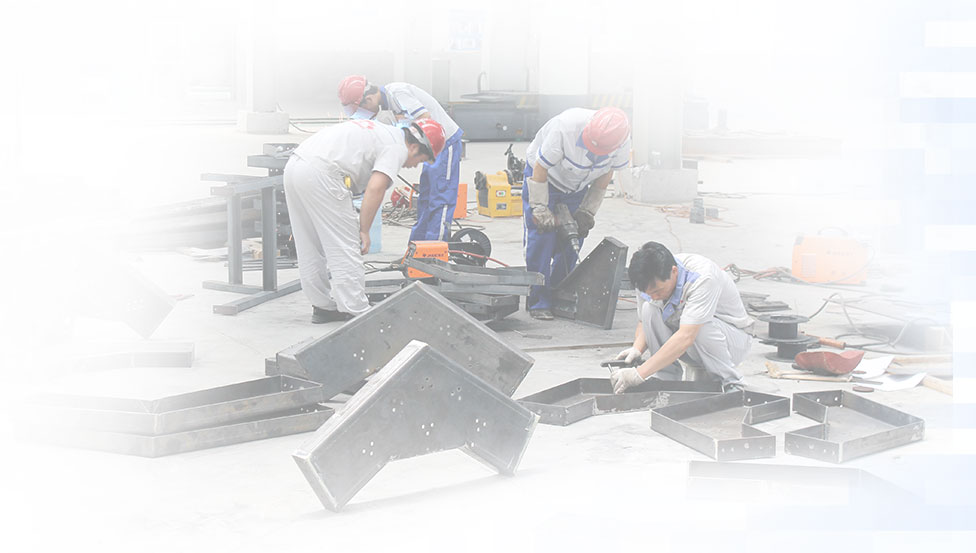
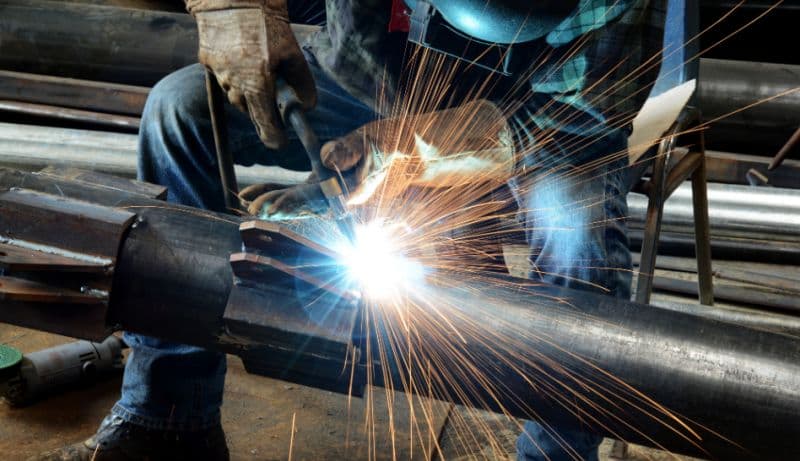
Equipment Manufacturing
The critical components of the of the complete pellet production line equipment are built in our own workshops in Asia. Additional equipment is manufactured by our worldwide network of reliable partners.
● Testing
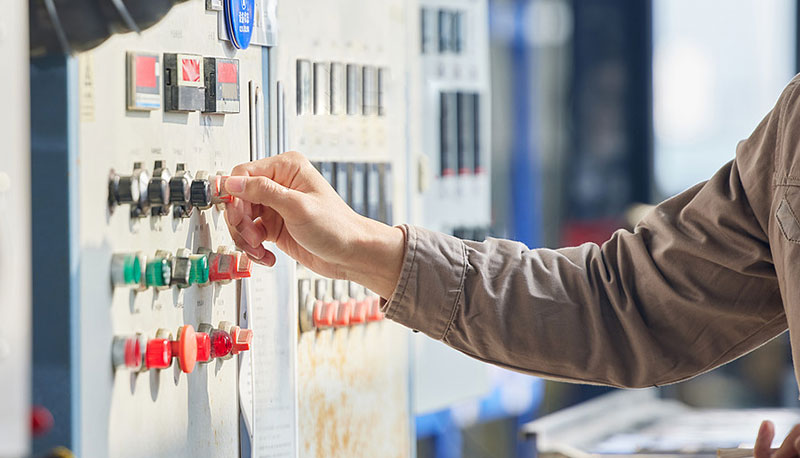
Quality Inspection & Testing
Before leaving the factory, all equipment will be inspected by the quality inspection department. We can also provide customers with testing services from a single machine to a complete pellet plant system, and provide you with real actual data for “worry-free use.”

● Delivery
Equipment Delivery
In equipment boxing and packaging, we adopt professional packaging and modular solutions to ensure the safe and non-destructive delivery of pellet plant equipment.
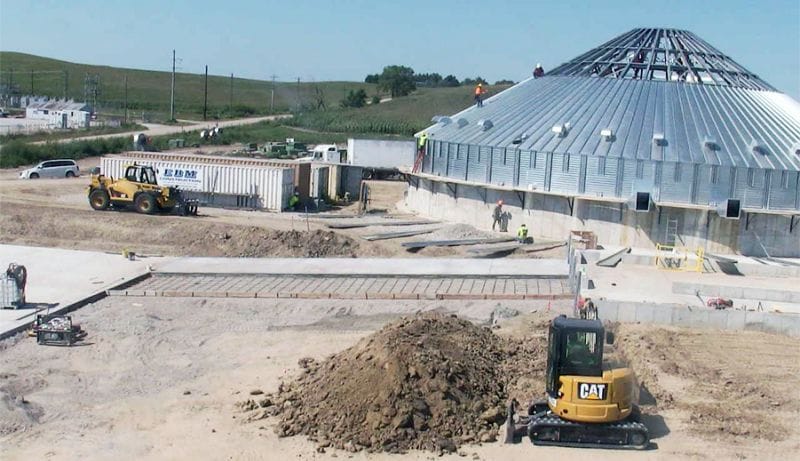
● Installation
Installation & Commissioning
Whether you choose your own subcontractor for the erection phase or you want to install everything together with us, a Richi supervisor will be around to make sure everything is mounted in a safe and thorough way.

● Training
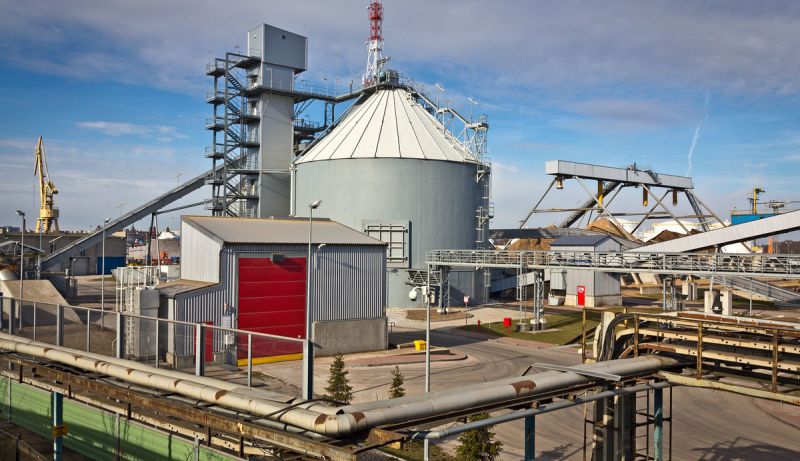
Staff Training
We provide comprehensive training for the technicians of each project. We can also continue to provide support for the technicians during latter project operation.
● After-sales
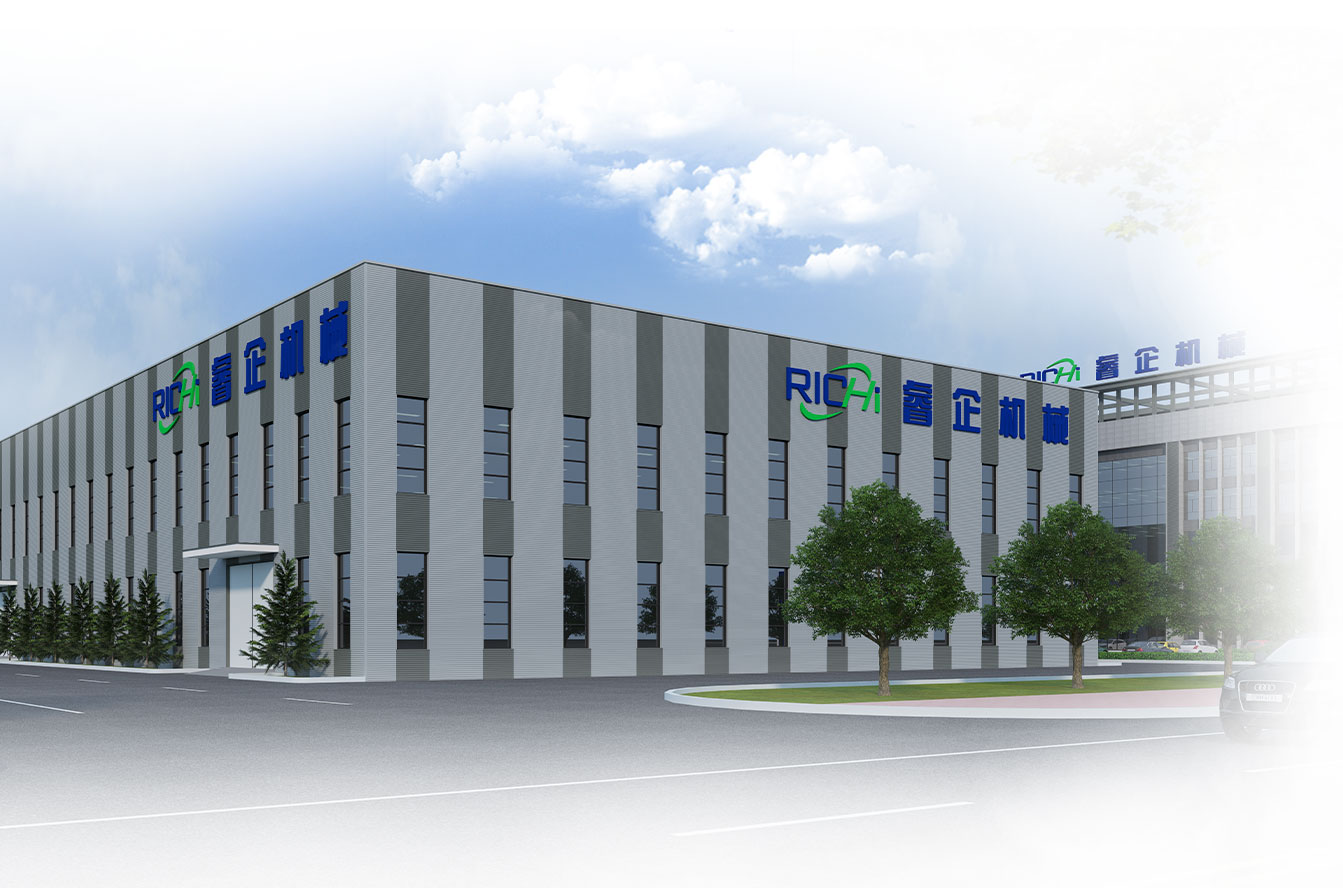
Project Follow-Up
When everything is up and running our Richiers will help you further whenever needed. We are ready to answer your call 24/7.We’ll also visit you regularly to learn about your needs.
Who we are
RICHI Machinery is one of the world’s leading suppliers of technology and services for the animal feed, aqua feed and pet food industries, also the largest pellet production line manufacturer in China.
Since 1995, RICHI’s vision to build a first-class enterprise, to foster first-class employees, and to make first-class contributions to society has never wavered.
In the past three decades, we have expanded our business to a wide range of areas, including animal feed mill equipment, aqua feed equipment, pet feed equipment, biomass pellet equipment, fertilizer equipment, cat litter equipment, municipal solid waste pellets equipment, etc.

1995
RICHI Established

2000+
Serving More Than 2000 Customers

120+
RICHI Employees

140+
Exported To 140 Countries