 0086-138 3838 9622
Dairy Cow Feed Production Line in Egypt

RICHI MACHINERY
overview
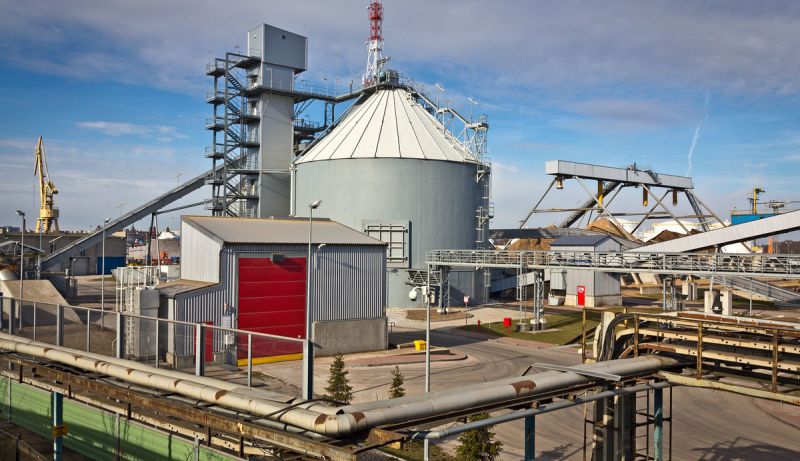
This case study details the establishment of a dairy cow feed production line in Egypt, designed with an annual production capacity of 150,000 tons. The facility consists of two processing units:
- 125,000 tons of complete feed for dairy cattle, and
- 25,000 tons of concentrate supplements.
The project is spearheaded by a leading Egyptian agribusiness and dairy cooperative that operates both dairy farms and feed distribution networks across the Nile Delta region. With Egypt’s rapidly expanding dairy industry, the company identified the urgent need for a modern animal feed mill plant that could supply nutritionally balanced, locally produced feed tailored to the needs of high-yield dairy cows.
The dairy cow feed production line in Egypt integrates advanced feed processing technologies, including hammer milling, automated batching, twin-shaft paddle mixing, ring-die pelleting, counterflow cooling, and high-precision bagging systems. It is expected to reduce feed costs, improve milk productivity, and strengthen domestic feed security, thereby reducing reliance on imports.
20T/H
capacity
$810,000
investment
Egypt
location
Feed
project type
RICHI MACHINERY
Project Background
Livestock Sector in Egypt
Egypt holds one of the largest dairy cattle populations in North Africa, with millions of smallholder farms and emerging commercial dairies. The dairy sector is a critical part of the Egyptian economy, providing both nutrition security and employment. However, the sector faces structural challenges:
- Low feed conversion efficiency due to poor-quality roughages.
- Dependence on imported feed ingredients such as soybean meal.
- High volatility of international commodity prices.
- Fragmented feed production, with most feed mills being small-scale and outdated.
To address these challenges, the Egyptian government has been encouraging private-sector investment in modern feed processing facilities to support dairy development under its agricultural modernization agenda.
Motivation for the Project
The investor cooperative had long relied on a mixture of imported feed concentrates and small-scale local feed mills, which led to inconsistent feed quality and high costs. Rising dairy herd sizes and increasing demand for high-quality milk products necessitated an integrated feed production solution.
The decision was made to establish a state-of-the-art feed mill capable of producing both complete feed and concentrates, enabling farmers to either use fully formulated rations or blend concentrates with their own forage resources.
RICHI MACHINERY
Investor Profile
The investor is a large dairy cooperative headquartered near Cairo, with operations extending across the fertile Nile Delta. The cooperative manages:
- 30,000+ head of dairy cattle across multiple farms.
- A distribution network supplying milk to processors and retailers.
- Long-term partnerships with maize, wheat, and soybean producers.
The cooperative’s primary objectives for this fully automatic cattle feed plant are:
- Reduce dependency on imported feed by maximizing the use of local raw materials such as maize, wheat bran, alfalfa, and cottonseed cake.
- Ensure consistent feed quality with precise formulations designed by animal nutritionists.
- Lower feed costs per liter of milk produced.
- Support member farmers with affordable, high-quality feed supplements.
- Strengthen market competitiveness by supplying surplus feed to surrounding dairy farms.
RICHI MACHINERY
Production Capacity
- Total Annual Capacity: 150,000 tons.
- Complete Feed for Dairy Cows: 125,000 tons.
- Concentrated Supplements: 25,000 tons.
- Daily Output: Approximately 500 tons (assuming 300 working days per year).
- Shift Arrangement: 3 shifts, 8 hours per shift.
The dairy cow feed production line in Egypt is designed with flexibility in mind, enabling the cooperative to adjust production ratios between complete feed and concentrates depending on market demand and raw material availability.
RICHI MACHINERY
Raw Materials
The cattle feed plant project prioritizes the use of locally sourced agricultural by-products and crops to minimize import dependence. Main feed ingredients include:
- Maize (corn) – primary energy source, widely grown in Egypt.
- Soybean meal – key protein ingredient, partially imported but also processed domestically.
- Wheat bran – abundant by-product from Egypt’s flour industry.
- Alfalfa hay – locally cultivated in Upper Egypt, crucial for fiber and protein.
- Cottonseed cake – by-product of Egypt’s cotton industry.
- Molasses – locally available from sugarcane and sugar beet processing.
- Premixes and vitamins – imported but used in small proportions.
By combining these ingredients in carefully formulated rations, the cattle feed production line ensures optimal nutrient balance, enhancing both milk yield and cow health.
RICHI MACHINERY
Process Flow
The plant’s fully automated feed processing line follows these steps:
- Raw Material Receiving & Cleaning
- Bulk grains, cakes, and by-products are received in silos or warehouses.
- Magnetic separators and sieves remove impurities.
- Crushing (Hammer Mill)
- Grains such as maize are ground to 1–3 mm particles.
- Ensures uniform digestibility for dairy cows.
- Batching & Weighing
- Ingredients are automatically weighed using computer-controlled batching systems.
- High precision reduces formulation errors.
- Mixing (Twin-Shaft Paddle Mixer)
- Homogeneous blending of ingredients, ensuring CV ≤ 5%.
- Liquids such as molasses can be added during mixing.
- Conditioning & Pelleting
- Steam conditioning improves starch digestibility and pellet durability.
- Ring-die cattle feed pellet machines compress feed into 6–8 mm pellets, ideal for cows.
- Cooling & Screening
- Counterflow cooler reduces pellet temperature.
- Vibrating screens separate fines and improve product quality.
- Packaging & Storage
- Bagging machines pack feed into 25–50 kg bags.
- Bulk storage silos available for cooperative farms.
RICHI MACHINERY
Major Equipment Configuration
| Equipment | Model/Capacity | Quantity | Function |
|---|---|---|---|
| Raw Material Cleaner | SCY80 | 2 | Remove impurities |
| Hammer Mill Feed Grinder | SFSP66*80 (110 kW) | 2 | Grain crushing |
| Feed Mixer Machine | SSHJ2 (2 m³, 1.5 kW) | 2 | Uniform mixing |
| Conditioner + Pellet Mill | SZLH420 (110 kW main motor) | 2 | Pelleting 6–8 mm |
| Counterflow Cooler | SKLN6 | 2 | Pellet cooling |
| Rotary Screener | SFJH110*2c | 2 | Screening fines |
| Automatic Batching Scales | 24 bins | 1 set | Precise ingredient dosing |
| Packaging System | DCS-50 | 2 | Bagging & sealing |
| Dust Collector | Pulse Jet Filter | 2 | Environmental protection |
This cattle feed mill equipment configuration balances efficiency, durability, and cost-effectiveness, making it highly suitable for Egypt’s industrial feed production needs.
RICHI MACHINERY
Environmental & Safety Measures
- Dust Control: Pulse jet dust collectors reduce airborne particles.
- Noise Control: Acoustic enclosures for hammer mills.
- Waste Management: No wastewater; minimal solid waste reused as low-value feed.
- Energy Efficiency: High-efficiency motors and automated control systems.
- Worker Safety: Safety interlocks, fire extinguishing systems, PPE protocols.
RICHI MACHINERY
Plant Layout
The layout of this dairy cow feed production line in Egypt was designed for efficiency and safety:
- Raw material warehouse near intake area.
- Grinding & mixing section located centrally.
- Pelleting, cooling, and packaging line arranged in linear flow.
- Finished goods warehouse near loading bays for distribution.
- Administrative & laboratory building attached to the main workshop.
RICHI MACHINERY
Workforce and Management
Total Staff: ~45 people.
Skilled Technicians: 15.
Operators: 20.
Administration & Sales: 10.
Training: Operators trained on feed formulation, equipment handling, and safety.
RICHI MACHINERY
Market Outlook in Egypt
Egypt’s dairy industry is rapidly modernizing, with demand for processed milk products growing domestically and regionally. Key trends include:
- Rising demand for high-quality cattle feed to boost milk yields.
- Government push to reduce imports of feed concentrates.
- Expanding dairy farms and cooperatives, creating stable demand.
- Potential to export surplus feed to neighboring countries like Sudan and Libya.
This project positions the cooperative as a strategic supplier in Egypt’s feed sector, ensuring long-term growth and competitiveness.
RICHI MACHINERY
Conclusion
The 150,000 tons/year dairy cow feed production line in Egypt represents a milestone in the country’s livestock development strategy. By integrating modern equipment, local raw materials, and scientific nutrition, the project ensures:
- Stable, affordable feed supply.
- Improved productivity for dairy farmers.
- Reduced dependence on imports.
- Long-term profitability and sustainability.
This project demonstrates how realistic investment levels and practical technology choices can create a transformative impact on Egypt’s livestock economy, benefiting both the cooperative and the wider farming community.
● RICHI MACHINERY
RICHI Service

● Consulting
Customer Consultation
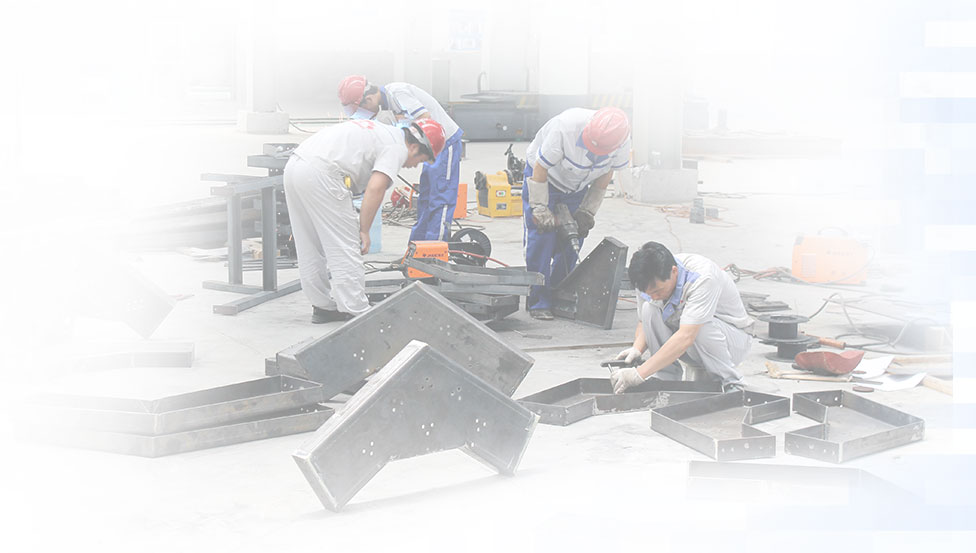
We want to have a deep understanding of your industrial process, to know your exact needs of feed, wood, biomass, fertilizer or other pellet processing.

● Design
biomass Pellet Plant Design
Based on your unique situation and industrial process, we will tailor complete pellet plant you need, and inform you of every additional detail that could facilitate operation, minimize total cost.
● Manufacturing
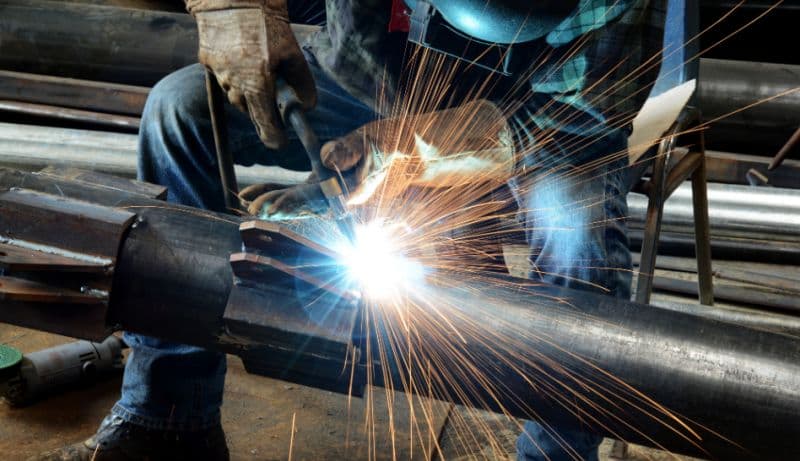
Equipment Manufacturing
The critical components of the of the complete pellet production line equipment are built in our own workshops in Asia. Additional equipment is manufactured by our worldwide network of reliable partners.
● Testing
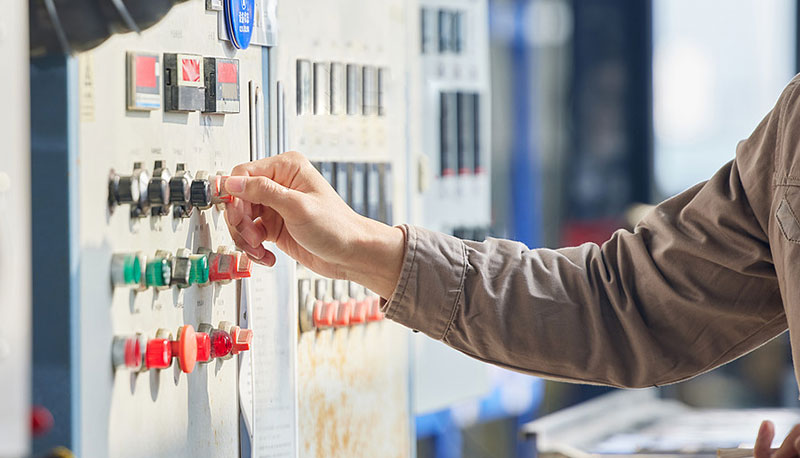
Quality Inspection & Testing
Before leaving the factory, all equipment will be inspected by the quality inspection department. We can also provide customers with testing services from a single machine to a complete pellet plant system, and provide you with real actual data for “worry-free use.”

● Delivery
Equipment Delivery
In equipment boxing and packaging, we adopt professional packaging and modular solutions to ensure the safe and non-destructive delivery of pellet plant equipment.
● Installation
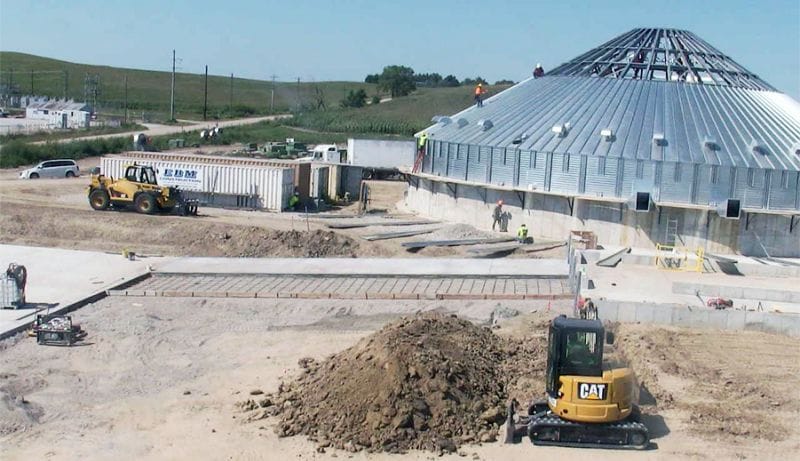
Installation & Commissioning
Whether you choose your own subcontractor for the erection phase or you want to install everything together with us, a Richi supervisor will be around to make sure everything is mounted in a safe and thorough way.

● Training
Staff Training
We provide comprehensive training for the technicians of each project. We can also continue to provide support for the technicians during latter project operation.
● After-sales
Project Follow-Up
When everything is up and running our Richiers will help you further whenever needed. We are ready to answer your call 24/7.We’ll also visit you regularly to learn about your needs.
Who we are
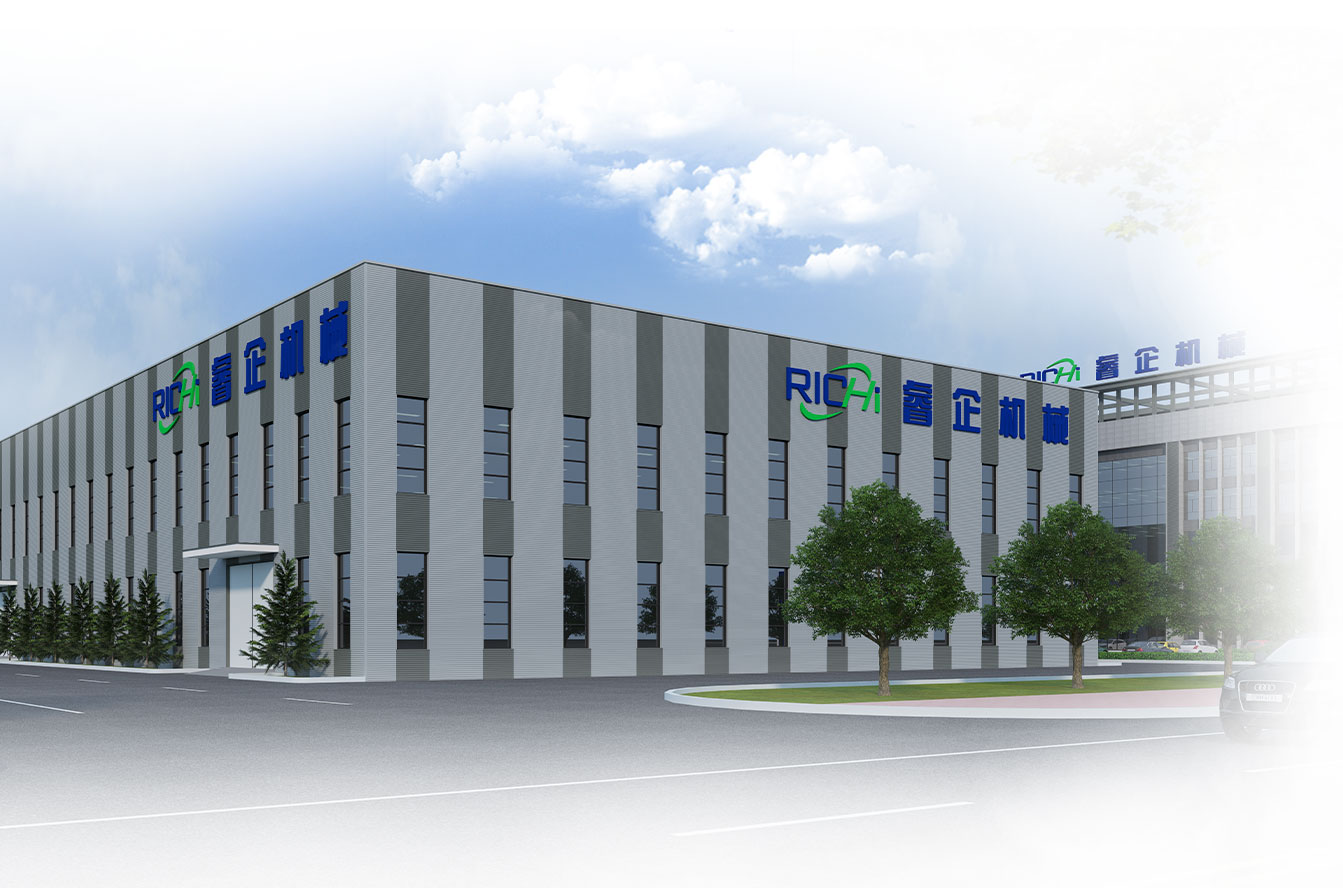
RICHI Machinery is one of the world’s leading suppliers of technology and services for the animal feed, aqua feed and pet food industries, also the largest pellet production line manufacturer in China.
Since 1995, RICHI’s vision to build a first-class enterprise, to foster first-class employees, and to make first-class contributions to society has never wavered.
In the past three decades, we have expanded our business to a wide range of areas, including animal feed mill equipment, aqua feed equipment, pet feed equipment, biomass pellet equipment, fertilizer equipment, cat litter equipment, municipal solid waste pellets equipment, etc.

1995
RICHI Established

2000+
Serving More Than 2000 Customers

120+
RICHI Employees

140+
Exported To 140 Countries