 0086-138 3838 9622
Bamboo Wood Scraps Pelletizing Plant in Ethiopia
RICHI MACHINERY
overview
This page details the successful implementation of a specialized biomass pelletizing plant in the Oromia Region of Ethiopia, a country experiencing rapid economic growth and a corresponding surge in energy demand. The bamboo wood scraps pelletizing plant in Ethiopia project was initiated by a local Ethiopian entrepreneur with existing interests in timber processing and agricultural trading.
The primary objective was to address two key challenges: the growing need for affordable, reliable domestic fuel sources and the underutilization of waste generated by the country’s burgeoning furniture and construction industries.
The facility, established with a total investment of approximately $280,000 USD, was designed to process 6,000 tons per year of bamboo and wood scraps into 5,000 tons of high-density biomass pellets. A key feature of this project is its symbiotic relationship with an on-site bamboo products manufacturing facility, which provides a consistent and low-cost stream of raw material in the form of production off-cuts and sawdust.
The core pelletizing technology, supplied and engineered by RICHI Machinery, is a compact, efficient line designed to handle the specific fibrous characteristics of bamboo, including a crucial drying stage to manage the material’s high initial moisture content.
This case study will explore the project’s background within Ethiopia’s energy landscape, the innovative business model of co-locating with a raw material generator, a detailed technical analysis of the RICHI pelletizing line, an environmental management plan tailored to local conditions, and a compelling financial analysis.
The biomass pellet project demonstrates a clear path to profitability, with a significant portion of the pellet output dedicated to powering the on-site bamboo factory’s boiler, creating substantial operational savings and a quick payback period. This venture stands as a model for circular industrial development in East Africa, transforming waste into wealth and enhancing energy security. The success of this project underscores RICHI Machinery’s expertise in delivering robust, appropriate-technology solutions for emerging markets.
3T/H
capacity
$280,000
investment
Ethiopia
location
Biofuel
project type
RICHI MACHINERY
Project Background and Strategic Rationale
The Ethiopian Energy and Industrial Context
Ethiopia’s economy is one of the fastest-growing in Africa, driving an increased demand for energy across industrial, commercial, and residential sectors. While the country has significant renewable energy ambitions, particularly in hydropower, many industries still rely heavily on expensive and imported fossil fuels like diesel and heavy fuel oil for thermal energy.
Concurrently, Ethiopia has a growing woodworking and furniture industry, alongside natural stands of bamboo, generating substantial volumes of wood off-cuts, sawdust, and bamboo waste. This waste is often poorly managed, leading to disposal issues and missed economic opportunities.
This situation created a compelling opportunity: to establish a modern biomass pellet plant that could convert this industrial biomass waste into a standardized, clean-burning solid fuel. This fuel could directly replace fossil fuels in industrial boilers, providing a cost-effective, locally sourced, and renewable energy alternative while solving a waste problem for local industries.
The Client’s Vision: An Integrated, Circular Model
The client is an Ethiopian entrepreneur who operates a medium-sized factory producing bamboo mats and other woven products. Facing rising energy costs for their drying and processing operations, and simultaneously generating a large amount of bamboo scrap and dust, they identified a perfect circular economy solution. Instead of viewing the waste as a liability, they decided to invest in a pelletizing plant to convert it into fuel.
This fuel would then be used to power a new biomass boiler for their own factory, with surplus pellets sold to other local industries. This model ensures a secure, low-cost feedstock supply and a guaranteed primary customer, drastically reducing market risk.
Project Objectives and Key Metrics
The bamboo wood scraps pelletizing plant in Ethiopia project was designed with clear, measurable objectives:
- Production Capacity: To achieve an annual output of 5,000 tons of biomass pellets.
- Raw Material Utilization: To sustainably process 6,000 tons per year of bamboo and wood scraps sourced from the client’s own factory and other local woodshops.
- Energy Self-Sufficiency: To supply 2,900 tons of pellets annually to the on-site boiler, covering the thermal energy needs of the bamboo factory.
- Commercial Sales: To sell the remaining 2,100 tons of pellets on the open market.
- Job Creation: To create skilled employment opportunities in a rural area.
The plant operates on a single 8-hour shift, 200 days a year, employing a core team of 8 workers.
RICHI MACHINERY
Project Overview and Specifications
This bamboo wood scraps pelletizing plant in Ethiopia project is a prime example of a compact, efficient, and integrated industrial operation designed for maximum resource utilization.
Core Project Specifications:
- Project Type: New Construction of a Dedicated Biomass Pelletizing Plant.
- Location: Oromia Region, Ethiopia.
- Facility Footprint: The pellet plant occupies a 316.8 m² area within a larger shared industrial shed.
- Primary Raw Materials: Bamboo scrap, wood off-cuts, sawdust.
- Final Product: ISO-standard 6mm and 8mm diameter biomass pellets.
- Total Annual Output: 5,000 metric tons.
- Hourly Production Rate: Approximately 1.25 tons per hour.
- Total Investment: $280,000 USD (Pellet plant component: ~$120,000).
- Key Technology Provider: RICHI Machinery.
Final Product Specifications:
The pellets are produced to meet the demands of industrial boilers, with key specifications as follows:
- Diameter: 6mm and 8mm.
- Length: 20-40mm.
- Density: ≥ 1,000 kg/m³.
- Moisture Content: ≤ 13%.
- Gross Calorific Value: ≥ 16.9 MJ/kg (as bamboo is a grass, it performs similarly to woody biomass).
Operational Framework:
- Workforce: 8 employees for the pellet plant (shift manager, machine operators, maintenance).
- Operating Schedule: 200 days per year, single 8-hour shift.
- Infrastructure: The bamboo wood pellet production line is housed within a larger industrial building shared with the client’s bamboo products factory, optimizing land use.
RICHI MACHINERY
Raw Material Analysis and Supply Chain
The bamboo wood scraps pelletizing plant in Ethiopia project’s economic viability is fundamentally tied to its unique and secure feedstock supply chain.
Primary Raw Materials
The plant processes waste materials from two primary sources:
- Bamboo Scrap and Dust: This is the primary feedstock, sourced directly from the adjacent bamboo factory. It includes trimmings, off-cuts, and sanding dust from the production of bamboo mats and other goods. Bamboo is highly fibrous and has a high initial moisture content (typically 40-50%).
- Wood Scraps: Supplementing the bamboo supply, wood off-cuts and sawdust are purchased from local furniture makers and carpentry workshops. This material helps balance the feedstock mix and can improve pellet durability.
The following table provides a detailed breakdown of the raw material consumption.
Table: Annual Raw Material Consumption Profile
| Raw Material | Annual Consumption (tons) | Initial Moisture Content | Key Characteristics & Handling |
|---|---|---|---|
| Bamboo Scrap & Dust | 5,000 | 40-50% | Fibrous, abrasive, high moisture. Requires efficient drying. Conveyed directly from the adjacent factory. |
| Wood Scraps | 1,000 | 20-30% | Better binding properties, lower moisture. Helps improve pellet quality. Delivered by truck from local suppliers. |
Sourcing and Logistics
The co-location with the bamboo products factory is the project’s greatest logistical advantage. A significant portion of the raw material is conveyed mechanically or via simple carts over a very short distance, minimizing handling costs. The purchased wood scraps are sourced from within a 20km radius, ensuring low transportation costs. This localized and integrated supply chain is a key factor in the project’s low operational expenses.
RICHI MACHINERY
Production Process and Technology Deep Dive
The production process, engineered by RICHI, is a continuous system specifically designed to handle the challenging properties of bamboo, with a strong emphasis on size reduction and drying.
Figure: Process Flow Diagram for the Bamboo Pelletizing Plant
[Graphic showing: Bamboo/Wood Scrap -> Size Reduction (Chipper) -> Drying -> Fine Grinding (Hammer Mill) -> Conditioning -> Pelletizing -> Cooling -> Screening -> Packaging.]
Stage 1: Primary and Secondary Size Reduction
Effective size reduction is critical for bamboo due to its long, tough fibers.
- Primary Chipping: The incoming bamboo scrap and wood off-cuts are first processed through a heavy-duty industrial chipper (
950型). This reduces the material to a uniform chip size (approx. 20-50mm), making it suitable for feeding into the dryer and the subsequent grinder. - Fine Grinding: The dried chips are then fed into a high-torque hammer mill (
800型with built-in screening). This mill pulverizes the material into a fine, consistent biomass powder with particles generally under 3mm. This step is essential for creating a homogeneous feedstock that will pelletize smoothly.
Stage 2: Drying
This is the most energy-intensive but essential step, given the high moisture content of the bamboo.
- Technology: The bamboo wood scraps pelletizing plant in Ethiopia project utilizes the existing drying infrastructure of the bamboo products factory. The raw material is dried in the same chamber used for drying bamboo mats, using indirect heat from the biomass boiler (which is fueled by the finished pellets). This creates a highly efficient, closed-loop energy system.
- Moisture Control: The material is dried from an initial 40-50% moisture content down to an optimal 10-12% for pelletizing.
Stage 3: Pelletizing and Cooling
- Pelletizing: The dried and finely ground biomass is conditioned with a slight amount of steam to achieve optimal plasticity. It is then fed into a RICHI ring-die wood bamboo pellet machine. The immense pressure and friction-generated heat within the die cause the natural lignin in the biomass to plasticize, acting as a binder to form dense, durable pellets. The wood pellet mill is equipped with a hardened die suitable for processing abrasive bamboo.
- Cooling and Screening: The hot, soft pellets are conveyed to a counter-flow cooler, where ambient air cools and hardens them. They are then screened to remove fines, which are recycled back into the process. The finished pellets are packaged in 1-ton bags for storage and shipment.
RICHI MACHINERY
Environmental Impact Assessment and Management
An environmental management plan was developed in accordance with guidelines from the Ethiopian Environment, Forest and Climate Change Commission (EFCCC).
Air Quality Management
Controlling particulate matter (PM) emissions from grinding and pelletizing was the primary focus.
Table: Air Emission Sources and Control Measures
| Emission Source | Pollutant | Control Technology | Result & Compliance |
|---|---|---|---|
| Grinding & Pelletizing | Particulate Matter (PM) | Enclosed hoods + Baghouse Filter (>99% efficiency). | PM emissions are controlled and maintained within acceptable limits for the indoor workshop environment. |
| Boiler (Off-site, but fueled by pellets) | PM, SO₂, NOx | The boiler serving the main factory is equipped with a multi-cyclone separator. | Emissions are managed as part of the main factory’s environmental permit. |
Water and Wastewater Management
The pelletizing process itself does not use water. The only wastewater generated is minimal domestic sewage from the staff.
- Treatment: A septic tank system is used for sanitation, which is a standard and approved solution.
Noise Control
The main noise sources are the chipper and hammer mill.
- Mitigation: Equipment is installed within an enclosed building that provides acoustic insulation.
- Result: Noise levels are contained within the industrial site, minimizing impact on the surrounding area.
Solid Waste Management
The bamboo wood pellet plant construction project operates on a near-zero-waste principle.
- Dust from Baghouse: This collected biomass powder is directly fed back into the pellet mill as raw material.
- Rejects and Fines: Screenings and off-spec pellets are recycled within the process.
RICHI MACHINERY
Economic and Financial Analysis
The financial model demonstrates an attractive investment, significantly de-risked by the integrated business model.
Project Investment Breakdown (CAPEX)
The total investment for the pellet plant component is approximately $120,000 USD.
Table: Detailed Pellet Plant Investment Cost Breakdown
| Cost Category | Amount (USD) | Notes |
|---|---|---|
| RICHI Pellet Production Line | $85,000 | Includes chipper, hammer mill, conveyor, biomass pellet mill, cooler, and baghouse filter. |
| Electrical & Control Systems | $15,000 | Integration with site power and control panels. |
| Installation & Commissioning | $10,000 | Supervised by RICHI engineers; includes operator training. |
| Working Capital (Initial) | $10,000 | For initial wood scrap purchases and operational expenses. |
| Total Pellet Plant Investment | $120,000 |
Operational Cost Analysis (OPEX) – Annual
Table: Annual Operational Expenditure for the Pellet Plant
| Cost Item | Annual Cost (USD) | Calculation Basis |
|---|---|---|
| Raw Materials (Wood Scraps – 1,000t) | $5,000 | Purchased at ~$5/ton. Bamboo scrap is free (internal transfer). |
| Labor (8 employees) | $9,600 | Average annual salary in the region. |
| Utilities (Electricity – 450,000 kWh) | $45,000 | Based on local industrial tariff. |
| Maintenance & Spares | $8,500 | ~10% of equipment value. |
| Packaging & Misc. | $10,000 | Bags and other consumables. |
| Total Annual OPEX | $78,100 |
Revenue and Profitability Projection
- Annual Production: 5,000 tons.
- Internal Consumption & Savings: 2,900 tons used internally, displacing diesel fuel. The value of this displacement is estimated at $145,000 per year (based on diesel fuel savings).
- Commercial Sales: 2,100 tons sold externally at a market price of $120/ton, generating revenue of $252,000.
- Total Financial Benefit: $145,000 (savings) + $252,000 (revenue) = $397,000.
- Net Operating Profit: $397,000 – $78,100 (OPEX) = $318,900.
- Payback Period: $120,000 / $318,900 ≈ 0.38 years (under 5 months).
The financial returns are exceptionally strong due to the significant fuel cost savings for the main factory and the favorable production economics.
RICHI MACHINERY
Market Prospects for Biomass Pellets in Ethiopia
The market for biomass pellets in Ethiopia is nascent but holds tremendous potential.
- Industrial Energy Demand: Ethiopian industries are seeking alternatives to expensive and unreliable grid power and diesel generators. Biomass pellets offer a stable, cost-effective solution for process heat.
- Government Focus on Import Substitution: The government is actively promoting projects that reduce reliance on imported fuels, improving the country’s trade balance.
- Sustainable Development Alignment: Projects that utilize waste and promote renewable energy are viewed favorably and may qualify for support or incentives.
- Growing Agricultural Sector: The potential for agricultural residue-based pellets in the future is significant as the agro-processing industry grows.
RICHI MACHINERY
Conclusion and Recommendation
The Bamboo and Wood Scraps Pelletizing Plant in Ethiopia is a outstanding example of a circular economy project that delivers clear economic and environmental benefits. By integrating with an existing waste-generating business, the project achieved unparalleled feedstock security and a guaranteed primary market for its product.
The project’s success was dependent on a pelletizing line capable of handling fibrous bamboo efficiently. RICHI Machinery‘s solution, with its emphasis on robust size reduction and appropriate capacity, proved ideal for the client’s needs. Our team’s focus on practical training and after-sales support ensured a smooth ramp-up to full production.
This case study demonstrates that Ethiopia, and similar emerging markets, offer fertile ground for biomass pellet investments, particularly when integrated with existing industries. The combination of abundant biomass waste, high energy costs, and supportive policies creates a compelling business case. For entrepreneurs and industrialists seeking to reduce operating costs and build a sustainable business, investing in a RICHI pelletizing line represents a low-risk, high-return opportunity.
RICHI Machinery is a global leader in the design and manufacturing of biomass pellet production lines. We specialize in creating customized solutions from small-scale plants to large industrial facilities, with a focus on reliability and ease of operation.
Contact RICHI Machinery today to discuss how we can help you develop a profitable bamboo wood scraps pelletizing plant in Ethiopia project tailored to your local biomass resources and market needs.
● RICHI MACHINERY
RICHI Service

● Consulting
Customer Consultation
We want to have a deep understanding of your industrial process, to know your exact needs of feed, wood, biomass, fertilizer or other pellet processing.

● Design
biomass Pellet Plant Design
Based on your unique situation and industrial process, we will tailor complete pellet plant you need, and inform you of every additional detail that could facilitate operation, minimize total cost.
● Manufacturing
Equipment Manufacturing
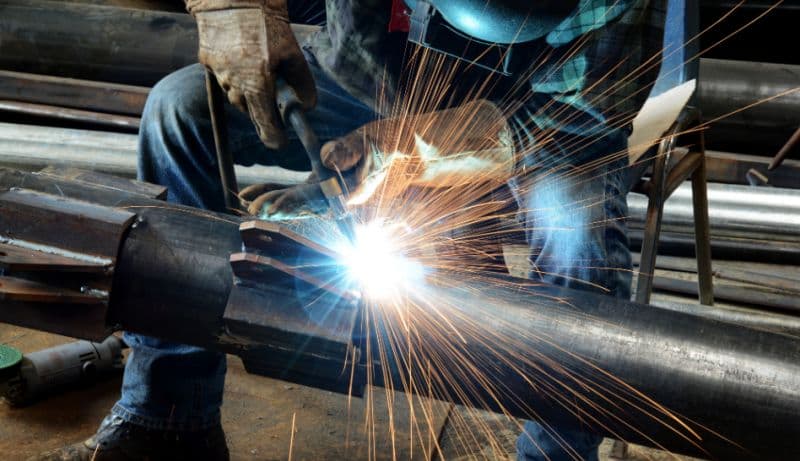
The critical components of the of the complete pellet production line equipment are built in our own workshops in Asia. Additional equipment is manufactured by our worldwide network of reliable partners.

● Testing
Quality Inspection & Testing
Before leaving the factory, all equipment will be inspected by the quality inspection department. We can also provide customers with testing services from a single machine to a complete pellet plant system, and provide you with real actual data for “worry-free use.”

● Delivery
Equipment Delivery
In equipment boxing and packaging, we adopt professional packaging and modular solutions to ensure the safe and non-destructive delivery of pellet plant equipment.
● Installation
Installation & Commissioning
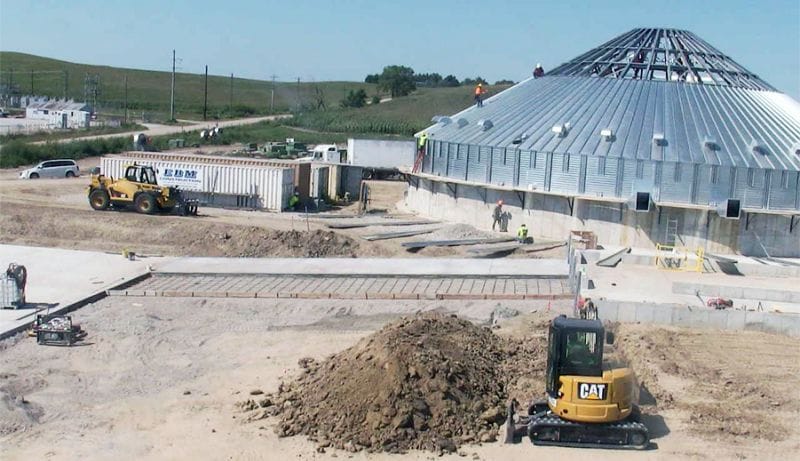
Whether you choose your own subcontractor for the erection phase or you want to install everything together with us, a Richi supervisor will be around to make sure everything is mounted in a safe and thorough way.

● Training
Staff Training
We provide comprehensive training for the technicians of each project. We can also continue to provide support for the technicians during latter project operation.
● After-sales
Project Follow-Up
When everything is up and running our Richiers will help you further whenever needed. We are ready to answer your call 24/7.We’ll also visit you regularly to learn about your needs.
Who we are
RICHI Machinery is one of the world’s leading suppliers of technology and services for the animal feed, aqua feed and pet food industries, also the largest pellet production line manufacturer in China.
Since 1995, RICHI’s vision to build a first-class enterprise, to foster first-class employees, and to make first-class contributions to society has never wavered.
In the past three decades, we have expanded our business to a wide range of areas, including animal feed mill equipment, aqua feed equipment, pet feed equipment, biomass pellet equipment, fertilizer equipment, cat litter equipment, municipal solid waste pellets equipment, etc.

1995
RICHI Established

2000+
Serving More Than 2000 Customers

120+
RICHI Employees

140+
Exported To 140 Countries