 0086-138 3838 9622
Paddy Husk Straw Sawdust Pellet Processing Line in Pakistan
RICHI MACHINERY
Project Overview
In the agricultural heartland of Punjab, Pakistan, a significant investment in renewable energy infrastructure has taken shape. This case study details the development of a large-scale paddy husk straw sawdust pellet processing line in Pakistan, strategically located near the city of Gujranwala.
The client, a consortium of local agricultural processors and energy investors, recognized a critical opportunity to address two pressing issues: the management of massive agricultural waste streams and the production of affordable, reliable energy for Pakistan’s industrial sector.
The project’s ambitious goal was to establish a facility with a production capacity of 14 tonnes per hour, resulting in an annual output of 100,000 tonnes of standardized biomass pellets. With a total project investment of approximately $1.1 million ($570,000 for equipment), the project involved the construction of a new production hall and supporting structures on a previously unused portion of an existing industrial plot.
The client selected RICHI Machinery as the turnkey equipment supplier for its capability to deliver high-capacity, robust pelletizing lines. Operating with a lean team of 25 personnel on a three 8-hour shift for 300 days a year, this plant is poised to become a major supplier of solid biofuel in the region, demonstrating a scalable model for waste-to-energy conversion.
14T/H
capacity
$570,000
investment
Pakistan
location
Biofuel
project type
RICHI MACHINERY
Project Background
Pakistan faces a dual challenge of agricultural waste management and an energy deficit. The provinces of Punjab and Sindh are the country’s breadbaskets, producing immense quantities of rice and wheat. Post-harvest, this leads to widespread burning of rice straw and paddy husk, contributing significantly to air pollution (the infamous “smog” season). Concurrently, industries struggle with the high cost and unreliable supply of natural gas.
The client, with deep connections in the agricultural sector, identified the paddy husk straw sawdust pellet processing line in Pakistan as a strategic solution. The primary investment drivers were:
- Environmental Mitigation: Provide a commercially viable alternative to open-field burning of rice straw and paddy husk, improving air quality and converting a waste problem into a valuable resource.
- Energy Substitution: Produce a cost-competitive, solid biofuel to replace imported furnace oil and increasingly expensive natural gas in industrial boilers, particularly in the textile, food processing, and brick kiln industries.
- Economic Value Creation: Generate new revenue streams for farmers and agricultural intermediaries by creating a market for previously worthless residues, while also creating skilled jobs in a rural industrial setting.
The decision to target a 100,000 t/year (14 t/h) capacity was driven by the sheer volume of available feedstock and the significant demand from large industrial consumers, positioning the plant as a major player from its inception.
RICHI MACHINERY
Raw Material Profile and Seasonal Strategy
The cornerstone of this project’s feasibility is the abundant and low-cost availability of its primary feedstocks. The paddy husk straw sawdust pellet processing line in Pakistan is designed to utilize a blend of materials, allowing for operational flexibility based on seasonal availability.
Pakistan is a major rice producer, generating vast amounts of paddy husk at milling facilities and rice straw in the fields. Additionally, Gujranwala is a hub for furniture manufacturing, producing a steady supply of wood sawdust. A key operational insight was designing the production recipe to be dynamic: during the rice harvest seasons, the blend is heavy on straw and husk, while during off-seasons, production can rely more heavily on the consistent supply of sawdust. This ensures year-round operation and optimal use of the cheapest available feedstock at any given time.
The table below outlines the annual raw material consumption strategy:
| Raw Material Type | Annual Consumption (Tonnes) | Average Initial Moisture Content | Seasonal Availability & Notes |
|---|---|---|---|
| Paddy Husk | 50,000 | 8-14% | Available year-round from local rice mills. |
| Rice & Wheat Straw | 30,000 | 12-18% | Highly seasonal; bulk supply post-harvest (Oct-Dec, Apr-May). |
| Wood Sawdust | 20,000 | 6-12% | Steady supply year-round from furniture and timber industries. |
| Total Raw Material | 100,000 | ||
| Final Product Output | 100,000 | < 18% | 6mm & 8mm diameter industrial-grade pellets. |
RICHI MACHINERY
Production Process: A High-Capacity, No-Dryer System
A distinctive feature of this paddy husk straw sawdust pellet processing line in Pakistan is its “no-dryer” design. This was a conscious engineering choice based on the local climate and the inherent properties of the feedstocks. Since the raw materials are sourced pre-dried (husk from mills, straw sun-dried in fields, sawdust from kiln-dried wood processing), their moisture content is already at or near the optimal level for pelletizing (below 18%). This eliminates the need for a biomass straw dryer, resulting in significant capital and operational cost savings and a much simpler process flow.
The production process is a continuous, highly mechanical system focused on size reduction, homogenization, and densification:
1. Raw Material Reception and Pre-Mixing: Trucks deliver the various biomass materials to the plant’s raw material yard. A wheel loader is used to blend the materials according to the predetermined seasonal recipe on a concrete mixing pad. This ensures a consistent feedstock for the pellet mills.
2. Magnetic Separation and Primary Conveying: The blended feedstock is fed into receiving hoppers. It is then conveyed via belt conveyors through strong magnetic separators. This critical step removes any tramp metal (like nails from pallets or wire from bales) that could damage the downstream grinding and pelletizing equipment.
3. Fine Grinding (Milling): The feedstock is then elevated and fed into high-capacity hammer mills. Here, the materials are pulverized into a fine, consistent powder. The hammer mills are equipped with specific screen sizes to ensure the particle size is ideally suited for the pelletizing process, typically under 3mm. This stage generates dust, which is controlled by an integrated dust collection system.
4. Pelletizing (The Core Process): The finely ground and homogenized biomass powder is distributed via screw conveyors to the battery of eight RICHI MZLH420 ring-die sawdust straw pellet machines. This is the heart of the paddy husk straw sawdust pellet processing line in Pakistan. Under extreme pressure within the straw rice husk pellet machine, the temperature of the biomass rises to 80-90°C due to friction. This heat plasticizes the natural lignin in the wood and straw, which acts as a binder, forming dense, durable pellets as the material is extruded through the die holes. The combination of high pressure and friction heat is sufficient to bring the final moisture content down to the desired 10-12% range.
5. Cooling and Stabilization: The freshly extruded pellets are hot and soft. They are discharged onto a conveyor that feeds them into a counter-flow cooler. Ambient air is drawn through the pellet mass, cooling them to near room temperature. This cooling step is crucial for hardening the pellets and preventing condensation during storage.
6. Screening and Packaging: The cooled pellets pass over a vibrating screen (trammel sieve) to remove any fines and broken pellets. The high-quality, whole pellets are then conveyed to large storage silos. From the silos, pellets can be packaged automatically into 25kg or 50kg bags for smaller customers or discharged directly into bulk trucks for large industrial clients.
RICHI MACHINERY
Plant Layout and Key Equipment Investment
The fuel pellet plant was designed for efficiency and linear material flow. The layout separates the raw material yard, production hall, and finished product storage area to ensure cleanliness and operational safety.
The investment in the core processing equipment, supplied by RICHI Machinery, was approximately $570,000. The key equipment includes:
| Process Stage | Key Equipment | Specifications / Model | Quantity |
|---|---|---|---|
| Material Handling | Belt Conveyors, Screw Conveyors | W800 series, various lengths | Multiple |
| Pre-Cleaning | Strong Magnetic Separators | 600*300*150 | 2 |
| Size Reduction | High-Capacity Hammer Mills | Custom for 14 T/H throughput | 2 |
| Pelletizing | RICHI Ring-die Sawdust Pellet Machine | MZLH420 (Output: ~1.75 T/H each) | 8 |
| Cooling & Screening | Counter-flow Cooler, Vibrating Screen | TSL125 | 1 set |
| Storage & Packaging | Steel Storage Silos, Bagging Scale | 52 m³ capacity | 2 |
RICHI MACHINERY
Environmental and Economic Sustainability
This paddy husk straw sawdust pellet processing line in Pakistan delivers substantial environmental benefits while being economically robust.
- Emission Control: The primary environmental aspect is dust control. The plant is equipped with a comprehensive pulse-jet baghouse dust collection system. Dust generated at material transfer points and during grinding is captured with high efficiency (>99%), ensuring that particulate emissions are well within the National Environmental Quality Standards (NEQS) of Pakistan.
- Waste Minimization: The project operates on a near-zero-waste principle. All collected dust and screen fines are directly recycled back into the production process as raw material.
- Water and Energy Use: The “no-dryer” process results in exceptionally low energy consumption per tonne of output. The process requires no water, and domestic wastewater from the small staff is treated in a septic system.
Economically, the biomass pellet plant project has a strong return on investment, with a projected payback period of 3-4 years. The low cost of feedstock and the high demand for the finished product create a compelling business case.
RICHI MACHINERY
Market Prospects for Biomass Pellets in Pakistan
The market for biomass pellets in Pakistan is exceptionally promising and aligns perfectly with national interests.
- Government Policy: There is growing government impetus to reduce the energy import bill and find alternatives to gas, whose supply is often diverted to domestic users, leaving industries stranded.
- Industrial Demand: Textile mills, food processing units, and brick kilns are actively seeking cheaper and more reliable alternatives to gas and furnace oil. Biomass pellets are a perfect “drop-in” solution for many of these applications.
- Carbon Reduction: While the regulatory framework is still developing, there is increasing awareness and potential future value in carbon-neutral energy sources.
This paddy husk straw sawdust pellet processing line in Pakistan is ideally positioned to become a leading supplier in this nascent but rapidly growing market.
RICHI MACHINERY
RICHI Machinery’s Role in Enabling Large-Scale Bioenergy
The successful execution of this high-capacity project underscores RICHI Machinery’s capability to deliver engineered solutions for complex biomass challenges. The client’s choice was based on our:
- Technical Expertise: Our engineers designed the unique “no-dryer” process flow, optimizing it for the local conditions and feedstock characteristics, which resulted in significant cost savings.
- Equipment Reliability: The RICHI MZLH420 biomass pellet mills are renowned for their durability and high output, essential for a project of this scale requiring 24/7 reliability.
- Turnkey Project Management: We managed the entire equipment supply, installation, and commissioning process, ensuring a smooth and timely project start-up.
This project is a testament to how RICHI Machinery partners with investors to build large-scale, profitable, and environmentally positive businesses.
Are you considering a biomass pellet project in Pakistan or South Asia? Contact RICHI Machinery today. Our experts can help you assess your feedstock, design an optimal biomass pellet production line, and deliver the reliable equipment you need for success.
● RICHI MACHINERY
RICHI Service

● Consulting
Customer Consultation
We want to have a deep understanding of your industrial process, to know your exact needs of feed, wood, biomass, fertilizer or other pellet processing.

● Design
biomass Pellet Plant Design
Based on your unique situation and industrial process, we will tailor complete pellet plant you need, and inform you of every additional detail that could facilitate operation, minimize total cost.
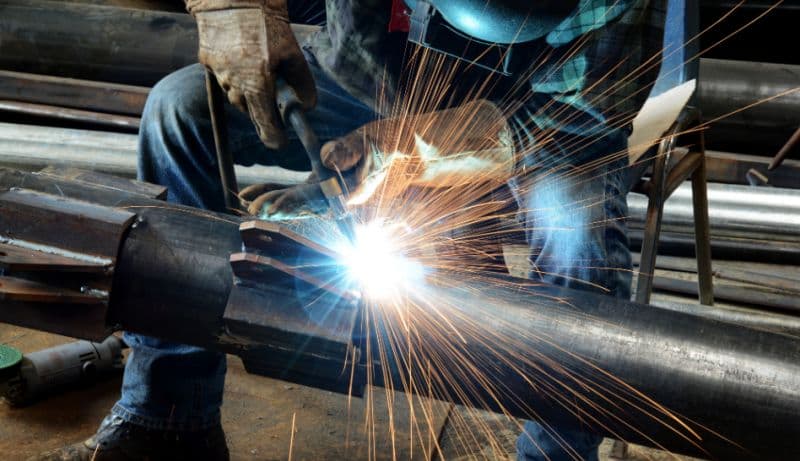
● Manufacturing
Equipment Manufacturing
The critical components of the of the complete pellet production line equipment are built in our own workshops in Asia. Additional equipment is manufactured by our worldwide network of reliable partners.

● Testing
Quality Inspection & Testing
Before leaving the factory, all equipment will be inspected by the quality inspection department. We can also provide customers with testing services from a single machine to a complete pellet plant system, and provide you with real actual data for “worry-free use.”

● Delivery
Equipment Delivery
In equipment boxing and packaging, we adopt professional packaging and modular solutions to ensure the safe and non-destructive delivery of pellet plant equipment.
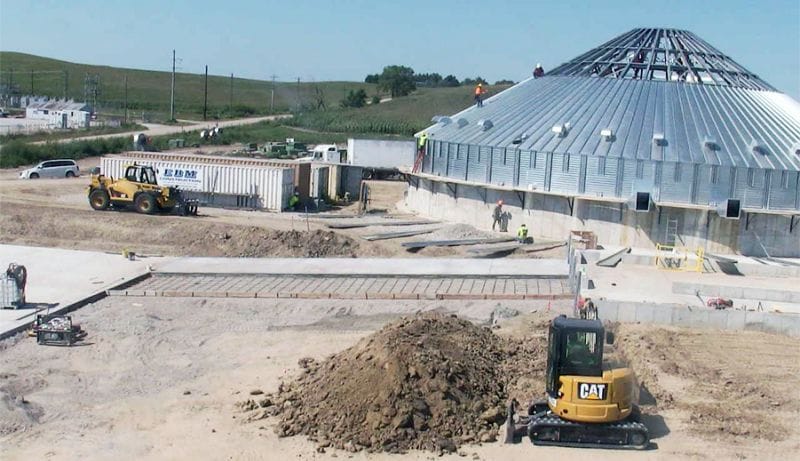
● Installation
Installation & Commissioning
Whether you choose your own subcontractor for the erection phase or you want to install everything together with us, a Richi supervisor will be around to make sure everything is mounted in a safe and thorough way.

● Training
Staff Training
We provide comprehensive training for the technicians of each project. We can also continue to provide support for the technicians during latter project operation.
● After-sales
Project Follow-Up
When everything is up and running our Richiers will help you further whenever needed. We are ready to answer your call 24/7.We’ll also visit you regularly to learn about your needs.
Who we are
RICHI Machinery is one of the world’s leading suppliers of technology and services for the animal feed, aqua feed and pet food industries, also the largest pellet production line manufacturer in China.
Since 1995, RICHI’s vision to build a first-class enterprise, to foster first-class employees, and to make first-class contributions to society has never wavered.
In the past three decades, we have expanded our business to a wide range of areas, including animal feed mill equipment, aqua feed equipment, pet feed equipment, biomass pellet equipment, fertilizer equipment, cat litter equipment, municipal solid waste pellets equipment, etc.

1995
RICHI Established

2000+
Serving More Than 2000 Customers

120+
RICHI Employees

140+
Exported To 140 Countries