 0086-138 3838 9622
Compound Feed Factory in Nigeria
RICHI MACHINERY
overview
This is a 35t/h compound feed factory in Nigeria– but the number only tells you the capacity, not the story behind it.
The client started with a single 15t/h livestock feed line. Poultry feed, pig feed. Basic stuff. Hammer mills, a couple of mixers, two 420-sized animal feed pellet mills. They were making money, but not enough. The livestock feed market in Nigeria is crowded. Every mid-sized city has two or three local mills, plus the big multinationals (CP, Amo, Chi Farms) squeezing the margins.
Then the owner noticed something. His customers – the ones who ran catfish ponds and shrimp farms – kept asking if he sold aquafeed. He didn’t. They bought from importers instead. Thai feed. Vietnamese feed. Expensive, and often stale by the time it arrived.
He ran the numbers. A ton of poultry feed sold for about $350 in Lagos. A ton of floating catfish feed? $550-$600. Shrimp feed? $700-$800. The margin difference was huge.
So he decided to expand. Not just a new machine – a whole new animal feed production line. He wanted to add 150,000 tons of annual aquatic feed capacity (sinking pellets for shrimp and fish, plus floating extruded feed for catfish and tilapia). Combined with his existing livestock line, that would give him a 35t/h compound feed factory – one of the larger private animal feed mill plants in southwestern Nigeria.
Here’s how we built it.
35T/H
capacity
$1,680,000
investment
Nigeria
location
Feed
project type
RICHI MACHINERY
From Livestock Only to Full Compound
The company was founded about 12 years ago. They had 50 employees, a decent facility, and a steady customer base of poultry farmers in Ogun and Oyo States. But they were maxed out. Their existing line ran 24/7 during peak season and still couldn’t meet demand.
The owner was smart about money. He didn’t borrow heavily. He reinvested profits. By 2023, he had saved enough to fund a major expansion without taking on debt. That gave him leverage in negotiations – he could pay cash for equipment and demand better terms.
He also owned the land outright. The facility sat on about 43 acres (converted from 17,686m² building footprint), with room to expand. He had already built a 6,500m² poultry feed workshop. Now he needed a new aquatic feedworkshop, additional warehouses, and more silos for grain storage.
His biggest fear? Wasting money on equipment that wouldn’t work for Nigerian raw materials. He had heard horror stories about mills that bought extruders from Europe, only to find that the machines choked on local corn or couldn’t handle the humidity.
That’s why he called us.
RICHI MACHINERY
The Capacity Breakdown: 15 + 20 = 35
Let me clarify the numbers because the client asked about this repeatedly.
Existing livestock feed production line (kept and refurbished):
- Annual capacity: 100,000 tons (poultry and pig feed)
- Operating schedule: 24/7, 300 days/year
- Hourly rate: about 13.9 t/h, rounded to 15 t/h with overtime
New aquatic feed production line:
- Annual capacity: 150,000 tons total
- Sinking pellets (shrimp and fish): 75,000 tons/year
- Floating extruded feed (catfish, tilapia): 75,000 tons/year
- Hourly rate: about 20.8 t/h at full operation
Combined plant capacity: 250,000 tons/year = 35t/h compound feed mill factory
The client asked: “Can I run both lines simultaneously?”
“Depends on your power supply,” I said. “Lagos grid is unreliable. If you have a good diesel generator backup, yes. If not, stagger the shifts.”
He invested in a 500KVA backup generator. Good decision.
RICHI MACHINERY
Raw Materials: Sourcing in Nigeria
Nigeria is complicated for feed manufacturing. The country grows a lot of corn and cassava, but protein meals (soybean meal, fish meal) are mostly imported. Here’s what the client’s recipe actually uses.
Corn (122,000 tons/year total):
Nigeria produces about 12 million tons of corn annually, mostly in the north (Kaduna, Kano, Taraba States). But quality varies wildly. Moisture can be 18-22% during harvest season. We specified a drying step before storage – a simple grain dryer that runs off the boiler’s waste heat. The client initially said no (“too expensive”). After his first wet corn shipment clogged the hammer mill screens, he changed his mind.
Soybean Meal (21,890 tons/year):
This is almost entirely imported. Nigeria crushes some soybeans locally, but not enough for the demand. Most soybean meal comes from Argentina or Brazil via Apapa Port. Lead time is 6-10 weeks. The client built a 2,000-ton covered storage area for soybean meal to buffer against shipping delays.
Wheat (15,000 tons/year):
Local wheat from the north. Lower protein (10-11%) than imported wheat, but it works for feed binding. We adjusted the conditioner settings to compensate for the lower gluten content.
DDGS (15,000 tons/year):
Imported from India and the United States. Available, but expensive. The client uses it sparingly – mostly in the floating feed recipe.
Rice Bran ( 15,000 tons/year):
Nigeria produces massive amounts of rice bran. It’s cheap. But it goes rancid fast (high oil content). We added an antioxidant stabilizer and told the client to use rice bran within 30 days of milling. He built a dedicated small silo for rice bran with a first-in-first-out system.
Fish Meal – The Correction:
The original spec sheet showed only 15 tons of fish meal annually for a 150,000-ton aquatic feed line. That’s 0.01% inclusion. That doesn’t work. I don’t know where that number came from – maybe a typo in the local consultant’s report.
Here’s what we actually designed:
For shrimp feed (75,000 tons/year), you need at least 15-20% fish meal to get the amino acid profile right. For catfish feed, you can use less – maybe 5-8%. We settled on an average of 10% across all aquatic products.
Corrected fish meal requirement: 15,000 tons/year, not 15 tons.
The client sources fish meal from two places:
- Local: Nigerian fish meal from the Niger Delta (variable quality, but cheaper)
- Imported: Peruvian fish meal (consistent 67-68% protein, but more expensive)
He blends them 60% local / 40% imported to balance cost and quality.
Other minor ingredients (annual):
| Raw Material | Annual Usage (tons) | Source |
|---|---|---|
| Barley | 15,000 | Imported (Europe) |
| Vegetable oil | 73 | Local crushers |
| Molasses | 20 | Local sugar mills |
| Vitamins & minerals | ~15 | Imported |
| Bentonite / binders | ~10 | Imported |
| Salt | 75 | Local |
| Straw/stalks | 5,000 | Local farms (for ruminant feed) |
Storage configuration:
- 7 silos at 800m³ each: 3 for corn, 2 for soybean meal, 1 for wheat, 1 for barley
- 5 liquid tanks at 10m³ each: for oil and molasses
- Covered warehouse: 9,500m² for bagged ingredients (fish meal, DDGS, rice bran, minerals)
RICHI MACHINERY
The Equipment: What We Shipped
The 35t/h compound feed factoryin Nigeria is really two separate production lines sharing raw material intake and utilities. Here’s the complete equipment list from the bill of lading.
Existing livestock feed mill equipment (refurbished, kept in service):
| Equipment | Qty | Notes |
|---|---|---|
| Hammer mill (SFSP138×8E) | 14 | Various sizes |
| Pellet mill (SZLH420D) | 4 | 6-8 t/h each |
| Double-shaft mixer (SSHJ2D) | 6 | 2 tons/batch |
| Counterflow cooler (SKLN6) | 6 | 6 t/h |
| Bagging scale | 6 | 25-40kg/bag |
| Boiler (2t/h biomass) | 1 | Removed and replaced |
| System | Equipment | Qty | Key Spec |
| Receiving | Intake pit with grate | 2 | 50 t/h total |
| Cylinder pre-cleaner (TCQY100) | 2 | Removes debris | |
| Permanent magnet (TCXT25) | 2 | Metal protection | |
| Coarse Grinding | Hammer mill feed grinder(SFSP132×50) | 1 | 550 tons/day capacity |
| Fine Grinding | Ultra-fine mill (SFSP65×125) | 1 | For fish feed |
| Ultra-fine mill (SWFL150) | 2 | 200-250 microns | |
| Batching | Batching scale (2000kg) | 1 | Major ingredients |
| Batching scale (1000kg) | 1 | Minor ingredients | |
| Small ingredient addition station | 1 | Manual add | |
| Mixing | Double-shaft mixer (SLHSJ4) | 1 | 4 tons/batch |
| Double-shaft mixer (SLHSJ2) | 1 | 2 tons/batch | |
| Liquid addition system | 2 | Oil + molasses | |
| Sinking Pellet Line | Pellet mill | 1 | Yihua 530X |
| Long-term conditioner | 2 | 3-4 min retention | |
| Stabilizer (SWDB20×20) | 1 | Post-pelleting | |
| Counterflow cooler (SKLN20×20) | 1 | 20 t/h | |
| Extrusion Line | Twin-screw extruder (RDPH150×2) | 1 | 3-5 t/h |
| Horizontal dryer (SLHG2000-8) | 1 | 3-stage | |
| Drum coater (SYPT12) | 1 | Oil spray | |
| Counterflow cooler (SKLN22×22) | 1 | 22 t/h | |
| Screening & Packaging | Vibrating screener (TQLZ100×150) | 2 | Grading |
| Electronic bagging scale (LCS-25-BZ) | 2 | 25-40kg/bag | |
| Utilities | Natural gas boiler | 2 | 1 t/h each (replaced biomass) |
| Air compressor | 3 | 5.45 m³/min each | |
| Transformer | 2 | 1600KVA + 2000KVA |
Total new equipment investment (CIF Apapa Port): $1,680,000 USD
RICHI MACHINERY
The Process: Two Lines, Two Technologies
The 35t/h compound feed factory in Nigeria runs two completely different processes. Let me walk through each.
Livestock Feed Process (Existing, 15 t/h)
This line is straightforward – grind, mix, pellet, cool, bag.
Step-by-step:
- Receiving: Corn and soybean meal arrive by truck. Corn goes to筒仓. Soybean meal goes to warehouse storage.
- Grinding: Hammer mills (SFSP138×8E) grind corn to 500-800 microns.
- Batching: Computer-controlled scales weigh each ingredient. Accuracy is ±0.1%.
- Mixing: Double-shaft paddle mixers blend for 2-3 minutes. Coefficient of variation <5%.
- Pelleting: SZLH420D pellet mills with 4mm and 6mm dies. Steam conditioning at 85°C.
- Cooling: Counterflow coolers drop temperature from 80°C to ambient +5°C.
- Bagging: 25kg and 40kg bags. Semi-automatic sewing.
One issue we found: The client’s old hammer mills had worn hammers. Production rate had dropped to 10 t/h. We replaced all 14 sets of hammers and screens. Rate went back to 15 t/h immediately. Simple maintenance.
Aquatic Feed Process (New, 20 t/h)
This line is more complex. It has two sub-lines: sinking pellets (shrimp/fish) and floating extruded feed (catfish/tilapia).
Common front end (both sub-lines):
- Receiving & cleaning: Cylinder pre-cleaners remove stones and rope. Magnets catch metal.
- Coarse grinding: Hammer mill (SFSP132×50) grinds corn and wheat to 500 microns.
- Batching: Computer scales measure corn, soybean meal, wheat, DDGS, rice bran.
- First mixing: SLHSJ4 mixer blends major ingredients. 4 tons per batch.
- Fine grinding: SWFL150 ultra-fine mills grind to 200-250 microns for shrimp feed. This is critical – shrimp have small mouths and need fine particles.
Sinking feed pellet production line (shrimp and fish feed):
- Second mixing: SLHSJ2 mixer adds fish meal, vitamins, minerals, binders.
- Conditioning: Long-term conditioner (KDTZ420) injects steam. Retention time is 3-4 minutes – much longer than livestock feed. This fully gelatinizes the starch for water stability.
- Pelleting: 530型 pellet mill with thin dies (compression ratio 1:8). Shrimp feed uses 1.2mm, 1.5mm, and 2.0mm dies.
- Stabilizing: SWDB20×20 stabilizer holds pellets at 95°C for 20 minutes. This is the secret to shrimp feed that lasts 2 hours in water.
- Cooling: SKLN20×20 counterflow cooler.
- Screening & bagging.
Extrusion line (floating catfish/tilapia feed):
- Second mixing: SLHSJ2 mixer adds fish meal and binders.
- Extrusion: KDPH150×2 twin-screw extruder. Barrel temperature 90-95°C. Retention time 11-14 seconds. The starch expands when it exits the die, creating floating pellets.
- Drying: SLHG2000-8 horizontal fish feed dryer machine. 3-stage drying. Moisture drops from 25% to 10%.
- Coating: Drum coater (SYPT12) sprays oil onto the pellets after drying. This adds energy and improves palatability.
- Cooling & bagging.
A critical detail: The client’s local corn has lower starch content than US or Brazilian corn. We had to increase the wheat flour in the floating feed recipe to get proper expansion. The first few batches sank like rocks. After recipe adjustment (more wheat, less corn), float was 98%.
RICHI MACHINERY
Utilities & Energy (Real Operating Costs)
The client asked for honest numbers. Here’s what we calculated.
| Utility | Annual Consumption | Source |
|---|---|---|
| Water | 7,330 tons | Municipal supply |
| Electricity | 5 million kWh | Grid + 500KVA generator |
| Natural gas | 170,000 m³ | Pipeline (for 2×1t/h boilers) |
Power cost: At $0.12/kWh (Lagos industrial rate, but grid power is unreliable – generator diesel adds cost), effective power cost is about $0.18/kWh. Annual power cost: $900,000.
Gas cost: At $0.10/m³, annual gas cost: $17,000.
Water cost: Negligible.
Total annual utility cost: Roughly $920,000. About $3.68 per ton of feed. Acceptable for this market.
Boiler decision: The client had an old 2t/h biomass boiler that was constantly breaking down. We replaced it with two 1t/h natural gas boilers. Gas is more expensive than biomass in theory, but the reliability is much better. No more stopping production to clean ash or unjam a feeder.
RICHI MACHINERY
Installation in Lagos (What Actually Happened)
We shipped 34 containers from Qingdao in April 2024. They arrived at Apapa Port in late May. Then came the famous Apapa port delays. Trucks lined up for 3 weeks. Demurrage charges added $12,000 to the shipping cost. The client was furious. Not at us – at the port.
We learned: next time, ship to Tin Can Island Port instead. Slightly smaller, but faster clearance.
Installation team: We sent 3 RICHI supervisors. The client provided 25 local fitters and laborers.
What went wrong:
- The power. The factory’s transformer was undersized for the new line. When we started the 530型 pellet mill and the extruder simultaneously, the voltage dropped to 340V (should be 415V). The client had to upgrade to a 2000KVA transformer. That added 3 weeks and $25,000.
- The dust. Lagos is dusty. Sand got into the control panels during installation. We had to blow out every cabinet and add foam seals to the doors.
- The fish meal smell. The client didn’t install the activated carbon filter we recommended for the fish meal storage area. Neighbors complained. He installed it after the fact – cost him double.
What went right:
- The local welders. Nigerian fabricators are skilled. They built the catwalks and platforms quickly and safely.
- The concrete work. The client hired a good civil contractor. Foundations were level and cured properly.
- The training. The client assigned one dedicated operator per shift to learn the extruder. By week 3, they were running it without our supervision.
RICHI MACHINERY
The Fish Meal Correction (Why I Keep Bringing This Up)
I mentioned earlier that the original spec showed only 15 tons of fish meal annually. That was wrong. Here’s how we fixed it:
After receiving the raw material samples from the client, we ran lab tests. The local corn had 11% protein. The local soybean meal had 44% protein. Not bad. But for shrimp feed, you need methionine and lysine at specific levels. Plant proteins alone can’t provide those.
We reformulated the recipes:
Shrimp feed (sinking pellet):
- Fish meal: 18%
- Soybean meal: 25%
- Wheat flour: 20%
- Rice bran: 10%
- Corn: 15%
- Other (binders, minerals, vitamins): 12%
Catfish feed (floating extruded):
- Fish meal: 8%
- Soybean meal: 30%
- Corn: 25%
- Wheat: 15%
- DDGS: 10%
- Other: 12%
Annual fish meal requirement: 15,000 tons, not 15 tons.
The client sources fish meal from two suppliers:
- A local fish meal plant in Bayelsa State (Niger Delta). Quality is variable – protein ranges from 55% to 65%. But it’s cheaper.
- An importer of Peruvian fish meal. Consistent 68% protein, low histamine. More expensive, but essential for the high-end shrimp feed.
He blends them 60/40. The shrimp feed uses more Peruvian. The catfish feed uses more local.
RICHI MACHINERY
The Cost Breakdown
Let me be transparent about what the client actually paid.
Equipment cost (CIF Apapa Port): $1,680,000
This includes:
- All equipment listed above
- Control cabinets and cables
- 6 months of spare parts (dies, rollers, knives, screens, hammers)
- 3 RICHI supervisors for 90 days (flights, accommodation, per diem)
Local costs (paid by client in Nigerian Naira, converted to USD at 2024 rates):
- Civil works (foundations, buildings,筒仓): $850,000
- Installation labor (25 local fitters, 90 days): $95,000
- Electrical installation (wiring, panels, transformer upgrade): $110,000
- Boiler installation & gas connection: $45,000
- Generator (500KVA, new): $35,000
- Dust collection system modifications: $40,000
- Odor control (activated carbon, installed after complaints): $18,000
Total project investment: ~$2.87 million USD
Payback estimate (client’s numbers):
- Raw material cost per ton (aquatic feed average): $420
- Selling price per ton: $580 (catfish) to $750 (shrimp)
- Average gross margin: $200/ton
- Annual aquatic production: 150,000 tons
- Gross profit potential: $30 million/year
Even after overhead, distribution, and taxes, he expects to recover equipment cost in 4-6 months. That’s why he signed the contract.
RICHI MACHINERY
Training the Operators
The client had 50 employees. Most had worked only on the livestock line. None had seen an extruder before.
We spent 4 weeks on training:
Week 1 – Raw materials:
- How to test fish meal quality (smell, color, protein by NIR)
- How to check corn moisture (hand squeeze + moisture meter)
- How to reject a truck of moldy soybean meal
Week 2 – Grinding and mixing:
- How to change hammer mill screens (15 minutes vs. 45 minutes for the old method)
- How to calibrate batching scales
- How to clean the ultra-fine mill without damaging the screens
Week 3 – Pelleting and extrusion:
- How to change dies and rollers on the 530型 mill
- How to start the extruder (steam first, then feed, then adjust cutter speed)
- How to clear a die jam without destroying the motor
Week 4 – Maintenance and troubleshooting:
- How to dress a die (grind the face to restore compression)
- How to replace shear pins (keep 20 in stock)
- How to clean the dryer (prevent fires – built-up fines can ignite)
One story: The trainee on the extruder forgot to open the steam valve before starting. The motor labored, the extruder vibrated, and the shear pin snapped. He panicked. I walked over, pulled the pin, replaced it in 5 minutes, and said, “That pin just saved your gearbox. It costs $8. A new gearbox costs $8,000. Now you understand.”
He bought 50 spare pins the next week.
RICHI MACHINERY
Market Outlook: Aquatic Feed in Nigeria
Why did the client invest $2.87 million in a 35t/h compound feed factory in Nigeria? Because the market is growing fast.
The numbers:
- Nigeria produces about 1.2 million tons of farmed fish annually (mostly catfish and tilapia)
- Shrimp farming is small but growing in the coastal states (Delta, Rivers, Bayelsa)
- Current aquafeed production in Nigeria is about 400,000 tons/year
- The gap is filled by imports from Thailand, Vietnam, and China
The trend:
The Nigerian government banned fish meal exports a few years ago to keep protein local. They’re also offering tax breaks for agricultural processing. A local feed mill that uses Nigerian corn, Nigerian rice bran, and Nigerian fish meal qualifies for “pioneer status” – 3 years of tax holidays.
The opportunity:
Most local commercial feed mills produce only sinking feed. Floating extruded feed is rare. The client is one of only a handful of Nigerian companies with a twin-screw extruder. That gives him pricing power.
The client’s plan:
- Year 1: Run at 60% capacity (90,000 tons aquatic). Focus on catfish feed. Build customer relationships.
- Year 2: Run at 80% capacity. Add shrimp feed. Export to Benin and Ghana.
- Year 3: Run at full capacity. Add a second extruder for pet food (dog and cat food).
He’s already talking about Phase 2. That’s confidence.
RICHI MACHINERY
Why RICHI for This Project?
I’m not going to give you a sales pitch. I’ll just tell you what the client told me after commissioning:
“The other suppliers sent us brochures. RICHI sent us a process engineer. He asked about our corn moisture, our fish meal protein, our electricity voltage. The others didn’t ask those questions.”
We don’t just ship boxes. We design systems that work with local conditions. That means:
- Raw material flexibility: Your corn is wetter? We adjust the dryer settings. Your fish meal is lower protein? We reformulate the recipe.
- Climate adaptation: Hot and humid? We oversize the motors and add extra dust collection.
- Training: We don’t leave until your operators can run the line themselves.
- Spare parts: We keep a stock of critical parts in Lagos. Dies, rollers, shear pins, screens, knives. You need it, we ship it within 48 hours.
RICHI MACHINERY
Thinking About Your Own Feed Mill?
Here’s my honest advice if you’re considering a similar investment:
- Check your raw materials first. Send samples to a lab. Know the protein, the moisture, the oil content. Don’t guess.
- Be realistic about capacity. A 35t/h compound feed mill factory needs 35 tons of raw material every hour. Do you have the supply chain?
- Plan for power. Grid power is unreliable in most of Africa and Asia. Budget for a generator and a stable transformer.
- Don’t skimp on training. The machine is 30% of the project. The operators are 70%. Train them well.
- Correct your fish meal numbers. If you’re making aquatic feed, you need more than 0.01% fish meal. Do the math.
If you’re looking at Nigeria, Ghana, Cameroon, or any other West African country, the market is ready. The fish are hungry. The shrimp are growing.
Contact us. Send us your raw material list and your target capacity. We’ll send you a layout and a budget within 2 weeks.
We’ve built 35t/h compound feed factories before. We know what breaks. We know what works.
Let’s build yours.
● RICHI MACHINERY
RICHI Service

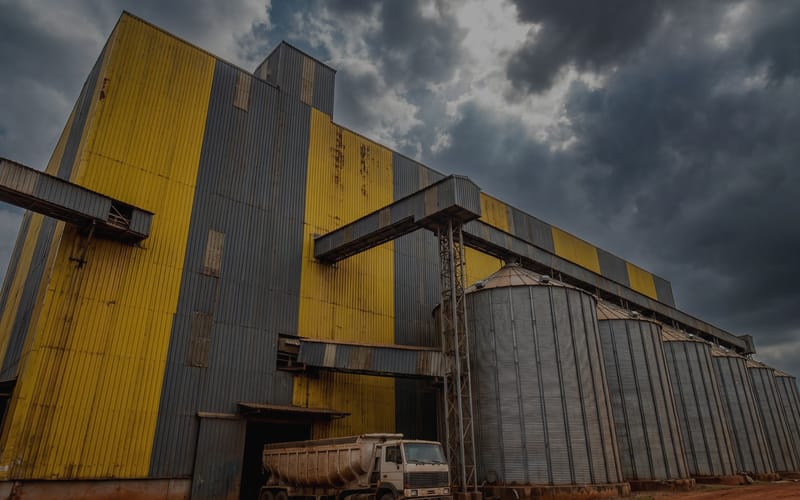
● Consulting
Customer Consultation
We want to have a deep understanding of your industrial process, to know your exact needs of feed, wood, biomass, fertilizer or other pellet processing.

● Design
Feed Pellet Plant Design
Based on your unique situation and industrial process, we will tailor complete pellet plant you need, and inform you of every additional detail that could facilitate operation, minimize total cost.
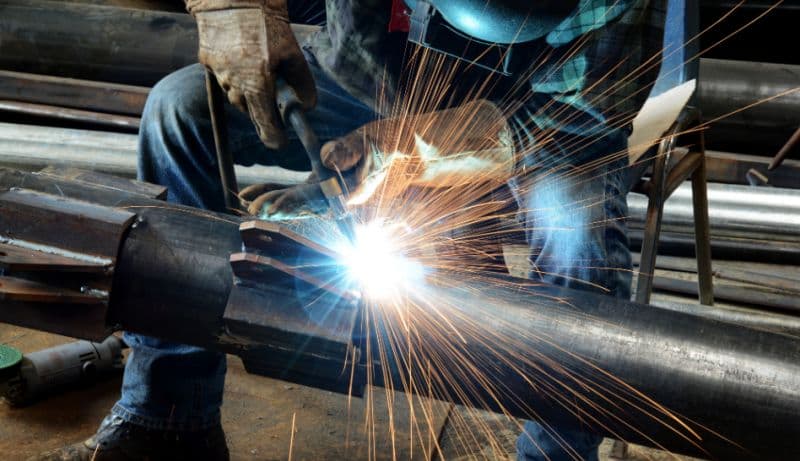
● Manufacturing
Equipment Manufacturing
The critical components of the of the complete pellet production line equipment are built in our own workshops in Asia. Additional equipment is manufactured by our worldwide network of reliable partners.
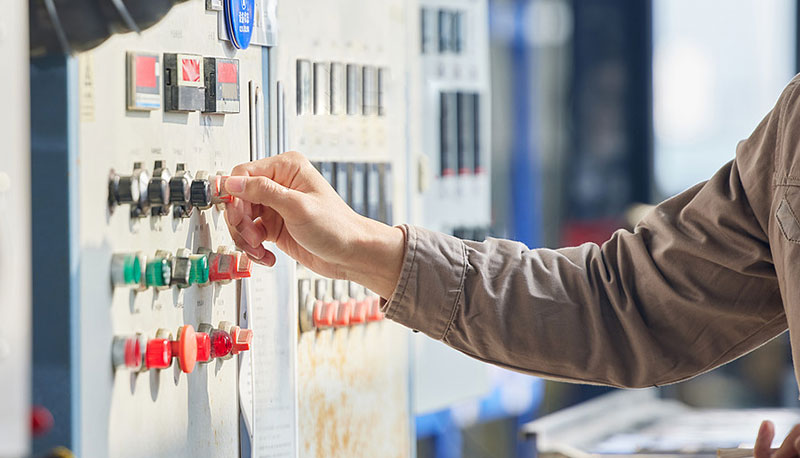
● Testing
Quality Inspection & Testing
Before leaving the factory, all equipment will be inspected by the quality inspection department. We can also provide customers with testing services from a single machine to a complete pellet plant system, and provide you with real actual data for “worry-free use.”

● Delivery
Equipment Delivery
In equipment boxing and packaging, we adopt professional packaging and modular solutions to ensure the safe and non-destructive delivery of pellet plant equipment.
● Installation
Installation & Commissioning
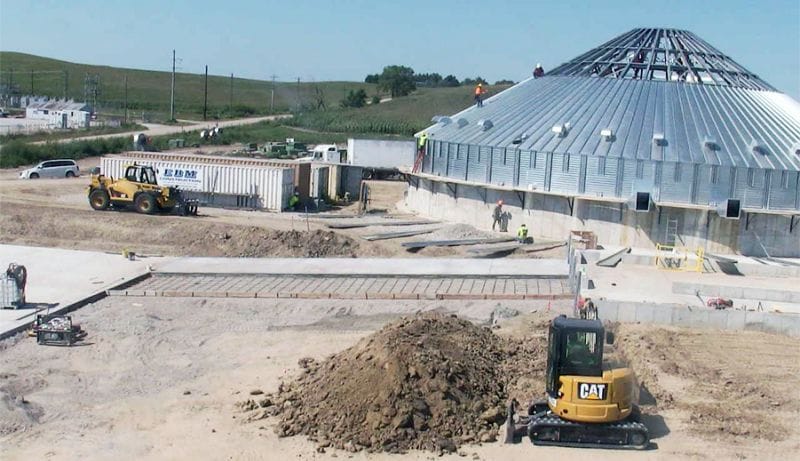
Whether you choose your own subcontractor for the erection phase or you want to install everything together with us, a Richi supervisor will be around to make sure everything is mounted in a safe and thorough way.

● Training
Staff Training
We provide comprehensive training for the technicians of each project. We can also continue to provide support for the technicians during latter project operation.
● After-sales
Project Follow-Up
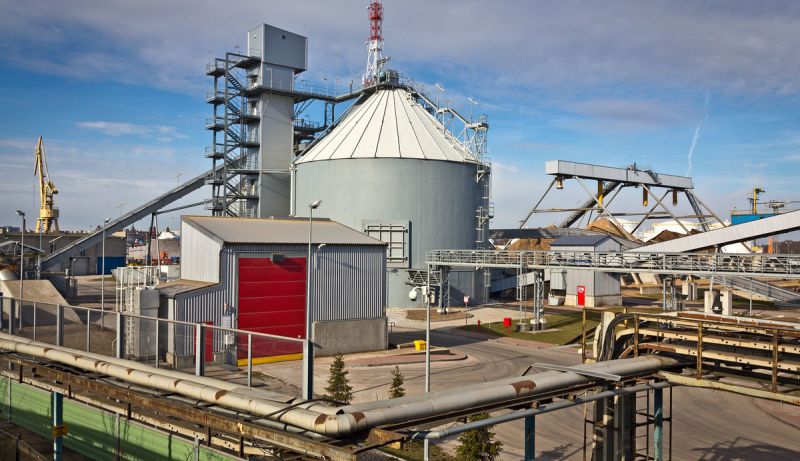
When everything is up and running our Richiers will help you further whenever needed. We are ready to answer your call 24/7.We’ll also visit you regularly to learn about your needs.
Who we are
RICHI Machinery is one of the world’s leading suppliers of technology and services for the animal feed, aqua feed and pet food industries, also the largest pellet production line manufacturer in China.
Since 1995, RICHI’s vision to build a first-class enterprise, to foster first-class employees, and to make first-class contributions to society has never wavered.
In the past three decades, we have expanded our business to a wide range of areas, including animal feed mill equipment, aqua feed equipment, pet feed equipment, biomass pellet equipment, fertilizer equipment, cat litter equipment, municipal solid waste pellets equipment, etc.

1995
RICHI Established

2000+
Serving More Than 2000 Customers

120+
RICHI Employees

140+
Exported To 140 Countries