 0086-138 3838 9622
Feed Additive Production Line in Australia
RICHI MACHINERY
The Call from a Rendering Plant in Victoria
The inquiry came in May 2024. A rendering facility in western Victoria had been processing animal byproducts for twenty years – mainly fat and bone meal. But they had a problem. The wool scouring plants in the region were generating thousands of tons of wool waste and cattle hair. This material had some protein value, but most of it was going to landfill. Landfill fees were rising. Environmental regulators were asking questions.
The client had an idea. What if they could hydrolyze the hair waste into a digestible protein powder for animal feed? The technology existed – pressure cooking, essentially – but they needed a complete animal feed production line.
We started talking in June. The client visited our facility in Qingdao in July. We tested their wool waste samples – 16% moisture, 65-70% crude protein, good potential. They signed the contract in August. Equipment shipped in November 2024. We commissioned the line in February 2025. First production batch ran in March.
This is the story of a 2-3 t/h feed additive production line in Australia that turns a waste stream into a valuable ingredient for pet food and aquaculture feed.
2-3T/H
capacity
$185,000 USD
investment
Australia
location
Feed
project type
RICHI MACHINERY
Why Australia? The Wool Industry Creates Waste
Australia produces about 300,000 tons of wool annually. That’s the world’s largest wool production. But here’s what most people don’t know: for every ton of clean wool, there’s about 0.5 tons of waste – short fibers, vegetable matter, and contaminated material that can’t be used for textiles.
Cattle hair is another waste stream. Australia has about 25 million cattle. Meat processors generate millions of tons of hair annually. Most of it goes to landfill.
The client saw an opportunity. The rendering industry already processed animal fat and bone. Adding a hydrolysis line for hair waste was a natural extension. The output – hydrolyzed animal protein – sells for $1,500-2,500 per ton depending on protein content and digestibility. Imported feather meal (a similar product) sells for $1,800-2,200 per ton in Australia.
The client’s production cost would be around $800-1,000 per ton. Raw material (wool waste) was nearly free – they charged a small tipping fee to wool scouring plants to take it away.
RICHI MACHINERY
Project Overview
| Parameter | Value |
|---|---|
| Project location | Western Victoria, Australia (industrial area, 200 km from Melbourne) |
| Plant capacity | 2-3 t/h (6,000 t/year, 300 days, 8 hours/day, single shift) |
| Facility area | 2,000 m² (leased building: 200 m² production, 1,141 m² storage, 600 m² office) |
| Main product | Hydrolyzed animal protein powder (feed additive) |
| Staff | 8 total (production, QC, logistics) |
| Operation hours | Single 8-hour shift (expandable to 16 hours) |
| First inquiry | May 2024 |
| Contract signed | August 2024 |
| Equipment shipped | November 2024 (from Qingdao) |
| Commissioning completed | February 2025 |
| First commercial production | March 2025 |
Equipment investment (delivered to Victoria): $185,000 USD
Total project cost (building modifications, local electrical, installation, steam system): $310,000 USD
The client funded this from operating cash flow (no loan). Payback period estimated at 18 months. At current production (March-May 2025), they’re on track for 14 months.
RICHI MACHINERY
Raw Materials: Waste That Pays
The client uses two main raw materials, both from local suppliers:
| Material | Annual usage (tons) | Source | Cost (AUD/ton) | Notes |
|---|---|---|---|---|
| Wool waste | 4,000 | Wool scouring plants (3 suppliers) | $50 (tipping fee received) | Actually negative cost – they charge to take it |
| Cattle hair | 2,424 | Meat processors (2 suppliers) | $50 (tipping fee) | Also negative cost |
| Deodorizing compound | 1 | Chemical supplier | $5,000 | Plant-based enzyme blend |
Total raw material input: about 6,424 tons annually. Output: 6,000 tons of protein powder (about 6% mass loss from moisture evaporation).
The wool waste arrives in 40kg bales. It’s already cleaned (scoured) – the wool scouring plants remove grease and dirt before the waste is discarded. Moisture content is about 16%. No washing needed.
The client pays nothing for the raw material. Actually, they charge a small tipping fee – $50 per ton. That means they make money before they even start processing. The wool scouring plants save on landfill costs, so everyone wins.
RICHI MACHINERY
Equipment Configuration: Simple but Specialized
This is not a standard animal feed mill plant. The core equipment is a steam-heated pressure vessel – essentially a large pressure cooker.
| Equipment | Qty | Specification | Notes |
|---|---|---|---|
| Steam-heated pressure vessel (蒸烘一体机) | 2 | 5 m³ capacity, 120°C, 80kPa | Stainless steel, jacketed |
| Belt conveyor | 2 | 5m length | For moving raw material and finished product |
| Condenser | 1 | Shell and tube type | Recovers water vapor |
| Liquid ring vacuum pump | 1 | 7.5 kW | For drying under vacuum |
| Buffer tank | 1 | 1 m³ | For steam condensation |
| Recirculating water tank | 1 | 1 m³ | For cooling water |
| Three-stage packed bed scrubber (三级喷淋塔) | 1 | 2.2 m³/hr circulation | For odor control |
| Dust collector (baghouse) | 1 | Small unit | For bagging area |
The pressure vessels are the key. Each holds about 2.5 tons of raw material per batch. The batch cycle is 5 hours: 2 hours of cooking under pressure, 0.5 hours of venting, 2 hours of vacuum drying.
RICHI MACHINERY
Process Flow: From Bale to Bag
The client’s operators (experienced rendering plant workers) learned the process quickly. Here’s how it runs.
Stage 1 – Sorting and Inspection
Wool waste bales arrive by truck. Workers inspect each bale for contamination – plastic, metal, or large vegetable matter. Contaminated bales are rejected (returned to supplier). Clean bales are stacked in the raw material storage area (391 m²).
Stage 2 – Loading
A front-end loader moves bales to the loading area. Workers open the pressure vessel doors and load the material manually (about 2.5 tons per vessel). Water is added at a 6:1 ratio – for every 6 kg of hair waste, 1 kg of water. The water comes from condensate recovered from the previous batch (closed-loop system).
Stage 3 – Steam Cooking (Hydrolysis)
The vessel doors are sealed. Steam (from the facility’s existing boiler) is injected into the jacket. The vessel is pressurized to 80 kPa. Internal temperature reaches 120°C.
The cooking cycle runs for 2 hours. During this time, the protein in the hair is hydrolyzed – the long protein chains break down into shorter peptides and free amino acids. This makes the protein digestible for animals.
Why 120°C? Lower temperatures don’t fully hydrolyze the keratin protein in hair. Higher temperatures degrade amino acids (especially lysine and methionine). 120°C is the sweet spot.
Stage 4 – Venting
After cooking, the pressure is released slowly over 30 minutes. Steam and volatile organic compounds (odors) are drawn off through the condenser and into the three-stage scrubber.
Stage 5 – Vacuum Drying
The vessel is switched to vacuum mode. The liquid ring vacuum pump pulls a vacuum (about -60 kPa) over the material. This lowers the boiling point of water, allowing drying at lower temperatures (60-70°C). Drying takes 2 hours.
Target final moisture: ≤9%. The dried material is a coarse, dark brown powder.
Stage 6 – Cooling and Conveying
The vessel doors open. The hot, dry material (about 70°C) is discharged onto a belt conveyor. It moves slowly to the packaging area, cooling as it goes.
Stage 7 – Bagging
Cooled material drops into a bagging hopper. Workers fill 25kg multi-wall paper bags. Bags are sewn closed, palletized, and moved to the finished goods warehouse (750 m²).
RICHI MACHINERY
The Closed-Loop Water System
One of the cleverest parts of this design is the water recycling. The client adds about 3.3 tons of water to each batch. During cooking and drying, that water turns to steam. The condenser captures about 70% of the steam as liquid condensate (3.29 tons per batch). That condensate is used as the makeup water for the next batch.
Result: almost zero fresh water consumption for the process. The client only adds 0.01 tons of fresh water per batch to make up for losses.
The scrubber water is recirculated. The scrubber uses 2.2 m³ of water, but only 0.2 m³ is added fresh each day (to replace evaporation). The scrubber water is periodically filtered (not discharged) – solids are removed and sent to the rendering plant’s waste stream.
RICHI MACHINERY
Odor Control: The Biggest Challenge
Processing animal hair is smelly. Really smelly. The client’s facility is in an industrial area, but there are other businesses nearby. Odor complaints would shut them down.
We designed a three-stage wet scrubber system:
- Stage 1: Water spray – removes particulate and condenses steam
- Stage 2: Acidic solution (pH 4-5) – removes ammonia and amines
- Stage 3: Alkaline solution (pH 9-10) – removes hydrogen sulfide and mercaptans
The scrubbing liquid is recirculated. A deodorizing compound (plant-based enzymes) is added to the scrubber water to enhance odor removal. The compound contains plant extracts and biological enzymes that break down odor molecules.
The treated exhaust is discharged through a 15m stack. The client had an independent air quality test in April 2025 – odor concentration at the property line was below the EPA Victoria limit of 10 ou/m³ (odor units per cubic meter).
RICHI MACHINERY
What We Learned During Commissioning
Three problems that came up during the first month:
Problem 1: The vacuum pump kept overheating.
The liquid ring vacuum pump was running at 75°C, close to its maximum. We added a small plate heat exchanger to the pump’s cooling water loop (using the facility’s cooling tower water). Pump temperature dropped to 45°C. Problem solved. Cost $2,500.
Problem 2: The baghouse filter was blinding.
The dried protein powder is fine and slightly sticky. It was building up on the baghouse filter bags, reducing airflow. We switched from standard polyester bags to a PTFE-coated fabric (non-stick). Also increased the pulse-jet cleaning frequency from every 5 minutes to every 2 minutes. Bags now last 6 months instead of 6 weeks.
Problem 3: Batch-to-batch protein consistency varied.
The client’s lab tested protein content (Kjeldahl method). It ranged from 62% to 71%. Too much variation for feed additive customers. We traced the issue to the cooking time – the operators were starting the timer from vessel closure, but it took 15-20 minutes for the vessel to reach 120°C. We installed a temperature probe and programmed the PLC to start the timer only when 120°C is reached. Now protein content stays within 67-69%.
The client’s production manager told me: “The first week was rough. The smell was bad, the pump kept tripping, and the product was inconsistent. But your engineer stayed until everything worked. Now it’s running like clockwork.”
RICHI MACHINERY
Quality Control: Meeting Feed Additive Standards
The client sells their product to pet food manufacturers and aquaculture feed producers. Quality requirements are strict.
| Parameter | Target | Test method | Frequency |
|---|---|---|---|
| Crude protein | ≥65% | Kjeldahl | Every batch |
| Moisture | ≤9% | Moisture analyzer | Every batch |
| Ash | ≤10% | Muffle furnace (550°C) | Daily |
| Fat | ≤5% | Soxhlet extraction | Weekly |
| Digestibility (pepsin) | ≥85% | Pepsin digestibility test | Monthly |
| Salmonella | Negative | Microbiological | Every batch |
| E. coli | Negative | Microbiological | Every batch |
The client sends samples to an independent lab weekly for microbiological testing. Their product has passed every test so far.
RICHI MACHINERY
Environmental Compliance: Australia’s Regulations
Australia’s environmental regulations are strict, especially for rendering operations. The client’s facility falls under EPA Victoria’s “Industrial Waste Management Policy” and the “General Environmental Duty” (GED) under the Environment Protection Act 2017.
Air emissions: The scrubber keeps odor below 10 ou/m³ at the boundary. Particulate emissions from the baghouse are below 20 mg/m³ – well under the 50 mg/m³ limit.
Wastewater: The process has zero liquid discharge. Condensate is recycled. Scrubber water is recirculated and periodically filtered (solids go to rendering waste). Domestic sewage goes to a septic tank.
Solid waste: Empty bags are recycled. Scrubber solids (about 100 kg per month) are sent to an approved landfill. General office waste to municipal collection.
Noise: The pressure vessels are quiet. The vacuum pump and scrubber fan are the loudest – about 75 dB at 1m. The building is insulated. Noise at the property line is 52 dB – under the 60 dB limit for industrial zones.
The client received their EPA Victoria license in February 2025. No violations in the first inspection.
RICHI MACHINERY
Financial Performance: The First Three Months
The client started commercial production in March 2025. Here are their actual numbers for March – May 2025.
Production cost per ton (hydrolyzed animal protein powder, 25kg bags):
| Cost component | AUD/ton | USD/ton |
|---|---|---|
| Raw materials (tipping fee negative) | -$50 | -$33 |
| Deodorizing compound | $20 | $13 |
| Electricity (300 kWh/ton at $0.25/kWh) | $75 | $50 |
| Steam (purchased from rendering plant boiler) | $40 | $27 |
| Labor (8 staff, average $80,000/year) | $80 | $53 |
| Packaging (25kg paper bags) | $60 | $40 |
| Maintenance (seals, bags, pump parts) | $25 | $17 |
| Depreciation (equipment over 10 years) | $30 | $20 |
| Rent and overhead | $40 | $27 |
| Total | $320 | $214 |
Note: Negative raw material cost means they make $50 per ton just for accepting the waste.
Selling price (wholesale, ex-plant): $1,600-1,900 AUD per ton ($1,070-1,270 USD), depending on protein content and customer volume. Average realized price: $1,750 AUD/ton ($1,170 USD).
Gross margin per ton: $1,430 AUD ($960 USD)
Monthly production (March-May average): 480 tons
Monthly gross margin: $686,000 AUD ($458,000 USD)
Operating expenses (admin, sales, utilities): $80,000 AUD/month
Net monthly profit: $606,000 AUD ($404,000 USD)
The client was surprised by the margin. “We thought this would be a small side business,” the owner told me. “Now it’s our most profitable product line.”
RICHI MACHINERY
Market Reception: Who’s Buying Hydrolyzed Protein?
The client’s customers are in three sectors:
Pet food manufacturers (60% of sales): Premium dry dog and cat food needs high-quality protein sources. Hydrolyzed animal protein is highly digestible and palatable.
Aquaculture feed producers (30% of sales): Shrimp and fish feed requires protein with specific amino acid profiles. Hydrolyzed hair protein is a good complement to fishmeal.
Fertilizer companies (10% of sales): Lower-grade batches (protein <60%) go to organic fertilizer manufacturers.
Customer feedback:
“Your protein powder mixes well and doesn’t have the strong odor we expected from a hair-based product.”
“Digestibility is excellent – we’ve replaced 30% of our imported feather meal with your product.”
“Delivery is reliable and pricing is competitive with imported products.”
The client is now the only producer of hydrolyzed animal protein from hair waste in Victoria. They’re exploring export to New Zealand and Southeast Asia.
RICHI MACHINERY
What’s Next for the Client
The client has expansion plans for 2025-2026:
Immediate (Q3 2025): Add a second shift. They’re hiring four more people. Output will double to 4-6 t/h (12,000 tons/year).
Mid-year (Q4 2025): Upgrade the bagging line. They want automatic bagging and palletizing to reduce labor cost.
2026: Build a second line. The current building has space for two more pressure vessels. They’re planning to add them in mid-2026.
2027: Export to New Zealand. The client is in discussions with a pet food manufacturer in Auckland.
RICHI MACHINERY
Why RICHI for Your Rendering or Feed Additive Project
We’ve built hydrolysis lines for hair, feathers, and animal tissue in Australia, New Zealand, the US, and South Africa. Each project is different because raw material composition varies.
What we offer for rendering and feed additive customers:
- Pressure vessel expertise. We know the right temperature, pressure, and cycle time for different protein sources (hair, feathers, blood, tissue).
- Closed-loop water systems. Water is expensive in many regions. We design condensate recovery to minimize fresh water use.
- Odor control that works. Our three-stage scrubber systems have been tested on rendering operations – they meet EPA standards in Australia, the US, and Europe.
- Local support in Australia. We have a service engineer based in Melbourne. Spare parts are stocked in Melbourne and Sydney.
- Australian standards compliance. Our equipment meets AS 1210 (pressure vessels) and AS 3000 (electrical). We provide all documentation for local certification.
Not what we do: We don’t just sell you a pressure vessel. We design the whole line – from raw material handling to bagging – and we stay until you’re making product that meets your quality targets.
RICHI MACHINERY
Thinking About a Similar Project?
If you have access to animal hair waste, feather waste, or other protein-rich byproducts, consider hydrolysis. The technology is proven. The market is growing. And the margins are excellent – especially when your raw material is free or pays you to take it.
A 2-3 t/h feed additive production line in Australia can be profitable at surprisingly low volume. The client in Victoria is proving it right now.
Send us your raw material samples. Tell us your building size and your budget. We’ll give you a real proposal – not a generic quote, but an animal feed processing plant designed for your specific raw material and your local market.
RICHI MACHINERY
Shipping and Logistics
All equipment for this animal feed factory project shipped from Qingdao Port, China. For Australia, the nearest major port is Melbourne Port (Victoria). Shipping takes 18-22 days. Total shipping cost for this project was $6,500 (one 40-foot container).
The client handled customs clearance with help from a local broker. Australia’s import duties on industrial equipment are 0-5% (most items duty-free under the China-Australia Free Trade Agreement). The client paid 0% duty on the equipment.
RICHI MACHINERY
One Last Thing
The client’s owner called us last week. He said: “You know what’s funny? People used to ask us what I did for a living. I’d say ‘rendering’ and they’d make a face. Now I say ‘I make high-value protein from waste’ and they want to invest.”
That’s the kind of call I like to get.
If you’re sitting on a waste stream that has protein value – wool, hair, feathers, or even blood – talk to us. We can help you turn it into profit.
● RICHI MACHINERY
RICHI Service

● Consulting
Customer Consultation
We want to have a deep understanding of your industrial process, to know your exact needs of feed, wood, biomass, fertilizer or other pellet processing.

● Design
Feed mill Plant Design
Based on your unique situation and industrial process, we will tailor complete pellet plant you need, and inform you of every additional detail that could facilitate operation, minimize total cost.
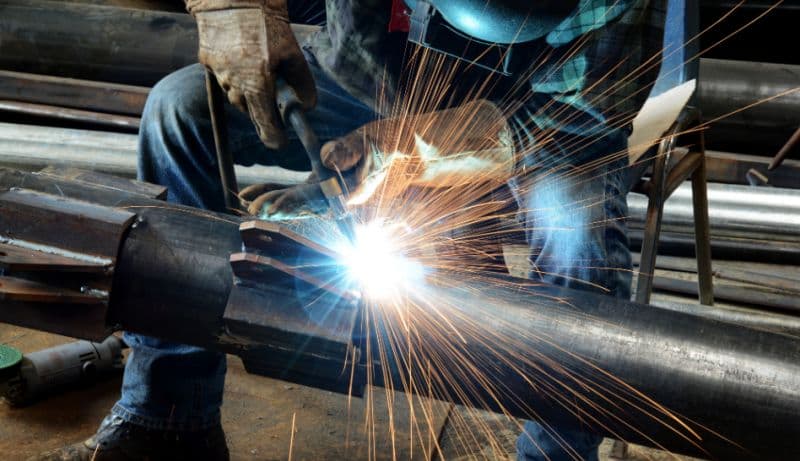
● Manufacturing
Equipment Manufacturing
The critical components of the of the complete pellet production line equipment are built in our own workshops in Asia. Additional equipment is manufactured by our worldwide network of reliable partners.
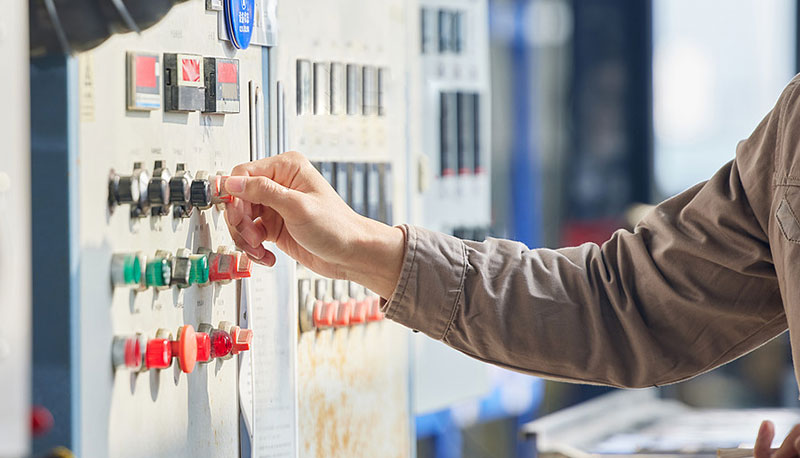
● Testing
Quality Inspection & Testing
Before leaving the factory, all equipment will be inspected by the quality inspection department. We can also provide customers with testing services from a single machine to a complete pellet plant system, and provide you with real actual data for “worry-free use.”

● Delivery
Equipment Delivery
In equipment boxing and packaging, we adopt professional packaging and modular solutions to ensure the safe and non-destructive delivery of pellet plant equipment.
● Installation
Installation & Commissioning
Whether you choose your own subcontractor for the erection phase or you want to install everything together with us, a Richi supervisor will be around to make sure everything is mounted in a safe and thorough way.

● Training
Staff Training
We provide comprehensive training for the technicians of each project. We can also continue to provide support for the technicians during latter project operation.
● After-sales
Project Follow-Up
When everything is up and running our Richiers will help you further whenever needed. We are ready to answer your call 24/7.We’ll also visit you regularly to learn about your needs.
Who we are
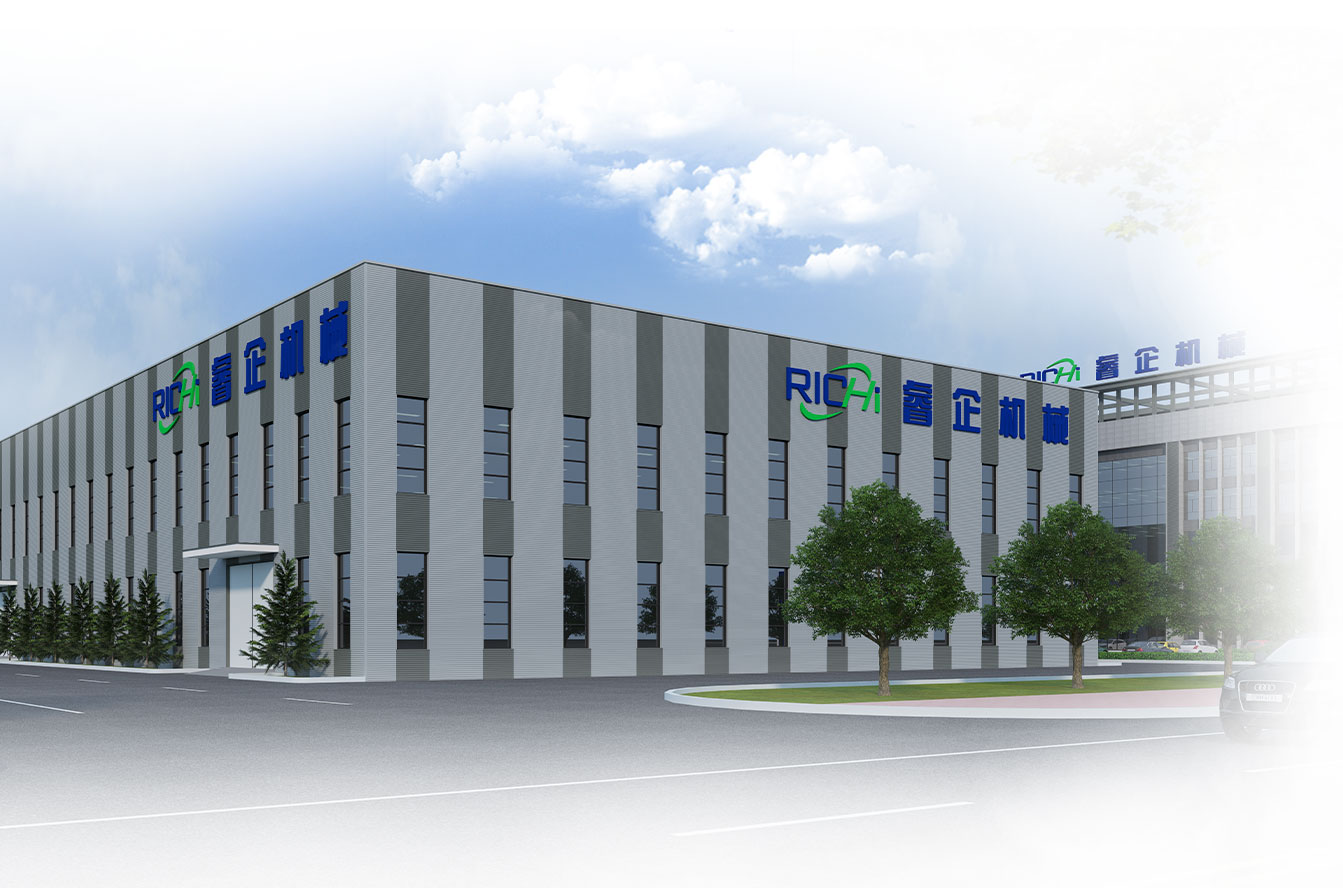
RICHI Machinery is one of the world’s leading suppliers of technology and services for the animal feed, aqua feed and pet food industries, also the largest pellet production line manufacturer in China.
Since 1995, RICHI’s vision to build a first-class enterprise, to foster first-class employees, and to make first-class contributions to society has never wavered.
In the past three decades, we have expanded our business to a wide range of areas, including animal feed mill equipment, aqua feed equipment, pet feed equipment, biomass pellet equipment, fertilizer equipment, cat litter equipment, municipal solid waste pellets equipment, etc.

1995
RICHI Established

2000+
Serving More Than 2000 Customers

120+
RICHI Employees

140+
Exported To 140 Countries