 0086-138 3838 9622
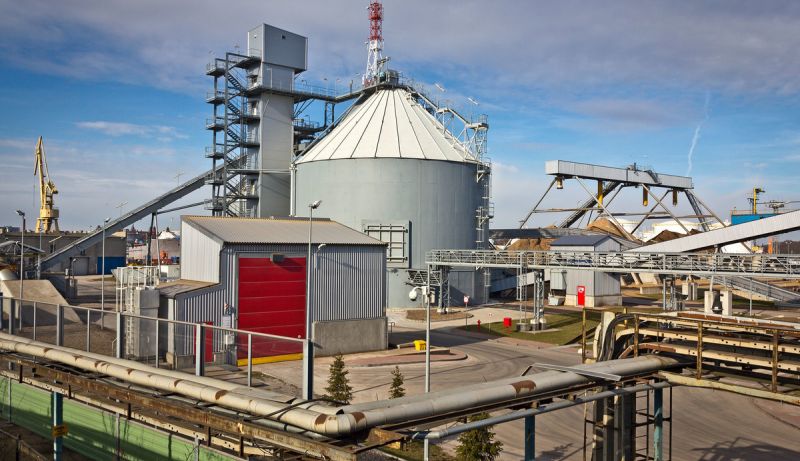
Chicken feed production line in Iraq
The customer first asked about 20 T/H, then selected 10 T/H for this chicken feed production line in Iraq. He already kept broilers and laying hens and wanted feed for his own farms as well as nearby buyers. The final package combines automatic batching, steam-conditioned pelleting, a crumbler and bagging, so feed form can follow the bird’s feeding stage.

RICHI MACHINERY
From a 20 T/H enquiry to a 10 T/H purchase
The project developed from a capacity discussion into a defined poultry-feed package. The final choice was one 10 T/H route, with preparation, pressing and finishing matched to the agreed products. It also included provision for operator training and the site’s electrical-service arrangements.
On January 6, 2022, the Iraqi customer sent a short enquiry: “Good day, I need details 20ton/hr of pellet machinery.”
The enquiry came from an agricultural investor involved in poultry farming and feed supply. His aim was to produce more of the feed used by his birds and develop a local supply business around that production. The discussions therefore considered farm use and outside orders together.
After about two months of technical and commercial discussions, the equipment contract was signed on March 9, 2022. The purchased scope was a complete 10 T/H poultry feed production line, with receiving, preparation, mixing, pelleting and finishing connected in one layout.
The initial 20 T/H request remained a useful starting point, but the final poultry feed mill project followed the customer’s production matching, capital budget and operating capabilities. The lower selected rate gave the project a more manageable starting scope while retaining the products the buyer actually needed.
| Purchase decision | Project basis |
|---|---|
| First contact | January 6, 2022 |
| Initial capacity enquiry | 20 T/H |
| Selected production duty | 10 T/H poultry feed |
| Contract signed | March 9, 2022 |
| Farm base | About 80,000 broilers and laying hens |
Broiler and layer feeds are made as separate recipes, with intact pellets or screened crumbs selected for the intended birds. The same line can serve those product forms, but the output accepted in a crumb grade needs its own check rather than being inferred from press capacity.
10 T/H
reference output
$310,000
equipment investment
Iraq
location
Feed
project type
RICHI MACHINERY
A farmer and feed-business owner with two customer groups
The investor has operated around Baghdad and Kurdistan and manages approximately 80,000 broilers and laying hens. That combined bird number describes the farm base, but not one daily feed requirement. Broiler age and layer production stage change the diets and quantities needed.
The mill is intended to serve those farms first and supply specified feeds to nearby farmers. Orders for the owner’s birds and outside customers therefore need separate product identities and delivery quantities. A pellet that looks similar may carry a different formula.
The customer wanted more control over purchasing and feed preparation when supplied feed and transport costs changed. In-house production moves those decisions into his own business, together with responsibility for receiving checks, recipe control and finished-feed release.
The chicken feed mill plant brings those tasks together. The project’s useful commercial question is how much of each feed to make and when to dispatch it, rather than how many tonnes the press could theoretically produce without an order schedule.
RICHI MACHINERY
Local grain with purchased meals and mineral additions
The broiler and layer feed mill in Iraq uses corn, wheat-milling by-products, soybean meal, sunflower cake and specified mineral additions. The main grains and meals are weighed into the selected recipe, with small additions handled separately. No fixed inclusion percentage is assigned simply because a material is available locally.
| Ingredient | Supply or feeding role |
|---|---|
| Corn | Purchased through Mosul and Kirkuk cooperatives |
| Wheat bran | Flour-milling by-product; analyse for the diet |
| Soybean meal | Protein supply through Basra-area and regional suppliers |
| Sunflower cake | Qualified oilseed meal; formula-specific inclusion |
| Feed-grade limestone and mineral premix | Calcium and specified small nutrient additions |
Supplier qualification matters particularly when protein meals come through different traders or mills. The nutrient analysis, moisture and condition of the actual lot guide its use. Limestone supplies calcium; other mineral needs follow the selected diet. Calcium-rich material should not be treated as a complete calcium-and-phosphorus package.
RICHI MACHINERY
One route makes pellets and selected crumb grades
The process uses standard feed-milling stages with equipment arranged for the buyer’s ingredients and product mix. Bulk grain and meal have their own receiving needs, while small additions need accurate weighing and a controlled entry into the mixer.
The chicken feed production line in Iraq follows cleaning → grinding → automatic batching → paddle mixing and selected liquid addition → steam conditioning → ring-die pressing → cooling → crumbling or bypass → screening → bagging. The crumbler follows cooling, with the intact-pellet route able to bypass it.
| Stage | Processing task | Operating focus |
|---|---|---|
| Grain and meal receiving | Separate suitable inlet arrangements | Identity, cleaning and metal removal |
| Grinding | Prepare selected bulk ingredients | Recipe-specific particle grade |
| Automatic batching | Weigh main and small additions | Correct formula and quantities |
| Paddle mixing | Blend and add specified liquids | Addition sequence and verified mixing |
| Steam conditioning and pressing | chicken feed pellet machine; feed mill pellet machine | Stable mash and suitable die |
| Cooling | Stabilise the hot pellet stream | Outlet condition before finishing |
| Crumbling or bypass | Select smaller or intact feed | Accepted size fraction |
| Screening and packing | Grade, weigh and close bags | Compatible returns and lot identity |
The poultry feed mill equipment supports different feed grades, with finishing settings issued alongside the recipe. As a packing illustration, a five-tonne order in 50 kg bags contains 100 bags. At 10 T/H accepted output it represents half an hour of steady production, before changeovers and interruptions. Crumb-grade yield is assessed separately.
RICHI MACHINERY
Equipment matched to the final 10 T/H duty
The pelleting selection for the final duty is one SZLH420 with a 110 kW main motor and a compound-feed reference range of 10–12 T/H. The rest of the line supports that press, including main-ingredient weighing, paddle mixing, cooling, crumbling, screening and dual-scale packing.
| Equipment group | Configuration or duty |
|---|---|
| Hammer milling | Prepared-mash supply for the agreed grind |
| Ingredient weighing | Four main metering bins; separate small additions |
| Paddle mixing | Batch cycle and appropriate liquid addition |
| Pelleting | One SZLH420; 110 kW main motor |
| Counterflow cooling | Automatic discharge and level indication |
| Double-roll crumbler | Adjustable smaller-grade preparation |
| Rotary screening | Grade-specific screens and fines collection |
| Dual-scale packing | 10–50 kg capability with bag sewing |
Steam and liquid additions have separate purposes. Conditioning prepares mash for pressing, while oil or another specified liquid follows its formulation and suitable addition point. Enzymes and other heat-sensitive additions need their own handling decision; they are not all grouped together as ordinary oil additions.
RICHI MACHINERY
Keep the product programme centred on poultry
The first products are broiler and layer feeds, including appropriate grades for younger birds. Other livestock diets can be assessed as separate developments. Their nutrition, grind and die requirements still need to be defined, and a new recipe may change the working rate.
| Product brief | Release or development point |
|---|---|
| Broiler and layer pellets | Separate diets and physical grades |
| Young-bird crumbs | Appropriate recipe and accepted crumb yield |
| Ruminant supplements | New diet, fibre preparation and rate trial |
| Other poultry feeds | Species-specific recipe and die assessment |
| Sinking aquafeed | Separate grinding and water-stability brief |
The crumbler is a useful part of the selected package because the intended poultry programme includes smaller feed forms. It does not turn one grower formula into a starter diet. The recipe, accepted size fraction and bag identity stay together when the finishing route changes.
RICHI MACHINERY
Plan production and collection around the farm customers
The customer’s farm requirements and commercial orders can differ in both timing and grade. A practical schedule groups compatible work while allowing recipe changes, cleaning and collection. The bird count alone is not a reason to run the line continuously at its nominal rate.
The site is described as approximately 160 kilometres from Baghdad. That location provides a reference for planning dispatch, but the routes and quantities still follow actual customer orders. The factory needs room for ingredients arriving and finished bags waiting to leave.
Ingredient cover is planned by recipe. A store full of corn cannot keep a batch moving if the required protein meal, premix or mineral is missing. Ordering and receiving those smaller shares on time is part of maintaining the intended production programme.
| Site or service provision | Scope |
|---|---|
| Standby power connection | Generator interface; supply and transfer design |
| Working area | Access, ventilation and equipment clearances |
| PLC remote-access provision | Connection and monitoring of fitted instruments |
| Operator training | Three weeks of local instruction |
| Restart procedure | Check batch, steam and downstream readiness |
These site provisions support operation and maintenance without promising uninterrupted production. The equipment and service plan needs clear stopping, isolation and restart procedures, particularly when power, steam or downstream handling is interrupted.
RICHI MACHINERY
An equipment agreement with a defined operating scope
The January enquiry and March contract moved the project from an initial capacity request to a complete feed-processing arrangement. The contract includes three weeks of local operator training, with the installation and handover work organised around the supplied equipment.
The customer also discussed a later aquafeed development. That would need a separate product and process brief, including whether the feed is sinking or floating, the required water stability and any extrusion and drying duty. It is not counted as an operating branch of this poultry project.
This chicken feed production line in Iraq was sized around a final 10 T/H duty and the farmer’s broiler-and-layer products. Send RICHI your bird groups, expected feed orders and required pellet or crumb grades, together with ingredient analyses and available site services. That gives the proposal a clear basis for batching, pressing, finishing and dispatch.
● RICHI MACHINERY
RICHI Service

● Consulting
Customer Consultation
We want to have a deep understanding of your industrial process, to know your exact needs of feed, wood, biomass, fertilizer or other pellet processing.

● Design
chicken feed Pellet line Design
Based on your unique situation and industrial process, we will tailor complete animal feed pellet plant you need, and inform you of every additional detail that could facilitate operation, minimize total cost.
● Manufacturing
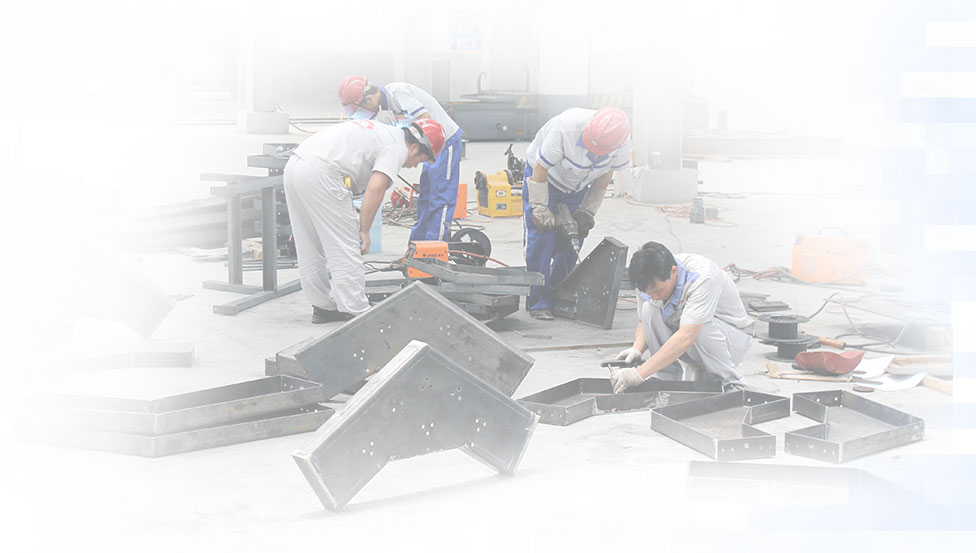
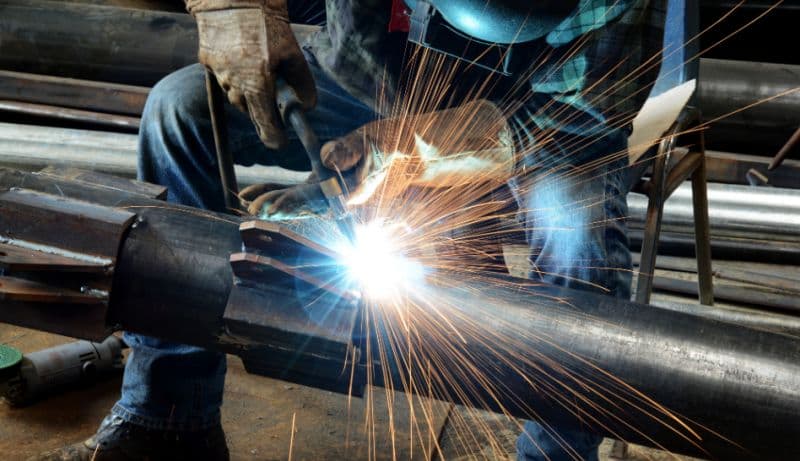
Equipment Manufacturing
The critical components of the of the complete feed mill equipment are built in our own workshops in Asia. Additional equipment is manufactured by our worldwide network of reliable partners.
● Testing
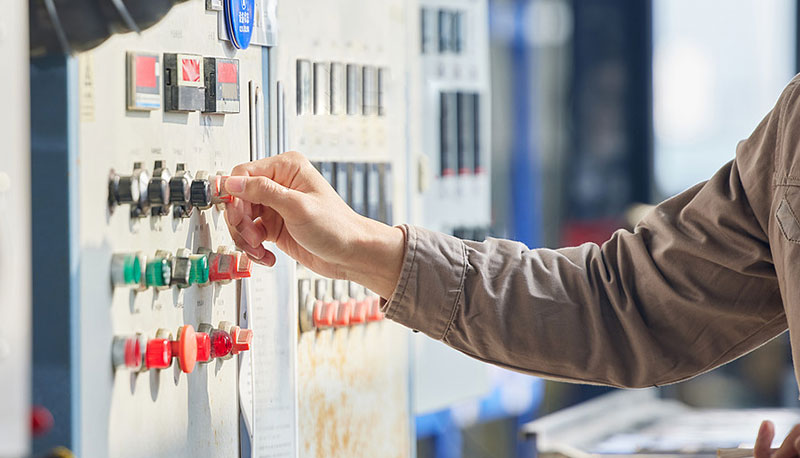
Quality Inspection & Testing
Before leaving the factory, all equipment will be inspected by the quality inspection department. We can also provide customers with testing services from a single machine to a complete pellet plant system, and provide you with real actual data for “worry-free use.”

● Delivery
Equipment Delivery
In equipment boxing and packaging, we adopt professional packaging and modular solutions to ensure the safe and non-destructive delivery of feed mill equipment.
● Installation
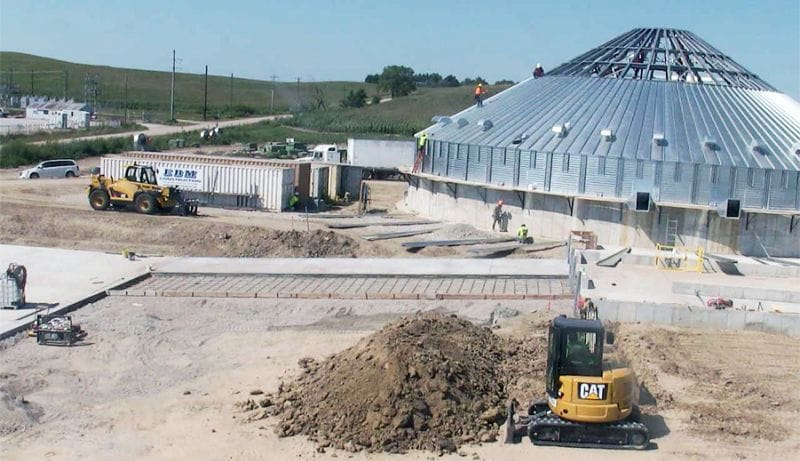
Installation & Commissioning
Whether you choose your own subcontractor for the erection phase or you want to install everything together with us, a Richi supervisor will be around to make sure everything is mounted in a safe and thorough way.

● Training
Staff Training
We provide comprehensive training for the technicians of each chicken feed production line in Iraq project. We can also continue to provide support for the technicians during latter project operation.
● After-sales
Project Follow-Up
When everything is up and running our Richiers will help you further whenever needed. We are ready to answer your call 24/7.We’ll also visit you regularly to learn about your needs.
Who we are
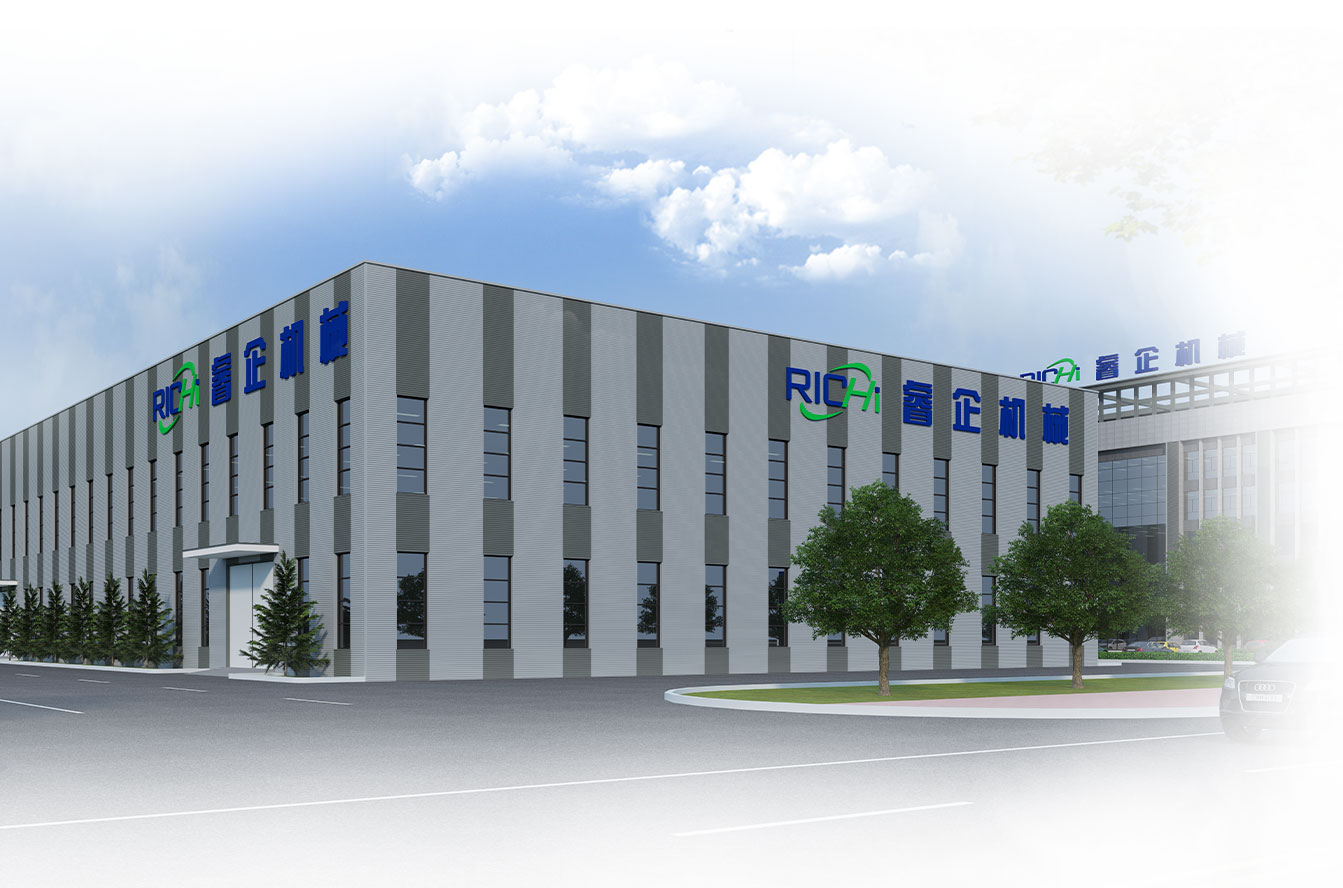
RICHI Machinery is one of the world’s leading suppliers of technology and services for the animal feed, aqua feed and pet food industries, also the largest pellet production line manufacturer in China.
Since 1995, RICHI’s vision to build a first-class enterprise, to foster first-class employees, and to make first-class contributions to society has never wavered.
In the past three decades, we have expanded our business to a wide range of areas, including animal feed mill equipment, aqua feed equipment, pet feed equipment, biomass pellet equipment, fertilizer equipment, cat litter equipment, municipal solid waste pellets equipment, etc.

1995
RICHI Established

2000+
Serving More Than 2000 Customers

120+
RICHI Employees

140+
Exported To 140 Countries