0086-138 3838 9622
Poultry feed processing plant in Afghanistan
Local corn and milling by-products are paired with purchased protein meals and premixes in this poultry feed processing plant in Afghanistan. The client, an agricultural enterprise involved in poultry farming and feed production, specified a nominal 10 T/H chicken-feed route. RICHI’s package connects ingredient preparation and automatic batching with steam-conditioned pelleting and bagging.

RICHI MACHINERY
A poultry business orders a complete feed-processing route
The project is designed for 10 tonnes per hour under the agreed feed specification. That is an hourly production duty, with the daily quantity determined by the product mix, accepted output and available running hours. It should be planned together with ingredient supply and bag handling.
The client of this Afghanistan poultry feed mill project is an agricultural enterprise based in Afghanistan, focusing on poultry farming and feed production.
The 10 T/H poultry feed line in Afghanistan was developed around the customer’s own poultry-feed programme. The complete route connects receiving, recipes and finished bags through a defined material path. The ingredient plan includes the purchased meals and small additions needed alongside the grain.
The useful product brief identifies the chickens to be fed, the formula, physical feed grade and quantity required. Ingredients and small additions then follow that brief. Pelleting changes the form of feed; the diet still needs suitable nutrient specifications and qualified materials.
The customer selected automatic batching and a nominal 10 T/H pelleting route. Preparation, pressing and finishing are sized as connected duties, so a full batch can move onward without losing its identity or overwhelming the next stage.
Producing feed in-house also gives the enterprise responsibility for ingredient qualification and product release. The recipe sheet, weighing records and finished bags need to remain connected. That operating routine matters alongside the equipment selection.
The customer first consulted us about the overall solution of the 10 tons/hour chicken poultry feed production line in early November 2023.
After several rounds of technical exchanges, the parties formally signed the contract in mid-February 2024. The package includes equipment supply, installation, commissioning and operator training. The service scope follows the agreed equipment schedule and site arrangement.
10 T/H
reference capacity
$280,000
equipment and service package
Afghanistan
location
Feed
project type
RICHI MACHINERY
Grain, protein meals and small additions in the selected diets
The customer combines locally available grain and milling by-products with purchased protein meals and additives. Some ingredients are supplied through imports. The receiving specification follows the actual material, lot and nutrient analysis, rather than assuming every local delivery has the same origin or composition.
The main ingredient groups are:
| Ingredient | Use and receiving check |
|---|---|
| Corn grain | Energy source; condition and recipe-specific grinding |
| Wheat bran | Milling by-product; nutrient and moisture checks |
| Soybean meal | Protein source; supplier and analysis specification |
| Fish meal where selected | Qualified quality and intended diet |
| Vitamins and minerals | Accurate weighing and controlled premixing |
| Fat additions | Agreed inclusion and addition method |
These materials support different poultry diets for rearing, laying and other feeding stages. The recipe and physical grade are issued together. Young-bird crumbs, if selected, need an appropriate diet plus a crumbling and grading step; they are not created simply by calling an ordinary grower pellet a starter feed.
RICHI MACHINERY
Steam conditioning connects mixing to the pellet press
The poultry feed plant for sale package links prepared mash to steam-conditioned poultry pellets, then cooling, screening and bagging. Steam enters before the press to condition the mash. The operator controls moisture and material flow according to the recipe and die, with the finished product assessed after cooling.
The process sequence keeps preparation, forming and finishing in the correct order:
| Stage | Processing duty | Control point |
|---|---|---|
| Cleaning and grinding | Prepare the selected bulk ingredients | Identity, foreign material and particle size |
| Automatic batching | Weigh main ingredients and small additions | Correct formula and complete batch |
| Mixing | Blend the weighed ingredients | Sequence and verified mixing procedure |
| Steam conditioning | Prepare mash before pressing | Recipe-specific moisture and steam supply |
| Ring-die pressing | poultry feed pellet making machine | Suitable die and stable feed |
| Counterflow cooling | Cool the formed pellets | Condition before packing |
| Screening and bagging | Grade, weigh and close bags | Compatible returns and lot identification |
Pellets leave the die warm and need controlled cooling before packing. Cooler performance follows the hot-feed load and available intake air. Screening then separates the accepted grade from fines and broken material, with clean return material directed to a compatible recipe. This keeps reprocessing visible instead of counting the same feed twice.
RICHI MACHINERY
One press with matched preparation and finishing
The poultry feed processing plant in Afghanistan uses one SZLH420 as the pelleting selection, with a 110 kW main motor and a published compound-feed reference of 10–12 T/H. The nominal project duty is 10 T/H for the agreed poultry feed. Smaller pellets or a different formula need their own rate check.
| Equipment group | Selection or function |
|---|---|
| Automatic weighing | Recipe-based ingredient quantities |
| Hammer mill | Agreed grain particle specification |
| Paddle batch mixer | Uniform blending and complete-cycle demand |
| chicken feed pellet machine | One SZLH420; 110 kW main motor |
| Steam conditioner | Mash preparation before the press |
| Counterflow cooler | Hot-pellet load and intake-air duty |
| Vibrating screen | Separate accepted pellets and fines |
| Bagging and sewing | Weigh, close and remove filled bags |
The poultry feed mill equipment is selected as a connected system. The complete load schedule includes grinding, mixing, transfers, cooling and packing, as well as the press drive. Steam delivery, condensate removal, electrical starting and a controlled restart sequence are part of the installation brief for the animal feed production line.
RICHI MACHINERY
Start with the intended chicken products
The initial programme focuses on poultry feed. Broiler and layer products differ in their diets and may differ in physical grade. Other feeds can be assessed later, but they need a product brief and process review rather than an assumption that one machine setting covers every animal.
| Product direction | Required assessment |
|---|---|
| Broiler grower and finisher pellets | Recipe, die and accepted output |
| Layer pellets | Nutrient, mineral and physical specification |
| Young-bird crumbs | Suitable diet; additional crumbling and grading |
| Other poultry feeds | Species-specific formulation and processing check |
| Sinking aquafeed | Separate grind and water-stability work |
| Floating fish feed or dry pet food | Dedicated extrusion and finishing route |
The animal feed processing plant keeps its poultry production scope clear. Wood-fuel pellets, fertilizer and dry pet food require separate material and equipment decisions. They are not part of the current poultry line’s routine product changeovers.
RICHI MACHINERY
Keep purchased meals and premixes in the production schedule
The ingredient plan needs to support repeated batches, including the protein meals and premixes bought through suppliers. When deliveries take time, stock cover is calculated from the actual recipe and order schedule. A full maize store alone cannot keep a formula running if another required ingredient is missing.
Supplier changes need a controlled review. Different moisture, particle size or nutrient analysis can affect both formulation and processing. Keep the new lot identifiable until the receiving decision is complete, then connect it to the batches that use it.
The site also needs room to receive ingredients and move filled bags. If packing or collection falls behind, a temporary bin can bridge a short delay but eventually fills. The daily programme should stop at what the complete preparation-to-dispatch route can manage.
At a planning basis of 10 T/H of accepted feed, 25 kg bags require 400 complete bags per hour; 50 kg bags require 200. The bag station must weigh, close and clear those bags at the same pace. These are workload calculations, not a claim about daily production achieved by the customer.
| Packing basis at 10 T/H accepted feed | Complete handling demand |
|---|---|
| 25 kg bags | 400 bags/hour; nine seconds/bag |
| 50 kg bags | 200 bags/hour; 18 seconds/bag |
| 10-tonne order in 25 kg bags | 400 bags |
| 10-tonne order in 50 kg bags | 200 bags |
A 10-tonne order therefore represents one productive hour at that reference rate, before start-up, recipe changes, cleaning or interruptions. Confirming the order mix and available running hours gives a more useful schedule than converting a press rating directly into an annual output promise.
RICHI MACHINERY
Plan installation around the material route and service access
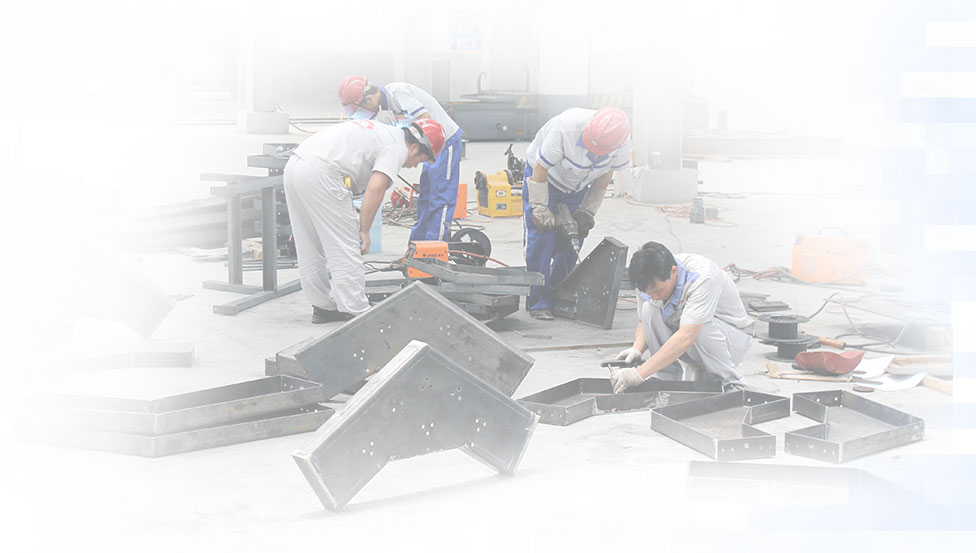
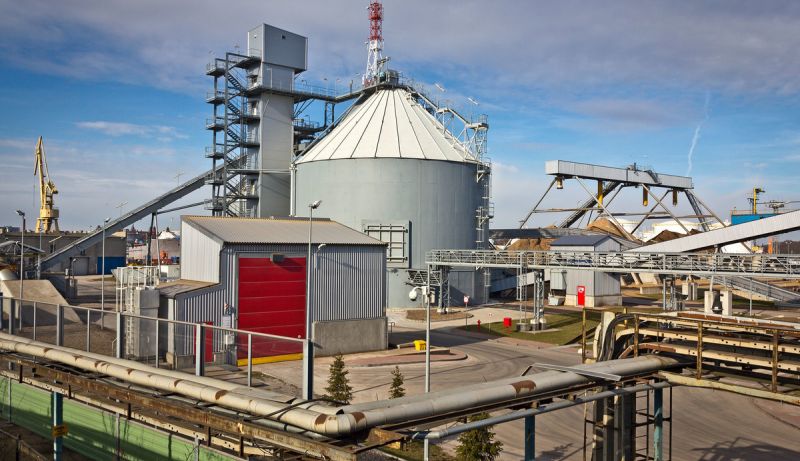
The project design brings receiving, grinding, weighing, mixing and finishing into one arrangement. Access matters at each stage: ingredients must reach the correct point, wear parts must be removable and bagged feed must leave without blocking the operating area.
The poultry feed pellet production line takes equipment handling and maintenance access into account. The installation plan needs the building layout, door and lifting access, transfer heights and service connections. Those details make equipment delivery and assembly easier to organise.
For the chicken feed mill plant, the practical expansion questions come after the first feed programme: which orders are growing, what ingredient supply is available and which machine or handling task sets the limit? Additional capacity follows that assessment, rather than adding an unrelated fuel-production task to the feed route.
This poultry feed processing plant in Afghanistan gives the customer a defined equipment package for its chicken-feed programme. Automatic weighing supports the recipe, one appropriately sized press forms the pellets, and cooling, screening and packing complete the route to an identified finished lot.
Send RICHI the chicken diets and pellet grades you plan to supply, with ingredient analyses, order quantities and available steam and electrical services. Include the preferred bag weights and whether starter crumbs are needed. Those details connect equipment selection to the products the business intends to make.
● RICHI MACHINERY
RICHI Service

● Consulting
Customer Consultation
We want to have a deep understanding of your industrial process, to know your exact needs of feed, wood, biomass, fertilizer or other pellet processing.

● Design
biomass Pellet Plant Design
Based on your unique situation and industrial process, we will tailor complete pellet plant you need, and inform you of every additional detail that could facilitate operation, minimize total cost.
● Manufacturing
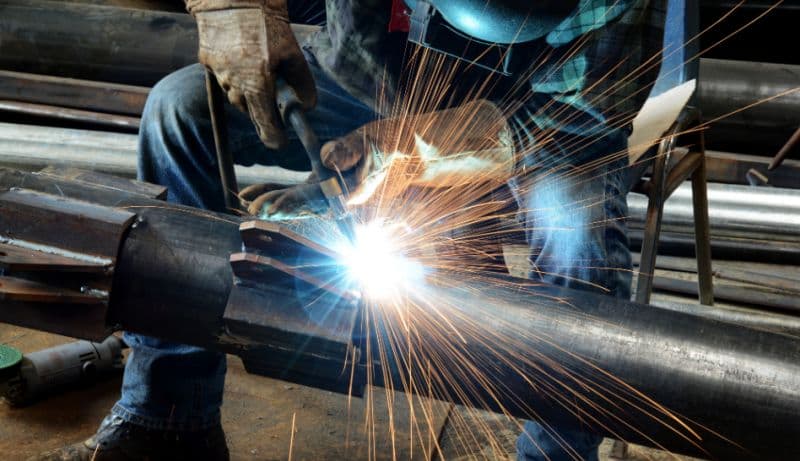
Equipment Manufacturing
The critical components of the of the complete pellet production line equipment are built in our own workshops in Asia. Additional equipment is manufactured by our worldwide network of reliable partners.

● Testing
Quality Inspection & Testing
Before leaving the factory, all equipment will be inspected by the quality inspection department. We can also provide customers with testing services from a single machine to a complete pellet plant system, and provide you with real actual data for “worry-free use.”

● Delivery
Equipment Delivery
In equipment boxing and packaging, we adopt professional packaging and modular solutions to ensure the safe and non-destructive delivery of feed mill equipment.
● Installation
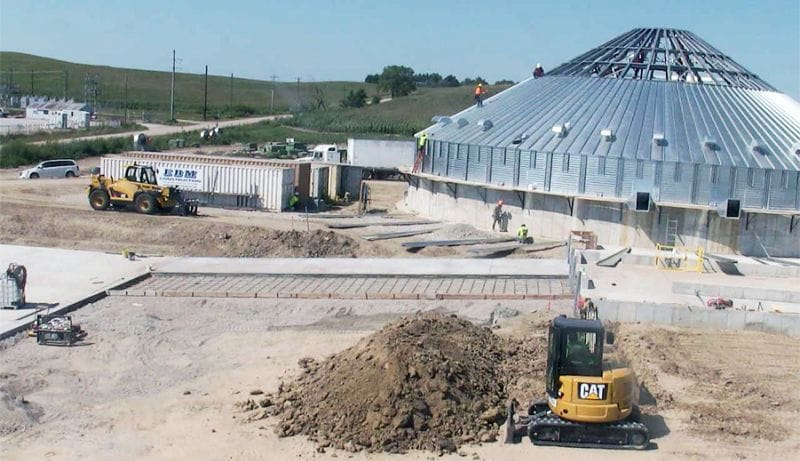
Installation & Commissioning
Whether you choose your own subcontractor for the erection phase or you want to install everything together with us, a Richi supervisor will be around to make sure everything is mounted in a safe and thorough way.

● Training
Staff Training
We provide comprehensive training for the technicians of each poultry feed processing plant in Afghanistan project. We can also continue to provide support for the technicians during latter project operation.
● After-sales
Project Follow-Up
When everything is up and running our Richiers will help you further whenever needed. We are ready to answer your call 24/7.We’ll also visit you regularly to learn about your needs.
Who we are
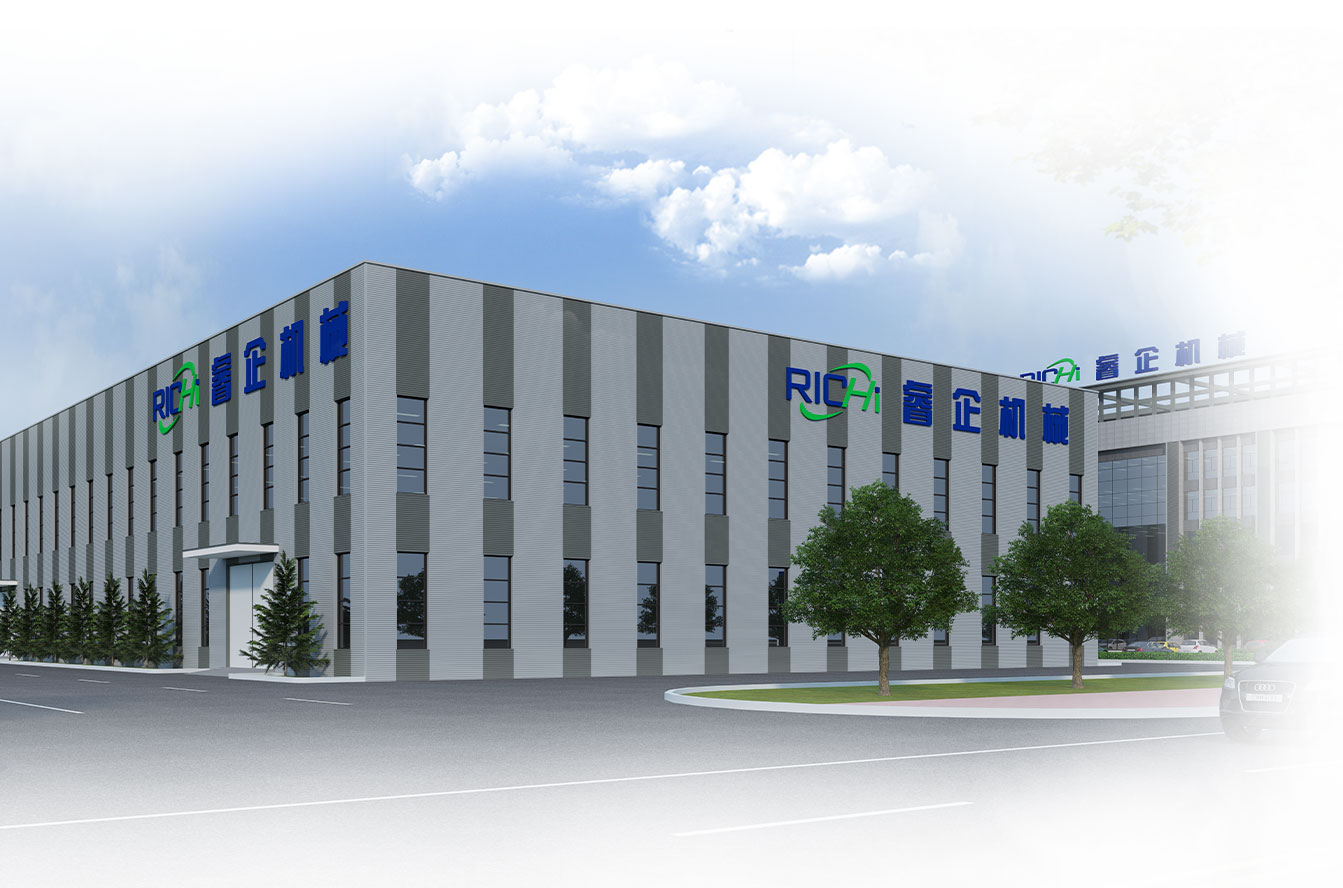
RICHI Machinery is one of the world’s leading suppliers of technology and services for the animal feed, aqua feed and pet food industries, also the largest pellet production line manufacturer in China.
Since 1995, RICHI’s vision to build a first-class enterprise, to foster first-class employees, and to make first-class contributions to society has never wavered.
In the past three decades, we have expanded our business to a wide range of areas, including animal feed mill equipment, aqua feed equipment, pet feed equipment, biomass pellet equipment, fertilizer equipment, cat litter equipment, municipal solid waste pellets equipment, etc.

1995
RICHI Established

2000+
Serving More Than 2000 Customers

120+
RICHI Employees

140+
Exported To 140 Countries