 0086-138 3838 9622
0.8-1T/H Aquatic & Pet Feed and 3-4T/H animal feed processing line in Bhutan
This is a project about an animal feed processing line in Bhutan. When people talk about Bhutan, they usually think of its serene mountains, Gross National Happiness, and its commitment to sustainability. But tucked behind these headlines, a quiet but important transformation is taking shape: the country’s drive to improve its food self-sufficiency by investing in modern feed processing.
This is the story of a new animal feed factory project that perfectly captures that spirit — a 0.8–1 tons per hour aquatic & pet feed line combined with a 3–4 tons per hour livestock and poultry feed processing line.

RICHI MACHINERY
overview
On June 24, 2024, an agribusiness entrepreneur in Bhutan reached out to RICHI Machinery with a short but decisive request: “Send quotation for machine line price.” There was no long backstory at first — just a clear intention to explore what it would take to build a modern feed facility.
Behind this message was a bigger vision. Bhutan’s livestock and aquaculture sectors have seen steady growth in recent years, spurred by the government’s push to reduce dependence on imported meat, fish, and eggs. Meanwhile, pet ownership in Bhutan’s urban centers is slowly rising, with more families keeping cats and dogs, creating a niche demand for quality pet feed. But local feed supply remains heavily reliant on imports from neighboring countries, often at high cost and with inconsistent quality.
The client saw an opportunity to change that. By investing in a flexible, multi-purpose feed line, they could produce balanced feed for fish, shrimp, pets, poultry, and livestock — serving both their own farming operations and selling surplus feed to local farmers and shop owners.
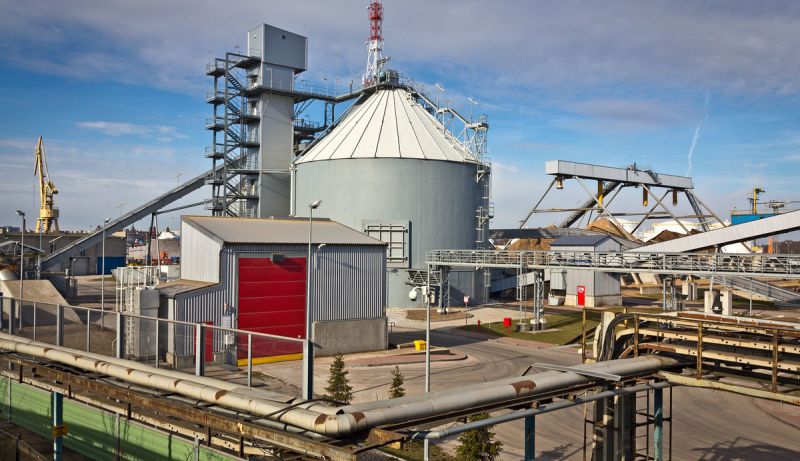
After nearly 11 months of planning, discussions, and design refinements, they signed a contract with RICHI on May 13, 2025. The total investment: $208,770 USD — a serious commitment to Bhutan’s food resilience. (The image above is not actual images and will be updated after the project is completed.)
3-4T/H
capacity
$208,770
investment
Bhutan
location
Feed
project type
RICHI MACHINERY
Raw Materials for animal feed processing line in Bhutan
One of the big advantages for feed production in Bhutan is the availability of diverse raw materials. Though Bhutan’s arable land is limited compared to larger neighbors, its valleys produce maize, wheat bran, and barley. Rice bran is readily available from small milling operations, while oilseed cakes (like mustard cake) come from local oil pressing units.
For protein-rich ingredients, the client will also source fish meal from regional suppliers and experiment with sustainable insect meal or small-scale fish offcuts. Soybean meal will likely be imported, but other local by-products, like broken rice, pulses, and vegetable residues, add valuable fiber and starch. The final formulations are customized for each species — floating fish feed, sinking fish feed, shrimp feed, pet kibble, and pelletized livestock feed — all adjusted for Bhutan’s unique farming practices.
RICHI MACHINERY
A Hybrid Production Process: Combining Extrusion and Pelleting
Unlike a typical single-species commercial feed mill, this line integrates two distinct processing systems: extrusion for aquatic, shrimp, and pet feeds, and pelleting for livestock and poultry feeds.
The entire flow of animal feed processing line in Bhutan is coordinated through a central PLC system for weighing and batching. Here’s how the complete process works:

- PLC Weighing: Raw materials are weighed automatically to ensure recipe precision. This prevents human error and guarantees consistent nutrient balance for each batch.
- Grinding: A hammer mill crushes raw grains, oilseed cakes, and bran into uniform fine particles. Proper particle size is critical for both extrusion and pelleting to ensure smooth operation and high-quality feed.
- Mixing: The ground ingredients are blended in a horizontal mixer. Micro-ingredients like premixes, vitamins, and amino acids are added at this stage for uniform distribution.
- Powder Feed Packaging: For some customers, the facility can sell mash feed directly — this powder is bagged at this stage for farms that prefer to feed mash rather than pellets.
- Pelleting: For livestock and poultry feed, the mixed material passes through a ring die feed pellet machine. Compression under controlled heat forms firm, uniform pellets, which are then cooled and sized.
- Extrusion: For floating fish feed, sinking fish feed, shrimp feed, and pet food, the blended mix enters the floating fish feed extruder machine. Here, high temperature and mechanical shear expand the material, cooking starches and proteins for better digestibility. This is what gives floating fish feed its buoyancy.
- Drying & Coating: Extruded feeds pass through a fish feed dryer machine to remove excess moisture, then an oil spraying section adds attractants or fats for palatability — an important step for fish and pets.
- Cooling: Both extruded and pelleted feeds are cooled to ambient temperature, stabilizing the product and extending shelf life in Bhutan’s variable climate.
- Screening: A vibrating screener separates out any fines or broken pieces, ensuring only full pellets and kibbles are packed.
- Packing: Finished products are weighed, bagged, labeled, and stacked, ready for delivery to local farms or pet stores.
RICHI MACHINERY
Versatility: More Than Just Fish and Poultry
One of the biggest selling points of this animal feed processing line in Bhutan is its flexibility. With the same core machines, the client can produce:
- Floating fish feed for trout and carp — major species in Bhutan’s growing aquaculture sector.
- Sinking fish feed for species that prefer bottom feeding.
- Shrimp feed, especially for emerging pilot shrimp farming trials in southern Bhutan.
- Dry pet food for dogs and cats, meeting the demand of Bhutan’s urban households.
- Standard pellet feed for broilers, layers, pigs, and cattle.
If needed, the animal feed production line can also adapt to produce rabbit feed, quail feed, or even special game bird rations with minimal adjustments.
This adaptability gives the client the freedom to test markets, adjust product lines by season, and stay profitable year-round.
RICHI MACHINERY
A Compact Line, Packed with Smart Machines
Behind this flexibility is a carefully engineered lineup of animal feed manufacturing machines, designed for ease of operation, reliable output, and easy maintenance — crucial for Bhutan’s remote locations where technical support can be limited.
The complete setup includes:
- PLC-controlled batching and weighing system.
- A hammer mill optimized for grains and bran.
- A high-efficiency horizontal mixer for fast, even blending.
- A ring die livestock feed pellet machine.
- An advanced twin screw extruder for aquatic, shrimp, and pet feed.
- A belt or mesh belt dryer for extruded products.
- A liquid spraying and coating system.
- Counterflow coolers for both pelleted and extruded products.
- A vibrating screener.
- Semi-automatic bagging machines with clear scale readouts.
RICHI’s experience building these hybrid systems ensures each machine works seamlessly with the next, avoiding common headaches like blockages or under-processed feed.
RICHI MACHINERY
Strong Local Impact: A Win for Bhutanese Farmers and Consumers
While Bhutan’s national policy emphasizes organic farming and clean production, the country still faces gaps in local protein production for both animals and fish. Many farmers import feed blends from India — sometimes more expensive than local production could be, and often not tailored to Bhutan’s unique climate or breeds.
By producing feed domestically, this plant supports smallholder farmers with fresher, more affordable feed while creating local jobs and building skills in modern feed manufacturing. Better feed means healthier fish, more productive poultry, and livestock that reach market weight faster — all essential for Bhutan’s goal of improving food self-reliance.
RICHI MACHINERY
Innovation: Bhutan’s First Step Toward Specialized Pet Nutrition
Bhutan’s pet food market is still young, but urban families in Thimphu and other towns are beginning to spend more on quality pet products. Most pet food is imported, with limited choices on store shelves.
By adding a dry pet feed line from day one, this plant positions itself as the country’s first local producer of formulated pet kibbles. The client plans to start with standard recipes for dogs and cats, then expand to premium formulas with added omega oils or local herbs as the market matures.
RICHI MACHINERY
A Project with Purpose: Investing in the Future
When the first inquiry came in on June 24, 2024, the client only asked for a price. But by May 13, 2025, they had a full plan in place, trusted RICHI Machinery to deliver it, and committed $208,770 USD to make it happen. That decision wasn’t just about machines — it was about securing a future for local farmers, small aquaculture pioneers, and even family pets.
This animal feed processing line in Bhutan is more than steel and motors — it’s a practical step toward Bhutan’s food independence, energy efficiency, and rural prosperity. Installation will start in August 2025, and once operational, this hybrid plant will stand as an example for other entrepreneurs ready to turn local ingredients into local value.
From a single feed line request to a multi-species feed hub — that’s how a simple idea grows when you have the right partner. RICHI Machinery’s technical depth, flexible design, and patient project support turned a question into a 0.8–1T/H extruded feed line and a 3–4T/H pellet feed line that Bhutan can rely on.
In a small kingdom where sustainable progress matters more than size, this animal feed processing line in Bhutan project shows exactly why even a modest feed mill can deliver massive local impact — one pellet, one farm, and one satisfied customer at a time.
● RICHI MACHINERY
RICHI Service

● Consulting
Customer Consultation
We want to have a deep understanding of your industrial process, to know your exact needs of feed, wood, biomass, fertilizer or other pellet processing.

● Design
feed Pellet Plant Design
Based on your unique situation and industrial process, we will tailor complete pellet plant you need, and inform you of every additional detail that could facilitate operation, minimize total cost.
● Manufacturing
Equipment Manufacturing
The critical components of the of the complete pellet production line equipment are built in our own workshops in Asia. Additional equipment is manufactured by our worldwide network of reliable partners.
● Testing
Quality Inspection & Testing
Before leaving the factory, all equipment will be inspected by the quality inspection department. We can also provide customers with testing services from a single machine to a complete pellet plant system, and provide you with real actual data for “worry-free use.”

● Delivery
Equipment Delivery
In equipment boxing and packaging, we adopt professional packaging and modular solutions to ensure the safe and non-destructive delivery of pellet plant equipment.
● Installation
Installation & Commissioning
Whether you choose your own subcontractor for the erection phase or you want to install everything together with us, a Richi supervisor will be around to make sure everything is mounted in a safe and thorough way.

● Training
Staff Training
We provide comprehensive training for the technicians of each animal feed processing line in Bhutan project. We can also continue to provide support for the technicians during latter project operation.
● After-sales
Project Follow-Up
When everything is up and running our Richiers will help you further whenever needed. We are ready to answer your call 24/7.We’ll also visit you regularly to learn about your needs.
Who we are
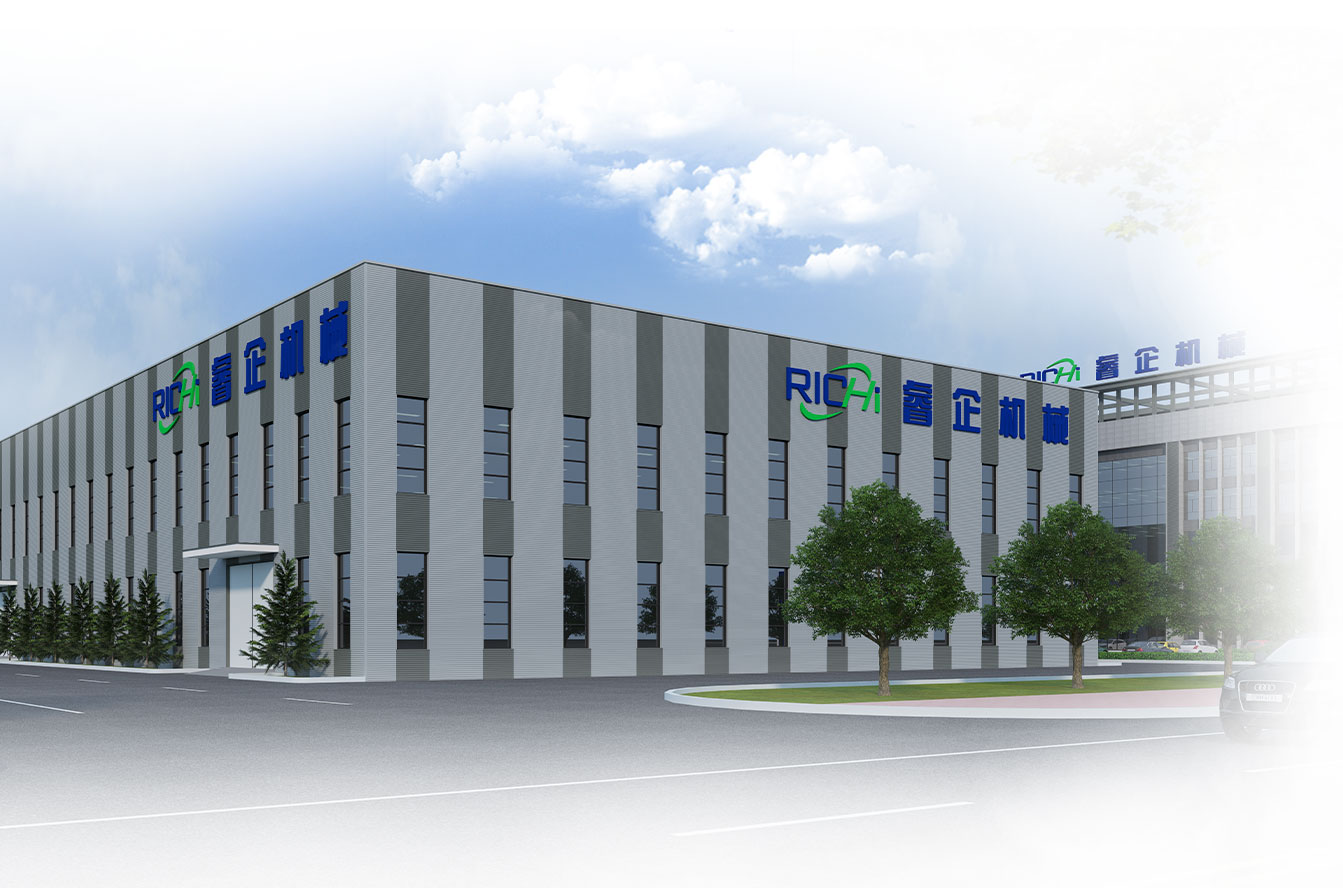
RICHI Machinery is one of the world’s leading suppliers of technology and services for the animal feed, aqua feed and pet food industries, also the largest pellet production line manufacturer in China.
Since 1995, RICHI’s vision to build a first-class enterprise, to foster first-class employees, and to make first-class contributions to society has never wavered.
In the past three decades, we have expanded our business to a wide range of areas, including animal feed mill equipment, aqua feed equipment, pet feed equipment, biomass pellet equipment, fertilizer equipment, cat litter equipment, municipal solid waste pellets equipment, etc.

1995
RICHI Established

2000+
Serving More Than 2000 Customers

120+
RICHI Employees

140+
Exported To 140 Countries