 0086-138 3838 9622
Cattle Feed Mill in Oman
This is a project about a cattle feed mill in Oman. In recent years, Oman’s agricultural sector has been quietly but steadily diversifying. While the country is globally recognized for its oil wealth, forward-looking entrepreneurs are increasingly looking at ways to strengthen food security and reduce dependence on imported feed and dairy products.
This case — the development of a 5–6 tons per hour cattle feed mill — is a perfect illustration of how a clear vision, modern equipment, and the right partner can transform local resources into sustainable economic gain.

RICHI MACHINERY
overview
Back on July 13, 2024, the owner of a mid-sized livestock business in Oman reached out to RICHI Machinery with a straightforward but ambitious plan: they wanted to expand their existing dairy and cattle fattening operations by producing their own cattle feed instead of relying on inconsistent and increasingly expensive imported pellets.
The message was short, but the vision behind it was clear — by setting up an in-house feed mill, the client could gain more control over feed quality, reduce overhead costs, and potentially sell surplus feed to neighboring farms.
After six months of discussions, capacity planning, and technical evaluation, the deal was finalized on January 13, 2025. The client signed a contract worth $76,500 USD with RICHI Machinery for a complete 5–6T/H cattle feed production line built around the reliable SZLH350 pellet mill model. For a small business in Oman’s emerging feed processing sector, this was no small commitment — it was a bet on local supply, food security, and long-term cost control.
5-6T/H
capacity
$76,500
investment
Oman
location
Feed
project type
RICHI MACHINERY
Local Raw Materials for cattle feed mill in Oman
Oman’s harsh climate means its agricultural raw materials need to be carefully planned. Fortunately, this client already had supply channels for the main feed ingredients suited for the region’s cattle nutrition.
Key raw materials include:
- Barley and maize: imported or sourced regionally, providing core energy content.
- Wheat bran: a by-product of local milling, rich in fiber and protein.
- Date palm by-products: Oman’s date processing industry creates substantial by-products that can be used in cattle feed after proper treatment and grinding.
- Alfalfa hay: either locally grown in irrigated plots or imported from neighboring UAE, this is a crucial protein and fiber source for cattle.
- Oilseed cakes: such as soybean meal or cottonseed cake, sourced from nearby Gulf suppliers.
- Mineral premixes: added to balance micro-nutrient levels for healthy herd growth.
By combining these inputs, the client can produce nutritionally balanced pellets customized for the growth, milk production, and health of local cattle breeds.
RICHI MACHINERY
The Production Process: Straightforward and Dependable
To suit the region’s climate and the client’s operational skill level, RICHI engineers designed a robust, low-maintenance processing flow. The entire fully automatic cattle feed plant system uses tried-and-tested steps that deliver consistent pellet quality with minimal waste.
The process of cattle feed mill in Oman follows these stages:
- Crushing: Raw grains and coarse fibers like hay or date palm residues are passed through a hammer mill. This step reduces the material to a uniform size for better mixing and pelleting.
- Mixing: Ground ingredients are transferred to a horizontal mixer where grains, bran, oilseed cakes, and micro-nutrients are blended evenly. This step ensures that each pellet delivers balanced nutrition — an essential factor for herd health.
- Pelleting: The heart of this livestock feed production line is the SZLH350 ring die cattle feed pellet machine. Here, the mixed material is compressed under high pressure to form dense, uniform pellets that cattle can easily consume.
- Cooling: Fresh pellets exit the mill at high temperatures due to friction and compression. A counterflow cooler reduces the pellet temperature to ambient levels, locking in durability and preventing spoilage.
- Screening: A vibrating screen removes fines and broken pellets, so only uniform product is packed and sold.
- Packing: Finally, the clean pellets are weighed and packed into 25 or 50 kg bags, ready for on-farm use or local sale.
RICHI MACHINERY
Smart Versatility: More than Just Cattle Feed
Although the primary goal is to supply cattle feed for the client’s dairy and fattening operations, the same mill can produce other pellet types with minor adjustments to recipes and raw materials.
For example, the cattle feed mill in Oman can also handle:
- Sheep and goat feed: these small ruminants are common in Oman’s rural regions.
- Camel feed: an emerging niche market as local camel dairy and meat products expand.
- Poultry feed: by modifying the recipe and adjusting die specifications, the mill can switch to produce simple broiler or layer pellets for local farms.
- Horse feed: for local breeders and riding clubs, specially formulated high-fiber pellets can be an additional product line.
This flexibility gives the client room to grow into new markets without needing to rebuild their core equipment.
RICHI MACHINERY
The Equipment at the Heart of the Project
Behind the scenes, the cattle feed mill in Oman relies on rugged, carefully selected machinery that matches Oman’s conditions — dusty, hot, and sometimes remote.
The key machines include:
- A reliable hammer mill feed grinder sized for 5–6 tons per hour capacity, tough enough to handle both soft grains and fibrous materials.
- A double-shaft paddle cattle feed mixer to ensure rapid, uniform mixing.
- The SZLH350 feed mill pellet machine — the main engine of pellet production — known for durability and stable output.
- A counterflow cooler designed to cope with Oman’s high ambient temperatures, keeping pellets in good condition.
- A vibrating screener to ensure only top-quality pellets make it to the bagging line.
- A semi-automatic packing machine with digital weighing, simple for local operators to run.
RICHI MACHINERY
Why This cattle Feed Line Makes Sense in Oman
Oman’s livestock industry is undergoing a gradual transformation. Large integrated dairy farms are expanding, while small and mid-sized farms are being encouraged by government policy to boost domestic meat and milk output. Yet feed costs remain one of the biggest barriers for local farmers — more than 60% of feed ingredients are still imported, and finished feed pellets are often trucked in from the UAE or Saudi Arabia.
This new cattle feed mill in Oman tackles both challenges: it adds local processing capacity and makes better use of local raw material streams like date palm by-products. By producing feed closer to the point of use, the client cuts transport costs and reduces spoilage — an important benefit in Oman’s hot climate.
Moreover, by selling surplus feed to smaller nearby farms, the client can generate extra income, strengthening the business against market ups and downs in dairy and cattle prices.
RICHI MACHINERY
A Customized Touch: A Plant that Matches the Owner’s Vision
What sets this cattle feed mill in Oman project apart is that it’s not just a “standard” solution. RICHI’s team worked closely with the client for six months to fine-tune the machine specs, plant layout, and workflow to fit local labor skills and the space available. The heart of the line, the SZLH350 animal feed pellet mill, is specifically chosen for its stable output and easy maintenance — critical for new feed producers who want reliability from day one.
And while some animal feed mill plant builders only offer standard colors and configurations, RICHI even offered custom color schemes and branding elements so the final plant reflects the client’s unique identity — a small but meaningful detail that shows how flexible RICHI is when it comes to customer satisfaction.
RICHI MACHINERY
Looking Ahead: Local Opportunity, Long-Term Payback
When the first message landed in July 2024, it was just a seed of an idea. By January 2025, the plan was real, the contract was signed for $76,500 USD, and RICHI’s manufacturing teams were already building the equipment. Installation is planned for mid-2025, with the goal of having the first pellets rolling out by the end of the year — ready to feed the client’s cattle and boost milk yields just in time for peak market demand.
Looking ahead, this 5–6T/H cattle feed mill in Oman stands as a model for other farmers and small feed entrepreneurs in Oman: a practical, affordable way to reduce dependency on imports, make better use of local resources, and build more resilient, competitive livestock operations.
RICHI MACHINERY
Final Thoughts: Why Projects Like This Matter
Too often, the Gulf’s agriculture stories are about massive, heavily funded mega-farms. But this project shows that a moderate investment — smartly planned and properly executed — can deliver big impact on the ground. It also shows why partnering with an experienced feed machinery manufacturer like RICHI matters. From first idea to final installation, RICHI’s depth of experience, clear communication, and custom engineering helped turn a vision into a working feed plant designed to last.
For this Omani farmer, the investment is about more than just cheaper feed. It’s about securing feed supply in unpredictable times, boosting milk production to meet growing local demand, and maybe even inspiring neighbors to invest in their own sustainable feed and livestock operations.
And for anyone reading this story who’s wondering if building a feed mill is too big or complicated: let this cattle feed plant project be proof that with clear goals and the right partner, even a simple question — “How can I make my own feed?” — can grow into a robust business plan with real benefits for farms, families, and the country’s food future.
In Oman, where tradition meets smart modern farming, one well-built feed mill is more than just machinery — it’s a cornerstone for a stronger, more resilient dairy and livestock industry for years to come.
● RICHI MACHINERY
RICHI Service

● Consulting
Customer Consultation
We want to have a deep understanding of your industrial process, to know your exact needs of feed, wood, biomass, fertilizer or other pellet processing.

● Design
feed Pellet Plant Design
Based on your unique situation and industrial process, we will tailor complete feed mill plant you need, and inform you of every additional detail that could facilitate operation, minimize total cost.
● Manufacturing
Equipment Manufacturing
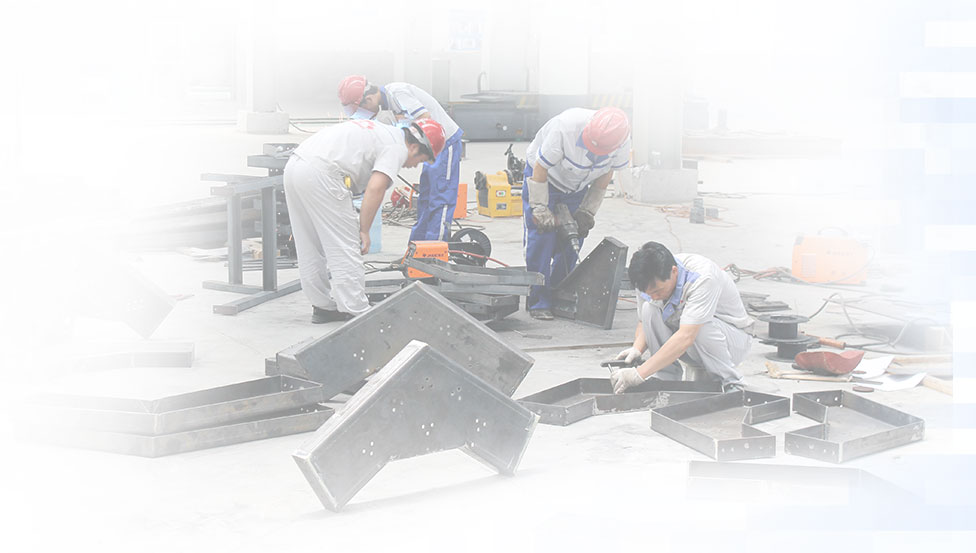
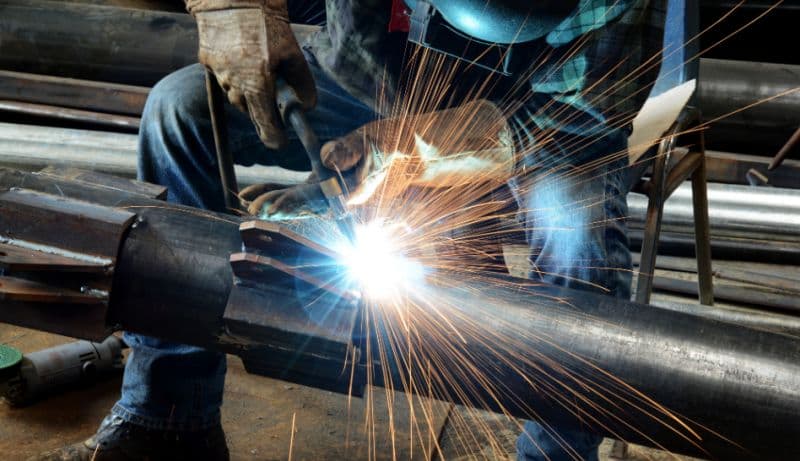
The critical components of the of the complete animal feed production line equipment are built in our own workshops in Asia. Additional equipment is manufactured by our worldwide network of reliable partners.
● Testing
Quality Inspection & Testing
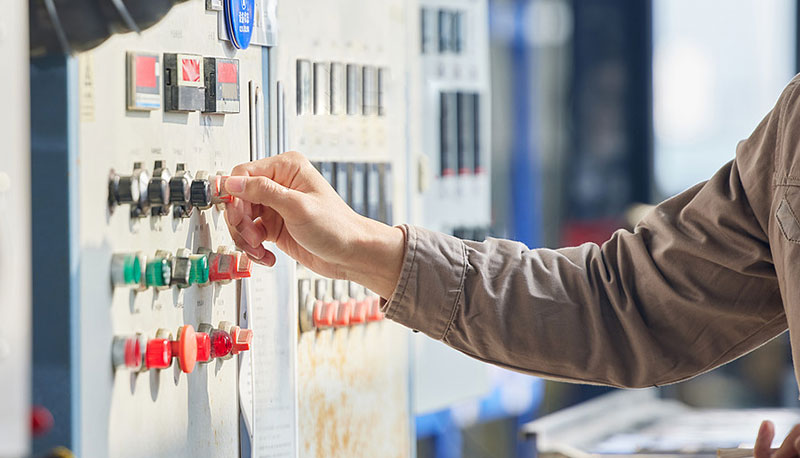
Before leaving the factory, all equipment will be inspected by the quality inspection department. We can also provide customers with testing services from a single machine to a complete feed pellet production line system, and provide you with real actual data for “worry-free use.”
● Delivery
Equipment Delivery
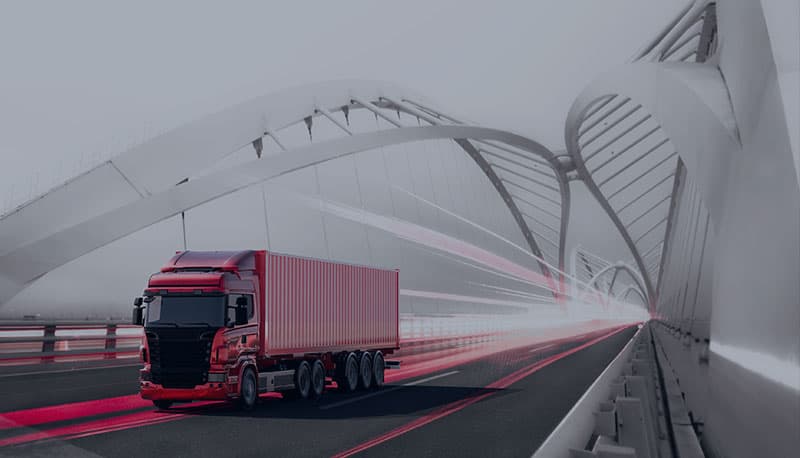
In equipment boxing and packaging, we adopt professional packaging and modular solutions to ensure the safe and non-destructive delivery of cattle feed mill equipment.
● Installation
Installation & Commissioning
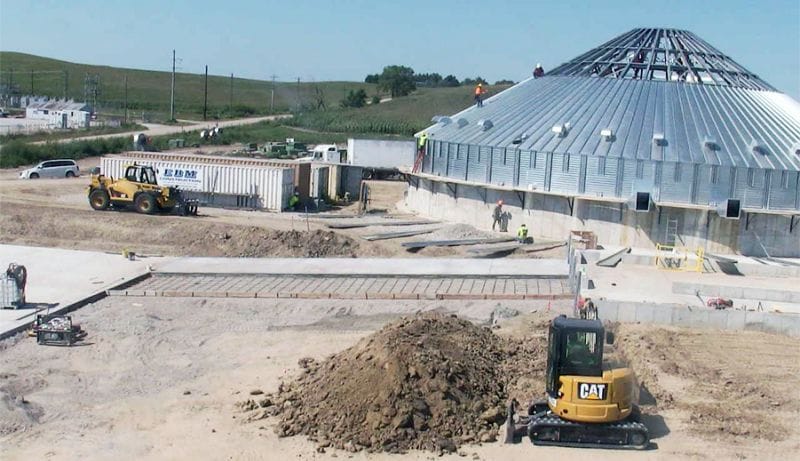
Whether you choose your own subcontractor for the erection phase or you want to install everything together with us, a Richi supervisor will be around to make sure everything is mounted in a safe and thorough way.

● Training
Staff Training
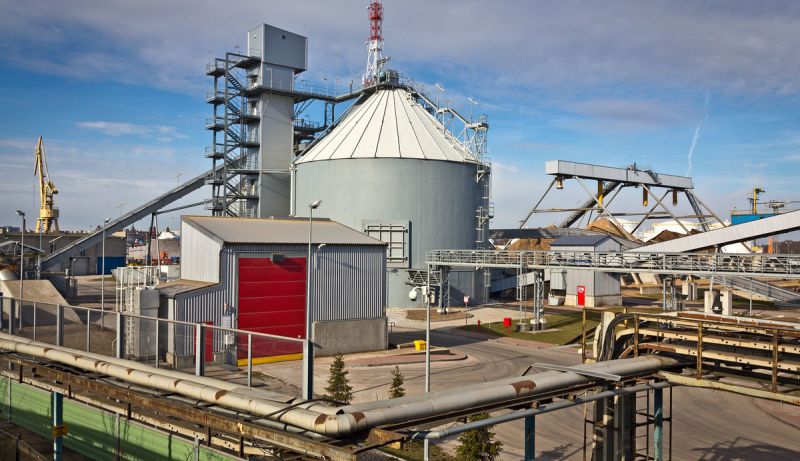
We provide comprehensive training for the technicians of each cattle feed mill in Oman project. We can also continue to provide support for the technicians during latter project operation.
● After-sales
Project Follow-Up
When everything is up and running our Richiers will help you further whenever needed. We are ready to answer your call 24/7.We’ll also visit you regularly to learn about your needs.
Who we are
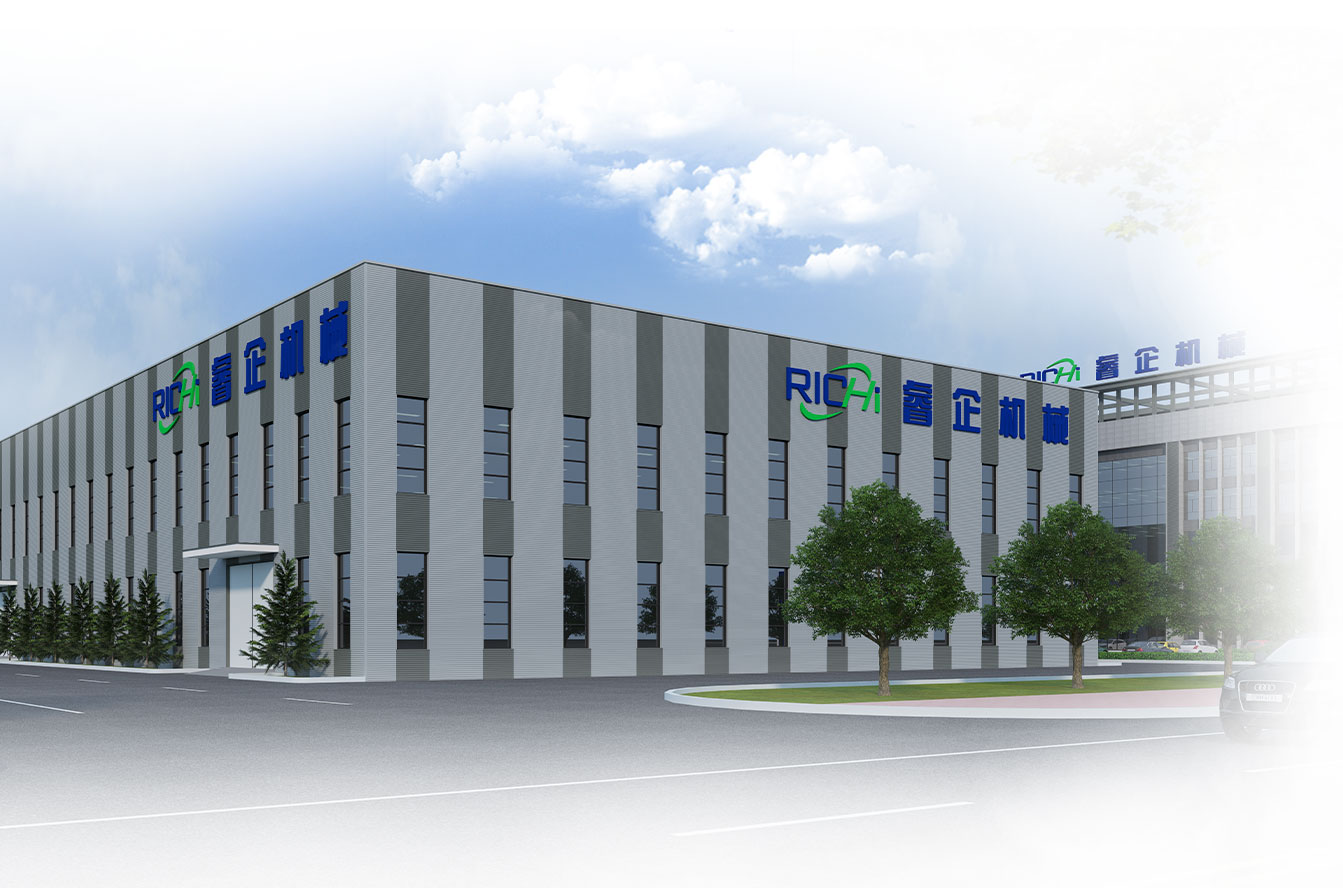
RICHI Machinery is one of the world’s leading suppliers of technology and services for the animal feed, aqua feed and pet food industries, also the largest pellet production line manufacturer in China.
Since 1995, RICHI’s vision to build a first-class enterprise, to foster first-class employees, and to make first-class contributions to society has never wavered.
In the past three decades, we have expanded our business to a wide range of areas, including animal feed mill equipment, aqua feed equipment, pet feed equipment, biomass pellet equipment, fertilizer equipment, cat litter equipment, municipal solid waste pellets equipment, etc.

1995
RICHI Established

2000+
Serving More Than 2000 Customers

120+
RICHI Employees

140+
Exported To 140 Countries