 0086-138 3838 9622
Rice Husk Pelletizing System in Sri Lanka
This is a project about a rice husk pelletizing system in Sri Lanka. When people talk about renewable energy and sustainable agribusiness in Sri Lanka, they often think about large biomass plantations or big companies with sophisticated technology.
But sometimes, the most compelling stories come from smaller, determined businesses that adapt to changing realities and see opportunities where others see agricultural waste.
This is exactly what happened with this 2-3 tons per hour rice husk pellet project — a story that reflects patience, adaptability, and how a partnership with RICHI Machinery turned an initial idea into a practical, profitable solution.

RICHI MACHINERY
overview
Back on June 24, 2022, a Sri Lankan entrepreneur reached out to RICHI Machinery with a clear but ambitious request: “What are the machines available for product by using King Grass?? Can you send me some pictures and operational videos. We need 130Mt per day. 5-8MT/hr. Are from China?? Do you have productions facility by using King Grass.”
At that time, the plan was big — to process King Grass into biomass pellets at a scale of up to 5–8 tons per hour. The client was looking for full technical support, pictures, videos, and wanted to see proof that such facilities could run successfully.
Over the next two and a half years, reality intervened. Land use issues, raw material collection challenges, and changing local policies made large-scale King Grass cultivation more complicated than expected. However, instead of giving up, the client — who runs a mid-sized agri-business with links to local rice mills — decided to pivot.
Sri Lanka’s rice processing industry generates thousands of tons of rice husk every season, most of which goes underutilized or burned inefficiently. Seeing this waste piling up while fuel costs rose sharply, the client decided to focus instead on turning this abundant by-product into fuel pellets.
This pivot reduced logistics headaches, turned a disposal problem into profit, and allowed the business to keep its renewable energy goals alive on a practical, local scale.
2-3T/H
capacity
$79,030
investment
Sri Lanka
location
Biomass
project type
RICHI MACHINERY
Sealing the Deal: A Realistic Step Forward
After two and a half years of site visits, design adjustments, financial planning, and many rounds of technical discussion, the client finalized the plan for a compact but efficient 2–3T/H rice husk pelletizing system in Sri Lanka. On December 3, 2024, they signed the contract with RICHI Machinery, locking in a project value of $79,030 USD.
For the client, this rice husk biomass pellet production line solves multiple challenges at once: it cuts waste handling costs, creates a new revenue stream by selling rice husk pellets to local industries and households, and reduces dependency on imported fuels and charcoal — a major plus in today’s volatile energy markets.
RICHI MACHINERY
Local Resources: Rice Husk, the Forgotten Treasure
Sri Lanka’s rice belt regions generate huge amounts of rice husk as a by-product of milling. Traditionally, this husk is burned inefficiently in open pits or used in rudimentary stoves, wasting its full energy potential and contributing to local air pollution.
By investing in pelleting technology, the client can now convert this loose, low-density material into uniform, high-energy fuel pellets. These pellets burn cleaner, transport more efficiently, and store safely for longer periods.
The main raw material for this rice husk pelletizing system in Sri Lanka project is 100% rice husk collected directly from the client’s partner rice mills. Moisture control is simple thanks to Sri Lanka’s warm climate — any excess moisture is managed through basic sun drying or mechanical dryers if needed. The husk does not require chemical additives, keeping the operation natural and cost-efficient.
RICHI MACHINERY
The Processing Flow: Simple, Proven, Reliable
RICHI’s engineering team designed a straightforward but robust flow, perfectly suited to local operators with basic training. The entire rice husk pelletizing system in Sri Lanka follows this logical sequence:
Feeding → Crushing → Pelleting → Cooling → Screening → Packing
Here’s how it works in detail:
- Feeding: Raw rice husk is transported to the feeding section, where it’s checked for stones or debris. Clean husk goes through an initial size check to ensure it fits the hammer mill’s requirements.
- Crushing: Though rice husk is already small, a hammer mill ensures uniform particle size, improving pellet density and durability. This step is key — inconsistent size leads to jammed pellet dies and poor quality pellets.
- Pelleting: The prepped husk enters the core of the system — a ring die rice husk pellet machine — where it’s pressed under high pressure and temperature to form tight, uniform fuel pellets. The friction and compression naturally bind the husk fibers without chemical binders.
- Cooling: Fresh pellets come out hot and slightly moist from the press. A counterflow cooler brings the pellets down to ambient temperature and safe storage moisture levels, crucial for Sri Lanka’s humid climate.
- Screening: A vibrating screen separates fines or broken pellets, ensuring only solid, market-ready product goes into final bags.
- Packing: Finished pellets are bagged in 20–40 kg sacks or bulk bags, depending on customer orders. Clear labeling ensures traceability for local buyers.
RICHI MACHINERY
More Than Rice Husk: Flexibility for the Future
Though the main goal today is to produce rice husk pellets for fuel, this rice husk pelletizing system in Sri Lanka isn’t limited to just one raw material. With simple adjustments, the same pelleting line can handle other local biomass wastes: coconut husk powder, sawdust from small furniture workshops, or chopped palm fronds and other agro-waste.
This flexibility means that as the client’s network grows, they can accept different raw materials, create customized pellet blends, or even step into small-scale animal bedding pellets — a niche but growing market in Sri Lanka’s expanding poultry and pet industries.
RICHI MACHINERY
The Machines That Make It Work
Every piece of this 2–3T/H rice husk pelletizing system in Sri Lanka is selected to balance performance, reliability, and easy maintenance. For a Sri Lankan business operating in rural areas with limited high-tech support, this practical approach makes all the difference.
The rice husk pellet plant includes:
- A robust hammer mill that reduces particle size evenly, extending die life and improving pellet density.
- A heavy-duty ring die biomass pellet mill designed for high pressure and continuous operation.
- A counterflow cooler that stabilizes pellet quality and prevents mold during storage.
- A vibrating screen that ensures only top-grade pellets are packed.
- A simple but durable packing system for easy handling and shipping.
Together, these machines transform a dusty by-product into a clean-burning, value-added fuel ready for households and small industries alike.
RICHI MACHINERY
A Practical Future for Pellet Fuel in Sri Lanka
Sri Lanka’s energy landscape is changing. With rising electricity costs, fuel imports under pressure, and rural communities looking for affordable alternatives, rice husk pellets offer a real solution. They can be used in household stoves, industrial boilers, or even for small power generation units in off-grid areas.
Moreover, the government has increasingly promoted renewable energy and low-emission fuel sources. Businesses like this one are perfectly positioned to benefit from supportive policies, growing awareness, and rising demand for cleaner energy.
By turning what was once agricultural waste into a stable income stream, this small plant shows other rice millers and farmers what’s possible when waste is seen as a resource, not a nuisance.
RICHI MACHINERY
A Story of Patience and Partnership
It’s worth remembering that this deal wasn’t signed overnight. From the first King Grass inquiry on June 24, 2022, to the final contract on December 3, 2024, the journey took two and a half years.
Many would have abandoned the idea when the original plan for large-scale King Grass fell through. But the client stayed engaged, kept asking questions, and trusted RICHI Machinery’s team to help adapt the plan to new realities.
RICHI’s role wasn’t just to sell machines. It was to guide the client through raw material testing, capacity planning, site layout, staff training, and financial calculations. This open collaboration meant the final system perfectly matched the client’s actual raw materials, local labor skills, and budget.
RICHI MACHINERY
A Blueprint for Others
At $79,030 USD, this 2–3T/H rice husk pelletizing system in Sri Lanka is an achievable, practical investment for other small- to mid-sized agri-businesses in Sri Lanka. It proves that you don’t need massive plantations or high-tech labs to run a successful pellet plant. You just need local raw material, the right partner, and the commitment to see it through.
Other rice mill owners can learn from this story. The waste piling up outside the mill yard is not a headache — it’s a hidden profit center. With pelletizing, that pile of husk can heat homes, run boilers, or replace imported fossil fuels in small industries.
RICHI MACHINERY
A Small Plant, A Big Step Forward
For the client, the new rice husk pelletizing system in Sri Lanka is more than a machine — it’s a statement of what local businesses can do when they combine local resources with smart technology. It’s proof that Sri Lanka’s renewable energy goals are within reach — not just for big corporations, but for small businesses that know how to adapt.
And for anyone considering a similar project, this story shows what a difference it makes to have a partner like RICHI Machinery — a team that listens, customizes, and stays the course, whether you stick with your first plan or pivot to something better.
When the raw material changes, the plan can change — but the dream of sustainable, local value never has to die. In Sri Lanka’s rice fields, that’s not just talk — it’s now a bag of pellets ready to burn clean and profitably, one truckload at a time.
● RICHI MACHINERY
RICHI Service

● Consulting
Customer Consultation
We want to have a deep understanding of your industrial process, to know your exact needs of feed, wood, biomass, fertilizer or other pellet processing.

● Design
biomass Pellet Plant Design
Based on your unique situation and industrial process, we will tailor complete pellet plant you need, and inform you of every additional detail that could facilitate operation, minimize total cost.
● Manufacturing
Equipment Manufacturing
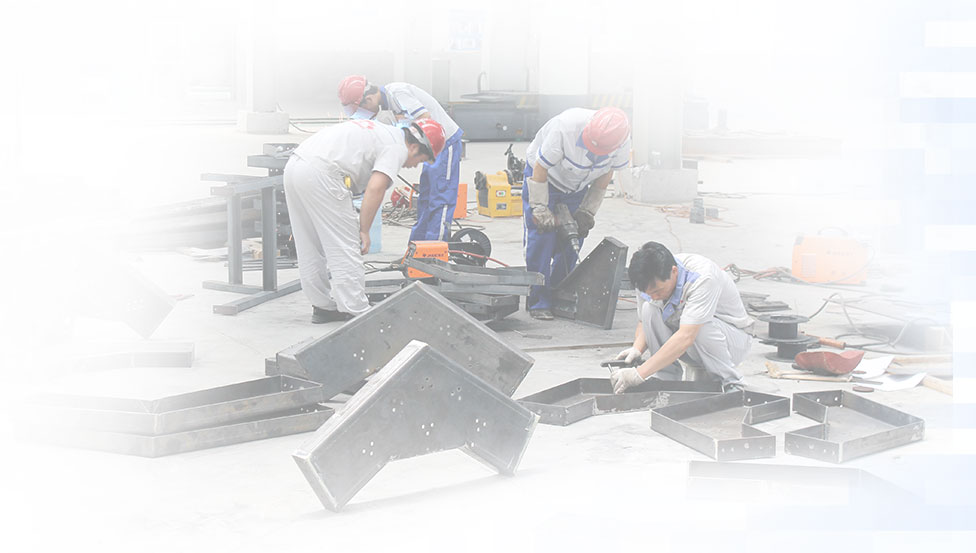
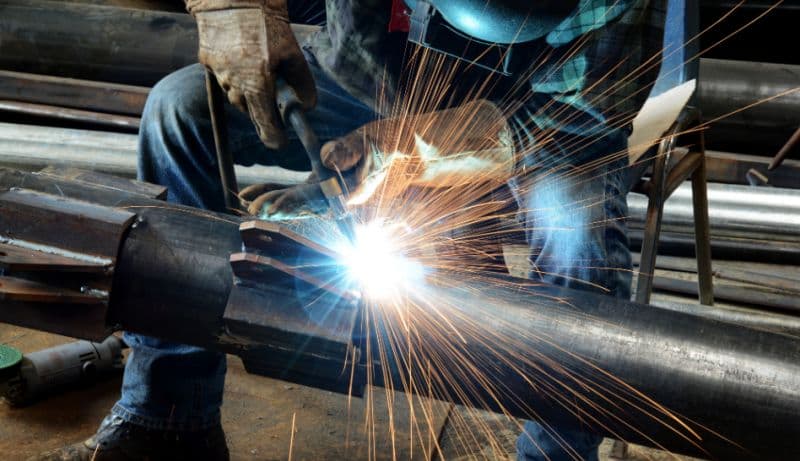
The critical components of the of the complete rice husk pellet production line equipment are built in our own workshops in Asia. Additional equipment is manufactured by our worldwide network of reliable partners.
● Testing
Quality Inspection & Testing
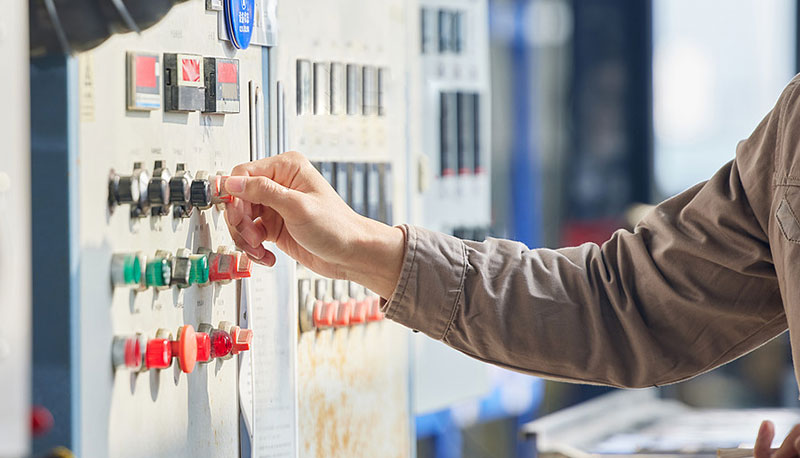
Before leaving the factory, all equipment will be inspected by the quality inspection department. We can also provide customers with testing services from a single machine to a Sri Lanka rice husk pelletizing system, and provide you with real actual data for “worry-free use.”

● Delivery
Equipment Delivery
In equipment boxing and packaging, we adopt professional packaging and modular solutions to ensure the safe and non-destructive delivery of rice husk pellet plant equipment.
● Installation
Installation & Commissioning
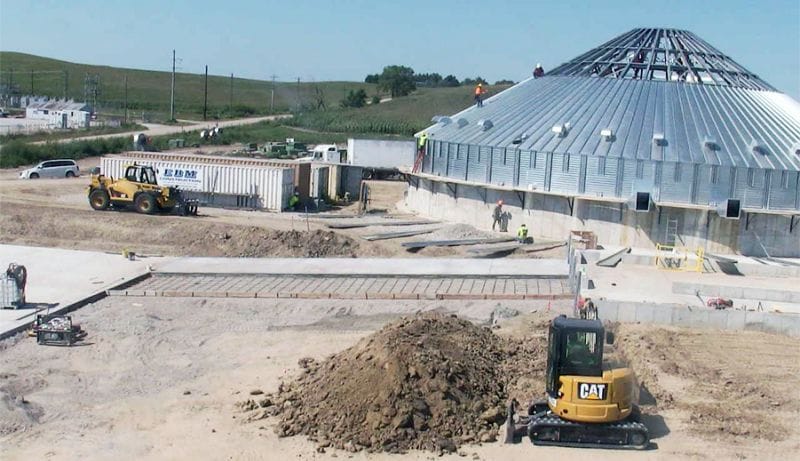
Whether you choose your own subcontractor for the erection phase or you want to install everything together with us, a Richi supervisor will be around to make sure everything is mounted in a safe and thorough way.

● Training
Staff Training
We provide comprehensive training for the technicians of each biomass pellet project. We can also continue to provide support for the technicians during latter project operation.
● After-sales
Project Follow-Up
When everything is up and running our Richiers will help you further whenever needed. We are ready to answer your call 24/7.We’ll also visit you regularly to learn about your needs.
Who we are
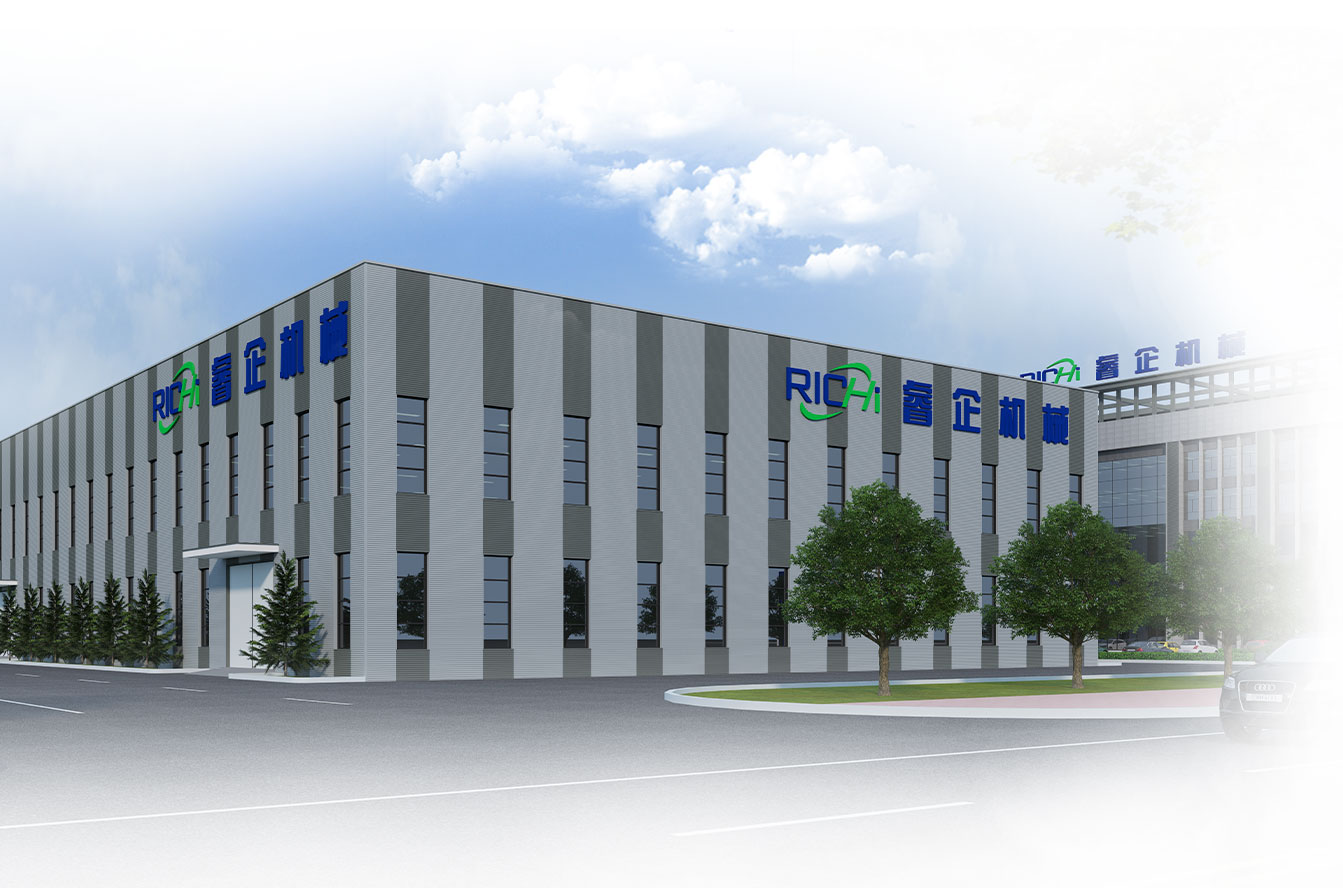
RICHI Machinery is one of the world’s leading suppliers of technology and services for the animal feed, aqua feed and pet food industries, also the largest pellet production line manufacturer in China.
Since 1995, RICHI’s vision to build a first-class enterprise, to foster first-class employees, and to make first-class contributions to society has never wavered.
In the past three decades, we have expanded our business to a wide range of areas, including animal feed mill equipment, aqua feed equipment, pet feed equipment, biomass pellet equipment, fertilizer equipment, cat litter equipment, municipal solid waste pellets equipment, etc.

1995
RICHI Established

2000+
Serving More Than 2000 Customers

120+
RICHI Employees

140+
Exported To 140 Countries