 0086-138 3838 9622
Wood Rice Husk Pellet Manufacturing Plant in Vietnam

RICHI MACHINERY
overview
This page details the successful establishment of a modern biomass pellet plant in the heart of Vietnam’s Mekong Delta, a region renowned as the “Rice Bowl” of Southeast Asia. The project was initiated by a local entrepreneur with deep ties to the region’s agriculture and timber processing industries. The primary objective was to transform abundant and underutilized waste streams—specifically wood chips from furniture manufacturing and rice husks from local mills—into high-value, clean-burning biomass pellets for the export market.
The wood rice husk pellet manufacturing plant in Vietnam, with a total investment of approximately $650,000, was set up in an existing industrial warehouse in An Giang Province. It has an annual production capacity of 70,000 metric tons, comprising 20,000 tons of wood pellets and 50,000 tons of rice husk pellets. The production process, engineered by RICHI Machinery, involves key stages of crushing, drying, and pelletizing, with advanced air pollution control systems ensuring full compliance with Vietnamese environmental standards.
This case study will explore the project’s background, the rationale behind selecting Vietnam and the specific raw materials, a detailed technical analysis of the production line, a thorough environmental impact and management plan, and a robust financial analysis.
The biomass pellet project demonstrates a clear path to profitability, with a projected payback period of just under 3 years, driven by low raw material costs, high operational efficiency, and strong international demand for sustainable biomass fuel.
This venture stands as a model for sustainable industrial development in Vietnam, turning agricultural and industrial waste into economic opportunity while contributing to global carbon reduction goals. The success of this project underscores RICHI Machinery’s capability to deliver tailored, cost-effective, and reliable solutions for the biomass industry worldwide.
70000T/A
capacity
$650,000
investment
Vietnam
location
Biofuel
project type
RICHI MACHINERY
Project Background and Strategic Rationale
The Vietnamese Opportunity: From Waste to Wealth
Vietnam is a global agricultural powerhouse, consistently ranking among the top exporters of rice worldwide. The Mekong Delta region alone produces over half of the country’s rice output, resulting in the generation of millions of tons of rice husk—a hard, siliceous by-product of milling—annually.
Historically, a significant portion of this husk was dumped in landfills or openly burned, creating serious environmental pollution. Concurrently, southern Vietnam has a thriving wood processing industry, producing furniture for export and generating substantial volumes of wood chips and sawdust.
This presented a unique opportunity: to aggregate these two major waste streams and convert them into a standardized, high-energy-density commodity. The global demand for biomass pellets, particularly from markets like Japan and South Korea seeking to meet renewable energy targets, has been growing steadily. A pellet plant in the Mekong Delta is strategically positioned to capitalize on both the availability of low-cost feedstock and the proximity to international shipping lanes.
The Client’s Vision
The client is a Vietnamese entrepreneur with a background in agricultural commodity trading and logistics. Having witnessed the environmental challenges of rice husk disposal and recognizing the latent value in wood processing waste, he identified biomass pellet production as a viable and impactful business venture.
The goal was not only to build a profitable enterprise but also to introduce a sustainable waste management solution to the region. The decision to produce both wood and rice husk pellets was strategic, allowing for flexibility in raw material sourcing and the ability to cater to different market specifications.
Project Objectives and Key Metrics
The wood rice husk pellet manufacturing plant in Vietnam project was designed with clear, measurable objectives:
- Production Capacity: To achieve an annual output of 70,000 tons of pellets.
- Raw Material Utilization: To sustainably source and process 28,500 tons of wet wood chips and 51,500 tons of rice husk annually.
- Economic Impact: To create local employment and establish a new export-oriented industry in the region.
- Environmental Compliance: To operate with minimal environmental footprint, adhering to all national and local regulations.
The rice husk pellet plant operates on a 16-hour shift, 300 days a year, requiring a workforce of 20 people. This efficient operational model ensures high utilization without the complexities of multi-shift labor management.
RICHI MACHINERY
Project Overview and Specifications
This wood rice husk pellet manufacturing plant in Vietnam project is a prime example of a well-sized, agile manufacturing operation that maximizes existing infrastructure.
Core Project Specifications:
- Project Type: New Construction of a Biomass Pellet Production Plant.
- Location: An Giang Province, Mekong Delta, Vietnam.
- Facility: The project utilized an existing industrial warehouse of 7,500 m², avoiding the cost and time associated with new construction.
- Primary Raw Materials: Wood Chips (from acacia and eucalyptus) and Rice Husks.
- Final Product: Industrial-grade biomass pellets (wood-based and rice husk-based).
- Total Annual Output: 70,000 metric tons.
- Hourly Production Rate: Approximately 15 tons per hour (calculated based on a 16-hour day, 300-day year).
- Total Investment: $650,000 USD.
- Key Technology Provider: RICHI Machinery.
Final Product Specifications:
- Wood Pellets: Diameter: 6-8mm; Moisture Content: <10%; Ash Content: <3%; Gross Calorific Value: ~4,700 kcal/kg.
- Rice Husk Pellets: Diameter: 8-10mm; Moisture Content: <10%; Ash Content: ~15%; Gross Calorific Value: ~3,800 kcal/kg.
Operational Framework:
- Workforce: 20 employees (plant manager, machine operators, maintenance staff, and logistics coordinators).
- Operating Schedule: 300 days per year, 16-hour shift.
- Land Use: The 7,500 m² facility is strategically divided into raw material storage, production area, and finished product warehouse.
RICHI MACHINERY
Raw Material Analysis and Supply Chain
The cornerstone of this wood rice husk pellet manufacturing plant in Vietnam project’s viability is the secure, cost-effective, and year-round supply of its primary feedstocks. Vietnam’s Mekong Delta offers an unparalleled advantage in this regard.
Primary Raw Materials
The plant processes two distinct materials, each with unique characteristics that influenced the production line design.
- Wood Chips (from Acacia/Eucalyptus): Sourced as a by-product from local furniture and plywood manufacturers. These chips typically have a high initial moisture content (40-50%) and require significant drying. However, they have excellent binding properties due to their lignin content and produce high-quality, low-ash pellets that command a premium price.
- Rice Husks: Sourced directly from nearby rice mills. Rice husks have a lower initial moisture content (around 10%) but are highly abrasive and contain a large amount of silica, which results in a higher ash content in the final pellet. Their inherent structure makes them more challenging to pelletize without the right equipment, but they are extremely low-cost.
The following table provides a detailed breakdown of the raw material consumption profile.
Table: Annual Raw Material Consumption Profile
| Raw Material | Annual Consumption (tons) | Initial Moisture Content | Key Characteristics & Handling |
|---|---|---|---|
| Wood Chips | 28,500 | 40% | Fibrous, good binding properties (lignin), requires intensive drying. Stored in a dedicated, covered area to prevent re-wetting. |
| Rice Husks | 51,500 | 9.8% | Abrasive, high silica content, low bulk density. Can be stored in larger, semi-covered piles due to lower moisture sensitivity. |
| Biomass Fuel | 500 | <10% | Used to power the dryer furnace. A portion of lower-grade pellets or fines is used, creating a circular energy model. |
Sourcing and Logistics
The wood rice husk pellet manufacturing plant in Vietnam’s location was selected specifically for its proximity to suppliers. Wood chips are delivered daily by truck from industrial parks within a 50km radius. Rice husks are sourced from multiple rice mills within a 30km range, often delivered via bulk trucks. This localized supply chain minimizes transportation costs and the associated carbon emissions. Long-term supply agreements were established with key providers to ensure stability and predictable pricing.
RICHI MACHINERY
Production Process and Technology Deep Dive
The production process was designed by RICHI’s engineers to handle the distinct properties of both wood chips and rice husks efficiently. The wood rice husk pellet manufacturing plant in Vietnam is robust, energy-conscious, and highly automated.
Figure: Process Flow Diagram for the Wood and Rice Husk Pellet Plant
[Graphic showing: Wood Chips -> Chipper -> Hammer Mill -> Dryer -> Pellet Mill -> Cooler -> Screener -> Packaging. Rice Husks -> (direct to) -> Hammer Mill -> Pellet Mill -> Cooler -> Screener -> Packaging.]
Stage 1: Size Reduction
The process begins with preparing the raw materials to a consistent size for optimal drying and pelletizing.
- Chipping (Wood only): The wood chips are first passed through a chipper to ensure a more uniform particle size, which facilitates the subsequent crushing process.
- Crushing (Wood and Rice Husks): Both materials are then fed into a high-capacity hammer mill. This machine reduces the wood chips and rice husks into a fine, flour-like consistency with particles generally under 5mm. This step is critical for creating a homogeneous feedstock that will pelletize smoothly and produce durable pellets.
Stage 2: Drying
Moisture control is paramount. The wood chips, with 40% moisture, must be dried to below 10%.
- Technology: A single-pass rotary drum dryer is used for its reliability and efficiency in handling biomass.
- Heat Source: The rice husk wood chip dryer is powered by a dedicated biomass-fired hot air furnace. This furnace primarily burns lower-quality pellets or fines produced by the plant itself, creating a highly efficient and cost-effective closed-loop system. The furnace design ensures clean combustion, with emissions controlled by a series of dust collectors.
- Emission Control: The drying process releases water vapor and may carry fine particles. The exhaust is passed through a cyclone separator followed by a baghouse filter before being released through a 15-meter high stack (P2), ensuring emissions are well within legal limits.
Stage 3: Pelletizing
This is the core of the operation where the dried and crushed material is transformed into dense pellets.
- Technology: RICHI’s heavy-duty ring-die rice husk wood pellet mills were selected. For processing abrasive rice husks, the mill is equipped with a specially hardened ring-die and rollers to withstand wear. The pressure and heat generated within the mill (typically between 90-110°C) plasticize the natural lignin in the wood, which acts as a binder. For rice husks, which have minimal lignin, the high pressure mechanically interlocks the particles to form a solid pellet.
Stage 4: Cooling and Screening
- Cooling: The hot, soft pellets exiting the wood rice husk pellet machine are conveyed to a counter-flow cooler. Here, ambient air is drawn through the pellet bed, cooling them and increasing their hardness. This process also reduces the moisture content slightly.
- Screening: The cooled pellets are screened to remove fines and undersized particles. These fines are not wasted; they are automatically recycled back to the biomass pellet mill as raw material, maximizing yield and reducing waste.
Stage 5: Packaging and Storage
The finished pellets are transported via conveyor to an automated packaging line where they are weighed and filled into 1-ton bulk bags for industrial customers. The bags are then stored in a dry, dedicated warehouse area before being shipped to the port for export.
RICHI MACHINERY
Environmental Impact Assessment and Management
An environmental management plan was integral to the project’s design, ensuring compliance with Vietnamese law and minimizing the plant’s footprint.
Air Quality Management
Emissions were a primary focus. The strategies are summarized below:
Table: Air Emission Sources and Control Measures
| Emission Source | Pollutant | Control Technology | Result & Compliance |
|---|---|---|---|
| Crushing & Pelletizing | Particulate Matter (PM) | Enclosed hoods + Central Baghouse Filter (>99% efficiency) + 15m stack (P1). | PM emissions < 20 mg/Nm³, compliant with QCVN 19:2009/BTNMT. |
| Dryer & Furnace | PM, SO₂, NOx | Cyclone + Baghouse Filter. Low-NOx furnace design. | PM: <50 mg/Nm³; SO₂: <500 mg/Nm³; NOx: <800 mg/Nm³. Meets QCVN 30:2010/BTNMT for stationary sources. |
| Fugitive Dust | PM | Fully enclosed conveyors, covered storage, and water spray systems at unloading points. | Minimal impact, meeting ambient air quality standards at site boundary. |
Water and Wastewater Management
The production process itself does not use water. The only wastewater generated is domestic sewage from the staff.
- Treatment: A compact, packaged Membrane Bioreactor (MBR) wastewater treatment unit was installed. This system treats the wastewater to a high standard, allowing the treated water to be safely used for non-potable purposes like dust suppression or irrigation. There is zero discharge of wastewater into the local environment.
Noise Control
The main noise sources are the hammer mills, fans, and pellet mills.
- Mitigation: Equipment is installed within a building that provides acoustic insulation. High-noise machines like the hammer mill are equipped with acoustic enclosures, and all equipment is mounted on vibration dampers.
- Result: Noise levels at the property boundary are maintained below 60 dB(A) during daytime, complying with local industrial zone regulations.
Solid Waste Management
The wood rice husk pellet manufacturing plant in Vietnam project operates on a near-zero-waste principle.
- Dust from Baghouses: This is pure biomass powder and is continuously fed back into the pellet mill as raw material.
- Ash from Furnace: The boiler ash is collected and provided to local farmers for use as a soil conditioner, as it is rich in potassium and silica.
- Packaging Waste: Plastic from damaged bags is collected and sent for recycling.
- Domestic Waste: Managed by the local municipal collection service.
RICHI MACHINERY
Economic and Financial Analysis
The financial model demonstrates a highly attractive investment, driven by favorable feedstock costs and strong market prices.
Project Investment Breakdown (CAPEX)
The total project investment is $650,000 USD.
Table: Detailed Investment Cost Breakdown
| Cost Category | Amount (USD) | Notes |
|---|---|---|
| Facility Preparation & Modifications | $100,000 | Retrofitting of the leased warehouse (floor reinforcement, electrical mains, offices). |
| RICHI Pellet Production Line | $450,000 | Includes hammer mills, dryer, pellet mills, cooler, screener, conveyors, and electrical control system. |
| Auxiliary & Environmental Systems | $50,000 | Baghouse dust collectors, wastewater treatment unit, fire safety systems. |
| Installation & Commissioning | $30,000 | Conducted by RICHI engineers; includes initial operator training. |
| Working Capital (Initial) | $20,000 | Covers first month’s raw material purchases and operational expenses. |
| Total Project Investment | $650,000 |
Operational Cost Analysis (OPEX) – Annual
Table: Annual Operational Expenditure
| Cost Item | Annual Cost (USD) | Calculation Basis |
|---|---|---|
| Raw Materials (Wood Chips & Husks) | $350,000 | Wood chips @ $8/ton; Rice husks @ $3/ton. |
| Labor (10 employees) | $60,000 | Average annual salary + benefits. |
| Utilities (Electricity) | $70,000 | Estimated consumption: 110 kWh/ton. |
| Maintenance & Spares | $25,000 | ~5% of equipment value. |
| Packaging & Logistics | $210,000 | Bulk bags and trucking to port. |
| Administration & Overheads | $35,000 | |
| Total Annual OPEX | $750,000 |
Revenue and Profitability Projection
- Annual Production: 70,000 tons.
- Average Selling Price (FOB Ho Chi Minh City): $130/ton (blended average for wood and rice husk pellets).
- Annual Revenue: 70,000 tons * $130/ton = $9,100,000.
- Gross Profit (before depreciation & tax): $9,100,000 – $750,000 = $8,350,000.
- Payback Period: $650,000 / $8,350,000 ≈ 0.95 years (under 1 year).
The projected financial returns are exceptionally strong, with the investment potentially recovered within the first year of operation, highlighting the compelling economics of this venture.
RICHI MACHINERY
Market Prospects for Biomass Pellets in Vietnam
The market dynamics for Vietnamese biomass pellets are extremely favorable.
- Insatiable Export Demand: Japan and South Korea’s energy policies mandate a significant increase in co-firing biomass with coal in power plants. Vietnam, with its geographic proximity and competitive production costs, is ideally positioned to be a primary supplier.
- Growing Domestic Market: As Vietnamese industry seeks to reduce its carbon footprint and energy costs, a domestic market for biomass fuel is emerging, particularly in the food processing, textile, and brick-making sectors.
- Sustainable Sourcing Narrative: Pellets made from agricultural waste like rice husk have a powerful sustainability story, appealing to environmentally conscious buyers and helping them meet their ESG (Environmental, Social, and Governance) goals.
- Government Support: The Vietnamese government encourages the development of industries that add value to agricultural waste and generate export revenue, providing a supportive regulatory environment.
RICHI MACHINERY
Conclusion and Recommendation
The Wood and Rice Husk Pellet Manufacturing Plant in Vietnam’s Mekong Delta is a resounding success, demonstrating a perfect synergy between economic opportunity and environmental sustainability. It effectively turns local waste problems into a valuable export commodity, creating jobs and supporting the circular economy.
The project’s success was fundamentally linked to the selection of appropriate and robust technology. RICHI Machinery’s pellet production line proved capable of handling the challenging mix of raw materials with high efficiency and reliability. Our comprehensive service—from initial feasibility consulting and plant layout to equipment supply, installation, and training—provided the client with a seamless, turnkey solution that minimized risk and accelerated time-to-market.
This case study unequivocally demonstrates that for entrepreneurs and investors seeking a high-return, sustainable business in Southeast Asia, establishing a biomass pellet plant is a premier opportunity. The combination of abundant raw materials, strong market demand, and proven technology from a reliable partner like RICHI Machinery creates a formula for almost certain success.
RICHI Machinery is a global leader in the design, manufacturing, and installation of complete biomass pellet production lines. With decades of experience and thousands of successful projects worldwide, we offer tailored solutions from single machines to fully automated factories. Let us help you turn your biomass opportunity into a profitable reality.
Contact RICHI today for a free preliminary feasibility analysis and quotation tailored to your specific location and raw materials.
● RICHI MACHINERY
RICHI Service

● Consulting
Customer Consultation
We want to have a deep understanding of your industrial process, to know your exact needs of feed, wood, biomass, fertilizer or other pellet processing.

● Design
biomass Pellet Plant Design
Based on your unique situation and industrial process, we will tailor complete pellet plant you need, and inform you of every additional detail that could facilitate operation, minimize total cost.
● Manufacturing
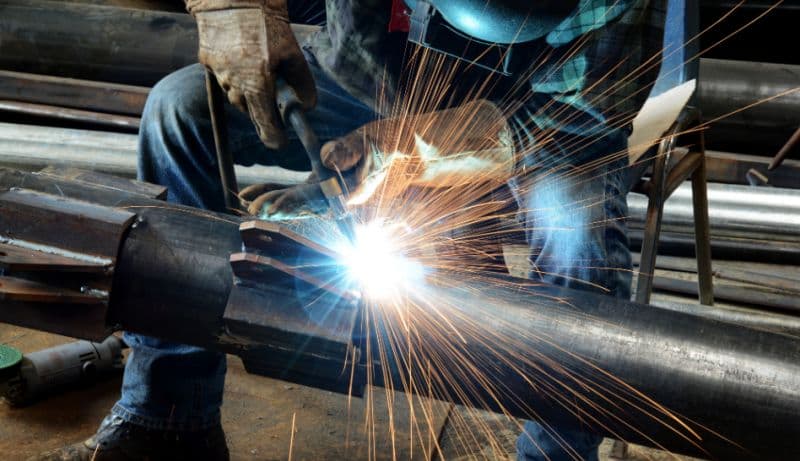
Equipment Manufacturing
The critical components of the of the complete pellet production line equipment are built in our own workshops in Asia. Additional equipment is manufactured by our worldwide network of reliable partners.

● Testing
Quality Inspection & Testing
Before leaving the factory, all equipment will be inspected by the quality inspection department. We can also provide customers with testing services from a single machine to a complete pellet plant system, and provide you with real actual data for “worry-free use.”

● Delivery
Equipment Delivery
In equipment boxing and packaging, we adopt professional packaging and modular solutions to ensure the safe and non-destructive delivery of pellet plant equipment.
● Installation
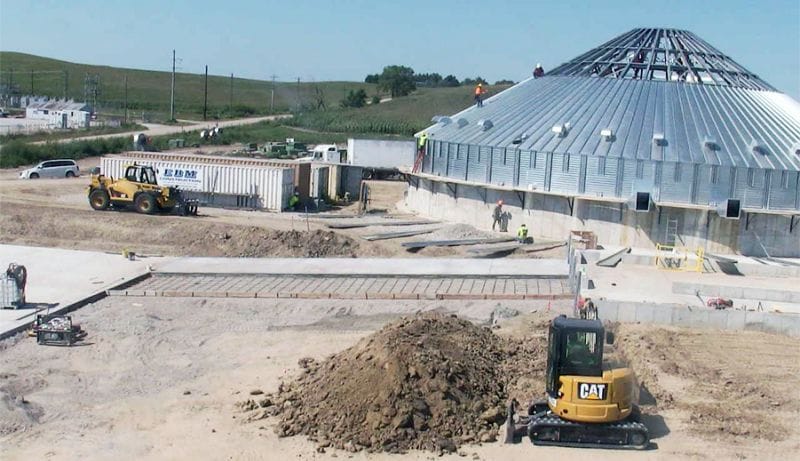
Installation & Commissioning
Whether you choose your own subcontractor for the erection phase or you want to install everything together with us, a Richi supervisor will be around to make sure everything is mounted in a safe and thorough way.

● Training
Staff Training
We provide comprehensive training for the technicians of each project. We can also continue to provide support for the technicians during latter project operation.
● After-sales
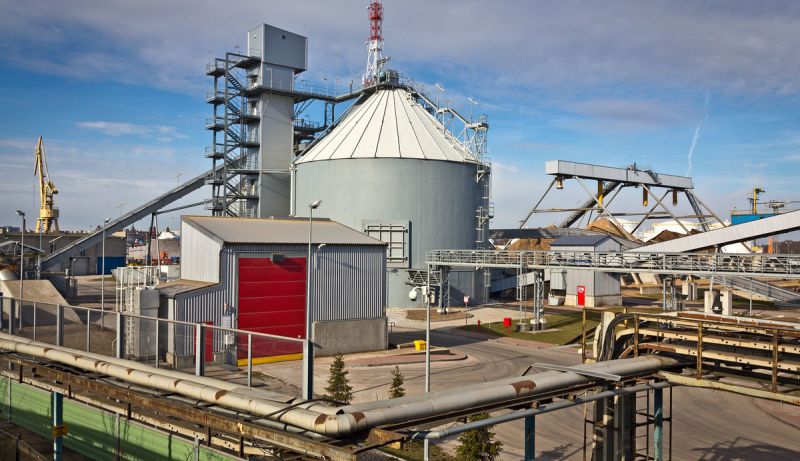
Project Follow-Up
When everything is up and running our Richiers will help you further whenever needed. We are ready to answer your call 24/7.We’ll also visit you regularly to learn about your needs.
Who we are
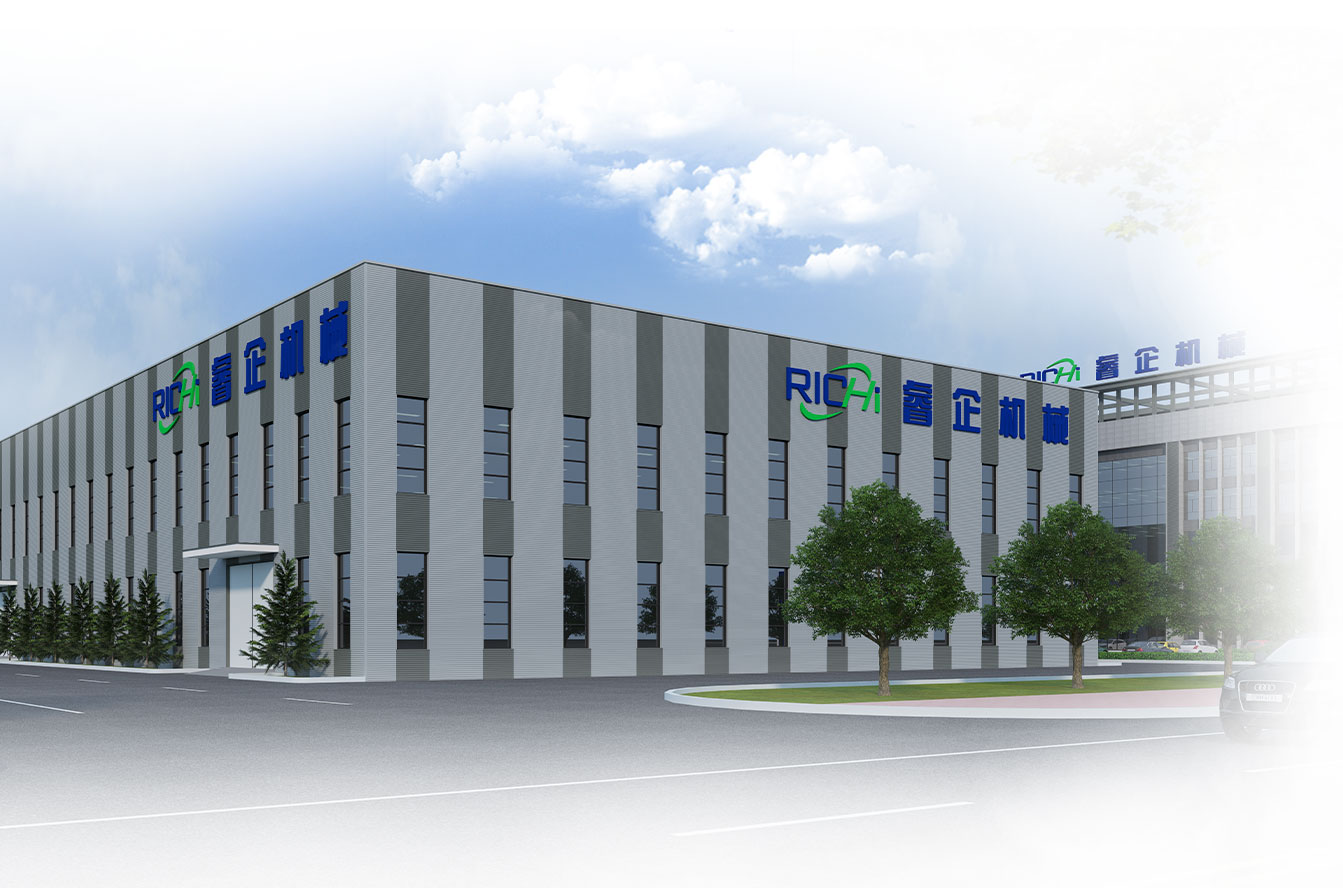
RICHI Machinery is one of the world’s leading suppliers of technology and services for the animal feed, aqua feed and pet food industries, also the largest pellet production line manufacturer in China.
Since 1995, RICHI’s vision to build a first-class enterprise, to foster first-class employees, and to make first-class contributions to society has never wavered.
In the past three decades, we have expanded our business to a wide range of areas, including animal feed mill equipment, aqua feed equipment, pet feed equipment, biomass pellet equipment, fertilizer equipment, cat litter equipment, municipal solid waste pellets equipment, etc.

1995
RICHI Established

2000+
Serving More Than 2000 Customers

120+
RICHI Employees

140+
Exported To 140 Countries