 0086-138 3838 9622
Large-Scale Wheat Straw Pellet Manufacturing Plant in Argentina

RICHI MACHINERY
overview
This page presents a comprehensive case study for the development of a decentralized wheat straw pellet manufacturing operation across the Pampas region of Argentina. The large-scale wheat straw pellet manufacturing plant in Argentina project, conceived by a consortium of local agricultural cooperatives, involves the establishment of 13 identical processing facilities strategically located within 13 different towns to optimize raw material sourcing and minimize logistical costs.
Each facility is designed to process 75,000 tons of locally sourced wheat straw annually, producing 60,000 tons of high-density, low-moisture biomass pellets. The combined annual production capacity of the entire network is 780,000 tons, positioning it as a major supplier in the global renewable energy market.
The primary objective of this initiative is to convert abundant agricultural waste into a valuable, clean-burning fuel source, thereby addressing the environmental issue of open-field straw burning, creating significant rural employment, and generating a new revenue stream for the agricultural sector.
This page details the project’s background, its alignment with national and regional policies, a thorough technical analysis of the production process, an in-depth environmental impact assessment, and a robust financial evaluation.
The biomass pellet project selected RICHI Machinery as its technology partner due to our proven expertise in designing and supplying complete pellet production lines for fibrous agricultural residues. Our solution incorporated energy-efficient grinding, drying, and pelleting systems, along with integrated environmental controls to ensure compliance with local regulations.
The total project investment was approximately $5.2 million, covering land preparation, civil works, all machinery and equipment, and initial working capital. The analysis concludes that the project is not only technically feasible and environmentally sound but also highly profitable, with a projected internal rate of return (IRR) exceeding 22%.
This case study serves as a testament to the viability of large-scale biomass pelletization in Argentina and demonstrates RICHI Machinery’s capability to deliver end-to-end solutions for complex, multi-site industrial projects.
8T/H
capacity
$400,000
investment
Argentina
location
Biofuel
project type
RICHI MACHINERY
Project Background and Strategic Rationale
The Argentine Context and Opportunity
Argentina stands as one of the world’s leading agricultural producers, with its vast Pampas region serving as the primary hub for wheat and grain cultivation. This immense agricultural activity generates a correspondingly large volume of crop residues, primarily wheat straw.
Historically, the most common method for disposing of this straw has been open-field burning, a practice that contributes significantly to air pollution, greenhouse gas emissions, and soil degradation. However, this “waste” product represents a substantial untapped resource.
Concurrently, global demand for renewable, carbon-neutral biomass fuels has been steadily rising, driven by international climate agreements and policies like the European Union’s Renewable Energy Directive (RED II). Biomass pellets, used for co-firing in power plants, industrial heating, and residential boilers, have become a standardized and traded commodity. Argentina, with its strategic ports and proximity to transatlantic shipping routes, is ideally positioned to become a key exporter of these pellets to European and other international markets.
The Client’s Vision
The client for this large-scale wheat straw pellet manufacturing plant in Argentina project is a federation of agricultural cooperatives based in the Province of Buenos Aires and surrounding areas. Facing increasing pressure to adopt more sustainable practices and seeking to diversify income sources for their members, the federation identified the pelletization of wheat straw as a strategic opportunity.
Rather than constructing a single, massive centralized plant that would incur high transportation costs for raw straw, the consortium opted for an innovative decentralized model. By building 13 smaller, standardized plants directly within the source regions, they could drastically reduce straw transport distances, stimulate local economies by creating jobs in each town, and build resilience into the supply chain.
Project Objectives
The key objectives of the large-scale wheat straw pellet manufacturing plant in Argentina project were:
- Environmental: To eliminate the practice of open burning of wheat straw across a significant area, thereby improving local air quality and reducing carbon emissions.
- Economic: To create a new, high-value product from a waste material, increasing profitability for local farmers and generating substantial export revenue.
- Social: To create skilled and semi-skilled employment opportunities in rural communities, helping to reverse urban migration trends.
- Technical: To implement a robust, efficient, and scalable production technology that could be replicated across multiple sites with consistent results.
RICHI MACHINERY
Project Overview and Specifications
The large-scale wheat straw pellet manufacturing plant in Argentina project entails the simultaneous development of 13 pellet manufacturing facilities. Each plant is a self-contained operation, designed for maximum efficiency and minimal environmental impact.
Core Project Specifications:
- Project Type: Network of 13 Biomass Pellet Production Plants.
- Location: 13 towns within the agricultural provinces of Argentina (e.g., towns in Buenos Aires, Córdoba, and Santa Fe).
- Primary Raw Material: Wheat Straw.
- Final Product: ISO-standard biomass pellets for industrial fuel use.
- Total Project Output: 780,000 metric tons per year.
- Individual Plant Output: 60,000 metric tons per year (equivalent to 8 tons per hour, operating 300 days/year on a 20-hour shift).
- Total Investment: Approximately $5.2 million.
- Key Technology Provider: RICHI Machinery.
Final Product Specifications:
- Diameter: 32 mm, 40 mm, 60 mm, and 80 mm (customizable based on customer demand).
- Density: 1.1 – 1.2 t/m³.
- Moisture Content: < 15%.
- Gross Calorific Value: ~4,200 kcal/kg (as received).
Workforce and Operation:
- Operational Days: 300 days per year.
- Shift Pattern: Single 20-hour shift per day (allowing 4 hours for maintenance and cleaning).
- Workforce per Plant: 20 employees (total direct employment: 260 individuals).
RICHI MACHINERY
Raw Material Analysis and Supply Chain
The success of a large-scale wheat straw pellet manufacturing plant in Argentina project is intrinsically linked to the secure, cost-effective, and sustainable supply of its raw materials. Argentina’s Pampas region offers an ideal environment for this project.
Primary Raw Material: Wheat Straw
Wheat straw is the primary residue from wheat harvesting. It is characterized by its high cellulose and lignin content, the latter being a natural polymer that acts as a binder during the pelletizing process under heat and pressure. However, it also presents challenges, including a high initial moisture content (often 40-50% after baling), low bulk density, and abrasive silica content.
Table: Raw Material Profile
| Parameter | Specification | Implication for Project Design |
|---|---|---|
| Annual Requirement (per plant) | 75,000 tons | Requires efficient logistics and storage. |
| Initial Moisture Content | 40-50% | Necessitates a robust and energy-efficient drying system. |
| Target Pellet Moisture | <15% | A key quality parameter for combustion and durability. |
| Ash Content | ~5-7% | Higher than ash, requiring appropriate furnace and boiler design. |
| Lignin Content | ~18-22% | Sufficient for binding, typically no need for additives. |
Sourcing and Logistics
Each of the 13 plants is located within a 30-50 km radius of extensive wheat farms. The straw is sourced through long-term contracts with the member cooperatives of the client federation. The straw is baled by farmers post-harvest and transported to the plants by truck.
The decentralized model is the key to logistical efficiency, ensuring that transport distances for the low-density straw are minimized, reducing costs and the carbon footprint of the supply chain.
Storage and Pre-processing
Each plant is equipped with a large, fully enclosed raw material storage warehouse capable of holding a 2-3 month supply of straw bales. This is critical for ensuring year-round operation despite the seasonal nature of the harvest. The enclosed storage prevents rewetting of the straw and mitigates any risk of dust or debris affecting the surrounding environment.
RICHI MACHINERY
Production Process and Technology Deep Dive
The production process was meticulously designed by RICHI’s engineering team to handle the specific characteristics of wheat straw, prioritizing energy efficiency, product quality, and operational reliability. The process flow is linear and highly automated.
Figure: Detailed Process Flow Diagram of the large-scale wheat straw pellet manufacturing plant in Argentina
[Graphic: A flowchart showing: Raw Straw Bales -> Coarse Crusher -> Fine Grinding (Hammer Mill) -> Drying (Rotary Dryer with Biomass Furnace) -> Pelletizing (Ring-Die Pellet Mill) -> Cooling (Counter-flow Cooler) -> Screening (Vibrating Screen) -> Packaging (Auto-bagging) -> Warehousing.]
Step 1: Crushing and Grinding
The process begins with the size reduction of the straw bales. Straw has a long, fibrous structure that must be broken down into a consistent, small-particle-size feedstock for effective drying and pelletizing.
- Coarse Crushing: Straw bales are first fed into a coarse crusher (or bale breaker) that shreds the large bales into smaller, manageable pieces.
- Fine Grinding: The shredded straw is then conveyed to a high-capacity hammer mill. Here, it is ground into a fine, flour-like consistency with a particle size of 3-5 mm. This uniform size is critical for creating high-quality, durable pellets. This stage is a significant source of dust, which is controlled by housing the equipment within an enclosed production hall and connecting it to a dedicated baghouse filtration system.
Step 2: Drying
The ground straw, with a moisture content of 40-50%, is unsuitable for pelletizing. The material must be dried to a precise moisture level of 12-15%.
- Technology: A single-pass rotary drum dryer is used for its high efficiency and ability to handle fibrous materials.
- Heat Source: The straw dryer is powered by a dedicated biomass hot air furnace, which consumes a portion of the produced pellets or lower-quality fines from the screening process. This creates a highly sustainable, closed-loop energy system, drastically reducing external fuel costs. The furnace is designed to burn the pellets cleanly, with emissions controlled by a baghouse filter. The hot gases (around 600-800°C) are mixed with ambient air to achieve the optimal drying temperature (250-300°C) before entering the dryer.
- Emission Control: The drying process releases large volumes of water vapor. The exhaust from the dryer, which also contains fine particles, is passed through a high-efficiency cyclonic separator and baghouse filter to capture any carry-over dust before the clean, moist air is released through a 15-meter stack.
Step 3: Pelletizing
The straw pellet machine is the core of the production process, where the dried and ground straw is transformed into dense pellets.
- Technology: RICHI M-series heavy-duty ring-die pellet mills were selected for their durability and efficiency. The ring-die is equipped with specially designed compression rollers and dies with a high L/D (Length/Diameter) ratio, which is essential for compressing the fibrous straw into firm pellets.
- The Science of Binding: No external binders are used. The heat (90-110°C) and extreme pressure generated inside the wheat straw pellet machine cause the natural lignin within the straw to plasticize. This molten lignin acts as a natural glue, binding the cellulose fibers together as the material is forced through the die holes. Upon exiting the die, the pellets are cut to the desired length and are structurally stable but very hot and soft.
Step 4: Cooling and Screening
- Cooling: The hot pellets (80-90°C) are conveyed to a counter-flow cooler. Ambient air is drawn through the bed of pellets, cooling them to within 5-10°C of the surrounding temperature. This cooling process is essential for hardening the pellets and reducing their moisture content by an additional 1-2%. The cooled pellets are now robust enough for handling and transport.
- Screening: The cooled pellets pass over a vibrating screen. Fines and broken pellets are separated out. These fines are not wasted; they are automatically recycled back into the process, fed directly into the pellet mill as raw material. This minimizes waste and maximizes yield.
Step 5: Packaging and Storage
The finished, screened pellets are transported to an automated packaging line where they are weighed and filled into 1-ton bulk bags (for industrial customers) or 15-25 kg consumer bags. The packaged product is then stored in a clean, dry warehouse, ready for shipment.
RICHI MACHINERY
Environmental Impact Assessment and Management
A thorough Environmental Impact Assessment (EIA) was conducted for the project, which formed the basis for the design of all mitigation measures. The large-scale wheat straw pellet manufacturing plant in Argentina project was found to be highly beneficial from a macro-environmental perspective (waste utilization, fossil fuel displacement) but required careful management of local impacts.
Air Quality Management
Emissions were the primary focus of the EIA. The following table summarizes the sources, control measures, and outcomes.
Table: Air Emissions and Control Summary
| Emission Source | Pollutant | Control Technology | Efficiency & Outcome |
|---|---|---|---|
| Grinding Process | Particulate Matter (Dust) | Dedicated Baghouse Filter (>99% efficiency) + 15m stack. | Emissions well below local limits (≤20 mg/Nm³). |
| Drying Process & Furnace | Particulate Matter, SO₂, NOx | Cyclone + Baghouse Filter for particulates. Low-nitrogen furnace design. | PM: <50 mg/Nm³; SO₂: <150 mg/Nm³ (straw has low sulfur); NOx: <200 mg/Nm³. All within permissible limits. |
| Pellet Cooler | Water Vapor & Fine Dust | Minimal dust, released at low level. | Negligible environmental impact. |
| Transport & Handling | Fugitive Dust | Fully enclosed storage and conveying systems; water spray system at unloading points. | Effectively controls dust at the plant boundary. |
Water Management
The large-scale wheat straw pellet manufacturing plant in Argentina project is designed as a minimal-water-consumption operation.
- Process Water: No water is used in the manufacturing process.
- Domestic Wastewater: Wastewater from staff facilities and kitchen areas is treated on-site via a packaged septic tank system. The treated effluent is used for irrigating non-edible green spaces around the facility. There is zero discharge of industrial or sanitary wastewater to any surface water body.
Noise Control
The main noise sources are the hammer mills, biomass pellet mills, and various fans and conveyors.
- Mitigation Measures: All high-noise equipment is installed within insulated buildings. Acoustic enclosures are used for specific machines like air compressors. Mills and fans are mounted on vibration-damping pads.
- Result: Noise levels at the plant boundary are consistently below 55 dB(A) during the day and 45 dB(A) at night, complying with local residential area standards.
Solid Waste Management
The large-scale wheat straw pellet manufacturing plant in Argentina project exemplifies a circular economy approach with near-zero waste to landfill.
- Baghouse Dust: The fine dust captured by the filters is a pure, dry straw powder. It is continuously recycled back into the pellet mill as raw material.
- Furnace Ash: The ash from the biomass furnace is rich in potassium and other minerals. It is collected and provided to local farmers as a valuable soil amendment, closing the nutrient loop.
- Packaging Waste: Plastic and paper from packaging materials are segregated and sent to local recycling facilities.
- Domestic Waste: Non-recyclable domestic waste is collected by municipal services.
Location Sensitivity and Permitting
All 13 sites were selected in zoned industrial areas within the respective towns. None are located near sensitive areas such as national parks, wildlife reserves, or primary drinking water sources.
The straw pellet plant project successfully obtained all necessary environmental permits from the provincial authorities by demonstrating compliance with national emission standards and implementing the described mitigation measures.
RICHI MACHINERY
Market Prospects for Biomass Pellets in Argentina
The market outlook for Argentine biomass pellets is exceptionally positive.
- Export Demand: European energy utilities are under mandate to increase the share of renewables. Argentine pellets, with their sustainable credentials and competitive pricing, are an attractive option.
- Domestic Growth: Argentina’s own energy matrix is diversifying. There is growing interest from local industries (e.g., food processing, ceramics) to switch from expensive natural gas or heavy fuel oil to more cost-effective and sustainable biomass pellets.
- Competitive Advantage: Argentina has a distinct advantage over North American and European producers in terms of lower land and labor costs, translating into highly competitive pellet prices on the global market.
- Sustainability Credentials: Projects like this one, which directly address an environmental problem (straw burning), have a strong narrative in international markets that value certified sustainable supply chains.
RICHI MACHINERY
Conclusion and Recommendation
The large-scale wheat straw pellet manufacturing plant in Argentina is a resounding success story. It demonstrates a viable and profitable model for converting agricultural waste into a valuable renewable energy source. The decentralized approach has proven effective in managing logistics and maximizing community benefits.
The straw pellet plant construction project’s success was underpinned by the selection of appropriate and reliable technology. RICHI Machinery‘s equipment performed to specification, handling the challenging characteristics of wheat straw with high efficiency and low downtime. Our comprehensive service—from initial design and equipment supply to installation supervision and staff training—was crucial in ensuring a smooth and successful project launch.
For investors and agricultural groups considering similar ventures, this case study proves that with careful planning, the right technology partner, and a focus on sustainability, biomass pellet production represents a outstanding investment opportunity with significant economic, social, and environmental returns.
RICHI Machinery is a world-leading manufacturer of complete biomass pellet production lines. With over 20 years of experience and projects in more than 30 countries, we offer tailored solutions from single machines to turnkey factories. Contact our expert team today to discuss your project requirements and receive a customized feasibility analysis and quotation.
● RICHI MACHINERY
RICHI Service

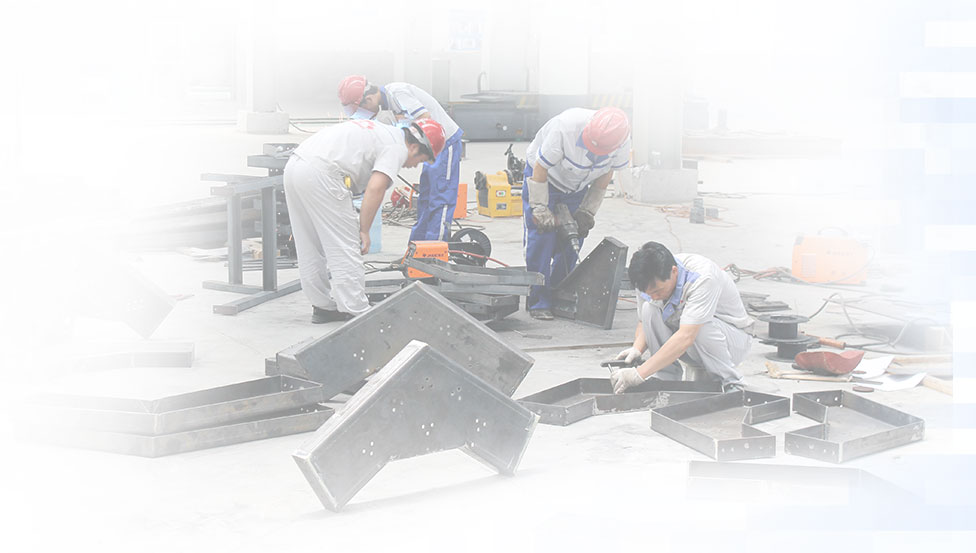
● Consulting
Customer Consultation
We want to have a deep understanding of your industrial process, to know your exact needs of feed, wood, biomass, fertilizer or other pellet processing.

● Design
biomass Pellet Plant Design
Based on your unique situation and industrial process, we will tailor complete pellet plant you need, and inform you of every additional detail that could facilitate operation, minimize total cost.
● Manufacturing
Equipment Manufacturing
The critical components of the of the complete pellet production line equipment are built in our own workshops in Asia. Additional equipment is manufactured by our worldwide network of reliable partners.

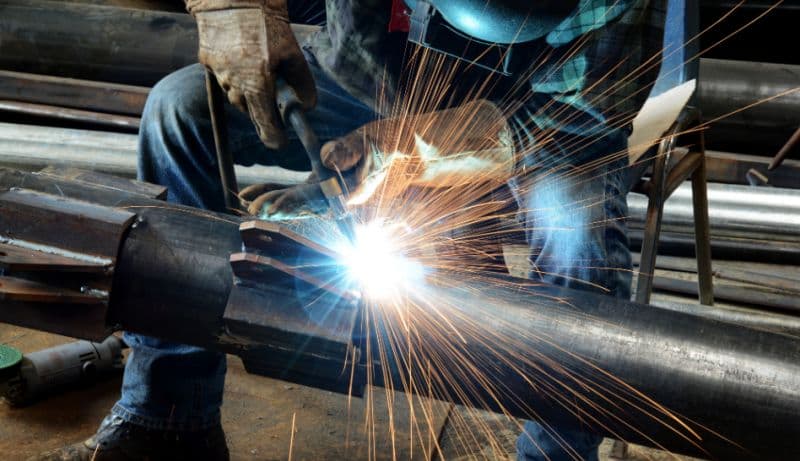
● Testing
Quality Inspection & Testing
Before leaving the factory, all equipment will be inspected by the quality inspection department. We can also provide customers with testing services from a single machine to a complete pellet plant system, and provide you with real actual data for “worry-free use.”

● Delivery
Equipment Delivery
In equipment boxing and packaging, we adopt professional packaging and modular solutions to ensure the safe and non-destructive delivery of pellet plant equipment.
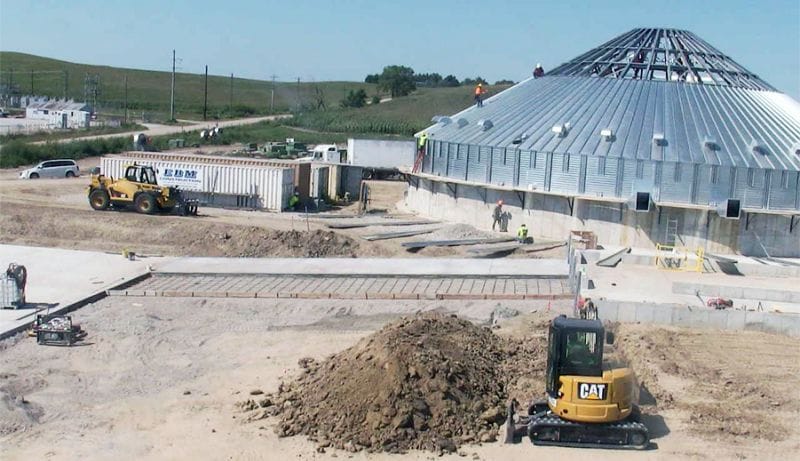
● Installation
Installation & Commissioning
Whether you choose your own subcontractor for the erection phase or you want to install everything together with us, a Richi supervisor will be around to make sure everything is mounted in a safe and thorough way.

● Training
Staff Training
We provide comprehensive training for the technicians of each project. We can also continue to provide support for the technicians during latter project operation.
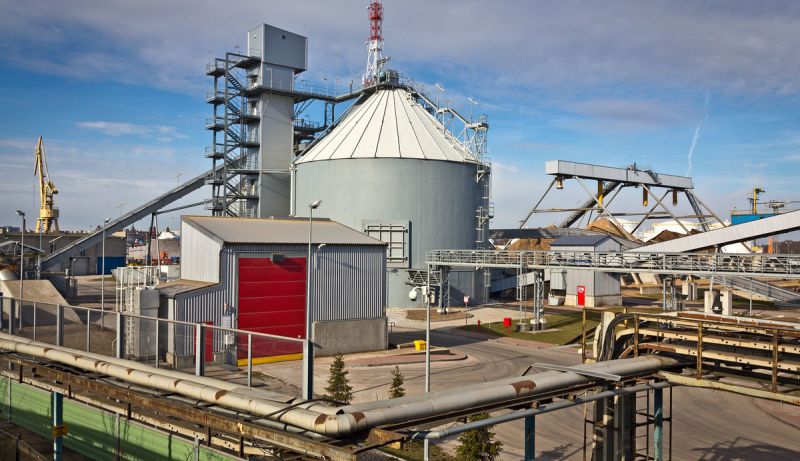
● After-sales
Project Follow-Up
When everything is up and running our Richiers will help you further whenever needed. We are ready to answer your call 24/7.We’ll also visit you regularly to learn about your needs.
Who we are
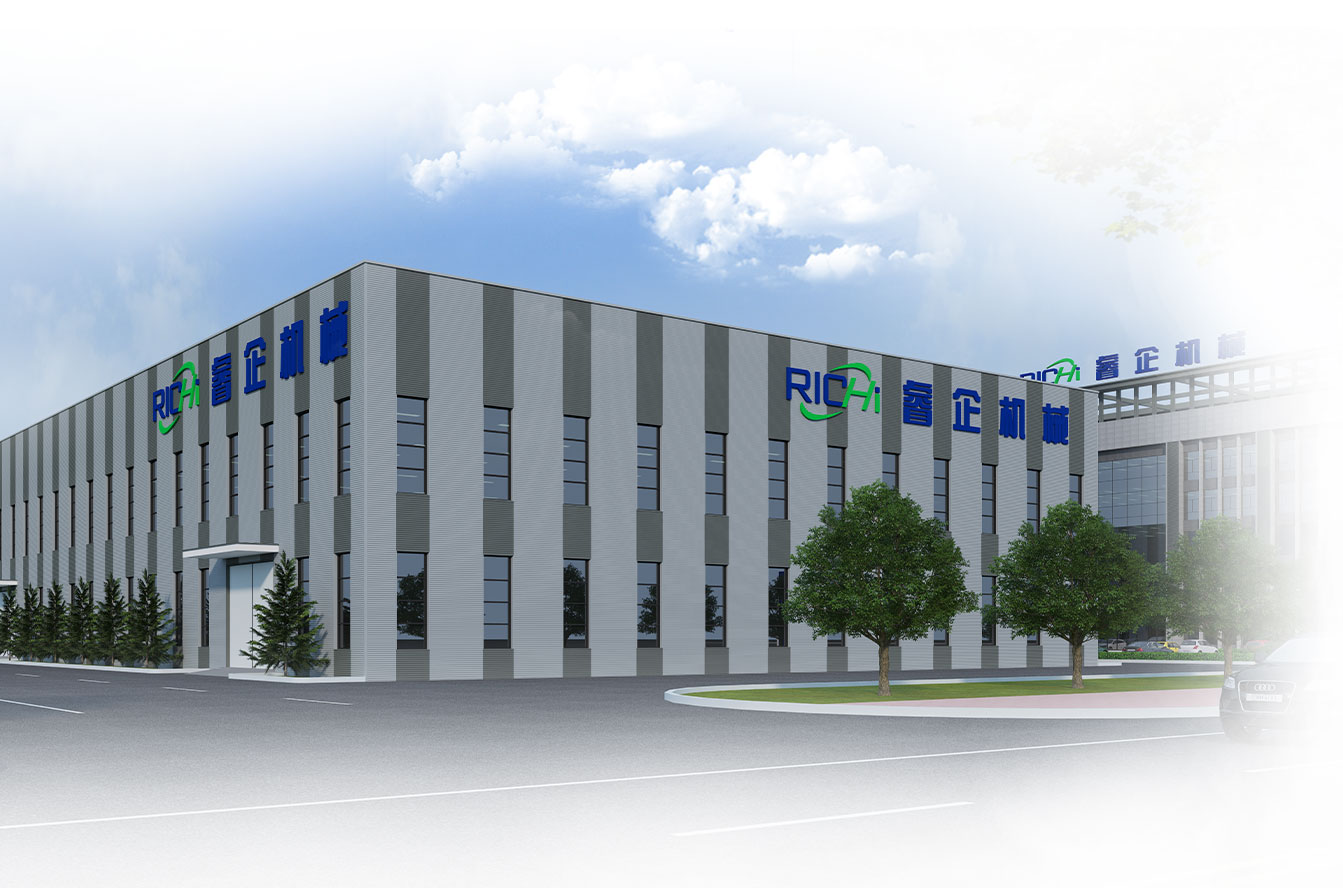
RICHI Machinery is one of the world’s leading suppliers of technology and services for the animal feed, aqua feed and pet food industries, also the largest pellet production line manufacturer in China.
Since 1995, RICHI’s vision to build a first-class enterprise, to foster first-class employees, and to make first-class contributions to society has never wavered.
In the past three decades, we have expanded our business to a wide range of areas, including animal feed mill equipment, aqua feed equipment, pet feed equipment, biomass pellet equipment, fertilizer equipment, cat litter equipment, municipal solid waste pellets equipment, etc.

1995
RICHI Established

2000+
Serving More Than 2000 Customers

120+
RICHI Employees

140+
Exported To 140 Countries