0086-138 3838 9622
Wood pellet production line in the Netherlands
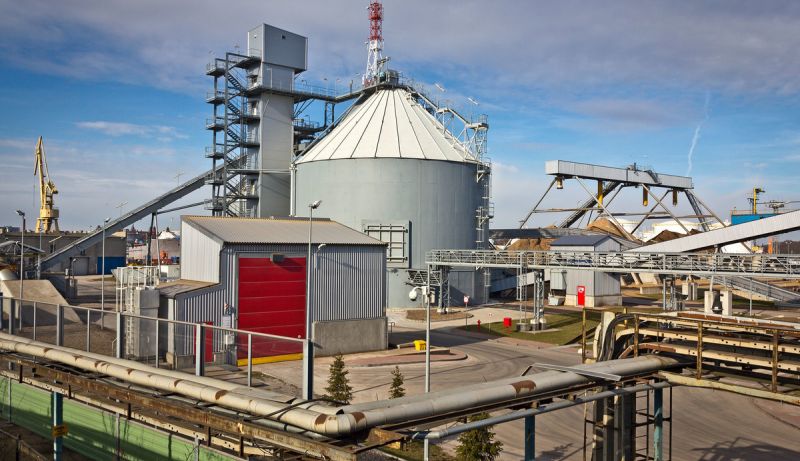
A greenhouse owner chose a 1–1.2 T/H wood-fuel line to process chips, shavings and small branches for heating use. The project pairs raw wood preparation and drying with one pellet press, cooling, screening and weighing, with fuel quality set by the greenhouse boiler’s requirements.

RICHI MACHINERY
A greenhouse owner looking for control over fuel supply
This wood pellet production line in the Netherlands was planned for a greenhouse owner who wanted to produce fuel for his own heating operation. The equipment choice followed the quantity of suitable wood available and the amount of pellet fuel the greenhouse could use.
The customer’s concern was the cost and availability of purchased energy. Bringing pellet production into the operation offered a way to manage part of that supply directly, provided the raw materials could be prepared consistently and the resulting fuel matched the heating equipment.
He commissioned an engineering consultant team to find a line suited to the greenhouse operation. Their task connected two requirements: preparing wood residues for the press and delivering a pellet the boiler could feed and burn reliably. Both influenced the eventual scale of the project.
For fuel-supply planning and cost control, the customer selected a fuel pellet plant rated at 1–1.2 T/H. RICHI supplied the wood pellet processing equipment around that design duty, including the preparation and finishing stages needed to turn suitable incoming wood into fuel ready for storage and use.
The capacity study initially included 1.5 T/H and 3.5 T/H options. The customer ultimately chose 1–1.2 T/H to suit the operating rhythm of the greenhouse. Choosing that scale still required a daily fuel balance: production can be scheduled in working hours while heating may continue through the night.
1–1.2 T/H
design capacity
US$167,080
project investment
The Netherlands
location
Wood fuel
project type
RICHI MACHINERY
Chips shavings and branches arrive in different conditions
The main raw materials selected by the customer were wood chips, shavings and small branches from local forestry and wood-handling activities around the greenhouse operation. Those names cover quite different physical materials: loose shavings may feed easily in one arrangement, while longer branches require size reduction first.
These raw materials have a wide distribution of particle sizes and different moisture contents. The front end of the wood pellet production line therefore needs to prepare a consistent press feed from separate incoming lots. Receiving checks establish the wood source, visible contamination, particle form and moisture before processing.
The greenhouse heating system calls for fuel with an agreed heating value and ash level. The customer’s raw-material screening and storage plan supports that requirement. Soil, stones and metal are removed before crushing; coated, treated or unidentified wood is kept out of the clean-wood recipe.
| Incoming wood | Preparation priority | Receiving check |
|---|---|---|
| Wood chips | Coarse reduction then fine grinding | Moisture and oversize pieces |
| Shavings | Steady metering and suitable grinding | Source and feeding behaviour |
| Small branches | Remove soil and reduce size | Bark stones and moisture |
Storage separates incoming wet wood, prepared material and finished pellets. Keeping rain and ground moisture away from dry feed reduces variation at the press. The receiving arrangement also needs room to inspect and handle branches without mixing rejected pieces into material already accepted for production.
RICHI MACHINERY
How the wood pellet production line in the Netherlands works
The project adopts a horizontal process layout with six principal sections: crushing, drying, pelleting, cooling, screening and packaging. Wood preparation supplies the press with suitable particles, and the finishing stages produce a cooled, graded fuel that can be weighed and moved into storage.
Wood receiving and inspection → size reduction and fine grinding → moisture preparation → MZLH420 pelleting → countercurrent cooling → screening → weighing and packing
The 30–50 mm wood-chip size in the preparation plan describes coarse incoming material. Fine grinding is still needed before pressing. Its capacity and screen selection follow the wood type, moisture and required particle distribution, so the coarse crusher’s discharge size cannot serve as the final press-feed specification.
Wet and dry deliveries place different loads on the rotary hot-air dryer. Moisture is checked at receiving and after drying, and the dryer is operated to the press-feed range agreed through wood trials. The heat supply is sized for water removal from the wettest accepted material at the intended throughput.
The selected main machine is one MZLH420 wood pellet machine, consistent with the 1–1.2 T/H reference duty on suitably prepared wood. Feed rate, ring-die specification and roller settings are matched to the material. The hourly planning figure is checked against the whole line’s accepted product after finishing.
Hot pellets pass through countercurrent cooling before final grading. The two-layer screen removes fines and broken material; pellet diameter comes from the die and length from cutting at the press. Compatible screened fines can return for reprocessing without being counted again as finished output.
The weighing and packing stage supports identifiable fuel batches and the handling format selected for the operation. Pellet moisture and temperature are checked before enclosed storage. Each transfer is arranged to limit breakage, since fines created after the screen still reach the boiler unless removed before use.
RICHI MACHINERY
Core equipment and its role in the greenhouse fuel project
| Equipment section | Purpose |
|---|---|
| Wood preparation system | Reduce chips and fine-grind wood |
| Rotary hot-air dryer | Adjust moisture before press feeding |
| One MZLH420 wood pellet mill | Form fuel from prepared wood |
| Countercurrent cooler | Lower temperature before storage handling |
| Two-layer vibrating screen | Grade pellets and recover fines |
| Automatic weighing and packing | Prepare weighed fuel batches |
The MZLH420 catalogue reference uses a 90 kW main motor. Electrical planning must also cover preparation equipment, dryer and cooler fans, conveying, screening and packing, including starting conditions. The press motor rating is one component of the connected load; dryer heat requires a separate thermal calculation.
An equipment layout for a greenhouse site needs access for grinder screens, die changes and cooler cleaning. Wood receiving, the dryer heat-source connection and finished-fuel removal are planned together with vehicle access. Storage capacity follows the production schedule, the fuel reserve and the bulk density of the material being held.
During commissioning, weigh cooled product over a recorded operating period and take representative fuel samples. Check the selected wood recipe for dimensions, moisture, fines, mechanical durability and heating value against the boiler specification. The accepted-product result establishes the working rate for the operating plan.
RICHI MACHINERY
Connecting pellet production hours with greenhouse heat demand
The pellet line’s rating is a mass flow. Greenhouse heating is a thermal duty that changes through the day and season. Connecting the two requires the productive hours, accepted fuel tonnage, as-received lower heating value and useful boiler efficiency, together with the greenhouse’s measured demand profile.
For a planning illustration, assume eight productive hours, a pellet lower heating value of 4.5 kWh/kg and 85% useful boiler efficiency on that heating-value basis. Cleaning and stops take additional time. All accepted pellets are allocated to the greenhouse boiler, and dryer heat is supplied separately. The calculation gives heat at the boiler water outlet before distribution losses.
| Illustrative balance | At 1 T/H | At 1.2 T/H |
|---|---|---|
| Eight-hour accepted fuel | 8 tonnes | 9.6 tonnes |
| Fuel energy at 4.5 kWh/kg | 36 MWh | 43.2 MWh |
| Useful boiler heat at 85% | 30.6 MWh | 36.72 MWh |
| Mean over 24 hours | 1.275 MW | 1.53 MW |
If the dryer burns a share of the pellets, subtract that fuel before calculating the quantity available for greenhouse heating or sale. Heat supplied from another source still has its own consumption and operating cost. The greenhouse allocation then allows for handling losses after screening and the required stock reserve.
These daily averages help compare a production schedule with fuel demand. Peak heating periods require their own boiler-capacity check. Pellet storage bridges production and consumption at different times, while any water heat buffer is selected as part of the heating-system design.
The heating plan uses an hourly load profile to set the fuel reserve, available backup heat and control arrangements. It also allows for cleaning and maintenance of both the pellet line and boiler. The grower can then plan how fuel stock and available heat sources will cover the greenhouse when equipment is out of service.
The customer also considered selling future surplus pellets to neighbouring agricultural cooperatives. For this biomass pellet production line, any saleable quantity would follow the greenhouse’s own fuel allocation, operating reserve and dryer-fuel needs. A separate fuel specification would be agreed for any cooperative buyer.
RICHI MACHINERY
An operating plan built around the greenhouse
For a similar greenhouse project, an itemised budget identifies the equipment, installation, electrical connections and dryer heat supply. The condition of incoming wood determines the preparation work included. Boiler and heat-distribution interfaces are listed alongside the pellet equipment so the buyer can review a connected project scope.
Straw, coconut shells and other fruit shells were considered as possible later materials. Each would need a separate preparation and pressing assessment, followed by acceptance for the intended burner. The wood recipe and hourly duty are established first; a different feedstock receives its own fuel and output specification.
RICHI’s equipment proposal followed the customer’s evaluation of different capacity options and the choice of a smaller greenhouse-oriented line. A useful specification keeps the material route, production hours and heating draw-off connected, so that raw wood deliveries, pellet production and fuel use can be scheduled together.
To plan a wood pellet production line in the Netherlands, send RICHI the available wood types, particle sizes, moisture results, expected daily fuel demand and boiler fuel specification. Include the intended production hours, heat source for drying and preferred handling format. We can then size the wood pellet line and prepare a layout with an itemised quotation.
● RICHI MACHINERY
RICHI Service

● Consulting
Customer Consultation
We want to have a deep understanding of your industrial process, to know your exact needs of feed, wood, biomass, fertilizer or other pellet processing.
● Design
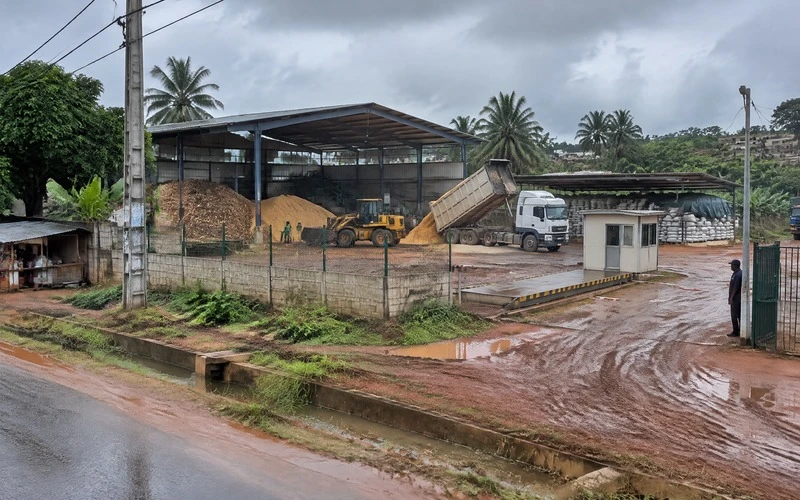
wood Pellet Plant Design
Based on your unique situation and industrial process, we will tailor complete pellet plant you need, and inform you of every additional detail that could facilitate operation, minimize total cost.
● Manufacturing
Equipment Manufacturing
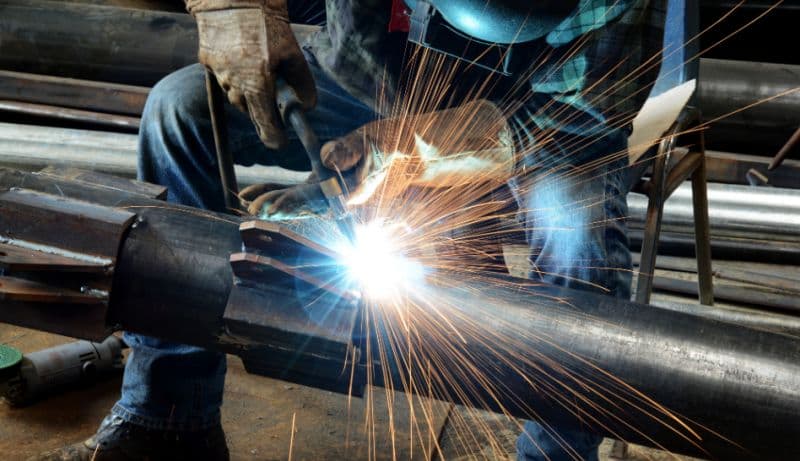
The critical components of the of the complete wood pellet plant equipment are built in our own workshops in Asia. Additional equipment is manufactured by our worldwide network of reliable partners.

● Testing
Quality Inspection & Testing
Before leaving the factory, all equipment will be inspected by the quality inspection department. We can also provide customers with testing services from a single machine to a complete pellet plant system, and provide you with real actual data for “worry-free use.”

● Delivery
Equipment Delivery
In equipment boxing and packaging, we adopt professional packaging and modular solutions to ensure the safe and non-destructive delivery of pellet plant equipment.
● Installation
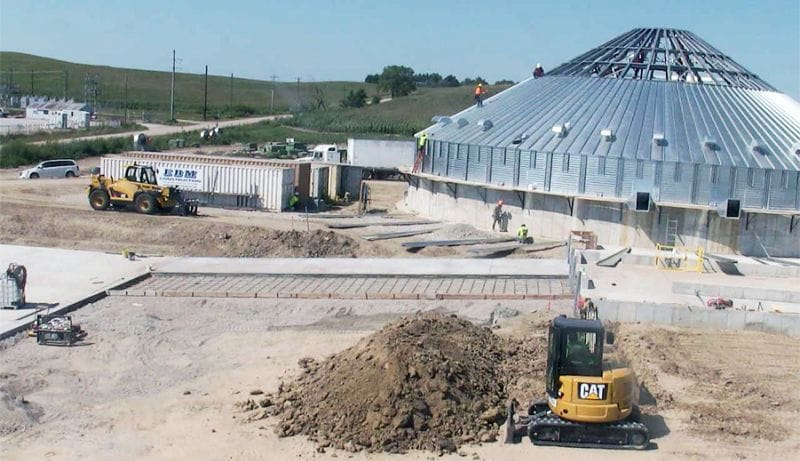
Installation & Commissioning
Whether you choose your own subcontractor for the erection phase or you want to install everything together with us, a Richi supervisor will be around to make sure everything is mounted in a safe and thorough way.

● Training
Staff Training
We provide comprehensive training for the technicians of each wood pellet production line in Netherlands project. We can also continue to provide support for the technicians during latter project operation.
● After-sales
Project Follow-Up
When everything is up and running our Richiers will help you further whenever needed. We are ready to answer your call 24/7.We’ll also visit you regularly to learn about your needs.
Who we are
RICHI Machinery is one of the world’s leading suppliers of technology and services for the animal feed, aqua feed and pet food industries, also the largest pellet production line manufacturer in China.
Since 1995, RICHI’s vision to build a first-class enterprise, to foster first-class employees, and to make first-class contributions to society has never wavered.
In the past three decades, we have expanded our business to a wide range of areas, including animal feed mill equipment, aqua feed equipment, pet feed equipment, biomass pellet equipment, fertilizer equipment, cat litter equipment, municipal solid waste pellets equipment, etc.

1995
RICHI Established

2000+
Serving More Than 2000 Customers

120+
RICHI Employees

140+
Exported To 140 Countries