0086-138 3838 9622
Hay straw pellet production line in Moldova
A forage-growing cooperative developed a drying enquiry into a hay-and-straw feed project, while retaining its existing horizontal baler. The pellet branch uses a nominal 3 T/H planning basis, with coarse forage kept separate from the fine-ground material entering the press.

RICHI MACHINERY
A dryer enquiry developed into two forage-handling routes
An agricultural cooperative in central Moldova signed the equipment purchase for this hay straw pellet production line in Moldova in July 2023. The customer already worked in forage growing and primary processing and wanted to offer both baled material and forage feed pellets.
The customer’s brief centred on seasonal forage handling and making use of equipment already at the site. A drying arrangement had to connect to the owned baler, while the added feed-pellet route needed the grinding, mixing and finishing equipment appropriate to its product.
3 T/H
pellet planning basis
US$142,660
equipment contract
Moldova
location
Forage feed
project type
RICHI MACHINERY
The customer already owned a horizontal baler
The initiator of the project was an investor with many years of agricultural experience. His cooperative was mainly engaged in forage planting and primary processing. Wheat straw, meadow hay and barley straw were the three material streams identified in the discussion.
Seasonal harvesting brings differences in moisture, maturity and physical form. The cooperative needed a receiving and preparation arrangement that could handle those differences while keeping forage lots identifiable. The intended animal-feed product also required suitable raw material quality throughout handling and storage.
When the customer first contacted us in November 2022, the request was for a biomass dryer described as 15 T/H, connected to a horizontal baler the business already owned. That figure belonged to the drying enquiry. Dryer selection depends on the incoming moisture, required outlet condition and whether the stated rate refers to wet feed or dried material.
As the discussion developed, the customer added a pelleting route for qualified forage and cereal straw. This extended the handling plan from drying and baling into grinding, mixing and feed-pellet production. Bales and pellets became separate product outlets, with their own preparation requirements.
The customer’s first enquiry described the existing equipment and the three materials:
“We would like to discuss with your team as a large project in Moldova:
The project specifics are as follows
15 T per hr biomass dryer. For drying, wheat straw, meadow hay, barley straw
This fryer needs to be connected to a horizontal baler (which we allready own)
You can contact me on email.
We would like to arrange a visit to your factory as well as working projects similar to our request”
RICHI MACHINERY
Three forage materials with different receiving checks
Wheat straw, meadow hay and barley straw came from the customer’s own and cooperating farms. Hay species are checked by lot, including any ryegrass or fescue in the supply. Crop maturity, storage history, moisture and feed-quality results guide the receiving decision.
| Material | Receiving focus | Feed role |
|---|---|---|
| Wheat straw | Moisture soil and mould | Cereal roughage ingredient |
| Meadow hay | Species maturity and storage | Forage with variable feeding value |
| Barley straw | Moisture awns and foreign matter | Cereal roughage ingredient |
The customer identified a wider farm-resource pool of up to 80,000 tonnes annually. The operating plan draws the quantity needed for baling and pelleting from that pool. Actual intake depends on collection, competing uses, moisture, storage and feed suitability; the regional resource estimate is separate from the pellet line’s annual output.
Feed analysis determines the proportions that can be used in a hay-and-straw blend. Cereal straw supplies roughage but is limited in protein and available energy. Keeping it separate from meadow hay at receiving allows a recipe to follow the actual ingredients, and preserves the option of selling or using suitable material as bales.
RICHI MACHINERY
Fine grinding belongs on the pellet branch
The hay straw pellet production line in Moldova uses a horizontal arrangement. Conveying connects the preparation and finishing stages, with access for cleaning, grinder-screen replacement and press maintenance. The baler connection is included in that layout without routing its material through the fine-grinding stage.
The biomass pellet production line arrangement links receiving, drying and conveying in a horizontal flow. A controlled discharge point directs suitable coarse forage to the baler, while the pellet route continues through finer preparation. The operating schedule allocates the shared front-end capacity between the two outlets.
The process follows the material’s condition and intended product:
- Receiving and coarse preparation. Bale opening or coarse chopping follows the form delivered to the yard. Foreign material is removed before downstream equipment. The fibre length at this stage remains compatible with the baling route; finer size reduction is reserved for the pellet lot.
- Moisture preparation. Naturally dried hay and straw that meet the selected route’s requirements use the dry route. Wetter forage goes through controlled drying. A provisional 12–15% wet-basis range guides preparation for the pellet route, with the final setting established for the blend and storage conditions.
- Product routing. The prepared coarse forage can pass to the existing horizontal baler after suitable cooling and moisture checks. Material assigned to pellets continues to the hammer mill. The baler’s acceptable feed form is checked directly, and shared upstream equipment is scheduled to suit the chosen outlet.
- Fine grinding and mixing. The hammer mill prepares forage for the die, and the double-shaft horizontal mixer brings the selected ingredients into a consistent blend. Formulation and particle preparation are separate duties. Batch weights and the complete mixer cycle must support the press-feed requirement.
- Forage-feed pelleting. One straw pellet machine is selected for the nominal 3 T/H planning duty on qualified feed material. Feeder arrangement, die specification and conditioning requirements follow that recipe. The press selection belongs to the forage-feed duty, with performance checked on the material intended for production.
- Cooling screening and weighing. Countercurrent cooling prepares the hot pellets for grading. The three-layer screen separates saleable product from fines and broken pieces. Compatible returns stay within the same feed programme; the accepted fraction proceeds to automatic weighing and packing.
The straw pellet plant uses a nominal 3 T/H planning basis on an agreed hay-and-straw feed recipe. Output is counted as cooled, screened product accepted for packing. Die selection, fibre preparation, moisture and recipe all influence the working rate, which is established during material trials and commissioning.
The dryer’s requested 15 T/H and the pellet branch’s planning duty describe different stages. Drying removes water, while the two outlets receive separately allocated material. Dryer throughput is therefore specified together with inlet and outlet moisture and evaporation duty; its tonnage is not added to pellet output.
RICHI MACHINERY
Equipment arranged around the two product outlets
The core equipment connects preparation, drying where required, mixing, pelleting and product finishing. The customer’s horizontal baler remains an existing machine at its own outlet. Its inlet size, fibre requirements and operating rate are checked alongside the new preparation interfaces.
| Equipment or interface | Quantity | Role |
|---|---|---|
| hay pellet machine | 1 press | Pellet branch at agreed duty |
| Drum hot-air dryer | 1 unit | Wet-lot moisture preparation |
| Double-shaft horizontal mixer | 1 unit | Blend selected feed ingredients |
| Hammer mill | 1 unit | Fine grinding on pellet branch |
| Countercurrent cooler | 1 unit | Cool pellets before grading |
| Three-layer vibrating screen | 1 unit | Grade pellets and recover fines |
| Automatic weighing and packing | 1 unit | Weigh accepted product |
| Customer’s horizontal baler | Existing | Separate coarse-forage outlet |
Dryer heat, electrical supply, material transfer and controls complete the equipment interfaces. Mixer capacity is checked over the complete filling, mixing and discharge cycle; cooler, screen and packing duties follow accepted pellet flow. A press nameplate alone does not establish the capacity of the connected line.
RICHI MACHINERY
Feed pellets and bales have different product specifications
The pellet product is a forage ingredient made from accepted hay and cereal straw. Its use in a ration follows nutritional assessment of the blend and the animals being fed. Pelleting changes handling and physical form; the finished ration still needs the required protein, energy, minerals and effective fibre.
| Product direction | Specification focus |
|---|---|
| Hay-and-straw forage pellets | Ingredients feeding value and pellet quality |
| Baled hay or straw | Fibre form moisture and bale handling |
| Other suitable crop-feed mixtures | Feed assessment recipe and own output |
Other crop residues, including suitable corn or bean stalks, require their own feed assessment and preparation settings. A new lot is qualified for the intended recipe before routine use. Feed batches retain a known ingredient list, with storage and handling arranged to keep the selected materials identifiable.
RICHI MACHINERY
Scheduling pellets and bales around seasonal deliveries
The cooperative’s collection and storage schedule links farm deliveries to the two processing routes. Straw availability follows the grain harvest, while hay quality depends on cutting and drying conditions. Covered storage, stock rotation and lot identification help the operator select material for each product order.
For a scheduling illustration, assume the pellet branch sustains 3 T/H of accepted output for 250 operating days. The schedules below use productive hours; cleaning, start-up and stoppages take additional time. The resulting quantities help plan pellet orders and the corresponding ingredient requirement.
| Illustrative pellet schedule | Daily output | Annual output |
|---|---|---|
| 8 productive hours over 250 days | 24 tonnes | 6,000 tonnes |
| 16 productive hours over 250 days | 48 tonnes | 12,000 tonnes |
Wet intake is budgeted from the measured dry matter in the accepted material. Baled deliveries, pellet ingredients, rejected material and screened returns remain separate in the balance. A large farm-resource pool can support collection choices and other outlets without implying that every tonne passes through the pellet press.
The baling outlet is taken before fine grinding. Material leaving any heated preparation stage is brought to the temperature and moisture condition accepted for baling and storage. Shared drying and conveying time is allocated between the outlets, with each product recorded at its own weighing point.
RICHI MACHINERY
Layout support and the next forage-feed enquiry
The purchase covered the core processing equipment, with the customer’s baler retained in the arrangement. Electrical connections, dryer heat supply and installation interfaces form part of the site planning, with their supply boundaries identified in the equipment schedule.
Our engineering team provided on-site layout planning, equipment commissioning guidance and operation training. Operating checks link each recipe to its moisture condition, feeder setting, pellet quality and accepted output. Records for the bale outlet and pellet outlet keep their material use and production quantities distinct.
Feed-buyer contacts in Romania and Bulgaria formed part of the commercial discussions. Product descriptions follow the actual ingredients and feeding purpose, with each buyer’s specification agreed before supply. The cooperative’s own material allocation determines how much can be offered in each product form.
For a hay straw pellet production line in Moldova, send RICHI the crop types, loose or baled form, moisture results, intended feed product and required pellet rate. Include the model and inlet requirements of any existing baler. These details allow us to specify the preparation route, press selection and equipment interfaces in one connected proposal.
● RICHI MACHINERY
RICHI Service

● Consulting
Customer Consultation
We want to have a deep understanding of your industrial process, to know your exact needs of feed, wood, biomass, fertilizer or other pellet processing.

● Design
hay straw Pellet Plant Design
Based on your unique situation and industrial process, we will tailor complete pellet plant you need, and inform you of every additional detail that could facilitate operation, minimize total cost.
● Manufacturing
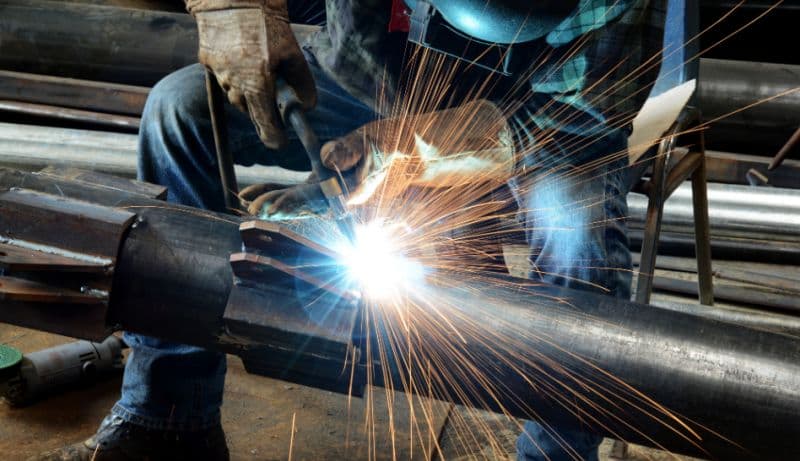
Equipment Manufacturing
The critical components of the of the complete pellet production line equipment are built in our own workshops in Asia. Additional equipment is manufactured by our worldwide network of reliable partners.

● Testing
Quality Inspection & Testing
Before leaving the factory, all equipment will be inspected by the quality inspection department. We can also provide customers with testing services from a single machine to a complete pellet plant system, and provide you with real actual data for “worry-free use.”

● Delivery
Equipment Delivery
In equipment boxing and packaging, we adopt professional packaging and modular solutions to ensure the safe and non-destructive delivery of pellet plant equipment.
● Installation
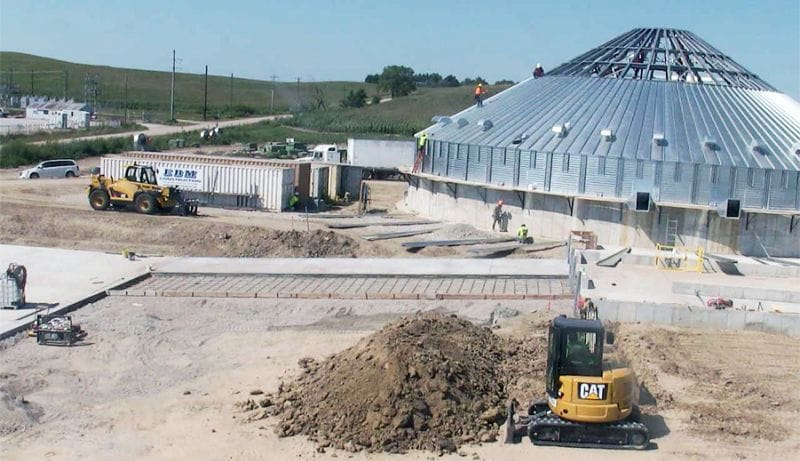
Installation & Commissioning
Whether you choose your own subcontractor for the erection phase or you want to install everything together with us, a Richi supervisor will be around to make sure everything is mounted in a safe and thorough way.

● Training
Staff Training
We provide comprehensive training for the technicians of each hay straw pellet production line Moldova project. We can also continue to provide support for the technicians during latter project operation.
● After-sales
Project Follow-Up
When everything is up and running our Richiers will help you further whenever needed. We are ready to answer your call 24/7.We’ll also visit you regularly to learn about your needs.
Who we are
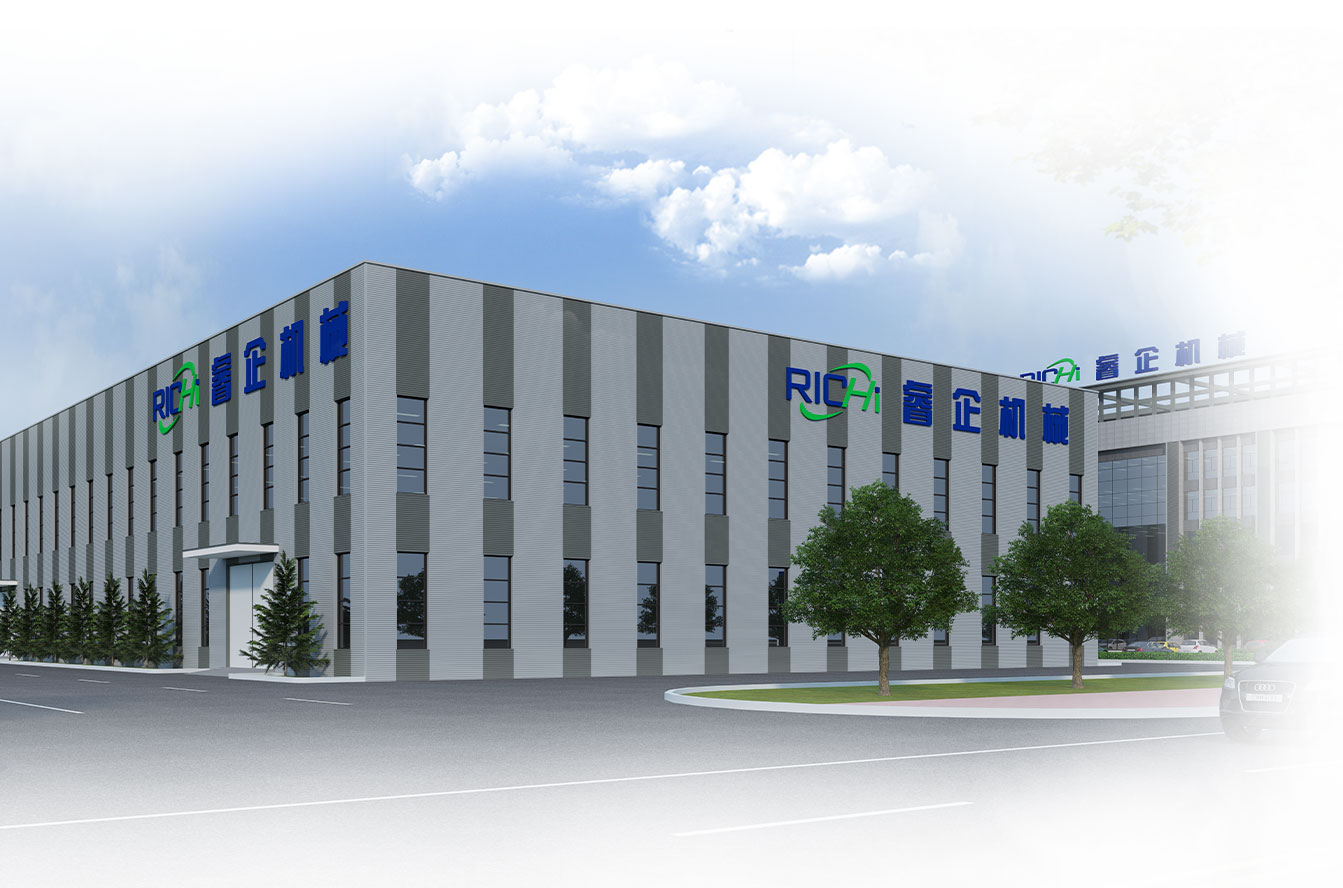
RICHI Machinery is one of the world’s leading suppliers of technology and services for the animal feed, aqua feed and pet food industries, also the largest pellet production line manufacturer in China.
Since 1995, RICHI’s vision to build a first-class enterprise, to foster first-class employees, and to make first-class contributions to society has never wavered.
In the past three decades, we have expanded our business to a wide range of areas, including animal feed mill equipment, aqua feed equipment, pet feed equipment, biomass pellet equipment, fertilizer equipment, cat litter equipment, municipal solid waste pellets equipment, etc.

1995
RICHI Established

2000+
Serving More Than 2000 Customers

120+
RICHI Employees

140+
Exported To 140 Countries